The smart TV is a fixture in most houses, variously an entertainment portal, corporate data gathering tool, or sometimes an outright spy. It’s a nice monitor with a computer built in, so can that computer be released to do something else? It’s a question [Xen’on] is answering, on an Android-based TV.
The guide is not too different from many others relating to Android phones, with a few quirks. An Android Debug Bridge (ADB) connection is established, root access is gained using Shizuku, and then it’s a case of installing a more conventional Linux front end with the Openbox window manager through Termux. There are some TV-specific things to do with handling power cycles, but the TV is now a usable Linux box.
It’s always good to see someone retrieve the Linux underneath a locked-down device, but the system spec tells the real story. By the looks of things this TV is a few years old as it had an Android version that’s a bit long in the tooth, and thus it also packs an aged version 4.x kernel. Couple that with a more seat-of-your-pants experience compared to a regular distro where many of the annoyances are taken care of, this isn’t an easy route to a trouble free desktop. Instead it has a lot of potential for making the TV what it was intend to be, an entertainment device. Merely one that gives much more software freedom.
Most loudspeaker launches arrive with a familiar recipe: a slim bass reflex cabinet, some reassuringly expensive looking binding posts, and a promise that the laws of acoustics have finally been fired for incompetence. The Etude Tri Linear Array, or ETLA, takes a different route.
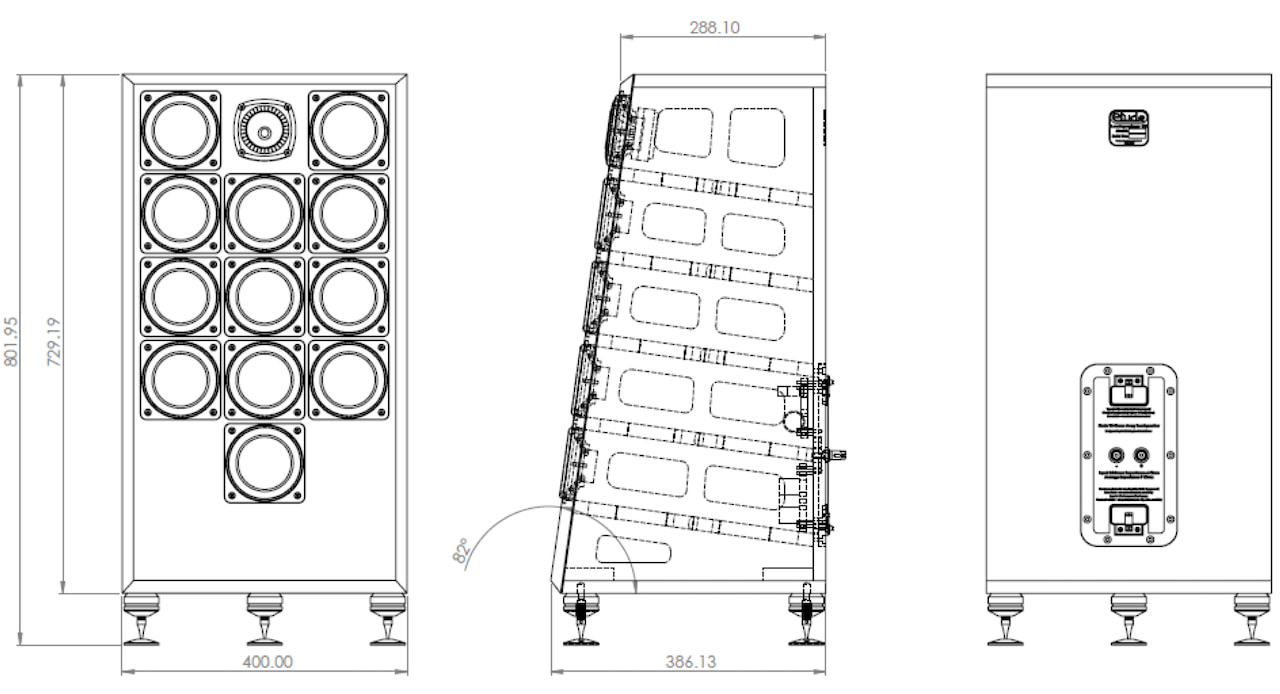
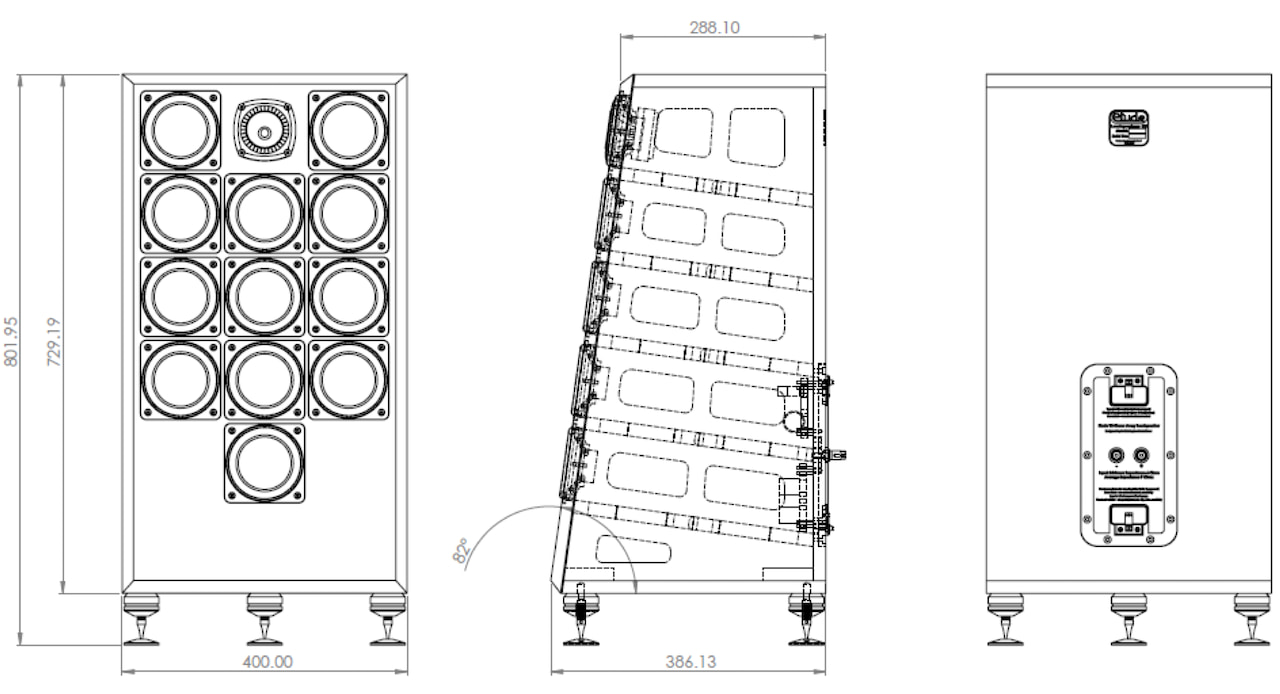
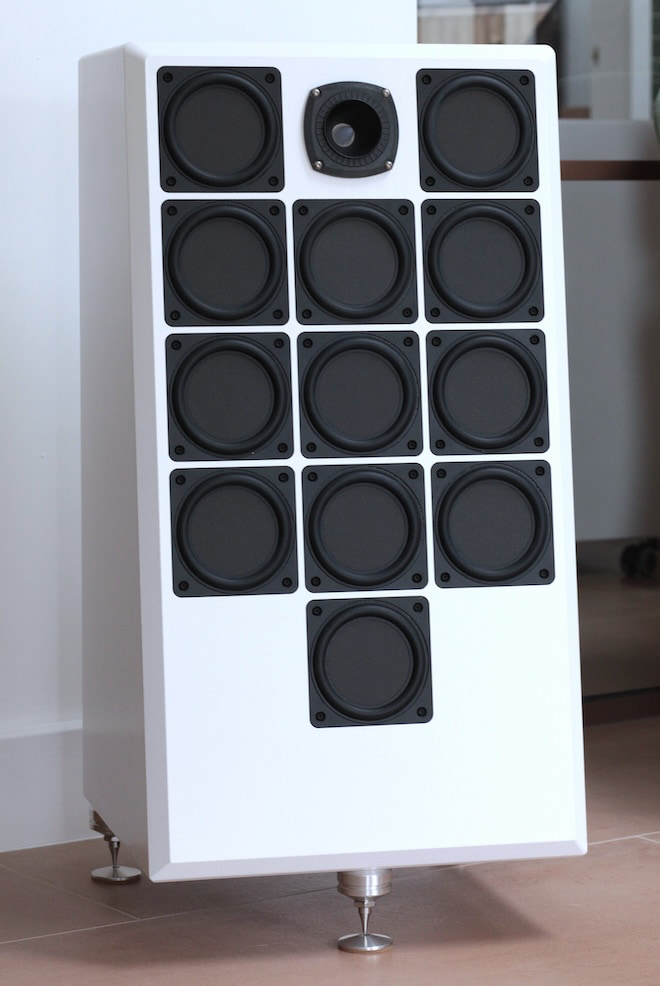
CML Music will launch the ETLA at the North West Audio Show 2026 in Cheshire. It is a sealed, boundary loaded floorstander built around twelve 85mm Balanced Mode Radiator drivers, a compression tweeter, and a cabinet designed to work close to the rear wall rather than demand that the rest of the room move out.
The ETLA is not a conventional narrow tower. At 760mm tall, 400mm wide, and 386mm deep (29.9 x 15.7 x 15.2 inches), it is a deliberately broad shouldered loudspeaker with an angled baffle intended to align the drivers with a seated listener. Its three vertical arrays of four BMR drivers share one sealed internal volume, while a compression tweeter above the central array begins contributing from approximately 4 to 5kHz through a second order roll in.
Etude claims sensitivity of approximately 99dB/W under its stated 600Hz measurement condition, with a nominal 8 ohm impedance and 240 watt programme power handling. The goal is clear: real output and dynamic freedom from amplifiers with modest power reserves, including single ended valve designs. The company says amps above 3 watts should be sufficient in an average UK sized room.
Advertisement
That may sound like the sort of thing normally claimed by a man in sandals selling a horn loudspeaker the size of a Fiat Panda, but the published impedance and EPDR data suggest the ETLA has been designed to be a relatively benign load.
Anyone see my Wavelength Audio Duetto?
Boundary Loaded and User Adjustable
The ETLA is voiced for boundary placement, meaning it is intended to sit relatively close to the wall behind it. Etude says the sealed system is tuned for even bass response to around 50Hz before room reinforcement extends the claimed in room reach to 32Hz at minus 6dB. Its published 32Hz to 20kHz response figure is based on sixth octave pink noise measurements in the designer’s listening room, so it should be treated as useful context rather than a standardized anechoic result that you can take to the bank.
There is also more user control than one normally expects from a £3,000 loudspeaker. The two outer BMR arrays can be rolled off or stepped down to adjust the depth of the presence dip and horizontal dispersion. Owners can also alter the compression tweeter level through solderless resistor changes at the rear of the cabinet. This is either a genuinely useful way to tailor the ETLA to a real room or an excuse to lose an entire Saturday behind the speakers with a flashlight and a growing distrust of resistor values. Probably both. It certainly beats taking the kids to the park or joining the weekly grocery expedition. And if that answer gives you pause, perhaps call the therapist before ordering anything with binding posts.
The cabinet uses 18mm CNC machined, high density exterior grade MDF with internal bracing and no fibre or foam damping material. CML Music specifies crossover parts from Jantzen, Clarity Cap, Bourns, Customcoilsnstuff, and Vishay, with the network boards mounted on elastomeric isolators. Standard finish is satin crackle, with piano lacquer and veneer upgrades available.
Advertisement
Why the BMR Array Matters
The ETLA’s twelve 85mm Balanced Mode Radiator drivers are not conventional midrange units. At lower frequencies, they move like normal speaker cones. Higher up, the surface of each driver is designed to flex in a controlled way, helping it reproduce a wider range of frequencies and spread sound more evenly around the room than a typical small cone. Etude uses the drivers as a high-sensitivity array, handing off to its compression tweeter above the usual midrange crossover region rather than in the middle of the vocal range.
Etude has not identified the BMR manufacturer or exact model used in the ETLA, so it would be misleading to assign the drivers to a specific supplier. BMR technology itself is well established and appears in products from brands such as Cambridge Audio, but Etude’s application is rather different: twelve small wideband drivers arranged as a high-sensitivity array in a sealed, boundary-loaded floorstander, crossed to a compression tweeter above the usual 2kHz to 3kHz vocal range.
Advertisement. Scroll to continue reading.
8 Watts of 300B Power at Cranage
At the show, the ETLA will be demonstrated in Room 142 with Super Natural Audio electronics, including an 8 watt per channel 300B single ended triode integrated amplifier, plus the company’s valve DAC and preamplifier. Analog playback will come from the Clipaudio Dolomite turntable and Nine Wave titanium tonearm, fitted with an Ortofon Cadenza Bronze and partnered with an EAR Yoshino 834 phono stage.
Advertisement
CML Music says the ETLA will sell direct for £3,000 per pair in satin crackle finish with M8 polypropylene tipped furniture gliders. A grille has been designed, but its price is not final; the current estimate is an additional £200 per pair. The company has not announced North American distribution, U.S. pricing, or a final retail availability date. Its own release note also states that specifications and component choices remain subject to change.
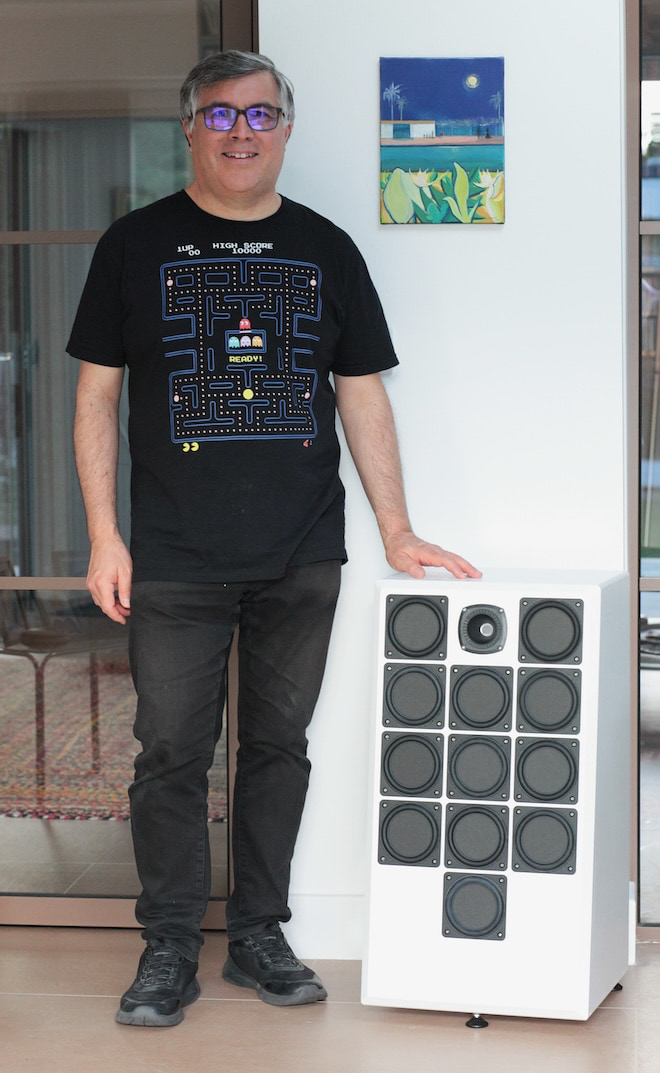
Dr Christopher Mark Liauw (Etude founder and designer) with ETLA Loudspeaker.
The Bottom Line
The ETLA is unusual because it combines a sealed, near wall friendly cabinet with 12 BMR drivers, claimed 99dB sensitivity, and compatibility with low powered 300B amplifiers. At £3,000 per pair, it is an ambitious alternative to the usual slim reflex tower. Whether it delivers real bass, scale, and dynamic ease outside its designer’s room remains the only question that matters.
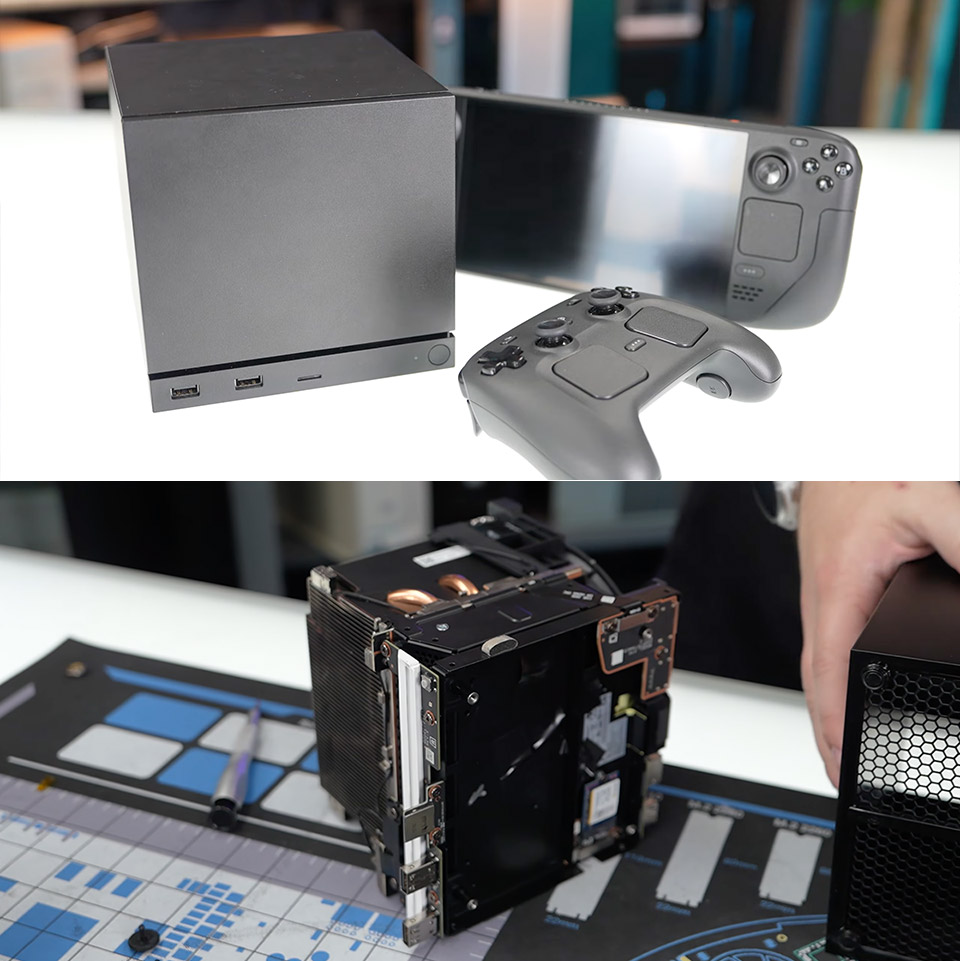
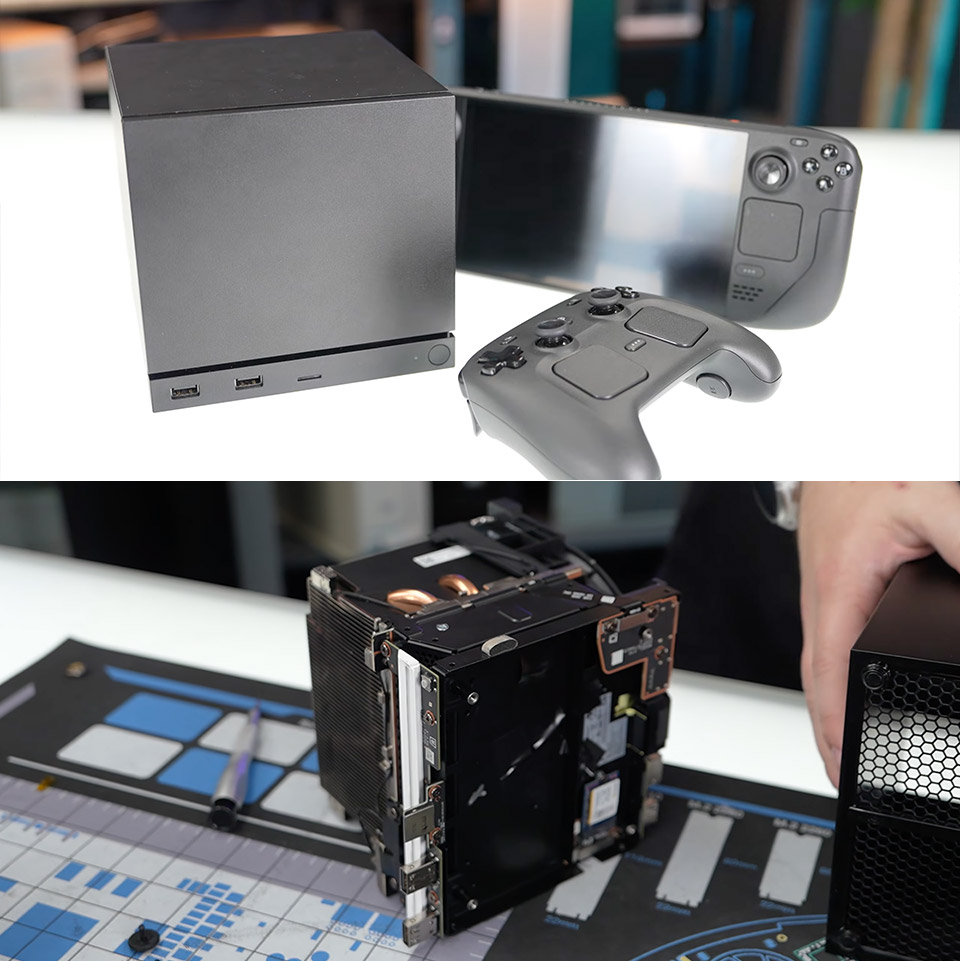
Valve released its Steam Machine as a compact desktop-style gaming system aimed at living room use with SteamOS. Even before units reached buyers, Gamers Nexus pulled one apart on camera and shared a detailed look at the internal layout, component choices, and assembly decisions.
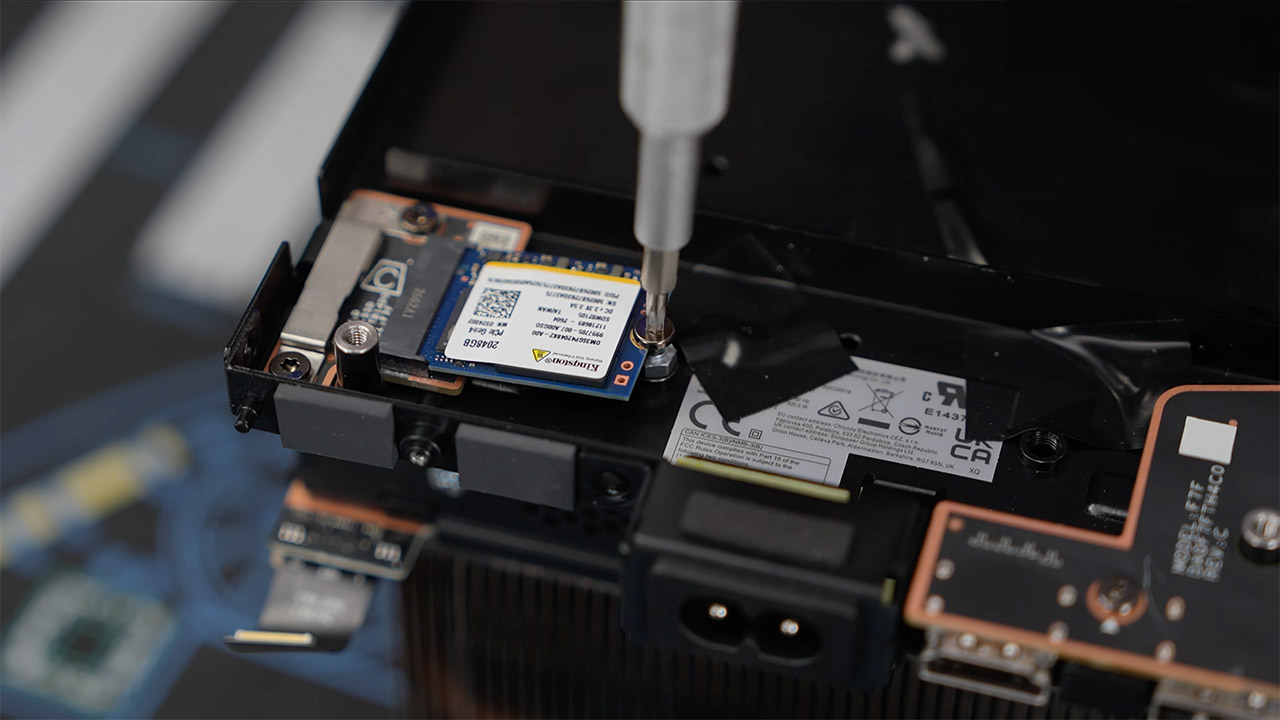
Opening the chassis begins with simple steps that minimize the frequent difficulties of concealed clips or glued panels. After removing a few nuts, the front part lifts out. A hinged piece at the bottom is beneficial, and only a few screws are located at the back top edge. Once inside, the solid-state drive is visible and secured by captive Torx screws. There are no prying tools or delicate plastic tabs in the way. Feet on the bottom attach through rubber with screws rather than adhesive, ensuring that the replacement is clean and damage-free.
High-Performance Computing: Harness the power of the AMD Ryzen Z2 Extreme processor to effortlessly handle demanding tasks. Enjoy reliable…
Simplistic Design: Enjoy the latest generation of Windows 11 Home for your everyday needs. MSI recommends Windows 11 Pro for business use.
Perfection Through Anthropometry: As a handheld device, Claw has achieved the optimal balance between its grip and weight. We have meticulously…
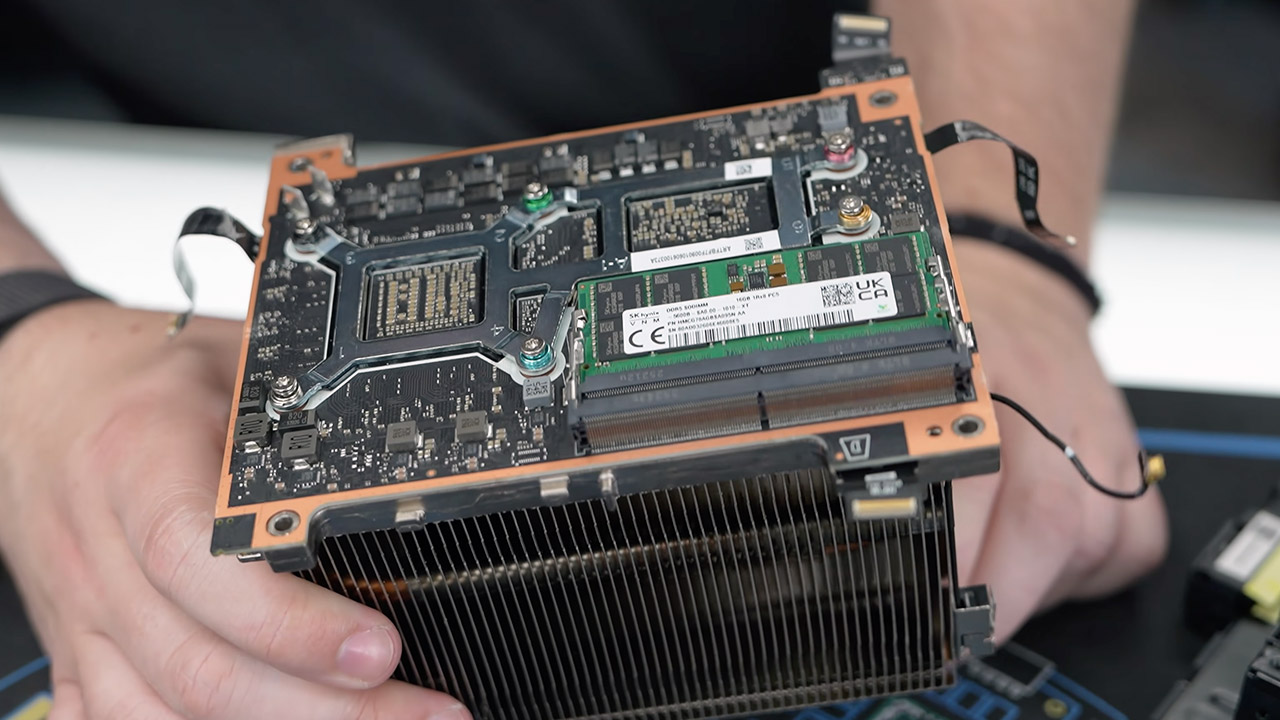
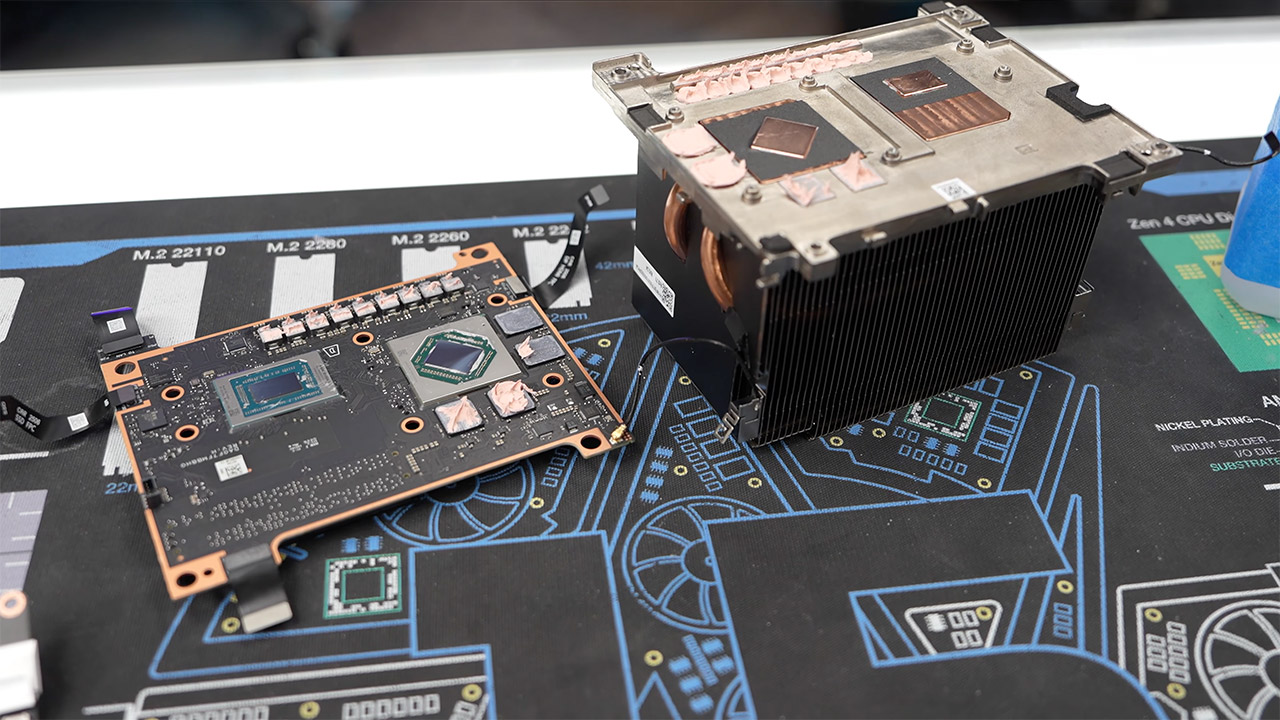
The mainboard stands out due to the amount of gear packed into such a small space. Digital Foundry examined photos from the teardown and described the board as a masterpiece of miniaturization. It’s comparable to Pico-ITX dimensions and substantially smaller than standard Mini-ITX boards, which measure 170 by 170 millimeters. An AMD CPU is at one end, and a graphics chip is at the other, both of which are covered in thermal paste during assembly. Four 2-gigabyte VRAM modules are located directly around the graphics processor. On the other side of the board, a single 16-gigabyte DDR5-5600 SODIMM module occupies one slot, leaving the second slot free for future upgrades. A unified backplate protects both major CPUs from the back.
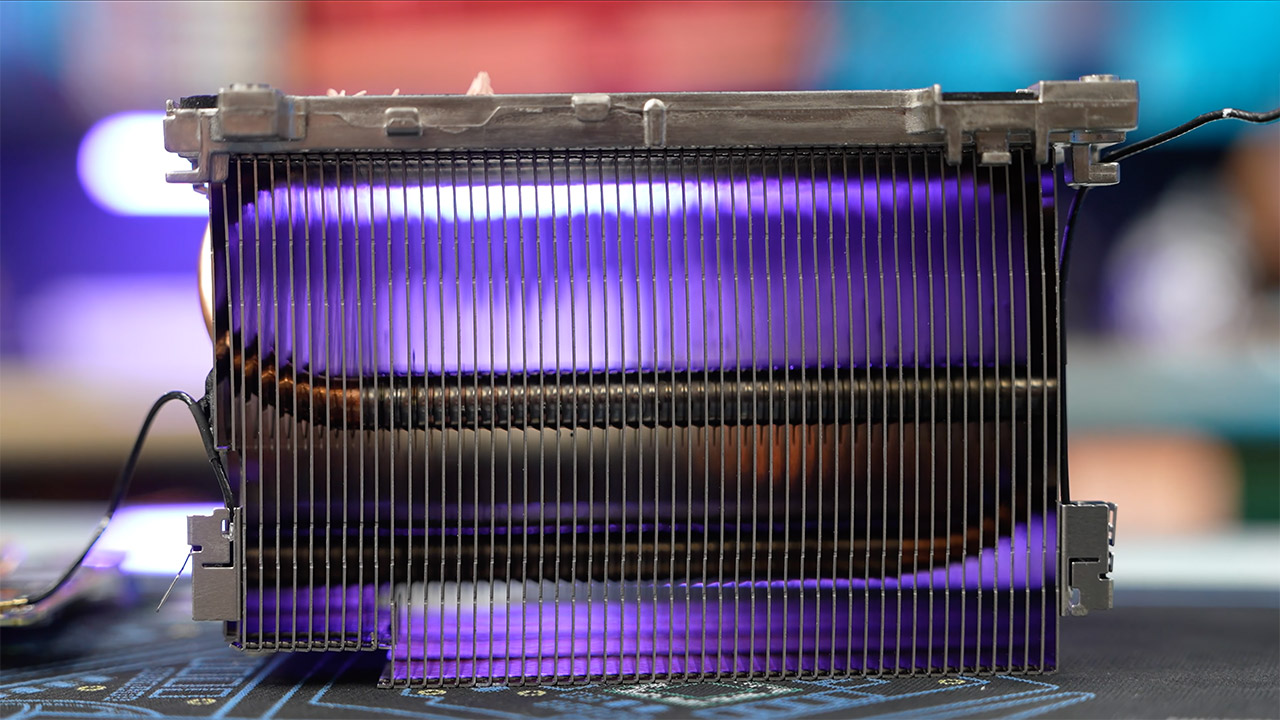
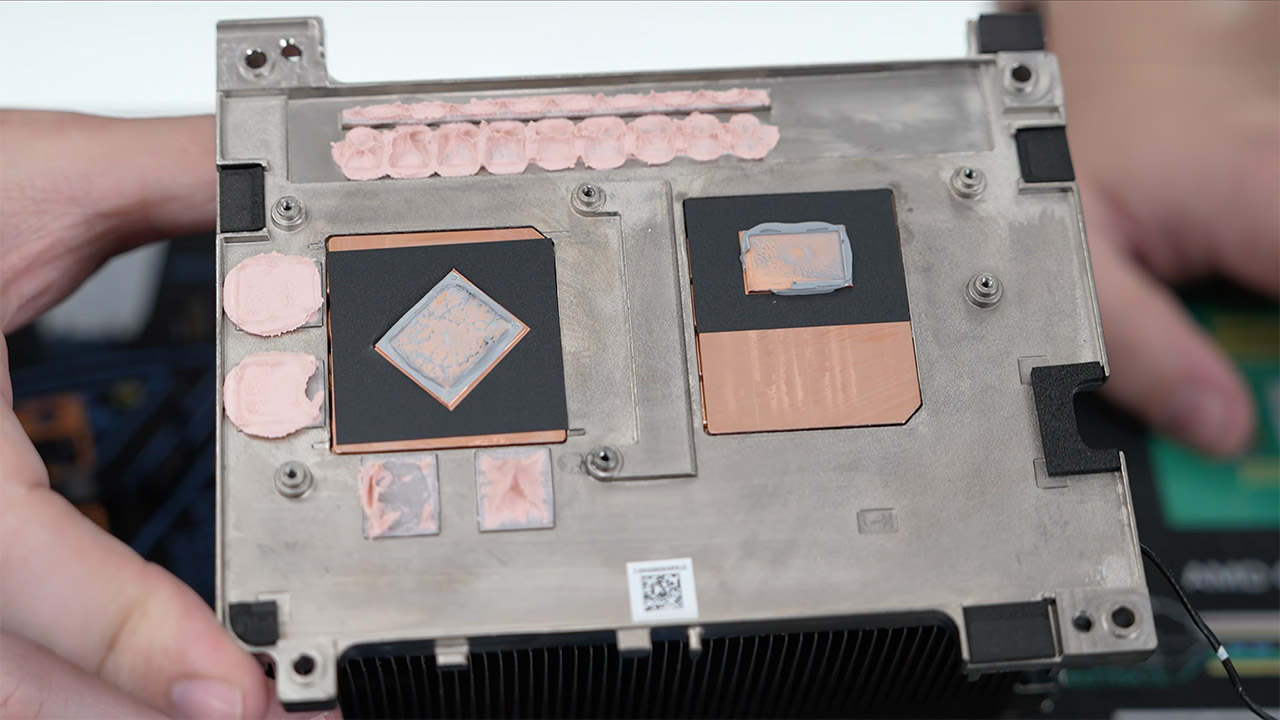
Cooling gets its own special treatment, with a custom fan sporting seven thick blades installed against a tall, vertically oriented fin stack in server architecture. The fins’ wide spacing decreases airflow resistance, while the blade shape prioritizes pressure to propel air through the dense stack. Thick heat pipes transport heat from processors to a copper sink. To increase contact across tight gaps, assemblers utilized thermal putty instead of hard pads on inductors, memory chips, and MOSFETs. Despite the fact that the machine is very small, the total system keeps temperatures under control.
Access to memory follows a similar practical approach, with the single installed stick usually accessible without removing the entire heat sink. Some wires are bonded to the fin stack for compactness, as stated briefly during the disassembly. Still, the process remains far simpler than many other compact systems or consoles. Storage swaps prove even more straightforward once the outer shell is off.
Labeling and documentation stand out as deliberate decisions. QR codes, plain text descriptions, revision numbers, directional arrows, and color-coded fasteners are employed throughout the inside. The numbers on the steps relate to the printed or screen-displayed instructions. The method is comparable to the repair-oriented thinking Valve used on the Steam Deck and previous controllers. According to Gamers Nexus, when it comes to critical components, the computer is easier to repair than most major game consoles, including the PlayStation 5.
An internal power supply handles system needs through a custom blade-style connector. For safety reasons, the unit remains sealed, as is usual of high-voltage components. Input and output connectors are located on a separate board that also houses the display and wired networking capabilities. Some port sections appear modular, which may make repairs easier if a connector is damaged over time. Antennas are directly affixed to the fan frame, providing dependable WiFi and Bluetooth range without adding bulk.
Prime Day 2026 is winding down, and now is the time to snap up some of the lowest prices of the year before Apple’s Mac and iPad price increases hit Amazon.
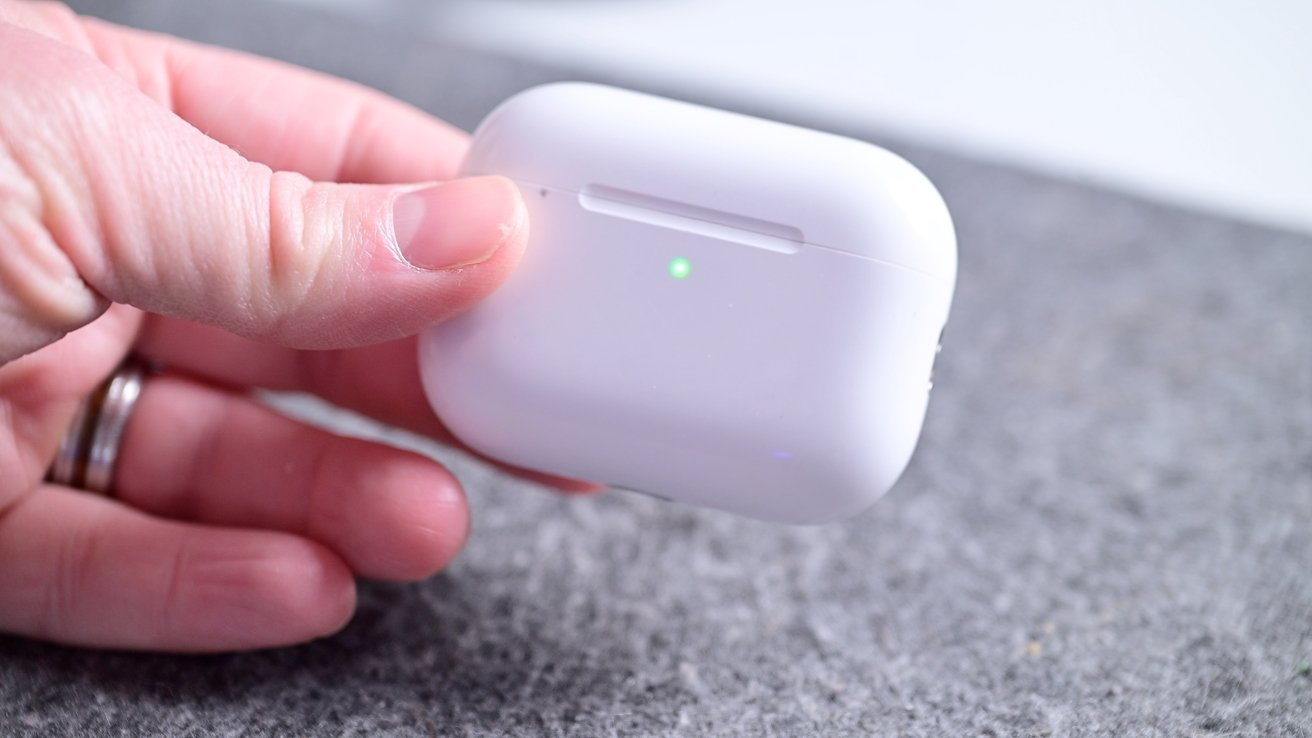
AirPods Pro 3 are down to $179 on the last day of Prime Day.
Advertisement
AirPods prices have dipped to as low as $99 as Prime Day nears an end, with AirPods Pro 3 coming in as a top-seller this Prime Day.
Prime Day AirPods deals
AirTag 2 on sale from $24
Apple’s AirTag 2 has received the first material discount for Prime Day.
Apple’s second-generation AirTag has been priced at MSRP since its release, but Amazon issued a material discount on both the single pack and 4-pack for Prime Day.
Prime Day AirTag 2 sale
iPads as low as $299
Apple’s entire iPad line is marked down during Prime Day.
Advertisement
You can score deals from just $299 in our iPad Price Guide, with a blowout iPad Pro discount of $250 off still available.
Apple Watch Series 11 prices have dipped to as low as $279.
Day 4 of the Prime Day shopping event is seeing even more Apple Watch deals sell out, but the popular $120 discount on the Series 11 is still available.
42mm Apple Watch Series 11 GPS (Aluminum Case, Sport Band): $279 ($120 off)
42mm Apple Watch Series 11 GPS + Cellular (Aluminum Case, Sport Band): $379 ($120 off)
42mm Apple Watch Series 11 GPS + Cellular (Titanium Case, Milanese Loop Band): $639 ($160 off)
46mm Apple Watch Series 11 deals
46mm Apple Watch Series 11 GPS (Aluminum Case, Sport Band): $309 ($120 off)
46mm Apple Watch Series 11 GPS + Cellular (Aluminum Case, Sport Band): $399 ($130 off)
Apple Watch SE 3 discounts
Apple Watch Ultra lowest prices
MacBooks as low as $589
Save up to $300 on MacBooks with Prime Day deals.
Apple raised MacBook prices today, but these Prime Day deals are still available. Compare prices across dozens of configurations in our Mac Price Guide.
Latest MacBook Neo savings
Prime Day MacBook Air deals
Blowout MacBook Air sales from $789
13″ MacBook Air M4 (16GB RAM, 256GB SSD, Restored): $789 ($210 off) at Walmart
Top 14-inch MacBook Pro discounts
14″ MacBook Pro M5 (10C CPU, 10C GPU, 16GB, 1TB, Standard Display): $1,549 ($450 off)
14″ MacBook Pro M5 (10C CPU, 10C GPU, 24GB, 1TB, Standard Display): $1,749 ($450 off)
14″ MacBook Pro M5 Pro (15C CPU, 16C GPU, 24GB, 1TB, Standard Display): $2,034 ($465 off)
14″ MacBook Pro M5 Pro (15C CPU, 16C GPU, 24GB, 2TB, Standard Display): $2,399 ($600 off)
14″ MacBook Pro M5 Max (18C CPU, 32C GPU, 36GB, 2TB, Standard Display): $3,299.99 ($799 off)
Best 16-inch MacBook Pro sales
16″ MacBook Pro M5 Pro (18C CPU, 20C GPU, 24GB, 1TB, Standard Display, Space Black): $2,494 ($505 off)
16″ MacBook Pro M5 Max (18C CPU, 32C GPU, 36GB, 2TB, Standard Display): $3,649 ($750 off)
16″ MacBook Pro M5 Max (18C CPU, 40C GPU, 48GB, 2TB, Standard Display, Space Black): $4,149 ($850 off)
OLED TVs up to $700 off
Save up to $700 on OLED TVs.
Advertisement
OLED TVs from LG, Samsung, and Sony are heavily discounted during the sale event.
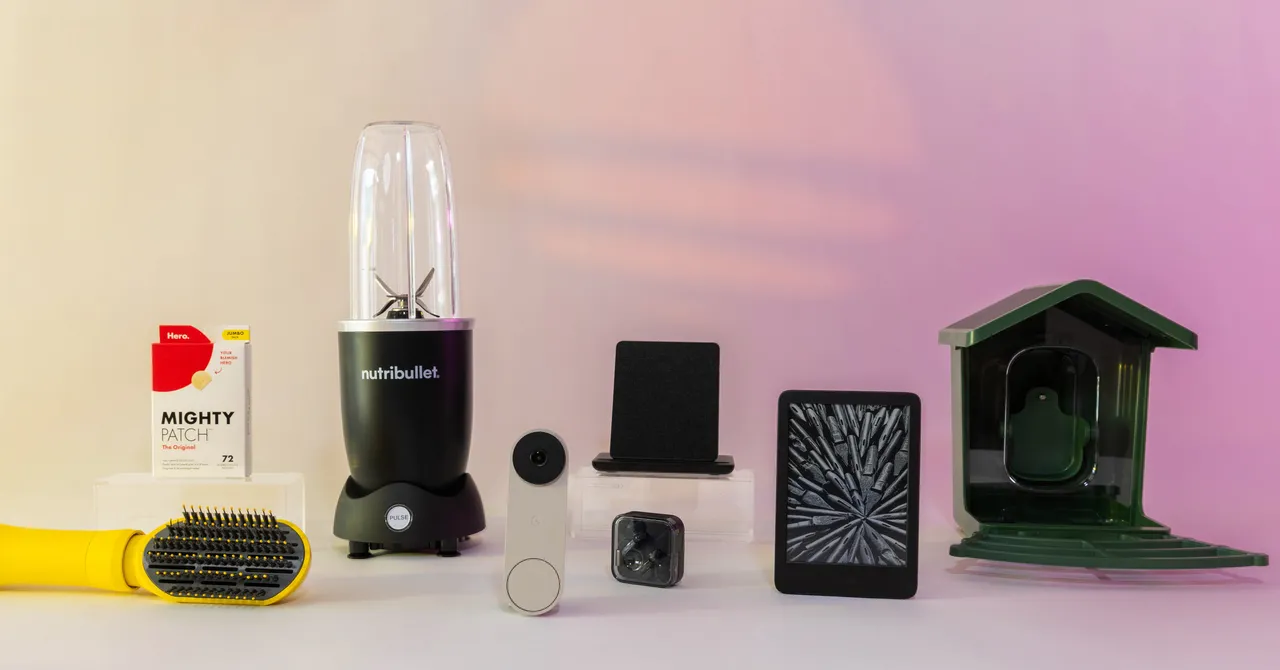
The Hisense TV is the epitome of a mid-tier model punching way above its weight. The mini-LED backlighting produces a spectacularly bright image, and it’s a particularly good choice of gamers thanks to its 165-Hz refresh rate and full-featured HDMI ports. Our own testing didn’t produce perfect results, such as its uneven backlighting and mediocre off-angle performance. But it’s easily the best Prime Day TV deal, with the price dropping to a new low of just $850. —Luke Larsen
Easily the smartest indoor security camera currently available, Google’s third-generation Nest Cam indoor kicks the resolution up to 2K at 30 fps, with HDR and night vision. There’s also two-way audio, enforced two-factor authentication, and accurate detection to alert you about people, animals, or vehicles. The Google Home Premium subscription is pricey at $10 per month ($100/year) for 30 days of event video history and familiar face alerts, but it covers all your Nest devices. —Simon Hill
Google
Nest Doorbell (Wired, 3rd Gen)
Advertisement
Wired doorbells are more responsive, and you don’t have to worry about charging them up. Google’s latest is the best video doorbell you can buy right now. It’s elegant, boasts sharp 2K resolution with HDR, and gives you a wide 166-degree view of your front step in 1:1 aspect ratio, so you can see packages on the stoop. Google Home Premium ($10/month, $100/year) is a pricey extra, but its AI smarts and reliable notifications are the best. —Simon Hill
Aura
Carver Mat
One of my husband’s favorite devices I test are digital photo frames, and Aura is the easy favorite. The frames look beautiful, especially the mat frame style ones like the Carver Mat. The Carver Mat is a good size at 10.1 inches to fit in most places you might want a photo frame, and Aura makes it incredibly easy to add photos with its intuitive app and unlimited photo storage. It’s on sale, and it’s a great device for your home or to gift to a family member. —Nena Farrell
Amazon, Microsoft and other leading tech companies are joining a new nonpartisan workforce organization launched Thursday aimed at helping American workers navigate the transition to an AI-driven economy.
RAISE US aims to partner with governors, employers, and training organizations to retrain and redeploy workers displaced or affected by AI, with a goal of raising $1 billion in multi-year commitments — more than half of which has already been secured.
The organization is led by former U.S. Commerce Secretary Gina Raimondo, who will serve as CEO, and former Indiana Gov. Eric Holcomb, who will serve as co-chair. The two are pitching the effort as explicitly bipartisan.
“If we build the best AI systems in the world and leave millions of Americans behind, we won’t have won anything; we’ll have automated our own decline,” Raimondo said in a news release. “I believe AI will create new jobs and industries over time, but the transition could be disruptive, and it’s already underway.”
Amazon, Anthropic, Microsoft and the OpenAI Foundation are serving as anchor partners. The coalition also includes more than two dozen companies and philanthropies, among them IBM, Cisco, General Motors, Mastercard, the Rockefeller Foundation, and Pivotal, the organization founded by Melinda French Gates. Initial state partnerships include Arkansas, Connecticut, Maryland, and Utah.
Advertisement
The launch of RAISE US comes amid layoffs and cost-cutting across the tech industry and widespread anxiety — from workers to recent graduates — about AI’s impact on employment. Some employers, including Meta, have cited AI as a reason for cuts, including in Washington state. Amazon CEO Andy Jassy blamed massive layoffs that started last year on a culture correction at the tech giant rather than being AI-driven.
In a blog post Thursday, Amazon Chief Global Affairs & Legal Officer David Zapolsky said investment in workers must keep pace with the technology.
“The transition to an AI-driven economy will create enormous opportunity, but only if we invest now in helping workers develop the skills to seize it,” Zapolsky wrote.
Zapolsky cited Amazon’s own efforts to prepare workers for the AI economy, including its Career Choice program, which has helped more than 300,000 employees earn degrees and certificates over 14 years, and a broader $2.5 billion commitment to skills training through its Future Ready 2030 initiative.
Advertisement
Microsoft said it has already been piloting a model for the kind of worker transition RAISE US aims to scale — cross-training entry-level lawyers across different parts of the organization and equipping them with AI skills so they can be repositioned as technology evolves, The New York Times reported.
“It creates an opportunity to transfer people from jobs that are being eliminated to jobs that are being created,” Microsoft President Brad Smith told the Times.
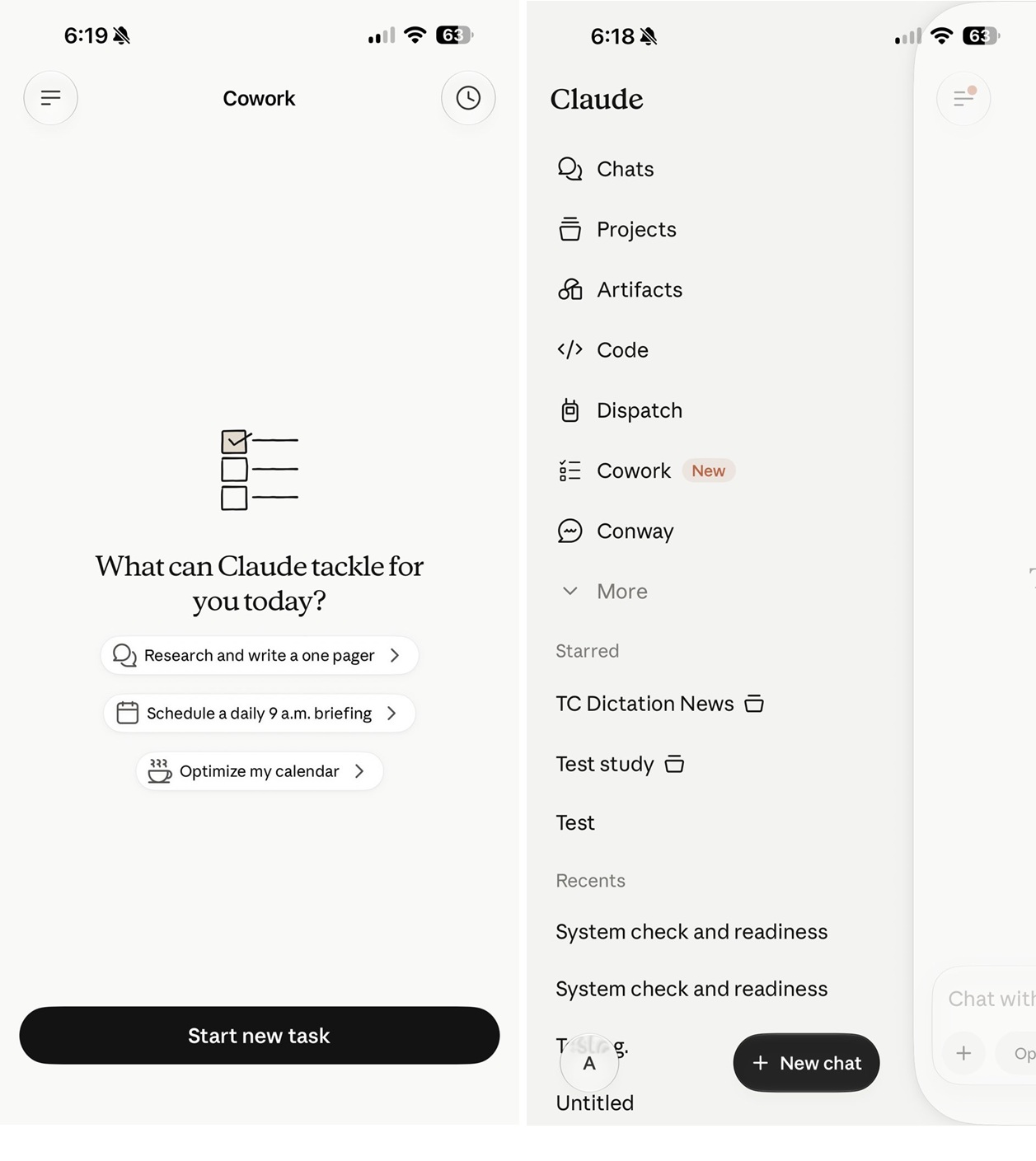
Anthropic appears to be testing Claude Cowork support on mobile, allowing you to manage long-running Claude tasks from your phone.
For those unaware, Claude Cowork is Anthropic’s desktop-focused agentic mode for Claude, and it brings some of Claude Code’s task-running abilities to regular knowledge work.
Unlike Claude Code, which is optimized for coding/development tasks, Cowork can work on longer tasks, use files, create documents, generate spreadsheets, write reports, and continue working in the background while you monitor progress.
In my tests, I’ve found Cowork to be useful when I have to deal with documentation, pictures, and even managing my storage partition.
For example, when I was compiling a React Native app on my local storage, and it ran out of storage, Cowork investigated all my local folders in the partition and found files using most of my storage that I may not have been aware of.
Advertisement
Until now, Cowork has been mostly tied to Claude Desktop on macOS and Windows, but screenshots posted on X suggest Anthropic is preparing a proper mobile experience for it.
Claude Cowork on mobile
If you look at the above screenshot, it clearly confirms that you will be able to “start and steer tasks directly from your phone,” and also “check in from your phone, browser, or Claude desktop app.”
Most importantly, Anthropic notes that “work continues in the background, even when you close the app.”
Claude Cowork won’t turn your phone into an agentic platform
Based on the screenshots, it’s quite obvious that Anthropic does not plan to turn Claude’s mobile app into a full desktop app.
Instead, it appears that Claude Cowork on mobile would be similar to a remote control for Cowork on your PC.
Advertisement
This aligns with Anthropic’s current explanation of Cowork. The company says Cowork runs directly on your computer, giving Claude access to the files you choose to share.
In other words, your phone may become the remote control for Cowork, but your computer is still where the actual heavy lifting happens.
Anthropic has not publicly announced full mobile Cowork support yet, but the screenshots suggest the feature is already being prepared inside Claude for mobile.
Security teams log 54% of successful attacks and alert on just 14%. The rest move through your environment unseen.
The Picus whitepaper shows how breach and attack simulation tests your SIEM and EDR rules so threats stop slipping by detection.
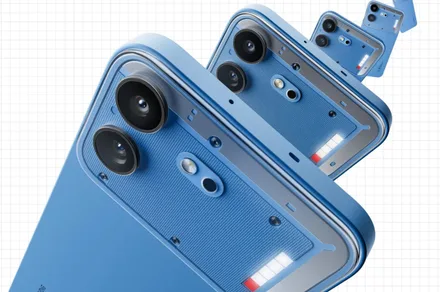
Nothing is gearing up to launch a new budget phone early next month, and the company recently gave us an early look at its design. While it hasn’t revealed the device’s specifications, a new leak has outlined what the Phone 4b may offer in terms of display, chip, battery, and storage.
Key specifications revealed
According to tipster Yogesh Brar, the Nothing Phone 4b will come in three colors. Nothing has already showcased the device in a blue colorway, but there’s no word yet on what the other colors could be. The leak also points to two storage configurations, 128GB and 256GB, both paired with 8GB of RAM.
The device is said to feature a 6.7-inch AMOLED display with a 120Hz refresh rate, the same as the Phone 4a launched earlier this year. Under the hood, it could pack Qualcomm’s Snapdragon 6 Gen 4 chip, which would position the Phone 4b below the 4a duo in Nothing’s lineup. The phone is also expected to house a 5,400mAh battery.
Camera details remain limited
Brar’s post also points to a 50MP camera, though specifics on the sensor, aperture, and the second camera haven’t surfaced yet. Nothing has not confirmed any of these specs itself. More details are expected to surface in the lead-up to the July 7 reveal.
Advertisement
The Phone 4b’s design was confirmed earlier this week, with Nothing showing off a build that mixes the unibody design of the Phone 4a Pro with the Glyph Bar from the standard Phone 4a. The company has also confirmed that the device will feature a soft, skin-friendly finish and offer enhanced durability.
If accurate, this leak suggests Nothing is keeping the Phone 4b firmly in the mid-range segment while still offering some standout features, like a large battery and a high refresh rate display. Provided the company gets the price right, the device could be one of the most compelling budget options this year.
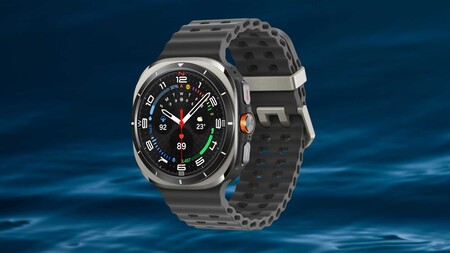
The titanium casing and 10 ATM water resistance mean this is a watch built for environments where most wearables would ask you to leave them at home, covering open water swimming, mountain conditions, and extreme heat without any meaningful compromise.
Advertisement
A dual-frequency GPS incorporating both L1 and L5 bands delivers the most accurate location tracking Samsung has put into a Galaxy Watch, maintaining precision even through dense urban environments where single-frequency systems tend to lose their footing.
Battery life sits at up to 100 hours in Power Saving mode and up to 48 hours in Exercise Power Saving mode, and 64GB of onboard storage means GPX route data can be recorded across extended expeditions without running short of space.
The AI-powered Energy Score gives a daily readiness assessment drawn from sleep data, heart rate, and activity levels, while the Running Coach feature provides real-time feedback during training sessions for anyone using the watch as a performance tool.
Advertisement
A long press of the Quick Button activates a siren audible up to 180 metres away, and the watch also provides fall detection, SOS, and instant access to Medical info, which adds a meaningful safety layer for solo outdoor activities.
The honest caveat is that full functionality, including some AI-driven health features, works best when paired with a Samsung Galaxy smartphone, so the experience on other Android devices or iOS may be more limited than the headline spec suggests.
At £331, the Samsung Galaxy Watch Ultra makes a compelling case for anyone who wants expedition-grade capability without the full-price commitment, and our Best Samsung Galaxy Watch guide is there for anyone still weighing up where it sits within the wider Samsung wearable lineup.
Despite the odd quirk, the Samsung Galaxy Watch Ultra brings a refreshing premium touch to the Wear OS ecosystem.
Advertisement
It’s certainly true that the Ultra’s design appears heavily inspired by Apple’s homonymous alternative, but I don’t suspect Android users craving a supercharged smartwatch will care much. If you can handle the clunky navigation, mildly unpredictable battery life, and oversized footprint, the Galaxy Watch Ultra is an excellent upgrade to the typical mid-range smartwatch experience.
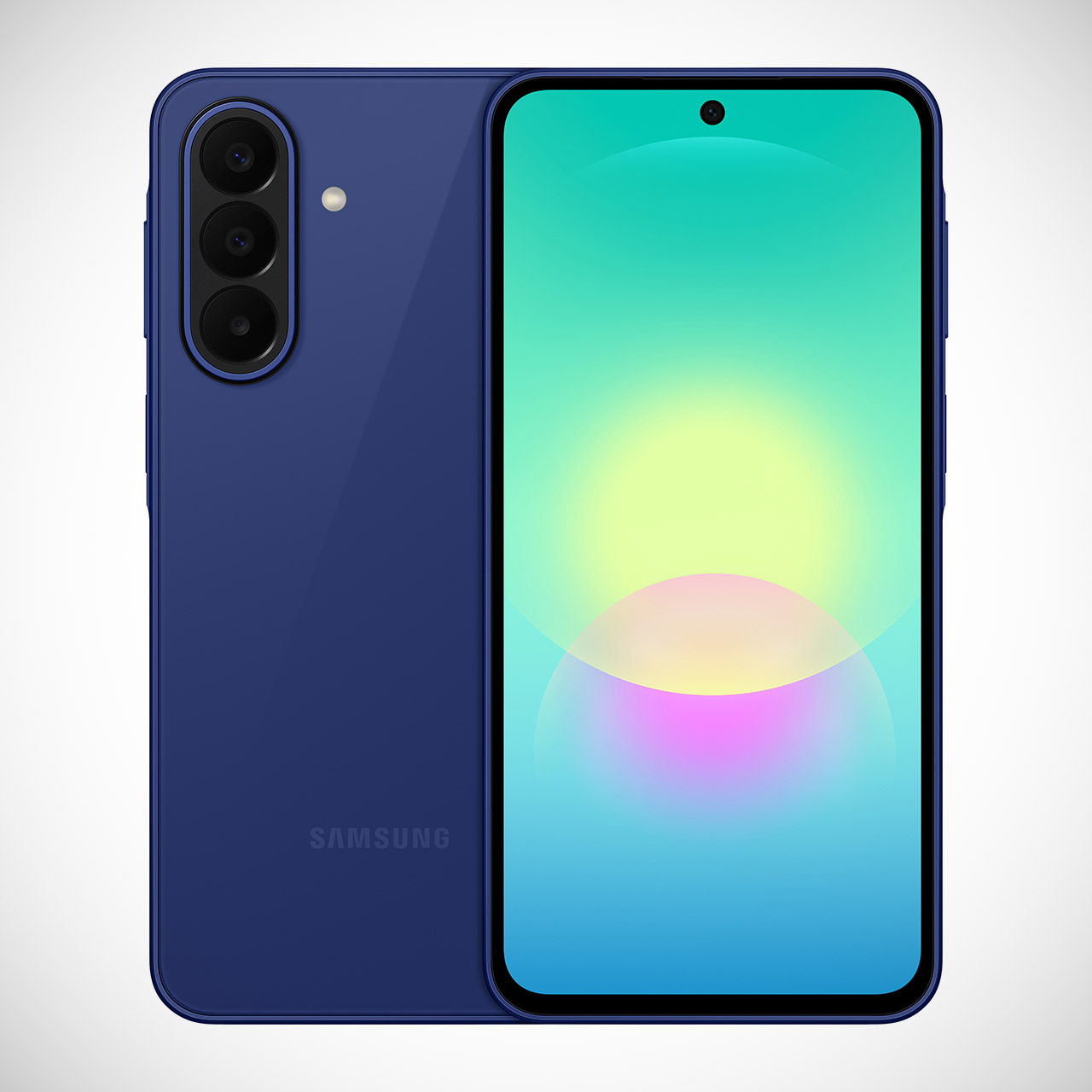
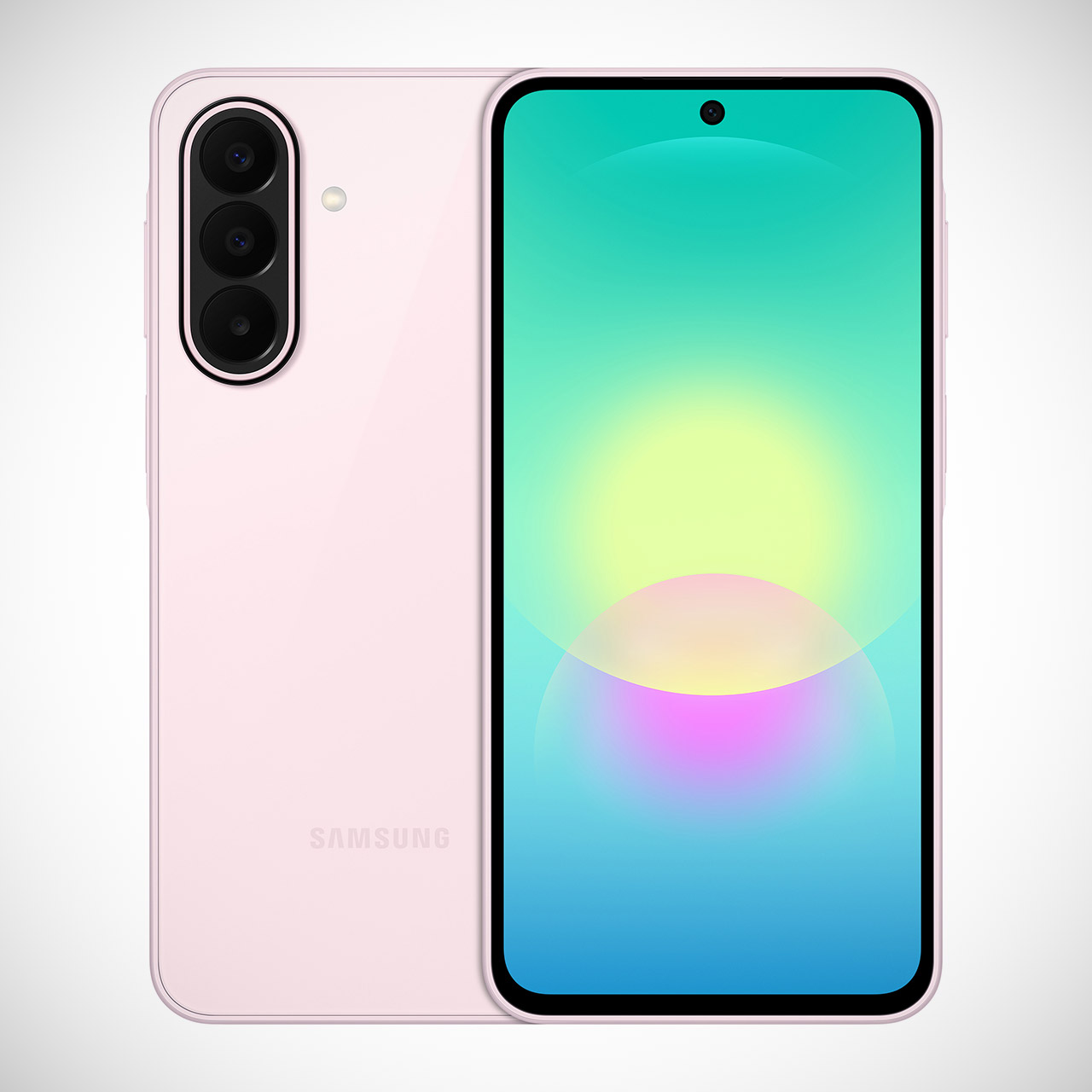
Choosing a first smartphone or a reliable step up from an older device often comes down to practical questions. Will the screen feel good during long scrolls and videos? Will the battery carry through a full day? Will the software stay current without extra cost or hassle? Samsung built the Galaxy A27 5G around answers to those questions rather than loading it with extras that rarely get used.
New users will immediately see the impact the display has on their first impressions. The 6.7-inch Super AMOLED screen features the Infinity O design, which looks very elegant even with the small punch hole camera, and the borders are noticeably smaller than on prior models in this series. With a refresh rate of 120 Hz, you may enjoy an extremely smooth scrolling experience while surfing apps or viewing videos. Motion never feels juddery or stuttery, and it looks nice even at low frame rates.
AWESOME SCREEN. ENDLESS POSSIBILITIES: Elevate your content no matter where you are with the 6.7″ Super AMOLED display¹ of the Galaxy A37 5G. Enjoy…
LONG-LASTING BATTERY: Whether it’s family moments or important calls, stay powered without the wait with Galaxy A37 5G. Super Fast Charging…
NEVER MISS THE SHOT, EVEN IN LOW LIGHT: With effortless Nightography, you can capture clear high-quality photos and videos on your phone automatically…
The Snapdragon 6 Gen 3 processor and ample memory ensure that nothing falters even while running many apps at the same time. Opening Instagram, checking Google Maps, browsing a website, or running a few programs in the background all happen without lag. The 5000mAh battery will last you a whole day of normal use, and if you do get some video or navigation in, you’ll still have enough juice to finish work/school/errands. When you do need to top up, 25 watt charging will quickly recharge your battery and fit into your regular routine. The phone itself is quite thin, measuring only 7.8 millimeters, making it easy to use during calls, reading, or even one-handed.
Advertisement
The main camera does a decent job with most photos and movies, and the built-in stabilization is useful. The 50 megapixel sensor handles everyday light well and does a fantastic job of reducing blur, even when your hands move slightly. The ultrawide lens is good for capturing a broader picture of a gathering or a piece of terrain, whilst the macro lens is useful for photographing microscopic details. If you just want to take some decent selfies, the 12 megapixel front camera does the trick without requiring any post editing.
With microSD card support, you can easily store a large number of files. The storage starts at a comfortable 128GB and can accept cards up to 2 terabytes, which is quite big enough to hold tons of photographs, videos, music, and documents right on the phone, eliminating the need to continually juggle removals or hurry into a cloud subscription. Having some room to develop from the start eliminates one of the initial challenges for anyone gathering a collection of personal items.
Samsung’s extensive update schedule greatly enhances long-term dependability. The phone runs Android 16 with One UI features and receives six major operating system upgrades, as well as six years of security patches, to ensure its security. And that plan allows you to stretch your dollar while maintaining a consistent experience as you settle into your daily routine. All of this adds up to great value at $350 (July 14 US relaese) when you consider everything you get for the money.
Apple’s price increases have resulted in increased demand for Amazon’s Prime Day deals, which remain unchanged. A top seller is this M5 15-inch MacBook Air for $1,149.
Amazon’s discounted prices have remained in effect this third day of Prime Day, despite Apple raising prices this morning. Save $350 on the standard 15-inch MacBook Air M5 with 16GB of RAM and 512GB of storage or $450 on the M5/16GB/1TB model before supply runs out.
15″ MacBook Air M5 (16GB RAM, 512GB SSD): $1,149 – New MSRP: $1,499
15″ MacBook Air M5 (16GB RAM, 1TB SSD): $1,349 – New MSRP: $1,799
Prime Day 13-inch MacBook Air deals
13″ MacBook Air M5 (16GB RAM, 512GB SSD): $949 – New MSRP: $1,299
13″ MacBook Air M5 (16GB RAM, 1TB SSD): $1,149 – New MSRP: $1,599
13″ MacBook Air M5 (24GB RAM, 1TB SSD): $1,387.25 – New MSRP: $1,799
You can compare prices across retailers in our M5 15-inch MacBook Air Price Guide, but the deals above are easily the most aggressive available as Amazon hasn’t implemented Apple’s price hikes that took effect earlier today.

























































You must be logged in to post a comment Login