Barry Tissenbaum Brian Goffenberg – CFO & Executive VP Roger Dent
Presentation
Advertisement
Operator
Welcome, everyone, to the Annual General Meeting of Shareholders of Vitalhub Corp. Please note that this meeting is being recorded. I would like to introduce Barry Tissenbaum, Chair of today’s meeting. Mr. Tissenbaum, the floor is yours.
Barry Tissenbaum
Advertisement
Thank you. Ladies and gentlemen, welcome to the Annual General Meeting of Shareholders of Vitalhub Corp. My name is Barry Tissenbaum, and I am a Director of Vitalhub. Before we get started, I would like to introduce Mr. Brian Goffenberg, Chief Financial Officer, who will act as Secretary of the meeting. It is now my intention to proceed with the formal business of the meeting. Following the formal business, we are prepared to answer questions regarding the current status of Vitalhub. I will act as Chairman of the meeting and as I said, I will ask — I have asked Mr. Goffenberg to act as Secretary of the meeting.
I have appointed Rebecca Prentice of TSX Trust as scrutineer for the meeting. We have also asked the Secretary to move the various motions that will arise during the course of the meeting. As this is a virtual-only meeting conducted via TSX Trust virtual meeting platform, roll call has now been taken, and all participants have been registered electronically. In accordance with the Ontario Business Corporations Act, registered shareholders and proxy holders present by virtual meeting platform are deemed to be present at the meeting. Only registered shareholders and proxy appointees present at the meeting shall be entitled to vote on matters put forth before the meeting.
We shall conduct the vote in respect of each matter before the meeting by electronic poll. Votes will be counted
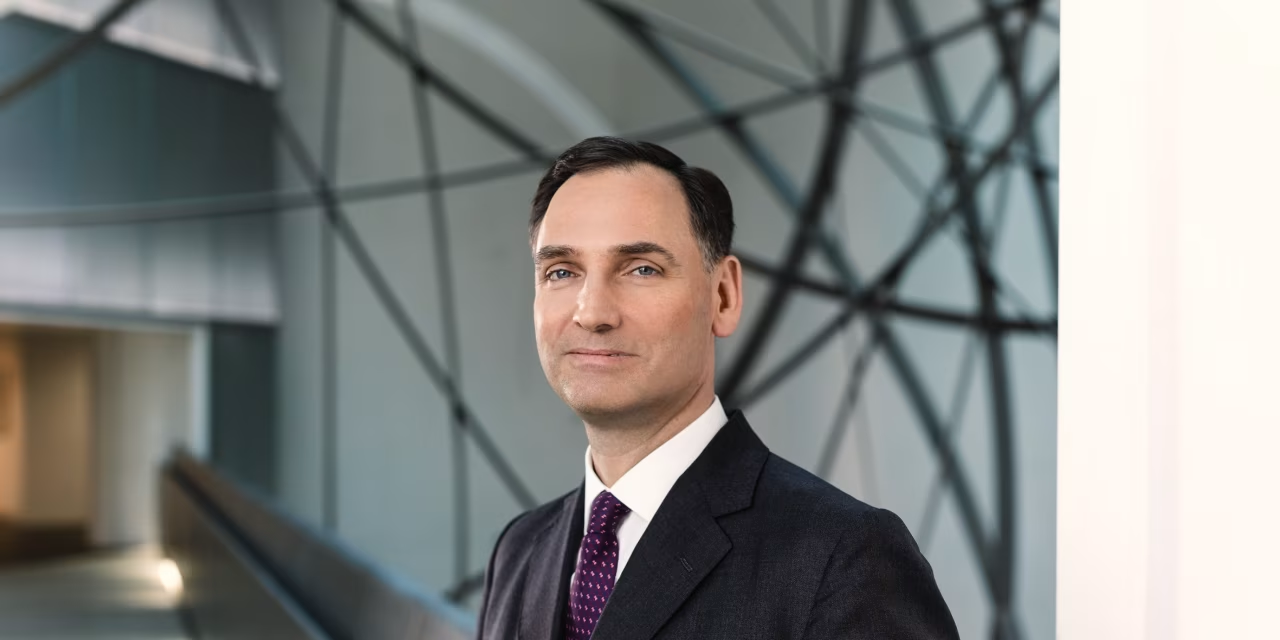
Deutsche Bank President James von Moltke, who earlier this year stepped down as finance chief, is figuring out what’s next after his contract with the German lender ends this month. While hiking is on the agenda, he ultimately may seek out something a bit more ambitious: becoming a CEO.
Von Moltke, age 57, stepped down as CFO in March, succeeded by Morgan Stanley executive Raja Akram, but has continued to serve as president. During his nine years as finance chief and on the management board, von Moltke oversaw a tumultuous period at the bank, during which it shrank and reorganized its investment bank, refocused on its home market, and navigated market shocks including the pandemic.
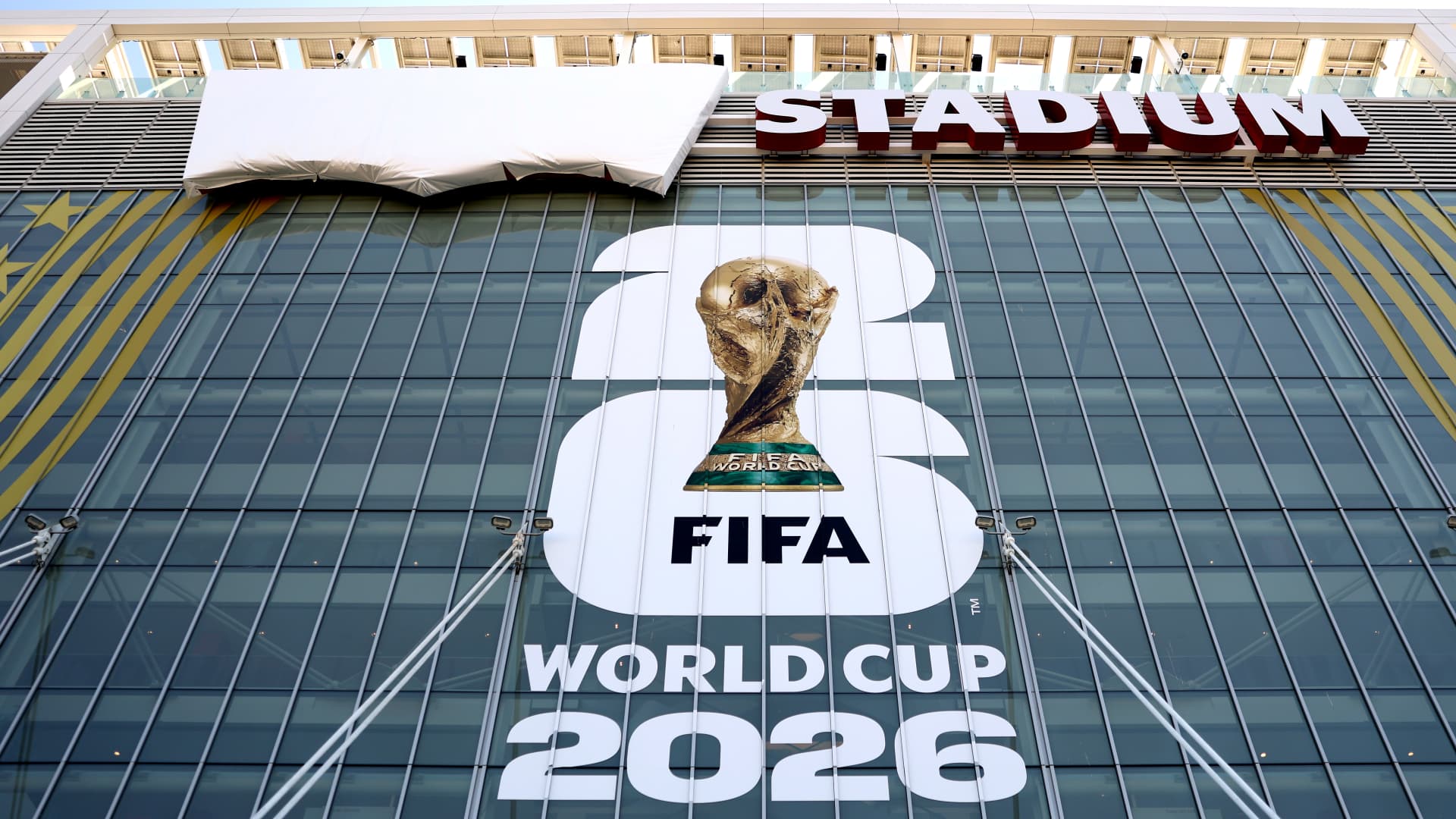
General view of the exterior of San Francisco Bay Area Stadium ahead of the FIFA World Cup 2026 Group B match between Qatar and Switzerland on June 13, 2026 in Santa Clara, California.
Fran Santiago | Getty Images
As people around the world tune into this summer’s World Cup, some of the brands generating the most buzz aren’t even official sponsors of the tournament.
Advertisement
The list of official sponsors for this year’s World Cup, hosted in cities across the U.S., Canada and Mexico, include global household names like Adidas, Coca-Cola and Qatar Airways.
But even before the tournament began, the spotlight fell on companies like Levi Strauss & Co., Taco Bell and Texas-based convenience store chain Buc-ee’s. Some have garnered traction on social media for their creative marketing strategies, while others have benefited from organic customer response with the influx of international players and fans.
McDonald’s celebrated the tournament with limited-time menu items and cups. Taco Bell leaned into a new campaign to support fans in celebration or support depending on the outcome of a match.
According to marketing research firm WARC Media, advertising spending on this year’s World Cup tournament is expected to reach $10.5 billion. That’s just below spending for the 2018 World Cup, hosted by Russia, which totaled roughly $12.6 billion.
Advertisement
Market intelligence firm Sensor Tower told CNBC that World Cup advertising spend increased 42% week over week in the days leading up to the first game. The firm tracked that Taco Bell and Duracell have both increased their advertising spend in the past few weeks, though the top 10 World Cup advertisers by spend over the past three months have been sponsors or broadcast partners of the event.
According to market research firm Meltwater, in the ramp-up to the World Cup, non-sponsor brand collaborations generated nearly double the engagement of official sponsors, reaching roughly 61 million engagements versus just 33 million.
The firm told CNBC that while sponsored advertisements led in volume, distribution and creative quality helped propel non-sponsors to higher engagement, with the most social media engagement coming from TikTok.
Since the tournament began, non-sponsor brands have surpassed 57,000 mentions on social media versus just over 43,000 for official sponsors, the company said.
Advertisement
“A big takeaway from this World Cup is that you don’t need an official sponsorship to own the cultural moment anymore,” Meltwater CEO John Box told CNBC. “The brands that will win the next tournament aren’t necessarily the ones with the biggest budgets, but instead the ones who are set up to see what’s trending in real time, the creativity to connect it back to your brand, and the speed to act before the moment passes.”
World Cup results
Kylian Mbappé’s Nike soccer cleats during a French national team training session at Bentley University in Boston, Massachusetts, on June 20, 2026. The number 58 on the cleats represent the goals scored by Mbappé for the national team.
Johnny Fidelin | Icon Sport | Getty Images
According to Meltwater, Coca-Cola and Adidas accounted for half of all sponsor mentions in the buildup to the tournament. But in the final 11 days before the first match on June 11, McDonald’s became the clear winner, with engagement share rising from 2.6% to 23%.
Advertisement
Of the non-sponsors, Lego accounted for 82% of the top 50 most engaging non-sponsor posts across social media platforms, Meltwater said. The construction toy company’s World Cup campaign delivered 12 times the sponsor average in the days leading up to the tournament.
Nike, who is not an official tournament sponsor, saw its World Cup advertisement — featuring celebrities like Kim Kardashian, Travis Scott and Lebron James as well as scores of World Cup stars like Norway breakout Erling Haaland and Portugal captain Cristiano Ronaldo — rake in more than 70 million views on YouTube.
Sneaker rival Adidas counts roughly 7 million views for its advertisement featuring actor Timothée Chalamet, Argentina captain Lionel Messi and more.
That gap is indicative of the winners and losers of the off-pitch advertising battle during the tournament, according to Andrew Rohm, a professor of marketing at Loyola Marymount University.
Advertisement
“It was just interesting how those two brands took totally different approaches to their four- to five-minute pieces of content, and I loved the Nike approach because it was totally on-brand, irreverent, unexpected, in your face,” Rohm told CNBC. “You don’t have to be an official sponsor to tie back into the cultural social importance of a worldwide global event like the World Cup, especially if you have assets like Nike has that you can deploy towards that.”
When it comes to the advertising winners of this year’s World Cup, Rohm said it’s a battle between “the expected and the unexpected.” The companies that aren’t official sponsors and are therefore not restricted by FIFA are able to have the most fun with their marketing, he said.
One brand making the most of its non-sponsor status is denim brand Levi’s.
Because the company isn’t an official backer of the tournament, its branding on the host stadium in Santa Clara, California, had to be removed before matches.
Advertisement
The Levi’s logo, loosely shaped like a jeans pant pocket, was shrouded in a white covering — but the move counterintuitively generated buzz for the company on social media from amused fans. In a similar move, razor brand Gillette’s cover for its logo on the stadium in Massachusetts mimicked shaving cream foam to make light of the situation.
“What started as a naming rights sponsorship restriction at the Levi’s Stadium became the most commented and shared post in Levi’s history,” Kenneth Mitchell, Levi’s chief marketing officer, wrote last week. “Leaning fully into it with a profile change on our social channels sealed the deal.”
Mitchell added that “strong brand iconography” worked on the company’s side, as its distinctive logo remained recognizable even under the covering.
According to Meltwater, Levi’s led the strongest example of non-sponsor visibility through its marketing, with its mentions increasing by 44% since the start of the World Cup. Engagement with the company increased nearly four times after it leaned into the stadium covering marketing, the research firm found.
Advertisement
A shifting ad strategy
Jared Watson, an assistant professor of marketing at New York University’s Stern School of Business, said he’s seen brands having more fun in their marketing during this year’s tournament.
“I think what you’re seeing play out, especially this year, is these brands that are taking sort of a rebellious or a cheeky approach to where they’re not officially being aligned with FIFA, and so a lot of consumers are in support of these marketing initiatives, in part because it feels somewhat adversarial to what’s happening,” Watson told CNBC. “It’s kind of stripping away that capitalistic intention from FIFA.”
Watson said brand success has not come from the marketing alone, but also that some companies are picking up on the frustration consumers feel with the commercialization of global soccer.
FIFA introduced mandatory hydration breaks during matches, for example, baking in more time for ads without breaking up the game. The breaks have drawn criticism from fans who say they’re unnecessary and a money grab.
Advertisement
“There’s a little bit of a stick-it-to-the-man mentality of we like to see these brands that are rebelling and pushing back because it’s kind of in the spirit of what the World Cup is, which is unity and meritocracy,” Watson said.
FIFA said in December the three-minute breaks were intended to prioritize “player welfare” and “part of a focused attempt to ensure the best possible conditions for players.”
Some brands have also found more organic success as fans around the world experience the culture of the World Cup host cities, posting about their newfound affinity for American general store chain Buc-ee’s and salad dressing company Hidden Valley Ranch.
“One of the things that we’ve seen, which I think has helped a lot of brands that maybe hadn’t proactively decided to jump into the advertising fray, is we’ve seen the delight with sort of basic American things,” Watson said. “That has allowed a lot of these brands to kind of slipstream or somewhat reactively jump on these trends and gain some earned media.”
Advertisement
And in an age of artificial intelligence, marketing that creates an emotional connection and has a human appeal stands out, according to Kelly Cutler, an associate professor of marketing at Northwestern University.
“I think it’s particularly timely, because I think people feel a little bit sensitive right now with all of the media around AI and all the discussions around AI,” Cutler said. “So that understanding at that human level of how important it is when your team wins or loses is so basic and fundamental and creates such a connection.”
Cutler also said the marketing cuts through generations — younger consumers are more aware of when they’re being sold to and are more often resistant. Companies that can develop a deeper bond with Generation Z will find the “golden goose of marketing,” she said.
For sponsor companies constrained by FIFA regulations, she added, the World Cup may have broader implications for future brand partnerships.
Advertisement
“The organizations, obviously they want those sponsorship dollars, and they don’t want to experience this type of situation where the brands that are paying nothing are getting a lot of traction and hitting all the headlines and having these really interesting outcomes,” Cutler said. “So I do think that it’s going to be interesting to watch how this impacts future sponsorship programming.”
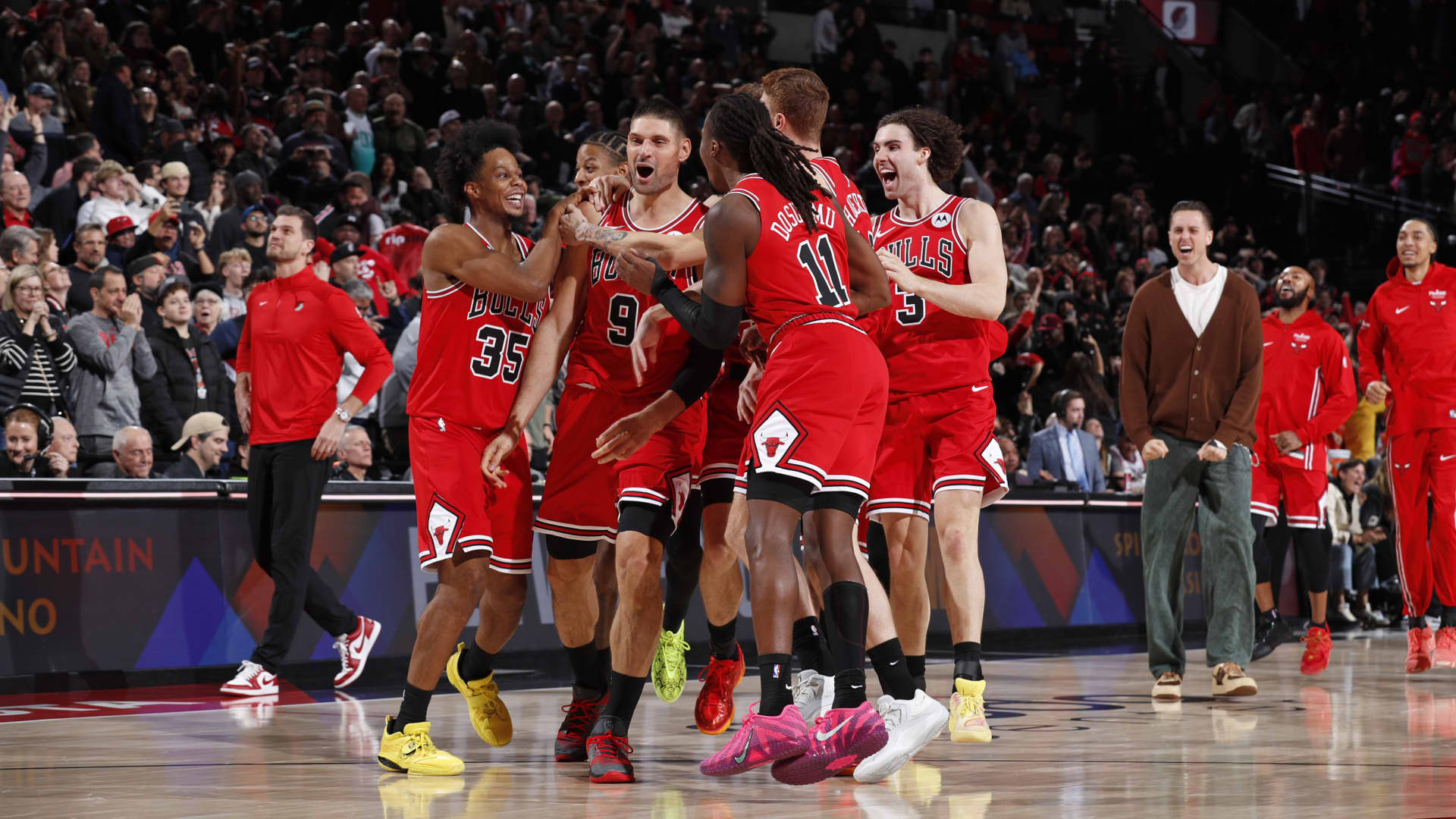
The Chicago Bulls celebrate during the game after Nikola Vucevic #9 of the Chicago Bulls scores the game winning buzzer beater against the Portland Trail Blazers on Nov. 19, 2025 at the Moda Center Arena in Portland, Oregon.
Cameron Browne | National Basketball Association | Getty Images
Walmart heir Lukas Walton and his wife, Samantha, have acquired a minority stake in the Chicago Bulls and the United Center, the team announced Friday.
Advertisement
The transaction involves the purchase of existing stakes from limited partners and does not provide Walton with a path to controlling ownership, the team said. The size of the minority stake and the valuation were not disclosed.
The Reinsdorf family remains the controlling owner of the Chicago Bulls. Jerry Reinsdorf purchased the team for $16.2 million in 1985. Today, the team is worth approximately $6.45 billion, according to CNBC’s most recent NBA valuations, making the franchise the fifth-most valuable in the league.
The Wirtz and Reinsdorf families split ownership of the United Center, where the Bulls and NHL’s Blackhawks play. They will continue to hold the controlling interest in the United Center and the 1901 Project, a $7 billion redevelopment project on Chicago’s West side, the team said.
The Bulls have been one of the NBA’s most successful franchises in history, winning six championships during the Michael Jordan era. In recent years, however, they have struggled, having not made the playoffs since the 2021-2022 season.
Advertisement
Lukas Walton is the 39-year-old grandson of Walmart founder Sam Walton. He and Samantha Walton are residents of Chicago. Lukas Walton has a reported net worth of roughly $45 billion according to Forbes.
“The Chicago Bulls are as iconic as the city itself, and this transaction reflects our dedication to the city’s future. We have long admired the vision the Reinsdorf and Wirtz families have set forth for The 1901 Project, and we look forward to the United Center’s continued positive impact on Chicago’s West Side,” the Waltons said in a statement.
Lukas Walton’s uncle, Rob Walton, bought the NFL’s Denver Broncos in 2022 and also owns a stake in MLB’s Arizona Diamondbacks.
Get the CNBC Sport newsletter directly to your inbox
The CNBC Sport newsletter with Alex Sherman brings you the biggest news and exclusive interviews from the worlds of sports business and media, delivered weekly to your inbox.
Texas has surpassed California as the state with the most Fortune 500 corporate headquarters, leading 57-56 for the 2026 list. Texas Congresswoman Beth Van Duyne credits the states policies and business community.
Dell Technologies on Thursday announced that shareholders granted their approval to the company’s plan to switch its state of incorporation from Delaware to Texas.
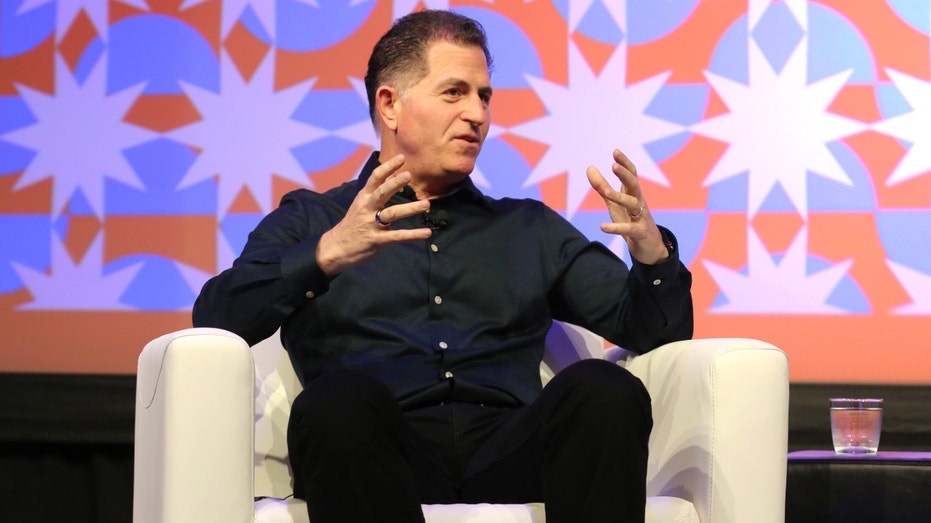
Michael Dell, founder and CEO of Dell Technologies, announced the results of the shareholder vote, which was overwhelmingly in favor of the move, in a social media post on the X platform.
Advertisement
“Today, with 97% approval, Dell shareholders voted to bring our legal home to Texas,” Dell said.
“This is home and where we’ve always belonged. Texas gave us the talent, the universities, and the environment to build something that lasts. Proud to make it official. Let’s go,” Dell added.
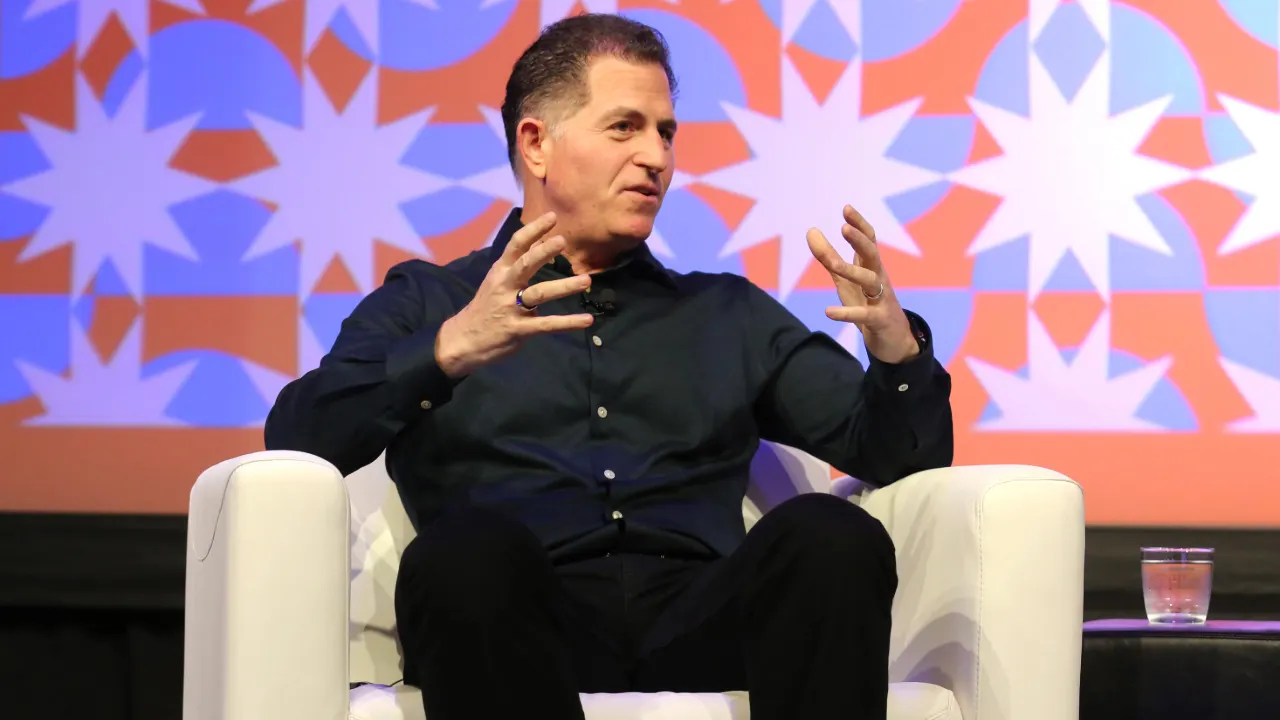
Dell Technologies CEO Michael Dell announced the legal move on Thursday. (Diego Donamaria/Getty Images for SXSW)
The company’s board of directors approved the proposal in May ahead of the shareholder vote, at which time Dell said, “Texas is where Dell has innovated, expanded, and invested for more than four decades, and bringing our legal home to Texas reflects what we’ve been building here all along.”
Advertisement
Dell Technologies has long kept its corporate headquarters in Texas, with it being founded while Dell was attending the University of Texas at Austin, and he was living in a university dorm room in 1984.
The company built a large presence in the Austin area, including its offices and manufacturing facilities, and in 1994 built a new campus for its corporate headquarters in Round Rock, Texas.
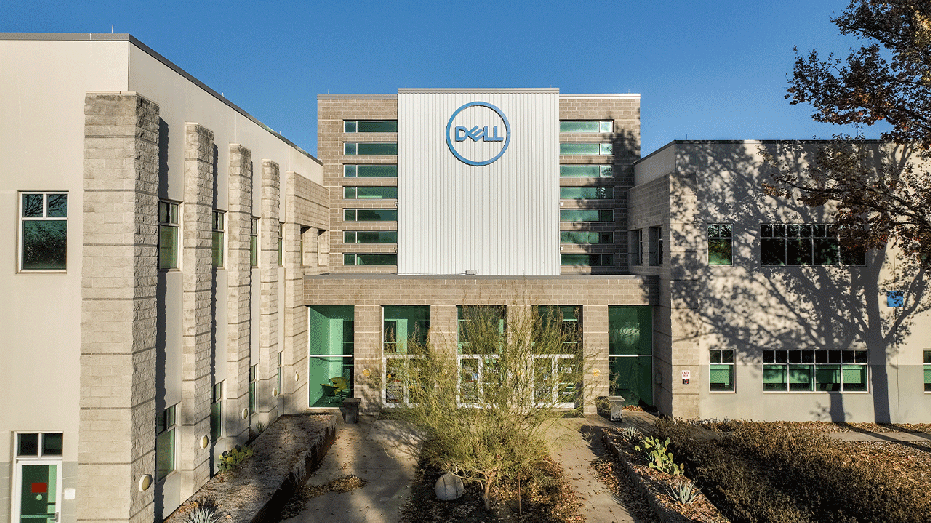
Dell shareholders voted to move its legal home to Texas, where the company is headquartered in Round Rock. (Brandon Bell/Getty Images)
By switching the state where the company is legally domiciled, Dell Technologies will shift the venue of future legal disputes with shareholders from the Delaware Court of Chancery to courts in the state of Texas, which are viewed as having a more business-friendly approach to shareholder lawsuits.
Advertisement
Tesla CEO Elon Musk, who moved Tesla’s state of incorporation from Delaware to Texas following a controversial decision by the Delaware Court of Chancery, applauded Dell’s move on his X social media platform with a one word response to Michael Dell’s post that said simply, “Texas.”
Musk sought shareholder approval for the switch after a Delaware judge in the Court of Chancery issued a ruling that voided his $56 billion pay package in January 2024, which prompted him to warn, “Never incorporate your company in the state of Delaware.”
Tesla shareholders ultimately approved the move, while the Delaware Supreme Court overturned the judge’s ruling in December 2025. Later that month, Tesla shareholders approved a new pay package valued at about $1 trillion if operational and financial targets are reached.
Advertisement
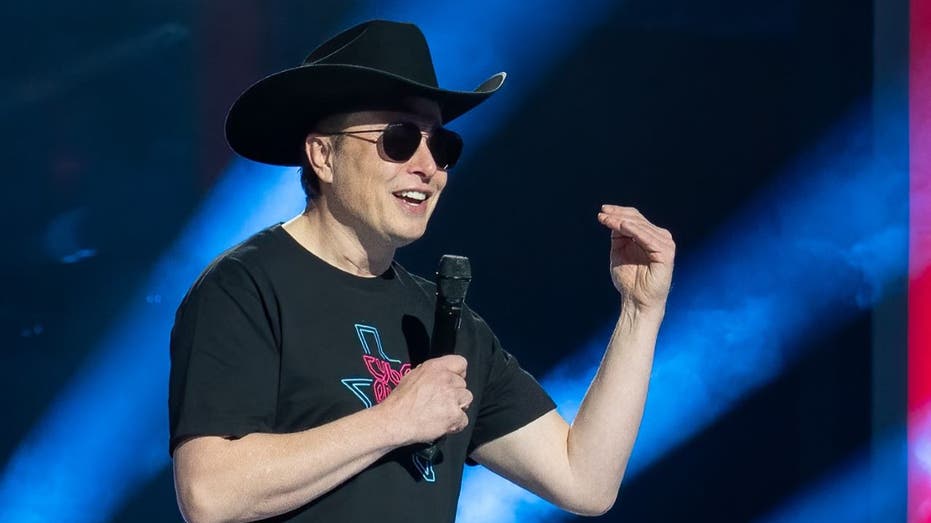
Elon Musk relocated the state of incorporation for Tesla and SpaceX from Delaware to Texas. (Suzanne Cordeiro/AFP via Getty Images)
Musk has also relocated the state of incorporation for some of his other businesses out of Delaware, with SpaceX’s legal domicile being switched to Texas in February 2024. Several of his other ventures have had their state of incorporation changed to Nevada.
Shares of Salesforce climbed Friday, rising 4.47%, or $6.72, to $156.91 in midday trading, offering a rare bright spot for a stock that has spent much of 2026 mired in one of the steepest declines of any major technology company this year.
Even with Friday’s gain, the cloud software giant remains deep in negative territory for the year, trading well below where it started 2026 and not far from its 52-week low.
A brutal year by any measure
The scale of Salesforce’s decline this year has been striking for a company long considered one of enterprise software’s bluest of blue chips. The stock has declined approximately 42% year-to-date, a drop that has prompted growing comparisons to peers like Palantir as investors reassess what a fair valuation looks like for the customer relationship management pioneer.
Advertisement
That slide has pushed shares down to levels not seen in years. As of this week, Salesforce was trading within a 52-week range spanning from $146.32 to $276.80 — meaning Friday’s bounce, however welcome for shareholders, still leaves the stock closer to its yearly low than its high.
Investor fears about AI disruption
Much of the pressure on Salesforce’s stock this year has stemmed from a broader anxiety gripping software investors: the worry that artificial intelligence tools could erode the value of traditional enterprise software platforms like Salesforce’s customer relationship management suite. That concern has weighed heavily on sentiment even as the company has continued posting solid financial results.
Salesforce’s most recent quarterly report illustrated that tension directly. The company posted $11.13 billion in revenue, a 13% year-over-year increase that beat Wall Street’s expectations, alongside adjusted earnings per share of $3.88 against a consensus estimate of $3.12. Despite that earnings beat, the company’s full-year guidance came in slightly below Wall Street expectations, with management citing continuing challenges in marketing and commerce, weaker performance in Tableau bookings, and higher license revenue volatility following its Informatica acquisition.
Advertisement
A wave of capital returned to shareholders
In an effort to support the stock amid the AI-related anxiety, Salesforce has leaned heavily on shareholder returns this year. The company returned $27.5 billion to shareholders, including $27.1 billion through share repurchases, and entered into a $25 billion accelerated share repurchase agreement — among the largest capital return programs of any major software company this year.
That aggressive buyback strategy has been paired with continued investment in the company’s own AI offerings. Salesforce’s Agentforce platform, which the company markets as enabling customers to build, deploy and manage autonomous AI agents at scale, has become the centerpiece of its pitch to investors that the company is positioned to benefit from AI adoption rather than be disrupted by it.
A security backdrop adding pressure
Advertisement
Beyond the AI competition narrative, Salesforce has also spent much of the past year contending with the fallout from a wave of data theft incidents tied to its platform and third-party integrations. Multiple lawsuits have been filed against the company in Northern California, where it is headquartered, alleging that personal information stolen in various breaches has exposed affected individuals to risks of identity theft. Salesforce has consistently maintained that its core platform itself was not compromised, attributing the incidents instead to credential theft and malicious third-party connected applications.
That security overhang has continued to surface in recent weeks alongside the company’s ongoing AI expansion efforts, including new Agentforce deployments with public-sector customers such as the U.S. Department of Labor — a juxtaposition that has kept questions about data governance in the conversation even as Salesforce pushes deeper into autonomous AI tools.
A notable acquisition to bolster AI capabilities
Salesforce has also been actively acquiring companies to strengthen its AI positioning. Earlier this month, the company agreed to acquire Fin, a developer of artificial-intelligence-powered customer service agents, in a deal valued at roughly $3.6 billion. Analysts have generally framed the acquisition as a move to accelerate AI adoption across Salesforce’s existing customer base, even as some have raised questions about the price paid relative to the target’s current revenue scale.
Advertisement
A wide gap between Wall Street and the market
Despite the stock’s punishing decline this year, Wall Street analysts have remained largely unmoved in their underlying optimism about Salesforce’s longer-term prospects — creating an unusually wide gap between where the stock trades and where analysts believe it should be. According to one tracking service, 49 analysts carry an average “Buy” rating on the stock, with a 12-month price target of $251.53 — implying upside of more than 60% from recent trading levels even before Friday’s gain. A separate analysis of 64 Wall Street analysts similarly found a bullish consensus, with a median price target of $255.00 implying nearly 37% upside, supported by 38 Buy ratings against just one Sell rating.
Not every analyst has stayed unconditionally bullish through the stock’s decline, however. Jefferies analyst Brent Thill recently cautioned that an earlier rebound attempt in Salesforce shares looked more like “a dead cat bounce, not the beginning of a trend,” reflecting skepticism among at least some on Wall Street about whether the stock’s troubles are truly behind it.
What investors are watching next
Advertisement
For now, Friday’s gain offers Salesforce shareholders a reprieve after a difficult stretch, even as the broader debate over the stock’s value continues. Whether the move represents the start of a more durable recovery or simply another temporary bounce within an extended downtrend will likely hinge on continued evidence that Agentforce and the company’s other AI investments are translating into accelerating subscription growth, rather than simply offsetting the pressures investors have spent much of 2026 worrying about.
Fox News contributor condemns the Democratic Party’s shift towards socialism and antisemitism on ‘The Evening Edit.’
The New York City Rent Guidelines Board (RGB) voted 7-1 on Thursday to freeze the rent for rent-stabilized apartments.
A summary of the rent-stabilized apartment guidelines adopted on Thursday indicates that “Together with such further adjustments as may be authorized by law, the annual adjustment for leases for apartments shall be” 0% for one-year and two-year leases starting “on or after October 1, 2026, and on or before September 30, 2027.”
Advertisement
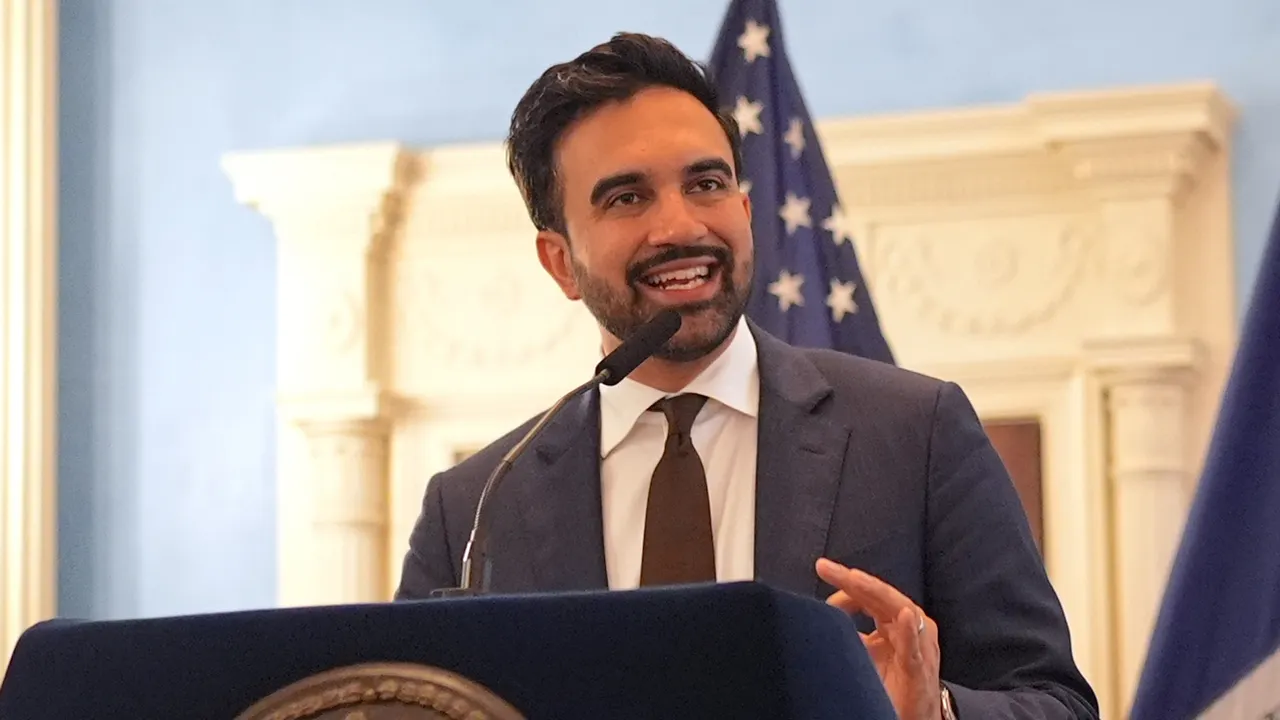
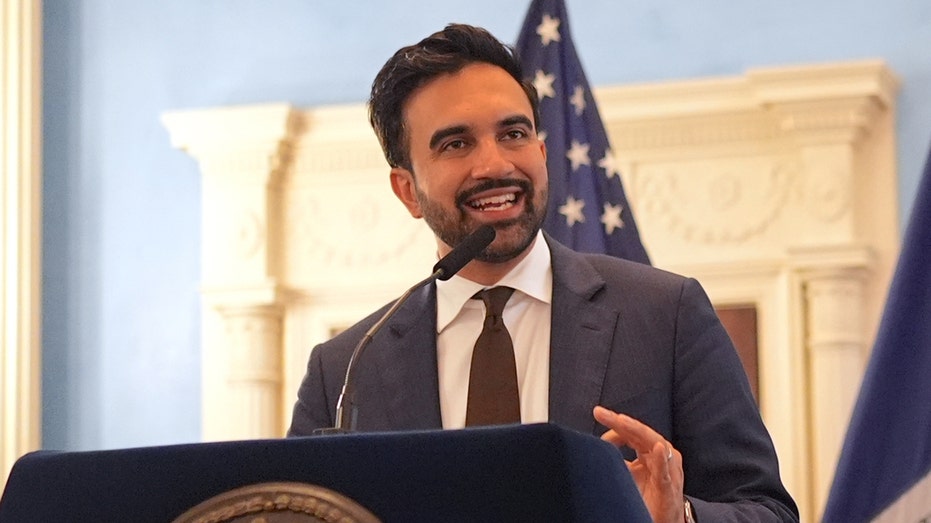
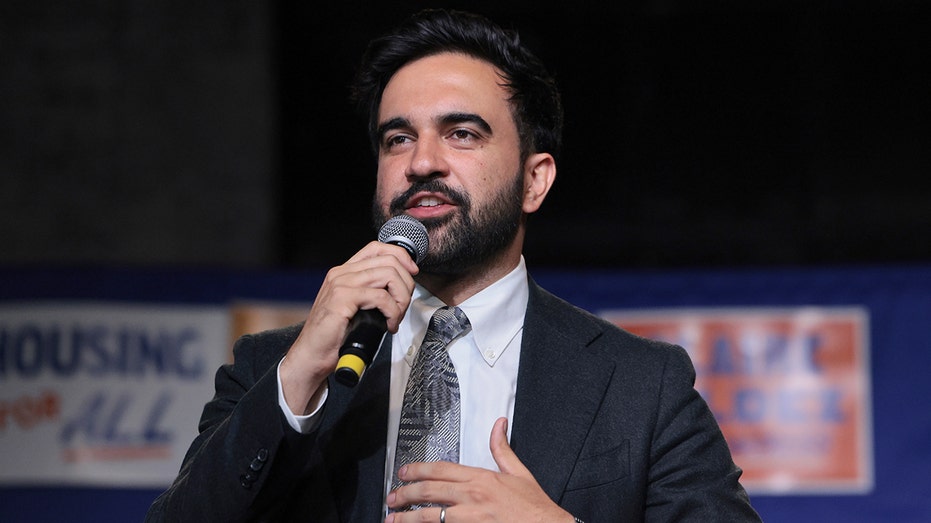
New York City Mayor Zohran Mamdani, whose prominent rent-freezing pledge marked a key plank of his Big Apple mayoral campaign last year, issued a statement hailing the board’s move.
“This is a historic victory for New York City tenants. After reviewing the data and hearing from New Yorkers across the city, the independent RGB has delivered a freeze on one-year leases, and the first-ever freeze on two-year leases in our city’s history. This is the relief that working people across our city deserve,” the mayor declared in the statement.
New York City Mayor Zohran Kwame Mamdani delivers a speech during a reception hosted at Gracie Mansion to celebrate Juneteenth in New York on June 16, 2026. (Selcuk Acar/Anadolu via Getty Images / Getty Images)
“I’m grateful for the board members’ thoughtful consideration of the data, including tenants’ ability to pay, cost of living and building operating costs. I’ll continue working to deliver a more affordable city by building and preserving affordable housing, lowering building operating costs like insurance, and ensuring tenants know their rights,” he added.
Advertisement
The board is stacked with six people appointed by Mamdani.
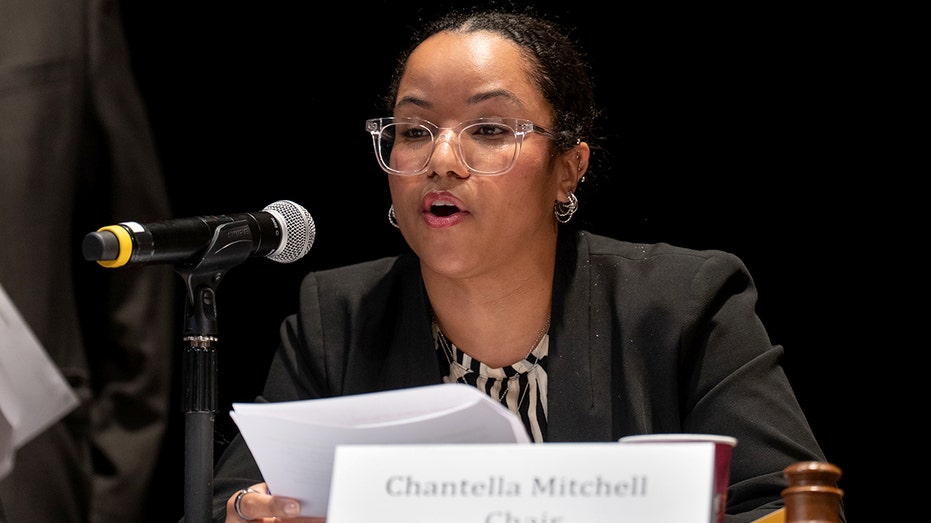
“Chantella Mitchell will serve as the Chair of the RGB; Sina Sinai, Lauren Melodia and Brandon Mancilla have been appointed as public representatives; Maksim Wynn will serve as an owner representative; and Adán Soltren has been reappointed as a tenant representative,” a February press release noted. “They join Arpit Gupta, Christina Smyth and Sagar Sharma on the nine-member board.”
Chantella Mitchell, chair of the Rent Guidelines Board, speaks prior to a vote by the Rent Guidelines Board in New York on Thursday, June 25, 2026. (Adam Gray/Bloomberg via Getty Images / Getty Images)
Smyth issued a statement announcing her immediate resignation on Thursday morning, prior to the board’s vote later that day.
Advertisement
“I am resigning because the process I was appointed to take part in is not administered the way the law requires. The Rent Guidelines Board has stopped being a fact-finding body. It has become a body that starts with an answer and vibe codes its way backward to justify it,” she asserted in a statement.
“This year’s RGB order was decided last year on the campaign trail. Then in February, the Mayor appointed six of the nine members of this board. This rebuilt board was required to deliver a rent freeze. Everything since has been theater. The hearings, the reports, the public comment, the data. None of it was ever going to change the result,” she declared.
New York City Mayor Zohran Mamdani speaks during a primary-night watch party for NYC Congressional candidate Claire Valdez at 99 Scott Studio on June 23, 2026, in the East Williamsburg neighborhood of the Brooklyn borough in New York City. (Michael M. Santiago/Getty Images / Getty Images)
The board “is mandated to establish rent adjustments for the approximately one million dwelling units subject to the Rent Stabilization Law in New York City,” according to the city.
Terry Chrisomalis is a private investor in the Biotech sector with years of experience utilizing his Applied Science background to generate long term value from Healthcare. He is the author of the investing group Biotech Analysis Central which contains a library of 600+ Biotech investing articles, a model portfolio of 10+ small and mid-cap stocks with deep analysis for each, live chat, and a range of analysis and news reports to help Healthcare investors make informed decisions.
Analyst’s Disclosure: I/we have no stock, option or similar derivative position in any of the companies mentioned, and no plans to initiate any such positions within the next 72 hours. I wrote this article myself, and it expresses my own opinions. I am not receiving compensation for it (other than from Seeking Alpha). I have no business relationship with any company whose stock is mentioned in this article.
Seeking Alpha’s Disclosure: Past performance is no guarantee of future results. No recommendation or advice is being given as to whether any investment is suitable for a particular investor. Any views or opinions expressed above may not reflect those of Seeking Alpha as a whole. Seeking Alpha is not a licensed securities dealer, broker or US investment adviser or investment bank. Our analysts are third party authors that include both professional investors and individual investors who may not be licensed or certified by any institute or regulatory body.
Over the past 30 years, every time that the U.S. two-year Treasury yield crossed above the fed funds rate, the Federal Reserve’s next move was a hike, Aptus Capital Advisors’ John Luke Tyner said in a note.
“We are currently in that situation,” the portfolio manager and head of fixed income said.
Over the last few months, expectations for Fed rate cuts have been slashed, and transitioned to expectations for rate hikes on the back of a strong economy and high inflation, mostly related to higher energy prices, he said.
But more importantly, Micron’s shift to long-term agreements with customers gives the group a more stable earnings profile, and makes it less vulnerable to sharp swings in demand, the head of technology research said. “These long-term agreements effectively put a ceiling and a floor on pricing and commit customers to taking supply, which smoothes what has historically been a highly cyclical market.”












































You must be logged in to post a comment Login