

Business
Comparing the AI Chip Leader to the Newly Public Rocket and Satellite Giant for 2026

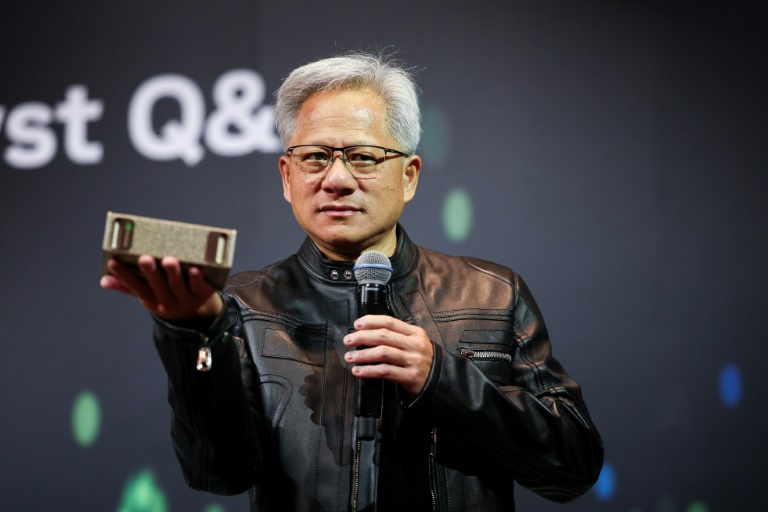
Two of the most talked-about names in technology investing right now sit on opposite ends of the corporate life cycle, even as both are increasingly framed as plays on artificial intelligence: Nvidia, the established chip giant that has powered the AI boom for years, and SpaceX, the rocket and satellite company that completed the largest initial public offering in history earlier this month.
For investors weighing which stock might fit their portfolio in 2026, the comparison comes down less to which company is “better” and more to how much risk, and how much patience, an investor is willing to bring to the table. Here’s what the available numbers and analyst commentary show about each.
Nvidia: a proven, profitable AI bet
Nvidia has spent the past several years transforming from a gaming-focused chipmaker into what many on Wall Street consider the backbone of the artificial intelligence economy. Nvidia’s revenue reached $130 billion in its most recent fiscal year, with operating margins exceeding 55%, reflecting strong pricing power and continued demand for AI computing capacity.
That scale has translated into one of the largest market valuations in corporate history. Nvidia currently sits at roughly $5 trillion in market capitalization, generating more than $250 billion in revenue over the past 12 months and about $160 billion in net income, with its most recent quarterly revenue growing 85% year over year.
Analysts broadly agree that Nvidia’s business is well established, even if opinions differ on how much further the stock can run from current levels. Multiple analysts have maintained strong buy ratings on Nvidia, with some price targets suggesting the stock could approach $357 by the end of 2026 under optimistic scenarios. Not everyone shares that optimism, however. CFRA analyst Keith Snyder initiated coverage of Nvidia with a sell rating and a $115 price target, citing a premium valuation that leaves limited room for execution shortfalls.
The central risk most frequently cited for Nvidia isn’t about its current business, but about how much future growth is already reflected in its share price. The primary risk for Nvidia is valuation compression — the market already assumes continued dominance in AI infrastructure spending, and any slowdown in enterprise AI adoption, increased competition, or a cyclical reduction in data center spending could pressure the stock’s multiple even if earnings keep growing.
SpaceX: a massive, newly public bet on the future
SpaceX’s path to the public markets looked nothing like Nvidia’s gradual rise. SpaceX priced its IPO at $135 per share on June 11, 2026, and began trading the next day in what became the largest IPO in history, raising $75 billion at an initial valuation of approximately $1.77 trillion. With about 13.1 billion shares outstanding, that pricing gave SpaceX an initial market value of nearly $1.8 trillion.
The stock’s early trading has been volatile. SPCX surged 19.2% on its first day of trading and reached an all-time high of $225.64 within four days — a 67% gain from the IPO price — before pulling back sharply. As of June 22, 2026, the stock was trading around $165.78, down roughly 27% from that peak, within a 52-week range of $135 to $225.64.
Unlike Nvidia’s single-focus chip business, SpaceX’s revenue comes from several distinct operations at very different stages of maturity. SpaceX’s Starlink division operates on a subscription model, generating $6.8 billion in annualized revenue from 4.2 million subscribers and growing 86% year-over-year, while its Launch Services segment brings in $4.9 billion annually with roughly 65% global market share. Its Starship program, meanwhile, represents future optionality with no material current revenue. Overall, SpaceX’s 2026 revenue of $18.2 billion is a fraction of Nvidia’s, but its 58% growth rate is dramatically higher than Nvidia’s current pace.
SpaceX has also moved into AI more directly through a corporate acquisition. Before going public, SpaceX acquired xAI, the business behind the Grok AI platform and the social media platform X, and that AI division generated about $3.2 billion in revenue in 2025, growing at a 22% pace — solid, though notably slower than Nvidia’s AI-driven growth.
Bulls and skeptics on both sides
Some prominent voices on Wall Street see SpaceX’s growth potential as enormous. CNBC’s Jim Cramer has said mismatched supply and demand for SpaceX shares could quickly drive the stock to a $6 trillion valuation, while hedge fund billionaire Ron Baron has projected that orbital AI data centers could eventually push SpaceX’s value to $14 trillion within a decade.
Others remain far more cautious about how much of that future is already priced in. For context, Palantir Technologies currently carries the highest valuation in the S&P 500 at 60 times sales, and SpaceX was roughly 50% more expensive than that at its IPO price. One financial analysis was blunt about the disconnect between SpaceX’s valuation and its current financial results. If SpaceX deserved to be valued at 40% of Nvidia’s price based on comparable financial performance, it would need roughly $100 billion in revenue and $64 billion in profits — but in 2025, SpaceX’s revenue totaled less than $20 billion, with adjusted EBITDA of $6.6 billion, leading one analysis to conclude that SpaceX’s stock price is based more on hype than current business results.
Two different kinds of risk
Ultimately, the decision between the two stocks comes down to what kind of uncertainty an investor is comfortable holding. Nvidia stock, despite trading at elevated valuations, already has a proven financial foundation — investors may debate whether it’s expensive, but few question whether the underlying business is real. SpaceX stock carries more uncertainty, having recently entered public markets while still facing major execution challenges involving launches, infrastructure, regulation and satellite deployment.
A broader industry comparison framed the tradeoff similarly: Nvidia suits investors seeking proven AI exposure, while SpaceX suits investors seeking earlier-stage exposure to the broader space economy, given the two companies’ low fundamental correlation and very different risk profiles.
The bottom line
Neither stock is without significant risk, and neither is guaranteed to outperform the other in 2026. Nvidia offers an established, highly profitable business whose primary risk is whether its sky-high valuation can be sustained if AI spending growth slows. SpaceX offers exposure to a much larger, longer-term opportunity in space and satellite infrastructure, but at a valuation that — by traditional financial measures — runs well ahead of its current revenue and profits.
This article is not financial or investment advice. Given the volatility and uncertainty surrounding both stocks, investors are encouraged to review company filings, consult a qualified financial professional, and consider their own risk tolerance and time horizon before making any investment decisions.


Labour Ministry implements three measures: safe holiday jobs, vocational training for non-students, and labour rights education. Strict child labour laws will be enforced, with workplaces encouraged to declare themselves child labour-free to boost international confidence and ensure youth well-being.
Key Points
- The Labour Ministry is launching three proactive initiatives: promoting safe holiday work for over 10,000 students, offering vocational skills training for non-students, and educating youth on labour rights and safety to prevent exploitation.
- Strict child labour laws, prohibiting employment under 15 and regulating work for 15-17 year olds, will be enforced. Workplaces are encouraged to declare themselves child labour-free to align with international standards.
- This comprehensive approach emphasizes creating opportunities, education, and skill development alongside law enforcement to ensure children’s safety, well-being, and full potential.
Safe Holiday Work for Youth
The Labour Ministry is proactively addressing child labour and enhancing youth well-being through three primary initiatives. The first focuses on providing safe and legal employment opportunities during school holidays. By partnering with over 56 major national businesses, the ministry is facilitating more than 10,000 positions for students. This program enables young people to gain valuable work experience and earn income while ensuring they are protected under existing labour laws, thereby preventing them from falling into exploitative work during their breaks.
Skills Development for Future Employment
The second strategic measure targets young individuals who do not pursue further academic studies by equipping them with vocational skills. This initiative aims to facilitate a transition from unskilled labour to skilled employment, thereby improving their long-term career prospects and economic stability. Collaborating with educational institutions, the ministry will provide necessary support and training before these young people enter the formal labour market, ensuring they are better prepared and more competitive.
Empowerment Through Rights Education and Strict Enforcement
The third measure involves educating young people on their labour rights and workplace safety protocols, empowering them to recognize and resist exploitation. Complementing these proactive measures, the government reaffirms its commitment to strict enforcement of existing child labour laws, which prohibit employment for those under 15 and impose stringent welfare and safety regulations for those aged 15 to 17. Furthermore, workplaces are being encouraged to voluntarily declare themselves child-labour-free, aligning Thai labour standards with international expectations and bolstering global trade confidence.
Source : Thailand steps up child-labour protection with safe jobs and skills training
Other People are Reading

Clear Secure CEO sells $1.82m in company stock
Form 4 Clear Secure Inc For: 26 June
Verizon Communications Inc. shares rose more than 0.72 percent on Friday, closing at $46.40 after gaining $0.33, as investors responded positively to the company’s continued customer additions and network performance.
The modest advance reflected confidence in Verizon’s position as a leading wireless provider with a focus on reliability and premium services. The company has maintained steady subscriber growth while expanding its 5G network and fiber broadband offerings.
Verizon’s postpaid phone net additions have remained strong, demonstrating its appeal to consumers and businesses seeking dependable connectivity. Its emphasis on network quality and customer service has supported retention and acquisition.
The company’s diversified business model, including wireless, fiber and business solutions, provides multiple revenue streams. Strategic investments in 5G infrastructure and fiber expansion support long-term growth prospects.
Operational Performance
Verizon has reported consistent revenue growth driven by wireless service revenue and broadband expansion. Its ability to monetize network investments through higher-tier plans has contributed to financial improvement.
The company’s fiber business has shown strong growth as it expands availability of high-speed internet services. Fios offerings compete effectively in markets where they are available.
Enterprise solutions and business services provide additional revenue diversification. Verizon’s global network and security offerings appeal to corporate customers with complex connectivity needs.
Operational efficiency initiatives have helped manage costs while maintaining service quality. The company’s scale provides advantages in infrastructure deployment and customer support.
Network Leadership
Verizon has invested heavily in 5G deployment, achieving broad coverage across the United States. Its focus on millimeter wave and mid-band spectrum has enabled high-speed connectivity in various environments.
The carrier continues upgrading its network with advanced technologies including carrier aggregation and dynamic spectrum sharing. These improvements enhance capacity and performance for customers.
Fixed wireless access services have expanded rapidly, providing home broadband alternatives in many markets. Verizon’s 5G home internet offers competitive speeds and reliability.
The company’s network reliability and coverage have been recognized in independent studies. This reputation supports customer acquisition and reduces churn.
Strategic Initiatives
Verizon has pursued selective acquisitions and partnerships to enhance its capabilities. These moves have strengthened its position in 5G, fiber and enterprise services.
The company’s focus on digital transformation includes improved customer interfaces and automated service processes. These investments aim to enhance user experience and operational efficiency.
Sustainability initiatives include renewable energy adoption and responsible supply chain practices. Verizon’s environmental efforts align with corporate responsibility expectations.
Market Position and Competition
Verizon competes with T-Mobile and AT&T in the wireless market. Its emphasis on network quality and premium services differentiates it from competitors focusing on price and unlimited data.
The carrier’s enterprise business serves large organizations with complex connectivity requirements. Its global reach and security expertise provide competitive advantages.
Fixed broadband competition from cable providers and fiber overbuilders requires continuous investment in network capabilities. Verizon’s fiber expansion strategy addresses this competitive dynamic.
International operations, while smaller than domestic businesses, provide additional revenue and growth opportunities. Regional market conditions influence international performance.
Investment Considerations
Verizon’s shares appeal to income-oriented investors through its attractive dividend yield and history of consistent payouts. The stock’s defensive characteristics in the telecommunications sector provide stability.
Valuation metrics reflect expectations for steady growth and dividend support. Risks include competitive pressures, regulatory changes and execution challenges in network deployment.
Longer-term investors value Verizon’s essential service role and reliable cash flow generation. Its position in critical infrastructure supports sustained relevance.
Analysts generally maintain stable outlooks, citing the company’s network strength and customer base. Continued execution on growth initiatives could support further positive sentiment.
Industry Trends
The wireless industry continues evolving with 5G deployment, increasing data consumption and emerging technologies. Carriers must balance infrastructure investment with returns on capital.
Consumer demand for unlimited data and high-speed connectivity drives network capacity requirements. Verizon’s focus on premium services aligns with this trend.
Fixed wireless access represents a significant opportunity to disrupt traditional broadband markets. Successful execution in this area could diversify revenue streams.
Regulatory considerations around spectrum allocation and competition policy influence industry dynamics. Verizon’s advocacy for balanced regulation supports its business interests.
Future Outlook
Verizon’s strategic direction focuses on leveraging its network assets while developing new revenue streams in 5G and fiber. Its strong customer relationships and brand reputation provide foundations for continued success.
The company continues investing in network modernization and digital capabilities. Its ability to adapt to changing customer needs while maintaining service quality will influence long-term performance.
Investors will monitor upcoming quarterly results for progress on subscriber metrics, revenue growth and margin trends. Management guidance will provide insight into execution priorities and market conditions.
The telecommunications sector’s fundamental demand drivers remain strong. Verizon’s competitive positioning and operational capabilities suggest potential for sustained performance.
As the company advances its network and service offerings, its contribution to American connectivity and digital economy will expand. Verizon’s progress will be watched closely by industry participants and investors.
Form 4 Slide Insurance Holdings Inc For: 26 June
Personalis CFO Aaron Tachibana sells $675,488 in company stock
Form 4 Perpetua Resources Corp For: 26 June

Uber: I Love Buying This Dip


Cogent investment views on digital assets, macro, and derivatives. BTC Maxi. My investment philosophy centers around deep fundamentals, impactful narratives, and Austrian economics. Time horizon is the primary dividing factor for investment research. Long-horizon research will focus on digital assets, macro, and general value opportunities. Emphasis is placed on a global, long-run macro view as the basis for these investment considerations. Short-horizon research will focus on options and volatility for income generation and hedging.
Analyst’s Disclosure: I/we have no stock, option or similar derivative position in any of the companies mentioned, and no plans to initiate any such positions within the next 72 hours. I wrote this article myself, and it expresses my own opinions. I am not receiving compensation for it (other than from Seeking Alpha). I have no business relationship with any company whose stock is mentioned in this article.
Seeking Alpha’s Disclosure: Past performance is no guarantee of future results. No recommendation or advice is being given as to whether any investment is suitable for a particular investor. Any views or opinions expressed above may not reflect those of Seeking Alpha as a whole. Seeking Alpha is not a licensed securities dealer, broker or US investment adviser or investment bank. Our analysts are third party authors that include both professional investors and individual investors who may not be licensed or certified by any institute or regulatory body.
Form 4 Faeth Therapeutics, Inc For: 26 June

Thailand Boosts Youth Protection With Safe Jobs and Skills Training

Polymarket Confirms $3 Million Loss From Third-Party Front-End Supply-Chain Breach

Young and Restless Next Week: Jack Faces Brutal Kidnapping & Victor Shaken to the Core!


-

 Entertainment6 days ago
Renter of Home in Anne Heche Crash Denies Settlement With Son
-
 Sports3 days ago
Two goals and an assist by sheer aura: Cristiano Ronaldo just entered the World Cup chat
-

 Tech5 days ago
Microsoft accidentally kills epic Outlook email threads
-

 Business6 days ago
Soccer-U.S. defends Iran World Cup travel restrictions, says discussions ongoing
-

 Fashion7 hours ago
Weekend Open Thread: Staud – Corporette.com
-

 Politics19 hours ago
The House | Manchesterism won’t survive the painful trade-offs unless it gets citizens on board
-

 Politics7 days ago
Andy Burnham and the meaning of Makerfield
-

 Politics23 hours ago
Potential 2028er World Cup attendee leaderboard
-

 Tech1 day ago
A Look At A Gaggle Of Transputer Boards
-
Crypto World3 days ago
Bitcoin (BTC) Dips Below $62K, Ethereum (ETH) Plunges 6% Daily: Market Watch
-

 Business17 hours ago
Asia stock markets slide as tech shares slump
-

 Crypto World3 days ago
Securitize Wraps Roubini's SEC-Registered ETF as Dubai VARA Digital Security
-
 Crypto World1 day ago
Dell (DELL) Shares Tumble Over 5% Following Analyst Downgrade to Hold
-
Business3 days ago
Entergy settles forward sale agreements, raises $672 million in cash proceeds
-
 Crypto World7 days ago
Can Charles Hoskinson Really Rescue Cardano?
-
 Business7 days ago
Wall Street Week Ahead: Investors see Micron earnings as pulse check of AI rally momentum
-

 Sports4 hours ago
FIH Pro League: India defeat Pakistan 7-1, register biggest win of campaign | Other Sports News
-

 Entertainment7 days ago
Jose Alvarado Wants Taylor Swift at More Knicks Games
-

 Crypto World8 hours ago
RTX holders must register wallets before token distribution begins
-

 Crypto World7 days ago
HIVE shares jump as $220M AI deal speeds Bitcoin mining pivot
You must be logged in to post a comment Login