We asked men how often they think about ‘the one that got away’, and the answers might surprise you (Picture: Shutterstock / Peshkova)
Jay spent five years pining for Daisy in The Great Gatsby, and Noah waited seven years for another chance with Allie in The Notebook.
For decades, pop culture has used ‘the one that got away’ as a trope, romanticising missed opportunities, what ifs, and long-lost loves.
In the most iconic of these films, it’s often the male character’s yearning and heartache over the loss that’s highlighted, which got us wondering… How often does this actually happen in real life?
In a bid to find out, Metro asked men how often they think about ‘the one that got away’, and some of the answers might raise a few eyebrows.
Advertisement
Here’s what they had to say…
Gatsby spent years pining for his lost love, Daisy (Picture: Bazmark Films/Warner Bros./Kobal/REX/Shutterstock)
I’m happily married, but I think about my ex daily
Ask Metro
Use AI to go deeper into the stories you care about – powered by Metro and trusted publications.
Ciaran, 37, tells Metro he thinks about an ex ‘almost daily’, despite being ‘happily married’.
Advertisement
‘I’ve been with my wife for 18 years, and we’re extremely happy. But I think about the one that got away almost daily – 21 years on!
‘We are still really good friends, but only really chat online now.’
Another married man, known only as Oscar, is in a similar situation.
He admits that there was a time when he would think about the one that got away ‘every hour’ of the day.
Advertisement
Some of the men say they are ‘happily’ married, but still think about a lost love (Picture: Shutterstock / Motortion Films)
The 45-year-old said: ‘I’ve been happily married for 12 years, but still think about the one that got away.
‘I’m kind of over it now, but at its height I thought about them every hour.’
He claims it was a classic ‘right person, wrong time’ situation.
‘I was everything she needed, but not what she wanted,’ he explains. ‘I was an emotional crutch, bought her presents, went on dates, and helped her so much in her life.
‘We never took it to the next stage, despite it feeling so right. She didn’t want me, but she didn’t want anyone else to have me (her words, not mine).’
Advertisement
I can’t help but wonder how different my life could have been
Some say they thought of the one that got away ‘daily’ (Picture: Shutterstock / fizkes)
For Alex, there are two people from his past who ‘regularly’ cross his mind.
The 35-year-old has been married for a decade with two kids, and while he loves his family and ‘wouldn’t trade them for the world’, he admits he can’t help but think of how different his life could have been.
‘I have two people that got away, one I dated, one I didn’t, and I usually think about them a couple of times a month.
‘The one I didn’t date was the ultimate girl next door type; she was very smart, very funny, and very beautiful. We were really close friends who, on multiple occasions, professed to have feelings for one another but always found the timing was never right between other relationships and life just getting in the way.
‘The one I dated was different; we didn’t necessarily have much in common, and I’d go so far as to say she was out of my league, but when we were together just the two of us, we worked and had fun. The problems always came in wider society and larger groups as we just seemed to stop working.’
Advertisement
Alex continues: ‘I think of them both in terms of the happy memories we shared and the times we were living in. The world isn’t what it once was, and these two girls represent a simpler time for me.
‘Thinking about the ones that got away can bring back the way things felt back then, even if just for a moment.’
He adds: ‘I also think about the person I’d be now if they had worked out, what our lives would be like; it’s a curiosity that can’t be ignored but will never be fulfilled.’
She didn’t get away; I let her go
‘She didn’t get away, I let her go.’ (Picture: Shutterstock / ADragan)
Ahaan, 23, is currently single, but has an ex he thinks about ‘more often than he’d ever admit out loud’.
He tells Metro they dated in college, but their relationship ended after he cheated.
Advertisement
‘The worst part is knowing that she didn’t get away; I let her go,’ he says.
‘At the time, I thought she’d always be there, even after I was unfaithful to her.
‘A few years later, I saw her building the life she wanted with someone else and realised none of her expectations were impossible. She just found someone willing to meet them.
‘All the things she wanted from me, like consistency, effort, reassurance, and commitment, she ended up getting from someone willing to give them. By then, there wasn’t really anything left for me to say.’
Advertisement
What do relationship experts think?
With so many married men professing to still think about a lost love, you might think this means their relationships are doomed.
But, according to sex and relationship expert Gigi Engle, this isn’t necessarily the case.
‘Thinking about or missing an ex doesn’t mean that you’re broken, or that there’s anything wrong with you, or that you’re not happy in your relationship,’ she explains.
‘You could be perfectly happy, perfectly secure, and perfectly content with your stable partner, and still be tempted by the idea that there’s something shiny out there that you can’t have.’
Advertisement
This, she claims, is because it’s ‘difficult for our brains to want what they already have’.
‘It’s something psychotherapist Esther Perel has said, and what it essentially means is that we aren’t going to lust over and desire something we’ve already attained,’ Gigi says.
The expert also believes nostalgia plays a key role, as it’s something we’re very prone to.
‘We tend to long for someone in the past, in an idealised way. Our brains have a real tendency to hone in on the positive aspects of a past relationship or the positive qualities of an ex, ignoring the negative stuff, like arguments or lack of compatibility. That’s why we often miss our toxic ex, even though we know we shouldn’t be with them.’
Advertisement
Do you still think about the one that got away?
Love juicy stories? Need some sex tips to spice things up in the bedroom? Sign up for The Hook Up Newsletter now
BACP-registered counsellor and author, L.J Jones, agrees that there’s no issue with people in happily married and committed relationships ‘occasionally’ thinking about a former partner.
Advertisement
‘A passing thought is completely different from wanting to leave a current relationship,’ she says.
‘Memories are often triggered by life events, anniversaries, songs, places, or even reaching a new stage in life. Sometimes the former partner symbolises a younger version of ourselves, roads not taken or unanswered questions, rather than a genuine desire to rekindle the relationship.’
However, if you find these thoughts are becoming more frequent, you might need to dig a little deeper to work out what they’re really telling you.
‘They may reflect unmet emotional needs, nostalgia during a stressful period, or dissatisfaction in another area of life rather than actual feelings for that person.
Advertisement
‘Looking beneath the surface is often far more helpful than focusing on the individual from the past.’
Gigi agrees, adding: ‘It’s ok to miss that person, but becoming so incredibly fixated on the one that got away to the point that you’re sabotaging yourself or your relationship or comparing everyone to an ex, isn’t healthy and needs to be addressed.’
Do you have a story you’d like to share? Get in touch by emailing MetroLifestyleTeam@metro.co.uk
Drinkaware aims to reach 200,000 potentially problem drinkers in Scotland by 2030.
Football clubs are being urged to join the battle to bring interventions to 200,000 Scots who are unwittingly drinking their way to an early grave.
Advertisement
The SPFL and Rangers were key participants in a summit that seeks to nail down the most effective ways of reaching those who are drinking to excess without realising it.
The new initiative, led by leading alcohol charity Drinkaware aims to identify up to two million risky drinkers in the UK by 2030 – and help them to turn their lives around by facing up to the problem.
Industry leaders gathered at Rangers FC’s stadium for a roundtable summit, where the priority group was those drinking more than recommended low risk levels on a regular basis.
MP Dr Zubir Ahmed – a transplant surgeon – called for earlier interventions that will reach the one in five drinkers who put themselves at risk without knowing it.
Advertisement
At the summit at Ibrox, Ahmed said: “As an NHS transplant surgeon for more than twenty years, I have seen what happens when the conversation about risky drinking comes too late – patients arriving when the damage is already irreversible.
“Eight million people in the UK are drinking at risky levels, many without recognising it. That is the challenge Drinkaware’s new strategy is designed to meet, and I am proud to be part of that conversation.”
Drinkaware CEO Karen Tyrell said: “We’ve made real progress over the last 20 years, with people across the UK drinking less and more staying within low-risk guidelines. But there is still more to do. By working together, we can reach people earlier, support healthier choices, and reduce alcohol-related harm.
Advertisement
“With one in five adults drinking at increasing risk levels, Drinkaware is encouraging anyone concerned about their drinking to take its free Drinking Check, which provides personalised feedback on whether their drinking could be affecting their health.”
Michael Beeson, Head of Partnerships at Drinkaware, said: “Football clubs have a unique role at the heart of their communities, creating trusted spaces that can encourage earlier conversations about alcohol.
“Through partnerships like our Walking Football and Netball programmes with Hearts FC and Heineken UK, we’re bringing people. together for free, inclusive sessions that combine social activity with simple, practical tools like our Drinking Check.
“This highlights the real power of charities, football clubs and industry working together – an approach that will be critical to achieving our shared ambition of two million fewer risky drinkers in the UK by 2030.”
This new target has been developed with industry partners and stakeholders and aligns closely with the focus on prevention and early intervention in Scotland’s Alcohol and Drugs Strategic Plan.
Advertisement
Participants explored how trusted settings outside traditional healthcare, including football clubs, peer support groups and local community organisations, can play a greater role in encouraging earlier conversations and intervention.
Attendees included the SPFL Trust, Rangers FC, Heineken, Scottish Alcohol Industry Partnership, Community Alcohol Partnerships and The Wise Group.
Founded in 2006 by the UK Government, the devolved administrations and the alcohol industry, Drinkaware is funded by unrestricted voluntary donations from more than 120 organisations.
Advertisement
These include UK alcohol producers, retailers, supermarkets, venues, restaurant groups and sports associations.
The Chief Medical Officers’ guideline for both men and women advises that it is safest to drink less than 14 units a week on a regular basis.
If you regularly drink as much as 14 units per week, it is best to spread your drinking evenly over 3 or more days rather than in one binge.
Despite this, many still prioritise to sell new garments and place responsibility on consumers through care labels and instructions to ensure extend use and minimise clothing waste. Our research shows that although some retailers offer care products and repair services, these options are often hidden and secondary in retail stores. This is a missed opportunity. We also found that consumers want practical support to maintain and repair clothing in ways that extend lifespans and reduce environmental consequences.
Extending lifespan is not only about buying secondhand or reselling; how clothes are washed, repaired, stored and worn also matters. This means that even without retail support, there are steps you can take today.
Here are five ways to extend the life of your clothes through everyday care:
1. Rethink your washing habits
While care labels contain information on what washing machine and tumble dryer programmes are suitable for garments, using these machines less often helps to preserve the textiles. Instead of machine laundry, try to air and re-wear items.
When it comes to denim or clothes from a charity shop, leaving them in the freezer for a couple of days can help to refresh the garment. For small stains, spot cleaning by hand is another option.
Advertisement
2. Know which materials you’re wearing
Garments and textiles are complex: fibres, structure, colour and design all change how clothes get used and looked after. Learning more about textiles can enable you to treat your garments better and make smarter purchases.
Products such as brushes, lint rollers and sweater combs can refresh your garments with minimal effort. However, results depend on the material. For instance, de-pilling is more successful on 100% wool garments than on synthetic blends.
Denim doesn’t need to be washed as often as you might think. nblx/Shutterstock
Stain removal depends on what the textile can handle, what various cleaning products do, and the type of stain. You can find information online in many languages.
As a result, downsizing and decluttering are popular. However, viewing your wardrobe less critically can help you rediscover forgotten favourites and unlock the potential of the garments you already own. Holding on to clothes not currently in use can be a smart choice. Future changes in fashion, your body or your taste can make you regret discarding old favourites. Assessing what you wear, what you never wear, and why can also help you avoid new purchases and make more successful ones.
Advertisement
Slow fashion content creators share tips on social media like “define your style in three adjectives” pinpointing the attributes you should look for in garments and outfits, or colour analysis that helps identify the tones and colours that suit you best. These methods can be useful to identify and recognise the clothes that bring real joy.
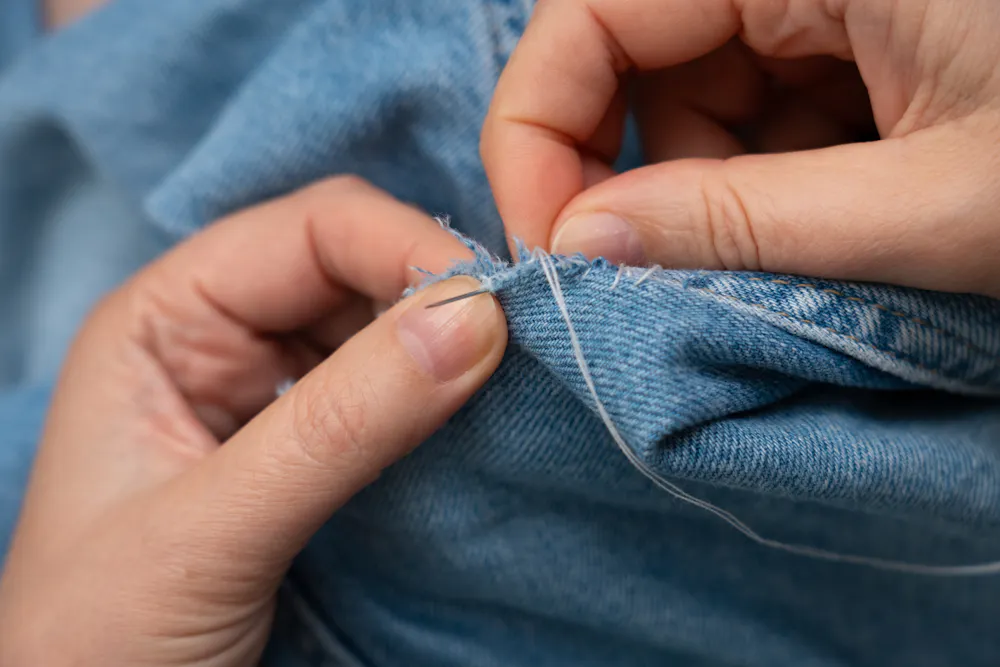
Learning to enjoy sewing repairs is a brilliant way to make your clothes last longer. Artem Stepanov/Shutterstock
4. Learn to repair and upcycle
You might know how to close a hole or replace a button, but how about darning socks, repairing knitted sweaters or hemming trousers? In our research, we found that even if consumers care about their clothes and want to extend their life, lack of repair skills can be a hindrance. However, the growing popularity of public repair workshops provide an opportunity to exchange repair skills and connect with a like-minded local community. Look for repair cafes via your local library, for example.
5. Choose retailers that prioritise aftercare
Fashion brands need to normalise extended use, and present garments as repair and care-worthy.
A few retailers have started to recognise the need to help consumers enjoy their clothes for longer and offer genuine after care. Look for brands and retailers that offer repair services, accessible original parts, patches and even repurposing and tailoring. This could encourage brands to provide more than just environmental messages on care labels or low-quality repair kits for hard-to-repair products.
Advertisement
The goal is to normalise caring for old products and make aftercare a core part of the retail industry, not an optional extra.
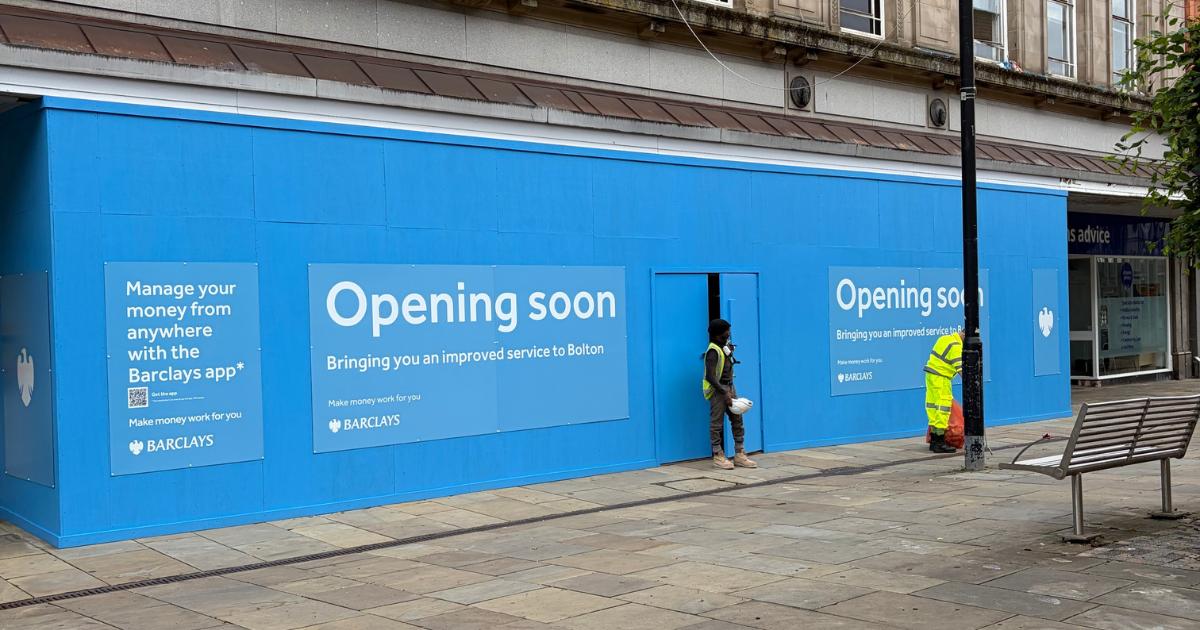
Blue boardings have been installed around the future branch at Victoria Plaza on Oxford Street, telling customers the bank will soon be “bringing you an improved service to Bolton.”
Planning officers said the redesigned frontage would improve the appearance of the unit while preserving the character of the Bolton Town Centre Conservation Area.
No objections were received during the consultation process and highways officers raised no concerns.
Advertisement
A separate application for illuminated signage at the premises remains under consideration by Bolton Council.
The latest progress on site suggests work is continuing ahead of the branch opening, although an opening date has not yet been announced.
Magnet described the stores as “underperforming” and said the closures were part of a company voluntary arrangement (CVA) to help secure the group’s finances.
The CVA is designed to address “property costs that are no longer sustainable.”
Sophie Rose, chief executive of Magnet Group, said: “This is a difficult decision and not one we have taken lightly, particularly where colleagues may be impacted.
Advertisement
“But taking this action now is the right thing to do for the long-term health of Magnet Group.”
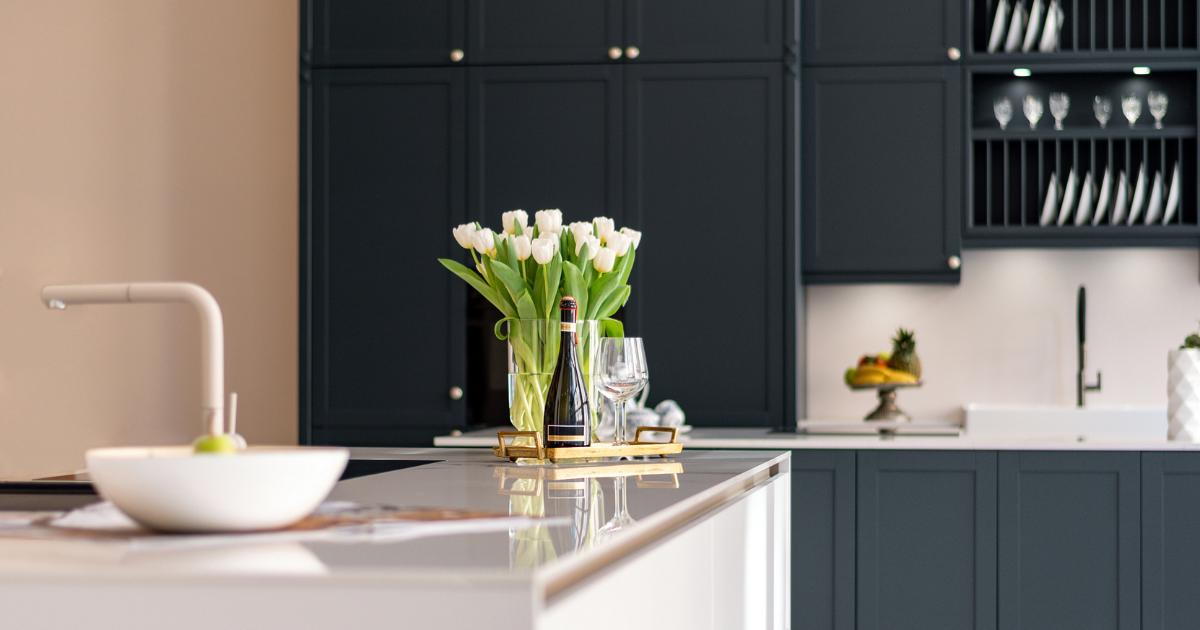
The Darlington-based firm sells the likes of kitchen cabinets, worktops, built-in and freestanding appliances, sinks, and taps
Which Magnet Kitchens stores will be closing?
Magnet will shut stores in the following locations:
Andover, Hampshire
Birmingham Minworth, West Midlands
Blackburn, Lancashire
Bridgwater, Somerset
Brighton, East Sussex
Colwyn Bay, Wales
Dorking, Surrey
Farnborough, Hampshire
Ramsgate, Kent
Romford Trade, Greater London
Stirling, Scotland
Stockton, County Durham
Watford, Hertfordshire
Weymouth, Dorset
York Trade, North Yorkshire
The retailer has not shared details on when the above stores will close.
Magnet also did not confirm how many jobs could be affected, but said employees would be offered support and alternative roles where possible.
The company reassured customers that the majority of its 159 stores will continue to operate as normal.
Advertisement
Magnet also confirmed that any customer orders affected by the closures will be transferred to the closest alternative store.
The CVA plan will be overseen by Natasha Harbinson, Will Wright and Chris Pole from advisory firm Interpath, subject to creditor approval.
Ms Rose said: “It allows us to deal with property costs that are no longer sustainable and protect the stronger parts of our estate.”
UK retailers that have closed or entered administration in 2026
It has been a tough year for the UK high street, with several retailers entering administration and others announcing widespread store closures.
Major high street retailers LK Bennett and Claire’s both closed all their stores in April, having previously fallen into administration.
Advertisement
Quiz also revealed that it will be closing its 37 remaining stores by the end of June, after falling into administration in February (for the second time in 12 months).
Other retailers have been forced to close stores this year, including:
Iguanas Holdings Limited, which runs 47 Las Iguanas restaurants across the UK, and Poundstretcher are also in danger of collapsing into administration if restructuring plans aren’t agreed, having “fallen into financial difficulties”.
UK delivery company Yodel is set to be phased out over the coming months after being acquired by InPost.
Advertisement
However, it’s not been all bad news for the UK high street, with several major brands announcing new store openings for 2026, including Aldi, M&S, and Superdrug.
Plus-size clothing brand Evans has also returned to the UK high street in 2026 after closing all its stores and concessions in December 2020.
Do you have a Magnet Kitchens store closing near you? Let us know in the comments.
Shoppers urged to check ham products from Tesco Finest and Lidl Deluxe ranges after the Food Safety Authority of Ireland issued a recall
Olivia Beeson UK & World News Reporter
05:30, 01 Jul 2026
Leading supermarkets Tesco and Lidl have withdrawn products from sale due to potential contamination with listeria monocytogenes.
Both retailers have issued the recall affecting items from their premium own-label collections.
Advertisement
Ham products from Tesco Finest and Lidl’s Deluxe range have been pulled by the Food Safety Authority of Ireland (FSAI) because of the possible health threat.
Products manufactured under the Brady Family brand are also included in the alert.
All products covered by the recall:
Advertisement
Brady Family Wood Smokes Real Irish Ham 6 Slices – pack size 80g – batch code 235417.
Brady Family Hand Crumbed Real Irish Ham 6 Slices – pack size 80g – batch code 235880 and 235765.
Lidl’s Deluxe Triple Oak Smoked Carved Irish Ham 5 slices – pack size 130g – batch code 235461.
All affected products carry a use-by date of 16 July.
Point-of-sale notices will be displayed in stores.
Shoppers have been urged not to consume the affected items and to throw them away.
Listeria monocytogenes can cause mild flu-like symptoms, or stomach-related issues including nausea, vomiting, and diarrhoea.
Advertisement
Cold meats are especially vulnerable to contamination with listeria bacteria. Additional at-risk foods include smoked and cured fish, shellfish and mouldy cheeses such as camembert and brie.
According to the NHS website, the majority of those infected with the bacteria experience no symptoms whatsoever, or merely mild indicators including a high temperature, vomiting, aches and pains, chills or diarrhoea.
Those facing elevated risk include expectant mothers, newborns and individuals with compromised immune systems.
The likelihood of complications also rises with advancing age.
Advertisement
Parents are urged to dial 999 or attend A&E if youngsters display more serious symptoms including a severe headache and stiff neck, discomfort looking at bright lights, seizures, sudden confusion or sleepiness, and a rash that does not fade when a glass is rolled over it.
Most infections from the bacteria can be treated at home through rest and adequate hydration.
Humphrey Smith, the notoriously strict brewery boss who banned mobile phones, music and bad language from his pubs, has died aged 81.
The former chairman of Samuel Smith’s Old Brewery was one of the most controversial figures in the British pub trade.
To admirers, he was a determined guardian of the traditional public house – protecting historic interiors and the lost art of conversation from the relentless march of smartphones and fruit machines.
To critics, he was an uncompromising and sometimes fearsome figure whose rigid rules left some landlords terrified.
Advertisement
Smith, who was born on December 17, 1944, headed the family brewery in Tadcaster, North Yorkshire, which traces its history back to 1758 and claims to be Yorkshire’s oldest.
Under his leadership, Samuel Smith’s grew into one of Britain’s most distinctive pub companies, operating more than 200 establishments across the country.
Many occupy handsome historic buildings and retain traditional features including open fires, wooden panelling and Victorian fittings.
But it was the extraordinary list of things Smith refused to tolerate that made his pubs famous far beyond North Yorkshire.
Advertisement
Humphrey Smith (pictured), the notoriously strict brewery boss who banned mobile phones, music and bad language from his pubs, has reportedly died aged 81
Pictured is the Samuel Smith brewery in Tadcaster, North Yorkshire, where Mr Smith ran his 200-pub strong chain
Mr Smith (pictured) who was born on December 17, 1944, headed the family brewery in Tadcaster which traces its history back to 1758 and claims to be Yorkshire’s oldest
Advertisement
Smartphones were forbidden, as were laptops, televisions, music and fruit machines. Dogs, muddy boots and children were also unwelcome in many premises.
Swearing could lead to drinkers being thrown out – and landlords could reportedly find themselves out of a job if Smith believed they had failed to enforce his rules.
Smith was known for making unannounced visits to pubs across the country to ensure managers were maintaining his exacting standards.
One of the most notorious incidents came in 2019, when he reportedly overheard a customer tell a joke containing a swear word at the Fox and Goose in Droitwich Spa, Worcestershire.
Advertisement
The pub’s landlords, Eric and Tracey Lowery, had been running the premises for just seven weeks when they found themselves without their jobs – or the flat above the pub.
At the Cow and Calf in Sheffield, manager Louise Brownhill and her husband Steve claimed they were dismissed after Smith discovered his preferred dessert was not in stock (a chocolate fondant).
Mrs Brownhill said the couple had been unable to stock the dessert because the brewery had not provided them with a freezer.
At an employment tribunal involving two former Edinburgh pub managers, Smith was characterised by a judge as ‘combative and argumentative’.
Advertisement
Employment judge Murdo Macleod said Smith appeared dismissive of the proceedings and gave the impression that they were either ‘a waste of his valuable time or beneath him’.
Yet the formidable reputation contrasted sharply with the unassuming figure regularly seen walking through Tadcaster in tweed and wellington boots, often carrying a worn towel as he made his way to the local swimming pool.
Despite presiding over a valuable brewing and property empire, Smith was not known for displays of personal extravagance.
Residents said he gave up driving not a Ferrari or Rolls-Royce, but a modest Austin Allegro.
Advertisement
Pictured: The Princess Louise pub on High Holborn in Central London – a Samuel Smith’s pub
Pictured: A coaster in one of the Sam Smith pub’s which encourages people to talk – and bans devices
In later life he was said to travel by public bus, sometimes appearing unexpectedly at distant pubs with a portfolio tucked under his arm.
His habitual lunchtime swim took him past many of the empty shops, boarded-up houses and closed pubs that made him such a divisive figure in his home town.
Advertisement
Smith was reported to control as much as 70 per cent of Tadcaster’s commercial property through the brewery and associated interests.
Locals variously described him as the town’s ‘laird’ and a ‘Dickensian figure’ who inspired fierce loyalty and equally fierce resentment.
Critics accused him of allowing properties to deteriorate while refusing to let large chains occupy his buildings.
They argued that his control over land and commercial premises had prevented new homes, restaurants and businesses from coming to the town.
Advertisement
Smith’s relationship with Tadcaster came under intense scrutiny after the historic bridge over the River Wharfe collapsed during devastating floods in 2015.
Residents were initially forced to make a lengthy diversion between the two halves of the town.
Smith reportedly refused to allow brewery-owned land to be used for a temporary footbridge unless he was given input into the permanent replacement.
A temporary crossing was eventually erected on council-owned land, while the road bridge was later rebuilt following intervention by then-prime minister David Cameron.
Advertisement
Cllr Richard Sweeting said Tadcaster was ‘in mourning’ over the death of Mr Smith, who had been unwell for some time.
Cllr Sweeting, the town mayor, said: ‘It’s the end of an era. Mr Smith has been part of Tadcaster for many years and has done a lot for this town.
‘But he wasn’t one for publicity. He would like to do things behind the scenes. We wouldn’t have a lot of the facilities in the town if it wasn’t for Mr Smith and the brewery.
‘I knew Mr Smith extremely well. There was one thing he did have. He did have the town at heart. He was a Tadcaster person.
Advertisement
‘I have known him all my life and his mother. He has done a lot for the church and the community. To me, he’s just Mr Smith. They do a lot of unseen things.
‘Talking to people in the town, Tadcaster is in mourning. It’s the end of an era. My thoughts and prayers are with his family at this sad time.’
Tadcaster is known for its three breweries. John Smith’s was set up by members of the same Smith family in the 19th century, though it has long been separate from Sam Smith’s and now part of Heineken.
Molson Coors also has a plant in the town, where ‘Spanish’ beer Madri is brewed.
Advertisement
Companies House records show Smith resigned as a director of Samuel Smith Old Brewery on June 17, 2026.
News of his death was first reported by York Press, which said it had received a verbal confirmation of his passing over the phone from the notoriously media-averse brewery.
The British Pubs Facebook site posted: ‘An absolute titan of the British brewing world has passed away. Humphrey Smith, the famously traditionalist and eccentric owner of Yorkshire’s Samuel Smith’s Brewery, has died.’
The post continued: ‘Love him or hate him for his strict rules – banning smartphones, tablets, music, and even swearing – he ran his pubs entirely his own way to preserve the classic, tech-free British Pubs experience.’
“I was using it everyday walking 20k+ steps and it was so comfortable, my feet did not hurt at all.”
This article contains affiliate links, we will receive a commission on any sales we generate from it. Learn more
Advertisement
New Balance fans are flocking to grab a 40% discount on a £110 pair of trainers being hailed as ‘perfect for everyday’ wear. The 204L Shoeshave dropped to £66 and boast a 4.3 out of 5 rating from customer feedback.
On the New Balance website, the complete product description states: “Enter the 204L: an unexpected interpretation of 2000s running-inspired style. This low-profile silhouette blends the slim structure of ’70s running shoes with tech-inspired texture of premium suede.
“Pulling design elements from past and present New Balance favorites, the 204L feels familiar, yet new. Its sleek proportions, accented with arced lines across the overlay, make the 204L both unique and easy to wear.”
For those seeking a comparable style at a lower cost, Next offers these Neutral Forever Comfort Lace-Up Trainersat £35. Customers have praised the footwear as ‘great for summer’ owing to its versatile neutral look.
Alternatively, FitFlop fans can find these RTG Leather/Suede Trainers, reduced from £90 to £55. They come with ‘soft padding’ providing ‘extra breathability’, reports the Liverpool Echo.
Among the New Balancecustomer reviews, one buyer commented: “So cute I’m in love! Comfy and great for walking in!”
A third customer remarked: “I got this for a recent trip to London knowing I would be walking around a lot. I was using it everyday walking 20k+ steps and it was so comfortable, my feet did not hurt at all. It had full support while the cushion was soft and went good with all my outfits!”
A fourth buyer commented: “Shoes are true to size, very comfortable and super cute!”
It’s worth noting that some customers described the shoesas ‘narrow’ so they may not be suitable for wider feet.
Want to see more of the stories you love from Belfast Live?Making us your preferred source on Googlemeans you’ll get more of our exclusives, top stories and must-read content straight away. To add Belfast Live as a preferred source, simplyclick here.
Police are looking to speak with five men in connection with the attack
07:59, 01 Jul 2026Updated 08:00, 01 Jul 2026
A man suffered serious injuries following an attack in Peterborough. The attack happened on Lower Bridge Street, near Aspire in Peterborough, at around 9pm on May 30.
Cambridgeshire Police confirmed the man is in hospital with serious but not life-threatening injuries. The force is looking to speak with five men in connection with the assault.
Police have asked anyone who recognises these five men, or has any information about the assault, to report it online. Call 101 if you do not have internet access, quoting 35/40236/26.
Keeping Up Appearances star Anna Dawson dies aged 88: Actress best known for role as affluent Violet in beloved BBC sitcom passes away just six months after her husband
Keeping Up Appearances star Anna Dawson has died at the age of 88.
The actress previously played the affluent Hyacinth Bouquet’s sister Violet in the beloved BBC sitcom before retiring from the industry in 1995.
Anna’s passing came just six months after her husband John Boulter, who was a soloist in the Black and White Minstrel Show.
Advertisement
Her death was announced in a post on the Paihia Community Facebook page in New Zealand by the Christ Church Anglican at Kororāreka Russell.
It said: ‘It is with great sadness that we announce the death of a much treasured member of our faith community, former actress Anna Boulter (nee Dawson). Anna died peacefully on Saturday 27 June in Kerikeri at 3pm.
‘Many from the Russell community will remember Anna and her late husband John Boulter who lived in Okiato and Tapeka. Funeral details to follow.’
Advertisement
Keeping Up Appearances star Anna Dawson has died at the age of 88
Following the news, many fans began to pay tribute to Anna on X, including Only Fools And Horses star John Challis’ widow Carol.
She wrote: ‘Sad news. An old friend. God bless you, Anna.’
Others wrote: ‘Oh no, how sad. Goodness – Penelope Keith, Michael Byrne and now Anna Dawson;’
Advertisement
‘I was sad to hear that the actress and singer Anna Dawson has died;’
‘Anna Dawson aka Violet from Keeping Up Appearances has died I do hope heaven has a Mercedes, sauna and a room for a pony. RIP queen.’
Born in Lancashire, Anna spent part of her childhood in the British colonial territory of Tanganyika in east Africa, which is now part of Tanzania.
After attending drama school, she started her career with roles in West End musicals, before starring in 23 episodes of the 60s police procedural Dixon of Dock Green.
Advertisement
She then appeared opposite comedy icon Benny Hill in his famous sitcom, as well as The Kenny Everett Video Show in the 1980s.
The actress previously played the affluent Hyacinth Bouquet’s sister Violet in the beloved BBC sitcom before retiring from the industry in 1995
Anna’s passing came just six months after the husband John Boulter, who was a soloist in the Black and White Minstrel Show (pictured in 1985)
Her death was announced in a post on the Paihia Community Facebook page in New Zealand by the Christ Church Anglican at Kororāreka Russell
Advertisement
Anna then landed the role of Hyacinth’s sister Violet in Keeping Up Appearances, who was frequently referenced by the titular star as ‘the one with the Mercedes, sauna and room for a pony.’
While mentioned regularly on the show, Anna only appeared in four episodes as Violet during the show’s fifth series in 1995.
In 1995, Anna retired from acting, and she and her husband John relocated to a retirement village in New Zealand.
The New Zealand Herald reported in December that John died ‘peacefully surrounded by family.’
Advertisement
Share or comment on this article:
Keeping Up Appearances star Anna Dawson dies aged 88: Actress best known for role as affluent Violet in beloved BBC sitcom passes away just six months after her husband
TOKYO (AP) — Business sentiment among major Japanese manufacturers has improved for a fifth straight quarter, the Bank of Japan said in its quarterly “tankan” survey released Wednesday.
The survey’s so-called diffusion index rose to 22 from 17 in the previous quarter, the BOJ said. The index for large non-manufacturers, such as services, edged up to 37 from the last tankan ‘s 36.
The survey is an indicator of companies foreseeing good conditions minus those feeling pessimistic.
Higher fuel prices due to the Iran war have added to inflationary pressures in Japan, though crude oil prices have fallen since the U.S. and Iran agreed on an interim deal to end the war.
Advertisement
Although a weak yen raises the value of exports’ earnings when converted into yen, a boon for Japan’s giant exporters, that positive is starting to be countered by the big negative of rising energy prices.
Japan imports nearly all of its oil and gas, and the yen’s recent decline to near a 40-year low has added to those concerns given recent high oil prices.
The U.S. dollar was trading at about 162 yen on Wednesday.
Last month the Bank of Japan raised its benchmark interest rate to 1%, a three-decade high, citing challenges stemming from a weak Japanese yen and higher prices. The central bank has been trying to normalize monetary policy lately after decades of keeping interest rates near or below zero.
Advertisement
Analysts say Japan’s economic indicators, such as investments, remain relatively strong despite longer term problems such as a chronic labor shortage due to an aging and declining population.
“Sales remain firm, especially for large enterprises, but profits are expected to weaken,” said Amova Asset Management Chief Global Strategist and Chief Economist Naomi Fink said about the tankan.
“Fixed investment plans are strong for large and mid-size firms but less so for small firms.”
































































You must be logged in to post a comment Login