Some years ago, the chief executive officer of a cybersecurity firm, fresh off the biggest deal of his career, resolved to celebrate as avid golfers do: with a round at a course he’d long dreamed of playing. The name of that course was not Augusta National, which would have been an easier get.
After trying and failing to gain access through his tech-world contacts, the CEO turned to his last and best resort. His firm, the sponsor of a PGA Tour event, gave him a direct line to Ponte Vedra, where a top executive had pledged to help arrange an outing on any course he wished. In went the request, and back came the answer.
Sorry, that’s one place we can’t do.
“So, that gives you a sense of how we’ve operated here,” Randy Fry said the other day.
Advertisement
IT WAS A BLAZING AFTERNOON in June, and Fry was sitting on a shaded patio in the hills about an hour south of San Francisco. Behind him stretched the green folds of a course where he has hosted guests for decades — if only precious few.
Private enclaves are commonplace in golf. But even the stoutest barriers to entry seem quaint compared to those erected around Fry’s home club, The Institute. To call it exclusive leaves a lot unsaid. In the digital age, when even the most sequestered corners of the game eventually surface on a screen, The Institute has remained stubbornly invisible. Until recently, Googling it yielded almost nothing reliable. Images were scarce beyond a few distant drone shots. Unsubstantiated stories filled in for facts. One told of a course so meticulously maintained that fresh sod was laid the instant any divots were taken. Others were old-fashioned tales of woe involving business tycoons and globetrotting list-chasers who’d rapped at the gates and were turned away. Basic course information was elusive. The scorecard showed up nowhere. The architect’s identity was a subject of debate, the guest list a source of speculation.
What most everyone agreed on was that the usual currencies of access held no sway. Neither bloodlines nor bankroll mattered. An invite to play was a lottery-odds long shot. It depended on your having a specific kind of tie to a group of fewer than a dozen people. For everyone else, The Institute was less a private club than a rumor with a zip code, as enigmatic as it was out of reach.
That’s now changed.
Advertisement
“It’s exciting,” Fry said. “The cat’s out of the bag.”
Partly, anyway.
The Institute has not opened its tee sheet to the public. Far from it. But it has lifted its veil of secrecy, slightly, just enough to let a few more people and prying eyes in. The club is looking to add members — a tiny number, thank you — and exploring the possibility of hosting a professional tour event, potentially as early as next year.
All of this is part of a transition that began just before Covid lockdowns and has proceeded in a quiet, deliberate manner suited to the property’s reputation and the personality of the man spearheading the shift.
Advertisement
At 68, with white hair crowning a sun-ruddied face, Randy Fry has the tall, sturdy build of the tight end he once was and the self-assured mien of the executive he is. He has, for decades, steered clear of publicity. Before last month, he’d never spoken on the record about The Institute.
“To know me is to know that I don’t walk into a room and tell people who I am,” Fry said. “I just lay low. I listen. People ask me what I do, I say, ‘I’m semi-retired.’”
For much his career, he kept busy with Fry’s Electronics, the retail juggernaut he built with his brothers, John and David, using seed money from the sale of Fry’s Food and Drug, a supermarket chain their father co-founded and ran. From its birth in 1985 with a single store in Sunnyvale, Calif., Fry’s Electronics expanded to 36 locations in nine states, accounting, at their peak, for estimated annual sales of $3.2 billion. In the emergent digital age, the stores were fixtures of the zeitgeist, beloved by computer nerds and garage tinkerers, and promoted through near-ubiquitous radio ads whose tagline — “The best buys are always at Fry’s. Guaranteed!” punctuated by laser-gun fire — became a meme before “meme” entered the mainstream.
Gradually, then suddenly, business cratered. The rise of online shopping signaled trouble. Box-store sales sagged. In 2021, struggling in a retail landscape reshaped by Amazon, Fry’s Electronics folded and its outposts went dark.
Advertisement
But they left a grassy legacy behind.
The Institute is finally cracking open its gates.
Leo Sens/GOLF
ALONG WITH EARLY LESSONS in Business 101, the three Fry boys had received a childhood introduction to golf. Their father loved the game and sponsored the Tour pro Jackie Cupit, who would stay with the family when competitions brought him to Northern California.
“We grew up with golf all around us,” Randy said.
Advertisement
During college, at Santa Clara University, he mothballed his sticks, playing one year as a walk-on tight end before turning to crew. He picked up his clubs again after graduation but played only sporadically. Though he enjoyed the challenge and the recreation, he came to see another purpose for the game.
At many of the most exclusive golf clubs, deal-making is discouraged. Randy and his brothers flipped that script, setting out to build a course expressly for that purpose: a luxe retreat whose sole reason for existing was hosting clients. For that, they needed land, which they found in Morgan Hill, near San Jose, on a site once occupied by the Flying Lady, a giant aviation-themed restaurant, museum and resort with a modest nine-hole course beside it. When the Flying Lady went bankrupt in 1994, the Frys bought the property. Two years and $22 million later, The Institute welcomed its first rounds.
There was no ceremony, no ribbon-cutting. In wider industry circles, though, there were whispers. Jeff Sanchez, a Bay Area-born golf professional, first caught wind of them in the late 1990s, while working at a resort in the Carolinas.
“You heard about a handful of people that got to play,” said Sanchez, who now serves as The Institute’s general manager. “Stories about walking the fairways with caddies and these elegant meals after golf. You weren’t sure if they were real stories or if that was really happening.”
Advertisement
It was — on an extremely limited basis. The club’s policy was simple and restrictive. Aside from Randy, John and David Fry, eight top Fry’s executives were entitled to bring guests, but only if those guests were deemed important clients. Whether a candidate met the threshold was determined by the Frys. Without their sign-off, the answer was no — frequently delivered to people unaccustomed to hearing that word.
“The cat’s out of the bag,” Randy Fry says of his club.
Leo Sens/GOLF
As for those who cleared the bar, they found that “yes” could be disorienting, too. Take the Panasonic CEO. Invited for a round in the years before the iPhone existed, he arrived to find an empty parking lot, a desolate locker room and a host who explained, matter-of-factly, that they would be the only group on the property. For a course that averaged roughly eight rounds a week, that was not unusual. Still, the CEO was gobsmacked. As Randy Fry relays the story, the executive surveyed the silent, immaculate grounds, then announced that he would have to leave immediately. “I have to go buy a camera,” he said. “No one is going to believe this.”
Adding to the mystique was the club’s non-golfy name, which hinted at its intended dual purpose: It was meant to double as the new headquarters of the American Institute of Mathematics, which John Fry established to further research and education in the field. Plans included designs for a 164,000-square-foot clubhouse called the Castle, patterned on the Alhambra in Spain, a 13th-century marvel of Moorish engineering. Work crews went so far as to dig a giant hole for an underground parking garage that would sit below the Castle, where, as the Frys envisioned it, golf operations would share space with brainiacs engaged in high-brow cogitation.
Advertisement
Construction stalled, though, in the wake of tragedy. In 2010, a pipeline explosion in the South Bay city of San Bruno killed eight people. Due to the nearby location of two major gas lines, PG&E filed a lawsuit to stop the project. The case was settled 12 years later with a mutual walkaway. The giant hole was filled in and The Institute built a par-3 course called the ‘little i’ instead.
That marked a change, but it wasn’t the club’s most significant shift. For years, Fry’s Electronics more than justified the existence of the course and the millions of dollars required to maintain it. Given the business sums at stake, the balance sheet fell heavily in the brothers’ favor.
“If we were doing, say, $400 million with a vendor, and we could shave off three percentage points, and you times that by 40 vendors, next thing you know, you’re way ahead of the game,” Randy said. “And they just can’t wait to come back the next year and make another deal.”
Nothing, however, lasts forever. The Frys weren’t blind to that. As early as 2011, they’d begun to contemplate a different future for The Institute, with functions that extended beyond business. There was talk of morphing into a members club and maybe staging a PGA Tour event, which would not have been a stretch. At the time, Fry’s was the title sponsor of the Frys.com Open, which, after stints in Las Vegas and Arizona, had moved to Cordevalle, a 10-minute drive across the valley from The Institute.
Advertisement
Ultimately, it was determined that the course wasn’t yet ready for the big stage; its tournament infrastructure needed work. But that was then. If all goes as planned, the club will soon be holding a coming-out party.
“I’m not nervous about exposing The Institute,” Randy said. “I think it’s time.”
Which invites the question: What is there to see?
High points on the course give way to long, unspoiled views.
Channing Benjamin
Advertisement
THE ENTRANCE TO THE INSTITUTE sits a few miles and several turns off Highway 101 in Morgan Hill, where a narrow road dead ends at a security gate. Affixed to it is the club logo — a curvy lower-case “i” of the kind used in mathematical notations. Enter an access code and you’re in, up a hill and around a corner to a parking lot beside a white building with green trim, a color scheme reminiscent of the one found at the end of Magnolia Lane.
It’s one of multiple Augusta-like touches. The course itself spills across ample shifts in elevation, its layout ornamented with creeks and ponds and outsize alabaster bunkers. Pine trees line many holes — since its inception, the club has planted more than 25,000 trees — their lower branches trimmed to allow for swings, the ground beneath them strewn with pine straw brought in from Georgia. Conditioning, a point of pride from the start, has been taken to Masters-level refinement by Brad Owen, the former longtime Augusta National superintendent, who came aboard as a consultant in 2025, along with former USGA agronomist Adam Moeller.
Alister MacKenzie, who co-created Augusta with Bobby Jones, did not design The Institute. But neither did Robert Muir Graves nor Damian Pascuzzo, as online posts alternately assert. Those architects provided guidance, but, according to Randy Fry, the routing was dreamed up by his brother, John, and an associate, Steve Sorenson. In recent years, Bruce Charlton of Robert Trent Jones Jr.’s design firm, has been brought on to help with modifications.
“There is always something to do,” Randy said. “We will never really be finished.”
Advertisement
John Fry lived on property during construction and for years after, serving as a driving force behind the operation. But he has since relocated to Florida, closer to a golf project that the Frys are developing in the Bahamas. David Fry is an active Institute member but does not take part in club governance. Of the siblings, Randy is the most involved in the day to day. The head of the club’s three-person board, which includes John and a prominent Silicon Valley member, he drives down most mornings from San Francisco to tend to details large and small. He plays once or twice a week, shooting in the 80s when his form is right.
***
ON A RECENT JUNE AFTERNOON, Fry and a guest constituted the lone group on the course, joined by two caddies. Club policy calls for walking and for each golfer to have his own looper. Fry himself has a personal rule, which he cites as a refrain to guests.
“Whoever has the most fun wins,” he said. “That’s the game.”
Advertisement
At 441 yards, with a yawning fairway bunker on the left, The Institute’s 1st hole is a formidable test and a fitting introduction to a gut-check opening stretch that asks a lot of the driver. The back nine poses a different sort of challenge with what Jeff Sanchez describes as “the television holes” — water-laden and rich in risk and reward. Highlights include a par-5 14th that emulates the 13th at Augusta with its dogleg bend and crossing creek. The par-3 that precedes it so closely resembles the 12th at Augusta that a prominent golf-industry figure requested that the front bunker be removed to keep the hole from looking too much like a clone. The Institute obliged.
The design includes a nod to the 13th at Augusta National.
Leo Sens/GOLF
For all its allusions to other layouts — the green on the downhill, dogleg-right 10th is long and hourglass-shaped like the 4th at Spyglass, though set at a different angle, while the approach to the par-4 15th has steep false front inspired by the 10th at Shinnecock — The Institute is not a replica course. It has a Northern California character of its own, stitched into a live-oak studded canvas along hills that go from emerald to gold as spring gives way to summer. Nor, though, is it of the minimalist style that sets the hearts of today’s architectural tastemakers aflutter, with its celebration of tawny turf and sandy wastes and rustic, jagged edges. It is not a likely candidate for the World Top 100. But it is a stand-alone experience.
Fry, for his part, does not seem overly concerned with rankings. He is, however, consumed with details. He speaks at length of trees the club has planted, drainage work beneath a fairway, bunker edges and green runoffs that took painstaking efforts to perfect, among other projects that occupy his days. He is equally attentive to the course’s stories. Along the left side of the 15th hole sits a ranch house where John Fry lived during the club’s early years and where Tiger Woods stayed when he played the 2011 Frys.com Open at nearby CordeValle. (The club currently has six bedrooms, with eight more to come). Beside the finishing hole, a multi-colored flower bed has been planted in the shape of the club’s “i” logo, an idea Randy borrowed after seeing a similar display at Valderrama.
Advertisement
As golfers make the turn, the club treats them to another flourish. Staff members set out a linen-covered table with a mid-round snack and drink — on this recent afternoon, tempura asparagus and a beet-and-ginger energy shot — part of a culinary program that the club considers a calling card on par with its conditioning and exclusivity. The cuisine keeps coming after the round with an elegant, multi-course lunch.
The meal is served in a rotunda-shaped clubhouse that, in an earlier life, was a church. The Frys preserved its bones but repurposed the sanctuary into a light-filled space with windows, sliding glass doors, a kitchen and an intimate wood-paneled locker room. There is also a small pro shop — the hats on sale have math formulas scribbled underneath their brims — and an office for the longtime head professional, Greg Fitzgerald, an amiable, bearded redhead who has been likened lightheartedly around the club to the Maytag repairman — the handyman of TV commercial fame whose phone never rang because nothing ever broke. The joke being that Fitzgerald wasn’t exactly running himself ragged at a place that got so little play.
“Early in my career, when I I worked at a resort in South Carolina, our target on a good day was 200 rounds,” Sanchez said. At the same time, he noted, The Institute was hosting 250 rounds a year.
The math has long been different for the maintenance staff. Around 50 groundskeepers help tend to a course that might not see that many loops in a month.
Advertisement
***
THE METICULOUS CARE CONTINUED uninterrupted even after Fry’s Electronics shuttered in 2021. The course had lost its original business rationale, but by then it had evolved into something else. Just before the pandemic, the club admitted its first members — a class of 32 who each paid an initiation fee of $1.
“For the members we seem to attract, I don’t think money is that important,” Sanchez said. “It’s the experience they’re interested in.”
The $1 fee was symbolic — a thank-you of sorts to those who had helped shape the culture of the club. There was also an understanding that dues would rise. They have.
Advertisement
Existing members were able to convert to equity memberships for $150,000, a price that Fry said will climb closer to $200,000 as the club approaches its target of 50 members. Those ranks might eventually grow to 75, and Fry expects dues to rise with them,
Membership isn’t the club’s only ambition. Discussions about hosting a professional tournament have resumed, and the infrastructure that once wasn’t is now in place. Land beside the 4th hole has been graded for what could serve as a television compound. The club owns another 40 acres across the road that could accommodate tournament parking. Modular buildings that housed tournament operations during the Frys.com Open have been moved to the property, where they overlook the 18th green and the gentle waterfall that flanks it. Though they declined to discuss which tour is the leading candidate, Fry and Sanchez said there’s a chance the event will come together as early as next year.
In 2023, the club staged something of a dress rehearsal when it hosted an NCAA regional final. Given The Institute’s cloaked reputation, one might have expected that event to set off a wave of publicity. But it passed with surprisingly little notice.
Now the club is inviting a closer look. There’s a risk in that. For decades, The Institute’s greatest claim to fame was the mystery around it. It existed, for most people, in imagination only. Peel back the veil, and reality is left to compete with myth.
Advertisement
Fry knows as much. He just doesn’t seem to mind.
He’s not nostalgic for the days when the course sat empty except for the occasional client outing. Adding members — even just a smattering — and staging a big-time tournament might dispel the mystique around The Institute. But that has been replaced by what Fry sees as a different kind of magic.
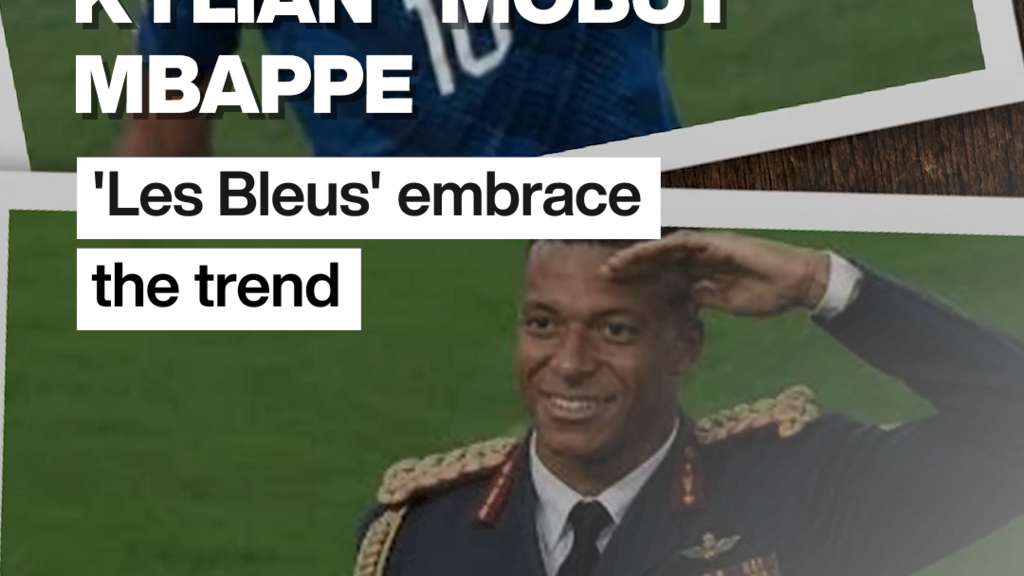
#WorldCup2026: AI-generated videos of French captain Kylian #Mbappé dressed as a #dictator and giving orders to his teammates have taken over social media – a joke which the French team have embraced by nicknaming Mbappé “Mobut”, in reference to the dictator #Mobutu Sese Seko.
World No. 1 Aryna Sabalenka has called on Wimbledon to reconsider its long-standing ban on dogs inside the All England Club, saying the rule makes it difficult to be separated from her pet during the tournament.
Sabalenka has travelled with her dog, Ash, for much of the 2026 season, but Wimbledon does not allow dogs on site.
While she said she understands the reasoning behind the rule, the Belarusian believes well-trained pets should be allowed.
Advertisement
“I don’t agree with that. I can understand why they made this decision.”
Sabalenka explained that her dog has become an important part of her routine away from the court.
“He really gets attached a lot. But he suffers staying alone. It really hurts my feelings.”
Advertisement
She also described spending time with Ash as a way to relax during tournaments.
“Going to the park with him, walking around, is also like some sort of meditation for me.”
The three-time Grand Slam champion ended her comments with a direct message to the tournament organisers.
“Wimbledon, please, I beg you, let the dogs inside.”
Advertisement
Sabalenka was not the only player to comment on the issue.
Alexander Zverev, who also travels with dogs, said he would welcome a change to the policy, while Coco Gauff took a more balanced view.
Although Gauff said she loves dogs, she believes there are areas where they should not be allowed because of safety concerns.
“I definitely think there’s a time and place.”
Advertisement
She pointed to busy spaces such as gyms and locker rooms, explaining that she had seen several close calls involving dogs around the tour.
For now, Wimbledon has not indicated that it plans to change its policy, meaning Ash will have to wait outside while Sabalenka continues her campaign at the All England Club.
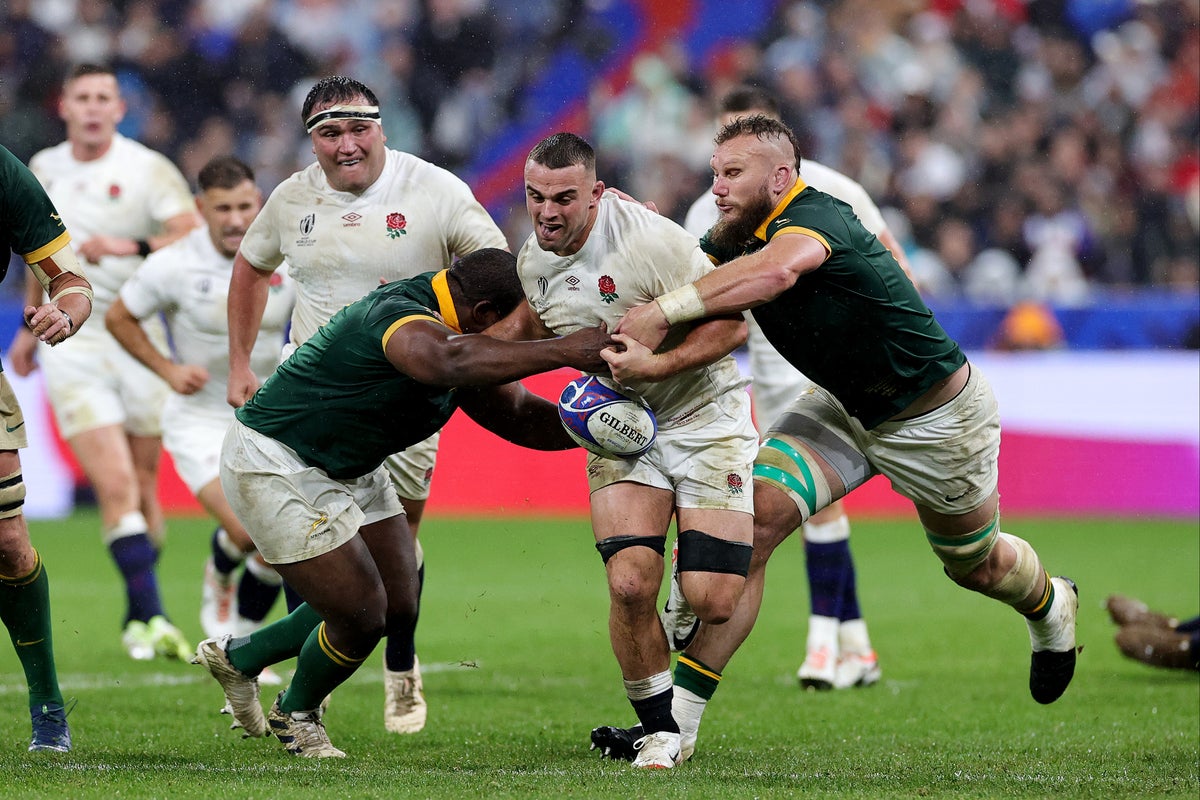
The new competition pits the Six Nations sides against the four Rugby Championship competitors, plus Japan and Fiji, across six matches split evenly between the two months.
Advertisement
The results of those games will determine each of the 12 teams’ seedings for the finals weekend at Twickenham’s Allianz Stadium, with six matches contested over two days and both team and hemisphere silverware up for grabs.
Advertisement
Each entrant will be matched against the equivalent qualifier from the other pool to decide overall placings at the conclusion of a busy year of international action.
Here’s the full competition schedule, and how it will all work:
What is the Nations Championship?
Announced during the 2023 Rugby World Cup, the new competition will be held every other year and replaces the traditional summer tours and Autumn Nations Series. It is designed to add context to the international calendar, with Fiji and Japan invited to join the Six Nations and Rugby Championship sides to form a top 12. Promotion and relegation is planned for the future with the second-tier Nations Cup, though will not take place in 2026.
Advertisement
Advertisement
The entrants are:
Northern Hemisphere: France, Ireland, Scotland, Italy, England, Wales.
Southern Hemisphere: South Africa, New Zealand, Argentina, Australia, Fiji, Japan.
What about the finals weekend?
The first finals weekend will be held at Twickenham on the last weekend (27 to 29) of November. Three days of double-headers will be held at the ground, with the first-placed finisher of the Six Nations sides meeting whoever tops the other pool, and so on and so forth down the rankings.
Advertisement
The winner of that marquee match will lift the first Nations Championship trophy, while whichever hemisphere – a term used loosely with Japan included in the “southern” section and Fiji hosting their games in the United Kingdom – wins more final matches will also be crowned. The 1st vs 1st match is worth two points, with all other matches in the finals weekend worth one.
Advertisement
How can I watch it?
Viewers in the United Kingdom will be able to watch every game on ITV after the free-to-air broadcaster struck a deal to show the competition.
Fixtures:
Southern Hemisphere Series (July)
Round One – Saturday 4 July
New Zealand vs France (8.10am BST, Christchurch)
Advertisement
Japan vs Italy (kick off 9.40am BST, Tokyo)
Australia vs Ireland (11.10am BST, Sydney)
Fiji vs Wales (2.10pm BST, Cardiff)
South Africa vs England (4.40pm BST, Johannesburg)
Advertisement
Argentina vs Scotland (8pm BST, Cordoba)
Round Two – Saturday 11 July
New Zealand vs Italy (8.10am BST, Wellington)
Australia vs France (11.10am BST, Brisbane)
Advertisement
Advertisement
Japan vs Ireland (11.10am BST, Newcastle, Australia)
Fiji vs England (2.10pm BST, Liverpool)
South Africa vs Scotland (4.40pm BST, Pretoria)
Argentina vs Wales (8pm BST, San Juan)
Advertisement
Round Three – Saturday 18 July
New Zealand vs Ireland (8.10am BST, Auckland)
Japan vs France (kick off 9.40am BST, Tokyo)
Australia vs Italy (11.10am BST, Perth)
Fiji vs Scotland (2.10pm BST, Edinburgh)
Advertisement
South Africa vs Wales (4.40pm BST, Durban)
Argentina vs England (8pm BST, Santiago del Estero)
Northern Hemisphere Series (November)
Round Four – 6/7/8 November
Friday 6 November
Ireland vs Argentina (8.10pm GMT, Dublin)
Advertisement
Saturday 7 November
Italy vs South Africa (TBC, TBC)
Advertisement
Scotland vs New Zealand (2.10pm GMT, Edinburgh)
Advertisement
Time of France vs Fiji (location TBC) and Wales vs Japan (in Cardiff) TBC
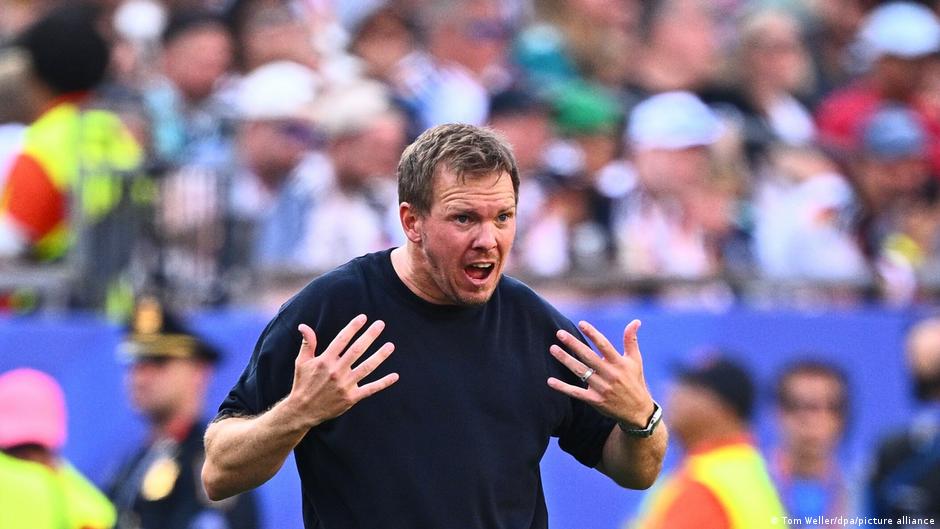
As had been widely expected ever since Germany’s shock exit to Paraguay at the 2026 World Cup, Julian Nagelsmann has left as national team head coach, the German Football Association (DFB) confirmed on Friday.
The 38-year-old resigned from the job just three years after arriving and well before the end of his contract, which was to expire after the 2028 European Championship. The renewal of his deal in January 2025 forced the DFB into tricky negotiations, and led to a reported three-hour secret meeting the day before the official announcement.
“This decision was anything but easy for me,” Nagelsmann said in a statement.
“My top priority has always been the team’s success. After such a bitter disappointment, the team deserves the chance for a fresh start without any baggage… A special thank you also goes to the fans. You carried us, you trusted us, and you gave us energy, even during difficult times. I am truly sorry and deeply saddened that we let you down and were unable to give you more nights of football excitement at this World Cup. You deserved so much more!”
Advertisement
Nagelsmann’s assistants Benjamin Glück and Benjamin Hübner have also left. The DFB also stated that it is entering talks with Jürgen Klopp for the vacant head coach position, indicating that the former Liverpool and Dortmund boss has already shown a willingness to take up the role.
Nagelsmann won 23 of his 37 games in charge of Germany, losing only eight times. Three of those defeats came against Spain, Portugal and France, but two also came at the 2026 World Cup against Ecuador and then Paraguay.
His exit is yet another downturn in a coaching career that was once expected to reach the highest of heights.
Julian Nagelsmann (left) started youth coaching at Hoffenheim before taking the first-team jobImage: Kai Schwörer/picture alliance
Young coach makes Bundesliga history
A decade ago, Julian Nagelsmann made his debut as Hoffenheim coach in a 1-1 draw with Werder Bremen in the Bundesliga. He was the face of Germany’s new, young coaching generation. He took a side battling relegation right up the table. They beat Bayern Munich. Then came the Champions League. He told the Süddeutsche Zeitung that: “30% of coaching is tactics, 70% social competence.” He was deemed a coach beyond his years, ahead of the times, and one of the best coaches around.
The following year, it all unraveled for Nagelsmann. His firing of Bayern Munich’s goalkeeper coach Toni Tapalovic caused a stir, with Manuel Neuer saying the dismissal was like “having his heart ripped out.” According to a report by The Athletic, Nagelsmann’s training was seen as too complicated and he had struggled to truly connect with the players.
In March 2023, while on a skiing holiday during the international break, Nagelsmann was sacked. He had spent just 20 months in the job. After seven full seasons of coaching in the Bundesliga, he was out of work and had just one Bundesliga title to his name.
The Germany job
Six months later, he was named Germany’s head coach. He was the “desired candidate” whose passion for the game was “infectious” — such were the words of sporting director Rudi Völler at the time.
In January 2025, Nagelsmann extended his contract until 2028, a decision met with lots of praise. Jürgen Klopp said he “loved Julian’s work” and thought Nagelsmann had turned Germany into a favorite for the next tournament.
However, eyebrows were raised when Nagelsmann said soon afterwards that the goal was to win the World Cup. A disappointing showing in the Final Four of the Nations League followed to dampen the mood, which was worsened when Germany’s World Cup qualifying campaign got off to a losing start against Slovakia.
“I can’t stand hearing this constant ‘quality, quality’ anymore. We have to play football with passion! In every game!” Nagelsmann railed at the time.
Germany got the job done, but as the World Cup year began, things began to unravel again as Nagelsmann’s communication became increasingly confusing. Oliver Baumann went from number one to the back-up after Manuel Neuer’s surprise recall. Joshua Kimmich was a midfielder, then a right back. Leon Goretzka was going to start, then didn’t. Deniz Undav was scoring in the Bundesliga, but considered a back-up.
Advertisement
World Cup woes
And then came the World Cup. Beyond the opener against Curacao, Nagelsmann’s side were more reactive than active. They did not seize on the momentum of the comeback win in Toronto. They couldn’t hold onto a lead against Ecuador. They couldn’t finish off Paraguay. The players deserve criticism, but there have also been questions asked of Nagelsmann’s decision making, communication and sideline behavior.
Who knows what will come next for the once-future king of German coaching. For someone who has long said he doesn’t want to be coaching into his older years, perhaps there are not many stops left before he gets off the football train. Certainly his reputation after this showing has taken a hit. A return to management in Germany does not feel likely. Given the Premier League has one of the most volatile fire-and-hire approaches in world football, perhaps Nagelsmann will reappear in six to 10 months’ time on the sidelines of a English top-flight team.
Right now though, there is a real sense of confusion about how this all came to pass. For a coach with so many skills, this was not how many would have imagined Julian Nagelsmann’s career unfolding.
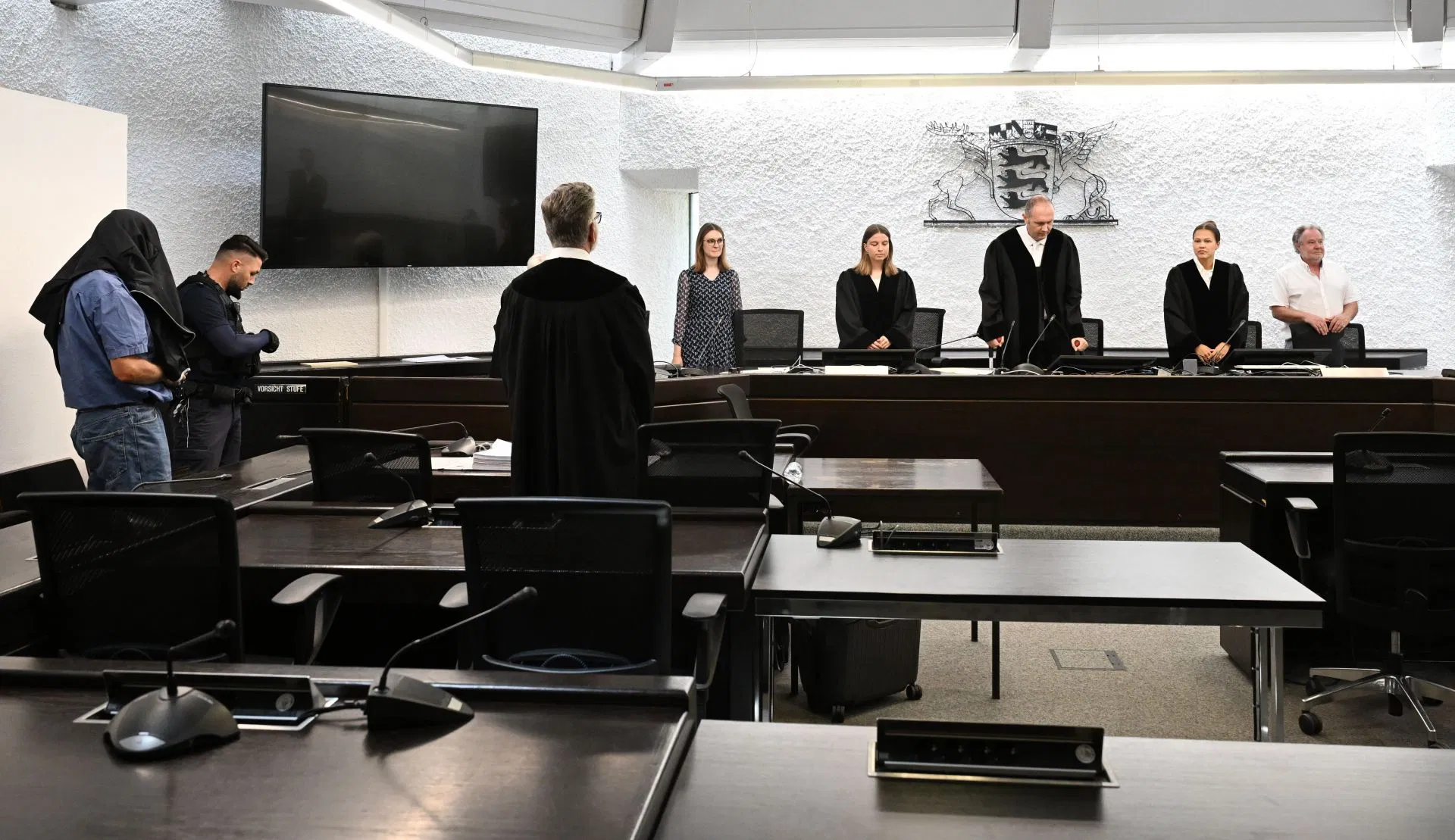
A professional wrestler was seriously injured after being attacked by the son of UFC legend Quinton “Rampage” Jackson. The 26-year-old attacker was booked into LA County jail on Thursday in connection with the battery.
Los Angeles County prosecutors appeared to have made a deal with Raja Jackson earlier this year that would send him to jail for 90 days and require him to serve two years of probation. Jackson injured Syko Stu (real name: Stuart Smith) at a KNOK X Pro Wrestling event in 2025, who suffered a serious head injury and a facial fracture after the incident.
Thanks for the submission!
Advertisement
According to a report from the LA Times, Raja Jackson did not contest one count of battery with serious bodily injury and also pled guilty to engaging in violent conduct and inflicting great bodily injury. He will also have to pay restitution to the victim amounting to USD 81,703.38.
Advertisement
Stu spoke at yesterday’s court hearing and had the following to say:
“What happened affected me deeply, and I do not minimize the seriousness of it. The injuries I suffered led to a long and difficult recovery that I am still trying to recover from, including treatment for a severe traumatic brain injury, a shattered maxilla, and a bone graft procedure.”
The District Attorney said that certain aspects of the nature of pro wrestling were taken into account, but that did not negate the serious harm caused to Stu. The now-retired professional wrestler also said he suffered memory loss and reduced cognitive function as a result of the assault and has been unable to work for nearly a year. However, he appeared to forgive Jackson for the incident.
“I do not stand here with hatred for a desire for revenge. I hold no grudges against Mr. Jackson. People can make terrible decisions in difficult moments,” Stu added. [H/T: LA Times]
What Happened Between Raja Jackson And The Professional Wrestler?
On August 23, 2025, a serious incident took place between Raja Jackson and professional wrestler Syko Stu at a KNOK X Pro Wrestling event.
Stu had smashed a can of beer on Jackson’s head just before the event, which appeared to antagonize the trained MMA fighter. Later during the show, and allegedly egged on by other wrestlers, Raja took matters into his own hands and attacked Syko Stu, who was in the middle of a bout.
Advertisement
He knocked the wrestler unconscious and kept assaulting him till he was pulled away by other athletes present at the scene. Stu was immediately admitted to the hospital with a serious head injury, including a facial fracture.
The first phase of the tournament is over and the teams will now meet for the round of 32
•
2 min read
Advertisement
It’s the business end of the 2026 World Cup and every team left in the tournament knows what their path to the final is set to be. The 48 teams involved in the tournament were knocked down to 32 at the end of the group stage. The tournament will now move into the knockout phase, and it’s do-or-die single elimination from this point on. The first-of-its kind 12 group group stage sent 12 first-place teams, 12 second-place teams and the eight best third-place teams to this stage of the tournament, and now it’s time to see who will be left standing.
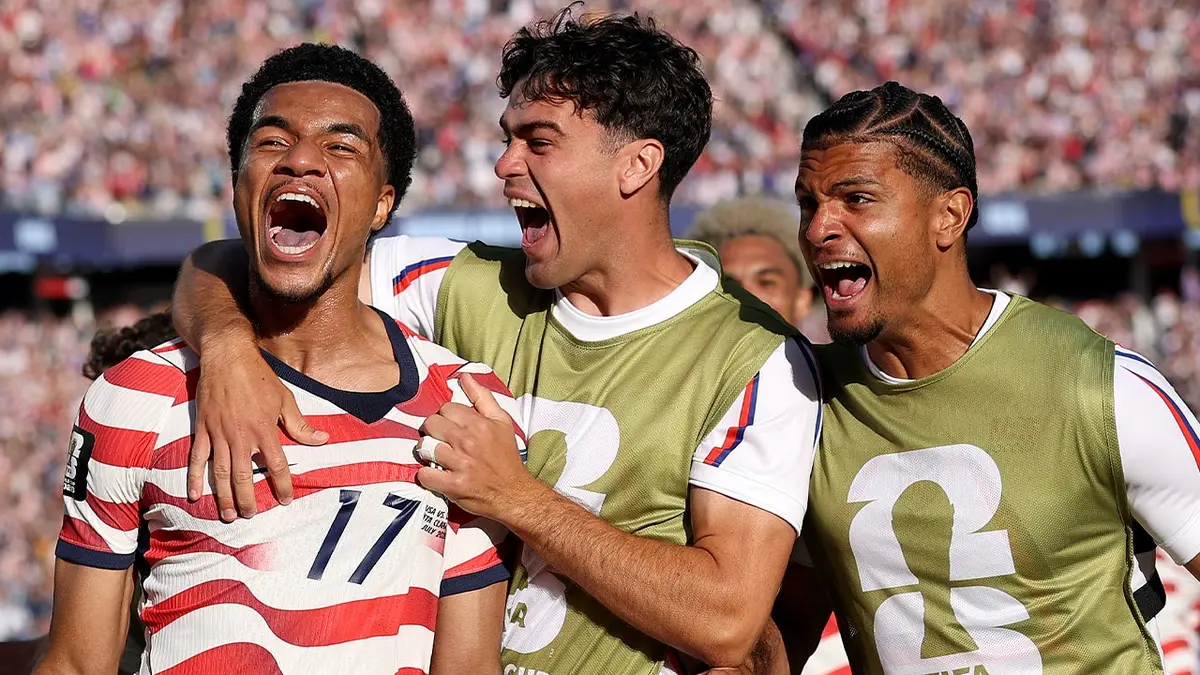
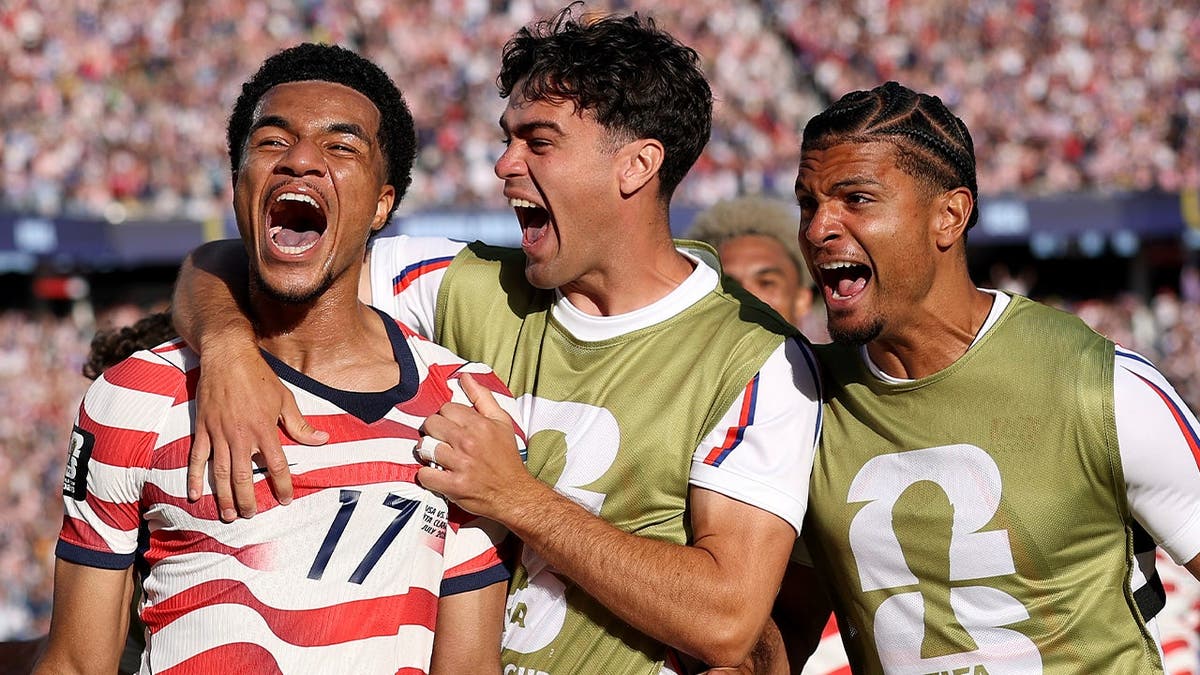
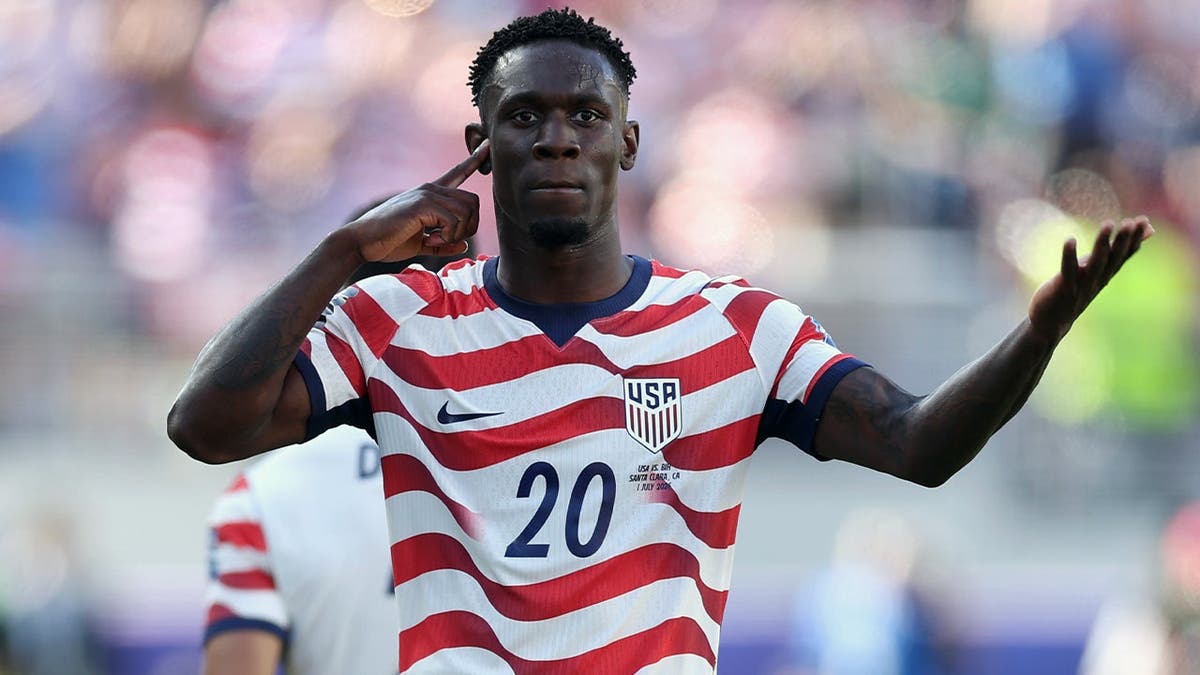
The field has an interesting set of matchups. The United States men’s national team took on Bosnia and Herzegovina on Wednesday July 1, winining despite a red card to take Folarin Balogun to advance and take on Belgium who downed Senegal 3-2 after a stunning comeback, in the round of 16. Elsewhere in the bracket, the round of 32 has a rematch of the 2016 Euro final between Croatia and Portugal, remarkably with stars Cristiano Ronaldo and Luka Modric still leading their teams. Meanwhile, Erling Haaland’s Norway won 2-1 against Ivory Coast and Kylian Mbappe made history again, scoring a brace during France’s 3-0 win against Sweden.
Canada have also already made history by defeating South Africa, handing them their first knockout stage win in the country’s history.
Here’s all you need to know ahead of the round of 32 and the upcoming round of 16:
Advertisement
Current World Cup bracket
CBS Sports
Round of 32 results
South Africa 0, Canada 1
Brazil 2, Japan 1
Germany 1, Paraguay 1 (4-3 on pens)
Netherlands 1,Morocco 1 (3-2 on pens)
Ivory Coast 1, Norway 2
France 3, Sweden 0
Mexico 2 vs. Ecuador 0
England 2, DR Congo 1
Belgium 3, Senegal 2
United States 2, Bosnia and Herzegovina 0
Spain 3, Austria 0
Portugal 2, Croatia 1
Switzerland 2, vs. Algeria 0
July 3: Australia (Group D runner-up) vs. Egypt (Group G runner-up) – AT&T Stadium, Arlington
July 3: Argentina (Group J winner) vs. Cabo Verde (Group H runner-up) – Hard Rock Stadium, Miami Gardens
July 3: Colombia (Group K winner) vs. Ghana (Group L third place) – Arrowhead Stadium, Kansas City
Round of 16 bracket projection
As of Monday, June 30, 7 p.m. ET. The teams in bold have been confirmed.
July 4 — 1 p.m. ET: Canada vs. Morocco – NRG Stadium, Houston, United States
July 4 — 5 p.m. ET: Paraguay vs. France – Lincoln Financial Field, Philadelphia, United States
July 5 — 4 p.m. ET: Brazil vs. Norway – MetLife Stadium, East Rutherford, United States
July 5 — 8 p.m. ET: Mexico vs. England – Estadio Azteca, Mexico City, Mexico
July 6 — 3 p.m. ET: Portugal vs. Spain – AT&T Stadium, Dallas, United States
July 6 — 8 p.m. ET: United States vs. Belgium – Lumen Field, Seattle, United States
July 7 — 12 p.m. ET: Argentina/Cabo Verde vs. Australia/Egypt – Mercedes-Benz Stadium, Atlanta, United States
July 7 — 4 p.m. ET: Switzerland vs. Colombia/Ghana – BC Place, Vancouver, Canada
Any time the U.S. men’s national team steps on the pitch, it’s going to draw a lot of eyeballs, but Wednesday’s match against Bosnia and Herzegovina was historic.
Preliminary numbers from Nielsen report that the broadcast on Fox averaged 24.43 million viewers, peaking at 31.88 million late in the game.
That was enough to make it the largest English-language audience for a soccer broadcast in U.S. history.
The knockout stage match between the United States and Bosnia and Herzegovina broke U.S. viewership records.(Charlotte Wilson/Getty Images)
It edged out the previous record holder — the 2015 Women’s World Cup final between the U.S. and Japan — which averaged 22.32 million viewers, according to The Hollywood Reporter.
Telemundo’s Spanish telecast of the game brought in 9.1 million viewers for a combined total of 33.53 million, easily a record for a soccer match broadcast in the United States.
U.S. World Cup matches have been drawing massive ratings.(Matthew Huang/Icon Sportswire via Getty Images)
The highly anticipated clash saw the U.S. trying to win its first knockout stage match since 2002 and bounce back from a disappointing loss to Turkey that capped off the group stage.
Meanwhile, Bosnia and Herzegovina looked to play spoiler after advancing from Group B as a third-place team, hoping to eliminate the United States on its home soil.
Advertisement
U.S. striker Folarin Balogun’s controversial red card was one of the biggest moments of the team’s win over Bosnia and Herzegovina.(Jamie Squire/Getty Images)
In the end, the U.S. came out with a 2-0 win, but it came at a cost. Star striker Folarin Balogun was on the receiving end of a wildly controversial red card that not only took him out of the match against Bosnia and Herzegovina — forcing the U.S. to play the last 25 minutes or so a man down — but also ruled him out of Monday’s Round of 16 match against Belgium.
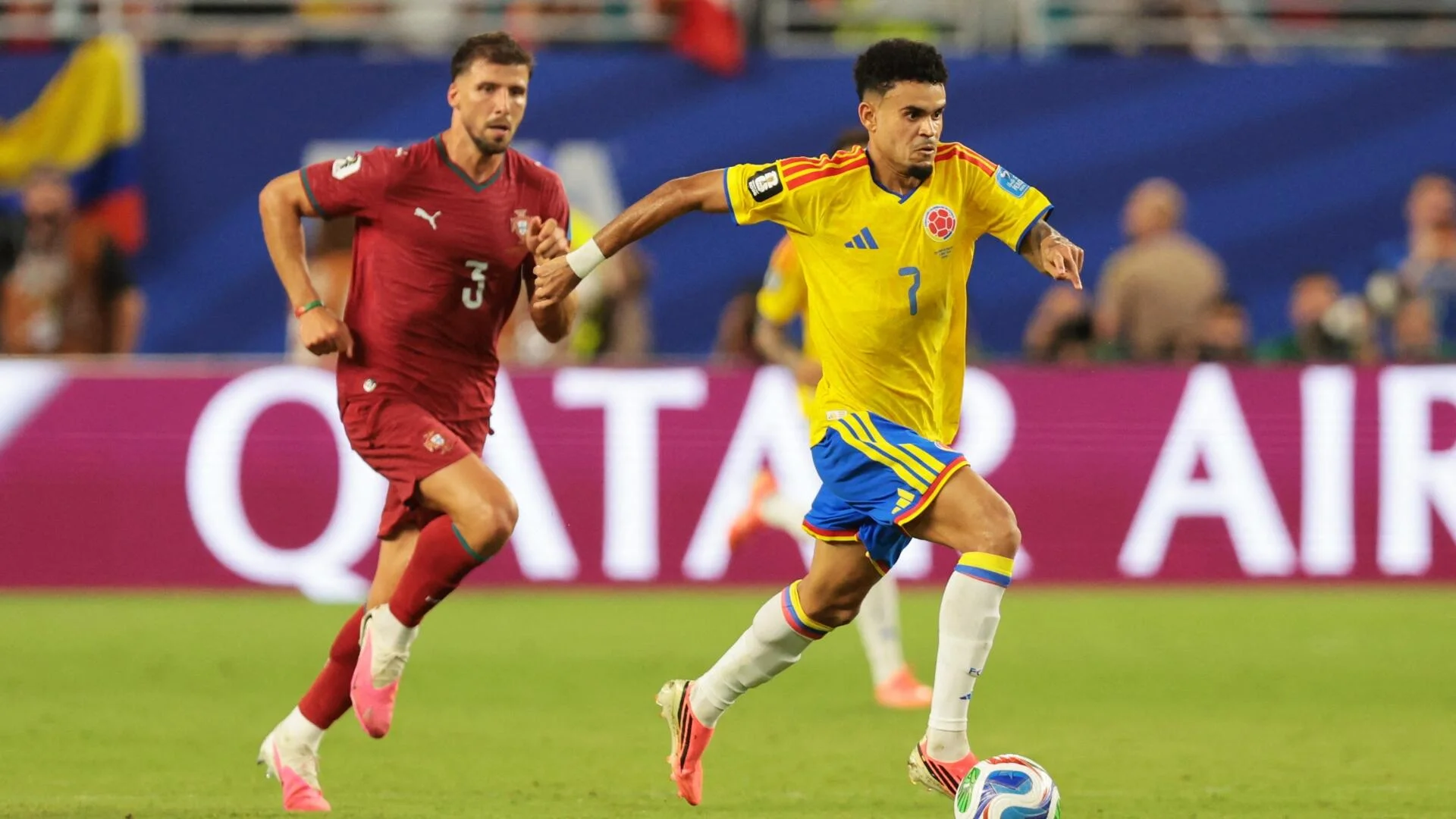
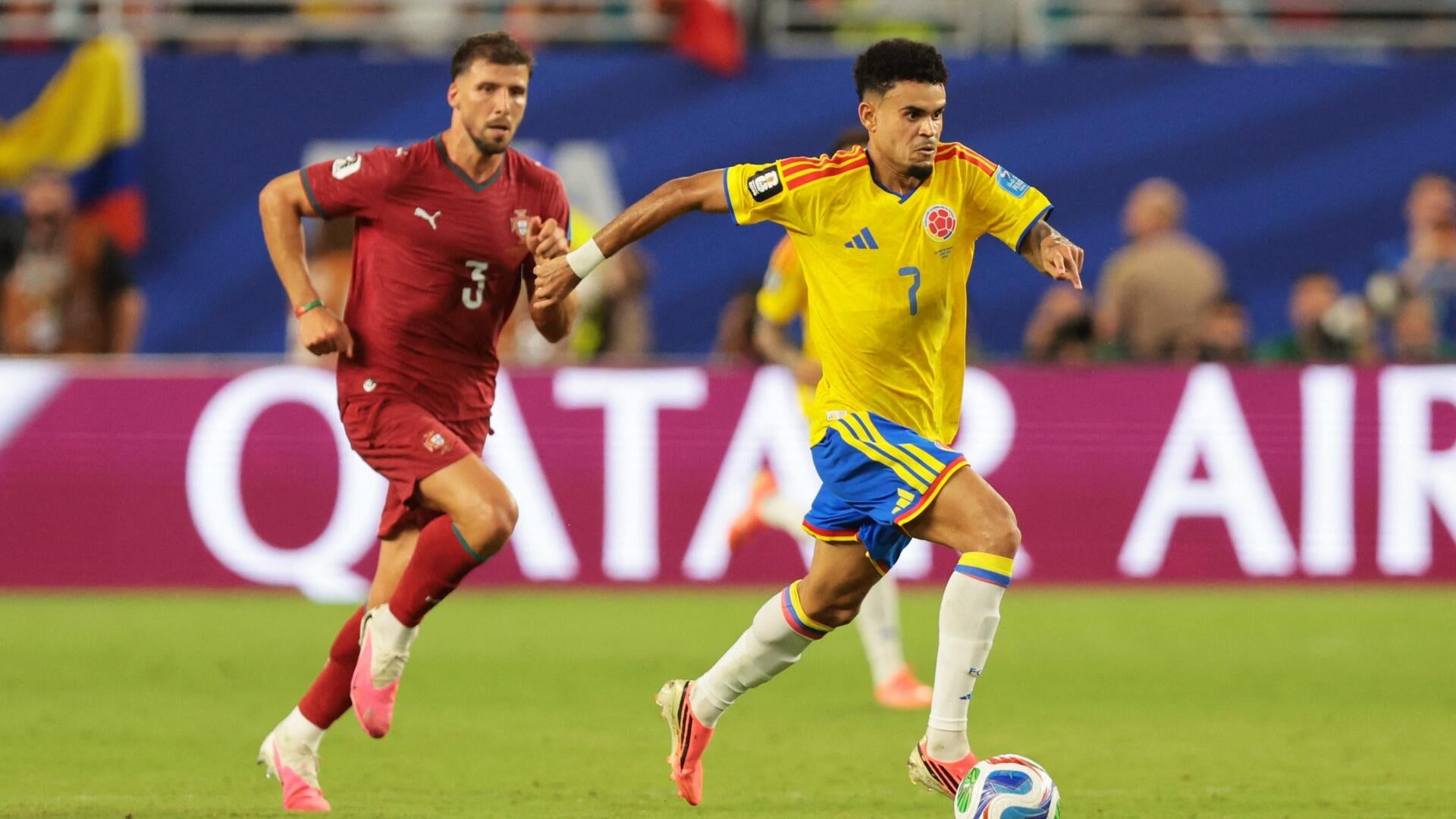
The final World Cup 2026 Round of 32 matchup will pit Colombia against Ghana on Friday night. Colombia won Group K with a 2-1-0 record, while Ghana (1-1-1) was a third-place finisher in Group L. The Ghanaians are 65th in FIFA rankings, making them the lowest-ranked team to make the Round of 32, while Colombia is ranked 11th. Both nations have one all-time victory in a knockout round match at the World Cup. This will be the first competitive matchup between the squads.
Kickoff is 9:30 p.m. ET from Kansas City Stadium. The latest Colombia vs. Ghana odds from FanDuel Sportsbook list the Colombians at -195 on the 90-minute money line (risk $195 to win $100), with Ghana at +650, and a draw at +280. The over/under for total goals is 2.5. Colombia are at -650 to advance to the next round, with Ghana at +410. Before locking in any Ghana vs. Colombia picks or World Cup 2026 predictions, check out the Colombia vs. Ghana predictions from SportsLine’s Martin Green.
After working in the sports betting industry for several years, Green became a professional sports writer and handicapper and has covered the game worldwide. Last year, Green was profitable in multiple areas on his soccer betting picks, including the Champions League (+211.25) and Bundesliga (+100). He’s also been red-hot in 2026, posting an 18-8 record over his last 26 UCL picks, returning nearly $1,000 in profit. He’s also on a 16-6 roll (+833.5) on his 2026 World Cup picks entering Friday. Anyone wanting to follow his World Cup betting advice at sportsbooks and on betting apps could see big returns.
After examining Ghana vs. Colombia from every angle, Green is leaning Under 2.5 total goals (-132). Both squads have played low-scoring contests thus far in the World Cup, with Ghana’s matches averaging 1.67 total goals and Colombia averaging 1.33 combined goals. Overall, four of Colombia’s last five World Cup matches have seen under 2.5 total goals, while four of the Ghanaians last five matches across all competitions have had under 2.5 combined scores.
“It could be a tight, tense game, as Ghana are well-drilled in defense,” Green told SportsLine. “Colombia are likely to dominate possession in this game, but they’ll need to be patient as they try to break down Ghana’s low block.” See Green’s best bets for Colombia vs. Ghana at SportsLine, and you can bet Under 2.5 goals for Ghana vs. Colombia at FanDuel here:
Advertisement
How to make Ghana vs. Colombia picks
After studying Colombia vs. Ghana from every angle, Green has found a critical x-factor and locked in two best bets, one of which returns plus-money that he calls “a solid play.” You can head to SportsLine to see what they are.
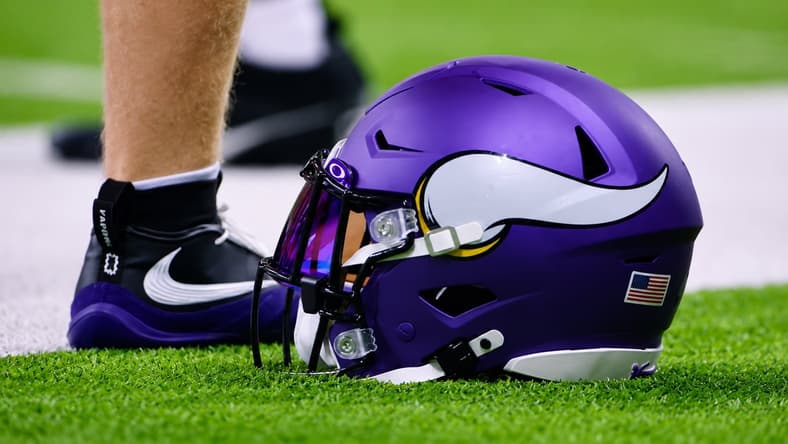
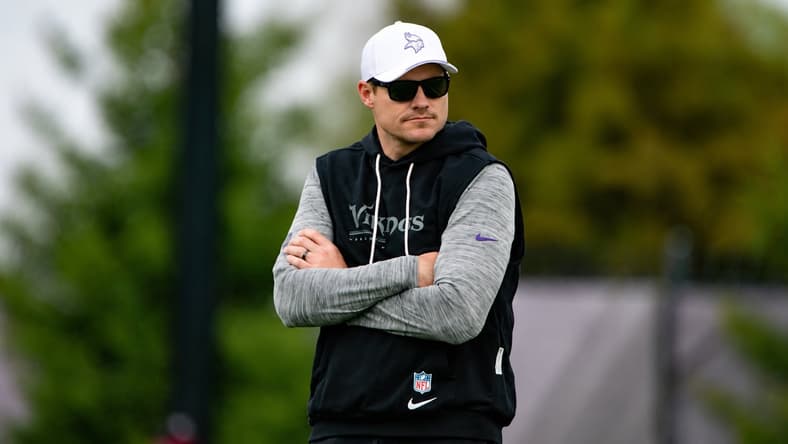
A Minnesota Vikings helmet rests on the turf during minicamp work at the TCO Performance Center in Eagan, Minnesota, with June 2026 capturing a close-up of the team’s purple shell and facemask beside sideline gear as players continued offseason preparation before training camp during the early summer practice window for Kevin O’Connell’s roster in Minnesota. Mandatory Credit: YouTube.
If you ranked the Minnesota Vikings’ top storylines heading into July, the upcoming quarterback battle would probably take the cake — even if Kyler Murray remains the frontrunner to earn the spot. NFL.com came along to size up the competition this week, and according to Nick Shook, the job is Murray’s to lose.
Shook was actually pretty matter-of-fact about his prediction. He doesn’t consider the outcome very suspenseful.
Murray Has the Edge, But McCarthy Still Factors into the Long Game
Arizona Cardinals quarterback Kyler Murray takes off on a scramble at SoFi Stadium, with Dec. 28, 2024 capturing the second-half sequence in Inglewood against the Los Angeles Rams. Murray uses his trademark mobility to escape pressure, extend the drive, and stress the defense across the field during a divisional matchup that afternoon. Mandatory Credit: Jayne Kamin-Oncea-Imagn Images.
Shook: Murray Will Win QB1
Shook analyzed which NFL players could most improve this season, mentioning Murray as a top candidate.
Advertisement
Along the way, he announced his QB1 prediction for the Vikings: “Murray’s shift from Arizona to Minnesota isn’t quite the discovery of an oasis, but it’s certainly a better situation for the former No. 1 overall pick than the one he inhabited in the desert.”
“After dealing with injuries and logging just five games in 2025, Murray is now playing under quarterback expert Kevin O’Connell and has the privilege of throwing passes to Justin Jefferson, Jordan Addison, Jauan Jennings and T.J. Hockenson in a stable offensive scheme that helped Sam Darnold post a career year in 2024.”
If Darnold could explode in the Twin Cities, so can Murray — is the working theory for many.
Advertisement
“Yes, he’s going to win the job over J.J. McCarthy, and I believe he’ll form a beautiful partnership with O’Connell, the coach of a team that is a reliable quarterback away from a return to the playoffs. Expect Murray to become that quarterback and rebuild his reputation along the way,” Shook concluded.
Most of the World Agrees
By now, most Vikings fans and NFL followers understand that Murray will win the quarterback battle sometime this month or next, and he’ll get a chance to maintain that gig throughout the 2026 campaign. Per sportsbooks, he’s a -770 favorite as the calendar flipped to July, which implies an 88% chance of prevailing.
Murray started 87 games for the Cardinals over seven seasons, compared to McCarthy’s 10 since 2024, and Murray has all the necessary tools of a franchise quarterback. McCarthy may, as well, but there’s a reason Murray was drafted first overall in 2019, and McCarthy was chosen 10th in 2024 — Murray’s skills are just superior.
Advertisement
Of course, if Shook is incorrect and McCarthy scores the upset, it will have meant that he had seriously turned the corner in his development — even Murray couldn’t stand in his way. Many Vikings fans are secretly hoping for the outcome; it’s just unlikely, given Murray’s track record held up against McCarthy’s.
Cinema at Training Camp Regardless
Minnesota really hasn’t featured a real quarterback battle since 2014 — the dawn of the Mike Zimmer era. That summer, rookie Teddy Bridgewater, veteran Matt Cassel, and the once-promising Christian Ponder vied for the top job, with Cassel prevailing briefly before losing his title due to injury early in the 2014 season.
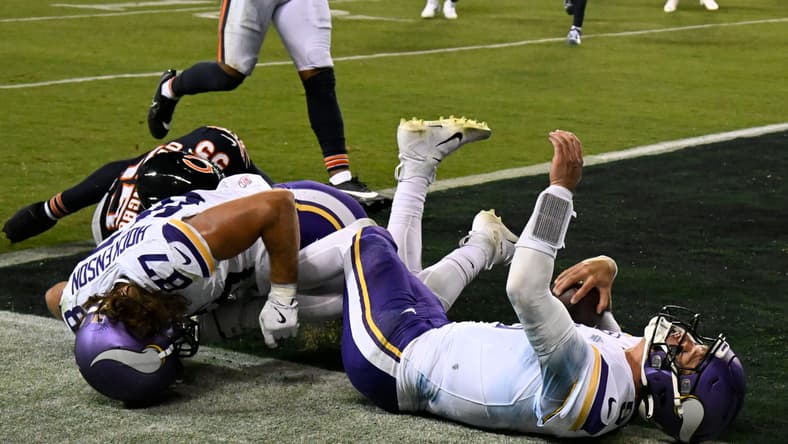
Minnesota Vikings quarterback J.J. McCarthy rushes into the end zone at Soldier Field, with Sept. 8, 2025 marking the second-half touchdown in Chicago against the Bears. McCarthy finishes the play with urgency as Minnesota’s offense leans on his legs during a key divisional road moment while the Vikings search for momentum. Mandatory Credit: Matt Marton-Imagn Images.
The Vikings, too, started to have a junior quarterback battle in 2024, but two things occurred: 1) Most fans understood that Sam Darnold would be the quarterback while McCarthy watched and learned indefinitely; 2) McCarthy tore his meniscus during the first preseason game, ending the battle on a sorrowful note.
Therefore, many newcomers to Vikings football have never experienced this — two guys battling it out in Eagan heat with the top prize of the QB1 scepter.
Advertisement
That’s coming to Vikings training camp in four weeks.
Golden Opportunity for a Long-Term QB1
Both combatants have the chance of a lifetime, believe it or not. The Vikings drafted McCarthy for this very task in April 2024 — to be the franchise quarterback for perhaps a decade. A host of injuries have dampened that forecast, and in his first year as a starter, McCarthy looked pretty damn shaky, sans a few clutch moments that generated intense highlights — and memes.
Murray, on the other hand, can be another Baker Mayfield, cast off by his employer in pursuit of something better, with the player landing elsewhere and seizing a QB1 job for the long haul. That happened to Mayfield in 2023, and now in Tampa Bay, he’s just their franchise quarterback. That can occur for Murray in the Twin Cities.
Advertisement
Vikings head coach Kevin O’Connell observes minicamp work from the practice field at TCO Performance Center, with June 2026 placing the offseason scene in Eagan, Minnesota. O’Connell oversees quarterback timing and early installation as Minnesota builds toward training camp, under his staff’s direction during a vital evaluation window before camp. Mandatory Credit: YouTube.
And if all else fails, the Vikings have a new general manager named Nolan Teasley, who would, in theory, have the opportunity to size up the 2027 NFL Draft for a new quarterback, a convenient time for it because the next class of signal-callers already appears to be overflowing with talent.
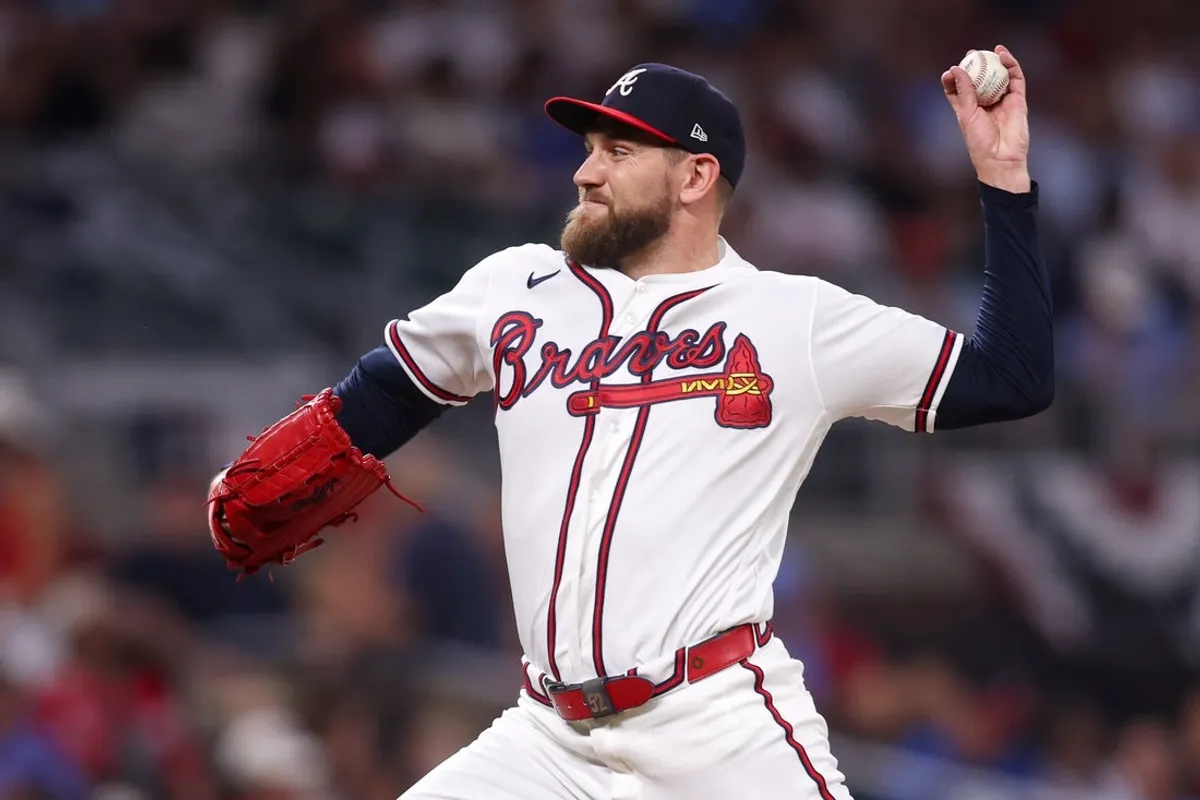
Jul 2, 2026; Atlanta, Georgia, USA; Atlanta Braves pitcher Dylan Lee (52) throws against the St. Louis Cardinals in the seventh inning at Truist Park. Mandatory Credit: Brett Davis-Imagn Images
The Atlanta Braves’ recent struggles may be spilling into the bullpen, an area of the team that has been solid for most of the season.
Atlanta, which will open a four-game series on Friday night against the visiting New York Mets, saw its relievers melt down on Thursday and allow eight runs in an 11-5 loss to the St. Louis Cardinals.
The Braves have lost 14 of their last 19 games to see their lead in the National League East shrink to 2 1/2 games over the Philadelphia Phillies.
New York, which is in last place in the division, did not play on Thursday. The Mets lost a three-game series at Toronto and have dropped 10 of their last 12 games.
The Atlanta bullpen, which posted a 2.14 ERA in June, finished the final four innings on Wednesday without allowing a hit.
Advertisement
It was a different story on Thursday.
Dylan Lee, who entered the game with an 0.95 ERA, allowed three runs in one-third of an inning and saw his ERA grow to 1.64. Reliable Tyler Kinley gave up three runs in two-thirds of an inning, and Ian Hamilton and James Karinchak each gave up one run.
“Dylan has pitched a lot, so it’s something we’ve got to keep an eye on,” Atlanta manager Walt Weiss said. “We always talk about trying to keep those guys strong all the way through. (Lee) was good to go, and he’s been virtually untouchable this year.”
Atlanta setup man Robert Suarez is out with right elbow inflammation and won’t return until after the All-Star break.
Advertisement
This will be the second series between Atlanta and New York this season. The Mets won two of three games from June 12-14 in New York.
The Mets will send Christian Scott (2-0, 3.20 ERA) to the mound on Friday to face fellow right-hander Grant Holmes (4-4, 3.96) of the Braves.
Scott will make his second start since spending two weeks on the injured list with a hip impingement. He returned on Saturday to start against Philadelphia and threw 4 1/3 innings, allowing two runs on three hits while striking out six in New York’s 6-2 victory.
Advertisement
“I feel great,” Scott said afterward. “Felt like I attacked the zone pretty well for the most part. Just established my off-speed stuff early in the game and then kind of just rode the wave off of that.”
Scott, who made nine starts as a rookie in 2024, missed all of 2025 after undergoing Tommy John surgery.
Since his return this spring, Scott has been reliable. In 10 starts, he has allowed more than three runs just one time — when he gave up four in 4 2/3 innings against St. Louis on June 11 before going on the injured list.
He has made one career start against the Braves, taking a loss after allowing three runs over six innings in 2024.
Advertisement
Holmes has made 15 starts, but his inability to pitch past the fifth inning in four of his last five starts caused the Braves to temporarily move him into a long relief role. In his last appearance against San Francisco on Saturday, he allowed just one hit over four scoreless innings in his team’s 5-0 loss.
Holmes has made two career starts against the Mets, going 0-1 with a 2.00 ERA and striking out 13 in nine innings.



;)
;)
;)
;)















































You must be logged in to post a comment Login