









Judge Linda Kullberg stated that the ruling is ‘without a doubt the largest claim that has been ordered in a Swedish competition case’.
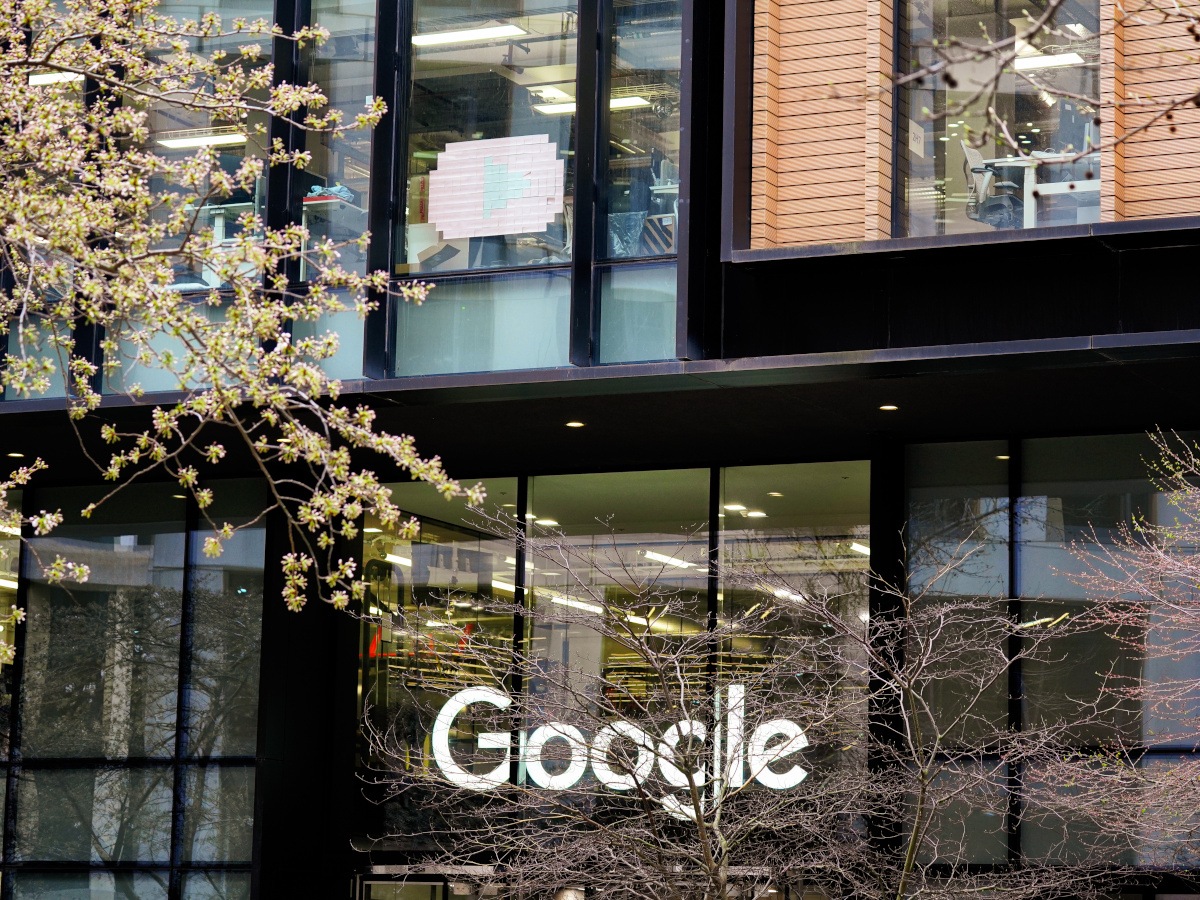
In a legal dispute regarding an abuse of power in the market for comparison shopping services, search-engine giant Google has been ordered by a Swedish court to pay almost $2bn in damages to PriceRunner, the price comparison business owned by payment platform Klarna.
On Wednesday (1 July), the Patent and Market Court in Stockholm, through judge Linda Kullberg, awarded compensation for lost revenue caused by Google’s perceived preferential treatment of its own comparison shopping service over competing services.
Kullberg did, however, dismiss further claims wherein PriceRunner asked for an additional $8.2bn. Despite this, Kullberg said the decision still represents “without a doubt the largest claim that has been ordered in a Swedish competition case”.
Google is in a position to appeal the ruling and stated that it is not in agreement with the court’s findings.
A spokesperson for the organisation said, “We are reviewing and will consider our legal options. The changes we made to shopping ads back in 2017 are working successfully, generating growth and jobs for hundreds of comparison shopping services who operate more than 1,500 websites across Europe.”
This is in reference to a decision that was reached in 2017 by the European Commission, in which Google was ordered to pay a €2.4bn penalty for abusing its dominance online as a means of giving its own service an advantage, a result which at the time Google also expressed dismay at and appealed.
Commenting on the outcome of the latest case, Dan Greaves, Klarna’s head of communications and policy, said, “When markets work well, everyone benefits. Consumers get higher quality at lower cost, companies stay focused on serving customers rather than defending position, and society is better off for it.”
Separately, Google has also lost a long-running dispute over a €4.1bn anti-trust fine imposed by the European Union for a case in which it was determined that Google unfairly leveraged a dominant position in the context of its Android operating system. The decision is legally binding and is a major win for the Brussels-based regulator, as the argument has been in full flow since the case was first ruled upon in 2018.
Don’t miss out on the knowledge you need to succeed. Sign up for the Daily Brief, Silicon Republic’s digest of need-to-know sci-tech news.










![Money isn't everything [YANNA] #Yanna #Short #Confidence #Strongwoman #Motivation #fyp](https://wordupnews.com/wp-content/uploads/2026/07/1783176729_maxresdefault-80x80.jpg)






































You must be logged in to post a comment Login