

Tech
Is The Plymouth Superbird Your Dream Car? Here’s What Ones For Sale Might Cost You

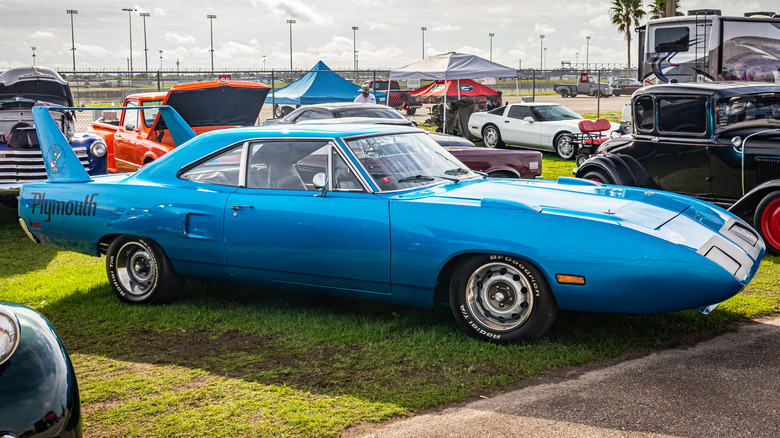
When it comes to dream cars, many people go with vintage muscle cars like the Plymouth Superbird. Named in honor of its Roadrunner twin, the Superbird was once a beast on the racetrack in NASCAR thanks to Richard Petty. It is still around for those collectors wanting to own one but be prepared: You’ll be paying anywhere from $200,000 to over $300,000 or more.
The locations of these cars are random, spread out across the U.S., and listed for sale with various engine and transmission combinations. For example, a green Superbird with a 440 6-pack and 4-speed in Texas is priced on the lower end at $214,900. But on the extreme opposite end, a white automatic Superbird with a 440ci V8 in Indiana was taken off the market after reaching a high bid of $550,000 at auction. An earlier asking price of just under $700,000 failed to result in a sale. Some of the listings are featured on more than one site, including a blue automatic with a 440-engine rated at 375 horsepower in Illinois for $281,998.
The reason the Plymouth Superbird breaks the bank for many car buyers is mostly because of how rare it is. Plymouth built a limited number of Superbirds in 1970. Because of this, they can be difficult to find in original or well-preserved condition. It’s also considered a collector’s item because of its recognizable rear wing, which is part of the vehicle’s factory design.
From NASCAR to Hollywood and beyond
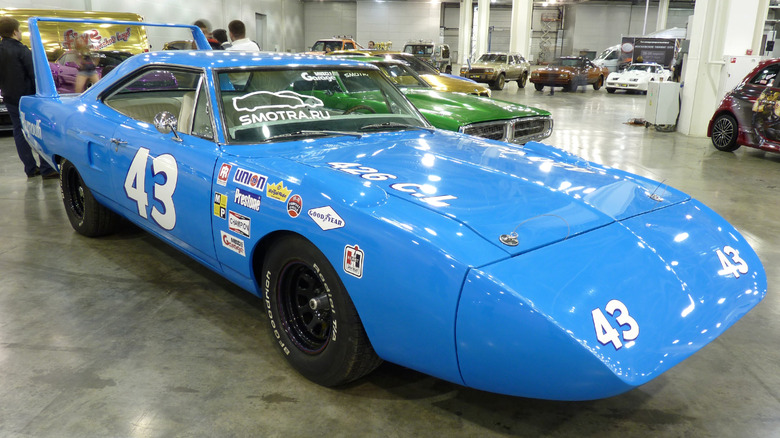
The 1970 Plymouth Superbird was built during a time when manufacturers were experimenting with aerodynamic designs to gain an advantage on the racetrack. Though it originated from the Road Runner platform, the Superbird featured a new and reshaped front end, along with extended bodywork for high-speed stability. Unlike other muscle car designs that often failed to dominate on the track, it was highly effective and pushed the envelope for NASCAR at that time.
But even as it made its mark in racing, the Plymouth Superbird was banned by NASCAR. Citing concerns over driver safety, NASCAR implemented new regulations with the intention of slowing cars down. These regulations also included tough limits on engine displacement, and weight adjustments on larger engines. Because of these changes, the Superbird, along with other aerodynamically designed cars, would no longer be able to hit the 200-mph mark. As a result, the program came to an end.
But even after its departure from NASCAR, the Superbird went on to become a highly sought-after muscle car for collectors. Thanks to its unique design, it also became a standout in Hollywood, appearing in movies like Pixar’s “Cars,” and “Gone in 60 Seconds,” the film that also featured a 1967 Mustang called Eleanor. Today, the Superbird’s legacy is that of a fast, memorable, legendary ride that continues to turn heads decades after its introduction.


Microsoft is apparently shifting its profits to countries with low taxes — and out of countries where they have many more employees and significant sales. Back in 2005 Former Microsoft CEO Steve Ballmer even said that a low corporate tax rate “is part of the overall advantage of doing business in Ireland,” remembers long-time Slashdot reader theodp. (Ballmer added “It would be disingenuous to say otherwise.”)
But in 2026 the EU now requires a country-by-country compliance report, and the New York Times notes that Microsoft “was most likely the first major U.S. technology company to make a so-called country by country report of its finances to comply…”
Like other big companies, Microsoft uses transactions between subsidiaries to shift profits around to reduce its tax bill. The report revealed a consistent pattern: high returns in low-tax jurisdictions and slim margins in higher-tax ones. The report showed the sometimes absurd results. Microsoft said it had generated almost 40 percent of its pretax income in tax-friendly Ireland, where it employed about 3 percent of its global work force. In higher-tax Germany, the largest economy in Europe, Microsoft earned barely half of 1 percent of its global profits, it said.
Excluding Ireland, the company said, it generated less than 2 percent of its worldwide pretax earnings in Europe… [In Luxembourg Microsoft said it had $283 million in pretax income with only 34 employees.]
[America’s] Internal Revenue Service is challenging profit-shifting transactions used by Microsoft, and is seeking back taxes of nearly $29 billion4. The company has said it disagrees with the I.R.S. and said in a securities filing that it “will vigorously contest” the proposed tax bills.
This week a Microsoft blog post offered their own “context,” arguing that tax is “one important measure of contribution, but it is not the only one.
“Our investments, partnerships, infrastructure, and long-term presence in countries around the world also reflect a commitment to helping strengthen the economies and communities where we operate, today and for the future.”

247,000 miles on an EV battery? So says the owner of a U.K.-based used-car sales company that specializes in Evs, who tells the Wall Street Journal EV batteries keep performing well even after several hundred thousand miles. “They are proving themselves to be exceptionally reliable.”
After five years on the road, the average EV will still be able to drive up to 95% of its original range, according to Recurrent, a data-science company that provides a battery-monitoring tool for EVs — better than many in the auto industry expected…
Potential new car buyers’ fear of having to pay for a battery replacement is the number one reason they choose to steer clear of EVs, according to a 2025 survey from industry research firm AutoPacific. When early EVs hit the market, buyers’ concerns were well-founded. Roughly one in 12 EVs built from 2011 to 2016 have had to have battery replacements. But new data shows that more modern EVs are doing better so far. Among EVs built from 2022 on, 0.3% have had battery replacements, according to a 2025 study from Recurrent. As battery technology has advanced, EVs have avoided problems like the ones that plagued the original Nissan Leaf when it hit the market in 2010, for example. Those cars lacked the battery-cooling technology that is in newer EVs, and they made headlines for wearing down quickly. Buyer perception hasn’t quite caught up, according to Scott Case, co-founder and chief executive of Recurrent…
The newest battery-powered EVs have lifespans comparable to internal-combustion-engine vehicles, even when driven more miles, according to Viet Nguyen-Tien, a research officer at the London School of Economics who focuses on Evs. Improvements in car batteries’ chemical contents, battery-management systems and thermal regulation have been the difference in making batteries last longer and cost less, Nguyen-Tien said. Battery prices have fallen more than 90% since 2010, according to a BloombergNEF report from late last year. Industry analysts say battery-replacement costs are also improving as more EVs are designed for repairability in the long-haul. An out-of-warranty battery replacement can cost anywhere from $5,000 to $16,000, depending on the manufacturer, according to Recurrent. But many EV manufacturers have shifted to allow smaller components of their battery packs to be repaired, which can allow owners to avoid the full costs of a battery replacement, Case said.
EV batteries aren’t without their challenges, though. A battery that is frequently fast-charged with high power loses its range, on average, at twice the rate of a battery charged at a lower power, according to telematics company Geotab. Frequently charging a battery to 100%, or letting it rest at 0% for extended periods, can also reduce range long-term. And EVs regularly deliver less range in extreme cold or heat.
The article also includes two new projections on EV adoption:
- “The share of new EVs sold is expected to nearly double to 11% of new-car sales in the U.S. by 2030, according to industry consulting firm AlixPartners.”
- “Globally, EVs already make up 15% of new-car sales and are expected to form nearly a quarter of the global market by 2030, according to AlixPartners.”
Tech
Spotify’s streaming fraud issue runs so deep that Kalshi traders are profiting from rigged charts

Spotify has removed more than half a million streams from Malcolm Todd’s song “Earrings” after finding suspected bot activity, according to a report by Financial Times.
The track, first released in 2024, suddenly rose to No. 1 on Spotify’s daily U.S. chart after a sharp jump in streams. At the same time, traders on prediction market Kalshi had been betting on whether Todd would land a No. 1 song on Spotify USA before the end of June. There is no suggestion Todd or his team were involved in any attempt to boost the song’s numbers. Kalshi has said it is investigating the matter.
A chart move became a payout
According to the report, U.S. streams of “Earrings” jumped almost 70% between Sunday and Monday. Spotify later removed streams it believed were initiated by bots, which are designed to play tracks repeatedly and make them appear more popular than they are.

After the correction, “Earrings” fell to fourth place on Spotify’s U.S. chart for Monday. Kalshi, however, had already paid out traders who bet on Todd reaching No. 1 before the end of June. According to the Financial Times, traders who backed the long-shot outcome could have made roughly 20 times their initial wager.
Can Spotify keep its charts clean enough?
Spotify has dealt with fake streams for years, usually as a royalties and chart integrity issue. Now, it has another problem to worry about, since those same charts can be used to settle prediction-market bets.
Spotify’s spam problem also goes beyond music streams. Earlier this year, the company removed tens of thousands of fake podcast episodes tied to illegal online pharmacies and scam websites. Music streaming fraud has become more sophisticated too. Prosecutors previously charged Michael Smith in an AI-assisted streaming fraud case involving bots and billions of artificial plays. He later pleaded guilty.
Spotify says it has “best-in-class” systems to detect and reduce fake streams, and does not pay royalties on manipulated plays. Kalshi says it is in touch with Spotify and is investigating, but the companies are not exactly aligned. Spotify’s legal team reportedly asked Kalshi to remove its logo from the app and website, and Kalshi has added a disclaimer saying its products are not endorsed by Spotify.

The race to blanket Earth with satellite internet has unlocked faster connectivity for millions. But according to the European Southern Observatory (ESO), it could also make one of humanity’s oldest hobbies, and one of its most important sciences, a whole lot harder. The organization warns that the rapid growth of satellite mega-constellations could severely disrupt observations made by some of the world’s most powerful telescopes.
Astronomers say the night sky is reaching its limit
According to the ESO, the number of satellites orbiting Earth has exploded in recent years. Starlink alone now accounts for roughly 10,400 satellites, while before 2022, humanity had launched only around 14,450 satellites into space in total. With companies planning even larger constellations, including SpaceX founder Elon Musk’s long-term vision of up to one million orbital “data center” satellites, astronomers fear the problem is only beginning.

To understand the impact, ESO researchers simulated what increasingly crowded skies would mean for ground-based observatories. Their findings weren’t encouraging. Even if future satellites are dim enough to remain invisible to the naked eye, Europe’s Very Large Telescope (VLT) in Chile could lose 28% of its observable field of view. Slightly brighter satellites could have an even greater impact on the Vera C. Rubin Observatory, potentially rendering many of its images unusable for several hours every night.
The solution isn’t fewer launches, though
Importantly, the ESO isn’t calling for an end to satellite internet. Instead, it’s proposing an international cap of 100,000 faint satellites in low Earth orbit, arguing that such a limit would help balance global connectivity with the long-term needs of astronomy. Researchers also stress that satellite brightness matters just as much as the number of spacecraft, since brighter satellites scatter more sunlight and interfere with telescope images.

The bigger takeaway is that this debate extends well beyond any one company. Starlink simply happens to be the largest constellation today, making it the easiest example. There’s also Amazon Leo, which is expected to launch later this year. As more companies pursue massive satellite networks, the challenge will be finding a way to expand internet access without turning Earth’s night sky into one giant obstacle course for astronomers.
If there’s one thing that has disrupted consumer tech economics over the last year while changing how we understand and recommend products, it’s the ever-rising cost of memory and chips.
The desperate need to scale up AI infrastructure has pushed major manufacturers to prioritize enterprise demand, leaving everyday consumers with far fewer choices. Those available cost significantly more than they did a year ago.
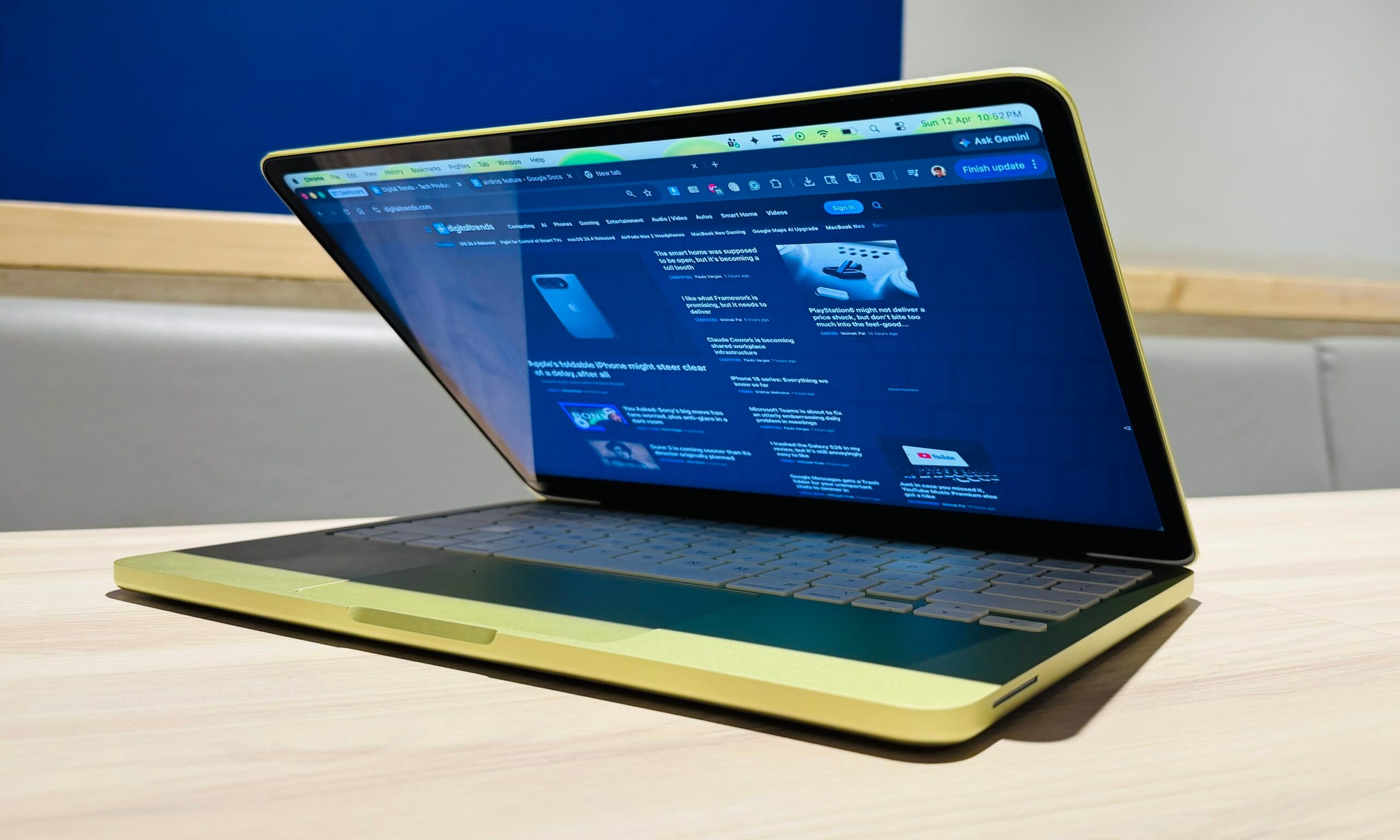
RAMageddon is disrupting consumer tech economics
You could’ve dismissed the memory crisis as a theory, but if even the world’s most valuable consumer tech company is feeling the pressure, it’s safe to say that it’s become a reality today, a harsher reality than many expected.
Apple has a reputation for arriving late and landing well: OLED displays, always-on displays, and Siri AI all followed that script. Unfortunately, I can say the same for memory-driven price hikes; it’s Apple’s steepest mid-cycle price increase.
Not every product category has been hit equally. In fact, Apple has left iPhones out of this for now. However, tablets, mini PCs, and laptops have borne the brunt of it.

MacBook Neo lost to RAMageddon three months after launch
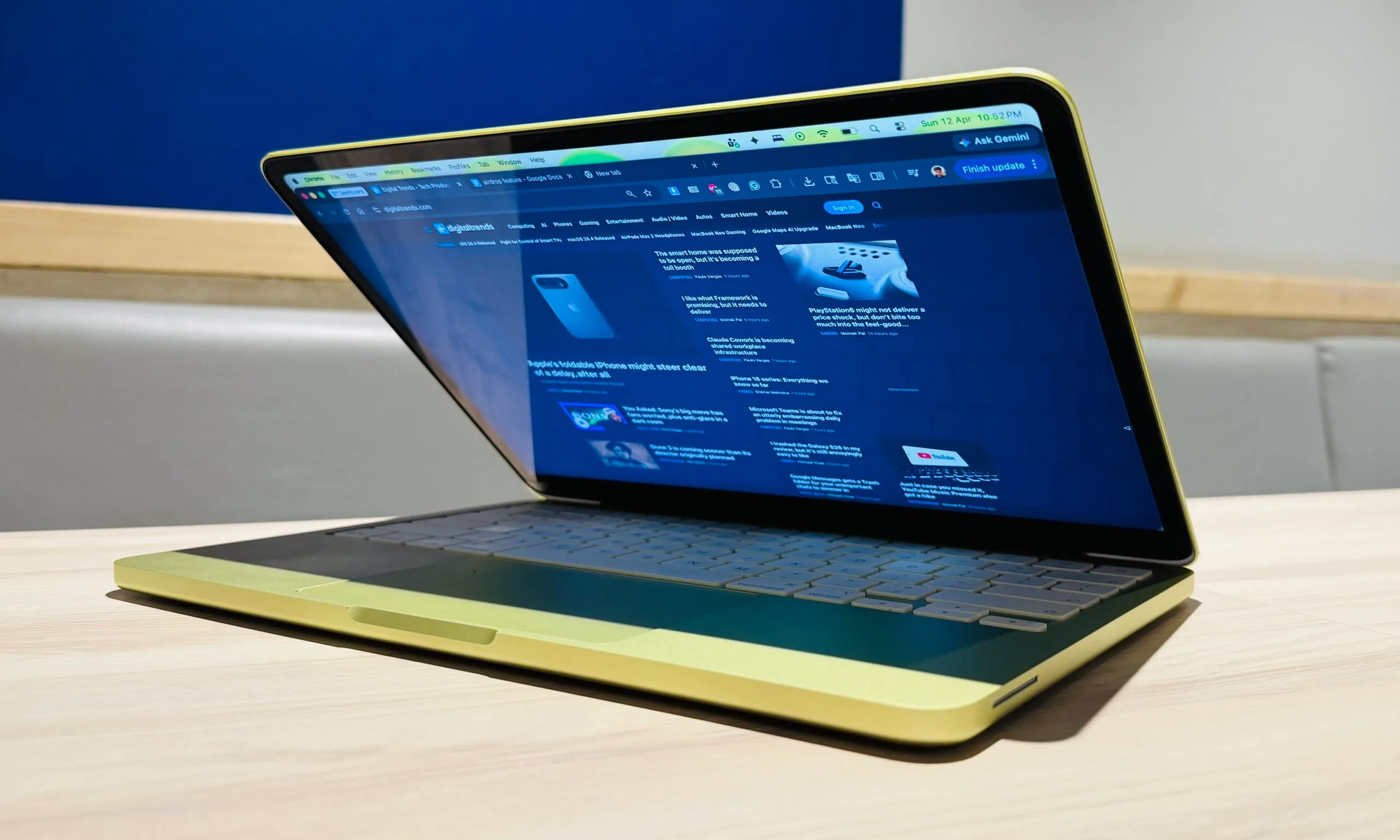
The situation is so ugly that Apple had to increase the MacBook Neo’s price by $100, a double-digit jump over its launch price.
If you’re somehow under a rock, Apple’s MacBook Neo took the entire laptop industry by surprise in March, launching it at $599 for the base model, with 8GB of RAM, 256GB of storage, and an iPhone-class chip that was surprisingly capable.
The Neo sold better than Apple had initially expected; it practically flew off store shelves. Just a month after its debut, the company reportedly increased its order from “several million” units to over 10 million.
As someone who has been monitoring the Neo’s launch quite closely, I can give you more than a couple of reasons why.

Why the Neo’s pricing still works
Packing an aluminum unibody into a $599 device while competitors settled for cheap-feeling plastic, bringing Apple Intelligence features previously available only on premium MacBooks and iPhones to a much lower price point, and serving as an aggressive Apple ecosystem gateway, the Neo checked almost every box that mattered; that’s its true appeal.
Even after the $100 price hike, I’d say that the Neo still commands a unique position in the market, where it’s $400 to $500 cheaper than the entry-level M5 MacBook Air and offers better price-to-performance and value than most options in the segment.
And that’s exactly why I hope Apple doesn’t “fix” the MacBook Neo next year by turning it into an AI-first device.

Dear Apple: The Neo ain’t broke, please don’t fix it
The consumer tech industry, as a whole, is obsessed with AI.
Take Windows OEMs as an example. Even though a regular customer doesn’t care about on-device AI features powered by local LLMs or the local AI compute, most brands below the $1,000 mark are running behind Microsoft’s Copilot+ PC tags, which require at least 45 TOPS of on-device AI compute power.
That, in turn, requires more powerful CPUs, GPUs, or integrated system-on-chips like Qualcomm’s. Those machines also need larger memory pools and faster memory, all of which inevitably push prices higher.
That’s precisely why the MacBook Neo — with 8GB of RAM and its reportedly repurposed A18 Pro chip — made so much sense from day one.
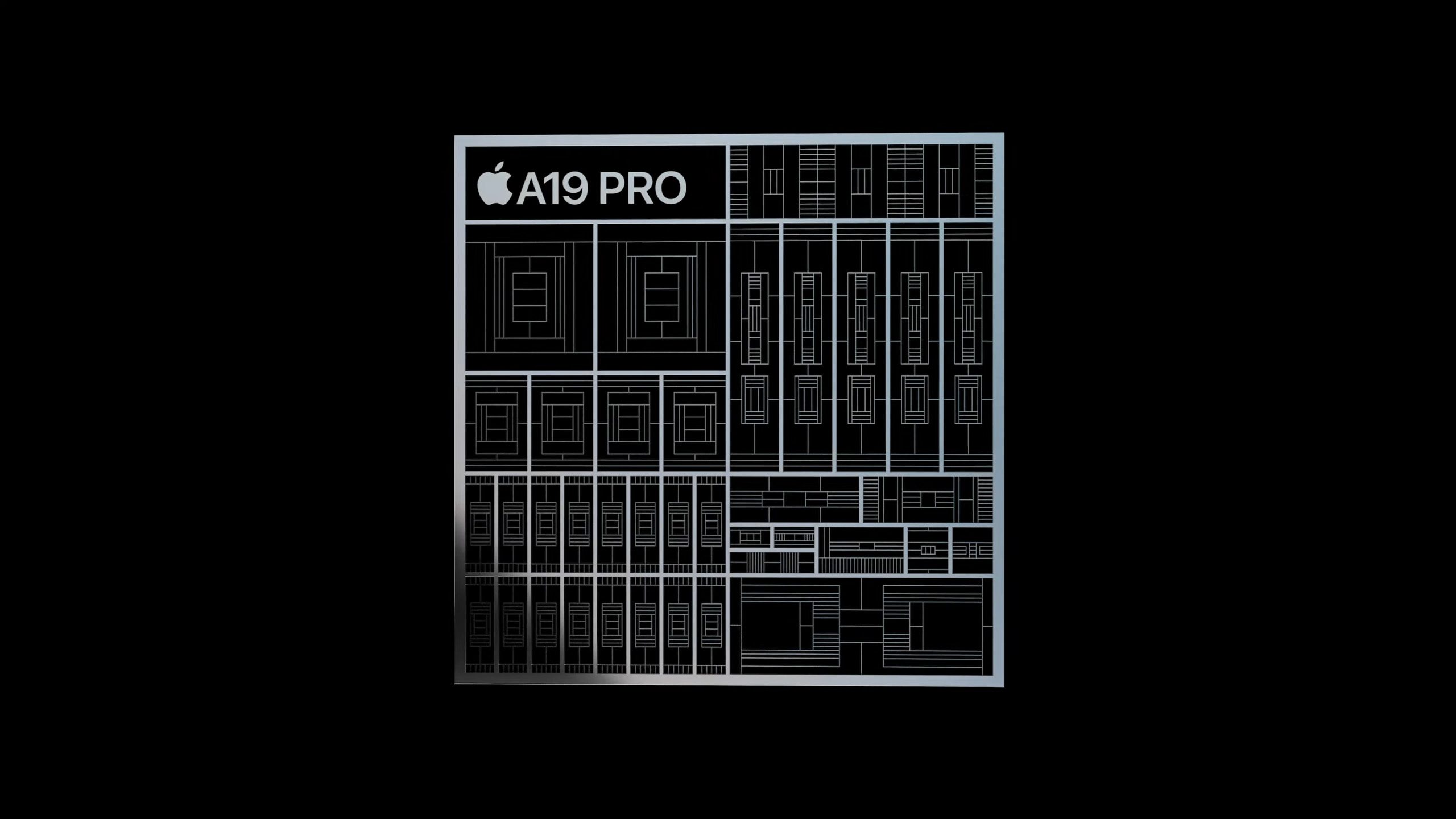
It’s built for everyday computing, not local AI workflows
It didn’t need to look good on the specifications table, simply because Apple knew exactly what customers are looking for.
People looking for a budget laptop usually want to browse the web, manage their documents and emails, attend Google Meet or Zoom calls, view and edit a couple of photos, and watch new movies or web shows on Netflix or their favorite OTT platform.
That is the target audience the Neo is made for: Neo is not made for people running local LLMs, generating AI images (especially with on-device tools), or editing or generating videos all day long.

Apple is already embracing a segmented AI strategy
Apple’s current strategy is already segmented. Older iPhones, like the iPhone 15, don’t support Apple Intelligence. While the new Siri AI experience is available on the MacBook Neo and the iPhone 17, more advanced features like on-device Siri voices and natural dictation are limited to the iPhone 17 Pro or iPhone Air.
In other words, Apple isn’t treating AI as a uniform experience anyway. The company is comfortable drawing those lines, which means the Neo’s successor doesn’t need to chase parity. It just needs to hold its lane.
If Apple wants to improve performance, it could simply reuse the binned A19 Pro chips, much like it reportedly did with the A18 Pro chip in the Neo, without significantly increasing the price by placing fresh orders.
Using relatively older tech, like DDR4 memory, which Apple could source at a meaningfully lower cost and is perfectly usable on the device, is fine.


Neo 2 needs “good enough” hardware, not the latest
The Neo doesn’t need to participate in the AI arms race with desktop-class NPUs, a massive GPU, 16GB of mandatory baseline memory, or even the latest DDR5-class memory chips for browsing through the web or sitting through Zoom calls, especially when the situation will allegedly get worse through the later half of 2026 and 2027.
More importantly, those are the kinds of components that can easily add $100 or $200 to the device’s price, pushing it closer to the $1,000 mark and resulting in internal cannibalization with the Air, which has a much more powerful chip.
Once that gap starts to blur, the Neo risks losing the very identity that makes it compelling. Keep in mind that the 512GB storage variant already costs $800 in the United States.

Apple wouldn’t be the first to take this approach. Intel is bringing back older processors for budget machines. Dell recently launched laptops powered by Nvidia’s aging RTX 3050 GPU. Neither company pretends that everyone needs the latest CPU or GPU, recognizing the value of “good enough” hardware.
Neo shouldn’t lose its real identity
The Neo worked because it knew what it wanted to be: an affordable entry-level laptop that handles all your lightweight day-to-day tasks while being light on your wallet. Its biggest strength was knowing how few AI it actually needed to succeed.
I’d like to say only one thing in the end: the best cheap MacBook is worth far more than the cheapest AI MacBook, which costs hundreds more.
I hope the team in Cupertino keeps that in mind as they work on the Neo’s successor.
Tech
Microsoft's new EU disclosure shows exactly how tech giants separate profits from where the work happens


Microsoft said nearly 40% of its pretax income was booked in Ireland, even though only about 3% of its global workforce is based in the country. In Germany, by contrast, the company reported less than half of 1% of its global profits. Across Europe as a whole, excluding Ireland, Microsoft…
Read Entire Article
Source link
Tech
Apple’s Thinnest iPhone Air 2 Set to Return With the Camera Upgrade Everyone Noticed Was Missing


Apple launched the first iPhone Air last year as a deliberate step toward extreme thinness. At just 5.6 millimeters thick, the device used a titanium frame and careful internal engineering to deliver a phone that felt unlike anything else in the lineup. It sold well, roughly twice as strong as the model it replaced in some markets. Yet feedback quickly highlighted two areas where the bold design created clear compromises: a single rear camera and battery life that struggled to match expectations during long days of use.
Apple’s next move will be to release a straight successor to the iPhone Air, dubbed (unsurprisingly) the iPhone Air 2. The new phone is set to come in the spring of 2027, alongside the normal phones, in what appears to be a split launch. According to supply chain sources and Bloomberg, Apple has decided to adopt a more conservative approach this time, focusing on refinement rather than revolution. So the new phone retains its clean design and fine materials, but the most aggravating flaws have been addressed with some specific mechanical adjustments.
Sale

Samsung Galaxy A37 5G (2026), Unlocked Android Smartphone, 256GB, AMOLED Display, Triple Camera, IP…
- AWESOME SCREEN. ENDLESS POSSIBILITIES: Elevate your content no matter where you are with the 6.7″ Super AMOLED display¹ of the Galaxy A37 5G. Enjoy…
- LONG-LASTING BATTERY: Whether it’s family moments or important calls, stay powered without the wait with Galaxy A37 5G. Super Fast Charging…
- NEVER MISS THE SHOT, EVEN IN LOW LIGHT: With effortless Nightography, you can capture clear high-quality photos and videos on your phone automatically…
On the surface, not much has changed, and the general design remains impressively similar. They were able to sneak an extra camera lens onto the back without adding any bulk, which is a very impressive technique. This is all due to a more compact Face ID module, which has freed up some space at the top. As a result, the phone retains its attractive design and meets the same IP68 water resistance rating. They’re staying with the same color options, however you might see a new lavender option appear alongside space black, cloud white, and light gold. The action button and pressure-sensitive camera controls are still present.
Nothing really changes on the screen, which is unsurprising given how good the previous one was. The 6.5-inch OLED panel, which has a refresh rate of 120Hz and a peak brightness of 3,000 nits, remains the visual centerpiece. There are rumors of a somewhat thinner panel stack, which may be a wonderful bonus—no change for the user, but a nice bit of engineering magic.
The most noticeable difference is on the back, where a second 48 megapixel ultrawide lens has joined the main camera. Now, the first iPhone Air used some clever software tricks to replicate varied focal lengths from a single 48 megapixel sensor, but it couldn’t quite equal the original. This new lens puts the iPhone Air 2 in line with other of the more cheap phones that will be released around the same time. This means better wide landscapes, group photographs, and indoor photos, with none of that software-processed look.
The new A20-series chip, built on a 2nm technology, improves performance and power efficiency. This means you should anticipate the new phone to have slightly longer battery life, even if the actual battery size remains around the same. It all comes down to the new chip using its resources more effectively, which should make a significant impact for individuals who spend their days streaming movies, navigating, and snapping photos.
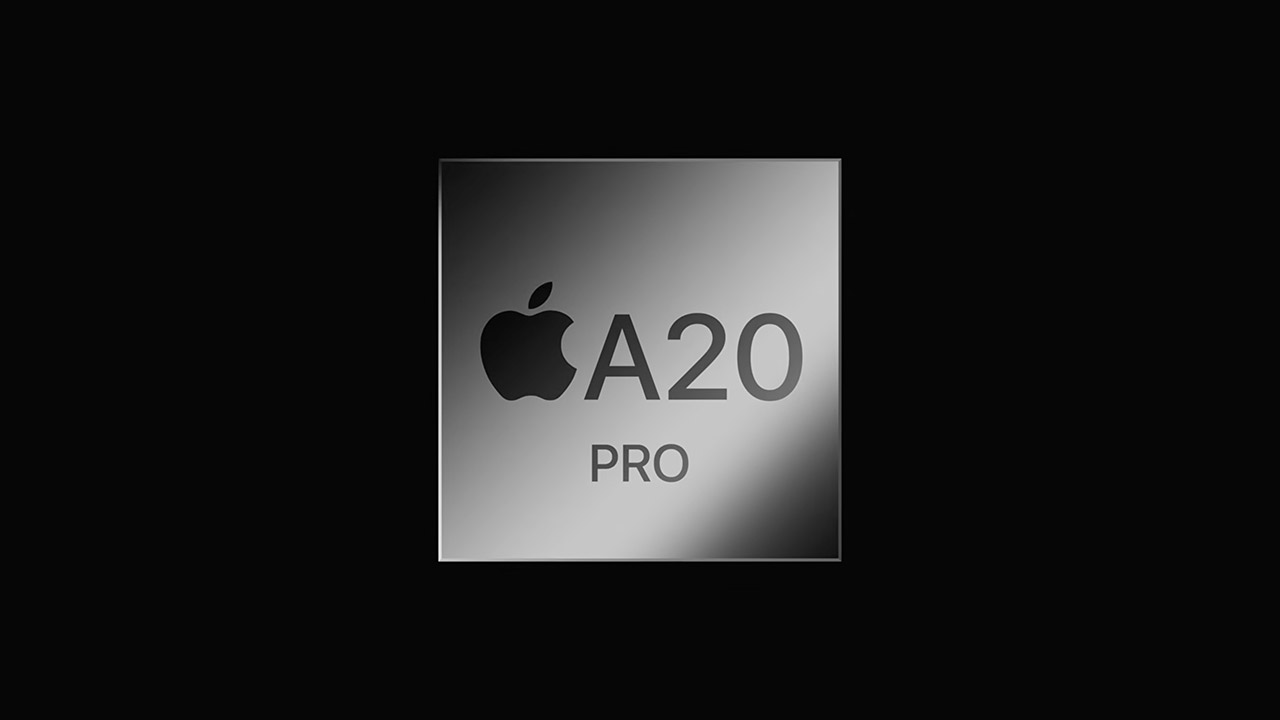
Additional enhancements appear in the supplementary components. There is even talk of upgrading to a sleeker C2 modem, which could significantly increase 5G performance and connectivity. Memory in some variants is projected to reach 12GB, which will help balance out the overall experience without upsetting the Apple experience, so to speak, and maintaining the sleek thin design we love.

Pricing is expected to remain unchanged; the 256GB version will cost $999, and higher storage tiers will cost more. Any minor increase in the bill to account for chip production costs should remain fairly reasonable. As for software support, it’s the standard multi-year deal, as the phone will ship with the most recent iOS and will continue to receive those critical updates for years to come.
[Source]

Following the Trump directive that led Anthropic to pull its latest AI models offline and growing calls for sovereign tech that reduces reliance on the U.S., Mistral AI has been caught in a whirlwind of attention. But the French AI darling is often misunderstood, and the fact that it develops large language models (LLMs) has muddied the picture.
Anyone who judges Mistral by how close it is to becoming ‘the OpenAI from Europe’ is in for disappointment. Its chat and agent Vibe, formerly Le Chat, only has an ounce of ChatGPT’s brand recognition, and Claude is more popular than Mistral’s models even among founders based at Station F, Paris’ startup campus.
On the other hand, casual observers tend to miss that the French decacorn is following the Palantir playbook, with forward-deployed engineers that help governments and large corporations adopt AI and tailor it for their use cases.
This approach is also better suited for Mistral’s means. While the company is rumored to be raising some $3.5 billion at a $23.15 billion valuation, nearly doubling its current valuation, that’s still far less than U.S. frontier labs. But its revenues have also ramped up; in February, it disclosed that its annual recurring revenue was now above $400 million, up from $20 million just one year earlier, and claimed it was on track to surpass $1 billion in ARR this year.
This has helped Mistral gain a seat at the table in places like Davos, and even in rooms where tech CEOs have a hard time getting their message across, such as the French Parliament. Mistral CEO Arthur Mensch has become a public ambassador for a certain vision of AI, but he still has some evangelizing to do when it comes to explaining his own company.
In a lengthy LinkedIn post, Mensch broke down what the Paris-based company has been doing “for a living” — deploying its models and agent platform on the infrastructure of its Enterprise customers, and helping them build custom models with Forge, a platform that lets them use their own data for training.
However, misunderstandings and bigger hopes around Mistral don’t stem out of thin air. Named after a wind, the company pursues a grand vision. “We exist to make sure that everyone gets access to the best AI systems, outside of centralized control exercised by states or corporations that feel the need to control in-fine deployment of AI,” Mensch wrote.
This vision means that Mistral is looking beyond the enterprise. It also aims to keep on making big investments into research to keep up with foundational AI rivals — and Mensch’s post also covered where he thinks the company stands in that regard.
“Today, we do not yet own the best language models, but we’ve constantly reduced that gap. We have a very exciting model to come this summer – it will be open-weight, and we’re opening early access to it in July. In domains that are less compute bound, e.g. voice, vision and document processing, we have state-of-the-art solutions,” Mensch claimed.
Mistral’s upcoming model has already generated some buzz on X, where Mensch and Mistral backer Marc Andreessen have engaged with jokes and amplified memes on what we now know won’t be called “Le Chaton Fat.” That’s another sign that the world — especially “the rest of the world” — is keeping an eye out for whatever Mistral has in its bag.
The most interesting part may be happening behind the scenes. Earlier this year, Mistral acquired infrastructure startup Koyeb to further boost its plans to build “a true AI cloud. The company also announced a €4 billion investment strategy (around $4.56 billion) to build data centers in France and Sweden — and the sovereignty undertones are never very far.
“We’re building under the premise that AI technology is a commodity technology that every organization needs a secured and affordable supply of,” Mensch wrote. If you are curious to learn more, keep on reading.
Who are Mistral AI’s founders?
Mistral’s three founders share a background in AI research at major U.S. tech companies that have operations in Paris. Before becoming Mistral’s CEO, Mensch used to work at Google’s DeepMind; CTO Timothée Lacroix and chief scientist officer Guillaume Lample are former Meta staffers.
Mistral also granted the title of co-founding advisers to the cofounders of health insurance startup Alan, Charles Gorintin and Jean-Charles Samuelian-Werve (also a board member). In addition, it recently appointed three new executives to support its growth: Johan Bergqvist as Chief Financial Officer, Brian Hall as Chief Marketing Officer and Kamal Brar as SVP, Partners & Alliances.
What are Mistral AI’s main models?
Mistral has developed a broad suite of models ranging from LLMs to multimodal, reasoning, audio and OCR models. Not all of its models emphasize size; there’s the tellingly named Mistral Small 4 and “Les Ministraux,” a family of models optimized for edge devices such as phones. Some are open weights, and it also made code agent Leanstral open source.
What partnerships has Mistral AI closed?
In 2024, Mistral signed a deal with Microsoft that included a €15 million investment and a strategic partnership for distributing the French company’s AI models through Microsoft’s Azure platform.
In May 2025, Mistral said it would participate in the creation of an AI Campus in the Paris region, as part of a joint venture with UAE investment firm MGX, NVIDIA, and France’s state-owned investment bank Bpifrance.
In June 2025, Mistral said it would launch a European platform dedicated to AI and powered by Nvidia processors, Mistral Compute, in 2026. The initiative was hailed as “historic” by France’s president, Emmanuel Macron, who shared the stage with Mensch and Nvidia CEO Jensen Huang at the VivaTech conference shortly after the announcement.
In July 2025, Mistral launched AI for Citizens, an initiative that the company claimed could “help States and public institutions strategically harness AI for their people by transforming public services.”
In September 2025, Mistral and chip company ASML struck a partnership “to explore the use of AI models across ASML’s product portfolio as well as research, development and operations.”
Mistral also secured strategic partnerships with the likes of Accenture, press agency Agence France-Presse, France’s army and job agency, Luxembourg, shipping giant CMA, German defense tech startup Helsing, IBM, Orange, and Stellantis.
How much funding has Mistral AI raised to date?
Most of Mistral AI’s funding to date was debt financing, but the company has also raised several venture funding rounds, with a grand total around $4 billion, according to Crunchbase.
In June 2023, just one month after being founded, Mistral AI raised a record $113 million seed round led by Lightspeed Venture Partners. Sources at the time said the seed round, Europe’s largest ever, valued the startup at $260 million.
Other investors in that round included Bpifrance, Eric Schmidt, Exor Ventures, First Minute Capital, Headline, JCDecaux Holding, La Famiglia, LocalGlobe, Motier Ventures, Rodolphe Saadé, Sofina, and Xavier Niel.
Six months later, Mistral closed a €385 million Series A ($415 million at the time), at a reported valuation of $2 billion. The round was led by Andreessen Horowitz (a16z) and saw participation from Lightspeed, as well as BNP Paribas, CMA-CGM, Conviction, Elad Gil, General Catalyst, and Salesforce.
Microsoft’s $16.3 million convertible investment in Mistral as part of a partnership announced in February 2024 was presented as a Series A extension, implying an unchanged valuation.
In June 2024, Mistral raised €600 million (about $640 million) in a mix of equity and debt. The long-rumored round was led by General Catalyst at a $6 billion valuation, with notable investors including Cisco, IBM, Nvidia, and Samsung Venture Investment Corporation participating.
In September 2025, Mistral closed a €1.7 billion Series C round (about $2 billion) led by ASML at a €11.7 billion valuation (approximately $13.8 billion), with participation from existing backers DST Global, a16z, Bpifrance, General Catalyst, Index Ventures, Lightspeed, and Nvidia.
What companies has Mistral AI acquired?
In addition to infrastructure startup Koyeb, Mistral has also bought Emmi, an Austrian startup focusing on physics AI, with the ambition to better support industrial enterprises in their AI transformation.
Will Mistral AI make its own chips?
While Mistral has yet to design its own chips, Mensch isn’t ruling it out. “Owning the chips may come, I think it should come at some point, but for now we are relying on Nvidia, which is a great partner to us, and we’re testing a few things here and there,” he told CNBC.
What could a Mistral AI exit look like?
Mistral is “not for sale,” Mensch said in January 2025 at the World Economic Forum in Davos. “Of course, [an IPO is] the plan.”
This makes sense, given how much the startup has raised so far: Even a sale to a rumored prospective buyer like Apple may not provide high enough multiples for its investors, not to mention sovereignty concerns depending on the acquirer.
This story was originally published on February 28, 2025, and will be regularly updated.
When you purchase through links in our articles, we may earn a small commission. This doesn’t affect our editorial independence.
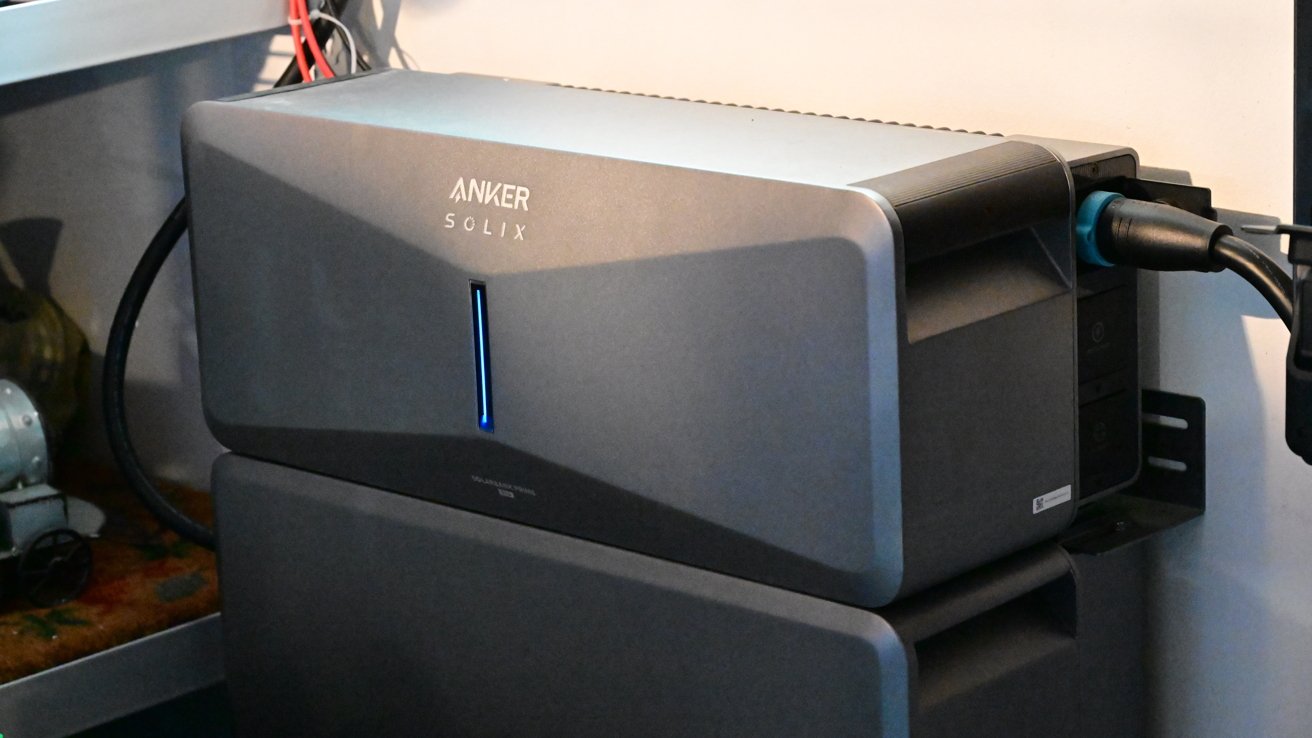
The Anker Solix E10 whole-home battery backup system is a modular setup that can keep your home powered and save you money with multiple forms of power input.
In rural Ohio, my partner and I have struggled with power outages since we bought our house. The first weekend we moved in, we were hit with a power outage, and as we walked outside, we heard all of our neighbors turning on loud, gas-powered generators.
We knew this was common and had to find a solution. Until the Solix E10, we’ve relied primarily on multiple battery backups in the house to keep the internet running, devices charged, and appliances going during these outages.
At most, we went for over three days without power thanks to the aging power infrastructure. The roadside utility poles that deliver power are constantly downed by trees or rough weather.
The E10, from the Anker power subbrand Solix, looked like a great fit that could grow with us, while reducing our reliance on the grid and being less susceptible to outages.
| E10 with Power Dock | |
|---|---|
| Outdoor Rating | NEMA 4 (-4F to 131F) |
| Solar Input | 9kW – 27kW ; 30-450V |
| Auto Switching | |
| Battery Capacity | 6kWh-90kWh |
| Output Power | 7.6kW – 22.8kW |
| Entry Capacity | 200A Whole Home |
Anker Solix E10 review: A modular solution for your home
The Anker Solix E10 is a modular power system that is designed to support your entire home. It’s comprised of multiple components that you can pick and choose based on your needs.

Anker Solix E10 review: The E10 Power Module atop a B6000 battery.
It’s a family of products consisting of battery modules, the E10 Power Module, the Smart Generator 5500, the Power Dock, and the Smart Inlet box. Here, I tested E10 connected to a battery as well as the Power Dock.
In my setup, the Power Dock with its 12 circuits is connected to my primary breaker box. Some of the circuits from my home were moved into the Power Dock to be controlled by the E10 system in the case of a power outage.
The E10 Power Module sits on top of the batteries and feeds into the Power Dock. If you have the Solix Tri-fuel Smart Generator 5500, it also feeds into the E10 Power Module to provide supplementary power and charge the batteries.
Depending on your home, you can easily customize this to your needs. You can add on lots of solar to drastically reduce your reliance on the grid or line up three E10 Power Modules with five 6144Wh B6000 battery modules each to run up to 15 days solely on stored power.

Anker Solix E10 review: The E10 Power Dock can hold 12 circuits.
Besides grid-supplied or solar power, the generator is unique. It can be powered by a natural gas line, propane, or gasoline, depending on what you have available.
This feels like the most adaptable whole-home battery system I’ve seen yet and can easily be outfitted to both small and large homes. Combined, you can go off-grid, be protected indefinitely during outages, and save money.
Anker Solix E10 review: App control and smarts
The Anker Solix E10 is all managed from the Anker app. It’s the same one that can run your desktop charger, your portable power station, and now, your whole home.
From the main view, you see a representation of your home with all the various inputs, such as solar, grid, and your batteries connected to the Power Dock. You see the home load, too.
It shows how the power is flowing and how much each piece is generating or drawing. I love watching and seeing the solar spike on sunny days and how much money it has saved us.
The system has two operating modes and two backup modes. For operating modes, you can use self-consumption mode (the default), which manages the load in real-time and maximizes any solar input, or you can choose “time of use mode,” which is for those with variable energy rates based on the time of day.
 Anker Solix E10 review: A few spare solar panels give me added power input
In Ohio, I have fixed-rate electricity pricing, so I use the standard self-consumption mode. Not only does this manage the flow of power from solar and the grid, but it also designates the capacity stored in the batteries.
Batteries don’t do well when stored for long periods of time at full capacity. For that reason, the E10 system will keep your batteries at an optimal capacity, usually 20%, though the user can designate exactly how much.

Anker Solix E10 review: The Solix E10 is easy to set up within the Anker app and used to monitor and adjust your power usage.
For backup modes, you can choose “Storm Guard” or “Rapid Charging”. The former will only charge your batteries when necessary, while the second is a manual backup option that will charge your batteries at maximum power.
Lastly, there is an option for “manual off-grid.” This cuts the power to the grid with the flip of a toggle and utilizes only self-produced and stored power for your home.
While the app works very well, is cleanly laid out, and has most of what I need, it isn’t as robust as some of the others out there. Some, like the Tesla PowerWall or the Ecoflow Smart Home Panel, seem to have a lot more data, graphs, and integrations.
As this is the first such product for Anker, I expect the app to continuously evolve and improve. For right now, it’s solid, but not the best.
Anker Solix E10 review: Storm Guard
Storm Guard is one of the best features of this system, and something I’ve got to test a few times in recent weeks. You input your address, and the system will monitor weather warnings for your area.
If there is a predicted weather warning approaching, it will automatically charge your batteries in anticipation. While in Storm Guard, you’ll get a notification as well as a banner on the app’s main view to let you know how long it is in effect.
 Anker Solix E10 review: Storm Guard kicking in
This did not work 100% of the time for me, but it worked well enough. Even if it didn’t predict every outage, I was very impressed with its performance.
Whenever Apple Weather or Carrot would send me an alert that there was a weather warning for my area — high wind, tornado, or severe thunderstorms — it was only a minute or two later that I’d get an alert from Anker that Storm Guard had been activated.
There was at least one time when a weather warning came in, and the system did not have ample time to fully charge the battery storage before our power was knocked offline. This shortened the amount of time our home could go off the battery backup.
I don’t fault the system for this, as it’s the best-case scenario for what it has to do. The only way to always have your batteries ready for any emergency power drop is to keep them stored at 100% perpetually, but this will reduce the lifespan of the cells, which you certainly don’t want.
Ultimately, as a compromise, I increased the stored percentage on the batteries to 30% so that I had a good amount of emergency power always stored, while still protecting battery health. That helps, too, in case of a surprise outage that isn’t weather-related.
Anker Solix E10 review: Where is Matter?
For me, the glaring hole right now is Matter, and it isn’t all Anker’s fault. Matter is the unifying smart home standard that works across ecosystems, including Apple Home.
The Connectivity Standards Alliance first added power management to the Matter standard in version 1.3 (we’re currently on 1.6), but it’s been a slow rollout to accessories. Ecosystems have also been slow to add power management features.
Currently, the Solix E10 does not support Matter, and Anker has not confirmed or denied its plans to do so. To me, this waffling shows how cautious brands are being about committing to the standard.

Anker Solix E10 review: The Power Dock that holds the home’s circuits
It’s a difficult spot for brands to be in right now. Who adopts support for a new feature first: the ecosystems or the accessories?
If no ecosystems fully support Matter power management, why add it to an accessory? Conversely, if no accessories want to support it, why add it to the ecosystem?
Thus far, Ecoflow has announced its intention to add Matter to its smart panel and its Oasis monitoring system, and others, like Pila, are adding it to their smaller battery stations.
Here’s my pitch on why more need to add it: aside from the ecosystems themselves, whole home battery backups are what this Matter feature was designed for. It’s the central point in your home that feeds power to all of the devices in your home.
With Matter, I could only run large appliances when my solar input passed a certain threshold at midday. I could also opt to pause unnecessary devices when running on battery power, like an extra space heater or the studio mini-fridge.

Anker Solix E10 review: Dual solar inputs on the side of the E10 Power Module, stacked on the batteries.
For homes that have electric vehicles, you can also control when and how fast you charge your car. Charge only on green energy or during off-peak hours. The system could also better track what in your home is using energy to give you insights to inform your control.
Apple specifically has shown a lot of interest in the power management space. With iOS 27, Apple is adding energy monitoring to the Home app, and it already has clean energy monitoring and ties into select power providers.
While Apple doesn’t yet support robust power management Matter features, it’s absolutely something of interest. When purchasing a whole home battery backup system, whether or not it supports or is expected to support Matter would be a major factor for me.
I’d want something this substantial to support the latest features and not feel outdated as soon as Apple and the other ecosystems get serious.
Anker Solix E10 review: In use
As I mentioned, power outages are a constant problem in my area. Even if not a full prolonged blackout, those brownouts are just as problematic, especially to connected smart home tech.
Instead of relying on several smaller battery backups throughout the home, this has consolidated everything into one system. It’s also much more reliable and seamless.
If or when the house goes offline during a big launch, I can make sure I can keep working without interruption. Let alone making sure we can make baby formula or keep the freezers cold during those outages.

Anker Solix E10 review: Four AC inputs on the bottom of the E10 Power Dock, which can be used for up to three Power Modules or an EV charger.
With a whole-home system, I don’t need to keep a bunch of batteries charged or check in on each of them individually during an outage to monitor how long they will last. Plus, since we have two full-sized refrigerators and a deep freezer, outfitting each with a battery backup that can last days would be expensive.
The Solix E10 system has reliably kicked in during every storm during my testing and powered our home during multiple outages. Only one outage wasn’t predicted when someone ran into a utility pole, but the 20% battery capacity got us through until it was repaired.
The Anker app is super useful to monitor that, as you can not only monitor the usage, but also see a real-time estimate of how long the battery will last.
Since the system has a sub-20 millisecond activation time, I also noticed that my brownouts are completely gone. The lights no longer flicker, and my smart home tech doesn’t need to reboot because the power dipped for just a second or two.
Anker Solix E10 review: Should you buy it
A whole-home battery system is certainly not cheap. It’s much more than a 5KmAh battery pack for your iPhone.
But for anyone who lives in an area with questionable power, frequent inclement weather, expensive energy rates, or is looking to go more off-grid, it’s the best solution.

Anker Solix E10 review: The Anker Solix logo atop the E10 Power Module.
More and more options have launched in the last few years, and I believe the Anker Solix E10 is the most approachable and customizable yet.
If you don’t want to go all-out, you can opt for an E10 and one battery. As time goes on, outfit your system with additional batteries, yard- or roof-mounted solar panels, or the tri-fuel smart generator.
Speaking of generators, I much prefer this over a regular gas generator. Most of those have just a few AC outlets you have to run cables to, but they also need regular maintenance and usually gas.
Using a battery system, it’s always ready to go, silent, and you don’t have to do anything. It simply kicks in when necessary, and if you do opt for that tri-fuel generator, it can run indefinitely.
The E10 system can be mounted indoors or outdoors, so it can withstand the elements. It still needs to be installed by an electrician, but it was a relatively quick and painless process.

Anker Solix E10 review: The whole system, with the Power Module on the left, next to the Power Dock, which feeds into the original home’s circuit breaker panel.
I’d still recommend this system based on its setup and performance, but I still want Matter to be in the picture. It’s the one thing holding it back from being basically perfect for me.
Anker Solix E10 review: Pros
- Easy installation for pros
- Whole-home backup for up to 15 days on battery
- Modular system to expand as needed
- Optional Tri-fuel generator to power home & batteries
- Two standard MC4 solar inputs
- Easy-to-use app
- Storm Guard to auto-backup batteries
- Track energy savings
- Store inside or outside
Anker Solix E10 review: Cons
- No Matter support
- Not as rich app compared to competition
Anker Solix E10 rating: 4 out of 5
Where to buy the Anker Solix E10
You can customize your own Anker Solix E10 system on Amazon, starting at $4,099.
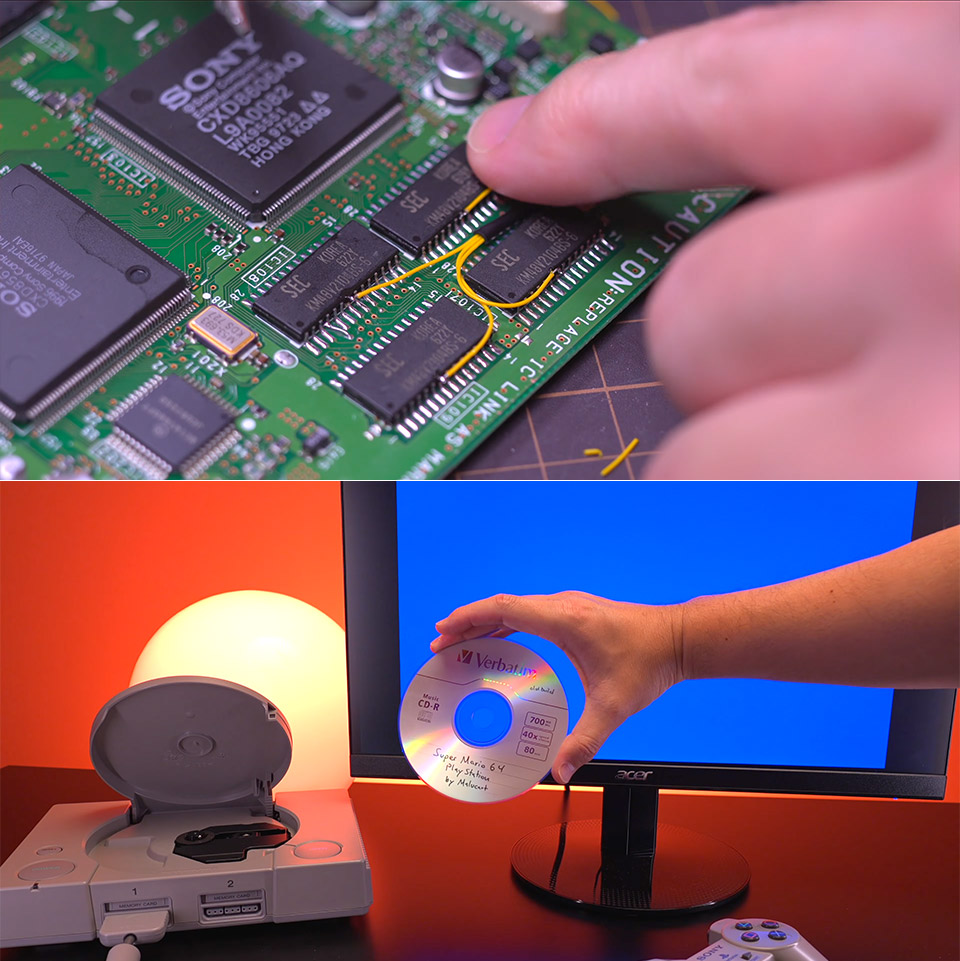
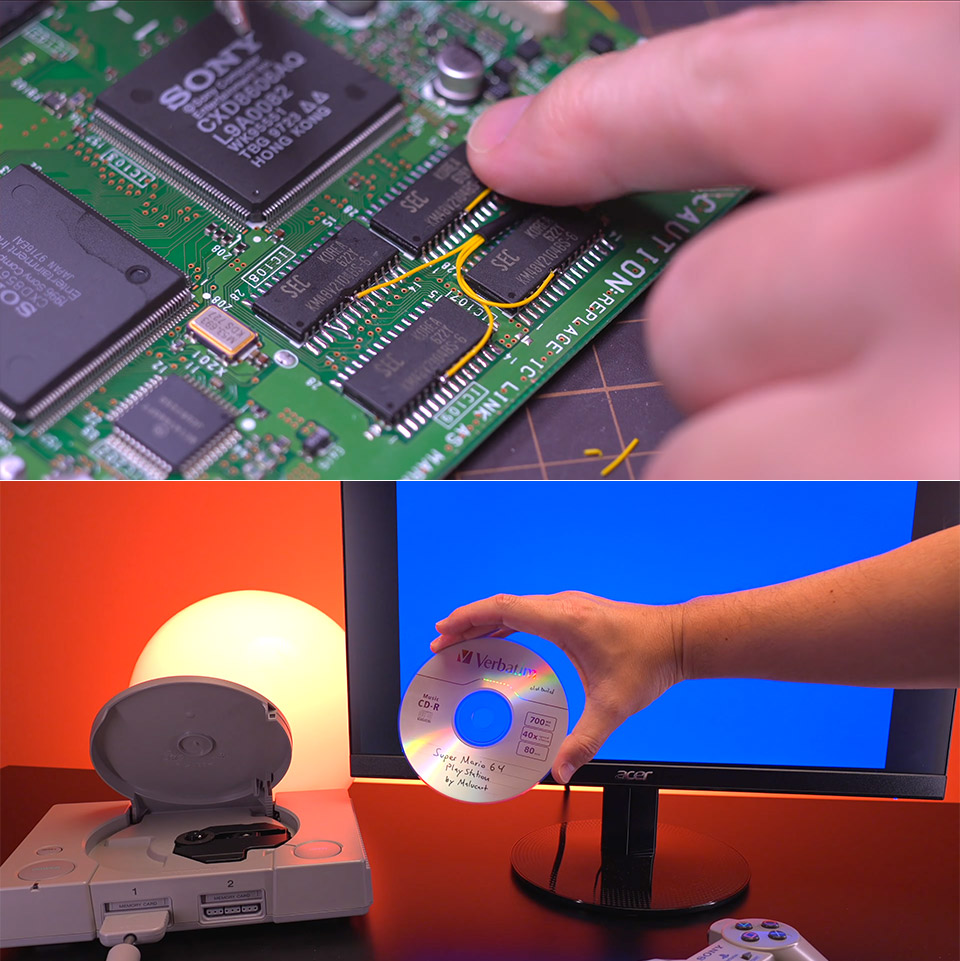
The original PlayStation console launched with only 2MB of main RAM, split across four 512KB chips soldered to the motherboard. That amount served the system well for its era, powering a library of games that still hold up today. Yet the central processor inside was built from the start to work with up to 16MB. Sony simply never populated the extra capacity in consumer units, even though some of its own arcade hardware ran with the larger amount in two separate 8MB banks.
A PlayStation modder dubbed TunerTom has recently filled the RAM gap. Using traces from arcade boards and PSX.Dev Discord discussion, he has prepared a 16MB upgrade package that works on the standard PlayStation system. Another key step for this project was when Tito Perez of Macho Nacho Productions helped spread the word by performing a full, on-hardware demonstration, replete with a before-and-after test run.

PlayStation 5 Portal Remote Player – Midnight Black
- Play Your Game Collection with Remote Play – PlayStation Portal Remote Player can play compatible games you have installed on your PS5 console…
- Cloud Streaming from the Game Catalog and Classics Catalog – Discover an awesome library of PS5 games on the PlayStation Portal Remote Player with…
- Cloud Streaming for PS5 Games in Your Library – With PlayStation Plus Premium, stream select digital PS5 games in Your Library from PlayStation Store…
The upgrade does not modify the actual size of the chip footprint on the console’s motherboard, but almost everything else is redesigned. The first stage involves removing the conventional four 512KB chips. In their stead are eight 2MB EDO RAM chips salvaged from old 16MB RAM modules used in PCs. Four of these chips are inserted into the board connectors in the proper orientation. The remaining four are carefully changed so that they may stack directly on top of one another, with all but one of the legs soldered to the chip below, leaving one pin free for a particular connection.
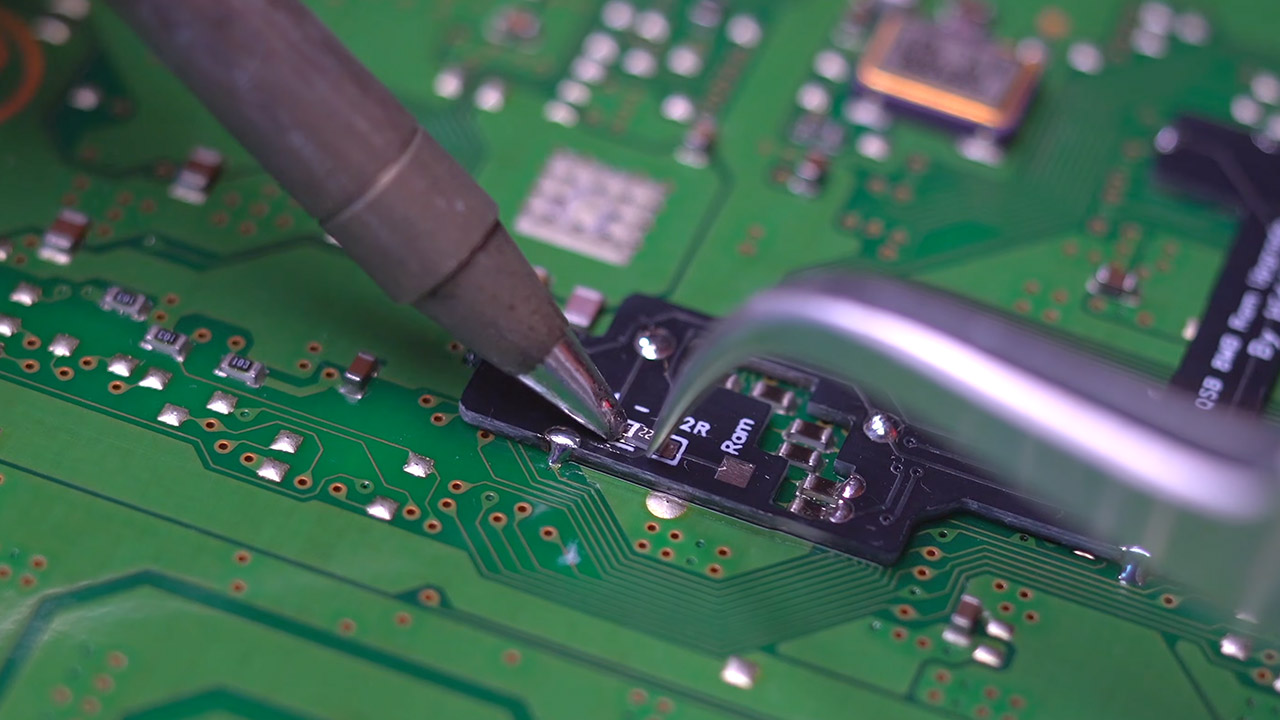
The most difficult aspect is all of the extra wirework that must be completed, as here is where the majority of the modification effort is concentrated. It treats the extra memory as two independent 8MB banks, exactly as other arcade systems did. After cutting a few traces on the original motherboard and exposing a via, you can use a custom quick-solder adapter board shared by another modder in the community to route memory control signals. A short wire harness reconnects the bank-select pin to the adapter, and a single 22-ohm resistor completes the circuit. Plus, if you put the RF shield back on, the upgrade remains hidden within the original case.
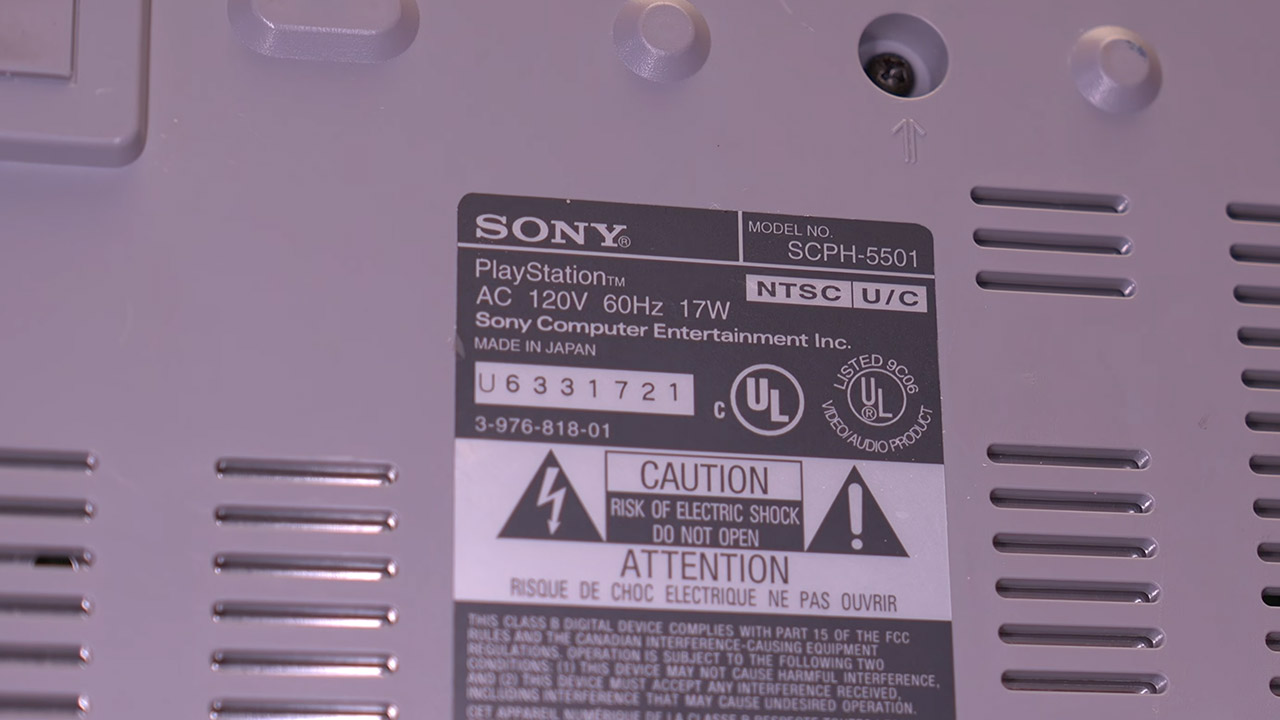
The good news is that the upgrade should be compatible with the console’s easier to mod models, such as the SCPH-5500 with the PU-8 motherboard. With a little additional work, it may also work on other console revisions. You’ll need a hot air gun to remove the old chips, steady hands for soldering, a craft knife to cut some of the traces, and a multimeter to perform basic continuity checks. I’d rate it as an intermediate level challenge for an experienced console modder, however the adapter board does assist minimize the amount of point-to-point wiring required.
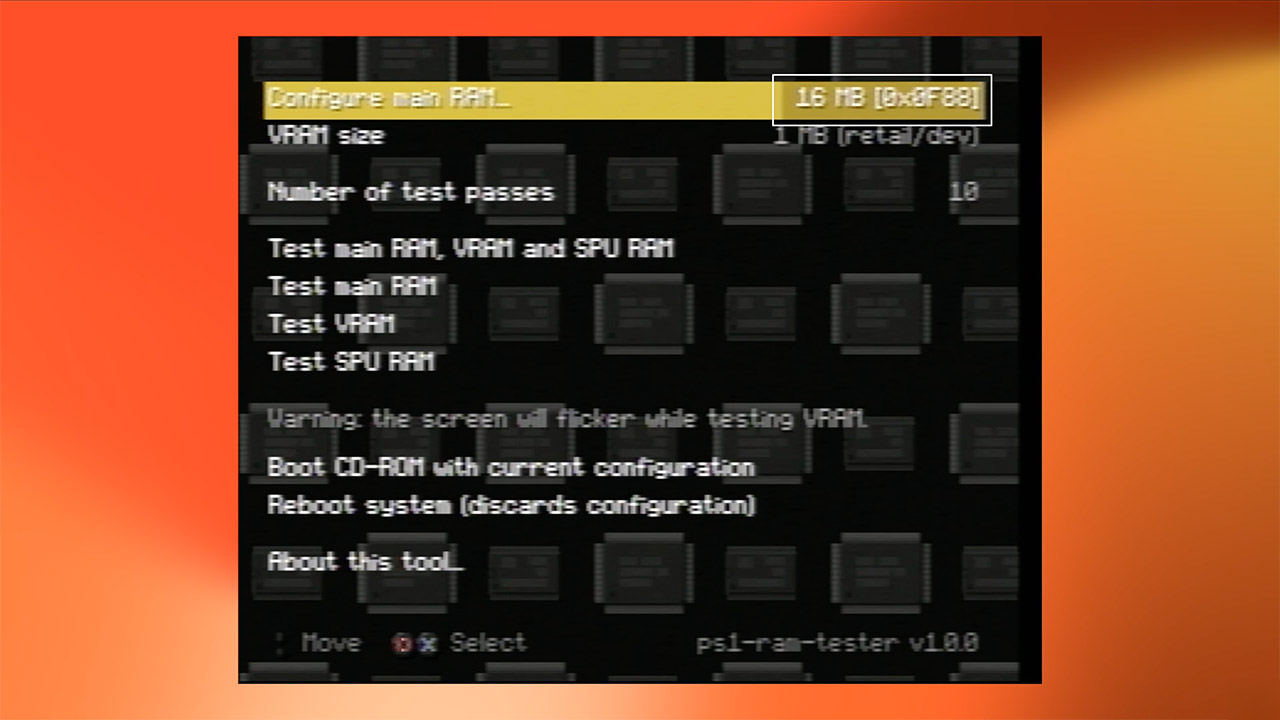
Testing has shown that the upgrade not only works, but also delivers. A special utility disc tests the PlayStation’s stock 2MB RAM, and once the mod is complete, it is changed to accommodate the 16MB RAM.
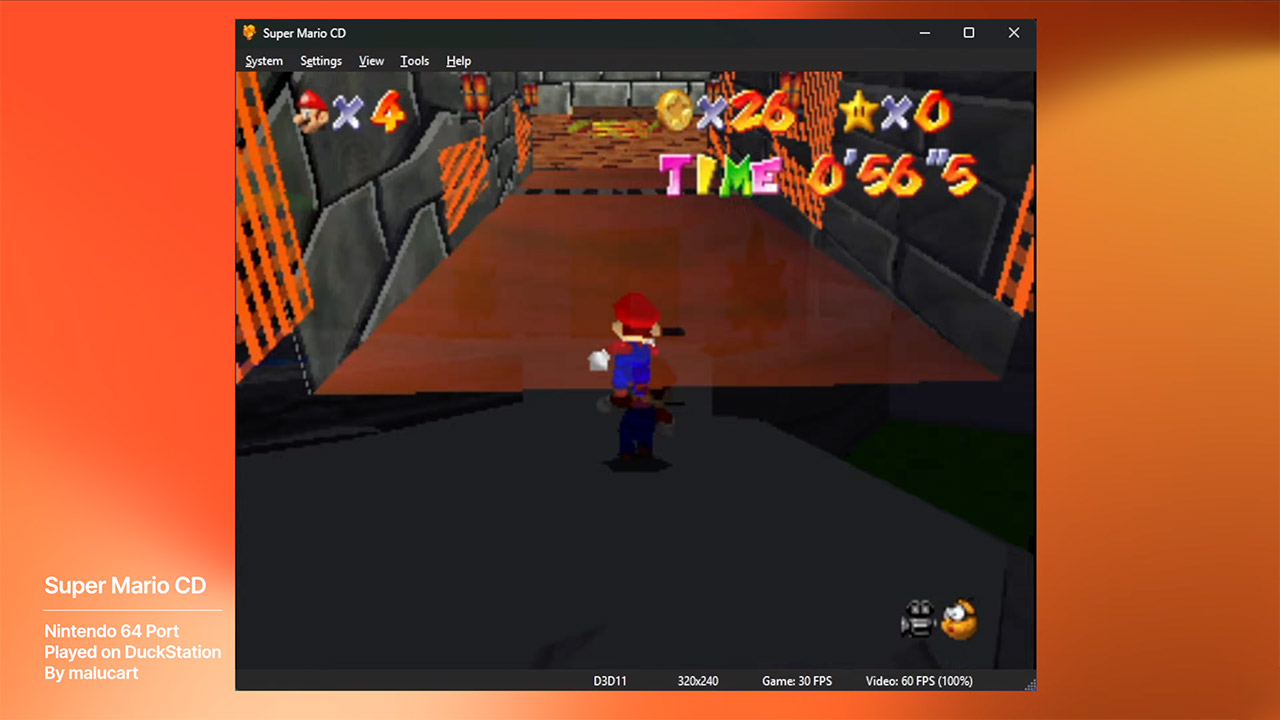
Most of the games you have already work properly because they never required more than 2MB of RAM. Some games, however, now fail to boot or simply crash due to a problem with memory initialization or the way the old setup replicated part of the data. However, the console itself continues to function normally on a daily basis. The true gain comes when game developers or homebrew programmers begin to design software that makes full use of all that extra capacity. Homebrew projects may suddenly have a lot of area for larger textures, longer draw distances, or just being able to load more assets from disc. Tito discovered one example: a Super Mario 64 port that can now load the entire game into RAM at once.

South Africa proposes crypto tax guidance under existing rules

17 Loose Sundresses for Women Over 55 on Amazon

How to Solve the Puzzle 1120 Easily


-

 Fashion2 days ago
Weekend Open Thread: High Hopes
-

 Politics2 days ago
The House | “Reframing the debate from a binary discussion of winners and losers”: Yuan Yang reviews ‘We Are Not Machines’
-

 Crypto World5 days ago
Strategy authorizes up to $1.25B in Bitcoin sales under new capital plan
-

 News Videos7 days ago
MAJOR BITCOIN & MARKET UPDATE!!!! (MUST WATCH ASAP!!!)
-

 Tech6 days ago
Anonymous researcher drops 0-day ‘exploitarium’ repo
-

 News Videos5 days ago
How to Build INSANE Live Financial Dashboards With Claude
-

 Business5 days ago
Australia treasurer says alleged access of prime minister’s bank data ’incredibly concerning’
-
 NewsBeat10 hours ago
Taylor Swift and Travis Kelce wedding staffer hilariously struggles to keep her cool while checking in megastars
-
 Business6 days ago
The AI boom won’t burst all at once. It will pop in ‘rolling bubbles’: Macquarie
-

 Sports4 days ago
Broncos roster: OL Ben Powers (No. 74) entering final year of contract
-

 NewsBeat5 days ago
Presenter Caroline Flack’s brother Paul Flack dies aged 55
-

 Crypto World3 days ago
Binance stock trading tops $1B in first month after launch
-

 Crypto World3 days ago
Alibaba-affiliate Ant Group enters the humanoid robot market with 12 deals
-
 NewsBeat3 days ago
New exhibition reflects five decades of movement between island of Ireland and GB
-
 Crypto World4 days ago
Airdrop Registration Becomes Key Focus For Remittix As RTX Launch Updates Approach
-

 Business4 days ago
Meta Platforms Stock Jumps 7% Today as Bloomberg Reports Company Plans to Enter the Cloud Business
-

 Business2 days ago
What a 10 Percent Drop Means for Buyers, Sellers and Renters
-

 Crypto World3 days ago
Binance Re-Enters Philippines As EU MiCA Rules Restrict Access
-

 Tech3 hours ago
Lenovo laptops are now shipping with YMTC SSDs, a sign of Chinese NAND entering the mainstream
-

 Crypto World2 days ago
Standard Chartered Secures MiCA License as ESMA Adds 37 New Crypto Firms
You must be logged in to post a comment Login