Connect with us
DAPA Banner
DAPA Coin
DAPA
COIN PAYMENT ASSET
PRIVACY · BLOCKDAG · HOMOMORPHIC ENCRYPTION · RUST
ElGamal Encrypted MINE DAPA
🚫 GENESIS SOLD OUT
DAPAPAY COMING

NewsBeat

DAILY MAIL COMMENT: Magnificent victory for the Mail… and Britain’s free Press

Published

on

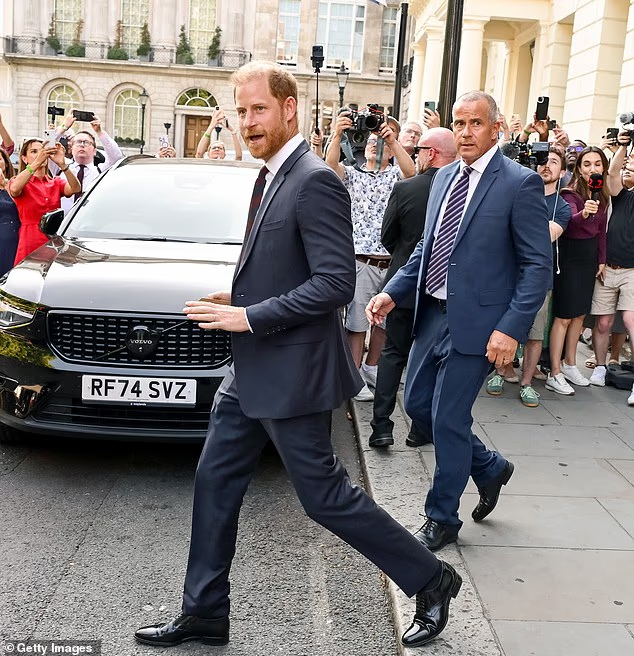
The claimants – including Prince Harry – alleged that stories about them in the Mail had been obtained by phone hacking or other illegal means. The High Court dismissed the allegations

Advertisement

In a magnificent and comprehensive victory, the High Court dismissed a confection of lurid allegations that the Daily Mail and The Mail on Sunday had used illegal means to gather information.

This was a triumph for our journalism. But it was far more than that. It was a landmark moment for Britain’s free Press. Supported by campaign group Hacked Off and funded by former far-Right activist Max Mosley, the case was nothing less than a bid to destroy the Mail.

Had it succeeded, the implications for free expression would have been profound. It’s no exaggeration to say it would have paved the way for state regulation of newspapers, Hacked Off’s stated aim.

The claimants – Prince Harry, Elton John and his husband David Furnish, Liz Hurley, Sadie Frost, Baroness Lawrence and former Lib Dem leader Sir Simon Hughes – alleged that stories about them in the Mail had been obtained by phone hacking or other illegal means.

Advertisement

More than 40 journalists of the highest integrity had to defend themselves against allegations of illicit and/or criminal behaviour – some dating back decades.

Following an 11-week trial and with total costs estimated at a staggering £50million, Mr Justice Nicklin found there was not a shred of evidence to back up these claims. He rejected every single allegation.

But even though this was a case built almost entirely on supposition and innuendo, it had real-world consequences. For four years, dozens of Mail journalists have lived under a cloud of unjustified suspicion and Associated Newspapers, our parent group, has expended vast amounts of time and resources having to prove our innocence.

We successfully defended every story. It was a painstaking process, but it had to be done. The Mail has a long and proud reputation for accurate and courageous journalism. We guard that reputation jealously.

Advertisement

The claimants – including Prince Harry – alleged that stories about them in the Mail had been obtained by phone hacking or other illegal means. The High Court dismissed the allegations

The judge was generous in his praise for the Mail’s witnesses, commenting on their truthfulness and candour. Daily Mail Royal Editor Rebecca English was described as ‘impressive and honest’, and former associate editor Stephen Wright as ‘a truthful witness’.

Mr Justice Nicklin was less complimentary about some of the claimants’ witnesses.

Advertisement

Though not finding him to have been ‘generally dishonest’, the judge said that in one specific instance, former Hacked Off executive director Dr Evan Harris had made ‘an improper and dishonest proposal’.

‘The overall position is that I cannot rely upon Dr Harris’ account unless it is corroborated by contemporaneous documentary material,’ he added.

Press freedom is an ancient liberty but is increasingly fragile. Many newspapers are struggling financially as they compete with an unregulated internet, which is riddled with misinformation and falsehoods.

Meanwhile, organisations such as Hacked Off would love to see the Press neutered by state regulation, which would seriously limit journalists’ ability to expose wrongdoing and speak truth to power.

Advertisement

Unlike social media, newspapers are already bound by strict laws on defamation, contempt and data protection. They are also subject to independent regulation by IPSO, so to load them with further regulatory burdens would be perverse and dangerous.

Yesterday’s ruling was a great victory, but we must never lower our guard. Freedom of the Press enshrines the right to criticise and oppose. It is a keystone of our democracy which must be constantly defended against those who seek to crush it.


Advertisement

Source link

Advertisement
Continue Reading
Click to comment

You must be logged in to post a comment Login

Leave a Reply

NewsBeat

Missing York man may have travelled to South Yorkshire

Published

on

Missing York man may have travelled to South Yorkshire

Officers are searching for Jamie Foster, 34, from Holgate, who was last seen in the Hob Moor area of Acomb at about 11pm on Sunday (July 5).

North Yorkshire Police on Tuesday night (July 7) said Mr Foster may be in the South Yorkshire area.

The force said Mr Foster is a “keen walker and may have travelled some distance from where he was last seen”.

Advertisement

Mr Foster is described as white, 185cm tall and of slim build. He has shoulder length brown hair and fair complexion.

He was last seen wearing a red long sleeved top, blue jeans and trainers and had a bandanna on his head.

But police said Mr Foster was carrying a backpack with clothing so “may have changed what he is wearing”.

A police spokesperson urged anyone who sees Mr Foster not to approach him directly and to phone 999.

Advertisement

“If you see Jamie, please do not approach him directly, but call 999 immediately,” they said.

“If you have any other information that could help us find him, please call us on 101 and select option one to speak to our control room.

“Please quote 12260126753 when sharing information.” 

Advertisement

Source link

Continue Reading

NewsBeat

Watch: Buckling support beams seen inside New York high-rise

Published

on

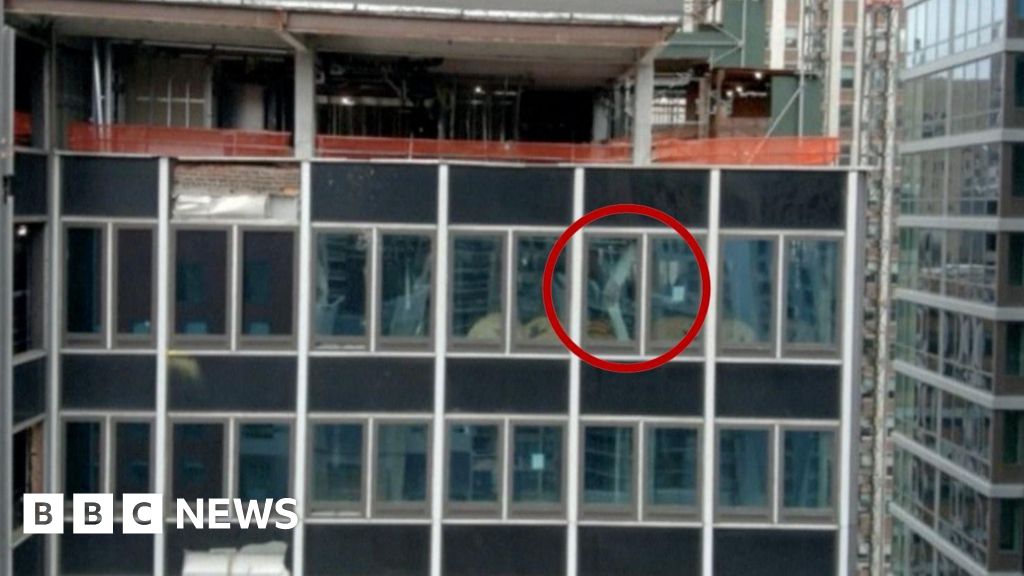
A NYC high-rise building has broken structural beams. In the image, one broken beam is circled in red.

A high-rise building in New York City under construction is structurally unstable after two of its support columns started buckling on Tuesday morning. The building was evacuated along with surrounding buildings after reports of falling bricks.

Video from inside the building shows the buckling beam.

New York Mayor Zohran Mamdani said in a press conference that the building remains unstable.

Source link

Advertisement
Continue Reading

NewsBeat

Novak Djokovic survives five-hour thriller to reach Wimbledon semis

Published

on

Novak Djokovic survives five-hour thriller to reach Wimbledon semis

Djokovic serves first and wins the opening point, 1-0. AA overcooks another backhand, 2-0, missing by a long way. AA gobbles up a loopy return to send down a forehand winner, 2-1 Djokovic. The Serb doesn’t get lucky this time with another net chord, instead the ball sits up perfectly for AS to engineer a backhand volley, 2-2.

Big return from AA to execute a fine angle on a forehand winner 2-3 AA. AA finds the net with a tame forehand effort 3-4. The Canadian strokes a sliced volley which Djokovic scampers towards but loops beyond the baseline. 4-3 AA, who then overcooks his return on Djokovic’s serve, 4-4. The Serb follows up with a superb backhand down the line to lead 5-4.  

HUGE serve from AA, 5-5. Just the slow 124 mph..a timely ace and eighth of this set. His subsequent serve is another quality one to pile the pressure on Djokovic, 6-5.

Advertisement

The Serb serves out wide to target AA’s weaker backhand and is rewarded… 6-6. Nothing to separate these two at the moment. AA overcooks his return on Djokovic’s second serve.. The Serb goes 7-6 up. AA’s forehand has just enough top spin to dip and tickle the baseline.. 7-7. Djokovic throws the kitchen sink at the Canadian on the next point – some great defence from AA – as Djokovic leaks a surprising unforced error with his forehand.

The Serb recovers by finding the line on his first serve, 8-8, before slipping again during the next rally. He gets away with it, as AA pushes a forehand effort behind the baseline, 9-8 to Djokovic.

Oh dear, Djokovic’s backhand return floats wide, 9-9. He mistimed that. AA strokes a forehand, 10-9. This is a monster tie-break.

Weird rally ensues.. Djokovic completely mishits his forehand, it swerves ridiculously but lands inside the court, before AA overcooks another forehand. AA returns long to hand Djokovic another set point.. And he has it! He takes the set after AA rips a long forehand winner. 

Advertisement

A marathon first set, which Djokovic take 7-6 (12-10). 

Source link

Continue Reading

NewsBeat

This risque infidelity drama is as Swedish as flat-packed furniture: CHRISTOPHER STEVENS reviews Faithless

Published

on

Gustav Lindh (pictured) plays David in Faithless

Advertisement

Faithless (Sky Atlantic) 

Rating: Four out of five stars 

The trouble with the English, says arty film-maker David in the Swedish infidelity drama Faithless, is they, ‘can’t tell the difference between eroticism and pornography’.

This is a bit strong, coming from a man whose first movie is a romance set in a bordello, where a soldier falls in love with one of the prostitutes. ‘We fear neither sex nor violence!’ declares David’s producer, thrilled by the script.

But that’s the Swedes for you. They set the threshold for porn very high, as is inevitable for a nation where nudity and open-air sex are as normal as flat-pack furniture.

Advertisement

The Brits tend to be a bit more reserved. But our stringent moral standards make us more alert to the perils of lust unconfined.

English viewers, introduced to a bohemian jazz pianist and his bored actress wife at their rural lakeside home, will be inclined to raise a cynical eyebrow when she greets visitors with a cry of, ‘Welcome to paradise!’

And when the self-absorbed musician goes off on tour, leaving his lonely, divorced, frustrated best friend at home to keep an eye on the wife, we’ll say to ourselves, ‘I can see where this is going.’

The Swedes can’t. It comes as a complete surprise to David (Gustav Lindh) when he finds himself kissing Marianne (Frida Gustavsson). 

Advertisement

He’s baffled when she lends him a book about a menage a trois. And when, one night in the middle of a thunderstorm, she slips into his bedroom wearing a sopping wet nightshirt, he’s speechless at the unexpectedness of it all.

Gustav Lindh (pictured) plays David in Faithless

Faithless is based on a semi-autobiographical script by the great Swedish director Ingmar Bergman, written near the end of his life and first filmed in 2000 when he was in his 80s.

Advertisement

Bergman said the story was inspired by an affair with a married woman, Gun Hagberg, in the years after World War II: ‘Our love tore our hearts apart and from the very beginning carried its own seeds of destruction . . . so wounded that it bled to death.’

Kidnap drama of the night:

After her hostage, Honey (Emma Barton) gave her the slip, Bea (Ronni Ancona) returned to Albert Square, in EastEnders (BBC2), and nearly killed her husband with a corkscrew. ‘I’m not unhinged,’ she raved. ‘I’m just having a bad day.’

<!- – ad: https://mads.dailymail.co.uk/v8/de/tvshowbiz/none/article/other/mpu_factbox.html?id=mpu_factbox_1 – ->

Advertisement

Gun became the inspiration for many of the heroines in his films, though another of his muses and lovers, the actress Liv Ullmann, remarked bitterly, ‘I don’t know what so obsessed him about that relationship because he’s met so many women and left so many. He has imparted tragedy in so many lives.’

A six-part series, set in two eras (1977 and the present day), Faithless is a homage to Bergman’s bleakly beautiful style of film-making. 

Despite the certainty that it will all end badly for everyone, the opening episode has a heartbreaking naivety — contrasted in the second hour when David, now 50 years older (and played by Jesper Christensen), visits a suicidally unhappy Marianne in a psychiatric hospital.

It’s all in Swedish, of course, with subtitles. A story like this could hardly be made in English. We’re much too self-conscious to be so unlaced.

Advertisement

Advertisement

Source link

Continue Reading

NewsBeat

Ed Miliband’s Net Zero agenda failed to stop electricity costs soaring five-fold during heatwaves, analysis shows, with potentially bigger price jumps on the way

Published

on

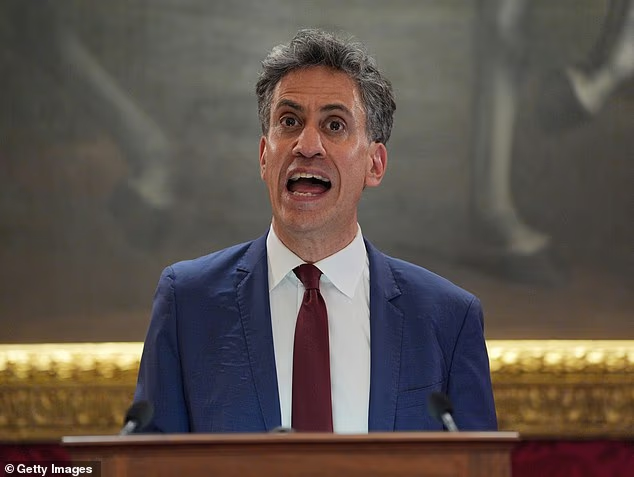
Ed Miliband could be promoted to Chancellor within weeks, as Andy Burnham - expected to soon be the next PM - is considering promoting him to the role

Ed Miliband’s Net Zero policies have failed to stop electricity costs soaring during heatwaves amid growing reliance on foreign energy imports.

As Britain faces another week of sweltering temperatures, analysis found electricity prices surged more than five-fold during last month’s heatwave.

This was because renewable sources were unable to produce enough energy to meet demand as households and offices turned on air conditioning units and fans to keep cool.

Instead, Britain had to rely on costly electricity imports from Europe as swathes of the UK’s gas power fleet were also unavailable.

Advertisement

Critics said it was yet more proof that Labour’s ban on new drilling in the North Sea was ‘madness’ as it means the UK will become more reliant on costly foreign energy imports.

The findings will renew pressure on Andy Burnham, who is said to be considering appointing Mr Miliband as his Chancellor.

Last week, senior officials in Donald Trump’s administration said promoting the Energy Secretary would be a mistake.

Advertisement

Ed Miliband could be promoted to Chancellor within weeks, as Andy Burnham – expected to soon be the next PM – is considering promoting him to the role 

Renewable sources, such as wind turbines, were unable to produce enough energy to meet demand on June 26 as households and offices turned on air conditioning units and fans

Renewable sources, such as wind turbines, were unable to produce enough energy to meet demand on June 26 as households and offices turned on air conditioning units and fans 

Renewable sources, such as solar panels, were unable to produce enough energy to meet demand on June 26 as households and offices turned on air conditioning units and fans

Renewable sources, such as solar panels, were unable to produce enough energy to meet demand on June 26 as households and offices turned on air conditioning units and fans 

The US President has repeatedly said failure to ban new drilling licences in the North Sea, as part of its Net Zero policies, was a ‘very big mistake’ of Sir Keir Starmer’s premiership.

Advertisement

Tory shadow energy minister Greg Smith said: ‘The tunnel vision dogma of Ed Miliband is leaving the UK dangerously exposed to high power prices, at a time we desperately need cheap electricity to power cooling systems to enable work, school and transport to carry on as normal.

‘Labour need to pull the plug on the madness, get drilling in the North Sea and adapt to reality, not pretending they can make reality fit their narrative.’

The analysis found that on 26 June, the hottest day of the year, Britain had to rely heavily on electricity imports from Europe as households and offices turned on fans and air conditioning systems.

The result was a sharp spike in electricity prices. The average wholesale electricity price had been £83/MWh, but on 26 June they surged to £468/MWh – more than five times higher.

Advertisement

These costs can be passed on to consumers in the form of higher bills.

The study found that the highest prices coincided with rising imports through interconnectors and falling solar and wind production.

At one point that day, imports provided 22 per cent of Britain’s electricity. Later, between 11pm and 11.30pm, gas was providing up to 49 per cent of power, while solar was at zero as it got dark.

Across the heatwave from 22 to 27 June, gas supplied 35 per cent of generation, compared with 21 per cent from wind and 13 per cent from solar. At its peak, gas, which can be burned by power stations to produce energy, provided 58 per cent of Britain’s electricity.

Advertisement

Mr Smith said it showed that, when reliable domestic back-up is short, Britain can be forced to pay much higher prices on imports from the Continent and that storage during the summer months will become increasingly important to power air conditioning and fans as Britain’s climate heats up.

Worryingly, the analysis also found that if available gas capacity had been 1GW lower on 26 June, energy prices could have risen above £750/MWh.

If it had fallen by 5GW, prices could have reached £1,636/MWh – around 20 times the average price.

During the 2024 general election campaign, the Labour Party pledged to cut annual household energy bills by £300 by the year 2030, driven by their Clean Power Plan.

Advertisement

It also brought in a ban on granting new oil and gas drilling licenses in the North Sea shortly after winning the election.

An Energy department spokesman said: ‘The main driver of high energy costs are global gas prices, which have also pushed up electricity prices. More oil and gas production will not take a penny off bills. 

We need to go further and faster for clean, homegrown power we control.’

Join the discussion

Advertisement

Should Britain risk energy security by banning new North Sea drilling, or is a renewables-first approach the wiser path?

Source link

Continue Reading

NewsBeat

Egypt seething after squandering two-goal lead, losing to Argentina at World Cup

Published

on

Egypt seething after squandering two-goal lead, losing to Argentina at World Cup

ATLANTA (AP) — For Mohamed Salah and Egypt, what could have been a glorious celebration turned ugly at the end.

On the cusp of upsetting the defending World Cup champion, the Pharaohs squandered a two-goal lead late in the game and fell to Lionel Messi and Argentina 3-2 in the round of 16 on Tuesday.

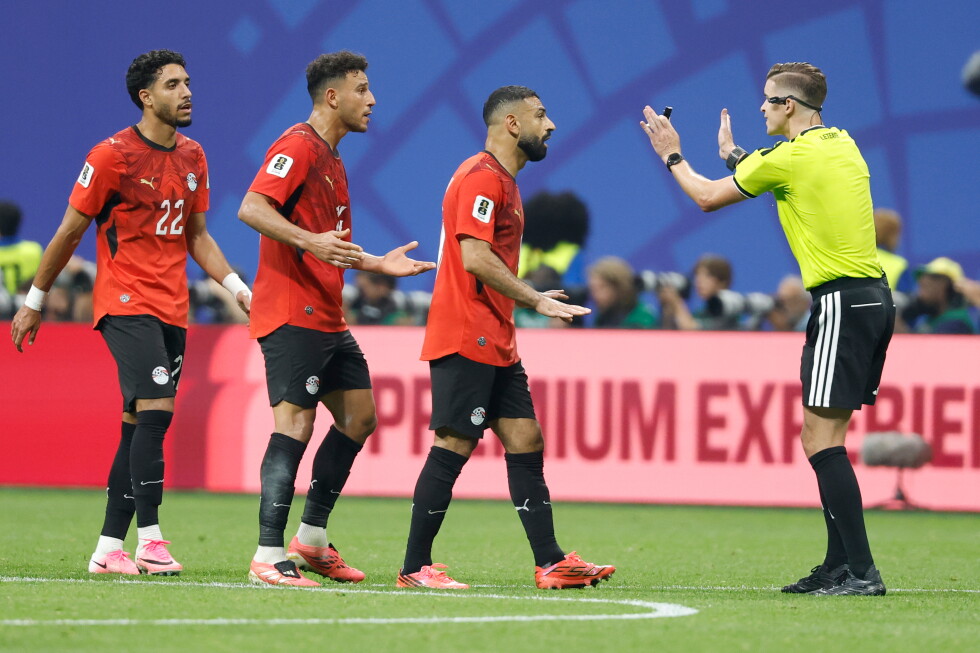
The winning tally came two minutes into stoppage time and set off a wild scene in front of the Egyptian bench. A red card was shown to goalkeeping coach Saafan Elsaghir, who had to be physically restrained from going after French referee Francois Letexier. Multiple yellow cards were doled out to those griping vehemently about Argentina’s final goal.

Egypt coach Hossam Hassan held up both arms in an “X” shape — the signal in soccer for calling out racial abuse — and stated flatly that his upstart squad was victimized by a soccer establishment that wanted Messi and Argentina to advance to the quarterfinals in their pursuit of a second straight title.

Advertisement

“We have been treated unfairly today,” Hassan said. “We have suffered injustice.”

In a tournament already marred by allegations that U.S. President Donald Trump influenced FIFA to overturn a one-game suspension for an American player, Egypt turned up the heat on soccer’s governing body.

“I just would like to say that we would have deserved to earn this win,” Hassan said, “but we are leaving with honor, with pride, regardless of this defeat.”

Hassan, who has been outspoken in his support of the Palestinians during the tournament, was upset that a potential second goal was overturned by a video review that showed a foul by Egypt at the start of an end-to-end play.

Advertisement

Egypt took a 2-0 lead anyway on Mostafa Zico’s goal in the 67th minute, but there was still enough time for Argentina to pull off a comeback for the ages in the stadium that is normally the home of NFL’s Atlanta Falcons.

Cristian Romero gave the champions hope in the 79th. Messi blasted in the tying goal off the crossbar just four minutes later. And Enzo Fernández won it for Argentina in the second minute of stoppage time — a play that began at the opposite end of the field with Salah being stripped of the ball as he tried to dribble into the penalty area, winding up face down on the turf.

Even retired NFL quarterback Tom Brady took note of the comeback, going on social media to point out this rivaled the one he pulled off against the Falcons in the Super Bowl on Feb. 5, 2017, when the New England Patriots rallied from a 28-3 deficit late in the third quarter to win 34-28 in overtime.

“Yeah so that might top 28-3,” Brady wrote on X.

Advertisement

Hassan couldn’t care less about what Brady had to say. The coach was still seething that the video assistant referee didn’t feel a need for Letexier to review what Egypt felt was a foul on Salah in the area, denying what could’ve been a penalty kick in the waning minutes.

“The effect of this outcome goes way beyond the defeat itself because we haven’t seen neither respect nor fair play,” Hassan said. “There has not been respect or fair play because a penalty was ruled out. A second ball that should have been called as a penalty for us was not even checked by the VAR.”

When Salah led a break out of the Egyptian zone that led to Zico’s goal, it appeared the African underdog — a team that had never won a World Cup game until this tournament — was headed to the quarterfinals.

Egypt fell into a defensive shell, looking to protect its seemingly safe lead, only to have Argentina pull off another wild escape. La Albiceleste needed extra time to beat Cape Verde 3-2 in the round of 32. This was an even closer call for Messi and company.

Advertisement

It was all too much for Hassan and his players to bear.

“What I told the referee was just that this is unfair,” the coach said. “I was saying maybe he’s carrying a scar, maybe he has something to hide. Whoever has something to hide sometimes fails to hide what he is hiding and this was exactly what I felt during that conversation.”

Argentina moved on to face Switzerland in the quarterfinals.

For Hassan, the tournament is over.

Advertisement

He has no intention of watching any more soccer.

“I promise you, from the moment I go back, I’m not going to continue following the matches of this FIFA World Cup,” he said. “This is my internal fight, my internal objection, my own way of speaking up and standing up.

“I am not going to watch, not a single match of this tournament.”

___

Advertisement

AP Soccer Writer James Robson contributed to this report.

___

See more of AP’s World Cup coverage here

Advertisement

Source link

Continue Reading

NewsBeat

Nationwide, Barclays, HSBC, NatWest and Lloyds change to bank accounts

Published

on

Nationwide, Barclays, HSBC, NatWest and Lloyds change to bank accounts

The move follows an investigation by the Financial Conduct Authority (FCA) which found many people who should have been offered a basic bank account were instead being turned away, directed to unsuitable online applications or not told the accounts existed at all.

Basic bank accounts are designed for people who cannot qualify for a standard current account, including those with poor credit histories, financial difficulties or no fixed address.

The FCA said they are vital for receiving wages, benefits and paying household bills, yet its investigation uncovered widespread poor practice across the industry.

Advertisement

One in three banking experiences rated poor

The regulator carried out 298 mystery shopping exercises at bank branches and over the phone.

It found:

  • 20% of experiences were rated poor
  • 14% were rated very poor
  • Just 28% were rated good or very good
  • 38% were rated fair

Investigators found bank staff often failed to mention basic bank accounts early enough, overlooked signs of customer vulnerability and frequently pushed people towards online applications that were unsuitable for their circumstances.

People without standard identification or a fixed address were among those most likely to face barriers.

Around 4.3 million UK adults currently have a basic bank account, but the FCA estimates around 900,000 people remain completely unbanked.

Advertisement

Which banks are changing?

Following the FCA’s findings, the UK’s largest banks and building societies have agreed to improve how they offer basic bank accounts.

They include:

  • Barclays
  • The Co-operative Bank
  • HSBC
  • Lloyds Bank
  • Halifax
  • Bank of Scotland
  • Nationwide Building Society
  • NatWest
  • Royal Bank of Scotland (RBS)
  • Ulster Bank
  • Santander
  • TSB
  • Virgin Money

The firms have committed to:

  • Offer customers the right account first time
  • Make opening an account easier for people without standard ID or a fixed address
  • Better identify vulnerable customers
  • Provide alternatives for people who cannot complete online applications

FCA issues warning to major banks

Emad Aladhal, director of retail banking at the FCA, said: “Progress has been made with over 97% of UK adults having a current account, but our latest work shows that all too often banking firms’ engagement with customers still needs improvement.

“Bank accounts are important for financial inclusion, and this is about making sure the very people who could benefit from basic bank accounts are not missing out.

“That’s why the biggest banks have now committed to improving how they are offered – and we’ll be holding them to account to make sure change happens.”

Advertisement

Peter Tyler, director of personal banking at UK Finance, said: “A basic bank account can be an important first step towards financial independence, and while most customers who hold one have positive experiences, we recognise that more can be done to ensure consistently good outcomes for everyone.

“That is why UK Finance and our members are committed to raising industry standards and expanding access.

“The recently expanded ‘breaking the cycle’ initiative is a key part of this work, providing practical support to those facing barriers to accessing essential banking services, such as individuals without a fixed address.”


Recommended reading:

Advertisement

Who can get a basic bank account?

A basic bank account is intended for people who:

  • Have been refused a standard current account
  • Have a poor credit history
  • Have been declared bankrupt
  • Do not have a fixed address
  • Do not have standard forms of identification
  • Need an account to receive wages or benefits and pay bills

Unlike standard current accounts, basic bank accounts do not offer an overdraft, helping customers avoid borrowing while still giving access to everyday banking services.

Source link

Advertisement
Continue Reading

NewsBeat

The problem with Novak Djokovic’s unbelievable Wimbledon epic no longer matters

Published

on

The problem with Novak Djokovic’s unbelievable Wimbledon epic no longer matters

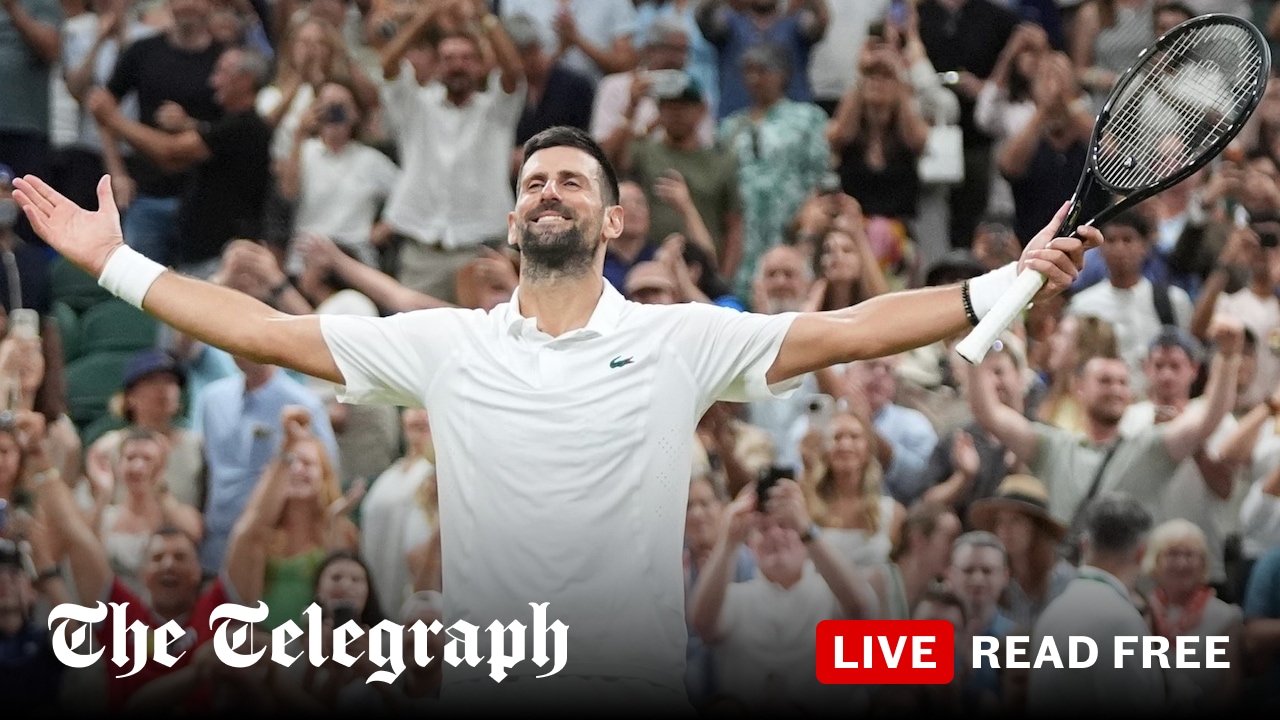
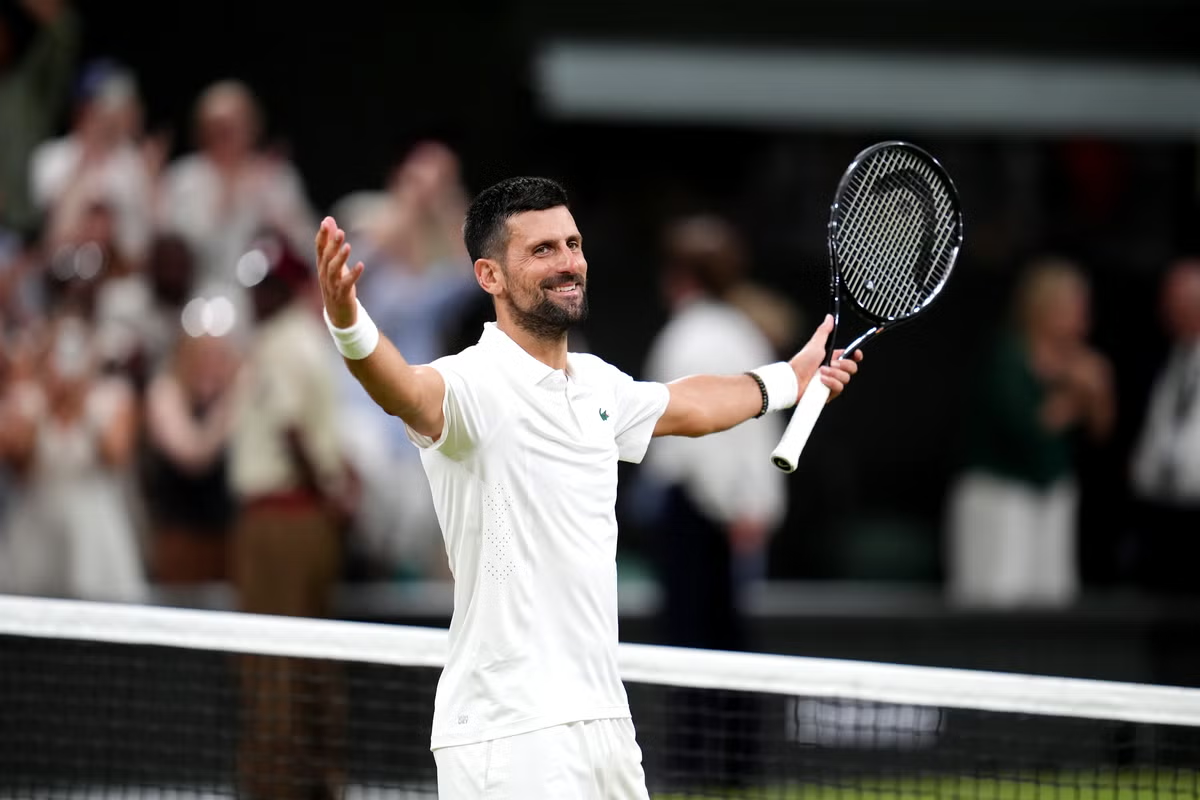
There were more than five hours on the clock and yet Novak Djokovic was still not done. As Centre Court shook, Djokovic’s 11-year-old son, Stefan, watched on with his head in his hands, up way past his bedtime but gripped by what his 39-year-old father was producing. Felix Auger-Aliassime stood over a forehand and sensed his moment to strike but Djokovic, in a flash, sprung to his right deep behind the baseline, extending the point and the Canadian third seed’s torment. Auger-Aliassime netted and it broke him; the decisive point in the match tiebreak that settled the longest Wimbledon quarter-final ever, a victory that Djokovic ranked as one of his finest ever on Centre Court.

“These are the moments I still play for,” said Djokovic. If the scoreline – 7-6 (10), 3-6, 6-3, 6-7 (4), 7-6 (10-4) – is scarcely believable in itself, the sight of Djokovic stretching his limbs and denying the 25-year-old Auger-Aliassime in five hours and 15 minutes, was sheer madness. It equalled the longest match of Djokovic’s Wimbledon career, eight years on from the 2018 semi-final with Rafael Nadal that was held overnight. Djokovic managed this in one epic, gruelling sitting just five minutes before the 11pm curfew. When the moment required it, he once again raised his level, booking a semi-final with defending champion Jannik Sinner on Friday.

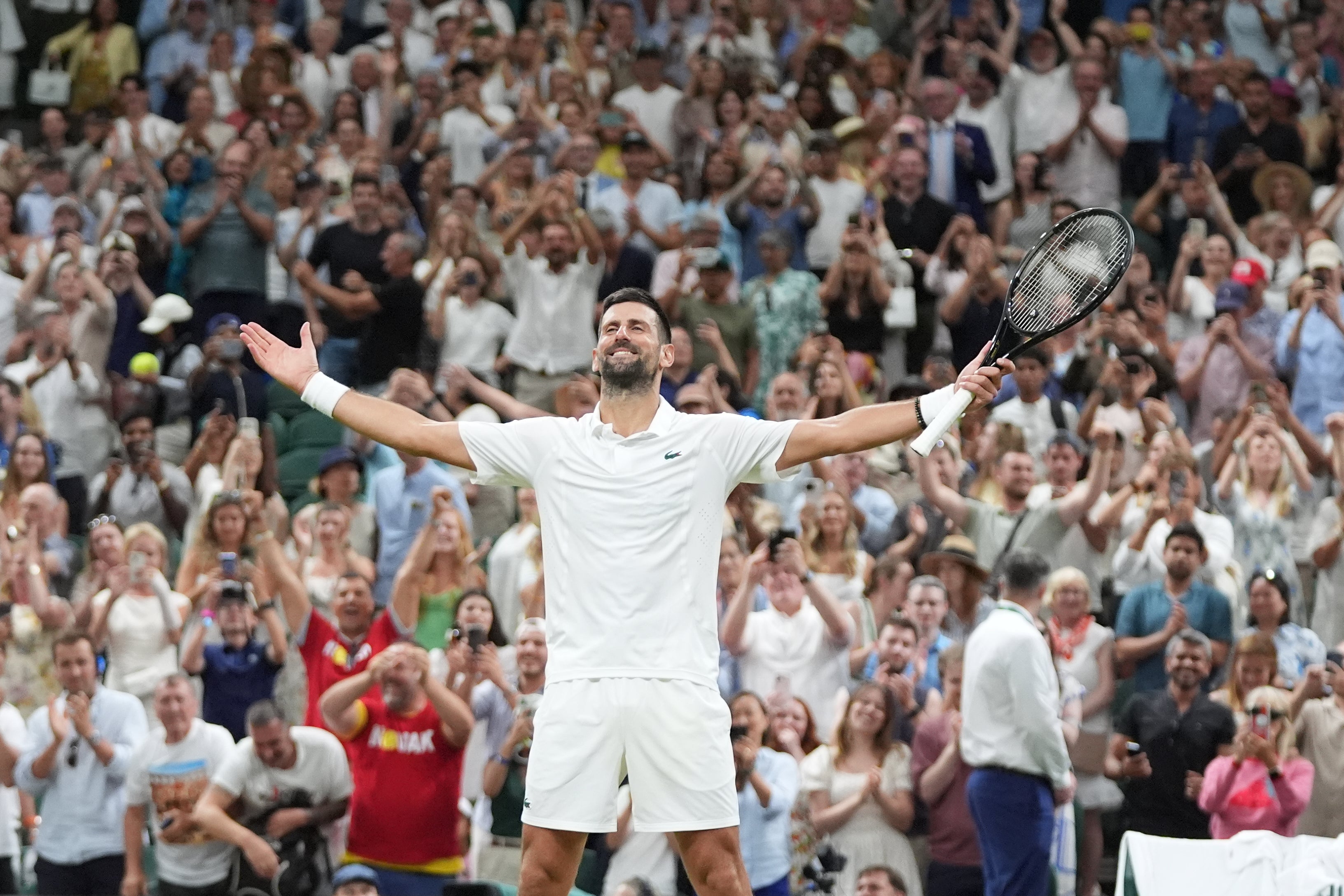
Djokovic soaks in the applause of Centre Court after an astonishing win over Auger-Aliassime in five hours and 15 minutes
Djokovic soaks in the applause of Centre Court after an astonishing win over Auger-Aliassime in five hours and 15 minutes (AP)

The celebrations were memorable, the victory too – a battle Djokovic prevailed from in front of his children on Centre Court adding to the sweetness. And yet the message afterwards from Djokovic was that he is not done yet. The records – an eighth consecutive Wimbledon semi-final, the 15th of his career – did not matter. “Right now, it’s all business,” Djokovic confirmed. The pursuit of the grand slam record and a 25th title is what fuelled his extraordinary fight and refusal to submit, and yet it is still two rounds away. ”I wish it was finals so I don’t need to worry about how the body will feel tomorrow,” Djokovic said.

And there could lie the problem. At this stage of his career, and since the gold medal match against Carlos Alcaraz at the 2024 Olympics, Djokovic’s finest victories have arrived before the final. Last season, the quarter-finals of grand slams fell in the the sweet spot where Djokovic was fresh enough to compete against younger opponents, but late enough in the tournament where he knew he needed to step it up. He did, in defeating Carlos Alcaraz at the Australian Open, Alexander Zverev at the French Open, Flavio Cobolli at Wimbledon and Taylor Fritz at the US Open. Outlasting Auger-Aliassime at Wimbledon is another added to the list.

Djokovic, though, arrived at those semi-finals and found that he was physically cooked, unable to recover for the next challenge. The exception came at the Australian Open in January, and was memorable in itself with Djokovic ending Sinner’s reign in Melbourne by beating the world No 1 in five sets. But that followed a different sort of tournament for Djokovic, after his fourth-round opponent Jakub Mensik withdrew and Lorenzo Musetti retired from their quarter-final due to injury while leading by two sets. Djokovic arrived into his semi-final with Sinner fresher, but after he prevailed he still ran into Alcaraz in final, where he eventually ran out of gas.

Advertisement

Djokovic will have an extra day to recover before he plays Sinner on Centre Court on Friday in a rematch of last year’s semi-final. It may prove to be invaluable. “Let’s see. Let’s see,” Djokovic said. “I have an extra day, which is good.” Sinner, by comparison, has won his last four matches in straight-sets and has not been pushed past the three-hour mark since his opening-round scare against Miomir Kecmanovic last week. Djokovic, meanwhile, has only played one match in under three hours. Djokovic may be matching the heroics of fellow 39-year-old Lionel Messi, yet he wished he could play 90-minute matches like him, too.

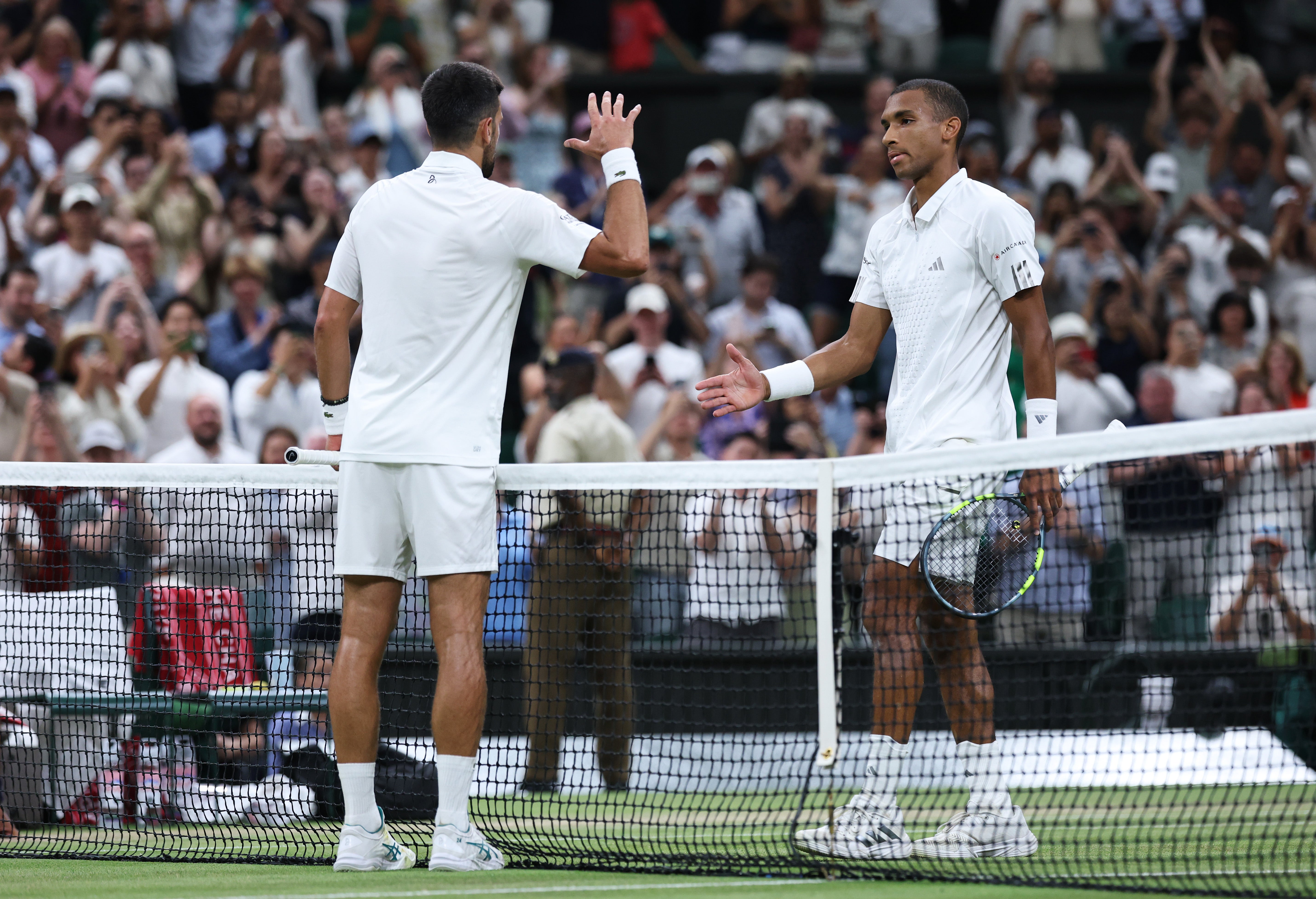
Djokovic denied the third seed Auger-Aliassime with another quarter-final victory that rolled back the years
Djokovic denied the third seed Auger-Aliassime with another quarter-final victory that rolled back the years (Getty)

And it is the brutal reality of sport that there is no trophy for Djokovic for reaching another semi-final, or for Auger-Aliassime for falling just a few points short in one of the greatest matches in Wimbledon history after five hours and 15 minutes. But in another sense, tonight felt as if the recognition for Djokovic and his latest victory against the younger generation actually could have been enough, with Centre Court rising to its feet for the match tiebreak and this marathon quarter-final. “I still want to go at least one more step further,” he said. “But this was as good as a final for me.”

There was no doubt, however, that Djokovic, the man who has nothing to prove, once again left behind something special on Centre Court. “Another great, historic run for me at the grand slams,” he said. “This is what counts the most, honestly. I still try to prove to myself and others that I’m able to compete with the best players in the world and beat them on the biggest stage. That’s what I’ve done in Australia. It’s what I’ve done here. Hopefully I can do it in a few more matches here.”

Source link

Advertisement
Continue Reading

NewsBeat

‘Quietly extraordinary’ – Husband’s moving tribute after teacher dies suddenly at home

Published

on

Wales Online

Amelia Faith Rose Sebright, 30, worked as a special needs teacher

This article was first published for subscribers of Yorkshire Live

A grieving husband has paid tribute to his “quietly extraordinary” wife following her sudden and tragic death at home.

Amelia Faith Rose Sebright, 30, worked as a teacher of special needs children in Sowerby Bridge and was known for her kind and patient personality and her determination to assist her pupils. She was born in Sheffield and was a Nottingham University graduate.

Advertisement

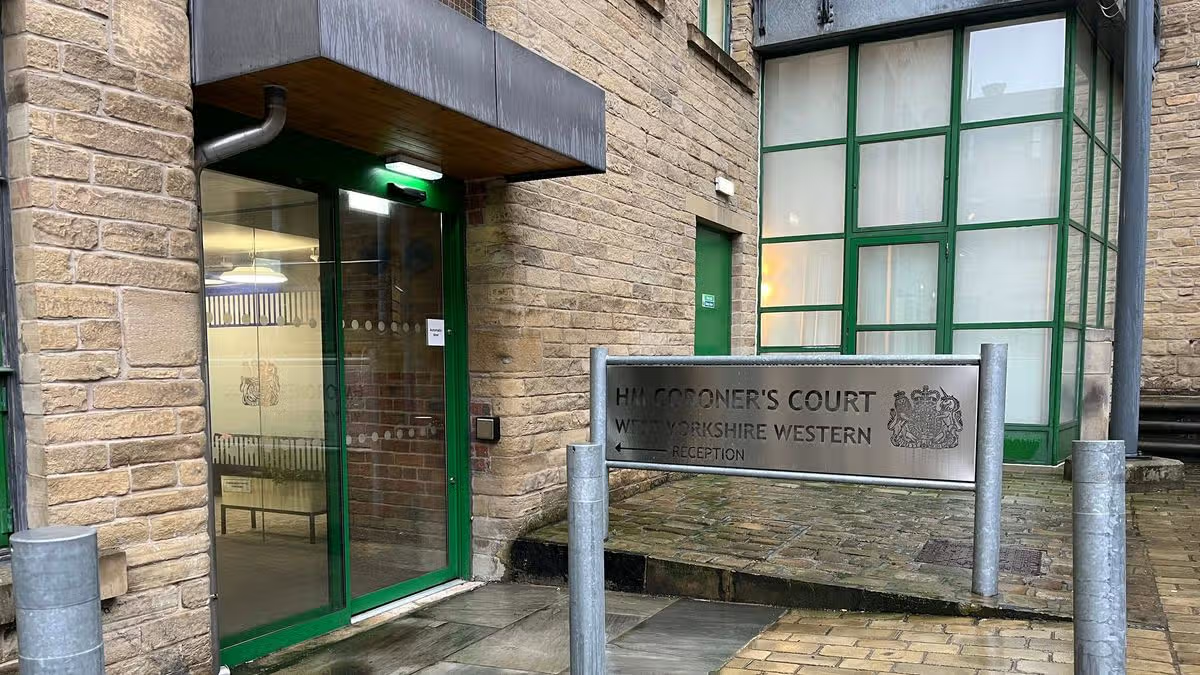
Sadly, Amelia was found at home at Heptonstall near Hebden Bridge by husband James on March 4 this year, Bradford coroner’s court heard on Monday.

In a statement, James described his wife as kind and patient in the way she cared for other people. In the days after her death, people had described Amelia as a person who “brought warmth into every room she entered.”

She had dedicated her life to helping young people, most recently as a maths teacher at a school in Sowerby Bridge where her pupils had reported that maths was their favourite lesson.

James said his wife’s altruism extended outside her professional life where she would hand food and drink to rough sleepers in Bradford, buying things from her own pocket.

Advertisement

James told the court that, two years before his wife’s death, she had been diagnosed with autism which had helped her make sense of the feeling of “not quite fitting in” and explained why she had struggled with her emotions.

“Despite everything, she continued to give so much of herself to others.”

Her death had left an “enormous hole” in the lives of all those close to her, he said.

James said his wife had been finding life difficult and, on the day of her death, had a particularly bad day at work due to understaffing. She had come home and followed her usual routine which involved going upstairs and spending time alone for between 45 minutes and an hour.

Advertisement

The inquest was told that a short time later James had found his wife upstairs. Police and paramedics attended and CPR was carried out but Amelia’s life could not be saved. Her cause of death was hanging. She had a previously self harmed and, in 2020, had attempted suicide, the hearing was told. She had been prescribed medication for anxiety and depression.

Assistant coroner Angela Brocklehurst concluded that Amelia died from suicide. She noted that there had been a “small argument” on her way home from work with a family member.

She expressed her sympathy and condolences to James and family, who attended court, telling them: “From what I have read and been told, Amelia was an exceptional lady.

“Her pupils she cared for deeply and did everything she could to give them a good education and help them with their special needs.”

Advertisement

Source link

Continue Reading

NewsBeat

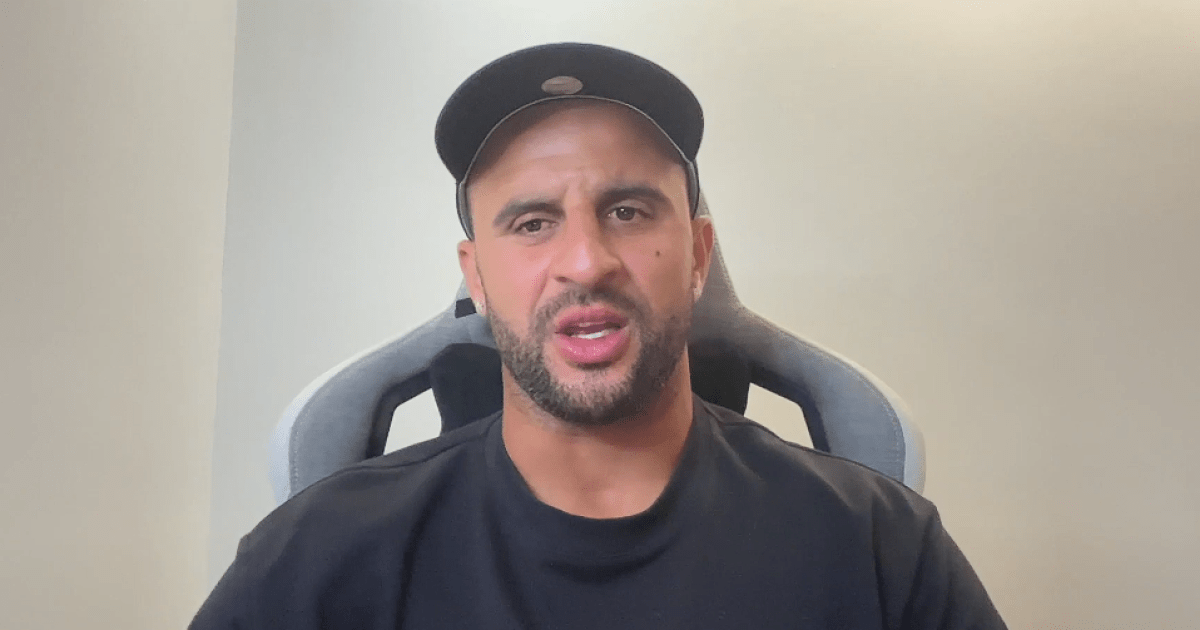
Kyle Walker says only one team can stop England winning the World Cup | Football

Published

on

Kyle Walker says only one team can stop England winning the World Cup | Football

Close Overlay

In The Mixer’s World Cup special

Everything you need to know about the World Cup – England updates, the games to watch and stories you missed – in five minutes, at 1pm, every day.

Source link

Advertisement
Continue Reading

Trending

Copyright © 2025