

Politics
Big Burnham will be watching you

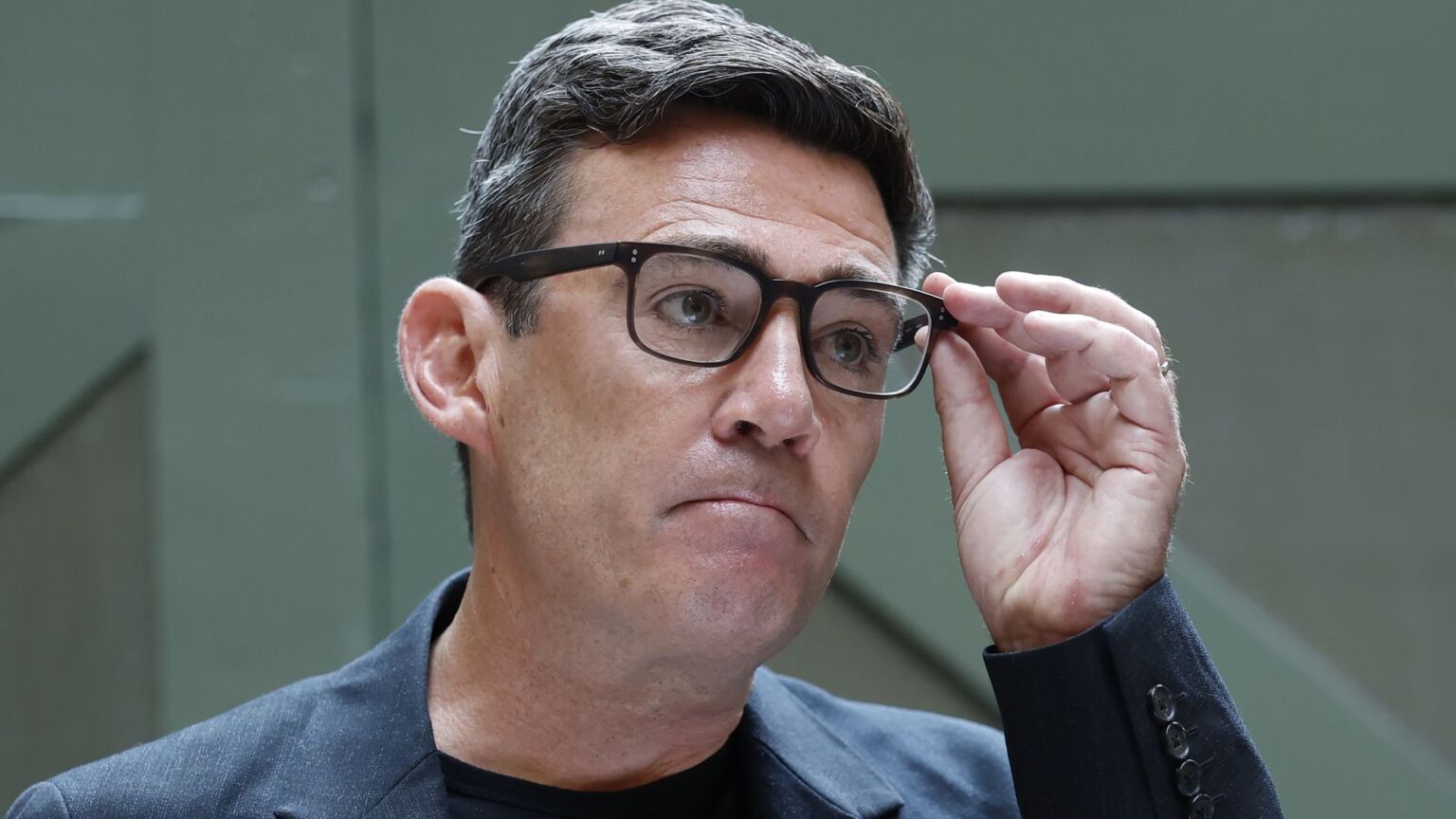
Andy Burnham has promised that ‘the north’ will be his lodestar when he takes the reins of power. Yet it seems the incoming regime could be drawing inspiration not from the north of England, but from North Korea. A raft of new measures clamping down on our online activity, proposed by the outgoing Starmer administration – from restrictions on VPNs (virtual-private networks) to enforcing so-called purdah rules during elections – have reportedly gained Burnham’s backing, bringing Britain’s approach to the internet in line with some of the least liberal and democratic countries on the planet.
Team Burnham confirmed earlier this week that Keir Starmer’s proposed ban on under-16s using social media will go ahead. And crucially, to enforce these age restrictions, the use of VPNs is likely to be heavily curtailed if not banned outright – for children and adults alike.
Essentially, VPNs allow users to disguise their location and their device’s IP address, making it possible to circumvent national restrictions. Their use has surged since July 2025, when the Online Safety Act began blocking age-inappropriate social-media content – and they have been in the Labour government’s sights ever since. Tech secretary Liz Kendall has promised an announcement on VPNs will come this month. A ban would bring Burnham’s Britain in line with totalitarian states like China, Russia, Iran, North Korea and Belarus.
And the crackdown won’t end there. Shortly after flouncing off X, culture secretary Lisa Nandy unveiled a green paper with plans to compel social-media channels and video-sharing platforms to prioritise what it calls ‘trusted’ content creators. In the name of tackling so-called mis- or disinformation, videos from the BBC and other public-service broadcasters will be given additional prominence on our news feeds, while content from independent creators will be artificially suppressed.
It’s not hard to guess what the government is up to here. After all, the BBC and mainstream media have broadcast their own fair share of actual misinformation – pushing elite orthodoxy on everything from trans to Palestine, even when it conflicts with the truth. Still, in Labour’s eyes at least, the Beeb can at least be trusted not to ask too many difficult questions about the issues that most animate the public – from rape gangs to small boats. Labour wants to replace the rough-and-tumble of the free internet – with its range of noisy, rabble-rousing dissenting voices – with a safe space where only state-approved opinions can dominate the discourse. And as if that were not Orwellian enough, Labour’s consultation on the ‘prominence’ regime does not allow respondents to say they are opposed to the state dictating what appears on our social feeds.
Perhaps the maddest proposal yet has come from Labour’s Lucy Powell, a Burnham ally who is expected to be promoted to deputy PM. Powell has suggested amending the Representation of the People Bill that’s currently working its way through the Commons to force social-media firms to follow similar rules to broadcasters during election periods. In other words, they should seek to enforce ‘impartiality and balance’ on their news feeds, even giving due weight to political parties based on their past electoral support. This would entail nothing less than the end of social media as a space for the free expression of public opinion – and during election time, no less. It would require a staggering amount of censorship and state oversight over what we post online and what posts we’re allowed to read, just as we’re making up our minds about who governs us.
As alarming and authoritarian as these proposals may be, none of them should surprise us. The Labour government’s all-out assault on free speech has turned the UK into an international embarrassment. Thirty people are arrested every day in England and Wales for posts on social media deemed ‘grossly offensive’ by police – that’s 12,000 arrests per year, more than America was arresting at the height of the first Red Scare. The Online Safety Act – passed under the Tories, but implemented and beefed up by Labour – means that vast swathes of the internet are now blocked to Britons who haven’t verified their age. This includes social-media posts about gender ideology and asylum hotels, a speech in parliament about the rape gangs, and a piss-takey article about the plummeting popularity of the Christian name ‘Keir’. Our right to blaspheme against Islam – or even criticise the most extreme manifestations of Islamist ideology – has also been constrained by Labour’s new Islamophobia rules. Not since the Crown licensing of the press was abolished in 1695 have we had a government so determined to keep a lid on dissent.
Burnham has now all but confirmed that a change of Labour leader will not mean a change of direction when it comes to our right to speak freely. We will continue careening down the slippery slope towards ever more insidious forms of authoritarianism. In the name of child protection and fighting misinformation, we could soon be living under speech restrictions that would make a tinpot dictator blush.
Be in no doubt, Big Burnham will be watching you.
Fraser Myers is deputy editor at spiked and host of the spiked podcast. Follow him on X: @FraserMyers.


4 min read
Rebuilding the job market is one of the biggest challenges facing Andy Burnham. But it can be done.
New statistics show that there are still not enough vacancies for those looking for work, and employment rates have not returned to pre-pandemic levels. Our new Prime Minister’s early pronouncements suggest he recognises the need for a fundamental change to our education, employment and skills policy, especially for the youngest generations.
Andy Burnham recently called for a “complete rethink of how we support the next generation to succeed.” A rethink is exactly what we need.
Britain’s post-pandemic labour market sets us apart from our international peers. The UK has seen a rise in health-related inactivity not seen in other countries, and the proportion of young people who are NEET (Not in Education, Employment, or Training) is set to rise to over 16 per cent by the end of the decade.
More fundamentally, work has not truly delivered for working people for decades – one reason why Burnham’s diagnosis of the UK being “forty years on the wrong path” has cut through to the public. Despite improvements in minimum wages, in-work poverty has not budged because there aren’t the good-quality jobs, at the hours needed, to give people enough earnings to enjoy a decent living standard from work.
Solving these problems will take a three-pronged approach.
First, Burnham and the Department for Work and Pensions (DWP) should follow an investment-led approach, increasing work opportunities for the people and places who need them most.
For too long, the UK’s labour market policy has focussed on a very narrow range of interventions, founded on the myth that those who are out of work are simply not willing to find a job. This has clearly not worked. Upcoming research from the New Economics Foundation (NEF) will show how the rise of precarious and insecure work is helping drive people out of the workforce.
We invest far too little in re-training and skills for those out of work, with countries like Denmark putting us to shame. And we have done too little to address the systemic and place-based barriers to work – such as a lack of local vacancies in the most deprived job markets.
This needs to change. As a start, there should be a major expansion to the Youth Jobs Guarantee, a state-funded wage subsidy to support employers to place young people furthest from the labour market into work. Delivery of new placements should be devolved locally, as they were with the previous government’s Future Jobs Fund.
Second, investment in skills and training, especially vocational and technical education, needs to be significantly upgraded.
We have fallen backwards on apprenticeship starts since 2010, with those in deprived communities losing out the most. A modest increase in employer Growth and Skills Levy contributions – perhaps as a quid pro quo for lowering firms’ overheads and hiring costs – could reverse this trend. A portion of this funding could then be devolved to councils and integrated within Burnham’s planned local Good Growth Funds.
Firm training investment is much lower than in other advanced economies, and young people are unable to up-skill or retrain due to high up-front costs – making them vulnerable to AI-driven change. Introducing a Skills Tax Credit for firms, or even elements of a ‘Skilling Wage’, could deliver a major upgrade in firm-level investment.
Like France and Singapore, we should give every young person access to their own Individual Learning Account to spend on education and training. This fund could be added to by employee contributions and targeted state top-ups at particular ages.
Finally, the new government should rethink how the state engages with people who are out of work, to re-focus priorities on delivering higher-quality employment opportunities.
The welfare bill is a symptom, and not the cause, of an underlying lack of good work, training and support.
Burnham has signalled a shift towards devolved employment services in trusted grassroots-level settings. This would be a welcome change from the rigid, inflexible and rules-based way that the DWP engages with those out of work – and a nod to the promising outcomes seen in more hyper-local and voluntary council-led engagement, including in Greater Manchester.
To build on this, young people on out-of-work benefits should be assisted in community-based settings outside of Jobcentres, with Youth Hubs devolved to councils.
To rebuild the job market, the self-employed should receive better job security and in-work pensions, and there should be a presumption in favour of worker status for gig economy workers, as the European Union has done.
This change of PM comes at a time of heightened anxieties about the future of work, which goes beyond just the immediate NEETs crisis: the vast majority of people report little confidence in the ability of new technologies to benefit workers.
This presents an immediate challenge, but also – if harnessed effectively, and with the right policy – a major opportunity for the Burnham government.
Dr Tom Stephens is a Senior Fellow at the New Economics Foundation think tank and a Fellow of the LSE School of Public Policy

A motorcycle hitman allegedly killed an Ecuadorian lawyer investigating US drone strikes. Alexandra Bravo and her sister were killed on 14 June 2026 when a hitman “aboard a black motorcycle opened fire”. This may be the latest phase in a renewed US bid to dominate the Americas.
US drone strikes probe
Drop Site News reported:
Upon arriving at the crime scene, officers say they found five 9mm shell casings and Bravo’s injured driver, but no sign of the police detail that had been assigned to protect her. The Police Directorate, which operates entirely under the executive branch, has launched a probe to determine if there’d been an internal security breach.
Bravo represented individuals hit in at-sea drone strikes. They also claimed to have been tortured in US captivity. The US-based outlet said:
Bravo is the 26th member of Ecuador’s justice system to be assassinated since 2020 and the second individual investigating state crimes murdered that week.
Besides her usual caseload of homicide and organized crime, Bravo had been working the Fiorella, Negra Francisca, and Don Maca cases—a series of drone attacks on civilian fishing ships exposed by Drop Site in April.
The US has been carrying out drone strikes against vessels it claims are connected to so-called narco-terrorism since early 2026. The US killed 261 people since September 2025, NGO Airwars claims.
US-backed dictator and Trump-allied thug
Ecuador’s president Daniel Noboa is a:
Miami-born billionaire often characterized as a “U.S.-backed dictator”.
Ecuador has become what Drop Site describes as
a central testing ground for Operation Southern Spear, Washington’s extrajudicial bombing campaign purporting to target “narco-terrorists”.
There is no evidence that many of the victims, including those in Bravo’s investigation, had engaged in drug trafficking.
Human rights lawyer Fernando Bastias told the outlet:
I can’t make any assertion regarding it being a political assassination, but evidently, when a prosecutor is killed it’s because of the investigation they’re conducting.
That’s something we’ve learned from our experience in Ecuador.
A police source told Drop Site, Bravo was
under pressure from her superiors at the Attorney General’s office to treat the U.S. attacks as exclusively “cases of disappearance.”
Bravo’s work was reportedly in the early stages of her investigation.
The Drug Enforcement Administration (DEA) has reported drone strikes have had no negative impact on cocaine flows into the US:
— Drop Site (@DropSiteNews) July 27, 2026
 Military boat strikes haven’t reduced U.S. cocaine supply, DEA assesses
 An internal DEA report reviewed by The Washington Post found that U.S. military strikes on suspected drug trafficking boats have not reduced cocaine supply in the U.S., instead prompting traffickers to…
Donald Trump’s administration intends to bring the Western Hemisphere under American control. The peak so far has been the 3 January kidnapping of Venezuelan president Nicolas Maduro by US special forces. That spectacular raid is to be just the start of renewed US violence in the Americas.
Featured image via the Canary
By Joe Glenton
Across Greater Manchester, the last few years have seen a rise in openly racist street activity and anti-Muslim attacks. Unprecedented electoral success for Reform in the recent local elections met and likely spurred this on. This mirrors familiar trends across Britain, wider Europe and internationally.
Open fascism swells in Greater Manchester
The first half of 2026 saw far-right group Britain First call two major national mobilisations on the streets of central Manchester. There, Greater Manchester Police were ‘disproportionately’ hostile towards antifascists and counter-demonstration organisers, rather than countering openly fascist elements. Further evidence, if it were needed, that the British state’s hired muscle cannot be depended on to protect our communities.
Street racists held countless smaller, local protests across the ten boroughs too, targeting migrant accommodation and minoritised communities’ spaces. These accompanied racially-motivated fire-bombings of Muslim prayer rooms and family homes, from Stockport to Bolton and beyond. Both are generally met with the sound of crickets from Britain’s mainstream media.
At the ballot box, Reform made huge gains in May’s local elections, while their more openly racist rivals Restore, a party heavily supported by neo-Nazis, were able to pick up 6.8% of the vote in the recent Makerfield by-election. And, in the May 2026 local elections, Reform won around half (105) of the available seats across Greater Manchester. Prior to 2026, far-right parties had won seats in only five wards.
Blackburn Muslim family’s home firebombed. MSM, politicians silent
Organising for working-class unity
Trade unionists and other community organisers have been out on the streets responding to this. But they know that short-term counter-demonstrations alone won’t be enough.
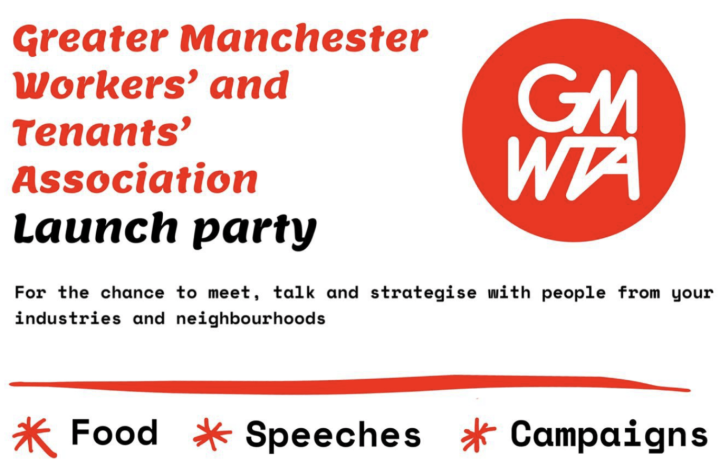
That’s why, on Wednesday 29 July, Greater Manchester Workers’ and Tenants’ Association (GMWTA) will launch. One of its primary objectives is to bring together people who want to tackle the long-term causes of the rise of the far-right, rather than waiting to deal with the dire consequences.
Edward, a Manchester HMO tenant who’s involved with the newly launched GMWTA, said:
Reform want to pose as a radical alternative to the existing elites, but look at who they’ve announced as their mayoral candidate. Sian Astley is a property developer and a landlord, who owns both houses and Airbnbs. In other words, she buys up properties that could be used for affordable housing, and rents them out to tourists instead, directly contributing to the housing crisis that drives people out of the areas they grew up in.
Reform aren’t an alternative to business as usual, they’re a new set of faces for the same old business interests. Workers and tenants who want real change can’t look to politicians like Astley, we need to be looking to our coworkers and neighbours to stick up for each other instead.
Organisers with GMWTA take particular inspiration from the ongoing struggle against care home closures in neighbouring Lancashire. There, a united campaign by local residents and care home workers — many of whom are migrant workers — managed to force the Reform-led county council to back down on threats to close local care homes. GMWTA organisers see this as an example of how working-class unity can play a crucial role in defending both ordinary people’s jobs and essential social services.
The GMWTA launch event on Wednesday 29 July will feature speeches from historian Taj Ali, author of the upcoming book Come What May, We’re Here To Stay, and by local activists, tenants and trade unionists. These include one worker who was part of the Lancashire care home campaign. There will also be ice cream from the local Ginger’s Comfort Emporium and music by members of local band Brown Wimpenny. There will also be an open discussion about shaping the organisation’s strategy moving forward.
Sign up to attend the GMWTA launch event here. It will run from 5:30–8:30pm on Wednesday 29 July, in a central Manchester location.
“No to Manchesterism built on the backs of renters” — tenants tell Burnham ‘freeze the rents’
Featured image via the Canary / GMWTA

Horrifying new footage has come to light revealing the real cruelty behind the infamous Scottish Guga hunt. As workers race across the protected gannet colony on Sula Sgeir, wildlife campaign group Protect the Wild shared the video before it was scrubbed from the internet. This damning footage comes just days before NatureScot will decide whether to grant new hunting licenses for the annual massacre of the protected sea birds.
Terrified chicks and bloodied sacks
The now-deleted YouTube video is vile. It shows three men racing through the middle of the breeding colony. The macabre footage shows them using the very sacks intended for collecting the smashed corpses of the chicks. The bottom of the sacks are soaked in blood. It begs the question, who thought that posting that video was a good idea? Come on.
This now deleted video shows a shocking disregard for the welfare of the Gannets. But then again, were the Guga hunters ever going to respect their victims? pic.twitter.com/efy8AQo9Z0
— Protect the Wild (@ProtectTheWild_) July 25, 2026
Adult gannets and chick alike fled in terror as the hunters mindlessly fool around. They evidently don’t give a shit about the birds, or the rules they have to follow to hunt them. Later in the video, we see them run around with sacks full of dead chicks on their backs.
The remote island of Sula Sgeir where the hunt occurs is around 70 miles from mainland Scotland. Far away from the prying eyes of the government and regulation. Because of this isolation, no government observers or animal welfare groups can keep an eye on them. And as a result, this is what happens. Hunters are entirely unsupervised in the wild.
Northern gannets enjoy ‘full’ protection under UK law. Yet the Scottish government permits an annual license to hunters, and it allows the senseless murder of up to 2,000 chicks per year. And this is under the guise of a traditional delicacy, popularised by Gordon Ramsey. Urgh.
Why, in 2026, are ministers allowing people to hunt protected wildlife? It doesn’t make any sense.
Government failure to protect gannets
NatureScot is the regulatory body that issues the licenses to hunt the defenceless gannet chicks. They issue licenses under authority from Scottish ministers. But under strict licensing rules, hunters are told they must take due care and attention to avoid any unnecessary disturbance or damage to the colony. So why the hell are these ghouls racing around in blood-soaked sacks? This footage proves hunters treat the legalities with contempt. They have turned the gannet breeding grounds into an obstacle course, and the chicks are the hurdles.
The Scottish Animal Welfare Commission previously concluded that the Guga hunt can’t be carried out in a humane way. Yet, despite this, ministers continue to shield the gruesome massacre through a legal loophole in the Wildlife and Countryside Act 1981.
Protect the Wild has launched a direct action tool demanding NatureScot finally take action. Their demands are simple, suspend all licenses immediately. The Scottish Government can’t claim to champion these birds, whilst allowing this ‘traditional’ torture to continue. Ministers, step up and revoke this outdated and brutal hunt for good.
It’s 2026. We shouldn’t have to watch innocent chicks being harassed and murdered by cruel and mindless hunters. Revoke the licenses.
Featured image via the Canary
By Antifabot

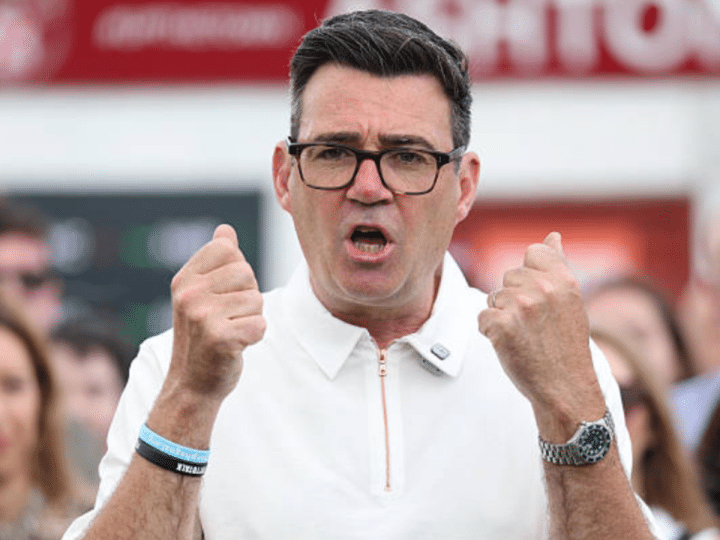
In Andy Burnham’s first interview as PM, the newly-minted Labour leader spoke about the need to “get really serious as a country” about “getting the welfare bill down”.
And how exactly does he plan to accomplish this feat? Well, Burnham claimed that he didn’t want to “blame” people on benefits, before adding:
It’s about changing the nature of the support, and making some of the support conditional upon people taking opportunities that are presented.
Implying that people on benefits having been taking the “opportunities that are presented” sounds an awful lot like blame, to us.
Blame by another name
The BBC recorded its interview on Thursday 23 July, and plans to air it this evening (Monday 27 July). Toeing the current mainstream media attack line, the show hammered the idea of phantom benefits cheats.
Presenter Laura Kuenssberg asked the PM about whether some people were claiming support they don’t need, in his opinion. Burnham replied:
Well, I wouldn’t necessarily go straight to blaming those people. What I would say is that there are people in the benefits system, young people in their 20s, who have been, I would say, quite seriously let down because the support wasn’t there for them when it should have been there.
So I don’t blame them. I don’t think the support has been there for them in the way that it should have been.
Aww, well that’s nice isn’t it? He’s singling out young people on benefits, but he’s also saying it’s not their fault. That’s some fairness and balance for you right there.
‘Changing the nature of the support’
Kuenssberg pressed the issue, asking if he planned to remove or reduce any benefits from anyone. The PM answered:
It’s about changing the nature of the support, and making some of the support conditional upon people taking opportunities that are presented.
I think it’s a good thing that the government has given guarantees of opportunities for young people. I think we need to continue down that approach. Where mental health support is needed, for instance, it’s provided in work to support people in an opportunity.
Wait a minute, we’re confused. Are people not being supported, or are they being offered opportunities and turning them down in favour of benefits?
Surely, if making benefits conditional on “taking opportunities” would make an appreciable difference, then Burnham is very much blaming benefits claimants. He’s just trying to find a ‘polite’, interview-friendly way of phrasing it (and hoping that no-one listens too closely).
Likewise, making benefits conditional on “accepting opportunities” (like a job, for example) only actually works if the likes of the Department of Work and Pensions (DWP) can be relied upon to discern whether or not somebody is fit to accept that opportunity. And, naturally, we know for a fact that we can’t rely on the DWP for fairness.
No ‘crude cuts to benefits’
Of course, there’s also another reason why the new PM is tiptoeing around the subject of benefits ‘reform’. His predecessor, Keir Starmer, faced a rebellion from his own back-benchers when he tried to implement cuts of around £5bn to welfare spending in 2025.
As such, Burnham has stated that he doesn’t plan on:
a kind of crude approach, crude cuts to benefits to get the welfare bill down.
Unfortunately, finessed, graceful cuts to benefits are still benefits cuts. He continued:
Often that just pushes people into even more crisis and then even more public spending in another part of the system.
We need a system that sets people up for success rather than pays for failure.
It’s almost as if the people claiming benefits actually need them. So, when the government slashes them, “other parts of the system” have to pay instead. For example, if people don’t have enough money to eat, suddenly hospitals are filled with patients suffering from malnutrition.
If only our shiny new prime minister had enough wherewithal to think how that might pair with his desire to “get really serious” about bringing the welfare bill down. Spoiler: the other government bills go up instead. That’s what happens when people don’t have enough money to live.
Burnham’s “way forward”
Earlier this month, the interim report from the Timms Review into Personal Independence Payments (PIP) acknowledged the benefit’s inadequacy to meet disabled people’s needs.
It also stated that PIP can punish people for coping with their disability, or use the fact that they have a job as evidence that they aren’t disabled enough to need support.
If we want to talk about welfare reform, let’s talk about welfare reform. We can start with working to create a system that truly acknowledges that people need help – and one that isn’t working actively to snatch that support away at the earliest excuse.
And yes, that does cost money. It won’t bring the benefits bill down. Of course, it may save money in other parts of the system, but in a society that actually cared about its citizens, that would be a secondary concern at best.
That’s a system that “sets people up for success”, as Burnham put it. It’s also the exact opposite of making benefits more conditional.
Featured image via the Canary
By Grace


The White House‘s official X account has posted an image glorifying its racist ICE thugs and its ‘deportation maxxing’ concentration camps. While human beings responded with disgust, many US right-wingers don’t think it was racist enough.
‘Be more racist’
The rabid ‘MAGA’ right responded to the post with a howl of outrage – that the Trump regime is not going far enough in deporting Black and Hispanic people. So-called ‘Christian nationalists’ showed no hesitation in posting blasphemous racist trash:
— Richard M Masliah B, Sc. LLL. LLB. (@Richard4m) July 24, 2026
So-called ‘reverends’ were no less rabid, accusing Trump of lies and laxity (that’s laxity, he doesn’t need laxatives, allegedly):
LIE!
LIE!
LIE!
LIE!
Like the FAKE number of arrests and the ZERO of the OVER 4MILLION Illegal Immigrants here via VAWA Immigration Marriage Fraud arrested!!https://t.co/SN0VO2HKVThttps://t.co/vkefphgOMG https://t.co/WFzYe3gWmR @NewsNationTV @FoxNews @DLoesch pic.twitter.com/r2NgHs3ekr— Rev. Dr. Paul P. Waldmiller
(@DrWaldmiller) July 24, 2026

Unsurprisingly, Black people were the targets of much of the outpouring of bigoted bile:
Have you seen Canal St??? NYC is invaded by violent African illegals. We need 100,000 NICE to sweep Canal Street @RealTomHoman when?? @SecMullinDHS cordon off Canal no illegal escapes! @JDVance send 20 battalions of @ICEgov ASAP please! https://t.co/LktnKYtcxA
— David Gobaud (@davidgobaud) July 24, 2026
So were brown-skinned people:
Yes, the FLORIDA PANHANDLE. It’s infested with “new foreigners.” I see a lot of women and children, and they are in packs. None of them speak English. Not even the kids.
I feel like I live in a damn foreign country. Can’t even go shopping for the day without having to listen to… pic.twitter.com/BqztiFxfTO— Paula (@PaulaC_mj1981) July 24, 2026
Some MAGA types moaned that the ‘tip line’ was another Trump scam that prevented people squealing on their neighbours:
— Grace Chong, MBI (@gc22gc) July 24, 2026
America-firsters complained that Trump is monkey rather than organ-grinder:
— America 1st Patriot (@America1st25) July 24, 2026
ICE — The ‘new Gestapo’
But many who still retain their humanity also replied with justified disgust at Trump’s ‘new Gestapo’ (nazi secret police):
— Laurie (@Laurie0801) July 24, 2026
Some thought the Gestapo’s successors, the East German ‘Stasi’, were a more appropriate comparison:
Sounds like STASI has come to the US pic.twitter.com/SO4aS3Scwo
— Citizen By X (@CitizenByX) July 24, 2026
Others pointed to the (way more than physical) similarities between Trump’s chief propagandist and race-theoretician Stephen Miller and the original nazis’ version Josef Goebbels:
— MP (@TexasBristolian) July 24, 2026
Some pointed out some of ICE’s best-known murder victims:
Pro-Tip: FUCK YOU
ASSHOLES! pic.twitter.com/HSty63mjsS
— Justice For Hedgehogs
(@LakeLouise1988) July 24, 2026


Others drew attention to Trump using the concentration camps, like everything else, to fill his pockets:
trump is warehousing people
How is this not a form of human trafficking? pic.twitter.com/OWZyUe42u5
— I TELL IT LIKE IT IS – LIKE IT OR NOT (@DawgzRuul) July 24, 2026
Some opted for a pointed, arguably more humorous approach:
“ICE, I know an illegal immigrant prostitute.” pic.twitter.com/IA8FzUsQsa
— 𝕯𝖊𝖑 Ω (@DownWith710) July 24, 2026
Some pointed to the fact that Trump’s wife Melania reportedly worked as a model in the US while there only on a tourist visa:
— Ginger Edwards
(@ginged78) July 24, 2026
Others reacted with pure disgust to the Trump regime’s racist deportation focus on people with more skin pigment:
What a disgusting post. pic.twitter.com/xIpV0TkoZ3
— Laurie (@Laurie0801) July 24, 2026
And to the awful calibre of people filling its ranks:
— Martyn Peel #FBPE (@martynpeel) July 24, 2026
And even some on the right were unhappy at Trump’s propaganda about deportations while he squanders billions on endless wars for Israel:
@realDonaldTrump 81 going on 100. Incoherent. Speech slurring. Wearing adult diapers. Smells like SHIT.
Needs a NAPPY every hour. Endless wars!! Highest inflation in years. Failing America!!!! We DESERVE BETTER!!!! God Bless the USA!!
— Taylor (@TaylorIndiana) July 24, 2026
The nazis modelled much of their ideology and laws on the racist laws of the southern US. The US white supremacist right that inspired them only (barely) masked itself for a few decades and is now free to be its disgusting self again without restraint.
By Skwawkbox
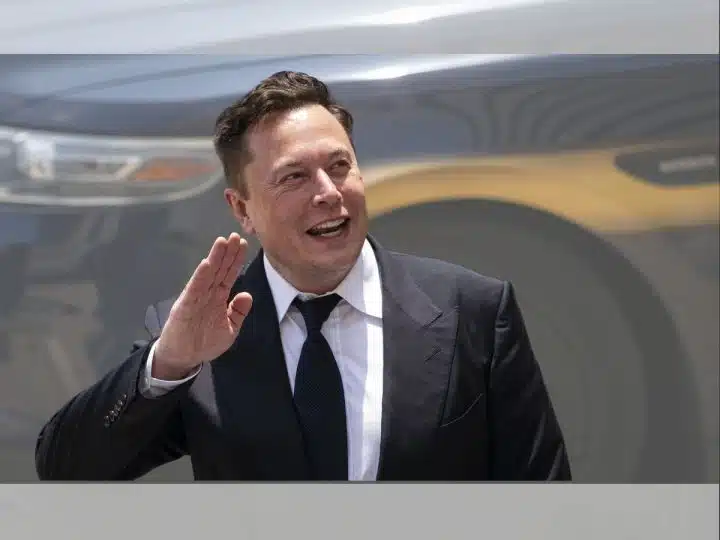
Elon Musk – the world’s richest buffoon – has thrown his weight behind the policy of ‘remigration’. If you’re unfamiliar with the term, it’s the right-wing plan to ethnically cleanse Europe of all ‘non-indigenous’ people. And this makes it a very strange policy for him to support, because he’s a white South African living in America:
Anyone who opposes remigration is a traitor
— Elon Musk (@elonmusk) July 26, 2026
So is he going to self-deport then or what?
Tweets of a clown
The UK group Remigration Now describes ‘remigration’ as follows:
Remigration is the act of returning immigrants and their descendants to their country of origin through both voluntary and mandatory measures.
They say ‘immigrants’, but what they mean is People of Colour. And you know they mean this, because there’s no campaign to deport anyone who has an Irish grandad or an Austrian nana (both of which this writer has).
Basically, then, remigration is just Nazi-grade racism with a fresh coat of paint. And everyone knows this stuff never ends with deportations.
For whatever reason, these people aren’t yet comfortable enough to admit their goal is white supremacy. That’s why they’re talking about ‘migrants’ instead of ‘People of Colour’. And as such, Elon Musk’s involvement is both a positive and a negative:
- Positive: Elon Musk has turned Twitter into one of history’s most powerful propaganda machines.
- Negative: Elon Musk is literally a migrant and a descendant of migrants, making it pretty clear that this policy is just white supremacy.
The remigration shtick doesn’t work at all with American politics, because America is a nation of migrants. Most Yanks are smart enough to realise this and leave it to the Europeans; Musk is not smart enough, obviously, which is why he’s tweeting like he is.
Oh, and Elon Musk is an even tougher sell for the serious remigration sellers, because the South African:
- Is a migrant to America.
- Had a maternal grandparent who was Canadian before moving to South Africa.
- Has roots which trace back to Europe.
In other words, he may be the least indigenous man in existence. Which is fine, obviously; it’s just not fine if you hold the opinions of Elon Musk.
Elon Musk isn’t immune to the “remigration” agenda
On paper, super-migrant Elon Musk is precisely the sort of person the remigration activists want to subject to ‘voluntary and mandatory measures’. The fact that they instead welcome his support shows what this is really all about. Because the following are all prominent remigration activists:
The choice is easy: Don’t be a traitor.
Sign the @SaveEuropeAct.https://t.co/fRo1EkASsa https://t.co/M5X4U0KOfB pic.twitter.com/CsNeV0AAtQ
— Eva Vlaardingerbroek (@EvaVlaar) July 26, 2026
The worlds richest man supports remigration. https://t.co/k24PRmpy1E
— Steve Laws
 (@Steve_Laws_) July 26, 2026
It’s time for these cowards to admit what they actually are. That or it’s time for Elon Musk do deport himself back to whichever dark corner of Europe his ancestors crawled out of.
Featured image via the Canary
By Willem Moore
Politics
Bus drivers ballot for heat strike as hundreds of thousands join call for max workplace temp
As the summer of heat continues, petitions calling for a maximum workplace temperature have exploded. Over 175,000 people have now signed petitions demanding the government takes urgent action to protect workers in the face of more dangerous heatwaves.
The increased attention on the issue of workplace safety comes after over 1,000 people including teachers, bus drivers and bakers took part in the first ever national Heat Strike during the unprecedented deadly heatwave in June.
Now this week, multiple unions are balloting for better working conditions in heat waves. Bus drivers in North London are threatening to strike unless air conditioning is installed in cabs. Some drivers have recorded cab temperatures of 50°C.
Meanwhile museum staff at the V&A in London are also balloting over closing areas that go above safe working temperatures. Both ballots close on Wednesday 29 July.
The campaign is calling for a maximum working temperature. It asks the government to implement a heatwave furlough scheme, and climate action plan.
From Exeter to York, groups have handed out health and safety advice in town. And workers shared photos of thermometers to show how hot their workplaces got.
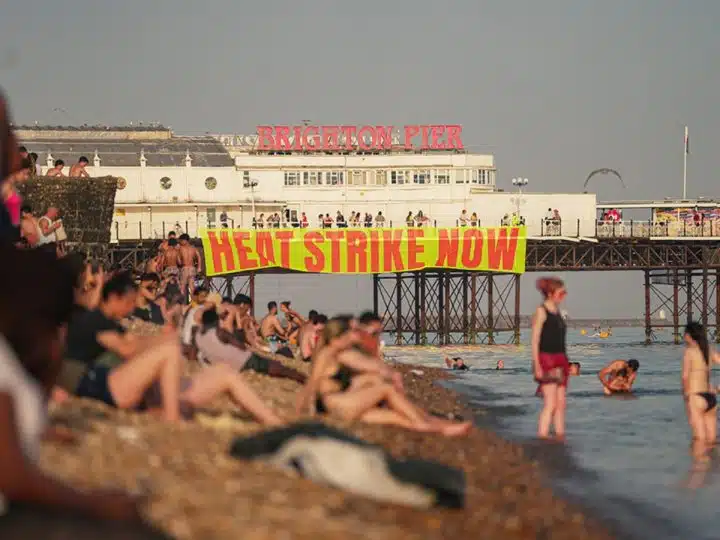
From unfurling a 23 metre banner on Brighton pier to putting up safety posters in bakeries around Bradford, the Heat Strike campaign has brought together climate activists and union members.
Wide support for Heat Strike
Trade unions including the Bakers, Food and Allied Workers Union; the Fire Brigades Union; the NEU, and Equity have all passed motions to support Heat Strike and its demands.
Unite has said it would provide bus drivers with an official letter that they can show their employer when conditions become too hot in drivers’ cabs. It informs the company that the driver is stopping work for safety reasons.
In alliance with these prominent unions are climate groups including Greenpeace, War on Want, and Extinction Rebellion.
Now petitions shared by the Heat Strike campaign have collectively topped 175,000. One petition on Change.Org has gained around 1,000 signatures a day since it launched during the June heatwave.
Meanwhile the TUC’s petition, which started in 2021, has gained around 20,000 signatures in 2026 alone. Over 3,000 people have signed up to say they will take part in the next Heat Strike.
Climate crisis hitting home
This year has smashed heat records for the UK, with the record for hottest June day obliterated. It is the first year on record to see temperatures of 35°C or above in May, June and July.
People faced tropical nights with no chance of respite as temperatures remained in the 20s overnight for weeks on end.
With studies showing the extreme June heatwave alone may have caused 2,200 heat related deaths across England and Wales alone, we will never know precisely how many avoidable accidents have resulted from this country’s failure to prepare for the impacts of the climate crisis coming home.
That’s 440 deaths a day across England and Wales alone at the June heatwaves’ peak. For comparison, around 4 people die each day as a result of road traffic collisions.
The government’s own advisors are now calling for a maximum working temperature, MPs are putting forward Early Day Motions, and unions are coming together. And the impact of the recent heatwaves on the economy and excess deaths is becoming clear. So everyone’s wondering when the PM will protect workers from the impact of the worst effects of the climate crisis.
Robbie Woodland, president of the Kernow branch of the Bakers, Food and Allied Workers Union, a hygiene operative working in West Cornwall, said:
My union has been calling for a maximum workplace temperature for over a decade as bakeries regularly see extreme temperatures. It’s great to see the issue spreading to hundreds of thousands of people now.
It’s clear to everyone now that heatwaves are becoming more frequent and extreme. That’s why Burnham must set a maximum workplace temperature before we’re all cooked! If they don’t protect workers they will face more Heat Strike actions.
A bus driver from North London, who wished to remain anonymous but is in favour of balloted strike action, said:
Driving a bus in these heatwaves is like driving a mobile greenhouse. Some drivers who are bringing in their own thermometers are reporting in-cab temperatures up to 50°C. Work becomes unbearable.
It’s illegal to transport livestock in temperatures over 30°C, and yet we’re meant to keep driving buses in temperatures way beyond that. They’re asking us to do a job that’s physically impossible.
Liam Geary Baulch, campaigner for a Heat Strike, said:
The petitions show everyone is now feeling the effects of the climate now. People are scared these heatwaves will set off a national health and safety emergency. That’s why they are urging the PM to put the brakes on now, else more lives will be lost.
Until there’s a clear plan to protect everyone from the extreme heat, it’s up to workers to keep our colleagues and community safe by removing ourselves from unsafe workplaces. Join the Heat Strike today – we’re cooler together.
Featured image via Heat Strike / Léo Bodelle
By The Canary


On 24 July, a vicious settler attack took place in the village of Tal, southwest of Nablus, West Bank. Four Palestinians from the Ramadan family were fatally shot by Israeli occupation forces (IOF).
The village mayor reported that more than 70 residents had been arrested in retaliation. Eyewitnesses at the scene told the Canary that a group of Jewish settlers, armed to the teeth, infiltrated the village before descending on a Palestinian home. The homeowner, struggling to protect his home, rallied the local community. It was too late. The settlers had fanned out, accompanied by IOF soldiers providing legal cover.
Four Palestinians killed in settler attack
Two brothers, Farouq and Ibrahim, and their cousins Jawad and Imran were killed in the latest settler attack. Four other members of the Ramadan family sustained injuries.
One of the surviving brothers, Ihab Ramadan, told Middle East Eye that the IOF and settlers opened fire on the family.
Chaos broke out.
Farouq took a settler’s weapon and shot into the air. He then redirected the gun towards an occupation soldier to make him back off. Instead, the soldier shot at Farouq’s cousin, who was standing behind him. Farouq then opened fire.
On the same day a member of the IOF was killed, alongside Beniyahu Meltz, described by defence minister Israel Katz as “a reserve fighter” embedded within a settler-staffed “rapid response team” in the Havat Gilad settlement.
Video footage shows Meltz and another armed settler pressing a Palestinian man with a gun and kicking him. The man then grabs the shoulder strap of the settler’s rifle as the settler stumbles to the ground.
IOF infiltrates hospital in Nablus
Meltz is no hero. He was an illegal coloniser and acted with criminal intent. As is the norm for settlers, Meltz terrorised Palestinians, dislodged them from their homes, and stole their land. That’s the textbook definition of ethnic cleansing. The illegal settlement of Havat Gilad he hailed from transposed the native Palestinian villages of Far’ata, Tal, and Jit, near Nablus — stolen land to be precise. According to human rights group B’Tselem, settlers from Havat Gilad have a long, well-documented record of harassing and violently abusing local Palestinians.
Settlers are now calling for “revenge,” and have escalated their terror campaign against Palestinians, as these incidents worryingly become a daily occurrence in the West Bank.
After the attack in Tal, 30 to 40 occupation soldiers stormed the Nablus Specialised Hospital.
They entered the emergency department and assaulted medical staff, making them all lie face down.

They examined the hospital’s CCTV footage, then confiscated it. The IOF searched the hospital for a Palestinian who was injured during the Israeli assault on Tal. They arrested him and his brother, who was not present during the events.
Ben-Gvir makes unveiled threats
At just gone 8am that morning, illegal settler and national security minister, Itamar Ben-Gvir, took to X. He issued the following threat:
“The cities and villages of the murderers in Judea and Samaria are to be treated like Beit Hanun in Gaza … For every Jew who is murdered – the enemy must absorb the loss of lands and homes. This is the language spoken in the Middle East, and as we spoke it in Gaza – it is time to speak it in Judea and Samaria as well. “
Similarly, finance minister Bezalel Smotrich claimed the villages of Tal, Iraq Burin, and Beit Furik would look “exactly like the refugee camps in Nablus and Tulkarm.” The occupation demolished these camps and forcibly displaced their residents during Operation Iron Wall in 2025.
Netanyahu and Katz announced the IOF was to launch a “wide-scale military operation” across the West Bank in retaliation.
All leave for the IOF has been suspended. Troop deployments across the occupied West Bank have been reinforced, with the deployment of five extra military battalions. In a statement, Netanyahu also said the Ramadan family home would be demolished, and work permits would be revoked. He also vowed to expedite the construction of more illegal settler outposts and to suspend existing legislation prohibiting settlement expansion.
It’s also worth noting that since 7 October, Ben-Gvir has granted thousands of firearm permits to illegal settlers in West Bank settlements and Jerusalem. Palestinians are forbidden by both the occupation and the Palestinian Authority (PA) from carrying weapons.
Calls for revenge as settler violence surges
After the attack in Tal, hundreds of settlers began terrorising the nearby village of Sarra. They torched several homes and assaulted residents.

The village of Far’ata was also under attack by settlers, who caused extensive property. Five Palestinians sustained serious injuries, incluing a civilian shot in the head.
In recent months, the occupied West Bank has witnessed a sharp increase in settler violence, and home incursions. More checkpoints blocking entry and exit to Palestinian villages have appeared. Arrests have continued, as have settler attacks.
In the village of Tal, dozens of residents have been rounded up and subjected to field interrogations. The Palestinian Prisoners Society described this as an “ongoing policy of collective punishment.”
Settlers call for “blood”
The settlers are calling for blood and won’t rest until they exact revenge. Retributive attacks included an assault on two mosques which settlers set on fire. In another, a settler stabbed a Palestinian in the back, after his vehicle broke down on the al-Ma’rajat road near Jericho.
Illegal settlers also set fire to 10 excavators, bulldozers, and trucks belonging to the Ein Samia quarry, located between al Mughayyir and Kafr Malik. The word “revenge” was also graffitied in Hebrew at the site. The cost of the damage caused is estimated at USD 500,000.
ALARM!!
Violent attacks reported in all West Bank particularly northern area and Nablus! Packs of settlers – terrorists in full force backed by Israeli soldiers -are calling for "blood", literally.
STATES MUST DEPLOY A PROTECTIVE PRESENCE pic.twitter.com/OtEEsXDGZu
— Francesca Albanese, UN Special Rapporteur oPt (@FranceskAlbs) July 24, 2026
Settlers can get away with anything. That includes murder. They are fully protected and supported by the IOF, and funded by the occupation.
The world remains silent.
Less than a week before the fatal shootings in Tal, settlers set a house on fire in the village, and the blaze spread throughout the area. There is no hope of the situation improving for Palestinians until these criminals are held accountable.
POGROMS Israeli civilians and army joining forces.
It is not just Nethanyahu and few "rotten apples".
THIS IS ISRAEL
ARMS EMBARGO NOW – STOP TRADE NOW This is what intl law requires. pic.twitter.com/6IHR4yPolS
— Francesca Albanese, UN Special Rapporteur oPt (@FranceskAlbs) July 25, 2026
against defenseless civilians
all over the West Bank (while Gaza is under fire).
Double standards
Violence against Palestinians is spiralling out of control. According to the Colonisation & Wall Resistance Commission (CWRC), so far in 2026, terrorist Jewish colonisers have murdered 24 Palestinians, compared to 14 in 2025, and 12 in 2024. The total number of attacks carried out by the Israeli occupying state between 1 January and 30 June 2026, was 11,074. Settlers have perpetrated 3,488 of these attacks.
Noone is protecting Palestinians. They have to protect themselves. “Israeli” settlers continually intimidate and provoke Palestinians, while under the protection and support of the occupation’s soldiers.
The terrorist Israeli regime expects Palestinians to run away from any violence directed at them. If these unarmed civilians stand their ground, to protect their families, their homes and their land, they are blamed for the violence. They will then either be attacked, detained or shot, and the whole town or village likely to be subjected to the war crime of collective punishment.
Featured image via the Canary
By Charlie Jaay
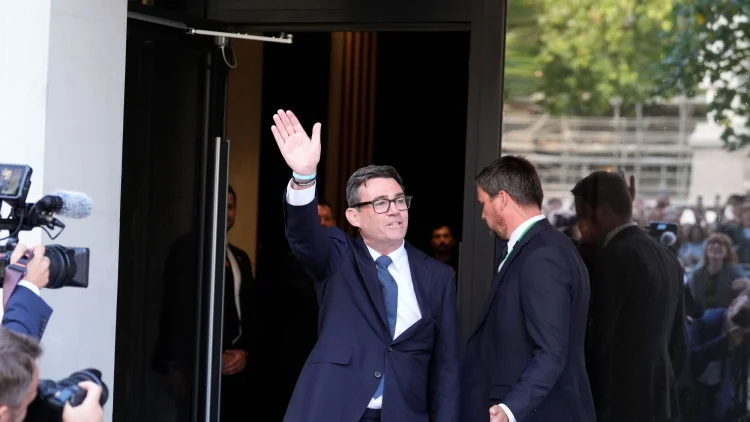

Andy Burnham said he wants to bring in “substantial change” to reform social care (Alamy)

7 min read
With Andy Burnham expected to make a major speech on social care this week, PoliticsHome looks at why it has been such a difficult issue for successive governments to grip.
The Prime Minister told the BBC’s Laura Kuenssberg on Sunday that he will put “whatever political capital” he has into fixing social care and doesn’t want to leave office without bringing in “substantial change.” He said the NHS will “collapse” without social care reform.
Successive governments have pledged to fix the social care crisis, but have failed. So why is it such a difficult problem to solve?
Why is social care such a big problem?
The term social care describes support for adults with care and support needs. In England, it is arranged by local authorities, and some people receive state support to help pay for it.
Pressure has been building on the UK adult social care system for decades.
The UK’s population is ageing steadily, with around 19 per cent of people – approximately 12.7m – now aged 65 or over, driven by rising life expectancy and lower birth rates. As the population ages, demand for adult social care continues to grow, increasing pressure on local councils, which are responsible for providing state-funded care.
According to the King’s Fund, care home provider fees paid by councils rose in real terms by an average of 3.6 per cent to £1,823 a week for working-age adults in 2024/25 compared to 2023/24, while fees for care for older people and homecare fees also rose by more than three per cent. An additional 30,000 people received publicly funded long-term care in 2024/25 than in the previous year, amounting to a 3 per cent rise. Total spending on social care by local authorities increased by 4.1 per cent to reach £34.5bn.
The UK adult social care sector also faces a chronic workforce crisis driven by tens of thousands of unfilled vacancies, uncompetitive pay, high staff burnout, and tightening international recruitment rules. Care England figures show that social care workers earn significantly less than equivalent roles in the NHS, averaging roughly £7,617 less per year.
This has also led to increased pressure on NHS hospitals and services, with patients taking up hospital bed space when it is impossible to secure social care for them.
The Times reported on Saturday that Burnham’s pledge to overhaul care so it “operates on the NHS principle” is unlikely to cover the daily living costs of a care home such as food and accommodation. According to the Health Foundation think tank, a comprehensive care system which could cover food and accommodation would cost £18.5bn a year by 2035-36.
Even avid supporters of reforming the care system accept that it would be very expensive, particularly at a time when departments already face limited budgets, adding to the difficult nature of the issue.
How have governments attempted to fix social care?
Many previous government attempts to reform social care have been abandoned.
Economist Andrew Dilnot was commissioned by the coalition government in 2010 to look at how to protect the public from the risk of sky-high care bills. Dilnot proposed capping individuals’ lifetime care costs. While accepting the principle, the government went on to repeatedly delay implementation of the proposal before it was eventually abandoned.
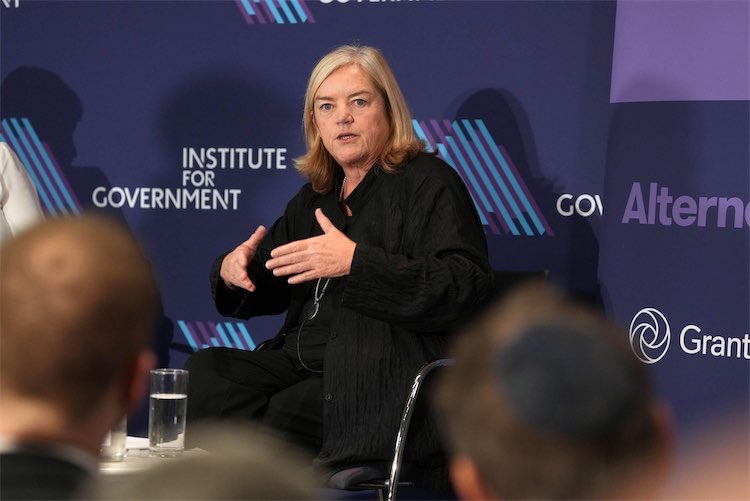
Former Tory prime minister Theresa May included in her manifesto a proposal to raise the asset threshold – the amount of personal wealth protected from paying for care – from £23,250 to £100,000. Under her proposal, the value of your home would also count when working out whether you could afford to pay for care if you were receiving it at home, which meant many more homeowners could end up paying for their own care, with money recovered from the sale of their house after they died if they couldn’t pay immediately.
It was quickly criticised by her political opponents and labelled the ‘dementia tax’ as it was seen to disproportionately affect people with conditions like Alzheimer’s disease. It was dropped by May in the run-up to the 2017 general election.
In July 2019, May’s predecessor, Boris Johnson, stated on the steps of Downing Street that he had a clear plan to fix the social care crisis “once and for all”. He proposed introducing the Health and Social Care Levy through higher National Insurance, before later abandoning both the levy and much of the wider reform package. However, when a Health and Social Care Levy was introduced in September 2021, a large proportion went towards tackling the massive NHS backlog caused by the COVID-19 pandemic rather than fundamental reform of the social care system.
The Keir Starmer Labour government commissioned Baroness Louise Casey in 2025 to review how adult social care should operate and how it should be funded. In a speech earlier this year, Casey called for a national “moment of reckoning” similar to the 1948 Beveridge reforms which established the NHS.
The longer-term final report is expected in 2028, but Burnham has indicated he wants recommendations much sooner. Former health secretary Wes Streeting also suggested on Sunday morning that it could be brought forward to report earlier.
What could Burnham do to reform social care?
The most ambitious proposal to fundamentally reform social care would be establishing a National Care Service to operate much more like the NHS, with care becoming progressively free at the point of need.
While it does not have a dedicated National Care Service, Scotland has already implemented a free-at-the-point-of-need system for some forms of social care, but it does not include accommodation, food and everyday living costs, which are still subject to means testing. The Health Foundation estimates that implementing a similar system in England would cost £7.5bn a year by 2036.
A more incremental approach would focus first on improving workforce pay and conditions, integrating health and social care more closely, expanding short-term care to speed hospital discharge, and increasing support for local authorities while delaying the biggest funding decisions.
A cap on individuals’ lifetime care costs, as proposed by Dilnot, could be another solution.
The government could also raise the threshold for means-tested social care support. At the moment, people in England can be eligible for local authority financial support in a residential care home if the value of all their assets is less than £23,250.
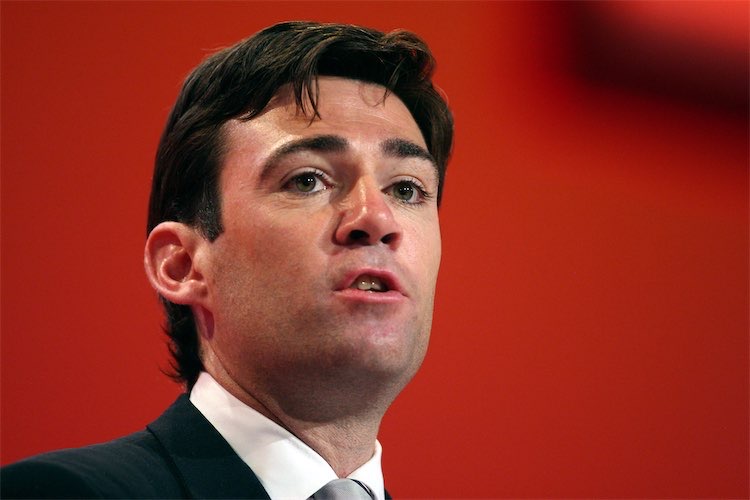
As health secretary under Gordon Brown in 2010, Burnham previously argued that dedicated funding may ultimately be needed and backed the introduction of a 10 per cent levy on estates to pay for a universal National Care Service. Downing Street confirmed on Monday that such a tax was among the options Burnham is now considering to fund his plans.
What have the other parties said?
Conservative Party leader Kemi Badenoch has said she agrees that the care system needs reform, but warned that it cannot be funded through tax cuts. She has written to Burnham urging the new PM to look at spending cuts elsewhere to pay for his plans.
Reform UK Treasury spokesman Robert Jenrick said the party would fiercely oppose any form of what he described as a ‘death tax’ via a levy on estates, arguing it would unfairly raid people’s life savings and far exceed current inheritance tax thresholds.
Lib Dem leader Ed Davey has long described social care reform as one of his top priorities, having been a carer himself for many years. He recently reaffirmed his support for cross-party talks on the issue, and ahead of the 2024 general election, the Lib Dems said they would deliver free personal care through an additional £2.7bn invested in social care by 2028-29 above existing social care plans.
The Green Party pledged an extra £20bn per year into adult social care, paid for through taxes on the super-wealthy, including a one per cent wealth tax on assets over £10m and two per cent on assets over £1bn.

YouTube Premium will include Peacock at no extra cost from early 2027. It is Peacock’s largest distribution deal.

New released Joe Biden audio tapes show ex-president muttering aimlessly during classified docs probe: ‘It’s confusing me’

Is it time to stop using glue and labels on paper?


-

 Fashion3 days ago
Weekend Open Thread: Brooks Brothers
-

 Crypto World7 days ago
Grayscale Files For Worldcoin ETF, WLD Registers Sharp Rise
-

 NewsBeat6 days ago
How a former Blue Peter presenter stunned America’s Got Talent judges
-

 Tech23 hours ago
Intel is reversing course and bringing hyper-threading back to its server chips
-

 Tech7 days ago
Sail Virtually Aboard The “Itanic” With IA-64 Emulator
-
 Tech7 days ago
Turtle Beach Command Series KB7 review: a nifty screen-equipped gaming keyboard
-
 Business6 days ago
New Jersey voter registration controversy explained: How 6,600 noncitizens got on the rolls, and what happens next
-
 Entertainment6 days ago
Johnny Depp’s R-Rated Gothic Cult Classic Gets New Release Ahead of Sydney Sweeney Remake
-

 Crypto World5 days ago
Ethics, other provisions in crypto Clarity Act to be further discussed
-

 Politics12 hours ago
Luke Littler dismantles Gerwyn Price to retain title in Blackpool
-
 NewsBeat7 days ago
Shanghai science forum photos show China’s AI and robotics advances in rivalry with US
-

 Sports4 days ago
2026 3M Open leaderboard: Scottie Scheffler finds putter in Round 1, sits three back
-
 Sports1 day ago
Commonwealth Games boxing: Jadumani Singh seals dominant 5-0 win over Pakistan’s Sumama Rehman to enter quarter-finals | Commonwealth Games News
-

 News Videos4 days ago
The Peugeot Family: How 200 Years of an “Old Money” Dynasty Died in A Boardroom
-

 Fashion4 days ago
16 Dresses for the High Summer Event
-

 Politics1 day ago
Spain sweeps the board at 2026 World Cup with individual awards
-

 Crypto World7 days ago
Andrew Cuomo joins OKX board as crypto exchange expands in U.S.
-
 Entertainment3 days ago
A New Post-Apocalyptic Gundam Anime Series Blasts Into SDCC
-

 News Videos1 day ago
BITCOIN JUST ENTERED THIS CRITICAL ZONE…
-

 Crypto World2 days ago
XRP Ledger adds $2.6B as RWA inflows rank second
You must be logged in to post a comment Login