Connect with us
DAPA Banner
DAPA Coin
DAPA
COIN PAYMENT ASSET
PRIVACY · BLOCKDAG · HOMOMORPHIC ENCRYPTION · RUST
ElGamal Encrypted MINE DAPA
🚫 GENESIS SOLD OUT
DAPAPAY COMING

NewsBeat

Fire service issues Tintwistle update as eerie photos show smoke-covered moorland

Published

on

Manchester Evening News

Derbyshire Fire and Rescue Service shared an update on wildfire near Glossop with people urged to stay away

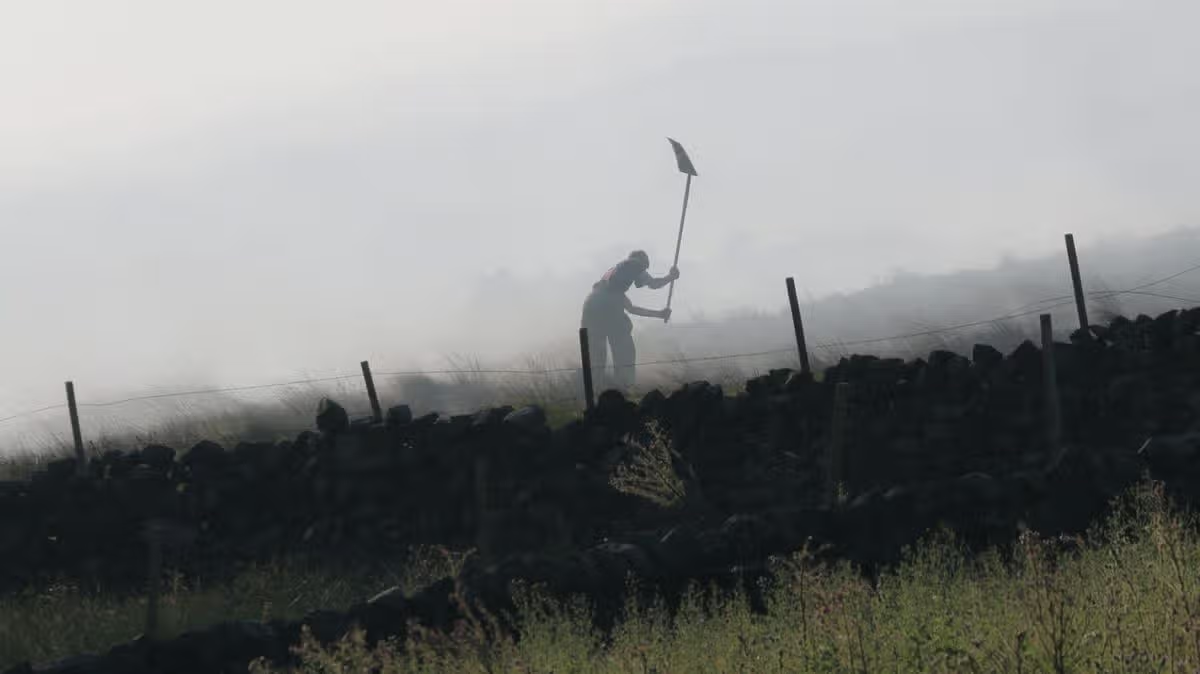
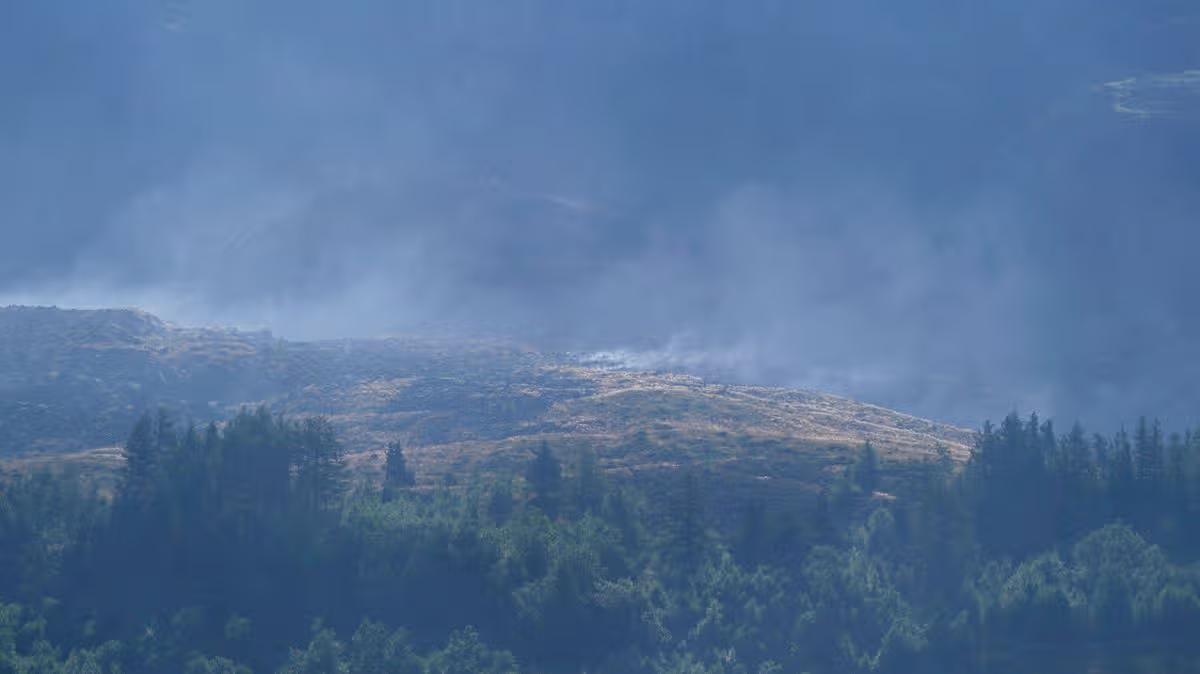
New eerie pictures show crews battling a huge wildfire in smoke-covered moorland at Tintwistle as the blaze rages on.

Advertisement

The photos show masked firefighters and crews tackling hotspots on the moorland near Glossop. The area is blanketed in thick smoke with the features of the crew lost in the hazy scenes.

Derbyshire Fire and Rescue Service (DFRS) shared the pictures alongside an update on the fire on Thursday (July 16). The service said around 80 firefighters worked on the scene on Wednesday with crews working to ‘contain and supress’ the fire today.

Follow live updates from the scene here

The wildfire at Tintwistle, above Woodhead Road in Glossop, first broke out nearly three weeks ago. DFRS declared a major incident as it spread over the moorland and burned an area the size of at least 350 football pitches.

Advertisement

The blaze, which is burning at the same time as another major fire near Dovestone Reservoir, has sent huge plumes of smoke across our region and beyond. The main focus of firefighting operations today is at Arnfield Moor, the fire service said.

Crews will ‘remain in action’ throughout the day and people have been urged to continue to stay off the moorland. The fire service also urged people to keep their windows and shut if affected by the smoke.

In full, the update at 10.15am today said: “Firefighters returned this morning to the major wildfire incident at Tintwistle after scaling back operations overnight. Yesterday, around 80 firefighting personnel were working at the scene. Crews continue to contain and supress the fire while protecting nearby communities, property and the environment.

Advertisement

“Today, firefighters are tackling hotspots in the Digsbury Intake, Featherbed Moss and Crowden areas. The main focus of operations is currently near Arnfield Moor.

“Ground crews and aerial firefighting resources will remain in action throughout the day, supported by neighbouring fire and rescue services and partner agencies. Please continue to support us by avoiding the area and staying off the moorland.

“If you must travel through the area, please expect some disruption on the nearby section of the A628 while safe access to the incident scene is maintained. People in the surrounding area may continue to see or smell smoke from the wildfire at Tintwistle Moor, or from the nearby wildfire at Dovestones Reservoir in Greater Manchester.

Advertisement

“Smoke levels may vary depending on wind direction and weather conditions. If affected, please keep your windows and doors closed.”

The blaze at Dovestone is also continuing to rage on today after the Greater Manchester Fire and Rescue Service (GMFRS) declared a major incident. On Wednesday Paul Fearnhead, Incident Commander at GMFRS, described the area near Dovestone as ‘really, really challenging’ as the ‘extensive wildfire’ continued.

“Currently we have around just short of ten fire engines, including our wildfire capabilities at this scene and they’re deployed across the moorlands in this warm weather, which is being hampered by smoke and wind”, he said.

Advertisement

Click here to get the biggest stories straight to your inbox in our Daily Newsletter

“If you’re a member of the public in the area, we are asking you to stay away. It’s a small area for us to work in, and the moors at this time are very smoky, and we’d ask you not to come across this area.”

Firefighters were first called to Dovestone on Saturday night. A major incident was declared on Monday afternoon with 70 firefighters tackling the blaze.

Residents reported hearing ‘loud bangs’ prior to the fire taking hold with videos of youths setting off fireworks. The incident came after Karl Holland, 18, died after getting into difficulty at Dovestone Reservoir.

Advertisement

A woman, aged 20, was arrested on suspicion of arson. Shania Care-Slede, of Market Street, Hyde, has been charged and appeared in court on Tuesday.

Source link

Continue Reading
Click to comment

You must be logged in to post a comment Login

Leave a Reply

NewsBeat

The 2026 World Cup has been a tournament where alcohol brands hoped to win influence through sponsorship

Published

on

The 2026 World Cup has been a tournament where alcohol brands hoped to win influence through sponsorship

The 2026 men’s football World Cup has provided great goals, shock results and plenty of entertainment. It has also been extremely lucrative, earning Fifa billions of dollars in broadcasting rights, ticket sales and commercial sponsorship.

Those commercial partnerships include alcohol producers, whose brands have appeared across television broadcasts, digital platforms, social media and stadiums.

For example, Fifa has a long-standing sponsorship arrangement with the world’s biggest beer company. AB InBev owns Budweiser, which is the tournament’s official beer, and Michelob Ultra, the sponsor of the player of the match awards.

AB InBev and Fifa are delighted with the strength of their long-standing partnership and the World Cup’s ability to connect brands with millions of fans worldwide. From a business perspective, it is one of sport’s most successful sponsorship arrangements.

Advertisement

But from a public health perspective, what does it mean for the millions of children and young people who have been watching the tournament? For alcohol sponsorship has become an increasingly prominent feature of elite sport.

In the 1990s and early 2000s, branding was largely confined to adverts on TV or pitch-side boards, or some tournament sponsorship, such as the Carling Cup (now known as the Carabo Cup after the Thai energy drink brand that sponsors it).

But in 2026, marketing is far more sophisticated. Alcohol brands are heavily integrated into the fan experience, appearing in digital content, interactive promotions, fan zones and social media feeds that extend far beyond the 90 minutes on the pitch.

This evolution reflects broader changes in sports marketing, where sponsors have moved beyond being simply advertisers. Now they have become partners in creating the emotional experience surrounding major events.

Advertisement

But research consistently shows that greater exposure to alcohol marketing is associated with earlier drinking among adolescents, and increased alcohol consumption among those who already drink.

Marketing also increases positive attitudes towards alcohol, strengthens brand recognition and reinforces the perception that drinking is a normal part of sport and celebration.

Normalisation

Yet recent research my colleagues and I conducted suggests that some young people have quite a sophisticated understanding of alcohol sponsorship.

Many recognise that companies sponsor football and rugby because they attract huge audiences and create positive emotional associations with brands. As one participant put it: “People see [the product] – they want to get it.”

Advertisement

Lots of our research participants described how commonplace alcohol branding had become, saying they encountered it every time they watched football or rugby, at the stadium, on television and social media.

And many of the 44 young people aged 11 to 17 in Scotland we spoke to questioned why alcohol was linked to sport at all. They described the relationship as “confusing” and “ironic”, struggling to reconcile elite athletes and healthy lifestyles with unhealthy products that can increase the risk of cancer and liver disease.

At the same time, though, they understood why companies invest so heavily in sport.

Football is one of the few global events watched by entire families, meaning children are exposed to alcohol branding from an early age simply by watching matches with parents and siblings. As one young person observed: “If you’ve got it shown to you from a young age, it’s going to be more hardwired into your brain.”

Advertisement
A bar in Boston thanks Scottish football fans for their support.
Chasing Shadows Scot/Shutterstock

This reflects decades of evidence showing that marketing works through repeated exposure rather than any single advertisement. Sponsorship links brands with excitement, belonging, celebration and national pride, making those associations part of people’s memories of the event itself.

The challenge is becoming even more complex as alcohol companies increasingly promote zero-alcohol products and use “alibi” marketing that relies on familiar colours, logos and slogans rather than explicit references to alcohol. Although these sponsorship campaigns are often presented as more responsible, our research suggests many young people do not distinguish them from advertising for alcoholic drinks.

As one participant explained: “I just saw the alcohol brand, I never really thought of the zeros.” Others viewed these campaigns as a way of working around advertising restrictions while continuing to promote core alcohol brands.

None of this means that every child who watches football will go on to drink alcohol. Young people’s behaviour is shaped by families, peers, culture and many other influences. But alcohol marketing is one of those influences, and unlike many others, it is something governments can regulate.

Advertisement

Our research shows that young people themselves recognise the disconnect between promoting healthy sport while surrounding it with alcohol branding. If they can see that contradiction, perhaps the people who run international football should too.

Source link

Advertisement
Continue Reading

NewsBeat

Parmesan producers have said it could become more expensive

Published

on

Parmesan producers have said it could become more expensive

Most people will have a block of parmesan cheese in their fridge to use in a range of Italian meals.

Producers of parmesan have warned that there could be supply issues on the way, making it harder to buy.

Parmesan could become more expensive, with prolonged periods of extreme weather making it more difficult to produce.

The weather means cows are producing less milk. (Image: Getty)

Why could parmesan become more expensive?

Temperatures reaching above 40C in the Emilia-Romagna region are causing cows to eat less and produce around 10 per cent less milk, according to the Grocery Gazette.

Advertisement

Nicola Bertinelli, the president of Parmigiano Reggiano Consortium, has said the hotter weather has been affecting the quality and quantity of milk being produced.

Authentic parmesan cheese can only be made in five Italian provinces using milk from cows fed on locally grown grass and hay.

The lack of rainfall is also causing problems for the production process.

Nicola said: “If it doesn’t rain, grass doesn’t grow, hay cannot be produced and it’s impossible to obtain the milk needed to make the cheese.”

Advertisement

Farmers have been using fans and water-misting systems to keep cattle cool, but the equipment has increased electricity costs.

Climate-controlled warehouses used to age the cheese wheels are also using more power.

The daily energy consumption of the two warehouses operated by Magazzini Generali delle Tagliate rose by around 30 per cent during the most intense heatwaves.

Producers are worried that more frequent and prolonged extreme weather could push up the prices of parmesan while affecting the volume and quality of cheese.

Advertisement

GranTerre international sales director Paolo Ganzerli said: “If extreme events become longer-lasting and more intense, they will certainly have an impact on both the quantity and quality of milk, but above all they will lead to higher costs.

“We don’t want to be the last generation to eat it.”

The Parmigiano Reggiano industry supports thousands of jobs in the region and generates around four and a half million euros in annual revenue.

Exports made up more than half of global sales in 2025, with the US being the cheese’s largest overseas market.

Advertisement

Are you worried about the rising costs of food products? Let us know in the comments.

Source link

Advertisement
Continue Reading

NewsBeat

England fans claim team ‘deserved to go out’ after car crash celebrity Wonderwall

Published

on

England fans claim team 'deserved to go out' after car crash celebrity Wonderwall

Close Overlay

In The Mixer’s World Cup special

Everything you need to know about the World Cup – England updates, the games to watch and stories you missed – in five minutes, at 1pm, every day.

Source link

Advertisement
Continue Reading

NewsBeat

Botulism signs and symptoms as MHRA updates product safety warning

Published

on

Daily Record

Botulism is a rare but potentially life-threatening condition that needs immediate hospital treatment

The Medicines and Healthcare products Regulatory Agency (MHRA) is strengthening safety warnings to highlight the risk of botulism caused by medical treatment more clearly. Botulism is caused by the botulinum toxin that’s commonly used in medical and cosmetic procedures for things like treating migraines and facial wrinkles.

Advertisement

The toxin is used in these procedures to relax the targeted muscles. However, in rare cases the toxin starts attacking the nervous system, leading to paralysis that can spread across the body and even affect the muscles used to breath if it’s not treated in time. This is botulism.

Symptoms of botulism according to the NHS:

  • blurred or double vision
  • drooping eyelids
  • difficulty swallowing and speaking
  • weak muscles, particularly in your face
  • constipation
  • dry mouth

The MHRA update notes: “Patients are advised to seek immediate medical attention if they experience symptoms after treatment, including difficulty swallowing, slurred speech, breathing difficulties, or muscle weakness. These symptoms can occur within days or up to four weeks after treatment.”

Dr Alison Cave, MHRA Chief Safety Officer, said: “Botulinum toxin products are effective for a number of different medical and cosmetic purposes when used correctly. However, these strengthened warnings are an important reminder that, in rare cases, serious side effects can occur.

Advertisement

“It is vital that healthcare professionals and patients are aware of the symptoms of botulism and act quickly if they arise as this is a medical emergency. We also strongly urge the public to avoid unlicensed products and seek treatment only from appropriately qualified practitioners.

“The MHRA continuously monitors the safety of these medicines, including side effects and emerging evidence.” Botulism is treated in hospital with medications through an IV to stop symptoms getting worse and continuing normal functions for your body until it can recover, such as using a ventilator to help you breathe.

If treated quickly, people can recover but the medication cannot treat muscle weakness or paralysis that has already happened. These symptoms may improve over time according to the NHS but it can take up to a year fo rbreathing problems to get better.

Advertisement

Long-term issues from botulism include:

  • feeling very tired
  • getting out of breath easily
  • finding it hard to lift things
  • struggling with mental wellbeing

The MHRA also warned about the dangers of unlicensed practitioners and counterfeit products as these can significantly increase the risk of serious side effects. The NHS provides guidance on how to check if the clinic and practitioners are registered and red flags people should avoid when booking cosmetic procedures.

Source link

Continue Reading

NewsBeat

‘The World Cup might not be ours but the Falklands are’: No10 demands FIFA probe into Argentina’s ‘Malvinas’ banner after England defeat

Published

on

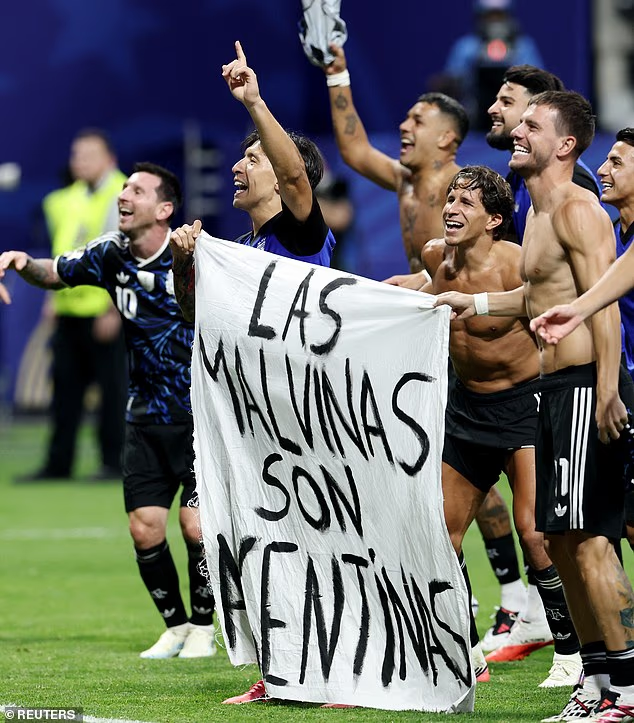
Lisandro Martinez and Giovani Lo Celso, who have played for clubs in the Premier League, celebrate with a banner claiming the Falkland Islands. Messi was also next to it celebrating

Downing Street has demanded a FIFA probe into Argentina players wielding a ‘Malvinas’ banner after England’s defeat last night.

No10 backed calls for an inquiry into the politicising of the match, swiping: ‘The World Cup might not be ours, but the Falkland Islands definitely are.’ 

A furious row has erupted after England’s heartbreaking 2-1 loss in Atlanta last night. 

Argentina’s classless players were accused of ‘warmongering’ after they carried a banner claiming the Falkland Islands belonged to them. 

Advertisement

Britain has had sovereignty for almost 200 years having first landed on the uninhabited islands in 1690. In 2013, 99.8 per cent of residents voted to remain a British Overseas Territory. 

The ‘Las Malvinas son Argentinas’ banner was held by several star players and captain Lionel Messi danced alongside it – despite FIFA’s ban on political symbols.

That has sparked calls for the players to receive one-match bans, similar to those UEFA handed out to Spain players who chanted ‘Gibraltar is Spanish’ after beating England at the 2024 Euros final.    

Advertisement

Lisandro Martinez and Giovani Lo Celso, who have played for clubs in the Premier League, celebrate with a banner claiming the Falkland Islands 

Members of the Argentina team shush the crowd as they raise the flag, flouting FIFA's rules on political statements in football

Members of the Argentina team shush the crowd as they raise the flag, flouting FIFA’s rules on political statements in football

Giovani Lo Celso lays the banner on the pitch after Argentina's victory, right below the TV spider cam

Giovani Lo Celso lays the banner on the pitch after Argentina’s victory, right below the TV spider cam

Buenos Aires accused HMS Medway of making an 'unconsulted and illegal' passage through Argentine territorial waters

Buenos Aires accused HMS Medway of making an ‘unconsulted and illegal’ passage through Argentine territorial waters

Advertisement

The animosity dates back principally to a ten-week war in 1982, when an Argentinian invasion of the Falklands was seen off by the British – at the cost of 907 lives.

Advertisement

It spilled over into football four years later when Maradona scored his infamous ‘hand of God’ goal in the 1986 World Cup quarter-final clash.

He used his fist to put the opening goal past England, allowing Argentina to win 2-1 and go on to claim the World Cup trophy.

Quirno earlier claimed the people living on the islands had been ‘artificially implanted’ – and that a referendum on British sovereignty was illegitimate.   

Tottenham captain Cristian Romero, Manchester United defender Lisandro Martinez and ex-Spurs midfielder Giovani Lo Celso celebrated with the controversial banner after the final whistle.

Advertisement

Business Secretary Peter Kyle said today it was ‘entirely inappropriate’ to wave the banner, praising England for acting with dignity in ‘real contrast with what we saw with the Argentina team‘.

The No10 spokeswoman said any potential action is a ‘matter for Fifa’, but asked whether the PM agrees with his Cabinet minister that there should be an investigation, they replied: ‘I would echo that position.’

Tory shadow minister Andrew Griffith said: ‘Labour’s Chagos surrender has made us look weak, and British territory up for grabs. The Falklands are British. Whoever won the football. This idiotic display from the Argies was clearly against FIFA rules. They should be punished.’

He added: ‘FIFA fined our players for wearing poppies in 2016. They banned Spanish players in 2024. The Argentinian players’ display yesterday was disgusting and an insult to the Falkland Islanders. Why shouldn’t FIFA ban the Argie players from the final?’

Advertisement

Shocking footage taken from the stands showed the Argentinian team holding their fingers to their lips before raising the Falklands banner aloft. 

Lo Celso later carefully laid the banner on the pitch as the team taunted the English fans.

Scottish Tory MSP Murdo Fraser said: ‘One thing needs to be made very clear this morning. The Falklands have never belonged to Argentina. And never will.’ 

As the flag was raised, the team went wild, waving shirts over their heads

As the flag was raised, the team went wild, waving shirts over their heads

Advertisement

Lisandro Martinez and Giovani Lo Celso, who have played for clubs in the Premier League, celebrate with a banner claiming the Falkland Islands. Messi was also next to it celebrating

Thomas Tuchel's performance last night has been called a 'coaching catastrophe'

Thomas Tuchel’s performance last night has been called a ‘coaching catastrophe’

FIFA has yet to comment, but the governing body is under huge pressure to punish Argentina for flouting its rules with an incendiary banner backing the country’s claim to the Falkland Islands. Manchester United and Spurs are being urged to punish Romero and Martinez.

Twelve years ago, the team carried the same banner at an international friendly and was fined just £20,000.

Advertisement

But there are growing calls for the players who carried the banner at a match of such magnitude – watched by an estimated 950 million people worldwide – to face tougher sanctions.

In a fresh diplomatic row, Argentina has protested about actions by HMS Medway, a patrol vessel based in the Falklands.

The foreign ministry has accused the Royal Navy of making an ‘unconsulted and illegal’ passage through Argentine territorial waters.

Foreign Minister Pablo Quirno said HMS Medway had breached agreements between the two countries in a diplomatic note of protest submitted to the British Embassy in Buenos Aires.

Advertisement

‘In diplomacy, work is not shouted about like goals, but we are driven by the same conviction: the pride of being Argentine and the constant defence of our interests,’ Quirno wrote on X.

A formal complaint released by the foreign ministry claimed the incident occurred shortly before last night’s grudge match.

Britain rejected the accusation, insisting HMS Medway’s passage was conducted as ‘innocent passage’ in accordance with international law and that Argentina had been notified in advance. 

The Ministry of Defence said the transit took place on July 8 as the vessel returned to the Falklands after supporting scientific operations in Antarctica.

Advertisement

Tory leader Kemi Badenoch has said: ‘The Falkland Islands are British. The Conservatives will always defend them.’

Reform UK leader Nigel Farage said today: ‘Whilst I am disgusted at the behaviour of some Argentinian players last night, the most important thing to do is build up the Royal Navy quickly.’

HMS Medway is a Batch 2 River-class patrol vessel permanently stationed in the Falkland Islands. It became the Royal Navy’s permanent guard ship in the region in January, replacing HMS Forth.

The vessel is tasked with maritime patrols and fisheries protection duties.

Advertisement

An MOD spokesman said: ‘HMS Medway undertook a routine logistics visit to Punta Arenas on 5-8 July supporting British Antarctic Survey (BAS) operations, delivering essential stores and supplies to sustain scientific research in Antarctica.

‘The transit from the Falkland Islands to Chile and back was carried out via the most direct practicable route, considering operational safety and weather factors to ensure timely delivery.

‘This planned logistics activity reflected the UK’s ongoing commitment to world-leading polar science and maintaining the infrastructure that supports BAS operations.’

A total of 255 British servicemen were among the 907 people who died in the 1982 Falklands War, which saw UK armed forces retake the islands after an Argentine invasion.

Advertisement

Britain first landed on the uninhabited islands in 1690 and claimed them for the Crown in 1765. It has maintained a permanent presence there since 1833 – 47 years before Argentina became a fully unified state following its declaration of independence from Spain in 1816.

The last official referendum of Falkland Islanders was held in 2013, when 99.8 per cent of voters chose to remain a British Overseas Territory.

The offensive banner made a terrible night even worse for England. The team were leading 1-0 with just five minutes remaining.

Thomas Tuchel is facing calls to be sacked over his tactical decisions and defensive substitutions as England stood on the verge of reaching their first World Cup final since 1966.

Advertisement

The German manager insisted after the game that he had ‘no regrets’, but pundits and fans have turned on him after his team surrendered the lead when he took off speedy goalscorer Anthony Gordon and replaced the winger with defender Ezri Konsa.

Tuchel then took off Declan Rice for Nico O’Reilly and Reece James for Dan Burn in a further retreat 10 minutes later. Enzo Fernandez equalised with five minutes left and Lautaro Martinez won it for Argentina in stoppage time.

‘There are a million coaches after the game who know what to do better. If it doesn’t end up well, it’s easy to say that my decisions were wrong,’ said Tuchel. 

Some claimed he blamed the players as he added: ‘After the goal, we dropped back and waited too much, and the crosses and chances kept coming. I tried to help the team.

Advertisement

‘It doesn’t help if we don’t have the ball. We couldn’t get out, of course we wanted to go for the second goal.’

Giovani Lo Celso and teammate Nicolas Otamendi celebrated on the pitch with the sign after the final whistle blew

Giovani Lo Celso and teammate Nicolas Otamendi celebrated on the pitch with the sign after the final whistle blew 

The banner, which used the Argentinians name for the Falklands - Las Malvinas - was also passed around the team's jubilant crowd of supporters

The banner, which used the Argentinians name for the Falklands – Las Malvinas – was also passed around the team’s jubilant crowd of supporters

Argentina fans hold a banner with the words "The Malvinas are Argentinian", referring to the Falkland Islands

Argentina fans hold a banner with the words ‘The Malvinas are Argentinian’, referring to the Falkland Islands

Advertisement

FIFA had banned flags referencing the Falklands from the stadium due to their political significance and the incident is likely to be reported to footballing authorities. 

On X, there were calls for Romero to be stripped of the Spurs captaincy and for Manchester United to sell Martinez for their part in the stunt.

Others called for the players to be suspended from the final, while acknowledging how unlikely that was in light of repeated accusations that FIFA and referees have been biased towards the Argentine team during the competition.

Previous financial sanctions have also done little to deter Argentine players from displaying slogans about the Falkland Islands in the past. 

Advertisement

In 2014, the Argentine Football Association was fined just £20,000 after its team displayed an almost identical ‘Las Malvinas Son Argentinas’ banner before a friendly against Slovenia.

Authorities are said to be treating this case more seriously as it is on the World Cup stage – in front of England and their fans. Plus, FIFA had banned such banners and threatened disciplinary action to those who broke the rules.

Tensions over the ownership of the Falklands, which are located 300 miles off the coast of Argentina but owned by Britain, had been a major talking point in the build-up to England’s semi-final. 

Argentina’s players were captured singing a chant in which they claimed the Falkland Islands were theirs in the aftermath of their last-16 victory over Egypt.

Advertisement

The country’s Foreign Minister, Pablo Quirno, also claimed the people living on the islands had been ‘artificially implanted’ – and that a referendum on British sovereignty was illegitimate.

And after Argentina’s victory, vice-president Victoria Villarruel posted on X that ‘it wasn’t just another match’ alongside a video of what appeared to be Argentine soldiers.

‘The Falklands are Argentine,’ she wrote.

‘They banned bringing them to the stadium and forgot that we carry them in our blood and our hearts.’

Advertisement

In the build-up to the game, Villarruel also branded England as ‘usurping pirates’. 

She wrote: ‘Tomorrow we play against the usurping pirates. This isn’t just another match. 

‘I’m not going to be politically correct or cold-hearted; against the English, it’s always something more.’

Falklanders were asked in a 2013 ballot whether they wanted the islands to remain under British rule, with 99.8 per cent voting yes.

Advertisement
Captain Harry Kane comforts goal scorer Anthony Gordon after the final whistle following their 2-1 defeat to Argentina with a disconsolate Jude Bellingham behind them

Captain Harry Kane comforts goal scorer Anthony Gordon after the final whistle following their 2-1 defeat to Argentina with a disconsolate Jude Bellingham behind them 

Kane looks to the skies as Argentina celebrate on the final whistle in Atlanta, Georgia

Kane looks to the skies as Argentina celebrate on the final whistle in Atlanta, Georgia

Goalkeeper Jordan Pickford sobs at the final whistle after England came within minutes of progressing to the World Cup final

Goalkeeper Jordan Pickford sobs at the final whistle after England came within minutes of progressing to the World Cup final

Prime Minister Keir Starmer and Foreign Secretary Yvette Cooper rejected the referendum attack and tried to cool tensions.

Advertisement
History of the Falklands

Fascist military leaders in Argentina invaded the British Falkland Islands on April 2, 1982. 

At a time of economic crisis, Argentine leaders believed recapturing the Falklands would restore support for the ruling party.

The UK had ruled the islands for 150 years at the time of the invasion, which the junta justified by saying they had inherited the land from Spain in the 1800s, citing the Falklands’ proximity to South America as a further reason.

Advertisement

But Prime Minister Margaret Thatcher deployed a task force to fight on behalf of the traditionally British residents of the Falklands.

In the short war that followed, 649 Argentinians died, along with 255 British servicemen and three islanders.

Following a tough sea battle, British forces made landing to the north of Stanley, before fighting their way in to the capital. The Argentinians surrendered on 14 June

<!- – ad: https://mads.dailymail.co.uk/v8/de/news/none/article/other/mpu_factbox.html?id=mpu_factbox_1 – ->

Advertisement

The animosity dates back principally to a ten-week war in 1982, when an Argentinian invasion of the Falklands was seen off by the British – at the cost of 907 lives.

It spilled over into football four years later when Maradona scored his infamous ‘hand of God’ goal in the 1986 World Cup quarter-final clash.

He used his fist to put the opening goal past England, allowing Argentina to win 2-1 and go on to claim the World Cup trophy.

Advertisement

During last night’s match, an impressive performance from the Three Lions at the start of the second half saw Antony Gordon put the side in front. 

But disastrous substitutions to send England into a defensive set-up would heartbreakingly backfire.

England were just less than six minutes away from their first World Cup final for 60 years when Enzo Fernandez scored the equaliser that denied them.

This was followed two minutes into injury time by a header from Lautaro Martinez, who secured Argentina’s place in Sunday night’s final against Spain in New York.

Advertisement

England fans complained about the conduct of the Argentinian fans after the game.

One supporter told the Daily Mail: ‘Obviously [we] were upset about the game, walking out the stadium, minding our own business.

‘Some guy, Argentina fan, comes up waving his flag, shoves it in our face, winding us up. 

‘You know obviously someone’s going to retaliate, right? But luckily we didn’t retaliate but there’s a lot of animosity.

Advertisement

‘When Argentina scored, an Argentinian guy next to me took his shirt off, waving it, slapping it in my face, absolutely disgusting.

‘Disgusting behaviour from the Argentinian fans, absolutely disgusting.

‘Tonight there’s not enough cops to police all of this. I’m telling you right now it’s going to kick off later in bars and stuff for sure, 100 per cent.’

It was England’s fourth-ever appearance in the final four of a World Cup, making this the most high-stakes match since 1966.

Advertisement

But in a story familiar to long-suffering fans, they just couldn’t keep ahead at the final whistle.

The royals were among those quick to congratulate the team for their impressive run to the semis, with King Charles III taking to social media and writing: ‘Commiserations to Harry and the team.

‘While you Three Lions may be licking your wounds today, you remain the pride of a nation – and will rise again.’

And outgoing Prime Minister Sir Keir Starmer paid tribute to England’s ‘passion’ and ‘energy’.

Advertisement

Writing on X, he said: ‘Gutted. Tonight wasn’t the result we all hoped for, but this England team has given it their all.

‘The passion and energy they’ve shown representing the badge has made us all proud.’

Source link

Advertisement
Continue Reading

NewsBeat

Gary Neville fires back at Cristian Romero after Argentina star labels him ‘stupid’ | Football

Published

on

Gary Neville fires back at Cristian Romero after Argentina star labels him 'stupid' | Football

Close Overlay

In The Mixer’s World Cup special

Everything you need to know about the World Cup – England updates, the games to watch and stories you missed – in five minutes, at 1pm, every day.

Source link

Advertisement
Continue Reading

NewsBeat

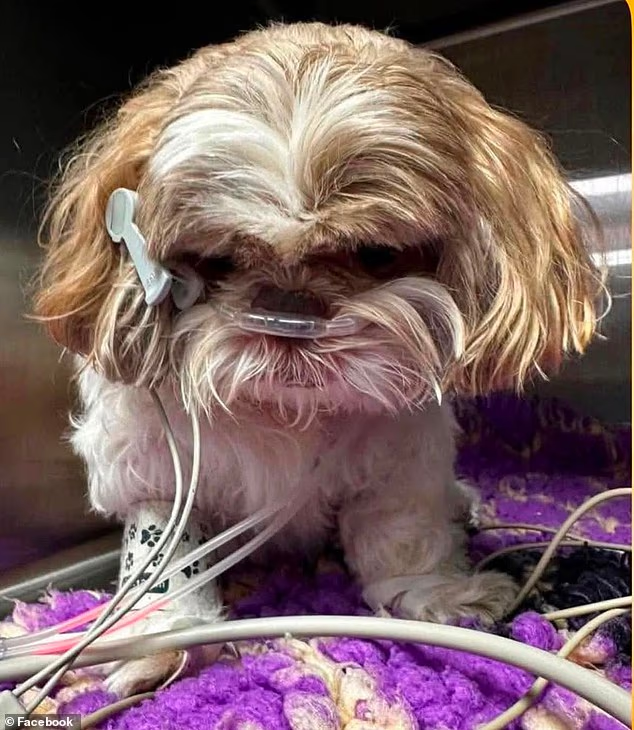
Postman caught on camera kicking blind shih tzu ‘like a football’, with pet dying from organ failure

Published

on

Ms Lewis made the difficult decision to put Ethel down after the vet said she had suffered irreversible brain damage

Advertisement

A postman wearing an England shirt has been caught on camera kicking a blind shih tzu ‘like a football’ – with it later dying from organ failure.

Owner Eve Lewis, 40, said the man denied attacking her dog Ethel, but Ring doorbell footage showed that he had, just seconds after he handed over a parcel.

The 11-year-old pet was partially blind and had only one tooth, so posed no threat, Ms Lewis said.

‘The driver was walking away and still made the effort to turn around and kick her.

Advertisement

‘He didn’t just kick her, he toe punted her like she was a football. She flew up in the air and hit the ground and rolled three times.’

The NHS worker, who lives with her five-year-old son and their other dog, Stanley, a French bulldog, described her panic after the attack.

She took Ethel from their home in Aylesbury, Buckinghamshire, to the vets’, but was told she could not be saved.

‘Her blood pressure dropped and they put tubes up her nose. Then they said there’s internal bleeding.

Advertisement

Ms Lewis made the difficult decision to put Ethel down after the vet said she had suffered irreversible brain damage

‘At this point, I’m thinking, “This literally can’t be happening.” From then on, it was just a complete blur.

‘I went home overnight, but when I came back to the vets’ in the morning, she was pretty much already out of it.’

Advertisement

Ms Lewis made the difficult decision to put Ethel down after the vet said she had suffered irreversible brain damage.

She told The Sun: ‘We always called her Ethel 2.0 because after every surgery she had she would bounce back, but she didn’t make it this time. She was an old gal.

‘I just don’t want this to happen to anyone else. I’m heartbroken and angry. I’ve gone through about 100 packs of tissues.’

It is understood the postman has been suspended by Royal Mail.

Advertisement

Vets listed Ethel’s cause of death as organ failure caused by blunt force trauma.

A Royal Mail spokesman said: ‘We are deeply sorry for this distressing incident, and we know how upsetting it is for the family.

‘We are treating this matter very seriously. We have seen the footage and launched a full investigation to establish the circumstances. We have also confirmed to the family that we will cover the veterinary costs.

‘We take animal welfare and the safety of our people very seriously. Dog-related incidents can present a serious risk to postal workers, and we will take any appropriate action once our investigation is complete.’

Advertisement

 A Thames Valley police spokesman said: ‘No arrests have been made but there are ongoing enquiries regarding animal welfare and criminal damage incidents.’

Advertisement

Source link

Advertisement
Continue Reading

NewsBeat

The art of sensory design: how your home can boost your wellbeing

Published

on

The art of sensory design: how your home can boost your wellbeing

But, says Rousell, despite a large body of research into the properties of different colours, the best option for your home is still somewhat contextual, depending on your background, economic upbringing and the climate you live in. “People always ask me, ‘what is the best colour for sleep?’, but that depends not just on the sensory input that’s coming in but also your lived experience, which acts as a filter that all this sensory input has to pass through,” she says.

Source link

Continue Reading

NewsBeat

Fraudster Pamela Gwinnett finally arrested in Spain

Published

on

Fraudster Pamela Gwinnett finally arrested in Spain

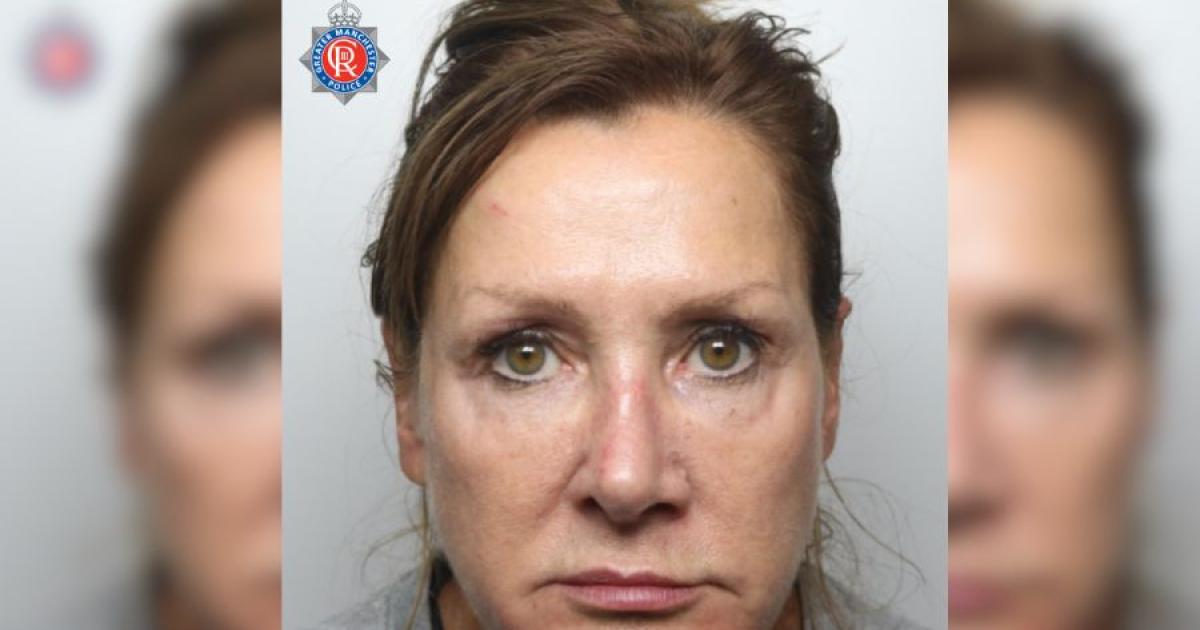
Pamela Gwinnett, 63, was sentenced in her absence last year after using bullying, coercion, and threats to steal from the elderly Joan Green while acting as an unofficial carer.

The dock was empty at the hearing last October after Gwinnett breached a court order the previous April and fled to Tenerife, purportedly to scatter her brother’s ashes.

The convicted fraudster is believed to have been in Tenerife ever since, until this week reports emerged that she had been arrested by Spanish authorities.

Approached for confirmation by The Bolton News, a Foreign, Commonwealth and Development Office spokesperson said: “We are supporting a British woman who has been arrested in Spain and are in contact with the local authorities.”

Advertisement

Last October Judge Michael Maher addressed Gwinnett’s sentencing hearing as if she had been present, saying he hoped she would eventually read his remarks after she was arrested.

Judge Maher said: “To you, Joan Green was simply a cash cow to be milked until she was dry.

“And so having inveigled your way into their lives behind the charade that you were a benevolent friend to Joan, you set about playing the long game to isolate and control a vulnerable woman and thereby enrich yourself.”

Pamela Gwinnett was sentenced in her absence at Preston Crown Court (Image: Newsquest)

He added: “When one of the carers overheard Joan asking you why her family didn’t come around anymore, you sought to brainwash her, saying they are not good enough for you.

Advertisement

“You controlled the use of her bank cards, and you prevented her from seeing any banking staff about her money.

“To be blunt, she was under your thumb.”

Judge Maher said there was a “self-assured shamelessness” to her crimes.

He said: “To use the colloquialism, you have some brass neck Ms. Gwinnett.”

Advertisement

Pamela Gwinnett stole nearly £300,000 from an elderly woman (Image: GMP)

Gwinnett stole a total of £296,000 from Mrs Green, spending the proceeds on extravagances like Botox treatments and a £22,500 car.

Last October, Preston Crown Court heard from James Preece, prosecuting, how Gwinnett had posed as Mrs Green’s friend and was originally employed for light cleaning and shopping tasks.

But after getting close to her victim, Gwinnett manipulated her way to getting herself made Mrs Green’s power of attorney.

To heighten her elderly victim’s sense of isolation, Gwinnett changed her landline owner, sacked a long-time gardener, and made false accusations of neglect against Mrs Green’s family.

Advertisement

Pamela Gwinnett has finally been arrested (Image: GMP)

After the Court of Appeal suspended Gwinnett’s power of attorney, she continued to steal from a joint bank account.

She even continued to steal from Mrs Green after her death shortly before her 90th birthday in November 2022.

Gwinnett, formerly of Greenfield Road, Adlington, denied her crimes when brought to court but was convicted by a jury of fraud by abuse of position and theft.

Gerard Doran, defending, said the only point her could make in her favour was that she had no previous convictions.

Advertisement

Officer in charge of the investigation PC Georgia Loughton said: “We are pleased that Pamela Gwinnett will be returned to the UK where she will serve her sentence. 

“Pamela knowingly defrauded a vulnerable woman out of almost £300,000, cutting off all contact with her family and controlling every aspect of her life. 

“She was trusted by Joan, and she used this position of trust to her own financial gain.

“Joan was isolated from her family and denied from seeing her grandchildren and their children. 

Advertisement

“Sadly, Joan passed away in 2022 however we hope that the return of Pamela to the UK to serve her sentence gives Joan’s family a sense of justice as they look to move on with their lives.” 

 District Commander for GMP’s Bolton district, Chief Superintendent Helen Critchley said catching Gwinnett had been made possible thanks to her team working with the National Crime Agency and the Spanish authorities.

She said: “Our teams have worked alongside the National Crime Agency and Spanish authorities to ensure that Pamela is brought back to the UK to face the consequences of her crimes. 

“This arrest highlights our commitment to relentlessly pursue those who commit crimes and exploit vulnerable people in our communities. We will take any necessary action and ensure they face justice. 

Advertisement

“I would like to thank the team for their diligent investigation which led to Gwinnett’s conviction and now her arrest.

“I hope this news offers an element of solace to Joan’s family.” 

She was ordered to pay a confiscation order of £350,180, again in her absence, at a Proceeds of Crime Act hearing earlier this year.

Advertisement

Source link

Continue Reading

NewsBeat

Can speaking multiple languages really lower dementia risk? It’s not that simple

Published

on

Can speaking multiple languages really lower dementia risk? It’s not that simple

The risk of dementia rises as the brain ages. One reason is that connections between brain cells weaken over time. Diseases of the brain, such as Alzheimer’s and stroke, can speed this up, eventually leading to dementia, a loss of mental abilities and a loss of independence.

Scientists can now estimate a person’s brain age from brain scans, and compare it with their actual age. This difference, known as the brain-age gap, can predict who is more likely to see faster mental decline and go on to develop dementia. One study followed around 39,000 people and found exactly that link. The good news is that lifestyle changes – stopping smoking, drinking less alcohol and exercising regularly – can slow this decline.

But what about learning another language? Could that help keep the brain younger for longer and delay dementia?

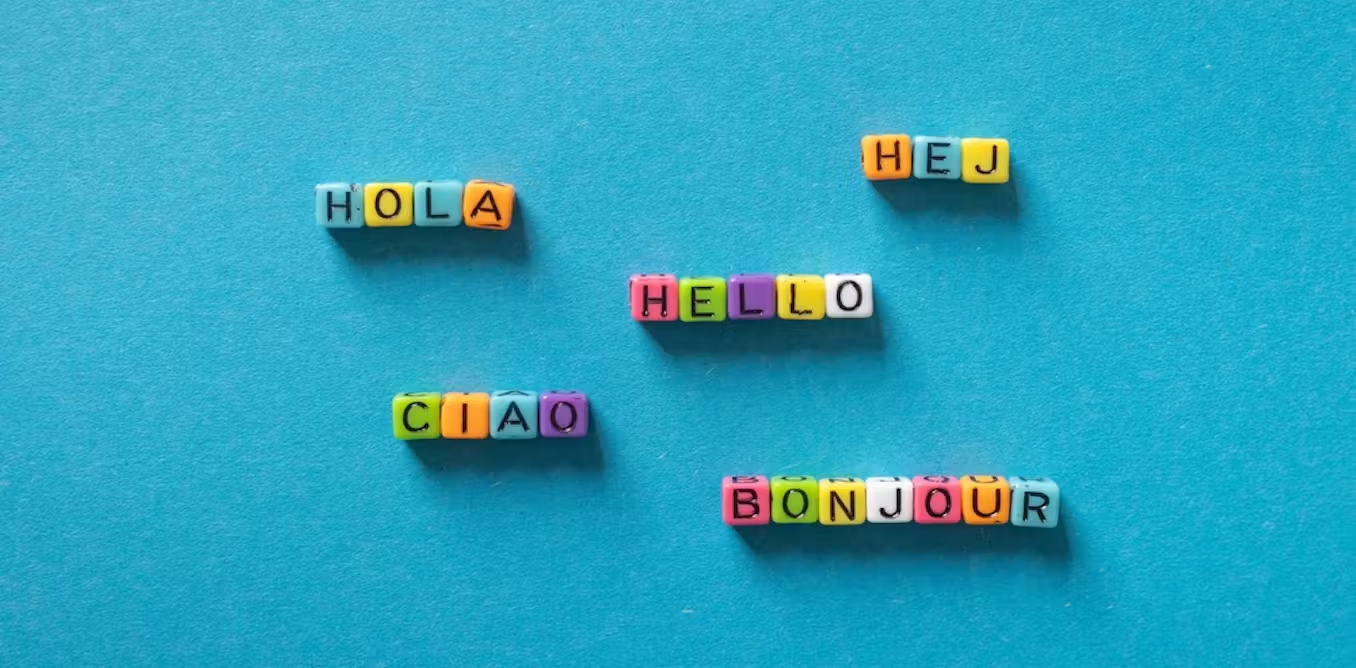
Preliminary findings presented at a recent scientific conference suggested that people who speak more languages tend to have younger brains. Speaking two languages was linked to a six-year delay in brain ageing, and speaking four languages was linked to a delay of up to 13 years.

Advertisement

A separate study of more than 86,000 people across 27 European countries found that people who spoke only one language were more than twice as likely to show faster brain ageing. Speaking two languages cut that risk by 30%, according to the findings.

The theory is that learning languages builds what scientists call brain reserve – extra connections between nerve cells that help the brain withstand the damage caused by ageing and disease.

But the picture may not be so simple. It could depend on how the research is done, who is being studied, and why someone speaks more than one language in the first place.

Delayed diagnosis, not lower risk

When researchers combined the results of several studies, they found that speaking more than one language didn’t actually lower a person’s risk of developing dementia. What it did do was delay diagnosis by two to five years.

Advertisement

One explanation is that learning another language builds vocabulary and problem-solving skills, which may help hide the early signs of dementia rather than prevent the disease itself.

There’s another complication. Most studies on this topic have focused on white, middle-class people in the US and Europe – people who often grew up speaking several languages thanks to a good education and supportive parents.

This same group is also more likely to do other things that protect the brain, such as reading for pleasure, playing sport or learning a musical instrument, all of which have been linked to a lower risk of dementia.

There’s also a chicken-and-egg problem. People with good memories for words and language rules – and the support and motivation to use them – may simply be more likely to become multilingual in the first place.

Advertisement

And being middle class generally means a healthier lifestyle: better food, better healthcare, more time for leisure and less stress – all of which reduce dementia risk on their own.

Why migrants don’t fit the pattern

If speaking multiple languages were simply protective, you’d expect migrants – who often need to learn a new language – to have a lower dementia risk. In fact, the opposite is true. Several studies have found migrants face a higher risk.

The reasons are complicated. Poor health, social isolation and depression, particularly among migrant women, may all play a part, sometimes linked to limited language skills stemming from a lack of education.

This suggests that being able to communicate well enough to express your needs and get support may matter more than simply speaking another language.

Advertisement

Indonesia has the largest multilingual population in the world, with more than 200 million people speaking more than one language. Yet dementia rates in some parts of the country are double those in wealthier western nations, according to research my colleagues and I conducted.

Indonesia has the largest multilingual population of any country.
N.A.Wicaksono/Shutterstock.com

This is especially true in poorer rural areas with low levels of education, and among women. But even there, staying socially active and exercising reduced dementia risk.

If the brain reserve theory holds up, learning a language later in life could help the brain form new connections and cope better with ageing. The process also increases blood flow – and with it, oxygen and nutrients – to the parts of the brain being used. This fits with the “use it or lose it” idea, that the brain works a bit like a muscle.

As dementia takes hold, people often lose their weaker, second language first. That would explain why its protective effect on the brain fades and why diagnosis is often delayed rather than prevented.

Advertisement

To really test whether learning a language protects the brain, we need studies that compare older people who learn a new language with those who don’t. So far, this kind of research has produced mixed results. About half of the studies found no effect on cognition.

As with most dementia research, one thing is clear: no single habit – including learning a language – is likely to be the deciding factor in whether someone develops the condition.

Source link

Advertisement
Continue Reading

Trending

Copyright © 2025