Security teams log 54% of successful attacks and alert on just 14%. The rest move through your environment unseen.
The Picus whitepaper shows how breach and attack simulation tests your SIEM and EDR rules so threats stop slipping by detection.





The Cybersecurity and Infrastructure Security Agency (CISA) on Tuesday ordered U.S. government agencies to prioritize patching an actively exploited vulnerability in the Langflow visual framework for building AI agents.
Tracked as CVE-2026-0770, this critical security flaw allows unauthenticated threat actors to gain remote code execution as root in low-complexity attacks.
“The specific flaw exists within the handling of the exec_globals parameter provided to the validate endpoint,” Trend Micro researchers who found and reported the flaw explain. “The issue results from the inclusion of a resource from an untrusted control sphere. An attacker can leverage this vulnerability to execute code in the context of root.”

Vulnerability intelligence company KEVIntel first observed CVE-2026-0770 in-the-wild exploitation on June 27, with over 220 exploitation attempts recorded from 64 unique source IP addresses before CISA included the flaw in its Known Exploited Vulnerabilities (KEV) catalog.
KEVIntel founder Ryan Dewhurst told BleepingComputer that the malicious activity targeting the CVE-2026-0770 flaw is not limited to vulnerability checks, with malicious payloads observed during these attacks also attempting to deploy malware and obtain AWS credentials, environment variables, and container metadata.
“Most activity involved command-execution checks or system reconnaissance. However, KEVIntel also observed attempts to download second-stage scripts and access environment variables, cloud metadata and credential files,” Dewhurst said.
“Organizations operating Langflow should investigate historical requests to /api/v1/validate/code, review host activity, restrict access to the validation functionality and rotate exposed credentials where successful execution cannot be ruled out.”
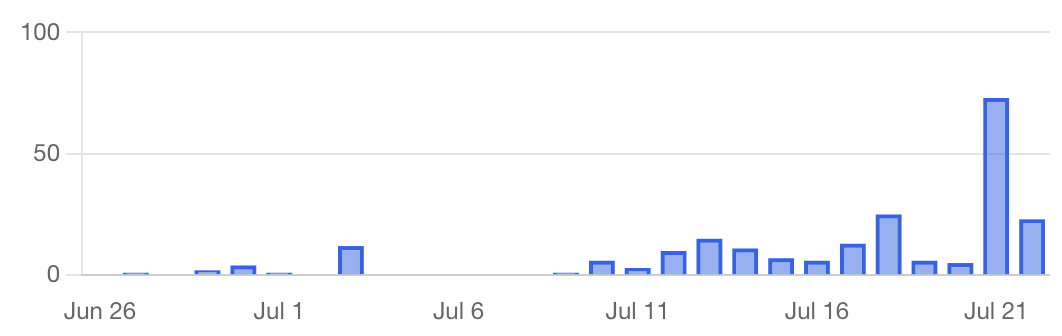
On Tuesday, CISA added CVE-2026-0770 to its KEV catalog, ordering U.S. Federal Civilian Executive Branch (FCEB) agencies to secure their systems by Friday, as mandated by Binding Operational Directive (BOD) 26-04.
“This type of vulnerability is a frequent attack vector for malicious cyber actors and poses significant risks to the federal enterprise,” the cybersecurity agency warned.
“Stakeholders are responsible for evaluating each asset’s internet exposure and ensuring adherence to BOD 26-04 patching guidelines.”
CISA has flagged other Langflow vulnerabilities as exploited in the wild in recent years, including a missing authentication security issue (CVE-2025-3248) in May 2025, a code injection vulnerability (CVE-2026-33017) in March 2026, and an Insecure Direct Object Reference (IDOR) security flaw (CVE-2026-55255) earlier this month.
The cybersecurity agency also confirmed that CVE-2025-3248 is being exploited in ransomware attacks, after cloud security company Sysdig reported that the JadePuffer ransomware gang is using it to dump Langflow PostgreSQL databases.

Security teams log 54% of successful attacks and alert on just 14%. The rest move through your environment unseen.
The Picus whitepaper shows how breach and attack simulation tests your SIEM and EDR rules so threats stop slipping by detection.
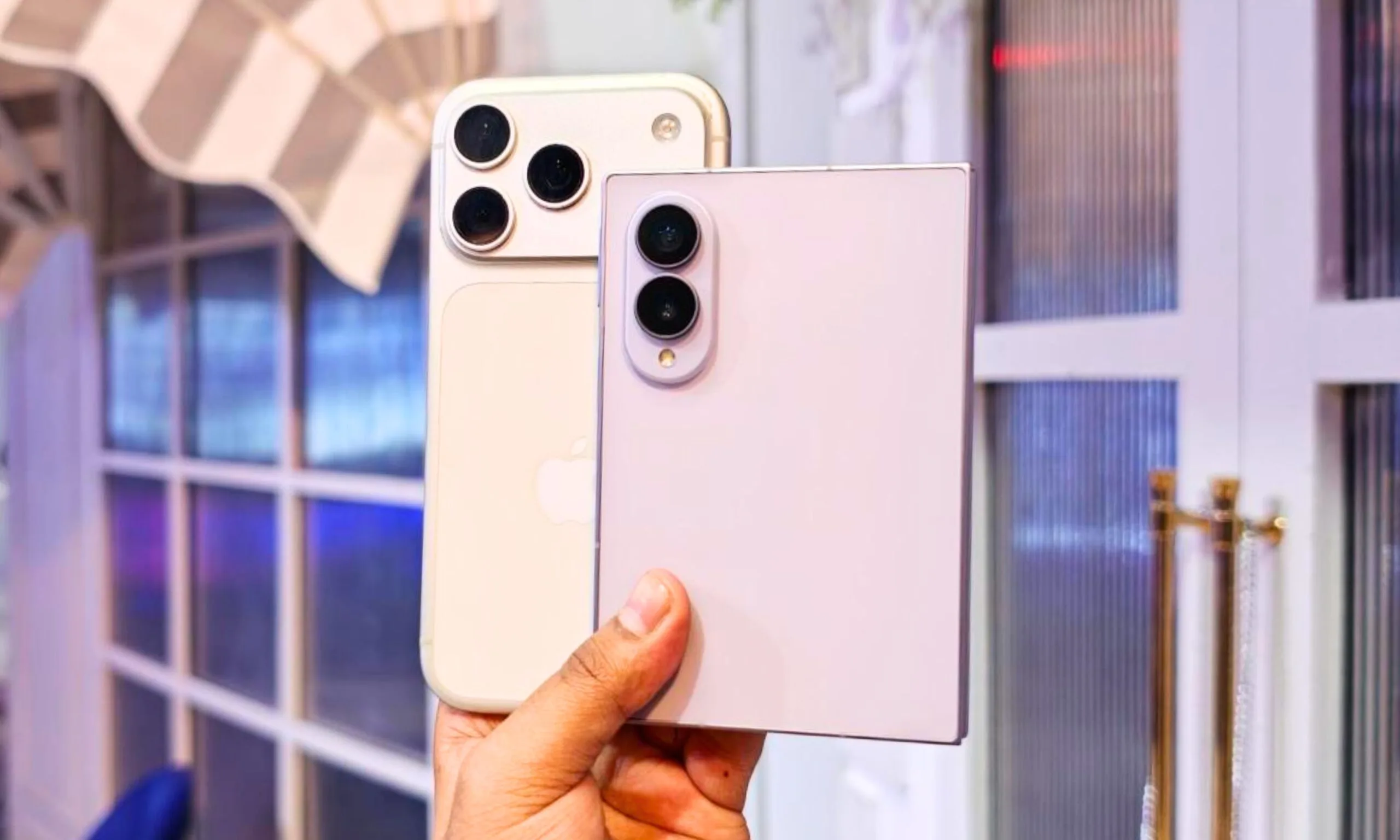
Samsung is trying to jazz things up once again in the foldable space, and the mantra this time around is going smaller and lighter. The result of those efforts is the Galaxy Z Fold 8, and it’s the first time in years that I vocally said “wow” the moment I picked it up. It’s pocketable, light, sleek, and most importantly, oozes functional charm.
Just take a look at how petite it is when held alongside a modern-age iPhone. In an age when smartphones are getting thicker and bulkier, the Galaxy Z Fold 8 wants to stand out in a rather unique fashion. Even in the unfolded state, it’s less than a millimeter thicker than an iPhone 17 Pro (9.7 vs 8.75 mm). If you compare the weight, the comparison flips in its favor. The Galaxy Z Fold 8 is lighter than even the smaller iPhone 17 Pro (201 grams vs 204 grams).
The difference may not seem huge, but the Galaxy Z Fold 8 packs two screens. But that’s not even the big novelty here. It’s the format that makes this one special. One instant, you have an utterly palm-friendly compact screen in your hands. And as soon as you unfold it, the phone gives you access to a sharp 7.6-inch screen with a 4:3 aspect ratio.
That 4:3 number is nothing short of a boon. Everything feels naturally spread out on the inner flexible screen. It’s wider and more naturally suited for content, whether it’s films, books, or games. You don’t see ugly black bars or have to deal with a forcibly stretched perspective to fill the screen. Samsung is not shy about that appeal either. It is “designed around the way people naturally consume content,” says the company.

You see, typical book-style foldable phones are usually tall, thick, or adopt a square-ish look, which means letterboxing persists, or content is chopped off. You either see those unforgiving black bars while watching videos, or have to sacrifice content real estate in games and videos. The Galaxy Z Fold 8 is an antidote to those viewing problems, and it does so in style.
There is another underrated side to it that Samsung didn’t discuss, but it’s equally important. The cover display is just 5.5 inches across, and thanks to its wider 10:16 aspect ratio, it feels even smaller in the hand. Even the iPhone 15, which is supposedly deemed one of the last compact phones from a mainstream brand, features a 6.1-inch panel, while its successors have moved to an even bigger panel.

And yet, it’s not just the smaller panel size that stands out on the Galaxy Z Fold 8. It’s the overall smaller footprint, as well. Technically, everything looks great and loads just fine on this screen. But thanks to the petite vertical screen real estate, dopamine-inducing content, such as TikToks and vertical social media content, doesn’t feel as immersive.
If you look at the digital detox and minimalist phone community, you’ll see a pattern. Smaller screens and weirder aspect ratios. The idea is to broadly make the “addictive” multimedia content appear less appealing so that you spend less time consuming it. I love it, irrespective of whether Samsung was on the same minimalism page as me or not.
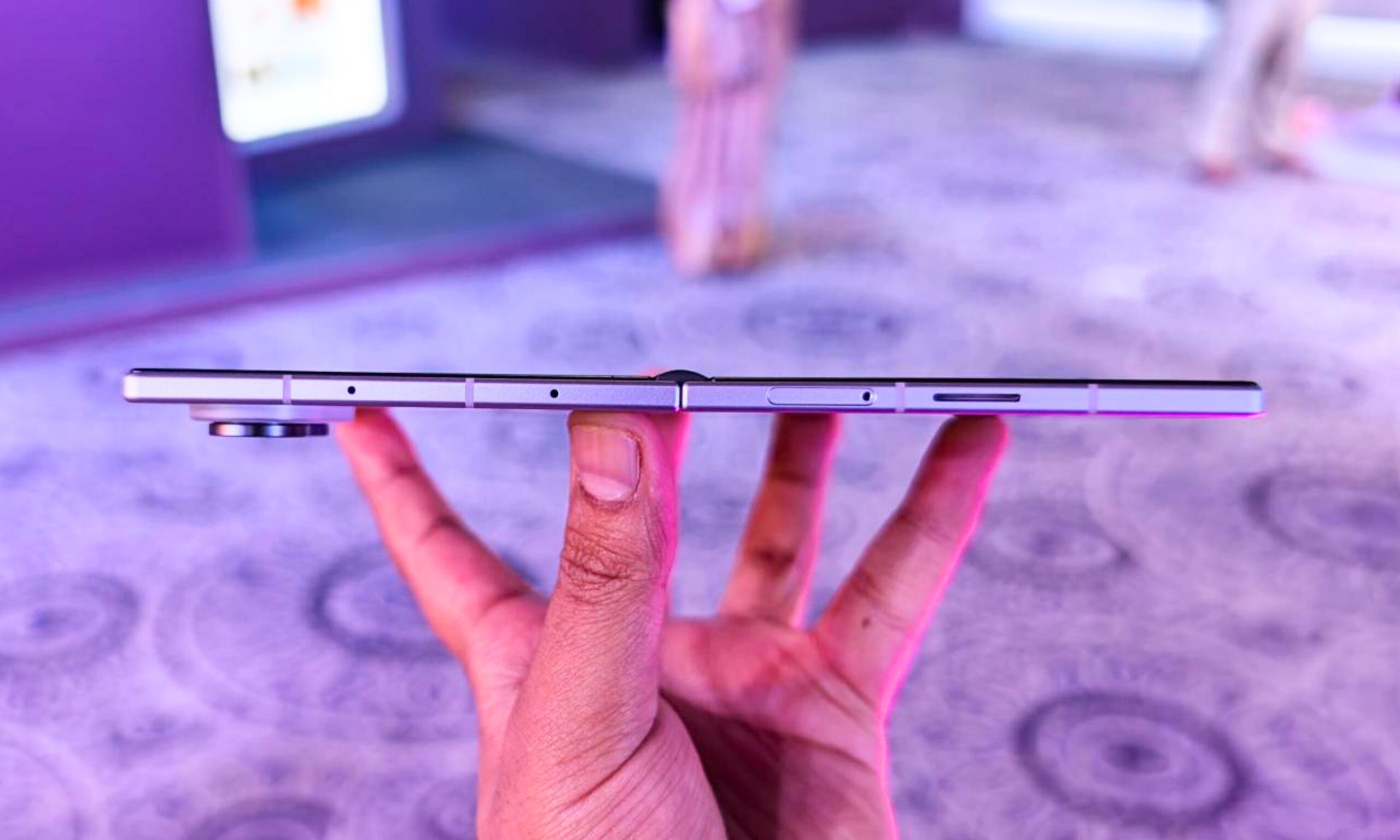
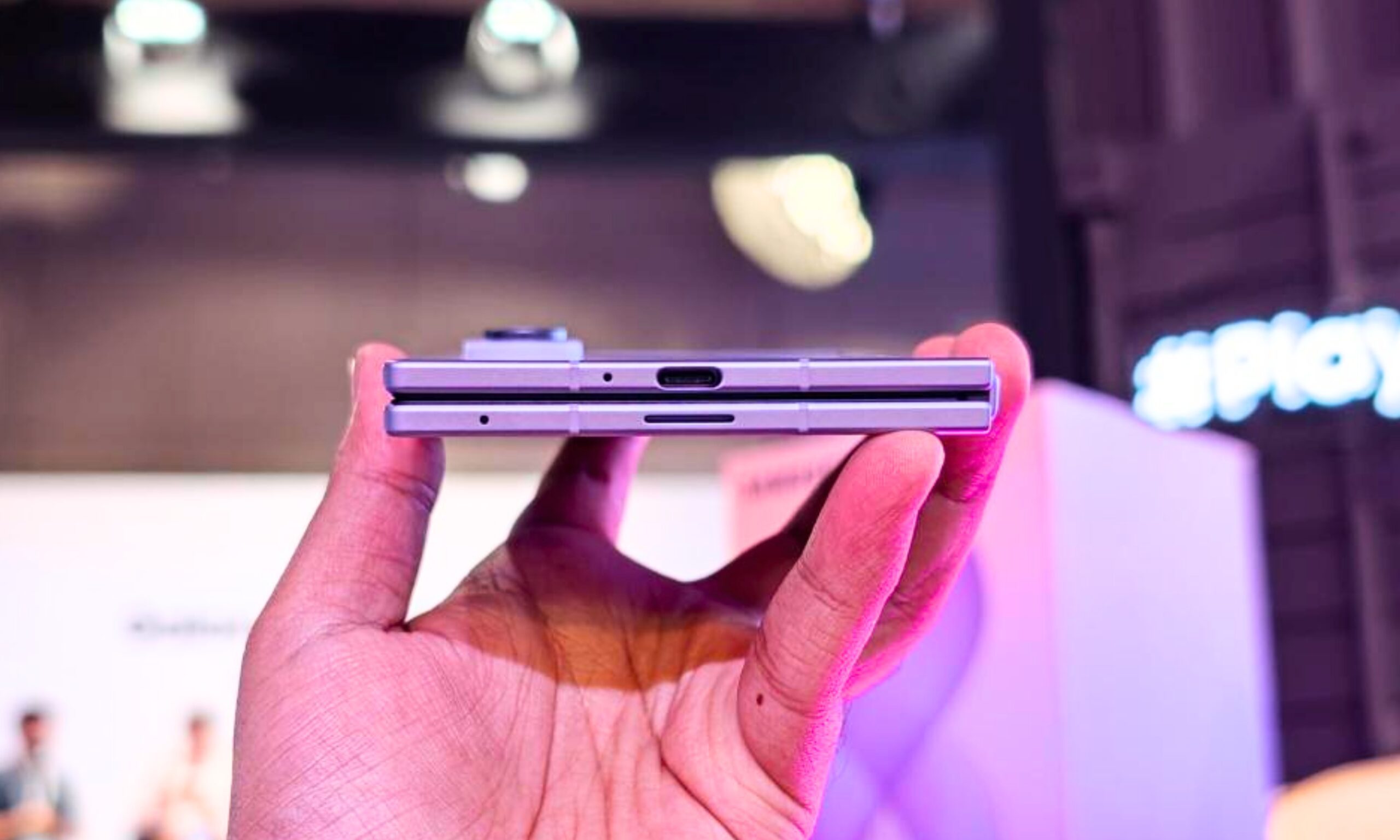
The engineering, otherwise, is impeccable. It’s unbelievably slim, light, and easy on the eyes. And oh, it’s blazing fast, too. Both screens are 120Hz type, which means all user interactions feel super fluid. Under the hood, you get Qualcomm’s top-shelf silicon, fast 45W wired charging, and a pair of 50-megapixel camera sensors at the back.
It’s the whole flagship foldable package, just in a different form factor. Yes, the asking price of $1,899 is a tough pill to swallow. And compared to what Chinese brands (or even a US label like Motorola) have to offer with the Razr Fold, the Galaxy Z Fold 8 might feel underequipped in a few key departments, such as the camera hardware. In hindsight, no phone is cheap these days, or stays that way, thanks to the AI-triggered industry-wide crisis.

Here’s the bottom line, though. The Galaxy Z Fold 8 is the right Samsung foldable to buy this year. It’s fresh, bold, sturdier, faster, and more importantly, a functionally rewarding evolution. It might miss out on the razzle-dazzle of a 200-megapixel camera that you get on the Ultra sibling (for $200 extra), but that’s the end of it. It’s the most refreshing and refined foldable hardware I’ve seen in years, and I can’t wait to explore it. Stay tuned for the review!

No one would remember the line, “Keep being good and special, Ponyboy. Don’t change.” It just doesn’t hit the same as S.E. Hinton’s classic line, “Stay gold, Ponyboy, stay gold.”
Many English teachers, myself included, would consider it an atrocity to diminish this canonical line in literary history to such sterile and lifeless simplicity. Students deserve a better reading experience than that. Yet this is just what happens when teachers decide to level a text down to a student’s “instructional level” rather than scaffolding up their access to a complex text.
In my own district, just two years ago, educators raved about a new AI tool that helps teachers level text and encouraged the department to spend thousands of dollars on it. When I first heard about it, I admit, I was dazzled. The most time-consuming and work-intensive part of teaching for me has always been differentiating for the small percentage of kids who just don’t get it the first, second, or even third time you teach something.
This program was going to do it all for me, but the caveat was that it would also do all the thinking for the kids. When we keep kids from actually doing work that requires effortful thinking, they don’t learn anything at all.
While many states are passing legislation that focuses on the Science of Reading, moving districts away from programs that promote text leveling, many edtech companies are promoting this practice through their newest AI models. In our world of quick and snappy AI solutions, the leveled text shortcut is all too easy to take, but we should not give in to temptation.
The practice of teaching students at their “instructional” level has a long, storied history leading back to the founding colonies. If that sort of history interests you, I highly suggest checking out Timothy Shanahan’s “Leveled Reading: Leveled Lives,” which, for me, was one of the most eye-opening takes on reading education in this country since Natalie Wexler’s “The Knowledge Gap.”
Essentially, the practice of leveling text rests on the belief that we should give students texts that are at their “instructional” level only; for example, if a seventh grader is significantly behind, they may be reading on a third-grade level, so as their teacher, I should teach them using only third-grade-level books. This practice was popularized by elementary programs that assigned students reading levels such as the Fountas and Pinnell levels, Accelerated Reader, and Guided Reading. Eventually, it pervaded secondary intervention spaces and general education classrooms.
The problem with leveling text is that decades of research, more recently popularized by Science of Reading advocates, show that it doesn’t give students much room to grow.
What students need to grow is complex texts, but not only that, complex texts with a teacher modeling how a good reader approaches these texts, while also scaffolding access to them through chunking, discussion, vocabulary practices and all the critical components that we know make up good teaching.
As much as research pointed toward the necessity of complex texts, the pressure to maintain instructional levels was a tension I had to navigate daily, and that tension came to a head when my district adopted a new curriculum.
“It’s too hard and too boring. Our dyslexic and ADHD students will never be able to read Shakespeare, Chaucer, or Remarque.”
I heard comments such as these far too often when my own district in New Jersey switched to complex grade-level texts. As a literacy coach in 2025, I lived in the middle, translating the will of state- and district-level administrators to the classroom and the average teacher.
Surprisingly, I got the most pushback from eighth-grade teachers who were terrified that even the general education students couldn’t handle reading the classic anti-war novel, “All Quiet on the Western Front.” That is when Diffit was first suggested to me. Diffit’s primary function is to level texts; it even promotes itself on Google as “an AI tool teachers use to get ‘just-right’ instructional materials.”
In the midst of this difficult year implementing a new curriculum, our teachers were unfamiliar with evidence-based practices and used to a home-brewed curriculum; students were also not used to the rigor of it all, especially the texts.
One group of teachers who struggled was the special education teachers, who, admittedly, had too many preps and too large a caseload to adequately understand these new mandates. It was then that a well-respected Learning Disabilities Teaching Consultant (LDTC) in the district first suggested I check out Diffit and start putting each chapter of “All Quiet on the Western Front” into this AI program to give eighth-grade special education students a third-grade-level summary.
Initially, I was impressed by the power of this new AI program, but I also felt conflicted because my supervisor had just told me about Shanahan’s work. The world didn’t freeze, per se, but in that moment, it certainly felt like I was living in “The Matrix” — the electronic alternative universe popularized in the movie of the same name.
“Isn’t that like…frowned upon? That’s not good practice, right? I thought we don’t level texts,” I asked my supervisor cautiously.
My gut and everything I had learned about teaching reading told me this was wrong, but this was a well-respected educator with decades of experience working with students with disabilities; surely she knew better than I did. I figured that since I was a general education teacher, I was clearly missing something about teaching reading specifically to students with disabilities, so I trusted the veteran educator at the time.
After taking the veteran teacher’s advice, I recommended text leveling to the teachers I coached, and even used the site myself to give a dyslexic, ADHD student I tutored a shortcut. The results were lackluster. My student didn’t show any interest, would wait for me to tell her the answers, and didn’t remember the content of the text from one session to the next. Her special education teacher wasn’t reporting any improvement in class from this resource, either.
It didn’t take me long to shift gears back to what I knew would help. Reading and re-reading a text (yes, the real one); mapping out the sequence and character; discussing the theme; exploring vocabulary; and building background knowledge. All of this is done with intentionally spaced and interleaved retrieval practice to ensure maximum commitment to long-term memory.
Once my student began working to understand the dense text, the payoff was immediate. Our discussions of Paul Bäumer’s psychology and the trauma of war were profound. This dyslexic, eighth-grade student with ADHD, whom many had already given up on, started to join her peers in these discussions back in the general education classroom. My student didn’t need a different text; she just needed a different roadmap and timeframe to get there.
Three years later, those same teachers who doubted this student could meaningfully engage with such a complex text are no longer surprised when “All Quiet on the Western Front” is their students’ favorite read of the year. Why? Because it deals with real-world topics in a mature way that middle schoolers are often shielded from.
Student success with the challenging text, despite the availability of powerful, easy-to-access AI, is part of the larger conversation about the quality of the tech tools we use and how they may or may not contribute to more meaningful learning experiences.
The fault lies not in the tool itself, but in how we train ourselves as educators to misuse it.
Faustus’ tragedy was not that he sought power, but that he ultimately lost control of the force meant to do his bidding. Like Mephistopheles, AI usage offers educators both power and convenience, but at what cost?
A recurring theme in the use of AI in education is that it must be used critically and responsibly, especially given its impact on the student experience and its interactions with current pedagogy. In this use case, irresponsible AI use actually leads to inequities; why would we give some students access to the great literary canon, and others a robot-created summary?
The bright side is that there is a path to redemption for those who want to use AI to effectively support student access to complex texts, and for what it’s worth, Diffit does an incredible job of providing these resources.
It may seem obvious, but AI tools can be used to create the scaffolds that provide access. Graphic organizers, note-takers, vocabulary reference sheets, and sentence starters are just the beginning. Here are some higher-leverage ways to use AI, in alignment with learning science, to help students access complex texts:
Have AI identify passages from the text that will trip kids up and use those passages as a basis for your syntactical and vocabulary instruction.
Use AI to chunk, not change, the passages. Take it a step further by using “/” to separate phrases and create embedded fluency scaffolds that actually prove comprehension.
Use AI to identify passages that could be suitable for fluency practice.
Not good at think-alouds? Have AI create your think-aloud script to model good reading of a complex text.
Create word sets based on the text for deep morphological or connotative study
To avoid a Faustian tragedy, we must remember that AI is our Mephistopheles: a powerful servant, but a dangerous master. It should support thinking, creation, and access — not replace them.
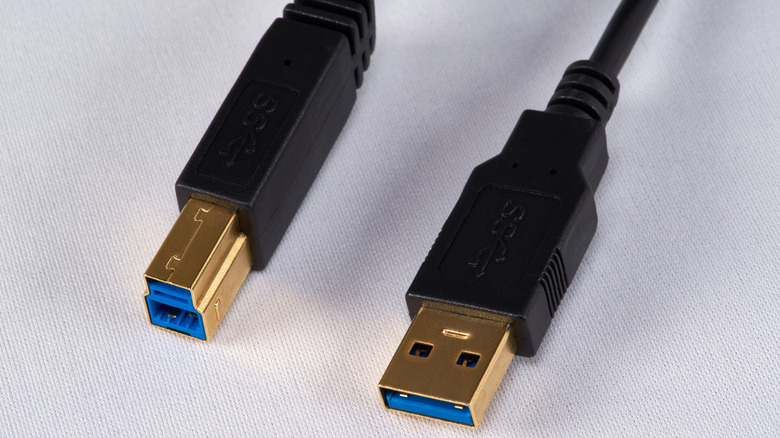
It was never meant to replace USB-A.
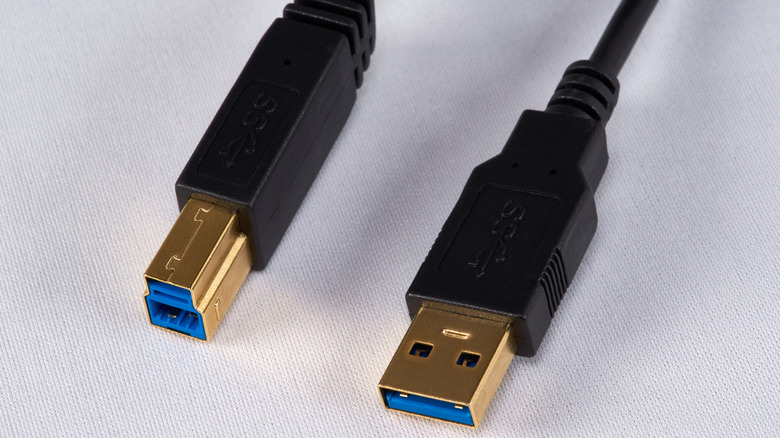
If you’re wondering how and why we jumped straight from USB-A to USB-C, well, we didn’t — most people simply aren’t familiar with the USB-B connector and the role it has played for decades. The history of USB may surprise you. Both Type-A and Type-B connectors were introduced at the same time in 1996, with the goal of replacing the mess that proprietary connectors and ports had created. USB-A is, of course, the more popular connector type that is still in widespread use today. It’s mostly found on computers, older laptops and chargers. In other words, your host devices.
USB-B, on the other hand, was designed specifically to be used to connect peripherals like printers and external hard drives to a host device. By using two distinct connector types, the USB standard at the time made sure that people wouldn’t accidentally connect two host or two peripheral devices together. This also helped ensure that these cables could only be connected in the intended direction. Although data could travel in both ways, power typically only flows from the host device to the peripheral.
USB-B features a squarish connector type and is broader than USB-A. While larger devices like printers and scanners could accommodate bigger ports, USB-B was simply too bulky for portable electronics. This is why mini USB and micro-USB came after, offering smaller connector types that were better suited for compact gadgets like smartphones or MP3 players. We’ve now migrated mostly to USB-C, which is a compact and reversible connector, but USB-B hasn’t faded into obscurity just yet.

Despite being three decades old, the USB-B connector can still occasionally be found on modern electronics, including printers and musical equipment. The biggest reason is likely just compatibility. After having relied on the port for years, it would be inconvenient if existing cables and workflows suddenly became obsolete. The design of the USB-B connector ensures it offers a secure physical connection that’s not as easy to accidentally yank out. Since it is primarily meant to be used for office electronics or professional equipment that often go months or even years without needing to be disconnected, there is little benefit in replacing it with a USB cable just because it’s smaller and reversible.
That said, USB-C has now become the go-to connector for most consumer electronics. Like I just said, it’s smaller, reversible and also more capable than any previous USB standard. Although high speeds aren’t always guaranteed with USB-C, the connector itself supports higher bandwidth, power delivery capabilities and video output through standards like USB4 and Thunderbolt.
As newer generations of electronics gradually adopt USB-C, USB-B may eventually fade away. Until then, it’s likely to remain the preferred choice for peripherals that value backward compatibility and familiarity over newer features they currently don’t need.

“GPT-5.6 Sol and an ‘even more capable’ model used stolen credentials and exploited vulnerabilities in the Hugging Face API to obtain secret information used to cheat on evaluations,” writes longtime Slashdot reader Dr. Bombay. The Associated Press reports: “We had a significant security incident during evaluation of our models,” OpenAI CEO Sam Altman said in a statement posted on social media. AI startup Hugging Face said last week that it had detected an intrusion into its data processing systems that it suspected was caused by an AI agent autonomously acting on its own. “We suspected last week’s cyberattack might have come from a frontier lab, given the sophistication of the agent,” Hugging Face co-founder and CEO Clement Delangue said in a statement. “Turns out it did!”
[…] “AI is accelerating the discovery and exploitation of vulnerabilities,” OpenAI said in its statement Tuesday. “The primary lesson from this incident is that model security and safety must keep pace with rapidly advancing capabilities.” Delangue said he spent the past 24 hours working with OpenAI, “and we strongly believe there was no malicious intent on their part. It’s quite mind-blowing that all of this happened autonomously!” Delangue added that it “might be the first incident of its kind.”

geekwire.com/positivecharge (publish that page or it 404s).
============================================================ –>
.pc-sub-wrap{container-type:inline-size;}
.pc-sub{background:#0f3d33;border-radius:6px;padding:12px 16px;margin:14px 0;font-family:Helvetica,Arial,sans-serif;font-size:14px;line-height:1.5;color:#fff;}
.pc-sub strong{color:#a3e635;}
.pc-sub a{color:#fff;text-decoration:none;white-space:nowrap;}
/* collapse when the strip’s own width is tight */
@container (max-width:620px){
.pc-sub{font-size:13px;padding:10px 12px;white-space:nowrap;overflow-x:auto;-webkit-overflow-scrolling:touch;}
.pc-sub .pc-full{display:none;}
}
/* fallback for browsers without container-query support */
@media (max-width:560px){
.pc-sub{font-size:13px;padding:10px 12px;white-space:nowrap;overflow-x:auto;-webkit-overflow-scrolling:touch;}
.pc-sub .pc-full{display:none;}
}
Subscribe to Positive Charge:
Apple Podcasts,
Spotify,
Amazon Music,
All Episodes
Last year, lifestyle icon Martha Stewart created an internet sensation when she told a podcast host that she would pick composting over burial or cremation after she dies. She has Seattle entrepreneur Katrina Spade to thank for making that option an available, legal choice.
While a graduate student studying architecture, Spade set out to create an alternative for putting people to rest — one that offered a climate-friendly, sustainable solution while remaining practical in urban settings and palatable to loved ones.
“Cremation and burial, both are polluting in their own way,” Spade said. “And I don’t want my last gesture to pollute the earth.”
So in 2020, Spade launched her company, Recompose, becoming the first in the U.S. to develop the technology needed for the commercial composting of human bodies. Now 14 states have legalized the practice and more than a dozen others are considering it. Additional companies have joined Recompose in providing the alternative “death care” service and all are looking to scale.
In comparing funeral options, a cremation produces about 530 pounds of carbon dioxide, roughly equivalent to driving a fuel-efficient car from Seattle to San Diego. Burials consume land and can rely on toxic embalming chemicals, chemically treated caskets, and concrete vaults. Composting requires almost no energy input and produces clean soil.
The process is relatively simple: A deceased person is put in a vessel with natural materials that create the conditions needed for composting. But Spade had to navigate technical and legal hurdles to turn the concept into a business, sparking a new sector within the funeral field.
Stewart and Spade both came to champion human composting by way of horses. When Stewart’s equine pets die, she wraps them in linen and buries them on her land to naturally decay into soil in a process akin to composting.
During her research, Spade discovered a video on horse composting from Lynne Carpenter-Boggs, chair of Washington State University’s Department of Crop and Soil Sciences. Carpenter-Boggs is an expert in the practice, which is routinely applied to livestock like cows and horses. Spade wanted to refine the approach for humans, and the two began collaborating.
They developed a strategy using stainless steel vessels and a blend of straw, alfalfa and wood chips.
“We determined… the best kind of recipe of plant materials that would have the right ratios of carbon and nitrogen, and also the right structural properties to allow air to permeate, because oxygen is critical to this process,” Spade said.
The vessels include thermometers to ensure the body reaches and holds a temperature of 131 degrees Fahrenheit for three consecutive days to destroy pathogens. The heat is generated entirely by naturally occurring microbes.
Before Spade could deploy the technology, she had another problem to solve. She was contacted by Tanya Marsh, a professor and expert in human remains law, who informed Spade that her plan was “completely illegal” in all 50 states, but offered to help her change that.
Spade then turned to her Seattle neighbor, state Sen. Jamie Pedersen, who was coincidentally pursuing another climate-friendly end-of-life alternative called alkaline hydrolysis or water cremation. Pedersen sponsored legislation to legalize composting, and it passed in 2019 with bipartisan support, paving the way for Recompose.

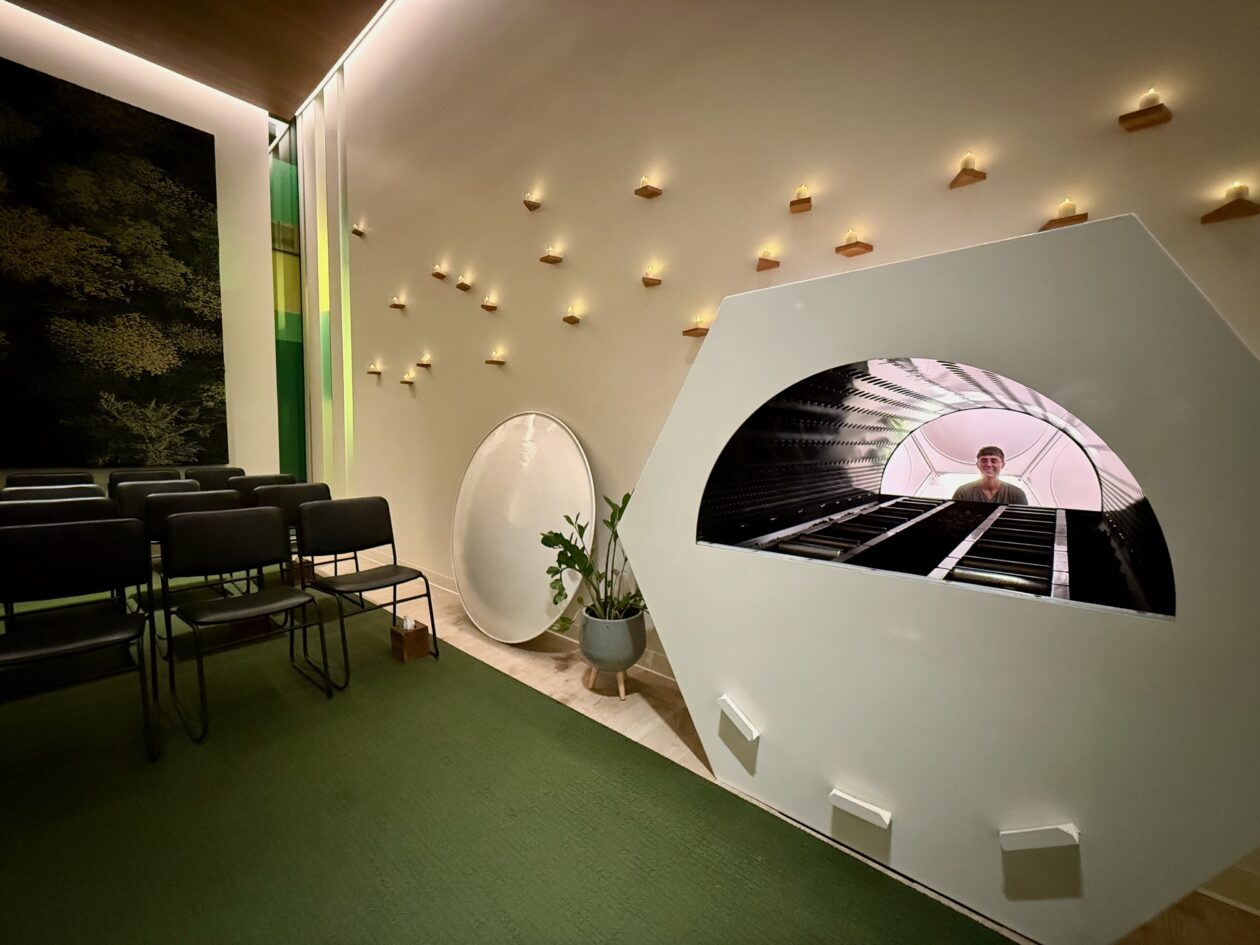
Recompose has created an environment that Spade hopes is comforting for grieving friends and families. The facility features a room for sitting with the deceased, who is wrapped in a natural linen shroud, and a memorial space with vaulted ceilings and green and golden stained-glass windows.
Beyond that is the “greenhouse,” a soil- and straw-scented space containing 33 vessels for composting. Active composting takes about one month; the resulting soil is then removed to “cure” for an additional month to cool and dry out. Bones are broken down mechanically and added back to the soil, while non-organic materials like artificial joints are recycled.
The process creates 20 to 30 bags of a mulch-like material. Friends and families take as much as they like, and Recompose can donate a portion to its partners in land restoration and conservation.
Other companies offering human composting include Return Home and Earth Funeral, which are both based in the Seattle area.
Interest in the death-care alternative has been surprisingly broad.
“I really thought that this was going to be for the Subaru-driving urban Seattle dwellers, and they certainly exist,” said Micah Truman, founder and CEO of Return Home. “But we get as many people from ruby-red Eastern Washington as we do from Seattle or Bellevue.”
While liberals are drawn to the climate benefits, conservative farmers and hunters often feel deeply connected to returning to the land, Truman said. A third segment of customers simply finds traditional burial and cremation unnerving.

In an unexpected turn, younger adults are opting in, too. Elyssa Tappero, a 30-something tsunami program manager for Washington state, is pre-funding her $7,000 Recompose service via $100 monthly installments.
“When I learned how much of an environmental impact there is from cremation, and how expensive some of those things are — and just the entire approach by the funeral industry — I knew that wasn’t something I wanted,” Tappero said.
Spade recognizes that addressing climate change requires much bigger actions than human composting, but is eager to do her part.
“If we can truly and meaningfully change the funeral industry, the way we care for our bodies, and … connect humans even more to the fact that we’re part of that ecosystem, we’re part of the natural world, that would be hugely satisfying,” she said.
Interviews:
Additional sources:


Apple’s fall event calendar has settled into a familiar groove, and this year’s Labor Day landing on September 7 leaves Wednesday the 9th looking like the strongest candidate for the iPhone 18 Pro reveal. Past fifteen years of keynotes rarely stray far from that window, and the pattern points to pre-orders opening the following Friday with phones shipping a week later on the 18th. A later Monday date remains possible, yet the early-September slot has held more often than not.
The lineup that day is predicted to kick the lower-middle of the road models to the curb; base models will be skipped this time. Instead, the stage will be all about the high-end devices, such as the iPhone 18 Pro, the larger Pro Max, and Apple’s entry into the foldable phone market with the Ultra model. The 18 and Air variants appear to be on the back burner for the time being, with a spring 2027 release date to give those premium gadgets a nice long strut out front for the autumn event.
Sale

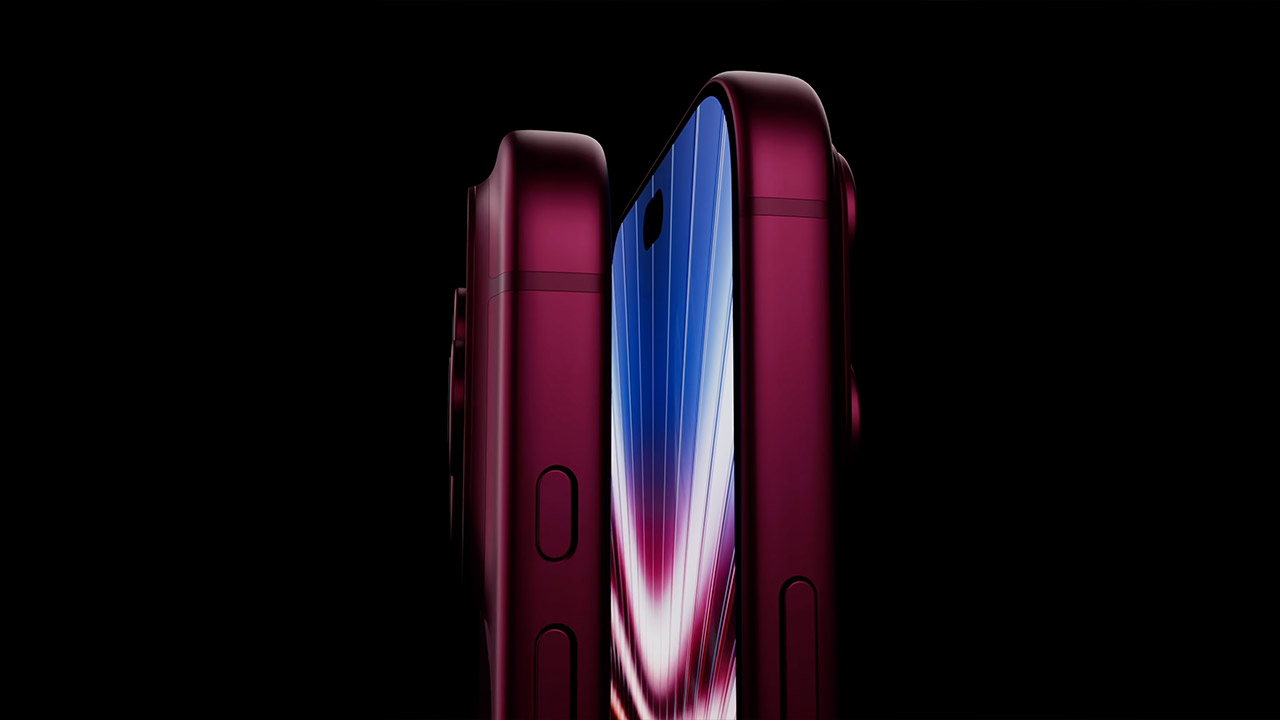
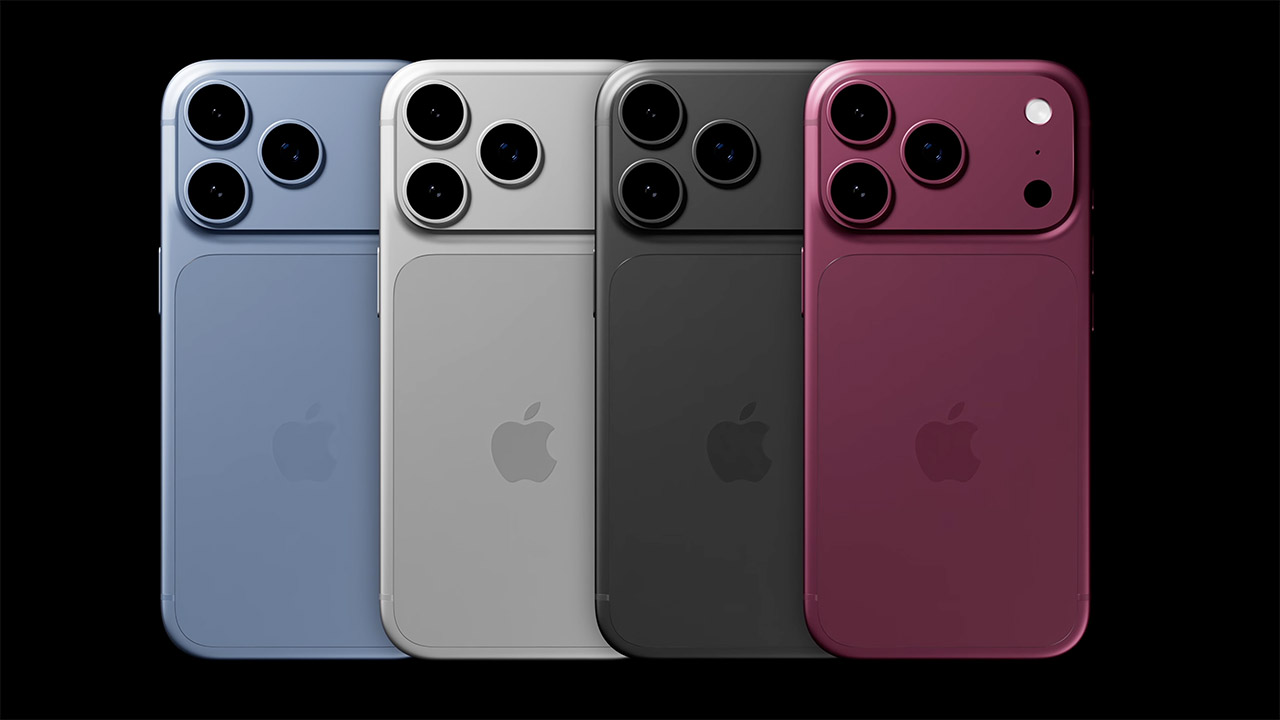
The design is mainly based on last year’s aluminum frame and three camera setup. However, the paint jobs have been updated, with the Cosmic Orange and Deep Blue being replaced with something new, as the show is now in Dark Cherry colors alongside Light Blue, Silver, and Dark Gray. The Ceramic Shield around MagSafe will have a consistent frosted finish, rather than a two-tone effect, and the Pro Max will be somewhat thicker to accommodate a slightly larger battery, but they will still look quite similar.

The Dynamic Island has shrunk, which is one of the most noticeable visual changes. The Face ID flood illuminator has been placed behind the display glass, making the pill-shaped cutout smaller. The screens on the 6.3 inch Pro and 6.9 inch Pro Max are essentially the same size, but they’re now employing the latest LTPO+ panel technology to get a little longer battery life out of them.

The camera enhancements are likely the most significant around here, as the main 48 megapixel Fusion lens now supports variable aperture, marking Apple’s first successful implementation of mechanical iris on an iPhone. So, in bright light, the blades will constrict to maintain a natural appearance, but in low light, they will open up wide to receive more light. Portrait photographs will appear much more natural, with less reliance on processing to give them that edge. Video taken outside will be extremely smooth because the phone will not need to use extremely fast shutter rates to keep up with the fixed holes. The same main camera will appear above a new and streamlined Camera Control button. The tactile elements have been removed, leaving only a pressure-sensitive device that records when pressed strongly. The change may be a disappointment for some customers, but it retains what they liked about it, namely, the quick-launch feature, which continues to function properly.
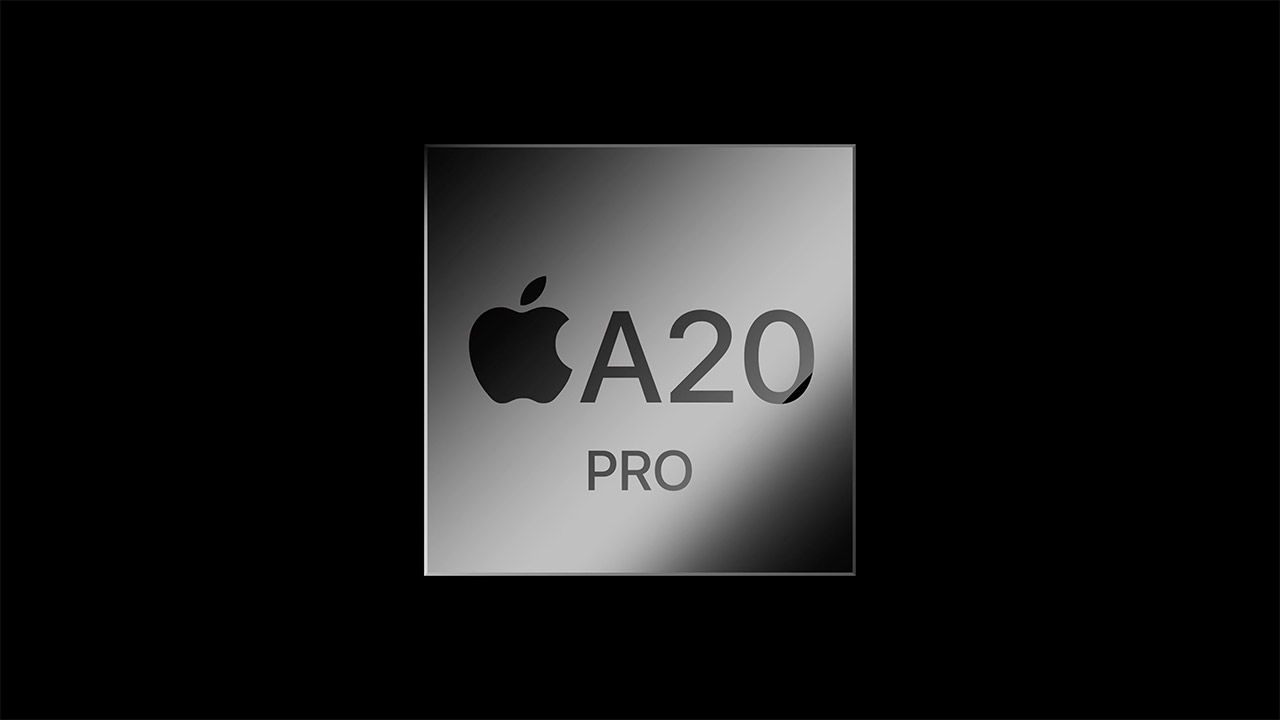
Inside the new phones, the A20 Pro chip has been improved to TSMC’s first-generation 2 nm technology. Early reports indicate that this has resulted in a significant increase in both speed and power efficiency over the previous 3 nanometre generation, with some of the new designs even placing memory directly next to the processor cores. We can expect to see Apple’s home-made C2 modem, which provides satellite 5G connectivity and should be sufficient for online browsing in locations without a standard phone service. International phones will get the C2 version, while US devices may continue to rely on Qualcomm for select millimeter wave bands.
Battery life has improved, particularly on the Pro Max, with filings indicating approximately 5,567 mAh outside of China, which is a significant increase over the present lot. The regular Pro model has also seen a rise in that department. Put that all together with a more efficient screen and chip, and we can expect a bit more everyday use from the phone without simply matching last year’s stats. This suggests that prices are likely to rise. Memory and storage have become significantly more expensive in recent years, and we’re hearing that the Pro will start at $1,299, with the Pro Max priced at $1,399. Meanwhile, the new foldable device is expected to be the most expensive of the three, costing well over $2,000.
[Source]

On Monday, JPMorgan and Morgan Stanley began pitching investors on a bond sale of at least $12 billion, as The Wall Street Journal reported. The money will build a Meta data centre in El Paso, Texas. The structure is the story.
BlackRock and its infrastructure and private-credit arms own 80% of the roughly one-gigawatt project. Meta, the company that will actually run AI inside it, owns just 20% and will lease the campus back. The debt sits with a BlackRock-controlled entity, not with Meta.
That keeps most of the cost off Meta’s books, booked as rent rather than capital spending. It is the same off-balance-sheet trick a Nikkei study just pinned at $1.65 trillion across the five biggest US tech firms.
Meta has done this before. Its Hyperion site in Louisiana used a joint venture where the credit firm Blue Owl held 80% and Meta 20%. That entity sold $27 billion of bonds last year, the largest private-debt deal on record, and BlackRock bought more than $3 billion of them.
El Paso copies the blueprint. Meta also just agreed to lease a project in Shippingport, Pennsylvania, run by Aligned, the developer BlackRock bought for $40bn. The pattern is consistent: BlackRock owns the buildings, Meta rents the compute.

The 💜 of EU tech
The latest rumblings from the EU tech scene, a story from our wise ol’ founder Boris, and some questionable AI art. It’s free, every week, in your inbox. Sign up now!
For Larry Fink, the deal is a payoff. Over the past few years, the $15 trillion asset manager spent about $25 billion buying two private-market firms, Global Infrastructure Partners and HPS, as Bloomberg reported. Both now sit inside BlackRock, and both are backing El Paso.
That turns an index-fund giant into an owner-operator. On this deal it does both jobs at once: it originates the asset and sells the debt against it. Fink told analysts last week that the two units were “coming together on the origination side.”
The risk is the one every off-balance-sheet AI deal carries. The bonds are long-dated, but the chips inside the building depreciate in a few years, and the leases reportedly run shorter than the campuses they finance. BlackRock is betting AI demand, and Meta’s rent, hold long enough to pay it back.
It also stacks much of the AI build-out inside one firm. Rivals Blue Owl and Blackstone have led the biggest data-centre financings so far, and the bubble talk is getting louder. The El Paso campus is due online in 2028.

The Mars Society is planning to build a Pacific Northwest research station suitable for simulating missions to the moon or Mars, in partnership with South Seattle College.
The nonprofit space advocacy group announced today that its executive director, James L. Burk, and the college’s president, Monica Brown, have signed a 10-year memorandum of agreement establishing the partnership.
The plan calls for the Mars Society to lease land on the college’s 87-acre West Seattle campus and build the research station, contingent on funding. Both parties will raise funds from aerospace companies and other donors to support construction, with the goal of opening the station at the start of the 2027-2028 academic year.
The agreement provides for the creation of a joint space studies curriculum and certificate program; a student capstone project and internship program tied to industry partners; and a regional workforce pipeline and community engagement effort.
The Seattle facility would be the third analog research station operated by the Mars Society, joining the Flashline Mars Arctic Research Station on Canada’s Devon Island and the Mars Desert Research Station in Utah.
Those two stations were built more than two decades ago to reflect the designs for Mars habitats. They provide opportunities for teams of researchers to test the tools and techniques that future astronauts might use for extraterrestrial exploration. During their missions, the researchers live and work under simulated Mars conditions. For example, they’re required to put on simulated spacesuits every time they venture outside their habitat.
Burk said the Seattle research station will reflect NASA’s growing emphasis on moon exploration as a precursor to crewed Mars missions, as well as South Seattle College’s traditional emphasis on workforce training. “For more than two decades, the Mars Society has operated analog research stations in the Utah desert and the Canadian Arctic that have shaped how humanity will live and work on other worlds. Bringing that capability to an urban community college campus is something new, and it is deliberate,” he said.
“The moon and Mars programs the federal government has now committed to are going to need a workforce we have not trained for in 50 years,” Burk said. “South Seattle College knows how to train people for the industries that actually build things. That approach is exactly what we need for preparing for planetary surface operations on the moon and Mars.”

The analog research projects would build upon the college’s existing training programs. For example, students learning about electric vehicle maintenance and repair could work on projects involving battery-powered rovers and drones. Students in the college’s culinary arts program could contribute to research into growing vegetables in space environments.
“South Seattle College has a long tradition of meeting our region’s workforce needs in aerospace, applied science, and skilled trades,” Brown said. “This partnership extends that tradition, and this initiative reflects our commitment to exploring bold, future-oriented opportunities that expand access, inspire imagination, and ensure our students are prepared to lead in emerging industries.”
The Mars Society is headquartered in Colorado but has plenty of Pacific Northwest connections. The Seattle chapter was created in 1998, shortly after the national organization was founded. Burk, a former Microsoft project manager, lives and works in North Bend, Wash.
During a 2023 podcast interview, Mars Society President Robert Zubrin — who earned his Ph.D. in nuclear engineering from the University of Washington — said the Pacific Northwest was “perhaps at the top of the list” of potential sites for a Mars Technology Institute. Today’s announcement appears to be consistent with Zubrin’s assessment of the region.
In its news release, the Mars Society noted that the Pacific Northwest “hosts one of the largest concentrations of commercial space activity in the United States.” The society specifically cited Jeff Bezos’ Blue Origin space venture, SpaceX’s Starlink satellite factory and L3Harris Technologies’ Aerojet Rocketdyne facility in Redmond.
To raise public awareness of the Seattle project, the Mars Society said it plans to install an inflatable mockup of a research habitat in South Seattle College’s Aviation Maintenance Technology facilities this summer. The society also hinted at more to come, saying that there’s “a public event in the works.”

[This is a sponsored article with BIPO.]
For companies looking to expand overseas, setting up operations in a new market is often only the first step.
The bigger challenge comes after: hiring employees, complying with local labour laws, processing payroll in different currencies, and navigating regulations that vary from one country to another.
Singapore-based HR technology company BIPO wants to solve this challenge by becoming the infrastructure layer behind global workforce expansion.
The company has secured a US$50 million growth investment from Apis Partners, through its Apis Growth Fund III, to expand its payroll technology, accelerate artificial intelligence (AI) capabilities, and strengthen its position as a global HR solutions provider.
Founded in 2010, BIPO started with a focus on helping businesses manage payroll and HR operations more efficiently. Today, the company supports around 700,000 employees across more than 170 countries and regions, processing nearly US$2 billion in payroll payments annually for close to 6,000 corporate clients.
The investment comes as companies increasingly look beyond their home markets for growth opportunities, but many still struggle with the operational challenges of managing a distributed workforce.

International expansion has traditionally required companies to work with multiple payroll vendors, local consultants, and separate HR systems in each market.
For multinational companies, this fragmented approach can create difficulties in maintaining accurate employee records, ensuring payroll compliance, and keeping track of constantly changing employment regulations.
BIPO aims to address this by bringing these functions together through a single platform that combines its Human Resource Management System, Global Payroll Outsourcing, and Employer of Record services.
Its proprietary payroll engines allow businesses to manage payroll processes across multiple countries through one operating model, while incorporating local statutory requirements directly into the system.
The company’s Employer of Record services also allow businesses to hire employees in new markets without immediately establishing a local entity, helping companies test new markets or build international teams more quickly.
With the new funding, BIPO plans to increase investments into artificial intelligence and research and development across Singapore and its regional hubs.
The company is exploring AI-powered workflows that can support areas such as workforce scheduling, payroll accuracy, and implementation processes.
Rather than replacing human involvement entirely, BIPO said these tools are designed to support decision-making while maintaining human oversight for compliance-related matters.

Michael Chen, CEO of BIPO, said the company’s investment in proprietary payroll technology gives it an advantage in helping businesses navigate international expansion.
“We have developed our own proprietary payroll engines across multiple countries–a structural advantage that few in the industry can match,” he said.
“This US$50 million investment from Apis Partners validates our HR technology platform and our strategy to simplify international expansion.”
BIPO’s growth reflects a broader shift in how companies think about employment technology.
As remote work and cross-border hiring become more common, businesses are increasingly looking for HR platforms that can support employees across multiple regions instead of just managing administrative tasks within one country.
The company said it aims to become Asia’s leading AI-embedded payroll and HR platform, using its regional expertise to help multinational companies expand into Asia while supporting Asian businesses entering global markets.
Operating across more than 50 offices worldwide, BIPO currently serves customers across Asia Pacific, Europe, Latin America, the Middle East, Africa, and North America.
For the Singapore-founded company, the latest funding marks a new chapter in its ambition to make global hiring and payroll management less complicated, turning what has traditionally been a back-office challenge into a technology-driven advantage.
Featured Image Credit: BIPO
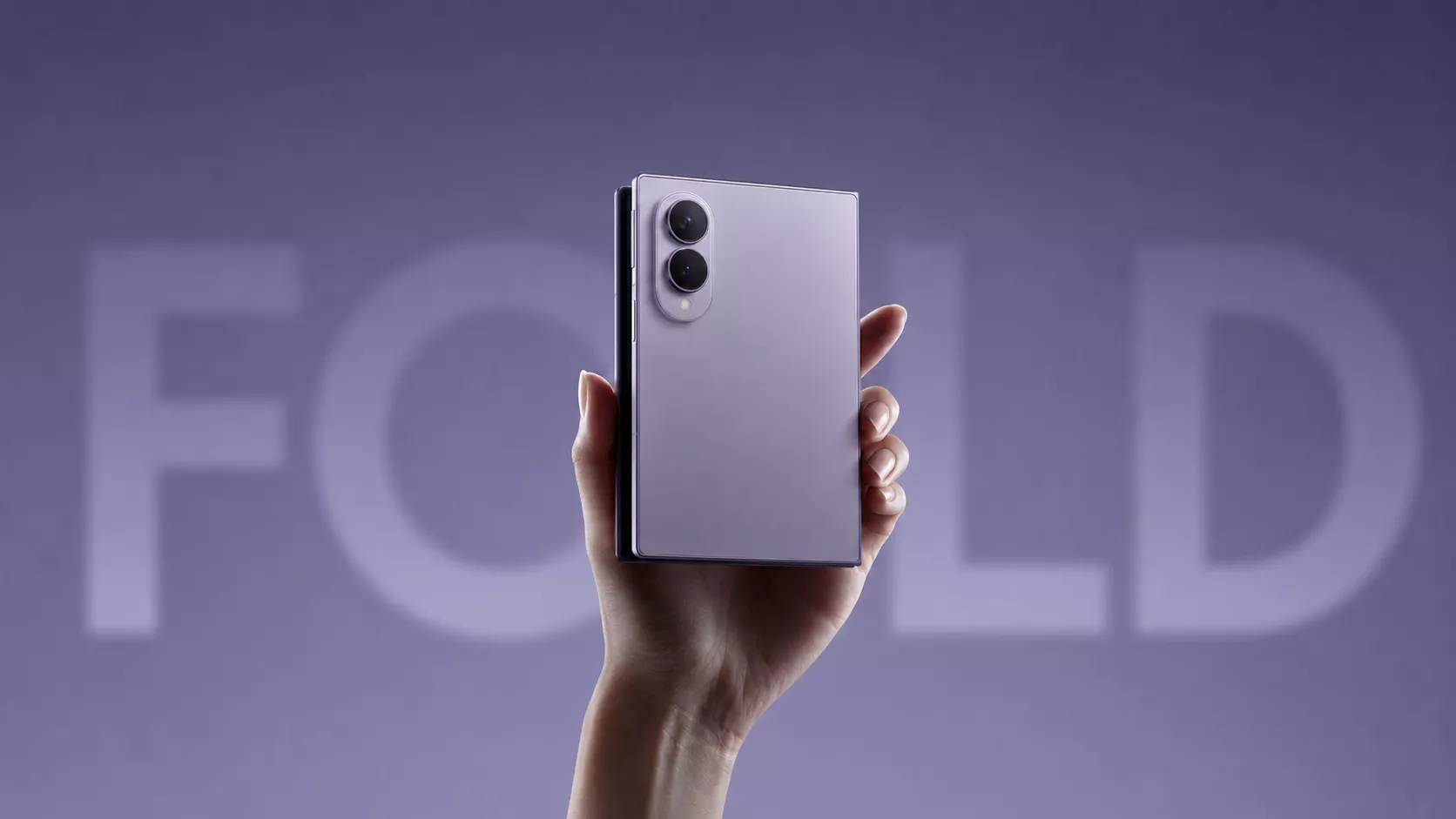
In brief: Samsung will be hosting its next Galaxy Unpacked event very soon, where it’s expected to reveal all the details of its next-generation foldable devices, including the Galaxy Z Fold 8, Galaxy Z Fold 8 Ultra, and Galaxy Z Flip 8. The London event starts at 9am ET/6:00am PT, and you can watch the whole thing live right here.
The regular Galaxy Z Fold 8 is expected to undergo the biggest redesign. Leaked renders show a shorter, wider, passport-style handset with a 5.5-inch cover screen and a 7.6-inch internal display. Both are said to use 120Hz Dynamic AMOLED 2X panels.
The phone could also feature Qualcomm’s Snapdragon 8 Elite Gen 5 for Galaxy, 12GB of RAM, up to 1TB of storage, and a 4,000mAh battery. Camera leaks point to two 50MP rear sensors covering the wide and ultrawide snappers, along with 10MP cameras on the outer and inner displays.
Samsung has already confirmed that its next foldables will use Flex Titanium display technology, which combines a titanium-alloy film and titanium plate to improve rigidity and reduce the visibility of the crease.
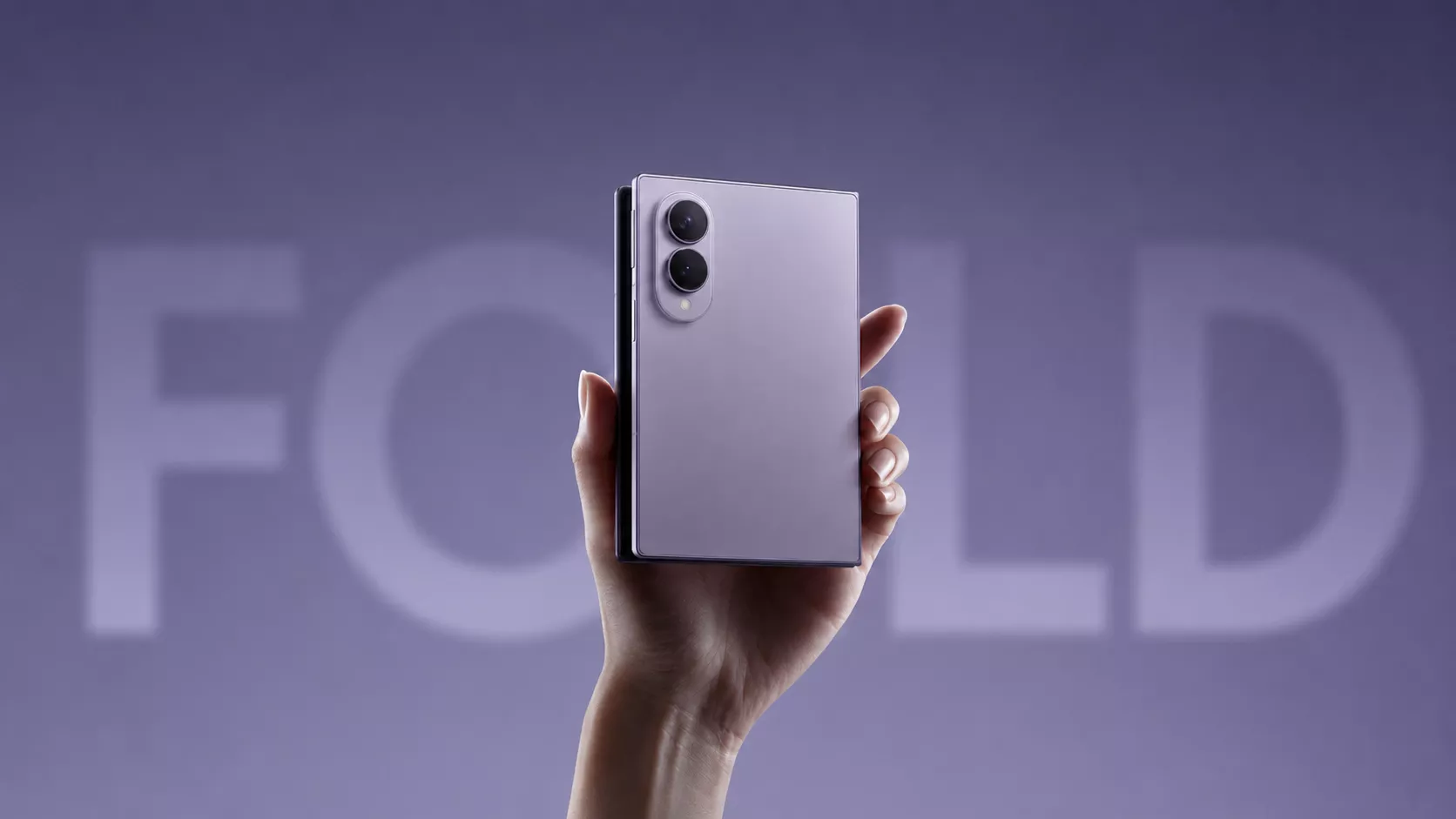
The Galaxy Z Fold 8 Ultra is rumored to retain the taller design of the Fold 7 while boasting the more powerful specifications. Reports claim it will have a 6.5-inch cover display, an 8-inch folding screen, a 5,000mAh battery, and 45W wired charging.
The rear camera array could include a 200MP primary sensor, a 50MP ultrawide, and a 10MP telephoto with 3x optical zoom. European pricing is rumored to start at €2,199 ($2,508), compared with €1,999 ($2,279) for the standard Fold 8.
The Galaxy Z Flip 8 looks set to be a more iterative update. Leaks suggest the same 6.9-inch internal and 4.1-inch cover displays as the Flip 7, paired with Samsung’s 2nm Exynos 2600, 12GB of RAM, and at least 256GB of storage.
The new Flip’s cameras are expected to remain at 50MP, 12MP ultrawide, and 10MP selfie, while the battery could increase to 4,300mAh. Some reports disagree over whether charging will remain at 25W or rise to 45W.
Samsung’s new watches should also make an appearance. The Galaxy Watch Ultra 2 is rumored to be 12% thinner, with a Snapdragon Wear Elite chip, an 800mAh battery, and a display capable of reaching 5,000 nits. The regular Galaxy Watch 9 could use the same processor in a more familiar design.
Samsung may also preview its AI-powered smart glasses, with frames designed by Warby Parker and Gentle Monster, ahead of a rumored fall launch.



London Mayor Sadiq Khan handed a peerage by Keir Starmer alongside 15 other Labour figures… just days before the PM leaves No10


Weekend Open Thread – Corporette.com


The House | The City of London can help the new chancellor deliver growth in every postcode

Two July Windows Left: The CLARITY Act’s Senate Fight and What Failure Means


CFTC blocks Kalshi from unwinding Michigan trades after court order


Ripple Payments Joins MiCA With 14 Firms, Does It Mean Anything For XRP?


Nvidia Stock Slips After Big Tuesday Rally as Huang Confirms Vera Rubin Chip Is Now in Production Today


Democrats look to World Cup watch parties to register thousands of voters

Disney’s Most Ambitious Failed Star Wars Attraction Is Coming to SDCC


Ripple wins EU-wide access as ESMA adds it to MiCA register


Grayscale Files For Worldcoin ETF, WLD Registers Sharp Rise


Injective Submits SEC Transfer-Agent Registration to Onchain Ownership Records


Palantir Shares Rise After Expanded Nvidia Partnership and Fresh Analyst Upgrades Ahead of Earnings Day


Sail Virtually Aboard The “Itanic” With IA-64 Emulator

Turtle Beach Command Series KB7 review: a nifty screen-equipped gaming keyboard


Unregistered fitter used Gas Safe logo on business flyers


Registration is now open for March for Men with Kev 2026

New Cornerback Enters Vikings Trade Rumor Mill

New Jersey voter registration controversy explained: How 6,600 noncitizens got on the rolls, and what happens next


Money | Class 12 Economics | CBSE Board Exam 2026-27



You must be logged in to post a comment Login