

Crypto World
Elon Musk Names the Real Force Behind His European Politics, and It’s Not the Far-Right

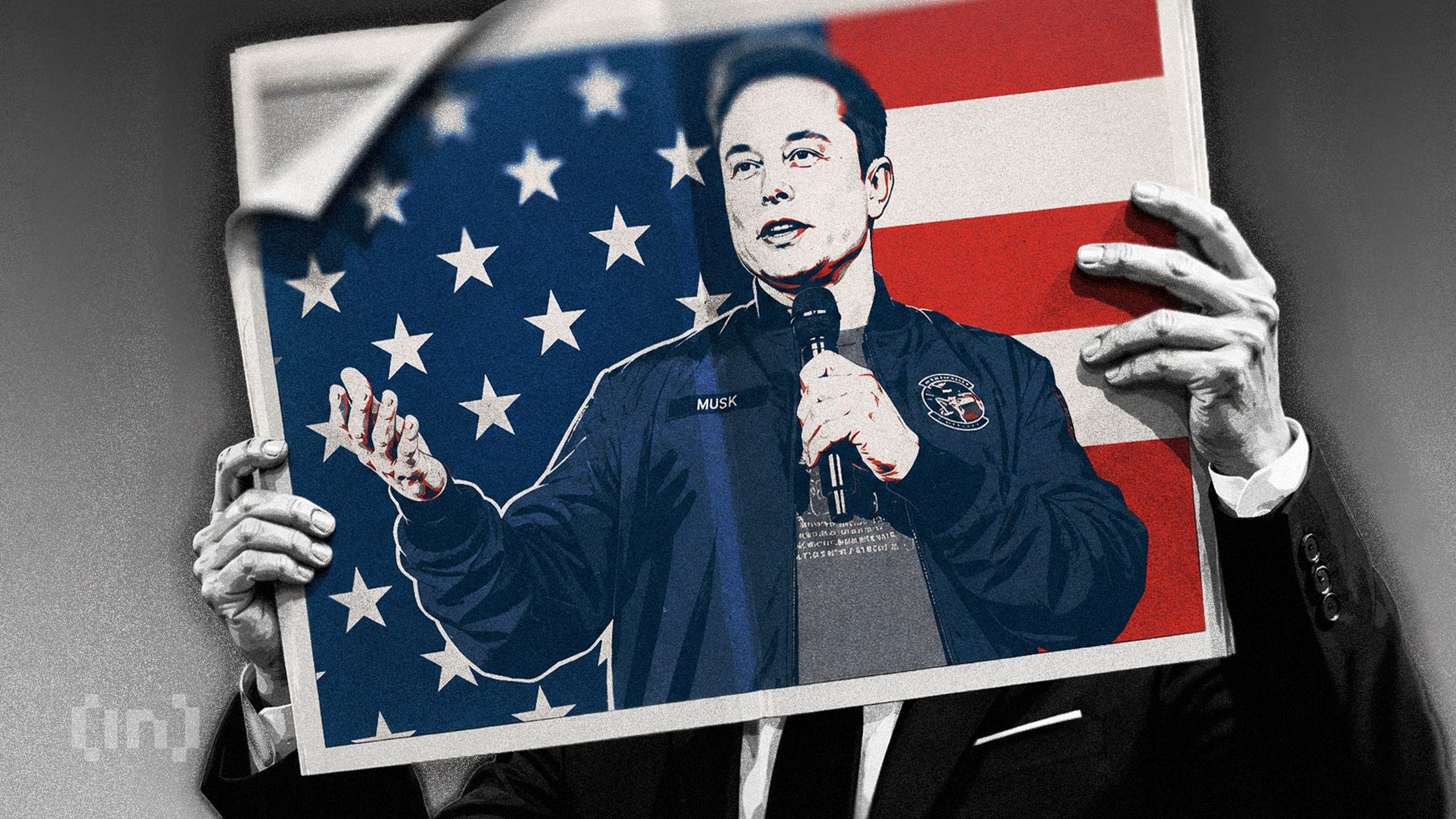

Elon Musk says one force drives his political activity in Europe. It is not the far-right, he told The Economist. It is “normal people” and the defense of “the West collectively.”
The Tesla and SpaceX chief clashed with Editor-in-Chief Zanny Minton Beddoes in an interview recorded on Monday. It airs in full on The Economist’s video program Insider from 18:00 UK time on Thursday.
Musk Rejects the ‘Far Right’ Label
Minton Beddoes opened with a charge. She said Musk backs “very fringe parties” in some countries. He said the label is wrong, and demanded the segment stay in the final cut.
“It’s just normal people, and here are the principles, and tell me which of these sound terrible. That we should have secure borders, that we should safe cities, that should have sensible spending, which of those three are far right fringe,” Musk told The Economist.
Then he turned on the press itself.
“I would like to just admonish you and the media for the absurd characterization of the far right. Which is false and misleading.”
The pushback was direct. Minton Beddoes cited his post that civil war in Britain is “inevitable.” She noted Musk last visited the UK years ago. She said violent crime there is falling, and London is safer than US cities.
Musk did not retreat. He warned that a growing group with beliefs “antithetical to western beliefs” means “at some point there will be a reckoning.”
The Force Behind Musk’s European Politics
Why should he shape European politics from abroad? Musk gave his most revealing answer there. He named no party at all.
“I think of it as sort of the West collectively.”
He is not backing a party. He is defending a whole way of life. And he can act on it. He is the world’s richest man, worth more than $800 billion. He owns X, where about 250 million people follow him.
Musk also denied that he is racist. He pointed to his partner, who is half Indian, their four children, and executives of all races at his companies.
Does he understand why people loathe him? He shrugged.
“Maybe some people do loathe me, and that’s probably true. I don’t care, but the fact that, as you pointed out, a quarter of a billion people follow me is that I think a lot more people actually like me than don’t.”
He closed with a counterpunch, telling Minton Beddoes that “a lot of people hate you and the media more than you realize.”
The full exchange airs at economist.com Thursday evening.
The post Elon Musk Names the Real Force Behind His European Politics, and It’s Not the Far-Right appeared first on BeInCrypto.

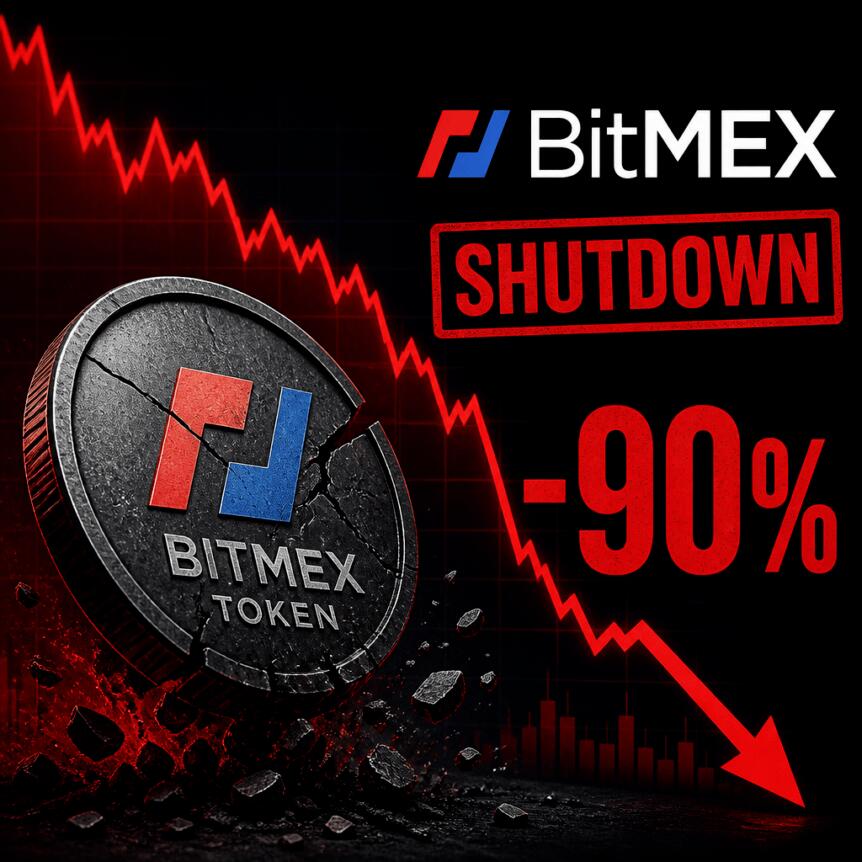
BitMEX’s utility token (BMEX) has suffered a dramatic collapse following the exchange’s announcement that it will wind down operations. Data from CoinGecko shows the token fell by nearly 90%, dropping to as low as $0.002 from about $0.06, and it was trading around $0.0063 at the time of writing.
The selloff started shortly before the shutdown became public. According to CoinGecko pricing, BMEX began sliding at around 7:00 am UTC—approximately an hour before BitMEX posted its shutdown notice on X, according to earlier coverage from Cointelegraph.
Key takeaways
- BMEX lost almost all of its value after BitMEX announced it would cease operations, with CoinGecko data indicating a move from ~$0.06 to near $0.002.
- The token’s drop began about an hour before the public shutdown message on X, suggesting markets were already repricing quickly ahead of confirmation.
- CryptoQuant CEO Ki Young Ju linked the decision to BitMEX’s reduced Bitcoin futures share, citing ~0.08% and about $84 million in daily BTC futures volume.
- Blockchain research firm 10x Research told Cointelegraph the exchange’s owners explored a possible $1 billion sale in 2025 before opting for an orderly wind-down.
What triggered BMEX’s sharp repricing
The immediate catalyst for BMEX’s decline was BitMEX’s decision to wind down. The token’s value had recently traded closer to $0.06, but it then experienced a sudden, sustained fall as the market absorbed the implications of an exchange shutting down.
CoinGecko’s timestamps place the start of the selloff around 7:00 am UTC, roughly an hour before BitMEX’s shutdown announcement on X. That timing matters for traders because it suggests the market had already begun anticipating severe downside—or at least a major operational change—before the message was made public.
BitMEX’s shrinking futures footprint
In explaining the broader context for BitMEX’s exit, CryptoQuant CEO Ki Young Ju pointed to the exchange’s declining position in Bitcoin derivatives. He said BitMEX’s share of the Bitcoin futures market had fallen to about 0.08%, alongside roughly $84 million in daily Bitcoin futures trading volume.
Ju also emphasized the exchange’s historical impact, saying on X that it helped shape the industry and that it was now “passing the torch” to newer platforms that grew out of the model BitMEX pioneered.
BitMEX cofounder Arthur Hayes later echoed the sentiment in a separate X post, writing that it had been “an amazing ride” and that the team had “done something special together.”
Details behind the wind-down: sale talks and operational reality
Beyond the headline closure, 10x Research shared additional context with Cointelegraph: BitMEX’s owners had explored a potential $1 billion sale in 2025 before selecting an orderly wind-down process.
The report suggests the shutdown wasn’t simply an abrupt break with operations, but the outcome of a longer decision cycle—one where finding an acquirer may have been considered, but ultimately did not materialize into a transaction.
This matters to investors in tokenized exchange ecosystems because “utilities” tied to a platform’s activity can lose their economic meaning when the underlying venue stops operating. When wind-down plans advance, holders often anticipate reduced buyback or incentive mechanics (if any existed), weaker demand for token usage, and—most importantly—a fading buyer base for any token that derives value from exchange activity.
A legacy built on perpetual swaps, now ending
BitMEX previously highlighted its industry role by marking its 11th anniversary in November 2025. The exchange credited its influence in creating the perpetual swap—a futures contract structure with no expiration date—that became a cornerstone for modern crypto derivatives trading.
That legacy contrasts sharply with BMEX’s post-announcement price action. The disconnect underscores a key point for market participants: reputational and historical contributions do not automatically translate into ongoing token value once market structure changes, derivatives competition intensifies, and operational costs rise.
Cointelegraph also reported that a restructuring advisor and CEO of investment firm Echo Base, Roshan Dharia, described the closure as part of wider “structural corrections” across digital asset markets. He linked the pressures to a combination of a more competitive environment, increasing regulatory and compliance costs, and reduced tolerance for operational inefficiency.
In other words, BitMEX’s ending appears less like an isolated event and more like an outcome of sector-wide tightening—where exchanges that cannot maintain scale or profitability face limited pathways forward.
Going forward, attention is likely to shift to what happens to BMEX holders as the wind-down proceeds—whether any remaining token incentives, liquidity provisions, or related mechanisms persist, and how quickly markets reprice any residual expectations. With the timeline and final operational steps not detailed in the available reporting here, traders and long-term observers should watch for further updates from BitMEX, plus signals from analytics and on-chain activity that indicate how derivatives volume migrates to competing venues.
Google just revealed it holds about $94 billion of SpaceX stock. The win came from one bet it made back in 2015.
That sounds like a giant new investment, but it is not. Google made this bet more than ten years ago, long before SpaceX got big.
How Google’s SpaceX Bet Started in 2015
In January 2015, Google and Fidelity put $1 billion into SpaceX. Together they got just under 10% of the company. That valued SpaceX at more than $10 billion. Google led the round.
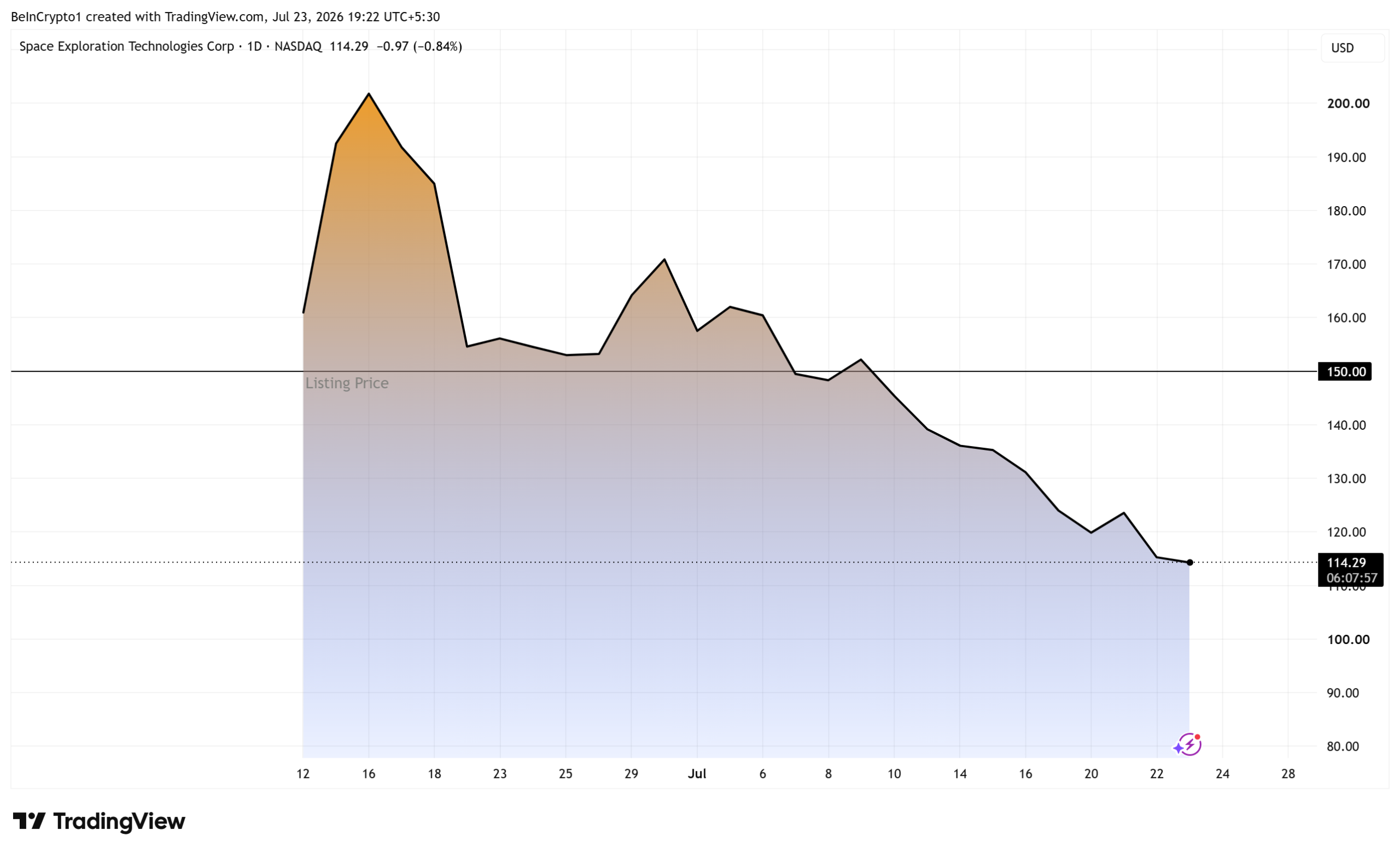
Then SpaceX grew for a decade. It went public in June at about $135 a share. That valued it near $1.77 trillion, the biggest IPO ever. Google’s early bet had grown into a stake worth about 100 times more.
New funding rounds slowly shrank Google’s slice. Today it owns close to 5% of SpaceX.
Why the Windfall Barely Moved the Stock
The gain showed up in Google’s June quarter. Its investments rose about $99 billion on paper. That pushed profit up to $112 billion. Stakes in AI firm Anthropic helped too.
But almost none of it was real cash. Of the $9.11 Google earned per share, $6.26 came from the paper gain. Without it, profit looked ordinary. The gain even brought a $21.9 billion tax bill.
Wall Street shrugged. In its second-quarter earnings report, Google gave the huge gain just one line. It did not even name the companies. The stock still closed down about 1.2%.
Google has done this before. In early 2025, it booked an $8 billion paper gain the same quiet way.
Investors cared more about spending. Google spent $44.9 billion in three months on AI. It even burned through $5.9 billion more cash than it made. That record AI spending worried the market. Analysts had flagged the risk before the report.
Most of the SpaceX Stake Is Locked Up
Here is the catch. Google cannot just sell the shares and spend the money. Its filing shows $80 billion of them are locked for now. The rest is locked for even longer.
The value can also drop fast. SpaceX shares jumped above $200 after the IPO. Then they fell to around $114 by July 23. The first shares unlock in August, when SpaceX reports earnings.

So the $94 billion is a great result, not a payday. It is paper profit, and most of it is stuck for now. The real test comes when the lockups end and Google can finally sell.
The post Google Is Up $94 Billion on SpaceX But Not for the Reason You Think appeared first on BeInCrypto.


Changpeng Zhao (CZ) built the world’s biggest crypto exchange. But he says his biggest mistake had nothing to do with technology.
The Binance executive told the Talking Tokens Podcast that he underestimated law, compliance, and politics. Looking back, he wishes he had learned the rules first.
He Was Just a Tech Guy
Zhao spoke on the Talking Tokens podcast, nine years after Binance began. He started the exchange in 2017 and reached the top within months.
Then came a simple question. What would he tell his 2017 self? He pointed to the law.
“Before like 2017, I was just a tech guy. I was focused on building a better product and protect the users, but I think I misjudged the importance of the legal aspects of it, which is a weak area for me.”
Follow us on X to get the latest news as it happens
CZ’s Biggest Mistake Was Not the Product
Zhao knew how to build products. He did not know the law. That became a problem as Binance grew worldwide.
“I wasn’t very knowledgeable on international laws and how different countries apply laws. Some US laws apply globally. Some. And they also have a very long look back period.”
That gap cost him. His 2023 guilty plea forced Binance to pay $4.3 billion. It was one of the biggest corporate fines in US history.
Zhao stepped down as CEO. He paid a $50 million fine. He served four months in prison.
CZ Also Wishes He Moved Faster
The Binance executive had a second regret. He moved too slowly. He says founders should ship early and learn from real users.
CZ said it is “much better to push a product out early and then have market feedback.”
He used Binance’s own futures launch as an example. “Binance launched futures two years into the journey. If I was to do it again, I would probably launch that much earlier,” he said.
Still, Zhao called this advice, not just hindsight. He now tells other founders to take the law seriously. He even warned Hyperliquid that it needs good lawyers.
His own case ended in 2025 with a presidential pardon. That came about a year after his release from prison. Today he advises governments on crypto policy. It is the very field he once ignored.
The post CZ Says He Got One Thing Completely Wrong Building Binance appeared first on BeInCrypto.
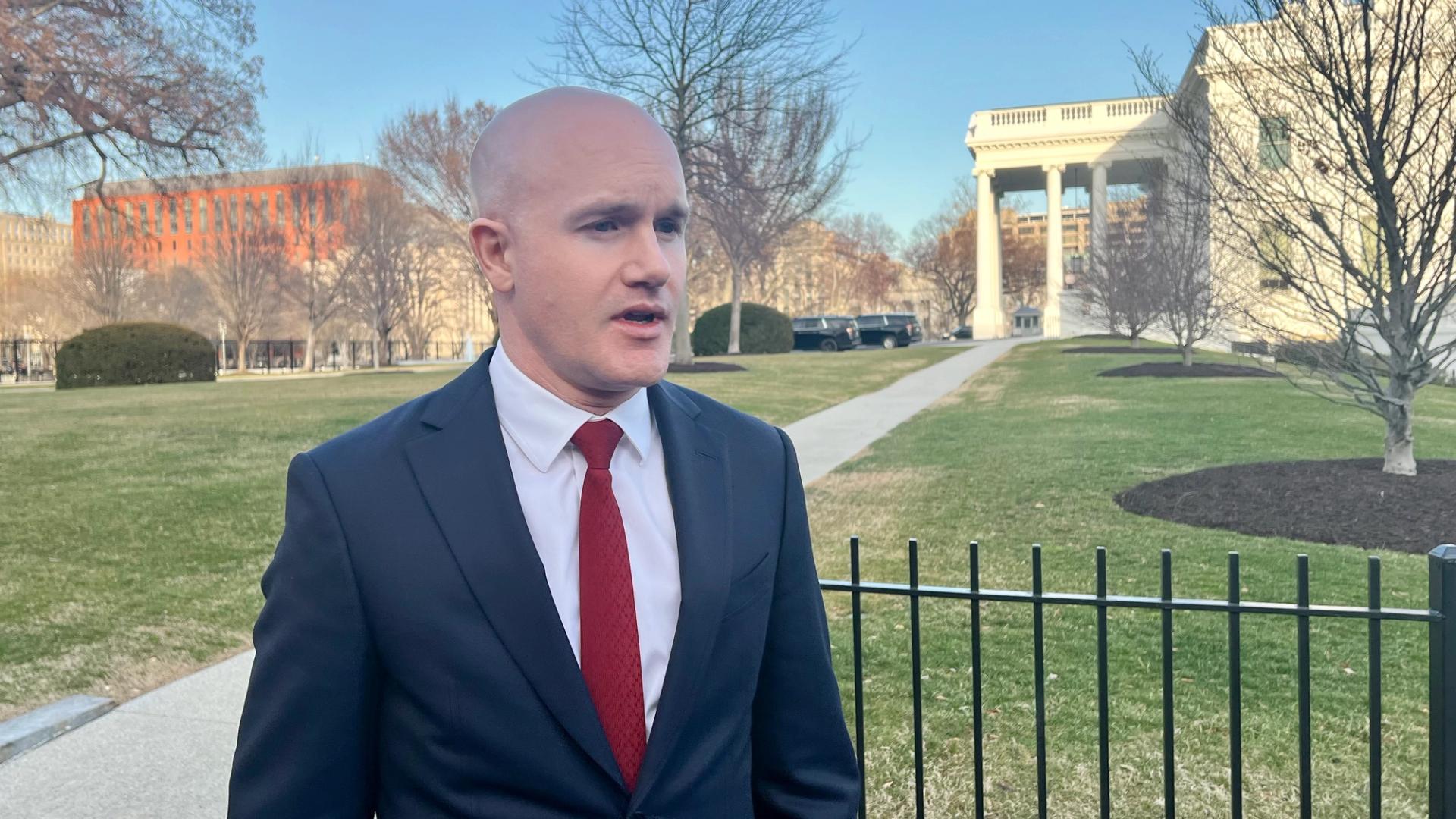
The U.S. Securities and Exchange Commission (SEC) agreed to pay $150,000 to settle a federal Freedom of Information Act (FOIA) lawsuit over its investigations into Ethereum, according to a joint status report filed July 22.
History Associates Inc. and the SEC asked the U.S. District Court for the District of Columbia to dismiss the case after reaching a settlement deal. Under the agreement, the agency will produce the remaining responsive documents and pay the flat fee to cover the plaintiff’s legal fees.
History Associates, which provides professional historical research, writing and archival services to government agencies, filed the lawsuit in June 2024. Working on behalf of Coinbase, the firm had submitted three public records requests the year before. Those filings sought documents on SEC investigations into Zachary Coburn and Enigma MPC, along with records on how Ethereum shifted to a proof-of-stake system.
The lawsuit compelled the SEC to hand over thousands of documents, with the court explicitly ordering the agency to prioritize all records and communications sent, received or evaluated by then SEC Chair Gary Gensler concerning Ethereum’s migration from a proof-of-work blockchain to a proof-of-stake network.


Goldman Sachs CEO David Solomon has backed the CLARITY Act even as seven Senate Democrats oppose its latest draft and banking groups fight its stablecoin reward rules.
Summary
- David Solomon supports advancing the CLARITY Act despite banking groups’ stablecoin reward concerns.
- Seven Senate Democrats oppose the latest draft over ethics and consumer protection provisions.
- Republicans still need Democratic votes to clear the Senate’s 60-vote threshold.
Politico reported that Solomon was “very supportive” of moving the bill forward so the United States could establish a crypto market structure and advance digital asset development. Although he acknowledged that the proposal was imperfect and open to debate, the Goldman chief argued that passing a framework remained more important than resolving every disagreement first.
Solomon told the publication that the legislation could create a level playing field, strengthen market stability and let digital asset markets develop under clearer rules. His endorsement places the head of one of Wall Street’s largest banks alongside crypto executives who have urged Congress to complete the bill, even as banking trade groups seek tighter limits on stablecoin rewards.
The comments separate Goldman’s public position from the campaign led by banking associations against the current draft. Solomon did not directly endorse its reward provisions, but his support for advancing the full legislation contrasts with groups warning that the text could pull deposits from traditional lenders.
Stablecoin rewards keep banks opposed
Under the latest Republican draft, crypto companies could offer rewards tied to customer activity, while payments on stablecoins held in idle balances would remain prohibited. Banking associations argue that this distinction lets crypto platforms compete for deposits through incentives, creating a risk that money moves away from community banks.
In a May letter to Senate Banking Committee leaders, several banking trade groups called for stronger safeguards against deposit flight. The groups argued that funds leaving banks for stablecoin products could reduce credit available to households and businesses, particularly in communities that depend on smaller lenders.
JPMorgan CEO Jamie Dimon has also criticized the legislation, adding a prominent Wall Street voice to the industry’s objections. Solomon’s support therefore does not suggest that banks have reached an agreement; it shows that major executives differ over whether the reward dispute should stop the bill.
Earlier this week, the United States Hispanic Chamber of Commerce sent Senate leaders a letter supporting the banks’ concerns. The USHCC warned that deposit losses could hurt small-business lending, community development and economic opportunities in Hispanic communities. It also cited analyses that, according to the chamber, showed net outflows connected to crypto activity at community banks.
Republican concerns have resurfaced despite a compromise negotiated earlier in 2026. Punchbowl News reported that Senators John Curtis and John Cornyn shared the banks’ concerns about deposit flight, while Senator Thom Tillis opposed the current ethics provision. Their objections add internal Republican pressure as party leaders seek enough votes to pass the measure.
Democratic resistance blocks an easy vote
Seven Democratic senators, Catherine Cortez Masto, Angela Alsobrooks, Cory Booker, Ruben Gallego, John Hickenlooper, Mark Warner and Raphael Warnock, have rejected the latest text while keeping negotiations open. In a joint statement, they said provisions covering ethics, consumer protection, illicit finance, conflicts of interest and market integrity required more work.
Senate Banking Committee Ranking Member Elizabeth Warren also criticized the draft, arguing that its ethics language did not adequately address President Donald Trump’s crypto business interests. Warren further maintained that the bill lacked sufficient investor and national security protections.
Republicans added restrictions on crypto activity by senior elected officials after Democrats made an ethics clause a condition for continuing talks. Trump accepted the provision earlier this week, but the agreement left enforcement to the Department of Justice and failed to settle Democratic concerns.
Alsobrooks objected to making the DOJ the sole enforcer and described the arrangement as “unserious,” according to reports cited by crypto.news. She said she would oppose the legislation if the language reached the Senate floor unchanged. Her position carries added weight because she was one of two Democrats who helped advance the bill through the Senate Banking Committee in May.
Democratic resistance has cut the bill’s estimated 2026 passage odds by 15 percentage points from their July 21 peak, according to crypto.news. Republicans need Democratic support to reach the Senate’s 60-vote threshold, leaving Solomon, Ripple CEO Brad Garlinghouse and Coinbase CEO Brian Armstrong pressing lawmakers to act before the August recess.
Garlinghouse endorsed a similar argument from Ripple Chief Legal Officer Stuart Alderoty on July 22. Alderoty described the CLARITY Act as a consumer protection measure that would strengthen anti-money laundering and customer-verification rules while giving law enforcement and state authorities clearer tools against misconduct.
With the vote count still short, Goldman’s endorsement gives the legislation another powerful supporter but does not resolve either dispute holding back a Senate agreement.


Kazakhstan has approved a strategic crypto mining framework that grants large-scale miners regulated electricity access in exchange for contributing part of their mined digital assets to a state-backed reserve.
Summary
- Kazakhstan has approved a strategic mining framework that links regulated electricity access with contributions to a state backed crypto reserve.
- Eligible miners must meet strict infrastructure and operational standards before receiving strategic status under the new rules.
- The framework builds on Kazakhstan’s push to expand regulated digital asset infrastructure while strengthening oversight of the crypto industry.
According to Kazakhstan-based news outlet Zakon.kz, the government approved the new rules on July 18 through Government Resolution No. 638, published in the PRG.kz legal database.
The framework introduces a new category known as strategic digital mining, allowing qualifying companies to receive electricity quotas at regulated tariffs after agreeing to transfer a portion of their mined cryptocurrency to Astana Hub, a government-backed technology cluster.
The measure adds another layer to Kazakhstan’s effort to tie its digital asset industry more closely to state-backed infrastructure rather than treating mining as a standalone commercial activity. The rules will take effect on Aug. 1, 2026.
Large mining operators face strict eligibility requirements
Only miners meeting extensive infrastructure standards will qualify for strategic status under the new framework.
As reported by Zakon.kz, applicants must own a digital mining data center with at least 150 megawatts (MW) of installed capacity. Mining equipment deployed at those facilities must also provide a minimum computing power of 150 terahashes per second (TH/s) per unit.
Beyond hardware requirements, companies must employ qualified technical personnel, maintain repair facilities within their mining sites, secure contracts with multiple internet service providers and remain current on taxes and other mandatory payments before receiving approval.
Once approved, operators will be required to sign agreements with Astana Hub’s autonomous cluster fund and purchase electricity from eligible power generation companies designated under the framework.
The resolution also requires participating miners to contribute part of their mined cryptocurrency to a reserve mechanism administered through Astana Hub. Although the government document does not specify the percentage, several local media outlets have reported that the contribution could be set at 10%. Cointelegraph, however, said it could not independently verify that figure.
The arrangement links electricity access directly to participation in Kazakhstan’s state-backed digital asset reserve, creating an incentive for miners willing to commit part of their production under government-approved terms.
Policy builds on Kazakhstan’s digital asset strategy
The latest mining rules arrive after several initiatives that have expanded Kazakhstan’s involvement in regulated cryptocurrency markets.
As crypto.news previously reported, the country launched the state-backed Alem Crypto Fund in September 2025 to build long-term digital asset reserves. Its first investment involved BNB through a partnership with Binance Kazakhstan, giving the fund an initial exposure to digital assets.
Earlier this year, Reuters also reported that Kazakhstan’s central bank planned to allocate up to $350 million from its roughly $69 billion in gold and foreign exchange reserves into crypto-linked investment products.
Instead of directly purchasing Bitcoin or Ethereum, the National Bank said it would invest through funds, index products and digital asset infrastructure companies, making Kazakhstan one of the few countries to dedicate part of its sovereign reserves to the sector.
Regulated crypto payments have also moved forward. Earlier in July, Alatau City Bank partnered with Binance Kazakhstan to launch Crypto Pay, allowing users to make purchases with cryptocurrency through QR codes and point-of-sale terminals connected to the bank’s acquiring network. The rollout formed part of the government’s effort to expand regulated financial services tied to digital assets.
At the same time, Kazakhstan has continued tightening oversight of the industry.
In January, authorities blocked access to more than 1,100 unlicensed cryptocurrency exchange platforms, according to government reports cited by crypto.news. The enforcement campaign directed users toward licensed exchanges while reinforcing the country’s regulated digital asset market.
Kazakhstan strengthens its position as a mining destination
Kazakhstan remains one of the world’s largest Bitcoin mining jurisdictions following the migration of miners after China’s crackdown on the industry in 2021.
The Cambridge Digital Mining Industry Report published in April 2025 ranked Kazakhstan fifth globally by Bitcoin mining activity, underscoring the country’s continued importance within the mining sector.
Rather than simply expanding mining capacity, the newly approved framework links access to electricity with participation in government-backed digital asset initiatives, placing state reserve development alongside industrial mining policy.
The direction is consistent with other technology projects announced over the past year. Earlier this month, Balaji Srinivasan’s Network School signed a memorandum of understanding with Kazakhstan to establish a new campus focused on education, artificial intelligence, startups and technology research.
The agreement came as the organization encountered regulatory challenges in Malaysia and added another international technology initiative to Kazakhstan’s digital economy plans.


Crypto exchange Bitget said it was registered as a financial service provider with New Zealand’s financial regulator, enabling it to expand its services in the country.


BitMEX has announced it will shut down on September 23, following “a strategic review of the business and the broader crypto industry.”
The Arthur Hayes-founded exchange revealed earlier today that it was closing down, but didn’t expand on what exactly caused the closure. Users were encouraged to withdraw their funds and close any positions they may hold.
BitMEX stressed that assets are safe and remain in users’ control, and explained that it’s simply giving a timely warning to “ensure a smooth withdrawal process for everyone.”
At time of writing, the exchange holds over $739 million worth of customer assets, along with an insurance fund with $239 million worth of BTC and $31 million worth of USDT.
The exchange is the 35th most active crypto derivatives exchange and 65th largest crypto exchange overall.
The exchange’s BMEX token was also unstaked for every user, and has collapsed 97% across the last four hours. BMEX was already down 99.87% from its 2022 all-time high.
BitMEX’s shuttering coincides with a crypto bear market that’s seen multiple crypto firms lay off staff. Since January 2026, the company’s trading volume has only crossed $1 million 14 times.
Read more: Crypto firms cut jobs as bear market and AI shift bite
Going forward, no new BitMEX accounts can be created, with all services due to be closed in September (except withdrawals). Accounts with funds remaining will be charged monthly at “USD50 equivalent or 1% per annum (whichever is greater).”
BitMEX hasn’t commented on plans for its $270 million insurance fund after September 23. Protos reached out to BitMEX regarding its plans for its insurance fund but did not receive a response prior to publication time.
The insurance fund has grown over time, mostly due to BitMEX profits from trading fees and liquidations. Although some people have called it ‘one of the best performing funds of all time,’ its outperformance partially came at the expense of exchange-affiliated marketmakers trading against BitMEX customers.
BitMEX warned that winding down a company can allow criminals to take advantage of uncertainty. “Be vigilant for phishing attempts using this news, or promising priority or accelerated withdrawals – no such expedited service is available,” it told users.
It added, “While this news is difficult to share, we are proud of everything that has been built at the company since its launch as a pioneer of crypto derivatives.”
BitMEX was bad at stopping money laundering
BitMEX was founded in 2014 by Arthur Hayes, Ben Delo, and Samuel Reed. Together they created the 100x leverage perpetual swap, which BitMEX claimed at one point to have been “the most traded product in the crypto industry.” The holding company of BitMEX has been 100x Group, named after that product.
In February 2022, Hayes and Delo pled guilty to breaking the Bank Secrecy Act and violating anti-money laundering (AML) laws. Reed pled guilty one month later to similar charges.
For a time under their stewardship, the exchange had limited KYC or AML checks. This resulted in a Department of Justice enforcement action for compliance failures.
Read more: BitMEX moon mission to end with bitcoin burning up on re-entry
All three were fined $10 million each, and the exchange was later fined $100 million. However, months after that fine, President Donald Trump pardoned the founders.
Delo has since gone on to fund right-wing political hubs used by some of the UK’s most influential right-wing figures, and backs Reform UK, Nigel Farage’s party that is currently embroiled in a growing crypto “gifts” scandal.
Got a tip? Send us an email securely via Protos Leaks. For more informed news and investigations, follow us on X, Bluesky, and Google News, or subscribe to our YouTube channel.


Q. Not all tokenized equity products are the same. What is the most important distinction to understand?
The central question is what the token actually represents. In the strongest model, the token is the share itself, meaning ownership, voting rights and dividends travel with it. In a synthetic wrapper, the investor owns a contractual claim against another entity, not the underlying share, introducing counterparty risk, tracking risk and the possibility that corporate actions do not pass through correctly.
Two tokens with the same ticker can represent very different instruments. The SEC’s January 2026 staff statement drew this distinction explicitly. For advisors evaluating these products, the structure is not a technical detail. It determines what rights the holder actually has.
Q. How developed is the regulatory framework at this point?
More developed than most people realize, but with gaps remaining. In the past eight months, the SEC issued a no-action letter for DTC tokenization services, published a staff statement establishing ownership taxonomy and approved Nasdaq’s proposal to trade tokenized securities alongside conventional shares. DTCC completed its first live production transactions this month.
Despite the progress, uncertainty still exists. Tokenized equities remain largely restricted to non-U.S. or accredited investors, the CLARITY Act has not been enacted, and third-party synthetic models carry more legal uncertainty than issuer-sponsored structures. The framework is building in a clear direction, but there is still much to accomplish to drive confidence and adoption.
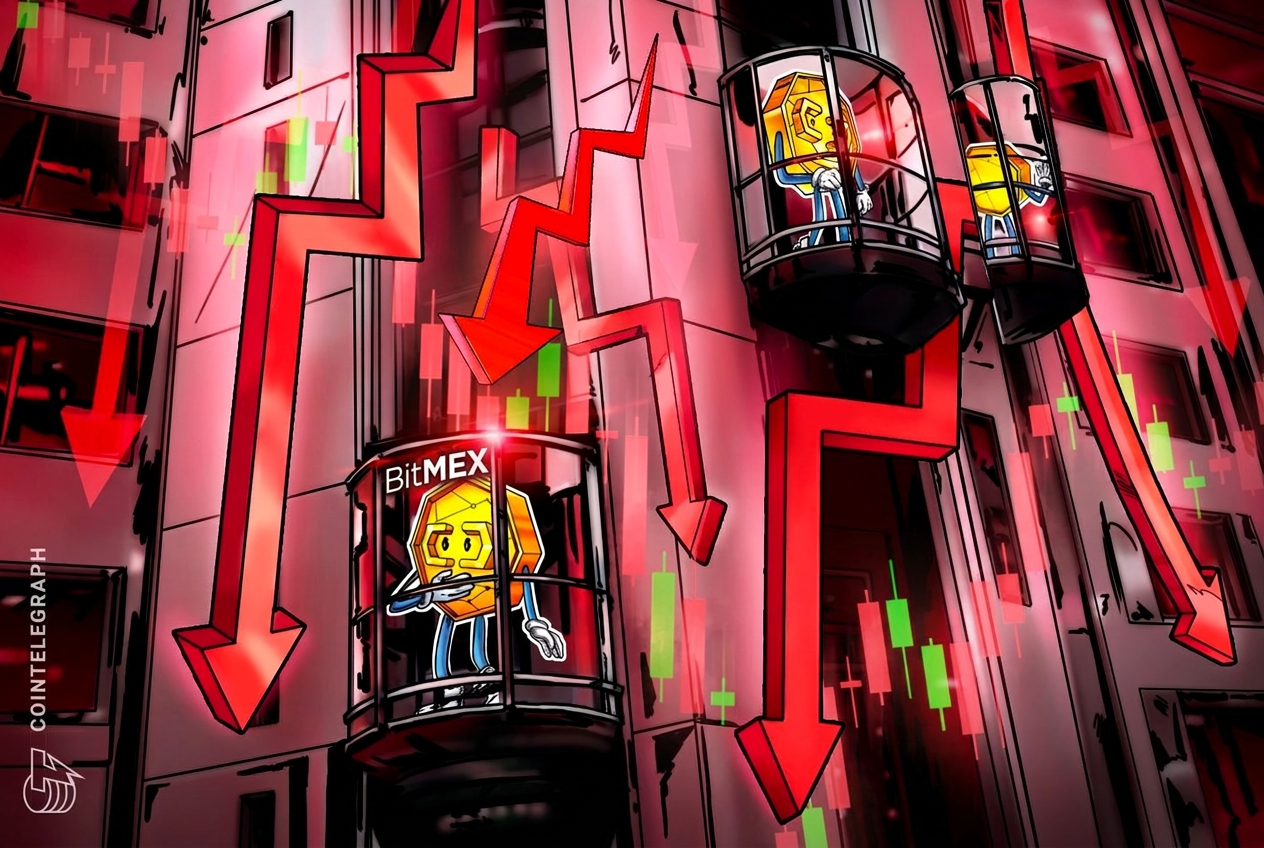
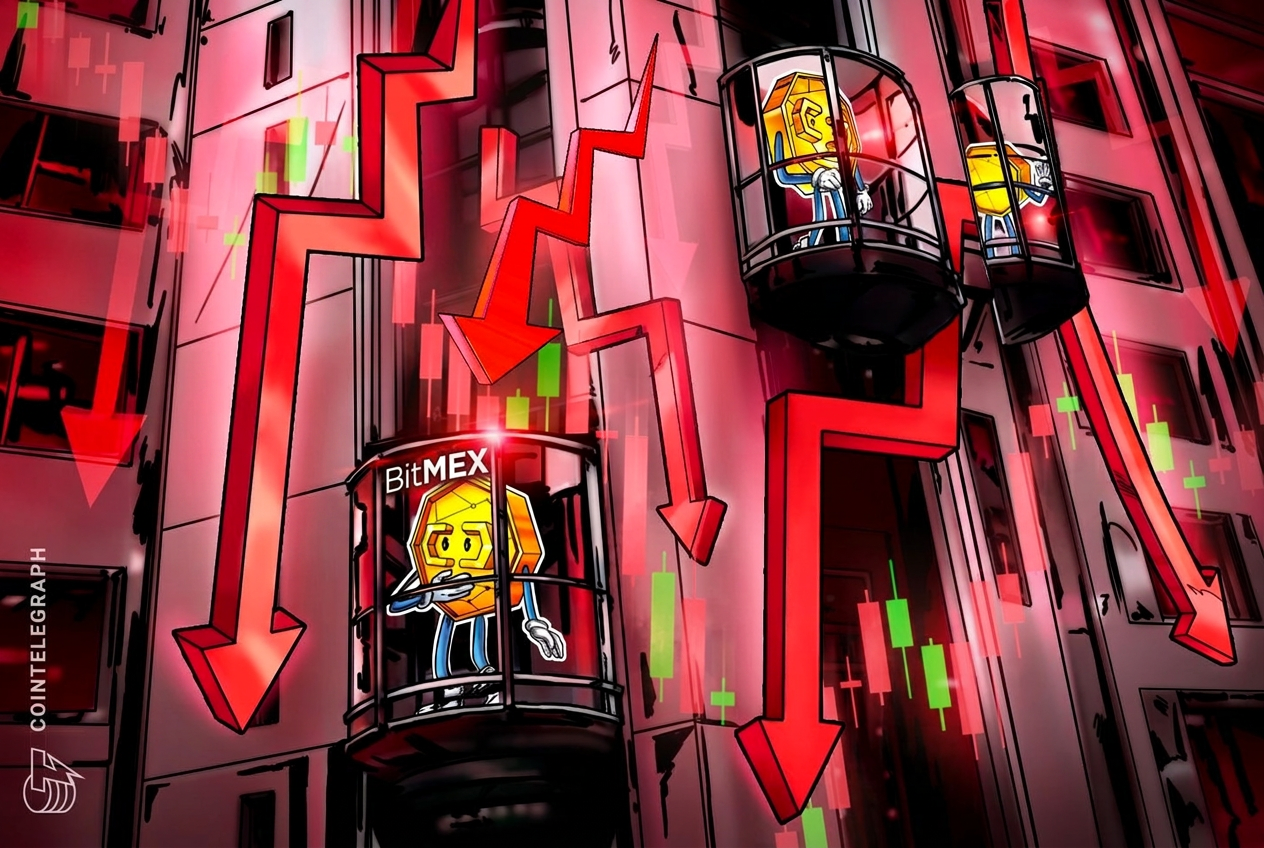
BitMEX’s BMEX token plunged about 90% after the exchange announced plans to shut down, ending nearly 12 years in business as its Bitcoin futures market share shrank.

H.S. golfer DQ’d from U.S. Junior Amateur for new rule breach

MONEY HEIST vs POLICE in REAL LIFE ESCAPE from Police | ACTION FULL STORY POV |2026 POV Movie

16 best wedding guest dresses for every dress code and budget

Renter of Home in Anne Heche Crash Denies Settlement With Son

No Jackpot Winner as $257 Million Prize Rolls Over to $269 Million Monday Draw

Weekend Open Thread: Staud – Corporette.com
MONEY HEIST vs POLICE in REAL LIFE ESCAPE from Police | ACTION FULL STORY POV |2026 POV Movie

XRP JUST MADE TIER 1 BANKING ASSET!!?? (IT’S OFFICIAL?!)

GUESS PAPER | FA-2| FINANCIAL ACCOUNTING | FULL EXPLANATION | SEMESTER-2 OU | @shivanipallela
-

 Fashion6 days ago
Weekend Open Thread – Corporette.com
-

 Politics5 days ago
The House | The City of London can help the new chancellor deliver growth in every postcode
-

 Crypto World5 days ago
Ripple Payments Joins MiCA With 14 Firms, Does It Mean Anything For XRP?
-
 Crypto World6 days ago
Two July Windows Left: The CLARITY Act’s Senate Fight and What Failure Means
-

 Politics4 days ago
Democrats look to World Cup watch parties to register thousands of voters
-

 Crypto World6 days ago
Ripple wins EU-wide access as ESMA adds it to MiCA register
-

 Crypto World2 days ago
Grayscale Files For Worldcoin ETF, WLD Registers Sharp Rise
-

 NewsBeat3 days ago
Unregistered fitter used Gas Safe logo on business flyers
-

 Tech3 days ago
Sail Virtually Aboard The “Itanic” With IA-64 Emulator
-

 Crypto World7 days ago
Injective Submits SEC Transfer-Agent Registration to Onchain Ownership Records
-
 Tech3 days ago
Turtle Beach Command Series KB7 review: a nifty screen-equipped gaming keyboard
-

 NewsBeat6 days ago
Registration is now open for March for Men with Kev 2026
-
 Business1 day ago
New Jersey voter registration controversy explained: How 6,600 noncitizens got on the rolls, and what happens next
-

 Crypto World7 days ago
Claude Fable 5 Slips to Second in AI Coding Leaderboard
-

 News Videos6 days ago
Money | Class 12 Economics | CBSE Board Exam 2026-27
-

 Business7 days ago
Banco Bilbao Vizcaya Argentaria, S.A. (BBVA) Discusses Global Macro Environment and Economic Outlook for Core Markets Transcript
-

 Crypto World5 days ago
Kaspersky exposes OkoBot’s 20-module crypto wallet attack
-

 News Videos4 days ago
Big Money Is Entering XRP
-

 Business6 days ago
Airlines warn Sunshine Protection Act could disrupt flight scheduling
-

 NewsBeat5 days ago
Durham County Council to send out electoral registration emails
You must be logged in to post a comment Login