

Business
(VIDEO) Samsung Debuts Galaxy Watch Ultra 2 and Galaxy Watch 9 With New Chip, Brighter Screens, Higher Prices

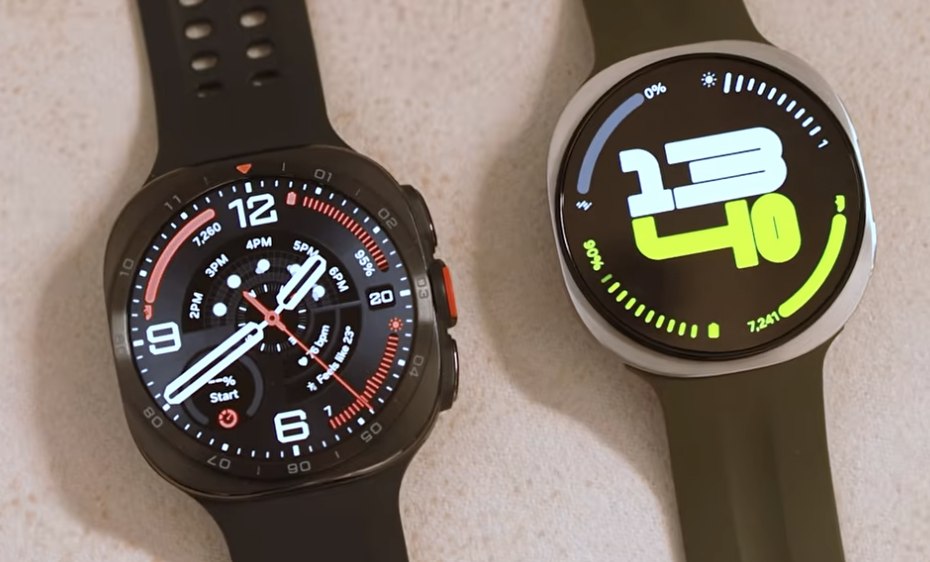
Samsung Electronics unveiled its next generation of smartwatches Wednesday, introducing the Galaxy Watch Ultra 2 and Galaxy Watch 9 alongside its new foldable phone lineup at the company’s Galaxy Unpacked event in London, with both wearables gaining a faster processor, bigger batteries and brighter displays, along with higher price tags than their predecessors.
Both watches are now available for preorder, with general retail availability set for Aug. 7, the same release date as Samsung’s newly announced Galaxy Z Fold 8 series.
A shared processor upgrade
For the first time, both the standard Galaxy Watch 9 and the rugged Galaxy Watch Ultra 2 move away from Samsung’s own Exynos chips and onto Qualcomm’s new Snapdragon Wear Elite processor, built on a 3-nanometer process. Samsung says the switch delivers a significant boost to overall speed and efficiency, particularly for on-device AI processing, while also enabling support for newer wireless standards including Bluetooth 6.0.
What’s new on the Galaxy Watch 9
The standard Galaxy Watch 9 keeps a familiar cushion-shaped design similar to last year’s Galaxy Watch 8, but gains a larger battery, now rated at 390mAh on the 40mm model and 445mAh on the larger 44mm version, along with a display capable of reaching 3,000 nits of peak brightness. The watch is available in Cream or Graphite for the 40mm size, with Graphite and Silver options for the 44mm model.
Pricing for the Galaxy Watch 9 varies depending on the specific retail source, with some outlets reporting a starting price of $379 for the 40mm Bluetooth-only model and $429 for the LTE version, while other reports citing official retail listings put the starting U.S. price closer to $430. Regardless of the exact figure, multiple outlets confirmed the new pricing represents an increase over last year’s Galaxy Watch 8, which launched at $349.
The bigger leap: Galaxy Watch Ultra 2
Samsung reserved its more significant upgrades for the Galaxy Watch Ultra 2, the company’s rugged flagship wearable aimed directly at competing with Apple’s Watch Ultra 3. The new Ultra 2 packs an 800mAh battery, a 35% increase over the roughly 590mAh battery in the original Galaxy Watch Ultra, addressing one of the most common criticisms of that earlier model, which reviewers had noted often lasted only one to two days under heavy use.
Despite the larger battery, Samsung managed to make the new Ultra 2 about 12% thinner than its predecessor while retaining its shock-resistant titanium casing, according to the company. The watch’s 1.52-inch Sapphire Crystal Super AMOLED display now peaks at 5,000 nits of brightness, a figure Samsung and multiple outlets described as a world-first for smartwatch display brightness, up sharply from the roughly 3,000 nits offered by the original Ultra.
The Galaxy Watch Ultra 2 comes in a single 47mm case size, available in Titanium Silver and Titanium Gray, and ships with LTE connectivity as standard rather than offering a separate Bluetooth-only option. U.S. pricing for the new Ultra 2 was reported at $699 by multiple retail sources, a $50 increase over the original Galaxy Watch Ultra’s $649 starting price, though at least one outlet citing updated official retail listings put the figure closer to $650.
New health and fitness features
Both watches share a common set of AI-powered health tracking capabilities built around Samsung’s BioActive sensor, including an FDA-cleared sleep apnea detection feature, a Heart Health Score, Daily Cardio Load tracking designed to help users gauge workout recovery, and a hearing feature that monitors environmental noise exposure over time. Samsung says these AI health tools process data on-device rather than requiring a cloud connection.
The new lineup also introduces several more specialized fitness tracking options, including a dedicated trail-running mode, a Nutrition Alert feature that draws on perspiration data, and an upcoming diving-focused app developed in partnership with dive computer maker Mares, expected to launch later this year to complement the Ultra 2’s enhanced water-resistance rating.
Durability improvements
The Galaxy Watch Ultra 2 carries an upgraded durability rating compared with the standard Watch 9, including IP69K dust and water resistance and a 10ATM-plus rating for underwater use, alongside MIL-STD-810H military-grade durability certification and EN13319 diving equipment certification. The standard Galaxy Watch 9, by comparison, carries a more modest IP68 rating alongside 5ATM water resistance, reflecting its positioning as a general-purpose smartwatch rather than a dedicated adventure and diving companion.
Software and platform
Both watches run One UI 9 Watch, built on top of Google’s Wear OS 7 platform, continuing Samsung’s ongoing software partnership with Google across its wearable lineup. The shared software experience means most of the AI health and fitness features introduced with this generation are available across both models, with the Ultra 2’s additional hardware capabilities, including its brighter display and more rugged build, serving as the primary differentiators between the two devices.
Part of a broader price increase across Samsung’s lineup
The higher pricing on both new watches mirrors a broader trend across Samsung’s entire product lineup unveiled this week. According to How-To Geek, the same component cost pressures driving up prices on Samsung’s new Galaxy Z Fold 8 and Z Flip 8 foldable phones have extended to its wearable devices as well, with essentially every new smartwatch model priced higher than its direct predecessor.
With preorders now open and general availability set for Aug. 7, Samsung’s newest wearables enter a competitive smartwatch market that includes Apple’s Watch Ultra 3 and a growing field of rivals from Google and Garmin. Given the emphasis Samsung placed on battery life and display brightness improvements for the Ultra 2 specifically, reviewers and early buyers are likely to focus closely on whether those upgrades meaningfully address the battery-life complaints that shaped much of the criticism surrounding the original Galaxy Watch Ultra when it launched two years ago.


Bitcoin prices have been attempting to rally in recent days, but that momentum may be short-term — as evidenced by bitcoin trading down 1.5% to $64,885, according to LSEG data.
Traders think that macro-level pressure looks to keep a thumb on bitcoin prices, at least until the 4th quarter of the year, says analysts with Binance Research in a note.
The firm says that bitcoin closed around $59,500 to end the first half of 2026, which makes it 53% that bitcoin has tumbled since hitting an all-time high above $120,000 in October 2025.
Business
Microsoft Pressures LG Into Killing Unwanted McAfee Pop-Up Ads Triggered by Windows 11 Monitor Installs
Microsoft has stepped in to stop LG monitors from silently installing companion software that triggered unwanted McAfee antivirus pop-up ads on Windows 11 systems, following days of public backlash and mounting pressure from users, developers and gaming hardware reviewers.
Microsoft’s Windows chief, Pavan Davuluri, confirmed this week that LG has agreed to immediately disable the McAfee pop-up notification from its LG Monitor App Installer, an application that some LG monitor owners reported was being installed on their PCs without their explicit knowledge or consent.
How the issue was discovered
Reports of the behavior trace back to at least 2024, but the issue drew significant renewed attention this month after users began posting screenshots and complaints on social media describing how simply connecting an LG monitor to a Windows 11 PC could silently trigger a driver update that also installed the LG Monitor App Installer, without any clear prompt or explanation of what the software would do. Once installed, the app periodically displayed a pop-up notification promoting a McAfee antivirus trial, appearing in some cases on every system boot.
Hardware review outlet Gamers Nexus amplified the issue further, publishing a video in which editor-in-chief Steve Burke documented purchasing a $1,200 LG UltraGear gaming monitor specifically to test the behavior, and said he was able to replicate the silent installation and resulting McAfee pop-up “several times” across “multiple” Windows 11 systems. Burke reported the pop-up appearing in the lower-right corner of the screen on every boot, along with occasional promotional pop-ups for other LG software, including LG Switch, LG Calibration Studio, LG Dual Controller and LG Channels.
How the complaint reached Microsoft
The controversy escalated after a Reddit post on July 17 warning other users, “PSA: Do NOT buy an LG monitor, it automatically downloaded an app that gives me pop ups for their own apps and McAfee. This cant be legal,” went on to draw more than 285,000 views. Two days later, Epic Games CEO Tim Sweeney amplified the complaint on social media, tagging Davuluri directly and noting, “Many reports of this occurring with arbitrary hardware.” Davuluri responded within hours, saying, “Thanks, Tim. The team is looking into it.”
Following that exchange and the continued spread of Gamers Nexus’ video, Microsoft confirmed it had reached an agreement with LG to address the issue. “We’ve connected with the team at LG and as an immediate next step, they have agreed to disable the McAfee pop-up from their app,” Davuluri said. “We appreciate LG working with us toward a shared goal of a better experience for our mutual customers. We will keep improving here with our ecosystem partners.”
LG’s defense
LG offered a lengthy statement defending its practices, sent to outlet Windows Latest, that focused specifically on the McAfee installation process rather than addressing the broader concern about the LG Monitor App Installer itself being installed without clear user consent. “LG Electronics reiterates that McAfee is not installed automatically and is never installed without the user’s explicit consent,” the company said. “The LG Monitor App Installer is distributed through Microsoft’s official Windows distribution process, which included McAfee as an option. McAfee will be installed only if a user actively chooses to proceed with the installation and provides consent. Under no circumstances is McAfee installed automatically or without user authorization. The LG Monitor App Installer does not access, collect, or transmit any customer personal data.”
Why the distinction matters
LG’s response has drawn criticism for appearing to sidestep the central complaint driving the backlash. According to reporting from Windows Forum, the core issue was not whether McAfee itself installed automatically, but whether the LG Monitor App Installer, the software responsible for surfacing the McAfee promotion in the first place, was itself being pushed onto systems through Windows’ hardware-detection process without a clear prompt, explanation of permissions, or an obvious way to decline. Multiple users reported never having clicked any install prompt before encountering the McAfee pop-up, raising further questions about how the installer had reached their systems in the first place.
Adding to the concern, the LG Monitor App Installer’s listing on the Microsoft Store reportedly requests access to broader system resources and personal data, prompting some users to question why software intended simply to support a monitor would require that level of system access.
Not an isolated practice
The Verge noted that LG is not the only hardware manufacturer to use this kind of automatic companion-app installation feature. The outlet pointed to reporting from its own senior editor, Tom Warren, who previously found that Dell similarly auto-installs an Alienware Command Center application on Windows systems when a PC is connected to an Alienware-branded monitor, suggesting the underlying practice, using Windows’ device-metadata system to trigger optional software installs, extends beyond LG’s specific implementation.
What Microsoft’s fix actually changes
According to Windows Forum’s reporting, Microsoft’s intervention addresses the McAfee promotional pop-up specifically, rather than eliminating the underlying automatic installation mechanism itself. LG’s Monitor App Installer may continue to be distributed automatically through Windows’ device-metadata process when a supported monitor is connected, but it is expected to no longer surface the McAfee promotional prompt as part of that process going forward.
While Microsoft’s move resolves the specific McAfee pop-up complaint that drew widespread attention this week, broader questions remain about how Windows handles automatic companion-app installations triggered by connected hardware, and what level of transparency and consent should be required before such software reaches a user’s system. Microsoft has said only that it will “keep improving” its practices with hardware partners, without detailing specific policy changes to the underlying device-metadata installation process that made the LG situation possible in the first place. Whether that broader issue draws further scrutiny from Microsoft, LG or other hardware manufacturers making similar use of the same installation mechanism remains to be seen.
Business
King Charles Faces Growing Pressure Over Whether to Disclose Prince Andrew’s Royal Lodge Rental Income
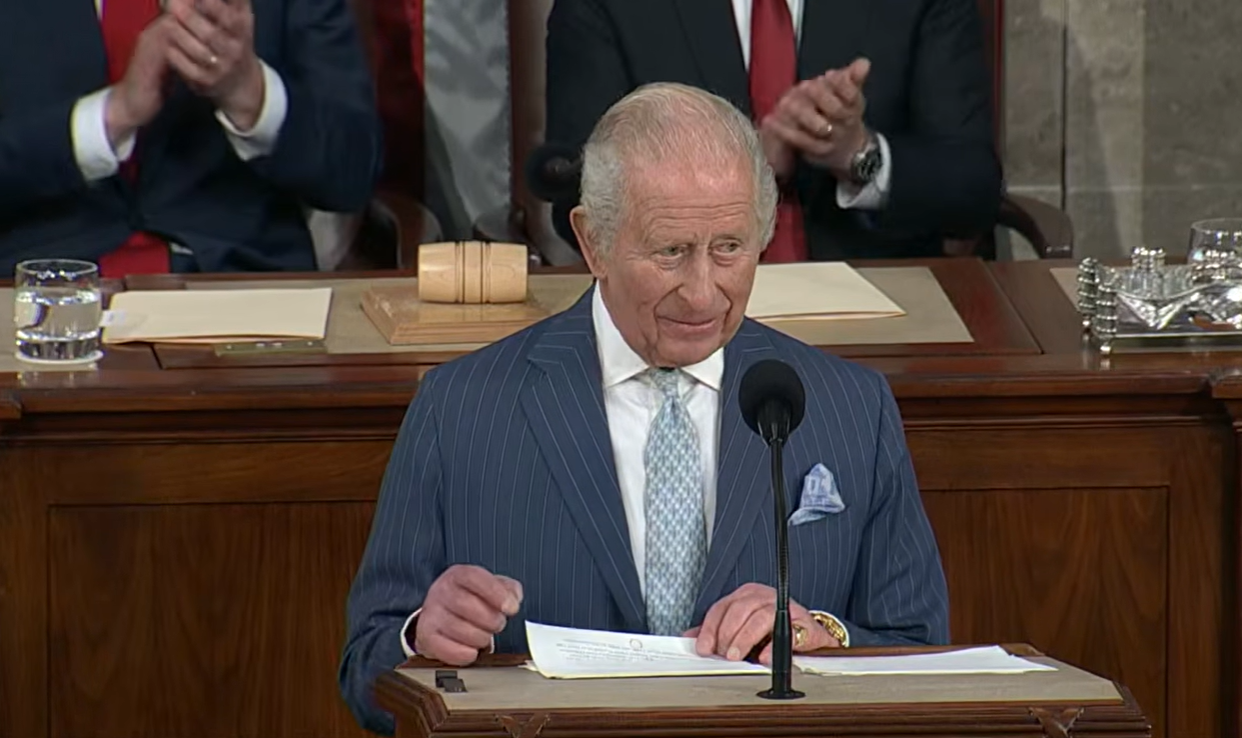
King Charles is facing renewed calls to disclose how much rental income his brother, Andrew Mountbatten-Windsor, earned by subletting cottages on the Royal Lodge estate, following a National Audit Office review that found the arrangement had gone undisclosed for years, according to reports and public comments from lawmakers.
The dispute centers on three cottages located on the Royal Lodge grounds in Windsor, which Andrew leased from the Crown Estate under an agreement dating back to 2004. According to the National Audit Office, Andrew directly rented the cottages to tenants and kept the income himself, though the watchdog said it did not have visibility into how much rent he actually charged.
What the audit found
The National Audit Office’s review, part of its first examination of royal residences in two decades, confirmed that Andrew received private rental income from the cottages while paying a below-market rent on the broader Royal Lodge property under his original lease. The audit also noted that the cottages had been sitting vacant since April, following Andrew’s relocation earlier this year to Marsh Farm, a smaller property on the Sandringham estate.
James Chalmers, the King’s Keeper of the Privy Purse and Treasurer, told a parliamentary committee that the Royal Household could obtain and share detailed financial information if Parliament formally requested it, drawing on the same process used in the original NAO review. “What I can say is the role we played with the NAO report, which we can play here, was we gathered the information from the other households, and I believe if the request were made for that information, we could provide it to the National Audit Office and therefore to the committee… We can get it,” Chalmers said.
Calls for transparency from lawmakers
The push for disclosure has drawn support from multiple members of Parliament. Liberal Democrat leader Sir Ed Davey has called for a select committee inquiry to “properly scrutinise” the Crown Estate’s handling of the Royal Lodge lease, a request Prime Minister Sir Keir Starmer said he supported in principle, telling the House of Commons that proper scrutiny of Crown properties was important.
Baroness Margaret Hodge, who chaired Parliament’s Public Accounts Committee from 2010 to 2015, has been among the most vocal advocates for disclosure. Describing the broader arrangement as looking “like a rotten deal,” Hodge questioned the fairness of Andrew retaining the rental income himself. “Allowing him to make money out of rents, it’s a potential loss to the taxpayer, so we need to know about it,” Hodge said.
Public Accounts Committee chair Sir Geoffrey Clifton-Brown formally wrote to the Crown Estate and Treasury seeking additional detail on the arrangement, stating in his letter, “There is considerable and understandable public interest in the spending of public money in relation to Prince Andrew, which in part stems from the fact that he is no longer a working royal and from serious and disturbing allegations made against him.”
What remains unconfirmed
Despite the mounting pressure, King Charles has not announced any plan to release the specific rental figures, and any formal disclosure would still require Parliament to make an official request through the National Audit Office before the information could be made public. Reports citing an unnamed royal source have suggested there is “little appetite” within the Royal Household to withhold the figures if such a formal request is made, but no timeline for that process has been confirmed, and palace officials have not indicated that Charles has already ordered the information released.
Broader context around Andrew’s status
The rental income controversy adds to a lengthy list of financial and reputational challenges facing Andrew, who was stripped of his prince title and the Duke of York designation last year following renewed scrutiny of his past association with convicted sex offender Jeffrey Epstein. Andrew has consistently denied any wrongdoing.
Andrew moved out of Royal Lodge and into Marsh Farm on the Sandringham estate earlier this year, ending his occupancy of the Windsor property after roughly two decades. According to the original terms of his Royal Lodge lease, Andrew was entitled to reclaim a portion of an upfront payment if he vacated the property early, with that amount tapering over time; at current rates, that figure was calculated at approximately £186,000 for each remaining year through 2028. When Andrew initially took on the lease, he paid £5 million for renovations, £2.5 million toward rent in advance, and an additional £1 million premium, with a further £2.5 million later spent on renovations, according to figures from the National Audit Office and Crown Estate.
Separately, Andrew was taken into custody in February on suspicion of misconduct in public office, adding a further legal dimension to the broader scrutiny surrounding his affairs.
Wider questions about royal finances
The controversy over Andrew’s rental income has also fed into a broader conversation about transparency in royal financial arrangements more generally. Academic and political commentators have noted that, since the Sovereign Grant Act of 2011, the individual annuities paid to non-working royals are no longer published, making it difficult for the public to fully understand how members of the extended royal family are financially supported. Some observers have suggested that if the Crown Estate is compelled to disclose details of Andrew’s lease, it may face similar pressure to disclose financial arrangements involving other royal family members funded through the Duchy of Lancaster.
For now, the specific amount Andrew earned from subletting the Royal Lodge cottages remains undisclosed. The Royal Household has indicated it is capable of producing the figures if formally requested through Parliament’s established process, but no such request has yet been confirmed as underway. Whether King Charles ultimately authorizes the disclosure, and how Parliament proceeds with its scrutiny of the Crown Estate’s broader property arrangements, are likely to remain open questions in the weeks ahead as lawmakers continue pressing for greater visibility into the finances surrounding Andrew’s residency arrangements.
Business
Was DoorDash Down Today? Here’s What Outage Trackers Are Currently Showing for the Food Delivery App

Users searching to find out whether DoorDash is experiencing problems today are met with a mixed picture: while the popular food delivery platform has faced high-profile outages in recent weeks, the most current data from independent monitoring services shows the app operating within its normal range as of today, with no confirmed widespread disruption currently underway.
According to outage-tracking service Outage.Report, DoorDash’s most recent notable incident occurred earlier and lasted approximately 13 minutes before being resolved, a relatively brief and localized disruption rather than a broad, ongoing outage. As of the latest available data, report volume for DoorDash sits within the typical range expected for this time of day, suggesting the platform is currently functioning as intended for most users.
A recent history of outages
Even though today’s data does not show a major disruption in progress, DoorDash has experienced several significant outages over the past few months that continue to shape how users interpret any sign of trouble with the app. Most notably, on July 9, DoorDash suffered a widespread outage that left customers and delivery drivers, known as Dashers, unable to place or complete orders across large portions of the country.
According to reporting on that incident, users first began noticing problems around 4:36 a.m. Eastern time, with complaints escalating through Downdetector over the following hours before gradually tapering off. DoorDash acknowledged the issue directly on its website at the time, posting a banner stating, “We are currently aware of a temporary issue with placing orders on the platform,” and provided a link for affected users to file a support request.
That July 9 outage was reported most heavily in cities including New York, Atlanta, Phoenix and Dallas, with additional clusters of complaints coming from Detroit, Chicago and Los Angeles. Frustrated users flooded DoorDash’s official subreddit during the disruption, with one user describing losing visibility into their weekly earnings and a scheduled delivery shift, while others confirmed that both the customer-facing app and the Dasher driver app appeared to be down simultaneously, with restaurants showing as closed across the platform.
How to check DoorDash’s status right now
For anyone trying to determine whether DoorDash is having problems at this exact moment, several independent tools can help provide a clearer picture than relying on social media chatter alone. Outage-tracking sites such as Downdetector, Outage.Report and StatusGator compile real-time user reports and automated monitoring checks to flag when complaint volume rises meaningfully above normal levels, a signal that typically indicates a genuine platform-wide issue rather than a problem specific to one user’s device or connection.
Services like UptimeRobot take a slightly different approach, running automated checks against DoorDash’s website from multiple global locations and repeating failed tests from different servers before confirming an outage, a method designed to rule out false positives caused by localized internet issues rather than an actual problem on DoorDash’s end.
What typically causes DoorDash outages
DoorDash, like many large-scale delivery and logistics platforms, relies on a complex web of backend services, including payment processing, restaurant and order databases, driver-matching systems and mapping tools, any of which can trigger broader app instability if disrupted. Some past DoorDash disruptions have been tied to broader internet infrastructure problems rather than issues specific to DoorDash itself; the platform was among several major services affected by a large-scale Cloudflare outage in recent history, according to reporting from USA Today, illustrating how outages at major cloud infrastructure providers can ripple outward to affect a wide range of unrelated consumer apps simultaneously.
What to do if you’re experiencing problems
For users currently having trouble with DoorDash despite the absence of a confirmed widespread outage, outage-tracking services generally recommend a few basic troubleshooting steps before assuming a broader platform issue is to blame. These include checking your own internet connection, clearing the app’s cache, confirming the app is updated to its latest version, and, if problems persist, trying to uninstall and reinstall the app entirely.
If those steps don’t resolve the issue, checking whether other users in your area are reporting similar problems through an outage-tracking site can help clarify whether the issue is isolated to your device or reflects a broader, platform-wide disruption. Users can also report issues directly to DoorDash through the company’s official support channels for more specific troubleshooting guidance.
A pattern seen across the delivery industry
DoorDash is far from alone in experiencing periodic service disruptions; competitors and adjacent services in the food delivery and logistics space have faced similar outages tied to both internal technical issues and broader infrastructure failures affecting multiple unrelated platforms simultaneously. That broader pattern has made outage-tracking tools an increasingly common first stop for users trying to quickly determine whether a problem lies with a specific app or reflects a wider issue across multiple services at once.
Bottom line
Based on the most recent available data, DoorDash does not currently appear to be experiencing a significant, ongoing outage today, with report volumes across independent tracking services sitting within normal ranges. Given how quickly outage conditions can change, however, and DoorDash’s recent history of unexpected disruptions, including the widespread July 9 outage that affected customers and drivers nationwide, users experiencing access problems are encouraged to check a live outage-tracking site directly for the most current status rather than relying solely on past incidents to judge whether the app is currently functioning normally.
As ADHD diagnoses have risen, have workplaces caught up with the needs of the workforce?
Brazil eases spending curb despite revenue shortfall from dividend tax

Carl Jones said he and his partner of 20 years haven’t wed because even the simplest weddings are too expensive.
“We want to get married but won’t, as it costs too much. It’s cheaper if we just have two witnesses, but why should our [12-year-old] daughter not be allowed to attend… It’s wrong.”
But sceptics say this will do little to lower the cost of weddings, which according to wedding planner app Hitched has jumped to £21,990 on average.
Reverend Tom Kennar said it isn’t marriage that is expensive, it’s the extras most modern couples like to add.
“[It] is the costs of the reception, vehicles, booze, photographers, clothing, food, cars etc,” he said.
Other critics of the proposal say they fear it will dilute the significance of marriage.
“Marriage is a gift from God to secure society. Not an opportunity to set new standards and styles,” said Donald Tosh, from Glasgow, who wrote to BBC Your Voice.
“It’s now not a life decision, it’s a temporary decision. And now with this, a very temporary frivolous decision,” said Oliver, from Kent.
However, celebrant Zadie Ward told the BBC the changes could enhance the meaning of a wedding for many couples.
“[Critics] are saying it’s a solemn promise and it’s about the serious commitment, but how can you ask someone to make a serious commitment in words that mean nothing to them and ways that are meaningless to them?”

In the current business landscape, small and medium-sized enterprises (SMBs) are operating in an environment that demands more content than ever before.
Whether it is a daily social media presence, high-converting product pages for e-commerce, or localized video advertisements, the pressure to produce professional-grade visuals is relentless. For a long time, the barrier to entry was high: you either needed an in-house creative team or a significant budget for agencies and studios. However, as digital marketing evolves, the industry is shifting away from fragmented tools toward integrated “Creative Studios” that prioritize efficiency, brand consistency, and professional output.
Maximizing ROI with an Integrated AI Image Generator
For many UK-based business owners, the first step into automated creation usually starts with the need for better product photography. Traditional shoots are time-consuming and expensive, often requiring weeks of planning for a single set of images. This is where the specialized Design and Marketing Studios within the platform provide a distinct advantage. By utilizing a professional Pollo AI AI image generator, marketers can transform a simple product reference into a complete suite of high-fidelity marketing materials. Whether you need Amazon A+ content, model-swapped fashion shots, or stylized social media posters, the focus is on creating visuals that are purpose-built for conversion.
The strength of this ecosystem lies in its architecture. Instead of offering a single “one-size-fits-all” model, the platform is divided into specialized modules: the Creative Studio for creators, the Marketing Studio for business scenarios, and the Design Studio for high-end aesthetics. All of these share a unified credit system, meaning a business can manage its entire visual pipeline from a single dashboard. This integration ensures that the visual quality remains consistent across different formats, which is the primary driver of consumer trust in the digital age.
The Power of Pollo Asset: Building a Centralized Brand Brain
One of the most significant frustrations for modern marketing teams is the “re-upload loop.” In traditional workflows, every time you want to create a new campaign featuring the same product or brand character, you have to hunt for source files and re-upload them to your creative tools. This repetitive labor is not only a waste of time but also leads to inconsistencies in brand representation. To solve this, Pollo AI has introduced a groundbreaking feature: Pollo Asset.
Think of Pollo Asset as a centralized library that stores all of your digital property, turning every upload and every generation into a reusable resource. Within the interface, users can now define and save specific “Elements” that represent their brand identity:
- Product: Save your physical inventory as a digital asset to be placed in any lighting or scene.
- Character: Define consistent brand ambassadors with specific names, facial features, and even saved voices.
- Scene: Record specific lighting setups or backgrounds that define your brand’s mood.
- Style: Save the visual “DNA” of your brand—tones, textures, and atmospheres—to ensure every ad looks like it belongs to the same family.
The true efficiency gain comes from the new “@” mention functionality. When working in the prompt box, a creator can simply type the “@” symbol to summon a saved asset instantly. You can define a character in the Creative Studio and then pull that same character into a Marketing Studio template to generate a UGC-style testimonial video. This cross-studio compatibility ensures that your brand assets are cumulative—the more you use the platform, the more powerful your creative library becomes.
Bridging the Gap Between Concept and Commercial Reality
The leap from a basic creative idea to a commercial-grade advertisement is often the hardest part for SMBs. While many beginners might start their journey with simple, free tools like Pollo AI Craiyon AI to brainstorm concepts, those who require professional-quality video for TVCs or social ads need a more robust environment. This is where the Marketing Studio excels, offering the ability to generate 30-second videos that are ready for immediate publication.
The latest updates have focused on the specific needs of commercial video production. Marketers can now produce 30-second cinematic ads—the standard length for television and high-impact social media promotions—with a level of consistency previously impossible for AI. The system now supports a massive expansion in reference materials, allowing users to input up to 30 images and 10 video clips. For an e-commerce brand, this means you can feed the system every angle of your actual product, ensuring the resulting video looks like a professional commercial rather than a generic animation. This high-capacity referencing ensures that your products remain sharp and recognizable, solving the “AI hallucination” problem that often plagues less advanced models.
Precise Control for Global Scaling and Compliance
For businesses looking to scale beyond their local borders, the platform offers features that address the technical and legal realities of global marketing. One of the most valuable updates is the improved response to directorial instructions. Marketers can now use timestamped commands to dictate exactly when a product should appear or when a scene should transition. This level of granular control, combined with a significant reduction in common defects like “multi-face” errors or background text glitches, means that the output is professional-grade right from the start.
Furthermore, the system has been optimized for multi-language scenarios, allowing brands to adapt their message for different global audiences without losing the brand’s core voice. From a compliance perspective, the platform has made significant strides in reducing the risk of generating IP-infringing content or celebrity likenesses, providing a safe environment for businesses to build their own unique intellectual property. Whether you are adapting content for a mobile H5 landing page or a desktop web experience, the adaptive nature of these assets ensures a seamless user experience across all devices.
Conclusion: The Move to Asset-Driven Marketing
The transition from standalone generative tools to an integrated, asset-driven studio environment is the most significant trend in digital marketing today. It marks a shift away from “generating content” toward “managing a brand.” By allowing SMBs to save, categorize, and reuse their most valuable creative elements through the Pollo Asset system, the platform effectively lowers the barrier to high-end video and image production.
As marketing teams continue to build their libraries of products, characters, and styles, the time required to launch a new campaign drops from weeks to mere minutes. The ability to “summon” your brand’s unique identity with a simple @ mention, combined with the power to produce 30-second, high-fidelity commercials, gives smaller businesses a scalable path to compete with global corporations. In an era where visual storytelling is the ultimate currency, having a unified studio to manage your creative assets and output is not just a smart investment—it is a foundational strategy for long-term growth.

Like Keerthana, Alicia Munhupedzi used the internet to find her dress – though it was a bit last minute.
“I thought, ‘Where can I get a nice dress really quickly and cheaply?’”
The answer? Depop, the second-hand clothing app popular among Gen Z shoppers that sold for $1.2bn (£890m) earlier this year.
Like others, Alicia felt her outfit was important.
“Graduation, it’s a milestone thing, especially if you’re not planning on doing a master’s,” she says. “So, to me, there was a pressure.”
So much so she couldn’t sleep properly the night before her ceremony and woke at dawn to get ready. “I made it through today off two hours of sleep, water, good vibes, energy and a coffee.”
Knowing all eyes would be fixed on her when she was handed her degree, Keerthana says she was nervous for her graduation ceremony – but it passed more quickly than she thought it might.
“This is the only moment you get for yourself,” she says.
And was the 05:00 wake-up and two hours of getting ready worth it?
“Yeah,” Keerthana says, “I couldn’t compromise on that.”
Additional reporting by Kate Berry and George Sandeman.

FOX Business’ Lydia Hu reports live from the New York Stock Exchange, demonstrating the specialized process of ‘coffee cupping’ by elite coffee graders.
A New York-based coffee company is recalling some of its cold brew drinks sold in New York and New Jersey because of a risk of botulism, according to the U.S. Food and Drug Administration.
The Brooklyn Roasting Company issued the recall this month for 2.5 gallon bags of pasteurized cold brew concentrate after finding that room temperature storage could lead to the growth of Clostridium botulinum toxin formation.
The affected products were distributed between April 1 and June 20, and they include best by dates between June 3 and Sept. 30.
CYCLOSPORA OUTBREAK: IS IT STILL SAFE TO EAT AT RESTAURANTS? HERE’S WHAT TO KNOW

A New York-based coffee company is recalling some of its cold brew sold in New York and New Jersey because of a risk of botulism, according to the U.S. Food and Drug Administration. (Scott Suchman for The Washington Post via Getty Images; food styling by Lisa Cherkasky for The Washington Post via Getty Images / Getty Images)
Botulism is a rare condition caused by a toxin that attacks the body’s nerves, which can be fatal.
Symptoms of foodborne botulism usually start 12 to 36 hours later and include trouble swallowing, dry mouth, blurred vision, drooping eyelids, upset stomach, trouble breathing and paralysis.
Anyone experiencing botulism symptoms is urged to go to the emergency room immediately.
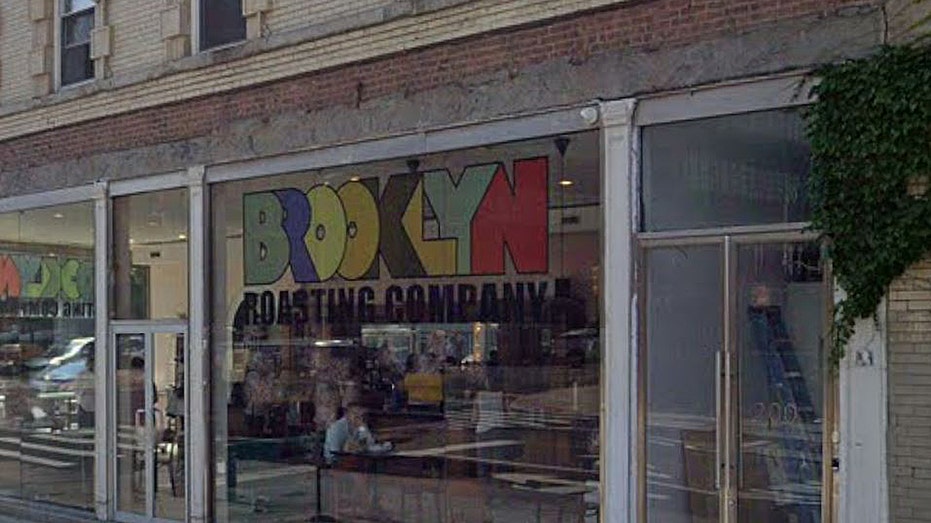
A Brooklyn Roasting Company location on Flushing Avenue. (Google Maps / Google Maps)
SCIENTISTS USED ELECTRICITY ON COFFEE AND DISCOVERED WHAT MAKES IT TASTE GOOD
There have been no reports of illnesses caused by the cold brew products.
CLICK HERE TO DOWNLOAD THE FOX NEWS APP
The FDA said there have not been any reported illnesses related to the product. ((Photo by Sarah Silbiger/Getty Images) / AP Newsroom)
The Brooklyn Roasting Company sells its products at its cafés, other coffee shops, gourmet grocery stores, independent markets and online, according to The Patch.
The company didn’t specify where the affected cold brew had been distributed.
The Brooklyn Roasting Company did not immediately respond to FOX Business’ request for comment.

Plagiarism or jealousy? Youngest black professor in Cambridge history set to publish extraordinary life story – including how he couldn’t speak, read or write during childhood – as he’s now accused of copying others’ work
Bitcoin May Stay Under Pressure Through 3Q

Samsung Wallet to add stablecoin support as crypto push expands


-

 Crypto World7 days ago
Ripple Payments Joins MiCA With 14 Firms, Does It Mean Anything For XRP?
-

 Politics7 days ago
The House | The City of London can help the new chancellor deliver growth in every postcode
-

 Fashion7 hours ago
Weekend Open Thread: Brooks Brothers
-

 Politics5 days ago
Democrats look to World Cup watch parties to register thousands of voters
-

 Crypto World4 days ago
Grayscale Files For Worldcoin ETF, WLD Registers Sharp Rise
-

 Tech4 days ago
Sail Virtually Aboard The “Itanic” With IA-64 Emulator
-

 NewsBeat5 days ago
Unregistered fitter used Gas Safe logo on business flyers
-
 Tech4 days ago
Turtle Beach Command Series KB7 review: a nifty screen-equipped gaming keyboard
-
 Business3 days ago
New Jersey voter registration controversy explained: How 6,600 noncitizens got on the rolls, and what happens next
-

 News Videos5 days ago
Big Money Is Entering XRP
-

 Crypto World7 days ago
Kaspersky exposes OkoBot’s 20-module crypto wallet attack
-
 Entertainment3 days ago
Johnny Depp’s R-Rated Gothic Cult Classic Gets New Release Ahead of Sydney Sweeney Remake
-
 NewsBeat7 days ago
Durham County Council to send out electoral registration emails
-

 Crypto World7 days ago
MiCA Licensing Faces Delays as ESMA Adds 14 CASPs to Register
-

 Crypto World2 days ago
Ethics, other provisions in crypto Clarity Act to be further discussed
-

 Crypto World7 days ago
Chip Stocks Enter Bear Market After Moonshot Ai Unveils Kimi K3 Model
-
 NewsBeat4 days ago
Shanghai science forum photos show China’s AI and robotics advances in rivalry with US
-

 Tech4 days ago
Watch Flock Safety CEO Garrett Langley discuss the future of surveillance at TechCrunch Disrupt 2026
-

 Crypto World5 days ago
Circle’s President Sold Over 360,000 Shares, The Filings Explain Why
-

 Tech5 days ago
Subway Sandwich Computers Get a Second Life as Gaming Machines
You must be logged in to post a comment Login