

Business
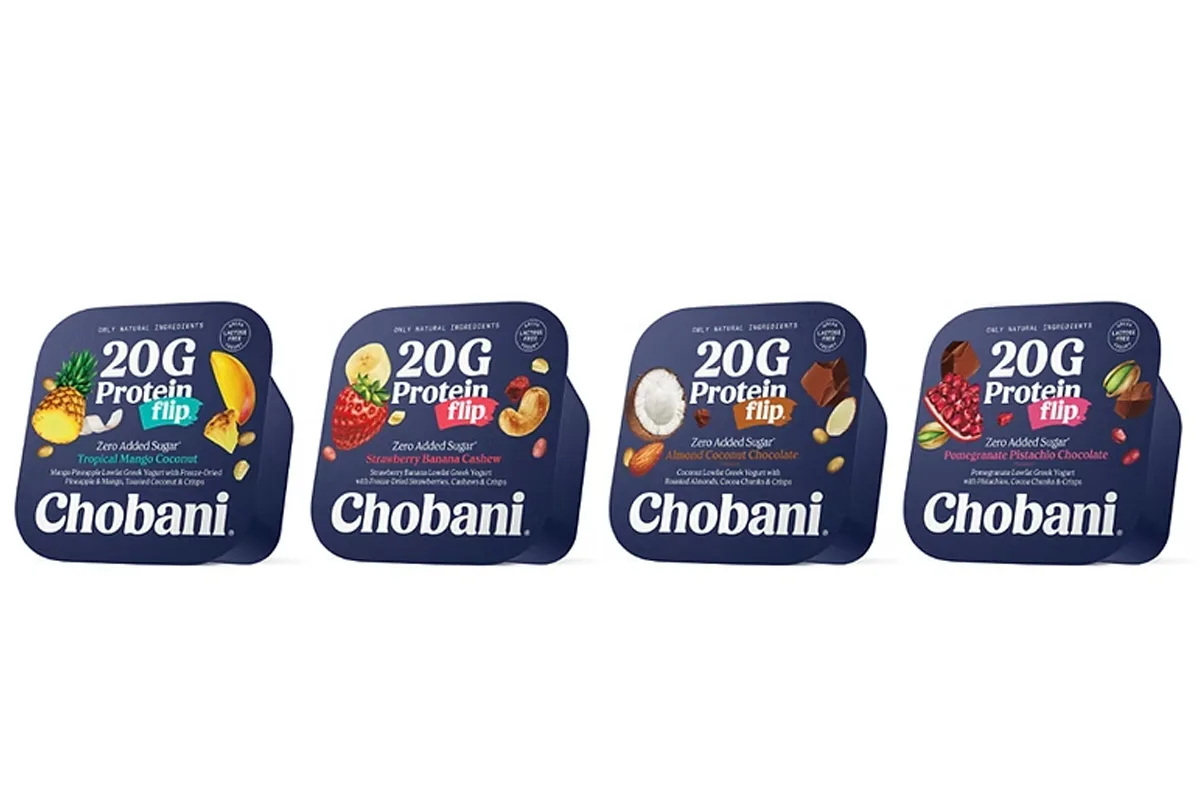
Chobani unveils protein snack innovation



Business
PepsiCo Stock Rises Nearly 3% as Shares Rebound From 52-Week Lows Amid Blue-Chip Rally Today
PepsiCo Inc. shares climbed Tuesday, rising 2.73% to $143.61, adding $3.82 as the beverage and snack giant participated in a broader rally among traditional consumer and industrial stocks even as it continues working to recover from a difficult stretch earlier this year.
Tuesday’s gains offer a notable bounce for a stock that has spent much of 2026 trading near its 52-week lows, weighed down by weakening consumer demand and a series of analyst downgrades following a disappointing earnings report earlier this month.
A Rough Second-Quarter Report
PepsiCo’s most recent earnings release, delivered July 9, fell short of Wall Street’s expectations and highlighted growing pressure on the company’s core North American business. PepsiCo’s earnings missed estimates as U.S. consumers tightened their budgets, with the company reporting that high prices at the pump were keeping consumers from heading into stores to buy snacks.
The quarterly results themselves offered a mixed picture even beyond the earnings miss. Second-quarter 2026 results delivered revenue of $24.18 billion that beat consensus estimates, while core earnings per share of $2.20 came in slightly below the $2.21 Wall Street forecast, with organic revenue growing 2.4% for the period.
International Strength Offsets North American Softness
PepsiCo’s results showed a clear divide between its performance overseas and its struggles closer to home. International operations remained a bright spot in the quarter, with the company’s Europe, Middle East and Africa segment posting 10% reported revenue growth and its Asia Pacific Foods segment up 12%, offsetting persistent softness in PepsiCo Foods North America.
PepsiCo Chairman and Chief Executive Officer Ramon Laguarta highlighted the company’s global sales volume trends following the report, pointing to continued international momentum even as domestic demand remained challenged.
A Wave of Analyst Downgrades
The disappointing earnings report triggered a round of price target cuts and rating downgrades from major Wall Street firms in the weeks that followed. Multiple analysts downgraded the stock or reduced price targets following the second-quarter report, with Citigroup cutting PepsiCo from Buy to Neutral and lowering its price target from $170 to $145. Citi’s downgrade came despite what the firm characterized as a Q2 beat, with the analyst slashing the target by 15% even as the quarter technically topped some estimates.
Other firms took a more cautious tone as well in the weeks following the report. Barclays maintained a Hold rating on the stock in mid-July before later raising its price target modestly to $142 from $138, while still keeping an Equal Weight rating on the shares.
Shares Fell to Multiyear Lows
The combination of the earnings miss and subsequent analyst downgrades pushed PepsiCo shares down sharply in the weeks following the report, extending a broader downtrend that had already been building through the first half of the year. PepsiCo shares declined approximately 3.4% over the 30-day period ending mid-July 2026, closing at $137.12 on July 17, extending a downtrend that pushed the stock near its 52-week low of $134.65. That represented a decline of roughly 20% from the stock’s 52-week high of $171.48.
A Notable Underperformer Against Rival Coca-Cola
PepsiCo’s struggles this year have stood out particularly when compared with the performance of its chief beverage industry rival. By contrast, rival Coca-Cola has advanced roughly 20% in 2026 and reached all-time highs in July, widening the performance gap between the two beverage and snack giants and raising questions among investors about PepsiCo’s relative competitive positioning.
A Dividend Increase Amid the Stock’s Decline
Even as its share price struggled, PepsiCo continued its long streak of annual dividend increases, a factor that has helped support investor interest in the stock despite its underperformance. The board of directors declared a quarterly dividend of $1.48 per share, a 4% increase, marking the company’s 54th consecutive annual dividend increase. The company’s annualized dividend now stands at $5.92 per share, yielding approximately 4.3% at recent trading levels, a yield that has made the stock increasingly attractive to income-focused investors even as its share price has lagged.
Guidance Reaffirmed, But Tracking Toward the Low End
Despite the disappointing quarter, PepsiCo’s management has continued to stand behind its broader financial targets for the year, even while acknowledging the company is unlikely to hit the upper end of its own projections. Management reaffirmed fiscal 2026 guidance but indicated earnings are tracking toward the low end of its 4% to 6% core constant-currency earnings-per-share growth range.
A Valuation Discount Relative to Peers
One factor that some analysts have pointed to as a potential source of support for the stock is its current valuation relative to both the broader market and its industry peers. PepsiCo’s forward price-to-earnings ratio of roughly 18 times stands at a notable discount to both the broader S&P 500 and rival Coca-Cola, a gap that some value-oriented investors view as an opportunity given the company’s continued international growth and long dividend track record.
Part of a Broader Blue-Chip Rally Tuesday
Tuesday’s gains for PepsiCo came alongside broader strength in traditional consumer and industrial names, even as technology and semiconductor stocks continued to face pressure from an ongoing global chip-sector selloff. That divergence has become a recurring theme in recent trading sessions, with more defensive, earnings-driven consumer names outperforming amid continued volatility in AI-linked technology stocks.
With PepsiCo’s stock still trading well below its 52-week high despite Tuesday’s gains, investors will be watching closely in the coming quarters to see whether the company’s international growth momentum can offset continued softness in its core North American snack and beverage business. Given the string of analyst downgrades that followed the July 9 earnings report, a sustained recovery in the stock is likely to depend heavily on whether PepsiCo can show clearer signs of stabilization in U.S. consumer demand when it next updates investors on its business performance.

Thailand has maintained UNESCO conservation standards for its World Heritage sites, with no sites in danger. Wat Phra Mahathat Woramahawihan awaits nomination, potentially becoming the country’s sixth cultural site.
Key Points
- Thailand remains compliant with UNESCO standards for its World Heritage properties, with no sites on the List of World Heritage in Danger, as confirmed by the 48th session of the World Heritage Committee.
- The country awaits a decision on the nomination of Wat Phra Mahathat Woramahawihan, which could become its sixth cultural World Heritage site, enhancing its standing in southern Thailand.
- The Ministry of Natural Resources and Environment emphasizes ongoing collaboration for site conservation, highlighting the importance of continued management, community engagement, and the potential consequences of losing a site’s Outstanding Universal Value.
Thailand has continued to meet UNESCO standards for the conservation and management of its World Heritage properties, with none placed or proposed for inclusion on the List of World Heritage in Danger. The outcome, announced during the 48th session of the World Heritage Committee on July 21-22, indicates that the country remains in line with its obligations under the World Heritage Convention.
Thailand is also awaiting a decision in three days on the nomination of Wat Phra Mahathat Woramahawihan in Nakhon Si Thammarat province for inscription on the World Heritage List. Natural Resources and Environment Minister Suchart Chomklin said approval would make the temple Thailand’s sixth cultural World Heritage property, the country’s ninth World Heritage site overall, and the first in southern Thailand. He added that authorities had completed all required documentation through close coordination with UNESCO.
The Ministry of Natural Resources and Environment credited continued cooperation among responsible agencies for maintaining conservation standards across the country’s World Heritage sites. The Office of Natural Resources and Environmental Policy and Planning continues to coordinate site monitoring, conservation, threat assessments, management, and regular evaluations to preserve the Outstanding Universal Value of each property.
The ministry stated that inscription on the World Heritage List carries an ongoing responsibility to protect and manage each site through conservation, tourism management, disaster preparedness, community participation, and regular reporting. The agency noted, however, that properties can be placed on the List of World Heritage in Danger or removed from the World Heritage List if their Outstanding Universal Value is permanently lost.
Source : Thailand Continues to Uphold UNESCO World Heritage Standards
Other People are Reading


Partnership combining MycoTechnology’s Zukora Honey Truffle Sweet Protein with Adorvia’s Reb M Stevia.

Great Hill Capital Chairman Thomas Hayes joins Stuart Varney to analyze the current market rally, attributing it to falling oil prices and stable yields.
Apple and buy now, pay later (BNPL) payment provider Klarna are joining forces to offer customers the option to lease a new Apple device in the U.S.
The tech giant announced the program, called Apple Upgrade, on Tuesday, and said that customers will be able to lease eligible iPhone, iPad, Mac and Apple Watch devices.
Apple Upgrade offers 12- and 24-month leasing options for iPhone and Apple Watch, and 24- and 36-month leasing options for Mac and iPad. Leasing prices start as low as $17.99 per month for iPhone, $11.99 for Apple Watch, $24.99 for Mac, and $11.99 for iPad.
APPLE RAISES PRICES ON SOME STREAMING SERVICES AS LICENSING COSTS CLIMB

Apple employees help customers at the Fifth Avenue Apple Store on new product launch day on Sept. 19, 2025 in New York City. (Michael M. Santiago/Getty Images)
When customers enroll in Apple Upgrade, they can trade in their current device through Apple Trade-In to lower their monthly payments during the leasing term, Apple said. At the end of the leasing term, customers can choose to upgrade to the latest Apple device model, purchase the leased device outright or return it.
APPLE RAISES IPAD AND MACBOOK PRICES AS MEMORY CHIP COSTS SURGE
| Ticker | Security | Last | Change | Change % |
|---|---|---|---|---|
| AAPL | APPLE INC. | 336.91 | +3.89 | +1.17% |
| KLAR | KLARNA GROUP PLC | 18.49 | +1.13 | +6.51% |
Apple announced that it would discontinue its iPhone Upgrade Program and iPhone Payments with the rollout of Apple Upgrade. Both programs allowed qualified customers to purchase an iPhone through a 24-month, interest-free installment loan, while the iPhone Upgrade Program also included AppleCare+ and an option for customers to upgrade their device after 12 payments.
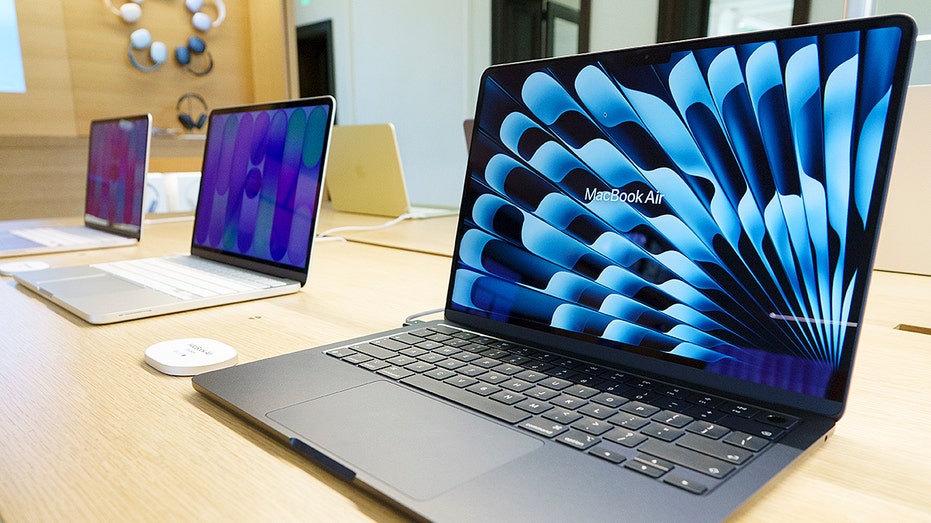
An Apple MacBook Air laptop is displayed at the Apple Carnegie Library store on July 25, 2026 in Washington, D.C. (Kevin Carter/Getty Images)
GET FOX BUSINESS ON THE GO BY CLICKING HERE
The tech giant’s partnership with Klarna comes as more Americans are choosing BNPL options to finance purchases. About 51% of Americans say they have used installment plans for online purchases, according to a Gallup survey.
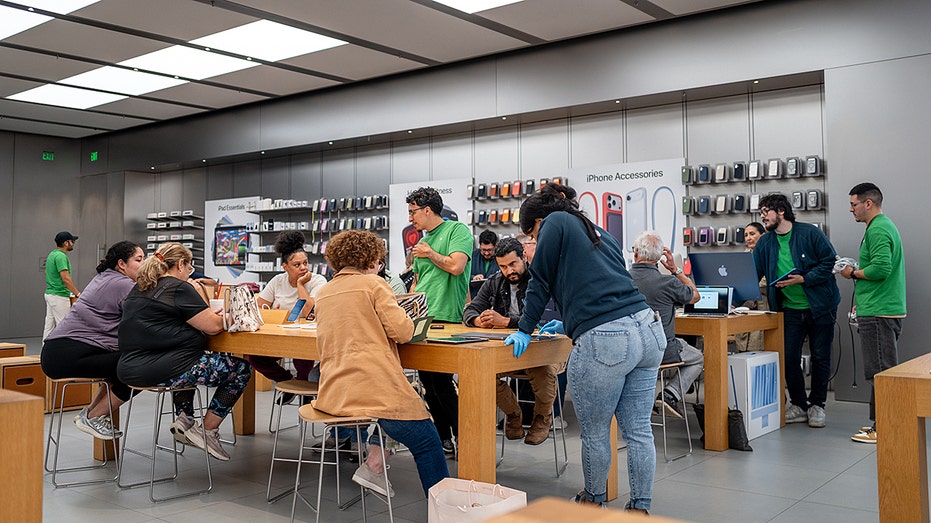
Customers are assisted at an Apple store in the Barton Creek Square mall on April 30, 2026 in Austin, Texas. (Brandon Bell/Getty Images)
While Klarna is best known as a BNPL provider, Apple Upgrade is structured as a lease rather than a traditional BNPL loan.
Apple Upgrade is available through Apple’s website and U.S. Apple Store locations.
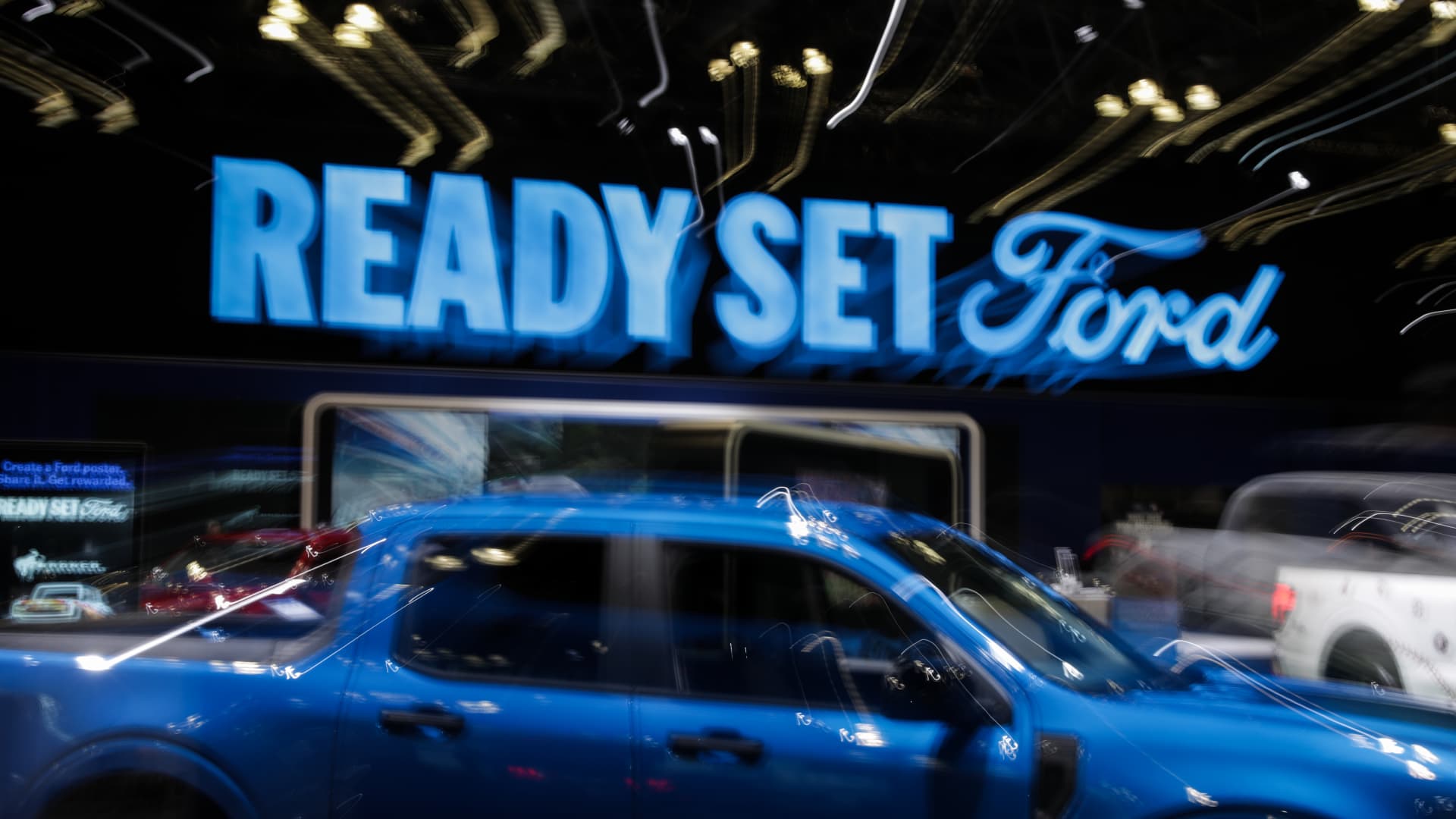
Ford at the New York International Auto Show in New York City on April 2, 2026.
Danielle DeVries | CNBC
DETROIT — Ford Motor is set to announce second-quarter results after the markets close Tuesday.
Here’s what Wall Street expects, based on average analysts’ estimates compiled by LSEG:
- Earnings per share: 35 cents adjusted
- Automotive revenue: $45.86 billion
Those results would mark a 2.3% fall in automotive revenue compared with a year earlier and a 2 cent decline in adjusted earnings per share.
Ford’s 2025 second-quarter results included $46.94 billion in automotive revenue, adjusted earnings before interest and taxes of $2.14 billion and a net loss of $36 million. Its total revenue, which includes its Ford Credit financing arm, was $50.18 billion.
Aside from earnings and any changes to the automaker’s 2026 guidance, investors are monitoring Ford’s costs, such as warranty and commodity costs, as well as looking for any updates to the company’s F-Series truck production that has been hampered since last year due to issues with an aluminum supplier.

Auto stocks
Heading into Ford’s earnings report, Jefferies upgraded Ford and General Motors’ stocks to buy from hold. Analyst Philippe Houchois said Ford is on track to start building momentum again, with the second quarter set to mark a trough.
“We see Q2 as a low point for volume with post-Novelis production set to normalize up,” Houchois wrote. Novelis, an aluminum supplier, restarted production last month at a New York facility — a plant that supplies Ford’s F-150 truck line — after two fires halted activity. “With US market conditions healthy, management could raise guidance at Q2.”
Ford’s 2026 guidance, which the company increased in April with expected tariff refunds, includes adjusted EBIT of $8.5 billion to $10.5 billion; adjusted free cash flow of between $5 billion and $6 billion; and capital expenditures of $9.5 billion to $10.5 billion.
This is breaking news. Please check back for updates.
Johnson & Johnson shares climbed to a record high Tuesday, rising 1.99% to $271.20, after the healthcare giant agreed to pay $5.5 billion to settle roughly 76,000 remaining U.S. lawsuits alleging its talc products caused ovarian cancer.
The stock briefly touched an intraday record of $274.90 during Tuesday’s session, extending what has become a sixth consecutive day of gains and pushing the company’s year-to-date rally past 30%.
A Major Legal Overhang Finally Resolved
The proposed settlement addresses litigation that has weighed heavily on Johnson & Johnson’s stock and reputation for more than a decade. The settlement removes what had been the single largest legal and reputational risk hanging over the company for more than a decade, and investors moved quickly to price out that uncertainty following Tuesday’s announcement.
The scope of the agreement is substantial, though it remains contingent on broad participation from plaintiffs’ attorneys. The proposed agreement covers the remaining ovarian talc litigation in federal multidistrict proceedings and related state court cases, though it is contingent on participation from plaintiff firms representing at least 95% of the outstanding claims.
Strong Options Market Activity
The scale of Tuesday’s rally was also reflected in unusually heavy trading activity in the options market, where investors have shown a clear preference for bullish positioning. Options traders have shown a strong preference for calls during this run, with the stock’s 50-day call-to-put volume ratio at the International Securities Exchange, Cboe Options Exchange and NASDAQ OMX PHLX ranking higher than 99% of annual readings, while its 10-day call-to-put ratio has shown similarly elevated bullish positioning.
Building on Strong Second-Quarter Earnings
Tuesday’s settlement-driven rally builds on an already solid foundation established by the company’s most recent earnings report. In its second-quarter 2026 earnings report released July 15, Johnson & Johnson posted adjusted earnings per share of $2.90, topping analyst expectations, on worldwide sales of $25.31 billion, up 6.6% year over year. Following that report, the company raised its full-year sales guidance to a midpoint of $101.1 billion, which would mark the first time in company history that annual revenue exceeds $100 billion.
A Beat-and-Raise Quarter Across Both Segments
The strength of Johnson & Johnson’s second-quarter results extended across both of its major business divisions, giving investors confidence in the company’s underlying growth trajectory even before Tuesday’s legal settlement news. Management raised full-year adjusted earnings-per-share guidance and increased its sales forecast following the July 15 report, signaling continued confidence in both the company’s Innovative Medicine and MedTech segments.
A Regulatory Win in Surgical Robotics Added Momentum
Beyond its earnings results, Johnson & Johnson also secured a significant regulatory milestone in recent weeks tied to its medical technology business, adding another layer of positive sentiment ahead of Tuesday’s settlement news. The company received a high-profile regulatory win involving its new robotic surgical system, known as OTTAVA, a development that gave investors renewed conviction in the company’s MedTech growth story and helped reinforce the stock’s recovery from its 52-week low of $164.23.
A Stock That Has Outperformed the Broader Market
Johnson & Johnson’s rally has significantly outpaced broader market performance in recent weeks, reflecting the combination of strong fundamentals and now the resolution of its long-running legal overhang. JNJ stock has risen 6.19% compared with the previous week, with a 7.79% gain over the past month, and a 56.67% increase over the past year, according to TradingView data. Analysts’ price targets on the stock currently range from a low of $210 to a high of $305, reflecting continued optimism about the company’s growth prospects even after the stock’s substantial run-up.
A Notably Mixed Broader Market Backdrop
What makes Tuesday’s rally particularly notable is that it occurred against a broader market environment that offered little tailwind for most stocks, underscoring how company-specific the catalyst truly was. Against a mixed broader market, with the Dow Jones edging up modestly, the S&P 500 nearly flat, and the Nasdaq facing pressure from a deepening selloff in semiconductor stocks tied to concerns over AI circular-financing arrangements, Johnson & Johnson’s outperformance reflected stock-specific catalysts rather than any broader macro tailwind.
A Long History of Talc-Related Litigation
The ovarian cancer lawsuits at the center of Tuesday’s settlement trace back to claims that Johnson & Johnson’s talc-based products, including its baby powder, were contaminated with asbestos and contributed to cases of ovarian cancer among long-term users. The company has faced tens of thousands of individual lawsuits over the issue in the years since the litigation first began, with previous attempts to resolve the claims through bankruptcy-related legal maneuvers ultimately rejected by courts, keeping the underlying litigation risk hanging over the stock for years.
A Company Built on Two Core Segments
Johnson & Johnson, headquartered with more than 138,000 employees worldwide, operates through two primary business segments that together generate the bulk of its revenue. The company’s Innovative Medicine segment offers products for various therapeutic areas, including oncology, immunology, neuroscience, pulmonary hypertension, infectious diseases, and cardiovascular and metabolic conditions, distributed through retailers, wholesalers, hospitals and healthcare professionals, while its MedTech segment focuses on surgical and medical device technology, including the newly cleared robotic surgical platform.
With the proposed $5.5 billion settlement still contingent on securing participation from plaintiff firms representing at least 95% of outstanding claims, the coming weeks are likely to bring further clarity on whether the agreement can be finalized as structured. Assuming the settlement proceeds as outlined, Johnson & Johnson would remove one of the most significant legal liabilities that has shadowed the company for more than a decade, potentially freeing investors to focus more fully on the company’s underlying growth story across its pharmaceutical and medical technology businesses heading into the second half of 2026.
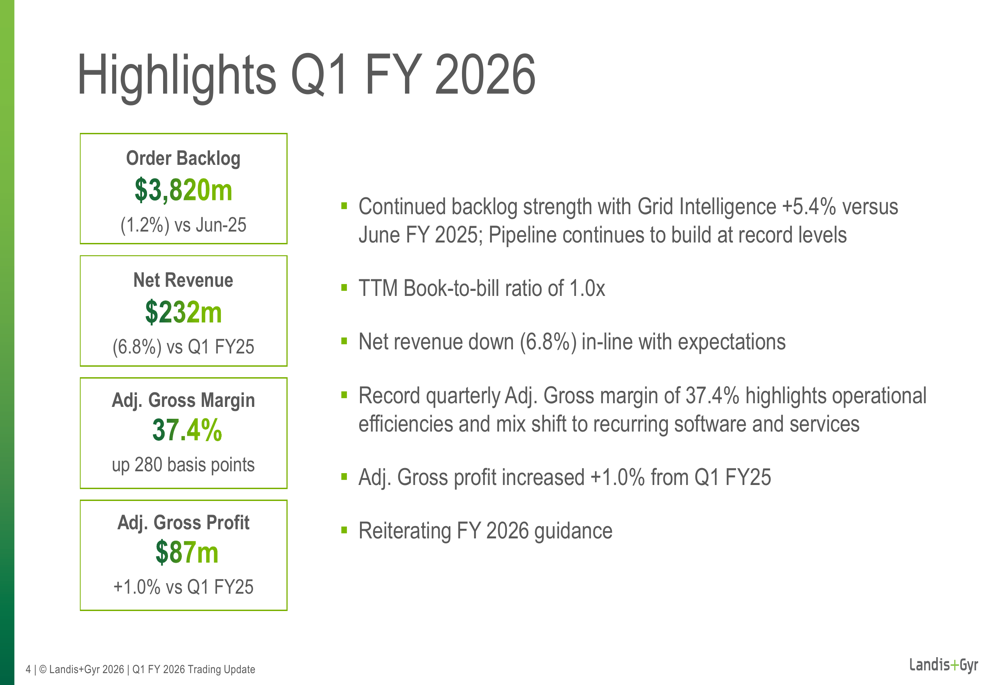
Landis+Gyr Q1 FY26 slides: record 37.4% margin offsets revenue dip
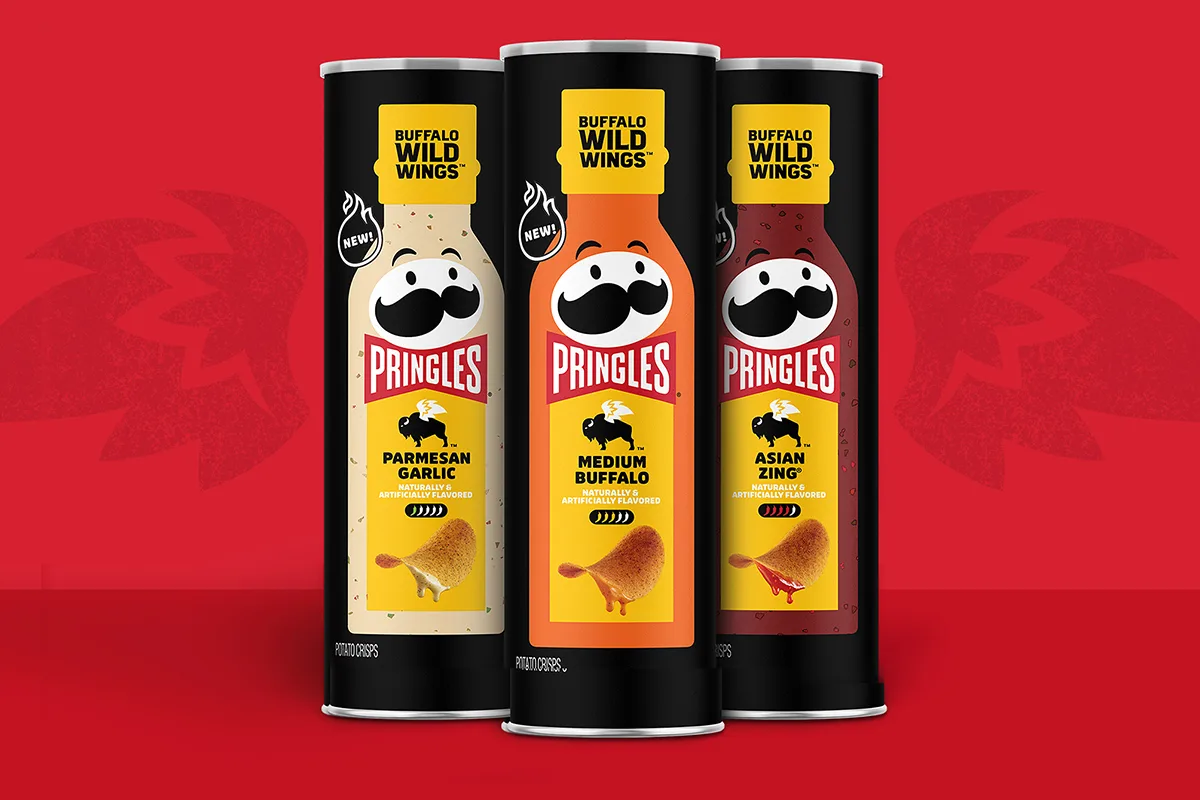

The lineup features three Buffalo Wild Wings sauce-inspired Pringles varieties.
The fall wiped out more than $23 billion in market value of the company.
Although Corning beat second-quarter Wall Street expectations for both earnings and revenue, its forward-looking guidance underwhelmed investors.
The company projected third-quarter core sales of $4.9 billion to $5.0 billion, falling slightly short of analyst forecasts.Investors noted a subtle deceleration in the company’s vital optical communications segment, which grew 32% in Q2 compared to 36% in the prior quarter. This raised fears of a near-term slowdown in capital expenditures from major wireless carriers.

Corning’s stock had more than doubled over the past year due to heavy artificial intelligence infrastructure hype. This rapid surge led analysts to warn of an unsustainable and “onerous” valuation, leading to a pullback.The stock has fallen approximately 12.7% in the last 3 months, risen over 65% in 6 months and surged up to 176% in the last one year, followed by a pull back.
Corning Incorporated is a major American technology company that specializes in specialty glass, ceramics, and optical physics. Corning is famous for creating products like Gorilla Glass for mobile phones, optical fiber, and laboratory equipment.
Before the July 28 crash, the company’s market capitalisation stood at $126.21 billion.

NORTH CHICAGO, Ill. — Shares of AbbVie Inc. advanced 3.2% in morning trading Tuesday, reaching a fresh 52-week high as investors positioned ahead of the company’s second-quarter earnings report and continued to focus on the strength of its immunology portfolio and recent pipeline moves.
AbbVie stock rose $8.20 to $265.05 as of 11:16 a.m. EDT, extending a multi-month rally that has lifted the shares more than 30% over the past three months. The move pushed the stock into new high territory amid elevated interest in the company’s key growth drivers, Skyrizi and Rinvoq, and anticipation of results due Friday, July 31.
The pharmaceutical company is scheduled to report second-quarter 2026 financial results before the market opens on July 31, followed by a conference call. Analysts are watching for updates on revenue growth, the performance of its immunology franchise, and any further commentary on full-year guidance after an earlier adjustment related to acquired in-process research and development expenses.
In the first quarter, AbbVie delivered worldwide net revenues of $15.0 billion, up 12% on a reported basis and 10% on a constant-currency basis. Adjusted earnings per share came in at $2.65, exceeding the consensus estimate of $2.59. The company raised its full-year adjusted EPS guidance at that time.
Chairman and Chief Executive Officer Robert A. Michael said at the time: “AbbVie is off to an excellent start to the year, with first quarter results exceeding our expectations across our diverse portfolio. We are delivering top-tier growth and continue to strengthen our long-term outlook with pipeline advancements and strategic transactions.”
Skyrizi and Rinvoq have remained central to the growth story as AbbVie works through the ongoing erosion of Humira sales following the loss of exclusivity. The two immunology products have driven substantial share gains in their respective markets and have helped the company return to overall growth faster than many initially expected after the Humira patent cliff.
In June, AbbVie announced an agreement to acquire immunology-focused biopharma company Apogee Therapeutics in a deal valued at approximately $10.1 billion net of cash. The transaction, expected to close in the third quarter, was viewed by investors as a meaningful addition to the pipeline and contributed to a sharp one-day gain in the stock at the time of announcement. The company has continued to pursue earlier-stage assets aimed at supporting growth into the next decade.
Earlier in July, AbbVie updated its guidance to reflect acquired IPR&D and milestones expense of $291 million pretax in the second quarter, an unfavorable impact of 17 cents per share on both GAAP and adjusted non-GAAP diluted EPS. As a result, the company guided second-quarter adjusted diluted EPS to a range of $3.57 to $3.61 and full-year 2026 adjusted diluted EPS to $13.91 to $14.11, incorporating the second-quarter charge. The prior full-year range had been higher before the adjustment for the IPR&D expense.
Despite the guidance revision linked to the accounting impact of recent transactions, institutional interest has remained firm and several analysts have maintained or raised price targets. Consensus ratings lean toward Buy, with average targets clustered near current levels and some higher estimates reflecting confidence in the long-term trajectory of Skyrizi, Rinvoq and the broader pipeline.
AbbVie has emphasized its focus on building a diversified portfolio that includes immunology, oncology, neuroscience and other areas. Management has pointed to a clear line of sight to growth through the 2030s supported by on-market products and emerging assets. Recent business development activity has included investments in platforms spanning in vivo CAR-T, next-generation approaches in depression, multiple myeloma and obesity, among others.
The stock’s advance on Tuesday occurred on relatively light volume compared with recent averages, suggesting the move was driven more by positioning and broader sentiment toward defensive growth names in healthcare than by a single discrete catalyst. AbbVie continues to return capital to shareholders through a substantial dividend, currently yielding about 2.6% on an annualized basis following the most recent quarterly declaration of $1.73 per share.
Market participants will scrutinize Friday’s results for sequential trends in Skyrizi and Rinvoq sales, any commentary on competitive dynamics in immunology, progress on the Apogee integration timeline, and whether underlying operational performance supports confidence in the adjusted full-year outlook after the IPR&D adjustment. Oncology and other therapeutic areas will also draw attention as investors assess the balance of the portfolio beyond the two largest growth drivers.
AbbVie, spun off from Abbott Laboratories in 2013, has grown into one of the largest pure-play biopharmaceutical companies by market capitalization, currently valued near $470 billion. Its strategy has centered on replacing the Humira franchise with a broader set of high-growth assets while investing in research and development and selective acquisitions to extend the growth runway.
The shares have benefited this year from a combination of solid operational execution, successful pipeline advancement and a favorable valuation relative to some high-growth peers in the sector. The approach of the second-quarter report has added an incremental catalyst for trading activity as investors look for confirmation that the momentum observed in the first quarter has continued.
Analysts have noted that sustained double-digit growth in the key immunology products would reinforce the investment case even after accounting for the temporary impact of IPR&D charges. Free-cash-flow generation remains a core strength, supporting both reinvestment in the pipeline and ongoing capital returns.
As the market awaits the detailed numbers and management commentary later this week, Tuesday’s gain left AbbVie trading at the upper end of its recent range and near all-time highs on a split-adjusted basis. The performance underscores investor focus on the company’s ability to execute through the post-Humira transition and to convert pipeline opportunities into future commercial successes.
Trading in the broader healthcare sector provided a constructive backdrop, with several large-cap pharmaceutical and biotech names also advancing. For AbbVie specifically, the combination of near-term earnings visibility, the strategic Apogee transaction and continued strength in its core growth brands has kept the stock in favor among investors seeking exposure to large-cap biopharma with a mix of established cash flows and pipeline optionality.

PepsiCo Stock Rises Nearly 3% as Shares Rebound From 52-Week Lows Amid Blue-Chip Rally Today

Arthur Hayes Holds 7,213 ETH as FOMC Jitters Drives Ethereum Price Drop
Kris Jenner’s mom Mary Jo ‘MJ’ Shannon’s cause of death revealed

Renter of Home in Anne Heche Crash Denies Settlement With Son

No Jackpot Winner as $257 Million Prize Rolls Over to $269 Million Monday Draw

Weekend Open Thread: Staud – Corporette.com

Old Money Doesn’t Carry Birkins Anymore. Here’s Why

GOLD LIVE – XAUUSD Forex Detector Live Trading Session# 465 #crypto #forexlive #forexdetector

Nirmala Sitharaman’s 5 Smart Financial Tips Everyone Should Follow Money Management Secrets
-

 Fashion4 days ago
Weekend Open Thread: Brooks Brothers
-
 Business7 days ago
New Jersey voter registration controversy explained: How 6,600 noncitizens got on the rolls, and what happens next
-

 Tech2 days ago
Intel is reversing course and bringing hyper-threading back to its server chips
-
 Sports2 days ago
Commonwealth Games boxing: Jadumani Singh seals dominant 5-0 win over Pakistan’s Sumama Rehman to enter quarter-finals | Commonwealth Games News
-

 Crypto World6 days ago
Ethics, other provisions in crypto Clarity Act to be further discussed
-

 Politics1 day ago
Luke Littler dismantles Gerwyn Price to retain title in Blackpool
-

 Sports5 days ago
2026 3M Open leaderboard: Scottie Scheffler finds putter in Round 1, sits three back
-

 Fashion5 days ago
16 Dresses for the High Summer Event
-

 Politics10 hours ago
The Part of the Electric Transition Nobody Wants to Discuss
-

 News Videos5 days ago
The Peugeot Family: How 200 Years of an “Old Money” Dynasty Died in A Boardroom
-

 Politics2 days ago
Spain sweeps the board at 2026 World Cup with individual awards
-
 Entertainment4 days ago
A New Post-Apocalyptic Gundam Anime Series Blasts Into SDCC
-

 News Videos2 days ago
BITCOIN JUST ENTERED THIS CRITICAL ZONE…
-

 Crypto World3 days ago
Ripple bought a bank in pieces. The $4 billion audit
-

 Crypto World2 days ago
XRP Ledger adds $2.6B as RWA inflows rank second
-

 Crypto World5 days ago
Uniswap (UNI) pushes deeper into tokenized RWAs with permissioned trading pools
-

 Tech4 days ago
Anthropic launches Claude Opus 5, a cheaper AI model for coding, agents and enterprise workflows
-

 Entertainment3 days ago
Sara Gilson Killed By Husband After Viral “Pedophile” TikTok Video
-

 Crypto World7 days ago
Sablier Labs Enters Maintenance Mode, Halts Development
-

 Business5 days ago
Alliance Entertainment Holding Corporation (AENT) Discusses Evolution Into Omnichannel Distribution and Fulfillment Platform for Media and Collectibles Transcript
You must be logged in to post a comment Login