Nearly half of American adults have high blood pressure, and most don’t know it. The condition rarely causes symptoms, but over time it damages blood vessels, strains the heart and raises the risk of stroke and kidney disease. Doctors have long pointed to salt as the main dietary culprit. Increasingly, though, researchers are focused on the other side of the equation: potassium, and the fruits that deliver it.
The science centers on a simple ratio. Sodium and potassium are electrolytes that regulate how the kidneys manage fluid and how blood vessels contract and relax. Too much sodium, or too little potassium, throws that balance off and pushes blood pressure up. New research suggests correcting the ratio by adding potassium-rich fruit may matter as much as cutting salt.
A 2025 study in the American Journal of Physiology-Renal Physiology built computer models simulating how the kidneys, hormones and cardiovascular system respond to different levels of sodium and potassium intake in men and women. The researchers found that boosting potassium significantly lowered blood pressure in both sexes. Anita Layton of the University of Waterloo, one of the study’s authors, said the findings point to a shift in how patients might be counseled. “Our research suggests that adding more potassium-rich foods to your diet such as bananas or broccoli might have a greater positive impact on your blood pressure than just cutting sodium,” Layton said.
Here are seven fruits nutrition experts and recent studies say can help.
Bananas. The fruit most associated with potassium remains a go-to recommendation. A single medium banana provides roughly 400 to 450 milligrams of potassium, along with fiber and a small amount of magnesium. Cardiologist David Sabgir said the mineral works directly against sodium’s effects on the circulatory system. “Bananas are a good source of potassium, which has been shown to help manage hypertension and is recognized for its ability to reduce the effects of sodium in the body and to alleviate tension in the walls of the blood vessels,” Sabgir said. Doctors caution that bananas aren’t a substitute for prescribed medication, and people with kidney disease should talk to a physician before significantly increasing potassium intake, since excess levels can be dangerous.
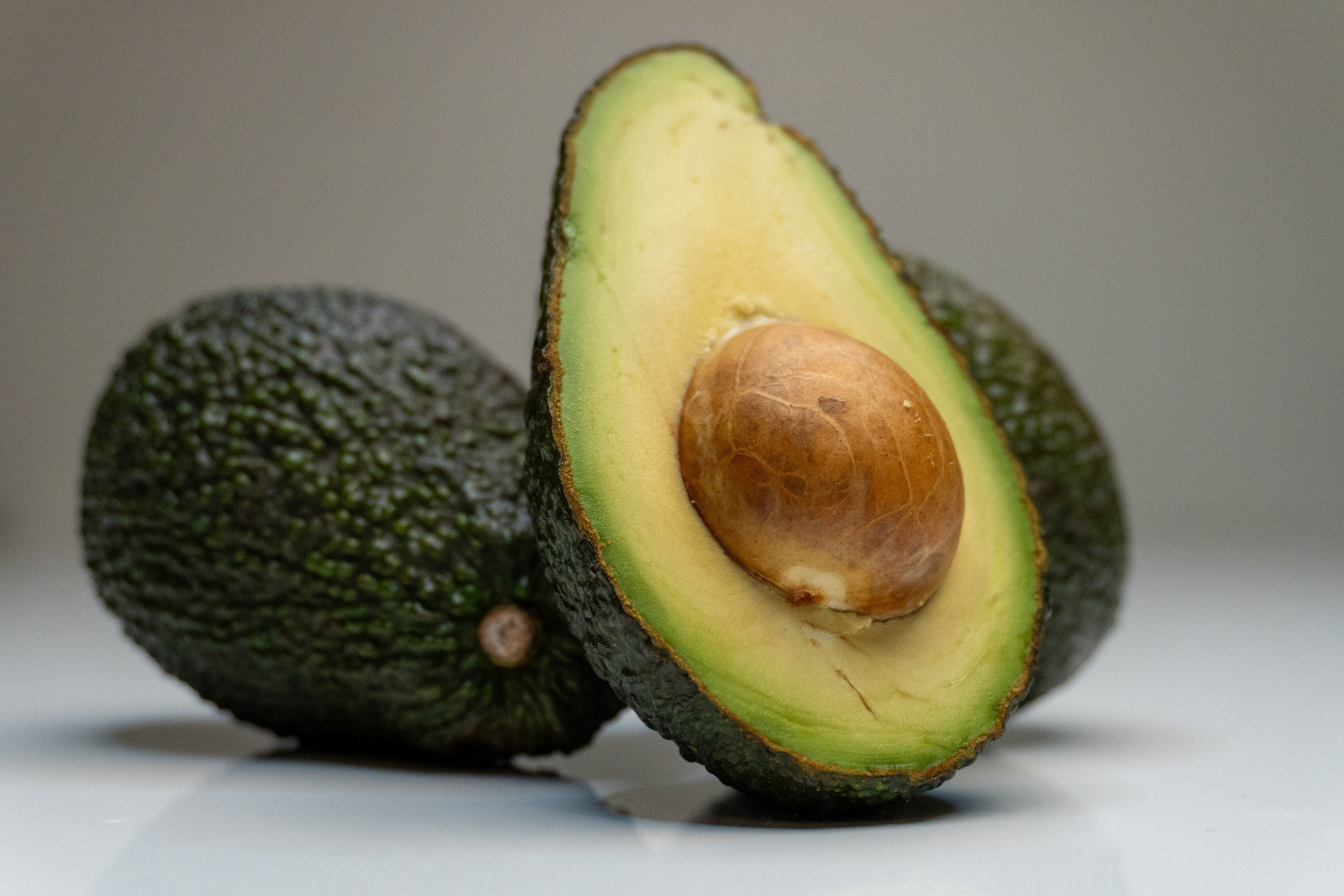
Avocados. Avocados combine potassium, magnesium, fiber and mostly unsaturated fat — a nutritional profile that fits well into heart-healthy eating patterns. One avocado contains roughly 690 milligrams of potassium and 9 grams of fiber. A 2023 study found women who ate five or more servings of avocado per week had a notably lower rate of hypertension than those who ate less. Registered dietitian Jessica Brantley-Lopez said the fruit’s benefit comes from more than one nutrient working together, since fiber and unsaturated fats have both been linked to cardiovascular health. Swapping avocado for saturated-fat-heavy toppings, like creamy sauces or processed meats, is one way dietitians suggest working it into meals.
Berries. Blueberries, raspberries, blackberries and strawberries all contain anthocyanins, plant pigments researchers believe help blood vessels relax and function more efficiently. Registered dietitian Erin Palinski-Wade said the effect shows up in clinical studies of people already at risk for hypertension. “Studies show that adults at risk for hypertension who regularly eat berries see about a two- to three-point reduction in blood pressure,” she said. Sabgir pointed to the same class of compounds, noting research has tied higher intake of anthocyanins to a reduced risk of heart disease.
Kiwi. Two medium kiwis can supply several hundred milligrams of potassium along with vitamin C, fiber and antioxidant compounds. Some studies have linked regular kiwi consumption to modest improvements in blood pressure and blood vessel function, though researchers caution the evidence base remains limited and it’s premature to describe the fruit as a treatment on its own.
Pomegranate. Pomegranate delivers potassium, fiber and polyphenols that scientists are studying for their effects on blood vessels and oxidative stress. A meta-analysis of 22 randomized trials published in 2024 found a statistically significant drop in blood pressure readings among people who consumed pomegranate products, whether as fruit or juice, though the studies varied in dosage and length. Pomegranate juice alone provides more than 500 milligrams of potassium per cup.
Citrus fruits. Oranges and grapefruit have drawn particular attention from researchers studying dietary patterns rather than single nutrients. A 2021 review of a decade of research found that eating roughly 530 to 600 grams of fruit daily — about the equivalent of four oranges — was associated with better blood pressure management, and citrus fruits specifically were linked to lower blood pressure. Drinking orange or grapefruit juice may offer similar benefits, but grapefruit can interact with common blood pressure medications, so doctors recommend checking with a physician before adding it regularly.
Mango. Mango is a newer addition to the list. One mango provides about 564 milligrams of potassium, 5 grams of fiber and 34 milligrams of magnesium. A small 2022 study found that participants who ate about 1.5 cups of mango daily for eight weeks saw their systolic blood pressure drop by roughly 3.5%. Researchers note the study was small and say larger trials are needed to confirm the effect.
Doctors emphasize that no single fruit works like a medication, and the benefits shown in these studies come from consistent, long-term eating patterns rather than occasional servings. The World Health Organization recommends increasing dietary potassium as one strategy for lowering blood pressure in adults, alongside reducing sodium, maintaining a healthy weight and staying physically active. Whole foods — fruits, vegetables, legumes and nuts — remain the preferred source of potassium over supplements, which can pose risks for people with kidney problems or those on certain heart medications.
For most adults, working more of these fruits into daily meals is a low-risk change with research increasingly on its side. Still, health officials stress that anyone diagnosed with hypertension should treat diet as a complement to medical care, not a replacement for it, and should consult a doctor before making major changes to their potassium intake.






















































You must be logged in to post a comment Login