Connect with us

Business

10 Foods That Doctors and Registered Dietitians Recommend for People Living With Pancreatic Cancer Now

Published

on

Egg

Maintaining proper nutrition during pancreatic cancer treatment presents unique challenges that most other cancer diagnoses do not, according to oncology dietitians and medical centers that specialize in the disease. Because the pancreas plays a central role in digesting food and regulating blood sugar, cancer affecting the organ can directly interfere with a patient’s ability to absorb nutrients, maintain weight and manage energy levels throughout treatment.

Medical experts emphasize that there is no single standardized diet that works for every pancreatic cancer patient. “There’s no one-size-fits-all diet,” Emma Veilleux, a registered dietitian nutritionist at the Simms/Mann-UCLA Center for Integrative Oncology, said, noting that foods that help one patient may worsen symptoms in another. Even so, several categories of food have emerged as consistent recommendations across major cancer centers and patient advocacy organizations. Here are 10 foods commonly recommended for people managing pancreatic cancer.

1. Lean poultry and fish. Protein-rich foods that are relatively easy to digest, such as chicken, turkey and fish, are widely recommended because they support the body’s ability to repair damaged tissue and maintain immune function during treatment, according to guidance from Johns Hopkins Medicine. Lean proteins are generally easier on the digestive system than fattier cuts of meat.

2. Eggs. Eggs offer a highly digestible source of protein and are frequently recommended as an easy addition to meals throughout the day, particularly for patients who struggle with larger portions and benefit from smaller, protein-dense foods that can be prepared quickly.

Advertisement

3. Low-fat Greek yogurt. Yogurt provides protein along with probiotics that may support digestive health, though dietitians note that dairy tolerance varies significantly among patients. Some people develop temporary lactose intolerance during treatment and may need to limit or avoid dairy products depending on how their body responds.

4. Beans and legumes. Plant-based protein sources such as beans, lentils and chickpeas provide protein, fiber and a range of micronutrients. Well-cooked legumes, including options like lentil soup, are frequently recommended because they tend to be gentler on digestion than some other high-fiber foods.

5. Nuts and nut butters. Almond, cashew and peanut butters offer concentrated calories, healthy fats and protein in small serving sizes, making them useful for patients who need to increase calorie intake but struggle to eat large meals. Nut butters spread on whole-grain crackers or toast are a commonly suggested snack option.

6. Fatty fish, including salmon. Fish such as salmon provide healthy unsaturated fats that supply energy and support cell function without the digestive difficulty that greasy or fried foods can cause. Baked or grilled preparations are typically recommended over fried versions.

Advertisement

7. Well-cooked vegetables. Colorful vegetables such as zucchini, carrots, spinach and sweet potatoes provide essential vitamins, minerals and fiber. Nutrition guides for pancreatic cancer patients generally recommend cooking or blending vegetables rather than eating them raw, since raw vegetables can be harder to digest for patients with compromised pancreatic function.

8. Whole grains, including oatmeal and quinoa. Complex carbohydrates such as oatmeal and quinoa provide steady energy and fiber, and are often recommended as a base for meals that also include protein and healthy fats, helping patients manage blood sugar levels more effectively than simple carbohydrates or refined sugars.

9. Soft fruits, including berries and bananas. Fruits that are easy to digest, such as mashed bananas and soft berries, provide vitamins, antioxidants and natural sweetness without the blood sugar spikes associated with added sugars. The World Cancer Research Fund International recommends at least five servings of non-starchy vegetables and fruits daily as part of broader cancer nutrition guidance, though individual tolerance should guide specific choices for pancreatic cancer patients.

10. Healthy fats, including olive oil and avocado. Unsaturated fats support cell growth, provide concentrated energy and help protect organ function, according to Johns Hopkins Medicine guidance. These fats are generally easier to tolerate than the greasy, fried or heavily processed fats found in many convenience foods, which oncology dietitians frequently recommend limiting or avoiding.

Advertisement

Beyond specific food choices, dietitians who specialize in pancreatic cancer care emphasize several broader strategies. Many patients benefit from eating smaller, more frequent meals throughout the day rather than three large meals, particularly if appetite changes or early fullness make larger portions difficult to manage. Patients experiencing exocrine pancreatic insufficiency, a condition in which the pancreas no longer produces enough digestive enzymes, often require prescription pancreatic enzyme supplements taken with meals to properly digest fats and absorb nutrients, according to the Pancreatic Cancer Action Network.

Unintentional weight loss is a common and serious concern for pancreatic cancer patients, sometimes driven by the cancer itself rather than simply reduced appetite. Tumors can release compounds called cytokines into the bloodstream that suppress appetite and accelerate calorie burning, a condition known as cancer cachexia. Patients experiencing weight loss of more than one to two pounds per week are generally advised to consult their care team promptly, as early intervention with nutritional supplements, calorie-dense foods or changes to enzyme dosing can help address the problem before it becomes more severe.

Certain foods are commonly advised against for pancreatic cancer patients, including fried and greasy foods, processed and red meats, foods high in added sugar, and raw or undercooked items linked to foodborne illness risk, such as raw sushi, unpasteurized dairy and deli meats, given that cancer treatment can weaken immune function and increase vulnerability to infection.

Because nutritional needs vary so significantly from patient to patient, and can change throughout the course of treatment, medical organizations including the Pancreatic Cancer Action Network and Johns Hopkins Medicine consistently recommend that patients work directly with an oncology-trained registered dietitian who can develop an individualized nutrition plan based on symptoms, treatment side effects, blood sugar management needs and overall tolerance for specific foods, rather than relying solely on general dietary guidelines.

Advertisement
Continue Reading
Click to comment

You must be logged in to post a comment Login

Leave a Reply

Business

Airbus profits rise amid demand for commercial aircraft

Published

on

Business Live

The jet maker also reported a ‘strong’ half-year performance in its defence and space arm

The Airbus production site in Filton, Bristol

Airbus production site in Filton, Bristol.(Image: Rowan Griffiths)

Aerospace giant Airbus has seen orders for its commercial aircraft soar in the first half of the year against a backdrop of a “complex and fast-changing environment”, it said.

Consolidated revenues at the plane maker, which has UK bases in Filton near Bristol and Broughton in North Wales, increased 12 per cent year-on-year to €33.2bn for the six months to the end of June.

Adjusted EBIT – a measure of performance – totalled €2.7bn for the period, up from €2.2bn the year before.

A total of 351 commercial aircraft were delivered over the period, comprising 44 A220s, 271 A320 Family, 10 A330s and 26 A350s.

Advertisement

Revenues generated by the company’s commercial aircraft activities increased 15 per cent to € 23.9bn, mainly reflecting the higher deliveries and increased services, and were partially offset by the US dollar’s depreciation compared to H1 2025.

Meanwhile, Airbus Helicopter deliveries increased to 144 units – from 138 units in the same period in 2025.

“Our good H1 results mainly reflect the higher level of commercial aircraft deliveries and strong performance in Defence and Space, against the backdrop of a complex and fast-changing environment,” said Guillaume Faury, Airbus chief executive.

Gross commercial aircraft orders totalled 886 – up from 494 aircraft in the first half of 2025 – with net orders of 821 aircraft after cancellations.

Advertisement

The order backlog amounted to 9,222 commercial aircraft, while Airbus Helicopters registered net orders totalling 215 units with a backlog of 1,108 units.

Airbus Defence and Space, meanwhile, had an order intake value reaching €9.3bn, rising from €5.1bn a year earlier.

Elsewhere, the company said its A220 ramp-up was “ongoing”, with the company targeting a monthly production rate of 13 aircraft in 2028.

On the A320 family, airbus said it continued to expect to reach a rate of between 70 and 75 aircraft a month by the end of 2027. It is also targeting a rate of five for the A330 programme in 2029 and rate of 12 for the A350 programme in 2028.

Advertisement

“We are ramping up across all businesses to meet the growing demand for our civil and military solutions,” added Mr Faury.

“Our focus on steady execution is paying off, as demonstrated by strong deliveries in Q2. This fuels our confidence in our future performance, as reflected in the recently-communicated mid-term outlook.”

Airbus said its 2026 guidance is based on no additional disruptions to global trade or the world economy, air traffic or the supply chain. It includes the impact of currently applicable tariffs.

Advertisement
Continue Reading

Business

Tencent Shares Surge 4.3% to 466.40 HKD on AI Progress Ahead of Key Earnings Report

Published

on

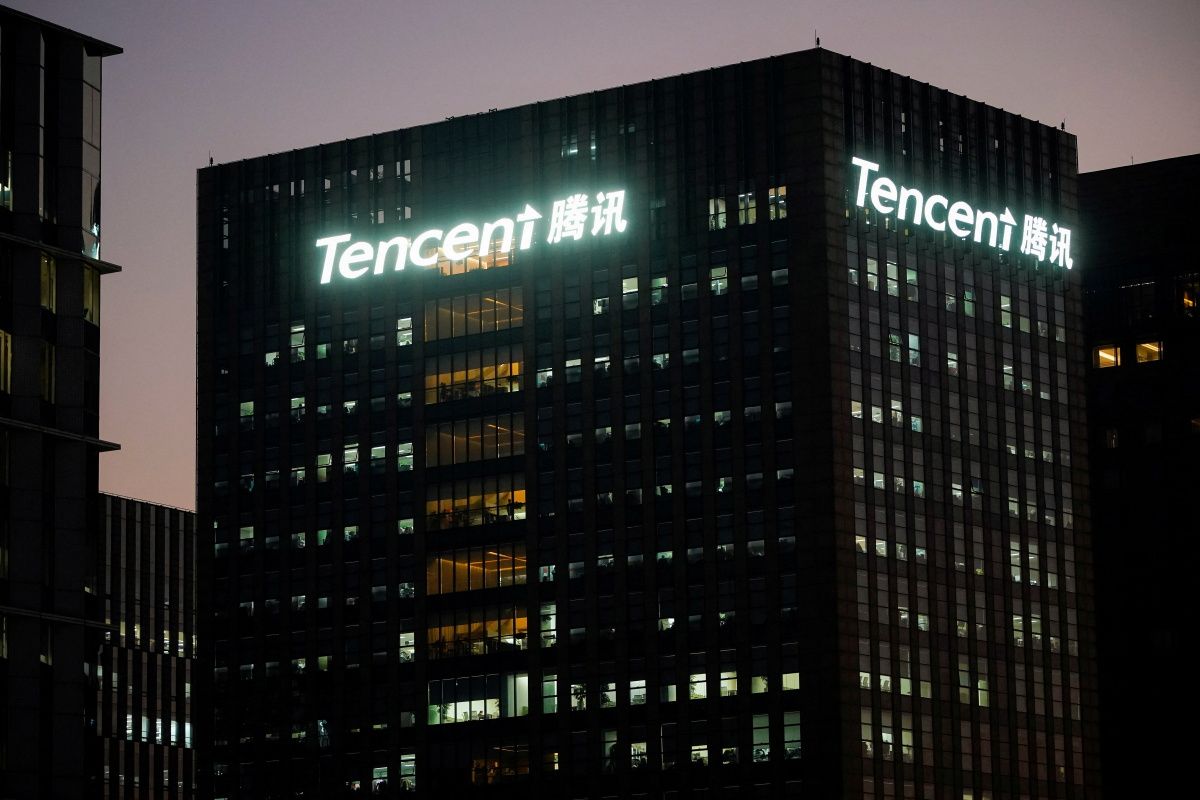
The logo of Tencent is seen at Tencent office in Shanghai, China December 13, 2021.

HONG KONG — Shares of Tencent Holdings Ltd. rose 4.29% on Wednesday to close at 466.40 Hong Kong dollars, gaining 19.20 dollars, as investors showed renewed interest in the Chinese technology giant‘s artificial intelligence initiatives and its upcoming midyear results.

The advance lifted the stock from recent lows and marked one of its stronger sessions in recent weeks. Trading volume was solid, with the shares touching an intraday high of 469.40 dollars before settling. The move came against a backdrop of broader recovery in some Hong Kong-listed technology names after a period of volatility.

Tencent, the operator of the ubiquitous WeChat messaging platform known as Weixin in mainland China, has faced pressure on its share price over the past year. The stock remains well below its 52-week high near 683 dollars reached in late 2025 and has declined about 16% over the past 12 months. Concerns have centered on the pace of monetization for heavy AI spending and shifting investor preference toward pure-play AI developers.

The company has responded in part with consistent share buybacks. Tencent has been repurchasing shares on most trading days in recent months, providing a measure of support during the selloff that erased substantial market value since the October peak.

Advertisement

Attention is now turning to the second-quarter earnings report scheduled for Aug. 12. Analysts will scrutinize progress in gaming, advertising, fintech and cloud services, as well as updates on AI-related capital expenditure and product traction.

In its first-quarter results released in May, Tencent reported revenue of 196.46 billion yuan, up 9% from a year earlier. Gross profit rose 11%, and the company highlighted early gains from new AI offerings alongside steady performance in core businesses.

Chairman and Chief Executive Ma Huateng said at the time: “We started 2026 by making significant initial progress on our new AI products, as well as continuing to utilise AI to grow our existing core businesses. The Hy3 preview model, built by our revamped team of AI researchers on re-architected AI infrastructure, is a leader in its parameter size class, delivering practical utility and cost efficiency, and has been top ranked in OpenRouter token measurements since April 28. Our productivity AI agent solutions have attained early traction, and we believe that our WorkBuddy is currently the most widely used productivity AI agent service in China. Our core businesses continued to grow their engagement, revenue and profit, providing the cash flow to fund our AI investments, as well as use cases for future AI deployment.”

The comments underscored Tencent’s dual strategy of embedding AI into its vast existing ecosystem while developing standalone models and agents. WeChat’s more than 1.4 billion monthly active users provide a ready distribution channel for AI features, including assistants that can interact with mini-programs, payments and content.

Advertisement

Tencent has been testing AI agents within WeChat and expanding capabilities in advertising technology, game development and enterprise tools. Its cloud business has also shown improving growth as customers adopt multi-cloud strategies. Management has indicated plans to increase AI-related investment substantially in 2026, building on spending levels already elevated in the prior year.

The stock’s recent path has reflected the tension between these long-term bets and near-term profitability optics. After a sharp decline in late July triggered partly by market rotation and questions about gaming revenue trends, shares have staged a partial recovery. Analysts at major firms have generally maintained constructive ratings, citing the resilience of Tencent’s cash-generative businesses and the potential for AI to enhance advertising targeting, user engagement and new service revenue over time.

Gaming remains a cornerstone, with evergreen titles continuing to drive engagement and monetization. Marketing services benefit from AI-powered improvements in matching and content creation. Fintech and business services, including payments and cloud, provide diversification.

Market participants note that Tencent’s valuation has compressed relative to historical averages and some global peers, trading at a price-to-earnings multiple in the mid-teens on a trailing basis. Average analyst price targets imply meaningful upside from current levels, though realization depends on execution in AI and sustained growth in traditional segments.

Advertisement

Hong Kong’s technology sector has experienced mixed performance in 2026, influenced by domestic economic conditions, regulatory developments and global shifts in AI investment narratives. Tencent’s scale and ecosystem advantages position it differently from pure model companies, potentially allowing it to capture value through product integration rather than solely through model leadership.

Share buybacks have been a consistent feature of capital return policy. The company has also maintained a net cash position that supports both investment and shareholder returns. Upcoming results will offer a clearer view of second-quarter trends in domestic and international gaming, advertising recovery and the early commercial impact of AI tools.

For investors, Wednesday’s advance reflected a combination of technical rebound, optimism around AI product momentum and positioning ahead of the earnings release. Whether the gains can be sustained will hinge on concrete evidence that AI investments are translating into measurable user adoption and revenue contributions without excessively diluting margins.

Tencent continues to navigate a competitive landscape that includes other major Chinese technology groups accelerating their own AI efforts. Its ability to leverage the WeChat platform for rapid deployment of agentic tools remains a key differentiator. At the same time, the company must balance aggressive spending on talent, infrastructure and research with the expectations of shareholders focused on profitable growth.

Advertisement

As the market awaits the August results, the stock’s performance on Wednesday provided a snapshot of shifting sentiment. The 4.29% rise brought the shares higher on the day and offered a measure of relief after weeks of choppy trading. Further direction is likely to be shaped by the detailed financials and management commentary due in less than two weeks.

Continue Reading

Business

Adidas shares slide record 17% as profit miss taints sales upgrade

Published

on


Adidas shares slide record 17% as profit miss taints sales upgrade

Continue Reading

Business

MediaAlpha, Inc. (MAX) Q2 2026 Earnings Call Transcript

Published

on

OneWater Marine Inc. (ONEW) Q1 2026 Earnings Call Transcript