



Connect with us

Business

Why is TG Therapeutics stock sliding today?

Published

on

Continue Reading
Click to comment

You must be logged in to post a comment Login

Leave a Reply

Business

Apple biometric lawsuit: $32.5bn class action cleared

Published

on

Apple biometric lawsuit: $32.5bn class action cleared

Apple faces a class action worth up to $32.5 billion over the collection of biometric information from users of its Photos app, after the US Court of Appeals for the Seventh Circuit on Thursday denied the company’s appeal against a ruling certifying the class.

As many as 6.5 million consumers in the US state of Illinois could seek $5,000 each in damages, on the basis that Apple illegally collected their biometric information through a facial-recognition feature without proper notice, consent or retention policies.

The claimants allege Apple collected their biometric data without consent in violation of the Illinois Biometric Information Privacy Act, a state law passed in 2008 owing to concerns about how emerging technology was increasingly collecting and using biometric identifiers such as retina or iris scans, fingerprints, voiceprints or faceprints that are biologically unique to an individual.

The law bans companies from collecting a person’s biometric information unless they first provide notice and obtain the person’s written consent.

Plaintiffs in the class action allege that Apple’s Photos app, which comes pre-installed on Apple devices, automatically uses facial-recognition technology to scan individual faces and create a unique “faceprint” for each person detected in the user’s photo library.

Advertisement

They claim that once the software has a sufficient sampling of images, the Photos app then applies an algorithm to identify the iPhone user, creating biometric information that is stored on the device and catalogued in the app.

In 2017, Apple began syncing photographs and associated data across multiple Apple devices, if those devices were logged into iCloud with the user’s Apple ID. Plaintiffs claim that this data is biometric information under the Illinois law, and that the company collects and stores the biometric information on its servers.

Apple has sought to have the case thrown out, arguing that whether the alleged data qualifies as biometric identifiers or information depends on individualised proof about each user’s choices and labels.

The company has said the Photos app has privacy safeguards, so that the numerical vectors it uses to organise photo albums cannot recreate a face and are not inherently linked to a person’s name or identity. Apple said it cannot access vector data, does not decrypt or use album labels, and does not know who appears in a user’s albums, whether any album is labelled, or what any label says.

Advertisement

In June an Illinois judge ruled that consumers had met the requirements to pursue a class action. Thursday’s appeal court decision leaves that certification in place.

Andrew Schlichter, lawyer for the plaintiffs, told The Times: “The allegation that Apple created faceprints of people appearing in photos, including children, and stored those faceprints on its cloud-based servers — without obtaining consent or telling device users what it was doing — raises serious privacy concerns. We are pleased with the court’s decision to certify a class, which means that Apple will have to answer for its alleged conduct as to all affected Illinois citizens.”

Apple was contacted for comment.

The case is the latest legal and regulatory pressure on the company’s handling of user data and its control of mobile platforms. Apple last year withdrew its Advanced Data Protection encryption tool from UK iCloud users rather than meet a Home Office request for access, and the Competition and Markets Authority has said it will take action against Apple and Google over their mobile platforms.

Advertisement

Regulators elsewhere have also turned to consumer data cases. The Information Commissioner’s Office fined the genetic testing firm 23andMe £2.31 million over a data breach affecting UK residents.


Jamie Young

Jamie Young

Jamie Young is Senior Reporter at Business Matters, covering SME finance, employment law and Westminster policy since 2016. He has reported on every Budget and Autumn Statement since 2018, helped make sense of the ‘covid era’ and the bounce-back loan scheme from launch through the fraud investigations, and broke the magazine’s coverage of the 2024 late-payment reforms. He joined Business Matters straight from completing his BA in Administration from Exeter University and is NCTJ-qualified. Reach him at jyoung@cbmeg.co.uk

Advertisement

Continue Reading

Business

Fashion chain New Look names new chief executive

Published

on

Business Live

Lynda Petherick joined the Weymouth-headquartered retailer in 2024

A New Look store

A New Look store(Image: GNP)

Fashion chain New Look has appointed a new boss as it revealed its earnings were buoyed by having fewer discounts and tighter control over costs, while its loyalty programme topped a million members.

Advertisement

The high street retailer, which is headquartered in Weymouth and has 309 shops in the UK, has named Lynda Petherick as its new chief executive officer.

She will take over from Helen Connolly who leaves in late September to head up Asda’s fashion and homeware business George.

Ms Petherick joined New Look as its chief information officer in 2024, before being promoted to chief operating officer in 2025, leading work to accelerate its use of data and technology and transform digital channels.

Online shopping now makes up about 40 per cent of total revenues, and New Look is the UK’s third-largest online women’s fashion retailer, according to the company.

Advertisement

The business’s earnings before interest, tax, depreciation and amortisation (Ebitda) more than doubled to £36.6m in the year to the end of March, from £14.3m the year before.

Digital sales increased by 1.6 per cent year-on-year.

New Look said this was helped by more disciplined cost management against rising costs, reduced discounting and improved stock quality, resulting in a higher proportion of products sold at full price.

It comes after New Look shut 15 of its shops in the UK last year and announced that it was shutting all 26 shops in the Republic of Ireland in the face of squeezed consumer spending.

Advertisement

The company has completed a refinancing of its loan facilities to 2029 which it said will provide some flexibility and support selective investment into its digital channels and shops.

Trading has also improved over more recent months with Ebitda coming in at £17.4m between April and June, up £1.8m on the same period a year ago.

The retailer said its customers had been responding well to recent products and new collections such as denim, dresses, knitwear and footwear.

It also revealed that more than a million members were now part of its loyalty programme, Club New Look, which offers weekly discounts and early access to sales.

Advertisement

Members shop around seven times more frequently and spend about 9.5 times more annually on average than non-members, according to the firm.

New Look’s chairman Mike Coupe said the retailer was “in a stronger position than it has been for many years”.

He added: “The board is delighted to appoint Lynda as chief executive.

“She combines strong commercial judgment and operational discipline with a deep understanding of our customers, our brand and the role that data and technology will play in our future.”

Advertisement

Ms Petherick said New Look was a “fantastic brand” with “millions of loyal customers”.

“Over the past two years, we have made significant progress in strengthening the business and becoming a faster, more data-led and customer-focused organisation,” she said.

“I am excited about what New Look can achieve and look forward to working with our brilliant teams to build on the strong progress already made and deliver the next phase of sustainable, profitable growth.”

Advertisement
Continue Reading

Business

Hershey planning ‘action-packed’ second half of 2026

Published

on

Hershey planning ‘action-packed’ second half of 2026

Investment in new products and seasonal promotions expected to boost sales.

Continue Reading

Business

Ingersoll Rand Q2: Profitability Took A Hit, But There Are Ways It Can Come Back

Published

on

Ingersoll Rand Q2: Profitability Took A Hit, But There Are Ways It Can Come Back

Ingersoll Rand Q2: Profitability Took A Hit, But There Are Ways It Can Come Back

Continue Reading

Business

The furious dispute over what caused Air India flight 171 to crash

Published

on

BBC InDepth

In theory, the inquiry should be impartial and informative – a learning process focused solely on improving passenger safety. But in the case of AI171, the information revealed by the investigation so far has triggered a major backlash from safety campaigners, pilots’ groups and lawyers acting for the bereaved relatives.

A key factor in this has been the preliminary report issued by the AAIB a month after the accident. The 15-page document did not draw any conclusions about the causes of the crash, or make any recommendations.

Nonetheless, just two short paragraphs generated a great deal of controversy.

First, it was noted that according to the aircraft’s flight data recorder, the two fuel cutoff switches – normally used when starting the engines before a flight and shutting them down afterwards – transitioned from the run to the cutoff position seconds after take-off. This would have deprived the engines of fuel, causing them to lose thrust rapidly.

Advertisement

The report then says: “In the cockpit voice recording, one of the pilots is heard asking the other why did he cutoff. The other pilot responded that he did not do so.”

This brief statement, provided without a transcript or any indication of who was speaking, sparked intense speculation about the actions of the pilots. Newsweek, for example, focused on the “troubling possibility: that a seasoned captain may have deliberately doomed his jet – and nearly 250 lives”. Former NTSB chairman Robert Sumwalt told CBS News the report showed “this was not a problem with the airplane or the engines. Instead…somebody in the cockpit shut the fuel off to those engines.”

A few days later, The Wall Street Journal weighed in. Citing people familiar with the matter, it claimed that recordings of dialogue between the pilots suggested it was the Captain, Sumeet Sabharwal, who had flipped the fuel switches.

It is important to note that this was merely a preliminary report, and within days, the AAIB issued a statement condemning “selective and unverified reporting” in the international press as “irresponsible”. It urged the public and the media to “refrain from spreading premature narratives that risk undermining the integrity of the investigative process.”

Advertisement

By then, arguably, the damage had already been done.

“When a pilot is alive he can defend himself” says Capt. CS Randhawa, president of the Federation of Indian Pilots (FIP). “When the pilot is dead, all the agencies can collude – and they put the blame on the pilot, to save the manufacturer. And this is seen the world over. It’s not the first time”.

His organisation, which represents around 6,000 pilots, condemned the preliminary report as “irrevocably compromised”. Together with Sumeet Sabharwal’s 91-year-old father, Pushkar Raj Sabharwal, they took their concerns to India’s Supreme Court, demanding a judicial investigation into the crash.

Advertisement
Continue Reading

Business

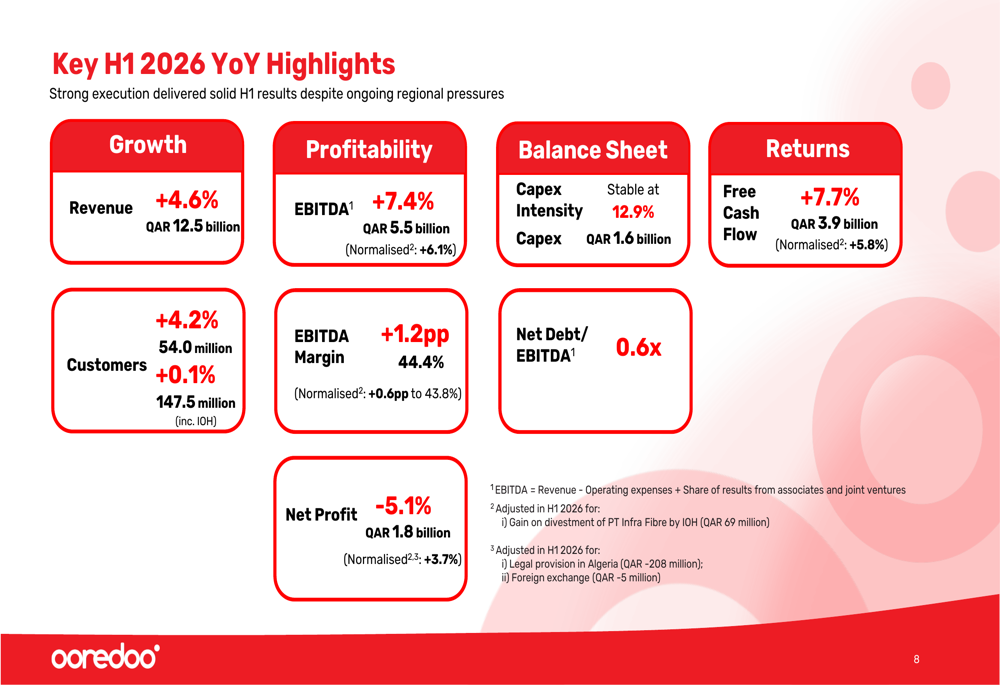
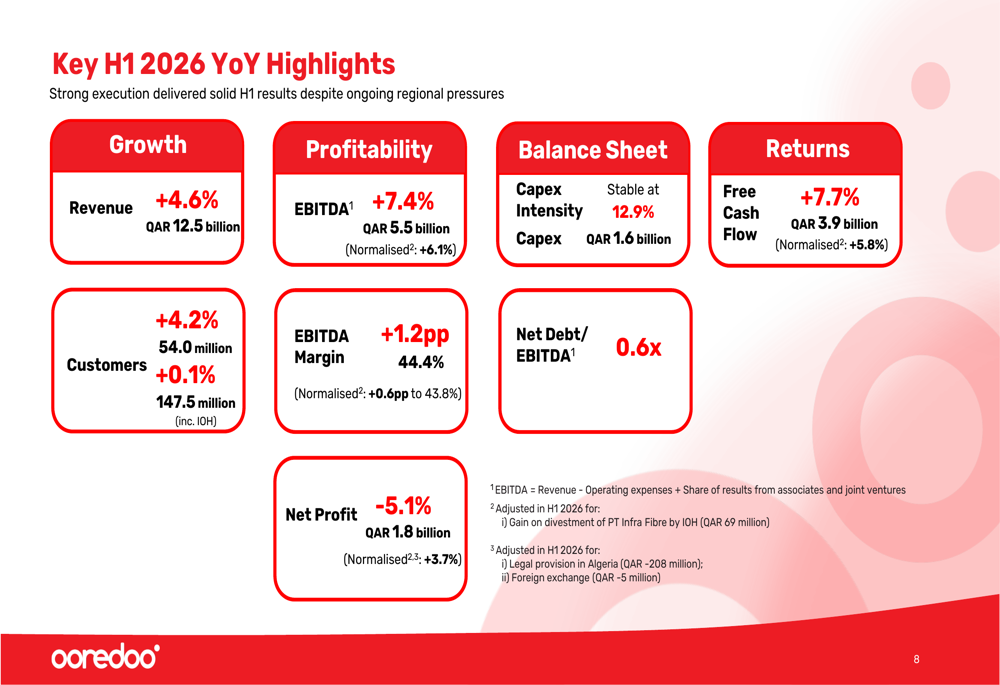
Ooredoo H1 2026 slides: margin expansion, strategic gains offset Q2 miss

Published

on

Ooredoo H1 2026 slides: margin expansion, strategic gains offset Q2 miss


Ooredoo H1 2026 slides: margin expansion, strategic gains offset Q2 miss

Continue Reading

Business

Hammer receives binding offer from Austral

Published

on

Hammer receives binding offer from Austral

Yes. Corporate subscriptions are available for teams and organisations, with discounted rates as user numbers increase. Pricing starts from $1,625 + GST per user.
Get in touch
to discuss the right option for your organisation.

Business News subscriptions are used by executives, investors, consultants and professionals who need to stay informed and make better decisions about the WA market. When you subscribe you’ll get

  • Unlimited access to WA’s most trusted business journalism
  • Data & Insights — detailed profiles of WA companies, people, projects and deals
  • MyBN — a personalised feed based on the companies, people and sectors you follow
  • Special publications and industry reports
  • Daily and weekly email newsletters

Data & Insights is a research tool built specifically for the WA market. It draws on more than 30 years of Business News reporting, updated regularly to reflect what’s happening now. Use it to:

  • Look up detailed profiles of WA companies, including financials, directors and ownership
  • Find decision-makers and track their career movements
  • Research live and completed projects across WA industries
  • Monitor deals, appointments and market activity
  • Access industry rankings and league tables

Data & Insights is updated daily by our dedicated research team, which uses the latest announcements, ASX filings and editorial coverage to keep our person, company, list and project records up to date.

Business News welcome all opportunities to make our dataset accurate, complete and current, so if you have an update request, please email the team at
general@businessnews.com.au, and we’d be happy to assist.

Advertisement

MyBN
is part of every subscription. It’s your personalised view of Business News. You can follow the companies, people, sectors and projects that matter to you, and get a news feed and alerts tailored to your interests. You can save articles to read later and retain only what you need.

Only subscribers have full access to all content on the Business News website.

Advertisement

If staying informed about the WA economy is part of your job, and/or you’re looking for networking opportunities in WA, Business News is built for you.

Business News subscribers are:

  • Executives and directors tracking competitors, clients and market movements
  • Investors and advisers researching companies, deals and industry trends
  • Consultants and professionals staying across sectors relevant to their clients
  • Business owners looking for leads, context and market intelligence

Most Business News publications cover national or global markets. Business News is focused entirely on Western Australia, which means the journalism, the data and the intelligence are all built around WA companies, people and projects — not adapted from a national feed. Data & Insights, included with every subscription, combines more than 30 years of WA-specific editorial research with live business data. There’s no comparable product for the WA market.

Advertisement

The Morning Digest Email provides a comprehensive wrap of the major headlines, relevant to WA business, and includes with a snapshot of the overnight news covering oil, gold and ASX-listed companies.

The Afternoon Wrap Email focuses on the news covered by our team of journalists during the course of the working day, including exclusive stories and analysis, all of which relates to WA business and the local economy.

The BN Weekender Email contains a wrap of the Business News from the week that was, highlighting the top stories in each area of WA business.
Sign up for free.

Advertisement

We’re happy to help.
Get in touch
and our team will come back to you.

Advertisement
Continue Reading

Business

ZoomInfo: Cheap On Earnings, Expensive On Enterprise Value

Published

on

ZoomInfo: Cheap On Earnings, Expensive On Enterprise Value

ZoomInfo: Cheap On Earnings, Expensive On Enterprise Value

Continue Reading

Business

Jio Financial Services shares rise 2% after firm sets record date for dividend. What to expect?

Published

on

Jio Financial Services shares rise 2% after firm sets record date for dividend. What to expect?
Shares of Jio Financial Services rose over 2% on Monday after the company fixed August 10 as the record date for its final dividend of Rs 0.60 per share for the financial year, which ended on March 31, 2026.

Jio Financial Services shares rose to Rs 262.65 apiece on Monday, extending a more than 10% jump in a week. The company paid a dividend of Rs 0.5 per share to its shareholders last year. After announcing the latest dividend in April this year, the stock currently has a dividend yield of 0.19%, according to data on Trendlyne.

Fixing the record date as August 10 means that only shareholders who own the company’s shares in their demat accounts as of August 10 (next Monday) will be eligible to receive the dividend, subject to shareholder approval at the upcoming Annual General Meeting (AGM).

Earlier this month, Jio Financial Services reported 155% year-on-year (YoY) jump in its consolidated net profit at Rs 830 crore in the first quarter of FY27, while revenue from operations increased 227% YoY to Rs 2,004 crore during the quarter under review.

Advertisement

Consolidated total income rose 141% YoY to Rs 1,496 crore from Rs 619 crore. It was up 47% from Rs 1,020 crore in the March quarter. Interest income grew 165% YoY to Rs 962 crore, while fees and commission income surged to Rs 325 crore from Rs 54 crore.


Also read | Jio Financial Services sets record date for dividend. Check details

Jio Financial Services share price

Jio Financial Services shares had jumped nearly 4% to close at Rs 256 apiece on Friday. The stock gained more than 10.5% in a week and over 9% in a month. However, it is down nearly 12% in 2026 so far.
In the longer term, the shares of the company have fallen around 21% in a year. The company currently has a market capitalisation of more than Rs 1.73 lakh crore.Motilal Oswal has a Buy rating on Jio Financial Services with a target price of Rs 315 apiece. The brokerage said the company delivered a healthy quarter, driven by strong growth in Jio Credit, whose assets under management (AUM) crossed Rs 300 billion.

It also highlighted steady progress across the payments, insurance, and asset management businesses, although operating expenses remained elevated due to continued investments in incubating new businesses and expanding existing operations. Motilal Oswal cut its FY27 and FY28 EPS estimates by 4% and 6%, respectively, to account for higher operating costs, but expects consolidated PAT to grow at a 46% CAGR between FY26 and FY28.

Also read | For investors with some patience: 6 mid-cap stocks from different sectors with upside potential of up to 20%

Advertisement

(Disclaimer: Recommendations, suggestions, views and opinions given by the experts are their own. These do not represent the views of The Economic Times)

Continue Reading

Business

Morningstar: Undervalued With A Differentiated Business Model (NASDAQ:MORN)

Published

on

Morningstar: Undervalued With A Differentiated Business Model (NASDAQ:MORN)

This article was written by

I am a self-taught individual investor and I have been investing in stocks for over 25 years. I focus on dividend growth investing with a long-term horizon since I believe in the compounding power of dividend growth investing. I generally look for undervalued stocks with sustainable dividend growth and capital appreciation potential. I try to provide a little more in depth analysis weighing the positives and negatives. I am now in the Top 2.0% out of 28,000+ financial bloggers (February 2024) as tracked by Tip Ranks for my SA articles.Blog: www.dividendpower.orgWork/ associated with the existing authors James Marino and Ferdis.

Analyst’s Disclosure: I/we have no stock, option or similar derivative position in any of the companies mentioned, and no plans to initiate any such positions within the next 72 hours. I wrote this article myself, and it expresses my own opinions. I am not receiving compensation for it (other than from Seeking Alpha). I have no business relationship with any company whose stock is mentioned in this article.

Seeking Alpha’s Disclosure: Past performance is no guarantee of future results. No recommendation or advice is being given as to whether any investment is suitable for a particular investor. Any views or opinions expressed above may not reflect those of Seeking Alpha as a whole. Seeking Alpha is not a licensed securities dealer, broker or US investment adviser or investment bank. Our analysts are third party authors that include both professional investors and individual investors who may not be licensed or certified by any institute or regulatory body.

Advertisement
Continue Reading

Trending

Copyright © 2025