Connect with us

Sports

Strength in numbers: The pipeline behind India’s boxing success at CWG 2026 | Other Sports News

Published

on


The run-up to the 2026 Commonwealth Games was dominated by one question: Where would India’s medals come from?


The reduced 10-sport programme meant several disciplines that have traditionally driven India’s success at the Games, such as shooting, wrestling, badminton, table tennis, hockey and cricket, were no longer part of the schedule. Together, those sports accounted for 31 of India’s 61 medals — just over 50 per cent — at the Birmingham Commonwealth Games in 2022, forcing disciplines such as athletics, weightlifting and boxing to shoulder a greater share of the medal burden.


Advertisement


While athletics and weightlifting delivered, India’s boxers produced one of the country’s finest Commonwealth Games campaigns in Glasgow, contributing 10 medals, including seven gold and three silver. More significantly, every Indian medallist reached the final, underlining the depth and consistency of the programme across weight categories.


Over the last five editions of the Commonwealth Games, boxing has emerged as one of India’s most dependable medal-winning disciplines. The trend is visible not just in the number of medals won but also in the efficiency with which the national programme has converted its squads into podium finishes, the growing contribution from the women’s team and the sustained consistency across major international competitions.


Advertisement


The numbers suggest Glasgow was not the beginning of India’s boxing success but the latest milestone in a programme that has steadily expanded its talent pool and competitive depth. With seven gold medals, India’s boxers enjoyed their most successful Commonwealth Games campaign, reinforcing the country’s status as one of the leading boxing nations in the competition.


Full list of India’s medal winners in boxing at the Commonwealth Games 2026:


Medal

Event

Athlete

Gold

Women’s 51kg

Preeti Pawar

Gold

Women’s 54kg

Sakshi Chaudhary

Gold

Women’s 57kg

Jaismine Lamboria

Gold

Women’s 60kg

Priya Ghanghas

Gold

Women’s 66kg

Arundhati Choudhary

Gold

Men’s 55kg

Sachin Siwach

Gold

Men’s 65kg

Ankush Panghal

Silver

Women’s 75kg

Lovlina Borgohain

Silver

Men’s 50kg

Jadumani Singh

Silver

Men’s 90+kg

Narender Berwal


Advertisement


How India improved their medal conversion


Success at a multi-sport event is often measured by the number of medals a team wins. That metric, however, says little about how effectively a programme has performed.


A stronger indicator is medal conversion — the percentage of athletes selected who return with a medal. The measure removes much of the noise associated with squad sizes and offers a clearer picture of how efficiently a national programme turns opportunity into success.


Advertisement


That is where Glasgow 2026 marks a significant step forward.


India travelled to the Birmingham Commonwealth Games in 2022 with a 12-member boxing contingent and returned with seven medals, giving the team a medal conversion rate of 58.3 per cent. Four years later, 10 of the 14 selected boxers finished on the podium, lifting the conversion rate to 71.4 per cent.


Advertisement


The improvement becomes more significant when viewed alongside the larger squad size. Bigger contingents generally make it harder to maintain a high medal conversion because success has to be spread across more weight categories. India’s ability to improve both its medal tally and conversion rate suggests the country’s boxing programme has developed greater depth across the squad rather than relying on a handful of elite performers.


India’s boxing medal conversion: Birmingham 2022 vs Glasgow 2026


Edition

Contingent

Medallists

Medal conversion (%)

Birmingham 2022

12

7

58.3

Glasgow 2026

14

10

71.4
Advertisement


Improving the selection process


One reason behind India’s improved performance has been the increasingly competitive domestic selection process. Unlike previous Olympic cycles, places in the national team are no longer secured by reputation alone. Regular national championships and selection trials have created greater competition in every weight category, forcing even established internationals to consistently earn their place.


That competition appears to have raised the overall standard of the squad that travelled to Glasgow. Instead of relying on a handful of proven names, India fielded genuine medal contenders across almost every division, reducing the gap between its leading boxers and the rest of the national team.


Advertisement
The result was a campaign in which success was spread across the contingent rather than concentrated among a few individuals. That may ultimately prove to be Glasgow’s biggest takeaway because programmes capable of converting a greater proportion of their squads into medallists tend to sustain success longer than those dependent on exceptional athletes. 


The rise of female boxers


If Glasgow had one defining feature, it was the growing influence of India’s women’s boxing programme.


At Birmingham, women contributed three of India’s seven boxing medals despite making up less than half of the contingent. Four years later, they went a step further, winning six of India’s 10 boxing medals, including five gold medals, making them the driving force behind India’s most successful Commonwealth Games boxing campaign.


Advertisement


The shift is significant because it has fundamentally changed the way India approaches a boxing competition. Success is no longer expected to come primarily from a handful of experienced male boxers. Instead, the women’s team has emerged as the backbone of India’s medal challenge.


The transformation has been driven by continuity rather than one exceptional generation.


Advertisement


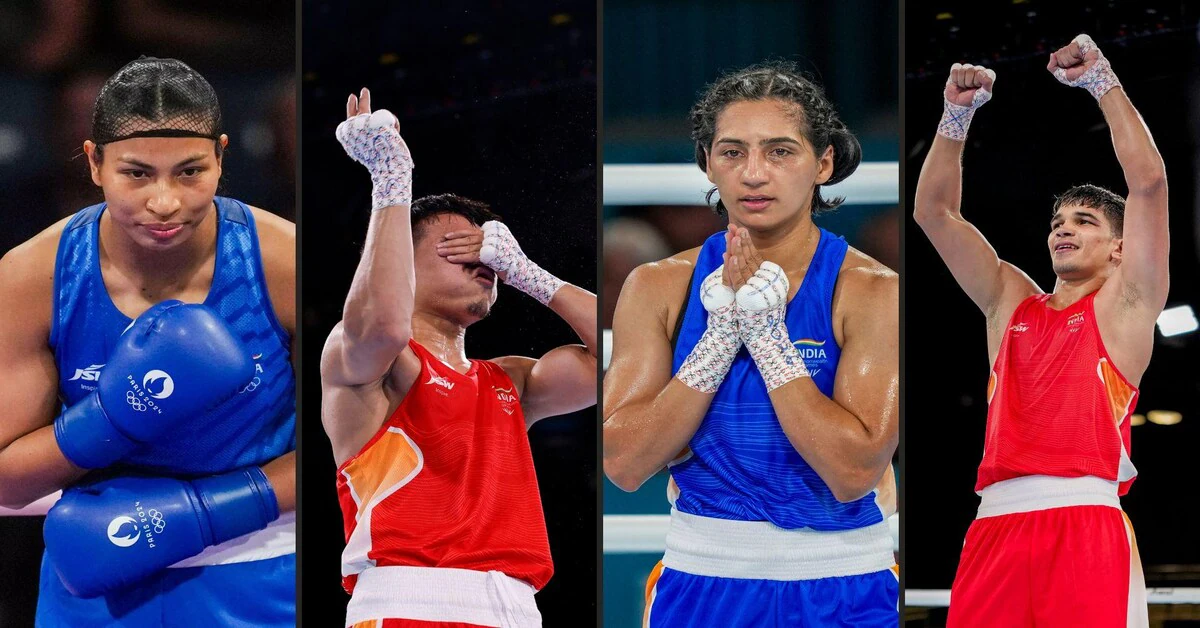
The success of Olympic medallist Lovlina Borgohain has been complemented by the emergence of a younger group featuring Preeti Pawar, Sakshi Chaudhary, Jaismine Lamboria, Priya Ghanghas and Arundhati Choudhary. Unlike previous Commonwealth Games cycles, where India’s medal hopes often centred on one or two established names, Glasgow saw multiple women reach the podium across different weight categories.


That depth has not emerged overnight. Successive performances at the World Championships and Asian Championships have provided younger boxers with exposure against stronger opposition before arriving at the Commonwealth Games. More importantly, internal competition within the women’s squad has intensified, making national selection considerably more competitive than it was four years ago.


Advertisement
For Indian boxing, that may be the biggest shift since Birmingham. The women’s programme is no longer complementing the men’s team. It is increasingly setting the benchmark for the entire squad. 


India’s women boxers with Commonwealth Games 2026 medals (PIC: PTI)

Advertisement


Women’s contribution to India’s boxing campaign: Birmingham 2022 vs Glasgow 2026


Edition

Women in squad

Women medallists

Women’s share (%)

Birmingham 2022

5

3

42.9

Glasgow 2026

7

6

60
Advertisement


Greater squad depth


One of the biggest limitations of Birmingham was India’s dependence on a relatively small group of proven international boxers. While experienced names delivered medals, the gap between the leading athletes and the rest of the squad remained evident.


Glasgow painted a different picture.


Advertisement


India’s campaign was built across almost every section of the draw, with both experienced campaigners and younger boxers contributing to the medal tally. That spread reduced the programme’s dependence on individual champions and provided greater insurance against early exits in any one weight category.


The change reflects improvements in the domestic system as much as performances inside the ring.


Advertisement


Competition at the national championships and selection trials has become increasingly intense, with several weight categories featuring multiple international-standard boxers. Securing a place in the Commonwealth Games squad has therefore become a significant achievement in itself, forcing athletes to maintain consistency rather than rely on past performances.


That internal competition has also accelerated the transition between generations.


Advertisement


Instead of waiting for established boxers to retire before introducing replacements, the programme has gradually integrated younger athletes into senior international competitions. As a result, Glasgow featured several first-time Commonwealth Games boxers who arrived with experience from World Boxing events, Asian competitions and overseas exposure tours rather than making an abrupt jump from the domestic circuit.


The wider talent pool also gave the coaching staff greater flexibility while selecting the squad. While that may not always guarantee a higher medal tally, it creates a programme that is considerably more resilient over an Olympic cycle.


Advertisement


When success is spread across the squad rather than concentrated among a few individuals, fluctuations in form or injuries become less damaging to the team’s overall performance. India’s 10-medal haul in Glasgow suggests the boxing programme has developed the depth required to remain a consistent medal contender at major multi-sport events.


Squad comparison: Birmingham 2022 vs Glasgow 2026


Metric

Birmingham 2022

Glasgow 2026

Total contingent

12

14

Men

7

7

Women

5

7

Medallists

7

10

Medal conversion (%)

58.3

71.4
Advertisement


International performances and a stronger support system


Glasgow may have been where India’s progress became most visible, but the foundations had been laid much earlier.


The success at the Commonwealth Games did not emerge in isolation. Over the previous two years, India’s performances across major international competitions had already pointed to a deeper and more competitive talent pool than the one that travelled to Birmingham in 2022.


Advertisement


The biggest gains came from the women’s programme. India returned from the 2025 World Boxing Championships with four medals, including world titles for Jaismine Lamboria and Minakshi Hooda, reaffirming its ability to compete well beyond the Commonwealth circuit. The momentum continued at the Asian Boxing Championships, where India finished with 16 medals. More importantly, the success extended beyond a handful of established names, indicating that the pipeline of international-level boxers had grown stronger.


The men’s team followed a similar trajectory. While it did not enjoy the same medal haul as the women at the World Championships, a younger group gained valuable experience through World Boxing events, Asian competitions and overseas training camps. By the time the Commonwealth Games began, several of India’s first-time campaigners had already faced opponents of a higher standard than those they encountered in Glasgow.


The coaching effect


The Boxing Federation of India also reshaped the coaching structure ahead of the 2026 Commonwealth Games, bringing back Dronacharya awardee CA Kuttappa to head the men’s team while Santiago Nieva returned to oversee the women’s programme. Although both appointments came only months before Glasgow and cannot solely explain the team’s success, they inherited a system that was already moving in the right direction.

Advertisement


Equally important was the continuity in preparation. Unlike previous Olympic cycles, when changes in coaching and administration often disrupted momentum, the current group benefited from a more structured calendar of national camps, international exposure and regular competition. That consistency helped narrow the gap between domestic success and international readiness, allowing more boxers to arrive in Glasgow with experience against quality opposition.


India’s 10-medal haul, including seven gold medals, was therefore not the result of a single successful tournament. Instead, it reflected the steady progress of a programme that had strengthened its talent pipeline, improved its preparation and created a system capable of producing medal contenders across multiple weight categories.

Advertisement


Commonwealth success still needs an Olympic answer


Glasgow answered many of the questions that followed Birmingham. It did not answer the biggest one.


Indian boxing has long enjoyed success at the Commonwealth Games, but translating that form to the Olympics and the Asian Games has proved considerably more difficult. The reasons extend beyond India’s own programme.


Advertisement


The Commonwealth boxing field is significantly smaller and does not include several of the world’s strongest nations, including Uzbekistan, Kazakhstan, Cuba, China and Japan. Those countries have dominated Olympic and World Championship boxing over the past decade, meaning Indian boxers often face a much tougher path at those events than they do at the Commonwealth Games.


That difference does not diminish India’s achievement of winning 10 medals, including seven golds, in Glasgow, but it does place the performance in perspective.


Advertisement


The improvement from Birmingham suggests India has strengthened its domestic pipeline, expanded the depth of its women’s programme and created greater competition within the national squad. Those are essential ingredients for sustained success, but they are not, by themselves, proof that India has closed the gap on the world’s leading boxing nations.


The next stage of this programme will therefore be measured away from the Commonwealth Games. The challenge for the Boxing Federation of India and the new coaching setup will be to ensure the depth visible in Glasgow is reflected at the World Championships, the Asian Games and, ultimately, the Los Angeles Olympics in 2028.


Advertisement


If Birmingham was about rebuilding confidence, Glasgow was about demonstrating the progress that Indian boxing has made. A record haul of 10 medals and seven golds suggests the programme is moving in the right direction. Whether that progress translates into sustained success against the world’s strongest boxing nations will determine the true significance of Glasgow 2026.

 

Source link

Continue Reading
Click to comment

You must be logged in to post a comment Login

Leave a Reply

Sports

Commonwealth Games 2026: 8 weightlifting medals but warning signs remain | Other Sports News

Published

on


The Commonwealth Games 2026 concluded on Sunday, August 2, with India enjoying a successful campaign despite the Games being restricted to just 10 sporting disciplines.


India finished fourth on the medal table with 39 medals — 13 gold, 17 silver and nine bronze.


Advertisement


While athletics (16 medals) and boxing (10 medals) spearheaded India’s medal surge in the latter half of the Games, weightlifting laid the foundation for the campaign in the opening days. The sport also delivered India’s first gold medal through seasoned campaigner Mirabai Chanu.


An eight-medal haul would ordinarily be considered an excellent return. However, a closer look reveals a far less encouraging picture. India not only registered their lowest weightlifting medal tally since the 2010 Delhi Commonwealth Games but also recorded their fewest gold medals in the discipline across the past five editions.


Advertisement


The number of gold medals keeps dropping


India’s weightlifting programme had steadily progressed after the 2010 Commonwealth Games, winning two gold medals in Delhi before improving to three at Glasgow 2014 and peaking with five gold medals at Gold Coast 2018.


The tally dipped to three gold medals at Birmingham 2022, but the overall campaign still reflected India’s dominance in the sport.


Advertisement


That trend has now worsened. At the Commonwealth Games 2026, only Mirabai Chanu managed to stand atop the podium, reducing India’s gold-medal tally to just one.


More significantly, this is the first time since 2010 that India’s gold-medal count in weightlifting has declined at two successive Commonwealth Games, suggesting that the Birmingham drop was not an isolated setback but part of a broader trend.


Advertisement


India’s medals in weightlifting at the Commonwealth Games since 2010


Edition

Gold

Silver

Bronze

Total

2010 (Delhi)

2

2

3

7

2014 (Glasgow)

3

4

5

12

2018 (Gold Coast)

5

2

2

9

2022 (Birmingham)

3

3

4

10

2026 (Glasgow)

1

6

1

8

Overall

14

17

15

46


Why is the drop in gold medals at the Commonwealth Games worrisome for India?


Looking only at the overall medal count, India’s campaign may not appear disappointing. Eight medals are still among the better returns by any nation in Glasgow.


The concern emerges when the performance is viewed in the context of India’s global ambitions. The Commonwealth Games have traditionally been India’s strongest international event in weightlifting. Since 2010, the country has won 46 medals in the competition.

Advertisement


The contrast with bigger competitions is stark. India have won just 14 weightlifting medals in the history of the Asian Games and only two Olympic medals.


In other words, even when the level of competition is comparatively lower at the Commonwealth Games, India have historically found it easier to dominate. If that dominance is beginning to fade, expectations of significantly improved performances at the Asian Games and the Olympics become increasingly difficult to justify.

Advertisement


The declining gold tally, therefore, represents more than a statistical trend — it raises questions about India’s ability to remain competitive against the world’s best. 


Why India’s gold-medal numbers are dropping


The decline in India’s gold-medal tally is not merely a statistical anomaly but a reflection of a shrinking pool of athletes capable of dominating international competition.


India still produced eight medals in Glasgow, but six of them were silver. That indicates that the country continues to produce finalists, yet struggles to convert podium finishes into titles. At elite competitions, that final step often separates a good programme from a great one.

Advertisement


The challenge has also become tougher. Commonwealth weightlifting is no longer as India-centric as it once was. Canada have collected 21 medals across the last three editions, England 18, while Malaysia have emerged as a major force by increasing their gold tally from two in 2018 to five in Glasgow 2026. 


Nigeria and Australia have also remained consistent contenders. Winning medals is still well within India’s reach, but standing atop the podium has become significantly harder.

Advertisement


The bigger concern, however, lies beyond the Commonwealth Games. India have traditionally used the event as a benchmark because the level of competition is generally lower than at the Asian Games or the Olympics. 


If Indian lifters are now finding it difficult to dominate even at the Commonwealth level, expectations of significantly better performances against powerhouses such as China, North Korea, South Korea, Uzbekistan and Kazakhstan become increasingly difficult to justify.

Advertisement


The silver-heavy campaign in Glasgow should, therefore, be viewed as a warning rather than a consolation. 

  Commonwealth Games: Weightlifting performance of leading nations (2018–2026) 

Country

2018 Gold Coast

2022 Birmingham

2026 Glasgow

Total

India

9

10

8

27

Canada

5

8

8

21

England

6

5

7

18

Malaysia

3

3

7

13

Nigeria

0

6

4

10

Australia

3

4

3

10
Advertisement


India’s fading pipeline of Commonwealth champions


If there was one athlete who once again lived up to expectations in Glasgow, it was Mirabai Chanu.


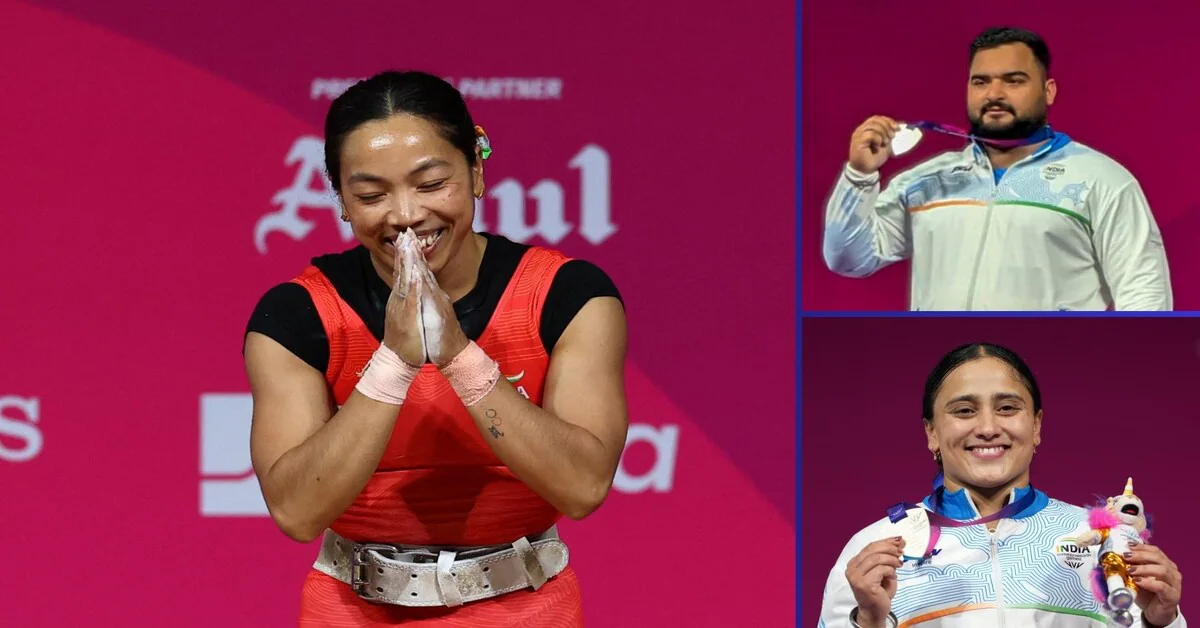
The Manipur weightlifter claimed India’s only weightlifting gold medal, becoming the first Indian to win three consecutive Commonwealth Games titles. She also rewrote the Games record books with 85 kg in the snatch, 105 kg in the clean and jerk, and a total of 190 kg. More importantly, it was her fourth Commonwealth Games medal, having progressed from silver on her debut in 2014 to a remarkable hat-trick of gold medals in 2018, 2022 and 2026. 
Advertisement


Mirabai Chanu at Commonwealth Games 2026 (PIC: PTI)


Yet Mirabai’s brilliance also exposes India’s biggest weakness.


Advertisement


One of the clearest indicators of India’s changing fortunes in Commonwealth weightlifting is the absence of a new generation of serial champions. India’s previous generation consistently returned to the Commonwealth Games and upgraded their performances. Sukhen Dey and Ravi Kumar followed their medals in Delhi 2010 with another podium finish in Glasgow 2014. Sanjita Chanu and Sathish Sivalingam defended their Commonwealth titles in 2018, while Punam Yadav progressed from bronze in 2014 to gold four years later. Mirabai herself set the benchmark by transforming a silver medal into three successive Commonwealth titles.


The current generation has also produced repeat medallists, but the progression has stalled. Harjinder Kaur, Bindyarani Devi and Lovepreet Singh have all returned to the podium, yet none has converted those performances into a Commonwealth title. In Glasgow, despite India winning eight weightlifting medals, not a single lifter apart from Mirabai managed to stand atop the podium. Six settled for silver, suggesting India continue to produce international-standard medallists but far fewer athletes capable of consistently becoming champions.


Advertisement


As Mirabai enters the twilight of an extraordinary career at 31, India face an uncomfortable question: who replaces her? For nearly a decade, every Commonwealth Games campaign has begun and ended with Mirabai delivering exactly what was expected. Expecting her to remain India’s only guaranteed champion through Los Angeles 2028 and beyond could be a little far fetched wish for the nation. 

  Indian weightlifters to win multiple Commonwealth Games medals (since 2010) 

Athlete

Total medals

Commonwealth Games medals

Mirabai Chanu

4

Silver (2014), Gold (2018), Gold (2022), Gold (2026)

Vikas Thakur

3

Silver (2014), Bronze (2018), Silver (2022)

Gururaja Poojary

2

Silver (2018), Bronze (2022)

Harjinder Kaur

2

Bronze (2022), Silver (2026)

Lovepreet Singh

2

Bronze (2022), Silver (2026)

Bindyarani Devi

2

Silver (2022), Bronze (2026)

Khumukcham Sanjita Chanu

2

Gold (2014), Gold (2018)

Sathish Sivalingam

2

Gold (2014), Gold (2018)

Punam Yadav

2

Bronze (2014), Gold (2018)

Sukhen Dey

2

Silver (2010), Gold (2014)

Ravi Kumar Katulu

2

Gold (2010), Silver (2014)


India’s high-risk approach needs refinement


Another striking feature of India’s campaign was the willingness of several lifters to chase ambitious weights from the outset.


Advertisement


Mirabai Chanu, Bindyarani Devi, Gyaneshwari Yadav and Rishikanta Singh all opened with, or attempted, some of the heaviest lifts in their respective competitions. The strategy paid off for many of them, but often only after they finished with one or two successful attempts.


The flip side of that approach was evident in the performances of Nirupama Devi and Sajana. Nirupama failed to register a successful snatch after three unsuccessful attempts, while Sajana could not complete a valid clean and jerk, ending both campaigns without a total despite entering as genuine medal contenders.


Advertisement
The contrast highlights the increasingly fine margins in international weightlifting. As the standard rises, especially at the Asian Games and Olympics, an aggressive strategy can be the difference between winning a medal and leaving empty-handed. Glasgow showed that India possess the ability to challenge for the podium, but it also showcased how little room for error exists when every attempt carries greater significance. 


Gyaneshwari Yadav at Commonwealth Games 2026 (PIC:PTI)

Advertisement


Every cloud has a silver lining


While the drop in the number of medals, especially gold medals, can be a cause for concern for the future, one cannot deny that weightlifting still stood out as one of India’s strongest pillars at the Commonwealth Games in the absence of sports they have largely dominated, such as wrestling, badminton and hockey.


Improving the conversion of medals into gold will be a major task at hand, but the success of eight early medals definitely boosted India’s morale as they went on to better their overall tally as the tournament drew to a close.

Advertisement


India’s full list of medal winners in weightlifting at the Commonwealth Games 2026:


Medal

Event

Athlete

Gold

Women’s 48kg

Saikhom Mirabai Chanu

Silver

Men’s 60kg

Rishikanta Singh

Silver

Men’s 65kg

Muthupandi Raja

Silver

Women’s 53kg

Gyaneshwari Yadav

Silver

Men’s 79kg

Valluri Ajaya Babu

Silver

Women’s 69kg

Harjinder Kaur

Silver

Men’s +110kg

Lovepreet Singh

Bronze

Women’s 58kg

Bindyarani Devi


Source link

Advertisement
Continue Reading

Sports

Angel Capital set for early 2026 campaign launch in Missile Stakes

Published

on

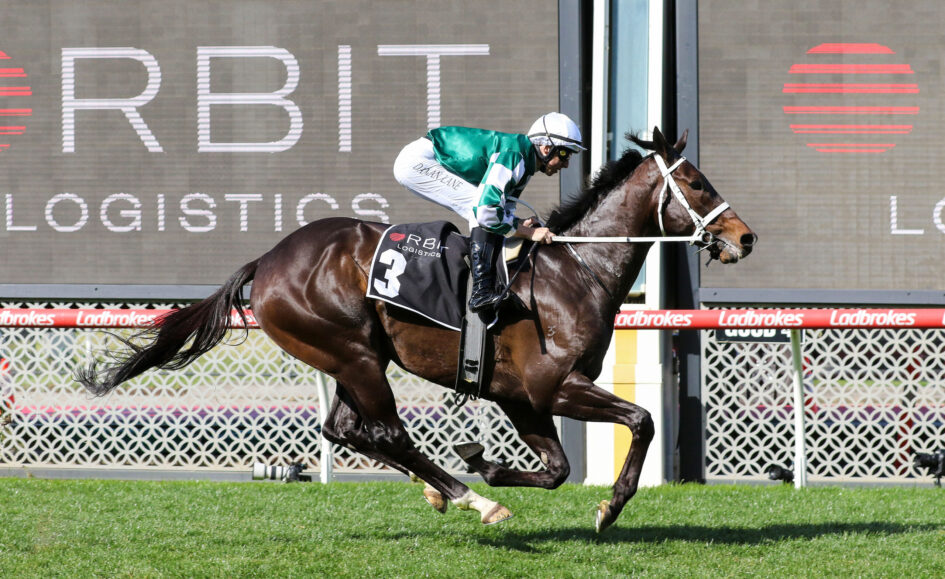
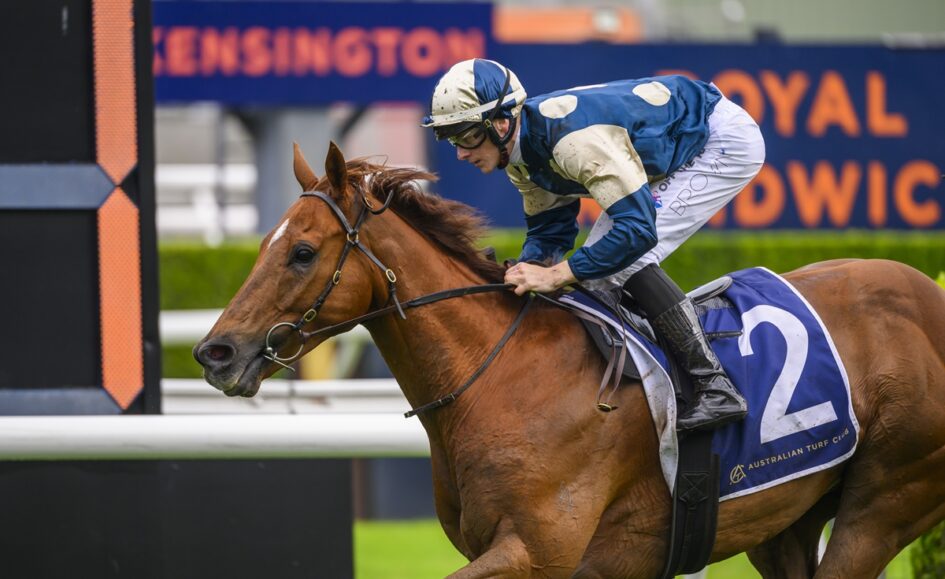
Jockey in green-and-white silks rides a dark brown horse mid-jump over a hurdle on a grassy track, with sponsor signage in the background.

Angel Capital is poised for an early return, set to compete in the opening stakes race of the Sydney season as he embarks on what could be a career-defining campaign.

Trainer Chris Waller confirmed that the five-year-old gelding is scheduled to be nominated for the Group 2 Missile Stakes (1200m) at Randwick next Saturday, and the current intention is for him to race.

“Angel Capital will run next week in the Missile, then he can go second up into a Group One. The Memsie or the Winx Stakes,” Waller remarked. “He’s well suited at the set weights and penalties, where the others probably aren’t, and he’s got a bit more speed. (A horse like) Autumn Glow gets too much weight. He’s come back well. Mentally he’s great. There’s no reason why he can’t keep going for another year.”

A three-time placegetter at the highest level, including a runner-up finish to Jigsaw in the William Reid Stakes (1200m) at Caulfield in March, Angel Capital is being prepared with the aim of capturing an elusive Group 1 win this spring.

Advertisement

The valuable stallion prospect, owned by Yulong, has the potential to cement his future at stud by achieving this significant goal.

By taking advantage of an early run in the Missile Stakes, Waller is signalling his intent to give Angel Capital a genuine opportunity at Group 1 success in his second start.

“He’s a horse that needs to be rock-hard fit second-up at 1400 and he could win a Group One,” he said.

Angel Capital is expected to be Waller’s sole participant in the Missile Stakes. Additionally, Napoleonic, who placed in the Doomben 10,000, from the John O’Shea and Tom Charlton stable, is also anticipated to make his seasonal debut in the same race and is set to be a worthy adversary following two strong barrier trial performances.

Advertisement

Compare online bookmakers for the best racing odds on the Missile Stakes.

Source link

Advertisement
Continue Reading

Sports

3 Reasons why Big Cass targeted 22-year-old star on WWE RAW

Published

on

On WWE RAW after SummerSlam 2026, Big Cass finally returned to the sports entertainment juggernaut. Upon his comeback, the seven-foot giant destroyed one of the company’s rising stars, Je’Von Evans.

The Young OG competed against Ethan Page, and the match ended with Evans’ victory. However, after the match, Cass stormed the ring and laid out Je’Von. In this article, we will discuss three reasons why Big Cass attacked and targeted the Young OG on the red brand.


#3. WWE is planning a feud between them

“I am here to stack bodies” 🤯 Big Cass is a BAD man!

Advertisement

One of the key reasons why Big Cass targeted Je’Von Evans on Monday Night RAW is that the Stamford-based promotion could be planning a feud between the two. For a long time, Evans has been booked in short-term feuds without a proper storyline.

The return of the former AEW star allowed the company to finally book the Young OG in a full-fledged feud. This could be the reason why Cass attacked him immediately upon his return to the red brand.

If that’s the case, then it appears to be a strategic move by the Triple H-led creative regime rather than a random booking decision.


#2. Triple H has big plans for Big Cass

Though the former AEW star returned to the sports entertainment juggernaut, attacking Je’Von Evans could be a sign that Triple H has no major plans for him, at least for now.

Advertisement

As a result, the Chief Content Officer decided to place Cass in a regular feud with Je’Von Evans. It’s worth noting that Baron Corbin also returned to WWE a few weeks ago.

However, at WWE SummerSlam, he captured the United States Championship, suggesting the company is high on him. Meanwhile, Cass attacking Evans suggests that The Game may not have any major plans for the 39-year-old star at the moment.


#1. WWE wants to build momentum for Cass

Over the past few weeks, the company had been generating hype for Big Cass through multiple video packages. Targeting Je’Von Evans on his return could be the beginning of something much bigger in the near future.

WWE could be trying to build momentum around Cass before inserting him into the mid-card title picture. This could be one of the main reasons why he attacked the Young OG on RAW after SummerSlam 2026.

Advertisement

With these smaller feuds, the company could gradually build momentum for Cass and eventually crown him the Intercontinental Champion.