Connect with us

Business

Metro Bank profit jumps 41% as it expands branch network and grows small business lending

Published

on

Business Live

The FTSE 250 bank recorded a £60.7m pre-tax profit in the first half of 2026, up 41 per cent from the same period last year

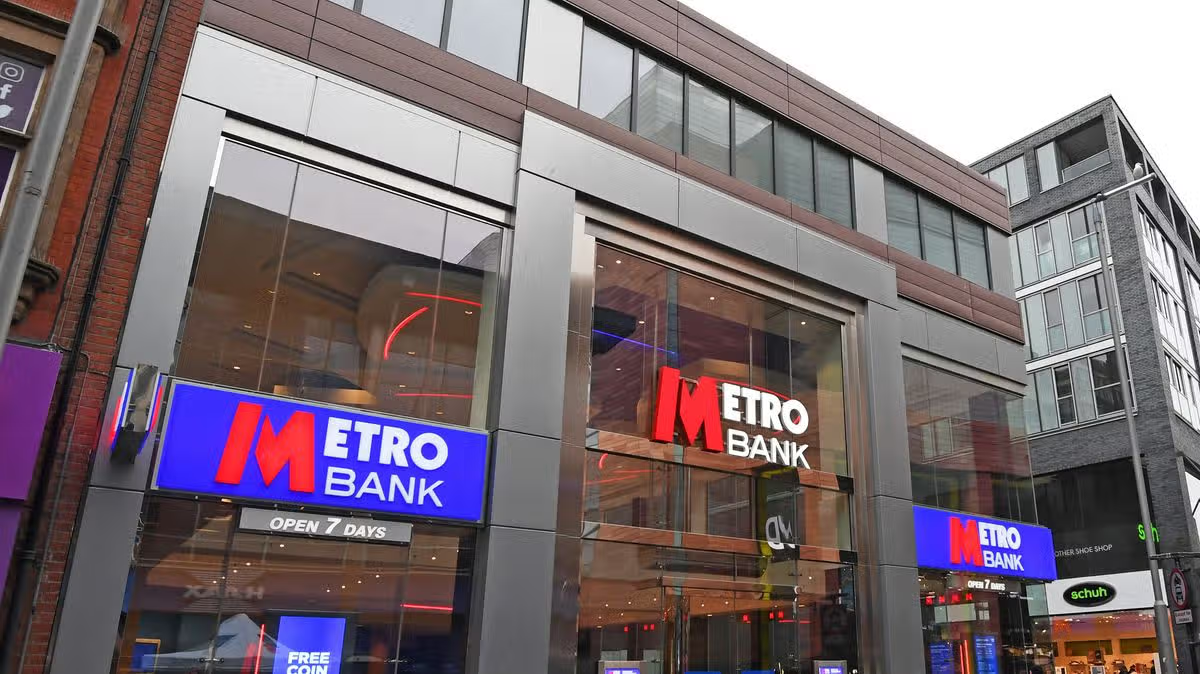
Metro Bank on Paradise Street, Liverpool

Metro Bank on Paradise Street, Liverpool

Metro Bank posted its strongest half-year profit on record during the first six months of 2026, defying an industry-wide trend of branch closures while expanding its small business offering.

Advertisement

The FTSE 250 lender reported a pre-tax profit of £60.7m, representing a 41 per cent increase on the same period last year.

The result was underpinned by a five per cent rise in revenue to £301m. Net interest income — accounting for approximately 80 per cent of the group’s total income — led the way with an eight per cent increase to £241.5m.

Fee and other income, however, fell 13 per cent to £55m. This was partially offset by a £4.4m gain on asset sales, a turnaround from a £200,000 loss recorded in the first half of 2025.

The bank’s total loan book expanded four per cent to £9.2bn, as reported by City AM.

Advertisement

Metro has positioned itself to capitalise on the small business lending market as larger industry players retreat from the sector. The area that typically delivers higher margins for lenders due to the ability to charge elevated interest rates.

The bank’s core target lending, encompassing corporate, small business and specialist mortgages, surged 43 per cent year-on-year to £6.2bn, helping to offset legacy residential mortgage and consumer run-off books. The lender offloaded its £584m portfolio of unsecured personal loans at the start of 2025 as part of a broader strategic shift towards specialist lending.

The group’s net interest margin – a key indicator of profitability from lending – climbed to 3.18 per cent in the half, with Metro reporting it closed the second quarter at 3.25 per cent. The bank is aiming for a margin range of 3.4 to four per cent by December 2026.

Metro reaffirmed its targets for return on tangible equity, a key profit metric, expecting to achieve over 13 per cent by the final quarter of 2026 and over 18 per cent by 2028.

Advertisement

The lender also disclosed plans to press ahead with its regional expansion into Northern economic hubs, having secured new store leases across Newcastle, Leeds and Nottingham during the first half.

Major banks have broadly sought to scale back their physical presence in recent years. Barclays announced a significant reversal of strategy in April, choosing to grow its branch network beyond its current 206 sites, despite having shuttered around 80 per cent of its locations since 2019.

Continue Reading
Click to comment

You must be logged in to post a comment Login

Leave a Reply

Business

AVL, Alcoa explore vanadium battery storage rollout

Published

on

AVL, Alcoa explore vanadium battery storage rollout

Australian Vanadium and Alcoa Australia are working together to evaluate the potential rollout of vanadium flow battery technology at the miner’s WA alumina refineries.

Continue Reading

Business

Australian shares surge as banks, miners charge higher

Published

on

Australian shares surge as banks, miners charge higher

Australia’s share market is narrowing on its record high as easing oil prices and confidence in a strong earnings season for heavily weighted sectors bolster risk sentiment.

Continue Reading

Business

BP profit highest since 2022 as Iran war pushes up oil price

Published

on

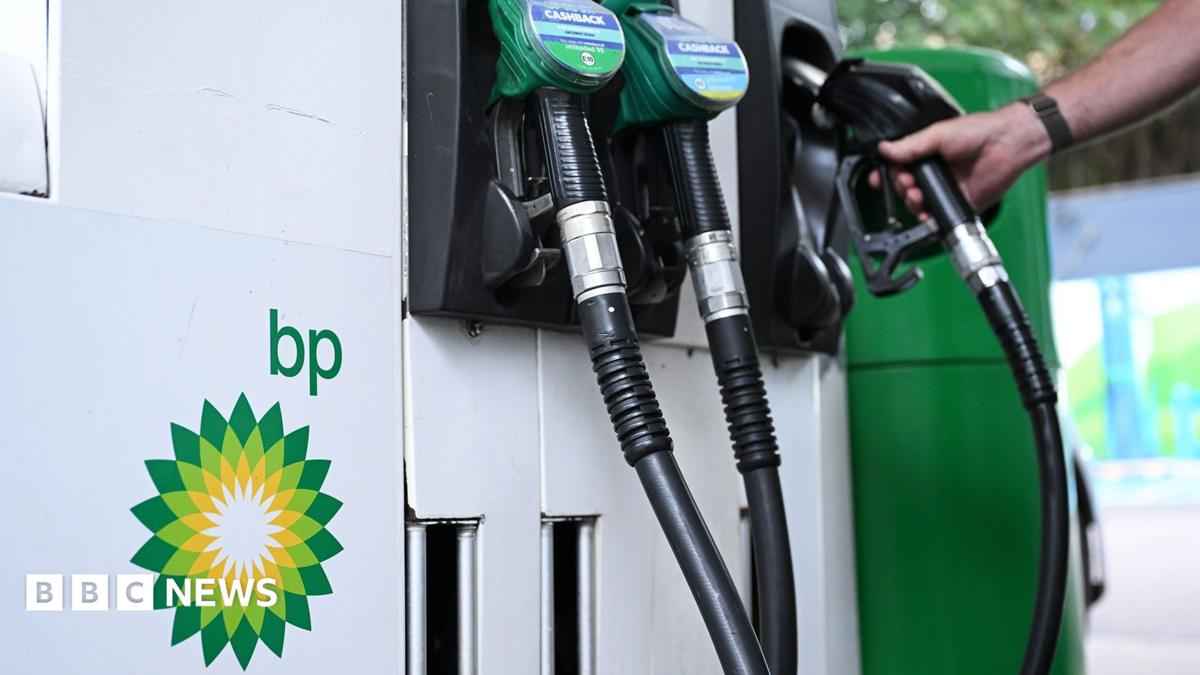
Close up of petrol and diesel pumps and hand on one of the pumps with the BP logo to the side

Despite the big rise in profits, BP chief executive Meg O’Neill said the company was not reaching its full potential.

BP, which employs nearly 14,000 people in the UK, confirmed plans to move further away from clean energy, revealing plans to sell off its US renewable natural gas business Archaea.

O’Neill said this was part of her plan to prioritise “value, not sentiment or history”.

“We have to focus on the assets with the strongest potential to deliver competitive returns and long-term value,” she said.

Advertisement

Last week, BP announced it was putting its North Sea business up for sale in a move that would end 60 years of production in the region by the company.

Russ Mould, investment director at AJ Bell, said the sell-offs intended to make the business more streamlined.

“O’Neill will be aware she cannot rely on oil and gas prices remaining this high indefinitely,” he said.

“She needs to make sure it can prosper even when the backdrop is less helpful.”

Advertisement

The bumper profits reported by oil companies have led to an angry response from campaign groups.

Angharad Hopkinson, from environmental group Greenpeace, said BP’s results showed that “corporate gains have become entirely divorced from the public good”.

She said “the one point on which we agree with BP” is its decision to sell off its North Sea operations.

“Prolonging this parasitic relationship by trying to squeeze the last few drops of expensive oil out of the North Sea is sheer folly,” Hopkinson said.

Advertisement

Simon Francis, co-ordinator of the End Fuel Poverty Coalition, said oil firms “have banked more billions from a crisis that has created real hardship for millions of households”.

“The lesson is not to hand yet more tax breaks to an industry posting billions in profit every quarter, but to use Windfall Tax receipts to clear the record energy debt households built up during the crisis,” he said.

Energy firms operating in the UK are subject to a windfall tax – called the Energy Profits Levy – that was introduced in 2022.

However, the tax only applies to profits made from extracting oil and gas in the UK.

Advertisement
Continue Reading

Business

Yorkshire’s Caddick Construction to build huge new storage centre in Newcastle

Published

on

Business Live

The facility will become the second Big Yellow Self Storage in the city

A CGI of the new Big Yellow self storage site being created in Newcastle

A CGI of the new Big Yellow self storage site being created in Newcastle(Image: Caddick Construction)

A new storage facility is set to be built in Newcastle following the appointment of a leading Yorkshire construction company. Caddick Construction, based in Wakefield, has been named principal contractor for the design and build of a new Big Yellow Self Storage facility in Newcastle’s west end – the second in the city alongside its Industry Road site.

The company is a leading provider of secure, modern self-storage units, offering customers rooms of varying sizes for both personal and business needs, and rapid expansion over the last few years has seen it grow to operate 114 locations across England, Scotland, and Wales.

Being delivered on behalf of the Big Yellow Construction Company, the new facility will have around 60,000 sqft of internal storage space spread across four floors, customer loading bays, staff welfare, office and reception areas.

Based on Scotswood Road, the facility will also have roof mounted solar photovoltaics (PV), battery storage, car parks, landscaping and external works. The storage centre is due to be completed next summer, and will be built to meet BREEAM ‘Very Good’ requirements.

Advertisement

The appointment builds on the success of Caddick’s first year in the North East, having secured a range of contracts totalling £127m since opening its new office in Durham in 2025. It also adds to its portfolio of industrial projects, which includes Richardson Barberry’s new DPD parcel hub at Newton Aycliffe.

Steve Ford, regional managing director, Caddick Construction North East & Yorkshire, said: “We’re pleased to have been appointed to the design and construction of Big Yellow Self Storage’s new facility. This project expands our industrial portfolio in the North East and builds on our team’s expertise in delivering high-specification schemes.

“As one of the most active development markets in the UK, we’re proud to support the region and the local area through this investment, and we look forward to working closely with the Big Yellow team and our regional supply chain to deliver a high-quality, sustainable development.”

Nigel Hartley, Big Yellow’s construction director, added: “Big Yellow Construction has a strong track record of delivering high-quality, sustainable assets for the operational business across the UK. To maintain these consistently high standards, we work only with the best, and we are delighted to partner with Caddick Construction on what we hope will be another successful project for everyone involved.”

Advertisement

Headquartered in Wakefield and with regional offices in Warrington, Kendal, Durham and Birmingham, Caddick Construction Group employs over 500 people across Yorkshire, the North East, North West and Midlands. In its last financial year, Caddick Construction Group – which is formed of Caddick Construction, Caddick Civil Engineering and CCL Facades – reported a turnover of £375m, a pre-tax profit of £4.5m and a forward order book of over £1.4bn.

Like this story? For more news from the commercial property scene around the regions, visit our dedicated section here for the latest news and analysis within the sector.

Continue Reading

Business

Isuzu Motors Limited (ISUZY) Q1 2027 Earnings Call Prepared Remarks Transcript

Published

on

OneWater Marine Inc. (ONEW) Q1 2026 Earnings Call Transcript