
Tech
What Does ‘Photo Enforced’ Mean On A Speed Limit Sign?

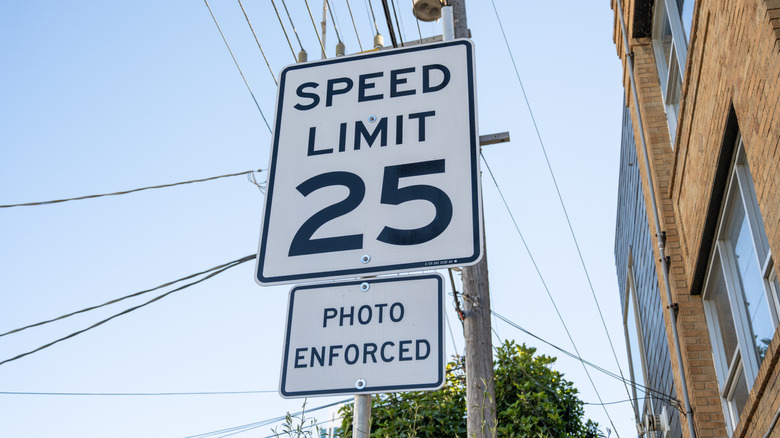
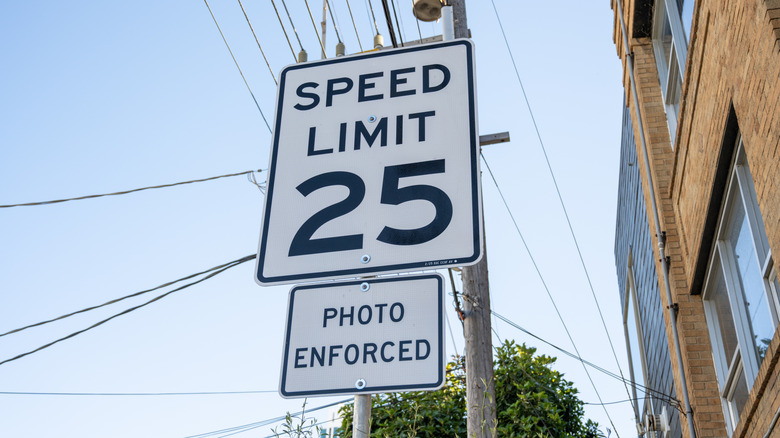
Most drivers in the U.S. likely have a good idea what “radar enforced” means on some speed limit signs. But this isn’t the only method law enforcement uses to help ensure that vehicles are moving at safe speeds, whether on a rural road or on a major highway. For example, “photo enforced” means that a speed camera is indeed being used to identify drivers going beyond the speed limit.
This use of cameras is part of an Automated Speed Enforcement (ASE) system. ASE systems are often seen in work zones and school zones, but can be placed in high-speed locations as well. The speed limit signs themselves may be posted before the actual speed camera. This is done in order to notify drivers of the speed limit and also that automated enforcement is being used ahead. If one of these cameras catches a driver speeding, they may receive a speeding ticket that is issued automatically based on the violation recorded by the system.
ASE systems are designed to improve safety by encouraging drivers to slow down. This is especially important in work zones, though workers may not have to be present for you to receive a speeding ticket. According to the Federal Highway Administration (FHWA), these systems have been shown to reduce the number of speeding drivers, as well as crashes, injuries, and fatalities in work zones.
How ASE camera systems are regulated

ASE systems can come in several different forms, depending on where they are used. These include fixed pole-mounted cameras, semi-fixed cameras that can be moved between locations, speed-on-green cameras that detect vehicle speeds at intersections, and mobile ASE units. The type of ASE system used depends on the location, as well as the needs of the affected community. But are these systems actually legal?
The answer depends on where you are, because state laws and local regulations governing photo-enforcement cameras can differ. Some jurisdictions allow automated speed enforcement programs only in certain areas, as long as specific controls are in place. This can include posted warning signs notifying drivers of speed enforcement zones, as well as equipment calibration and certification. There may even be a required review process before citations are issued. The way violations are handled can also differ, with some jurisdictions holding the driver responsible, while others hold the registered vehicle owner accountable.
It’s important to know that while posted warning signs may seem like a logical component in ASE systems, their use can vary by state. The FHWA does not establish a nationwide set of rules for speed safety camera programs, including whether or not warning signs must be put in place. Those decisions are determined by state and local laws, which also govern where the cameras will be installed.

Tech
This civic activist used AI to assess how state Supreme Court candidates might rule on the millionaires’ tax

The tradition of using new technology to shape political discourse goes back centuries in America, to the printing presses that enabled the spread of early publications like Common Sense and the Federalist Papers. Just imagine what Thomas Paine and Alexander Hamilton could have done with access to LLMs and a modest budget of AI tokens.
It might have looked something like Culliton2026.org.
No, a website that uses artificial intelligence to assess Washington state’s Supreme Court races won’t go down in history alongside the publications that helped launch a revolution and ratify a constitution. But at a basic level, its creator is attempting the same thing: reaching people at a key moment of decision, using the most powerful tools of the day.
The modern-day pamphleteer is Viet Nguyen, a veteran Seattle-based technology communications executive and former political campaign manager.
He built the interactive website using AI to give voters a sense of how each candidate for the state’s high court — starting with those in the Tuesday, Aug. 4, primary — might rule on the state’s new “millionaires’ tax.” Its core feature lets visitors swap in different judicial candidates to see how the outcome could tip the court in either direction, depending on who’s elected.
The site is named after Culliton v. Chase, the 1933 ruling that struck down a graduated income tax in Washington state. The new tax, which some tech and business leaders have warned could drive high earners and businesses out of state, may test that precedent.
Nguyen opposes the new tax — which would apply a 9.9% statewide levy on income above $1 million — and wrote a Seattle Times op-ed calling it unconstitutional. (He noted that he has run political campaigns on both sides of the aisle, and wouldn’t owe the tax himself.)
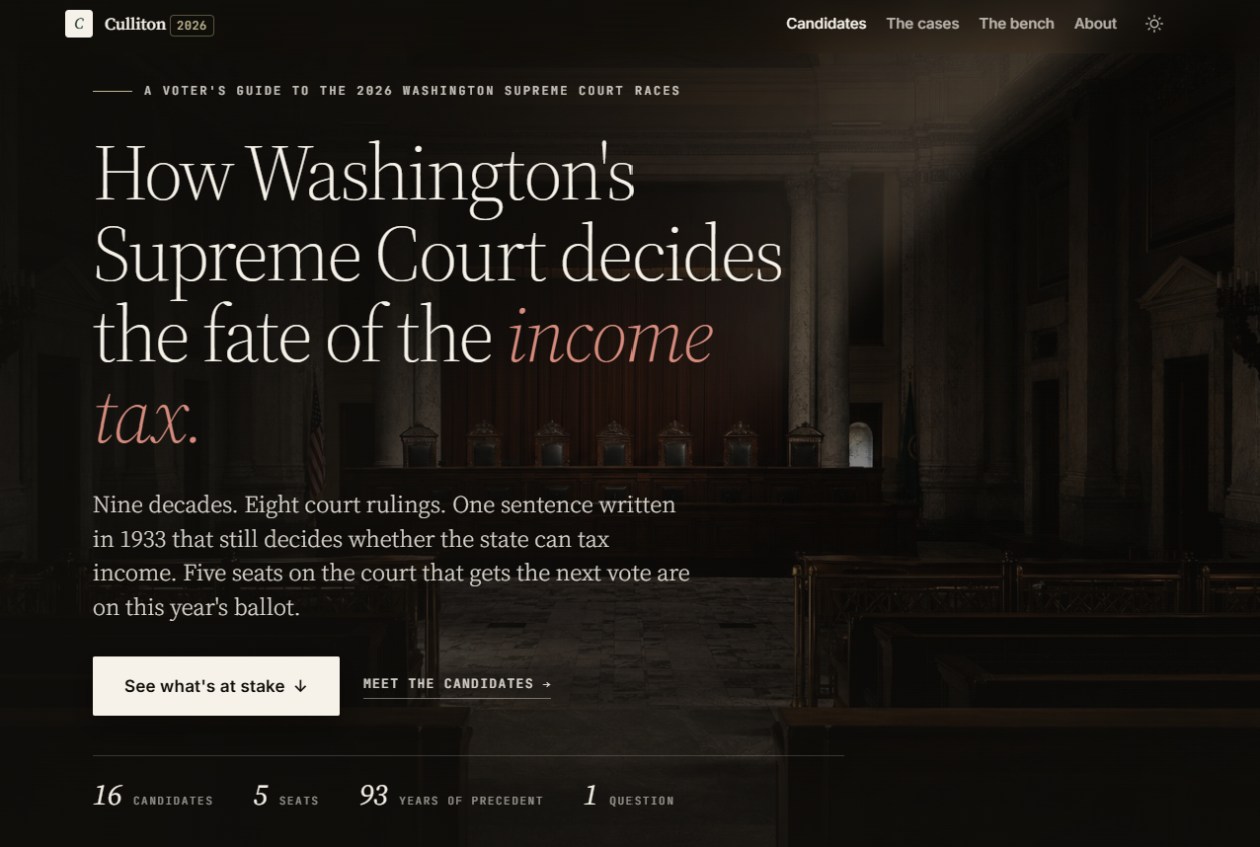
For each of the 16 candidates across the five races, the site gives a one-line read: likely to keep the landmark ruling, likely to scrap it, or too close to call. The analysis uses four criteria: who appointed the candidate, what they did before reaching the bench, how they describe their own judicial approach, and anything they’ve said or written about Culliton or the new tax.
“People don’t understand who their Supreme Court justices are,” Nguyen said, describing his motivation. “There’s just zero knowledge about where judges stand on a particular issue.”
A faulty premise? But that very proposition — that anyone or anything can forecast how a judge will rule — is exactly what critics dispute. In a fact-check published last week, Andrew Villeneuve of the Northwest Progressive Institute (NPI), which supports the tax, described Nguyen’s Culliton2026.org as “speculation dressed up as a voter’s guide.”
Judicial-ethics rules bar candidates from saying how they would rule on a case that could come before them. Hugh Spitzer, a retired University of Washington law professor and a leading authority on Culliton, told Villeneuve it isn’t possible to predict how the justices would rule.
“Rather than examining and scoring the candidates on a rubric of qualifications or issues, Nguyen has organized his whole project around attempting to guess how each candidate would rule in a single legal challenge that is not yet before the justices,” wrote Villeneuve, the organization’s founder and executive director, in the article.
NPI runs its own guide to the 2026 Supreme Court elections — the Washington State Supreme Court Elections Visualizer — which sorts candidates by their endorsements and voter-pamphlet statements, but does not make any guess at how they’d rule.
Culliton2026.org is described on its About Page as independent and nonpartisan. It says it doesn’t endorse candidates, isn’t affiliated with any campaign, and isn’t telling people how to vote.
Despite the site’s flagship feature — the “Balance of power” tool that lets visitors swap in candidates and watch the projected ruling shift — the About Page asserts that the site is “not a vote predictor” when it comes to how future Supreme Court justices might rule.
That disclaimer “seems like a tacit acknowledgment that his whole premise is faulty,” Villeneuve wrote in the NPI piece.
The response: Asked about the article, Nguyen called the feedback helpful and said he made a series of updates to address some of the issues raised by Villeneuve in the piece.
For example, he added a “note on the foundations” to the site’s case explainer, granting that Culliton rests on federal precedents the U.S. Supreme Court has since abandoned, and citing Spitzer’s own argument that a future court should weigh the question fresh.
“Reasonable people will disagree on the project’s premise, and that’s fine,” he wrote to Villeneuve in an amicable exchange that he shared with GeekWire.
The article describes Nguyen as right-wing, but he said he tries to stay “in the moderate lane.”
He said he wanted the site “to be less political and more educational, applicable to any voter wishing to know more about the judicial candidates.” In fact, it could be used just as easily by people wanting to align their ballots with the likelihood of upholding the new tax.
How he built it: Nguyen, who is not a software developer, used agentic AI to research the public records and build the entire site from scratch, directing it to rely on sources he considered legitimate (including court opinions, official filings, and news coverage) rather than random blog or Reddit posts.
He also set up a vetting process to fact-check entries before publication.
@import url(‘https://fonts.googleapis.com/css2?family=Roboto+Slab:wght@500&display=swap’);@media (max-width:768px){.gw-pq{display:none!important}}
Nguyen uses Perplexity Computer, an agentic tool that operates a computer on its own (browsing the web, using software and building files) and divides a job among multiple AI agents working in parallel. He’s on the $200 a month Perplexity Max plan.
A sophisticated website or app like this might have required a small team and thousands of dollars in the past. Nguyen built it over the course of a few hours, for about $100 in AI tokens. He says it has attracted “a few hundred thousand page views” since its launch this spring.
“This is where agentic AI steps in and offers a whole roster of skills that I don’t have,” he said. “I would never be able to imagine that I could put something like this together.”
Legal landscape: The Legislature passed the 9.9% tax and Gov. Bob Ferguson signed it in March 2026. It applies to income earned starting in 2028, with the first payments due in 2029.
Culliton2026.org’s assessment is that six of the nine current justices on the court lean toward upholding the tax, two toward striking it down, and one is too uncertain to call.
Five of the court’s nine seats are on the ballot this year, four of them contested in Tuesday’s primary, with the top two in each race advancing to November. Three of the seats on the ballot are held by sitting justices seeking to stay on the court; the other two are open.
A case filed in Klickitat County Superior Court in April, led by former state Attorney General Rob McKenna and former state Supreme Court Justice Phil Talmadge, argues the tax is an unconstitutional income tax and is expected to reach the state Supreme Court. The number of contested seats means the election could reshape the court before the case arrives.
Voters will also weigh in directly in November. Initiative 645, backed by Let’s Go Washington — the group founded by hedge-fund manager Brian Heywood — would repeal the tax before it takes effect in 2028. It qualified for the ballot in July with more than 500,000 signatures.
Nguyen’s background: He arrived in Washington as a 17-month-old refugee from Vietnam in 1975, studied political science at the UW, and got his start in 1996 volunteering on Gary Locke’s campaign for governor, as he noted in the Seattle Times piece.
He ran local races before spending nearly two decades at Microsoft, T-Mobile and 5G Americas, the wireless industry trade group that he led until it wound down this year.
Culliton2026.org is just one of the civic sites Nguyen has built the same way. His Washington Accountability Registry catalogs 87 state and local government cases it labels fraud, conflicts of interest or oversight failures, and, like the Culliton site, calls itself independent and nonpartisan.
Others are more explicit in taking a side: a dashboard about the King County homelessness authority is headlined “One verdict: wind KCRHA down,” and an emergency-clause tracker titled “Locked Out” flags 19 bills the Legislature made “referendum-proof.”
He has also dabbled in AI-generated music videos, including one about Seattle Mayor Katie Wilson with the hook, “Hey Katie, get it together, the city’s falling apart.”
“All AI generated,” Nguyen said of his projects. “We live in a new world.”
Or, as Paine put it in Common Sense, “The birthday of a new world is at hand.”


saas
Tribunal to explore how £270 million reseller case intersects with multibillion-pound class action
ValueLicensing (VL) has been invited to attend a case management conference in a related multibillion-pound collective action against Microsoft, according to the reseller’s boss, Jonathan Horley.
VL sued Microsoft for £270 million in 2021, alleging that the software giant restricted the supply of surplus Office licenses available for resale. Barrister Alexander Wolfson is the proposed class representative in a separate claim filed in 2025 on behalf of more than two million UK customers. That action seeks between £1.3 billion and £3.5 billion in compensation.
Both cases are before the UK’s Competition Appeal Tribunal (CAT) and concern Microsoft’s alleged efforts to restrict the market for pre-owned software licenses.
Case management conferences (CMCs) are used to set timetables and decide procedural questions as a case progresses.
According to Horley, ValueLicensing has a CMC concerning disclosure listed for September 14, followed the next day by an invitation to another in the Wolfson proceedings.
The September 15 CMC could address how the two proceedings interact, including whether the Wolfson action should be stayed pending judgment in the more advanced ValueLicensing case. There is also the possibility that the claims could eventually be heard together, although the tribunal has yet to indicate what course it will take.
ValueLicensing’s case is considerably further ahead of Wolfson’s. The Court of Appeal dismissed Microsoft’s appeals on issues including copyright in July, although Microsoft can seek permission to appeal to the Supreme Court.
Kate Pollock, head of competition litigation at law firm Stewarts, said of the Wolfson case earlier this year: “Microsoft’s conduct has had a profound and costly impact on millions of individuals and private and public sector organizations that rely on its software for daily business operations.
“We believe that Microsoft abused its market dominance by imposing restrictive licensing practices that effectively shut down competition and inflated prices.”
Closer procedural links between the cases could complicate Microsoft’s defence against two claims arising from similar allegations. The Register asked the Windows behemoth to comment, but it declined.
VL’s Horley told The Register: “Following on from the judgment at the Court of Appeal we are pleased to have a hearing listed for September 14 to progress further disclosure. ValueLicensing has also been invited to the first hearing of the Alexander Wolfson class action on September 15. That will deal with the next steps for certification and the interactions between the two claims.”
Horley said the move was “very significant” and showed the progress ValueLicensing had made in terms of the competition and copyright law aspects.
“ValueLicensing are experts in the pre-owned Microsoft market with significant evidence and experience of the operation of the market during the relevant period in which the abuse is alleged to have occurred,” he said.
“Given that both claims relate to the pre-owned Microsoft market, that the ValueLicensing claim is so advanced and Mr Justice Turner is Chair for both, it is logical for ValueLicensing to be invited. ValueLicensing is happy to assist the Tribunal in determining the next procedural steps for both actions.”
Microsoft declined to comment. A spokesperson for the Alexander Wolfson class action has yet to comment. ®

from the good-deals-on-cool-stuff dept
Explore the incredible world of documentaries with a Curiosity Stream Standard Plan subscription. This top-tier streaming service offers unlimited access to thousands of films, series, and shows to satisfy your thirst for knowledge. Whether you’re a science enthusiast, history buff, or technology geek, Curiosity Stream has something for everyone. Unleash the power of on-demand streaming that allows you to choose what you want to watch, when you want to watch it, and where you want to watch it. From the comfort of your living room to the remote corners of the globe, your favorite documentaries are just a click away. It’s on sale for $112.50 with the code AUG25.

Note: The Techdirt Deals Store is powered and curated by StackSocial. A portion of all sales from Techdirt Deals helps support Techdirt. The products featured do not reflect endorsements by our editorial team.
Filed Under: daily deal


If you’re perusing Apple’s latest wares, such as the iPhone 17, which has been one of the best-selling phones of 2026, or the latest M5 MacBook Air, you may find yourself wondering how to best protect that investment. Or you may be faced with the existential dilemma of deciding whether or not to buy into extended coverage. For Apple products, it’s very much an ecosystem; you may start with an iPhone 17 Pro, but can quickly find yourself with AirPods and an iPad to go with it. Once you have a smattering of Apple devices, keeping them working is important.
Understanding Apple’s legal warranty, consumer rights, extended coverage options, and how they fit into Apple’s support chain will help you make an informed decision. Apple hardware comes with a one-year limited warranty, which covers manufacturing defects, workmanship, and hardware failures that are not due to user damage or normal wear and tear.
What’s excluded is accidental damage, cosmetic damage, loss or theft, or anything that can be attributed to normal wear and tear. Apple will also not cover any modification or damage done by a third party, or any repair or damage done by a non-Apple Authorized Service Provider. Apple also notes that coverage only applies when the products are used in accordance with Apple guidelines, which you can learn more about at Apple’s legal page.
How to check warranty status and get service

Though Apple publishes warranty guidance for each product, the warranties are all essentially the same, in that they broadly have the same inclusions and exclusions. The limited warranty starts from the original purchase date, but this is in addition to any country-specific consumer laws that may apply.
For instance, Canada recently amended its Consumer Protection Act, which changes the scope of legal warranties on several products, including cell phones. Under Canada law beginning in October 2026, cell phone warranties will have a three-year duration. You can find out more about Apple and specific consumer laws here.
There are several ways to check your Apple warranty status and see warranty coverage. You can visit Apple’s coverage and benefits page and enter the serial number for your device, or you can also go to mysupport.apple.com and sign in with the appropriate Apple account. On certain devices like iPad, iPhone, and Macs, you can also navigate to Settings > General > AppleCare & Warranty and view warranty status for devices. If you need warranty service on an eligible device, you can start a claim at Apple’s Service and Repair page.
You can also take your device to an Apple store for carry-in service, or you can find an Apple Authorized Service Provider. Apple also provides a Self-Service Repair page, where you can access repair manuals and buy Apple parts — provided you have the skill and experience to make the repair. Apple announced Self Service Repair in 2021, largely after world governments became more interested in repair laws.
AppleCare+ vs AppleCare One: is it worth the money?

AppleCare is Apple’s extended coverage service, which you should think of as additional to the one-year warranty and any other coverage you may have under law. AppleCare comes in two options: AppleCare+ or AppleCare One. It’s also worth noting that Apple changed the pricing structure of AppleCare+ to a subscription model and moved away from allowing customers to buy two years of coverage up front.
The difference is AppleCare+ can be applied to devices individually, a la carte style, with subscription prices varying based on the device. AppleOne allows you to bundle up to three devices for a flat $19.99/month, with the ability to add extra devices at $5.99/month per device. Some notable perks include same-day service at Apple Stores, Express Replacement Service for certain devices while you wait on a repair, and battery replacement if your battery falls below 80 percent of its capacity. AppleCare+ and AppleCare One have service fees and deductibles, on top of the subscription costs.
Whether or not this is worth it is a personal decision. If you’re someone who upgrades frequently or yearly, then paying for extra coverage probably doesn’t make sense. But if you intend to keep your devices for several years, the AppleOne bundle can be practical, depending on your devices. Paying roughly $20 per month for three devices –- like an iPhone, a MacBook, and a pair of AirPods –- isn’t a bad value if you rely on them daily and they tend to travel a lot with you. On the other hand, it doesn’t make much sense to buy extra coverage for something like an AppleTV or HomePod that tend to be stationary.
I snore. Not politely, either. More like a diesel generator trying to restart in January, which means my wife occasionally wakes up at 3:00 a.m. weighing two options: hold a pillow over my head and see whether Trenton State Prison has decent Wi-Fi, or find an actual solution.
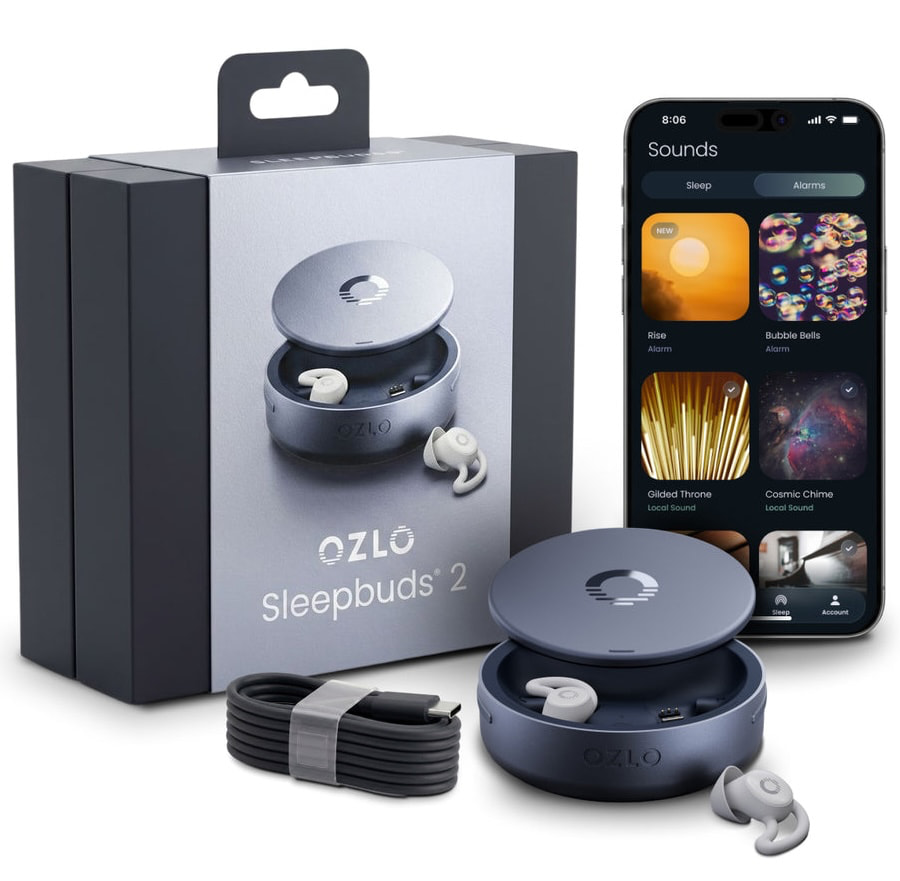
The $279 Ozlo Sleepbuds 2 are designed for the second option. Developed by former Bose engineers, these tiny sleep-focused earbuds mask snoring, traffic, hotel noise, barking dogs, and other overnight disturbances without relying on active noise cancellation.
Related Reading:
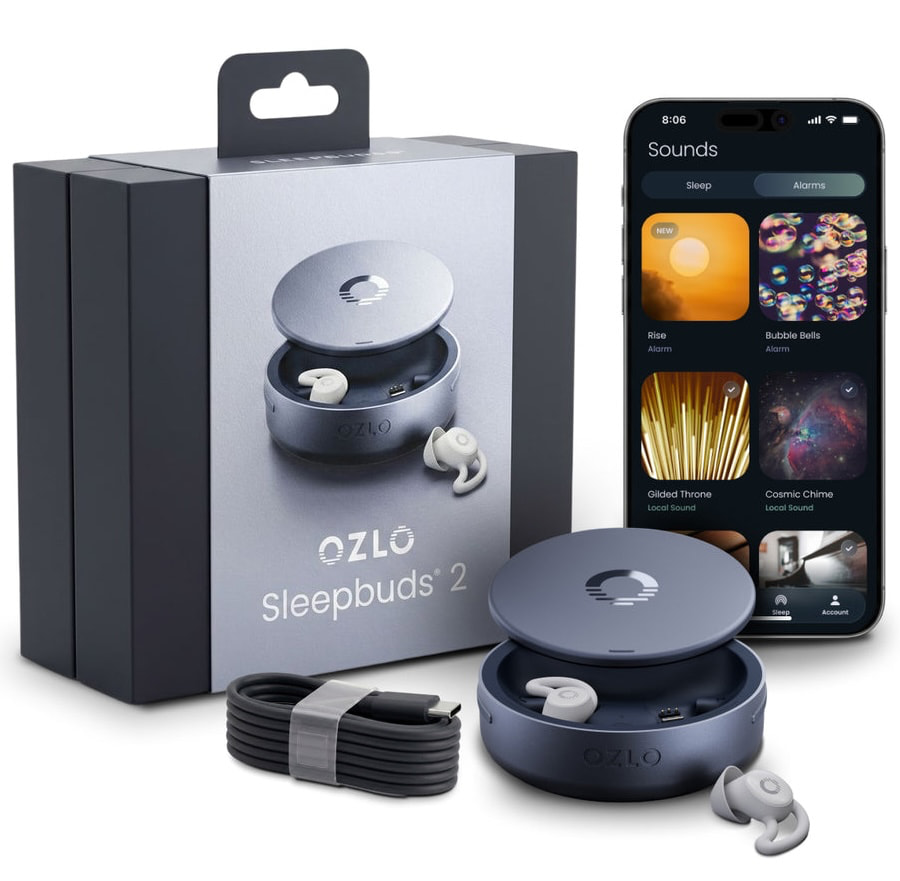
What Makes the Ozlo Sleepbuds 2 Different?
These are not conventional true wireless earbuds that have been made slightly smaller and given a rain-sounds playlist.
Ozlo says the Sleepbuds 2 are the smallest earbuds designed specifically for sleep. Their low-profile silicone housings sit flush inside the ear, while secure-fit wings are intended to keep them in place throughout the night. That matters most for side sleepers, who already know that pressing a normal wireless earbud into a pillow can become uncomfortable rather quickly. Each earbud weighs a reported 1.6 grams.
The Sleepbuds 2 also avoid active noise cancellation. Instead, they combine passive isolation with continuous noise-masking sounds intended to cover unpredictable interruptions such as snoring, barking dogs, traffic, roommates, and whatever the people upstairs are apparently building at 2:00 a.m.
Users can select from more than 30 built-in soundscapes and masking sounds, or stream music, podcasts, and audiobooks over Bluetooth. The earbuds can automatically switch from streamed content to a stored masking sound when the user falls asleep, after a timer expires, or when the streamed program ends.
Five customizable Sleep Modes determine how audio behaves during the night, while the new Sleep Shield feature blocks incoming calls, alerts, notifications, and unexpected Bluetooth audio. A private in-ear alarm can wake the wearer without disturbing anyone sleeping beside them.
What Has Improved?
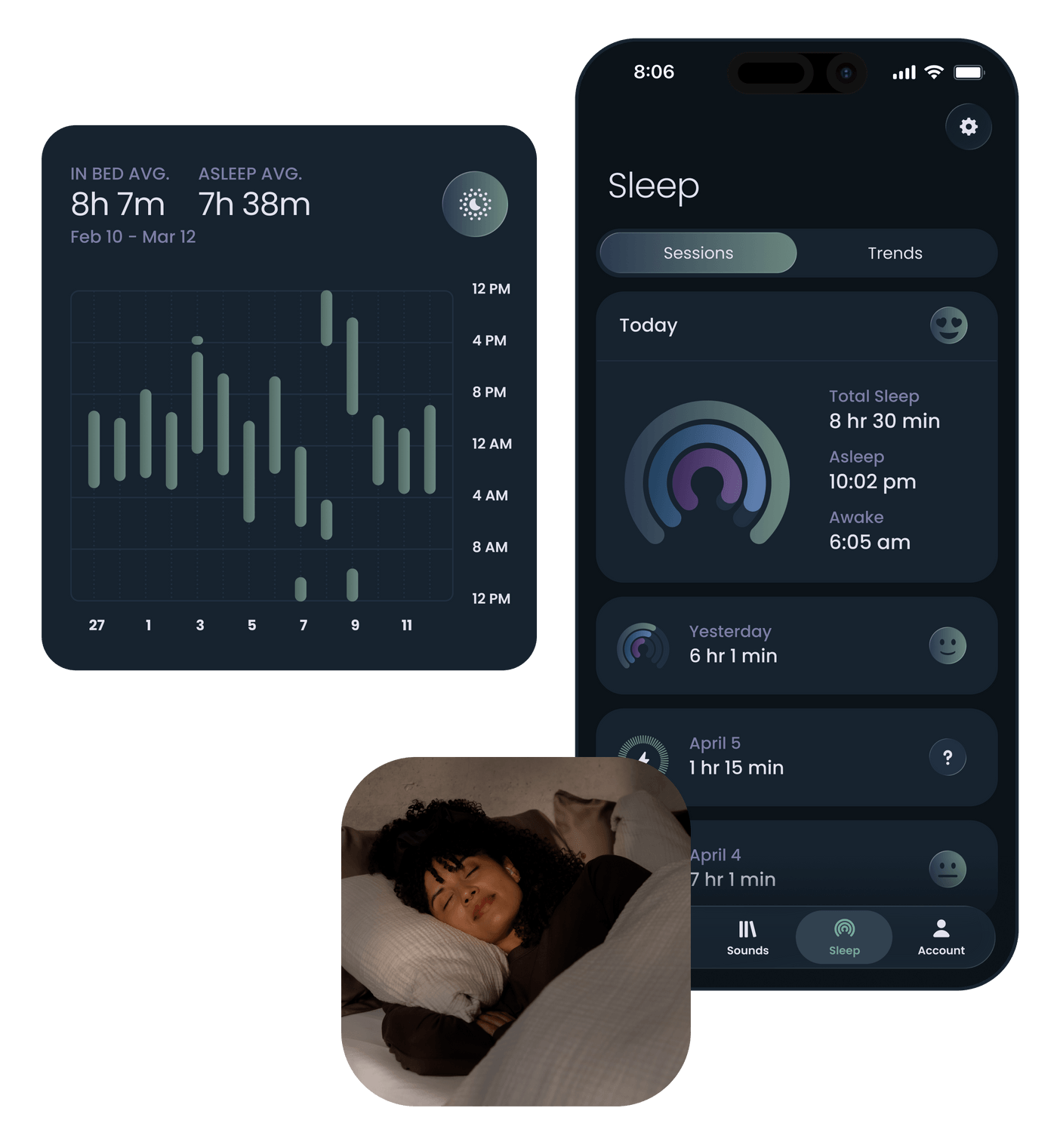
Battery life increases from roughly 10 hours on the original model to up to 14 hours, based on Ozlo’s testing at 50 percent volume. The Smart Charging Case holds enough power for another two or three nights, although actual performance will depend on volume, Bluetooth streaming, enabled features, and battery condition.
Ozlo has also redesigned the Bluetooth system to improve connection reliability and range. That is an important upgrade because bedtime is a particularly bad moment for pairing problems, firmware drama, or an earbud deciding that it needs some personal space.
A physical button on the Smart Case provides phone-free access to basic functions, including starting a stored sleep sound and snoozing the alarm. Initial setup and streaming still require the Ozlo app and a compatible phone, but stored sounds can be configured to begin without an active Bluetooth connection.
The earbuds monitor movement and breathing, while sensors in the Smart Case measure bedroom sound, light, and temperature. The Ozlo app combines that information into sleep-pattern and environmental insights designed to help users identify what may be disturbing them during the night.

Who Might Actually Need Them?
The strongest candidates are light sleepers, side sleepers, shift workers, frequent travelers, apartment dwellers, and anyone sharing a bedroom with a partner whose snoring resembles a diesel generator trying to start in January.
They also make sense for people who already fall asleep to podcasts, audiobooks, meditation programs, or ambient sound but find ordinary earbuds too bulky or uncomfortable for overnight use.
They make less sense for someone who needs versatile everyday earbuds for calls, workouts, commuting, and serious music listening. There is no ANC, and the sound system has been optimized for masking noise and reproducing spoken content at low volume rather than delivering subterranean bass or an audiophile listening experience.
And at $279, they are not an impulse purchase. But for someone whose sleep is regularly interrupted by environmental noise, the real comparison may not be against another pair of earbuds. It may be against another exhausted morning, an increasingly annoyed partner, or a hotel-room air conditioner that sounds like it survived the Korean War.
Ozlo Sleepbuds 2 Specifications
- Battery life: Up to 14 hours
- Charging case: Two to three additional nights
- Connectivity: Bluetooth 5.3
- Weight: 1.6 g per earbud
- Sound library: More than 30 masking sounds and soundscapes
- Compatibility: iOS 17 or newer; Android 12 or newer
- Included: Smart Charging Case, four sizes of silicone ear tips, and USB-C cable
Where to buy:
Related Reading:

Disney+ has found a way to restore 4K UHD on selected TVs and streaming devices following a European patent injunction, but HDR10, Dolby Vision, 3D, Apple TV 4K, Samsung TVs, and game consoles remain on the outside looking in.
Disney+ has found a way to put some of the missing pixels back, but affected Premium subscribers in Europe should probably hold the fireworks.
Only days after Disney confirmed that a court ruling had forced it to remove 4K UHD and HDR streaming in parts of Europe, the company has begun restoring 4K through an alternative video technology. The good news is that selected subscribers can once again watch Disney+ content at 4K resolution. The bad news is that device support remains limited, and HDR has not returned.
Premium, apparently, is still a work in progress.
Related Reading:
Disney+ Switches From HEVC to VP9
According to German publication Heise, Disney+ is using the VP9 video codec for its temporary 4K workaround rather than HEVC, the technology at the center of its ongoing patent dispute with InterDigital.
Disney has not publicly confirmed VP9 by name, but it has acknowledged adopting an alternative technology and beginning the restoration of 4K UHD. Denmark has been specifically confirmed as part of the rollout, although Disney says availability may vary by market and device.
The switch matters because VP9 support and its implementation within the Disney+ app are not universal. A television or streaming device may be technically capable of decoding VP9 video without currently receiving a compatible Disney+ 4K stream.
In other words, do not assume that a 4K logo on the box means everything will work.

Which Devices Currently Support Disney+ 4K?
Disney says its alternative 4K delivery system currently supports:
- Selected Android TV and Google TV devices, including models from Google, Philips, Sony, and other manufacturers
- Amazon Fire TV devices
- LG televisions from 2020 onward
- Sky Glass
- Sky Stream
Compatibility can vary between individual models, regions, and versions of the Disney+ app.
Several major platforms remain unsupported, including:
- Apple TV 4K
- Samsung smart TVs
- Gaming consoles
That is not a minor omission. Samsung remains one of the world’s largest television manufacturers, while Apple TV 4K and game consoles are widely used as primary streaming devices in home theater systems.
Disney says it is working to expand device support, but it has not provided a timetable.
4K Is Back but HDR Is Not

The current workaround restores resolution, not the complete Premium viewing experience.
HDR10 remains unavailable in affected markets, while Dolby Vision and Disney+ 3D content have not returned. That means compatible devices may once again receive a sharper 4K image, but without the expanded brightness, contrast, and color range provided by HDR.
Disney says it is working to restore HDR as quickly as possible but cannot confirm when it will become available.
That distinction is important. Four times the pixel count of 1080p can improve fine detail, particularly on larger displays, but HDR often contributes more to the visible impact of modern movies and television programs. A 4K SDR stream is an improvement over the recent 1080p SDR downgrade, but it is not what Premium subscribers originally paid to receive.
How Did Disney+ Get Here?
The latest disruption followed a July 23, 2026, ruling from the Düsseldorf Local Division of the Unified Patent Court. The court found that Disney infringed an InterDigital patent covering certain HEVC video-encoding techniques and granted an injunction spanning 11 European Union countries, including France, Germany, and Italy. Disney can appeal the decision.
It was the second UPC injunction InterDigital secured against Disney in 2026. An earlier ruling from the court’s Mannheim division involved another HEVC-related patent and led to the removal of Dolby Vision and 3D support in affected markets.
As we previously reported, some Disney+ Premium subscribers were subsequently limited to 1080p SDR while continuing to pay the full price for a tier advertised around 4K UHD and HDR playback.
Can Subscribers Request a Refund?
Affected customers who subscribe directly through Disney+ can request a partial refund for the current billing period. Subscribers billed through Apple, Google, Amazon, or another third party will need to contact that billing provider instead.
Disney has also suggested that customers who no longer want the Premium tier can switch to a less expensive plan. Downloads are reportedly unaffected by the streaming restrictions.
The Bottom Line
Restoring 4K this quickly is a meaningful step, but Disney+ has not fully solved the problem. The current VP9 workaround provides 4K playback on a limited selection of televisions and streaming devices, while some of the most widely used platforms remain unsupported. HDR10, Dolby Vision, and 3D are also still missing.
Affected subscribers are therefore receiving something closer to Disney+ Premium Lite: more pixels, fewer devices, no HDR, and the same monthly bill.
Disney says broader device support and HDR restoration are coming. Until that actually happens, the service has only repaired part of the damage.
Walt Disney built the Magic Kingdom on imagination. Disney’s new leadership appears to be testing how many Premium features can disappear before subscribers do.
Related Reading:

from the attacks-on-a-free-press dept
For much of Techdirt’s nearly three decades in existence we’ve covered attacks on the media by the rich and powerful. And sometimes we’ve been on the receiving end of such attacks ourselves. But I have never seen or heard of anything quite as extreme as what happened to Ina and David Steiner, proprietors of the website eCommerceBytes. As we and many others chronicled, the story that came out sounded impossible.
But now it’s finally concluded, with eBay and three of its former top execs agreeing to pay the Steiners nearly $49 million, plus another $7 million in charitable commitments — about $56 million total, for the horrors they put them through in response to (barely) critical reporting.
The Steiners ran a small online trade publication covering eBay, mostly focused on helping sellers on the site. For years they had a good relationship with the company itself, but in the late 2010s, the company was struggling and under new management, and its execs started to get annoyed at what they saw as critical coverage of the company by the Steiners (for example, questioning why a company that was struggling financially had decided to build a replica of an east coast bar in its headquarters).
What followed still reads like fiction. If you haven’t seen it yet, I highly recommend watching the documentary, Whatever It Takes, which tells the whole story in amazing detail, including security camera footage and getting one of the (low level) eBay employees who took part in the campaign of harassment to talk about what happened on camera.
The title of the film comes directly from a text then-CEO Devin Wenig sent to eBay’s communications boss at the time, Steve Wymer, saying that Ina Steiner needed to be taken down, “whatever it takes.” Wymer replied “we’re going to crush this lady.” According to the Steiners’ lawsuit, this was then communicated to others at the company and an operations exec, Wendy Jones, then told the company’s security boss, Jim Baugh, to take care of things “off the record,” apparently telling him she didn’t want to know any details.
This allowed Baugh to concoct an escalating campaign that started with angry DMs to Ina Steiner and moved on to shipping increasingly awful things to their home: a stack of pizzas, a preserved fetal pig, a bloody pig mask, a book about surviving the loss of a spouse followed by a funeral wreath, an envelope full of “barely legal pornography” that was (deliberately) sent to a next door neighbor. And on and on.
Multiple eBay employees also traveled to the town of Natick, Massachusetts, where the Steiners lived, repeatedly driving by their house and following the Steiners when they drove around town. They also planned to break into the garage and put a tracking device on the Steiners’ car.
As the documentary makes clear, much of this was driven by the somewhat wild imagination of Baugh, who had done private security for other tech CEOs before coming to eBay, where he moved improbably fast from the CEO’s bodyguard to running eBay’s entire global security operation. The documentary details how he pushed out most of the long-time security staff and brought in a crew of young and inexperienced female hires — at least one of whom he began a relationship with — making them watch movies about top secret operations, plying them with alcohol, and demanding total loyalty.
Bizarrely, what got them caught was the whole “going to Natick and following the Steiners around” bit, which allowed the Steiners to get a license plate which the police and FBI then used to track it back to the eBay employees. A bunch of eBay employees were arrested, all of whom eventually entered guilty pleas, and many ended up being sentenced to prison sentences, with Baugh receiving the longest at 57 months.
But the Steiners were (understandably) angry that Wenig, Wymer, and Jones were never charged. While the former execs insisted that they didn’t know this was happening, that they never would have condoned it, and that they were horrified by the news when it came out, that’s difficult to believe when so much of the evidence shows that all three were on board in a “wink, wink, nudge, nudge” way given the messages they sent between themselves and Baugh.
A few years back the Steiners filed a civil suit against eBay and those former top executives. The case was set to go to trial soon, but last week they reached a settlement, with the Steiners securing $55.7 million total — $48.7 million of it going directly to them, the rest in charitable commitments:
- The plaintiffs will receive $48.7 million in compensation, including $46.15 million from eBay, $2 million from former eBay executive CEO Devin Wenig, $500,000 from former eBay executive Wendy Jones, and $50,000 from former eBay executive Steve Wymer.
- eBay will fund $6 million in charitable contributions to various nonprofit organizations. Former eBay executive CEO Devin Wenig will contribute an additional $1 million to a charity dedicated to protecting First Amendment rights in the name of Ina Steiner.
In the end, this means that the lower level employees who did much of the dirty work ended up in jail. The top execs who set this in motion end up with small dents in their large bank accounts.
eBay’s statement on the matter is at least somewhat direct in calling what happened to the Steiners “reprehensible and should never have happened.” It also “acknowledges” what it says was “the unprofessional tone in internal communications demonstrated, to different degrees and number, by Mr. Wenig, Mr. Wymer, and Ms. Jones.” I’m not exactly sure that meets the requirements of the agreement which, according to the Steiners would include “a strongly-worded public statement regarding the conduct” of those execs from eBay.
Importantly (and kudos to the Steiners for demanding and getting this) the agreement is totally public and “contains no confidentiality provision.” This is rare in cases like this (and it’s also something we insisted on in the case we dealt with). It’s important to be able to talk about this stuff, and tragically the rich and powerful who try to take down news sites are often able to negotiate confidentiality clauses into the agreements.
For what it’s worth, Wenig and Wymer are still working in Silicon Valley, with both of them co-founding AI startups, naturally. Incredibly, Wenig’s startup supposedly provides AI tools to journalists, which is quite a pivot from directing a security goon to “take down” a journalist with “whatever it takes.” That also makes the part of the agreement of Wenig providing an additional $1 million to a charity in Steiner’s name to help protect First Amendment rights even more striking.
The fact that the defendants in this case were willing to pay so much and allow the terms of the deal to be public suggests they knew exactly how badly a public trial would make all of them look.
Kudos and congrats to the Steiners. These days especially, for most media players who are attacked by the rich and powerful for their reporting, the best you can usually hope for is to get a case dismissed. Maybe, if you’re lucky, to win an anti-SLAPP motion to get your legal fees paid. To actually win a settlement this size is almost unheard of. But the Steiners deserved it. They didn’t just face bogus SLAPP lawsuits designed to shut them down. They were legitimately terrorized in ways that have had long-lasting effects.
While the Steiners situation was extreme, it’s important to recognize that this kind of thing is the inevitable end result of the constant escalation in the past few decades of the rich and the powerful attacking the free press for daring to do accurate and critical reporting on them. The craziest bit in this story isn’t even everything that eBay employees did to the Steiners, but the fact that they were so brazen about it and so careless that they got caught doing so in a way that resulted in this kind of payout. Most attacks on the press never see the light of day, let alone allowing the media entities targeted to be able to claim restitution.
Filed Under: 1st amendment, cyberstalking, david steiner, devin wenig, free speech, harassment, ina steiner, jim baugh, journalism, steve wymer, wendy jones
Companies: ebay, ecommercebytes
from the 99-out-of-100-doctors-say dept
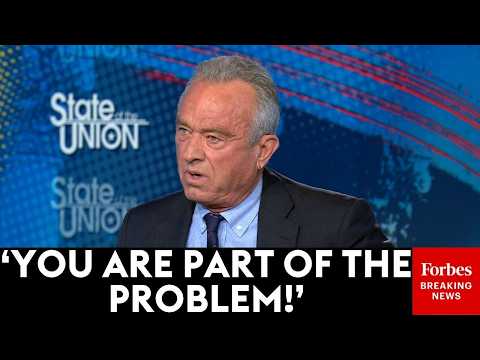
This post is going to come with something of a warning label. RFK Jr. went on CNN this past weekend for an interview with Dana Bash. I’m going to post the entirety of that interview immediately below. Before you watch it, get yourself a bib, or some paper towels, or wrap yourself in one of those plastic ponchos they hand out to keep the rain off of you. You’re quite likely to spit out whatever is in your mouth, vomit, or perhaps even have your brains leak out of your ears. You’ve been warned.
Whether you’ve watched that entire thing or chosen not to, potentially for your own health, the interview is completely bonkers. It’s honestly pretty tough to pull out the lowlights to comment upon, it’s so bad. The themes of the 20-plus minute interview, however, are easy to outline: RFK Jr. takes no responsibility for what he’s done past or present, he spends the entire time attacking Dana Bash as though she personally is responsible for everything he hated about the COVID response, he pretends that Donald Trump had no agency over that response despite being president at that time, and he insists that only he is listening to the science and doctors when it comes to health outcomes.
Let’s get into some of those. When talking about the COVID response and specifically what we need to do better for the next pandemic, Kennedy predictably went into a minutes long diatribe about how the most important thing is our constitutional rights and how the entire constitution was thrown out by Anthony Fauci (and not Donald Trump, somehow). When Bash pointed out that wasn’t really what she was asking about, Kennedy snarled and attacked her.
“Forgive me, but you’re just talking about rights and I’m asking about a potential public health crisis that is coming,” Bash said after Kennedy launched into a lengthy defense of constitutional rights that he claimed were “dismantled” during COVID-19 lockdowns.
“I really want to move on,” Bash added as Kennedy repeatedly interrupted to continue his argument. That appeared to set him off.
“Of course you do, because you were part of the problem!” Kennedy shot back, pointing at the host.
“No, I wasn’t part of the problem,” Bash replied.
“Yes! There was absolute press malpractice,” Kennedy continued. “You weren’t allowing—”
As Bash tried to interject, he kept going: “Your job is fierce skepticism toward authority. And you weren’t doing that. You were beating up the people who were dissenting.”
Somehow both predictably and unbelievably, this exchange ended with Kennedy stating that he wasn’t attacking Bash at all and instead insisted that she attacked him. She really didn’t. Go ahead and watch the interview if you haven’t. To that point, she hadn’t done anything that could even be misconstrued reasonably as “attacking” Kennedy.
Bash then pivoted to the measles outbreaks of the last 20 months, pointing out that the messaging from Kennedy on getting vaccinated hasn’t been clear and asking for his stance on it. Kennedy then did what he always does. First, he affirmed that everyone should be getting vaccinated for measles… and then launched into his conspiracy-laden and well-worn diatribe explaining all the reasons parents shouldn’t necessarily get their children or themselves vaccinated, and that vaccines haven’t been proven to be safe.
“Do you want people to get the MMR vaccine?” Bash later asked.
“Yeah, I said that already,” Kennedy replied with a smirk before pointing at the host. “I know you’re flustered now, and it’s frustrating.”
Bash quickly pushed back.
“I’m not flustered at all. I am frustrated,” she said. “The reason I’m frustrated is because you are the HHS secretary and you are talking about things that lead to vaccine hesitancy in this country. And it is something that causes problems for people when there is not anything—”
Kennedy cut her off again.
“Let me ask you something,” he said. “Do you see your job as ending vaccine hesitancy, or do you see your job as telling the truth to the American people?”
Bash replied, “I see my job as telling the truth, and the truth is that there is study after study after study. It‘s one of the most studied things out there in science—”
“You’re repeating it like a parrot,” Kennedy snarled as he lunged forward over the table. “You‘re repeating it like a parrot. I’ve actually read the science.”
The conversation again devolved into raised, overlapping voices, before Bash proclaimed: “I’m not debating nonsense.”
“All you know how to do is repeat what people told you and say ‘trust in the experts,’” a red-faced, wildly gesticulating Kennedy replied, blaming trust in Fauci for poor public health.
Now, one thing that was cut off from my transcription of the COVID response portion of the interview was this. Pay close attention to who Kennedy indicates we should listen to in crafting public policy, because on this I believe he’s right:
Got it? In that clip he says we should listen to “frontline doctors.” Now, while there’s no official poll of national physicians to rely on, we can certainly look to the groups that those same frontline doctors choose to represent them. Many of those groups have directly called on RFK Jr. to resign.
So, Kennedy can do something principled and brave after this absolute meltdown of an interview. He can listen to frontline doctors. And he can resign.
But he won’t. Because it’s not actually frontline doctors he wants to listen to at all. He’s carefully choosing his language. When he says “frontline doctors” he doesn’t mean any of the actual frontline doctors represented by any of those trusted groups mentioned above. Instead, he means the propaganda/conspiracy organization known as “America’s Frontline Doctors,” the same group that focused most of its attention on selling bogus COVID treatments, and whose founder went to prison for her role in the January 6th insurrection. Not surprisingly, that group (which these days appears to consist of just a random Substack) repeatedly supports all of RFK Jr.’s totally unsubstantiated claims. How surprising.
Filed Under: dana bash, health & human services, measles, responsibility, rfk jr., science, vaccines
Companies: america’s frontline doctors


Just unboxed a new computer? Here’s our curated list of essential Windows and macOS apps for productivity, security, entertainment, and everything you need to get up and running.
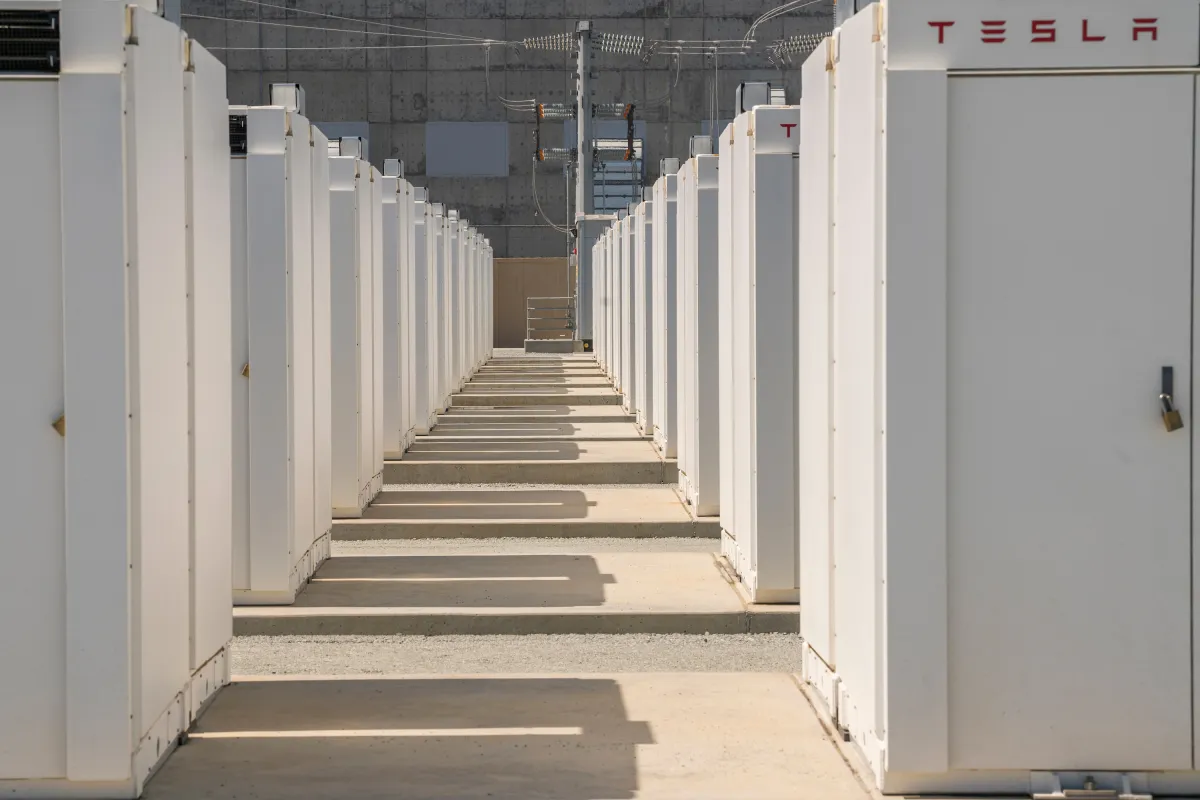
SpaceX has ramped up purchases of Tesla Megapack, spending $295 million on the battery storage devices in the second quarter and $329 million so far this year, according to the company’s earnings report released on Tuesday.
The purchase illustrates just how interconnected Elon Musk’s universe of companies are. Musk, who is the CEO and largest shareholder of SpaceX, also runs Tesla. Musk’s artificial intelligence business xAI acquired his social media platform, X, in 2025. Earlier this year, SpaceX gobbled up xAI.
The industrial-scale batteries are likely being deployed at the company’s xAI data centers. Before xAI merged with SpaceX, the AI company bought $430 million worth of Megapacks for its data centers. In the first quarter of this year, xAI had purchased only $34 million worth of the equipment. SpaceX also reported that as of December 2025, it had acquired $131 million worth of Tesla Cybertrucks at manufacturer’s suggested retail price, according to its regulatory filing.
Though xAI has leaned heavily on natural gas to power its data centers — including dozens of unpermitted turbines at a site in Mississippi not far from the Colossus data center project — large batteries like the Megapack are still a critical part of data centers.
In addition to providing substantial backup power that can be tapped in a second or less, batteries can provide extra power to GPUs when they demand it. AI data centers don’t draw power consistently. Rather, their power demand ramps up and down depending on the demands of training AI models and running inference.
Such peaks can incur significant charges from a local utility or overwhelm on-site generators. Batteries help smooth out those peaks, lowering costs while ensuring that the data center can operate consistently.
When you purchase through links in our articles, we may earn a small commission. This doesn’t affect our editorial independence.

Full Puzzle 1151 Solution Guide

An AI credit bubble could set up bitcoin’s path to $1 million

Trump’s Crypto Bonanza Is Biggest Clarity Act Hurdle | Bloomberg Crypto 7/28/2026


-

 Business7 days ago
Why Trees Belong on the Risk Register
-

 Fashion5 days ago
Weekend Open Thread: Wit & Wisdom
-

 Politics5 days ago
Meta enters AI-training agreement with far-right ‘propaganda rag’ Newsmax
-

 Politics7 days ago
Reform UK betrays West Mids residents by running from party pledges
-

 Crypto World4 days ago
MicroStrategy Post-Earnings CLARITY Act Push Could Add New Catalyst for Its Stock
-

 Politics3 days ago
Zack Polanski: an incitement to murder Nigel Farage?
-

 Crypto World4 days ago
XRP Ledger v3.3.0 brings five institutional features
-

 News Videos6 days ago
Bitcoin Enters the 3rd Stage of the Bear Market
-

 Politics6 days ago
Luke Littler’s dominance sparks GOAT debate
-

 Sports5 days ago
Seema Kaliramna Wins Discus Throw Bronze, Takes India’s CWG Medals Tally To 17
-

 Crypto World4 days ago
New York sues Kalshi over prediction market gambling
-

 Crypto World3 days ago
Crypto PAC spending tops $2M in Michigan House race
-

 Tech7 days ago
Gemini can now summarize the messiest comment threads in Google Docs
-

 Business5 days ago
Trump Announces Hamas Disarmament Agreement as Iran Strikes Kuwait Air Base and US Attacks Pause Overnight
-

 Tech3 days ago
ESET tracks rise in malicious AI skills and adaptable malware
-

 Business2 days ago
DTCR: Deleveraging And A Hedge Fund Collapse Point To A Possible AI Bottom
-

 Tech5 days ago
Gemini Spark can now use Chrome logins and saved passwords to run errands on your behalf
-

 Tech5 days ago
Building A Reproduction PlayStation Motherboard
-
 Sports7 days ago
Sakshi, Arundhati Enter Boxing Semi-Finals. India Assured Of 18 Medals At CWG 2026
-

 NewsBeat6 days ago
Four people die trying to cross Channel in small boats
You must be logged in to post a comment Login