
Tech
Castlevania: Symphony of the Night (PS1) Finally Opens Its Gates on Modern PCs

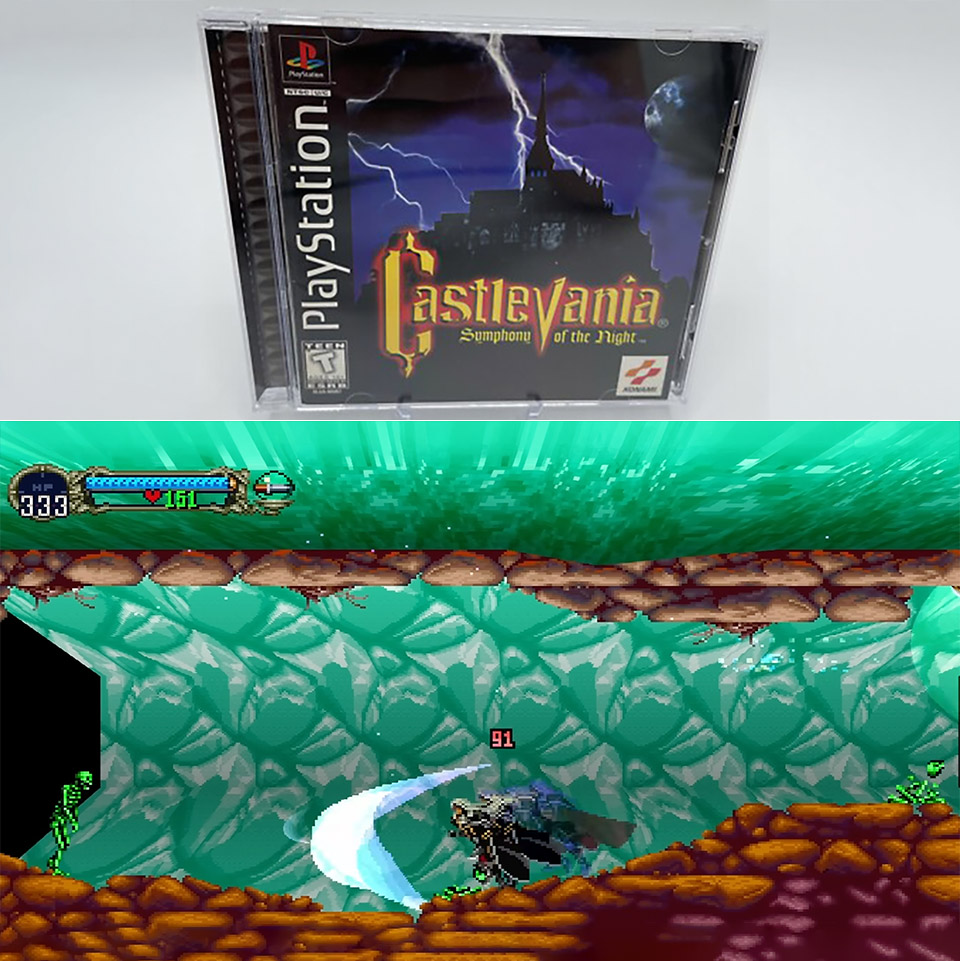
Nearly three decades after Alucard first stepped into that inverted castle, a small team of fans has handed the original PlayStation version of Castlevania: Symphony of the Night a native home on Windows, with builds also reaching Linux and macOS. BlackLabelHQ’s SymphonyRecomp is still marked as an open beta, yet the full game already runs from the opening monologue to the final credits without needing an emulator.
Players must provide their own legitimate North American PS1 disk images, namely the bin and cue files specified by the project. Once those files are in the correct folder, the recompilation procedure converts the old PlayStation code into a standard PC executable. Things have gone a lot smoother recently, thanks to the inclusion of an automatic updater and simple launch scripts, so installing it now feels like any other normal indie title. No more tampering with plugin settings or BIOS files.

PlayStation®5 console – 1TB
- From Jan. 2028, newly released games on PlayStation will be available for purchase on PlayStation Store and at retailers in digital format only. Discs…
- PlayStation 5 Console – 1TB, includes wireless controller, 1TBSSD, Disc Drive, 2 Horizontal Stand Feet, HDMI cable, AC power cord, USB cable, printed…
- 1TB of Storage, keep your favorite games ready and waiting for you to jump in and play
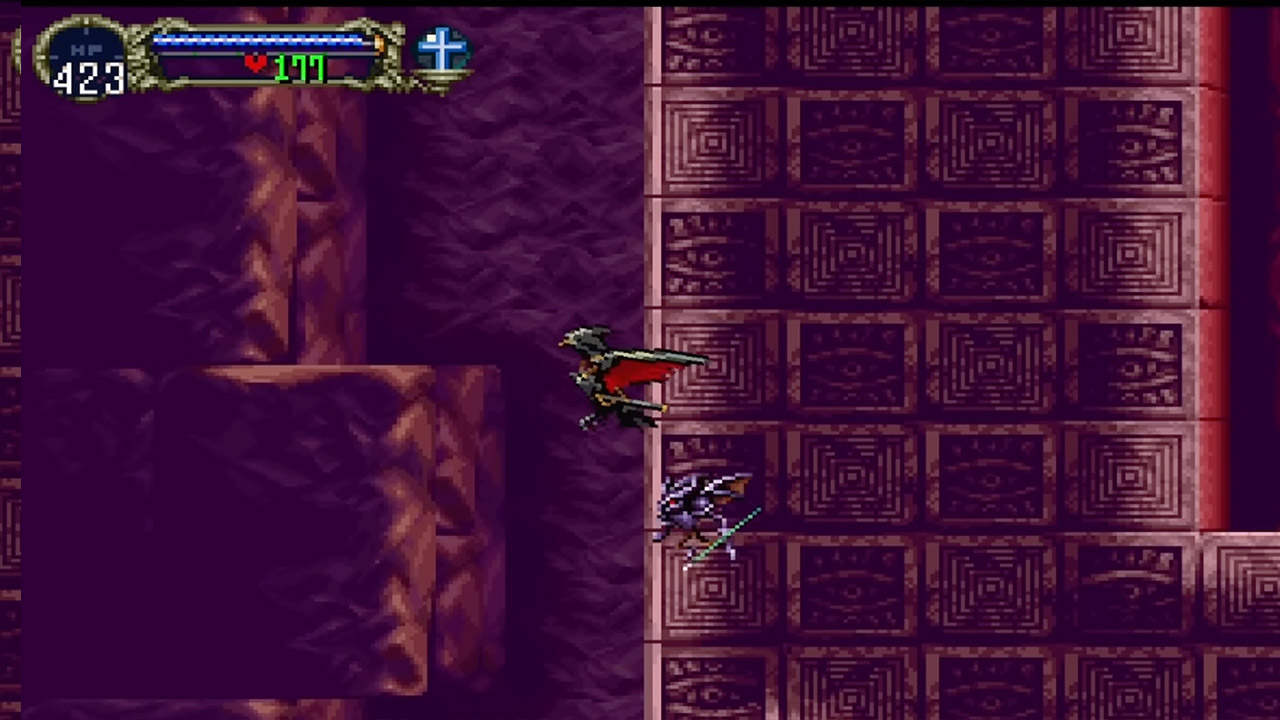
Widescreen support is arguably the most significant improvement here. In the castle’s vast corridors and outdoor areas, the camera zooms back to display more of the scenery on either side, and the original pixel graphics still looks amazing in proportion. Menus and smaller rooms continue to use the original 4:3 frame, and a few background objects poke out at the corners, but everything feels natural on a modern monitor. The aspect ratio settings allow you to choose between turning widescreen or remaining with the original framing.
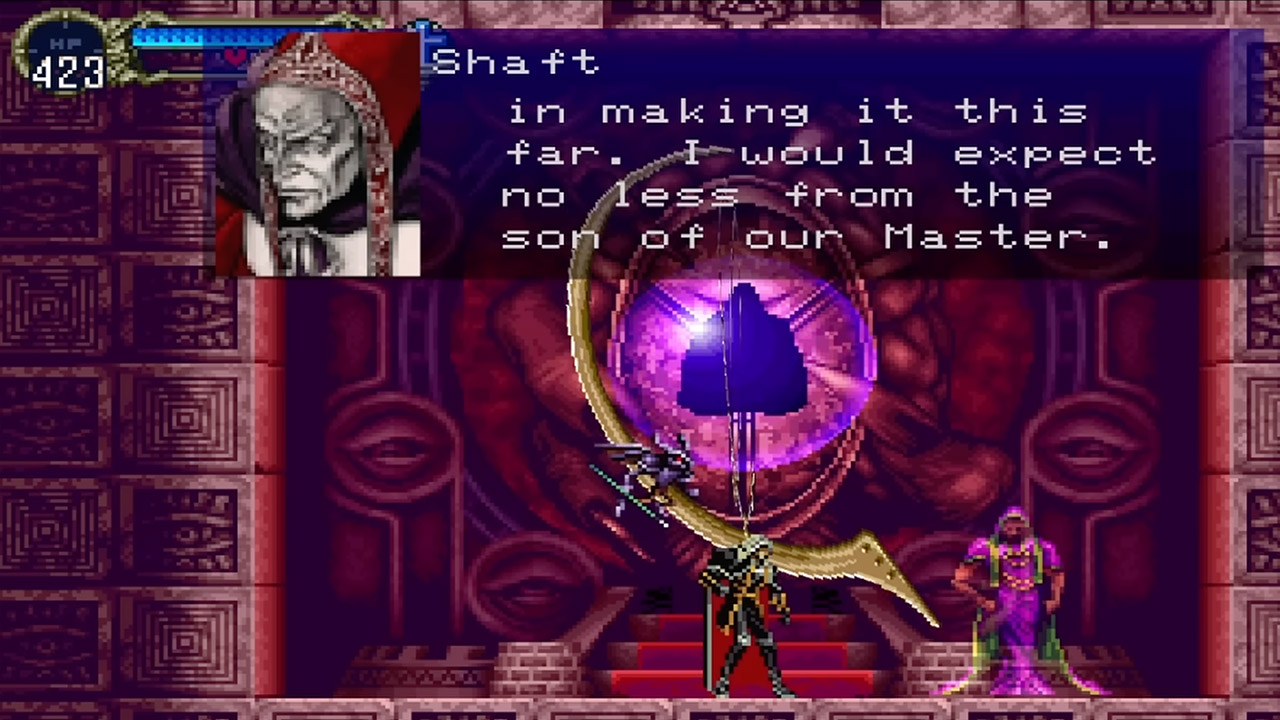
The controls receive the same straightforward treatment, with keyboard and gamepad bindings fully adjustable via a settings menu, and the input feels tight and precise, exactly as it should for double jumps, backdashes, and spell casting. There is no noticeable lag, which is more than can be said for certain compatibility layers.
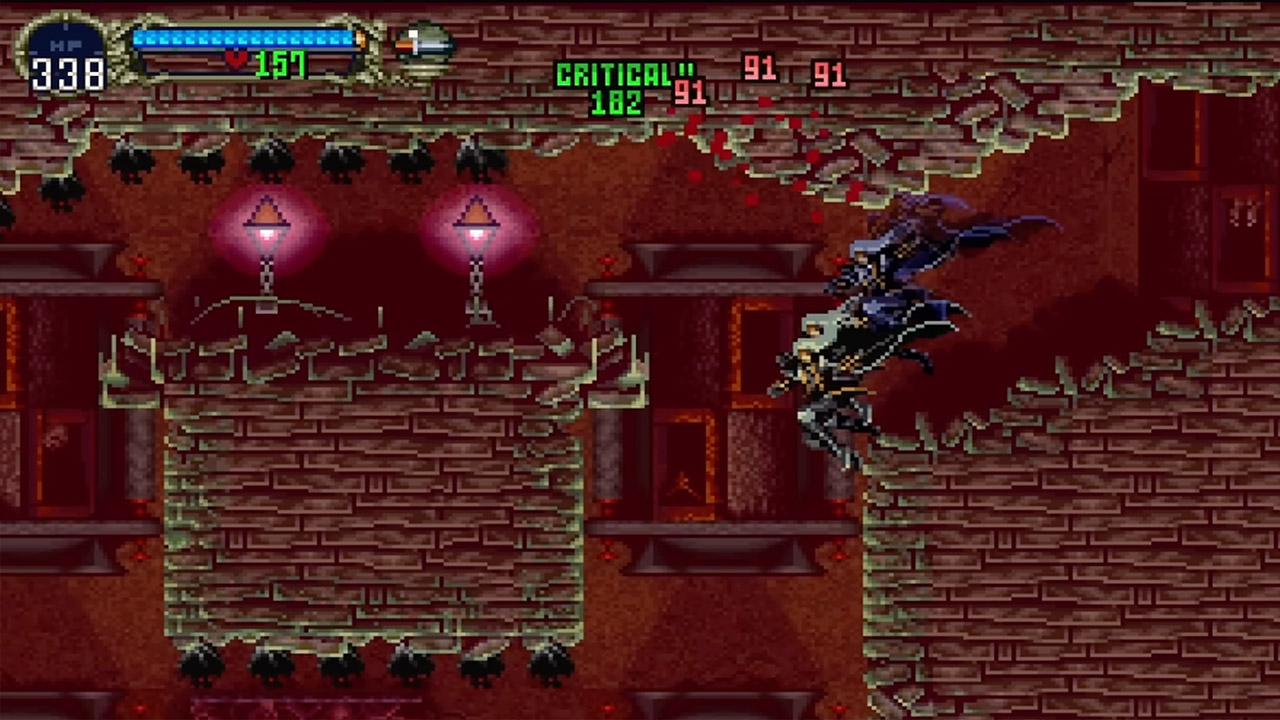
There is a built-in randomizer that alters item locations and forces you to find different paths across the castle, but combat and mobility remain unchanged. Seeds from the popular sotn.io website function perfectly with the recomp, giving old players a new reason to jump back in without needing to utilize the native version. Quality-of-life options include an infinite jump option for unrestricted exploration, a colorblind mode, the ability to restore the Fairy Nocturne track that was removed from the original PlayStation release, separate volume controls for different channels, UI scaling, and a borderless fullscreen option. An item tracker and map overlay keep your inventory and progress visible without requiring any additional tools.
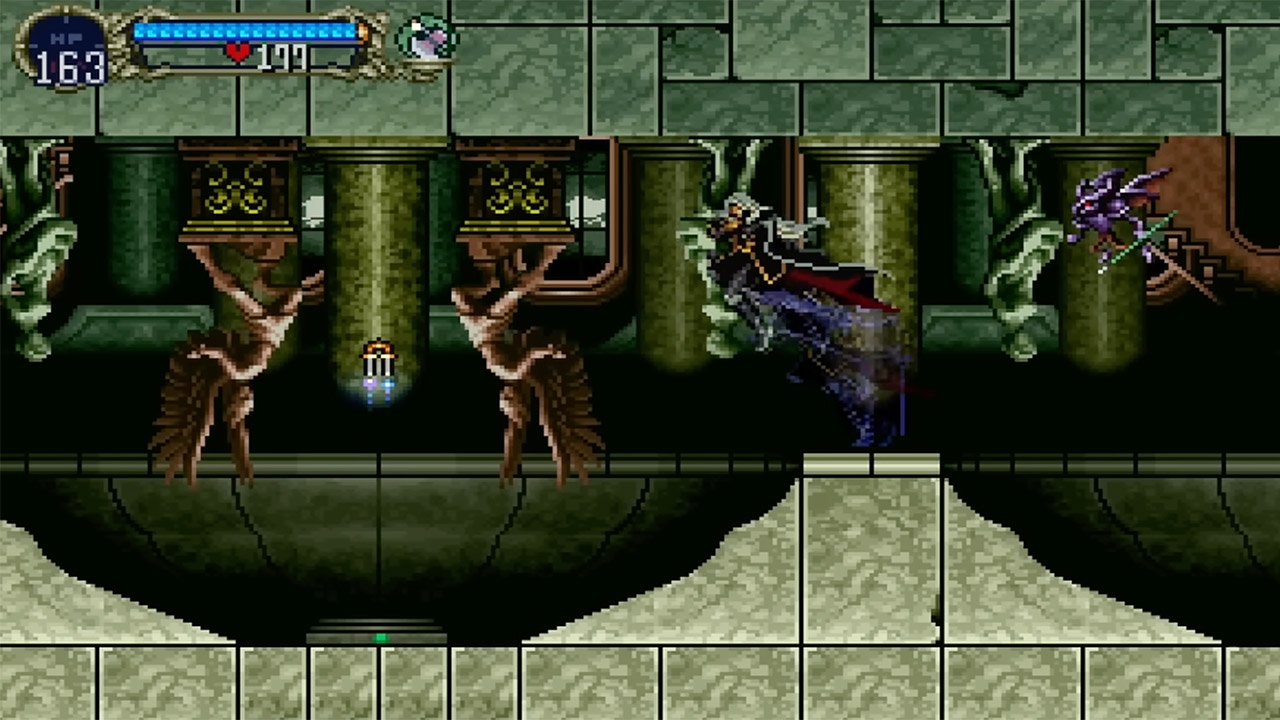
Early mod support is already available via a dedicated folder system, although finished community material is yet somewhat restricted. Recent beta patches have actually corrected certain room transitions in widescreen, resolved some difficulties with entity spawning so that doors appear correctly at the boundaries of the wider view, and ensured that your quality-of-life settings are retained between sessions. Hardware requirements are still rather basic. At a minimum, you’ll need an OpenGL 4.5-compatible GPU,.NET 10, and OpenAL. If you just want to get started, pre-built packages are available on the project’s GitHub releases page, and the most recent 0.3b build even includes ARM packages for Apple Silicon Macs, as well as disc-region validation that alerts you if you’ve entered the wrong game version.
[Source]

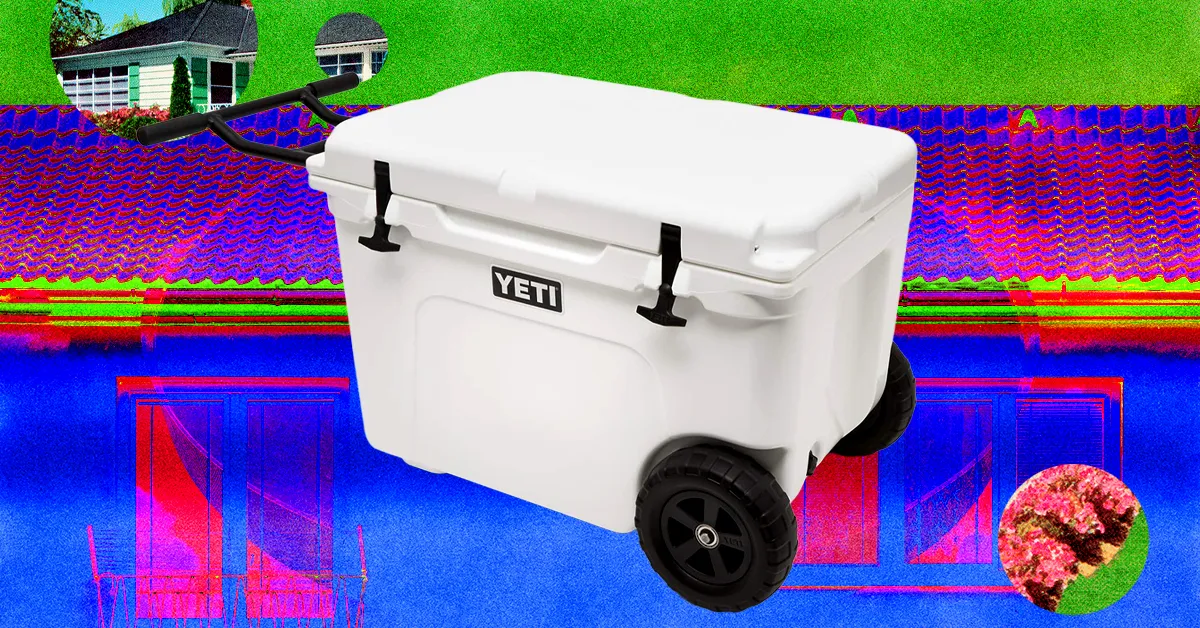
Owala Cloud Insulated Bag: This packable tote is surprisingly easy to inflate with just a few breaths. I love that it zips shut, a feature other cooler totes are often lacking. It’s pretty roomy inside but folds flat for easy storage and transportation. While it’s handy for tasks like keeping picnic snacks cold, especially if you add your own ice packs, this isn’t really a traditional cooler. I wouldn’t recommend adding ice cubes to it. But if you want a bag that keeps things cold for longer, it’s reliable.
Arctic Zone Titan Deep Freeze Backpack Cooler: I don’t love backpack coolers because the zippers aren’t leakproof, which means at some point I inevitably get icy cold, questionably clean water somewhere it shouldn’t be. This bag includes two “ice wall” gel packs that are placed in dedicated pockets, which can either help your ice last longer or help you forgo it entirely depending on your trip length. It can also mean less water to leak out of the zippers, depending on how you pack it. The cooler has a large 30-can capacity, but felt a bit unwieldy to me when packed full. I like the numerous organizational pockets, but when they’re full, they add to the bulk. The detachable bottle opener is a nice bonus. I think this cooler is a good pick if you know you want a backpack, but there are some other portable options that I like more.
Pelican Elite 20QT: This tall, narrow, injection-molded cooler is a solid option for road trips. The larger options are rotomolded. It’s waterproof, durable, and easy to fit in the backseat or a pull-wagon. There are four cupholders with drains on the lid, and it keeps ice frozen for two days in 80-degree heat. —Scott Gilbertson
Bote Kula Magnepod: This cooler is designed to fit on Bote’s Aero Breeze or other paddleboards, but it doesn’t need to be paired with them. The bucket shape is versatile, the cooler itself is durable and rugged, and there are tie-down points that let you attach it wherever you may need to.
Yeti Hopper Flip 12: This wide-mouth, free-standing Yeti has a heavy zipper and is a great size for bungeeing to your paddleboard or bike rack. There’s a grab handle and a shoulder strap, so you can attach your flip-flops, dry bag, or little Bluetooth speaker.
Anker Solix EverFrost 2: Anker’s Solix EverFrost 2 electric cooler comes in three sizes (24, 42, or 61 quarts) and has wheels, a handle, and a wee fold-out shelf to sit drinks on. The largest model has two separate cooler sections (you can have a fridge and freezer). Since there’s no need for ice, you can make full use of the space. It’s quick to cool, giving you drinkable beer in 20 minutes. The removable 288 Wh battery is good for around 52 hours for the 42-quart model, but you can add a second battery to extend that to 4.3 days. Anker makes some of our favorite power banks and power stations, so I’m not surprised its Solix EverFrost 2 cooler doubles up as a charger for your gadgets, though that will eat into your battery life. You can recharge the cooler battery via a wall outlet, car socket, solar panels, or USB-C. Paired with a 100-watt solar panel, this could be a great way to go off-grid (you’ll need around four hours of sunshine a day minimum to keep it running). On the downside, the Solix EverFrost 2 can also run out of power fairly quickly, depending on how warm it is and how often you open it. Because of the battery, these coolers are heavy. The 42-quart model is 51 pounds empty, so you’ll want help lifting it in and out of your car when fully loaded, though the handy wheels make it easy to maneuver on the ground. It can also be a little noisy, which might be annoying if you’re sleeping in a tent with it. —Simon Hill
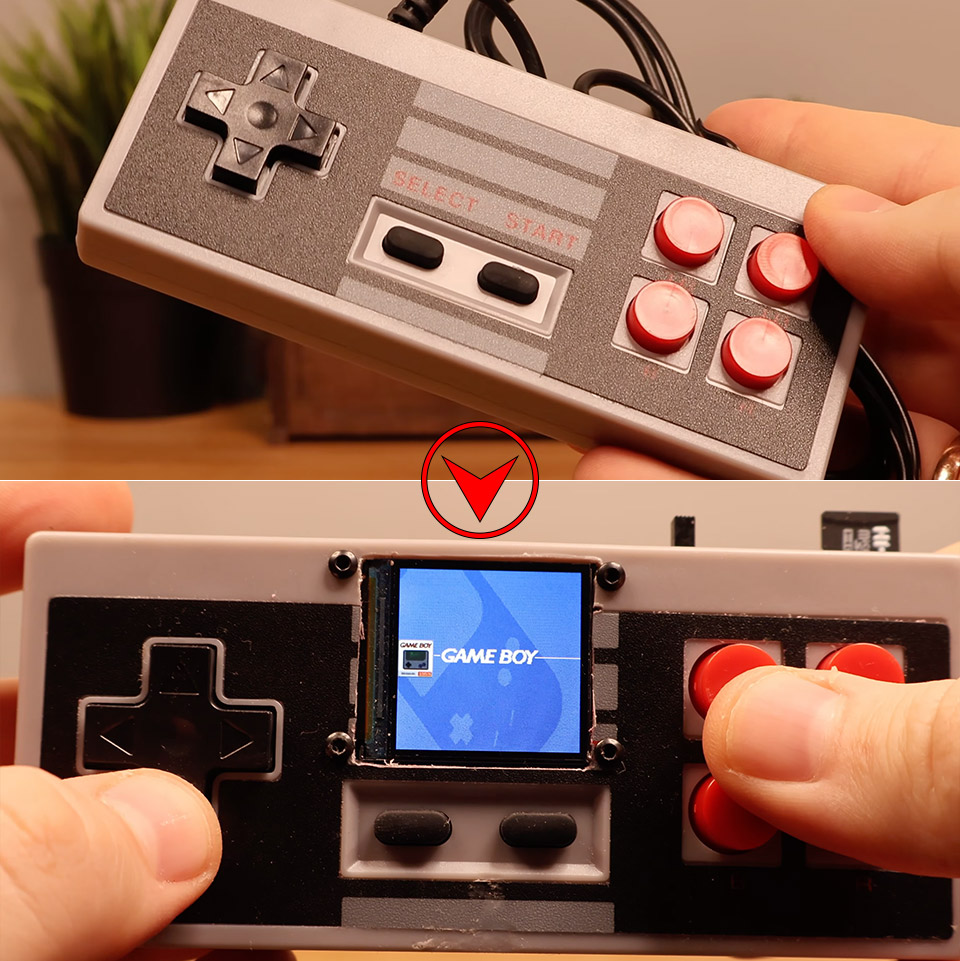
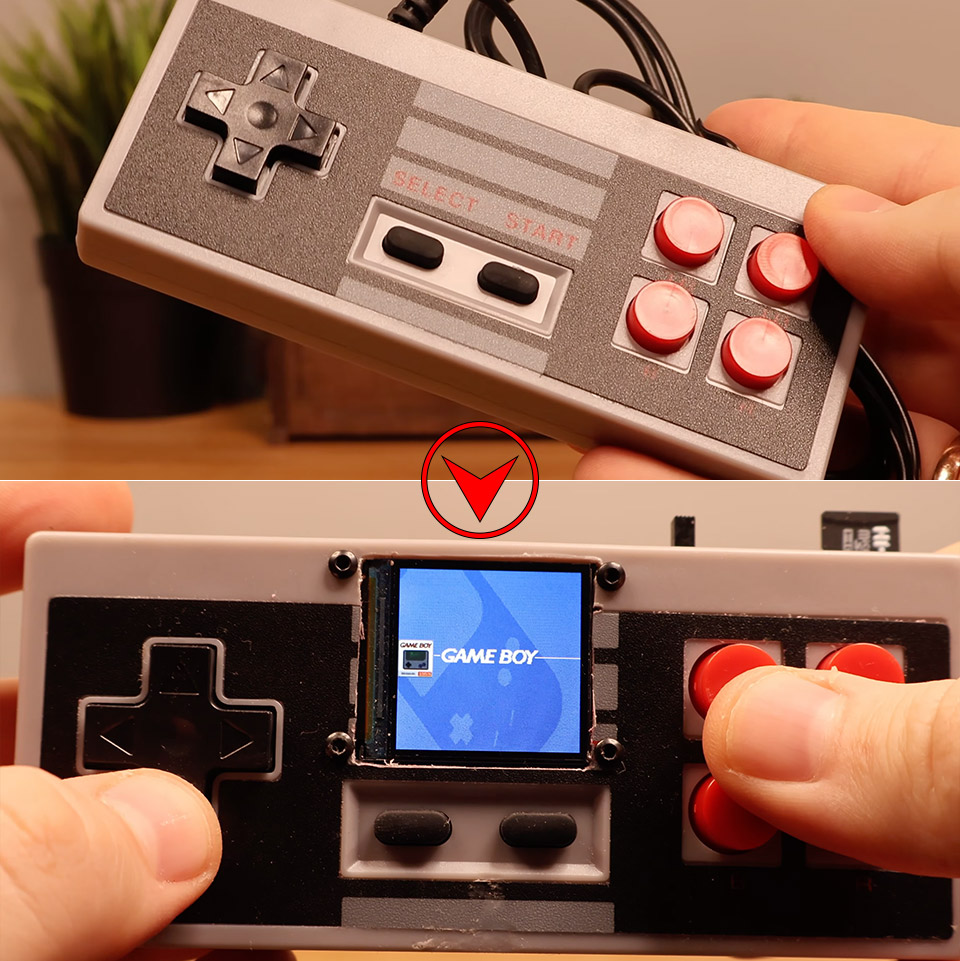
Original NES controllers still feel right. The click of the D-pad, the springy A and B buttons, the solid rectangular shape that fits perfectly in two hands. Most of them now live in drawers or boxes. Logic Gate Labs decided one of those controllers could do more than sit around. They gutted a standard NES-style gamepad and packed a complete retro gaming system inside it, complete with a screen, speaker, storage, and enough power to run dozens of 8-bit games plus a slow but playable version of DOOM.
Space inside the traditional NES shell is really limited, so forget about placing those larger ESP32 boards inside. They simply will not go, as the smaller ones you may have believed would work do not have the memory to do the task properly. The ESP32-S2 was the solution. It has adequate processing power and a couple hundred kilobytes of RAM while yet being compact enough to fit in the remaining space after removing the original PCB.
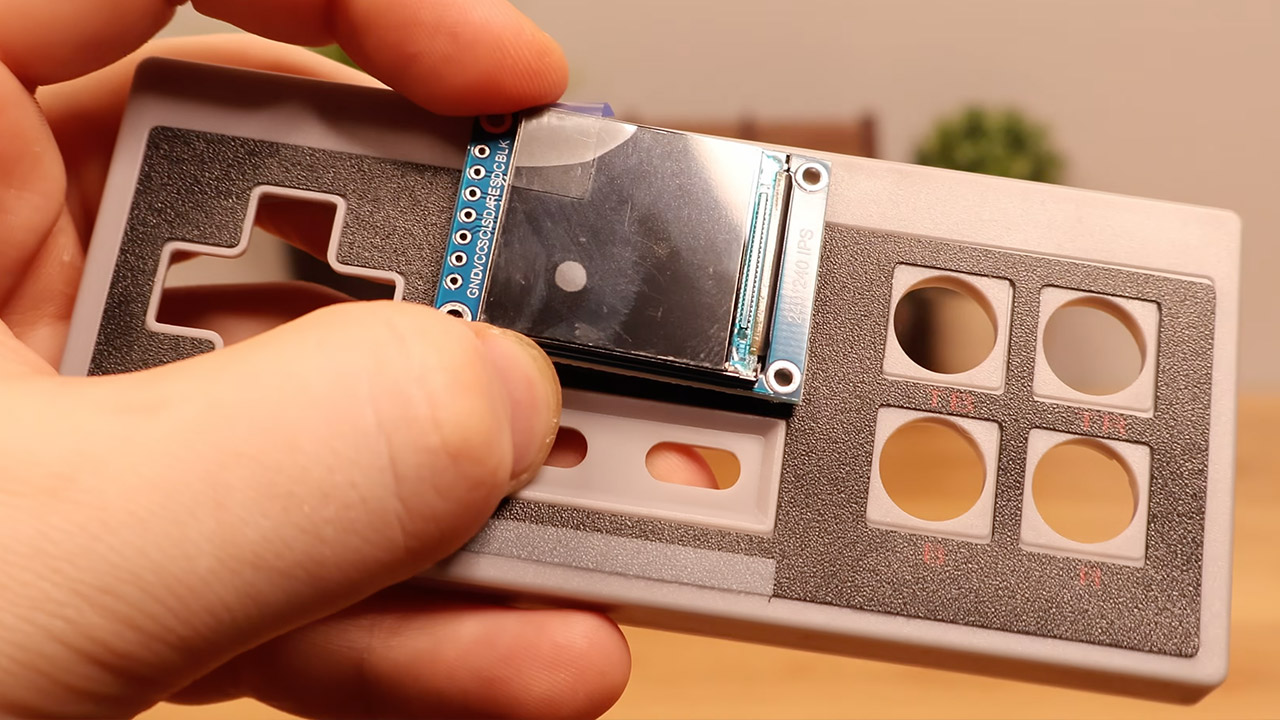
Fitting the display was a hassle because the internal plastic supports had to be removed so that the screen could sit flush with the other components. Fresh drillings were required for the screen, a USB charging connector, a microSD card slot, a small speaker, and a power switch. Keeping the wiring neat was a difficulty. A large piece of bare copper wire serves as the main ground rail, eliminating the need for additional ground wires to connect to the microcontroller. The remaining signals are handled by the narrower signal cables.
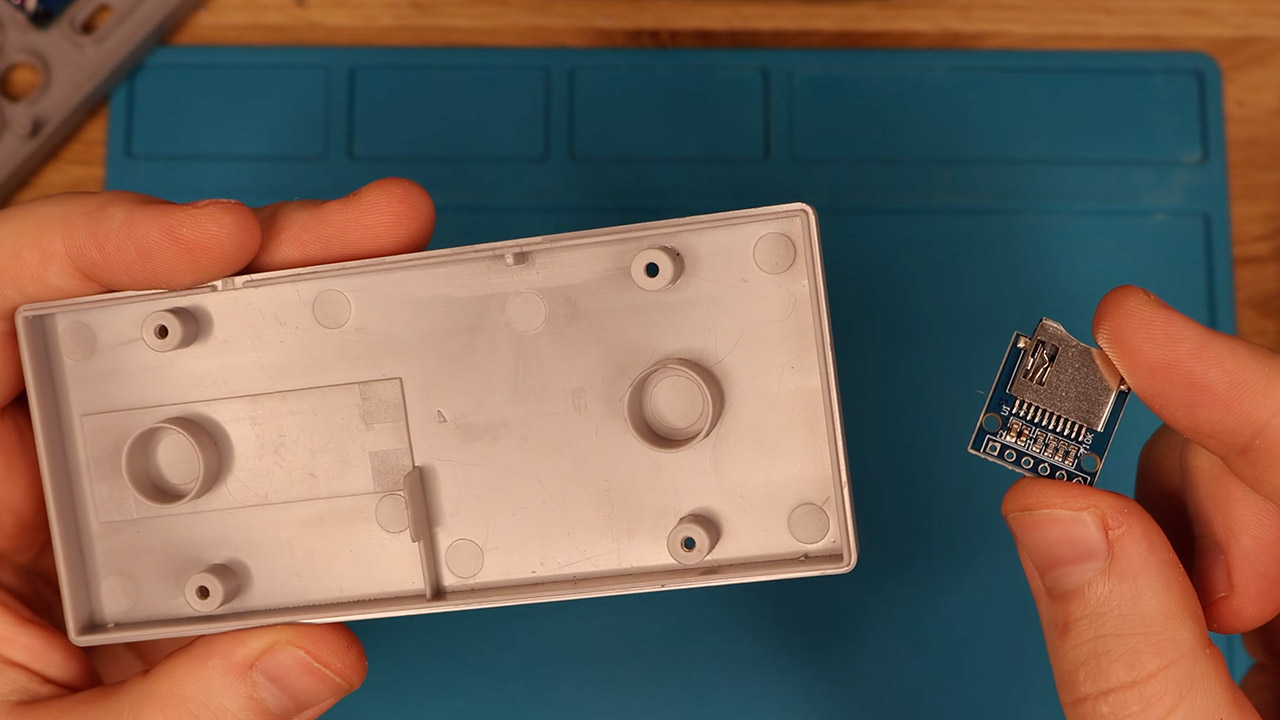
Games load from a microSD card that is inserted in there, and the firmware’s Retro-Go emulator framework is running, which was created specifically for the ESP32-S2 using the ESP-IDF and CMake because it is not a standard target. 8-bit classics operate smoothly. If you want to try something a little more difficult, PrBoom-Go supports DOOM via a Freedoom WAD file loaded on the card. The frame rate ranges from 5 to 15fps, which is adequate for a fast blast, though it will never be as smooth as a recent port.
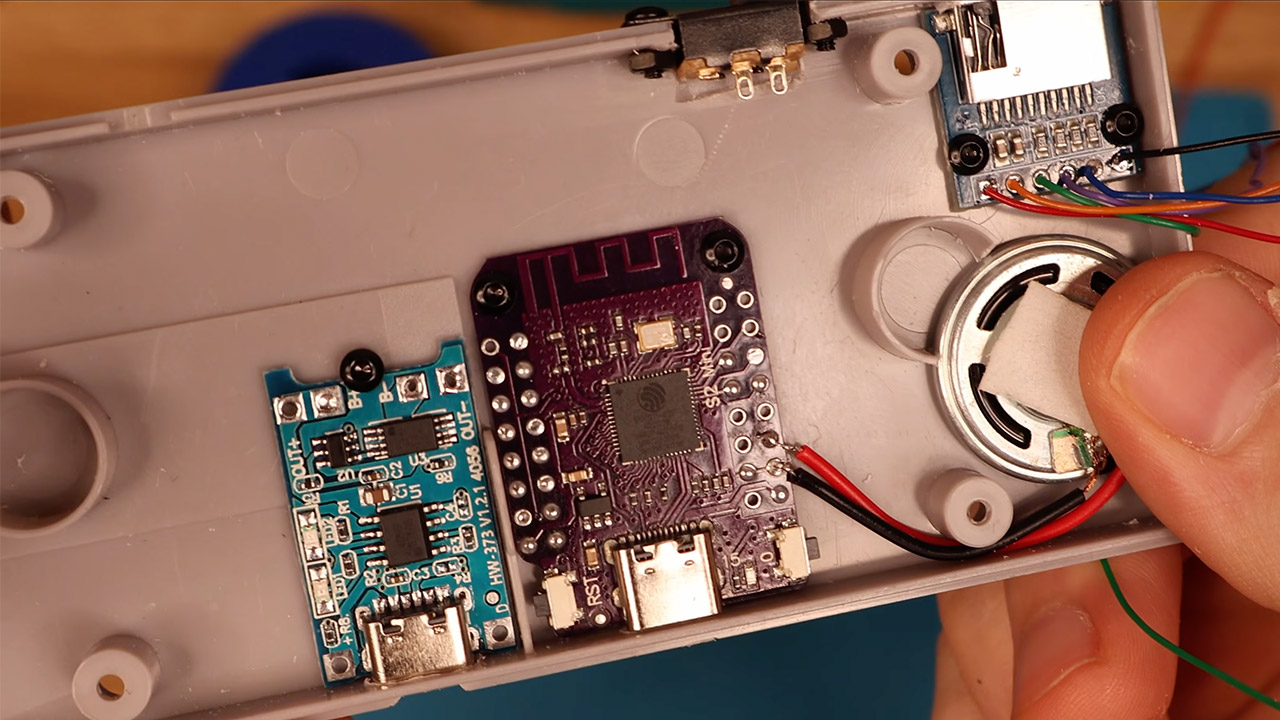
You can obtain all of the parts you need for less than seventeen dollars from common suppliers on Aliexpress. Overseas markets are more cheaper if you can find what you need. A microcontroller, a small color screen, a rudimentary amplifier and speaker, a charging circuit, a battery, and a few switches and connectors are all readily available.
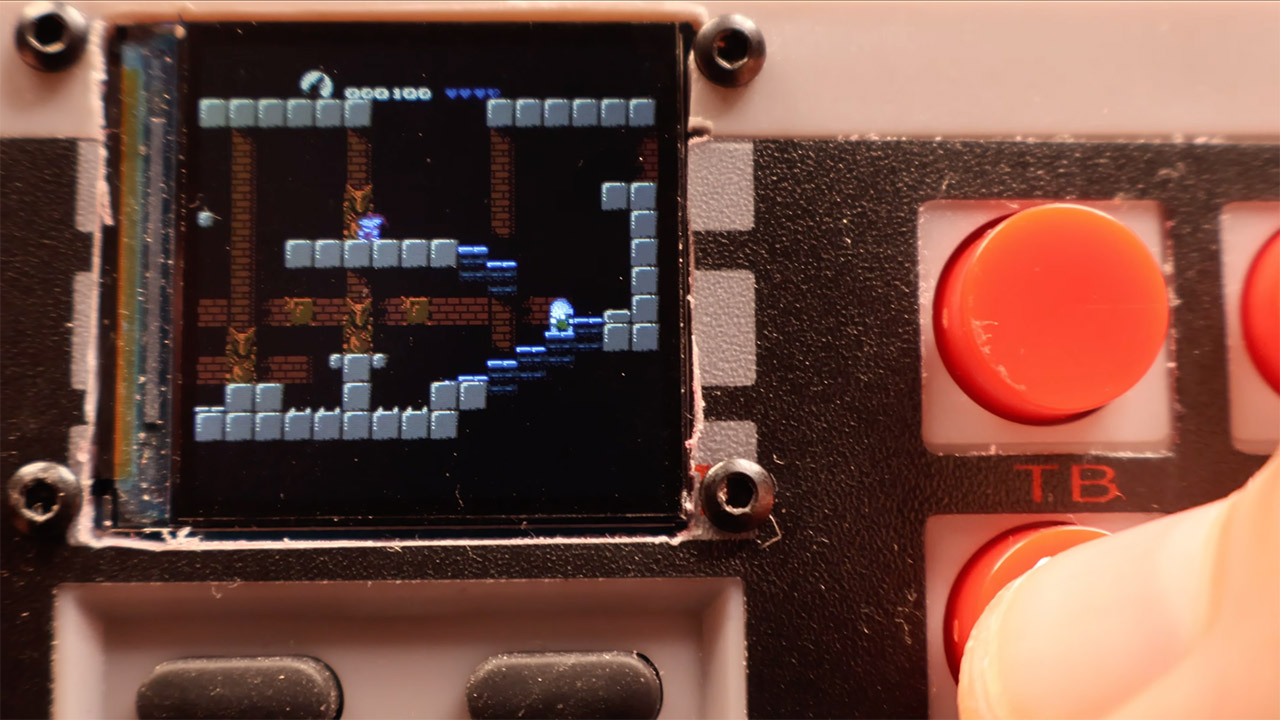
It still appears like a NES controller on the outside since the buttons are all in the appropriate places and feel the same way you remember them. Flip the power button, load a ROM, and the small screen comes alive with games that used to require a whole console and television to run. It’s a self-contained portable that costs less than one modern game while fitting a lot of history into a form factor that most people are already familiar with.
[Source]

Waymo on Tuesday opened its doors to all public riders in Dallas, allowing anyone in the area to hail a fully self-driving ride, albeit with some restrictions.
The Alphabet-owned company began operating in Dallas with select passengers in February, amounting to nearly 150,000 people. Now, anyone can download the Waymo app and book an autonomous ride in the Jaguar I-Pace vehicles.
The self-driving service won’t be open to public riders at Dallas Love Field Airport or on freeways just yet, though Waymo says it plans to open up those routes after finalizing testing. Earlier this year, Waymo paused freeway rides in other cities after some of its vehicles struggled to navigate construction zones. It began resuming those routes last week.
With the Dallas launch, Waymo’s autonomous ride-hailing service is now available to the public in nearly a dozen cites. The company also operates in the San Francisco Bay Area, Phoenix, Los Angeles, Miami, Orlando, Nashville, Atlanta and Austin, and has a wait list for riders in Houston and San Antonio.
Waymo is also expanding to more than two dozen other cities across the country, including locations with more inclement weather like Chicago, Detroit and Minneapolis. To handle more variable climates, Waymo is rolling out its sixth-generation self-driving technology aboard its new Ojai vehicle. The latest tech can detect more details and gauge objects in a variety of lighting and weather conditions, according to Waymo.
Waymo is one of a handful of companies building out an autonomous ride-hailing service in the area. Late last year, Uber and robotaxi company Avride launched their partnership in Dallas. Amazon-owned Zoox, which currently offers rides in Las Vegas and San Francisco, also deployed its testing fleet in Dallas earlier this year, and is testing in several more locations.
A little further away, Uber, Lucid Motors and autonomous driving company Nuro are testing their joint Lucid Gravity robotaxi in Houston and the San Francisco Bay Area. May Mobility also operates fully autonomous rides in Atlanta through a partnership with Lyft.



The Tesla Cybertruck has always been controversial due to its jarring appearance and long list of recalls. However, criticism of the Cybertruck has thus far largely been considered a matter of opinion — until now. As sales figures show, the Cybertruck has flopped so badly that outlets like Bloomberg have suggested that it’s the Ford Edsel of the EV era.
If you’re not aware, Edsel was one of Ford’s biggest flops. The automaker claimed the Edsel would sell 200,000 units in its first year, but it struggled to pass the 50,000-unit mark in 1958. Similarly, ahead of the Cybertruck’s 2019 debut, Elon Musk claimed that Tesla had received over 250,000 orders within a few days of its reveal. However, according to a Cox Automotive report, Tesla only sold 38,965 in its first full production year of 2024.
Those sales plunged almost 50% in 2025, with 20,237 units sold — and even those numbers were allegedly inflated by Musk’s SpaceX purchasing 1,279 Cybertrucks. In 2026, data provided to Bloomberg reveals there were only 7,133 new Cybertruck registrations in the United States as of May. Despite the shockingly bad sales, experts told Bloomberg that they don’t see Tesla discontinuing the Cybertruck any time soon, suggesting that the automaker might redesign it or introduce a new variant.
The Tesla Cybertruck was never going to live up to expectations

The Tesla Cybertruck was always set up to fail, since it could never live up to Elon Musk’s early promises. Firstly, Musk initially boasted a starting price of $39,900 — but it ended up costing $100,000 after a few delays. Similarly, in 2026, Tesla announced a $60,000 all-wheel drive model, but many pre-orders were canceled after Tesla excluded it from Full Self-Driving mode transfers.
Musk also made some pretty lofty claims for the Cybertruck’s range. At the 2019 reveal, he said the base model would get 250-plus miles, with the tri-motor capable of over 500. The Cybertruck gets anywhere between 250 and 300 miles in the real world, well short of the 500-plus mile number.
The Cybertruck has also been plagued by gaffes, like its glass shattering at its 2019 launch event, despite Musk’s claims about the truck’s toughness. Musk has also claimed that the Cybertruck could essentially act as a boat due to how waterproof it is, although the fact that drivers have gotten their Cybertrucks stuck in lakes likely puts paid to Musk’s claim. There have also been much-publicized examples of the Cybertruck failing to live up to Musk’s “built for any planet” slogan, including by getting beached and struggling on the Rubicon Trail.

Every school district writing AI policy right now is making a bet about the future, often without much data behind it. On This Week with EdSurge, we look at that bet from two very different vantage points: one guest who spent a year studying policy from a distance, and another who helped write it from the inside.
Studying Policy From a Distance
Jody Britten spent the last year coding AI policy from more than 100 school districts across the country into a five-level framework, ranging from active promotion to outright prohibition. Her findings point to a system that leans cautious, and is often disconnected from the state guidance meant to inform it. What the numbers reveal about where most schools land might surprise you.
Building Policy From the Inside
Tambra Clark helped write her own district’s AI governance policy in Birmingham from scratch, sitting on the very kind of committee Britten’s research describes. What her committee discovered when they first sat down together says a lot about why so much AI policy in this country still has a long way to go.
Listen to the episode:
Stories Mentioned in This Episode
Study: The National AI Policy Landscape in K-12 Education by Jody Britten
Voices of Change Fellowship featuring Tambra Clark
This Week with EdSurge is a weekly podcast from EdSurge. Subscribe to EdSurge newsletters for more news and analysis on education and technology.
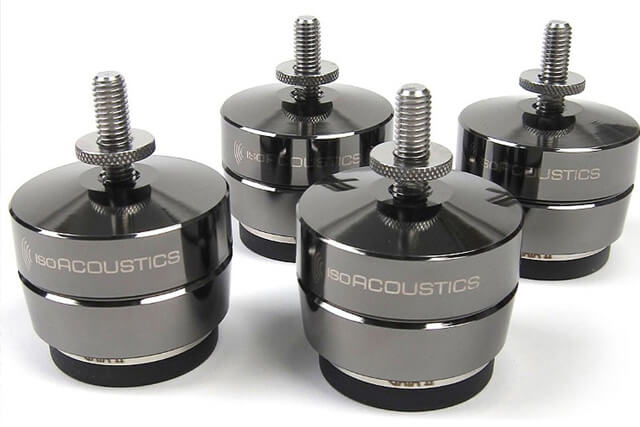
There is plenty of snake oil in hi-fi. Products that promise to uncover hidden detail, expand the soundstage, and restore the emotional connection to your record collection often accomplish little beyond making your bank balance lighter.
IsoAcoustics does not belong in that category.
Since January 2012, the Canadian manufacturer has developed isolation products for professional studios, home audio systems, and equipment manufacturers. Its technology does not manipulate the audio signal or rely on mystery materials. It addresses a straightforward mechanical problem: loudspeakers, turntables, and audio components transfer energy into the surfaces beneath them, and those surfaces can send some of that energy back.
Managing that interaction can improve bass definition, image stability, clarity, and focus. It can also reduce the amount of energy transferred into floors, furniture, and neighboring rooms.
We have used IsoAcoustics products across multiple systems and rooms, and the results have been consistently positive. The improvements are generally most obvious beneath loudspeakers and turntables, especially on suspended wood floors or furniture that has no business supporting expensive audio equipment.

IsoAcoustics products will not turn a mediocre loudspeaker into a great one, and every room will not deliver the same degree of improvement. What they can do is help a properly designed component perform closer to its potential.
They also represent solid value for the money. A set of isolation feet is not inexpensive, but the cost is usually modest compared with replacing a component, upgrading a loudspeaker, or starting another cable experiment. They are easy to install, require no changes to the signal path, and can usually move to another system later.
The growing number of manufacturers integrating IsoAcoustics technology directly into their products suggests that audio brands are reaching the same conclusion.
Related Reviews:
More Than 70 OEM Partners
IsoAcoustics says it has now completed approximately 155 OEM projects, representing a 13 percent increase compared with the same period last year. Those projects involve more than 70 partner brands, an increase of 28 percent, with more than a dozen additional collaborations currently underway.
The list includes loudspeaker manufacturers such as JBL, Sonus faber, Marten, Perlisten, PSB Speakers, Raidho, Gershman Acoustics, and Kroma Atelier.

Sonus faber was also an early OEM partner, integrating custom GAIA-Capsule isolators into its $750,000 Suprema system. The isolation system is hidden between the cabinets and baseplates of both the main loudspeakers and separate subwoofers, making it part of the structure rather than another accessory bolted on after the fact.
Suprema was the first Sonus faber loudspeaker to use fully integrated IsoAcoustics technology, which says rather a lot considering the engineering resources and price point involved. When a company building one of the world’s most ambitious loudspeaker systems decides that controlling vibration and energy transfer is important enough to address at the factory, it becomes harder to dismiss isolation as another helping of audiophile snake oil.
IsoAcoustics is also appearing beneath digital sources and electronics from Lumin, EMM Labs, Innuos, Antipodes Audio, and other manufacturers.
That distinction matters. Isolation products are most commonly associated with loudspeakers and turntables, where unwanted movement and vibration are easier to understand. Their adoption by electronics manufacturers shows that IsoAcoustics is no longer being viewed solely as an aftermarket speaker accessory.
These companies are designing the isolation technology into the product rather than placing a set of feet in the box as an optional extra.
Professional Audio Experience Matters
IsoAcoustics’ professional audio credentials are an important part of the story.
Founder Dave Morrison drew on years of experience designing and constructing radio and television studios when developing the company’s isolation technology.
Recording studios are not especially tolerant of products that do nothing. Engineers need monitors to behave predictably and mixes to translate outside the control room. Preventing a loudspeaker or monitor stand from transferring unwanted energy into a desk, console, or floor is a practical problem, not an audiophile thought experiment.
That professional foundation has given IsoAcoustics a level of credibility that many accessory companies never establish.
JBL Adopts the GAIA-TITAN Neo

One of the most significant new partnerships involves JBL and the upcoming GAIA-TITAN Neo.
JBL introduced customized JBL | IsoAcoustics isolation feet with its next generation Summit Everest and Summit K2 loudspeakers at HIGH END Vienna 2026. The semi-recessed design is based on the GAIA-TITAN Neo and was developed specifically for the size, weight, and mechanical requirements of the new Summit models.
JBL says the isolation system contributes to tighter bass, a larger soundstage, and more precise imaging.
The Summit Everest and Summit K2 follow the Summit Makalu, Summit Pumori, and Summit Ama, which were introduced in 2025 with customized versions of the GAIA I Neo.
JBL is only the second manufacturer to use the GAIA-TITAN Neo. Marten previously integrated the technology into its Coltrane Supreme Extreme flagship loudspeaker.
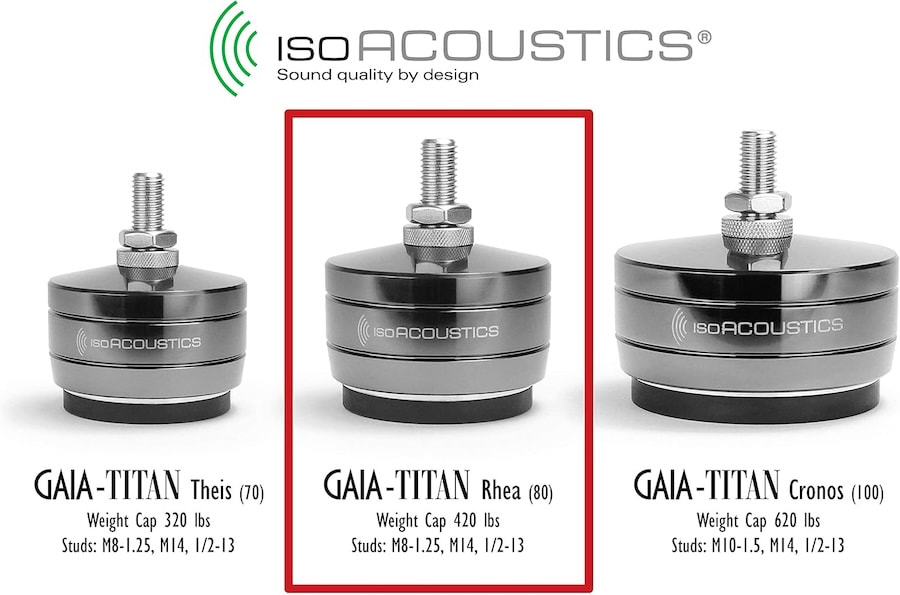
The GAIA-TITAN Neo sits at the top of the GAIA Neo range and is designed for the largest and heaviest loudspeakers. It remains available only through selected OEM partners, but IsoAcoustics plans to introduce a standalone consumer version with a global launch later in 2026.
Pricing, weight capacities, and model options have not yet been announced.
Marten, Raidho, Lumin, and EMM Labs Expand Their Use
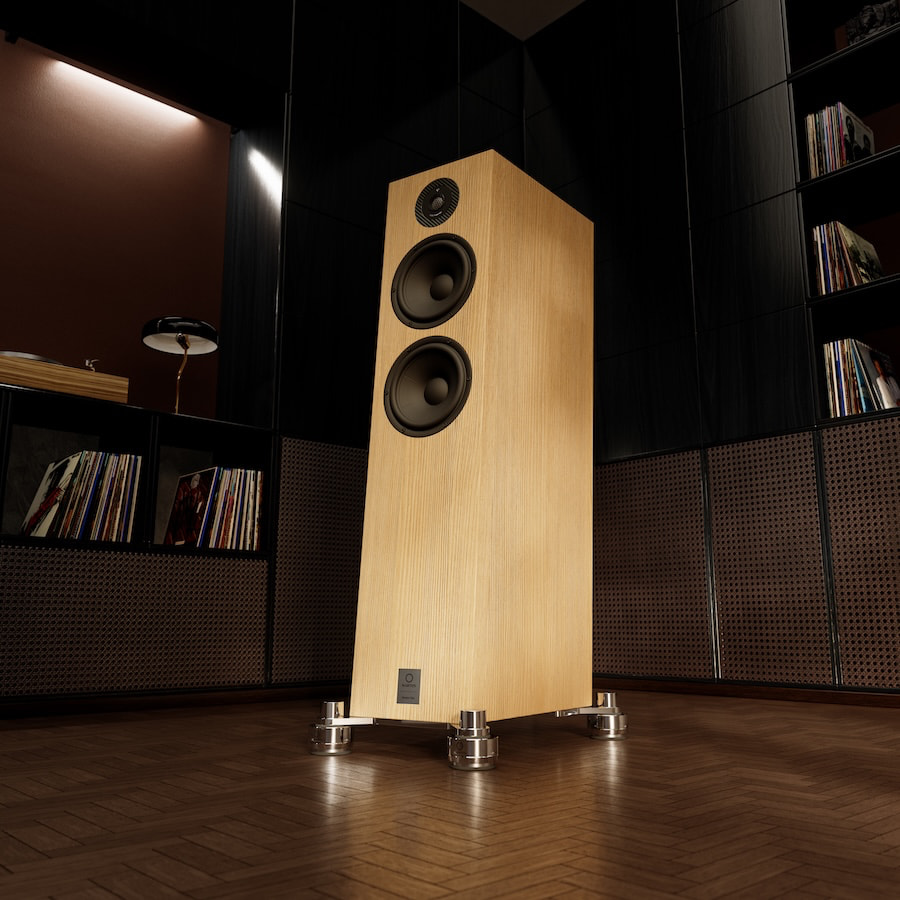
Marten has integrated custom isolation into all four models in its new Dexter loudspeaker series. The Marten Isolators use GAIA Neo technology and are installed as a permanent part of each loudspeaker rather than offered as an aftermarket upgrade.
Raidho has also expanded its use of IsoAcoustics products across several loudspeaker ranges. Its TD Signature models include custom GAIA isolation, while additional Raidho models will either use or recommend IsoAcoustics as part of the speaker system.
Gershman Acoustics has taken a different approach with the Symphoria. In addition to placing IsoAcoustics isolation beneath the loudspeaker, the company uses isolation devices within its Separate Sub Alignment System to decouple the midrange and tweeter module from the bass enclosure.
The technology is also moving deeper into digital audio.
Lumin has integrated IsoAcoustics isolation into the X2, its flagship network player, streamer, and DAC. Antipodes Audio is using the technology beneath its Oladra Presence and Sentia music servers, while EMM Labs is developing dedicated isolation footers for its reference electronics, including the PREi preamplifier.
Stable 33.33 has installed semi-recessed IsoAcoustics isolators in its Immuable turntable, and Deep Lake Audio is building the company’s isolation technology directly into a new range of audio racks and furniture.
Why the OEM Growth Matters
A long list of partner logos does not automatically prove that every isolation product will transform every audio system.
It does, however, demonstrate that loudspeaker and electronics manufacturers are willing to engineer IsoAcoustics technology into products bearing their own names. These companies have access to measurement equipment, mechanical engineers, listening rooms, and prototype facilities. They are not integrating the products because somebody posted an enthusiastic comment beneath a YouTube video.
The breadth of the partnerships is also revealing. IsoAcoustics products are being used beneath large horn loudspeakers, compact monitors, turntables, music servers, DACs, preamplifiers, equipment racks, and internal loudspeaker modules.
The Bottom Line
There is no shortage of questionable accessories in high-end audio, but properly designed isolation is not one of them.
IsoAcoustics offers a proven mechanical solution to a real problem, and our experience with its products has demonstrated that the benefits can be clearly audible. Bass often becomes more controlled, imaging gains greater stability, and fewer vibrations find their way into floors and furniture.
IsoAcoustics now has approximately 155 OEM projects across more than 70 brands. JBL, Marten, Raidho, Gershman Acoustics, Lumin, EMM Labs, and Antipodes Audio are very different companies building very different products. Their growing use of the same isolation technology is not proof that every system will respond identically, but it is compelling evidence that IsoAcoustics is solving a problem manufacturers consider worth addressing.
The standalone GAIA-TITAN Neo should be especially interesting for owners of very large floorstanding loudspeakers when it arrives later in 2026. Just do not expect it to make poor placement, a bad room, or a questionable loudspeaker disappear. Even proven technology has limits.
Where to buy: IsoAcoustics products are available at Amazon, Best Buy, Crutchfield and IsoAcoustics.com, as well as many more authorized dealers.
Related Reading:


saas
Tribunal to explore how £270 million reseller case intersects with multibillion-pound class action
ValueLicensing (VL) has been invited to attend a case management conference in a related multibillion-pound collective action against Microsoft, according to the reseller’s boss, Jonathan Horley.
VL sued Microsoft for £270 million in 2021, alleging that the software giant restricted the supply of surplus Office licenses available for resale. Barrister Alexander Wolfson is the proposed class representative in a separate claim filed in 2025 on behalf of more than two million UK customers. That action seeks between £1.3 billion and £3.5 billion in compensation.
Both cases are before the UK’s Competition Appeal Tribunal (CAT) and concern Microsoft’s alleged efforts to restrict the market for pre-owned software licenses.
Case management conferences (CMCs) are used to set timetables and decide procedural questions as a case progresses.
According to Horley, ValueLicensing has a CMC concerning disclosure listed for September 14, followed the next day by an invitation to another in the Wolfson proceedings.
The September 15 CMC could address how the two proceedings interact, including whether the Wolfson action should be stayed pending judgment in the more advanced ValueLicensing case. There is also the possibility that the claims could eventually be heard together, although the tribunal has yet to indicate what course it will take.
ValueLicensing’s case is considerably further ahead of Wolfson’s. The Court of Appeal dismissed Microsoft’s appeals on issues including copyright in July, although Microsoft can seek permission to appeal to the Supreme Court.
Kate Pollock, head of competition litigation at law firm Stewarts, said of the Wolfson case earlier this year: “Microsoft’s conduct has had a profound and costly impact on millions of individuals and private and public sector organizations that rely on its software for daily business operations.
“We believe that Microsoft abused its market dominance by imposing restrictive licensing practices that effectively shut down competition and inflated prices.”
Closer procedural links between the cases could complicate Microsoft’s defence against two claims arising from similar allegations. The Register asked the Windows behemoth to comment, but it declined.
VL’s Horley told The Register: “Following on from the judgment at the Court of Appeal we are pleased to have a hearing listed for September 14 to progress further disclosure. ValueLicensing has also been invited to the first hearing of the Alexander Wolfson class action on September 15. That will deal with the next steps for certification and the interactions between the two claims.”
Horley said the move was “very significant” and showed the progress ValueLicensing had made in terms of the competition and copyright law aspects.
“ValueLicensing are experts in the pre-owned Microsoft market with significant evidence and experience of the operation of the market during the relevant period in which the abuse is alleged to have occurred,” he said.
“Given that both claims relate to the pre-owned Microsoft market, that the ValueLicensing claim is so advanced and Mr Justice Turner is Chair for both, it is logical for ValueLicensing to be invited. ValueLicensing is happy to assist the Tribunal in determining the next procedural steps for both actions.”
Microsoft declined to comment. A spokesperson for the Alexander Wolfson class action has yet to comment. ®

The latest NVMe specifications add SSD-level virtualization that can simplify live VM migration by preserving storage identities across servers. The updates also introduce support for post-quantum cryptography, controller-based rate limiting, voltage monitoring, and factory-reset capabilities. The Register reports: Announced by the NVM Express consortium, all 11 of the suite of NVMe specs have been updated with new features and engineering change notices. These represent the next step in the evolution of the standard, it says, which was created as a protocol to support storage devices connected to a system’s PCIe bus. Perhaps the most significant new capability is PCIe Exported NVM Subsystem Migration. This extends existing NVMe virtualization to locally-attached PCIe SSDs. It does this by abstracting the physical drives into host-defined virtualized NVM subsystems, to allow for virtual machine (VM) mobility without storage reconfiguration.
When a VM moves from one server to another, its storage also needs to move with it in a way that’s non-disruptive to any applications running in that VM. “With NVM Subsystem Migration, NVMe SSDs can present exported NVM subsystems that hide the complexity of the underlying hardware,” says Mike Allison, a senior director at SSD maker Samsung and NVM Express board member. “Instead of interacting with physical controllers and namespaces, the host only sees exported controllers and namespaces. This creates a clean separation between what the VM sees and what’s happening under the hood,” Allison explains on an NVM Express blog.
“One of the key innovations here is providing the host with control over exported identifiers. During migration, those identifiers can be carried over exactly from the source to the destination. That consistency is crucial: even if the underlying hardware uses different internal IDs, the VM sees no change and can pick up right where it left off with no storage reconfiguration required,” he says. In effect, the NVMe layer now enables the virtual machine manager (VMM) to rely on virtualization built into the SSD. The flash drive itself exposes logical, virtualized storage constructs, offloading this complexity from the VMM. You can learn more about the updated NVMe specifications here.
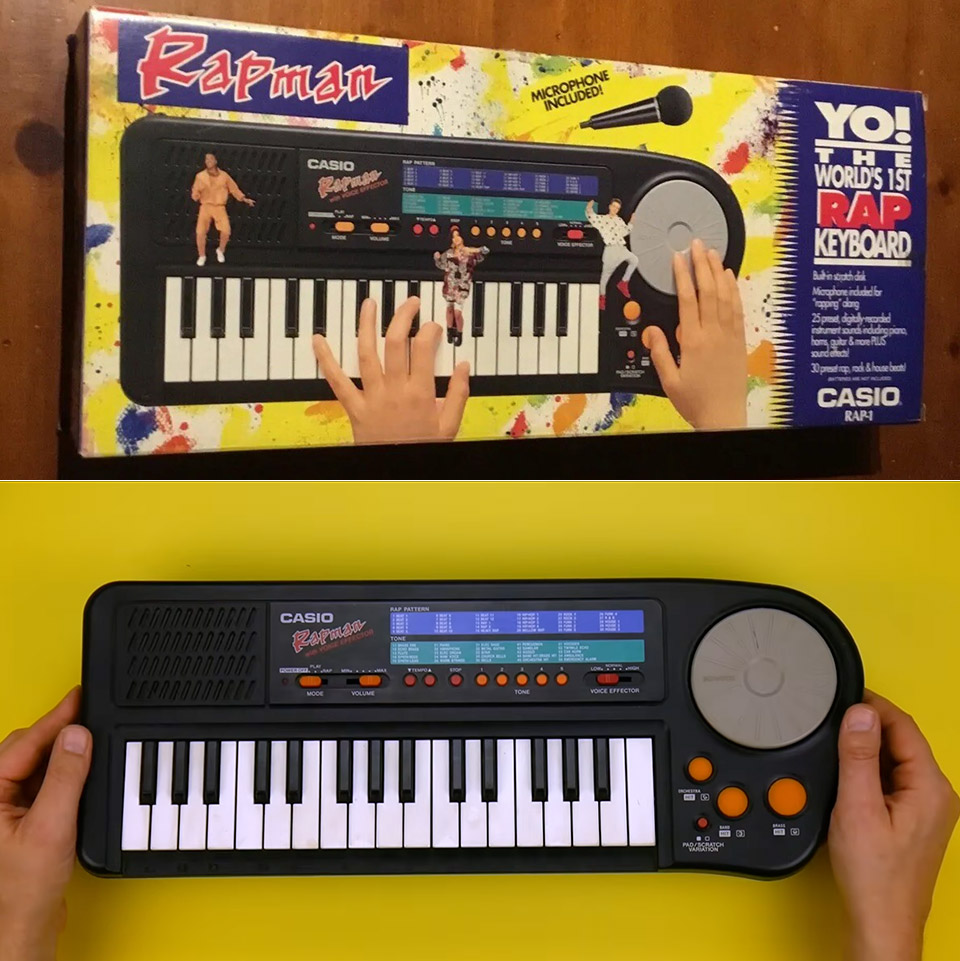
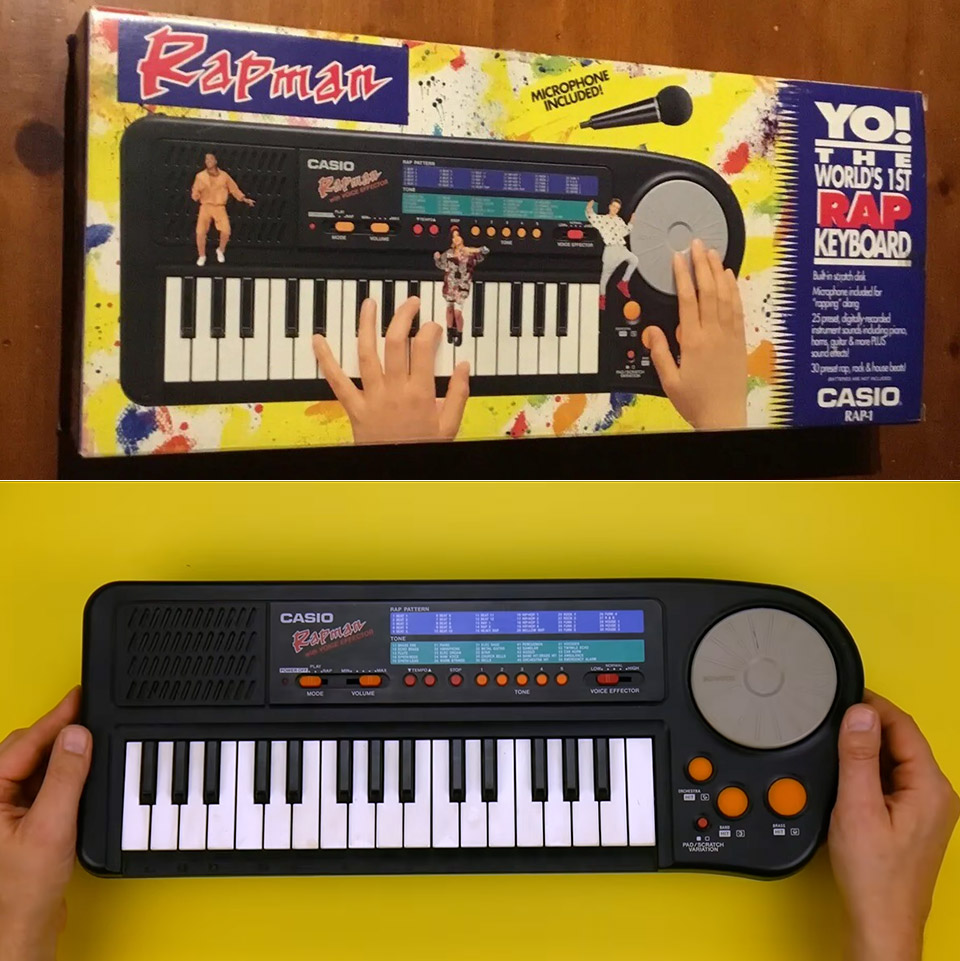
In 1991 hip-hop had moved from the margins into living rooms and shopping malls. MC Hammer and Vanilla Ice filled charts, Fresh Prince of Bel-Air played on television, and kids everywhere wanted to sound like the records. Casio answered with a plastic keyboard that claimed to do nearly everything a working rap group needed. They called it the Rapman, model RAP-1, and marketed it as the world’s first keyboard built specifically for rap.
The Rapman, which was about twenty inches long and weighed slightly more than three pounds, ran on batteries or a small adapter and included its own built-in speaker for your convenience. Thirty-two keys extend across the front, both medium and exactly the perfect size. A simple power switch allows you to flip between play and rap modes; in play mode, the Rapman transforms into a fairly rudimentary three-note polyphonic keyboard; flick the switch to Rap, and one of thirty built-in patterns begins looping as the keys all drop down to single note melody duty. There are two tempo buttons that allow you to slightly change the speed, although they are a little strange, and the default is about 107 beats per minute, give or take.

Akai Professional MPK Mini IV 25-Key USB-C MIDI Keyboard Controller, Black
- Next-Gen Music Production and Beat Maker Essential – USB-powered MIDI keyboard controller with 25 mini velocity-sensitive keys, optimized for studio…
- Real-Time Control and Navigation – 8x assignable 360° knobs, a vibrant full-color screen and push/turn encoder for hands-on access to settings…
- Iconic MPC Pads with RGB Feedback – 8 velocity- and pressure-sensitive MPC pads deliver an iconic finger-drumming experience, plus dynamic visual…
The Rapman’s predefined routines are essentially its meat and potatoes. You’ve got twelve drum loops with that thin, punchy 808 sound, plus eighteen more with basic bass lines and chord stabs mixed in. Heavy Rap and Hip-Hop 1 through 4, as well as Mellow Rap, Funk, R&B, and House, all have names that indicate what they are about. Some of them have that unmistakable bounce to them, like old club records from the late 1980s, while others sound more like theme tunes for whatever TV show was on the air at the time. They all have one thing in common: none of them can be modified or edited in any way, and yet, some of them still sound like they’re worth using for brief little drawings today, even if they are a little rough around the edges.
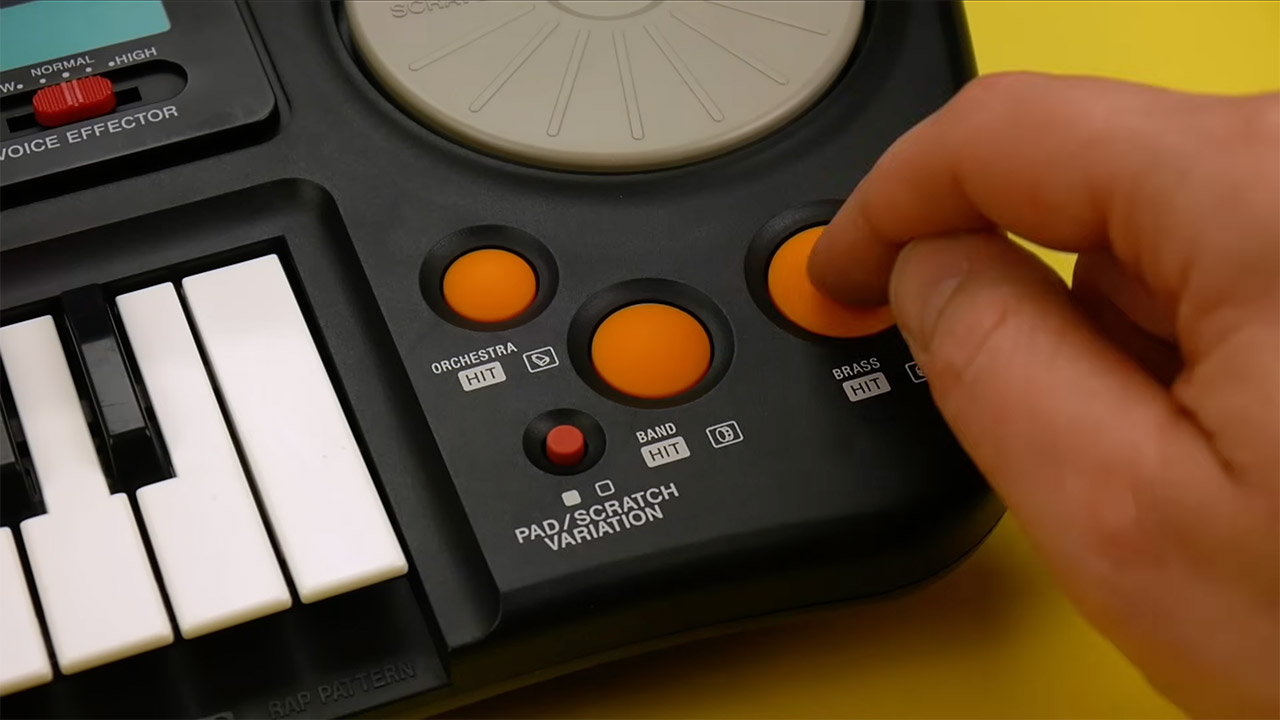
There are three small rubber effect pads to the right of the keys. The mode button allows you to choose between two separate sets of pads: one with agogo, kick, and snare, and the other with orchestra hit, band hit, and brass hit. Alongside the pads is a tiny little plastic disc that resembles a miniature record. Spin it around to hear short scratch samples. The disk is simply a spring-loaded rocker that presses two contacts together, so the scratches are short and to the point. But the gesture of sliding your hand across the top of it felt appropriate for the situation.
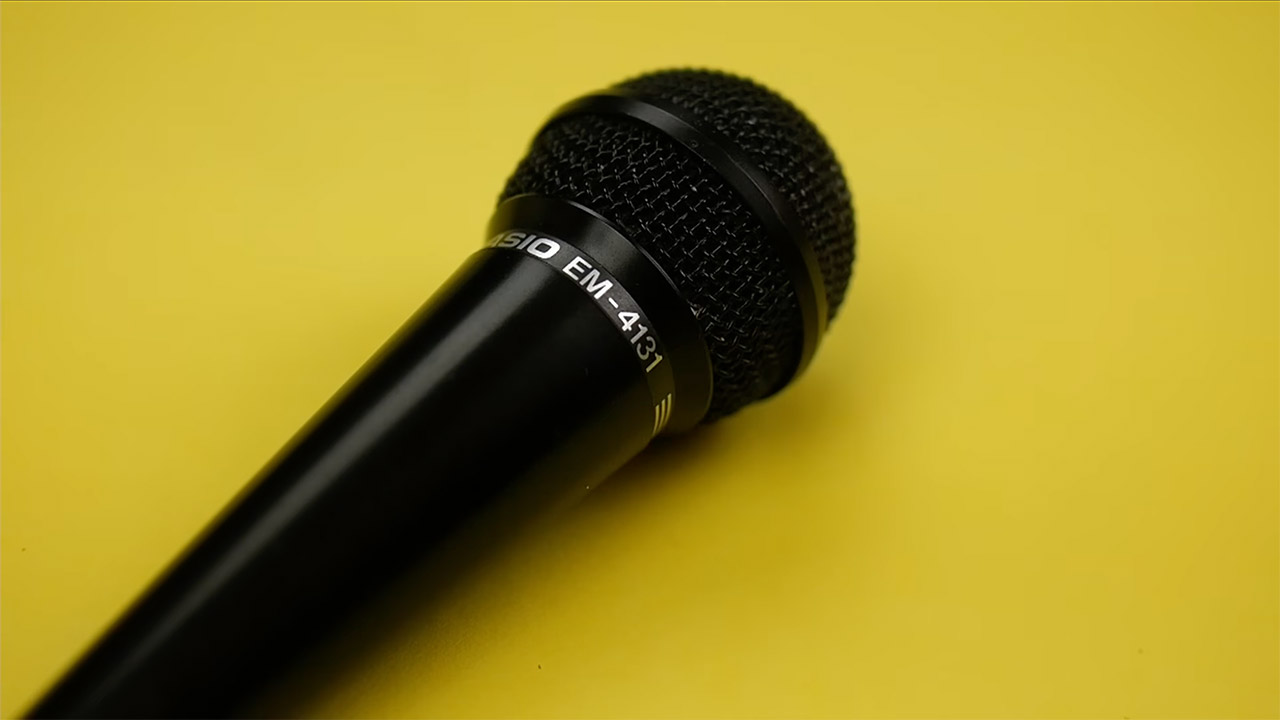
Casio also included a tiny plug-in microphone, the EM-4131 type, as well as a five-position slider for adjusting the pitch of anything you’re speaking into the microphone. Let me tell you, the effect is rather grainy and digital-sounding. Push the slider one way, and your voice will sound like a chipmunk, while pushing it the other way will result in a low, scratchy monotone. You can also use this circuit to take keyboard noises and feed them back into the mic, resulting in ugly, harsh feedback that some more experimental users enjoyed using for all sorts of odd textures. It’s worth mentioning that no other consumer keyboard at the time had a built-in pitch-shifting microphone, as it simply wasn’t available anyplace else.
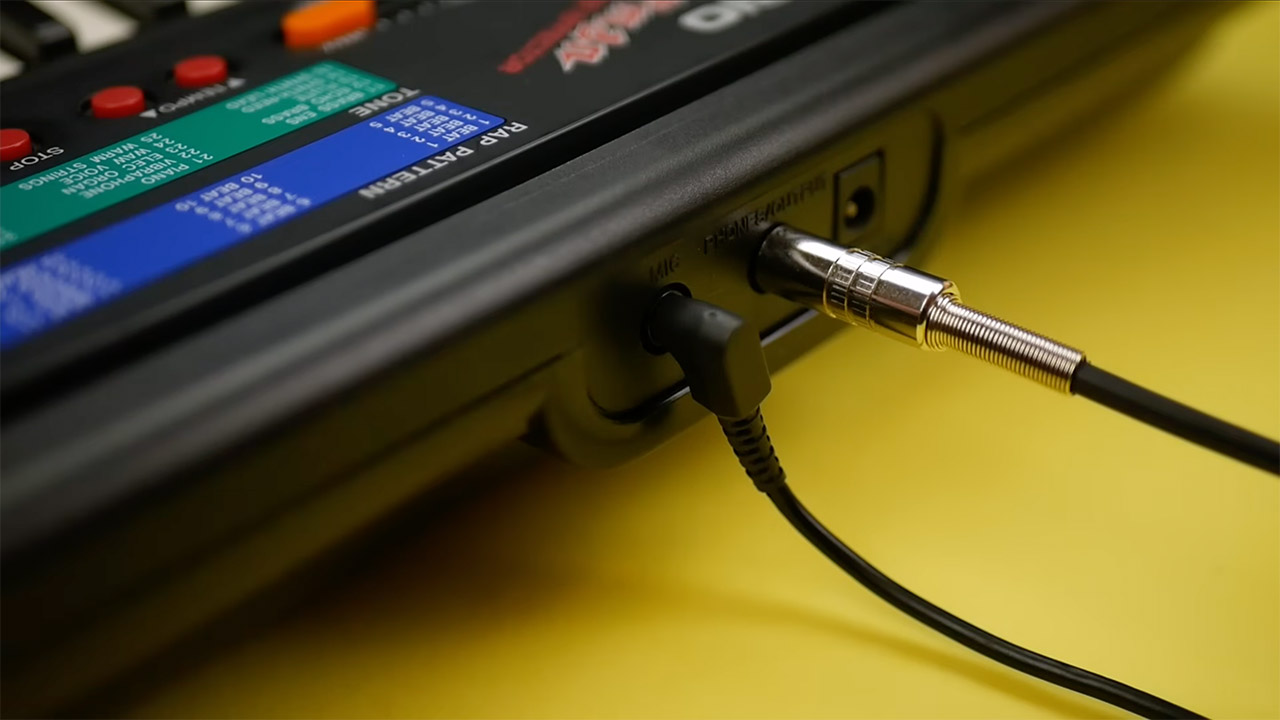
The remaining sound set on this device consisted of twenty-five pre-programmed tones. You had your brass ensemble and echo brass, but there was also metal guitar, electric bass, and an electric organ that stunned everyone with how good it sounded. A vocoder patch produced a short looping vocal-like effect, which many owners still believe is the best sound on the device. There were orchestral hits, a car horn, an ambulance, and an emergency alert to fill out the sound. Most of the tones were similar to those used in Casio’s SA-series toys: thin and bright, with a restricted number of notes that could be played at once and no real feeling of dynamics. When you started a rhythm, everything collapsed down to one note, thus all chord work vanished as soon as the beat began.

You can only send the output one way: through a 3.5 mm connector. There was no midi, no sequencing memory, and no mechanism to preserve what you created. For $99 in the United States or roughly £90 in the United Kingdom, you received a package clearly intended at bedrooms rather than studios. Nonetheless, experienced musicians noticed this. Peter Gabriel apparently began playing with one at a dinner table, and session participants began to order multiples.

Apple requires all browsers to use WebKit on iPhone, so a report suggests every browser is affected by three separate leaks that can hand off information around a proxy or iCloud Private Relay.
When users install proxy browsers or Tor, they expect absolute privacy while navigating the web. However, one developer has discovered that three separate data leaks can occur while using WebKit browsers on iOS or macOS.
According to the Mysk blog, DNS prefetching, WebAuthn for Passkeys, and WebTransport can all reveal data about the user in spite of proxy use or iCloud Private Relay. Tor browsers, proxy apps, and Safari are affected, but VPNs are not since they’re acting at a system level to encrypt all traffic.
Of course the developer works on the Psylo app and has shared that all three vulnerabilities are fixed in the latest update. It required turning off the features, which are useful to have, and users will need to manage them on a per-site basis within the app.
The blog shared exactly how each of the three WebKit leaks are occuring:
- DNS prefetching: data leak exposed in iOS 26 resolves hostnames through the normal DNS path instead of proxy
- WebAuthn: introduced in iOS 18, Passkey validation file fetched from device revealing IP address
- WebTransport: active since iOS 26.4, opens a direct HTTP/3 connection exposing the real IP address
Each system is meant to help the user with speed of access and convenience, but they have inadvertently affected security. There is only one exception, and that’s Onion Browser’s “Silver” security level that makes WebKit configure with Lockdown Mode, so that specifically is unaffected by the WebTransport data leak.
The leaks were discovered after a Psylo user reported a DNS leak and the investigation uncovered all three problems. Users can test the leaks using a proof-of-concept website provided by the developer.
Apple will have to address all three WebKit issues in a future update, though it may take time. Now that the issue has been shared publicly, it may accelerate a fix from Apple.
Users need not take action beyond being aware that proxies and Tor alone may not hide every detail about themselves. The use of a VPN will ensure no data is shared outside of the device.

AUD/NZD: A Mixed Jobs Report Meets a Critical Chart Level

Keke Palmer Lands NBC Pioneering Hosting Gig

Vida Glow Collagen Review: Is It Worth It?


-

 Business7 days ago
Why Trees Belong on the Risk Register
-

 Fashion5 days ago
Weekend Open Thread: Wit & Wisdom
-

 Politics5 days ago
Meta enters AI-training agreement with far-right ‘propaganda rag’ Newsmax
-

 Politics7 days ago
Reform UK betrays West Mids residents by running from party pledges
-

 Politics3 days ago
Zack Polanski: an incitement to murder Nigel Farage?
-

 Crypto World4 days ago
MicroStrategy Post-Earnings CLARITY Act Push Could Add New Catalyst for Its Stock
-

 Crypto World4 days ago
XRP Ledger v3.3.0 brings five institutional features
-

 News Videos6 days ago
Bitcoin Enters the 3rd Stage of the Bear Market
-

 Politics6 days ago
Luke Littler’s dominance sparks GOAT debate
-

 Sports6 days ago
Seema Kaliramna Wins Discus Throw Bronze, Takes India’s CWG Medals Tally To 17
-

 Crypto World5 days ago
New York sues Kalshi over prediction market gambling
-

 Crypto World3 days ago
Crypto PAC spending tops $2M in Michigan House race
-

 Business5 days ago
Trump Announces Hamas Disarmament Agreement as Iran Strikes Kuwait Air Base and US Attacks Pause Overnight
-

 Tech3 days ago
ESET tracks rise in malicious AI skills and adaptable malware
-

 Business3 days ago
DTCR: Deleveraging And A Hedge Fund Collapse Point To A Possible AI Bottom
-

 Crypto World5 days ago
3 Fed Officials Just Explained Their Rate Hike Vote: Is Inflation Winning?
-

 Tech5 days ago
Gemini Spark can now use Chrome logins and saved passwords to run errands on your behalf
-

 Tech5 days ago
Building A Reproduction PlayStation Motherboard
-

 NewsBeat6 days ago
Four people die trying to cross Channel in small boats
-

 Sports4 days ago
France Cricket implodes: letters hidden in a drawer and a board at war
You must be logged in to post a comment Login