In today’s competitive market, customers do not judge a product only by what is inside. They also notice how it is presented, how it feels in their hands, and how professionally it arrives.
Premium product presentation has become a powerful part of brand trust because packaging is often the first physical connection between a customer and a business.
When a product is packed with care, structure, and visual appeal, it sends a clear message: this brand values quality. Research and industry trends show that packaging design, material choice, and unboxing experience can influence how customers perceive a product and whether they feel confident buying from the same brand again. McKinsey’s 2025 packaging research also highlights that customer preferences around packaging are becoming more detailed, with sustainability, material choice, and regional expectations playing an important role in brand perception.
Why First Impressions Matter in Product Packaging
A customer’s first impression starts before they use the product. The box, finish, printing, texture, structure, and opening experience all help shape their opinion. If the packaging looks weak, damaged, or poorly designed, customers may question the value of the product inside. On the other hand, strong and attractive packaging can instantly make the product feel more reliable, premium, and worth the price.
This is especially important for industries such as cosmetics, candles, jewelry, electronics, fashion accessories, gift items, and luxury retail products. In these markets, customers expect more than basic protection. They want a complete experience that makes the purchase feel special.
Premium packaging helps create that emotional connection. It shows professionalism, attention to detail, and brand consistency. These small details can make customers feel more confident that they have purchased from a trusted brand.
Premium Packaging Builds Perceived Value
Product presentation directly affects perceived value. Even if two products are similar in quality, the one with better packaging can feel more expensive and trustworthy. Clean printing, strong structure, luxury finishing, and a well-planned layout help customers believe the product is worth more.
This is where Custom Rigid Boxes can support premium brand positioning. Their strong structure, smooth finish, and high-end appearance make them suitable for brands that want to present their products with confidence. Rigid packaging does not just protect the item; it gives the product a luxury feel from the moment the customer sees it.
Premium finishes such as soft-touch lamination, embossing, debossing, foil stamping, magnetic closure, inserts, and spot UV can also improve the customer’s experience. These features make the packaging feel more refined and memorable, which helps customers associate the brand with quality.
Trust Comes from Consistency
Customers trust brands that look consistent and professional. If your website, product images, social media, and packaging all follow the same brand style, customers feel that the business is organized and reliable. Consistent colors, logo placement, typography, and packaging quality create a stronger brand identity.
For example, a skincare brand using soft colors, clean fonts, and elegant packaging will appear more trustworthy when every product follows the same style. A luxury gift brand can build a stronger identity by using premium boxes, matching inserts, branded tissue paper, and clear product presentation.
Consistency also reduces doubt. When customers receive a product that looks exactly as professional as it appeared online, they feel satisfied and secure. This improves the chance of repeat purchases and positive reviews.
Better Unboxing Creates Better Customer Experience
Unboxing is now a major part of the customer journey. Many customers share product experiences on social media, and packaging plays a big role in whether that experience feels worth sharing. Studies and industry discussions show that attractive packaging, layered opening, personalization, and premium materials can improve product perception and emotional engagement.
A strong unboxing experience can include:
- A neat outer box
- Secure inner packaging
- Branded inserts
- Thank-you cards
- Product information cards
- Smooth opening structure
- Premium finishing details
These elements make the customer feel valued. When a brand puts effort into presentation, customers often assume the same level of care has gone into the product itself.
Packaging Protects the Product and the Brand Image
Trust is not only about beauty. Protection is also important. If a customer receives a damaged product, their trust in the brand can drop immediately. Premium packaging helps reduce this risk by keeping the product stable, secure, and properly supported during storage, shipping, and delivery.
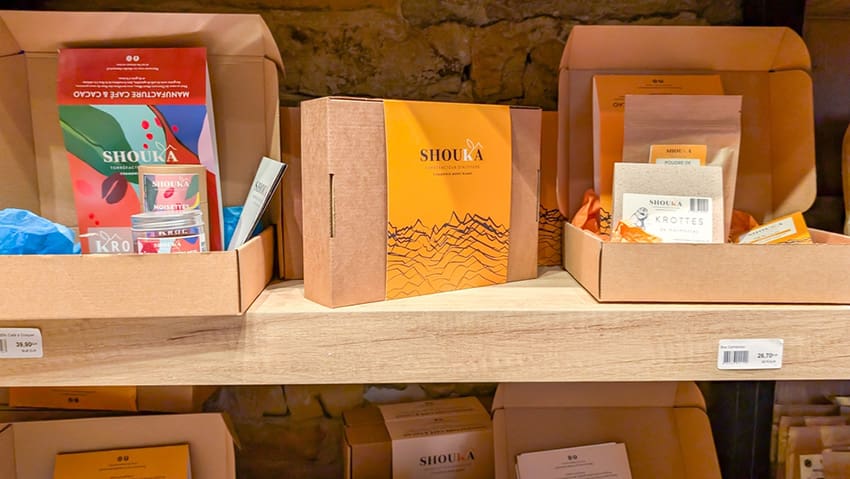
For fragile, luxury, or high-value products, inserts and strong box structures are very helpful. Foam inserts, cardboard inserts, paperboard dividers, or molded trays can keep products in place and prevent movement inside the box. This gives the customer a cleaner presentation and a safer delivery experience.
A well-protected product creates confidence. It shows the brand understands customer expectations and takes responsibility for delivering a complete, professional experience.
Premium Presentation Supports Brand Loyalty
Customer trust is built through repeated positive experiences. If the first order arrives beautifully packed, safely delivered, and professionally presented, customers are more likely to remember the brand. When they reorder and receive the same level of quality, trust becomes stronger.
This trust can lead to:
- Repeat purchases
- Better customer reviews
- More referrals
- Stronger brand recognition
- Higher perceived product value
- Improved customer loyalty
Premium packaging can also help small and growing brands compete with larger brands. A professional presentation makes the business look more established, even if it is new in the market.
Flexible Packaging Options Improve Customer Convenience
Modern brands also need packaging that supports storage, shipping, and customer convenience. This is one reason Custom Collapsible Rigid Boxes are becoming a smart option for premium brands. They offer a luxury look while being easier to store and ship compared to fully assembled rigid boxes.
Collapsible rigid packaging is useful for brands that want premium presentation but also need practical packaging solutions. It can reduce storage space, support bulk orders, and still provide an elegant unboxing experience when assembled properly.
This balance of beauty and practicality helps brands maintain a premium image while improving operational efficiency.
Sustainable Presentation Also Builds Trust
Many customers now pay attention to packaging materials and environmental responsibility. Shorr’s 2025 report found that many US consumers consider sustainable packaging when making purchase decisions, and McKinsey’s packaging research also shows that sustainability expectations vary by market and material type.
Brands can build trust by choosing recyclable materials, reducing unnecessary packaging, using paper-based options, and communicating packaging choices clearly. However, sustainability claims should always be honest and specific. Customers trust brands more when they avoid exaggerated claims and use transparent wording.
Premium does not always mean excessive. A clean, minimal, well-structured box can look luxurious while still being responsible and practical.
Final Thoughts
Premium product presentation is more than decoration. It is a trust-building tool that affects customer perception, product value, brand identity, and the overall buying experience. From the first look to the final unboxing moment, packaging tells customers what kind of brand they are dealing with.
A well-designed package shows care, quality, and professionalism. It protects the product, improves presentation, supports brand loyalty, and helps customers feel confident in their purchase. For brands that want to stand out in a competitive market, investing in premium packaging is not just about appearance. It is about building stronger and longer-lasting customer trust.


















































You must be logged in to post a comment Login