


Connect with us

Business

SpaceX, Alphabet, Nvidia, Micron, AMD, Uber, CVS, Lilly, and More Stocks That Explain Today’s Market

Published

on

Wall Street’s Bull Run Faces Its Ultimate Test

SpaceX, Alphabet, Nvidia, Micron, AMD, Uber, CVS, Lilly, and More Stocks That Explain Today’s Market

Continue Reading
Click to comment

You must be logged in to post a comment Login

Leave a Reply

Business

Why are Gold Futures rallying today?

Published

on


Why are Gold Futures rallying today?

Continue Reading

Business

Emaar Properties reports lower profit despite revenue growth

Published

on


Emaar Properties reports lower profit despite revenue growth

Continue Reading

Business

Dow Jones Hits New Record High Above 54,400 as Earnings Season and Iran Deal Hopes Continue

Published

on

FTSE 100 Surges 0.8% Today as Oil Eases and Markets

NEW YORK — The Dow Jones Industrial Average traded at a fresh record high Thursday morning, changing hands at 54,488.23, up roughly 0.20%, as the blue-chip index extended a remarkable win streak even as a busy stretch of corporate earnings produced sharply divergent reactions across individual stocks and sectors.

Thursday’s gain built on Wednesday’s session, when the Dow closed at a record high for a fifth straight positive session, even as the S&P 500 and Nasdaq Composite both finished lower, weighed down by weakness in technology shares following the prior day’s rally to record levels. Kyle Rodda, senior financial market analyst at Capital.com, described Wednesday’s pullback in tech shares as reflecting a lack of fresh catalysts for the market to work with, leading some investors to lock in profits following the sharp gains of recent sessions.

A Market Driven by Iran Diplomacy and Corporate Earnings

Much of this week’s overall market momentum has continued to track developments in ongoing talks aimed at reopening the Strait of Hormuz to commercial shipping. Rodda noted that a breakthrough in U.S.-Iran negotiations could provide the next catalyst for markets, with reports suggesting an agreement may be close at hand. That optimism has helped support broader risk appetite even as individual sectors have shown notable divergence in their reaction to the latest round of corporate earnings.

Advertisement

Thursday’s trading session arrived amid a particularly dense stretch of earnings reports, prospects for an imminent Hormuz deal, and freshly released labor market data, all of which investors were working to digest in early trading. Futures on the Dow rose 0.2% ahead of the opening bell, extending the index’s record-setting run, while S&P 500 futures ticked up a more modest 0.1% and Nasdaq-100 futures slipped 0.6%, reflecting continued softness concentrated specifically in technology and semiconductor shares.

Chip and Memory Stocks Under Pressure

The divergence between the Dow’s continued strength and weakness elsewhere in the market was driven largely by a sharp selloff in memory chip and storage companies following earnings releases from SanDisk and Western Digital late Wednesday. Both companies posted quarterly results that beat expectations but issued forward guidance that fell short of Wall Street’s elevated forecasts, triggering steep declines in their shares. SanDisk shares were down more than 13% in early Thursday trading, while AMD, which had also reported earnings this week, fell more than 2%. A broader gauge of chipmaker stocks fell 1.4% in overnight trading, even as Nvidia shares managed to climb against that broader sector weakness.

Investors have remained intensely focused on questions surrounding artificial intelligence capital spending and monetization throughout this earnings season, a dynamic that analysts say has contributed to unusually punishing stock reactions whenever a high-profile AI-linked company’s results or guidance fall even modestly short of expectations, regardless of how strong the underlying quarterly performance may otherwise be.

Advertisement

SpaceX Faces a Major Test

Among the companies facing particular scrutiny Thursday was SpaceX, whose stock tumbled 14% Wednesday despite reporting strong second-quarter earnings, as roughly $101 billion worth of shares became eligible for trading following the expiration of a post-IPO lockup period. SpaceX shares remained near their all-time lows heading into Thursday’s session, as investors weighed the potential for a wave of new selling pressure tied to the lockup expiration against the company’s underlying revenue growth and continued heavy investment in artificial intelligence infrastructure.

A Warning From Wall Street’s Biggest Bank

Amid the market’s continued run to record territory, JPMorgan Chief Executive Jamie Dimon offered a note of caution this week, warning that leverage across financial markets remains historically elevated. In an interview with CNBC, Dimon said margin debt, the amount investors borrow against their portfolios to purchase additional securities, is currently the highest it has ever been, and cautioned that such hidden borrowing could amplify the impact of any future market disruption. Dimon’s comments add to a broader set of concerns some strategists have raised about the sustainability of markets’ rapid climb to record levels in recent weeks, even as the underlying macro backdrop, including cooling oil prices and continued corporate earnings strength, has remained broadly supportive.

Advertisement

A Strong Start to the Week

Thursday’s record extends a pattern that has held for much of the past week. The Dow closed at an all-time high Monday, settling at 53,178.41 after advancing 693.38 points, or 1.32%, in a session driven by broad market strength following President Donald Trump’s decision to call off planned strikes against Iran, a move that sent oil prices sharply lower. That rally continued into Tuesday, when the Dow surged a further 907.47 points, or 1.71%, to close at 54,085.88, alongside similarly strong gains for the S&P 500 and Nasdaq Composite, with the latter boosted in part by a 29% rally in Palantir Technologies shares. Monday’s session also saw Amazon briefly surpass a $3 trillion market capitalization for the first time, before the stock pulled back roughly 2% Tuesday after founder Jeff Bezos filed to sell approximately $4 billion worth of shares.

Global Markets React to the Same Currents

The themes driving U.S. markets this week have echoed across global exchanges as well. Asia-Pacific markets broadly rose Wednesday, with South Korea’s KOSPI climbing 3.8% to close at 6,598.26 amid strong regional risk appetite, though sentiment shifted considerably by Thursday, when memory chip weakness tied to the SanDisk and Western Digital guidance miss triggered a sharp reversal across South Korean and Japanese technology shares specifically.

Advertisement

With Thursday’s session continuing to balance the Dow’s steady climb to new records against pronounced weakness in technology and chip-related names, investors are likely to remain focused on two parallel storylines in the days ahead: further developments in the effort to finalize a deal reopening the Strait of Hormuz, and the continued flow of corporate earnings reports, which have produced some of the most divergent stock reactions of the year so far, rewarding companies that clear elevated expectations while punishing even modest guidance shortfalls among high-profile AI and technology names.

Continue Reading

Business

Does Wales have the business support regime to create young entrepreneurs like James Dacombe

Published

on

Business Live

The new Welsh Government could take the lead on this by establishing a national young founder’s fellowship to identify exceptional talent in schools, colleges, universities and local communities

LOS ANGELES, CALIFORNIA - SEPTEMBER 10: James Dacombe attends Flickers' 2025 Award Winning Shorts Showcase And Industry Panel at The Academy Museum of Motion Pictures on September 10, 2025 in Los Angeles, California. (Photo by Randy Shropshire/Getty Images for Flickers' RIIFF)

Tech entrepreneur James Dacombe.(Image: Randy Shropshire, Getty Images for Flickers’ RIIFF)

The story of James Dacombe should be compulsory reading for everyone involved in economic development in Wales.

James left sixth form after only a few days, taught himself to code and established his first technology business while still a teenager. Now aged just 25, he is the founder of Olix, a British company developing specialist computer chips to make artificial intelligence faster, cheaper and more energy efficient.

Founded in 2024, the company has reportedly raised more than £200m at a valuation of approximately £2.5bn. It already employs more than 140 people and has attracted backing from major global technology companies and investors. It is a remarkable story, but for anyone who cares about the future of the Welsh economy, it should raise one obvious question – why not Wales?

South Wales has one of Europe’s most significant concentrations of semiconductor expertise, and the cluster around Cardiff and Newport brings together advanced manufacturing, specialist skills, world-class research, and companies developing technologies for artificial intelligence, communications, transport, energy and medical devices.

Advertisement

The problem is not that Wales lacks the science, engineering capability or industrial foundations from which businesses such as Olix could emerge, but that we have failed to create a system capable of identifying, nurturing and backing young people with the ambition to build them.

For many years, entrepreneurship support in Wales has focused on encouraging self-employment and conventional small businesses. There is nothing wrong with that, and such firms make an important contribution to local economies but helping someone become self-employed is not the same as creating a genuinely entrepreneurial economy.

A support system centred on business plans, workshops and small grants is not necessarily equipped to support a teenager who wants to design the next generation of artificial intelligence chips. Too much of our approach to young entrepreneurship remains rooted in employability rather than innovation, and starting a business is often treated as another route into work rather than as a means of creating new industries, commercialising knowledge, and building internationally competitive companies.

An ambitious technology founder needs something different, including specialist knowledge, access to laboratories and equipment, experienced mentors, and early customers and investors who understand that breakthrough technology is expensive, uncertain and time-consuming. Yet much of the support available remains generic, fragmented and cautious, and there is rarely a clear route for a founder who needs to move rapidly from an idea to a prototype and then to a business. We measure how many people attend events or complete programmes but are less effective at measuring whether the businesses created survive, scale, export, attract investment or generate highly productive employment. In other words, we have built a system that can process young entrepreneurs without necessarily developing them.

Advertisement

The real test is simple – what would happen if a 16-year-old from Newport, Swansea, Wrexham or the Valleys approached the existing support system to say they wanted to build a billion-pound artificial intelligence or semiconductor company?

Would they be taken seriously? Would they be connected with Wales’s leading engineers, researchers and technology entrepreneurs, given access to facilities and introduced to investors who understood the opportunity? Or would they be directed towards a generic business-planning course and told to return when they had more qualifications, experience or trading history?

That is the uncomfortable question we need to answer, as exceptional entrepreneurial talent rarely arrives in a conventional form. It may emerge from a university laboratory, but it may equally come from an apprentice, a school-leaver, a self-taught programmer, or someone who has never fitted comfortably within formal education.

A genuinely entrepreneurial economy must recognise potential even when it does not come with the right qualifications or networks. This matters in Wales, where many talented young people grow up without connections to business, technology or investment. They may have the ability and imagination, but not the contacts or financial security needed to turn an idea into a company.

Advertisement

The education system also has a role to play, as entrepreneurship is still too often presented through occasional competitions rather than sustained exposure to how ambitious companies are created. Young people should learn about coding, product development, intellectual property, finance and investment, meet founders, and understand that entrepreneurship can be a serious career. Indeed, the fact that Cardiff University alone has 32,000 students but produced only 55 student startups in 2024-25 speaks volumes about the lost potential within our university system.

The new Welsh Government could take the lead on this by establishing a national young founder’s fellowship to identify exceptional talent in schools, colleges, universities and local communities. Those selected should receive a living allowance, intensive mentoring, access to facilities, help in assembling a team and introductions to customers and investors with selection should be based on potential rather than qualifications or connections.

More importantly, those young founders should be able to enter the Welsh support system through one door and be connected rapidly to the people, knowledge and facilities needed to develop an idea. Instead, too many are left to navigate a maze of organisations and programmes, none of which takes responsibility for the founder’s complete journey.

The success of Olix is not simply the story of one unusually talented young person but demonstrates what can happen when ambition is met by technical expertise, experienced supporters and investors prepared to take a risk. As we all know, Wales does not lack intelligent, creative or determined young people and nor do we lack technologies with the potential to create the industries of the future. What we lack is a coherent system designed to bring the two together.

Advertisement

However, for too long, our business support system has failed to encourage exceptional young people to think globally, take risks and build companies capable of transforming industries. Unless that changes, Wales will continue to possess the talent, technology and ideas from which the businesses of the future could emerge, while watching those businesses being created somewhere else.


Continue Reading

Business

Why is Airbnb stock surging today?

Published

on


Why is Airbnb stock surging today?

Continue Reading

Business

Kalyan Jewellers shares jump 5% after Jefferies starts coverage with ‘Buy’. More upside after 63% rally in 1 month?

Published

on

Kalyan Jewellers shares jump 5% after Jefferies starts coverage with 'Buy'. More upside after 63% rally in 1 month?
Shares of Kalyan Jewellers India rallied as much as 5% to their day’s high of Rs 629 on the BSE on Friday after Jefferies initiated coverage on the stock with a Buy call and a target price of Rs 830, forecasting an upside of 39% from current levels. With today’s surge, the stock is up over 60% in a month.

The foreign brokerage said the company has built a differentiated growth engine by combining neighbourhood relevance with the scale of an organised retailer, a strategy that should continue to drive market share gains in the coming years.

It also highlighted Kalyan’s franchisee-led expansion model, which supports capital-efficient growth, particularly beyond South India. While the company has an international presence, Jefferies said India remains its core market. The brokerage also noted that Kalyan has a net cash balance sheet, backed by rising free cash flow and strong return ratios.

“Weddings contribute 60% of jewellery demand in India, and Kalyan is well-aligned to tap this opportunity. The company has a dedicated Muhurat brand and also participates in an integrated wedding ecosystem through initiatives that support customer targeting, acquisition, & retention,” However, its presence extends beyond, with a portfolio of product brands catering to different needs & occasions,” the brokerage said in a note. “The company has also recently unveiled a new regional brand, with plans to expand into more identified states to strengthen local connect and compete more effectively with regional players,” it added.
Advertisement

Over FY26-29, Jefferies forecasts Kalyan to deliver 21-23% CAGR in revenue & earnings, driven by continued expansion in non-South alongside steady growth in the South. International ops, led by the Middle East, should remain stable, with LT upside potential from newer markets, and brands such as Candere & regional retail brands.


Also read: Stocks to buy in 2026 for long term: DLF, BSE among 5 stocks that could give 10-40% return

Kalyan Jewellers stock on charts

Ruchit Jain, Vice President of Technical Research at Motilal Oswal, said the stock has recently seen an uptick supported by good volumes. The pullback move towards the 20 DEMA has witnessed buying interest and thus the near-term trend remains positive. The immediate support is placed around Rs 560 which remains a crucial level for the short term. On the higher side, a move above Rs 650 should lead to a momentum towards Rs 700-720.Virat Jagad, Technical Research Analyst at Bonanza, recommended traders buy around Rs 615-620 with a stop loss at Rs 560 and a target of over Rs 700. The stock has bounced from its short-term EMA support and resumed its uptrend while sustaining above all major EMAs. RSI remains above 65, indicating strong momentum, and improving volumes support the ongoing bullish price action, suggesting further upside potential.

Kalyan Jewellers FY27 outlook

Looking ahead, the company said it is targeting mid to high single-digit same-store sales growth. It also expects its capital-efficient franchise-led expansion strategy to further improve return on capital employed from the current level of around 30.3%, based on the last 12 months’ performance.

Kalyan Jewellers said it will continue to focus on a capital-efficient franchise-led expansion strategy to further improve return on capital employed from the current level of around 30.3%, based on the last 12 months’ performance.

Advertisement

Read more: Kalyan Jewellers among 5 F&O stocks with a sharp rise in futures open interest

On the expansion front, Kalyan plans to increase the share of revenue from non-South Indian markets, with most new showroom additions planned outside the southern region. The company said future store openings will largely follow its asset-light franchise model.

It also plans to accelerate the rollout of Candere showrooms, which focus on lightweight lifestyle jewellery, and launch new regional jewellery brands offering localized designs, with the first such brand expected to debut in FY27.

The jewellery retailer reported a strong set of June quarter earnings, with consolidated net profit rising 32% year-on-year to Rs 348.7 crore on the back of robust sales. The company’s revenue from operations rose 45.7% year-on-year to Rs 10,588.9 crore from Rs 7,268.5 crore, according to the unaudited financial results approved by the board on August 4.

Advertisement

Operating performance remained healthy, with EBITDA, or earnings before interest, tax, depreciation and amortisation, increasing 24.5% to Rs 632.5 crore from Rs 508 crore in the year-ago quarter.

(Disclaimer: Recommendations, suggestions, views and opinions given by the experts are their own. These do not represent the views of The Economic Times)

Continue Reading

Business

Crompton Greaves shares crash 7% despite strong Q1 results

Published

on

Crompton Greaves shares crash 7% despite strong Q1 results
Shares of Crompton Greaves Consumer Electricals fell 7% to the day’s low of Rs 250 on Friday despite the company reporting strong Q1 results. On Thursday, it posted a 15% year-on-year (YoY) jump in profit after tax (PAT), while its revenue grew 11.8% YoY.

According to a filing with the exchange, the revenue grew to Rs 2,235 crore, driven by broad-based performance across all segments and PAT grew at 15.2% YoY to Rs 143 crore with margin of 6.4%.

Also Read | Crompton Greaves Q1 Results: Profit rises 15% to Rs 142 crore, revenue up 11%

The EBITDA was recorded at Rs 224 crore grew ahead of the revenue at 14.2%, driven by pricing interventions, operating leverage, and cost initiatives. The company had posted a net profit of Rs 123.9 crore in the April-June quarter a year ago.

Advertisement

The company’s total expenses were at Rs 2,065.50 crore, up 11.29% in the first quarter of FY’27.

Segment wise performance

ECD: ECD reported revenue growth of 10.6% YoY; driven by robust performance in BLDC fans followed by Pumps and Large Appliances. BLDC fans delivered highest quarterly sales and grew at nearly 44%; launched 5 new fans during the quarter.
EBIT grew at 12.1% YoY, outpacing revenue growth; driven by pricing interventions and operating leverage.Lighting: Lighting delivered strong double digit revenue growth of 15.4% YoY; EBIT margin at 12.0%. Double-digit growth across B2C and B2B segments, supported by strong traction in Ceiling lights, Commercial lights and Industrial lights. This segment delivered industry leading EBIT margin of 12.0%.

Butterfly: Butterfly delivered double digit revenue growth of 14.1% YoY; EBIT margin at 4.2% grew at 19.5% YoY. This segment saw a robust revenue growth delivered across all channels.

The company rolled out B2C solar rooftop and solar pumps to retail market in select cities in Q1FY27 and wire launch is progressing well – collecting initial feedback from markets entered.

Advertisement

“We delivered a resilient performance during the quarter with disciplined pricing, premiumization and strong execution across channels. While supply tightness impacted near-term revenue, pricing measures and operating leverage ensured margins and cash flows were healthy,” said Promeet Ghosh, MD & CEO.

“We are delighted to share that Butterfly this quarter won Golden Peacock Eco-Innovation Award 2026 for India’s first 5-star rated cooktop “RENZ COOKTOP” reflecting our commitment to innovation that is driven by consumer needs. We remain focused to advance Crompton 2.0 strategic priorities anchored in accelerated premiumization, deeper distribution, and consumer centric differentiated innovation to drive sustained long-term value creation,” Ghosh further said.

Also Read | Hero MotoCorp shares jump 3% as Q1 profit rises 29% YoY, beats estimates. What’s ahead?

The total consolidated income, which includes CGCEL’s other income, was Rs 2,256.81 crore in the June quarter, up 11.6%.

Advertisement

In the last one month, the stock went up 1.57% and in the last one year, it went up 4.59%. In the last three and five years, the stock was up 39.98% and 70.08% respectively.

(Disclaimer: Recommendations, suggestions, views and opinions given by the experts are their own. These do not represent the views of Economic Times)

Continue Reading

Business

Iovance Biotherapeutics Stock Soars 34% After Record $99 Million Quarter Beats Wall Street Estimates

Published

on

Krystal Biotech Shares Fall Over 10% After Q2 Results Despite

Shares of Iovance Biotherapeutics surged Thursday morning, climbing 34.10%, or $1.48, to $5.82, after the cancer cell therapy company reported record second-quarter revenue that far exceeded Wall Street’s expectations and said it was reviewing its full-year sales guidance upward in light of stronger-than-anticipated demand.

The San Carlos, California-based biotechnology company reported total revenue of approximately $99.3 million for the second quarter, a 66% increase from the roughly $60 million posted in the same period a year earlier and a 39% jump from the first quarter of 2026. The figure came in well above the $87.67 million analysts had been expecting heading into the report, according to consensus estimates.

Amtagvi Sales Drive the Beat

The revenue surge was driven primarily by continued strength in U.S. sales of Amtagvi, Iovance’s flagship cell therapy for advanced melanoma and the first FDA-approved T cell therapy for a solid tumor cancer. U.S. Amtagvi revenue reached approximately $91 million during the quarter, up 40% from the fourth quarter of 2025. Global sales of Proleukin, a supporting therapy used alongside Amtagvi treatment, contributed roughly $9 million and are expected to continue growing through the remainder of the year.

Advertisement

Gross margin improved to 56% for the quarter, which the company attributed to higher Amtagvi sales volume, continued cost discipline and improving efficiency at its internal manufacturing operations. Research and development expenses fell approximately 6% compared with the first quarter, marking the fourth consecutive quarter of improvement on that front as the company continues working toward profitability.

Guidance Under Review

Frederick Vogt, Iovance’s interim president and chief executive officer, addressed the results in a statement, saying second-quarter revenue reached a record $99.3 million with gross margin of 56%, driven by continued U.S. Amtagvi demand. Vogt said that based on the company’s second-quarter performance and strong demand trends, Iovance is reviewing its previously issued full-year 2026 revenue guidance of $350 million to $370 million and will provide an updated figure during the third quarter.

Vogt also pointed to progress across the company’s broader clinical pipeline, noting continued excitement about lifileucel’s advancement into other solid tumor indications, including metastatic non-squamous non-small-cell lung cancer, a newly announced registrational trial in certain sarcomas, and metastatic serous endometrial cancer. He said continued manufacturing and operating efficiencies are supporting the company’s path toward sustainable growth and profitability while advancing its pipeline of novel treatments in new solid tumor indications.

Advertisement

A Narrower Net Loss

Despite the strong revenue growth, Iovance continued to report a net loss for the quarter, though the size of that loss narrowed considerably compared with a year earlier. The company posted a net loss of $47.3 million, or 11 cents per share, for the second quarter, a significant improvement from the $111.7 million, or 33 cents per share, loss reported in the same period last year. Total costs and expenses fell to $151.2 million from $173.7 million a year earlier, reflecting the combination of higher sales offsetting continued investment in research, development and commercial operations.

Iovance ended the quarter with a cash position of approximately $304 million, including cash, cash equivalents, short-term investments and restricted cash, which the company said should be sufficient to fund operations into the second half of 2028.

An FDA Fast Track Designation

Advertisement

Alongside its financial results, Iovance announced that the FDA had granted Fast Track Designation to lifileucel, the active ingredient in Amtagvi, for the treatment of soft tissue sarcomas, specifically undifferentiated pleomorphic sarcoma and dedifferentiated liposarcoma. The designation is intended to expedite the therapy’s development and regulatory review process and followed positive early data from the company’s SARATOGA registrational trial, which showed an objective response rate of 50% among the first six evaluable patients treated. Iovance said it plans to present those results in an oral presentation at the European Society for Medical Oncology meeting in Madrid this October.

Expanding Global Reach and Treatment Access

Iovance also highlighted continued growth in Amtagvi’s authorized treatment center network, which has expanded to more than 95 locations across the U.S., Canada and Australia, with at least 110 centers expected to be active by the end of the year. The company said unaided physician awareness of Amtagvi has nearly tripled over the past year, aided by a new marketing campaign and an expanded sales team, while community treatment centers now represent roughly a third of the overall network and are expected to grow further in coming quarters.

On the international front, Iovance’s marketing authorization application for Amtagvi in Australia was approved by that country’s Therapeutic Goods Administration, marking the therapy’s third global regulatory approval to date. A resubmitted application in the United Kingdom is undergoing expedited review by British regulators, with a decision expected later this year, while a potential approval in Switzerland is anticipated in the first half of 2027. A separate application to the European Medicines Agency remains on track for 2027.

Advertisement

A Deep Pipeline Beyond Melanoma

Beyond its core melanoma business, Iovance continues to advance a broader pipeline of TIL-based therapies targeting additional solid tumors. The company’s IOV-LUN-202 trial in metastatic non-squamous lung cancer has nearly completed enrollment in its pivotal cohorts, with program updates expected in the fourth quarter and a supplemental biologics license application submission planned for 2027. A Phase 3 trial combining lifileucel with the immunotherapy drug pembrolizumab is also enrolling patients with frontline advanced melanoma, with results expected to be presented at the same European oncology conference this fall.

The company’s next-generation pipeline includes several experimental approaches, including a PD-1 inactivated TIL therapy and a next-generation interleukin-12-based treatment designed to target so-called “cold tumors” that have historically been more resistant to immunotherapy, along with early-stage investigator-sponsored trials exploring lifileucel’s use in additional cancer types, including certain skin cancers.

With a substantial upward revenue surprise and an FDA Fast Track designation announced on the same day, Iovance’s second-quarter report gives investors considerably more confidence heading into the back half of 2026, particularly as the company prepares to release updated full-year guidance during the third quarter. Investors are likely to watch closely for that revised outlook, along with further updates on the company’s expanding authorized treatment center network and progress across its broader pipeline of solid tumor therapies, as key indicators of whether Thursday’s rally can be sustained in the weeks ahead.

Advertisement
Continue Reading

Business

Samsung, SK Hynix Test Chinese Chip Equipment as a Hedge Against Tighter US Export Controls

Published

on

South Korea is home to the world's largest memory chip maker Samsung, and largest memory chip supplier SK Hynix

SEOUL — Samsung Electronics and SK Hynix, the world’s two largest memory chipmakers, have been evaluating chipmaking equipment from China’s Advanced Micro-Fabrication Equipment Co., known as AMEC, for possible use at their Chinese factories, according to three people familiar with the matter, as the South Korean companies hedge against the risk of tightening U.S. export controls.

According to the sources, the memory chipmakers began testing AMEC etching equipment roughly two years ago, at a time when uncertainty was mounting over whether Washington would continue allowing them to import U.S.-made chipmaking tools into their Chinese facilities. Samsung told Reuters it has not tested AMEC equipment for use at its China factory and had not considered doing so. SK Hynix similarly said it has not tested AMEC tools for use in China, while separate reporting from TrendForce indicated the company declined to comment further on whether it was evaluating the Chinese supplier’s equipment.

A Rare Validation Opportunity for a Chinese Supplier

While the evaluations have not yet resulted in decisions on wider deployment, they offer AMEC, based in Shanghai, a rare opportunity to secure validation from two of the world’s leading chipmakers. More broadly, the trials illustrate a paradox at the center of U.S. technology policy: measures designed to constrain China’s semiconductor ambitions have, in this case, created an opening for Chinese equipment suppliers to gain a foothold inside foreign-owned chip factories operating within China.

Advertisement

AMEC and the U.S. Bureau of Industry and Security, the Commerce Department agency responsible for enforcing American export controls, did not immediately respond to requests for comment on the reported evaluations, according to Reuters. All sources for the original report declined to be identified given the sensitivity of the matter.

A Shifting Regulatory Landscape

The evaluations trace back to a series of regulatory changes affecting how Samsung and SK Hynix are permitted to supply their Chinese manufacturing facilities. The U.S. Commerce Department designated both companies’ Chinese factories as “validated end users,” or VEU, in 2023, a status that allowed them to import certain controlled American chipmaking equipment without obtaining individual export licenses for each shipment.

Washington revoked that VEU authorization in 2025, before later granting the two companies annual licenses permitting continued imports of chip manufacturing equipment into their Chinese facilities specifically for 2026. Even with that temporary license in place, both companies remain concerned that future restrictions could extend beyond the import of new equipment to cover the servicing, repair or replacement of Western tools already installed at their Chinese plants, according to the sources. As a result, the companies are reportedly keeping Chinese suppliers in reserve as a potential way to maintain and upgrade their existing production lines, rather than as a means to expand overall manufacturing capacity within China.

Advertisement

Samsung operates a NAND flash memory chip plant in Xian, China, while SK Hynix runs NAND facilities in Dalian along with a DRAM memory chip plant in Wuxi. Both companies’ Chinese operations rely heavily on etching equipment supplied by American firms including Applied Materials and Lam Research, underscoring the scale of exposure either company would face if servicing access to that Western equipment were further restricted.

A Chinese Equipment Maker Closing the Gap

For AMEC and China’s broader emerging semiconductor equipment industry, winning even preliminary approval from Samsung or SK Hynix would represent a significant commercial endorsement. While Chinese equipment makers continue to trail their overseas rivals in advanced lithography and certain inspection systems, they have narrowed the competitive gap in areas including etching, deposition, cleaning and planarization, often while offering meaningfully lower prices.

Dan Hutcheson, vice chair of research firm TechInsights, said Chinese chipmaking tools can cost 20% to 30% less than comparable equipment from established foreign suppliers. AMEC’s equipment is already in use at other leading Chinese chipmakers, including NAND flash producer Yangtze Memory Technologies Co., a track record that has given Samsung and SK Hynix greater confidence that certain AMEC systems are mature enough to warrant testing, according to the sources. Separate reporting by the South China Morning Post cited AMEC Chief Executive Gerald Yin Zhiyao describing the company’s etching technology as supporting chip production processes ranging from older 65-nanometer nodes to more advanced 5-nanometer and 3-nanometer nodes, with some of its products already adopted by Taiwan Semiconductor Manufacturing Co.

Advertisement

A Longer-Term Challenge for Established Suppliers

The growing capability of Chinese equipment suppliers could pose a longer-term competitive challenge to dominant Western toolmakers including Applied Materials, Lam Research and KLA, along with established Japanese and European rivals that have historically controlled key segments of the global wafer-fabrication equipment market. China remains a significant revenue source for those companies even amid the tightening regulatory environment; Applied Materials reported $8.53 billion in China revenue during fiscal 2025, equal to roughly 30% of its total global sales.

Any meaningful breakthrough for Chinese equipment suppliers in facilities operated by foreign chipmakers would still face significant hurdles, including lengthy technical qualification processes, comparatively smaller service networks, ongoing intellectual property concerns, and the potential for political pressure from Washington. It also remains unclear whether either Korean chipmaker would ultimately consider installing Chinese-made equipment at their domestic factories in South Korea, given separate security and intellectual property considerations that would apply outside of China.

A Fertile Opening Despite the Restrictions

Advertisement

Even so, analysts say U.S. export controls have helped create a meaningfully more favorable environment for China’s domestic semiconductor equipment industry to grow. Deutsche Bank has estimated that four Chinese equipment makers, Naura Technology, AMEC, Piotech and ACM Research, will each generate more than $1 billion in revenue during 2026. Together, the bank estimated those companies could capture between 25% and 30% of China’s projected $28 billion wafer-fabrication equipment market this year. Excluding the lithography and metrology segments, where Western and Japanese suppliers maintain a stronger technological lead, Chinese suppliers’ collective market share within China could approach 40%, according to Deutsche Bank’s estimate.

With Samsung and SK Hynix’s current annual license to import U.S. chipmaking equipment into China set to apply through 2026, both companies are likely to continue closely monitoring how Washington’s export control policy evolves in the months ahead, particularly regarding servicing and maintenance access for equipment already installed at their Chinese facilities. Whether either company ultimately moves beyond preliminary testing toward broader deployment of Chinese-made equipment remains uncertain, but the reported evaluations underscore how directly U.S. policy decisions continue to shape strategic planning across the global semiconductor supply chain, even among some of the industry’s most established players.

Continue Reading

Business

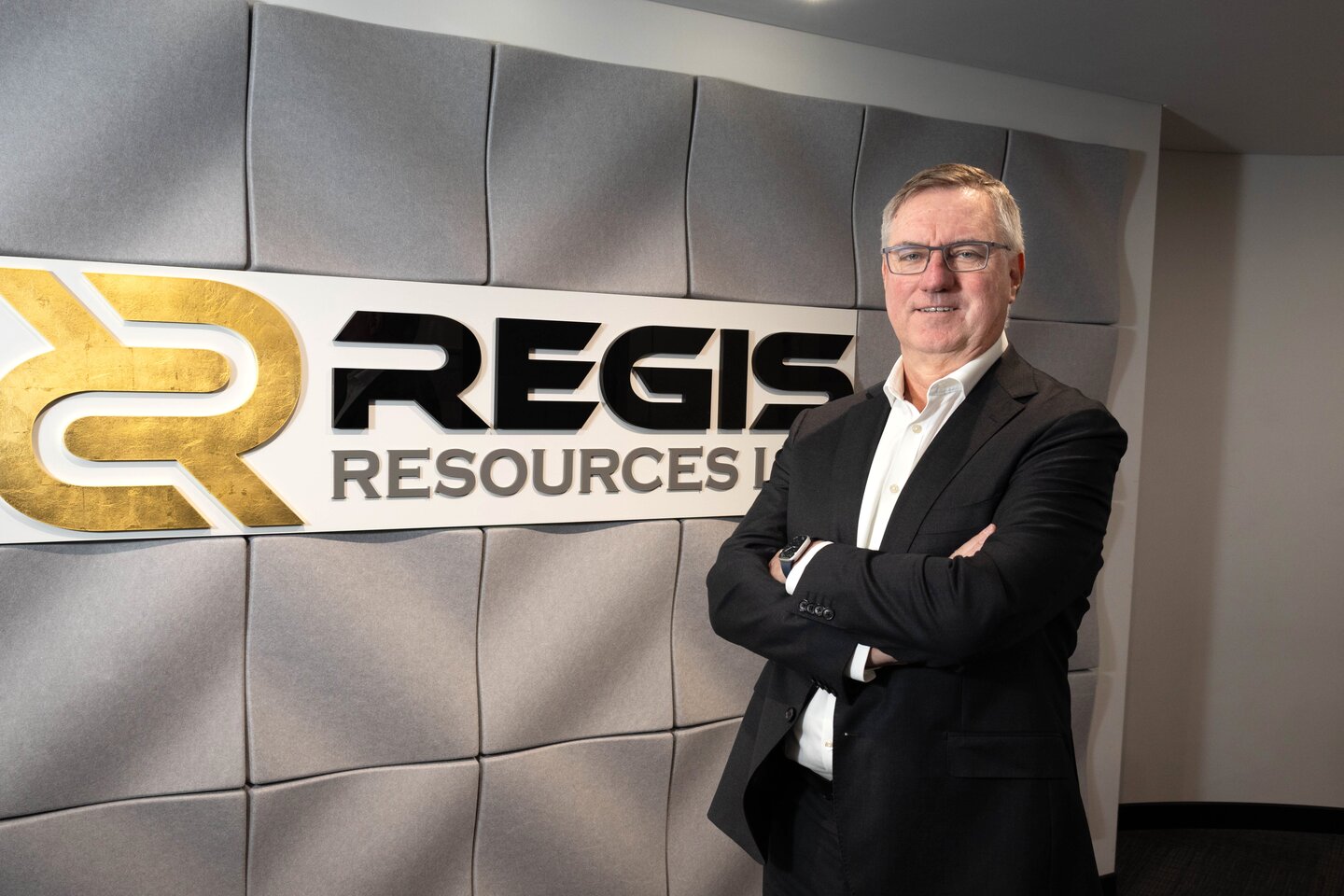
No egos as disciplined Regis targets value

Published

on

No egos as disciplined Regis targets value

Fresh off a thwarted merger with Vault Minerals, Regis Resources is planning for a future with almost $1.2 billion in the bank.

Continue Reading

Trending

Copyright © 2025