
Security teams log 54% of successful attacks and alert on just 14%. The rest move through your environment unseen.
The Picus whitepaper shows how breach and attack simulation tests your SIEM and EDR rules so threats stop slipping by detection.


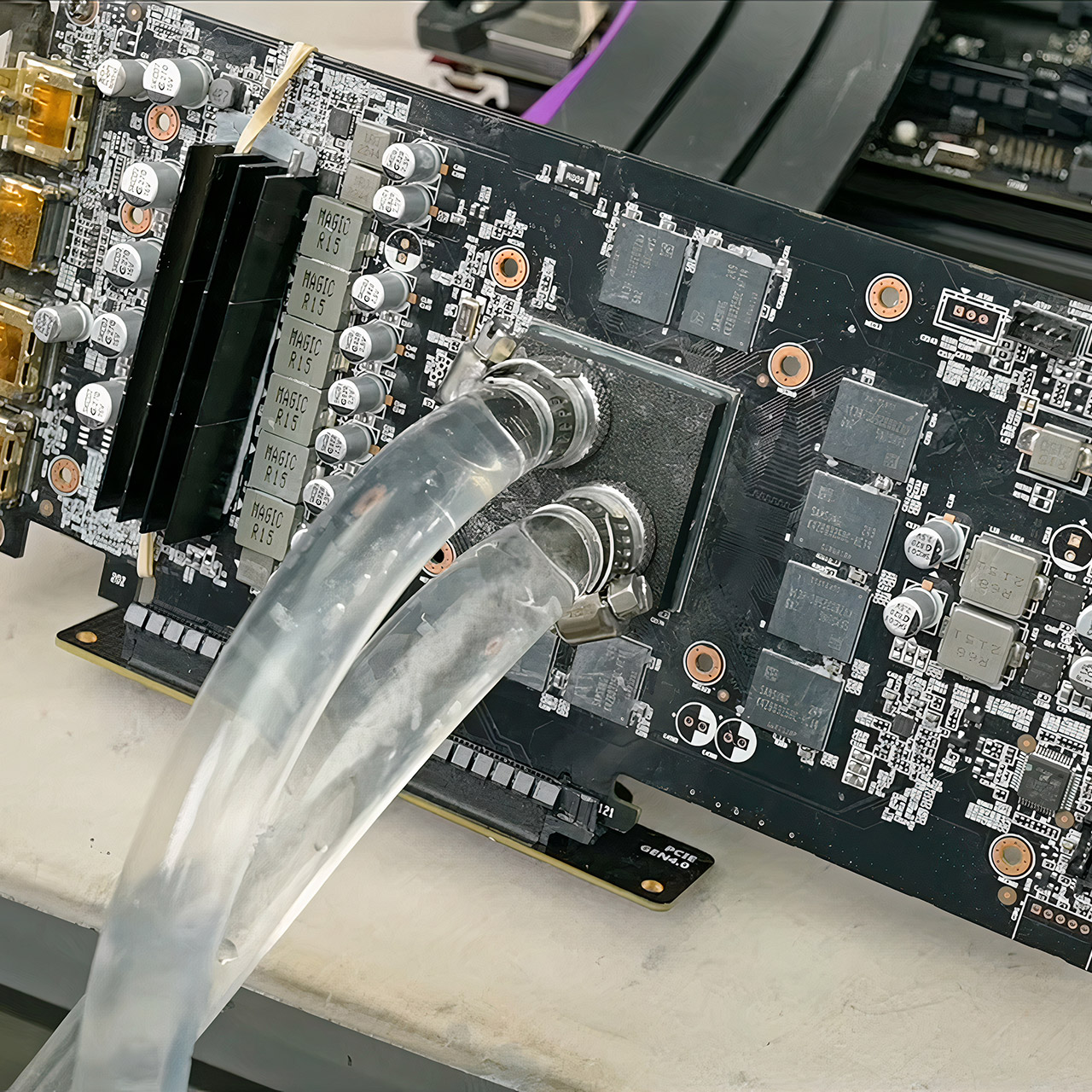
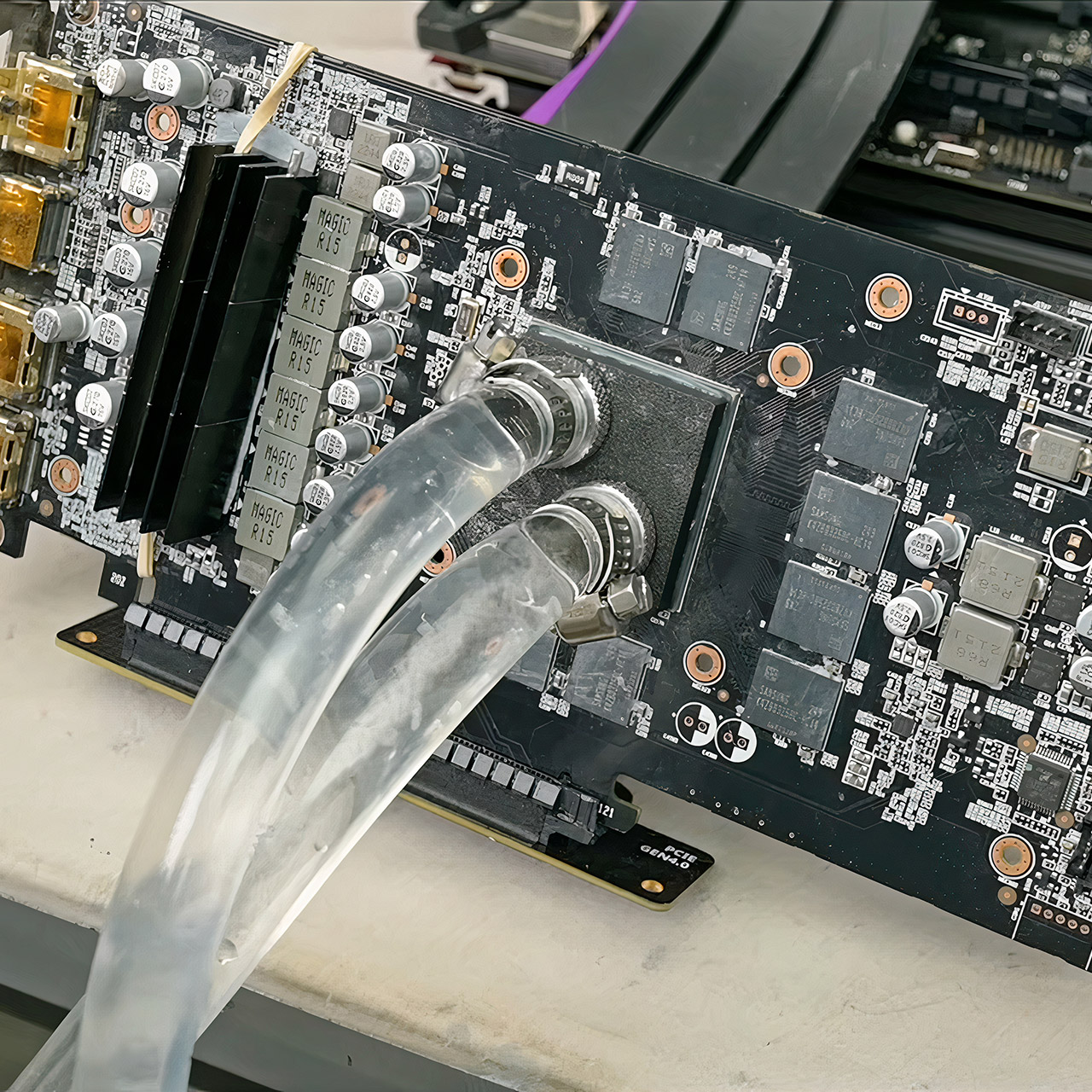
TrashBench decided ordinary water blocks were optional. In a recent experiment the channel stripped everything away and simply pumped water across the exposed dies of a graphics card and a processor. A 3D-printed plastic fitting, some epoxy, and a willingness to risk hardware produced results that surprised even the person running the tests.
Work began by attempting to seal the leaks on a dead RTX 3060 card. Early attempts to use translucent plastic prints proved ineffective, as water seeped straight thru the layers. Adding some nail polish and epoxy helped, but it wasn’t until he switched to black PETG as well as adjusted the print settings that he was able to get the part to maintain pressure. Once he had the chamber fixed and it wasn’t leaking everyplace, he moved on to a live GTX 980. Water flowed directly over the exposed silicon, but to his surprise, it did not destroy the card. It turned out that the chamber on that older GPU was much larger, which helped keep the temperatures lower than he’d expected for such a basic setup.
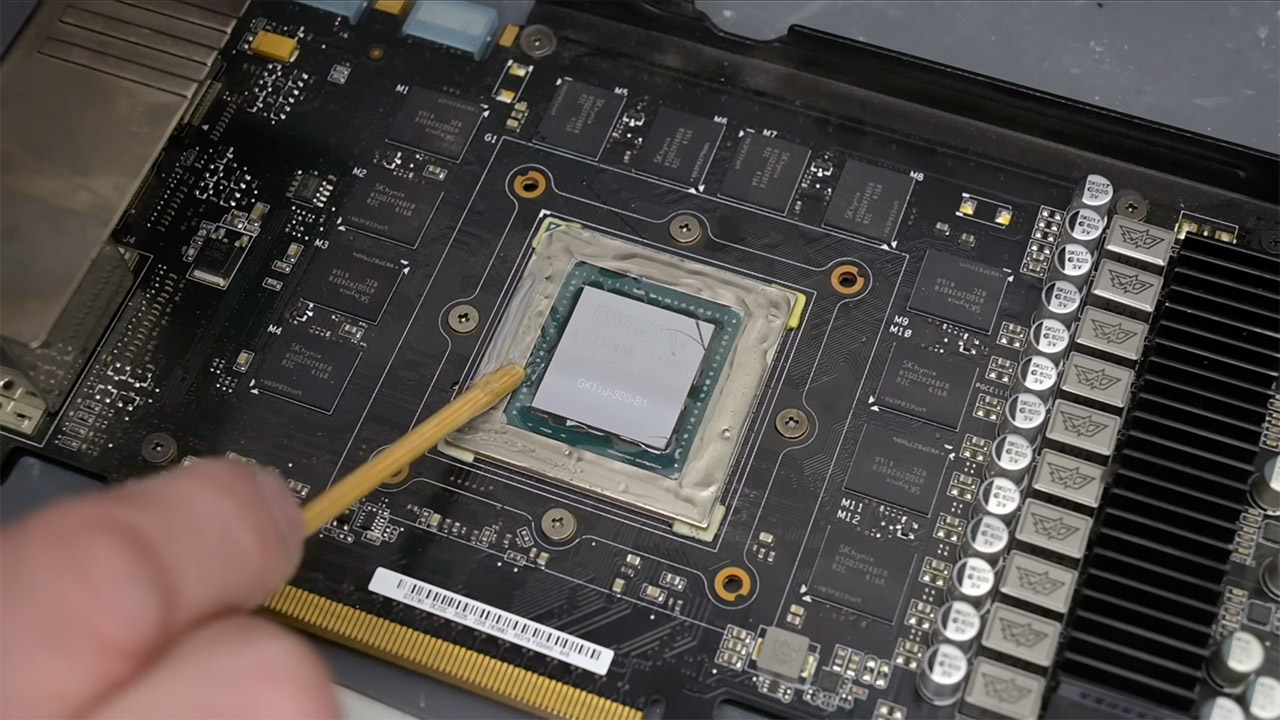
A fair comparison with an RTX 2060 SUPER was finally possible, and the results were rather interesting. The card operated at a high temperature of 70 °C under load with stock air cooling, but when we installed a standard AIO cooler, it decreased to around 36 °C. Then he installed the 3D printed direct water connection and, well, you could say it blew the competition away in both Unigine Heaven and Cyberpunk 2077, resulting in a decisive victory for the homemade block over the commercial one. Of course, there was no metal in the way, so the heat just passed into the water running past it. It’s worth noting that while the water warmed up over time, the CPU remained cooler than the polished copper block throughout testing.
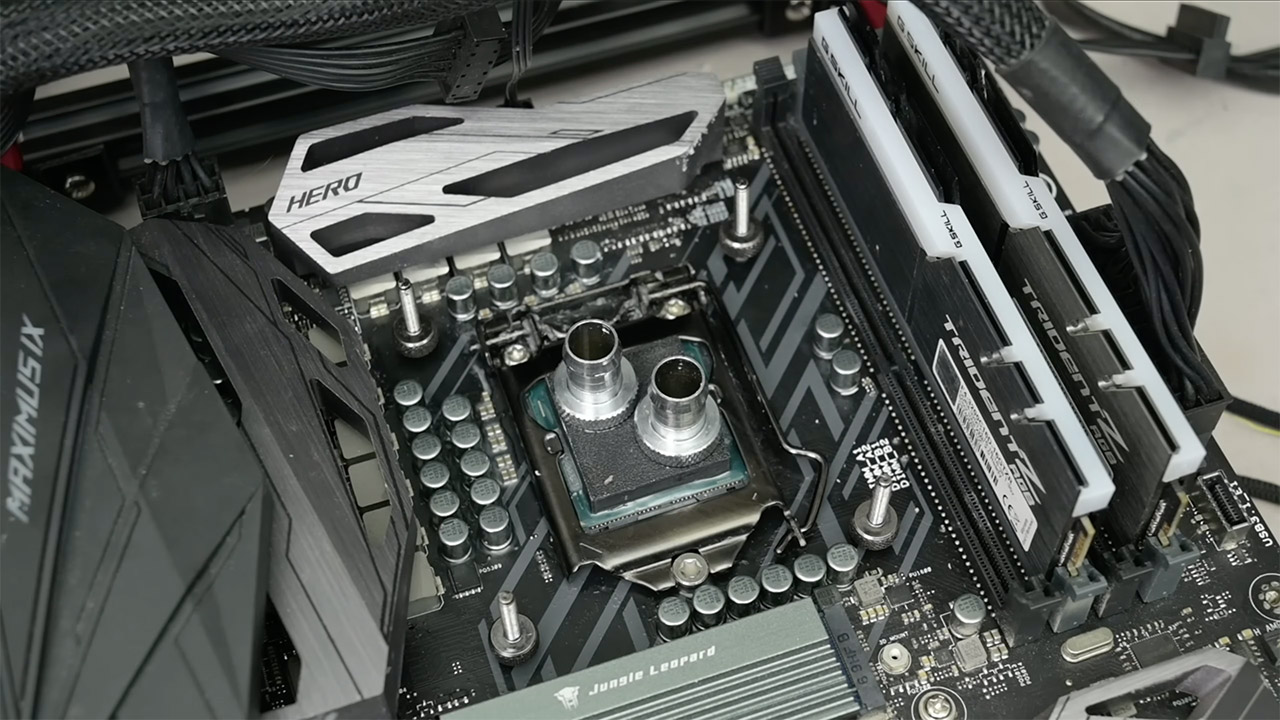
Next, he tried sub-zero coolant, and while temperatures did drop, the difference was not as dramatic as switching from air to room-temperature water. It seems that the size of the chamber and the contact area made a far bigger difference than how cold the liquid was. He was able to adapt the same concept to operate with a delidded Intel i5-7600K, but the small die and limited mounting space made it much more difficult to fit into a smaller chamber. Unfortunately, he realized that the majority of the heat was concentrated in a small area, and the water just couldn’t keep up. The GPU’s huge die was not an issue because the heat was uniformly distributed across it, but the CPU’s dense hotspot proved difficult to keep cool.
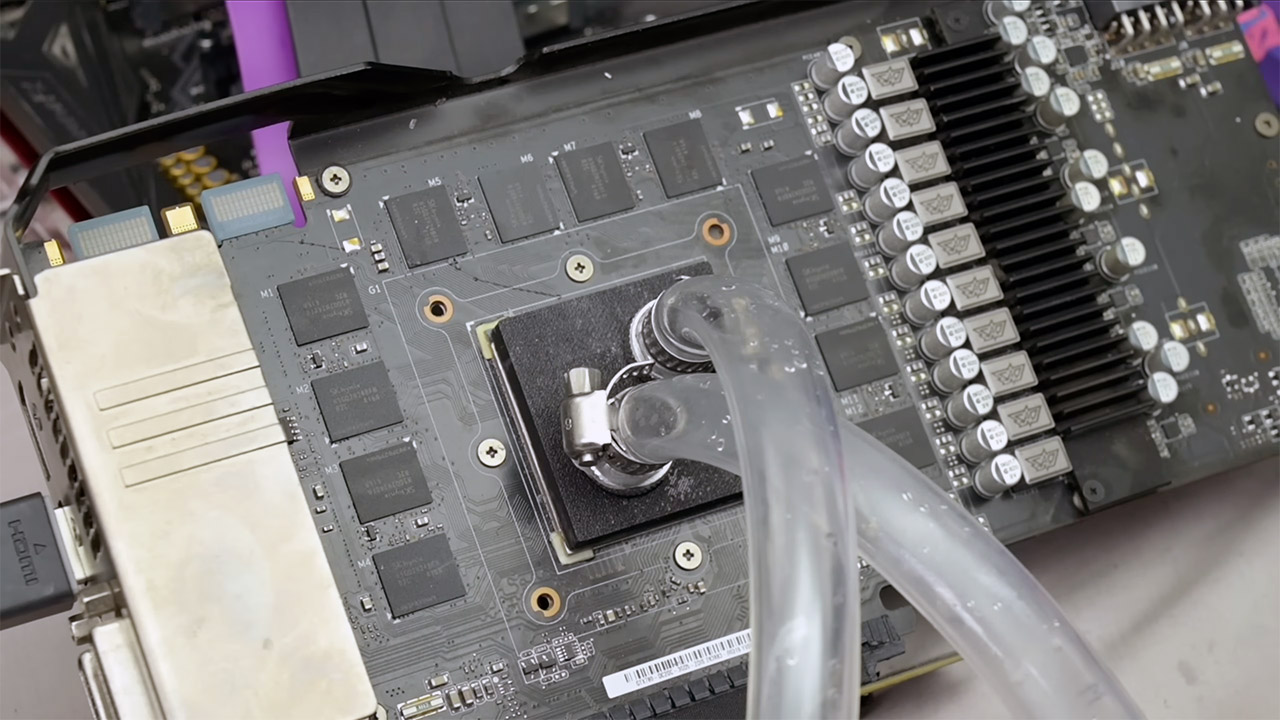
Leaks continued to appear as water escaped around the fittings, and he came close to losing the hardware several times. Putting extra epoxy on the broken parts helped to patch things up, but the risk was evident. It’s evident that direct liquid contact can work; immersion cooling has been available for years, but the large difference in outcomes between GPU and CPU was surprising. The GPU is a perfect choice for this type of cooling due to its larger surface area and lower heat density, but doing the same method on a compact processor die is difficult to keep cold.
[Source]


The Head Mare hacktivist group has been exploiting vulnerabilities in unpatched TrueConf video conferencing servers to replace client installers with malicious versions that deliver backdoors.
The exploited vulnerabilities allowed the attacker to execute arbitrary code with the highest level of privileges and deploy the PhantomCore and PhantomGraph backdoors.
TrueConf is a video conferencing tool widely used in Russia, especially in the enterprise and government sectors, as a secure, on-premise alternative to Western tools such as Zoom and Microsoft Teams.
Researchers at cybersecurity company Kaspersky discovered the attack in July. They found that Head Mare hackers used TCP port 4307, which is open by default, to connect to the target TrueConf server without authentication.
They leveraged a vulnerability internally tracked by Kaspersky as KLCERT-26-057 to execute a malicious script within TrueConf’s isolated environment, and KLCERT-26-058 to escape the sandbox and run commands on the underlying operating system.
The attacker then increased their privileges to NT AUTHORITY\SYSTEM, and replaced the ‘\public\js\locale.php’ file with a web shell that gave them persistent remote access to the compromised server.
Kaspersky reports that Head Mare uses a web shell to collect sensitive information from the victim’s environment, access the TrueConf database, and replace the legitimate TrueConf Client installer hosted on the server with a malicious version that contains the PhantomCore backdoor.
When members of the organization connect to the local TrueConf server, they receive a trojanized, non-digitally signed client installer as an update.
“Even if your organization does not use the TrueConf server, employees of the organization can connect to compromised counterparty TrueConf servers to participate in online meetings and download infected installation packages,” Kaspersky warns.
Additionally, Head Mare deploys PhantomGraph, a separate backdoor consisting of two DLL files (SysExcSvc.dll and SysReadSvc.dll) that accept commands via a Microsoft OneDrive account, execute them, and return the results.
Observed attacker activity through PhantomGraph included dumping the memory of the Local Security Authority Subsystem Service (LSASS) process to exfiltrate credentials.
The malware also runs commands for reconnaissance activity, such as hostname and whoami, and starts a reverse SSH tunnel.
Kaspersky says it is currently observing multiple active Head Mare campaigns targeting Russian organizations in various sectors: instrumentation, electronics, transportation, energy, IT, and software development.
According to the researchers, the threat actor is using several initial access methods that include phishing, exploiting public-facing web servers, and access via contractors.
The two flaws Kaspersky saw leveraged in attacks affect TrueConf Server 5.3.x before 5.3.9, 5.4.x before 5.4.9, 5.5.x before 5.5.5, and older versions.
The vendor fixed them in versions 5.3.9, 5.4.9, and 5.5.5, released on June 18.
In April 2026, CheckPoint Research reported that hackers were targeting a zero-day arbitrary file execution flaw in TrueConf, tracked as CVE-2026-3502, compromising users via trojanized client updates.
CheckPoint named the campaign ‘Operation True Chaos,’ and tentatively attributed it to Chinese threat actors behind the Havoc implant, which was used in these attacks.

Security teams log 54% of successful attacks and alert on just 14%. The rest move through your environment unseen.
The Picus whitepaper shows how breach and attack simulation tests your SIEM and EDR rules so threats stop slipping by detection.

It can be hard to find TVs this big for less than $600, something that makes this deal even better.
The Hisense 65-inch U6 Pro Mini-LED 4K TV has crashed to just $598.99 from a $1,099.99 list price, slicing more than $500 off and handing you a barely believable 45% saving on a set this good.
Save 45% on the Hisense 65-inch Mini-LED 4K TV, now at a low price
A 65-inch Mini-LED TV for under $600 is rare, but the Hisense U6 Pro has just crashed to $598.99 at Amazon, over $500 off its list price.

Half a grand is real money, and here it’s the gap between a decent mid-range set and a genuine home-cinema centrepiece, which is precisely what makes this one worth clearing the wall for.
The picture is where it earns every glance. Hi-QLED Mini-LED backlighting drives hundreds of precise dimming zones for inky blacks and highlights that genuinely leap off the screen, while Quantum Dot colour, Pantone-validated and up to 30% richer than an ordinary LED, makes every scene look lit from within.
Feed it a blockbuster or a games console and the native 144Hz panel keeps the fastest motion razor-sharp, with AMD FreeSync Premium Pro locking out the tearing and stutter that pull you out of a firefight. Where cheaper sets smear, this one stays crisp.
Every HDR format that matters is on board, from Dolby Vision IQ to HDR10+ Adaptive, so films land exactly as their makers graded them, and IMAX Enhanced certification pipes that big-screen scale and DTS-powered audio straight into your living room.

Sound punches well above a chassis this slim thanks to a built-in subwoofer and Dolby Atmos that let explosions rumble and dialogue stay clear without a soundbar in sight, while the Hi-View AI Engine quietly tunes picture and audio to whatever’s on and Fire TV with Alexa means less scrolling and more watching.
If you’ve been holding out for the right moment to turn any room into the one everyone wants to watch in, the Hisense U6 Pro at $598.99 with more than $500 off is about as clear a green light as a deal ever gives you.
SQUIRREL_PLAYLIST_10148964

The Washington Post shared surprising news this week about five top AI companies.
Microsoft, Google, Amazon, Meta and Oracle “are spending so much on developing AI and delivering it to customers that they’re expected to bleed cash in the coming year, according to a Washington Post analysis of data compiled by S&P Global Market Intelligence.”
Free cash flow, which measures the cash left over after paying expenses and AI infrastructure costs, is now expected to shrink to almost nothing for the five companies combined in 2026, and decline again to negative $125 billion the following year… AI spending by Amazon and Google pushed the companies to an ignominious milestone: They lost more cash in the past three months than any other large U.S. companies, according to S&P Global data. Investment analysts expect Elon Musk’s SpaceX to show even worse cash bleeding this week.


Read more of this story at Slashdot.

It seems as if streaming platforms are constantly changing their prices and plan types, and Disney Plus is no exception.
Not only does Disney Plus offer three different tiers to choose from, but the service also allows US customers to select different bundles to save money.
To help the Disney Plus price structure make a bit more sense, we explain the different plans available, the subscription costs and advise on how you can nab the popular service completely for free too.
We’ve also dissected Netflix’s price tiers too, to help you decide which plan is best suited for you and your budget.
| Standard with Ads | Standard | Premium | |
| US monthly | $11.99 | N/A | $18.99 |
| US annual | N/A | N/A | $189.99 |
| UK monthly | £5.99 | £9.99 | £14.99 |
| UK annual | N/A | £99.90 | £149.90 |
Standard with Ads is Disney Plus’ entry-level and most affordable plan which, as its name gives away, includes advert breaks. You can expect ad breaks before and during a stream. Otherwise, Standard with Ads offers up to 1080p resolution, supports 5.1 audio (both on compatible devices) and allows users to stream on two devices at once.
Only available in the UK, Standard offers almost the same features as the Standard with Ads plan, but without those pesky advert breaks. In addition to 1080p resolution, 5.1 audio support and the ability to stream on two devices at once, Standard allows you to download content on up to 10 supported devices too.
Premium is the most expensive Disney Plus plan, and naturally offers the most features. Like Standard, you can expect ad-free streaming and content downloads on up to 10 devices, however Premium allows four devices to stream at once, supports Dolby Atmos audio and 4K UHD and HDR video too. Just remember, you’ll need to make sure your devices are compatible.
Choosing between the three plans (or two in the US) depends mainly on your budget and your viewing preference. If you want the cheapest option, and don’t mind sitting through adverts, then the Standard with Ads plan is the easiest recommendation. On the other hand, if you want a more immersive viewing experience, have the kit to support it and don’t mind forking out, then Premium is a worthwhile investment.

If you’re based in the US, then you can choose to bundle Disney Plus with other streaming platforms, including Hulu, ESPN Plus, NFL Plus and HBO Max. The price will naturally vary depending on the bundle type:
Bundle
Monthly price
Disney Plus and Hulu (with ads)
$12.99
Disney Plus and Hulu Bundle Premium (ad-free)
$19.99
Disney Plus, Hulu and ESPN Select (all with ads)
$19.99
Disney Plus, Hulu and ESPN Select (only ESPN Select with ads)
$29.99
Disney Plus, Hulu and ESPN Unlimited Bundle (all with ads)
$35.99
Disney Plus, Hulu and ESPN Unlimited Bundle Premium (only ESPN Unlimited with ads)
$44.99
Disney Plus, Hulu and HBO Max Bundle (with ads)
$19.99
Disney+, Hulu and HBO Max Bundle (no ads)
$32.99
Disney Plus (with ads), Hulu (with ads), ESPN Unlimited (with ads) and NFL Plus Premium
$45.99
Disney Plus (no ads), Hulu (no ads), ESPN Unlimited (with ads) and NFL Plus Premium
$54.99
You have the option to add an extra member to your subscription plan, which allows a user access to Disney Plus – even if they aren’t in the same household.
In the UK, adding an extra member to a Disney Plus Standard with Ads plan will add an extra £4.99 a month to your subscription. For both the Standard and Premium plans, then you’ll need to pay an additional £5.99 a month.
Things get a bit confusing with the US, as there’s so many bundles to choose from. At the time of writing, those signed up to the following bundles are not able to add an extra member to their plan:
Otherwise, see the table below to see the bundles that can add an extra member to their plan, and how much that’ll cost:
Bundle type
Extra member monthly price
Disney Plus with Ads
$6.99
Disney Plus Premium
$9.99
Disney Plus and Hulu Bundle
$7.99
Disney Plus and Hulu Premium Bundle
$10.99
Disney Plus, Hulu and ESPN Select Bundle
$11.99
Disney Plus, Hulu and ESPN Premium Bundle
$14.99
Remember, these prices are on top of the subscription plan.
Disney Plus, Netflix and HBO Max all come with various subscription plans to choose from, so the monthly price will vary.
Of the three, HBO Max boasts the cheapest option available with its Basic with Ads plan that costs just £4.99 a month, while its Standard and Premium plans cost the same as Disney Plus’ own.
HBO also benefits from more plan options which gives households a bit more flexibility. Alongside Basic with Ads there’s:
Netflix, therefore, is the most expensive of the three. Its cheapest Standard with Ads is £5.99 a month, while Standard climbs to £12.99. This is rounded off by the Premium subscription, which will set you back a whopping £18.99 a month.


Keeping your outdoor equipment in good condition can involve all sorts of tasks, one of which might be replacing the head on a Stihl weed eater. Thankfully, it’s a fairly straightforward process. First, turn the weed eater off and cut the power by disconnecting the spark plug, removing the battery, or unplugging the unit, depending on the model. Then, put on some work gloves for safety before you begin.
Of course, you should first have the correct replacement head approved for your specific Stihl weed eater, as not every replacement head is compatible with every model. Using a head that doesn’t fit can affect safe operation and performance. Also, if you’re using the AutoCut C 25-2 or PolyCut C 20-3, you’ll need to lock the drive shaft with a stop pin before removing the old head and installing the new one.
From there, the process depends on the replacement head you’re using. The AutoCut C 25-2 and PolyCut C 20-3 heads thread onto the shaft before you tighten them. The AutoCut C 5-2 uses a different mounting design that requires installing and securing the tap head. Once the new head is attached, check that it’s on tightly before using the trimmer. If you have any questions or run into any issues while replacing the head, consult your owner’s manual.
Knowing when to replace the head on your Stihl weed eater depends on a few different factors. First, you should consider how often you actually use the tool. Homeowners who do yard work once a week may not need to replace the head as soon as a full-time landscaper would. The conditions you’re working in matter as well: thick grass, weeds, and other demanding jobs can cause the head to wear faster. A worn-out head may also lead to a common problem with Stihl weed eaters, where bumping the head doesn’t pull out fresh string.
If you don’t replace a worn or damaged head and continue to use it, whether it’s a Stihl or any other highly-rated weed eater, you could be creating a dangerous situation. A damaged cutting attachment could break apart as the weed eater is running, potentially causing serious injury. At the very least, your weed eater may not perform properly, causing you double the work later on. This is why Stihl recommends regularly inspecting the head before use and replacing any parts that are cracked, damaged, or worn out.
Even a new weed eater head requires a visual inspection before each use to catch any issues before they become too serious. You should perform regular maintenance as well, including keeping the head clean and monitoring for signs of damage during use. Your owner’s manual should provide cleaning and maintenance tips for your specific Stihl weed eater model.


Cloudflare launched Kitesurf, an agent-first browser on Workers. Uses 3-7x less CPU/memory than Chromium. Passes 215K+ WPT tests. Built in Rust/Wasm in 12 weeks. Free in beta via Browser Run. Will be open sourced.
Cloudflare built a browser from scratch for AI agents and launched it today as a free beta inside its Browser Run product. Kitesurf runs entirely on Cloudflare Workers, uses Rust compiled to WebAssembly, and strips out everything a human browser needs but an agent does not: tabs, extensions, themes, pixel-perfect rendering, and 60-fps scrolling. What remains is a lightweight engine optimised for the things agents actually care about, structured content extraction, screenshots, and isolation between sessions.
The performance numbers are the headline. On a 14-URL test corpus, Kitesurf used 3.1x less CPU for screenshots and 3.8x less for HTML extraction compared to Chromium. Memory consumption was 4.7x lower for screenshots and 7x lower for HTML extraction. Chromium is still faster on wall-clock time by about 1.7x because its JIT compiler outpaces a cold software renderer, but CPU and memory are what drive infrastructure bills. Lower resource usage means more concurrent agent sessions at lower cost.
The project went from first commit to public beta in 12 weeks. It passes more than 215,000 Web Platform Tests and adds hundreds more each week. Bots now generate most web traffic, with AI agent activity growing nearly 8,000% in the past year. That surge is exactly why Cloudflare decided a Chromium-based headless browser, built for humans and repurposed for machines, was no longer the right tool. Kitesurf treats every page load as untrusted input, every session as stateless, and every component as isolated, a security model that matches how agents actually operate.
The browser works with Puppeteer, Playwright, and any MCP client that speaks CDP. Cloudflare is simultaneously blocking AI crawlers that harvest content without paying, while building the infrastructure for agents that do pay. That is the dual bet: charge the bots that take, and give the bots that work a cheaper, purpose-built tool to work with. Cloudflare plans to open source Kitesurf once it is ready, and eventually let customers deploy their own instances on their own accounts.

Apple may raise the prices of the iPhone 17 roster on August 10, bringing the smartphones in line with other products affected by the memory pricing crisis.
After months of being insulated from the rapidly rising cost of memory plaguing the tech industry, Apple increased the prices of most products in late June. A month and a half later, the iPhone could do the same.
According to a Friday post to Weibo, leaker Fixed Focus Digital says there are rumors of price rises for the iPhone 17. The change is also apparently happening very soon, with it potentially taking place on Monday.
The leaker openly admits that there’s some doubt about the rumor, so it may not happen, but there’s still a chance.
In the same post, they also mention that Apple has decided against an apparent increase in production capacity for the current supply chain. Some lines for unnamed products are at 15% and would’ve risen to 30%, but that’s seemingly cancelled now.
Weibo leakers don’t tend to have the best track record when it comes to accuracy, generally due to a need to churn out posts on the social media site with little in the way of checks. That said, Fixed Focus Digital has been correct in the past, such as with the name of the iPhone 16e.
That said, there is certainly a case for a raising of prices here, even with an iPhone update just a month away.
Apple’s typical way of changing its iPhone product catalog over the last few years involves introducing all of the new models at once. At the same time, it culls most of the previous generation.
In practice, the 2025 update brought in the iPhone 17 Pro, iPhone 17, and iPhone Air as the new models. The incumbent iPhone 17 Pro were cut, but Apple retained the iPhone 16 at a modest discount.
However, fall 2026 won’t be following the same pattern at all due to splitting the launches. Since Apple sells more of the premium models at first and then more of the standard edition later, it can help both its marketing teams and supply chain by staggering the releases.
The iPhone 18 Pro and Pro Max are certainly anticipated to launch in September as usual, as well as the iPhone Fold, but the lower-spec iPhone 18 won’t until spring 2027.
Rather than leave a gap in the mid-section of its catalog, Apple should keep the iPhone 17 in that slot.
In that scenario, Apple has an incentive to raise the price of the iPhone 17, on the basis of it being an actively sold device for another six months. All during the memory crisis.
It is unclear if the leaker intends the iPhone 17 Pro line to go up in price, too. However, as the iPhone 18 Pro will replace them in a month’s time, complete with a $300 price increase, it may not be a good move for Apple to make.
Either way, it’s not going to be long until we know if the leaker is correct this time.

X, the social media platform now owned by Elon Musk’s SpaceX, is shaking up how it pays influencers and creators.
In announcing the change, the company said it will be winding down its existing Revenue Sharing program and replacing it with something called Original Content Rewards. X will stop accepting new Revenue Sharing participants, while existing participants will continue earning money through September 7.
Then, starting on September 8, they’ll be able to apply for the new program. Participants will still need to subscribe to one of X’s Premium tiers, and there will be qualifying thresholds for follower count (500 verified followers) and impressions (500,000 Home Timeline impressions from verified users in 90 days), but it sounds like the big change is the emphasis on originality.
What counts as original content? X said it can include original reporting and analysis, photos and videos created by the poster, or memes and graphics they’ve designed themselves. Commentary also counts, but “if your content regularly incorporates material created by others, you’ll need to contribute meaningful original value for it to qualify under our original content guidelines.”
The company also included examples of posts that won’t count as original, such as those just copied over from another account, downloaded from one account and re-uploaded to your own, or reposting content “without meaningful transformation.”
This announcement follows repeated attempts by X to reform the Revenue Sharing program, for example reducing payments to aggregators and “clickbait” accounts in April. But these efforts have also prompted complaints from popular accounts profiting from the current system; Musk even reversed some of those changes (giving a creator’s local audience more weight when calculating payouts) after a backlash.
In a post about the new changes, X’s Allegra Jacchia wrote that the existing program “had reached a point where its incentives were misaligned.”
“Creators should be focused on bringing net new content to the platform instead of maximizing payouts,” she said. “We could have kept adding more rules and exceptions, but ultimately the better decision was to start fresh and build a program designed from day one to reward originality.”
Jacchia added that X be “continue refining the program, improving our models, and raising the bar over time.”
When you purchase through links in our articles, we may earn a small commission. This doesn’t affect our editorial independence.


Photo credit: Khyzyl Saleem
Digital artist Khyzyl Saleem, better known as The Kyza, took Ferrari’s brand-new 849 Testarossa and gave it the 1980s face so many people felt was missing. Ferrari revived the name for the SF90’s replacement, yet the production car’s sharp modern lines left fans wanting stronger ties to the wide, straked icon that defined the decade. Saleem answered that quiet frustration by reskinning nearly every panel while keeping the greenhouse and the rear window that doubles as an engine cover.
Pop-up headlights return up front, a feature that Ferrari’s own designers were infatuated with before homologation laws put an end to the idea. Clean strips carved from the fenders sit on either side of a flat hood with a clean vented mesh. Slim inlets cut across the bumper just above a carbon fiber splitter that’s as prominent as it is aggressive, and the wide, pointed front end settles into a period-appropriate stance.


The flanks of the concept reveal the trademark side strakes pushed in deeper and more aggressively than the factory version. They stretch the body out in a clear reference to the original, while a single driver’s side mirror, another chosen historical element that Saleem did not bother to disguise, maintains the overall look authentic. Vintage HRE 505 alloys with a distinctive star-spoke pattern complete the look, sitting perfectly beneath the modified fenders.

The vehicle’s strongest point is most likely its rear end. Tiny LED taillights sit inside full-width black slats, only framed by those ultra-wide shoulders. A large but elegant carbon fiber diffuser wraps around a couple of round exhaust outlets, combining modern hybrid hardware with the historic Testarossa design without feeling forced or manufactured.

Under the hood, the concept car has the same configuration as the road car: a twin-turbo 4.0 liter V8 connected to three electric motors for a total of 1,035 horsepower transmitted to all four wheels. With 849 horsepower, the production car ranks among Ferrari’s most powerful series cars. Saleem concluded that the packaging simply need a body that felt more related to the name it conveys.

He has previously stated that he admires the factory car’s aggressive attitude, but he couldn’t resist bringing the design closer to the car’s own history to see what would happen. The tragic death of electronic music producer Kavinsky served as an emotional catalyst for Saleem to launch his endeavor. The images soon spread on Facebook and Instagram, earning high praise from many who had hoped for this type of reinterpretation – and Saleem’s design delivered in spades.
[Source]


science
Before and after shots of Elon’s ejecta snapped by Danuri
The race for the first before-and-after images of the spent SpaceX rocket on the Moon has been won by the South Korean space agency.
The Korean Aerospace Administration (KASA) posted imagery from its Danuri lunar orbiter showing the impact site on the Moon on August 6.
The impact was predicted to occur on August 5, and marked a landing on the Moon for SpaceX several years ahead of schedule, just without humans onboard and traveling a good deal faster than planned.
The words “crater” and “SpaceX” are not something investors nervously tracking the company’s stock price following the weeks since its IPO will want to think about.
The impact came on the fourth anniversary of Danuri’s launch, on a SpaceX Falcon 9 rocket. It took a few months for the probe to reach the Moon, and its initial one-year mission has since been extended twice – most recently through 2027. The plan is currently for Danuri to intentionally make its own impact crater in March 2028.
The upper stage of the Falcon 9 is expendable, and this one was used to send Firefly Aerospace’s Blue Ghost Mission 1 and ispace’s RESILIENCE to the Moon in 2025. On most Falcon 9 missions, the upper stage burns up in Earth’s atmosphere, but a lunar transfer orbit like this one made that impossible. In a post, SpaceX stated, “Impacts like this are rare, but they can happen with objects in these types of orbits, and we worked with NASA on the optimal disposal solution,” and wrote, “a controlled disposal maneuver is not always possible.”
NASA boss, Jared Isaacman, noted that NASA intentionally crashed spent stages into the Moon in the name of seismic research, and commented, “The reality is that meteoroids strike the lunar surface hourly, with impacts comparable to this upper stage occurring roughly every six days.”
Humanity has not done a great job of managing space junk around the Earth. While the SpaceX Falcon 9 upper stage did not pose any risk to humans, it highlights the need to devise rules for the use of lunar space rather than risk an uncontrolled buildup of debris.
In June, The Register spoke to Neuraspace boss Chiara Manfletti about how things might be done differently as lunar traffic increases. Neuraspace is all about satellite collision avoidance, and Manfletti’s ideas included requirements from stakeholders to designating dumping grounds on the Moon.
NASA’s veteran Lunar Reconnaissance Orbiter was also attempting to capture the impact, and more images are likely to be released over the coming week.
Now to name the impact site. Elon Crater, anyone? ®





Zack Polanski: an incitement to murder Nigel Farage?


Frugal Friday’s Workwear Report: Cap-Sleeve Pointelle Crewneck Sweater


Crypto PAC spending tops $2M in Michigan House race


DTCR: Deleveraging And A Hedge Fund Collapse Point To A Possible AI Bottom


ESET tracks rise in malicious AI skills and adaptable malware


Weekend Open Thread: Mattifying Sunscreen


XRP Ledger urges node upgrade after manifest flood


Jordan Coyle & Cordiamo take Laya Arena Stakes at RDS


Financial Crash Expert: The 90-Day Collapse Timeline They Are Desperately Hiding.


US Tech Stocks See Largest 5-Week Inflow in History: Can Nasdaq Break Its Downtrend?

US stocks: Dow closes at record on Mideast optimism; SpaceX, AMD drag Nasdaq

Tourist plane on sightseeing flight in Peru crashes into a field, killing all 13 people on board


Page Not Found | WIRED


Reform UK And Greens Sink To Lowest Favourability Ratings To Date

Bikini-clad Jennifer Aniston, 57, kisses hypnotist boyfriend Jim Curtis as they enjoy a romantic getaway aboard a luxury yacht in Spain


Nvidia Stock Climbs 2.5% as Chip Sector Rally Builds Ahead of AMD Earnings, Nvidia’s Own Report Looms


Trump says he is cancelling strikes on Iran subject to ‘rapidly’ making deal


Polymarket targets $20 billion valuation as competition heats up in prediction market sector


OpenAI, Anthropic AI agents targeted real people and systems in cyber tests

7 Best Sci-Fi Series of 2026 (So Far), Ranked


You must be logged in to post a comment Login