Connect with us

Tech

I test 4K Blu-ray for a living, and these are the 4 new discs from August 2026 I’m most looking forward to trying out

Published

on

Another month, another stacked list of 4K Blu-rays. August 2026 looks to have some big releases coming, but I’ve decided to narrow it down to my top four picks, all of which I’ll be hoping to get in to test as part of our monthly Blu-ray Bounty feature. This is where we test the best 4K releases from each month, looking at each disc’s picture and audio quality to see how it can give your home theater a chance to flex its muscles.

4K Blu-ray is my most used source for testing the best TVs and best soundbars. It offers uncompressed audio and a higher bitrate over 4K streaming, resulting in better picture quality. Not only that, but I’m a collector myself and I’m always adding new discs to my personal collection.

Source link

Advertisement
Continue Reading
Click to comment

You must be logged in to post a comment Login

Leave a Reply

Tech

Ask Slashdot: What are the Costs of Switching Between Windows, MacOS, and Chrome?

Published

on

UI changes, lost productivity, untransferrable knowledge… Long-time Slashdot reader theodp notes the folly of switching to an unfamiliar new environment to be “more productive”…

Champions of the switch often insist workers will be able to hit the ground running and get the same or even more work done from the get-go in the new unfamiliar environment because it’s ‘more productive’, a conclusion often shaped by conventional wisdom or their ‘gut’ feeling. Decision makers may also mistake their own ‘light-user experience’ for universal experience and believe all platforms are fungible.

And while it’s one thing for a business to delay their delivery dates and increase costs of by introducing a switch in computing environments that’s of unquantified and possibly dubious value, how about when a switch in computing environments is made that affects schoolchildren’s ability to learn for a period of time?

While a MacBook Neo is indeed cute, what might be the possible consequences of a decision to move 25,000 students off Windows and onto MacBook Neos…? Or even the impact on a single kid who moves from a MacBook school to a Windows or Chrome school (or whose home computing environment isn’t aligned with their school). Or students whose teachers decide learning in their classrooms should now additionally require an understanding of the Minecraft computing platform/UI (used in over 40,000 school systems.). Learning Management Systems and now various AI Edtech tools used by schoolkids are also subject to change.

Advertisement

“Even if students and schools eventually benefit from a new platform, one wonders how much learning is lost during the switch,” theodp asks, “and what the financial and educational ROI and payback period look like.” Are there bigger problems than we realize? Share your own thoughts and experiences in the comments.

What are the costs of switching between Windows, MacOS, and Chrome?

Read more of this story at Slashdot.

Advertisement

Source link

Continue Reading

Tech

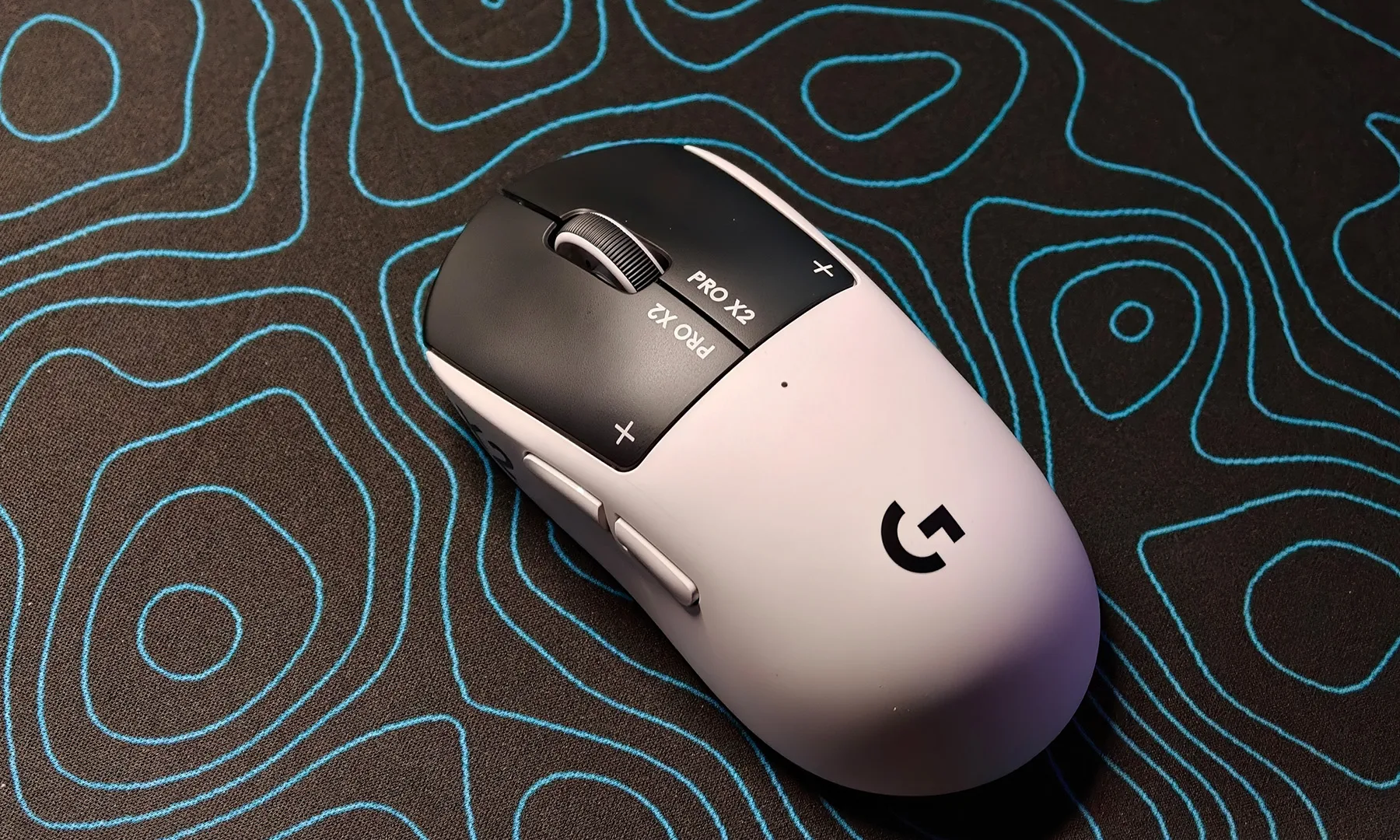
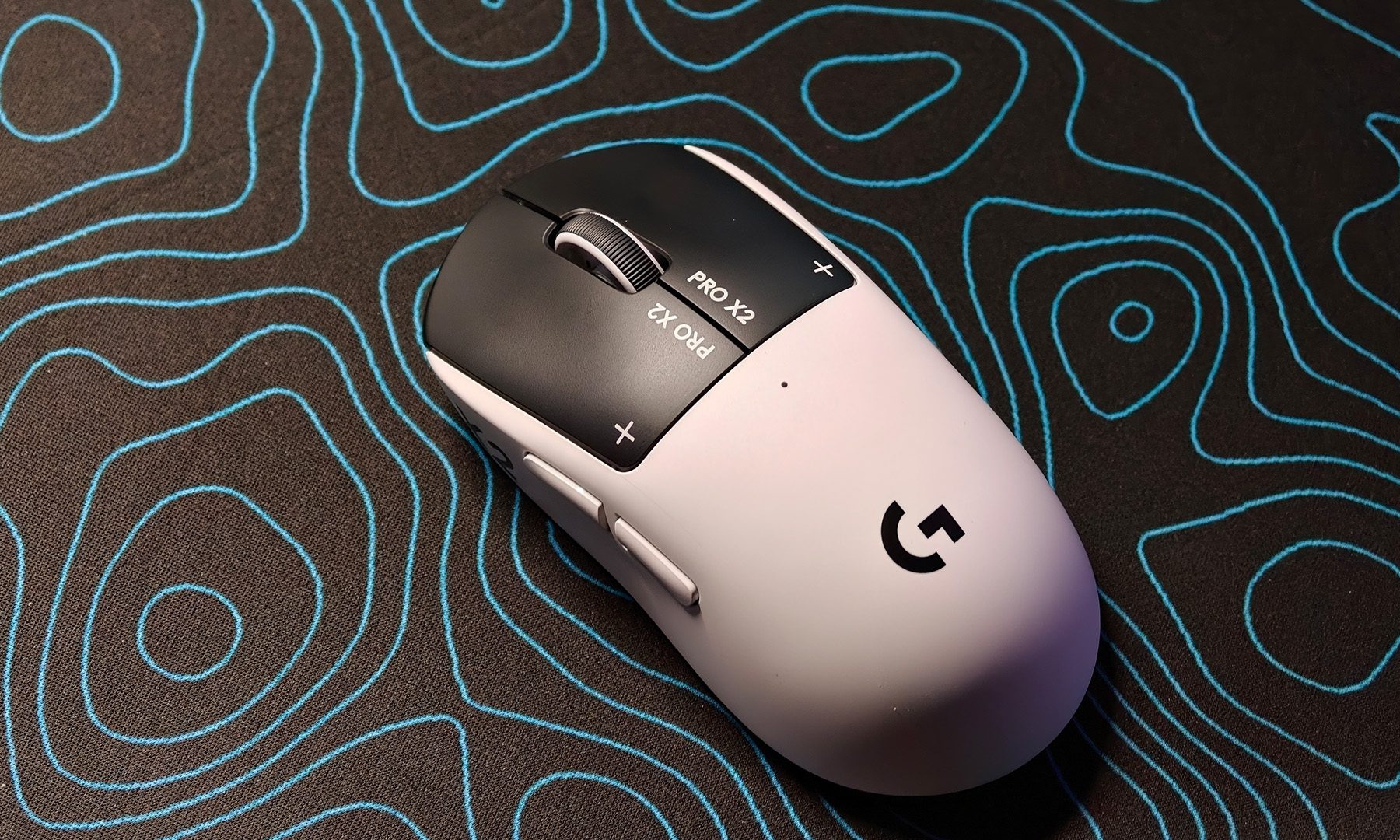
Logitech’s PRO X2 SUPERSTRIKE HITS differently – and it made me rethink clicking

Published

on

Between reviewing tech for a living and spending most of my day in front of a screen, free time is a luxury. Yet almost every evening, I somehow find myself queueing up for two or three ranked Valorant games. My peak rank is Ascendant 1, and while I’m far from going pro, competitive FPS titles are where I put hundreds of hours every year.

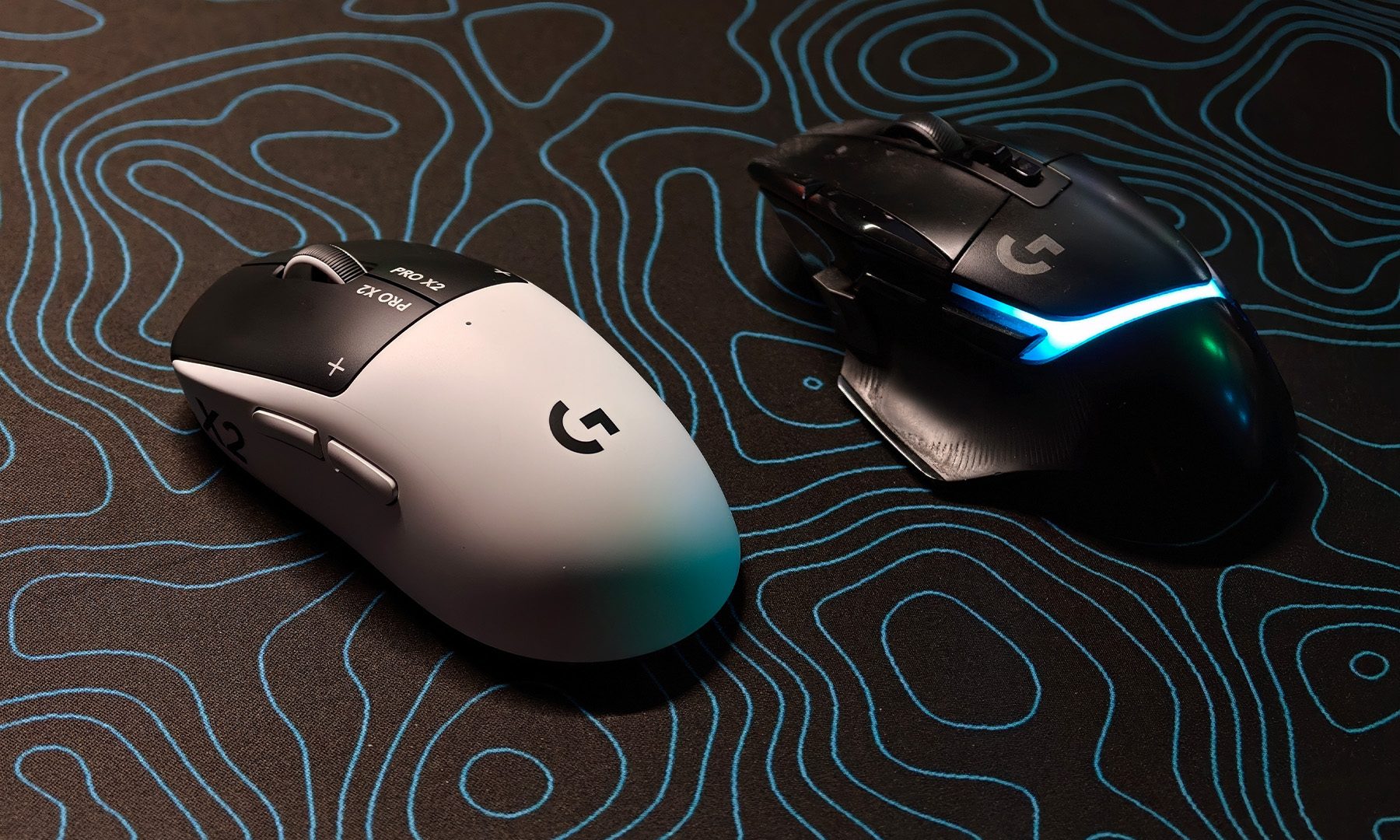
For the longest time, my trusty Logitech G502 X Plus LIGHTSPEED was always waiting on my desk. It wasn’t the lightest mouse around, but it felt dependable. I’d flirt with lightweight esports mice now and then, only to come crawling back a few days later. Most of them either felt too hollow, too small, or simply lacked the reassuring heft I had grown accustomed to. Then the Logitech PRO X2 SUPERSTRIKE showed up, and for the first time, my G502 has been gathering dust.

Lightweight doesn’t have to feel… light

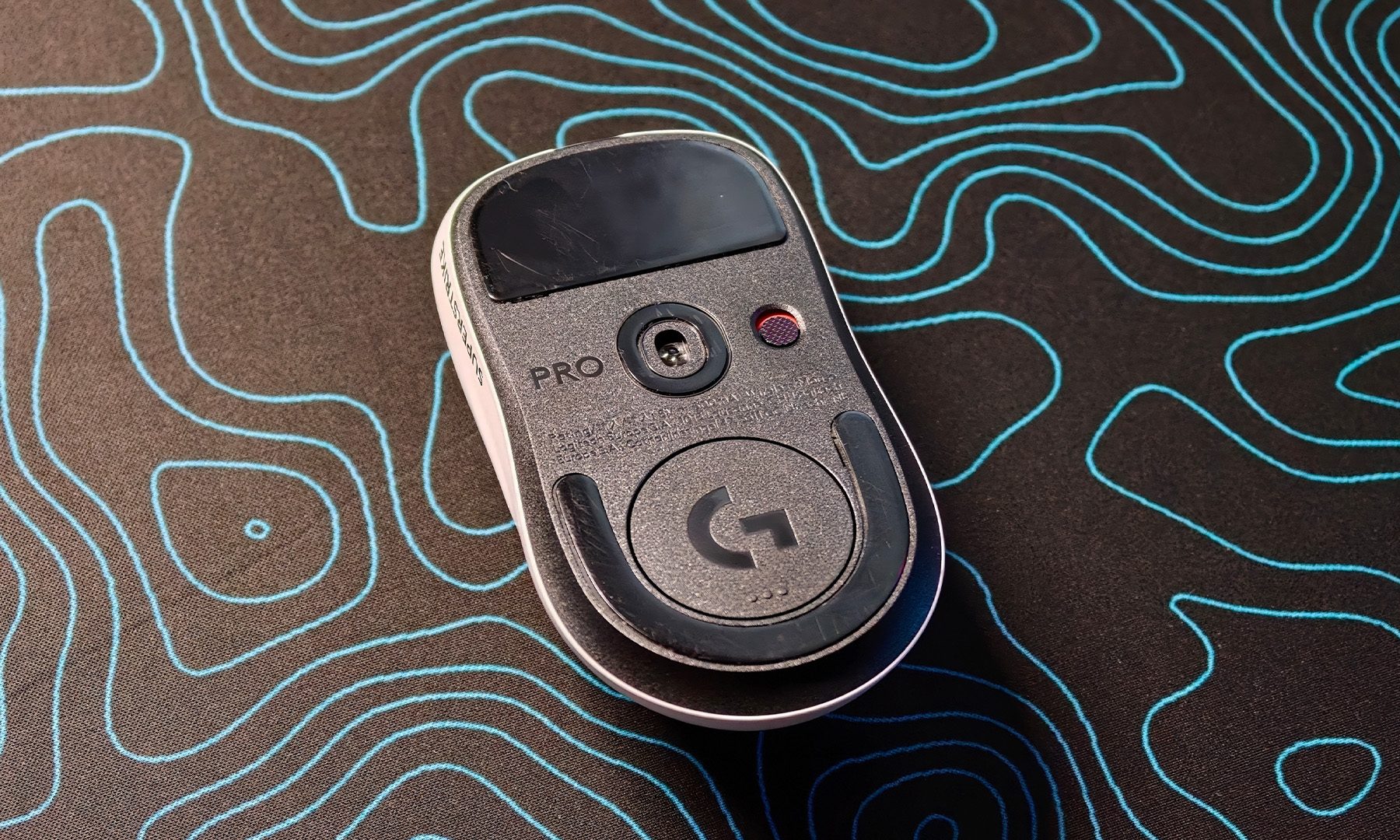
At around 61 grams, the PRO X2 SUPERSTRIKE couldn’t be more different from the G502. On paper, it sounds like exactly the kind of ultralight mouse I’d normally abandon after a week. Instead, it struck a balance I didn’t know I was looking for.

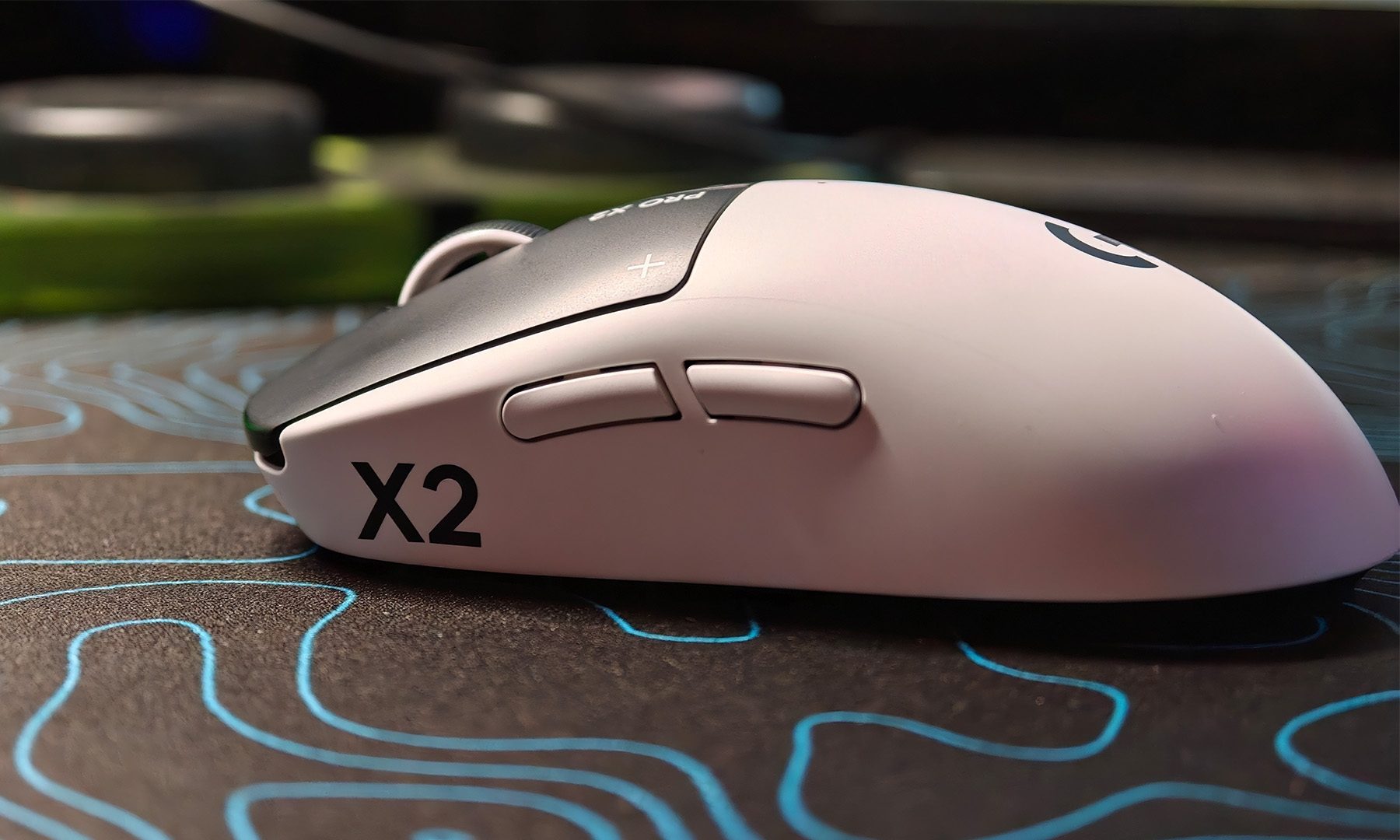
The shape fits naturally in my hand, making long Valorant sessions surprisingly comfortable, while the weight feels almost tailor-made for my low-DPI playstyle. Wide arm movements, quick flicks, and frequent mouse lifts require very little effort, but the mouse never feels flimsy or toy-like. There’s a surprising solidity to the chassis that makes it feel premium, even though it’s one of the lightest mice I’ve used. That’s probably the biggest reason it stuck around. It finally delivered the speed benefits of an ultralight mouse without making me feel like I was holding an empty plastic shell.

HITS made me relearn how to click

However, as much as I appreciate the weight and shape, they’re not why this mouse deserves attention. That credit goes to Logitech’s Haptic Inductive Trigger System, or HITS.

Advertisement

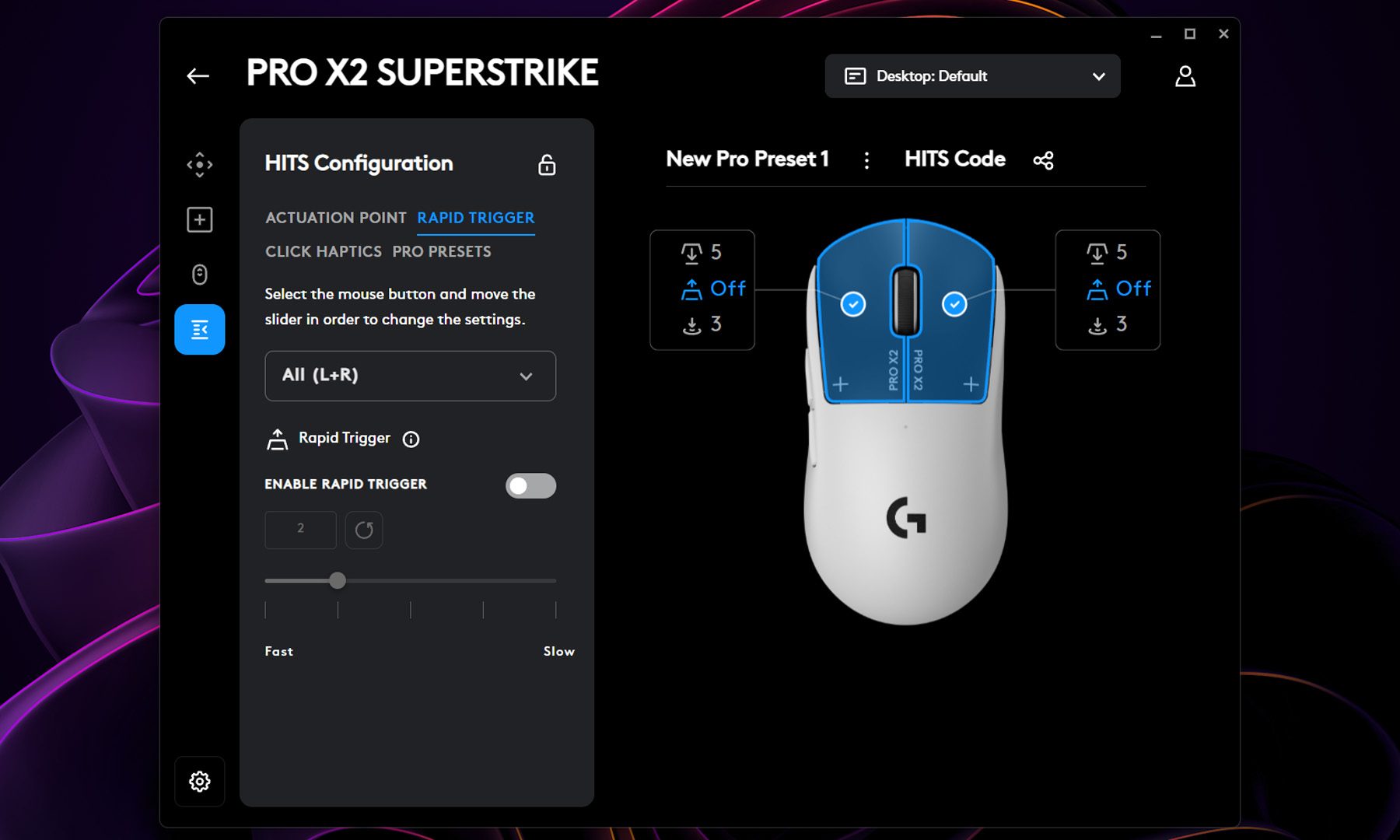
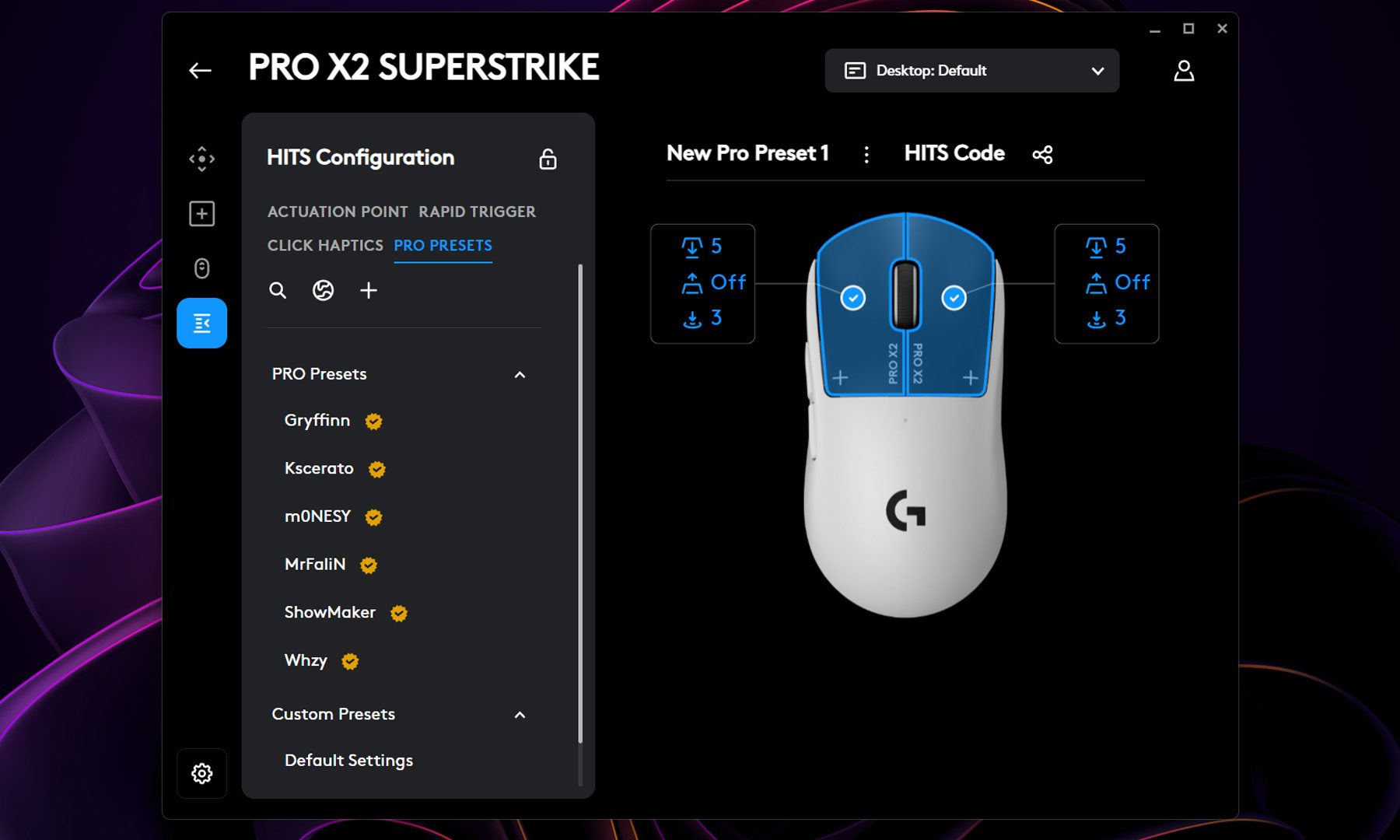
If there’s one comparison that immediately clicked in my head, it was Hall Effect keyboards like the Wooting. Just as those keyboards let gamers adjust actuation points and use features like Rapid Trigger, HITS applies the same philosophy to mouse buttons. Instead of relying on traditional mechanical or optical switches, the PRO X2 SUPERSTRIKE continuously tracks button movement using inductive sensing and recreates the click using haptic feedback. The actuation point, reset point, and even the strength of the tactile feedback can all be adjusted through software.

The first time I switched the mouse off, I genuinely thought something had broken. The buttons suddenly felt lifeless, with almost no tactile click to speak of. Turn it back on, though, and the haptics instantly trick your brain into believing there’s a physical switch underneath.

It’s weird. It’s clever. And for the first couple of days, it’s surprisingly difficult to trust.

Years of muscle memory had taught my fingers exactly how a mechanical switch should feel. HITS delivers a softer, more refined tactile pulse instead. It doesn’t try to imitate a traditional click perfectly, and honestly, I’m glad it doesn’t. It ends up creating its own identity rather than pretending to be something else.

Of course, the best part is that there’s plenty of customizability underneath too. While the Logitech G Hub isn’t the most lightweight application out there, I will give credit to it for seamlessly transitioning my profile from the G502 to the PRO X2 SUPERSTRIKE. That said, since it’s a new mouse in itself, I didn’t find my ideal settings immediately. After almost every ranked session, I’d tweak the actuation point by a notch, lower the haptic strength, play a few more matches, then change it all over again the next evening. It became part of my routine.

Eventually, I landed on a setup that felt completely natural. That’s when it hit me. We’ve spent years obsessing over DPI, polling rates, and sensor performance, yet the mouse click itself has remained surprisingly primitive. HITS finally changes that. Instead of adapting to a fixed switch, I was gradually shaping the mouse around the way I play.

No, it didn’t magically make me Radiant

Whenever new gaming hardware pushes input technology forward, the internet inevitably starts arguing about whether it’s “cheating.” We’ve seen it with Rapid Trigger keyboards, Snap Tap, SOCD discussions, and now HITS. Personally, I think that misses the point.

The PRO X2 SUPERSTRIKE didn’t suddenly improve my aim or carry me through Ascendant lobbies. It didn’t start winning my Sheriff duels or fix my questionable decision-making when I inevitably dry peek an Operator. What it did change was how connected I felt to every click. Knowing I could fine-tune the actuation point instead of living with a fixed mechanical switch made the mouse feel uniquely mine. It wasn’t about finding an unfair advantage. It was about removing one more layer between my hand and what happened on screen.

The mouse that finally retired my G502

After more than a month of playing ranked Valorant almost every day, I can confidently say the PRO X2 SUPERSTRIKE is the first lightweight gaming mouse that has permanently replaced my G502 X Plus LIGHTSPEED. Not because it’s lighter. Not because it’s faster. And not because HITS suddenly transformed me into a better player.

Advertisement

It’s because, for the first time, I felt like the mouse adapted to me instead of the other way around. Once I stopped thinking about the technology and simply enjoyed playing, going back to a traditional mechanical switch started to feel strangely limiting. Mechanical switches aren’t disappearing anytime soon, and plenty of gamers will still prefer that familiar tactile snap. But after living with HITS for over a month, I’m convinced Logitech has stumbled onto something genuinely exciting.

It’s been a long time since a gaming mouse made me rethink something as fundamental as clicking. HITS did exactly that, and now every time I pick up a traditional mouse, a tiny part of me wonders why its clicks are still stuck in the past.

Source link

Advertisement
Continue Reading

Tech

Whatever Happened To The Computer Of Tomorrow, Anyway? The Xerox Alto Story

Published

on

You’ve almost certainly heard of the Xerox Alto, the machine that pioneered the desktop-mouse-keyboard interface and inspired Steve Jobs to produce the Apple Lisa and Macintosh computers. It wasn’t just having a desktop, though– so much of our modern computing paradigm was invented on these machines. Given that, why aren’t we all using Xerox clones instead of Apples or PCs descended from the IBM compatibles? [Ctrl+Alt+Fail] has a video that answers the question: whatever happened to the computer of tomorrow, anyway?

It goes through the whole story of the Alto, from its introduction at Xerox PARC in the 1970s to its demise. At the introduction, the engineers showed of the What You See Is What You Get word processor, networked the machines together to show off e-mail and that anyone could use the office laser printer. It all seems very familiar now, but at the time, it was a revolution. An expensive one. The monitor sitting on the desk wasn’t the computer, after all: that was a large filing-cabinet sized desk sitting underneath. Only about 2000 were ever built, so what happened?

It wasn’t just that the first units cost twelve grand USD to build in 1973 money– about 90 large today by CPI, or for the gold bugs that’s 96 oz or 2.7 kg. It wasn’t worth its weight in gold, but it was close. Still, that wasn’t the problem: later models would be cheaper. The problem was that Xerox refused to sell the thing in the 70s. They saw the potential of a paperless office, and it scared them. Sure, they could sell a computer, once. They wouldn’t get a monthly service fee, nor the cost of the toner, drums and other consumables the Alto wouldn’t need. So they sat on it, and let others like Steve Jobs who didn’t have an existing business empire to lose take their ideas and run with them.

It seems shortsighted, but Xerox had already lost millions on big iron computing around the same time the Alto came along, and every business decision after that was carefully weighed on its projected revenue. Compared to a copier that printed money for Xerox as surely as it printed paper, the Alto just didn’t look like it could pay for itself. It looked likely to lose them a lot of money, which, in fact the adoption of the personal computer ultimately did. Hindsight is 20/20 and it’s easy to play Monday Morning Quarterback and say these developments were inevitable and Xerox should have run out in front, but [Ctrl+Alt+Fail] does a good job of explaining the logic from the Xerox boards’ point of view, which makes the video very much worth a watch.

Advertisement

If you can’t get enough Alto, we can also point you to what it takes to restore one, what almost killed one, and why you shouldn’t mine bitcoin with one.

Source link

Advertisement
Continue Reading

Tech

Synology just made its NAS lineup cheaper while keeping upgrade options wide open for businesses and home users alike

Published

on


  • Synology lowers NAS entry costs without removing future hardware upgrade flexibility
  • Four new NAS models arrive with expandable memory and familiar hardware
  • Lower default memory creates cheaper starting prices across the new lineup

Synology has introduced the DiskStation neo+ Series, a new lineup built to give buyers more flexibility over cost and performance from the outset.

The series includes four models — the DS1825neo+, the DS1525neo+, the DS925neo+, and the DS725neo+ — each sharing hardware with existing Plus units.

Source link

Advertisement
Continue Reading

Tech

Chinese research ship sparks fresh scrutiny after lingering above critical internet cable connecting Taiwan, the Philippines and the United States

Published

on


  • Chinese research vessel lingered above critical Pacific undersea communications infrastructure
  • Taiwan’s Coast Guard warned the vessel to turn away from the Pacific Light Cable Network
  • Windward linked slow vessel movements with recognized intelligence-gathering behavior

A Chinese-flagged research vessel was recently observed loitering directly above an undersea cable system connecting Taiwan to the United States.

Taiwan’s Coast Guard filmed the encounter and warned the 200-foot ship to alter its course away from the cable route.

Source link

Advertisement
Continue Reading

Tech

OpenAI Announces It's Enhancing Security Controls, Pausing Some Work for New AI Model Astra

Published

on

OpenAI announced Friday it’s pausing work on its Astra AI model because of security concerns. The Guardian reports:

The company had evaluated the agent, Astra, and found “significant advancements in agentic coding and cybersecurity”, which had moved to a “critical” threshold… OpenAI stated that the model was not involved in an incident in which one of its AI agents went rogue during a test, accessed the open web and hacked a startup, Hugging Face… The reports have increased concerns about advancements in AI models and humans’ ability to control them.

Still, critics of the AI industry have warned that such disclosures from OpenAI and its competitors Anthropic and Meta could be designed to generate hype about the technology’s power and thus spur additional interest from investors.

To prevent potential rogue behavior from AI agents, OpenAI is “implementing stricter security controls for higher-capability models and associated activities, including isolated testing environments, restricted network and tool access”, the company’s blogpost stated. It will also install “enhanced model weight protections and encryption, additional monitoring and detection capabilities”. The company will pause internal activities involving Astra that do not meet these new requirements.

Advertisement

“We believe it’s important to be transparent with the public and the safety and security communities about this potential shift in capabilities…” OpenAI wrote in a blog post titled “Responding to the next frontier of critical cyber capabilities.”

Under our Preparedness Framework, a model reaches the Critical cybersecurity threshold if it can identify and develop functional zero-day exploits of all severity levels in many hardened real-world critical systems without human intervention, or can devise and execute end-to-end novel strategies for cyberattacks against hardened targets given only a high level desired goal. While we continue to benchmark and assess this model, our preliminary evaluations indicate strong enough performance that we cannot rule out Critical capability level at this time… Accordingly, we have scaled up robustness testing of our safeguards and security controls so that they are appropriate for a deployment of these capabilities…

– We are implementing stricter security controls for higher-capability models and associated activities, including isolated testing environments, restricted network and tool access, enhanced model weight protections and encryption, additional monitoring and detection capabilities, and sandboxed execution.
– We are pausing internal activities involving Astra that do not yet meet these strengthened security control requirements.
– We have implemented universal monitoring for risky actions and misalignment across all agentic applications of Astra, including training and evaluation. Monitors evaluate the model’s Chain of Thought and trigger a security response to review and interrupt high risk activity.
– We will work with relevant government agencies and select AI safety organizations to test the capabilities for this model…
We believe advanced cyber-capable models should help defenders identify and address vulnerabilities before attackers do. We’re committed to working alongside governments, safety institutes, and civil society to ensure that the frontier capabilities of models like Astra, and those that follow, are deployed responsibly and broadly for the benefit of all humanity.

Read more of this story at Slashdot.

Advertisement

Source link

Continue Reading

Tech

Slashdot Reader Builds 'Spaced Linux', a New Devuan-Based, User-Friendly Desktop Distro

Published

on

“I’ve been a Linux IT administrator for 30 years now,” says crhylove (Slashdot reader #205,956), in a new video on his YouTube channel. “I used to be a data center architect, at one point I was the IT director for 13 school districts… I just haven’t been happy overall with all the other operating systems out there… ”

I’ve been working really diligently for the last few weeks on a new distro called Spaced Linux that is exactly what I want to use. It’s heavily focused on the [zoom-friendly 3D] Compiz desktop, very efficient using the rolling Devuan Ceres backend, and avoids dependency hell by promoting mostly Flatpak usage.

It’s still early, but it’s already working great for me, it’s been my daily driver for a few weeks now.

There’s also user-friendly themes — everything from Linux, Android, GeoWorks, and Mac OS X to Windows 11, Windows XP, and even Windows 3.11 (dark or light theme). And you can also run Windows apps under Wine. “And let me tell you, Nvidia runs perfectly on here now…” he adds in the video. “It just works really, really well out of the box.”

Advertisement

He’s now working on voice-command features, bur argues that Spaced Linux “is already extremely usable, extremely efficient, extremely fast, and extremely reliable…. And it’s only going to get better and better.”

Read more of this story at Slashdot.

Source link

Advertisement
Continue Reading

Tech

The Chinese Smart Glasses Proving That Smart Glasses Can Be Repairable

Published

on

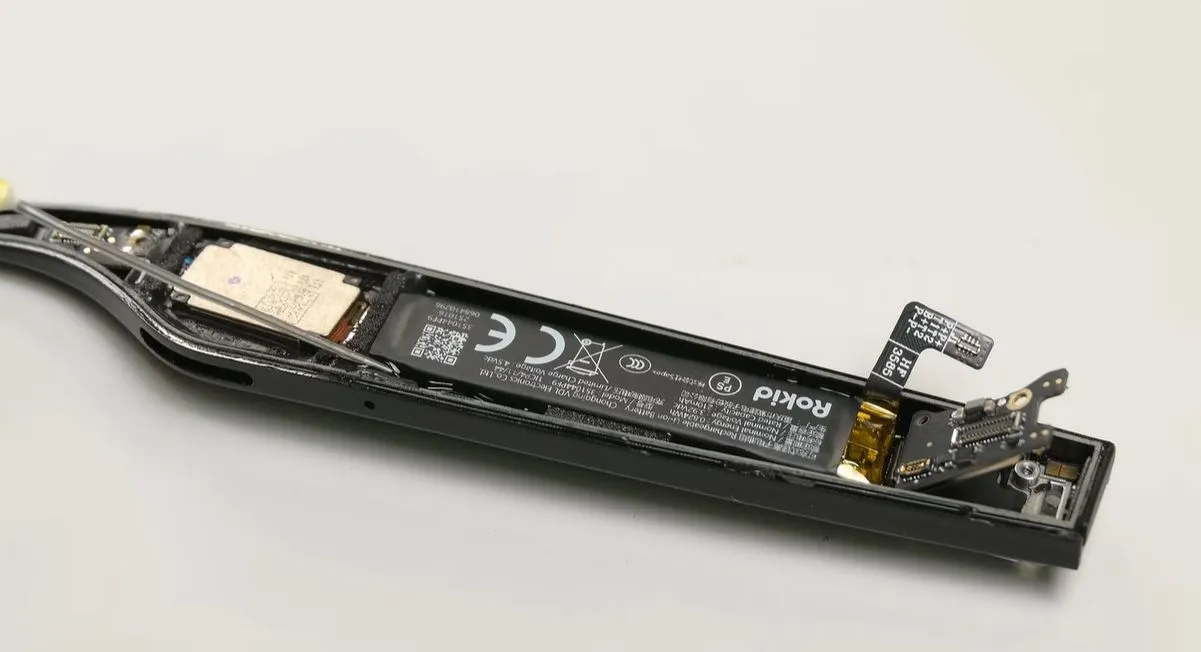
It’s often claimed that wearable devices cannot have user-replaceable batteries or even be serviceable at all due to how compact and waterproof they must be, yet there are plenty of examples belying those claims. So too for smart glasses with their compact size and the need to be fully waterproof. They would be certified e-waste as soon as the built-in battery stops being a battery, assuming these claims were true. Recently [iFixit] bought a few Chinese smart glasses to see just how repairable they are, with the Rokid one being very surprising.

The first nice feature of both two Chinese smart glasses is that they have an external battery that clips on in addition to an internal one. Internally they’re quite similar, both featuring a Qualcomm Snapdragon AR1 Gen 1 SoC with 32 GB of eMMC storage, in addition to micro-LED projectors.

Of the two glasses in the video, the Quark one isn’t that dissimilar from the Ray-Ban and Meta ones, requiring fairly destructive heat and prying to get inside. The Rokid one is however very easy to get into, with very light glue that makes it easy to get into, as well as a very servicing-friendly internal architecture including its battery. This is a pattern that extends to its external battery module, giving a glimpse at what such devices ought to look like in a repair-friendly world.

Advertisement

As is to be expected for an [iFixit] video, a significant part of it is spent lamenting the ills of glued-in batteries, including the recent decision by the EU to exempt many wearable devices from its new right to repair regulations involving built-in batteries. In light of the teardown of the Rokid smart glasses in this video, as well as previous Pixel Watch 4 and Fairbuds teardowns, it certainly seems reasonable to enforce user-replaceable batteries for these wearables as well.

Advertisement

Source link

Continue Reading

Tech

Armenia just opened the region’s biggest AI factory. It exists because Washington signed a licence.

Published

on

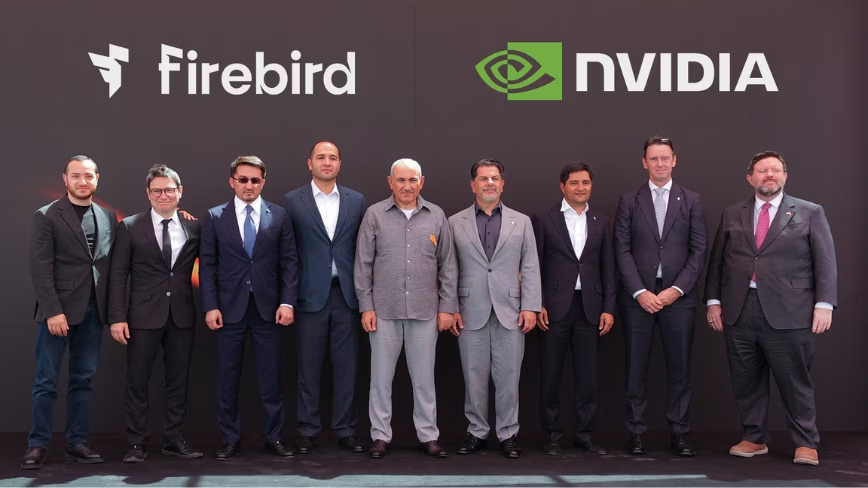
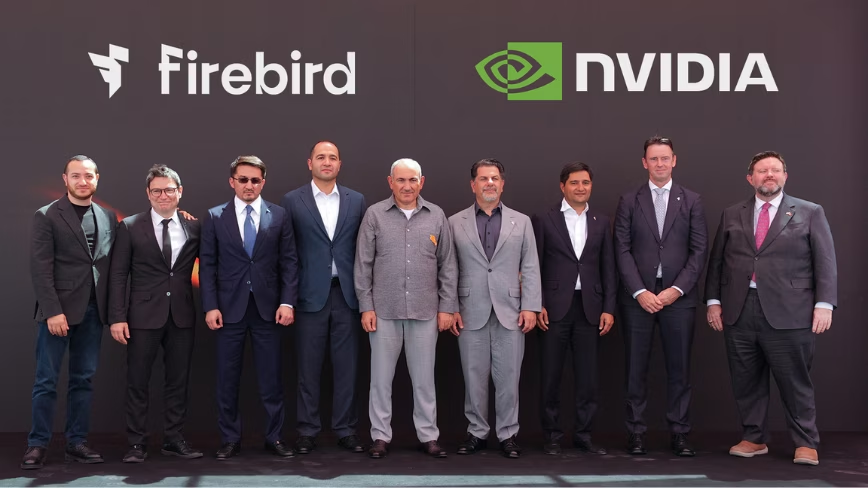
Firebird, a US-based AI cloud company, opened what NVIDIA calls the CIS region’s largest AI factory in Hrazdan, Armenia on Saturday. Armenian Prime Minister Nikol Pashinyan attended, alongside Kazakhstan’s deputy prime minister Zhaslan Madiyev and David Allen, the US chargé d’affaires in Armenia.

That guest list is the story. A US company opened a facility in a country inside Russia’s traditional sphere of influence, with an American diplomat and a Kazakh minister watching.

The licence is the load-bearing fact

None of this happens without export approval. Firebird secured a US export licence in November 2025, the regulatory step that allowed advanced NVIDIA hardware into Armenia at all.

The politics were made explicit in February. Firebird and the US government jointly announced Phase 2 at a Yerevan press conference during Vice President JD Vance’s visit, scaling the project to $4 billion and roughly 50,000 GPUs with licensing for a further 41,000 NVIDIA GB300 units.

Advertisement

Phase One was $500 million. The announcement claimed Armenia would host one of the world’s five largest AI GPU clusters.

What is actually running

The opened flagship, DC-1, is specified at 6,144 NVIDIA B200 GPUs across 15 megawatts, liquid-cooled and built on NVIDIA’s reference architecture. The target is more than 70,000 Rubin and Blackwell GPUs and 300 megawatts by the end of 2027.

That is a twentyfold increase in power capacity in roughly 17 months. A planned DC-2 is listed at 75,000 VR200 GPUs across 125 megawatts, with a third site at similar scale.

The delivery speed is genuinely notable. NVIDIA says the site went from plan to operating capacity in just over six months, with Schneider Electric supplying switchgear, three-phase UPS systems and rack enclosures, and Vertiv providing chilled-water cooling.

Advertisement

The power trick

The facility runs on NVIDIA’s DSX platform, which codesigns compute, networking, power and cooling as a single system rather than separate procurements. NVIDIA claims it allows up to 40% more GPUs on the same footprint by recovering stranded power.

For a site scaling from 15 to 300 megawatts, that coordination is where the capacity maths gets made. It is also, in NVIDIA’s own framing, a tokens-per-dollar argument rather than a performance one.

Who is paying for it

Firebird said NVIDIA intends to invest in the company, following an earlier CoreWeave investment this year. The pattern is familiar: NVIDIA takes a position in a company that then buys NVIDIA hardware at scale.

NVIDIA has now committed more than $40 billion to AI equity positions in 2026, and the structures have grown more creative. It took a $2.1 billion warrant in IREN as part of a five-gigawatt data centre deal.

Advertisement

The same logic runs through its sovereign deals. NVIDIA invested $1 billion in Naver while striking a $500 billion arrangement with SK Group, an approach critics have labelled circular financing.

The neocloud playbook

Firebird fits a category that barely existed three years ago: companies that buy GPUs at scale and rent them to model builders. CoreWeave, an early Firebird backer, has signed a multi-year deal with Anthropic to run Claude at production scale.

Europe has its own version. Nscale committed €695 million to Portugal with Microsoft, reaching a $14.6 billion valuation in two years, on much the same thesis about sovereign capacity.

Firebird’s first named customer is Perplexity, which is using the site for its answer engine and AI agent platform.

Advertisement

Where this goes next

Firebird is pursuing an approximately two-gigawatt roadmap spanning Armenia, Kazakhstan and further markets, which explains why a Kazakh deputy prime minister was at an Armenian ribbon-cutting.

The strategic logic is straightforward. Compute is becoming the thing countries align around, and the United States has found a way to place it in a region where its influence has historically been thin.

The open question is demand. Building 300 megawatts in the Caucasus assumes customers will route workloads there rather than to cheaper or closer capacity, and one answer engine does not settle that.

Advertisement

Source link

Continue Reading

Tech

The Lofree Flow 2 made me feel like a faster typist, but it also tested my patience

Published

on

Lofree Flow 2

MSRP $159.00

Advertisement

“The Lofree Flow 2 types beautifully, but its awkward extras lack the same polish.”

Pros

  • Excellent typing experience
  • Premium aluminum construction
  • Smooth, refined Surfer switches
  • Hot-swappable design
  • Wired and wireless connectivity

Cons

  • Touch strip activates accidentally
  • Awkward side-mounted USB-C port
  • No storage for the wireless receiver
  • VIA setup is needlessly difficult

“Why you can trust Digital Trends – We have a 20-year history of testing, reviewing, and rating products, services and apps to help you make a sound buying decision. Find out more about how we test and score products.“

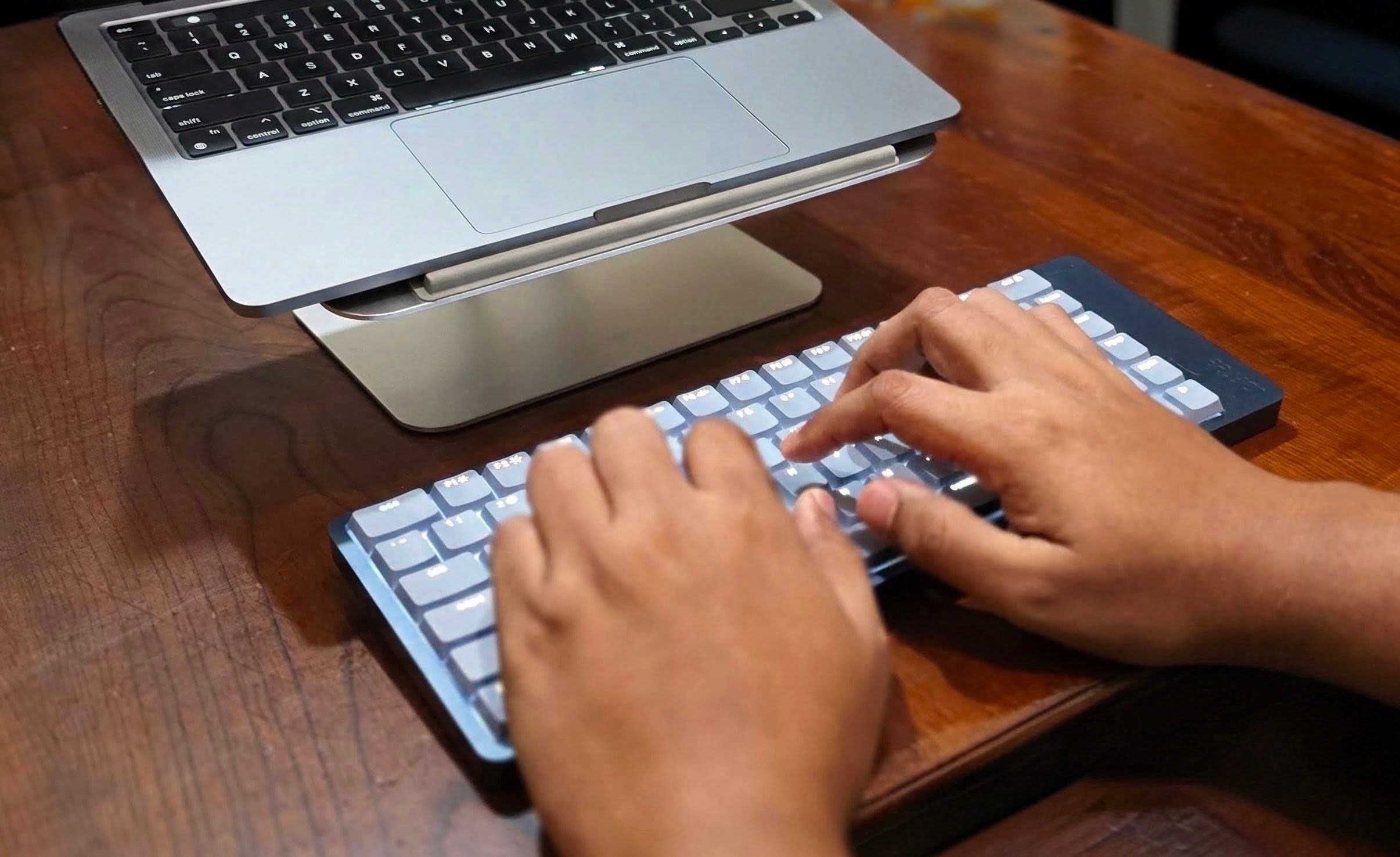
The Lofree Flow 2 made an excellent first impression. Its aluminum body feels reassuringly solid, its minimalist design looks expensive without screaming for attention, and once I started typing, my fingers felt strangely lithe.

That isn’t a word I normally associate with fingers, but it fits. Moving between keys required less effort without giving me the shallow, slightly dead sensation I usually get from laptop keyboards. I even felt like I was typing faster.

For once, the numbers supported the new-product placebo. I normally average between 90 and 95 words per minute on Monkeytype, but I regularly crossed 100 words per minute with the Flow 2. That hardly qualifies me for competitive typing, assuming such a terrifying sport exists, but the difference was consistent enough to notice.

Advertisement

Living with the Flow 2 also revealed several decisions that aren’t nearly as polished as the keyboard itself. None made me want to stop using it, but they suggest Lofree spent more time perfecting what happens under your fingers than considering everything your hands might do around it.

Price and configuration

I tested the latest 84-key Mac version, which costs $159 and comes with Lofree’s Surfer linear switches. These belong to the newer Cloud Series developed for the Flow 2, replacing the Ghost and Phantom switches offered with the original Flow.

Lofree also sells the keyboard with quieter Void linear switches and tactile Pulse switches, so the exact typing experience will depend on the configuration.

At this price, the Flow 2 competes with premium low-profile keyboards from Keychron, NuPhy and Logitech. That makes its smaller frustrations harder to dismiss. A less expensive keyboard can get away with asking its owner to improvise. A premium one should have already thought through where the dongle goes.

Specification Lofree Flow 2 tested
Layout 75%, 84 keys
Switches Surfer linear
Other switch options Void silent linear, Pulse tactile
Connectivity USB-C, Bluetooth 5.3, 2.4GHz
Battery 3,000mAh
Rated battery life Up to 120 hours without backlighting
Backlighting White
Switch replacement Hot-swappable
Remapping VIA
MSRP $159

The Flow 2 offers an excellent typing experience

The Flow 2 sits somewhere between a traditional mechanical keyboard and a laptop keyboard without feeling like a compromised version of either.

Advertisement

Its keys have enough travel to make each press feel deliberate, while the low-profile design keeps movements short. Each press lands softly without becoming mushy, the Surfer switches are smooth and consistent, and the wider keycaps give my fingers a comfortable target.

My regular mechanical keyboard feels heavier by comparison. I encounter less resistance while moving through a sentence, which probably explains those higher Monkeytype results. That’s especially pleasant during long stretches of writing, when a heavier keyboard can gradually make every key feel like a tiny administrative task.

The aluminum construction completes the effect. The board doesn’t noticeably flex, and it stays planted on my desk. Its restrained design also avoids the usual gamer aesthetic. You get white backlighting, but no rainbow running beneath the keys like a tiny nightclub.

My space bar has a faint springiness if I listen for it, although it’s negligible during normal typing. I didn’t encounter the prominent metallic resonance reported in some other reviews. Whether that comes down to the Surfer switches, production differences or plain unit-to-unit variation is difficult to say.

Advertisement

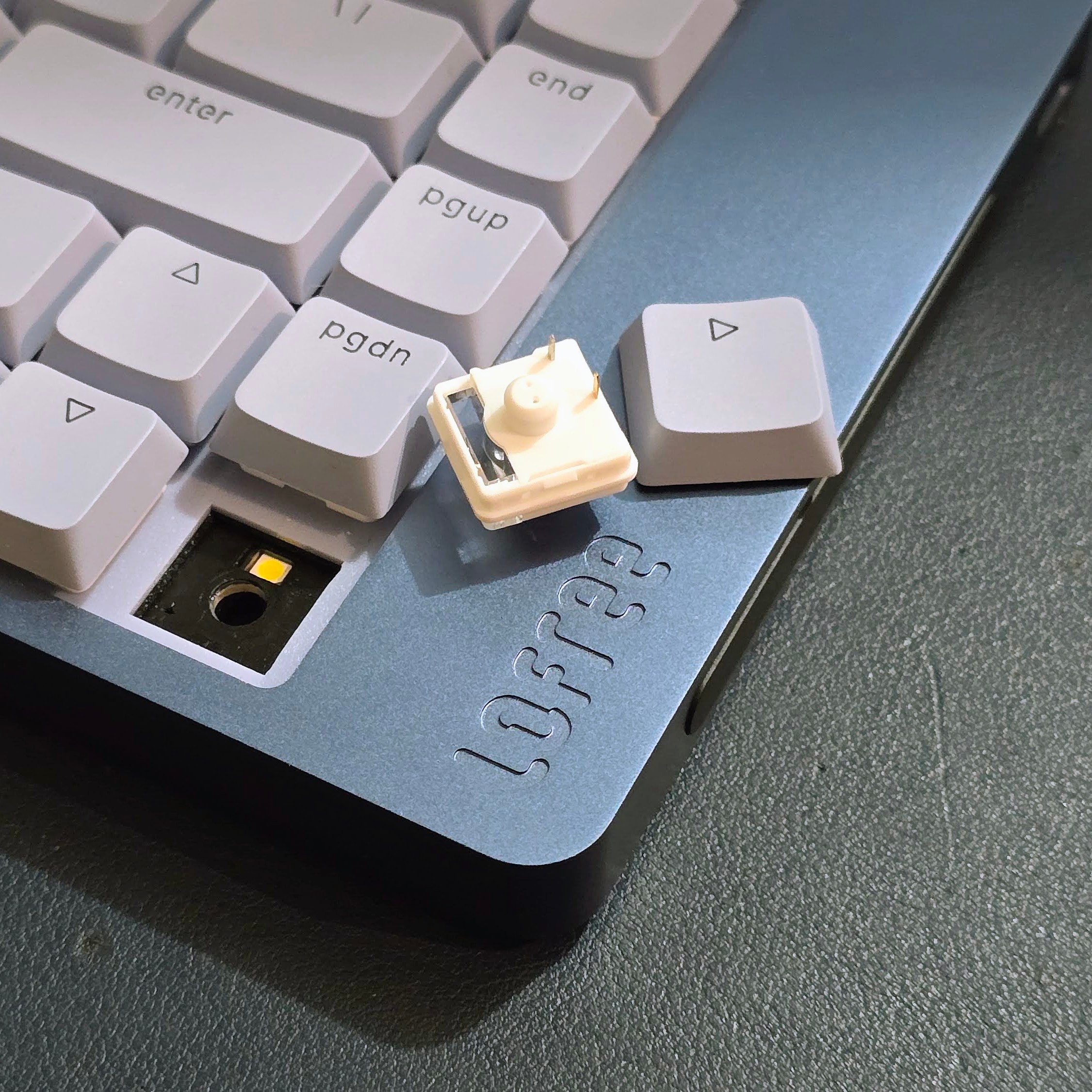
The Flow 2 is hot-swappable, so you can replace its switches without soldering. That gives enthusiasts some room to alter the typing experience and means one failed switch doesn’t condemn the entire keyboard.

I’d still approach that feature cautiously. The plastic clips on low-profile switches seem more delicate than their chunky full-height equivalents, and compatibility is narrower than it is in the standard MX-style market. Hot-swappable doesn’t mean every mechanical switch you find online will fit.

Fortunately, I haven’t wanted to replace the stock switches. People who normally open a new keyboard and immediately start adding foam and tape in pursuit of the perfect “thock” may be surprised by how refined this one already sounds and feels.

The touch strip creates some daily frustration

The touch-sensitive strip on the right side is the Flow 2’s most conspicuous experiment. It controls volume and can adjust screen brightness. When I remember it exists, sliding a finger across it feels more elegant than repeatedly tapping a function key.

The trouble is remembering it at the right time while somehow forgetting it whenever I touch the keyboard’s edge.

Even after getting used to the Flow 2, I still trigger the strip by accident. My hand occasionally brushes against it, particularly when I’m repositioning the keyboard. Physical buttons or a dial would have been less novel, but they would also have been easier to use deliberately.

Advertisement

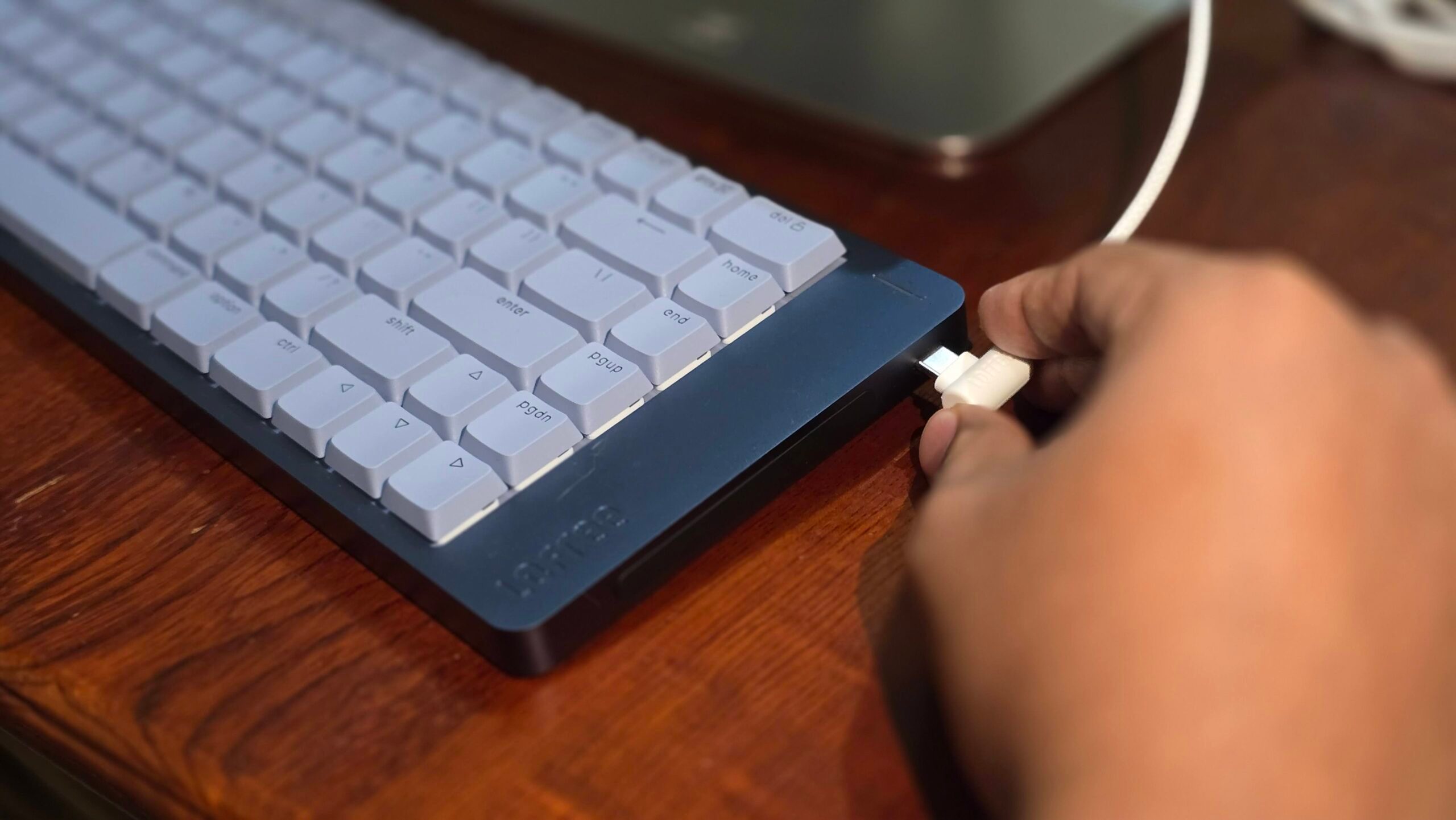
The USB-C port occupies that same side. Depending on how your desk is arranged, the cable can stretch toward the mouse area instead of disappearing neatly behind the keyboard. It works perfectly well, but its position seems better suited to the keyboard’s internal layout than anyone’s actual desk.

The 2.4GHz receiver, meanwhile, has nowhere to live. I keep mine in the box because I know exactly how this story ends otherwise. It’ll sit loose on my desk, migrate into a drawer and eventually disappear into the same dimension that collects missing socks and single wireless earbuds.

That omission feels especially strange on a compact wireless keyboard. The Flow 2 is small enough to carry between desks, yet its smallest and easiest component to lose has no home inside it.

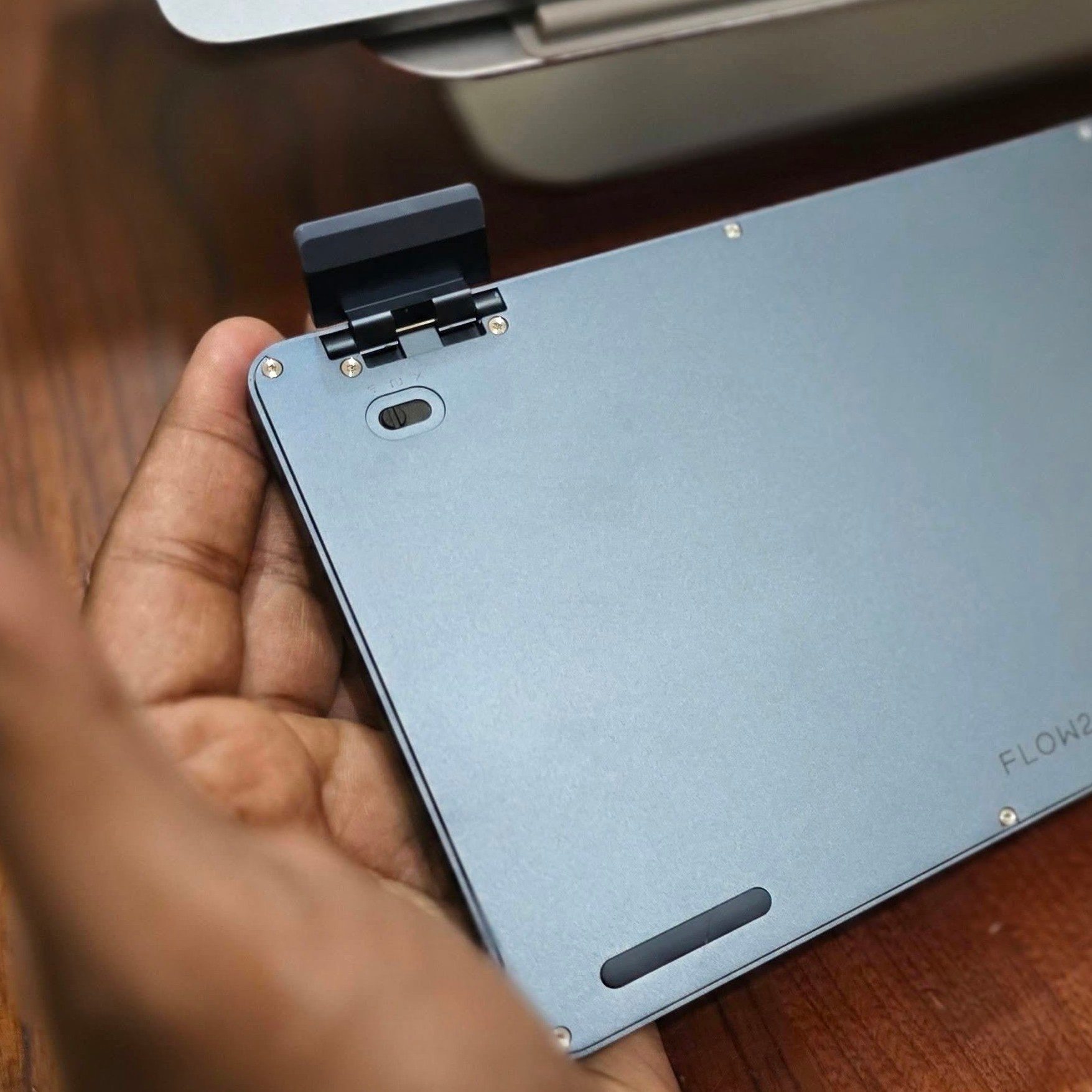
My most personal complaint involves the mode selector underneath the keyboard, which switches between wired, wireless and off. Hiding it there prevents accidental changes and would normally make sense, except I also have cats.

When one jumps onto my desk and decides the Flow 2 is a perfectly acceptable walking surface, I can’t quickly disable it without lifting the entire keyboard. A side-mounted control would make those little hostile takeovers easier to manage. This may be a specific complaint, but pet owners understand that every exposed surface eventually becomes a collaborative feature.

Advertisement

The 84-key model has a 3,000mAh battery rated for up to 120 hours with the backlight switched off. That’s competitive for this category, although maximum-brightness backlighting cuts the advertised figure substantially. Since the Flow 2 spent most of its time on my desk, battery life never became the central issue that its other design choices did.

VIA customization is harder than it should be

The Flow 2 supports VIA, which lets you remap keys and configure different layers through a browser interface. It should be one of the keyboard’s most useful features, especially for anyone who regularly moves between operating systems.

Actually getting it working was far harder than necessary.

During my testing, I couldn’t find the correct JSON configuration file on Lofree’s main website, download center or support pages. VIA wouldn’t properly recognize the keyboard without it, so I spent the better part of a day searching before contacting Lofree. The company eventually sent me the file directly.

Lofree now provides some Flow 2 configurator resources through individual regional and product pages, but they remain surprisingly difficult to locate through its central download page. A keyboard advertised as supporting VIA shouldn’t require buyers to know which obscure corner of the manufacturer’s website contains the missing ingredient.

Advertisement

VIA works well enough once configured, although the Fn key still can’t be customized. I wanted to reconfigure it while using the Flow 2 with Windows, but that limitation made switching layouts less flexible than expected.

I eventually kept the keyboard connected mostly to my Mac, where the native layout made sense and I could concentrate on writing instead of managing the thing I was writing with.

Should you buy the Lofree Flow 2?

The Flow 2 is worth buying if typing quality, construction and appearance matter more to you than seamless customization. It feels refined immediately, so enthusiasts may be surprised by how little they want to modify. More casual buyers can get an excellent mechanical typing experience without surrendering a weekend to foam, tape and switch research.

It’s less convincing if you frequently switch operating systems, expect VIA to work without a scavenger hunt or regularly carry the receiver between desks. Mac users who intend to leave it in one place will encounter fewer of its rough edges.

Advertisement

Anyone indifferent to the precise woodland noise made by a space bar may simply see an attractive aluminum keyboard that pairs nicely with the MacBook Neo colors.

I still occasionally trigger the touch strip, and the receiver remains in protective custody inside the box. Yet I keep returning to the Flow 2. I thought it merely made me feel faster, but Monkeytype says otherwise. Apparently, the keyboard tested my patience and improved my typing speed at the same time.

Source link

Advertisement
Continue Reading

Trending

Copyright © 2025