Gen Xers who feel triggered by this should remember to unplug the network cable and call the cops
Turns out the fastest way to get a company to consider paying a ransom isn’t calling the CEO – it’s targeting the 46-year-old IT manager.
That’s according to Zscaler, whose ThreatLabz researchers tracked 351 victims across 334 organizations caught up in a single ransomware campaign over the course of a month.
Advertisement
The data suggests today’s ransomware crews have become oddly specific about their preferred victim profile: nearly two-thirds of victims held manager-level titles or above, the average victim was a 46-year-old Gen Xer, and three-quarters worked in accounting and finance, sales, operations, HR, or marketing. Half worked in the industrial or IT sectors.
Rather than blasting the same extortion email across an organization, attackers are doing their homework first. Zscaler says they combine information from compromised systems with publicly available data to map reporting lines and identify the employees most likely to influence a company’s response.
“The ransomware landscape has shifted from indiscriminate attacks to highly targeted extortion campaigns,” the security outfit wrote. “Rather than targeting executives directly, attackers are increasingly focusing on managers and other key personnel with the authority or influence to accelerate payment decisions.”
That shift reflects what Zscaler calls “business privilege” rather than technical privilege. Security teams have traditionally focused on privileged users with administrator rights. Attackers, meanwhile, are after employees whose day jobs give them access to invoices, payment approvals, budgets, supplier contracts, customer accounts, HR records, or other sensitive business processes.
Advertisement
“The value of a compromised managerial account lies in the breadth of business access associated with the position,” the researchers wrote. “Managers may approve payments, oversee budgets and vendors, review contracts, access sensitive records, or coordinate work across business units.”
The Gen X skew is probably no coincidence either. Zscaler says many workers in their forties and fifties have reached established management positions, giving attackers access to valuable systems, sensitive information, and people with decision-making authority without needing to compromise the executive suite.
It also found more than a dozen organizations said multiple employees were compromised during the campaign, suggesting attackers weren’t content with a single foothold once inside a network. Instead, they appeared to work their way through different business functions to increase the chances of reaching valuable data and the people capable of influencing a ransom payment.
The wider report points to a ransomware ecosystem that is becoming increasingly focused on extortion rather than encryption alone. Zscaler said ransomware attempts blocked across its cloud platform increased 146 percent over the past year, while public extortion cases rose 70 percent and the volume of data stolen from victims climbed 92 percent.
Advertisement
By the time the ransom note lands, the crooks may already know who approves invoices, who signs contracts, who runs HR, and who reports to whom. The encryption is just the bit that victims notice. ®
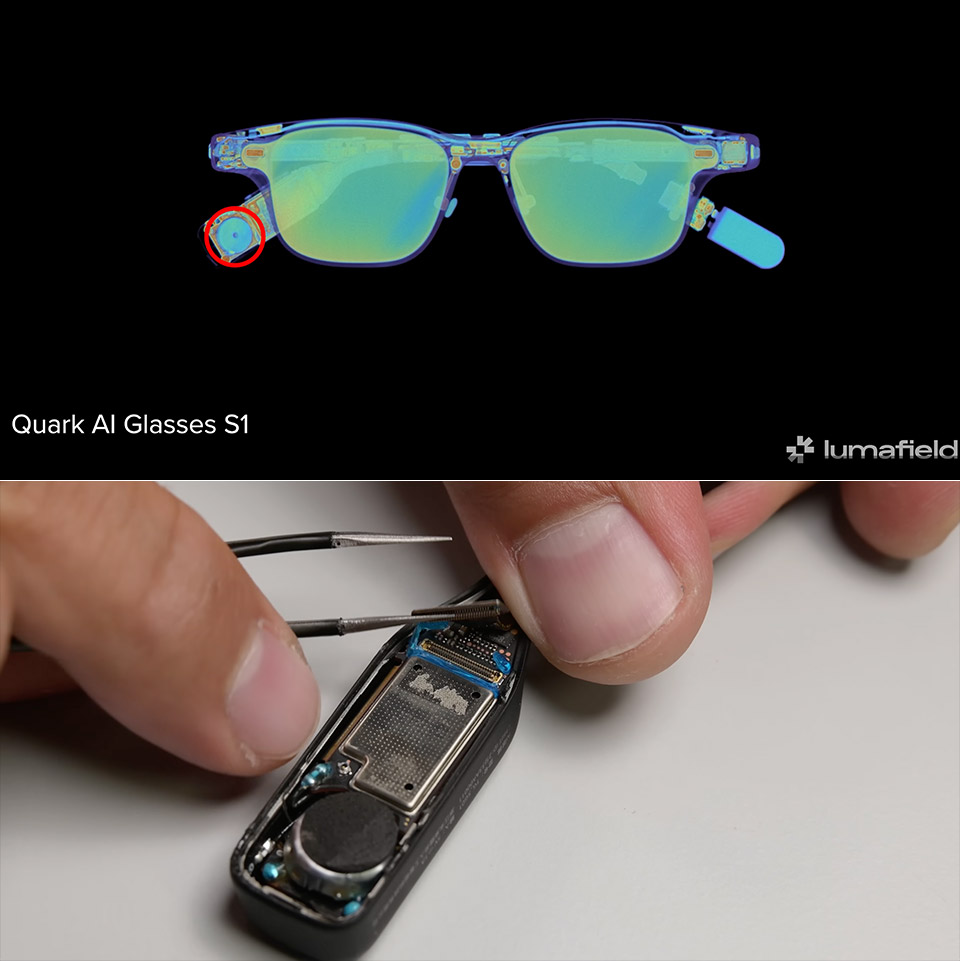
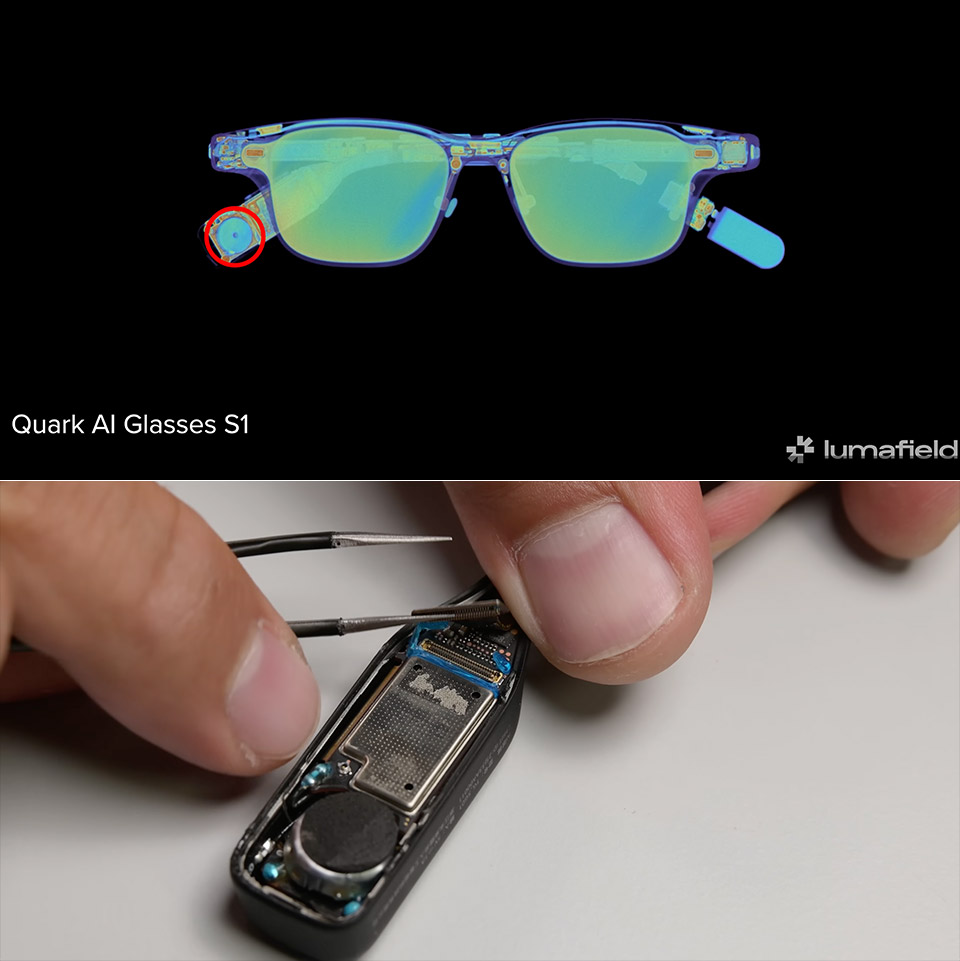
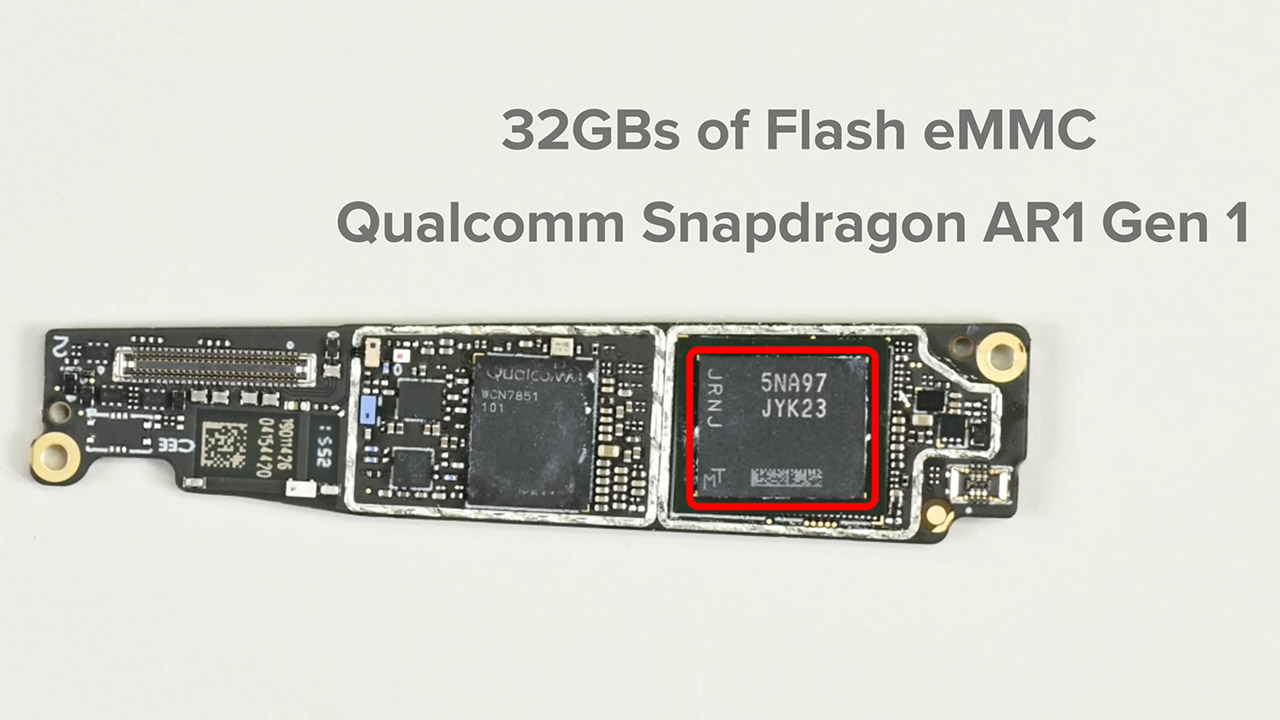
iFixit recently opened up two pairs of Chinese smartglasses to test a common industry claim. Manufacturers often say devices this small and water-resistant simply cannot offer user-replaceable batteries. The team bought a Quark AI Glasses S1 and a set of Rokid Glasses to see if that held up. Both models pack an internal battery plus a separate external pack that attaches for longer runtime. Both run on a Qualcomm Snapdragon AR1 Gen 1 processor with 32 GB of storage and use micro-OLED projectors to put information in front of the wearer’s eyes. Their internal layouts, however, tell two very different stories.
Getting the Quark AI Glasses S1 open involves some elbow grease. You must allow the heat to break down the seams before attempting to enter. Once inside, you’ll discover a 0.157 Wh lithium cell soldered straight to the circuit board. If you want to take it out, forget about using a fancy gadget; instead, grab a hot iron and some braid and go to work. The external pack attaches behind the right ear and has a larger 0.94 Wh battery, however accessing it is difficult. But what’s the point, exactly? To reduce assembly costs, they engineered the boards to fold tightly against the battery. Each arm features a small monochrome green micro-OLED screen, and the cameras are buried beneath the nose bridge. Attempting to get inside seems similar to fiddling with a sealed Meta Ray-Ban model, which is not exactly DIY friendly.
Answers, tips and inspiration are a question away. Forgot an ingredient for dinner? Ask Meta AI for a substitute to save a trip back to the store…
Meta Glasses are meticulously designed to deliver a fit that feels custom to you. Choose from a variety of bold colors and experience a comfortable…
Travel like a local whether you’re navigating a bustling market in Spain or having a conversation in Japanese. Just say “Hey Meta” to start a live…
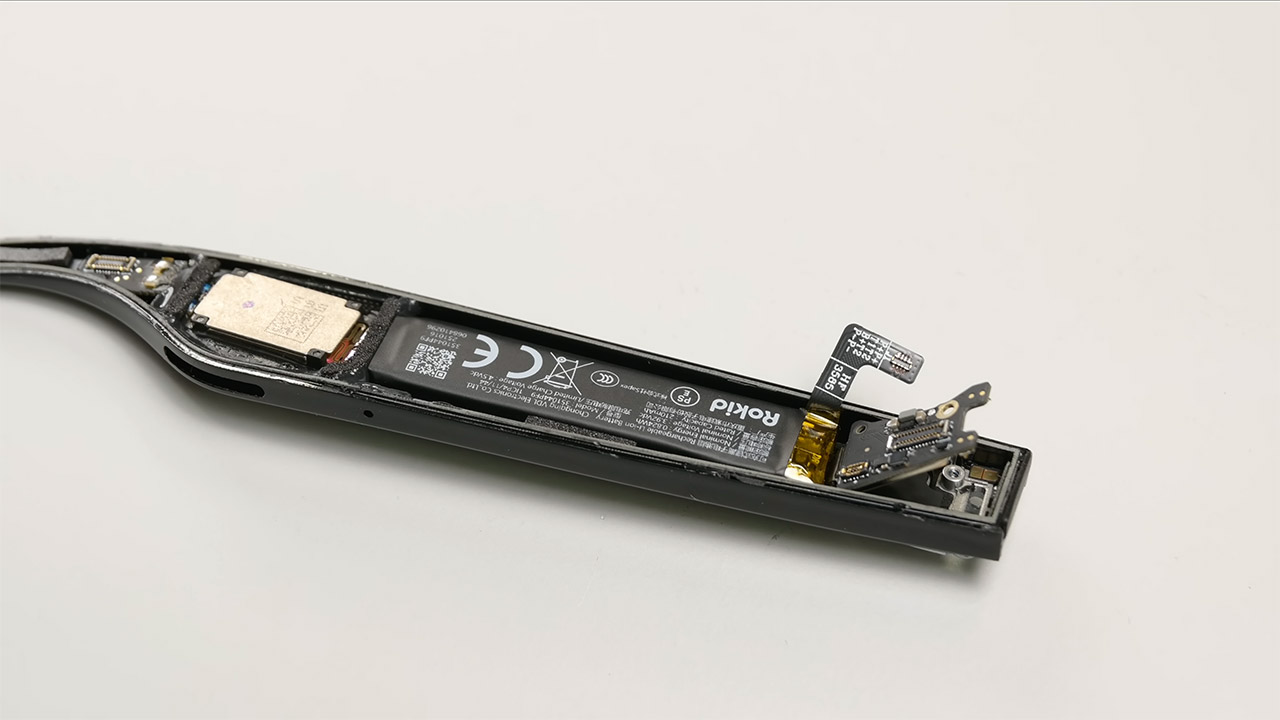
The Rokid Glasses are a completely different story, and opening them is a breeze. Just heat the seam with a hairdryer and it will come apart easily. Once inside, you’ll notice that they’ve put a lot of thot into making servicing easy. The battery connects with a simple press-fit connector and a couple of screws, eliminating the need for soldering, and the boards are secured in place with screws rather than glue. A single micro-OLED projector in the center divides the image between the two eyes, and it’s driven by an NXP chip and a Snapdragon processor, all to save power and improve efficiency. Cameras and speakers are where you’d expect them to be, yet nothing seems cramped, since everything has been thoughtfully planned to provide you simple access for future projects. The external pack attaches magnetically to the right arm and contains a 1.11 Wh battery that can be replaced without breaking a sweat.
Both pairs feature removable nose bridges, which is a nice touch. The external packs allow you to extend the life of your batteries without having to constantly recharge them, because let’s face it, lithium batteries lose capacity over time no matter how well you care for them. When they do, you’re left with an expensive, worthless set of spectacles, but the Rokid design suggests that this may not be necessary. A technician can easily replace out the battery without damaging the frame or optics.
iFixit has demonstrated that it is not impossible to design for upgradeability and replaceability. Google’s Pixel Watch 4 and Fairphone’s Fairbuds have demonstrated that a battery can be replaced, just like any other smart gadget, and wearables are not some sort of special snowflake, since they face the same size and durability requirements as any other product. The EU plans to require replaceable batteries in all types of electronics by 2027, but wearables are exempt. Companies said that it was too difficult to achieve in a wearable. The Rokid teardown debunks that claim, as it only requires some light adhesive, press connectors, and a modular external pack to create a pair of smart glasses that are still tiny and wearable. [Source]
A new NYT Strands puzzle appears at midnight each day for your time zone – which means that some people are always playing ‘today’s game’ while others are playing ‘yesterday’s’. If you’re looking for Sunday’s puzzle instead then click here: NYT Strands hints and answers for Sunday, August 9 (game #889).
Strands is the NYT’s latest word game after the likes of Wordle, Spelling Bee and Connections – and it’s great fun. It can be difficult, though, so read on for my Strands hints.
Want more word-based fun? Then check out my NYT Connections today and Quordle today pages for hints and answers for those games, and Marc’s Wordle today page for the original viral word game.
Advertisement
SPOILER WARNING: Information about NYT Strands today is below, so don’t read on if you don’t want to know the answers.
Latest Videos FromTechRadar
Advertisement
NYT Strands today (game #890) – hint #1 – today’s theme
What is the theme of today’s NYT Strands?
• Today’s NYT Strands theme is… Back it up
NYT Strands today (game #890) – hint #2 – clue words
Play any of these words to unlock the in-game hints system.
FAST
CURE
STARE
FIST
TROOP
STIFF
NYT Strands today (game #890) – hint #3 – spangram letters
How many letters are in today’s spangram?
• Spangram has 13 letters
Advertisement
NYT Strands today (game #890) – hint #4 – spangram position
What are two sides of the board that today’s spangram touches?
• First side: top, 3rd column
• Last side: bottom, 4th column
Right, the answers are below, so DO NOT SCROLL ANY FURTHER IF YOU DON’T WANT TO SEE THEM.
Advertisement
Advertisement
NYT Strands today (game #890) – the answers
(Image credit: New York Times)
The answers to today’s Strands, game #890, are…
DATA
FACTS
FIGURES
STATISTICS
SPECIFICS
SPANGRAM: PROOFPOSITIVE
My rating: Moderate
My score: Perfect
I spotted “positive”, “proof” and “specific” as non-game words before seeing them as the spangram and adding an S to get to the SPECIFICS.
Sign up for breaking news, reviews, opinion, top tech deals, and more.
This, then, was a game of feeling around in the dark before gradually completing the board, rather than a smashing through — or maybe I was slower just because it’s a Monday?
Either way, it was a pleasure to complete a game celebrating the bedrock of good journalism, as opposed to the opinion and bluster that makes up most of the media landscape.
Advertisement
Yesterday’s NYT Strands answers (Sunday, August 9, game #889)
LUXURY
EXTRAVAGANCE
TREAT
INDULGENCE
FRILLS
SPANGRAM: IMWORTHIT
What is NYT Strands?
Strands is the NYT’s not-so-new-any-more word game, following Wordle and Connections. It’s now a fully fledged member of the NYT’s games stable that has been running for a year and which can be played on the NYT Games site on desktop or mobile.
I’ve got a full guide to how to play NYT Strands, complete with tips for solving it, so check that out if you’re struggling to beat it each day.
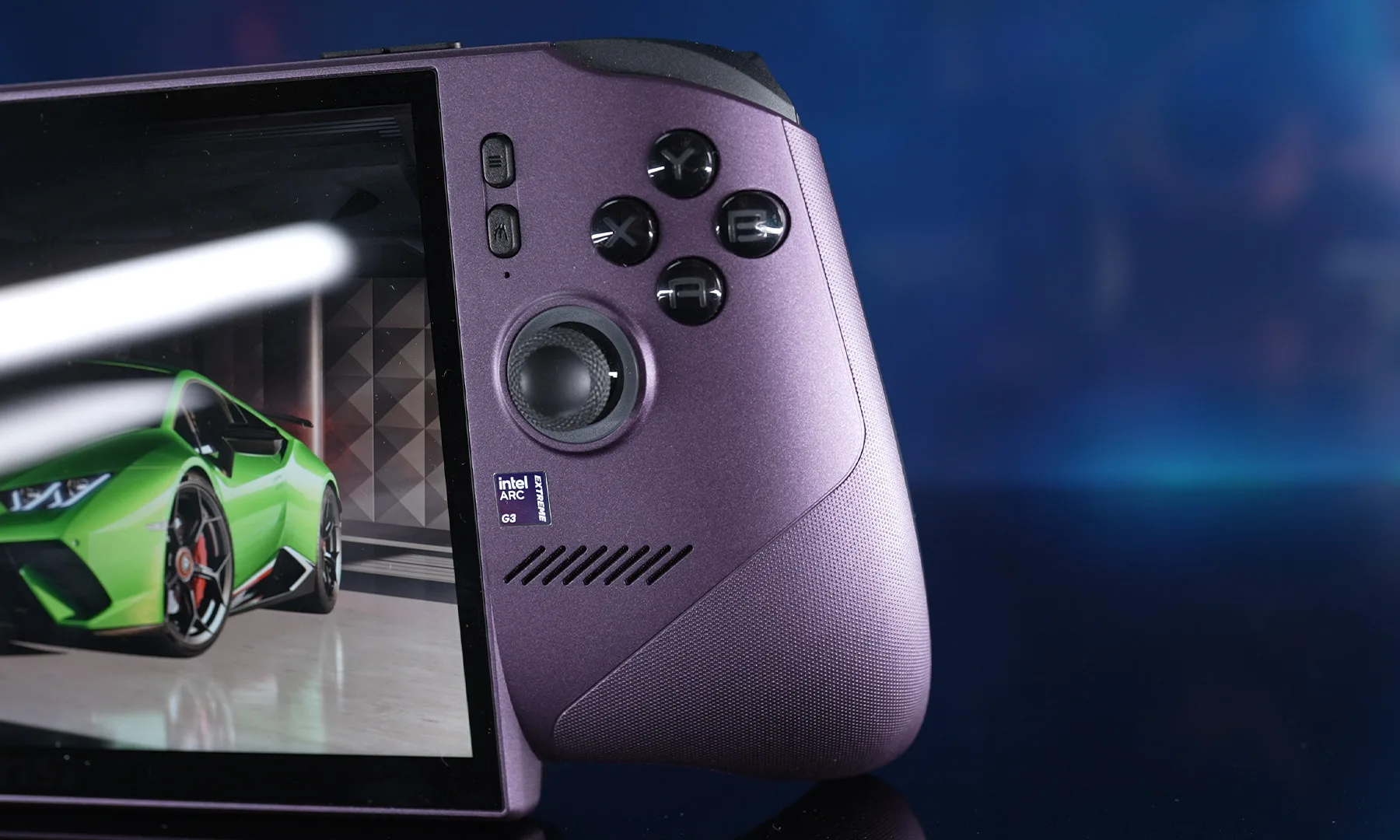
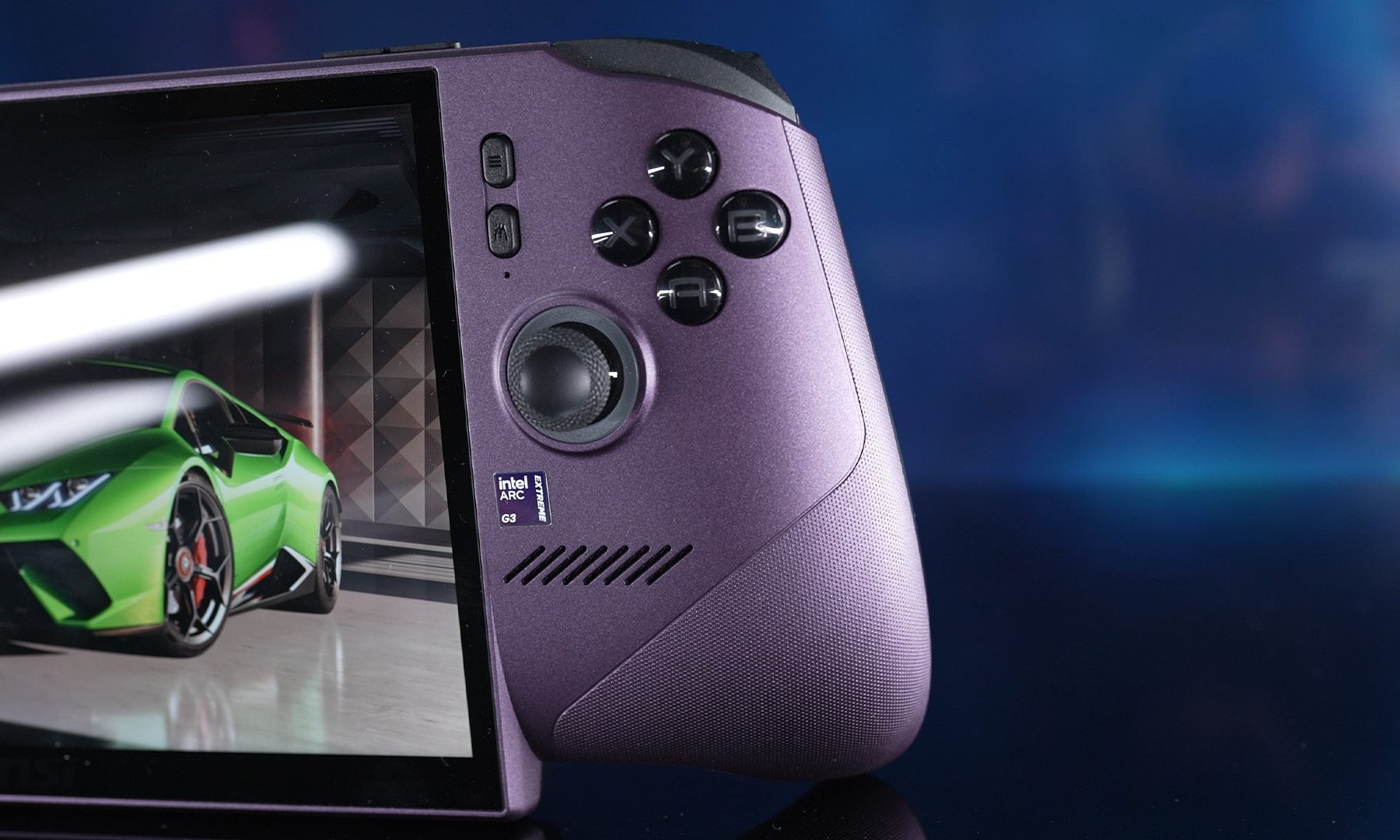
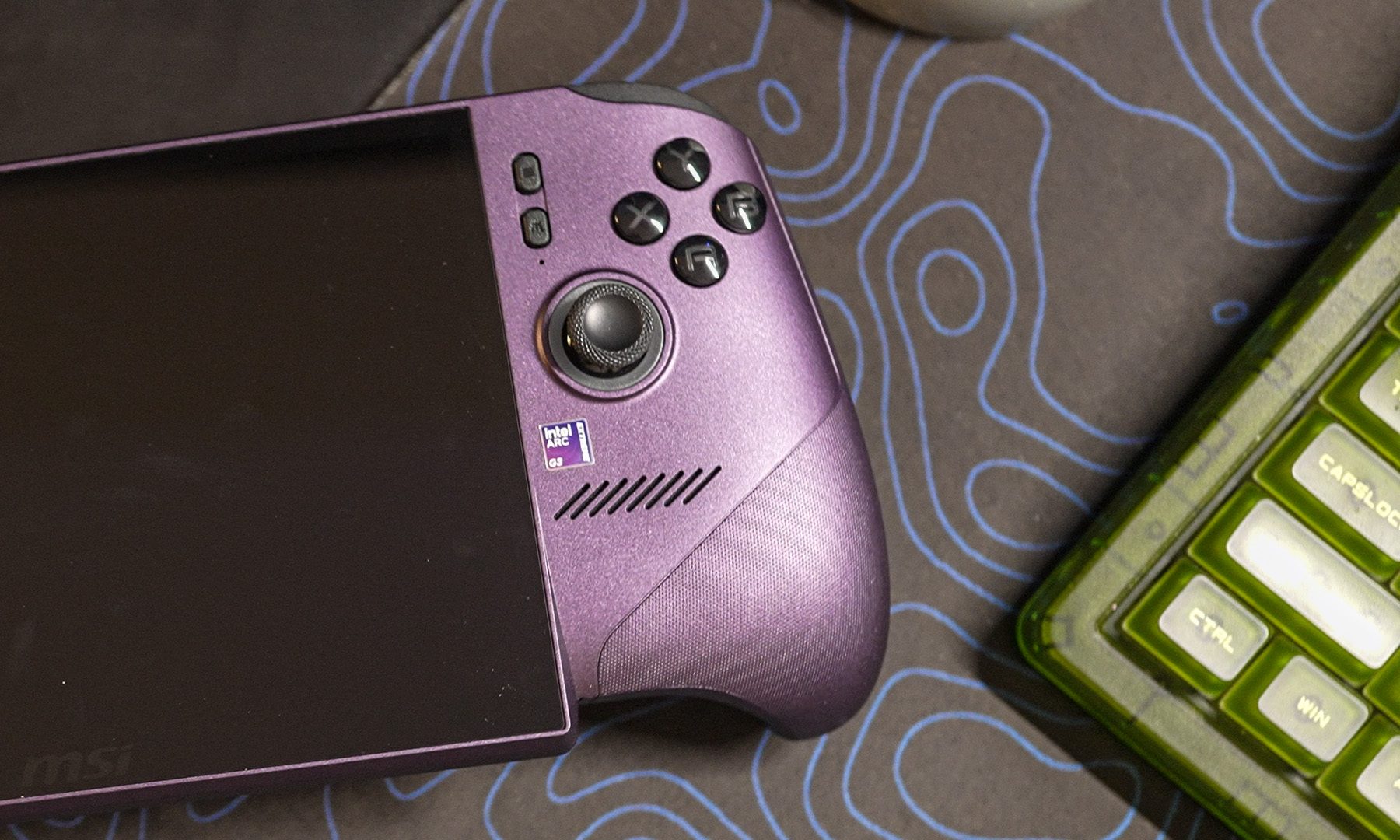
I first caught a glimpse of Intel’s new handheld silicon at Computex 2026, where I saw early hardware powered by it, including the MSI Claw 8 EX AI+ and Acer Predator Atlas 8. But seeing a chip run a demo on a show floor and actually pushing it through real-world workloads are two very different things. When MSI eventually sent me the production Claw for a spin, I finally got that opportunity. I only had the device for a short time, but that brief window was enough to make one thing clear: Intel’s Arc G3 Extreme is a seriously capable handheld gaming platform.
Built for the handheld watt wars
What makes it particularly interesting is that this isn’t simply another laptop processor squeezed into a smaller chassis. Intel has built the Arc G3 Extreme specifically for handheld gaming, with its power envelope and platform tuned around portable workloads. At its heart sits the Arc B390 GPU, based on Intel’s Xe3 architecture, with 12 Xe-cores, hardware ray tracing and up to 113 TOPS of INT8 GPU compute. The chip also features 14 CPU cores, an NPU and support for up to LPDDR5X-8533 memory.
Varun Mirchandani / Digital Trends
That distinction matters because handheld gaming is ultimately a battle for watts. There is only so much power available, and every watt spent on CPU performance is potentially a watt that could have gone towards graphics. Arc G3 Extreme takes a more graphics-focused approach, and after testing it, I think Intel has finally built a handheld chip that understands the assignment.
The test: How fast is the Intel Arc G3 Extreme?
There’s an important caveat before getting into the numbers. I only had the MSI Claw for a short testing window, so my dedicated synthetic and gaming benchmark runs were conducted at its 35W performance setting. I therefore wouldn’t present this as a comprehensive analysis of how Arc G3 Extreme behaves across every possible TDP level. Instead, these results show what Intel’s new handheld silicon can do when given a generous power budget.
Benchmark
Score
Cinebench 2026 MT
3646
Cinebench 2026 ST
497
Cinebench R24 MT
921
Cinebench R24 ST
122
Cinebench R23 MT
14720
Cinebench R23 ST
2003
GeekBench 6 ST
2777
GeekBench 6 MT
14173
GeekBench OpenCL
52812
GeekBench Vulcan
58710
3DMark Time Spy
7098
3DMark Fire Strike
12307
3DMark Night Raid
44355
And at 35W, the results are seriously impressive. Across my synthetic tests, the Arc G3 Extreme delivered the kind of performance I simply haven’t seen from an Intel-powered handheld before. The CPU is capable enough to deliver laptop-class performance, but the real star is the Arc B390 GPU. I found the Arc G3 Extreme comfortably ahead of AMD’s Ryzen Z2 Extreme in its gaming tests. In fact, the Claw is the most powerful handheld gaming PC I’ve tested.
Preset: Medium | AA: Off | XeSS: Balanced | Frame Generation: On, 4x | Full screen effects: Off
221
Spider-Man 2
Preset: Medium | Upscale: XeSS | FG: On (FSR) | Dynamic Resolution Scaling: 60
116
Red Dead Redemption 2
Preset: Favor Performance | API: Vulkan | Upscale: Off | FG: Off
90
Shadow of the Tomb Raider
Preset: High | API: DX12 | Anti-Aliasing: TAA | Upscale: Off
75
Baldur’s Gate 3
Preset: Ultra | Upscaler: Off | Frame Generation: Off
51
F1 24
Preset: Ultra High | Upscaler: Off | Frame Generation: Off
38
Control
Preset: Medium | API: DX11 | Anti-Aliasing: Off
85
The gaming results are even more telling. Across the titles and settings I tested, the Arc G3 Extreme consistently delivered the kind of performance that makes 1080p gaming genuinely viable on a handheld. More importantly, it doesn’t need to lean entirely on upscaling to get there. Native performance is already strong, while XeSS 3 provides additional headroom in supported games. Intel isn’t merely catching up anymore. It’s competing at the very top of the handheld performance stack.
The interesting part isn’t just performance
Raw performance is only half the story with a handheld. Give a chip 35W, and it should be fast. The more difficult question is what happens when the power budget comes down.
Varun Mirchandani / Digital Trends
I didn’t have enough time with the Claw to build a comprehensive 17W, 20W, and 25W benchmark suite, so I took a different approach. I wanted to test efficiency the way a regular gamer would actually experience it. I switched to Endurance Mode and spent several hours playing Sleeping Dogs. The result? More than four hours of continuous gameplay, without turning the experience into a compromised version of the game. That is particularly interesting because the same silicon that can deliver this level of performance at 35W can scale down into a genuinely usable, battery-conscious gaming platform.
Then there’s standby behaviour, which might be my favourite efficiency improvement. The Claw’s idle drain was practically non-existent during my testing. Leave it in sleep mode overnight, and it wakes up with almost the same battery percentage. That’s a surprisingly important quality-of-life feature for a Windows handheld because nothing kills the convenience of portable gaming faster than picking up the device to find a dead battery.
Intel’s handheld redemption is real
I’ve tested most of the mainstream handhelds, from the Steam Deck and ROG Ally to the ROG Ally X and other AMD-powered devices, and based on that experience, the Arc G3 Extreme is comfortably the most powerful handheld platform I’ve tested. The performance advantage is especially noticeable in demanding AAA games, but Intel isn’t simply brute-forcing its way there with more watts; the chip also scales intelligently when the workload gets lighter.
Advertisement
Varun Mirchandani / Digital Trends
Of course, there’s some context worth acknowledging. AMD’s Ryzen Z2 Extreme launched around a year earlier, giving Intel plenty of time to study the handheld market, improve its drivers and close the gap. And the first Arc G3 Extreme devices are expensive enough that this isn’t about to become a mainstream replacement for the Steam Deck or ROG Ally overnight. But the price of the hardware doesn’t change what Intel has achieved with the silicon. Intel has finally arrived in handheld gaming, and it has done so with enough performance to compete with AMD at the top end, while bringing the efficiency to make that performance genuinely useful away from the charger.
The first Claw showed that Intel wasn’t ready. The Arc G3 Extreme shows that Intel finally is.
Bad news for anyone who was hoping for some relief from the memory shortage — Digitimes is reporting that the production capacity of major players such as Samsung, Micron, and SK Hynix has already been booked for 2027 due to record demand. Their industry sources indicate that what we’re experiencing currently is just a prelude to when things get really ugly, which is why customers are paying a premium to lock in their orders so far out.
Although there’s been no official word from either side of the transaction, the Digitimes article further points out that these sort of agreements are usually 3 to 5 year contracts. If that’s the case, and nothing changes in supply and demand equation, we could be in for a very rough ride. There’s a potential opportunity here for other manufacturers to step in and start producing DRAM, possibly even focusing on lower-performance offerings intended for the consumer market, but setting up those production lines isn’t going to happen overnight. It’s always possible the AI bubble could pop in the next couple of years, but we’re not sure we’d put money on it.
There’s a developing story this weekend about the breach of customer data over at Framework. The maker of modular and repairable computers has recently sent an email out to all customers that their names, email addresses, phone numbers, and physical addresses were leaked due to an upstream zero-day attack against database provider Metabase.
Metabase disclosed the breach on August 3rd, but we were mildly surprised to see that Framework doesn’t seem to have made any public acknowledgement of the event so far. As far as we can tell, the only reason there are copies of the email from them circulating online is because several customers posted it to social media. In their statements to sources such as TechCrunch, Framework reps were also hesitant to give hard details such as how many customers were impacted. While we’re fans of what Framework is trying to do in terms of hardware customization and repairability, we have to admit that being cagey about this sort of thing isn’t a good look.
Advertisement
If you’re looking to vent about this situation and others like it with similarly-minded folks, HOPE 26 will be the perfect place to do it. We’re just days away from the New York hacker con, and there are less than 150 tickets still available for anyone who’s still undecided about going. At this point, it seems likely there won’t be any ticket sales at the door.
Luckily, there’s no shortage of virtual tickets which will let you experience the event from the comfort of your own basement. Since their week-long marathon event during COVID, HOPE has offered a better virtual experience than most hacker cons, so ticket holders can look forward to more than just a YouTube link.
As reported by Neowin, developer Justin Marshall has ported Word for Windows 1.1a to Microsoft’s modern incarnation of the operating system on 64-bit hardware. Rather than running it in some emulator, Justin took the source code that Microsoft released back in 2014 and rewrote the bits that relied on the early 90s platform it was intended for.
While we’re not sure the lawyers in Redmond are going to lose much sleep over somebody hacking around with a 35 year old version of Word, it’s worth mentioning that the Microsoft Research License that the code was released under back in 2014 allows access to the source for personal use but specifically forbids redistribution.
To comply with the letter of the law on this one, our read on it is that this project should have been made public as a series of patches against that release rather than bundling in Microsoft’s own code. In other words, if you’re interested in this one, you might want to pull down a local copy now in the event it goes down the memory hole.
Advertisement
Finally, Word isn’t the only decades-old piece of software getting a new lease on life in 2026. This year marks the 30th anniversary of Quake, and to celebrate Bethesda has unveiled a new chapter for the seminal first person shooter. Titled Dawn of the Machine, the update was created by a group of developers within MachineGames, who have not only been responsible for the modern Wolfenstein games but also 2024’s critically-acclaimed Indiana Jones and the Great Circle.
Although Quake may be 30 years young, it’s still available on pretty much everything, so you won’t need to break out your old DOS machine to get in on the action. The announcement page says the free update is available now for all current and previous-generation game consoles, as well as PC.
See something interesting that you think would be a good fit for our weekly Links column? Drop us a line; we’d love to hear about it.
Situational Awareness may have had to sell off the majority of its public portfolio last month, but the AI-focused hedge fund is still making some big bets.
This week, the fund invested $400 million into Source Foundry, a startup founded by Stanford researchers aiming to make chip manufacturing faster and cheaper, according to The Wall Street Journal. That brings its total investment in Source Foundry to $500 million.
Situational Awareness was founded by Leopold Aschenbrenner, a former OpenAI researcher in his mid-twenties who had no trading experience when he launched the fund in 2024. Early returns were reportedly strong, but the fund faced steep losses in recent months amidst the decline in AI infrastructure stocks.
At the end of July, Situational Awareness sold off the majority of its public portfolio to Ken Griffin’s Citadel, although the fund held on to its Anthropic shares. Its assets under management reportedly fell from $20 billion to $10 billion.
Sounding off: As AI moves into more parts of daily life, the possibility of using it in New Orleans’ 911 system struck a nerve. Residents were relieved to learn that reports of AI replacing emergency call-takers were inaccurate, but the reaction underscored a larger reality.The technology is reshaping essential services, often faster than the public is ready to accept.
New Orleans is using artificial intelligence in a limited part of its 911 operation: screening some duplicate calls about vehicle crashes when human call-takers are unavailable.
The Orleans Parish Communication District issued the clarification after a Shreveport Times story reported that the city would use AI to answer 911 calls instead of human operators. OPCD said the technology is not replacing human call-takers and is used only in a narrow set of circumstances.
The Shreveport Times article, published Thursday under the headline “New Orleans will use AI to answer 911 calls instead of a human,” focused on Carbyne’s AI Emergency Call Triage tool. The system is designed to identify when multiple callers are reporting the same incident.
Advertisement
Under that process, callers reporting a crash that is already known to dispatchers may receive information or updates about the incident. Callers reporting a separate emergency would be routed to a human dispatcher. The story also noted that the tool would not replace dispatchers.
Still, the headline drew a wider reaction online, with commenters questioning whether AI should play any role in emergency communications.
“I wonder what happens if someone has to be discreet and order a ‘pizza’ and instead AI answers,” one commenter wrote.
Some commenters also pointed to McDonald’s abandoned test of AI drive-thru ordering. Widely shared examples of incorrect orders became a symbol of the technology’s shortcomings, and McDonald’s ended the test at more than 100 restaurants in 2024 after working with IBM on the automated ordering system.
Advertisement
The comparison isn’t exact. Ordering food at a drive-thru is very different from calling 911, and OPCD says its system is limited to duplicate reports of a known crash. But the reaction reflects a broader concern about using AI in situations where mistakes could have serious consequences. Questions about reliability, accountability, and access to a human operator are particularly sensitive in emergency response.
OPCD Executive Director Karl Fasold said the agency has used the AI tool for about two years. It can be activated only when all human call-takers are busy and a caller is within about 200 meters of a crash that has already been reported.
The system then determines whether the caller is reporting the same crash. If so, it can provide information or updates. If the caller is reporting something else, the call is routed to a human dispatcher.
OPCD said the technology is not used for other types of 911 calls. The agency also said it has safeguards in place to ensure callers can reach a person when needed.
Advertisement
Fasold said the Shreveport Times article left readers with the impression that New Orleans was moving toward an AI-run 911 system. He said that is not how the city is using the technology.
OPCD also said the reporter did not contact the agency before publishing the article and did not identify sources for some of its claims.
“Every 911 center in the country is dealing with the reality of tighter budgets and inability to reach full staffing even with funding to do so. We have found this AI triage tool, used specifically for the scenario outlined above involving motor vehicle accidents, to be an extremely positive use of the technology to make the best use of our staff’s very limited time,” Fasold said in a statement.
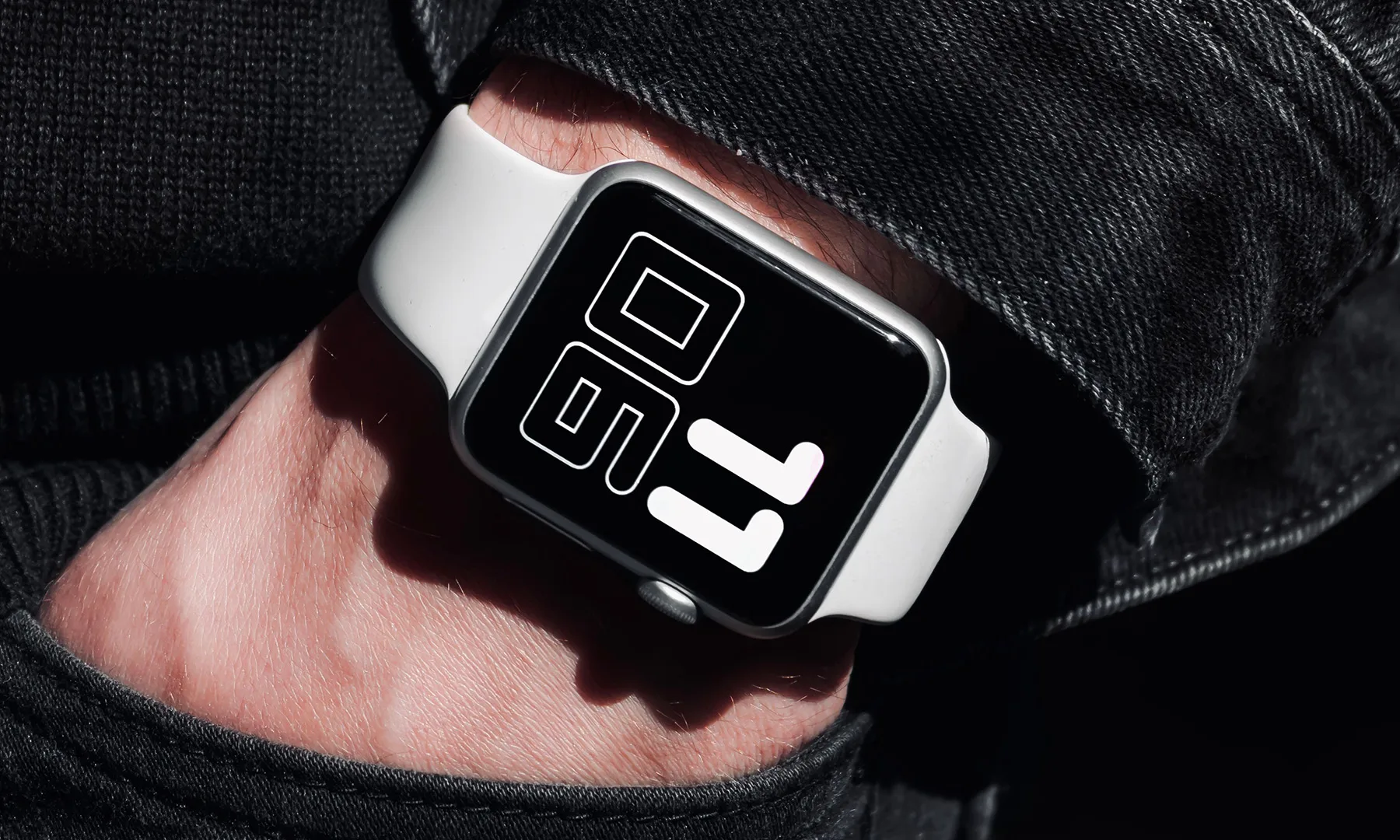
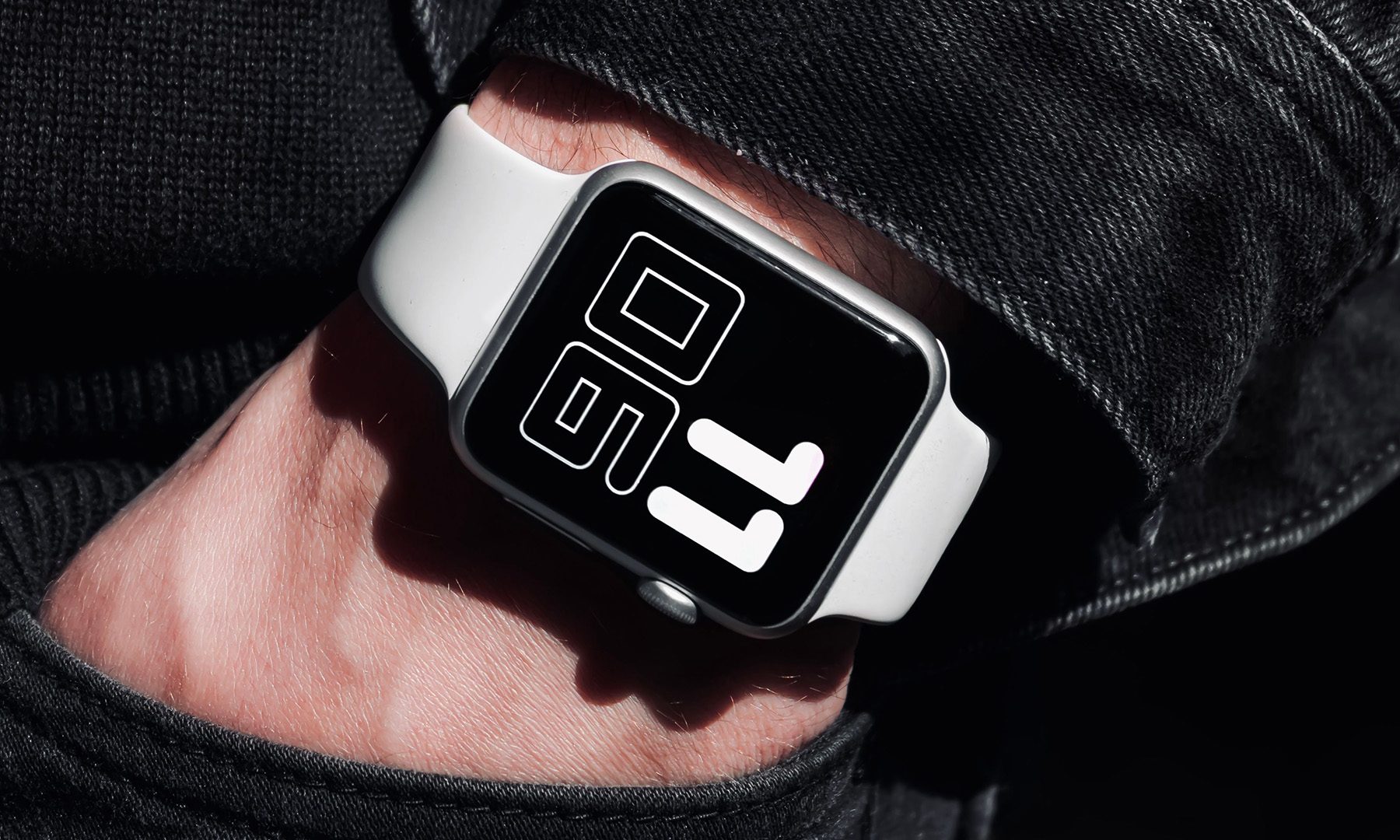
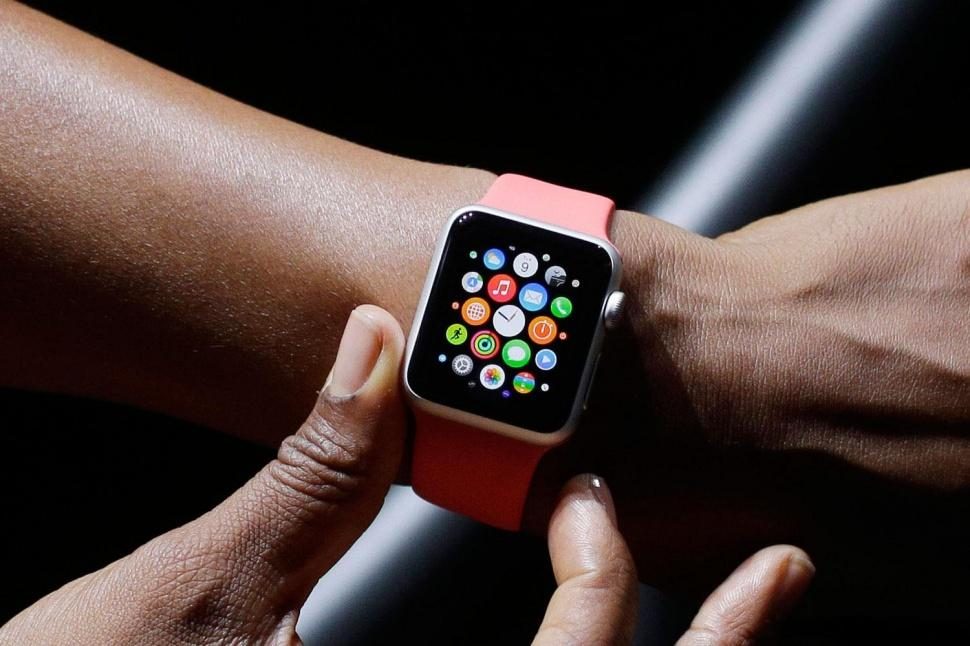
For more than a decade, the Apple Watch has looked like a tiny computer strapped to the wrist. But what if Apple made it look like an actual watch instead? Recent reports suggest that Apple is considering round displays for future Apple Watch models, alongside other design ideas as the company rethinks its wearable lineup. Nothing has been finalized, but the possibility raises a fascinating question: would a circular Apple Watch actually be better, or would Apple be fixing something that isn’t broken? I think the answer depends on what Apple wants the Watch to be.
A circle could finally make the Apple Watch feel like a watch
The biggest argument for going circular isn’t technical. It’s fashion.
Adrian Regeci / Pexels
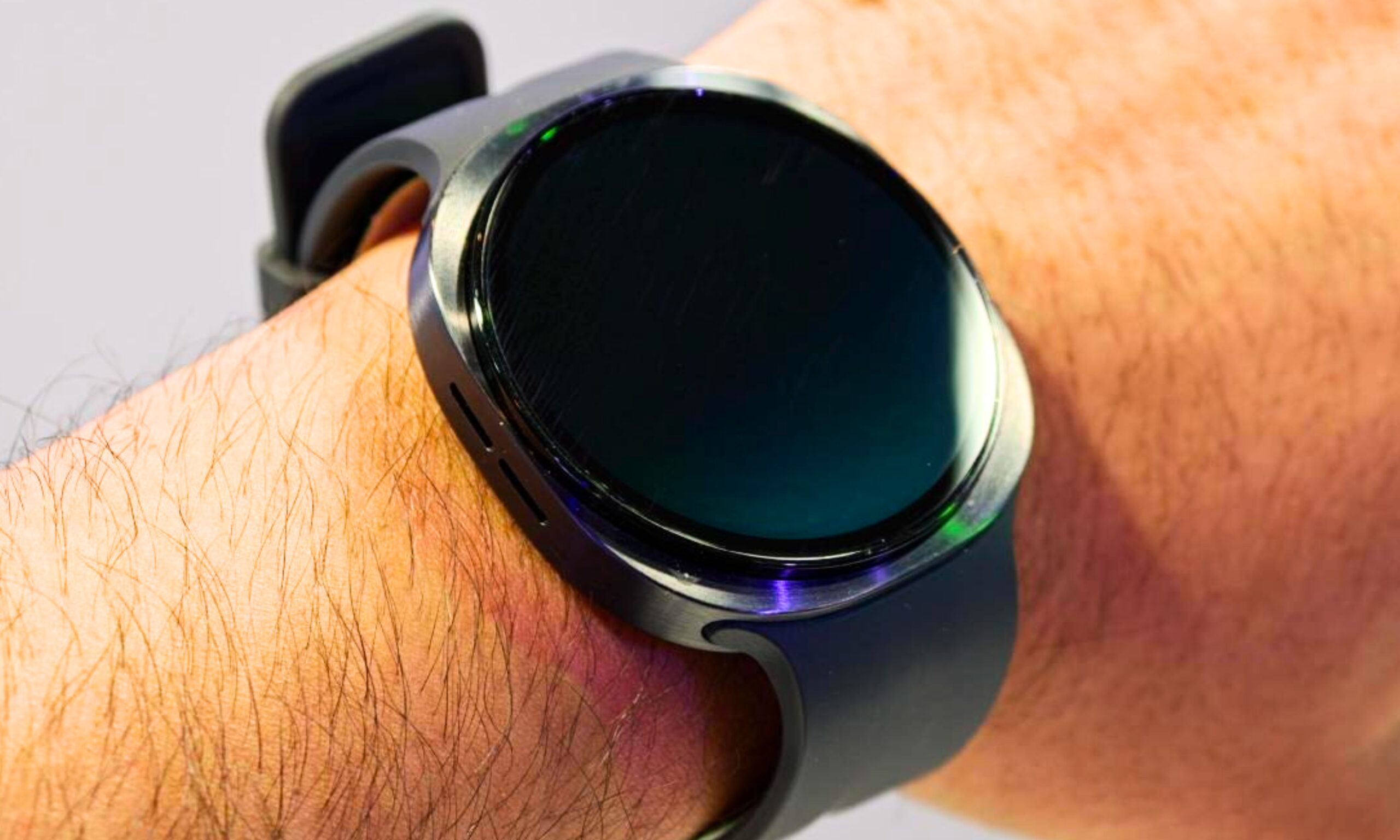
The Apple Watch’s rounded-square design is instantly recognizable, but it also looks unmistakably like a piece of technology. A circular design could make it blend far more naturally with formal clothing, traditional outfits, or simply with users who prefer the look of a conventional timepiece. And Apple could potentially attract people who have avoided the Watch precisely because they don’t like its appearance. Samsung, Google, Garmin and countless traditional watchmakers have already demonstrated that a circular watch can look more natural on the wrist.
Galaxy Watch 9Nadeem Sarwar / DigitalTrends
There is also something to be said for Apple’s design becoming less repetitive. The company has refined the Watch over the years, but the fundamental shape has remained remarkably consistent. Going circular would instantly make a new generation feel like a new Apple Watch, rather than another iteration with a thinner case and brighter screen. But there is a catch.
The Apple Watch is also a tiny computer.
The current shape isn’t just an aesthetic choice. It gives watchOS something extremely useful: a relatively rectangular canvas.
Unsplash
Apps, notifications, messages, maps, fitness statistics, calendars and settings are all much easier to arrange inside a rectangle. A circle removes usable space from the corners, which can leave text and interface elements feeling cramped. The keyboard is an obvious example. Typing on the Apple Watch is already an exercise in patience. Now imagine trying to squeeze a keyboard into a shape that gets narrower toward the edges.
Sure, Apple could redesign watchOS specifically for a circular screen, and that’s where things get interesting. The company controls both the hardware and software, so it could create a genuinely circular-first interface rather than simply cropping the existing one. But third-party developers don’t have the same luxury. Apple already has a somewhat fragile watchOS app ecosystem, with some developers moving away from standalone Watch apps in favor of quicker notifications and companion experiences. Asking developers to maintain another completely different interface system could make that problem worse.
Advertisement
Apple
Apple could potentially require developers to support both rectangular and circular layouts, but that means more development, testing, and maintenance for an ecosystem that isn’t exactly overflowing with developer attention. A circular Apple Watch could therefore become a beautiful device that increasingly relies on Apple’s own apps while third-party experiences take a back seat.
Then there’s the hardware problem nobody sees
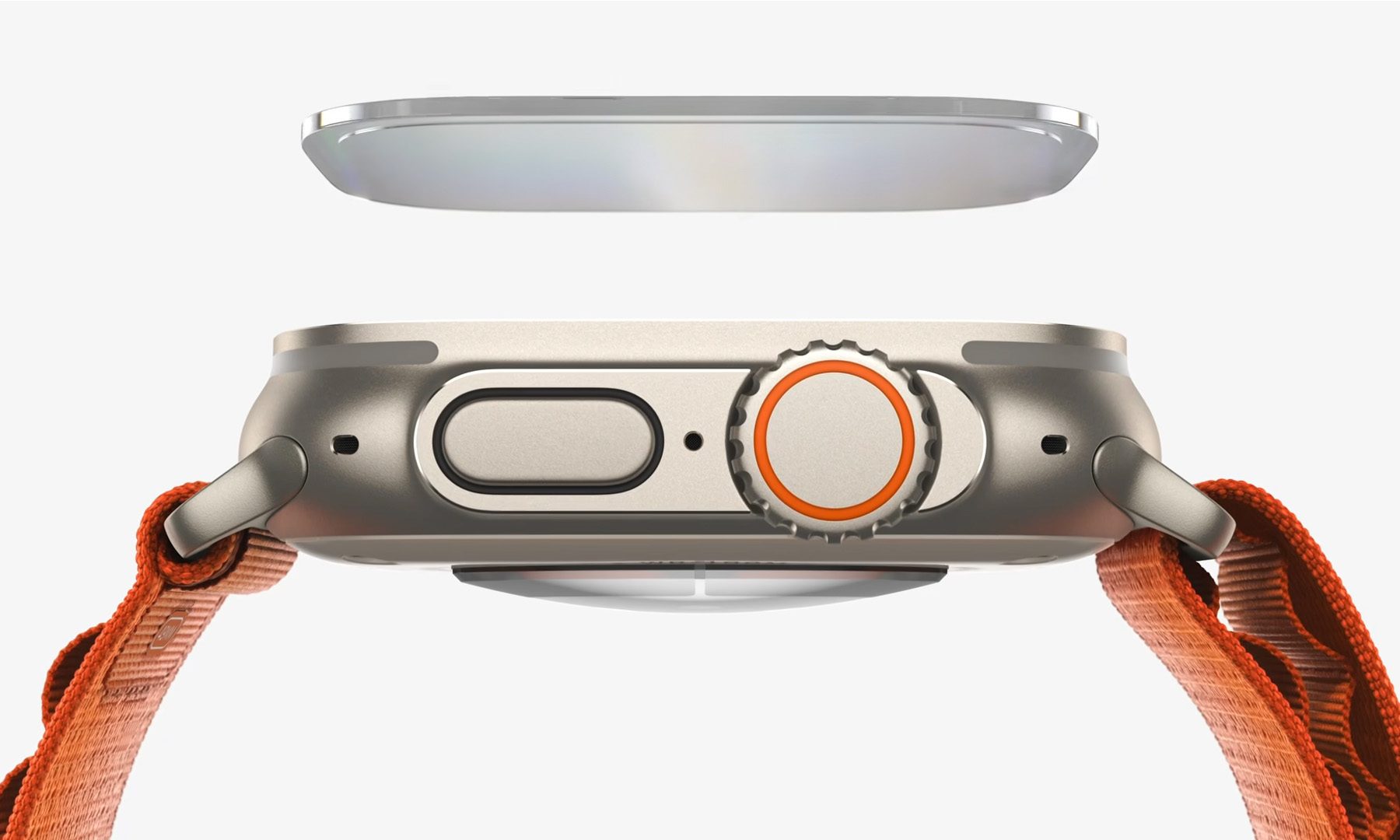
There is another issue hiding inside that pretty circular chassis: the components aren’t circular.
Apple
Batteries, logic boards, speakers, sensors, and the Taptic Engine are generally rectangular, flat, or otherwise shaped around the available internal space. Put those components inside a circular case, and the corners inevitably become awkward dead space. Apple could compensate by redesigning virtually every internal component, but that would add complexity and potentially increase manufacturing costs. Alternatively, the company could make the circular Watch thicker to fit the same battery and hardware capacity, creating the dreaded “puck” effect.
That’s a particularly awkward trade-off for Apple. The company has spent years making the Watch thinner and more refined. Giving some of that progress back simply to accommodate a circular chassis would be a difficult sell. Samsung and Google have already had to deal with similar compromises in their circular watches, so Apple wouldn’t exactly be entering unexplored territory. The difference is that Apple tends to be particularly obsessive about internal packaging and thinness.
Maybe Apple needs to make a watch that looks like one
A circular Apple Watch could be the perfect fit for lifestyle users who want health tracking and smart features without wearing something that looks like a tiny computer. It could even coexist with the current design, giving Apple a more fashion-focused option while retaining the rounded rectangle for users who value screen space and information density. The trade-off is identity: the current Apple Watch is instantly recognizable, while a circular model could look more like a traditional timepiece, but also more like what Samsung, Google, and Garmin already offer.
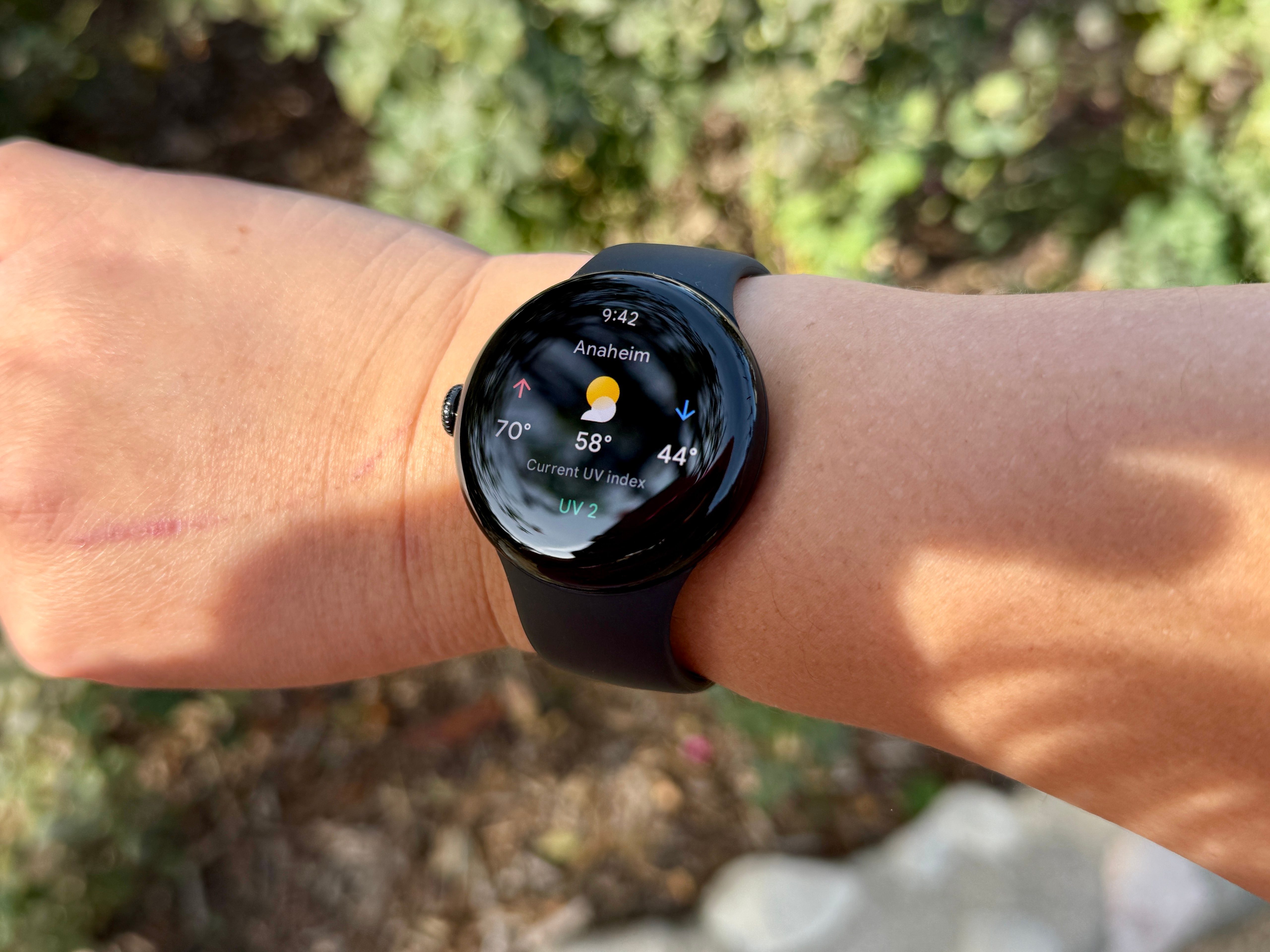
Pixel Watch 3Christine Romero-Chan / Digital Trends
That makes a circular Watch more interesting as a new branch of the lineup rather than a replacement. Apple could have one Watch designed around maximizing information and another designed around blending into everyday life. But making that work would require much more than putting a round panel inside a new case. Apple would need to rethink watchOS, third-party apps, internal component placement, battery capacity, and potentially even the thickness of the device.
Of course, there is still a very real possibility that none of this ever happens. The original report says Apple is exploring different designs, not that a circular Watch is confirmed, and plans can change long before a product reaches the market. Still, if Apple does decide to go round, it could make the Apple Watch feel less like another gadget and more like a genuine everyday watch, even if that comes with some serious compromises.
Kasquez just released a complete fan recreation of Donkey Kong Land that runs natively on Windows. The 1995 Game Boy original from Rare now exists as a standalone PC build with visuals, audio, and movement drawn straight from the style of Donkey Kong Country. Over thirty full-sized levels wait, along with the usual banana collecting, secret hunting, and a fresh trip to reclaim the hoard from King K. Rool.
Rare spent a lot of time converting the handheld game from the ground up rather than simply copying the Super Nintendo version, but let’s be honest, the hardware limitations meant the original game was always going to be a little rough, with shorter stages, only one Kong on screen at a time, fewer animal friends, and monochrome graphics that still managed to flex some impressive pre-rendered detail. Nonetheless, the game leaned into its new ideas and restrictions, so much so that levels relied on set pieces like cliff rockfalls and big ol’ tornado enemies, without losing that same basic roll-and-jump momentum that made the game so much fun, and even tho it was half the length, the game still clocked up nearly four million sales and received glowing reviews for squeezing so much personality out of its tiny green screen.
BUILDABLE ARCADE CABINET – Relive the fun of playing an iconic arcade game with the LEGO Donkey Kong Arcade (72051) building set for adults ages…
AUTHENTIC ARCADE GAME DETAILS – Create a Donkey Kong arcade level featuring Jumpman, Donkey Kong and Lady, including iconic details like the…
WORKING JUMP AND DODGE PLAY – Pull the lever on the left side of the base to release one barrel at a time, then move Jumpman with the joystick and…
This new release effectively removes all of those limits. Stages can be as long as they need to be, leaving plenty of area for platforming sequences, hidden paths, and the vertical and horizontal exploration that seemed constrained in the original. Donkey Kong Country’s richer colors and sprite presence improve character and landscape art, making jungles, reefs, mountains, and the climactic pirate ship appear and feel more like the SNES game than a clone. Backgrounds are also given a nice polish, making them seem natural on current monitors. Music and sound effects follow suit, replacing the Game Boy’s limited sound with true, full-fat versions that can compete with vintage console tunes.
The controls are also smooth and tight, as they are built for gamepads or keyboards rather than the handheld’s two-button configuration, so movement remains quick and responsive. Rolling, jumping, and barrel-blasting all feel immediate, which is exactly what you need when the game opens up and demands precise timing over longer stretches. There are still plenty of secrets to find, bonus rooms, alternate paths, and collectibles that will entice you to return and explore every nook and cranny just like you did in 1995, but this time with a camera and resolution that actually allows you to see what’s going on.
It all delivers as a self-contained Unity package, so you won’t need the original ROM because all of the assets are included in the download. That’s a good convenience, but it opens the door to Nintendo’s proclivity to shut down ventures that leverage its intellectual property. So the Google Drive link may have a limited shelf life, as Kasquez has included a quick how-to video that talks you thru the setup and choices, and folks have already reported that it plays well and the physics are spot on for the console game. [Source]
The French and British came marching into Raleigh this weekend, although thankfully nobody brought muskets, red coats or plans to retake the colonies. The city has survived British taxation, Sherman marching through North Carolina and generations of arguments over which barbecue sauce constitutes an act of treason.
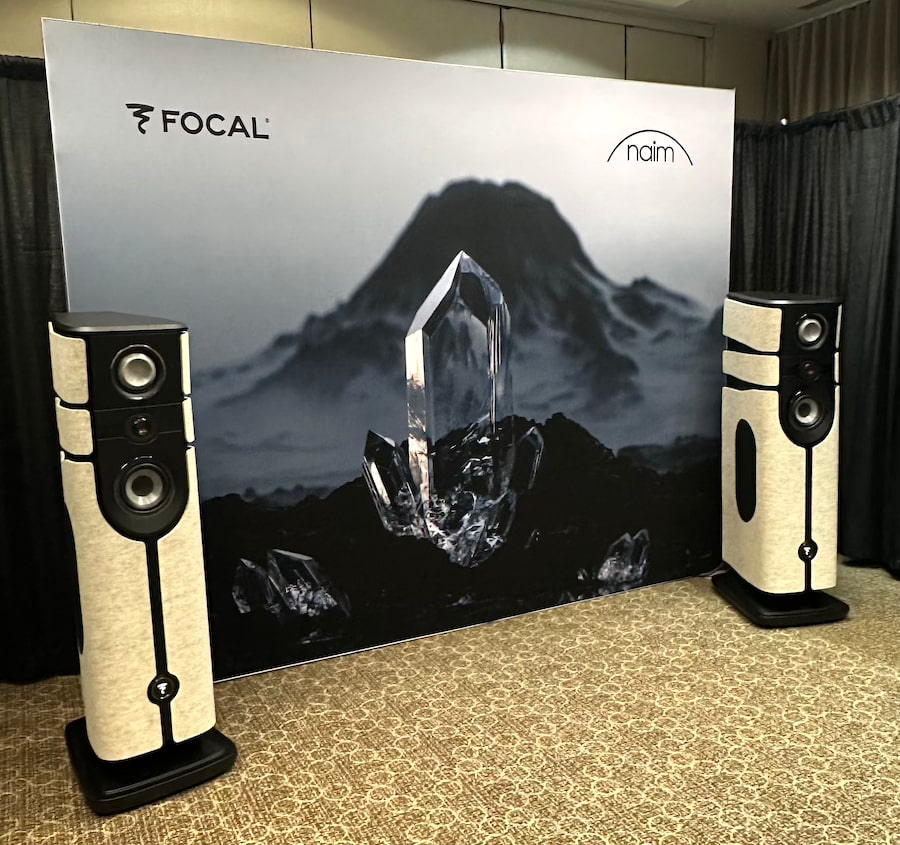
Focal and Naim instead invaded Audio Advice Live 2026 with something considerably more dangerous to the average audiophile’s bank account: four very different systems spanning custom installation, immersive home audio and some of the most ambitious high-end loudspeakers either company has ever produced.
Now in its fifth year, the Raleigh event packed more than 60 experience rooms and over 10 immersive Dolby Atmos theater systems into the Sheraton Raleigh Hotel from August 7 through 9. More importantly, this is a consumer-facing show where people can actually hear the equipment, ask the people selling it why it costs what it does, and decide whether any of it belongs in their homes.
That matters even more with Audio Advice itself in expansion mode beyond its traditional North Carolina footprint, including its moves into St. Louis, Miami and Las Vegas. The Raleigh show increasingly feels less like an oversized dealer event and more like a very public statement about where the retailer thinks the premium A/V market is headed.
Advertisement
Focal and Naim apparently got the memo.
Rather than bringing one obscenely expensive system and calling it a weekend, the two brands demonstrated products ranging from the $5,597 Focal Omada/Naim CI system all the way to the $210,000 Diva Alta Utopia active wireless flagship.
That is quite a walk across the financial spectrum before you’ve even finished your sweet tea. Better bring a pitcher for Coach Brind’Amour. Rod the Bod just brought the Stanley Cup back to Raleigh, although judging by the man’s conditioning, he probably considers sugar a controlled substance.
Related Reading:
Focal Diva Alta Utopia: $210,000 and Almost Everything Is Inside
The unquestioned headliner was the Focal Diva Alta Utopia, launched on June 17 for $210,000 per pair. It is Focal’s flagship active wireless loudspeaker and arguably one of the more audacious products introduced in high-end audio this year.
Calling it a wireless loudspeaker does not really explain what Focal and Naim have built.
Advertisement
Each 235-pound loudspeaker uses a four-way architecture with seven drivers, including four 8-inch W-cone woofers in a push-push configuration, an M-profile W midrange driver and Focal’s new PRISM tweeter. Each enclosure also contains 600 watts of Naim Class AB amplification, along with the DAC, DSP and streaming electronics required to make the system essentially self-contained.
The two loudspeakers can communicate over Ultra Wideband wireless technology, while Focal supplies a wired high-resolution connection for users who want 24-bit/192 kHz communication between them. HDMI eARC, optical and analog inputs are also included, along with Wi-Fi 6, Ethernet and support for high-resolution streaming.
Advertisement. Scroll to continue reading.
That is the real point of the Diva Alta Utopia. A conventional Focal Utopia/Naim system at this performance and price level normally involves loudspeakers, amplifiers, digital sources, racks, cabling and enough boxes to make your electrician wonder whether you are opening a small data center.
Advertisement
The Diva Alta Utopia puts almost all of it inside the loudspeakers.
At $210,000, simplicity has apparently become a luxury feature.
Focal Scala Utopia Evo M Makes Its North American Debut
The Focal Scala Utopia Evo M was arguably the more important traditional high-end demonstration because Audio Advice Live marked its North American debut.
Introduced July 2, the three-way bass-reflex floorstander represents a substantial evolution of one of Focal’s best-known Utopia models rather than a cosmetic refresh with a French accent.
The Scala Utopia Evo M incorporates the new PRISM inverted-dome tweeter, an M-profile W-cone midrange derived from Focal’s professional Utopia Main monitors, a redesigned 10.6-inch W-cone woofer with dual ferrite magnets, TMD suspension and Focal’s OPC+ crossover system. The loudspeaker is rated at 92 dB sensitivity with a 27 Hz to 40 kHz frequency response.
Advertisement
Pricing starts at $50,000 per pair for Black High Gloss, Off White High Gloss and Warm Taupe High Gloss. Light Walnut with an Off White front panel and Dark Walnut with a Sepia Brown front panel increase the price to $56,000 per pair.
Focal paired the Scala Utopia Evo M demonstration with Naim’s NSS 333 high-resolution streamer ($10,999), NSC 222 streaming preamplifier ($8,999) and two NAP 350 monoblock power amplifiers ($8,499 each).
Using the $50,000 Scala finish, that makes the demonstrated system $86,996, not including whatever cables and supporting furniture were used in the room. Select one of the wood finishes and the price rises to $92,996.
Nobody walking into this room accidentally bought one after lunch. Or did they?
Advertisement
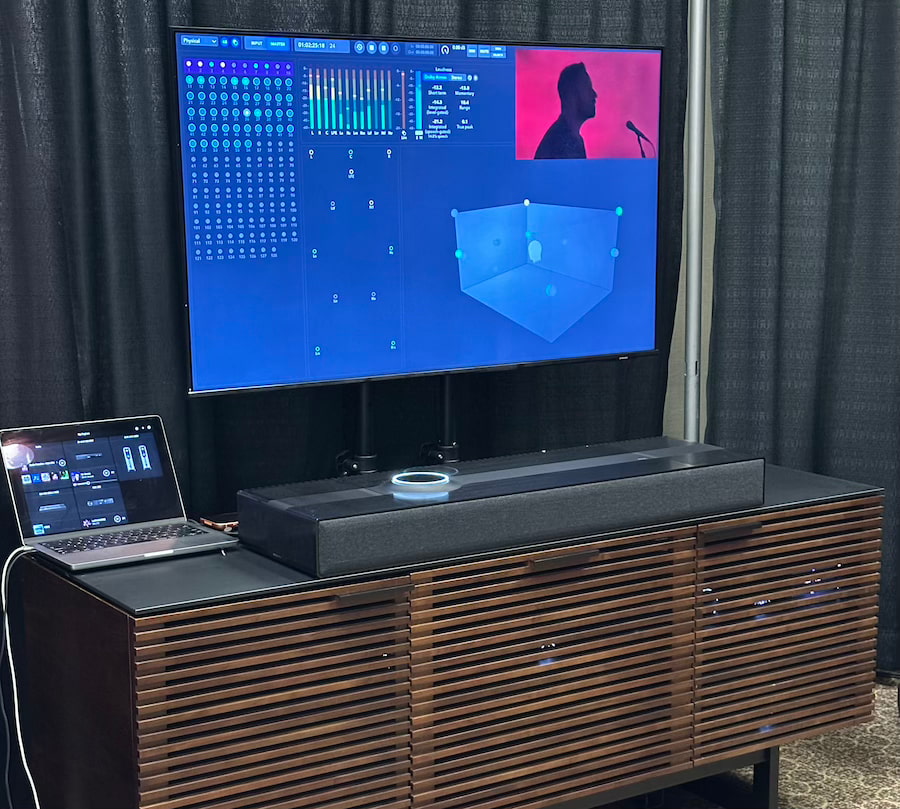
Focal Mu-so Hekla Brings Dolby Atmos Without the Speaker Farm
Focal and Naim also demonstrated the $3,600 Mu-so Hekla, which might actually have been the most relevant product in the room for a much larger percentage of attendees.
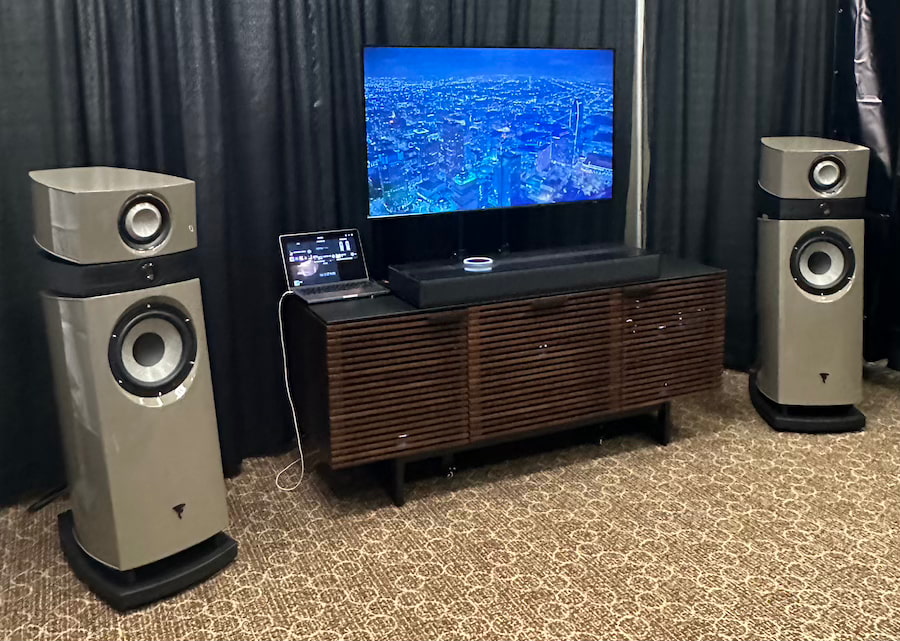
Focal remains adamant that Hekla is not merely a soundbar, and after hearing it previously at CES and AXPONA, we understand why the company keeps making that distinction. It is a single-box immersive audio system built around 15 drivers, 660 watts of amplification and Dolby Atmos, with HDMI eARC and extensive network streaming support.
Advertisement. Scroll to continue reading.
Hekla also uses Focal’s ADAPT room calibration system, which allows users to enter room dimensions and listening distances through the Focal & Naim app so the system can adjust its presentation for the space. Streaming support includes AirPlay 2, Chromecast, Qobuz, Spotify Connect, TIDAL Connect and UPnP, along with Dolby Atmos music support from compatible services.
You get immersive sound without running speaker wire through the ceiling, which in most homes means one fewer argument and considerably less drywall dust.
Advertisement
And no, Focal still doesn’t want us calling it a soundbar.
Fine. Raleigh has enough arguments about barbecue already.
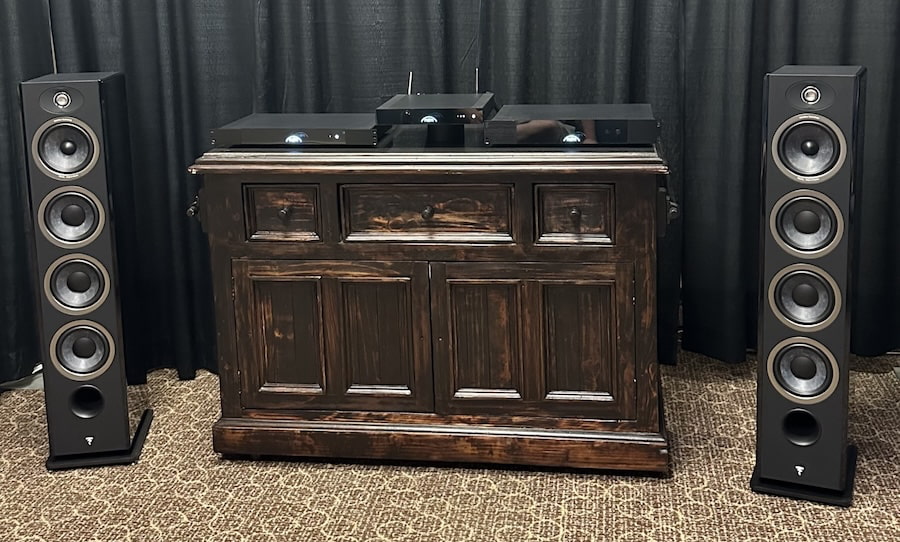
The $5,297 Focal/Naim System Might Be the Most Important One
At the opposite end of the room from Utopia pricing was a combination that demonstrates why Focal and Naim’s strategy has become much broader than exotic two-channel audio.
The active demonstration paired the Focal Omada Nº3 floorstanding loudspeakers ($3,798/pair) with the Naim CI-Uniti 102 streamer amplifier ($1,799) for a complete system price of $5,597.
The CI-Uniti 102 combines network streaming and amplification in a compact integration-oriented chassis and can be configured using Focal & Naim Manager software with loudspeaker profiles for different installations. It also supports integration platforms including Crestron, Control4, RTI, Savant and Elan.
Advertisement
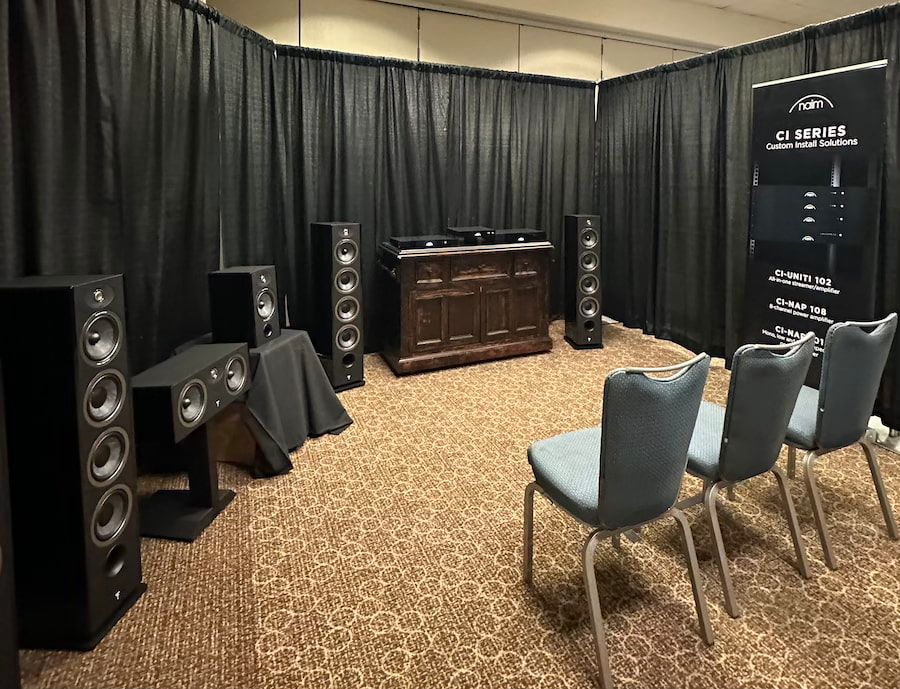
Focal says the Omada range is offered in the United States through participating ProSource dealers, which includes Audio Advice. Also on display in Raleigh were the Omada Nº1 ($1,398/pair), Omada Nº4 ($4,598/pair), Omada Center ($699) and matching Center Stand ($169), along with Naim’s CI-NAP 101 mono amplifier ($1,999) and CI-NAP 108 eight-channel power amplifier ($3,499).
That demonstration may lack the gravitational pull of a $210,000 pair of Utopias, but strategically it matters. Focal and Naim clearly want to be involved in more than dedicated audiophile rooms; they also want a larger piece of the integrated whole-home, media-room and custom-installation market. Naim specifically positions its CI range as the electronics counterpart to Focal’s integrated loudspeaker products.
The Bottom Line
What made Focal and Naim’s Audio Advice Live 2026 presentation work was not simply the price of the Diva Alta Utopia or the North American debut of the Scala Utopia Evo M. It was the enormous distance between those products and the $5,597 Omada/CI system sitting elsewhere in the same demonstration portfolio.
That is also why Audio Advice Live matters.
Advertisement
You could walk from a compact Naim-powered Focal system that a reasonably committed enthusiast might actually purchase, to Hekla’s single-box Dolby Atmos solution, to an $86,996 Scala Utopia Evo M system, and finally to a $210,000 pair of wireless active loudspeakers. More importantly, you could hear all of them rather than stare at photographs while someone explained that the magic really starts after 300 hours of break-in.
Advertisement. Scroll to continue reading.
Focal and Naim brought four very different answers to the same question: how much equipment do you really want between yourself and the music?
In Raleigh, the answer ranged from almost none to please call my family office.
Samsung advances floating data center project with first Texas engineering agreement
Floating facilities promise 50MW capacity while reducing traditional construction timelines significantly
Texas grid review creates fresh uncertainty for expanding data center developments statewide
Samsung Heavy Industries and Dallas-based Mousterian Corporation have signed an engineering contract covering their first floating data center project planned for deployment in Texas.
The deal advances their partnership into the engineering phase, with both companies jointly responsible for the project’s basic design, detailed engineering, and production planning.
Each proposed floating facility is expected to provide 50 MW of critical IT capacity while operating on water instead of occupying conventional land-based development sites.
Latest Videos FromTechRadar
Advertisement
A shipyard-built facility moored beside a power plant
The pilot site is expected to sit next to an existing combined-cycle gas turbine power plant located in Houston, according to reporting on the plan.
Mousterian believes the shipyard construction approach could shorten delivery schedules compared with conventional land-based developments.
“Because the facility is built in a shipyard, fabrication advances in parallel with sitework rather than after it, a schedule and scale that conventional delivery methods cannot match,” said Min Suh, chief executive of Mousterian.
Samsung Heavy Industries brings five decades of offshore and maritime engineering experience into the venture, according to its chief executive.
Sign up to the TechRadar Pro newsletter to get all the top news, opinion, features and guidance your business needs to succeed!
“Together with Mousterian, we intend to deliver floating datacenters with the same rigor, quality, and schedule certainty that define our maritime track record,” said Sung-an Choi, chief executive of Samsung Heavy Industries.
Advertisement
Mousterian says its cooling approach avoids drawing on potable water supplies entirely and sends no discharge back into surrounding waterways.
Removing air-cooled chillers and fans from the design is also expected to considerably cut down on noise pollution near the site.
The American Bureau of Shipping is expected to classify these waterborne facilities once formal engineering work moves further.
Advertisement
Grid access in Texas remains an open question
The proposed location beside an existing gas-fired power plant may not shield the project from broader regulatory challenges affecting new data center developments.
Texas Governor Greg Abbott has paused approvals for new Electric Reliability Council of Texas (ERCOT) grid connections while state authorities review pending applications.
ERCOT is reviewing requests covering more than 474 GW of proposed new connections, a figure Abbott says is over five times peak state demand.
Advertisement
Data centers alone account for roughly 90% of those pending connection requests currently sitting before regulators.
State regulators are now asking project developers whether they plan to generate their own power or depend fully on the shared grid.
Officials also want detailed water consumption estimates from each project before any new connection request receives approval going forward.
Any project that fails to meet these new disclosure requirements will simply be denied a grid connection outright.
Advertisement
Floating infrastructure could sidestep competition for scarce buildable land near major cities, while offering built-in access to water for cooling.
Whether Texas regulators treat water-borne facilities differently from land-based ones under the new audit rules remains unclear for now.
































































You must be logged in to post a comment Login