
Business
Powerball jackpot hits $905M | Fox Business


Economist Jeffery Degner shares the first steps lottery winners should take to protect their privacy, manage their winnings and avoid costly mistakes.
The Powerball jackpot surged to an estimated $905 million ahead of Monday night’s drawing, making it the eighth-largest prize in the game’s history.
The pot grew after no ticket matched all six numbers from Saturday night’s drawing.
The white balls were 5, 9, 35, 54 and 63. The red Powerball was 7 and the Power Play multiplier was three.
It now has an estimated cash value of $391.9 million, according to the lottery.

The Powerball jackpot is now the eighth-largest in the game’s history. (Brandon Bell/Getty Images)
The odds of winning a prize are 1 in 24.9, while the odds of hitting the jackpot are 1 in 292.2 million.
Though there was no jackpot winner in the latest drawing, four tickets matched all five white balls and won $1 million each, the lottery said. Winning Match 5 tickets were sold in Arizona, Florida, Michigan and New York. A ticket matching all five white balls was sold in Texas and included the Power Play option, increasing the prize to $2 million.
Monday’s drawing will mark the 43rd in the current jackpot run.

The odds of winning a prize are 1 in 24.9, while the odds of hitting the jackpot are 1 in 292.2 million. (CatLane/iStock)
The Powerball jackpot was last won on May 2, when two tickets in Florida and Texas split a $20 million prize.
The winner can choose between a lump sum payment or an annuitized prize – one immediate payment followed by 29 annual payments. Both options are before taxes.

The Powerball jackpot now has an estimated cash value of $391.9 million, according to the lottery. (Reuters/Andrew Kelly)
Powerball tickets are sold in 45 states, Washington, D.C., Puerto Rico, the U.S. Virgin Islands and the United Kingdom. Drawings occur three nights a week, on Monday, Wednesday and Saturday.
The biggest Powerball jackpots:
- $2.04 billion – Nov. 7, 2022 – California
- $1.817 billion – Dec. 24, 2025 – Arkansas
- $1.787 billion – Sept. 6, 2025 – Missouri, Texas
- $1.765 billion – Oct. 11, 2023 – California
- $1.586 billion – Jan. 13, 2016 – California, Florida, Tennessee
- $1.326 billion – April 6, 2024 – Oregon
- $1.08 billion – July 19, 2023 – California
- $905 million – Aug. 10, 2026 (current prize, estimated jackpot)
- $842.4 million – Jan. 1, 2024 – Michigan
- $768.4 million – March 27, 2019 – Wisconsin


Infrastructure Capital Advisors (“Infrastructure Capital”) is a leading provider of investment management solutions designed to meet the needs of income-focused investors. Jay Hatfield is CEO and CIO of the investment team. Mr. Hatfield is the lead portfolio manager of the InfraCap Small Cap Income ETF (NYSE: SCAP), InfraCap Equity Income Fund ETF (NYSE: ICAP), InfraCap MLP ETF (NYSE: AMZA), Virtus InfraCap U.S. Preferred Stock ETF (NYSE: PFFA), InfraCap REIT Preferred ETF (NYSE: PFFR), and a series of private accounts. Infrastructure Capital frequently appears on or is quoted in Fox Business, CNBC, Barron’s, The Wall Street Journal, Yahoo Finance, TD Ameritrade Network, and Bloomberg Radio/TV. The team at Infrastructure Capital publishes a monthly market and economic report, quarterly commentaries, investing primers, and asset class and strategy research. In addition, Infrastructure Capital hosts a monthly webinar and attends industry conferences in an effort to provide educational investing resources.

JBS names Wesley Batista Filho as global CEO effective January


Discover why brands trust American-made glass packaging for quality, supply and shelf appeal.

IVES: Dan Left Wedbush, What Now?
Business
Doctors Urge Adults To Get Tested For Lipoprotein(a), The ‘Sneaky’ Cholesterol Tied To Heart Risk Now
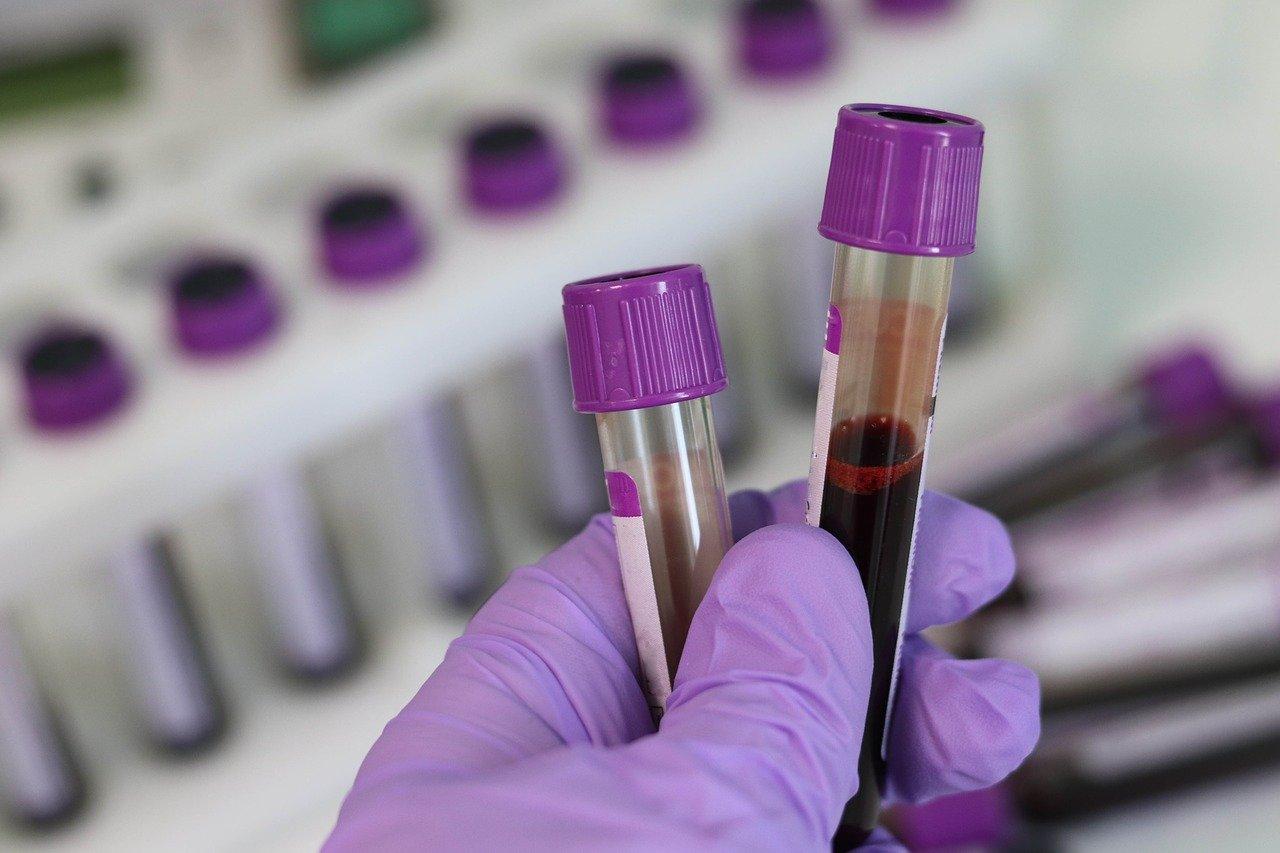
Cardiologists are urging adults to ask their doctors about a blood test that most people have never heard of, one that measures a genetically inherited form of cholesterol linked to heart attacks and strokes but left off the standard lipid panel most patients receive at routine checkups.
The substance, known as lipoprotein(a), or Lp(a), is a distinct cholesterol particle that circulates in the bloodstream and functions as a major independent risk factor for cardiovascular disease, according to Ryan Smith, a cardiologist at Orlando Health Heart and Vascular Institute. Unlike LDL cholesterol, HDL cholesterol and triglycerides, the three markers typically included in a standard lipid panel, Lp(a) is not part of routine bloodwork, meaning many people go years, or a lifetime, without knowing their level.
That gap in testing has drawn increasing attention from the medical community. In March, a coalition of medical organizations, including the American Heart Association, released updated cholesterol management guidelines recommending, for the first time, that every adult be tested for Lp(a) at least once in their lifetime. The test can be ordered by a primary care physician as an addition to a standard lipid profile or other routine bloodwork, and it is now largely covered by major insurance plans, removing what had previously been a financial barrier for many patients.
Roughly one in five people have an elevated Lp(a) level, according to figures cited by cardiologists, and like other forms of high cholesterol, it typically produces no symptoms until it contributes to a blockage that triggers a heart attack or stroke. An Lp(a) level above 125 nanomoles per liter, sometimes measured as 50 milligrams per deciliter, has been shown to raise the risk of heart disease and stroke, with that risk potentially doubling at levels around 250 nanomoles per liter, or 100 milligrams per deciliter.
Lp(a) poses a particular danger because of its molecular structure. Much like excess LDL cholesterol, elevated Lp(a) can accumulate in the arteries and contribute to atherosclerosis, a narrowing of blood vessels that restricts blood flow to vital organs. But because Lp(a) carries an additional protein component called apolipoprotein A, it tends to be stickier and more prone to forming fatty plaques than LDL cholesterol, according to Smith. The particle can also interfere with the body’s natural clot-breakdown process, potentially increasing the likelihood of blood clots, and it carries pro-inflammatory molecules that can damage the aortic valve and contribute to arterial hardening over time.
For decades, Lp(a) testing was left out of standard cholesterol guidance largely because there was little clarity on what patients or doctors could actually do about an elevated result, according to Jeffrey Berger, director of the Center for the Prevention of Cardiovascular Disease at NYU Langone Heart. Researchers still do not know definitively whether lowering Lp(a) levels reduces cardiovascular risk, though Berger said ongoing research and drug trials increasingly point toward that possibility. Because Lp(a) levels are driven almost entirely by genetics, they generally do not respond to the lifestyle changes, such as diet and exercise, that can meaningfully lower other types of cholesterol.
Even without a clear treatment pathway, physicians say the case for testing has become increasingly clear. Berger said a growing body of evidence has repeatedly shown how elevated Lp(a) raises the likelihood of a cardiac event, making it important for patients to know whether they carry the genetic risk factor so they can more aggressively manage the cardiovascular risks that are modifiable.
Certain populations face a higher likelihood of elevated Lp(a) levels, given the trait’s strong genetic basis. People of African or South Asian descent tend to show the highest rates, followed by white, Hispanic and East Asian populations, according to cardiologists. The American Heart Association specifically recommends testing for anyone with a family history of high Lp(a), a personal or family history of early cardiovascular disease, defined as before age 55 in men and before 65 in women, and those with familial hypercholesterolemia, an inherited condition that causes elevated LDL levels.
For most people, a single Lp(a) test provides a reliable, lifelong measure of risk, since the level typically remains stable over time, Smith said. Exceptions include people with thyroid disorders, a kidney condition called nephrotic syndrome, certain acute inflammatory conditions, and those who are pregnant or in menopause, all of which can temporarily elevate Lp(a) readings. Once those conditions resolve or are treated, Lp(a) levels generally return to their genetic baseline.
Because no treatments currently exist that meaningfully lower Lp(a) on their own, doctors recommend that people with elevated levels focus on aggressively managing other cardiovascular risk factors, particularly blood pressure, blood sugar and LDL cholesterol. Research suggests that lowering LDL by an additional 20 milligrams per deciliter or more below the standard target of 100 milligrams per deciliter can help offset some of the added risk associated with high Lp(a). The American Heart Association recommends at least 150 minutes of moderate-intensity physical activity per week, a diet rich in plant-based foods, avoiding smoking, maintaining a healthy weight, and getting seven to nine hours of sleep nightly as foundational steps for cholesterol management.
Patients with high Lp(a) are often prescribed statins to more aggressively lower LDL cholesterol, and some physicians may add ezetimibe, a non-statin medication that blocks cholesterol absorption in the small intestine and can modestly reduce Lp(a) as well. Others may prescribe a PCSK-9 inhibitor, a class of drug that helps the liver clear LDL cholesterol from the blood and may offer a modest reduction in Lp(a) levels; a newly approved oral version of the drug has shown efficacy comparable to the injectable PCSK-9 inhibitors already available.
Looking ahead, a new class of medications currently in late-stage clinical trials is designed to directly target the RNA responsible for producing lipoprotein(a) in the body. Early data suggests these drugs can meaningfully lower Lp(a) levels, though it remains unclear whether that reduction will translate into fewer heart attacks and strokes.
For now, physicians say the priority is simply raising awareness of the test itself. Smith said Lp(a) should be viewed as one piece of a broader conversation with a doctor about overall cardiovascular risk, one best raised as early as possible. “Prevention is really supreme in our field,” he said.

Wealthy investors who piled into private-credit funds have spent months trying to cash out their shares and still can’t. Fund managers have sought to reassure them by highlighting the vehicles’ ample “liquidity” to meet redemptions and remain healthy.
It would help if everyone could agree on what that word actually means.
Copyright ©2026 Dow Jones & Company, Inc. All Rights Reserved. 87990cbe856818d5eddac44c7b1cdeb8
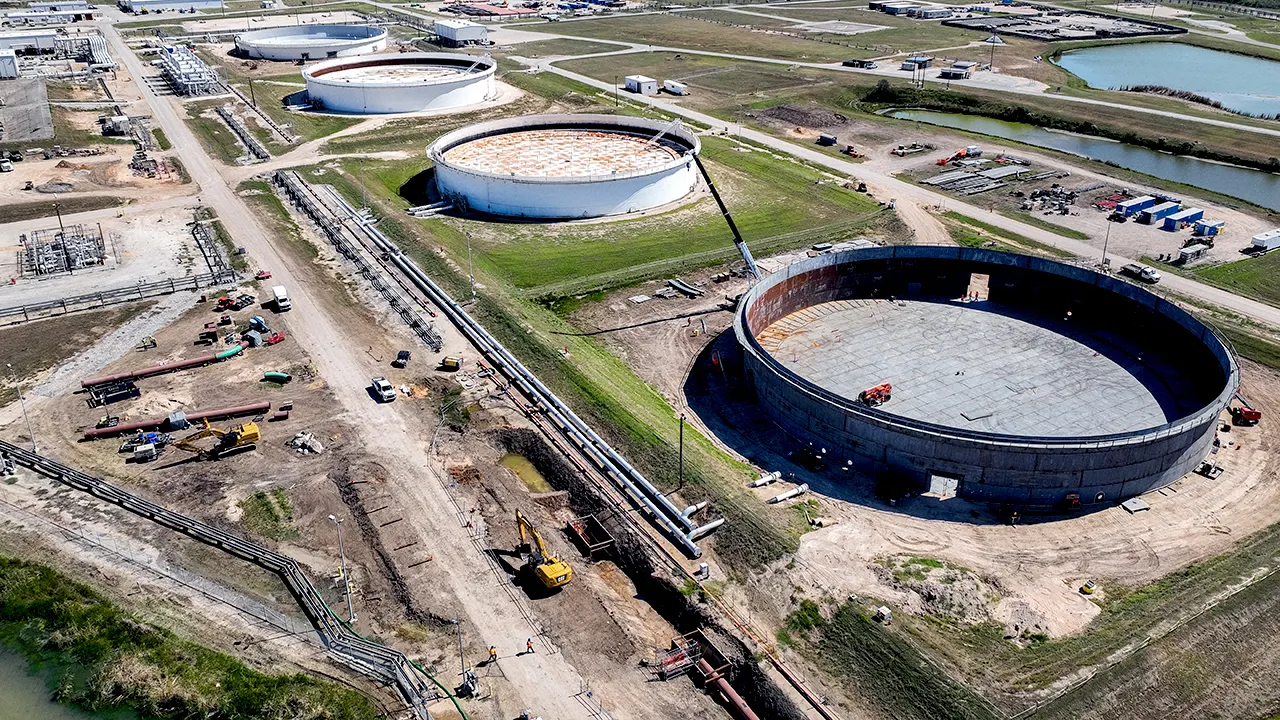
The Big Money Show discusses whether conflicts involving Ukraine, Iran, Saudi Arabia and Houthi rebels are out of control.
The U.S. government’s Strategic Petroleum Reserve (SPR) is at its lowest level since 1983 as inventories that were already low before the Iran war come under increasing pressure.
Data released by the Department of Energy on Monday showed that the number of barrels of oil in the SPR declined by 6.1 million barrels last week, ending the week at 298.7 million barrels in inventory.
That is the lowest level in the EIA’s weekly data on SPR stocks since January 1983.
SPR inventories have fallen this year after President Donald Trump in March authorized the release of up to 172 million barrels in response to the impact of the Iran war on energy supplies, as Iranian attacks have slowed the flow of tanker traffic through the Strait of Hormuz.
TRUMP BLASTS BIG OIL FOR ‘MAKING TOO MUCH MONEY’
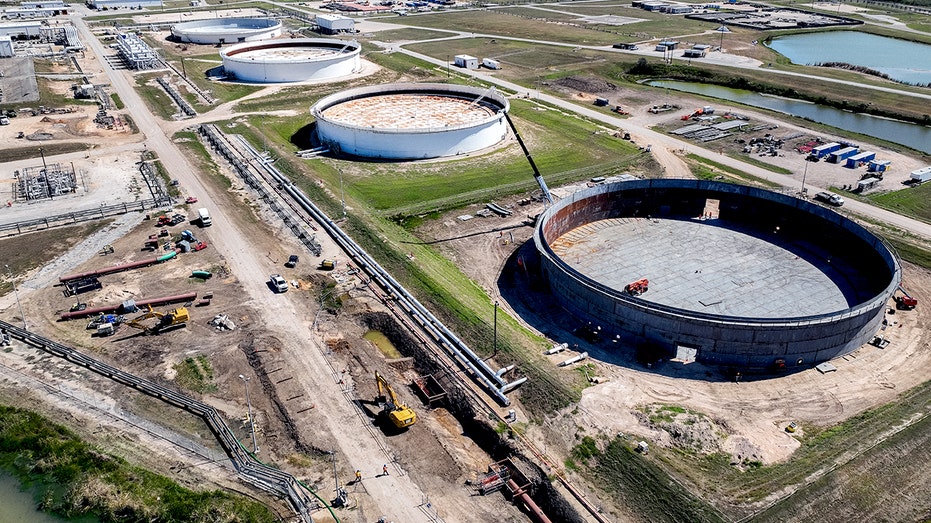
The Strategic Petroleum Reserve inventories fell to the lowest level since 1983 last week. (Brandon Bell/Getty Images)
The Trump administration announced the releases on March 11, 2026, while EIA data shows that the SPR had about 415.4 million barrels of oil in inventory during the middle of March – with inventories now down about 116 million barrels as of early August.
The latest SPR releases follow a historic drawdown over the last several years, beginning with the release of 180 million barrels that was authorized by the Biden administration in response to Russia’s invasion of Ukraine in early 2022.
Inventories had been around 600 million barrels at the start of 2022 and fell to 375 million barrels by the end of the year.
FORGET GASOLINE: THIS OVERLOOKED FUEL COULD RAISE THE PRICE OF NEARLY EVERYTHING YOU BUY
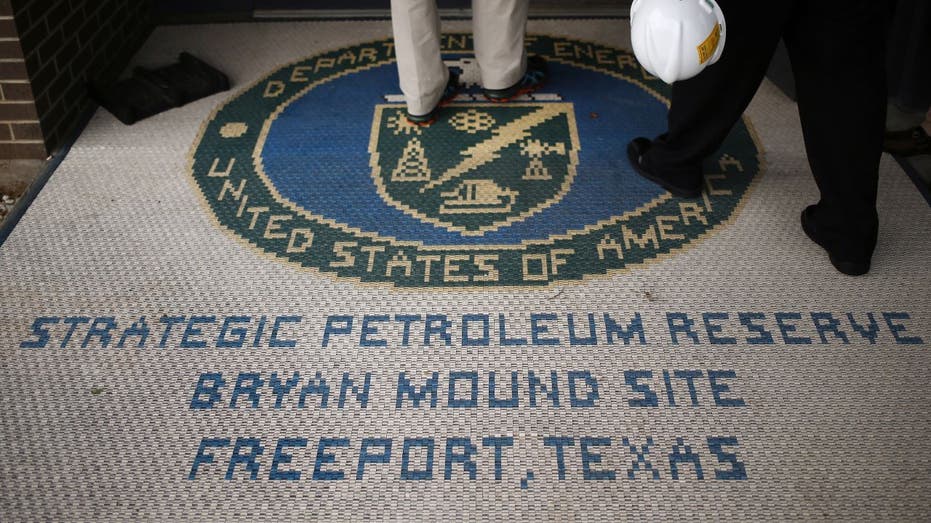
The Strategic Petroleum Reserve was established in response to the oil shocks of the 1970s. (Luke Sharrett/Bloomberg via Getty Images)
When SPR levels hit a low of about 347 million barrels in the summer of 2023, they began to gradually recover and reached 400 million barrels in May 2025. They hit a recent peak of over 415 million barrels in February, before the latest round of drawdowns began in March.
The SPR was created in 1975 under the Energy Policy and Conservation Act in response to the OPEC oil embargo of 1973-74, which was imposed by Arab countries in OPEC as retaliation for the U.S. resupplying Israel’s military during the Yom Kippur War.
The SPR was initially intended to have a capacity of 1 billion barrels of oil, although it never reached that level. Currently, the SPR has a congressionally-authorized maximum of about 714 million barrels of oil, while its highest ever inventory was 726.6 million barrels in December 2009 when it had an authorized capacity of 727 million barrels.
US OIL RESERVES DROP TOWARDS REAGAN-ERA LOWS, ‘SIGNIFICANT IMPACT AT THE PUMP’ COMING, EXPERTS WARN
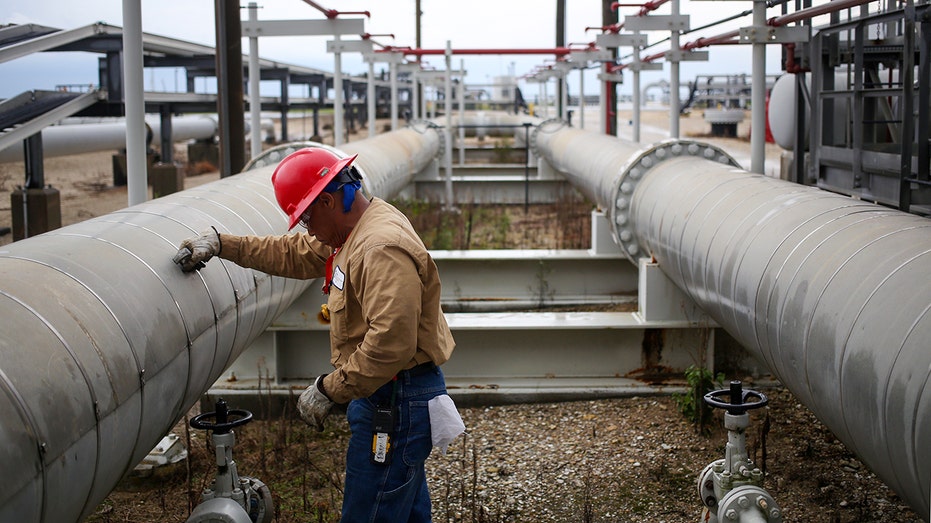
A contractor works on a crude oil pipeline at the Department of Energy’s Bryan Mound Strategic Petroleum Reserve in Freeport, Texas. (Luke Sharrett/Bloomberg via Getty Images)
SPR reserves are stored at four locations thousands of feet below ground in salt caverns because those geological formations are more advantageous than surface facilities in terms of cost and maintenance, in addition to environmental and security concerns.
Geological pressures naturally seal cracks that emerge in salt formations to prevent leaking oil from seeping out, while the temperature difference keeps oil circulating to maintain its quality. Salt caverns can also be enlarged to fit precise dimensions through a mining process in which the salt is dissolved using fresh water.
The Government Accountability Office (GAO) issued a report in May which warned that Congress and the Department of Energy need to develop a unified long-term plan to address the SPR’s maintenance needs and a strategy for managing inventories into the future.
GET FOX BUSINESS ON THE GO BY CLICKING HERE
The One Big Beautiful Bill Act, which Republicans in Congress and Trump enacted in July 2025, included $171 million for acquiring petroleum products to be stored in the SPR, as well as $218 million to maintain the SPR.

Rubrik stock hits 52-week high at 99.76 USD

Hypoport H1 2026 slides: EBIT jumps 20% as margins expand
Americans got into more than six million traffic accidents last year.
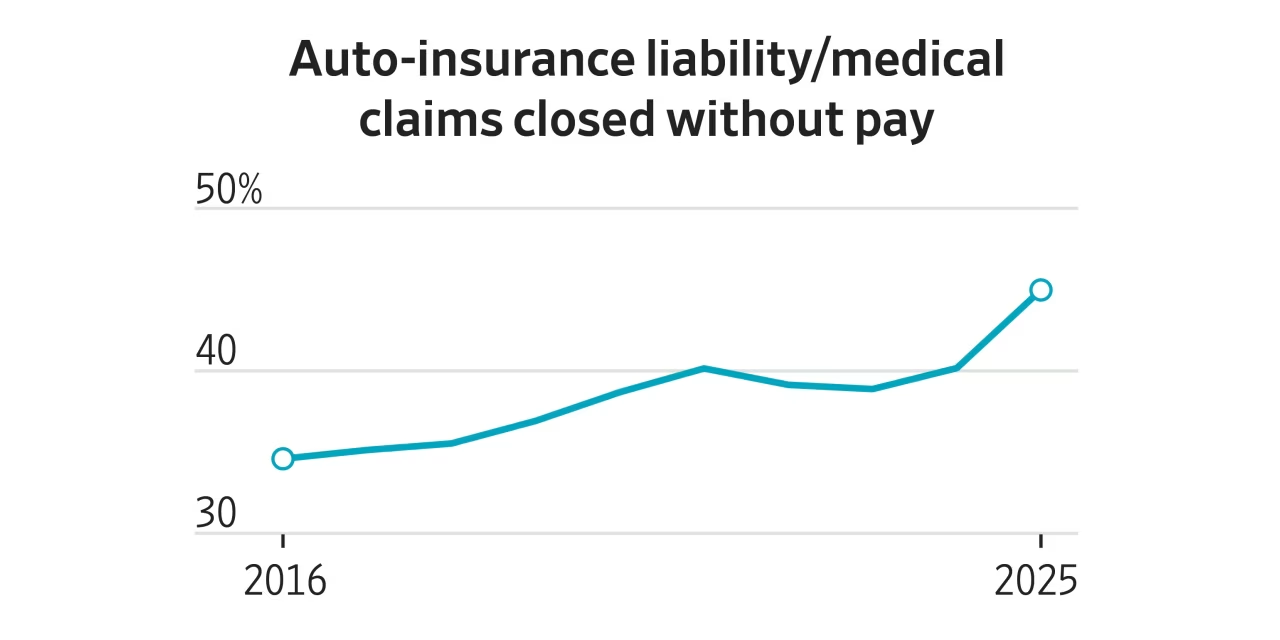
Depending on the type of crash, the chance of getting a payout from your insurer has become increasingly remote.
Auto insurers didn’t pay out on 45% of auto liability and medical claims they resolved last year, according to a Wall Street Journal analysis of thousands of company regulatory filings. That rate might change slightly as more claims are resolved, but it is up from around one in three, or 35%, of such claims a decade ago.
Americans are required to pay for car insurance as a condition of driving. Yet often, the insurance doesn’t provide the financial backstop that car owners were expecting.
Copyright ©2026 Dow Jones & Company, Inc. All Rights Reserved. 87990cbe856818d5eddac44c7b1cdeb8

Aggressive Saving Tips for Financial Independence #moneytransparency

South London boozer is crowned London’s best pub of 2026

The Fed’s PCE Problem: Why Its Preferred Inflation Gauge Misreads The Economy


-

 Fashion3 days ago
Weekend Open Thread: Mattifying Sunscreen
-

 Fashion3 days ago
Frugal Friday’s Workwear Report: Cap-Sleeve Pointelle Crewneck Sweater
-

 Sports5 days ago
Jordan Coyle & Cordiamo take Laya Arena Stakes at RDS
-

 News Videos2 days ago
Can Astrology Help Find Gold and Silver Trends? A Financial Astrology Guide
-
 Business5 days ago
US stocks: Dow closes at record on Mideast optimism; SpaceX, AMD drag Nasdaq
-
 Crypto World7 days ago
US Tech Stocks See Largest 5-Week Inflow in History: Can Nasdaq Break Its Downtrend?
-

 Politics4 days ago
Reform UK And Greens Sink To Lowest Favourability Ratings To Date
-

 Business6 days ago
Nvidia Stock Climbs 2.5% as Chip Sector Rally Builds Ahead of AMD Earnings, Nvidia’s Own Report Looms
-

 Crypto World6 days ago
Polymarket targets $20 billion valuation as competition heats up in prediction market sector
-

 Tech6 days ago
OpenAI, Anthropic AI agents targeted real people and systems in cyber tests
-

 Business5 days ago
Supply chain issues impact Ingredion
-
 Crypto World6 days ago
CLARITY Act Senate Vote Locked In, But 60-Vote Hurdle Looms Large
-

 Tech3 days ago
Rinn Pharma & Biopharma to join NordicPharmaTrain network
-

 Business2 days ago
How to Start a Cleaning Business: A Step-by-Step Guide
-

 Crypto World7 days ago
The Senate has one week: CLARITY’s last August window
-
 Crypto World6 days ago
Dow and S&P 500 Hit Records on AI Earnings: When Will the Bubble Burst?
-

 Business1 day ago
Datadog: Best Of Breed For Multiple Reasons
-

 Business7 days ago
CNH Industrial Shares Jump Over 15% After Beating Estimates and Raising Full-Year Earnings Guidance
-

 Business2 days ago
BDC Weekly Review: Private BDC Q2 Numbers Are Strong
-
 Crypto World6 days ago
Dollar Index Trapped at 100 as Hawkish Fed Meets Official Selling
You must be logged in to post a comment Login