
Crypto World
Why is Ethereum Price Stuck Below $2,000?

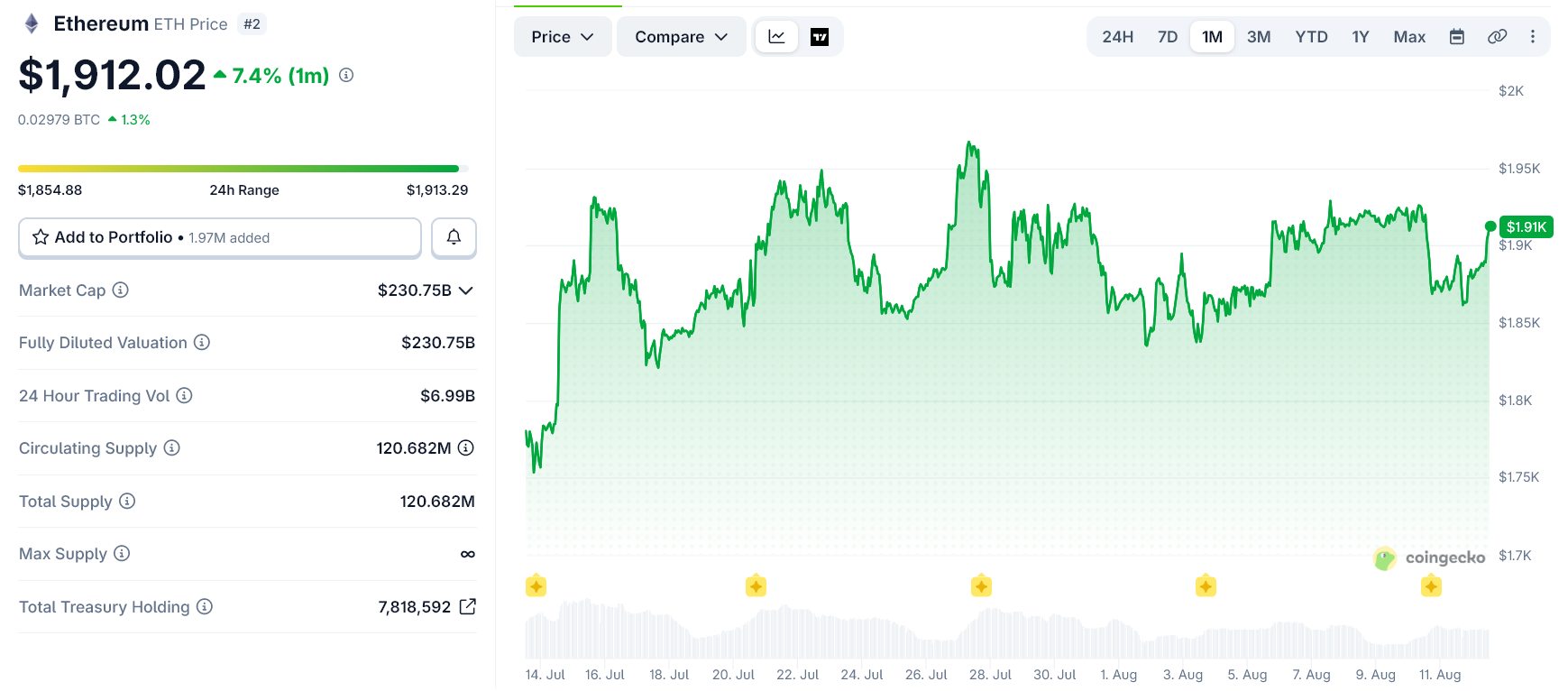
If you have been following the Ethereum price action for a while, you would know that the 6% monthly uptick could reverse rather quickly. Even though ETH seems to be trading inside a rising channel, an otherwise bullish pattern, a few alarming signs are emerging.
On-chain, capital keeps flowing in while trading activity and big holders step back. That split leaves ETH structurally supported but tactically fragile beneath a stubborn $1,915 ceiling.

Capital Piles in as Trading Dries Up
Money is the key factor here. Ethereum’s monthly DEX volume fell about 42% from April to July, according to Dune Analytics, yet TVL, the capital locked in DeFi apps, rose about 7.8% to near $42 billion, with staking at a record 33.98% of supply.

This is not defeat. Trading cooled everywhere, with Solana down about 79% from its peak and BNB Chain now leading volume. This means money is settling into yield rather than chasing trades.

That fundamentally aligned thesis looks bullish, but it hides a catch. The demand that actually drives price is thinning.
Whales Cash Out as the Channel Weakens
That thinning demand is now showing up in the biggest wallets. ETH has climbed an ascending channel since July 8, which reads as bullish on its own.

However, buying volume has faded since July 14, and selling pressure has surged since August 6, leaving the trend fragile. Then the whales blinked.
Want more token insights like this? Sign up for Editor Harsh Notariya’s Daily Crypto Newsletter here.
Holdings excluding exchanges fell from 125.44 million ETH on August 10 to 123.86 million, roughly $3 billion sold into the very strength that looked bullish.

When large holders trim and volume dries up, rallies lose their fuel, which is why the price keeps stalling at one exact level.
Why $1,915 Decides the Ethereum Price
All of that pressure meets at $1,915. The Ethereum price has been rejected there seven times since July 31, making it the wall that defines the trend. A daily close above it opens at $1,978, then the top of the channel, the path our ETH forecast tracks.

Losing the immediate floor instead can change the equation rather quickly. A close below $1,875 would turn the structure from bullish to neutral and expose $1,843, then $1,811. So until fresh demand returns to crack $1,915, capital supports the Ethereum price without lifting it, and the whales are betting it stays that way.
Analyst’s View: The dropping DEX footprint doesn’t look like an Ethereum problem. It can be termed a market-wide reset. The real worry sits with the whales. And a sustained rejection at $1,915 might be the reason for their apathy. A reclaim of $1,915 can bring back big-holder optimism.
The post Why is Ethereum Price Stuck Below $2,000? appeared first on BeInCrypto.



Cointelegraph is committed to providing independent, high-quality journalism across the crypto, blockchain, AI, and fintech industries.
All news, reviews, and analyses are produced with full journalistic independence and integrity. For more details on our standards and processes, please read our Editorial Policy.
Bitcoin moved toward the top of its range last week as institutional demand through U.S. spot ETFs strengthened. Cooler employment data reduced expectations for an immediate Federal Reserve rate hike, but persistent selling pressure kept the move contained.
The stronger ETF demand was reflected in $865.3 million of net inflows across five straight sessions, the funds’ strongest weekly showing since April. According to a recent Bitfinex Alpha report, the funds absorbed about 13,300 BTC during the period. That was more than four times the roughly 3,150 BTC newly created by the network.
ETF Inflows Return, But Sellers Push Back
BlackRock’s IBIT and Fidelity’s FBTC accounted for much of the ETF activity. Ether-focused ETFs also recorded $243.7 million in inflows, extending their weekly streak and showing that demand was not limited to Bitcoin.
The renewed demand came as broader risk assets also moved higher amid easing tensions and falling oil prices. The S&P 500 rose 3.58% for the week, while Bitcoin gained slightly more than 2%, indicating that other sources of supply continued to weigh on its price.
One notable source of that supply came from Strategy, which disclosed the sale of 1,638 BTC for approximately $104.7 million. The company sold the coins at an average price of about $63,957 and said it would use the proceeds for preferred dividends and a discounted share repurchase.
Strategy’s sale adds to a broader supply overhang visible on-chain around Bitcoin’s current trading range. An estimated 1.79 million BTC have cost bases between $62,000 and $65,000, creating potential selling pressure as the price moves through the band.
Why the Macro Picture Remains Mixed
U.S. labor data added to the macro backdrop, with July payrolls falling by 23,000 and earlier figures revised lower. The three-month average job gain dropped to about 20,000, while unemployment reached 4.1% as participation declined.
Initial jobless claims remained low, indicating that the labor market was cooling rather than collapsing. Futures markets lowered the probability of a September rate hike to 43.9%, while Treasury yields and the dollar eased.
However, long-term borrowing costs stayed high, with the 30-year Treasury yield above 5.2% amid inflation concerns and heavy government borrowing. Bitfinex said Bitcoin could break above $65,000 if ETF demand remains strong while inflation and long-term yields ease.
The post ETFs Are Buying, But Who Is Selling? Inside Bitcoin’s Tug-of-War appeared first on CryptoPotato.

Bank of America (BofA) economist Aditya Bhave is holding firm on his forecast for three Federal Reserve rate hikes this year, even after July’s inflation report matched Wall Street’s expectations.
The Consumer Price Index (CPI) rose 0.1% in July, holding the annual rate at 3.4%. The reading came in exactly as economists forecast.
The Fed’s Reversal Faces A Test
BofA reversed its stance in June, abandoning a hold forecast for its original three-hike call. The bank pointed to inflation that had grown steadily worse under new Fed Chair Kevin Warsh.
Bhave argues the Fed cut rates too aggressively last year, guarding against labor weakness that never fully materialized. He says the Federal Open Market Committee (FOMC) now needs to unwind 75 basis points of those cuts.
“We think they need to take back those 75 basis points of cuts. They were hedging against downside risks to labor that didn’t really materialize.”
Aditya Bhave, CNBC
Bhave Downplays The Jobs Scare
Bhave pushed back against the idea that July’s shock jobs report signals real labor market trouble. He called the monthly figures noisy and pointed to seasonal patterns that typically weaken data this time of year.
Averaged over a full year, job growth still runs near 50,000 positions a month, he said. He described that pace as healthy, given a labor force that is barely expanding.
Long-term borrowing costs add urgency to his case. He noted the 30-year Treasury yield sits near 5.25%. That mirrors levels seen after the Fed’s rate hold that backfired on bond markets earlier this year.
Bhave warned that skipping a hike now risks leaving those long-end yields unanchored if inflation reaccelerates. He also expects politics to shape the timing. Bhave doubts the Fed will move in October, just before the midterm elections.
He instead expects the first hike in September, with a possible delayed start in December.
Wall Street Remains Split
Not every economist agrees. Wells Fargo chief economist Tom Porcelli has argued the Fed should hold rates through 2026. That view clashes directly with BofA’s hawkish call.
Traders lean toward caution too. The CME Group’s FedWatch tool tracks trader bets on Fed moves. It showed the odds of a September hike falling to 42% after July’s report.
Bhave remains unconvinced. He argues that even if every remaining data point breaks in the Fed’s favor, core inflation still overshoots target. That overshoot arrives with the labor market already near equilibrium, he said. Whether the central bank agrees may become clear as soon as September.
The post BofA Exec Still Calls For 3 Fed Rate Hikes After July CPI appeared first on BeInCrypto.
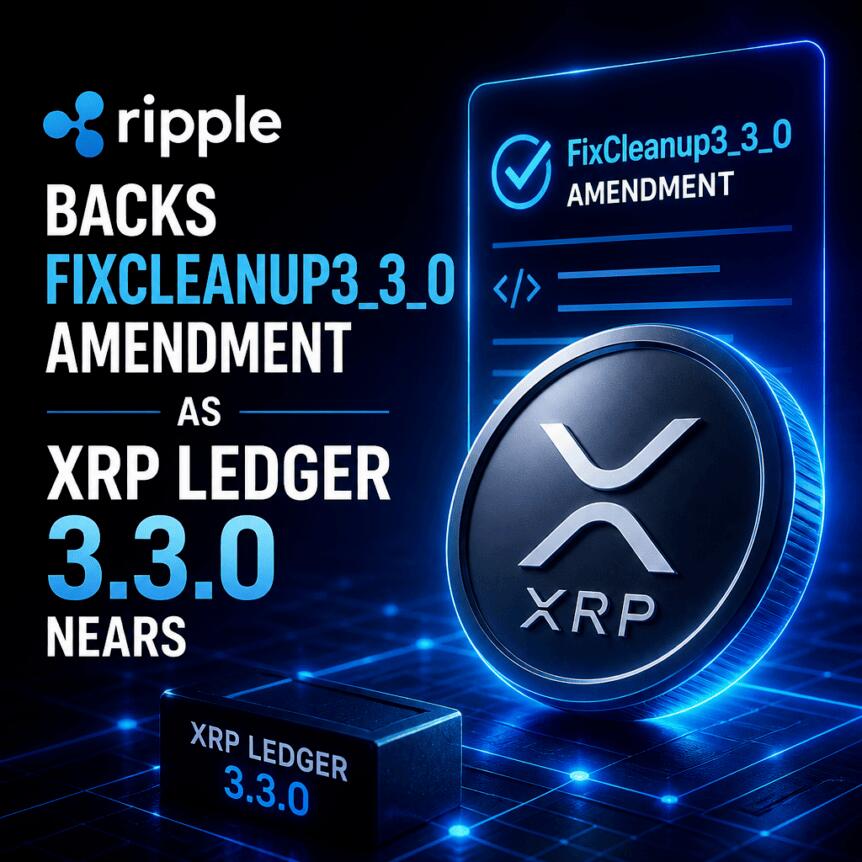
Ripple has backed the fixCleanup3_3_0 amendment, and the move pushes the XRP Ledger toward its 3.3.0 upgrade. The amendment bundles several bug fixes and protocol cleanups into one package. It targets Single Asset Vaults, the Lending Protocol, and other core ledger components.
FixCleanup3_3_0 Amendment Gains Early Support
Ripple cast its vote during the early voting stage, and the action signals strong company support. Eight of 35 UNL validators currently back the proposal, according to the latest voting data. The amendment still needs wider validator backing before it can activate.
Mainnet activation requires an 80% threshold, or 28 of 35 validator votes. Validators must also sustain that support for two consecutive weeks. Only then does the amendment take effect on the live network.
The fixCleanup3_3_0 package covers fixes for Automated Market Makers and the permissioned DEX. It also addresses Checks and pseudo-accounts within the ledger. Node operators must upgrade to XRP Ledger 3.3.0, or they risk amendment-blocked status once the upgrade activates.
XRP Ledger 3.3.0 Upgrade Moves Forward
Five other amendments remain in the voting stage alongside fixCleanup3_3_0. These include Confidential Transfer, BatchV1_1, and DynamicMPT. PermissionDelegationV1_1 and Sponsor round out the current list of proposals.
Developers have also outlined several non-feature improvements tied to the upgrade. The changes include a 10-15% reduction in memory usage. Online delete and node sync performance also see notable gains.
The upgrade further expands test coverage across the network’s codebase. These changes aim to boost stability and improve overall performance. Ripple positions the release as groundwork for institutional and tokenization use cases.
XRP Price Reacts Amid Mixed Derivatives Signals
XRP has risen almost 3% over the past 24 hours, and whale wallet activity has climbed alongside it. The token trades at $1.02 as network activity picks up. Trading volume has rebounded 16% within the same 24-hour window.
Derivatives data from CoinGlass tells a different story, though. Selling activity has increased in the futures market despite falling CPI inflation. Total XRP futures open interest dropped more than 0.65% within an hour.
That decline followed a recent bounce above $2.70 billion in open interest. CME futures open interest still holds a 1.31% gain over 24 hours. Open interest has slipped on Binance, OKX, Bybit, and other major exchanges.
The mixed derivatives picture contrasts with the network’s broader upgrade momentum. Ripple’s support for fixCleanup3_3_0 adds weight to the 3.3.0 rollout. Validators now hold the next steps toward full amendment activation in their hands.
Traders tracking this shift can compare features across major crypto derivative platforms. Funding rates and liquidity depth vary widely between exchanges. Such comparisons help traders position themselves as the upgrade unfolds.


Anchorpoint Financial, a Hong Kong-licensed stablecoin issuer, has added HashKey Exchange as an authorized distributor for its Hong Kong dollar stablecoin, HKDAP, potentially expanding access to the fiat-backed asset as Hong Kong’s regulated stablecoin market takes shape.
The companies announced on Tuesday that the arrangement is part of a beta rollout allowing eligible institutions and professional investors to access the stablecoin through HashKey and other supported channels. HashKey said it has already completed its first HKDAP minting and redemption transaction with eligible clients, including fiat on- and off-ramping.
The companies said they plan to expand distribution over time and explore additional uses for HKDAP, including cross-border payments, settlement and tokenized finance.
HKDAP, short for “HKD At Par,” is a regulated Hong Kong dollar stablecoin designed to function as tokenized money for payments and other financial transactions. Anchorpoint is a joint venture established by Standard Chartered Bank (Hong Kong), HKT and Animoca Brands, and was among the first companies to receive a stablecoin issuer license from the Hong Kong Monetary Authority.
As Cointelegraph reported, Anchorpoint was established in April 2025, two months after Standard Chartered and Animoca announced plans to launch a Hong Kong dollar-backed stablecoin.
Related: Circle expands USDC to OKX ecosystem with X Layer launch
Hong Kong stablecoin market takes shape
Hong Kong dollar-backed stablecoins could develop into a sizable market, with a 2025 Citi report estimating that circulation could reach $16 billion following the introduction of the city’s stablecoin licensing regime.
For now, however, US dollar-pegged tokens account for the overwhelming majority of the global stablecoin market, while synthetic stablecoins represent a smaller emerging segment. Reliable data on the circulation and adoption of Hong Kong dollar-backed stablecoins remains limited, making it difficult to gauge the market’s current size or growth trajectory.
Meanwhile, stablecoin transactions continue to surge, with the combined adjusted transaction volume of USDC (USDC) and USDt (USDT) reaching roughly $3.8 trillion in the first quarter of the year, according to Bernstein.
Magazine: The real reason DeFi projects that survived 2022 crash are shutting down now
Crypto World
Prediction markets should dial back faulty filings for incentives to boost trading: CFTC
Like any regulated trading platform under authority of the Commodity Futures Trading Commission, prediction markets firms try to encourage heavy traders and for firms to act as market makers in ways that can deepen participation and trading volume. But the CFTC is concerned about how they’re doing it, according to guidance issued on Wednesday.
The U.S. derivatives regulator cautioned the event-contracts platforms that it’s seeing an increase in their filings in pursuit of incentive programs, and they are often “procedurally or substantively deficient,” the document said. That hinders the agency from figuring out whether the platform “has provided adequate notice of the terms of the program and sufficiently evaluated the program’s compliance.”
The CFTC is seeing some of the features of these rewards programs “present compliance concerns.” Some of the rewards for high-volume participants can encourage them “to trade solely to reach volume targets, heightening risks of wash-trading, pre-arranged trading, or other fraudulent, manipulative, or disruptive trading practices.”
And market-maker programs, in which firms are encouraged to handle either side of a market, have been guaranteeing net process or to cover losses “through stipends and rebates,” which the regulator warned could also encourage fraudulent behavior and market manipulation.
The Bank of England’s Digital Pound Lab is testing whether stablecoins and a potential digital British pound can operate within the same cross-border payment flow as part of an experiment focused on trade finance.
The experiment involves NOBO Finance, Dun & Bradstreet and Polygon Labs, with an exporter receiving an advance via a stablecoin rail while a UK importer completes settlement using simulated digital pounds, according to a Wednesday announcement from the three companies.
The project also includes a separate workstream aimed at creating reusable credit profiles for small businesses by combining transaction data, open-finance information and Dun & Bradstreet’s commercial risk data, with Polygon providing the smart contract infrastructure.
The test is aimed at reducing settlement delays and financing constraints for small- and medium-sized businesses engaged in cross-border trade. Exporters can wait days to receive payment after shipping goods, tying up working capital and making access to trade finance particularly important for smaller firms.
The Digital Pound Lab uses no real customers or money, and the Bank of England has not committed to issuing a digital pound. The central bank has said that participant-designed experiments in the lab should not be interpreted as indications of future bank policy or as endorsements of the companies or their products.
Related: UK regulators to prepare tokenized gold framework: Report
UK pushes ahead with stablecoin, tokenization framework
The Digital Pound Lab experiment comes as UK regulators develop rules for stablecoins while preparing the country’s financial infrastructure for a broader shift toward tokenized assets.
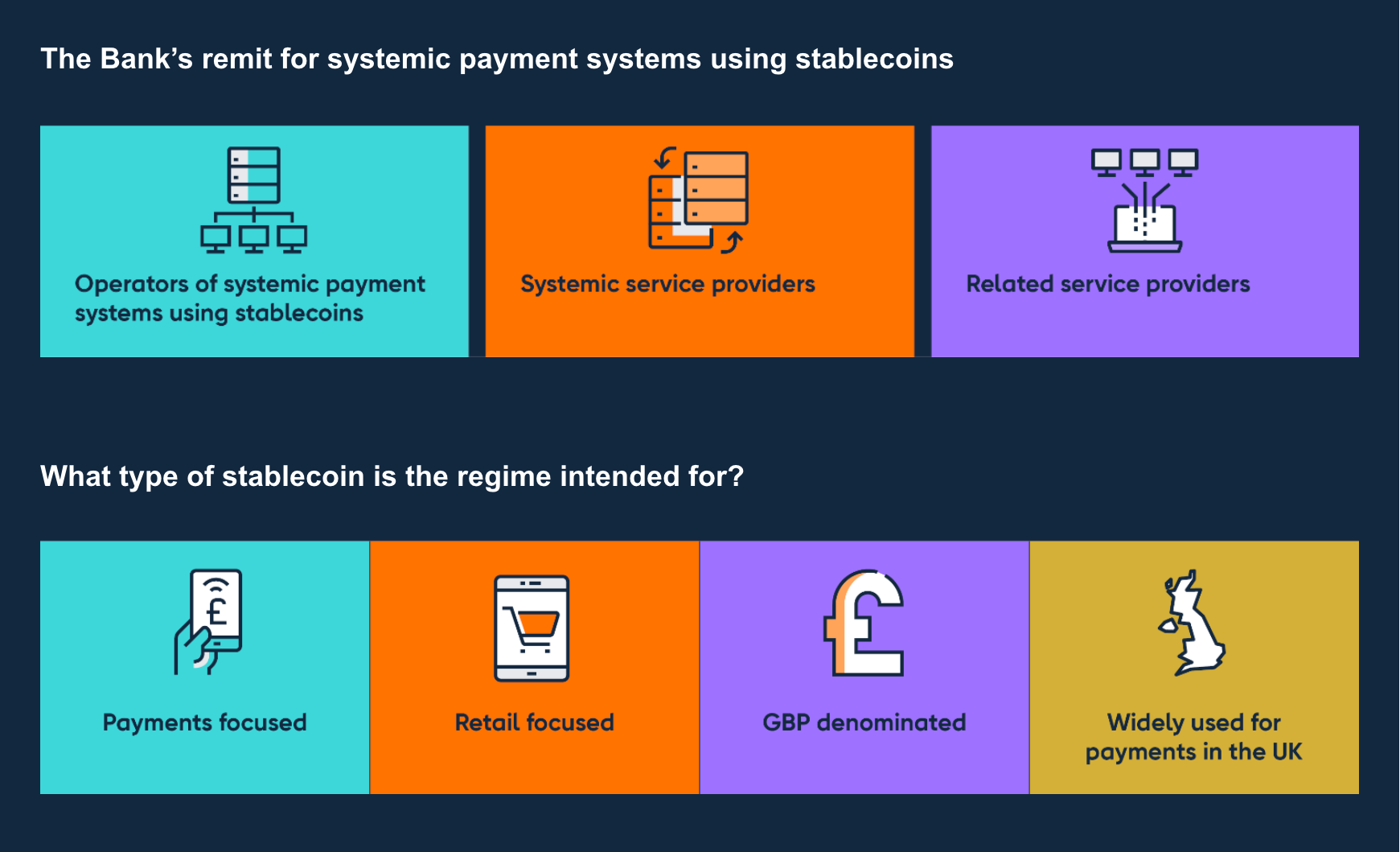
In June, the Bank of England published draft rules for sterling-denominated stablecoins considered systemic to the UK financial system. The proposal allows issuers to hold as much as 70% of their reserves in interest-bearing government debt and introduces a temporary 40-billion-pound ($52.8 billion) issuance cap for each systemic stablecoin, replacing previously proposed limits on individual and business holdings.
The central bank aims to finalize the rules by the end of 2026 ahead of a planned 2027 rollout. Stablecoins deemed systemic, meaning their use is significant enough to potentially pose risks to UK financial stability, would fall under the Bank of England’s regulatory regime, while non-systemic stablecoins would remain under the country’s Financial Conduct Authority.
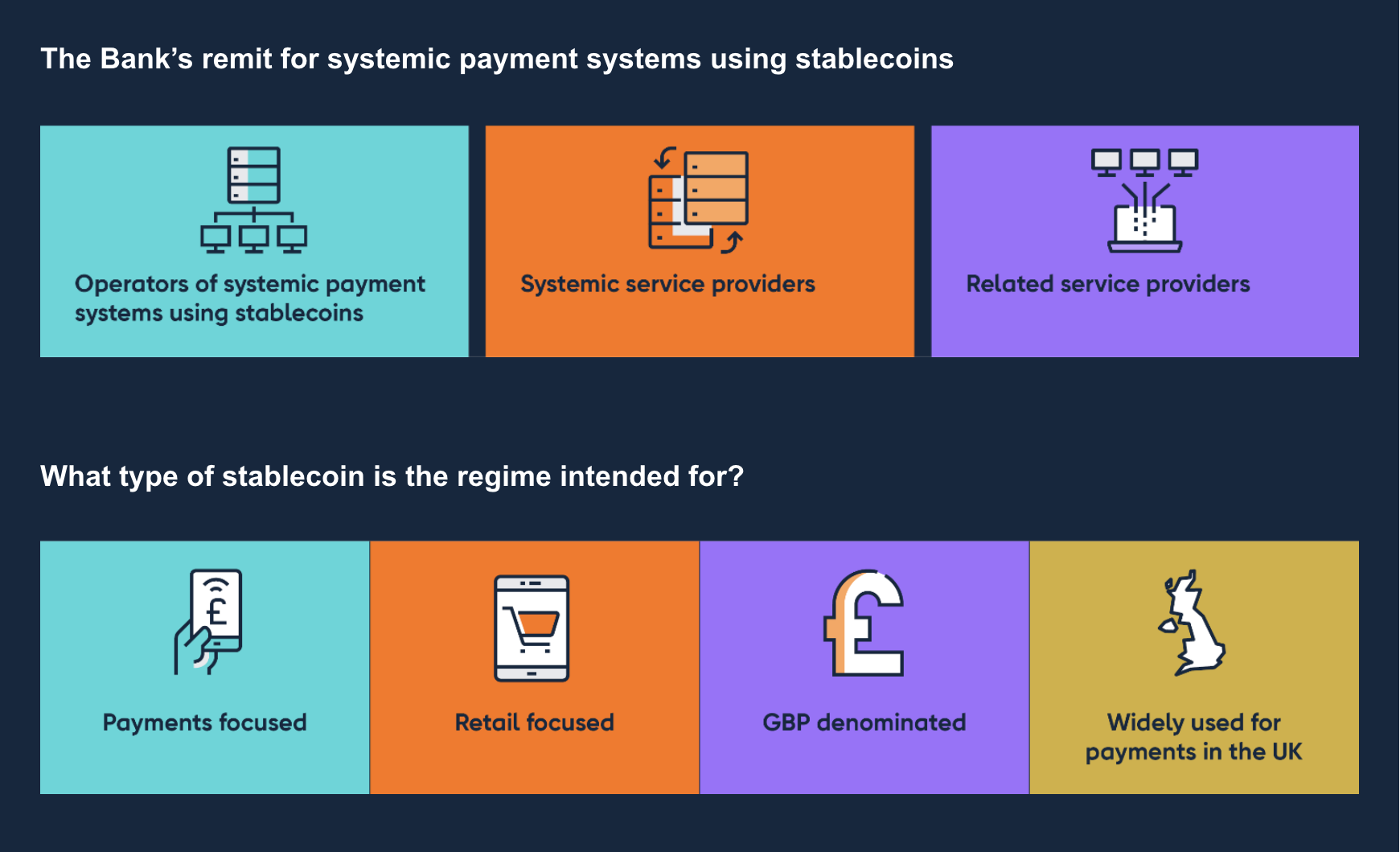
Systemic stablecoins entail payments and retail-focused tokens. Source: Bank of England
The regulatory work is unfolding alongside efforts to modernize traditional payment infrastructure. In May, the BoE proposed moving its Real-Time Gross Settlement (RTGS) and Clearing House Automated Payments System (CHAPS) toward near-24/7 operation, including weekend and extended daily hours, in part to support cross-border payments and new settlement models as tokenization develops.
In July, the central bank also approved HSBC’s Orion platform to operate in the UK’s Digital Securities Sandbox, where it is expected to support digital bond issuance, including the country’s planned Digital Gilt Instrument.
Magazine: El Salvador’s Bitcoin experiment turns 5: ‘It was for us, not them’
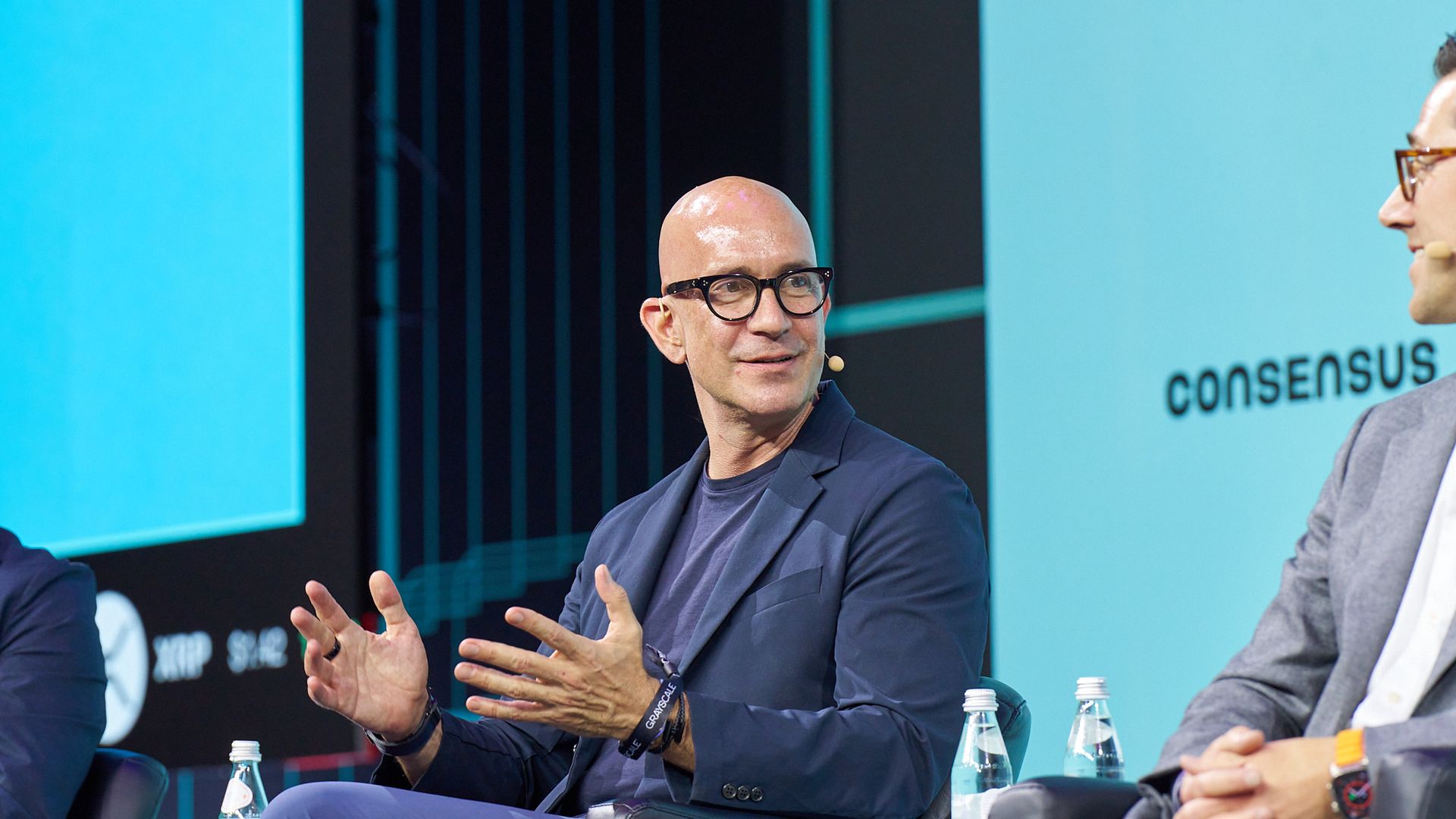
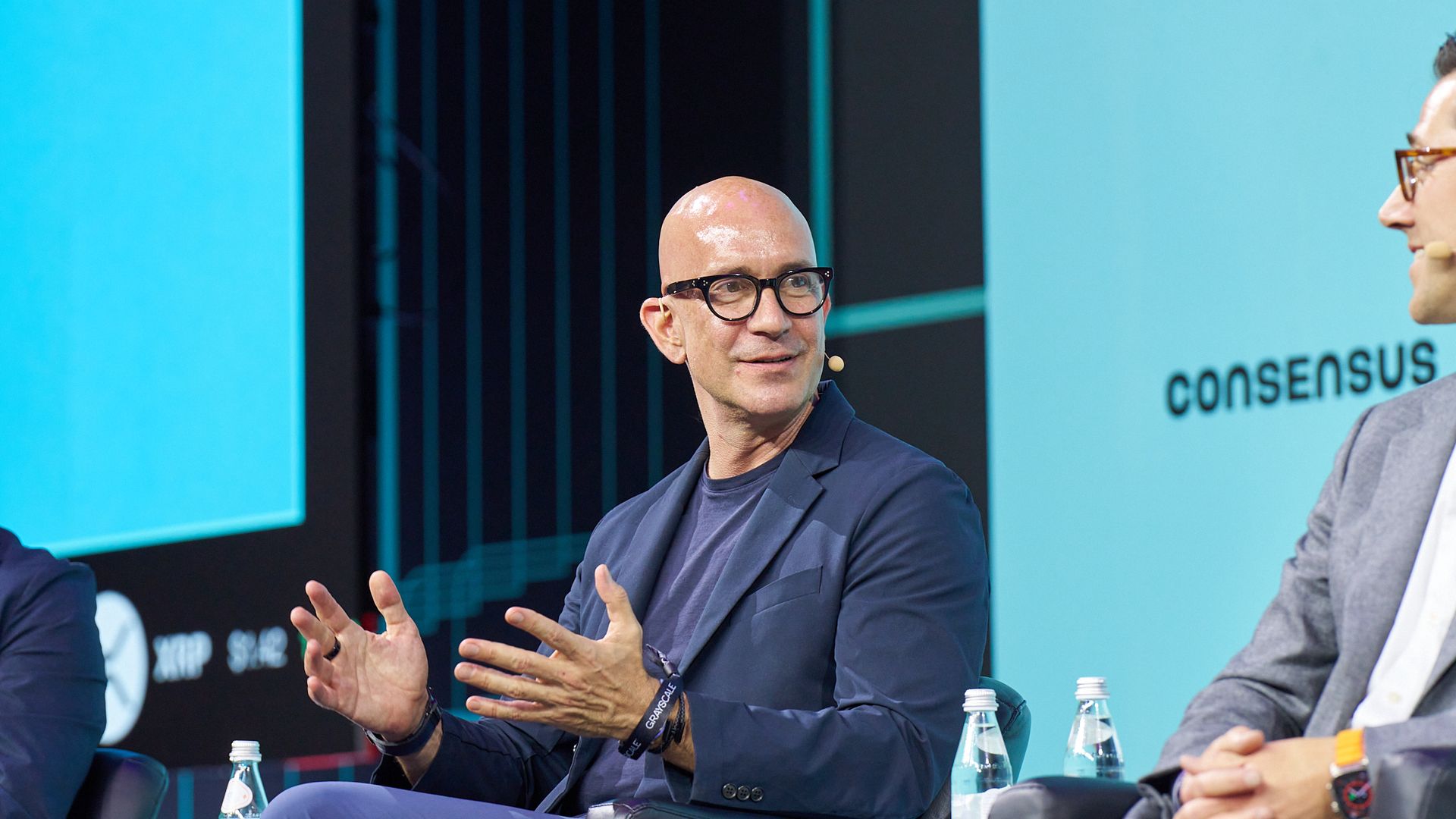
Securitize (SECZ) shares plunged 20% in after-hours trading Wednesday after the tokenization firm fell short of Wall Street’s second-quarter expectations in its first earnings report since going public last month.
The company, best known for issuing and managing BlackRock’s BUIDL tokenized money-market fund, reported revenue of $14.4 million, down 5% from a year earlier and missing analyst estimates of $20.6 million.
Securitize posted a $2.37 per-share loss, compared with an expected loss of just $0.15 per share. Its net loss totaled $21.7 million, while adjusted EBITDA swung to a $5.5 million loss from a $1.8 million gain a year ago.
Wall Street has grown increasingly excited about tokenization, the effort to bring funds, equities and other financial assets onto blockchain rails. Securitize sits at the center of that push, but the growing interest has yet to materialize as sustained revenue growth.
CEO Carlos Domingo called the quarter “softer” when reporting earnings on Wednesday, while pointing to a stronger start to the year. First-half revenue remained 16% higher year-over-year, including a record $19.5 million in the first quarter.
Crypto World
Pump.fun's Share Of Launchpad Fees Fell To 27% In July. Four Weeks Later It's Back Above Half


A wave of launchpads on Robinhood Chain took most of pump.fun's share of the token-launch business in the first two weeks of July. Still, pump.fun is now earning more per week than before they arrived. The launchpad business grew faster than pump.fun lost ground in it. Weekly fees across the… Read the full story at The Defiant


Crypto companies from including Coinbase, BitGo, Robinhood, Polygon and Pump.fun have announced workforce reductions this year, citing a variety of reasons, including shifting to AI and market forces.

Five homes completely destroyed as fire tears through residential street in Caerphilly borough

Why Japanese firms are being so slow to use AI

Arizona Crypto ATM Law Helps Victims Recover $171K


-

 Fashion5 days ago
Weekend Open Thread: Mattifying Sunscreen
-

 Fashion5 days ago
Frugal Friday’s Workwear Report: Cap-Sleeve Pointelle Crewneck Sweater
-

 News Videos5 days ago
Can Astrology Help Find Gold and Silver Trends? A Financial Astrology Guide
-

 Sports7 days ago
Jordan Coyle & Cordiamo take Laya Arena Stakes at RDS
-

 Politics7 days ago
Reform UK And Greens Sink To Lowest Favourability Ratings To Date
-

 Tech5 days ago
Rinn Pharma & Biopharma to join NordicPharmaTrain network
-

 Business4 days ago
How to Start a Cleaning Business: A Step-by-Step Guide
-

 Business4 days ago
Datadog: Best Of Breed For Multiple Reasons
-

 Business4 days ago
BDC Weekly Review: Private BDC Q2 Numbers Are Strong
-
 NewsBeat1 day ago
Communication cards help banking customers access services or report scams
-
Sports7 days ago
Spider-Man: Brand New Day ending explained: Is Peter Parker alive?
-

 Tech6 days ago
Price Hikes May Be Coming for PC Motherboards Next
-

 Business6 days ago
Brightwater secures funding for WA-first dementia projects
-
 Crypto World7 days ago
Galaxy Digital Stock Slides 14% as Crypto Prices Hit Earnings
-

 Politics7 days ago
The Not-So Talented Mr Arday
-

 Business7 days ago
SpaceX Shares Plunge 13.6% After First Public Earnings as AI Capex Surge and Lockup Spark Selloff
-
 Tech7 days ago
How to Use Your Phone as a Webcam on PC and Mac (2026)
-
 Business2 days ago
Oil Price Today (August 11): Crude oil rises to $88 after Trump’s compensation demand dents Hormuz opening. Here’s why
-
 Tech7 days ago
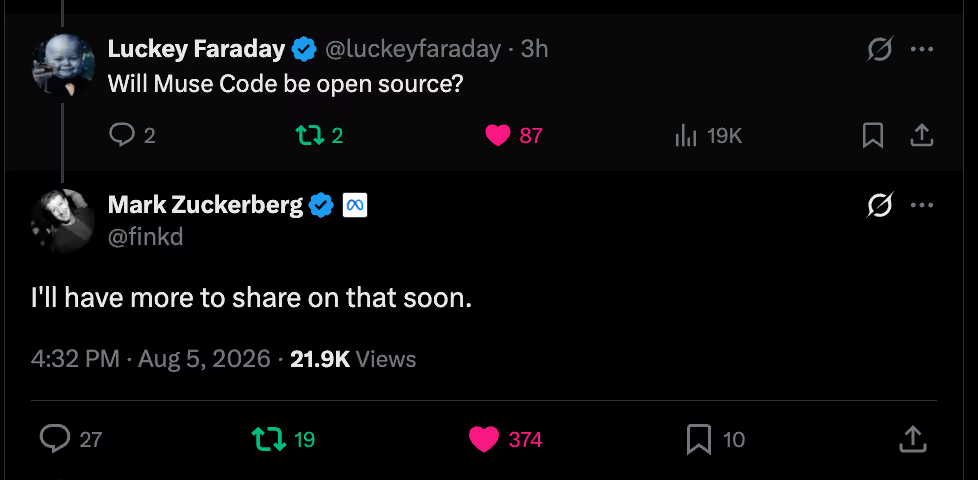
Meta enters the AI coding wars with Muse Spark 1.2 and Muse Code with persistent async background agents
-

 Fashion5 days ago
Weekly News Update, 8.6.26 – Corporette.com
You must be logged in to post a comment Login