
Crypto World
Alibaba shares plunge 10% after $10.2 billion share placement to fund AI push


Night view of Alibaba’s headquarters building located by the Huangpu River in Shanghai, China on Nov. 16, 2025.
CFOTO | Future Publishing | Getty Images
Alibaba shares plunged as much as 10% in Hong Kong on Monday after the Chinese tech giant priced an 80 billion Hong Kong dollar ($10.20 billion) placement of newly issued shares to non-U.S. investors.
The company said it plans to use all of the net proceeds to invest in its full-stack AI capabilities, including expanding and enhancing its AI infrastructure.
Alibaba will issue 710 million new shares at HK$112.70 apiece, compared with the stock’s Friday closing price of HK$123. Shares were last trading 8.4% lower at HK$112.7.
The share placement, expected to close on Wednesday, comes just days after Alibaba reported a 75% drop in profit for the June-quarter as heavy AI spending weighed on its results. Capital expenditure jumped 75% to 67.7 billion yuan.

Vey-Sern Ling, senior equity advisor at UBP, told CNBC last week following Alibaba’s latest earnings that the company was well-positioned to pursue AI growth.
“I think Alibaba clearly is well positioned to chase that growth, given that they have a cloud computing arm, they have a very strong AI model,” he said, adding that profits might weaken in the near term, while capex might rise.
Alibaba has been ramping up investment in AI as it seeks to make the technology a key driver of future growth.The company last year announced plans to invest at least 380 billion yuan in cloud computing and AI infrastructure over the next three years.
Alibaba’s Chinese tech peers have also been ramping up AI spending. Tencent’s capital expenditure rose 65% from the previous quarter to 52.8 billion yuan in the June-quarter as the company continued to invest in computing infrastructure to monetize its AI models.


After one bitcoin’s most volatile and impressive weeks, the cryptocurrency market has turned its attention to important US macro news to be announced in the next five days.
The analysts at the Kobeissi Letter highlighted several such events scheduled next, but three stand out for the crypto industry: the July PCE inflation report, revised second-quarter GDP data, and the Federal Reserve Chair Kevin Warsh’s highly anticipated appearance at Jackson Hole for the first time.
All Eyes on Wednesday
Monday is expected to be a quiet day, with nothing major scheduled. The data coming on Tuesday will probably not impact crypto, as it’s the August CB consumer confidence data and the July new home sales data. However, it all changes on Wednesday, which will be the busiest day of the week.
The Bureau of Economic Analysis will release July’s Personal Consumption Expenditures (PCE) Price Index and core PCE at 8:30 ET, which remains particularly important as it continues to be the Fed’s preferred measure for assessing underlying inflationary pressures.
Economists cited by Kiplinger expect core PCE to rise slightly month over month and 3.2% annually. Such a reading would leave underlying inflation higher than the Fed’s 2% objective, despite relatively encouraging CPI and PPI figures from earlier this month.
As usual, hotter-than-expected readings could strengthen expectations that US interest rates will remain elevated or even rise again, potentially pushing Treasury yields and the dollar higher. In contrast, softer reading would likely have the opposite effect by reducing pressure on the Fed to tighten monetary policy further.
The other big event on Wednesday will be the release of the second estimate of US GDP for Q2. The advance reading showed annualized growth of just 1.5%, down significantly from 2.1% during Q1.
Key Events This Week:
1. August CB Consumer Confidence data – Tuesday
2. July New Home Sales data – Tuesday
3. July PCE Inflation data – Wednesday
4. US Q2 2026 GDP data – Wednesday
5. Nvidia, $NVDA, Reports Earnings – Wednesday
6. August MI Consumer Sentiment data – Friday…
— The Kobeissi Letter (@KobeissiLetter) August 23, 2026
Warsh Goes to Jackson Hole
The other major development will take place on Friday when Fed Chair Kevin Warsh delivers his first keynote address after his appointment at the annual Jackson Hole Economic Policy Symposium. This speech will come at a particularly sensitive moment since the central bank left its benchmark rate unchanged at 3.50%-3.75% during its July meeting, but three policymakers voted for a hike.
Longer-term treasury yields have surged, with the 10-year recently around 4.73% and the 30-year above 5.2%. Investors will continue to look for clues about how Warsh and the Fed view persistent inflation and whether another rate hike remains on the table.
His stance, especially if it’s clear, will likely impact BTC, which rose from $64,000 to almost $80,000 at the end of last week, but it has stalled at around $77,000 since then.
The post Bitcoin’s Rally Faces a Crucial Week: These 3 Macro Events Could Decide the Next Move appeared first on CryptoPotato.


The Bridgewater founder says recent Treasury-market stress fits his long-running debt-crisis framework, though he still prefers gold as the bigger hedge.


Phantom will end support for the Sui network on Sept. 24, 2026, removing the ability to view, send, swap or interact with Sui assets through its wallet interface.
Summary
- Phantom will stop supporting Sui on September 24, removing balances, transactions, swaps and application access.
- Sui assets will remain onchain and accessible through compatible wallets using existing recovery credentials afterward.
- Phantom waived its fee for native SUI swaps into wrapped SUI on Solana until transition.
- Network and exchange charges still apply to those cross chain swaps before September 24 deadline.
- Users keeping Sui can import their credentials into Slush before or after Phantom support ends.
The transition comes less than 20 months after Phantom introduced native Sui support in January 2025. Phantom has not publicly explained why it is withdrawing the integration.
Users will not lose their assets when support ends, according to Phantom’s official notice. SUI and other tokens remain recorded on the Sui blockchain and controlled by the corresponding recovery phrase or private key.
Phantom will remove every Sui wallet function
After Sept. 24, Phantom will stop displaying Sui balances and remove Sui from its supported network list. Users will also lose access to Sui transactions, swaps and decentralized applications through Phantom.
Connections previously established between Phantom and Sui applications will stop working. Users who move to another compatible wallet must reconnect those applications through the replacement wallet.
The withdrawal reverses an expansion announced in early 2025, when Phantom added native access to Sui assets and applications. Sui was the first blockchain based on the Move programming language supported by Phantom.
At launch, the integration allowed users to manage SUI and other network tokens, perform swaps and connect with applications including Suilend, Bluefin, Navi and Aftermath.
Phantom has not reported a security breach or network failure connected with the withdrawal. Its support notice describes the decision as a product transition and does not provide a technical or commercial reason.
Sui users have two migration options
Users who want to remain inside Phantom can swap their Sui assets into tokens on supported networks before the deadline. Available alternatives include SOL, ETH and USDC.
Phantom has temporarily waived its own fee for cross chain swaps from native SUI into wrapped SUI on Solana. The waiver remains effective through Sept. 24. Network and exchange fees will still apply.
Wrapped SUI is not native SUI. It is a Solana based token representing SUI transferred through cross chain infrastructure. Holders should verify the receiving network and token contract before approving a transaction.
Users who want to retain native Sui assets can import their Phantom recovery phrase into a compatible wallet. Phantom recommends Slush, the wallet associated with the Sui ecosystem.
The same Sui address and assets should appear after the wallet is restored with the correct credentials. Users with additional recovery phrases or separately imported private keys must transfer each set individually.
Migration can take place before or after Sept. 24 because there is no deadline for accessing the underlying assets. However, completing the process early allows users to confirm their balances and wallet access before Phantom removes the network interface.
Migration scams present the immediate security risk
Phantom warned that it will never contact users first, request a recovery phrase or offer to move assets on their behalf. Anyone providing unsolicited migration assistance should be treated as a potential scammer.
The warning is relevant because wallet transitions often create opportunities for phishing campaigns. Scammers can imitate support accounts, distribute fake wallet applications or direct users to websites that capture recovery phrases.
As previously reported, attackers used fraudulent update prompts to steal Phantom recovery phrases. The prompts were designed to resemble legitimate wallet messages and gave attackers full control when users entered their credentials.
Users should obtain the replacement wallet through its official website and confirm the domain independently. Recovery phrases should never be entered into websites, support chats or forms sent through social media.
Importing a recovery phrase into another application grants that software access to the same wallet. Users should therefore verify the application carefully and store the phrase offline after completing the process.
What happens on Sept. 24
Phantom will remove Sui balances, transaction tools and application connections when the transition takes effect. The change will not transfer, delete or convert assets automatically.
Users who take no action can restore access later by importing the correct credentials into a compatible Sui wallet. Phantom has not announced any plan to resume support after the transition.
The main deadline applies to in-app functionality and Phantom’s swap fee waiver, not asset ownership. Holders who want to swap inside Phantom or verify their migration should complete those steps before Sept. 24.
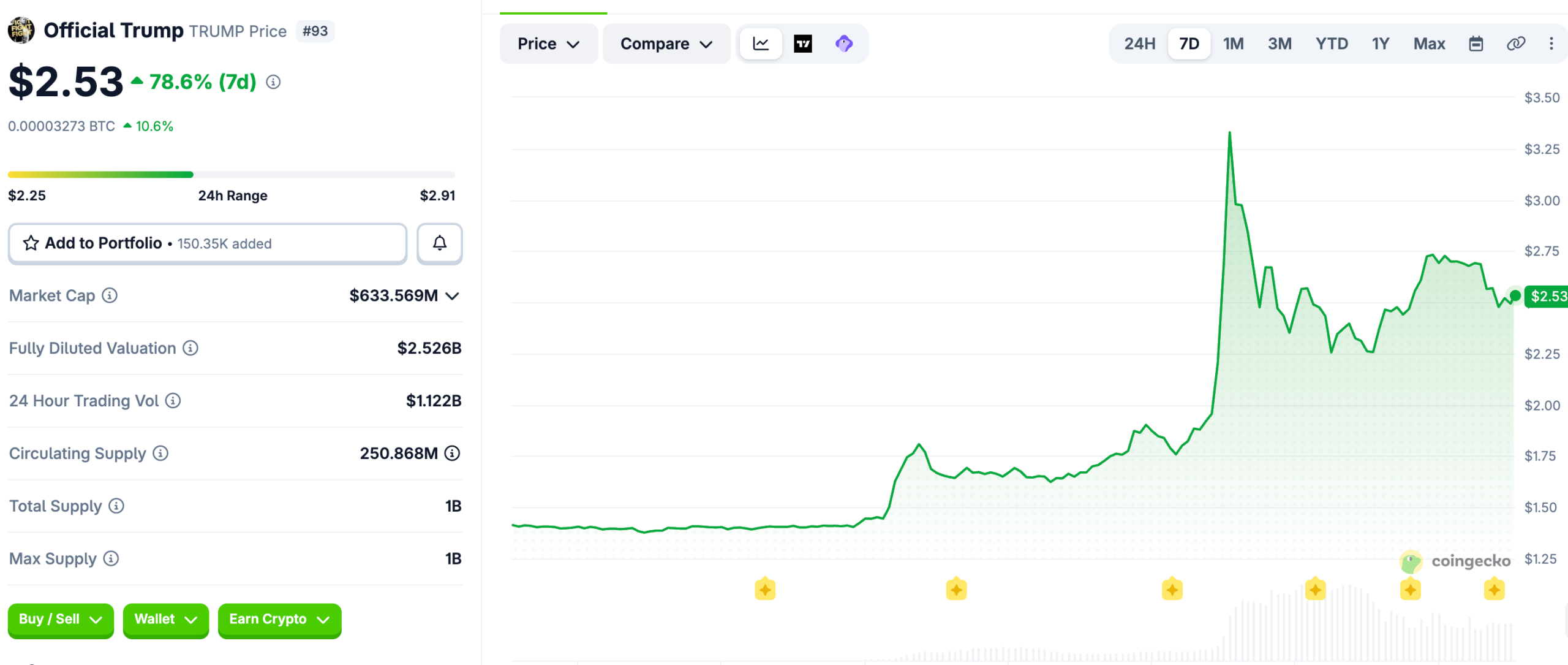
Wallets linked to the TRUMP memecoin team added and removed liquidity from the token’s Solana pools again this week. On-chain analyst LookOnChain flagged $3.39 million in USDC pulled from the pool in 10 hours.
The withdrawal coincided with TRUMP rallying sharply this week. Traders linked part of the move to President Donald Trump’s recent comments about the government potentially expanding its Bitcoin holdings.
A Familiar Mechanism
The team does not sell TRUMP directly on the open market. Instead, it deposits only TRUMP tokens into single-sided liquidity positions on Meteora, a Solana decentralized exchange.
As traders swap within a set price range, the pool automatically converts TRUMP into USDC. The team then withdraws that USDC and bridges it to exchanges like Coinbase.
President Trump’s own remarks at a White House crypto summit this month fueled part of the broader rally. Coinbase CEO Brian Armstrong called for a new crypto bull market days after that meeting, citing renewed sentiment across the sector.
A Pattern, Not a One-Off
LookOnChain first documented this exact mechanism in April 2025. The team pulled $4.6 million in USDC from a pool that month. It then bridged the funds to Ethereum and deposited them at Coinbase Prime.

By December 2025, the same wallet had pulled $94 million over 30 days. Arkham Intelligence data showed batches ranging from $2 million to $17.2 million moving into Fireblocks custody addresses linked to Coinbase.
Retail holders have absorbed much of the downside from this playbook. BeInCrypto has reported that 1 million TRUMP buyers are sitting on $3.81 billion in losses since launch.
The team has also flagged plans to deploy up to 96 million tokens from its unlocked supply in the coming months.
Removing liquidity does not guarantee a price crash. Pool depth, not spot demand, absorbs the initial impact.
However, thinner pools leave the token more exposed to sharp swings. That risk grows whenever a Trump-linked headline drives a rally, exactly the situation TRUMP faces now.
On-chain data has not yet confirmed whether this week’s withdrawal matches December’s scale. The bigger question is whether insiders will keep harvesting liquidity every time a Trump-linked headline lifts the price.
The post Trump Team Pulls Millions From TRUMP Memecoin Liquidity Pools During Price Rally appeared first on BeInCrypto.


Tether CEO Paolo Ardoino said on Aug. 23 that several developing economies increasingly rely on USDT for domestic commerce, international trade and dollar denominated savings.
Summary
- Ardoino said USDT use is rising across Venezuela, Argentina, Bolivia and Turkey amid monetary instability.
- Users increasingly hold USDT as digital dollars when local currencies weaken or cash dollars become scarce.
- Chainalysis ranked Venezuela eighteenth, Turkey fourteenth and Argentina twentieth for global crypto adoption in 2025.
- Chainalysis measured nearly $1.5T in Latin American crypto activity from July 2022 through June 2025.
- Tether said its technology served more than 570 million users worldwide as of March 2026.
“The economies of several developing countries rely heavily on USDT, both for domestic and foreign trade,” Ardoino wrote in a post. He said Tether’s financial inclusion mission was becoming more important.
Ardoino cited Venezuela, Argentina, Bolivia and Turkey as markets where people use the stablecoin in response to inflation, currency depreciation, limited access to dollars and restrictions within conventional financial systems.
His statement describes Tether’s view of adoption. No single public dataset measures how dependent entire national economies are on USDT. Independent blockchain research, central bank data and exchange activity nevertheless support the broader conclusion that dollar stablecoins have gained traction in those markets.
Currency instability is supporting USDT adoption
USDT is designed to track the U.S. dollar, allowing users to obtain digital dollar exposure without holding a U.S. bank account. It can move between compatible wallets and exchanges at any time, although conversion options, costs and regulations vary by country.
The product can appeal to users whose local currencies are losing purchasing power. It also provides an alternative when physical dollars are scarce or cross border bank transfers are expensive and slow.
Turkey continued to face elevated inflation despite progress under its disinflation program. Consumer inflation fell from 49.4% in September 2024 to 30.9% in December 2025, according to an International Monetary Fund review. The IMF projected inflation of 23% at the end of 2026.
Argentina has also continued addressing inflation and foreign exchange pressures. The IMF reported that monthly inflation reached 3.4% in March 2026 following currency depreciation and weaker demand for pesos.
Stablecoin demand extends beyond those two markets. Chainalysis ranked Turkey 14th, Venezuela 18th and Argentina 20th in its 2025 Global Crypto Adoption Index. When adjusted for population, Venezuela ranked ninth worldwide.
Venezuela and Bolivia show commercial use cases
In Venezuela, local businesses reportedly use USDT for retail payments and some import and export settlements. The stablecoin operates alongside bolivars, physical dollars and other digital assets within what local observers describe as a hybrid currency economy.
Chainalysis estimated that Venezuela received $44.6 billion in cryptocurrency value between July 2022 and June 2025. The figure covers all tracked crypto assets and does not represent USDT alone.
Bolivia provides a clearer official signal. The Central Bank of Bolivia publishes a reference USDT exchange rate based on weighted peer to peer activity on Binance. Its published data show how the stablecoin trades at a premium to the country’s official dollar rate.
The bank’s January financial stability report also identified foreign currency restrictions, higher inflation and low international reserves as continuing risks.
As previously reported, Bolivia moved toward recognizing USDT within its national payment system. Local banks already provide some USDT services, while businesses have used crypto for international payments and fuel related transactions.
The government has not completed a national framework making USDT equivalent to legal tender. Any description of formal payment status therefore remains forward looking.
Regional data support the broader trend
Chainalysis measured nearly $1.5 trillion in Latin American crypto activity between July 2022 and June 2025. Argentina accounted for an estimated $93.9 billion, Venezuela $44.6 billion and Bolivia $14.8 billion.
Centralized exchanges processed 64% of regional activity, showing that users generally obtain digital assets through conventional trading platforms rather than decentralized protocols.
In related coverage, dollar stablecoins accounted for 40% of purchases by Bitso users during 2025, compared with 18% for Bitcoin. The exchange operates across several Latin American markets, so those figures should not be treated as Argentina only data.
Tether says its products served more than 570 million people by March 2026. That is a company supplied estimate rather than a count of fully identified individual users because one person can control several blockchain addresses.
The company’s reported USDT supply reached a record $188 billion during 2026, reinforcing its position as the largest dollar stablecoin.
Users still face issuer, regulatory, wallet and network risks. USDT represents a claim supported by Tether’s reserves, not a bank deposit, and availability can change when governments or exchanges introduce new stablecoin rules.
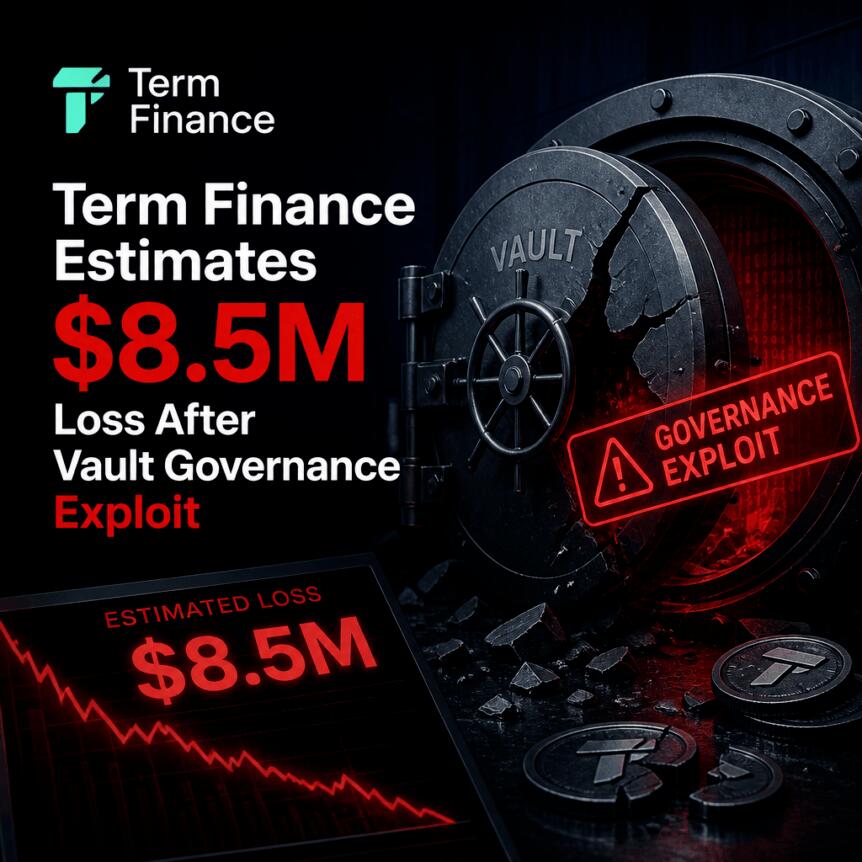
Term Finance’s decentralized lending protocol suffered an estimated $8.5 million loss after an attacker allegedly exploited governance control over its strategy vaults, according to multiple blockchain security monitoring firms. The incident highlights a recurring risk in DeFi: even when a lending protocol’s core markets continue to operate, weaknesses around vault governance and upgrade paths can still lead to large, fast-moving drains.
PeckShield said the attacker drained approximately 2,843 ETH (worth about $6.87 million at the time) and 1.68 million USDC, which was converted into roughly 1.68 million DAI. CertiK reported a similar total, placing the combined losses at around $8.5 million. Term’s vault product held about $12.45 million before the exploit, according to DefiLlama data.
Key takeaways
- Security firms attribute the drain to governance control over Term Finance’s strategy vaults rather than a break of the core protocol markets.
- About 68% of vault assets were reportedly lost, with the attacker converting USDC into DAI after taking funds.
- Term Labs says it has shut down the affected vaults and revoked their DAO governance roles to stop further deposits.
- Yearn V3 infrastructure was involved, but Yearn says the attack used a custom governance wrapper, limiting how much the finding applies to standard Yearn setups.
Loss estimates and what was taken
According to PeckShield, the attacker executed withdrawals that totaled 2,843 ETH and 1.68 million USDC, later swapping the stablecoin into about 1.68 million DAI. CertiK’s assessment aligned with PeckShield’s, suggesting the total loss across the drained assets reached roughly $8.5 million.
These figures matter because they contextualize the scale relative to what was actually exposed. Before the exploit, Term’s vault product reportedly held about $12.45 million (DefiLlama). The security firms’ estimates imply the attacker removed around 68% of that value—during a period in which the vaults included nearly all of Term’s approximately $8.8 million in Ethereum deposits, based on the same DefiLlama data.
Term Labs shuts vaults and changes governance
In a post on X, Term Labs said it had taken emergency steps to limit further damage. The company stated it had irreversibly shut down all Term Meta Vaults and revoked their DAO governance roles, which it said would permanently prevent additional deposits while leaving withdrawals open.
Term Labs also indicated that, based on its investigation so far, the underlying Term protocol and its direct borrowing and lending markets were not affected. Even so, it said it was still verifying the full scope of what was impacted.
Cointelegraph reported it could not reach Term Labs for further comment. The company does not appear to list a public press contact, and its X direct messages were closed at the time of reporting.
How governance may have been compromised
Defimon, an on-chain monitoring service, suggested the attacker likely took control in a governance-related maneuver rather than via a direct exploit of the vault strategies themselves. Defimon claimed the attacker acquired a majority of a sparsely held governance token “cheaply” and then passed proposals that enabled it to seize control of Term’s vaults.
Crucially, Defimon’s statement did not specify the precise mechanism by which the attacker obtained voting control, nor did it clarify which governance functions were used. Term has also not publicly confirmed the path to voting control in the reports summarized by PeckShield, CertiK, or Defimon.
The vault contracts reportedly use Yearn V3 infrastructure, which raised questions about whether a weakness in Yearn itself could have been responsible. Yearn responded that the attack involved a custom governance wrapper and said the vector does not apply to standard Yearn vault setups.
For investors and users, this distinction is significant. It suggests the failure mode may be less about the underlying Yearn components and more about the protocol-specific governance layer built on top of them. That’s a useful takeaway for other teams auditing their own vault governance: even established infrastructure can be rendered vulnerable if the wrapper logic or permissioning is poorly defended.
An incident that echoes earlier governance risk
This exploit arrives against a backdrop of prior Term-related security issues. The incident follows an April 2025 oracle error that reportedly triggered unintended liquidations totaling about 918 ETH. In that earlier event, Term said it recovered about 556 ETH, reducing the final loss to about 362 ETH, and reimbursed affected users, as described in its postmortem at term.finance.
After the oracle incident, Term pledged third-party validation for critical updates and greater governance transparency. The latest reported attack again centers on governance—this time not on oracles, but on the decision-making controls around vault access and management—suggesting that governance hardening remains a core area for DeFi risk management.
Term said it was coordinating with external security teams on asset recovery and remediation, and it stated it would “explore paths to address” any remaining shortfall. While the exact recovery outcome was not detailed in the reports summarized here, the company’s approach indicates it views the event as partially reversible or at least seeks to minimize lasting damage where possible.
Yearn’s clarification also offers a broader lesson for the sector: protocols borrowing widely used components still need to scrutinize the surrounding governance and upgrade wrappers. Standard integrations may be safe, but custom permissioning layers can introduce new attack surfaces—especially when governance token distribution is thin or proposals can be approved by an unexpectedly small voting bloc.
Readers should watch whether Term provides a more complete explanation of how voting control was obtained, whether any portion of the drained assets can be recovered, and what governance safeguards are added or modified before vault functionality is restored in any form.
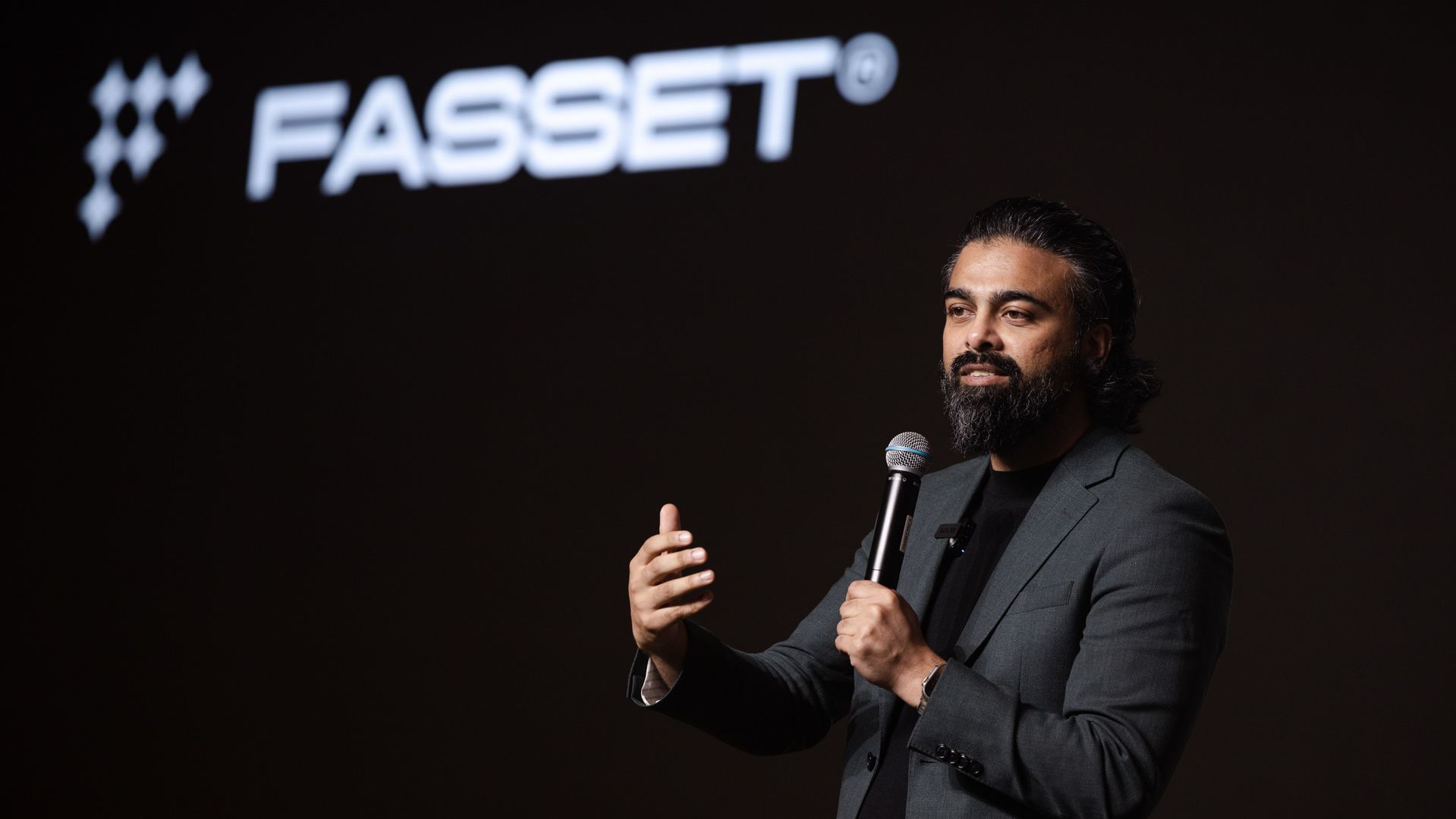
The firm raised $68 million as its revenue has grown six-fold as stablecoin payments and settlement expand, CEO Mohammad Raafi Hossain told CoinDesk.
Upbit will add a South Korean won trading market for Lighter’s LIT token at 1:00 pm KST on Aug. 24, according to an official exchange announcement.
Summary
- Upbit will open LIT trading against South Korea’s won at 1:00 pm KST August 24.
- Deposits and withdrawals are supported only through Ethereum using Upbit’s specified LIT contract address exclusively.
- Buy orders will remain restricted for approximately five minutes after KRW trading begins on Upbit.
- Only limit orders will be available during the first two hours of trading support initially.
- LIT staking grants access to Lighter’s liquidity pool and can provide platform fee benefits currently.
The LIT/KRW listing will allow Upbit customers to purchase the token directly with won. LIT was already available through Upbit’s Bitcoin market, which provided the reference price used to establish the new market’s opening restrictions.
Upbit listed LIT’s previous BTC market closing price as 0.00004500 BTC, equivalent to approximately 4,803 won. The figure is a reference for initial order controls and does not guarantee the token’s opening price in the won market.
The exchange warned that trading could be postponed if it fails to secure sufficient liquidity after deposits and withdrawals become available.
Upbit will restrict early LIT/KRW orders
Upbit will block buy orders for approximately five minutes after LIT/KRW trading begins. Sell orders priced more than 10% below the previous closing price will also be restricted during that period.
Only limit orders will be accepted for the first two hours. Market orders and other conditional order types will become available after the initial restriction ends.
The controls are designed to reduce disorderly trading when a new won market opens with limited price history. However, they cannot prevent sharp volatility or price differences between Upbit and international exchanges.
Upbit advised customers to compare prices across domestic and global markets before trading. South Korean listings can attract concentrated retail activity, especially when an asset gains direct access to won liquidity.
Previous Upbit additions have occasionally produced abrupt market moves. In one example, ORCA rose more than 200% following its South Korean market listing. That earlier reaction does not establish how LIT will trade.
Ethereum is the only supported deposit network
Upbit will process LIT deposits and withdrawals only through Ethereum. Customers using another network risk having their deposits rejected or delayed during the return process.
The exchange identified the supported contract as 0x232ce3bd40fcd6f80f3d55a522d03f25df784ee2. Users should verify this address before transferring funds.
South Korea’s Travel Rule requirements also apply. Deposits from exchanges not included on Upbit’s approved virtual asset service provider list may not be credited. Refunds for unsupported deposits can take an extended period.
Transfers from personal wallets are limited to addresses that have completed ownership verification. Upbit may also request information about the source of funds when customers make large deposits with unclear origins.
These conditions are separate from Lighter’s layer 2 trading system. Although the protocol processes orders and position management through its Ethereum scaling environment, LIT itself is issued as an Ethereum token.
LIT supports staking and liquidity access
Lighter operates an order book based decentralized exchange focused on perpetual futures. The protocol processes trading through an Ethereum layer 2 while using cryptographic proofs to verify order matching and liquidations.
As crypto.news previously explained, Lighter runs perpetual futures within the Robinhood Wallet ecosystem. Availability varies by jurisdiction, and users in several countries cannot access the leveraged trading service.
LIT is the protocol’s infrastructure and utility token. Lighter’s official documentation says staking provides access to its Lighter Liquidity Pool, or LLP.
Each staked LIT currently allows a user to deposit up to 10 USDC into the pool. Unstaking is subject to a three day lockup period.
Stakers may also qualify for trading and funding related benefits. Lighter says protocol trading fees fund token purchases through daily time weighted average price transactions, although the pace depends on revenue and internal allocation decisions.
The token launched with 25% of its supply distributed through a community airdrop. Half of the overall supply was allocated to ecosystem programs, while the other half went to the team and investors under lockup and vesting terms.
What happens after LIT trading begins
The first restriction will expire approximately five minutes after trading starts, allowing normal buy orders and lower priced sell orders. Upbit will continue accepting only limit orders for roughly two hours.
Broader order functionality should become available afterward, provided the exchange does not extend its controls. Upbit may also display market warnings if price movements, deposits or trading volumes rise unusually quickly.
No independently verified market reaction was available before the scheduled opening. Traders should monitor the opening price, liquidity and differences between the LIT/KRW market and global LIT pairs after trading starts.


KPMG Australia will cut 27 partners and about 360 employees, roughly 5% of its workforce, as revenue slips and the firm absorbs the fallout from allegations that it misused confidential client information.
Chief Executive John Sams said most of the affected roles are in the consulting arm, where client demand has weakened. The firm will also merge several teams and align them more closely with KPMG’s global advisory business.
Revenue Slides as Consulting Demand Weakens
According to the firm, total revenue for the year ended June 30 reached A$2.257 billion, down 1% on the prior period. Consulting revenue fell 16.9%. The firm attributed this to soft market conditions and reduced government use of consultants.
Four of the five divisions still grew. Audit and assurance rose 11%, tax and legal climbed 10.9%, mid-market and private gained 6.4%, and deal advisory and infrastructure added 3%.
Consulting nonetheless remains the largest division by revenue at A$632 million. The Big Four firm cited economic weakness, challenging market conditions, and the fallout from its own conduct and whistleblower cases among the factors behind the layoffs.
“This is not a decision that has been taken lightly, and we know it will have a very real impact on people,” Sams said.
The pressure dates back to March, when Labor Senator Deborah O’Neill, who chairs the Parliamentary Joint Committee on Corporations and Financial Services, told the Senate that a whistleblower alleged that confidential Lendlease board papers were used to pursue audit tenders.
Commercial consequences followed quickly. In June, KPMG said it had voluntarily agreed not to bid for new Commonwealth work until an independent Department of Finance review concludes, which the firm expects by the end of September. That statement acknowledged that individuals within the firm had made mistakes.
Alongside the cuts, the firm is moving its mid-market and private deals team into deal advisory and infrastructure, and its advisory team into consulting.
Follow us on X to get the latest news as it happens
2026 Layoffs Stretch Well Beyond One Sector
KPMG is not an outlier when it comes to job cuts. Layoffs.fyi recorded 127,180 technology job losses across 264 companies in 2026 so far. That already exceeds the 122,606 cuts logged by the tracker across all of 2025.
The reductions span software, retail, media, and professional services. Oracle disclosed a headcount drop of roughly 21,000 over its financial year in an annual report. Zillow, Google, Etsy, and TikTok all announced cuts in August.
Artificial intelligence (AI) explains part of the shift, though not all of it. Uber cut 10% of its customer service staff in July and tied the decision directly to an AI efficiency push. India’s largest private lender, HDFC Bank, ended its March financial year with 3,343 fewer employees.
Crypto firms have trimmed for different reasons. Bitwise cut roughly 14% of its workforce this month as market conditions soured, leaving headcount near 155. Coinbase removed 700 roles earlier this year.
Subscribe to our YouTube channel to watch leaders and journalists provide expert insights
The post KPMG Australia Axes 360 Employees and 27 Partners in Sweeping Restructure appeared first on BeInCrypto.
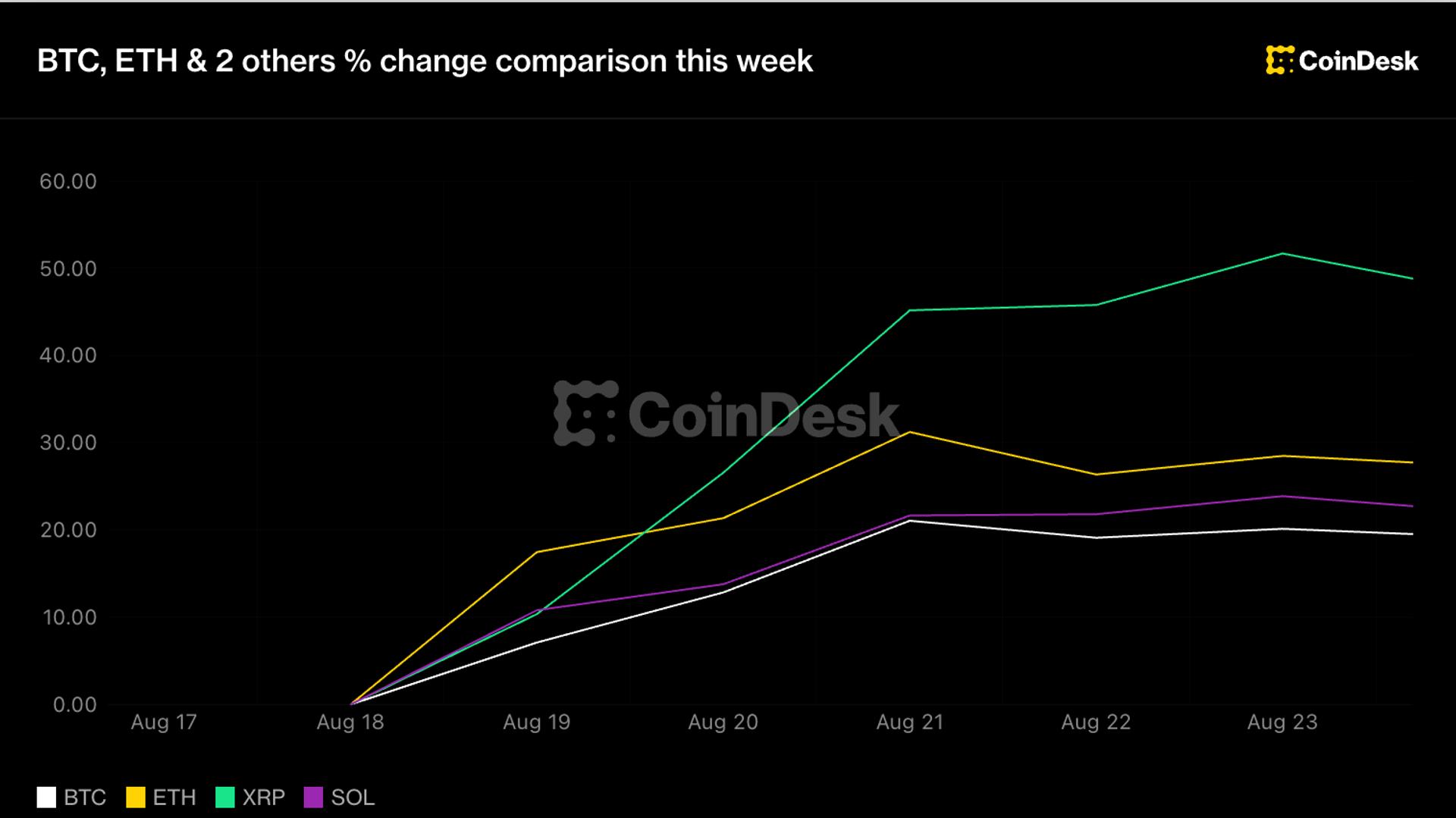
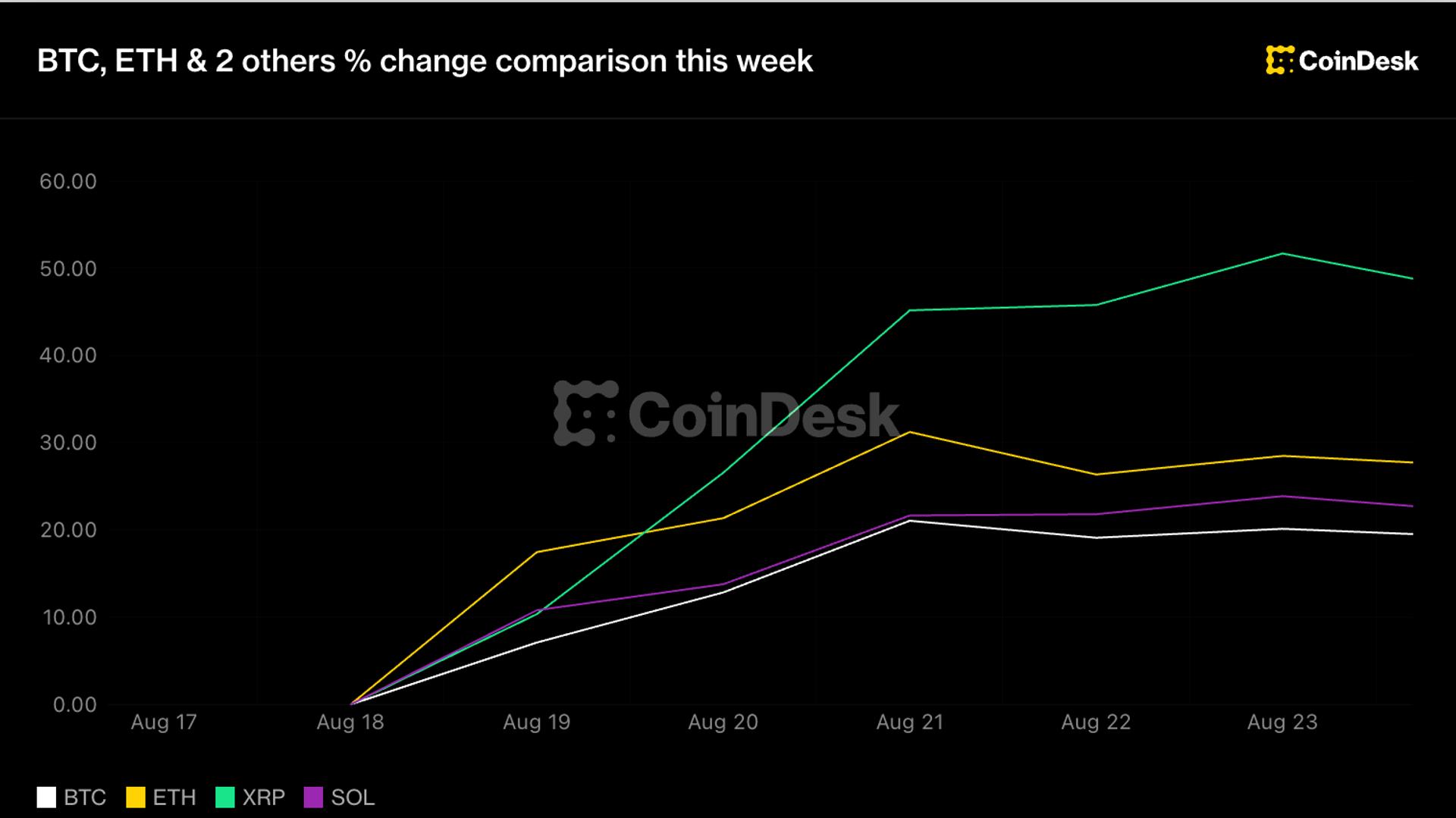
Bitcoin holds above $77,000 after a 21% week, with XRP up 46% over the same stretch. Asian stocks fell as Samsung and Alibaba slid.
Saints-49ers trade grades: New Orleans adds Zamir White after onslaught of RB injuries

Humanoid Robots Have Beaten Usain Bolt’s 100-Meter Dash Record

7 Money Affirmations to Attract Wealth and Financial Freedom #money #moneyaffirmations #entrepreneur

Weekend Open Thread – Corporette.com

Weekend Open Thread: Brooks Brothers

London Mayor Sadiq Khan handed a peerage by Keir Starmer alongside 15 other Labour figures… just days before the PM leaves No10
7 Money Affirmations to Attract Wealth and Financial Freedom #money #moneyaffirmations #entrepreneur

Is a financial crisis forcing you to pawn gold? Don’t fall into the trap of high-interest loans!

Tjr exposed biggest gold digger.#tjr #money #motivational
-

 Fashion2 days ago
Weekend Open Thread: Madewell – Corporette.com
-

 Crypto World2 days ago
anatomy of crypto’s biggest liquidation event since 2021
-

 Business6 days ago
SMA Solar Technology AG (SMTGY) Q2 2026 Earnings Call Transcript
-

 Tech6 days ago
Qwen3.8-27B runs frontier-class coding agents and reasoning locally, no cloud API required
-

 Business2 days ago
Musk’s Tesla, SpaceX Confirm $16.8 Billion ‘Terafab’ Chip Plant as World’s Largest Building in Texas
-

 Crypto World6 days ago
OCC Greenlights Trump Family Crypto Firm for Trust Charter
-

 Politics2 days ago
6 months on, Irish renters crushed by effects of government housing bill
-
 NewsBeat2 days ago
The ‘Lucky Dip Gang’ causing carnage for clicks: After five thugs were killed speeding in the wrong direction on a motorway, GUY ADAMS investigates a sick new trend… and why police aren’t even allowed to pursue them
-

 Crypto World6 days ago
NAVI Prime launches institutional lending framework on Sui
-

 News Videos4 days ago
Don’t Leave Your Financial Future To Chance | August 19, 2026
-

 Tech5 days ago
GLM-5.3 hits the API at $1.4/$4.4 per million tokens
-
 Crypto World6 days ago
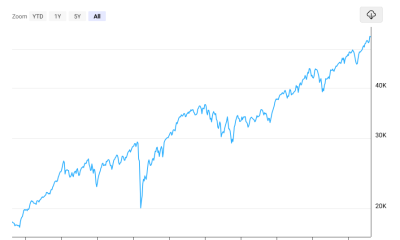
Dow’s 3-Year Winning Run Isn’t a Crash Signal, Still 49% Odds of Double-Digit Gains
-

 Tech7 days ago
Straight Up the Cliff, Yunnan’s New Fuyao Ladder Turns a Three-Hour Climb Into a 50-Second Ride for Students
-
Tech6 days ago
5 Of The Most Reliable Car Brands To Consider If You’re Buying A Used SUV
-

 Business6 days ago
Stock Market Today: Tech Futures Slide As Treasury Yields Jump; Nvidia, Micron, Sandisk Sell Off
-
Business6 days ago
Fabrinet (FN) Q4 2026 Earnings Call Transcript
-

 Tech6 days ago
Keychron K8 Ultra 8K review: a great value keyboard with comfort issues
-

 Business3 days ago
Five Below: Kids Discount Retailer Reaps Rich Rewards
-
 Tech6 days ago
Nvidia discloses $21B stake in SpaceX
-

 Business5 days ago
Marvell Shares Jump 7% as Google Chip Deal Confirms Custom AI Silicon Partnership, Analysts
You must be logged in to post a comment Login