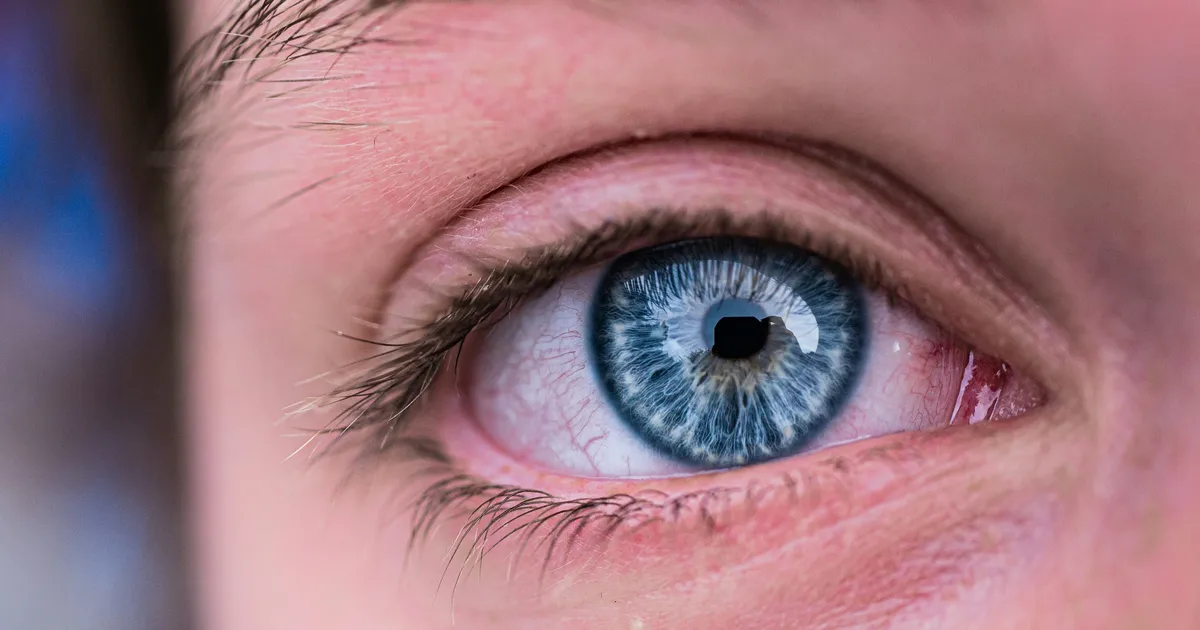
My skin’s a little dry, dull and pale. The rings under my eyes stay shadowy no matter how much sleep I get, and my hair could stand to be thicker.
This, TikTok assures me, is “ferritin face” – a series of visual signs that suggest my iron stores are low.
In my case, that’s been proven true through blood tests. These tests are the only reliable way to work out whether you’re iron deficient: you should see your GP if you suspect low iron.
Low ferritin levels refer to depleted long-term supplies of iron. Dr Basford said it’s very common in the UK, especially among teens, kids, older people and women.
People who menstruate are at particular risk, because of the blood they lose during their periods or while pregnant.
Advertisement
“Women with heavy periods are likely to lose even more iron and may benefit from iron supplements, but most people can get enough iron from the foods they eat,” the GP expained.
“Iron deficiencies can be under-recognised causes of fatigue, especially in women, and larger studies, alongside increasing public interest in testing has raised awareness of this.”
What are the signs of low ferritin?
Some symptoms of low iron, like paler-than-usual skin and (more rarely) ulcers in the corners of your mouth, really do form something of a “ferritin face”.
Advertisement
But Dr Basford said there are loads of other possible signs of low iron we should pay attention to, like:
tiredness
shortness of breath
heart palpitations
headaches
hair loss
nail changes
feeling itchy
tinnitus
Again, however, you’ll need to see a doctor to know if you’re anaemic.
“Speak to your GP if you think you have low iron levels, and they will ask you about your lifestyle and medical history. They will likely perform a blood test to diagnose low ferritin,” the doctor stated.
“If it is unclear what is causing low iron, a doctor may issue further tests to uncover the reason for your symptoms, like a faecal immunochemical test that looks for blood in a small sample of your poo.”
Can other conditions cause symptoms like ‘ferritin face’?
Advertisement
That’s another reason to see your doctor if you have what you think are signs of iron deficiency. Dr Basford said that “conditions that cause fatigue, weakness, or dizziness can sometimes mimic low iron”.
“The most common are alternative forms of anaemia, or conditions like hypothyroidism and chronic kidney disease, as these impair red blood cell production,” she stated.
These might not appear on your face, but they can be confused with other symptoms of low iron.
Meanwhile, sleep apnoea can lead to fatigue, and far more rarely, some heart and lung conditions can create symptoms like palpitations and/or difficulty breathing.
Advertisement
What should I do if I’m diagnosed with iron deficiency anaemia?
It depends on what’s causing it, Dr Basford shared. If the issue lies mainly in your diet, your GP might recommend eating more:
They might also instruct you to “drink less tea and coffee, and eat less dairy and foods with high levels of phytic acid, like wholegrain cereals, as these can make it harder for your body to absorb iron”.
Your doctor could put you on iron supplements, too. Whether you’re taking them after being told to by your GP, or just bought some over-the-counter, the doctor said: “Make sure not to take more than the recommended daily dose, as this can cause constipation, nausea, vomiting and stomach pain”.
Great news, everyone – Scottish Labour has finally worked out how to talk to the people of Scotland. This video featuring the party’s MP Melanie Ward just appeared on the Scotland Office’s LinkedIn page, and it explains the complexities of the interlinked Scottish and UK economies in terms that the UK government hopes all of you awful thick Jocko plebs might be able to understand. Enjoy.
?
And tomorrow morning, do remember to eat your cereal, won’t you?
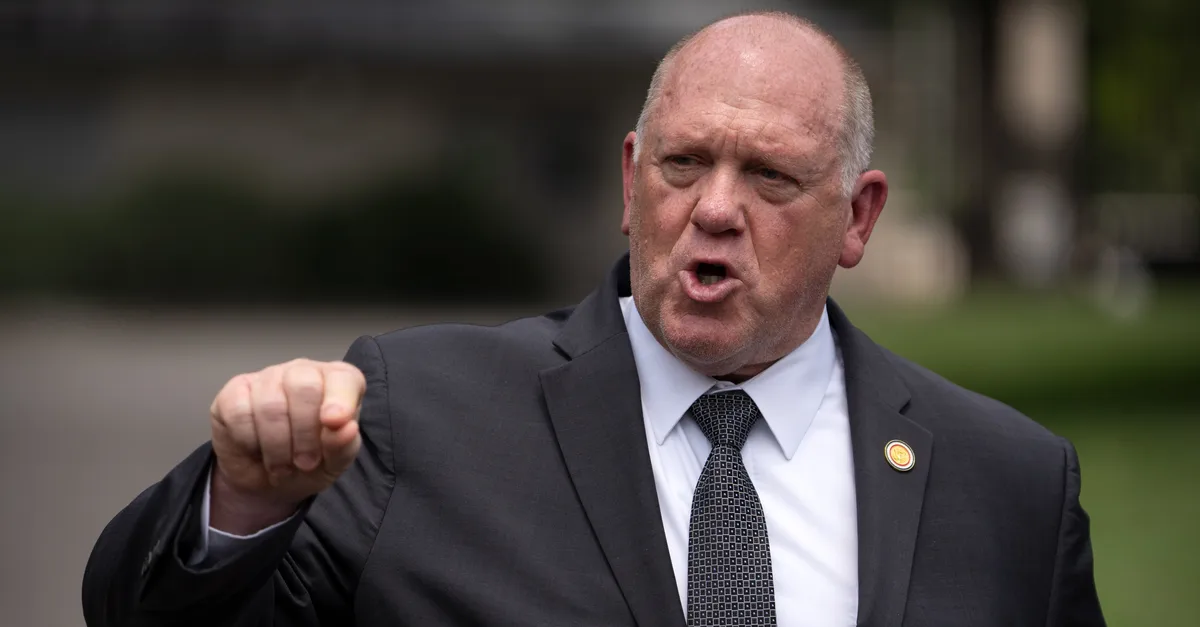
Homan was responding to comments made by Democratic Florida Senate candidate Angie Nixon.
“We’re Black, [ICE is] gonna profile us, too,” Nixon said on the Miami Community Newspapers Podcast.
“They can’t tell the difference between an African-American or, you know, a Black American that is a descendant of slaves here in this country, or someone from Jamaica or Nigeria. Like, they are going to racially profile us, and they are going to escalate things, and they are going to shoot and kill us,” she continued.
Advertisement
When asked by Fox News host Kayleigh McEnany on Saturday about Nixon’s comment she called them a “ridiculous statement.”
“Look, we don’t racially profile. Everybody we talk to we have reasonable suspicion of aliens to talk to them. And to arrest them, we need probable cause,” Homan said. “That’s what the law says and that’s we do. We don’t arrest people based on the colour of their skin.”
Homan then called himself an “equal opportunity deporter.”
“I deported people to 180 countries last year. So, I don’t care if you’re from Asia, you’re from Europe, or you’re from other countries. If you’re in the country illegally, you’ll be deported, regardless of the color of your skin,” Homan said.
Advertisement
Despite Homan’s comments, the Trump administration explicitly asked the Supreme Court last year to block a lower court’s order prohibiting immigration officers in Los Angeles from using racially loaded factors as justification for arrests.
The 6-3 decision in Perdomo v. Noem reversed a lower court’s ruling that prevented officers from considering factors such as apparent ethnicity, language spoken or accent, presence at a location where immigrants were believed to gather, or working in a particular kind of job, when making arrests.
Everyone frets about teen boys who are lured into the manosphere. I’m more worried about the grown-ass adults who have tumbled down the moral toilet of Israelophobia. At least the dim kids who hang on Andrew Tate’s every word have the excuse of being at the mercy of their own hormones. What excuse do the Gazaholic grown-ups have for gorging so ferally from the digital trough of anti-Israel bullshit?
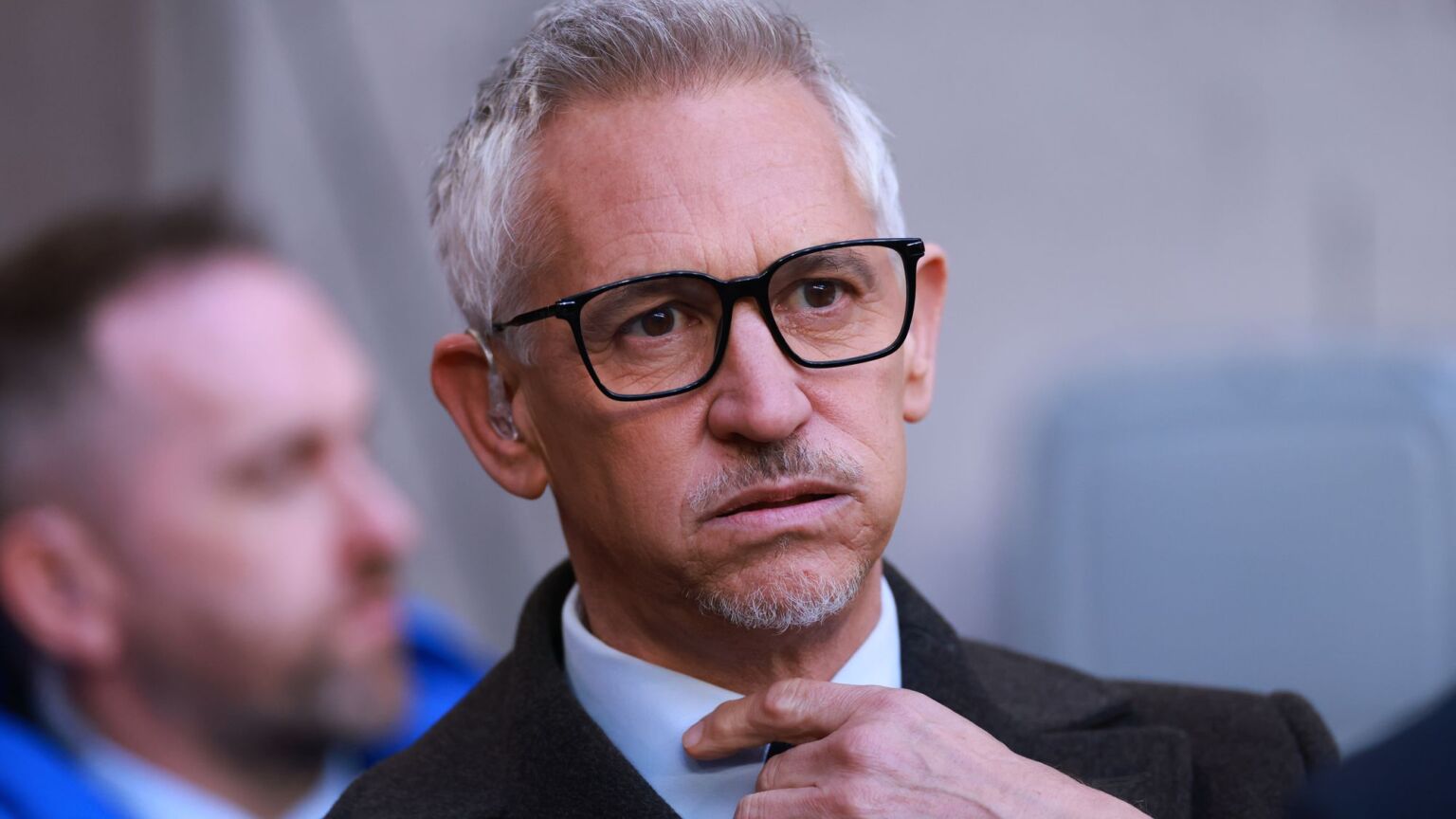
Exhibit A: Gary Lineker. His grey matter has sizzled to a crisp on the bonfire of Israel-hate. Now he’s sharing posts likening Zionism to Nazism. He has been so radicalised by the anti-Israel slop that clogs up the digital highway that he’s echoing the vilest of all the anti-Zionist tropes – namely, that the Jewish nation has become the moral mimic of history’s most notorious Jew killers.
It was on his Instagram page. He reposted a speech by the anti-Israel nutjob, Tony Greenstein. Greenstein had been charged with inviting support for Hamas, which is a proscribed organisation in the UK. He was cleared at Kingston Crown Court last week. On the steps of the court, he let rip in his usual histrionic fashion against the Zionist project. ‘Zionism’, he squeaked more than thundered, ‘is in the tradition of the Nazis’. Imagine seeing such dribbling bigotry and thinking: ‘I should share that.’ That’s what Lineker did.
Advertisement
It gets worse. The Greenstein clip was posted by CAGE International, an iffy outfit that campaigns on behalf of Muslims affected by the ‘war on terror’. These are the weirdos who once called Mohammed Emwazi, also known as ‘Jihadi John’, a ‘beautiful young man’. He’s the British-Muslim traitor who trekked to Syria to become chief executioner for those sworn foes of our civilisation, ISIS. One of his victims was a British cabbie called Alan Henning, who’d gone to Syria to deliver food to the war’s victims. Emwazi sawed off his head on camera.
Are we going to talk about this? About the fact that Gary Lineker, footballer turned podcast impresario, for years one of the highest-paid talking heads at the BBC, is sharing a post from a group that said the Islamist butcher of ISIS had been a ‘kind, gentle’ soul? Worse, a post containing flagrant Holocaust inversion, where the Jewish homeland is grossly reimagined as the moral heir to Nazism? No? We’re just going to let it slide?
Advertisement
It is a testament to the virulence of Israelophobia, to its almost total conquest of the bourgeois mind, that stuff like this barely makes a ripple these days. There was a time when if a well-known public figure had hyped a CAGE post and platformed the noxious idea that the Jewish State is Nazi-like, people would have said: ‘Oh, what’s going on here?’ Not anymore. So thoroughly has polite society been colonised by bug-eyed anti-Israel animus that Lineker’s antics provoke no emotional response at all. Except perhaps haughty nods of approval.
Lineker has form. He parted ways with the BBC last year over what the press rather politely called ‘an anti-Semitism controversy’ – he had reposted a delirious rant about Zionism that was illustrated with a rat. Zionists as vermin? Classy. And then these people have the nerve to call others Nazis, despite their own giddy rehashing or reposting of the Nazi-era notion that Jews are the rodents of humanity.
Advertisement
Equating Zionism to Nazism is not clever political critique – it is raw, unadulterated bigotry. As the International Holocaust Remembrance Alliance says in its working definition of anti-Semitism, it is racist to ‘[draw] comparisons of contemporary Israeli policy to that of the Nazis’. Howard Jacobson said it best. There are untold wars from history that the Israel-Hamas War could be compared with, he said. The reason they compare it with the Holocaust is because their lowlife aim is ‘to wound Jews… to punish them with their own grief’. It’s Jew-shaming masquerading as pacifism.
Lineker sums up the commenting class’s pathological loss of moral proportion. The way these people talk, you’d think Israel’s pursuit of the Islamofascists of Hamas was the worst war of modernity, a ‘crime’ as racist and insane as the Nazis’. Yet Lineker himself is pals with a bloke – Alastair Campbell – whose political fabulism helped to launch a war in Iraq that on every moral metric was worse than what’s happened in the Middle East these past three years. I wonder if Lineker has ever called Al a rat-like killer of kids who’s not dissimilar to Hitler?
Lineker’s descent from dull but knowledgeable sports fella into the Zio-rat guy is proof that Israelophobia turns your mind to mush. The spotty kid who watches hours of Tate has nothing on these Boomers and geriatric millennials who brainlessly lap up every hyper-edited, context-free clip from Gaza as hard proof that Israel is a monstrous entity. This is real online radicalisation: the frying of a million middle-class brains by algorithmic bigotry and the moral pornography of war.
Advertisement
We are witnessing the great cognitive collapse of the Western liberal elite. A media establishment that once prided itself on scepticism and intellectual rigour now acts like an army of mind-wiped converts to a digital cult. Lineker and the rest of the Israel-wary class are not leading a moral awakening – they’re the latest victims of an internet ecosystem that rewards superficial emotionalism and punishes nuance. We need a Gazaholics Anonymous, stat.
This is the script from our latest video polemic. Watch it here.
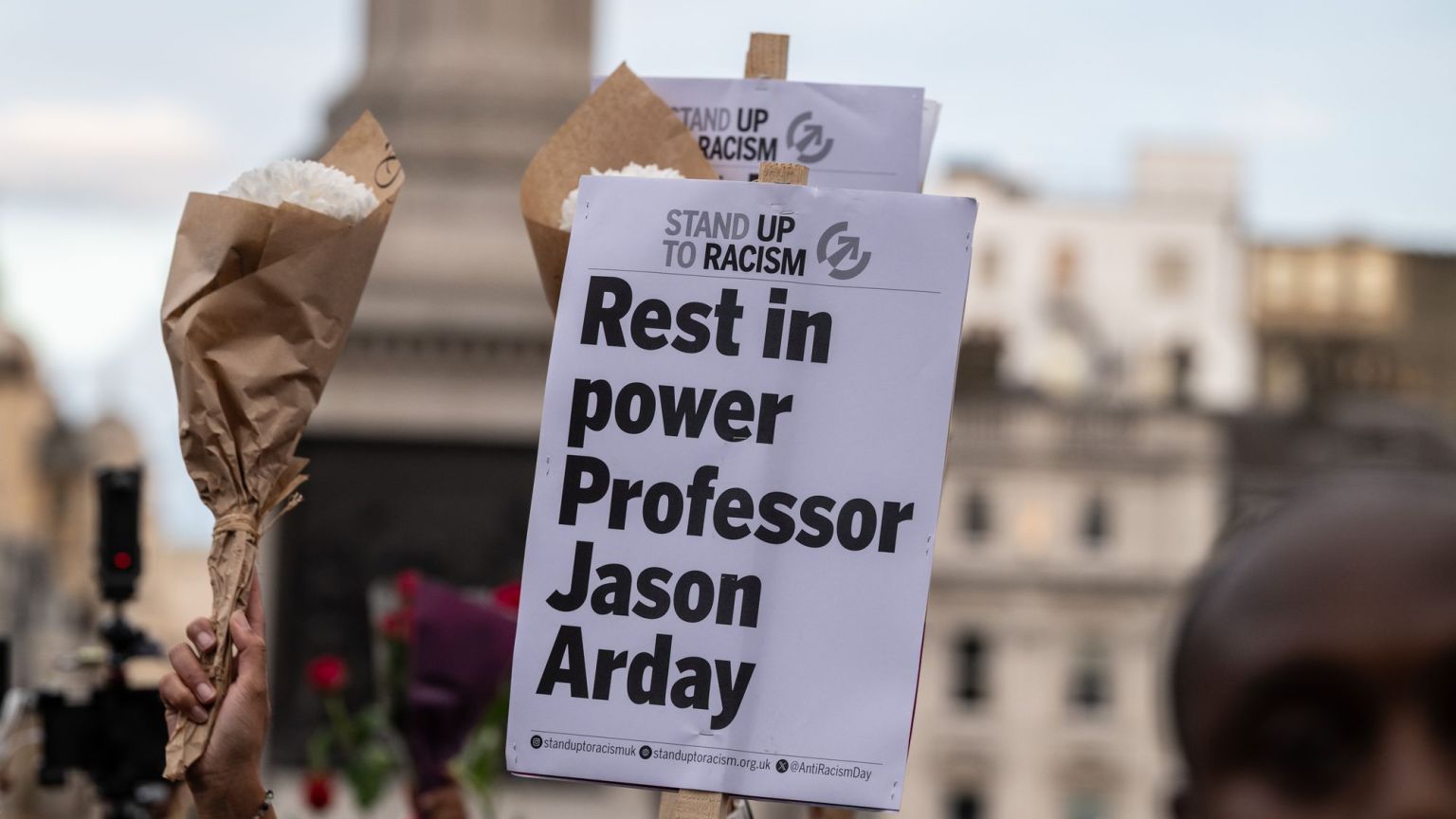
Jason Arday is dead and the ‘racist’ mainstream media killed him. That has been the narrative spun since the disgraced Cambridge professor was tragically found dead at a property in south London last Friday.
Arday’s awful, untimely death, apparently by his own hand, has been held up by activists as the grimly predictable consequence of a weeks-long ‘smear campaign’ against him by the press. This was a ‘public assasination’. A ‘lynching’ of a brilliant black man for having the temerity to think he belonged at Cambridge.
Advertisement
There’s just one problem with this. It’s not true. And in the attempt to turn Arday into a martyr, brought down by a ‘white supremacist’ media, we see a kind of derangement, a racial hysteria, we had hoped had come and gone with 2020 and the peak of Black Lives Matter.
Arday was the story of the summer. Two weeks ago, he resigned from his professorship at Cambridge University, following mounting evidence that he had plagiarised large sections of his PhD thesis, fabricated personal achievements, lied about racist intimidation he had suffered at his workplace, and perhaps even exaggerated the extent of his autism in his youth.
This was a spectacular fall from grace. For Arday was more than an academic. He was a sensation. He guest-edited the Today programme, he was profiled on Good Morning America, a blockbuster memoir was in the works, all off the back of his incredible story. That of the poor, illiterate, ‘neurodiverse’ kid who became a top academic, marathon-runner and charity fundraiser.
Advertisement
For Cambridge, he was a symbol. When he was appointed in 2023, as a professor of sociology of education, Arday was presented as the embodiment of ‘the barriers faced by many under-represented groups across higher education’. His mere presence was proof that Cambridge was committed to fighting the racism and ableism that supposedly lurked among its colleges.
Since Arday’s death, there has been a desperate attempt to rewrite recent history – to downplay his lies, to smear journalists for doing their job, and all for straightforwardly political ends. This tragedy is being exploited to fit an agenda – one that is pro-DEI and anti-press freedom. And it needs to be called out.
Advertisement
The bogus narrative now being forged goes something like this. Arday was a young professor, minding his own business, when the media suddenly decided to take him down. He was accused of plagiarism, then ‘exonerated’. But still they kept on coming, so furious were they that a black man was ever given a perch at Cambridge.
It’s hard to know where to start with this. By the time Arday resigned, the same day that Cambridge finally opened an investigation into his academic conduct, the case against him was overwhelming. The Telegraph found over 100 passages in his PhD that were identical or near-identical to those in another student’s thesis. Worse still, in his later papers, he was accused of falsifying data, of lifting quotes from other academics and passing them off as quotes from his interviewees.
Advertisement
This would, if proven, amount to academic fraud – something much more serious than plain old plagiarism. And contrary to the chatter online, these weren’t just wild accusations, or rumours. The Times, the Telegraph and other publications pored over his output, commissioned independent academics to analyse it, courted a range of expert opinion. And what they found was damning.
The claim that Arday was ‘exonerated’ stems from one investigation by Liverpool John Moores University, which awarded Arday his PhD. It concluded his thesis was legit. As well it might. But this investigation hasn’t been published. Apparently, it’s strictly confidential. In the end, John Moores’ good word wasn’t enough for Cambridge, which was eventually forced to open its own inquiry, after years of burying its head in the sand.
Similarly, activists will point to the role one Nathan Cofnas has played in this story as proof this was all a ‘racist’ campaign against Arday from the off. Cofnas, a self-described ‘race realist’, posted a blog last month detailing extensive evidence of Arday’s plagiarism. But Cofnas was hardly the first or only person on this trail.
Advertisement
David Harris, professor emeritus at Plymouth Marjon University, began privately contacting Cambridge and John Moores about his concerns about Arday in 2023. Had Cambridge heeded Harris’s warnings, things could have turned out very differently. Jack Grove, a reporter at Times Higher Education, picked up these leads in 2025. Grove compiled 97 pages of evidence before his editors were spooked by a legal letter from top law firm Carter-Ruck. Most chillingly, Arday also reported Harris and Grove to the police for supposedly ‘harassing’ him.
Then came the revelations that Arday had likely embellished, invented or flat-out lied about his backstory. The details stretched credibility, to say the least. He claimed to have run 30 marathons in 35 days, a feat that would have placed him among the world’s elite athletes. He claimed to have raised an astounding £5 million for charity, a figure top celebrities would have struggled to achieve. And he claimed to have appeared in a TV series that began two decades before he was born. He also said he was mute until age 11 and illiterate until age 18, due to his autism, and to have suffered from everything from cancer to locked-in syndrome.
For all the talk of ‘right-wing’ smears, some of the most damning exposes in this area were published in liberal outlets. The Atlantic magazine found wild discrepancies between Arday’s memoir and his book proposal for the memoir. The New York Times spoke to old schoolmates of his, who recalled Arday as a talkative, wise-cracking child. Most damning of all, the Guardian found zero evidence to support Arday’s claim that he had been threatened at work by a masked man with a knife.
Advertisement
Arday also claimed a pig’s head was left on his parents’ doorstep in London. He said the Metropolitan Police had investigated this apparent hate crime and even found the butcher where the hog had been purchased. The Met says no such investigation ever took place. The butcher which Arday named had no recollection of this episode, either. When pressed by the Guardian, the butcher said ‘that’s the kind of thing we’d remember’.
I take no pleasure in recounting all of this, in light of how this sorry tale ended. I repeat it only to stress that there was a story here. The insistence this was a whole lot of nothing, cooked up by a racist press, is a vicious lie. This matters. Because the Arday debacle raises deep and difficult questions not only about one man’s credibility, but also about elite institutions that had – at best – turned a blind eye. It raises questions about his publisher, Simon & Schuster, which offered Arday a hefty advance for a memoir that couldn’t withstand a basic sniff test, let alone a diligent fact-checking.
Advertisement
And, above all, it raises questions about Cambridge. This is supposed to be one of the top universities in the world. And yet it junked the most basic standards in pursuit of an eye-catching hire. Someone who, with this fantastical story of triumphing over adversity, and in his critical race theory-enthused work, was the walking-talking embodiment of a DEI ideology that had become so fashionable following the rise of BLM.
Those who dared to point out that Arday clearly did not deserve his position, are being accused of racism. But, if anything, Arday’s ascent through the academic ranks underlines the racism of modern ‘anti-racism’. DEI essentially insists that academic standards must be lowered in order for ethnic minorities to thrive. It also tends to elevate ethnic-minority people who best fit the political script, over those who are most accomplished.
You see this all-too clearly in the New York Times; reporting. It found that, when Arday was interviewed for his position at Cambridge, he was up against ‘three more senior scholars, including two women of colour’. Despite his ‘modest publication record’, he was catapulted into one of the most esteemed academic positions in the country – apparently at the expense of more qualified ethnic-minority candidates.
Advertisement
We may never know why Arday did what he did, and said what he said. But the picture that emerges is one of a man who became trapped in his own fantasy land, and who was indulged by institutions who should have known better, until it all came tumbling down. He was put on a pedestal, from which he was bound to fall.
To accuse the media of effectively killing him is not only despicable, simplistic and wrong, it also risks chilling the free press, presenting scrutiny of public, influential figures as dicing with death. And it risks presenting the taking of one’s own life as an almost rational response to public criticism. This is a dangerous road to go down.
Jason Arday’s death was an unspeakable tragedy. But amid the hysteria of recent days, we risk learning all of the wrong lessons. Journalists are being smeared for telling the truth, while activists are insisting we swallow another batch of falsehoods. There are calls to subject the press to state regulation – ie, censorship. There are even lists of journalists who covered the Arday story doing the rounds online, including me, with activists fishing for embarrassing personal information about us. Despicably, this tragedy is being used as a soapbox – not only to call for more state control over the press, but also to shore up the toxic, racist ideology of DEI.
Advertisement
Everyone in possession of a pulse wishes Jason Arday, the man, were still with us. To say he erred is not to say he wasn’t a cherished friend, colleague, family member – a human being. The thought of anyone making that worst and most final of decisions grates against our common humanity. But this myth of Saint Jason, murdered by a racist press, is an affront to reason, truth and genuine equality, which we simply cannot abide.
Andy Burnham is handing mayors the authority to take over local planning decisions in his latest devolution push.
The prime minister will present proposals next week aimed at giving regional leaders the chance to “call in” major decisions, including large-scale developments, and direct councils to accept them or refuse them.
They will be allowed to give developers upfront permission, too, so they can build without having to apply.
This latest decision is meant to stop “nimby” – “not in my back yard” – councils from refusing significant building works which could help the government reach its target of building 1.5 million homes by the end of this parliament or boost local economic growth.
Advertisement
The government is only a quarter of the way to that building target two years after the general elections.
Mayors will have authority when it comes to developments of more than 150 homes, commercial space larger than 15,000 sq metres or any building 30 metres or taller.
Speaking to the Sunday Times, Burnham said: “Sometimes… challenge does need to be made to local decision-making, and actually it cuts both ways.
“It’s not all about nimbyism. Sometimes it’s the other way round.
Advertisement
“It’s a local authority putting forward something that’s unacceptable in terms of the impact on the community… so it’s a two-way street.”
The prime minister acknowledged concerns that this could end up taking power away from councillors, MPs and constituents.
However, he told the newspaper: “The question is: do you want somebody who’s elected by the people of that area to consider a decision, or a far less accountable decision-making process?”
He has the support of 10 of the 14 devolved mayors from different parties so far.
Advertisement
London mayor Sadiq Khan was already given these powers earlier this year in what was described as an emergency measure to help get more affordable homes built in the capital.
Burnham said: “In my view, it will prompt a much more joined-up discussion about planning and local authorities. I think knowing the mayor has that role, councils will come to the mayor and say: ‘How can we work this thing out so that it is acceptable?’”
A consultation will be published next week, but the Liberal Democrats have already condemned the proposals.
The party’s housing and planning spokesperson Gideon Amos said: “Taking powers away from communities and local councillors is taking powers away from local people. This plan is a direct attack on communities across the country. Labour’s chaotic patchwork approach to devolution will simply not work to solve the housing crisis.
Advertisement
“Instead of silencing residents and handing mayors a blank cheque, the government should be empowering local councils with the resources to deliver genuinely affordable homes alongside the infrastructure to support them.”
Leader of the Green Group at the Local Government Association (LGA), Councillor Emily O’Brien, said: “Green-run Councils and Green Party councillors will be appalled by this centralisation of power. This Labour government likes to talk about ‘devolution’ but this is just the latest and most shocking demonstration that their real agenda is not handing power down, but taking it away from local communities and local councils.
“Our residents do not want to see planning put it in the hands of regional mayors, who are out of touch with and not directly accountable to local communities. Increasingly, developments will be signed off by officers under national rules, eroding local democracy and leaving fewer decisions to be made in public. This is the very opposite of devolution.”
Listen to Commons People, the podcast that makes politics easy. Every week, Kevin Schofield and Kate Nicholson unpack the week’s biggest stories to keep you informed. Join us for straightforward analysis of what’s going on at Westminster.
Kemi Badenoch has rejected the idea of setting up a coalition government with Reform UK, describing it as “monstrous”.
The Conservative leader ruled out any prospect of a deal with her right-wing opponents, saying it would deter as many voters as it would attract.
There’s long been speculation that the Tories will have to join forces with Reform following their historic defeat in the 2024 general election.
But speaking to broadcaster Iain Dale at the Edinburgh Fringe, Badenoch said: “[Reform is] just people fighting all the time.
Advertisement
“Nigel Farage dictates what he wants depending on what he had for breakfast that day, and they’re all over the place.
“How do I work with people like that?”
Her words comes after Reform suspended commentator Tim Montgomerie, who defected from the Conservatives two years ago, over his outspoken criticism of Nigel Farage’s party.
Montgomerie has accused Farage of having a “women problem”, criticised the leader’s “angry and aggrieved tone” following his victory in the Clacton by-election and taken aim at Reform’s home affairs spokesperson Zia Yusuf repeatedly.
Advertisement
He has claimed the unelected politician needs to be a “team player” and stop acting like a “child” after Yusuf previously caused outrage by calling former Tory defence secretary Ben Wallace a “traitor”.
Badenoch also suggested her party’s victory in the Aberdeen South by-election in June proves they do not need a boost from other right-wing parties to win back voters.
She said: “If Reform had stood down in Aberdeen, no one would have believed we’d have won it on our own. They would have said we only got there because of Reform. So that’s why I say no deals.
“What I want is a Conservative government, not a monstrous Reform-Conservative hybrid, which will actually put as many people off as it gains.”
Advertisement
Reform UK has lost its dominant lead in most polls amid Andy Burnham’s takeover of the Labour government and the scandal around Farage’s finances.
The Reform leader failed to declare a £5 million donation from cryptobillionaire Christopher Harborne when he was first elected in 2024, leading to a parliamentary sleaze probe.
Farage then quit as an MP and stood again in what he described as a “people versus the establishment” contest in Clacton, forcing the investigation into his finances to pause.
All other major parties refused to stand a candidate in the by-election, calling it dubbed a “political stunt”.
Advertisement
Farage comfortably won his seat back earlier this month – and the probe into his finances resumed.
Listen to Commons People, the podcast that makes politics easy. Every week, Kevin Schofield and Kate Nicholson unpack the week’s biggest stories to keep you informed. Join us for straightforward analysis of what’s going on at Westminster.
Lee Anderson has advised critics to “scroll by” Zia Yusuf’s social media posts amid heightened scrutiny over Reform UK.
Yusuf, the party’s home affairs spokesperson, attracted backlash earlier this month when he called former defence secretary Ben Wallace a “traitor” to Britain.
Asked about the criticism surrounding Yusuf at a press conference, Reform’s chief whip Anderson defended his colleague.
Advertisement
He said: “I think Zia is probably one of our best communicators in Reform UK, very popular with the membership and a little bit of advice to anybody: If you don’t like what Zia says, then just scroll by. It’s really simple.”
He added: “If you don’t like what any of us have to say on social media, you don’t have to follow us. You don’t have to read our comments. Just scroll on by and go and listen to somebody else.”
Deputy leader Richard Tice also shrugged off the scrutiny around Yusuf, insisting the unelected politician is “passionate”.
He told reporters: “We’re all passionate; Zia is passionate.
Advertisement
“And we all, frankly, are furious at how the previous Conservative government let us all down because they said they were going to reduce immigration numbers. They didn’t. They opened the doors, they allowed the ‘Boriswave’.
“So, Zia is on great form. We’re on great form. We’re looking forward to conference. And as I tweeted out a couple of days ago, I think the summer heat may have got to a few journalists.”
Yusuf himself later took issue with reporters at the right-wing outlet Guido Fawkes after the site reported that Anderson had told people to scroll past his social media posts.
He wrote on X: “The Tory Labour establishment is terrified of my social media platform.
Advertisement
“My accounts do over 200 million organic views a month. Which is why establishment media is hell bent on trying to censor me.”
He added: “Remember, the things the establishment media write about Reform are not only lies, they are the *opposite* of the truth.”
Listen to Commons People, the podcast that makes politics easy. Every week, Kevin Schofield and Kate Nicholson unpack the week’s biggest stories to keep you informed. Join us for straightforward analysis of what’s going on at Westminster.
The ‘Shenstone 5′ anti-genocide activists have spoken out after receiving only conditional discharges for damaging a UAV Engines Ltd factory belonging to Israeli murder drone manufacturer Elbit.
Shenstone 5: rare and fair trial
The Shenstone 5 praised the judge for allowing them a fair trial – a rarity since the UK state’s war on the rights of citizens to protect Israel. The court allowed the activists to plead their political motivations for taking the action and even to show evidence of Israel’s use of drones made at the factory. And the judge even agreed they were prisoners of conscience.
Small wonder, then, that an Israel-compromised regime is determined to prevent juries from hearing about the crimes Israel commits with these weapons – or even of their legal right to acquit:
Following our trial, the Shenstone 4 were found guilty of criminal damage but are relieved to have been given only a conditional discharge. This has been almost 4 years after the action.
During the trial we were given the chance to each speak as to our motivations, what we knew about Elbit and why we did what we did. The lawyers also commented on these aspects. As such, we are glad to have been able to politicise the trial.
Advertisement
The judge even allowed the submitting of news articles about the Hermes 450 [drone], CAAT report on Elbit’s export licences etc as evidence after the first day.
The prosecution failed to present clear evidence regarding the sum of damage we did – they failed to present the relevant witness (two others also didn’t show up and hence the claims of violence from us also couldn’t be corroborated) but it was established that we did break 6 windows.
The one person they called up to give an estimate about the damage admitted, during cross-examination, that he knew the engines made here are used in military drones and specifically are also sent to the other Elbit- owned factory in Leicester. He had said in his statement that the business conducts lawful business but our lawyers grilled him and established that he was not in a position to say this – they got him to claim he doesn’t really know where engines do and don’t go.
The judge, after hearing our defences and evidence, said that it was clearly a crime of conscience and that he was convinced as to our belief that we were doing the right thing. As a result he gave a very light sentence and, unusually, did not force any compensation to Elbit.
Advertisement
We had feared having to compensate Elbit and also went in mentally prepared for for a short custodial (even if suspended) sentence if unlucky. The conditional discharge means that this will essentially disappear from our record as long as we don’t get convicted of a crime committed in the 12 months. He explained he was unable to find us not guilty due to the letter of the law.
But the action still carried a terrible cost in the face of state repression and contempt – though the Shenstone 5 said it was nothing compared to the suffering of the Palestinians:
This conviction only serves to show the imperialist injustice that lies in the so-called “justice” system. Our own comrade and co-defendant JoJo was deeply affected by the stress of this prolonged case and repression of the anti-Elbit movement, which he faced directly. This was a contributing factor to him taking his own life. We affirm that he never should have faced legal proceedings for acting to prevent genocide.
The prosecutor sought to bully us, particularly Jay, with circular questioning and and putting forward absurd statements. He told us our actions were pointless and did nothing for the Palestinians but also argued that the damage was “significant”. He said that we should have pursued other means including reporting war crimes to the police’s war crimes department, lobbying MPs and even emailing UAV Engines to tell them about our concerns. This exposed the absurd and genocidal logic of liberalism to us.
Further to this, the legal system refuses to hold the real criminals and perpetrators of genocide to account. The Palestinians continue to be the principal subjects of the genocidal settler-colonialism of Zionism. The judge said something along the lines that some of what was being disputed needed an investigation into UAV Engines but that this was beyond the purview of the court.
Advertisement
No repression on us can be compared to that the Palestinians face. We do not regret our actions and for this reason we have won. Long live the resistance.
Speaking to The Times recently, actor Richard E. Grant – who lost his wife of 35 years, voice coach Joan Washington, in 2021 – said the experience led him to cut certain friends out of his life for good.
“There are people that have been edited out of my life, and I will never see them again,” he shared, speaking about friends who became distant after his wife’s death. “If I had done that to them, I wouldn’t be able to look them in the face.”
I’ve heard a similar sentiment from many bereaved loved ones (I’ve been blindsided by it, too). Something tragic happens, and just when you need support the most, people you’d have thought were closest to you appear to fade away.
Or maybe you feel you can never “connect” the same with your old pals after such a life-changing event (another common issue friends have shared).
Advertisement
What’s happening here? HuffPost UK spoke to BACP-registered therapist Laurie Hole about why friendships so often fall apart after a death.
Why do so many friendships break apart after a death?
Hole said that while death is universal, the topic of grief remains incredibly taboo for many.
“We are generally very under-equipped to understand grief or know how to support somebody through it,” she explained.
Advertisement
“Until you experience a significant loss, it can be almost impossible to comprehend the enormity of it – and even the grieving person themselves may struggle to make sense of what they are experiencing.”
That might mean those suffering a terrible loss feel the responsibility to explain their feelings or the nature of their pain when they might be least equipped to do so.
Therefore, the griever might isolate themselves first: “Sometimes withdrawing from friendships becomes a way of protecting already very limited emotional reserves”.
Other times, the therapist added, “Another person’s loss can bring up [friends’] own unacknowledged or unresolved grief, or confront them with feelings about death and mortality that they would rather avoid. They may have their own life challenges that mean they simply don’t have the capacity they ordinarily would.”
Advertisement
She said this isn’t always intentional, though it still stings.
“And sometimes people genuinely believe they are saying or doing something helpful, but it lands painfully. Good intentions don’t necessarily prevent hurt, particularly when we have so few conversations about what grief actually looks and feels like.”
How can I be a better friend to a grieving person?
Given how little grief and death are talked about, Hole shared some guidelines that can help you if your friend is going through it.
Advertisement
Ban the phrase “at least”. The therapist said we should avoid sentences like “’At least they lived a long life’, ‘at least they’re no longer suffering’, ‘at least you had the time you did’ – however well-intentioned, trying to find a positive in somebody’s loss can feel incredibly devastating to the person hearing it”.
Forget about timelines. When someone loses a loved one, Hole said, don’t try to give them a schedule for getting over the pain or “accepting” their loss. “Instead of asking whether they have accepted or moved on from the death yet, you could ask, ‘How is grief showing up for you right now?’ Be curious about their experience rather than assuming what it should look like,” she advised.
Read up. You might not be able to imagine your friend’s pain, but it can help to “read memoirs and accounts of grief rather than expecting your friend to teach you everything – while remembering that nobody else’s grief will be exactly like theirs”.
Don’t forget big dates. Check in on “the dates that matter: the anniversary of the death, birthdays and other significant occasions. And if you knew the person who died, share your memories,” the expert advised.
Say their loved one’s name. “People sometimes worry that mentioning somebody who has died will remind the grieving person of their loss, but they haven’t forgotten,” stated Hole. “Hearing their loved one’s name can instead be a reminder that this person mattered to other people too.”
When should I give up on a friendship that’s suffering after a death?
Sadly, Hole said, “Friendships don’t necessarily have to last a lifetime, and losing friendships following bereavement can itself become another loss that has to be processed. The death of someone you love is already a profound loss; discovering that some of your friendships cannot survive your grief can become another loss that has to be grieved”.
There’s no right or wrong answer when it comes to breaking a friend off, she continued. “Repair might involve acknowledging what happened, listening without becoming defensive, and taking responsibility for the impact – even when causing hurt was never the intention.
“But if somebody who is grieving has explicitly communicated what they need or set boundaries and a friend continually ignores or dismisses those needs, it is reasonable to consider whether that friendship can support them at this point in their life. Sometimes that means temporarily stepping back; sometimes it means allowing the relationship to end.”
Sometimes, the therapist shared, grief can expose existing problems that were easier to hide before a death. And bereavement can make someone who used to put up with a lot more bad behaviour less forbearing, too.
Advertisement
“If maintaining a friendship is repeatedly causing more hurt, it may be worth asking whether that person can still have a place in your life in the same way they did before.”
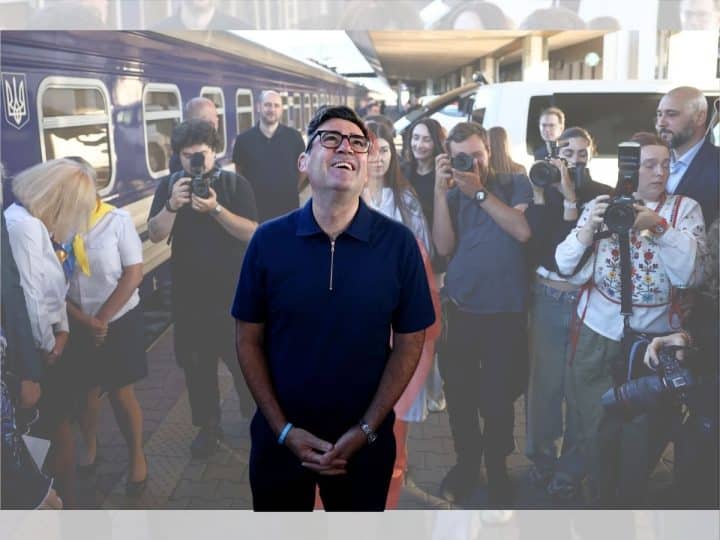
On Sunday 23 August, Andy Burnham visited Ukraine. And his first trip to the besieged nation has given the UK media the perfect opportunity to once again demonstrate how ridiculous they are:
Call me old-fashioned if you like, but a zip-up polo shirt on a visit to a warzone? What on earth is he thinking? Even Boris worse a suit. Knowing how the Ukrainians like their protocols to be respected, I imagine this will have caused some offence. Surely the FCDO advise PMs on… https://t.co/F4Fr77FWhh
There’s quite a lot to think about in Dale’s comment, as we’ll demonstrate:
Advertisement
Call me old-fashioned if you like, but a zip-up polo shirt on a visit to a warzone? What on earth is he thinking?
At this point, you’d be forgiven for thinking that Dale wanted to see Burnham in camo and body armour. The next sentence put that notion to bed:
Even Boris worse a suit.
Okay, so what did this suit achieve exactly? It certainly wouldn’t have protected him from the bullets – not unless it was made of a Top Secret material from Q Branch.
The next point from Dale was probably the wildest thing he said:
Knowing how the Ukrainians like their protocols to be respected, I imagine this will have caused some offence.
It’s not wrong to suggest the decision was ‘performative’; everything world leaders do in public is a performance. Burnham almost certainly did have conversations about what he wore, and he no doubt anticipated the move upsetting our permanently offended media class.
Actual problems with Burnham
Saying all the above, there are plenty of good reasons to be unhappy with Burnham, as we’ve extensively reported:









 (@IainDale)






































You must be logged in to post a comment Login