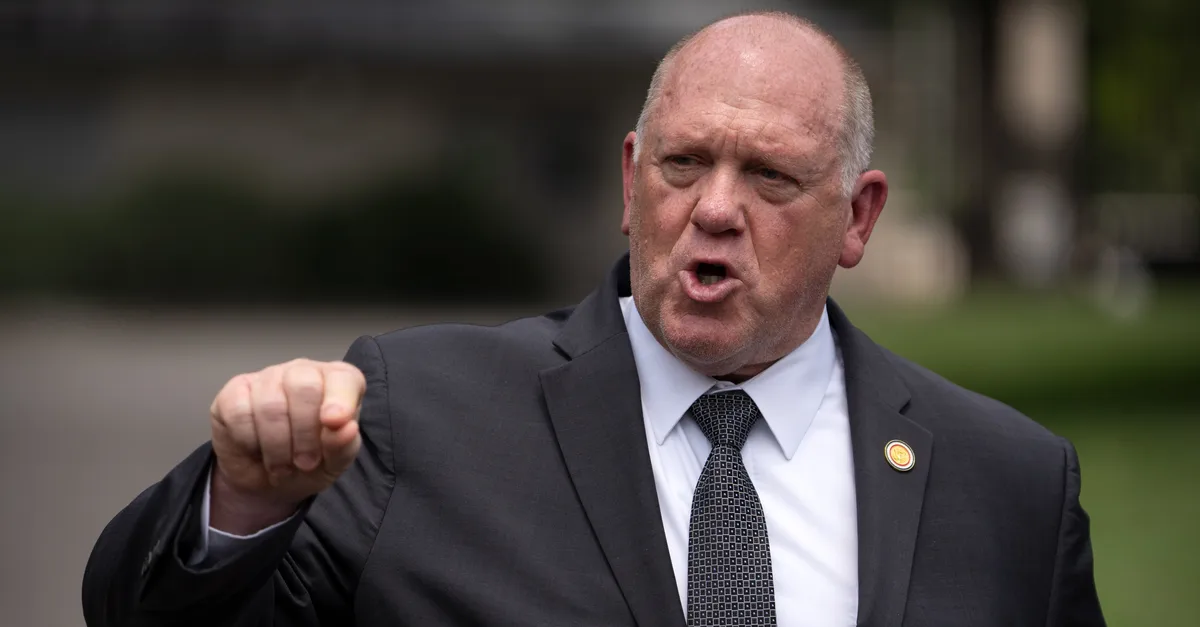
Homan was responding to comments made by Democratic Florida Senate candidate Angie Nixon.
“We’re Black, [ICE is] gonna profile us, too,” Nixon said on the Miami Community Newspapers Podcast.
“They can’t tell the difference between an African-American or, you know, a Black American that is a descendant of slaves here in this country, or someone from Jamaica or Nigeria. Like, they are going to racially profile us, and they are going to escalate things, and they are going to shoot and kill us,” she continued.
Advertisement
When asked by Fox News host Kayleigh McEnany on Saturday about Nixon’s comment she called them a “ridiculous statement.”
“Look, we don’t racially profile. Everybody we talk to we have reasonable suspicion of aliens to talk to them. And to arrest them, we need probable cause,” Homan said. “That’s what the law says and that’s we do. We don’t arrest people based on the colour of their skin.”
Homan then called himself an “equal opportunity deporter.”
“I deported people to 180 countries last year. So, I don’t care if you’re from Asia, you’re from Europe, or you’re from other countries. If you’re in the country illegally, you’ll be deported, regardless of the color of your skin,” Homan said.
Advertisement
Despite Homan’s comments, the Trump administration explicitly asked the Supreme Court last year to block a lower court’s order prohibiting immigration officers in Los Angeles from using racially loaded factors as justification for arrests.
The 6-3 decision in Perdomo v. Noem reversed a lower court’s ruling that prevented officers from considering factors such as apparent ethnicity, language spoken or accent, presence at a location where immigrants were believed to gather, or working in a particular kind of job, when making arrests.
Denis Villeneuve’s Dune saga will conclude in December, with the third and – for now! – final film in the epic sci-fi trilogy.
An adaptation of Frank Herbert’s novel Dune Messiah, the film follows the massive momentum of the first two instalments, which have already collectively earned more than $1.12 billion at the box office.
Advertisement
With just months to go until Part Three, we’re breaking down everything you need to know about the latest film…
Dune: Part Three follows the events of the last film
Before we get into the third instalment, maybe we should start by recapping where we are up to in the epic story.
Dune is set on the harsh desert planet of Arrakis, the universe’s only source for spice, a drug vital for interplanetary travel.
Advertisement
The films’ central figure, Paul, is the heir to House Atreides, which was given control of spice production by the Emperor, as part of a conspiracy by rival House Harkonnen.
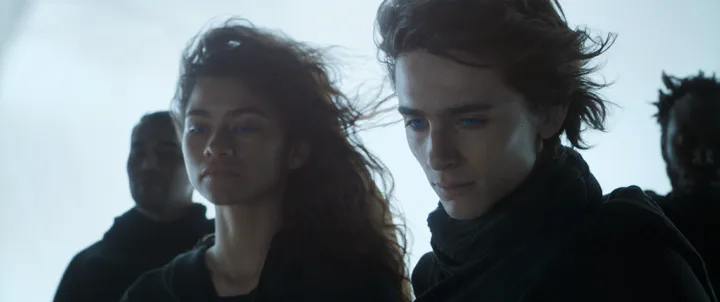
Zendaya and Timothée Chalamet as seen in the first Dune movie
Warner Bros/THA/Shutterstock
Paul and his mother, Jessica, fled to the desert, where the native Fremen took them in. In this new harsh landscape, Paul embraced his psychic powers and became the chosen messiah of the Fremen, all while falling in love with Chani and avenging his father.
Dune: Part Two concluded with his victory over the Harkonnen, and the Emperor of Arrakis… although it was not exactly a happy ending for Paul and his beloved Chani.
What is the plot of Dune: Part Three?
Advertisement
As is the case with Frank Herbert’s novel Dune Messiah, Part Three picks up 17 years after the last film. Paul has seized the throne, and is now worshipped as the godlike emperor of the universe thanks to his special abilities.
During his time in charge, he has watched over a massive Fremen holy war, which has claimed billions of lives, and created a complex web of political intrigues.
The threequel will follow the conspiracy against Paul, as various factions grow fearful of his growing power, and secretly plot to overthrow him.
It will also deal with Paul’s relationships with both Princess Irulan and Chani, the latter of whom bears his children.
Advertisement
As part of an IMAX special reveal event, director Denis Villeneuve said that the upcoming film has “a time gap, 17 years, where we see Paul dealing with the consequences of having too much power and him trying to figure out how to get out of this cycle of violence”.
“And of course he’s an emperor who can see the future, so he’s kind of invincible,” the filmmaker added.
He also teased that this third instalment in the franchise is ”a more action-packed and more tense film, more muscular than the two others”, claiming that the movie takes place in “a very different world” where Paul’s “nightmares became reality” and he’s left to face “the consequences of his decisions”.
Describing Dune: Part Three as “a redemption story”, he added that “the heartbeat of the film is that love story between Chani and Paul, [albeit] more of a broken love story”.
Advertisement
Denis Villeneuve on stage at CinemaCon in April 2026
Is Dune: Part Three based on a book?
As we’ve mentioned already, Dune: Part Three is based on Dune Messiah, the 1969 sequel novel written by Frank Herbert – the second book in the six-part original sci-fi series.
As filmmaker Denis Villeneuve observed to Entertainment Weekly: “In [Frank Herbert’s] mind, Dune was a cautionary tale – a warning against charismatic figures. He felt that Paul was perceived as a hero, when he wanted to do the opposite.”
The upcoming James Bond director added: “So in order to correct that, he wrote Dune Messiah, a kind of epilogue that makes it very clear this story is not a victory; it’s a tragedy.”
Which actors are back in the cast of Dune: Part Three?
Anya Taylor-Joy – who made the briefest of appearances at the end of the last movie – is taking a more central role in the third film as Paul’s younger sister, Alia.
Opening up about her character at the IMAX event, Anya teased: “Alia has a very intense blessing/curse situation. She carries the weight and the wisdom of generations and generations in her head.
“She’s never in a singular conversation. It’s kind of everything everywhere all at once.”
Advertisement
Fans can also look forward to Jason Momoa’s comeback as Duncan Idaho – which may come as a surprise to some, given that his character died in the first film.
“He comes back just at the right moment in the story,” the director teased. “And it’s a very, very important comeback.
“Paul is struggling with his identity and having that kind of strong Atreides figure coming back from the past will have a tremendous impact.”
And what about new cast members joining the Dune saga in Part Three?
He’ll play Leto II, Paul and Chani’s son, while Ida Brooke is to play his twin sister, Ghanima.
Robert Pattinson also confirmed his participation in the threequel in November 2025, after months of rumours. It was later revealed that he was playing the chameleon villain Scytale.
Robert told Deadline that Scytale is “an unusual character in the book and when you can’t really tell who’s side he’s on, that’s what makes it quite interesting”.
Advertisement
“I wouldn’t say he was a kind of conventional bad guy as such. I don’t think he is. He might even be a good guy. Who knows? I will also find out when I see the movie. It’s an extremely fun character to play and the look for it is quite Incredible. Extraordinary,” Rob said during a March interview.
What else have the cast of Dune: Part Three said about the movie?
The cast has been hyping up Dune: Part 3 for the best part of a year now.
Advertisement
During the cast’s appearance at CinemaCon in April 2026, Timothée teased that Paul has “become his worst vision and he’s struggling to figure out how to protect those he loves while becoming the all-powerful dark emperor of the universe,” according to Deadline.
“The years don’t seem to have been kind to anyone in Dune. [It’s been] a really difficult, challenging, ungentle and unkind few years,” though there’s “so much left still to fight for,” Zendaya agreed.
The Euphoria star noted that her character, Chani, is “at a very different place in her life where that youthful outlook is completely gone” when we meet her in Part Three.
Timothée Chalamet and Zendaya at CinemaCon earlier this year
Talking to The Hollywood Reporter in August, Anya said making the third Dune film had been “everything that I hoped it would be”.
“I cannot say more wonderful things about Denis. It was so deeply inspiring to be in these really harsh elements and know that every person is doing their absolute best work because they believe, trust and adore the person that’s leading the ship,” the Emma actor said.
Advertisement
Javier Bardem was also full of praise for the sci-fi film while speaking to Entertainment Tonight in June, calling it a “masterpiece”.
“Because Denis really wants to go farther and farther from the last movie. It’s like what he did with the second movie compared to the first one,” the Spanish actor added.
However, newbie Robert Pattinson was seemingly less impressed with the filming conditions.
“It was so hot in the desert that I just couldn’t question anything,” he admitted during an interview with IndieWire last year.
Advertisement
Zendaya’s The Drama co-star noted that being in the heat was so “relaxing” he “did not have a single functioning brain cell” during production.
What has Denis Villeneuve said about directing Dune: Part Three?
Denis Villeneuve at the premiere of Dune: Part Two in 2024
Denis Villeneuve had previously gone on record saying he would only be up for adapting the third part of the Dune franchise if he could make it “better” than Part Two.
In fact, he was actually supposed to work on another film before Dune: Part Three – but inspiration took hold of him.
He recalled during a Q&A in March 2026: “I went back home. I said to my crew, ‘I’m taking a break. That’s it. Bye-bye.’ And I went back home and I kept awaking in the middle of the night with those images.
Advertisement
“I was supposed to do another movie in the meantime, but the image of Dune: Part Three, inspired by Dune Messiah, kept coming back… and I said, ‘Oh, all right, let’s do it’.”
With his work on Dune: Part Three behind him, the Canadian will next get to work on the upcoming 26th James Bond film.
Will Dune: Part Three really be the last film in the series?
Although Dune: Part Three is planned as the final film in Denis Villeneuve’s sci-fi series – the director has said he hopes that someone else will take over at the helm of the sci-fi epic.
Advertisement
“It will have been many years for me on Arrakis, and I would love to do something else,” he told Deadline in September.
He also noted that he wanted to make sure there are “seeds” in the third film which another filmmaker could pick up on and use in a later project set in the Dune universe, although he conceded that the latter books in Herbert’s literary series – which his son took over writing – will be harder to adapt.
“They become more and more esoteric. It’s a bit more tricky to adapt, but I’m not closing the door. I will not do it myself, but it could happen with someone else,” the he added.
He also confirmed to Collider that the upcoming story will “finish the Paul Atreides arc”.
Advertisement
Is there a trailer to Dune: Part Three?
There certainly is. In fact, just this week, a new teaser for Dune: Part Three launched.
While only 30 seconds long, this latest video includes loads of new footage including, for the first time, Edric’s voice – and if you’re a fan of the Dune books, you’ll know how important that character is.
Give it a watch for yourself below:
Advertisement
Meanwhile, a more full trailer dropped earlier in the year.
This one hinted at Paul’s megalomania, and included clips of a pregnant Chani and the return of Jason Momoa’s character, who warns Paul: “You’ve destroyed thousands of worlds. I think you’re way beyond redemption.”
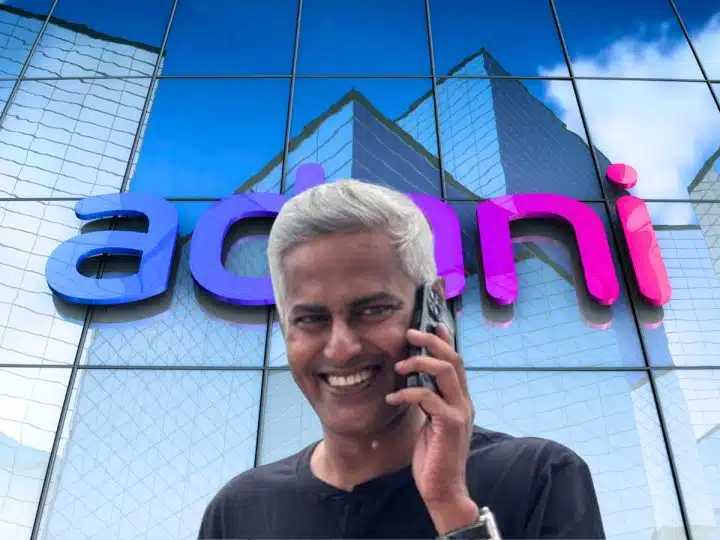
Nearly 40 campaign groups, individuals and media outlets have released a statement of total solidarity with independent investigative journalist Ravi Nair. He’s currently facing relentless harassment and attacks from the oligarchicAdani Group.
South Asia Solidarity Group, UK, International Solidarity for Academic Freedom in India (InSAF India), India Labour Solidarity UK, and South Asian Diaspora Action Collective (SADAC), Canada, issued the statement, along with nearly 35 other diasporic and international human rights groups.
The joint statement demands an immediate end to the harassment of Ravi Nair by Indian courts and police. It calls for the withdrawal of cases against him and an end to the misuse of criminal defamation and draconian laws to silence journalists and activists in India. And it demands protection of press freedom and free speech, and accountability and transparency in matters involving corporate-state relations.
The statement – Justice for Ravi Nair!
We, the undersigned groups, condemn the shrinking space for freedom of expression and press freedom in India. We stand in total solidarity with independent investigative journalist Ravi Nair who is currently facing relentless harassment and attacks from the Adani Group.
Advertisement
On 11 February 2026, Nair was sentenced to a year’s imprisonment for his posts on X that allegedly suggest the “political patronage”, “financial irregularities” and “unethical conduct” of Adani Enterprises, the flagship firm of the Adani Group. Nair’s lawyer argued that the posts and comments were based on publicly available material and constitute fair comment and criticism.
CPJ Asia Program Coordinator Kunal Majumder noted:
The conviction of journalist Ravi Nair for criminal defamation sets a dangerous precedent for press freedom and free speech in India. Laws that allow imprisonment for defamation stifle public interest reporting and deter scrutiny of powerful actors. The Indian government must ensure these provisions are not used to prevent legitimate journalism.
With this case pending appeal, the Adani Group, acting through the Adani Ports and Special Economic Zone Ltd, has brought another case against Nair. This time it centres round his social media posts about an article he co-wrote in the Washington Post alleging that the government of India directed the Life Insurance Corporation, an Indian publicly funded organisation, to invest in the Adani group. An Ahmedabad Court quashed Nair’s appeal against the FIR (First Information Report). This was followed by a raid on Nair’s home by Gujarat Police, accompanied by their Delhi counterparts. They seized two of his phones, his son’s laptop, and the laptop and iPad of a colleague who happened to be at the house and who is not an accused in the case. The police refused to provide a hash value for the items taken away. Without a hash value, it is impossible to know whether a device has been tampered with after seizure.
Clearly journalism is a crime in today’s India, with free speech and freedom of expression increasingly under attack since 2014. India’s ranking in the World Press Freedom Index has steadily worsened, with a rank of 140 out of 180 countries in 2013 down to 157 in 2026.
Advertisement
A number of draconian laws are being employed to thwart fundamental freedoms. Additionally, street vigilantes have been emboldened to carry out attacks on journalists reporting on and exposing Hindu supremacist fascism (Hindutva) or reporting on corporate crimes.
The harassment of Ravi Nair is occurring against a background of challenges to legitimate reporting and commentary about the Adani Group. In September 2025, the Information and Broadcasting Ministry used a court order to remove a couple of hundred YouTube videos and instagram posts about the Group (Committee to Protect Journalists (CPJ)).
According to the Free Speech Collective’s latest findings, India saw over 300 violations of free speech in the first quarter of 2025, from murdered journalists to banned films.
The restriction on free speech comes from a government whose ministers and other elected officials spew hate speech in the public sphere with impunity.
Advertisement
In the fascist corporate-aligned state that India is today, journalists like Ravi Nair are being punished for reporting injustices and speaking truth to power.
We call upon the Indian diaspora across the globe, civil society and workers’ organisations, journalists, activists and all conscientious people to stand against state repression and the impunity of corporate billionaires like Adani.
We demand an immediate end to the harassment of Ravi Nair by the courts and police and the withdrawal of cases against him. We also demand an end to the misuse of criminal defamation and draconian laws to silence journalists and activists; the protection of press freedom and free speech; and accountability and transparency in matters involving corporate-state relations.
Justice for Ravi Nair! Journalism is not a crime!
Advertisement
Signatories
South Asia Solidarity Group, UK.
International Solidarity for Academic Freedom in India (InSAF India).
India Labour Solidarity, UK.
Diaspora in Action for Human Rights and Democracy, The Netherlands.
United Kingdom-Indian Muslim Council (UK-IMC).
Hindus for Human Rights UK.
12ummah.com.
Justice For All Canada.
Hindus for Human Rights USA.
The Humanism Project Australia.
South Asian Diaspora Action Collective (SADAC), Canada.
Culture Unstained, UK.
The Canary, UK.
Indian Alliance Paris.
Hindus for Human Rights ANZ.
Fossil Free Science Museum, UK.
Indus Legacy.
Extinction Rebellion Global.
Boston South Asian Coalition.
CERAS (Centre sur l’asie du sud), Canada.
Canadian Forum for Human Rights and Democracy in India (CFHRDI).
London Mining Network, UK.
Turbine Bagh, UK.
Prof Saibaba Study Circle, UK.
Canadian Foreign Policy Institute.
Just Peace Advocates/Mouvement Pour Une Paix Juste, Canada.
The Canadian BDS Coalition and International BDS Allies.
Fighty fighters, UK.
United Front UK.
Progressive South Asian Society, UK.
Azaad Brussels.
Inquilabi NL, The Netherlands.
Secours Rouge Toulouse.
Anti-Imperialist Front.
Critical Diasporic South Asian Feminisms Collective, Canada.
The latest offering from I Saw The TV Glow director Jane Schoenbrun, the film winds up taking a turn just as surreal as their previous works, with the whole thing serving as an allegory for sexual repression, particularly for those who identify as trans and gender non-conforming.
Advertisement
Speaking to HuffPost UK ahead of Camp Miasma’s UK release, Hannah Einbinder has lifted the lid on some of the movie’s themes and more complicated scenes…
Director Jane Schoenbrun has previously spoken about how Camp Miasma relates to their own gender journey
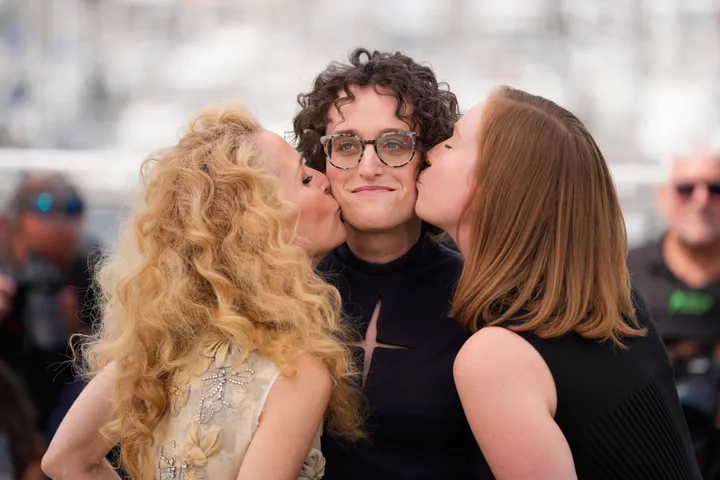
Gillian Anderson, director Jane Schoenbrun and Hannah Einbinder pictured in Cannes earlier this year
Hannah recalls: “When I read the script, there was an author’s statement before the script, which provided some context for that. Also, I had met with Jane and understood that their films were allegorical for their experience.
“I [interpreted the film] in a way where I felt like this was them coming to terms with their sexuality, and embracing desire and sort of trying to feel liberation from shame. And so, my understanding of that only deepened as we had more conversations, as we were shooting the movie.”
Hannah Einbinder explains what the ending of Teenage Sex And Death At Camp Miasma is all about
Advertisement
After Kris and Billy’s dramatic sex scene, they’re skewered by “Little Death” only for it to emerge the whole thing was, as Gillian’s character says earlier in the film, “all play”.
From there, they take a giddy stroll out of Camp Miasma to pick up some sweet treats (all while soaked in blood, naturally).
“My take on the ending is that it symbolises the idea that you could be walking around, covered in blood,, people looking at you like you’re a freak, and you just don’t care,” Hannah suggests, referring to her final scene with Gillian Anderson.
“You’re totally blissed out and in love and safe and comfortable in your skin.”
Advertisement
“It just represents, to me, freedom,” she notes.
Gillian Anderson and Hannah Einbinder as seen in Teenage Sex And Death At Camp Miasma’s bloody conclusion
She’s also shared a fun detail about the fun callback in the film’s final moments
Teenage Sex And Death At Camp Miasma ends with Kris revisiting the gas station she visited earlier in the film, but this time, a new woman, after her encounter with Billy.
She’s even served by the same cashier in both scenes, with whom she has a very different conversation second time around.
“I don’t think that Kris hears the compliment in the first scene, and then, in the second scene, it’s kind of this thing of, like, she gets that validation from [Billy] and it feels like perhaps she is a little bit of an audience surrogate.
Advertisement
Hannah adds: “Fun fact – that incredible actress was actually, I believe, a costume designer who Jane interviewed for the film and was like, ‘you are incredibly captivating’ – and cast her! I think that was her first time acting!
“She was a riot, she was a blast. Shout out to her.”
Oh, and what was all that candy about?
Imagery relating to sweets and candy is scattered throughout Teenage Sex And Death At Camp Miasma
“Well, first of all, Jane loves candy,” Hannah reveals. “I also love candy in a way that I would say is adjacent to drug use, the way that I do it.
“And the way that Jane does it, I would say it is not normal. I’d say it is above normale. So, like, we really bonded over that.”
Advertisement
She goes on to say that she thinks the sweets scattered throughout the film represent “a safe place for pleasure”.
“It’s a way to access pleasure in a sort of safe way,” she opines. “I also think [candy is] obviously a big part of movie-watching, and this is a cinephile’s film. And so I think there’s a lot there with the candy.”
Hannah continues: “It also speaks to what we want the movie to feel like – which is just like fun and like you’re staying up late and doing something you’re maybe not supposed to be doing. So yeah, there’s a lot there, I think.”
Teenage Sex And Death At Camp Miasma is in cinemas now.
There are many different types of intelligence, according to some research. Yes, there’s the kind that helps you score well on exams (linguistic intelligence may be useful for remembering written content, while the logical/mathematical kind could assist in solving sums).
But others, like spatial intelligence, might be overlooked.
Other theories, like the Triad of Intelligence, suggest we can break smarts down into three broad groups: cognitive intelligence, emotional intelligence, and integrative intelligence.
That last kind has been called the “rarest” form of intelligence, though that’s hard to prove for sure.
Advertisement
However, Lee Chambers, psychologist and CEO of Male Allies UK, told HuffPost UK that “it’s fair to say that modern life doesn’t often support this type of thinking and the practice of it”.
What is integrative intelligence?
Integrative intelligence involves being able to connect seemingly unrelated things together. It’s linked to analogical reasoning, or the ability to apply the rules of one field or discipline to another.
It’s “not about having knowledge across many domains, it’s how we connect that knowledge in useful and meaningful ways,” Chambers said.
Advertisement
“It appears as being able to hold multiple ideas and perspectives, to spot the connections and conflicts between them, to join dots others don’t see to solve problems and challenges and to see how things relate.”
Some examples could include “taking a concept from psychology and applying it to leadership, [or] noticing a connection between biology and technology design”.
In the past, scientists have used crochet to understand complex geometry and economics to explain species change. Processes like these may fall under the umbrella of integrative intelligence.
“Ultimately, it’s not a type of intelligence we can wave around as superior. It’s much more about how we structure our thinking and how we come to judgements,” added Chambers.
Advertisement
How can I tell if I have integrative intelligence?
It’s not like there’s a test you can take to see whether you have integrative intelligence, the psychologist shared. Instead, “it requires you to reflect on how you think and interact”.
He advised asking yourself the following:
Are you known for combining subjects that seem unrelated and random to others?
Are you always wanting to explore the shades of grey in between the black and white?
Do you enjoy deep learning that is outside of your main specialism? Are you comfortable with ambiguity?
Are you able to change your thoughts when new information challenges what you think you know?
Lee also stated that people with integrative intelligence “can be seen as the person who goes off on tangents… The person who doesn’t stay in their own lane”.
Sometimes, integrative intelligence can be misunderstood
Advertisement
The expert added that while those with integrative intelligence might see connections between seemingly unrelated topics, often, “it’s hard to get that message across to someone who can’t”.
In fact, he continued, he often finds that the “environments that need this kind of thinking most, struggle to recognise it because it doesn’t fit neatly into a single box”.
And though he doesn’t think we can tell for sure whether integrative intelligence is dying out, Chambers said that a focus on specialism and curated algorithms could make it harder to achieve.
“We do now have a world where the ability to learn about different fields and perspectives is greater than ever before,” he ended.
Advertisement
“But if we don’t step outside of our algorithms and actively seek to diversify what we consume and the space we create to practice integrating and connecting, we will limit our ability [to] foster this type of intelligence. We need time, depth and friction to cultivate it.”
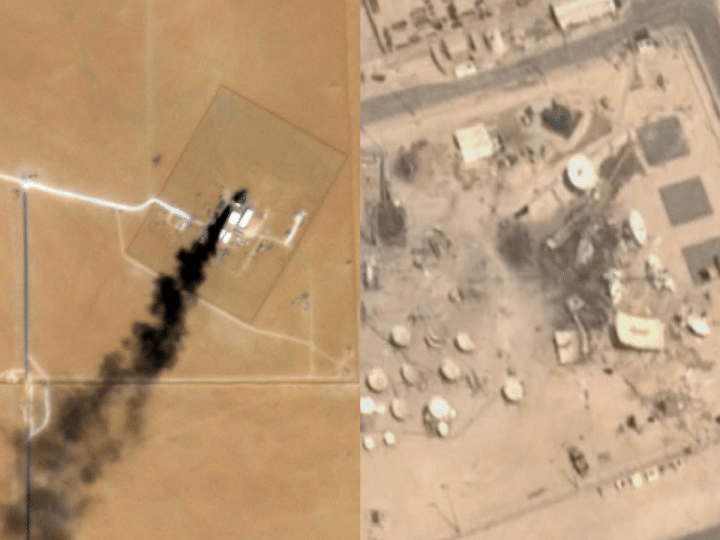
Iran has redrawn the US military footprint in the Middle East, locking the US out of 15 of its colonial bases — potentially permanently. This includes a major military base in Bahrain, the damage to which has forced the US to stretch its supply lines to breaking point.
The Iranian strikes have led to the Trump administration clamping down on accurate coverage of the war. Bothersome reporters are now being placed on a black-list.
America’s grip on “its” military bases slips
Former US general and security analyst Barry McCaffrey posted on X on 23 August:
Advertisement
In my judgement, the US Armed Forces have probably permanently lost access to 15 Persian Gulf bases. Iran now poised to control access the Gulf States. US will have to negotiate new access in western Saudi Arabia, Israel, southern Europe. https://t.co/oG4aeEshab
The US naval base in Bahrain was struck repeatedly. Footage from early 2026 show blazing fires within the facility:
Advertisement
Two reporters and the editor-in-chief of the partially Pentagon-funded outlet, Stars and Stripes, were recently sacked without explanation. Critics have inferred that the unceremonious firing was possibly linked to their reporting on Iranian strikes against the US military base in Bahrain.
Wonder why Hegseth fired senior staffers at Stars and Stripes? It’s because of reporting like this:
“Nearly six months after the U.S. Navy evacuated 1,300 family members from Bahrain at the start of the Iran war, officials are saying the evacuees cannot return for the…
Journalism advocacy groups decried the firings and criticized Defense Secretary Pete Hegseth for trying to manipulate independent news coverage of the military.
The outlet added that:
Advertisement
Reporter Lara Korte confirmed to CNN that she was fired on Friday along with publisher Max Lederer and editor-in-chief Erik Slavin. CBS News and The Washington Post first reported the separation notices.
Crackdown on journalists
US-Israel attacked Iran first on 28 February without provocation. Iran was offering unprecedented concessions in negotiations at the time. The Pentagon has since stated there was no imminent threat from Iran. And the UN’s atomic watchdog, the IAEA, has said there is no evidence Iran was developing a nuclear weapon.
The US has achieved none of its original war aims. Iran predictably closed the Strait of Hormuz, a vital oil channel, once attacked — creating a global energy crisis. Iran has said the war will continue until:
the enemy’s inevitable and permanent humiliation, disgrace, regret, and surrender.
Trump came to power on an anti-war ‘America First’ ticket. He now faces worldwide humiliation.
US president Donald Trump’s administration has countered solid reporting with threats. As the Canaryreported on 7 August, this includes over questions about the US running out of missiles:
Advertisement
Trump recently threatened “long-term jail sentences” for anyone leaking information about alleged munition shortages facing the US, accusing them of making “treasonous statements”.
He said:
Long-term jail sentences will be sought!
Yet while Trump dismisses reports of shortages, his administration has moved to restrict exports of tungsten scrap and black mass — two materials critical to weapons production.
Intercept investigative reporter Nick Turse reported on 24 August:
Advertisement
U.S. Central Command maintains a secret directory of journalists who have been blacklisted by the press office.
Under self-styled War Secretary Pete Hegseth, the U.S. military has mounted the most aggressive assault on press freedom in memory, from an effort to outlaw “unauthorized” questions from reporters to imposing unconstitutional restrictions on journalists’ access to the Pentagon.
The Trump administration is knows Iran has redrawn the map of US colonial influence in the Gulf. Iran has humiliated the US. Trump’s MAGA bluster counts for little. The president has assured American decline.
Great news, everyone – Scottish Labour has finally worked out how to talk to the people of Scotland. This video featuring the party’s MP Melanie Ward just appeared on the Scotland Office’s LinkedIn page, and it explains the complexities of the interlinked Scottish and UK economies in terms that the UK government hopes all of you awful thick Jocko plebs might be able to understand. Enjoy.
?
And tomorrow morning, do remember to eat your cereal, won’t you?
Everyone frets about teen boys who are lured into the manosphere. I’m more worried about the grown-ass adults who have tumbled down the moral toilet of Israelophobia. At least the dim kids who hang on Andrew Tate’s every word have the excuse of being at the mercy of their own hormones. What excuse do the Gazaholic grown-ups have for gorging so ferally from the digital trough of anti-Israel bullshit?
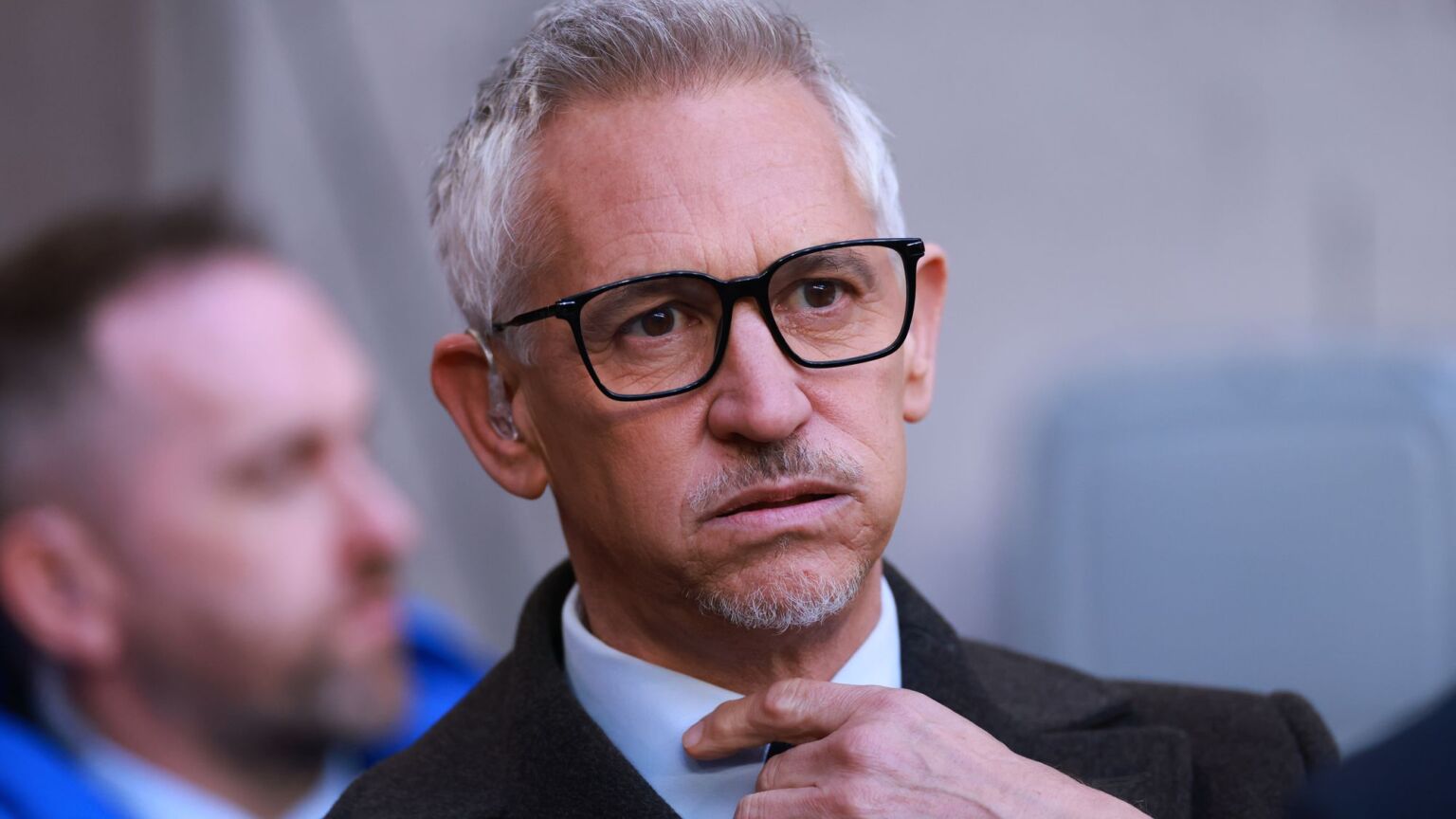
Exhibit A: Gary Lineker. His grey matter has sizzled to a crisp on the bonfire of Israel-hate. Now he’s sharing posts likening Zionism to Nazism. He has been so radicalised by the anti-Israel slop that clogs up the digital highway that he’s echoing the vilest of all the anti-Zionist tropes – namely, that the Jewish nation has become the moral mimic of history’s most notorious Jew killers.
It was on his Instagram page. He reposted a speech by the anti-Israel nutjob, Tony Greenstein. Greenstein had been charged with inviting support for Hamas, which is a proscribed organisation in the UK. He was cleared at Kingston Crown Court last week. On the steps of the court, he let rip in his usual histrionic fashion against the Zionist project. ‘Zionism’, he squeaked more than thundered, ‘is in the tradition of the Nazis’. Imagine seeing such dribbling bigotry and thinking: ‘I should share that.’ That’s what Lineker did.
Advertisement
It gets worse. The Greenstein clip was posted by CAGE International, an iffy outfit that campaigns on behalf of Muslims affected by the ‘war on terror’. These are the weirdos who once called Mohammed Emwazi, also known as ‘Jihadi John’, a ‘beautiful young man’. He’s the British-Muslim traitor who trekked to Syria to become chief executioner for those sworn foes of our civilisation, ISIS. One of his victims was a British cabbie called Alan Henning, who’d gone to Syria to deliver food to the war’s victims. Emwazi sawed off his head on camera.
Are we going to talk about this? About the fact that Gary Lineker, footballer turned podcast impresario, for years one of the highest-paid talking heads at the BBC, is sharing a post from a group that said the Islamist butcher of ISIS had been a ‘kind, gentle’ soul? Worse, a post containing flagrant Holocaust inversion, where the Jewish homeland is grossly reimagined as the moral heir to Nazism? No? We’re just going to let it slide?
Advertisement
It is a testament to the virulence of Israelophobia, to its almost total conquest of the bourgeois mind, that stuff like this barely makes a ripple these days. There was a time when if a well-known public figure had hyped a CAGE post and platformed the noxious idea that the Jewish State is Nazi-like, people would have said: ‘Oh, what’s going on here?’ Not anymore. So thoroughly has polite society been colonised by bug-eyed anti-Israel animus that Lineker’s antics provoke no emotional response at all. Except perhaps haughty nods of approval.
Lineker has form. He parted ways with the BBC last year over what the press rather politely called ‘an anti-Semitism controversy’ – he had reposted a delirious rant about Zionism that was illustrated with a rat. Zionists as vermin? Classy. And then these people have the nerve to call others Nazis, despite their own giddy rehashing or reposting of the Nazi-era notion that Jews are the rodents of humanity.
Advertisement
Equating Zionism to Nazism is not clever political critique – it is raw, unadulterated bigotry. As the International Holocaust Remembrance Alliance says in its working definition of anti-Semitism, it is racist to ‘[draw] comparisons of contemporary Israeli policy to that of the Nazis’. Howard Jacobson said it best. There are untold wars from history that the Israel-Hamas War could be compared with, he said. The reason they compare it with the Holocaust is because their lowlife aim is ‘to wound Jews… to punish them with their own grief’. It’s Jew-shaming masquerading as pacifism.
Lineker sums up the commenting class’s pathological loss of moral proportion. The way these people talk, you’d think Israel’s pursuit of the Islamofascists of Hamas was the worst war of modernity, a ‘crime’ as racist and insane as the Nazis’. Yet Lineker himself is pals with a bloke – Alastair Campbell – whose political fabulism helped to launch a war in Iraq that on every moral metric was worse than what’s happened in the Middle East these past three years. I wonder if Lineker has ever called Al a rat-like killer of kids who’s not dissimilar to Hitler?
Lineker’s descent from dull but knowledgeable sports fella into the Zio-rat guy is proof that Israelophobia turns your mind to mush. The spotty kid who watches hours of Tate has nothing on these Boomers and geriatric millennials who brainlessly lap up every hyper-edited, context-free clip from Gaza as hard proof that Israel is a monstrous entity. This is real online radicalisation: the frying of a million middle-class brains by algorithmic bigotry and the moral pornography of war.
Advertisement
We are witnessing the great cognitive collapse of the Western liberal elite. A media establishment that once prided itself on scepticism and intellectual rigour now acts like an army of mind-wiped converts to a digital cult. Lineker and the rest of the Israel-wary class are not leading a moral awakening – they’re the latest victims of an internet ecosystem that rewards superficial emotionalism and punishes nuance. We need a Gazaholics Anonymous, stat.
This is the script from our latest video polemic. Watch it here.
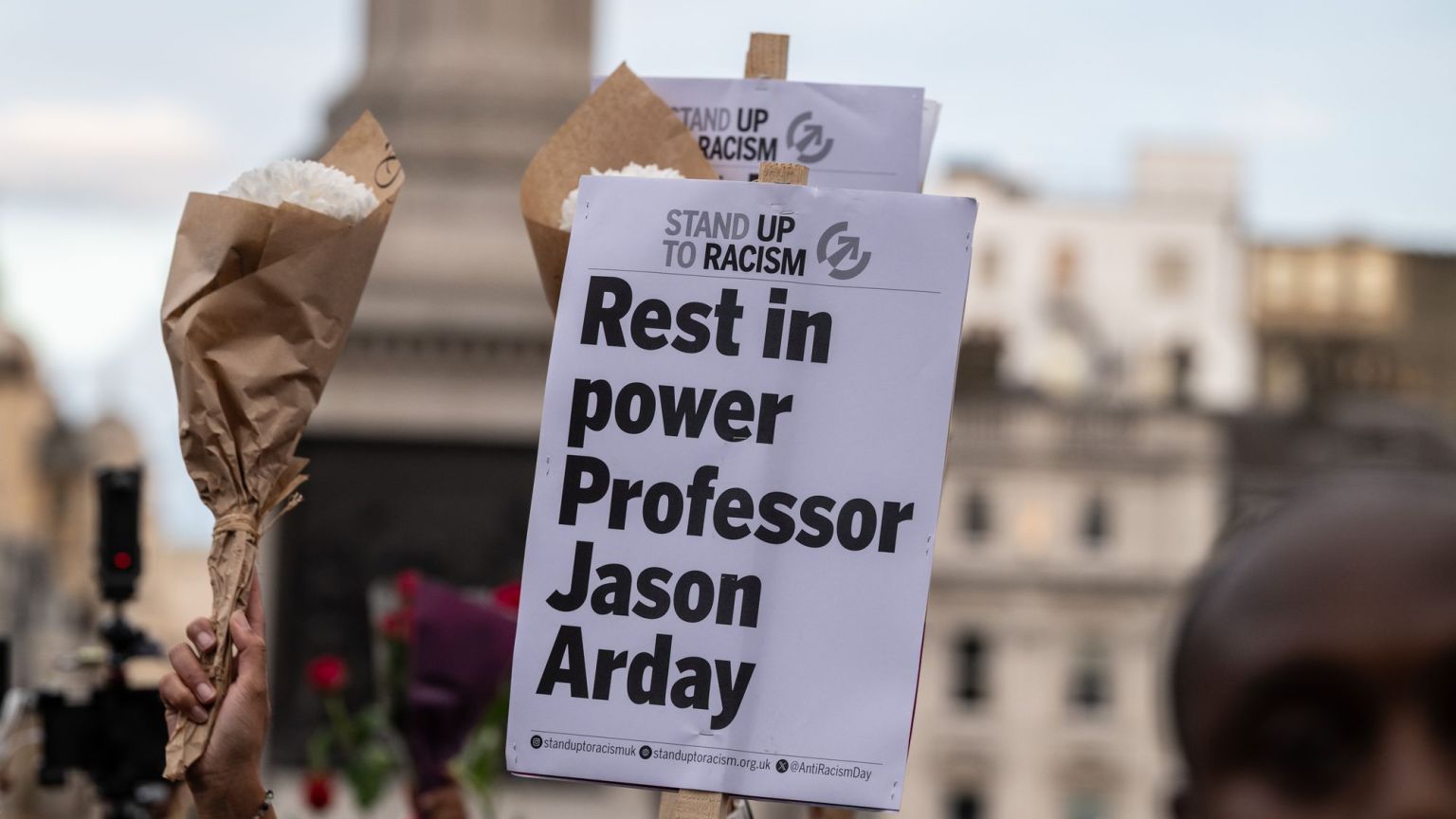
Jason Arday is dead and the ‘racist’ mainstream media killed him. That has been the narrative spun since the disgraced Cambridge professor was tragically found dead at a property in south London last Friday.
Arday’s awful, untimely death, apparently by his own hand, has been held up by activists as the grimly predictable consequence of a weeks-long ‘smear campaign’ against him by the press. This was a ‘public assasination’. A ‘lynching’ of a brilliant black man for having the temerity to think he belonged at Cambridge.
Advertisement
There’s just one problem with this. It’s not true. And in the attempt to turn Arday into a martyr, brought down by a ‘white supremacist’ media, we see a kind of derangement, a racial hysteria, we had hoped had come and gone with 2020 and the peak of Black Lives Matter.
Arday was the story of the summer. Two weeks ago, he resigned from his professorship at Cambridge University, following mounting evidence that he had plagiarised large sections of his PhD thesis, fabricated personal achievements, lied about racist intimidation he had suffered at his workplace, and perhaps even exaggerated the extent of his autism in his youth.
This was a spectacular fall from grace. For Arday was more than an academic. He was a sensation. He guest-edited the Today programme, he was profiled on Good Morning America, a blockbuster memoir was in the works, all off the back of his incredible story. That of the poor, illiterate, ‘neurodiverse’ kid who became a top academic, marathon-runner and charity fundraiser.
Advertisement
For Cambridge, he was a symbol. When he was appointed in 2023, as a professor of sociology of education, Arday was presented as the embodiment of ‘the barriers faced by many under-represented groups across higher education’. His mere presence was proof that Cambridge was committed to fighting the racism and ableism that supposedly lurked among its colleges.
Since Arday’s death, there has been a desperate attempt to rewrite recent history – to downplay his lies, to smear journalists for doing their job, and all for straightforwardly political ends. This tragedy is being exploited to fit an agenda – one that is pro-DEI and anti-press freedom. And it needs to be called out.
Advertisement
The bogus narrative now being forged goes something like this. Arday was a young professor, minding his own business, when the media suddenly decided to take him down. He was accused of plagiarism, then ‘exonerated’. But still they kept on coming, so furious were they that a black man was ever given a perch at Cambridge.
It’s hard to know where to start with this. By the time Arday resigned, the same day that Cambridge finally opened an investigation into his academic conduct, the case against him was overwhelming. The Telegraph found over 100 passages in his PhD that were identical or near-identical to those in another student’s thesis. Worse still, in his later papers, he was accused of falsifying data, of lifting quotes from other academics and passing them off as quotes from his interviewees.
Advertisement
This would, if proven, amount to academic fraud – something much more serious than plain old plagiarism. And contrary to the chatter online, these weren’t just wild accusations, or rumours. The Times, the Telegraph and other publications pored over his output, commissioned independent academics to analyse it, courted a range of expert opinion. And what they found was damning.
The claim that Arday was ‘exonerated’ stems from one investigation by Liverpool John Moores University, which awarded Arday his PhD. It concluded his thesis was legit. As well it might. But this investigation hasn’t been published. Apparently, it’s strictly confidential. In the end, John Moores’ good word wasn’t enough for Cambridge, which was eventually forced to open its own inquiry, after years of burying its head in the sand.
Similarly, activists will point to the role one Nathan Cofnas has played in this story as proof this was all a ‘racist’ campaign against Arday from the off. Cofnas, a self-described ‘race realist’, posted a blog last month detailing extensive evidence of Arday’s plagiarism. But Cofnas was hardly the first or only person on this trail.
Advertisement
David Harris, professor emeritus at Plymouth Marjon University, began privately contacting Cambridge and John Moores about his concerns about Arday in 2023. Had Cambridge heeded Harris’s warnings, things could have turned out very differently. Jack Grove, a reporter at Times Higher Education, picked up these leads in 2025. Grove compiled 97 pages of evidence before his editors were spooked by a legal letter from top law firm Carter-Ruck. Most chillingly, Arday also reported Harris and Grove to the police for supposedly ‘harassing’ him.
Then came the revelations that Arday had likely embellished, invented or flat-out lied about his backstory. The details stretched credibility, to say the least. He claimed to have run 30 marathons in 35 days, a feat that would have placed him among the world’s elite athletes. He claimed to have raised an astounding £5 million for charity, a figure top celebrities would have struggled to achieve. And he claimed to have appeared in a TV series that began two decades before he was born. He also said he was mute until age 11 and illiterate until age 18, due to his autism, and to have suffered from everything from cancer to locked-in syndrome.
For all the talk of ‘right-wing’ smears, some of the most damning exposes in this area were published in liberal outlets. The Atlantic magazine found wild discrepancies between Arday’s memoir and his book proposal for the memoir. The New York Times spoke to old schoolmates of his, who recalled Arday as a talkative, wise-cracking child. Most damning of all, the Guardian found zero evidence to support Arday’s claim that he had been threatened at work by a masked man with a knife.
Advertisement
Arday also claimed a pig’s head was left on his parents’ doorstep in London. He said the Metropolitan Police had investigated this apparent hate crime and even found the butcher where the hog had been purchased. The Met says no such investigation ever took place. The butcher which Arday named had no recollection of this episode, either. When pressed by the Guardian, the butcher said ‘that’s the kind of thing we’d remember’.
I take no pleasure in recounting all of this, in light of how this sorry tale ended. I repeat it only to stress that there was a story here. The insistence this was a whole lot of nothing, cooked up by a racist press, is a vicious lie. This matters. Because the Arday debacle raises deep and difficult questions not only about one man’s credibility, but also about elite institutions that had – at best – turned a blind eye. It raises questions about his publisher, Simon & Schuster, which offered Arday a hefty advance for a memoir that couldn’t withstand a basic sniff test, let alone a diligent fact-checking.
Advertisement
And, above all, it raises questions about Cambridge. This is supposed to be one of the top universities in the world. And yet it junked the most basic standards in pursuit of an eye-catching hire. Someone who, with this fantastical story of triumphing over adversity, and in his critical race theory-enthused work, was the walking-talking embodiment of a DEI ideology that had become so fashionable following the rise of BLM.
Those who dared to point out that Arday clearly did not deserve his position, are being accused of racism. But, if anything, Arday’s ascent through the academic ranks underlines the racism of modern ‘anti-racism’. DEI essentially insists that academic standards must be lowered in order for ethnic minorities to thrive. It also tends to elevate ethnic-minority people who best fit the political script, over those who are most accomplished.
You see this all-too clearly in the New York Times; reporting. It found that, when Arday was interviewed for his position at Cambridge, he was up against ‘three more senior scholars, including two women of colour’. Despite his ‘modest publication record’, he was catapulted into one of the most esteemed academic positions in the country – apparently at the expense of more qualified ethnic-minority candidates.
Advertisement
We may never know why Arday did what he did, and said what he said. But the picture that emerges is one of a man who became trapped in his own fantasy land, and who was indulged by institutions who should have known better, until it all came tumbling down. He was put on a pedestal, from which he was bound to fall.
To accuse the media of effectively killing him is not only despicable, simplistic and wrong, it also risks chilling the free press, presenting scrutiny of public, influential figures as dicing with death. And it risks presenting the taking of one’s own life as an almost rational response to public criticism. This is a dangerous road to go down.
Jason Arday’s death was an unspeakable tragedy. But amid the hysteria of recent days, we risk learning all of the wrong lessons. Journalists are being smeared for telling the truth, while activists are insisting we swallow another batch of falsehoods. There are calls to subject the press to state regulation – ie, censorship. There are even lists of journalists who covered the Arday story doing the rounds online, including me, with activists fishing for embarrassing personal information about us. Despicably, this tragedy is being used as a soapbox – not only to call for more state control over the press, but also to shore up the toxic, racist ideology of DEI.
Advertisement
Everyone in possession of a pulse wishes Jason Arday, the man, were still with us. To say he erred is not to say he wasn’t a cherished friend, colleague, family member – a human being. The thought of anyone making that worst and most final of decisions grates against our common humanity. But this myth of Saint Jason, murdered by a racist press, is an affront to reason, truth and genuine equality, which we simply cannot abide.
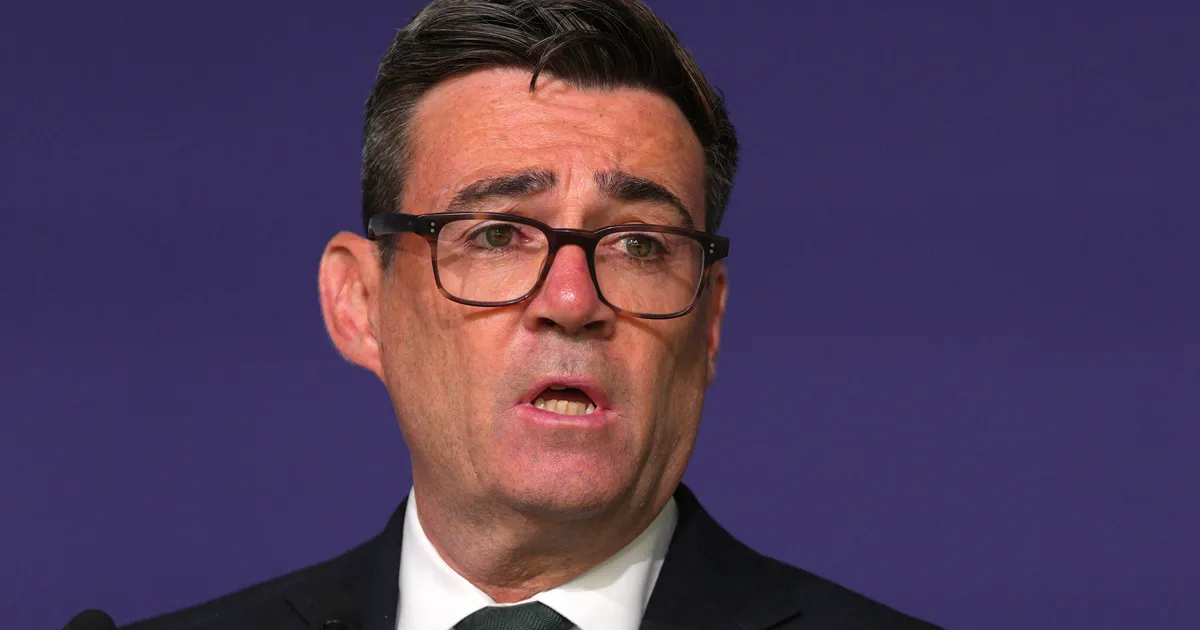
Andy Burnham is handing mayors the authority to take over local planning decisions in his latest devolution push.
The prime minister will present proposals next week aimed at giving regional leaders the chance to “call in” major decisions, including large-scale developments, and direct councils to accept them or refuse them.
They will be allowed to give developers upfront permission, too, so they can build without having to apply.
This latest decision is meant to stop “nimby” – “not in my back yard” – councils from refusing significant building works which could help the government reach its target of building 1.5 million homes by the end of this parliament or boost local economic growth.
Advertisement
The government is only a quarter of the way to that building target two years after the general elections.
Mayors will have authority when it comes to developments of more than 150 homes, commercial space larger than 15,000 sq metres or any building 30 metres or taller.
Speaking to the Sunday Times, Burnham said: “Sometimes… challenge does need to be made to local decision-making, and actually it cuts both ways.
“It’s not all about nimbyism. Sometimes it’s the other way round.
Advertisement
“It’s a local authority putting forward something that’s unacceptable in terms of the impact on the community… so it’s a two-way street.”
The prime minister acknowledged concerns that this could end up taking power away from councillors, MPs and constituents.
However, he told the newspaper: “The question is: do you want somebody who’s elected by the people of that area to consider a decision, or a far less accountable decision-making process?”
He has the support of 10 of the 14 devolved mayors from different parties so far.
Advertisement
London mayor Sadiq Khan was already given these powers earlier this year in what was described as an emergency measure to help get more affordable homes built in the capital.
Burnham said: “In my view, it will prompt a much more joined-up discussion about planning and local authorities. I think knowing the mayor has that role, councils will come to the mayor and say: ‘How can we work this thing out so that it is acceptable?’”
A consultation will be published next week, but the Liberal Democrats have already condemned the proposals.
The party’s housing and planning spokesperson Gideon Amos said: “Taking powers away from communities and local councillors is taking powers away from local people. This plan is a direct attack on communities across the country. Labour’s chaotic patchwork approach to devolution will simply not work to solve the housing crisis.
Advertisement
“Instead of silencing residents and handing mayors a blank cheque, the government should be empowering local councils with the resources to deliver genuinely affordable homes alongside the infrastructure to support them.”
Leader of the Green Group at the Local Government Association (LGA), Councillor Emily O’Brien, said: “Green-run Councils and Green Party councillors will be appalled by this centralisation of power. This Labour government likes to talk about ‘devolution’ but this is just the latest and most shocking demonstration that their real agenda is not handing power down, but taking it away from local communities and local councils.
“Our residents do not want to see planning put it in the hands of regional mayors, who are out of touch with and not directly accountable to local communities. Increasingly, developments will be signed off by officers under national rules, eroding local democracy and leaving fewer decisions to be made in public. This is the very opposite of devolution.”
Listen to Commons People, the podcast that makes politics easy. Every week, Kevin Schofield and Kate Nicholson unpack the week’s biggest stories to keep you informed. Join us for straightforward analysis of what’s going on at Westminster.
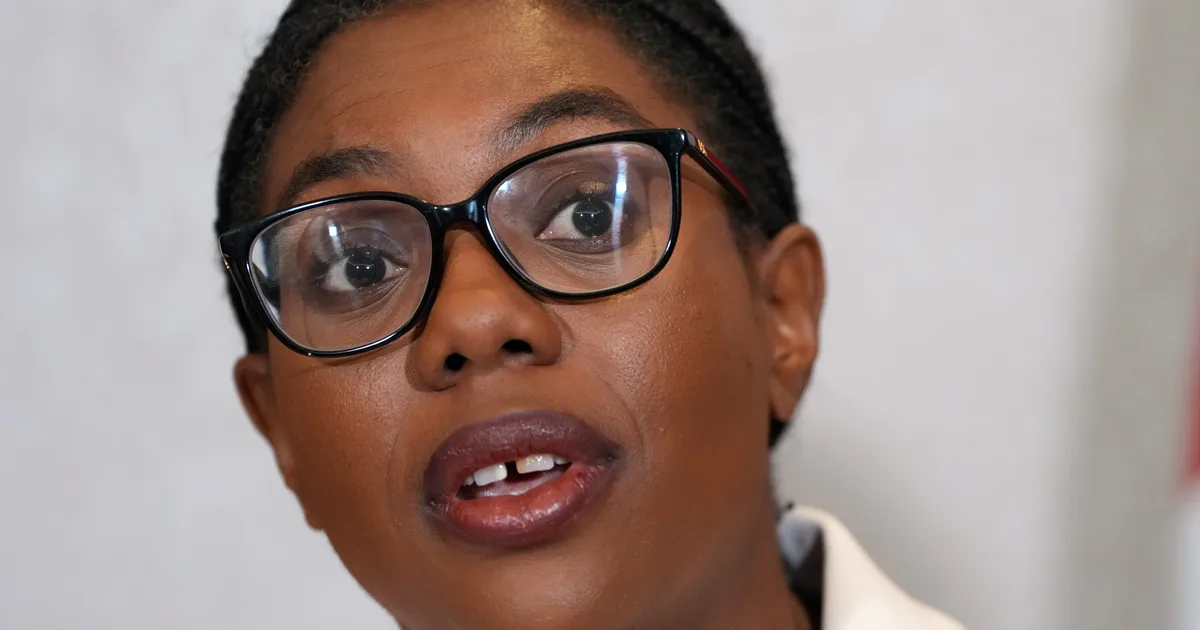
Kemi Badenoch has rejected the idea of setting up a coalition government with Reform UK, describing it as “monstrous”.
The Conservative leader ruled out any prospect of a deal with her right-wing opponents, saying it would deter as many voters as it would attract.
There’s long been speculation that the Tories will have to join forces with Reform following their historic defeat in the 2024 general election.
But speaking to broadcaster Iain Dale at the Edinburgh Fringe, Badenoch said: “[Reform is] just people fighting all the time.
Advertisement
“Nigel Farage dictates what he wants depending on what he had for breakfast that day, and they’re all over the place.
“How do I work with people like that?”
Her words comes after Reform suspended commentator Tim Montgomerie, who defected from the Conservatives two years ago, over his outspoken criticism of Nigel Farage’s party.
Montgomerie has accused Farage of having a “women problem”, criticised the leader’s “angry and aggrieved tone” following his victory in the Clacton by-election and taken aim at Reform’s home affairs spokesperson Zia Yusuf repeatedly.
Advertisement
He has claimed the unelected politician needs to be a “team player” and stop acting like a “child” after Yusuf previously caused outrage by calling former Tory defence secretary Ben Wallace a “traitor”.
Badenoch also suggested her party’s victory in the Aberdeen South by-election in June proves they do not need a boost from other right-wing parties to win back voters.
She said: “If Reform had stood down in Aberdeen, no one would have believed we’d have won it on our own. They would have said we only got there because of Reform. So that’s why I say no deals.
“What I want is a Conservative government, not a monstrous Reform-Conservative hybrid, which will actually put as many people off as it gains.”
Advertisement
Reform UK has lost its dominant lead in most polls amid Andy Burnham’s takeover of the Labour government and the scandal around Farage’s finances.
The Reform leader failed to declare a £5 million donation from cryptobillionaire Christopher Harborne when he was first elected in 2024, leading to a parliamentary sleaze probe.
Farage then quit as an MP and stood again in what he described as a “people versus the establishment” contest in Clacton, forcing the investigation into his finances to pause.
All other major parties refused to stand a candidate in the by-election, calling it dubbed a “political stunt”.
Advertisement
Farage comfortably won his seat back earlier this month – and the probe into his finances resumed.
Listen to Commons People, the podcast that makes politics easy. Every week, Kevin Schofield and Kate Nicholson unpack the week’s biggest stories to keep you informed. Join us for straightforward analysis of what’s going on at Westminster.
















































You must be logged in to post a comment Login