
Business
Iran Warns of Ship Seizures in Strait of Hormuz as US Prepares ‘Economic D-Day’ Sanctions

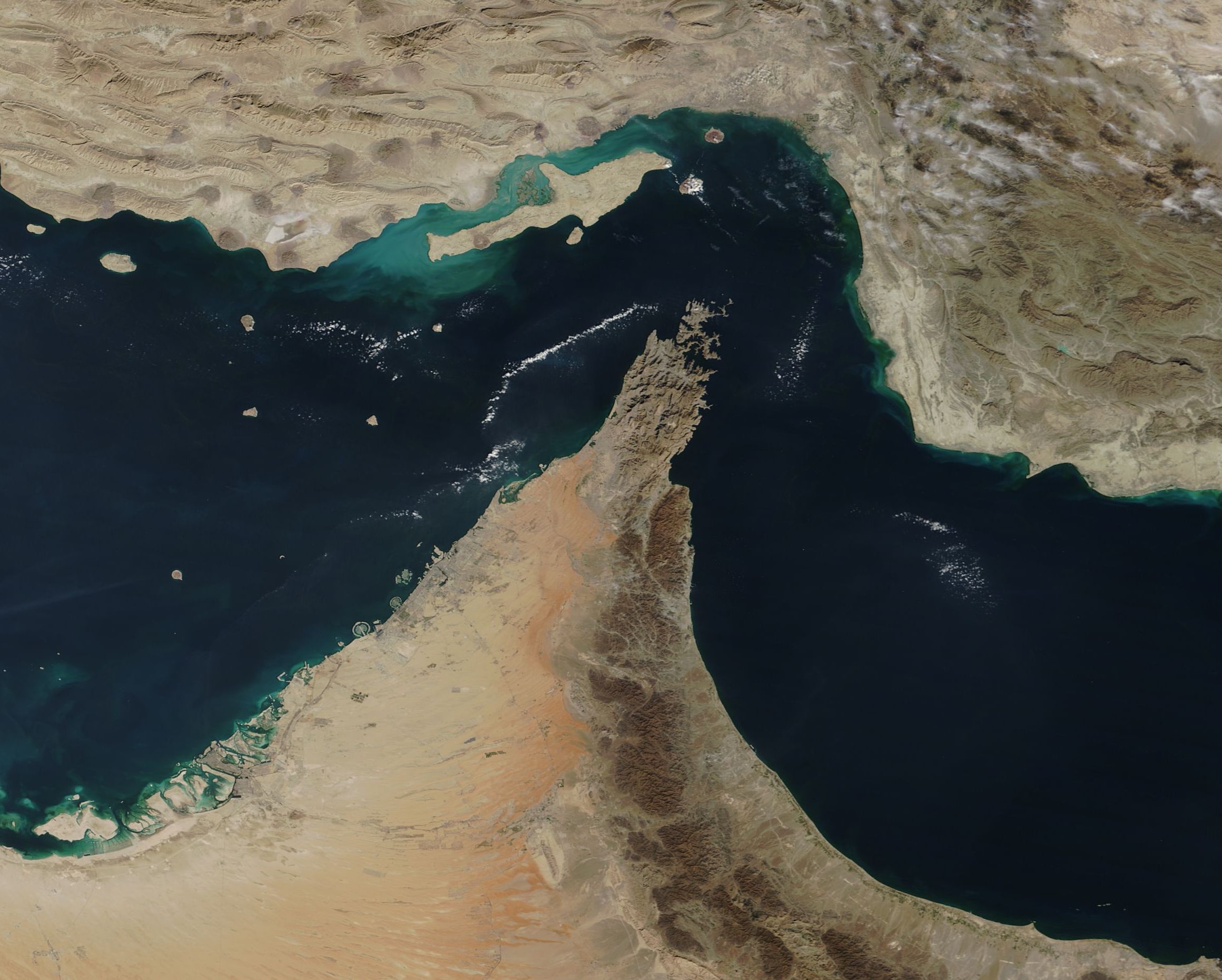
The standoff over the Strait of Hormuz escalated further this weekend, with Iran warning it could seize vessels violating its transit rules in the critical waterway just as U.S. Treasury Secretary Scott Bessent prepared to unveil what he has described as the most aggressive financial pressure campaign ever launched against a single country.
Bessent said the United States would unveil “the single greatest financial offensive ever” against Iran on Monday, according to CNBC, while Tehran simultaneously threatened to seize ships that violate its transit rules through the strait. Iran’s self-declared Persian Gulf Strait Authority, or PGSA, warned in a series of posts on the social platform X on Sunday that vessels violating its transit rules in the Hormuz Strait could face penalties including “fines, seizure, or confiscation” during future passages. Bessent had previously written in an op-ed that an “economic D-Day is coming for Iran,” warning countries that continue doing business with Tehran without providing extensive additional detail at the time.
Shipping traffic through the strait remains significantly reduced compared with pre-conflict levels, even as some vessels continue transiting the waterway. According to CNN, citing MarineTraffic data from Sunday, at least six vessels transited the Strait of Hormuz over the preceding 24-hour period, including three tankers and two cargo ships entering the Gulf of Oman, along with one tanker entering the Persian Gulf. By comparison, at least 44 vessels transited the Bab-el-Mandeb strait during the same window, including four tankers and 16 cargo ships headed to the Gulf of Aden, illustrating the extent to which shipping activity through Hormuz specifically remains suppressed relative to other regional maritime chokepoints. Iran has continued allowing some Iraqi oil tankers to pass through the strait, according to Reuters, citing Iran’s state-run news agency, even as overall traffic remains low.
The economic consequences of the prolonged disruption continue to be felt domestically in the United States. According to CNN, the national average price for a gallon of gasoline stood at $4.09 on Sunday, according to AAA data, a figure roughly 37.5% higher than gas prices were before the conflict began. Despite that elevated pricing, U.S. stock futures opened flat for a second consecutive Sunday, suggesting markets have, for now, largely priced in the ongoing disruption rather than reacting with fresh volatility to each new development.
Iran’s top security official, Mohsen Rezaei, has separately threatened to halt oil flow out of the Strait of Hormuz entirely should any neighboring countries choose to join the broader U.S.-led economic pressure campaign against Tehran, according to CNN’s live coverage of the conflict. Iran has also formally warned that ships found violating its transit rules could face detention or confiscation, a threat that has prompted some oil companies to develop new tactics specifically aimed at helping their tankers pass through the waterway undetected.
Even as Iran maintains its hardline public posture toward the strait, signs of internal division within Tehran’s leadership have continued to surface. Iranian President Masoud Pezeshkian said the country “cannot continue with war forever,” according to CNN, and defended the earlier agreement Iran reached with the United States in June, even amid what CNN described as purported misgivings from Iran’s supreme leader regarding that deal. That internal tension reflects the broader strain the prolonged conflict and its associated economic pressure appear to be placing on Iran’s governing establishment.
Diplomatic efforts involving neighboring Oman have continued alongside the escalating rhetoric. According to CNBC, Oman’s foreign minister was scheduled to visit Tehran on Tuesday to continue discussions regarding the broader arrangement and management of the Strait of Hormuz, talks that have persisted intermittently throughout the conflict even as military and economic tensions between the U.S. and Iran have continued to escalate separately.
The current standoff traces back to the earliest days of the broader Iran war, which began Feb. 28, 2026, according to Wikipedia’s documented timeline of the conflict, after the United States and Israel conducted airstrikes on Iranian military targets, including the assassination of then-Supreme Leader Ali Khamenei. In direct response, Iran closed the Strait of Hormuz to all foreign shipping, with the Islamic Revolutionary Guard Corps transmitting warnings via VHF radio informing vessels that “no ship is allowed to pass the Strait of Hormuz.” Iran later confirmed the closure applied specifically to what it termed “unfriendly nations,” continuing to allow Iran-approved vessels, primarily petroleum shipments bound for China and India, to transit the strait, in some cases under military escort.
According to a Congressional Research Service report on the crisis, periodic Iranian attacks on shipping and retaliatory U.S. strikes against Iran severely disrupted traffic through the strait for most of the conflict’s first five months. A temporary evacuation effort organized by the International Maritime Organization and Oman in late June briefly allowed stranded mariners to depart the Gulf via a southern route through Omani waters, and crossings temporarily increased following a June 17 memorandum of understanding between the U.S. and Iran, though never returning to pre-war average levels. That memorandum effectively collapsed after Iran attacked a ship in Omani waters on June 25, prompting renewed U.S. airstrikes, followed by a further round of Iranian attacks in early July that President Trump said rendered the memorandum no longer in force.
The overall human and material toll of the maritime conflict has been significant. According to Wikipedia’s tracking of the crisis, the confrontation has resulted in one sunk tugboat, at least 17 damaged merchant ships, seven of which were ultimately abandoned, two merchant ships captured, 12 seafarers killed or missing, and one port worker killed with two others wounded in a separate related incident in Bahrain.
With Bessent’s promised sanctions announcement expected imminently and Iran simultaneously threatening ship seizures in direct response to any broader international economic pressure campaign, the coming days are likely to prove pivotal in determining whether the fragile, reduced level of shipping traffic currently moving through the Strait of Hormuz can be sustained, or whether renewed escalation on either side further disrupts one of the world’s most economically consequential maritime chokepoints, through which roughly one-fifth of global oil trade and liquefied natural gas shipments have historically passed before the conflict began.


WOTSO FY26 slides: coworking network hits 40 sites, EBITDA up 1%
‘The Big Money Show’ panel discusses AFT President Randi Weingarten launching a back-to-school boycott of Target, over its silence regarding immigration operations.
Target has apologized for a circus clown Halloween costume that critics accused of evoking Blackface and 19th-century minstrel shows following online backlash.
The costume was sold as the “Kids’ Glows Under Blacklight Circus Clown Halloween Costume,” according to the since-deleted listing. The costume was sold as part of the retailer’s seasonal Hyde and EEK Boutique brand.
Target removed the “offensive” costume and said that it should never have been featured in its stores.
TARGET RECALLS 200,000 CHILDREN’S SANDALS OVER POTENTIAL CHOKING HAZARD: CPSC
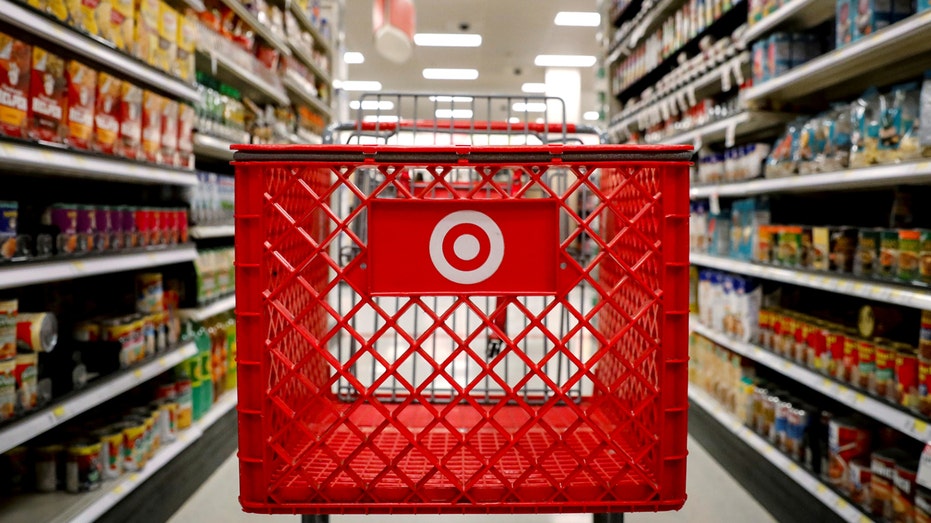
Target has apologized for a circus clown Halloween costume that critics accused of evoking Blackface and 19th-century minstrel shows. (REUTERS/Brendan McDermid/File Photo / Reuters Photos)
“As a company, we know we got this wrong, and we are deeply sorry. The costume is offensive and should never have been part of our assortment. It is no longer available for sale,” company spokesperson Brian Harper-Tibaldo said in a statement to FOX Business.
“We know this is especially hurtful for our Black guests, team members and partners. Removing the costume is an important first step, and the company is looking closely at how this happened and what needs to change to ensure this won’t happen again,” he continued.
The move to pull the costume comes after social media backlash in which critics accused the Minneapolis-based retailer of selling racist merchandise.
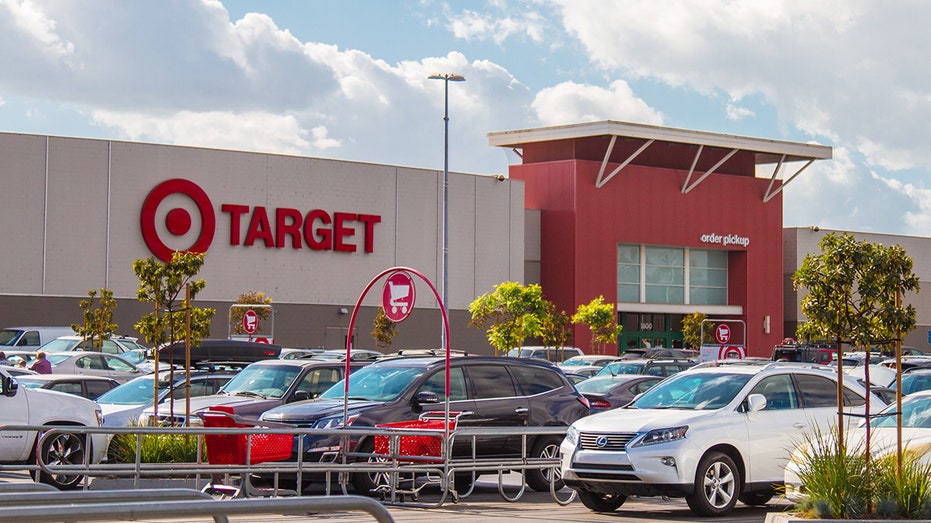
The costume was sold as the “Kids’ Glows Under Blacklight Circus Clown Halloween Costume.” (iStock / iStock)
“You really don’t have anyone left in Minneapolis to say, ‘Hey, that’s racist’? Y’all cut DEI and now you’ve got a minstrel clown costume for kids on your website,” one user said on Threads.
This comes on the heels of several reputational hits for the retailer that have hurt sales in recent years, including Target’s handling of its Pride Collection in 2023 and its rollback of diversity, equity and inclusion initiatives after President Donald Trump returned to the White House.
POPULAR PRODUCT SOLD AT TARGET RECALLED DUE TO CONTAMINATION CONCERNS
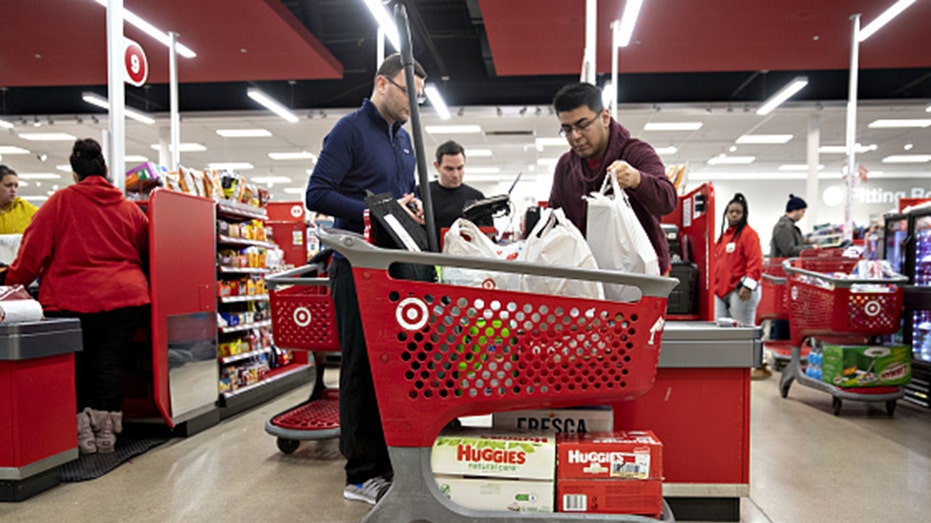
Target removed the “offensive” costume and said that it should never have been featured in its stores. ( Daniel Acker/Bloomberg via Getty Images / Getty Images)
CLICK HERE TO GET FOX BUSINESS ON THE GO
Target joined a broad corporate effort to scale back diversity initiatives after Trump issued a series of executive orders aimed at rooting out DEI.
The retailer scaled back initiatives aimed at increasing representation of Black employees and supporting Black-owned businesses and suppliers, saying it needed to stay in step with “the evolving external landscape.” The reversal drew backlash from some Black consumers and business owners who had supported or benefited from Target’s diversity efforts.

An Applecross block – described as the ‘final undeveloped parcel on Duncraig Road’ with views of the Swan River and Perth city – has been sold for $11.7 million.

 ET BureauET BureauET Bureau
Earnings call transcript: Acrow posts strong revenue growth in H2 2026, shares fall
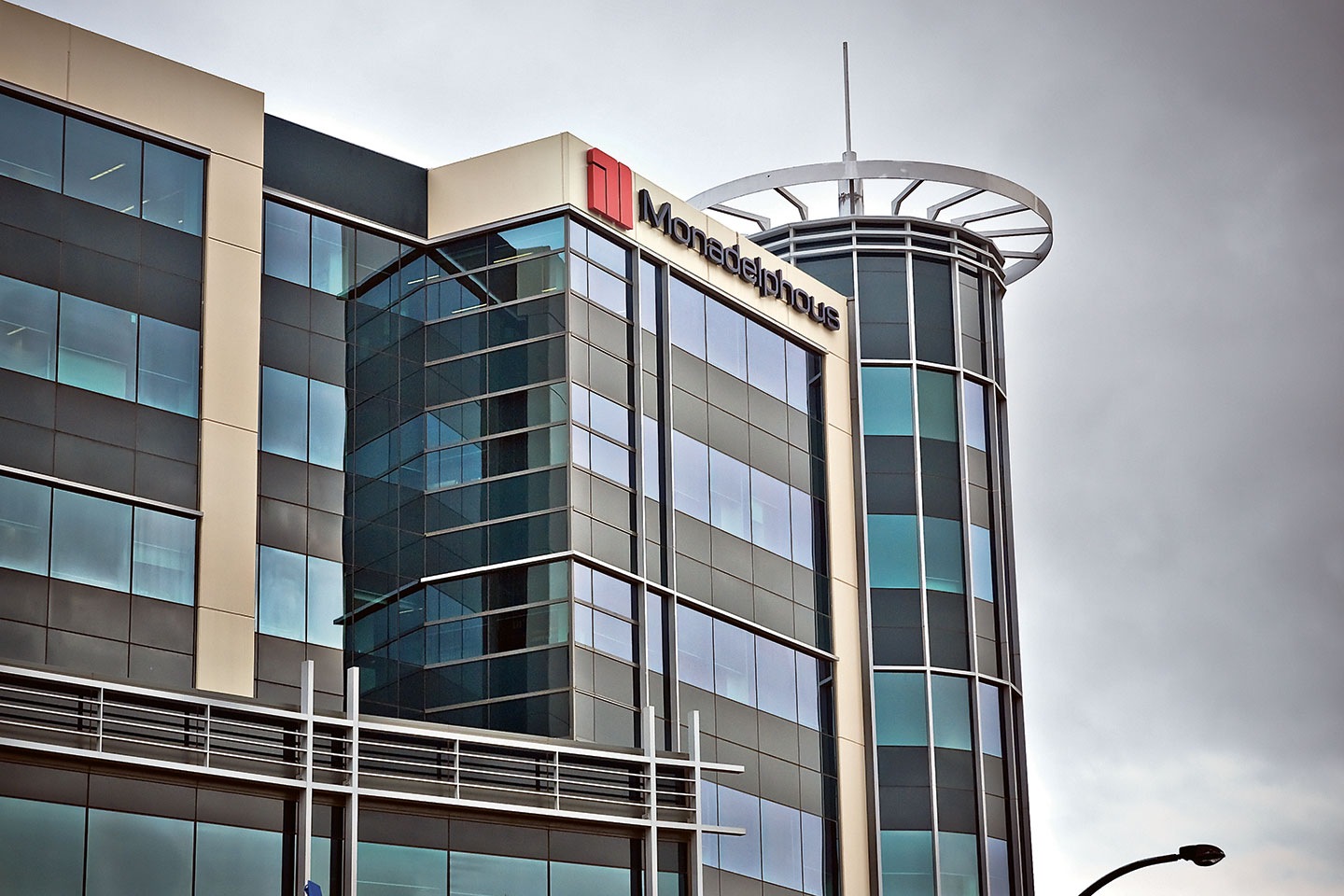
Shares in Zoran Bebic-led Monadelphous fell more than 10 per cent early on Tuesday, despite posting record revenue in FY26.

A detailed view of a hand holding a Fanduel Sports Network branded microphone during an interview after the Detroit Pistons defeated the Boston Celtics at Little Caesars Arena on February 26, 2025 in Detroit, Michigan.
Nic Antaya | Getty Images
Main Street Sports, the now-defunct owner of a portfolio of regional sports networks, is suing cable companies Comcast and Charter Communications in separate lawsuits for what it alleges are underpaid licensing fees.
The company that began its winddown earlier this year is alleging that Comcast and Charter — the two largest pay TV providers in the U.S. — breached their contracts and underpaid Main Street in the earlier part of 2026 when its networks were still delivering NBA and NHL games to local markets across the country, according to the lawsuits, which were seen by CNBC.
The suits were filed in Delaware Superior Court on Monday. Representatives for Comcast and Charter didn’t immediately respond to requests for comment.
Main Street, the entity that originated as Fox Sports networks, has been through a series of owners since 2019, as well as several name changes. The company emerged from bankruptcy protection in early 2025, when its channels took on the name of FanDuel Sports Network. It had about 15 channels, and at one point after its bankruptcy exit aired games for about 30 teams across Major League Baseball, the National Hockey League and the National Basketball Association.
However, despite touting subscriber growth as recently as the spring, Main Street continued to face liquidity issues when its MLB fees payments were due, CNBC previously reported. The company had long been weighed down by a heavy debt load.
The issues led to its inevitable winddown. While it aired its final local MLB games in 2025, the company aired the entirety of the NBA regular season, as well as the NHL regular season and first round of playoffs this year.
Problems have been piling up for regional sports networks as the pay TV bundle continues to bleed subscribers.
Regional sports networks were once a lucrative business model for teams and leagues, as the channels pay high fees to air local games that trickle down to team payrolls. However the proliferation of cord cutting has led many pay TV distributors to rework their agreements with these channels.
Even the direct-to-consumer streaming offerings for these networks have been in a state of change. Last month, two of New York’s independently owned regional sports networks left their own streaming app for a deal to be distributed by streaming platform DAZN.
Business
Oil Price Today (August 25): Crude oil at $92 as investors digest US economic sanctions on Iran. What’s next for investors?

Brent crude futures were up 6 cents, or 0.1%, at $92.16 a barrel, while U.S. West Texas Intermediate crude was up 15 cents at $85.12. Both contracts fell more than 2% on Monday, with U.S. crude touching a one-week low as investors took profits following a rally over the previous two weeks.
U.S. Treasury Secretary Scott Bessent on Monday unveiled an expansion of sanctions aimed at cutting off Iran’s economic lifeline and forcing an end to the war between the two countries. He said countries would have to sever their business ties with Iran or risk being excluded from the dollar-based financial system.
Also read: ‘Economic D-Day’: US announces expansion of sanctions in ‘onslaught’ on Iran
Bessent did not identify the countries that would be targeted or say when the penalties would come into effect. He said countries would instead be given time to comply with the new directive.

U.S. Defense Secretary Pete Hegseth said on Monday that Washington would not rule out using military force against Iran. However, the U.S. is also turning towards greater economic pressure, which analysts said had eased concerns over threats to Middle Eastern oil supplies from the war.
Tensions remain, however. An oil tanker was struck by an unidentified projectile and disabled on Tuesday northeast of Oman’s Ash Shishah, the United Kingdom Maritime Trade Operations said.Iran continues to insist that it should control the key Strait of Hormuz. Before the war began in February, the waterway typically carried cargoes equivalent to about 20% of global oil consumption. On Monday, Iran named 45 tankers that it said had violated its rules for crossing the strait and threatened action against them, including confiscating their cargoes.
Supply disruptions resulting from the U.S.-Israeli war on Iran, which began on February 28, have led countries to draw down their commercial and strategic reserves.
Where are prices headed?
The duration of the disruption will be a key factor for crude prices. JPMorgan estimates that each additional month of disruption could add around $7 to $8 a barrel to Brent prices. If the disruption continues for three months, the bank expects average monthly Brent prices to reach around $114 a barrel.
Read more: Iran vows to retaliate after US widens sanctions
Goldman Sachs has also warned that Brent could climb to $120 a barrel if shipping disruptions through the Strait of Hormuz, the world’s most important oil transit route, persist.
At the same time, Goldman Sachs expects tensions in the Middle East to eventually ease under its base case. The bank forecasts Brent to average $80 a barrel in the fourth quarter and $75 a barrel next year. It said risks remained tilted to the upside, with disruptions through the Strait of Hormuz and the Red Sea potentially lasting longer than expected.
(Disclaimer: Recommendations, suggestions, views and opinions given by the experts are their own. These do not represent the views of The Economic Times)

Why is Coles stock rising today?

Host Hotels & Resorts: Valuation Still Looks Attractive

Bernstein keeps $140 Circle target even if CLARITY Act fails

Savannah Guthrie’s Slimming Plaid Dress Is an Ageless Staple

Burnham to visit US in September to lobby Trump on Ukraine





-

 Fashion3 days ago
Weekend Open Thread: Madewell – Corporette.com
-

 Business3 days ago
Musk’s Tesla, SpaceX Confirm $16.8 Billion ‘Terafab’ Chip Plant as World’s Largest Building in Texas
-

 Crypto World3 days ago
anatomy of crypto’s biggest liquidation event since 2021
-

 Business7 days ago
SMA Solar Technology AG (SMTGY) Q2 2026 Earnings Call Transcript
-

 Tech7 days ago
Qwen3.8-27B runs frontier-class coding agents and reasoning locally, no cloud API required
-

 Politics3 days ago
6 months on, Irish renters crushed by effects of government housing bill
-
 NewsBeat3 days ago
The ‘Lucky Dip Gang’ causing carnage for clicks: After five thugs were killed speeding in the wrong direction on a motorway, GUY ADAMS investigates a sick new trend… and why police aren’t even allowed to pursue them
-

 Tech6 days ago
GLM-5.3 hits the API at $1.4/$4.4 per million tokens
-

 News Videos5 days ago
Don’t Leave Your Financial Future To Chance | August 19, 2026
-

 Business2 days ago
Mystery AI Model ‘Ox Alpha’ Draws Developers With Free Access as Chinese Lab Origins Remain Debated
-

 Tech7 days ago
Keychron K8 Ultra 8K review: a great value keyboard with comfort issues
-
 Business7 days ago
Stock Market Today: Tech Futures Slide As Treasury Yields Jump; Nvidia, Micron, Sandisk Sell Off
-

 Business5 days ago
Marvell Shares Jump 7% as Google Chip Deal Confirms Custom AI Silicon Partnership, Analysts
-

 Business4 days ago
Five Below: Kids Discount Retailer Reaps Rich Rewards
-

 Tech7 days ago
Ken Okuyama’s Kode89 Supercar Features Three Pedals and a Choice of V12s
-

 Politics7 days ago
The House Opinion Article | Security means more than military spending
-

 Business7 days ago
Nasdaq Ticks Higher as Wall Street Awaits Retail Earnings and Weighs Fed’s Next Move at Jackson Hole Meeting
-

 Fashion7 days ago
The Dressier Side of Shorts
-

 Tech7 days ago
Payments giant Stripe is about to drop over $7 billion to become a gateway to AI token sales
-

 Crypto World7 days ago
Compound approves $52M institutional DeFi program
You must be logged in to post a comment Login