
Business
Rustik Oven rolls out artisan-quality sourdough bagels

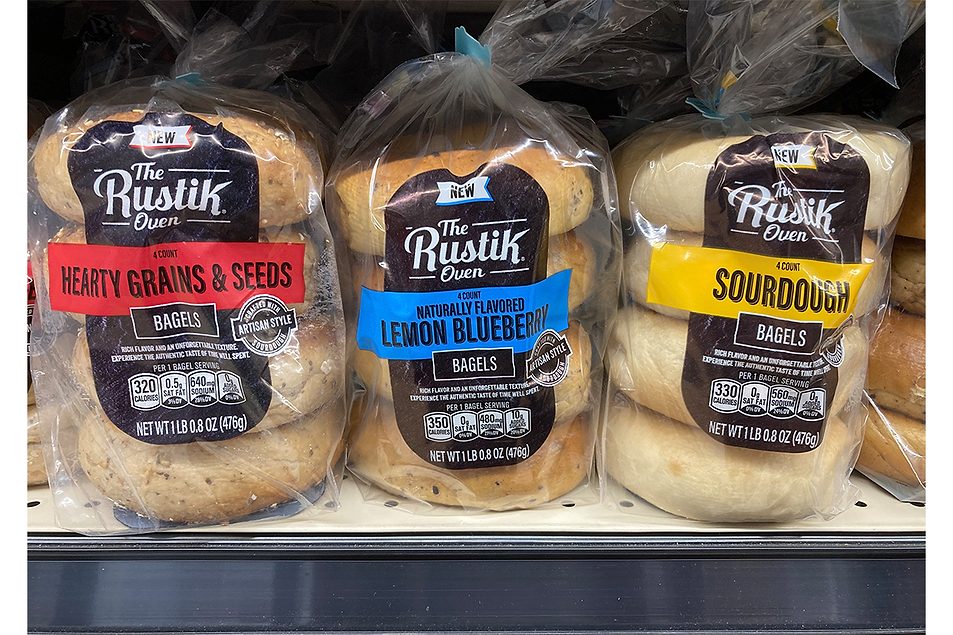

IRVING, TEXAS — Bimbo Bakeries USA (BBU) has rolled out a new line of artisan-style sourdough bagels under its The Rustik Oven brand nationwide.
Irving-based BBU said the new Rustik Oven bagels are made using a signature process that includes 12-hour fermentation and slow baking, bringing the taste and texture of artisan-quality bread with the convenience of packaged bread. The product comes in three varieties: sourdough, hearty grains and seeds, and lemon blueberry.
BBU noted that sourdough has been one of the fastest-growing trends in the bakery aisle, driven by consumer demand for artisan-style products. The company said that, according to “The Hottest Bakery Trends for 2026” report from Puratos, 70% of consumers said sourdough enhances the flavor of bread.
The Rustik Oven bagels, which began hitting stores in July, are now available at Kroger, Walmart and other major retailers across the country in four-count packages for a suggested retail price of $6.19.
BBU said the launch comes as The Rustik Oven introduces its new campaign, “The Bread You’d Make If You Made Bread,” which focuses on delivering the quality of craft-made bread without the time and effort of making them from scratch.
“Consumers increasingly want great-tasting foods that bring something special to everyday meals, but that doesn’t mean they always have hours to spend in the kitchen,” said Mollie Crudden, senior director marketing for the artisan portfolio at Bimbo Bakeries USA. “At The Rustik Oven, we believe your time should be spent enjoying great bread and imagining all the delicious ways to serve it. With our new artisan-style bagels and ‘The Bread You’d Make If You Made Bread’ campaign, we’re giving consumers a convenient way to enjoy the sourdough taste they crave while leaving more time for the fun part — deciding what to put on top.”


The Lanier Law Firm lead attorney Mark Lanier joins ‘Varney & Co.’ to discuss the social media addiction trial verdict against Meta and Google, comparing it to tobacco litigation.
Pennsylvania Attorney General Dave Sunday sued Snap Inc., the parent company of Snapchat, on Tuesday, accusing the company of designing the social media app to keep young users compulsively engaged while misleading parents about its safety and age-appropriate content.
The lawsuit, filed in Philadelphia County Court, takes aim at features including Snapstreaks, infinite scrolling, push notifications, autoplay and disappearing messages. Pennsylvania alleges the features encourage young people to spend more time on Snapchat, helping the company generate advertising revenue while exposing minors to potential harms.
The state alleges Snapchat has millions of users in Pennsylvania, including tens of thousands under 16, while Snap generates millions of dollars in annual revenue from users in the state. Snap’s North American operations generated more than $5.3 billion in revenue in 2024, according to the complaint.
The lawsuit also targets how Snapchat monetizes engagement. Users can pay to restore an expired Snapstreak, which tracks the number of consecutive days two people have exchanged Snaps. Pennsylvania alleges younger users can feel pressure to maintain streaks because they associate them with the strength of their real-life friendships.
GOOGLE’S YOUTUBE REACHES SETTLEMENT IN LAWSUIT ALLEGING CHILD SOCIAL MEDIA ADDICTION

Pennsylvania Attorney General Dave Sunday sued Snapchat parent Snap Inc. over allegations involving the platform’s design and safety for younger users. (istock / iStock)
“Snapchat has designed its platform to lure children into constant, compulsive use that is detrimental to healthy adolescent development,” Sunday said in a statement. “This lawsuit demands that Snapchat finally admit publicly that its platform is highly addictive and that it takes real action to keep kids safe.”
Pennsylvania separately accuses Snap of misleading consumers about the content available to minors.
According to the complaint, information provided by Snap results in Snapchat receiving a 13+ rating in Apple’s App Store and a “T for Teen” rating in the Google Play and Microsoft stores. The state alleges those ratings do not accurately reflect the mature content available through the platform.
The complaint says an investigator with the Pennsylvania Attorney General’s Office created a Snapchat account using a 13-year-old’s birthday and found the account could access content containing profanity, drug and alcohol references and sexual material.
Snap disputed the allegations in a statement provided to FOX Business.
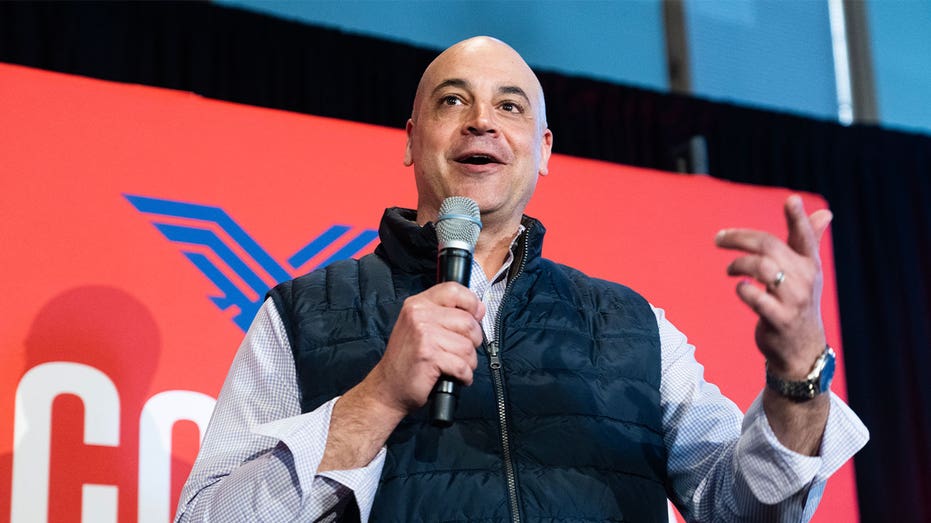
Pennsylvania Attorney General Dave Sunday sued Snap Inc., the parent company of Snapchat, on Tuesday. (Tom Williams/CQ-Roll Call, Inc via Getty Images, File / Getty Images)
“The allegations against Snap fundamentally misrepresent our platform and our approach to teen safety,” the statement read. “Snapchat was designed differently from the beginning: it opens to a camera, not a feed of content, and was built to encourage self-expression and authentic connection with friends,” the statement read.
A representative for the company added: “We share the Attorney General’s commitment to protecting young people online and are disappointed they have chosen litigation rather than working with us toward that shared goal,” the statement continued. “We remain focused on strengthening and enhancing the safeguards, tools and educational resources that support the safety, privacy and well-being of all Snapchatters.”
| Ticker | Security | Last | Change | Change % |
|---|---|---|---|---|
| SNAP | SNAP INC. | 5.92 | +0.39 | +7.05% |
Pennsylvania is asking the court to declare Snap’s practices unlawful under the state’s Unfair Trade Practices and Consumer Protection Law, impose civil penalties and issue injunctions aimed at preventing future violations.
CLICK HERE TO GET FOX BUSINESS ON THE GO
The lawsuit follows a similar consumer protection case Sunday filed against TikTok earlier this month over alleged addictive features and content safety ratings.
Business
Xiaomi’s XRING O3 Chip Debuts With Record AnTuTu Score, First-Ever CXMT LPDDR6 Memory in China Chip Milestone

Xiaomi unveiled its new flagship XRING O3 mobile processor Aug. 24, becoming the world’s first smartphone chip to support next-generation LPDDR6 memory and shattering benchmark records, in a launch that also marked a significant milestone for China’s domestic memory chip industry after Chinese manufacturer CXMT was confirmed as the chip’s key LPDDR6 supplier.
According to Notebookcheck, the XRING O3 is Xiaomi’s second-generation self-developed flagship system-on-chip, following the original XRING O1 launched in May 2025. Manufactured on TSMC’s advanced 3-nanometer N3P process node, the chip packs roughly 24 billion transistors into a 133-square-millimeter die, up from 19 billion transistors on the previous generation. The processor achieved an AnTuTu v11 benchmark score exceeding 5.22 million points, according to multiple outlets including HotHardware, becoming the first flagship smartphone SoC ever to surpass the 5 million point threshold on the widely used benchmarking platform.
The chip’s CPU architecture abandons the conventional mix of high-performance and power-efficient cores typically found in mobile processors. According to Notebookcheck, the XRING O3 uses an all-big-core design consisting of two C1-Ultra cores running at up to 4.35 GHz, four C1-Premium cores at up to 3.68 GHz, and four C1-Pro cores at up to 3.15 GHz, a 10-core configuration that eliminates traditional low-power efficiency cores entirely.
The chip’s most significant technical distinction, however, centers on its memory support. According to Gigazine, the XRING O3 is being promoted as the world’s first mobile processor to support the LPDDR6 low-power memory standard, delivering maximum memory bandwidth of 113.8 gigabytes per second, a 48% improvement over the XRING O1. Notebookcheck reported the chip natively supports LPDDR6 memory running at 10,667 megatransfers per second across four 24-bit channels, with Xiaomi citing a memory access latency of just 82 nanoseconds, enabled by a unified fusion bus, redesigned high-level metal routing and prefetch technology.
The supplier behind that groundbreaking LPDDR6 memory has proven to be the most significant part of the story. According to Huawei Central, sources revealed that Chinese memory manufacturer CXMT is supplying the LPDDR6 memory paired with the XRING O3, marking the first-ever use of domestically developed Chinese LPDDR6 memory in a flagship smartphone chipset. TrendForce, citing Cailian Press, confirmed that report, noting the launch represents a milestone specifically because it marks the first use of Chinese-made LPDDR6 in a top-tier mobile processor, with CXMT serving as Xiaomi’s key memory partner even as TSMC continues manufacturing the chip itself.
That development carries particular significance given prior market expectations. According to Huawei Central, CXMT has already completed research and development testing along with documentation for its new LPDDR6 memory chips and is now moving toward mass production. The outlet reported that if CXMT completes full mass production of its LPDDR6 memory during the second half of this year, the company would become the first LPDDR6 supplier in the global memory chip race, ahead of established competitors including SK Hynix. Notably, CXMT appears to be prioritizing Chinese customers for its early LPDDR6 supply; Huawei Central reported that CXMT has asked Apple to wait in the supply queue amid an ongoing broader memory chip shortage, as the Chinese manufacturer’s capacity remains occupied by domestic customers including Xiaomi and Huawei through 2027.
Global competition to bring LPDDR6 to market has intensified significantly this year. According to XenoSpectrum, SK Hynix announced its initial LPDDR6 memory in March 2026, running at 10.7 gigabits per second and offering 33% higher speed alongside more than 20% lower power consumption compared with LPDDR5X. Samsung Electronics separately showcased its own LPDDR6 technology at CES 2026 in January, though the company has not yet disclosed a specific mass production timeline. Micron also signaled growing market interest in LPDDR6 during a June conference call, according to the earlier Korean-language reporting on the development, indicating all three of the world’s traditionally dominant memory manufacturers are actively racing to bring the next-generation memory standard to market.
Beyond its groundbreaking memory support, the XRING O3 includes substantial artificial intelligence-focused enhancements. According to Gigazine, the chip’s NPU architecture was completely redesigned specifically to accelerate large-scale AI models running on Xiaomi’s own MiMo AI system, delivering tensor computation performance of 200 TOPS and vector computation performance of 3.13 TFLOPS, representing a 45% improvement in on-device AI performance compared with the prior generation. The chip integrates AI acceleration hardware across virtually every module, including dual SME2 acceleration units within the CPU, eight new NX neural network accelerators in the GPU, an integrated AI super-resolution unit in the display processing unit, and a dedicated AI engine within the audio digital signal processor.
Cache architecture received similarly significant upgrades to support the chip’s memory demands. According to XenoSpectrum, the XRING O3 includes 12 megabytes of total CPU L2 cache, a 16-megabyte shared L3 cache, and a 16-megabyte system-level cache, combined with an additional 16 megabytes dedicated to the GPU and NPU, bringing total key cache capacity to 60 megabytes, a design intended to reduce both latency and power consumption by minimizing how frequently data must be fetched from main memory.
The chip also incorporates dedicated security hardware. According to Notebookcheck, a RISC-V-based XRing security core handles trusted execution functions, carrying certifications for SM-series cryptography standards and CCRC EAL5+, a security certification level, while the chip additionally supports H.266 hardware video decoding.
Xiaomi announced the XRING O3 will debut in two upcoming devices: the Xiaomi 18 Fold and the Xiaomi Pad 9 Pro Max, both scheduled for release in September, according to TrendForce. TrendForce also reported that Xiaomi’s chip development relationship with TSMC extends beyond the O3 alone, with the company separately revealing the XRING O100, a 6-nanometer NPU built for multi-device AI tasks, and the XRING D100, a 3-nanometer custom automotive chip.
With CXMT positioned to potentially become the first company globally to reach full LPDDR6 mass production, and Xiaomi’s XRING O3 already demonstrating the memory standard’s real-world performance advantages in benchmark testing, the launch is likely to accelerate the broader industry race among SK Hynix, Samsung, Micron and CXMT to bring next-generation low-power mobile memory to market, with significant implications for how quickly Chinese domestic chipmakers can continue closing the technological gap with established global memory leaders in the years ahead.

.webp?t=1787661458)
DALLAS, NC. — GNT has filed a safflower color additive petition with the US Food and Drug Administration to use safflower-based colors across a range of categories, including beverages, confections, frozen desserts, dairy and non-dairy applications, cereal, soup, dressings, and pickled vegetables.
Color from safflower, an edible plant, may be used to deliver yellow shades, according to GNT, which has a US office in Dallas, NC, and offers a portfolio of Exberry brand colors. Exberry safflower concentrate is recognized as a coloring food in the European Union.
The petition filing comes as food and beverage companies work to replace artificial colors with naturally sourced colors, which would include safflower extract, and as the FDA seeks to phase out petroleum-based synthetic food dyes, including Yellow No. 5 and No. 6, from the nation’s food and beverage supply.
Safflower concentrate, according to GNT, offers technical advantages such as good pH, heat and light stability as well as water-soluble properties that make it relevant for beverages and other applications where a clear yellow appearance is desired.
“This filing marks an important step in a long and rigorous process,” said Jeannette O’Brien, vice president of sales and marketing at GNT USA. “Bringing a new color additive petition to this stage takes deep technical understanding, comprehensive scientific work and careful regulatory preparation to support the safety and intended use of the color. For safflower, that has meant significant investment and nearly a decade of research and safety evaluation.”

Multi-billionaire Elon Musk’s rocket company SpaceX has announced that it will build its largest launch site yet in the southern US state of Louisiana.
Construction of the $100bn (£73bn) project – named Starbase, Louisiana – is due to start next year, with the 125,000-acre (50,585-hectare) site expanding on the company’s operations beyond its current Texas headquarters and locations in Florida.
It will be used to “support thousands of Starship flights a year with missions launching to Earth orbit, the Moon, Mars and beyond,” SpaceX said on Tuesday.
In June, SpaceX shares started trading on New York’s technology-focused Nasdaq in the world’s biggest ever stock market debut.
SpaceX said it aims to launch its first Starship flight from the new Louisiana base in 2029.
The facility will add more than 3,000 jobs to the region, the company said, external.
The Louisiana Economic Development agency said the average wage of workers at the base – the largest of its kind in the world – would be 192% more than the region’s current average salary.
It will also create more than 8,100 new jobs indirectly, the agency estimated.
“The historic project will establish Louisiana as a global hub for next-generation aerospace, with the capacity and infrastructure needed to dramatically increase launch frequency and expand access to space,” it added.
The facility in Louisiana will share its name with another SpaceX site on the southern tip of Texas.
In 2025, residents in an area of Cameron County, where the company has testing and development operations, approved incorporating the patch of land as a city called Starbase.

Yes. Corporate subscriptions are available for teams and organisations, with discounted rates as user numbers increase. Pricing starts from $1,625 + GST per user.
Get in touch
to discuss the right option for your organisation.
Business News subscriptions are used by executives, investors, consultants and professionals who need to stay informed and make better decisions about the WA market. When you subscribe you’ll get
- Unlimited access to WA’s most trusted business journalism
- Data & Insights — detailed profiles of WA companies, people, projects and deals
- MyBN — a personalised feed based on the companies, people and sectors you follow
- Special publications and industry reports
- Daily and weekly email newsletters
Data & Insights is a research tool built specifically for the WA market. It draws on more than 30 years of Business News reporting, updated regularly to reflect what’s happening now. Use it to:
- Look up detailed profiles of WA companies, including financials, directors and ownership
- Find decision-makers and track their career movements
- Research live and completed projects across WA industries
- Monitor deals, appointments and market activity
- Access industry rankings and league tables
Data & Insights is updated daily by our dedicated research team, which uses the latest announcements, ASX filings and editorial coverage to keep our person, company, list and project records up to date.
Business News welcome all opportunities to make our dataset accurate, complete and current, so if you have an update request, please email the team at
general@businessnews.com.au, and we’d be happy to assist.
MyBN
is part of every subscription. It’s your personalised view of Business News. You can follow the companies, people, sectors and projects that matter to you, and get a news feed and alerts tailored to your interests. You can save articles to read later and retain only what you need.
Only subscribers have full access to all content on the Business News website.
If staying informed about the WA economy is part of your job, and/or you’re looking for networking opportunities in WA, Business News is built for you.
Business News subscribers are:
- Executives and directors tracking competitors, clients and market movements
- Investors and advisers researching companies, deals and industry trends
- Consultants and professionals staying across sectors relevant to their clients
- Business owners looking for leads, context and market intelligence
Most Business News publications cover national or global markets. Business News is focused entirely on Western Australia, which means the journalism, the data and the intelligence are all built around WA companies, people and projects — not adapted from a national feed. Data & Insights, included with every subscription, combines more than 30 years of WA-specific editorial research with live business data. There’s no comparable product for the WA market.
The Morning Digest Email provides a comprehensive wrap of the major headlines, relevant to WA business, and includes with a snapshot of the overnight news covering oil, gold and ASX-listed companies.
The Afternoon Wrap Email focuses on the news covered by our team of journalists during the course of the working day, including exclusive stories and analysis, all of which relates to WA business and the local economy.
The BN Weekender Email contains a wrap of the Business News from the week that was, highlighting the top stories in each area of WA business.
Sign up for free.
We’re happy to help.
Get in touch
and our team will come back to you.
Business
Great Wall Motor Company Limited 2026 Q2 – Results – Earnings Call Presentation (OTCMKTS:GWLLY) 2026-08-25


Seeking Alpha’s transcripts team is responsible for the development of all of our transcript-related projects. We currently publish thousands of quarterly earnings calls per quarter on our site and are continuing to grow and expand our coverage. The purpose of this profile is to allow us to share with our readers new transcript-related developments. Thanks, SA Transcripts Team
Nine Entertainment has increased its full-year net profit as it continues to focus on its streaming and broadcast assets.

WILMINGTON, NC. — With consumers turning to functional beverages, private label manufacturers are benefiting from the trend by helping their clients succeed in the category.
FedUp Foods, one of the largest private label fermented and functional beverage manufacturers in the United States, has had positive experiences with transforming product concepts into market results.
“We’re at the forefront of charting out the innovation roadmap for functional beverages, which is a focus for our business,” said Ravi Jhala, vice president of commercialization. “It’s a very collaborative role on the commercialization side because we work all the way from concept to product launch.”
Beverages were one of food retail’s strongest growth categories in 2025, according to the “Power of Beverage” report from FMI — The Food Industry Association. Almost $295 billion in sales were recorded last year, a 3% boost from 2024.
Along with functional benefits such as hydration, protein, energy, mood support, immune health and digestive health, the report found the better-for-you qualities consumers most want from beverages are caffeine content, low or no added sugar, electrolyte content and natural flavors.
Jhala told Food Business News FedUp Foods recently worked on a regional cold-brew coffee product featuring responsibly sourced organic coffee sold in 48-oz post-consumer plastic bottles.
“We are pretty proud of it because that business has actually grown for us, and we have more than a few products that we serve through that,” he said. “It’s making products available to people at a reasonable price.”
Not to be left behind, branded beverage products are taking advantage of the favorable trend as well. In addition, foodservice operators like McDonald’s Corp. have jumped on the bandwagon by introducing cold coffee, craft sodas, refreshers and Red Bull “energizer” drinks in the United States and elsewhere.
The pivot to private label
Founded in 2008, FedUp Foods pivoted to a private label business model in 2017 and now primarily is focused on kombucha, prebiotic and probiotic soda and, since last year, cold-brew coffee.
The timing of the shift has been fortuitous since private label volume growth was highest for the first half of 2026 in the beverage and refrigerated categories, according to the Private Label Manufacturers Association.
Private label sales in the United States hit $330 billion last year, according to the market researcher Circana. That total was 24% of retail food and beverage dollar share in the country, which was up 0.4 percentage points from 2024.

Private label sales in the United States hit $330 billion last year, according to the market researcher Circana.
| Photo: ©JAMMER GENE – STOCK.ADOBE.COMYounger consumers are helping to drive the private label trend by their interest in product transparency and by being less brand loyal, Jhala said.
“They’re not necessarily seeking out brands as other generations do,” he said. “This is one thing helping private label brands rise.”
A survey conducted by FMI — The Food Industry Association found millennial and Generation Z shoppers are influencing the increase in private label purchases. Fifty-nine percent of Gen Z and 53% of millennials said they had increased their private label purchases in the past year, compared with 49% of shoppers overall.
Private label innovation
Private label brands benefit by being able to offer retailers the product innovation and variety today’s consumers are looking for, Jhala said.
“We definitely can do agile manufacturing and conversion of consumer insights to launch premium products faster compared to what legacy brands can do,” he said.
The company’s private label clients also don’t shy away from putting limited-time brands on the shelf, which he said is another advantage.
“Legacy brands take much more of a time commitment to pursue that,” Jhala said. “The cycle time for a private label brand to work directly with a retailer is much faster. That’s what makes private label brands stand out.”
Nurturing the soil
FedUp Foods is “one of the companies that believes in values-oriented business,” Jhala said.
As a Public Benefit Corporation, it must factor social and environmental goals into its business decisions. The company also prioritizes working with certified partners, including suppliers holding B Corp status.
Jhala said FedUp Foods applies values-based sourcing and literally nurtures the soil from organic inputs for tea and kombucha.
“By being a responsible manufacturer in the communities where we operate, we nurture the community soil as well,” he said.
The third way is by “making good food we actually make accessible to more people,” he said. “Through the private label system we operate in, we are able to do that by working directly with retailers on their brands and making products accessible at a good price point.”
Jhala said he thinks functional beverages align well with private label because people want novelty and to know about the latest flavor trend, plus they want the functional benefits of clean energy, gut health and immunity.
“As long as you can deliver this functionality through the beverage by keeping them tasting good, I think that’s what makes private label more exciting,” he said. “We are definitely enjoying this moment.”
Business
Bitcoin Holds Near $79,200 After Briefly Surpassing $80,000 Amid Treasury Moves and ETF Inflows

NEW YORK — Bitcoin traded near $79,195 on Tuesday after climbing above $80,000 for the first time since mid-May, extending a sharp multi-day rally driven by U.S. Treasury bond purchases, strong exchange-traded fund inflows and a wave of short-covering in derivatives markets.
The cryptocurrency rose about 0.27 percent in the latest session, adding roughly $214 from the prior close. Intraday trading saw Bitcoin briefly reach highs near $81,000 to $81,200 before consolidating in the high $78,000 to low $80,000 range. The move marked a recovery of more than 20 percent over the prior week from levels near $63,000 to $64,000 and erased much of the losses accumulated since earlier in the summer.
Market participants pointed to a combination of macroeconomic signals and institutional demand. Last week the U.S. Treasury announced it would expand repurchases of long-dated securities to at least $4 billion per operation, a step aimed at moderating long-term yields. The announcement contributed to a softer U.S. dollar and revived interest in assets viewed as hedges against currency debasement, including Bitcoin and gold.
Spot Bitcoin ETFs recorded robust inflows, with U.S.-listed funds attracting approximately $1.9 billion in net creations during the prior week—the strongest weekly total since October 2025. Daily figures in recent sessions included hundreds of millions of dollars, extending a streak of positive flows that has added billions to month-to-date totals. Analysts noted that the consistent buying helped absorb available supply even as leveraged short positions were forced to cover.
Derivatives markets saw significant liquidations of short positions, estimated in the billions of dollars across crypto platforms earlier in the week. The forced buying amplified the upward momentum once prices began to break higher. Open interest in futures remained elevated, reflecting continued speculative activity around the key psychological level of $80,000.
Bitcoin remains well below its peak of approximately $126,000 reached in October 2025. The recent advance has brought the asset closer to its 50-week moving average near $81,000, a technical threshold watched by some traders as a potential signal of sustained momentum. Support has been identified in the mid-to-high $70,000 area following the rapid recovery.
Broader market context includes ongoing discussions of regulatory clarity in the United States. Recent White House engagement with crypto industry representatives and calls for legislation such as a version of the Clarity Act have contributed to a more constructive sentiment among institutional participants. While no major legislative breakthroughs were announced in the immediate period, the tone of policy signals has reduced some of the regulatory risk premium that weighed on prices earlier in the year.
Trading volume remained elevated during the advance, with 24-hour figures in the tens of billions of dollars as both retail and institutional activity increased. Ethereum and other major cryptocurrencies also posted gains, though Bitcoin’s relative strength underscored its role as the primary benchmark for the sector.
Analysts described the rally as a confluence of liquidity support, improved fund flows and mechanical buying from short liquidations rather than a single catalyst. The Treasury’s bond repurchase program, while not formal quantitative easing, was interpreted by some market participants as a signal of lower tolerance for rising long-end yields, particularly ahead of midterm elections. That perception helped shift capital toward scarce assets.
Short-term technical indicators showed signs of overbought conditions following the rapid climb, with some momentum oscillators reaching elevated levels. Traders monitored whether Bitcoin could sustain closes above $80,000 or would face resistance near the clustered moving averages in that region. Profit-taking and range-bound consolidation remained possible after such a steep multi-day move.
The recovery has restored profitability for many short-term holders who had been underwater earlier in the month. Longer-term holder cost bases remained lower, providing a foundation of less price-sensitive demand. On-chain metrics and exchange flow data continued to be watched for signs of sustained accumulation or distribution.
Looking ahead, attention is focused on upcoming economic data, including inflation readings, and any further commentary from Treasury or Federal Reserve officials. A continued soft-dollar environment and steady ETF demand would support higher prices, while a reversal in bond-market dynamics or a sudden increase in regulatory uncertainty could pressure the asset.
Bitcoin’s market capitalization has expanded by hundreds of billions of dollars during the recent advance, reinforcing its dominance within the broader cryptocurrency complex. The asset’s performance relative to traditional markets and other risk assets remains a key point of analysis for portfolio managers allocating to digital assets.
For now, the price action near $79,000 reflects a market that has absorbed a significant short squeeze, benefited from policy-driven liquidity expectations and seen renewed institutional participation through regulated investment vehicles. Whether the move evolves into a more durable uptrend will depend on the persistence of these supporting factors in the weeks ahead.
LSEG head of consumer research Jharonne Marti discusses the mind of the consumer and the Walmart overreaction on ‘Making Money.’
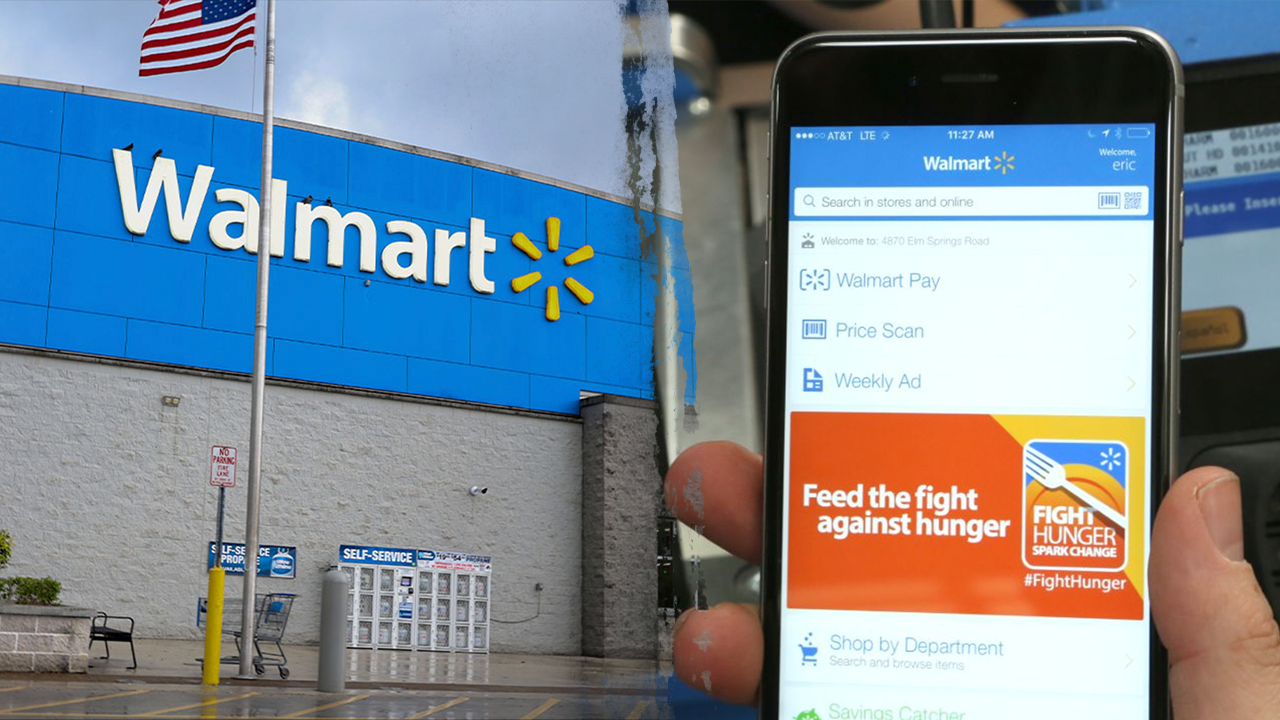
Walmart is rolling out tap-to-pay technology across its U.S. stores, giving shoppers another way to make purchases with contactless cards, smartphones and smartwatches.
The retail giant said the payment option will begin appearing at select Walmart stores and Sam’s Club locations starting Aug. 24, with plans to expand it to all U.S. stores and clubs by the end of 2026.
Walmart also plans to bring tap-to-pay capabilities to its fuel stations by mid-2027.
The checkout expansion comes as Walmart increasingly focuses on convenience across its physical and digital businesses.
WALMART SAYS IT WILL USE BILLIONS IN TARIFF REFUNDS TO KEEP PRICES LOW
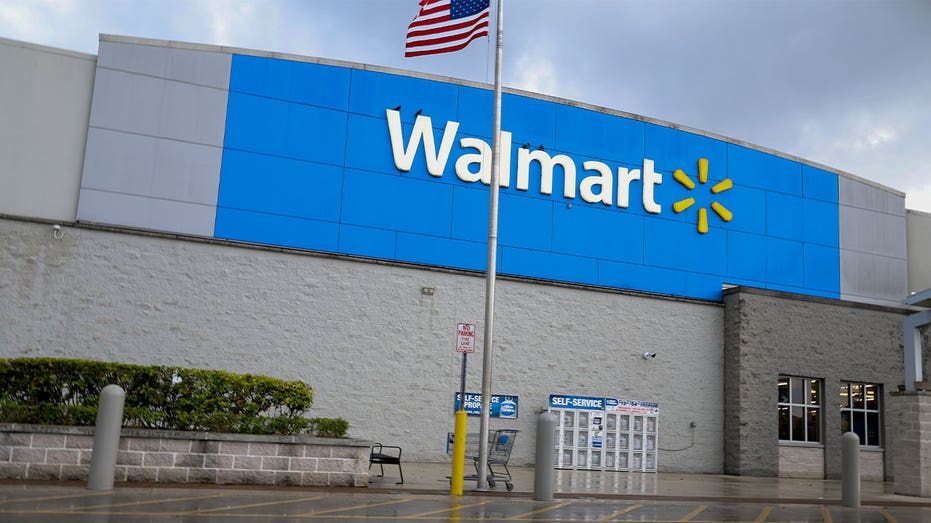
A Walmart store as the retailer prepares to roll out tap-to-pay technology across its U.S. locations. (Joe Raedle/Getty Images / Getty Images)
Walmart’s U.S. e-commerce sales jumped 24% in the second quarter, with strength in store-fulfilled delivery, advertising and its online marketplace. Sam’s Club U.S. e-commerce sales climbed 26%, driven by continued growth in club-fulfilled pickup and delivery.
Walmart President and CEO John Furner pointed to the retailer’s online growth as evidence that customers are responding to its “price, speed and convenience.”
Walmart’s e-commerce gains extended beyond its U.S. operations. Walmart International reported a 19% increase in e-commerce sales during the second quarter, driven by store-fulfilled pickup and delivery.
The retailer reported $187.9 billion in second-quarter revenue, up 5.9% from a year earlier, and raised its outlook for the fiscal year.
WALMART E-COMMERCE SALES SURGE AS CEO TOUTS ‘PRICE, SPEED AND CONVENIENCE’
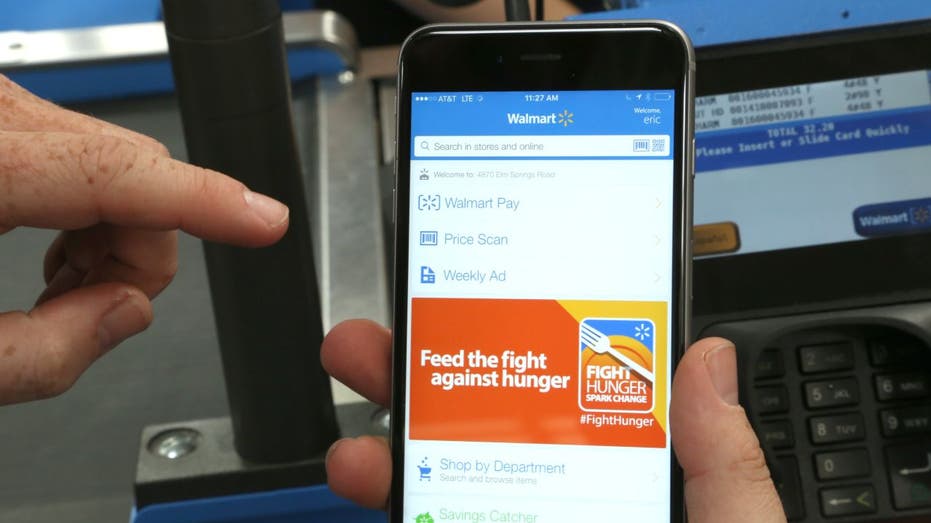
Walmart plans to expand tap-to-pay to all of its U.S. stores by the end of 2026.
The new tap-to-pay option will allow Walmart and Sam’s Club shoppers to check out using eligible contactless cards, smartphones or smartwatches. Customers and members will also be able to add eligible Walmart, Sam’s Club and OnePay cards to their digital wallets.
The rollout adds contactless payments to a lineup that already includes cash, credit cards and Walmart Pay. Through Walmart Pay, customers can use the Walmart app to pay at checkout, view purchases and receipts and access Walmart+ fuel savings.
| Ticker | Security | Last | Change | Change % |
|---|---|---|---|---|
| WMT | WALMART INC. | 105.38 | -1.11 | -1.04% |
At Sam’s Club, members have another checkout alternative through Scan & Go, which allows shoppers to scan merchandise and pay as they shop without using a traditional checkout line.
Beyond checkout, Walmart said its financial services include options designed to help customers save, build credit and pay for purchases over time.
WALMART, SAM’S CLUB SLASH PRICES ON THOUSANDS OF PRODUCTS AS TRUMP SAYS MOVE CAME AT HIS REQUEST
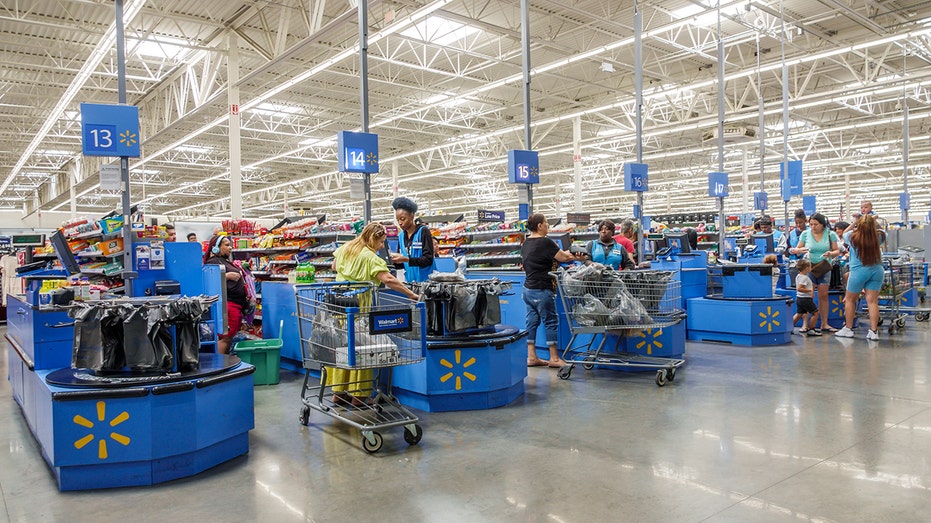
The tap-to-pay option will allow Walmart and Sam’s Club shoppers to check out using eligible contactless cards, smartphones or smartwatches. (Jeffrey Greenberg/Universal Images Group via Getty Images / Getty Images)
Sam’s Club members also have access to Sam’s Cash and Sam’s Club credit. Members can earn Sam’s Cash through qualifying purchases and programs.
Walmart already offers Walmart Pay through its app, which allows customers to make purchases, view receipts and access Walmart+ fuel savings.
At Sam’s Club, members can use Scan & Go to scan items and pay as they shop without going through a traditional checkout line.
CLICK HERE TO GET FOX BUSINESS ON THE GO
The new payment option is part of Walmart’s broader effort to give customers and members more choices for managing and spending their money. The retailer offers financial services aimed at helping customers save, build credit and pay over time.
Sam’s Club members also have access to Sam’s Cash and Sam’s Club credit, with opportunities to earn Sam’s Cash through qualifying purchases and programs.

BTC Price Hits $80,000 as Bitcoin Miners Dodge Data Center Backlash Crushing AI Stocks And BTC Just Hit $80,000

Court Photo Surfaces As Judge Denies Bond In Case

money power. #motivation #money#success #millionaire #shorts





-

 Fashion4 days ago
Weekend Open Thread: Madewell – Corporette.com
-

 Business3 days ago
Musk’s Tesla, SpaceX Confirm $16.8 Billion ‘Terafab’ Chip Plant as World’s Largest Building in Texas
-

 Crypto World4 days ago
anatomy of crypto’s biggest liquidation event since 2021
-

 Crypto World1 day ago
A $30 Billion AI Fund Implodes, Now the SEC Is Investigating Wall Street’s Role
-

 Politics4 days ago
6 months on, Irish renters crushed by effects of government housing bill
-
 NewsBeat4 days ago
The ‘Lucky Dip Gang’ causing carnage for clicks: After five thugs were killed speeding in the wrong direction on a motorway, GUY ADAMS investigates a sick new trend… and why police aren’t even allowed to pursue them
-

 Tech7 days ago
GLM-5.3 hits the API at $1.4/$4.4 per million tokens
-

 Business3 days ago
Mystery AI Model ‘Ox Alpha’ Draws Developers With Free Access as Chinese Lab Origins Remain Debated
-

 News Videos6 days ago
Don’t Leave Your Financial Future To Chance | August 19, 2026
-

 Business6 days ago
Marvell Shares Jump 7% as Google Chip Deal Confirms Custom AI Silicon Partnership, Analysts
-

 Business5 days ago
Five Below: Kids Discount Retailer Reaps Rich Rewards
-

 Business1 day ago
Moderna CEO warns China is pouring state money into mRNA technology
-

 Business5 days ago
UK firms in critical financial distress rise 9% to 53,756
-

 Sports3 days ago
Deshaun Watson fires back at Browns fans after being booed: ‘It’s a disrespectful thing’
-

 Business1 day ago
NVIDIA Stock Drops Nearly 2 Percent to $210 on Seventh Losing Day Ahead of Critical AI Earnings
-

 Fashion7 days ago
Jimmy Choo Autumn 2026 collection
-
 Entertainment6 days ago
10 Most Perfect Fantasy Shows of the Last 25 Years
-

 Tech6 days ago
OpenAI confirms ChatGPT is down as logins and signups fail
-
 Business6 days ago
PayPal and Venmo now accepted for tuition at several universities
-

 Crypto World6 days ago
Optimism-funded team's deciding vote shifts $49 million in OP tokens away from users
You must be logged in to post a comment Login