Connect with us

Business

Lula’s lead over Bolsonaro narrows to 1 point in latest poll

Published

on

Continue Reading
Click to comment

You must be logged in to post a comment Login

Leave a Reply

Business

The struggle to shut down the illegal tobacco trade

Published

on

A bag stuffed with sleeves of illegal cigarettes found in the stock room of a shop in Inverness. Trading Standards offices are shining their torches into the bag.

There’s been an “explosion” in the sale of illegal tobacco in Scotland, according to Trading Standards.

Continue Reading

Business

Chevron expands Venezuela operations with $7B investment, production push

Published

on

Chevron expands Venezuela operations with $7B investment, production push

Chevron is expanding its footprint in Venezuela under new agreements that call for more than $7 billion in investment over the next five years and aim to more than double production from its joint ventures in the country.

The oil giant said Wednesday that the agreements establish updated fiscal, commercial and legal terms for its Venezuelan joint ventures, creating conditions for additional investment, development and production growth.

Advertisement

Chevron expects the joint ventures to increase production to approximately 600,000 barrels per day, while keeping total costs below $20 per barrel. Production across Chevron’s three Venezuelan joint ventures has already increased 15% so far this year, the company said.

MEET THE MAN BEHIND TRUMP’S JOINT VENEZUELA OIL VENTURE

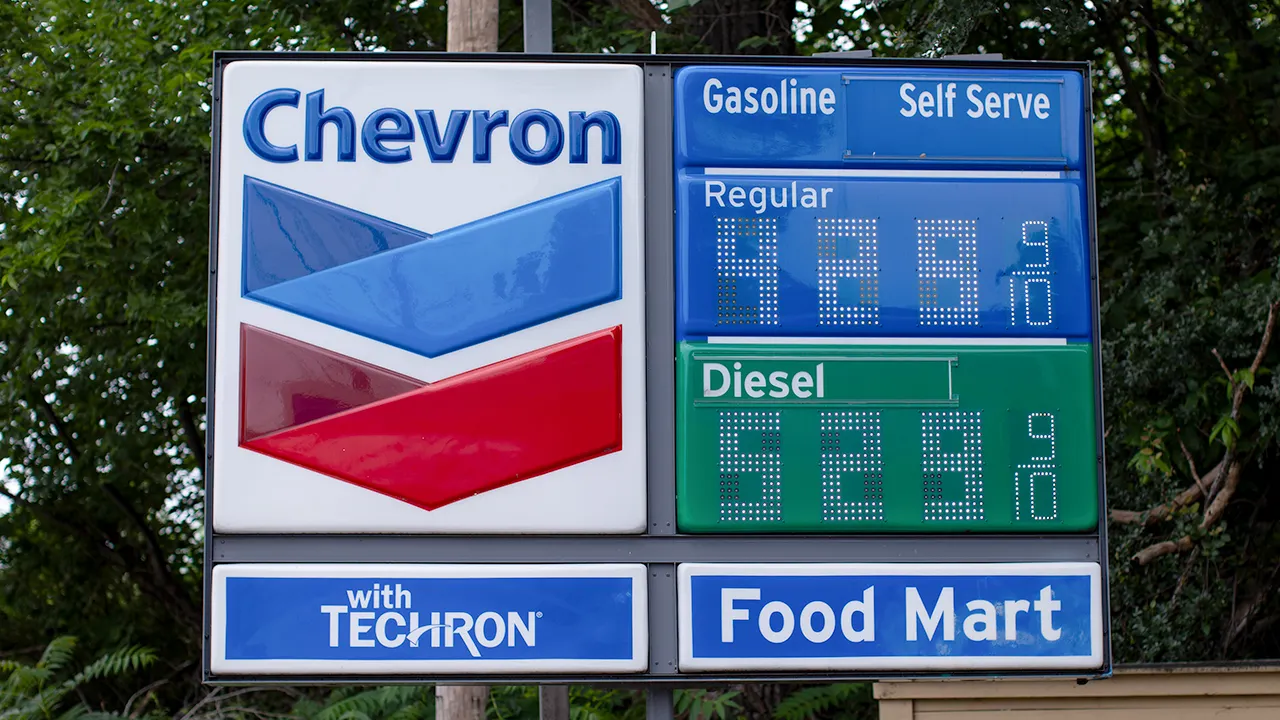
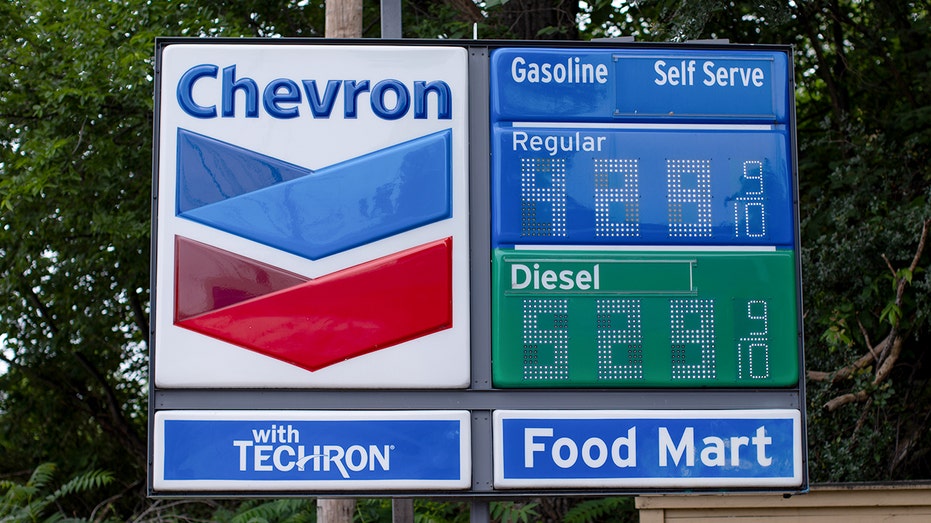
Fuel price sign

A sign displays the price of regular gasoline fuel at a Chevron gas station in Austin, Texas, on Tuesday, May 5, 2026. (Kaylee Greenlee/Bloomberg via Getty Images / Getty Images)

As part of the latest agreements, Chevron’s Petroindependencia joint venture was assigned rights to develop the adjacent Carabobo-1 and Carabobo-2-South-A areas in Venezuela’s Orinoco Oil Belt. 

The expansion builds on an April agreement that increased Chevron’s working interest in Petroindependencia to 49%. That deal also gave the Petropiar joint venture, in which Chevron holds a 30% interest, rights to develop the adjacent Ayacucho 8 area.

Advertisement
Oil pumpjacks operating in a field near Lake Maracaibo in Venezuela.

Oil pumps operate near Lake Maracaibo in Maracaibo, Zulia state, Venezuela, on July 12, 2024. Decades of mismanagement, underinvestment and sanctions have contributed to the decline of Venezuela’s once-dominant oil industry. (Getty Images / Getty Images)

“With improved terms and additional acreage, we are strengthening a portfolio that we believe can deliver attractive low-cost oil growth, support energy supply and create differentiated long-term value,” Chevron Chairman and CEO Mike Wirth said in a statement.

The investment push comes amid a major shift in the U.S.-Venezuela relationship following the January U.S. military operation that captured former Venezuelan President Nicolás Maduro in Caracas. Maduro was brought to the U.S. to face federal drug-trafficking charges.

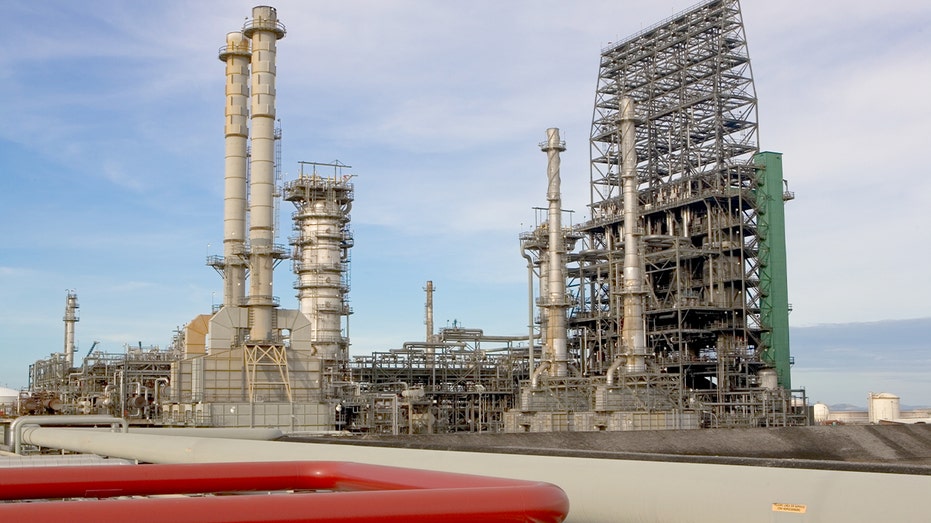
Industrial oil processing equipment and storage tanks stand at the Cerro Negro heavy-oil upgrader facility.

Cerro Negro heavy oil upgrader facility in the Orinoco Oil Belt near Cerro Negro, Venezuela. (Ed Lallo/Getty Images / Getty Images)

Separately, the Trump administration announced an oil agreement last month involving approximately 65 billion barrels of proven Venezuelan reserves. Under the arrangement, Venezuelan interim authorities granted North American Blue Energy Partners 100-year concessions covering 17 oil fields, while the U.S. government secured majority ownership and governance rights in the venture.

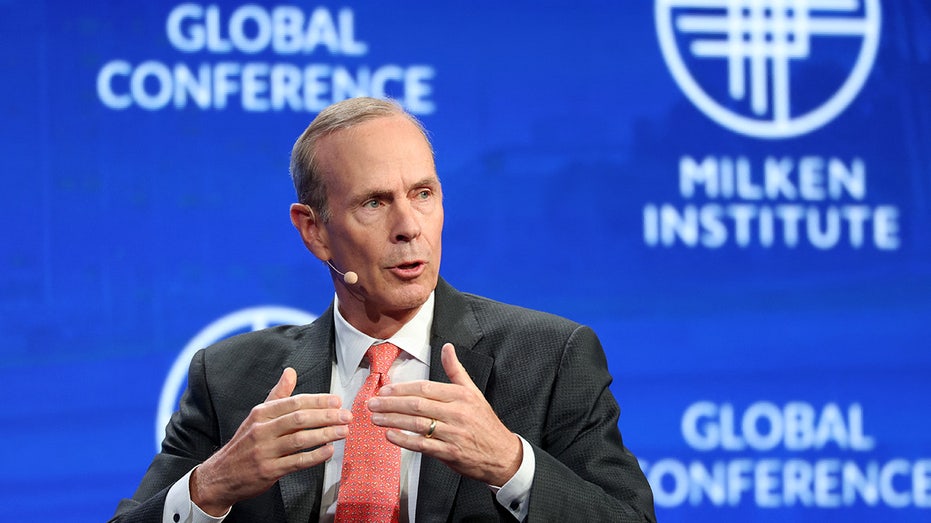
Chevron CEO Mike Wirth speaks at an event

Chairman of the Board and CEO of Chevron Corporation, Mike Wirth, speaks during the 29th annual Milken Institute Global Conference at the Beverly Hilton in Beverly Hills, California on May 4, 2026. (Patrick T. Fallon/AFP via Getty Images / Getty Images)

Against that backdrop, Chevron credited the Trump administration, including the U.S. Department of Energy, with helping facilitate conditions for further investment and growth in Venezuela.

Advertisement

CLICK HERE TO GET FOX BUSINESS ON THE GO

“Continued engagement between government and industry is essential to advancing projects that support energy security, economic growth and continued investment,” Wirth said.

Continue Reading

Business

Stock Market Today: Dow, Small Caps Rise On Surprise Jobs Data; Dell Breaks Out Again But AI Name Credo Dives

Published

on

Stock Market Today: Dow Down After Surprise Jobs Reading; Cloudflare Soars

The Dow Jones Industrial Average and the other major stock indexes opened mixed Wednesday, as Wall Street reacted to weaker-than-expected jobs data. Meanwhile, Dell Technologies (DELL) tried to break out on the stock market today after beating earnings views. Just after Wednesday’s open, the Dow industrials climbed 0.5% but lagged a 0.7% rebound by the Russell 2000. The S&P 500…

Copyright ©2026 Investor’s Business Daily, LLC. All rights reserved. 87990cbe856818d5eddac44c7b1cdeb8

Continue Reading

Business

Johnson & Johnson Shares Jump Toward the Record High After FDA Approval; UBS Lifts Target to $320

Published

on

Johnson & Johnson Shares Jump Toward the Record High After

NEW YORK — Johnson & Johnson shares climbed as much as 2.7% on Wednesday, trading near $278.63 by late morning in New York and extending a yearlong rally that has pushed the healthcare giant into record.

The stock was up $7.44 from Tuesday’s close of $271.19 as of 10:01 a.m. Eastern, according to exchange data cited by market terminals. The move followed a late-August U.S. Food and Drug Administration approval for a rare-disease use of the company’s immunology drug Imaavy and a fresh Wall Street price-target increase that valued the shares well above the new high.

Johnson & Johnson, based in New Brunswick, New Jersey, has gained more than 50% over the past 12 months. The stock’s 52-week low was $173.33, set in September 2025. Intraday prints this week have exceeded the prior peak near $276.47 from Aug. 19, and some data services flagged an all-time high above $276.50 as Wednesday’s session opened.

The advance comes as investors weigh a familiar Johnson & Johnson mix: new product approvals, a raised 2026 sales target above $100 billion, a 64-year dividend-increase streak — and leftover legal costs from talc litigation.

Advertisement

A second approval for Imaavy

On Aug. 24, the FDA approved Imaavy, known generically as nipocalimab-aahu, for warm autoimmune hemolytic anemia in patients 12 and older who are on corticosteroids or have used them before. The agency said it is the first treatment cleared specifically for the condition, a rare autoimmune disease in which antibodies destroy red blood cells.

The FDA based the decision on a 24-week trial in which 24% of patients on the approved 30 mg/kg dose reached a durable hemoglobin response, compared with 8% on placebo. The 15 mg/kg arm did not beat placebo on that measure. The drug is given by infusion every four weeks.

Imaavy was first approved in April 2025 for generalized myasthenia gravis. The new use expands a medicine Johnson & Johnson has positioned as a franchise across autoantibody-driven diseases.

Advertisement

“Today’s announcement marks the second approval for IMAAVY and is an extraordinary milestone for people living with warm autoimmune hemolytic anemia, an underserved community that has waited far too long for an FDA-approved treatment,” David M. Lee, global immunology therapeutic area head at Johnson & Johnson, said in the company’s statement.

Lee told Reuters the trial also showed patients could reduce steroid use while keeping a clinical response. “Those are really important advances for patients,” he said.

Karen Jones, president of the patient group wAIHA Warriors, said in the same company release: “Living with wAIHA often means relentless fatigue and the constant uncertainty of not knowing what tomorrow will bring.”

The commercial market is small. The FDA estimates the disease affects about one to three people per 100,000 each year. Analysts treat the approval less as a blockbuster event than as proof the pipeline can still produce first-in-class labels after the loss of exclusivity on Stelara, the former immunology engine now facing biosimilars.

Advertisement

Why the stock is running now

Wednesday’s jump did not arrive with a new earnings report. Third-quarter results are due in mid-October; market calendars list a call as early as Oct. 13. The nearer catalysts are the Imaavy label, a defensive bid for large healthcare names after a soft tape earlier in the week, and a UBS note that assumed coverage at Buy with a $320 target, up from $280, according to research-distribution records dated Sept. 2.

Other firms were already constructive. Guggenheim maintained a Buy rating on Aug. 6 and raised its target to $287. Wells Fargo and Raymond James have published Buy-rated targets in the $280s. Consensus 12-month targets clustered recently around the mid-$270s, which means the stock has caught up with — and in Wednesday trade, surpassed — the average Wall Street number.

Valuation has stretched with the price. The shares have traded at roughly 31 times trailing earnings and the low-20s on forward estimates, richer than Johnson & Johnson’s long-run multiple. Market capitalization was in the mid-$650 billion range at Tuesday’s close and approached $670 billion on Wednesday’s bounce, with about 2.41 billion shares outstanding.

Advertisement

Beta remains low, near 0.23, which is why the stock often rises when investors rotate toward steadier cash flows.

The $100 billion sales test

The fundamental case still rests on second-quarter results published July 15. Johnson & Johnson reported sales of $25.31 billion, up 6.6% as reported and 5.6% operationally. Adjusted earnings were $2.90 a share, above the prior year’s $2.77 and above estimates near $2.85. GAAP earnings were $2.27 a share. Net earnings were $5.5 billion.

Innovative Medicine, the pharmaceuticals unit, posted $16.4 billion in sales, its first quarter above $16 billion, with 6.8% operational growth. MedTech contributed about $8.9 billion. Management said Tremfya recorded its first $2 billion quarter and grew more than 70%. Darzalex remained a major oncology product. Stelara’s decline was a several-hundred-basis-point drag; excluding Stelara, the company said it grew at a double-digit rate in the quarter.

Advertisement

Chairman and Chief Executive Joaquin Duato tied the print to a round-number goal the company has advertised all year.

“Johnson & Johnson delivered strong second-quarter results, demonstrating the power of our innovation, the depth of our portfolio and the momentum in our pipeline as we advance transformative treatments that address the world’s toughest health challenges,” Duato said in the earnings release. “With raised guidance and quarterly sales surpassing $25 billion, we are on track to meet our 2026 target of more than $100 billion in annual revenue for the first time in our Company’s 140-year history.”

On the conference call he added: “We said 2026 would be a year of accelerated growth and impact for Johnson & Johnson, and with our Q2 beat on the top and bottom line and raised guidance, we are delivering.” He said the company has 28 products and platforms that each generate more than $1 billion in annual sales.

Guidance was lifted. Estimated reported sales were set at $100.8 billion to $101.4 billion, or about $101.1 billion at the midpoint. Adjusted earnings guidance moved to $11.60 to $11.75 a share, $11.68 at the midpoint.

Advertisement

Dividend, legal overhang, leadership

The board raised the quarterly dividend 3.1% in April, to $1.34 a share, the 64th consecutive annual increase. The indicated annual rate is $5.36. The latest installment goes to holders of record as of Aug. 25 and is payable Sept. 8. At Wednesday’s price the forward yield is about 1.9%, lower than in recent years because the share price has outrun the payout.

Cash remains large. At the end of the second quarter the company reported about $20.8 billion in cash and marketable securities and $49.0 billion of debt. The same filing said roughly $3.7 billion remained related to talc matters and about $0.9 billion related to opioid settlements. Those figures are why some investors still treat Johnson & Johnson as a litigation story as well as a growth story.

Deal-making has continued. In June the company agreed to buy Firefly Bio for $1 billion to add oncology technology aimed at KRAS-driven cancers. It also disclosed a $785 million investment in Sail Biomedicines with an option to acquire the firm for $2.58 billion. Bloomberg has reported that Johnson & Johnson has prepared materials around a possible sale of its DePuy Synthes orthopedics business; the company has not announced a transaction.

Advertisement

On the management side, Tom Cavanaugh became executive vice president and worldwide chairman of Innovative Medicine on Sept. 1, succeeding Jennifer Taubert, who retired after more than two decades at the company.

What Wednesday does not settle

A 2.7% pop does not change the checklist for the October call. Investors will look for whether Tremfya, Darzalex and new launches such as Icotyde, Inlexzo and Rybrevant can keep replacing Stelara dollars; whether MedTech growth firms after pressure in heart-recovery devices; and whether Imaavy’s second label starts to show up in prescription trends.

Duato has said the company is “different from other companies — we are not focused on one or two growth drivers.” The stock’s record run is a bet that statement holds through 2026. The FDA paperwork from last week and the UBS target published against Tuesday’s close gave that bet a fresh headline. The next hard numbers are still weeks away.

Advertisement
Continue Reading

Business

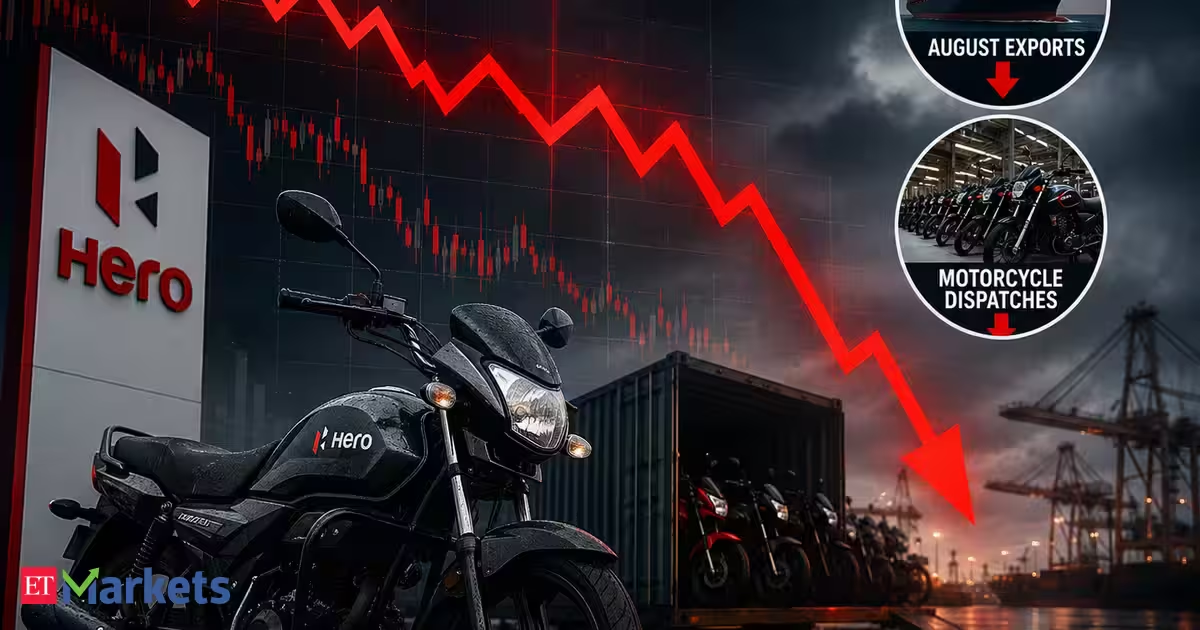
Hero MotoCorp shares fall over 4% as August exports, motorcycle dispatches decline

Published

on

Hero MotoCorp shares fall over 4% as August exports, motorcycle dispatches decline
Hero MotoCorp shares fell over 4% during Wednesday’s trading session on the National Stock Exchange (NSE) after its August dispatch data showed motorcycle and export volumes declining year-on-year, even as strong scooter sales kept overall dispatches positive.

The stock was trading at Rs 5,318 on the NSE at 9:48 am, down Rs 237, or 4.28%, from its previous close of Rs 5,555.

Wednesday’s decline extended Hero MotoCorp’s one-week loss to 4.64%, compared with a 1.97% fall in the benchmark index. About 2.39 lakh shares changed hands, while the company’s market capitalisation stood at Rs 1,06,805.36 crore.

The performance, however, was mixed across categories. Motorcycle dispatches declined 1.5% year-on-year to 4,93,851 units from 5,01,523 units. Exports fell 24.6% to 26,093 units from 34,588 units a year earlier.

Advertisement

Domestic dispatches increased 4.5% to 5,42,305 units from 5,19,139 units. Scooter volumes surged 42.8% to 74,547 units from 52,204 units, providing the biggest support to overall growth.


Hero MotoCorp dispatched 5,68,398 motorcycles and scooters in August 2026, up 2.6% from 5,53,727 units in the corresponding month last year.
For the first five months of FY27, total dispatches rose 17.2% to 27,79,127 units from 23,70,552 units in the year-ago period. Domestic volumes increased to 26,15,815 units from 22,34,193 units, while exports grew to 1,63,312 units from 1,36,359 units.The company said retail momentum remained strong, with VAHAN registrations growing 19% year-on-year. Its domestic internal-combustion-engine business recorded dispatches of 5,16,747 units and VAHAN retail growth of 18%, supported by demand ahead of the festive season.

Hero MotoCorp’s electric-mobility business, VIDA, dispatched 25,558 units during August and recorded 38% growth in VAHAN retail registrations. The company also expanded its electric-scooter portfolio with the launch of the VIDA VX2 Go in a 3.1 kWh fixed-battery variant.

Q1 Results

On August 6, Hero MotoCorp reported a 36% year-on-year increase in revenue from operations to Rs 12,999 crore in Q1FY27, compared with Rs 9,579 crore in the corresponding quarter last year.

EBITDA stood at Rs 1,727 crore, while the margin came in at 13.3%, slightly above Bloomberg’s estimate of 13%. The company sold 16.77 lakh motorcycles and scooters during the quarter, up 23% year-on-year, reflecting sustained demand across markets.

Advertisement

Chief executive Harshavardhan Chitale said Hero MotoCorp began FY27 with strong momentum, supported by broad-based growth across its commuter, premium, electric-mobility and international businesses.

(Disclaimer: Recommendations, suggestions, views and opinions given by the experts are their own. These do not represent the views of The Economic Times)

Continue Reading

Business

Swiggy shares drop 4%, market value down Rs 5,000 crore in 2 days. Here’s why

Published

on

Swiggy shares drop 4%, market value down Rs 5,000 crore in 2 days. Here’s why
Shares of food and quick-commerce giant Swiggy plunged 4% on Wednesday, extending losses to 6% over two sessions and wiping out nearly Rs 5,000 crore from its market capitalisation. The decline came amid concerns over potential foreign outflows following its exclusion from the MSCI and FTSE indices.

Swiggy shares dropped to Rs 264.55 apiece on Wednesday, the lowest level seen by the stock since late July. The company’s market capitalisation dropped to Rs 77,813 crore.

Swiggy’s shareholders last month gave their nod to proposals that will let the company achieve the status of an Indian-owned and controlled company (IOCC), approving a proposal to cap foreign shareholding in the company at 49.5%.

The company on September 1 entered the NSDL red flag list after foreign ownership moved within the 3% of the applicable FPI limit.

Advertisement

According to the official NSDL red-flag list, foreign investors can now hold a maximum of 2.8 crore Swiggy shares. Jefferies had earlier explained that stocks with a cap on foreign ownership are placed on the red-flag list when FPI holdings are within 3 percentage points of the permissible limit.


If the limit is breached, foreign investors must divest their excess holdings within five trading days of trade settlement, selling the shares only to domestic investors
Once this resulting dip in foreign ownership is updated with the depositories, benchmarks will likely exclude the stock within 2-3 business days, as per Jefferies. “In such a scenario, Swiggy could see passive outflows of over $400 million from MSCI and FTSE indices, in our view,” it added.Also read | Swiggy to see $400 million outflows after Indian-owned status? Jefferies explains why

How will this impact Swiggy’s operations?

Jefferies in its August note, however, highlighted that the move supports Swiggy management’s plan for a 1P (inventory-led) model at Instamart, which could drive 80 bps margin upside. With the crucial approval now in place, the international brokerage now expects the company to move swiftly on the implementation process. This will require notifying the depositories, which will then initiate the necessary changes, a process that may take 2-3 weeks.

The international brokerage noted that the company indicated that operational groundwork is underway, enabling a seamless migration once all necessary approvals and implementation steps are completed.

Jefferies on Swiggy share price

Jefferies has a ‘Buy’ call on Swiggy’s shares with a target price of Rs 435 per share. This implies a staggering upside potential of 58% from the stock’s previous closing price of Rs 275 apiece.

Advertisement

The shares of the food delivery major have fallen over 7% in a week and 32% in 2026 so far. Overall, the stock is down more than 37% in one year.

Also read | Why is market falling today? Sensex plunges over 750 pts, Nifty below 23,800. 5 key factors behind Rs 5 lakh crore wipeout

(With inputs from agencies)

(Disclaimer: Recommendations, suggestions, views and opinions given by the experts are their own. These do not represent the views of The Economic Times)

Advertisement
Continue Reading

Business

Faisal Islam: Why bond market wildfire is keeping world leaders up at night

Published

on

A woman with blonde hair smiles at the camera

The biggest factor pushing up rates is the credibility of the borrowing plans set out by major countries. The increase is not based on fears about countries “going bankrupt”.

But it is based on the brutal market equation that if a country wants to borrow more, and to do so without a credible plan, especially if there are doubts over the stability of a given government, it should expect to pay a higher rate.

Influential economists lean on different factors. Mohamed el-Erian told me the AI competition in bond markets was the biggest new factor.

Lord Jim O’Neill, says the recent action has been caused by uncertainty about US policy, and in particular efforts by the US Government to try to manage down surging yields.

Advertisement

This brings us to the UK. The profound and rolling instability of multiple prime ministers, chancellors, policy U-turns and the seeming inability to push through major structural change in this country over the past decades, has attracted a premium.

It was part of Sir Keir Starmer’s strategy to try to take on boring reforms and offer markets stability in a bid to lower borrowing costs.

It was a shock to many in the markets that despite a landslide majority, Labour could not push through plans to cut Britain’s welfare bill. This added to the ups and downs in the gilt markets – the trade in British government debt.

Actually, there are signs of green shoots in the underlying economy. Economic growth has been faster than peers so far in 2026, despite the energy price spike.

Advertisement

Measures of consumer confidence have ticked back up again. The PM is hoping to build on these signs to help rebuild the economy.

But the ongoing rout in global bond markets raises serious questions about the coherence and detail of Burnham’s broader plans.

“More public control” and more support for those struggling with the cost of living sounds like a plan for more spending, while the former could turn off potential investors looking at the country.

Burnham’s former economic adviser, Lord O’Neill, told me yesterday that the PM’s 10-year plan, expected in November, needs to set out how he will tackle “excessive spending”.

Advertisement

Lord O’Neill believes showing investors he can be decisive on the state pension or the welfare bill will give him breathing room to focus on his favoured infrastructure investments.

As interest rates tick up, the trade offs facing the prime minister only get more difficult.

Continue Reading

Business

Sandisk: This Time, The Market Is Wrong (NASDAQ:SNDK)

Published

on

Sandisk: All The Bad News Is Priced In

This article was written by

My primary area of concentration will be on identifying companies of exceptional caliber, with a proven ability to reinvest capital for impressive returns. The ideal scenario is for these companies to demonstrate a long-term capability of capital compounding, with a high enough compound annual growth rate to potentially deliver tenfold returns or even greater.My approach is to maintain a long-term perspective on these companies, as I believe this will generate higher returns compared to the market index, in a rapidly evolving investment landscape where short-term holdings are becoming increasingly prevalent.I primarily adopt a conservative investment strategy, but occasionally I may pursue opportunities with a favorable risk-reward ratio where the potential upside is substantial and downside is limited. These ventures are carefully considered and allocated a proportional amount within my portfolio to maintain overall stability.Bachelor’s degree in finance and accounting All ideas and articles are provided for informational and educational purposes. Nothing contained herein is investment advice or should be construed as investment advice. All decisions that you make after reading our articles and reports are 100% your responsibility.

Analyst’s Disclosure: I/we have no stock, option or similar derivative position in any of the companies mentioned, and no plans to initiate any such positions within the next 72 hours. I wrote this article myself, and it expresses my own opinions. I am not receiving compensation for it (other than from Seeking Alpha). I have no business relationship with any company whose stock is mentioned in this article.

Seeking Alpha’s Disclosure: Past performance is no guarantee of future results. No recommendation or advice is being given as to whether any investment is suitable for a particular investor. Any views or opinions expressed above may not reflect those of Seeking Alpha as a whole. Seeking Alpha is not a licensed securities dealer, broker or US investment adviser or investment bank. Our analysts are third party authors that include both professional investors and individual investors who may not be licensed or certified by any institute or regulatory body.

Advertisement
Continue Reading

Business

BEML shares rise 2% after securing Rs 180 crore Vande Bharat sleeper order

Published

on

BEML shares rise 2% after securing Rs 180 crore Vande Bharat sleeper order
Shares of BEML gained nearly 2% on Wednesday to hit the day’s high of Rs 2,006 on NSE after the company secured a Rs 180 crore Vande Bharat sleeper trainset order.

According to a filing with the exchange on Wednesday, the company said that it secured an additional order for manufacturing and supply of Vande Bharat (Sleeper) trainsets valued at about Rs 180.60 crore from Integral Coach Factory.

Also Read | BEML bags Rs 180.6 crore order for Vande Bharat sleeper trains

According to a report by ET, the company has increasingly focused on expanding its presence in the rail and metro segment, with Vande Bharat emerging as a key opportunity as Indian Railways looks to add more modern trainsets to its network.

Advertisement

The latest order comes as the Vande Bharat platform expands into sleeper services, marking a significant step in the evolution of the train programme from premium day travel towards longer-distance overnight connectivity, the report further said.


The report also highlighted that the latest contract adds to BEML’s growing involvement in the Vande Bharat programme, as Indian Railways expands the next generation of the semi-high-speed train network beyond the existing chair-car configuration. The Rs 180.60 crore order is specifically for the manufacturing and supply of Vande Bharat sleeper trainsets and has been placed by ICF, one of Indian Railways’ major production units.
This marks the third major order win for the company in a month. On August 14, the company announced that it received an order valued at USD 6.65 million from Mauritius for the supply of BE220G Hydraulic Excavators for deployment across key African markets.This includes markets such as Liberia, Sierra Leone, Ghana, Democratic Republic of Congo (DRC), Côte d’Ivoire and neighbouring countries. The company further said that the order will be executed in phases, commencing with pilot deployment in Sierra Leone.

The company will provide comprehensive warranty, technical assistance, site-based service support, operator training, spare parts, specialised tools and maintenance documentation. With this order win, the company’s international order bookings stood at approximately USD 119 million, underscoring the growing contribution of international markets to the company’s business.

The third order win was on August 11, 2026, when the company secured a significant order worth Rs 184.25 crore from Hindustan Aeronautics Limited (HAL) for the manufacture and supply of Light Combat Helicopter (LCH) Fuselage Aerostructures.

Also Read | Hero MotoCorp, M&M, other auto stocks drop up to 5% after August sales numbers. Should you buy the dip?

Advertisement

In the last one month, the stock went up 13.82% and nearly 7.84% in the current calendar year. The stock was up 59.69% in the last three years and 197% in the last five years.

(Disclaimer: Recommendations, suggestions, views and opinions given by the experts are their own. These do not represent the views of The Economic Times.)

Continue Reading

Business

Poundland sale: Owners bid to sell discount retailer before Christmas

Published

on

Business Live

Owners Gordon Brothers appointed advisors Alvarez & Marsal to explore a potential sale of the chain

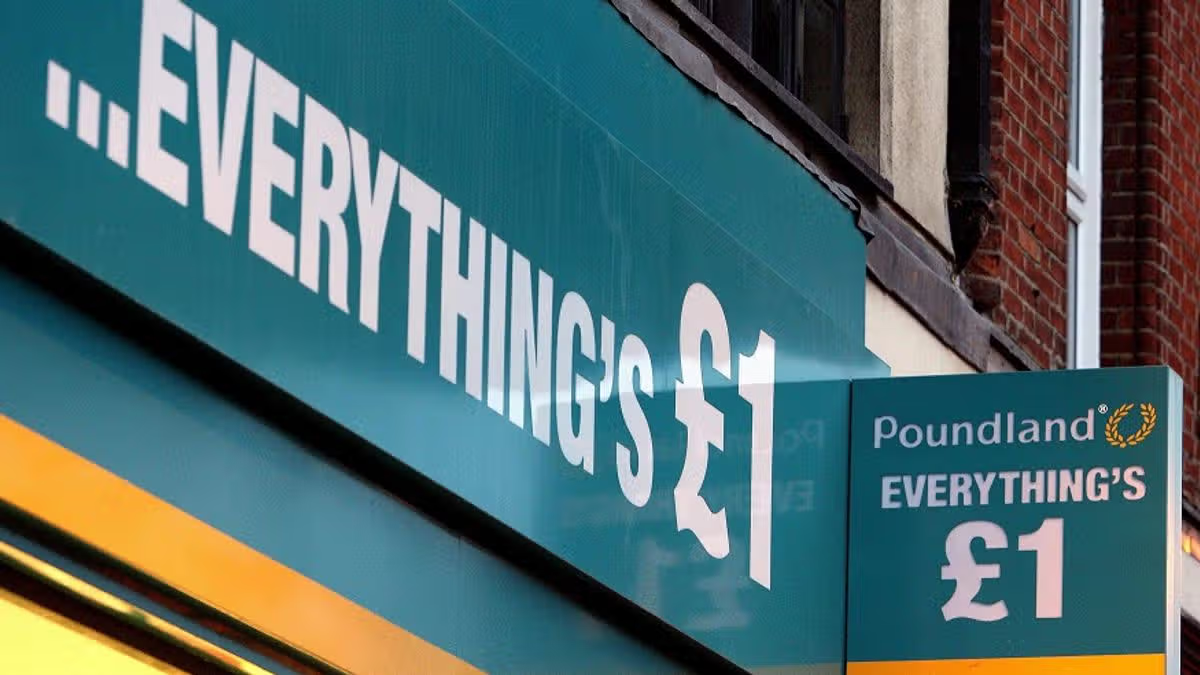
Poundland

A Poundland store(Image: Dominic Lipinski/PA Wire)

The owners of Poundland are scrambling to secure a buyer for the discount retailer ahead of the crucial Christmas trading period, having already fielded interest from potential suitors.

Advertisement

Gordon Brothers, which acquired Poundland just a year ago, has appointed advisors Alvarez & Marsal (A&M) to gauge interest in the business after a number of parties approached the Boston-based investment firm regarding a possible takeover.

A&M has been instructed to present Gordon Brothers with a shortlist of formal bids by the beginning of October, as the all-important festive trading season gets under way, according to City AM.

The advisors will be canvassing financial investors and major retailers in the coming weeks to assess their appetite for a potential acquisition.

The accelerated process has been designed to secure Poundland’s future at the earliest opportunity, with the aim of limiting any disruption during the retailer’s busiest time of year, as reported by City AM.

Advertisement

Gordon Brothers anticipates that the sale of Poundland will generate considerable interest from across the retail sector, it is understood. Sky News was first to report the deal’s timeline.

The discount chain has endured a turbulent few years, which its current owners have attributed to a tough economic climate and a wide-ranging restructuring programme. Poundland plunged to an £85m pre-tax loss in the year to September, almost doubling its £45m deficit from the previous year, while group sales fell 12 per cent to £1.5bn.

The discount retailer cut its workforce by 11 per cent to 14,417 and shuttered nearly 200 stores during the same period.

The company’s directors attributed the deepening losses to “difficult trading conditions” and a “significant programme of restructuring”.

Advertisement

The retailer described 2025 as a “reset moment,” adding: “This led to a challenging set of numbers seen in these statutory accounts, but it has positioned the company as well as it could be in terms of its turnaround.”

New owner Gordon Brothers, however, insists Poundland has turned a corner since acquiring the struggling retailer for just £1 in July last year.

The group has recently opened its first new store in two years and has been working to restore its iconic £1 price point across its grocery range.

Barry Williams, managing director of Poundland, said: “Rebuilding trust with customers takes time, but we’re making very significant progress as we deliver the ranges and price simplicity they demand of us.”

Advertisement
Continue Reading

Trending

Copyright © 2025