Connect with us

Tech

The wearable deals worth buying this Labor Day are surprisingly easy to miss

Published

on

Labor Day wearable sales are packed with questionable no-name watches and discounts that aren’t really tied to the holiday. I filtered those out. These four are explicitly part of Amazon or Best Buy’s Labor Day sales, cover different budgets and use cases, and actually look worth buying.

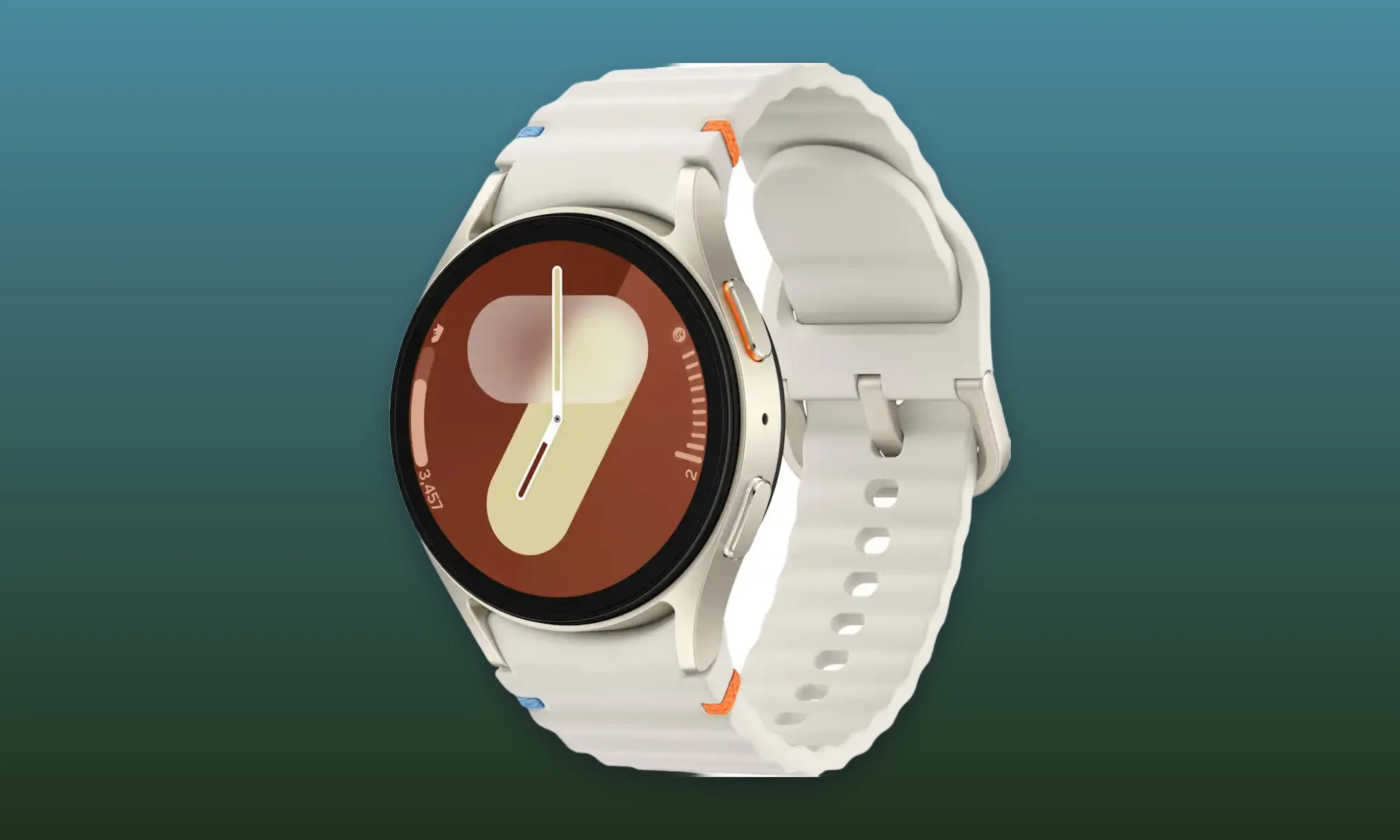
Samsung Galaxy Watch7 40mm

Best Buy marks the Galaxy Watch7 as a Labor Day Deal at $189.99, down from $249.99. Despite being a 2024 model, it’s still an excellent Android smartwatch thanks to its bright AMOLED display, dual-frequency GPS, and broad health features. In our Galaxy Watch7 review, we found it fast, polished, and comfortable. Battery life remains its biggest weakness, but at under $200 it’s much easier to overlook.

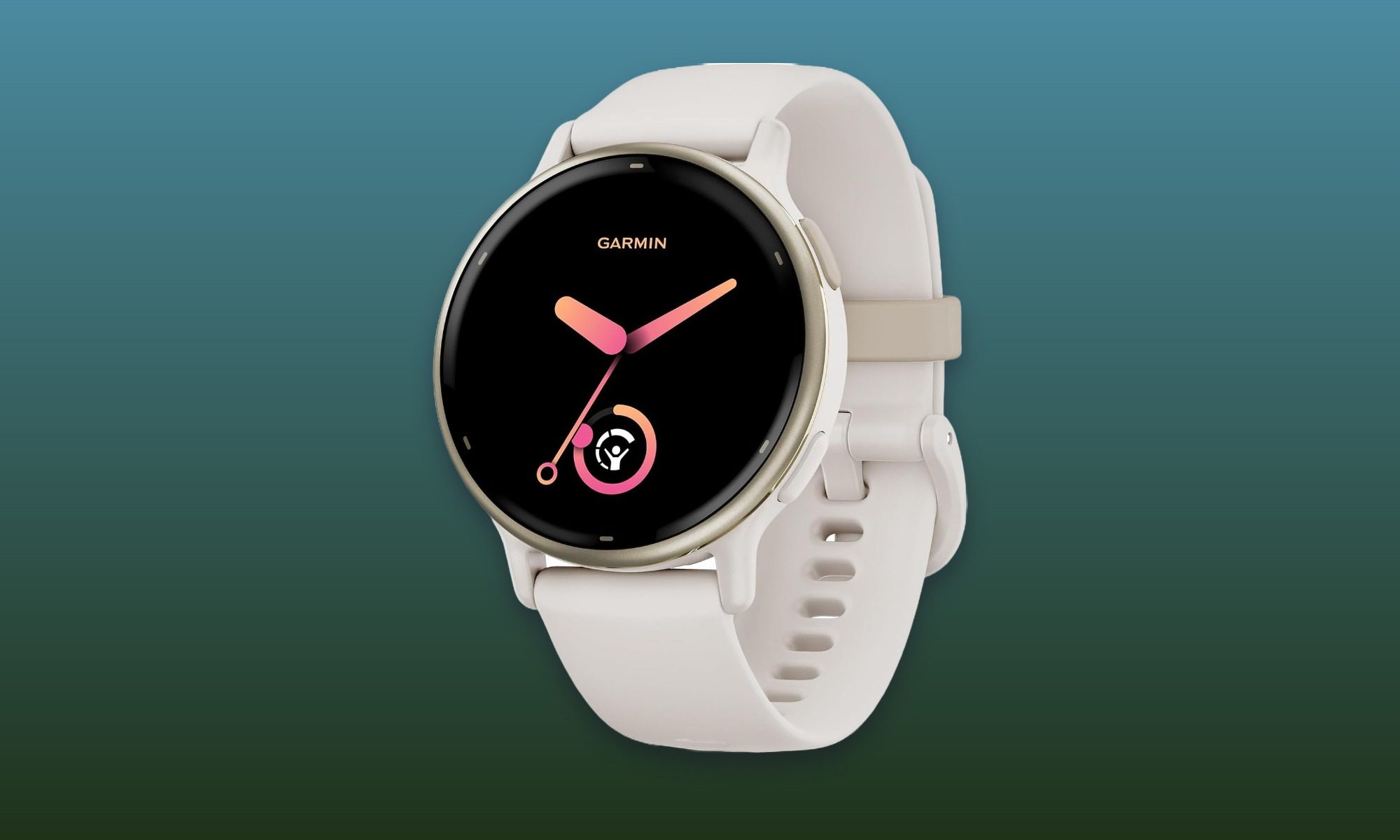
Garmin vívoactive 5

At $181.97 instead of $299.99 at Amazon, the vívoactive 5 carries the biggest percentage discount of these four. It makes more sense for someone who prioritizes workouts, sleep, and recovery data over a huge smartwatch app ecosystem. Our Garmin vívoactive 5 review highlighted its AMOLED screen, strong battery endurance, useful wellness tools, and lack of a required subscription. It’s an especially strong buy for anyone who wants Garmin’s fitness features without paying flagship prices.

Amazfit Active 3

Amazon has the Amazfit Active 3 for $125.99, down from $169.99, making it the affordable option here without dipping into the mystery-brand watches cluttering the sale page. Its 1.32-inch AMOLED screen and sapphire glass are unusually premium touches at this price, while support for plenty of workout modes and up to 12 days of rated battery life round out the package. It’s the easiest recommendation here for someone who wants the basics covered without spending $200 or more.

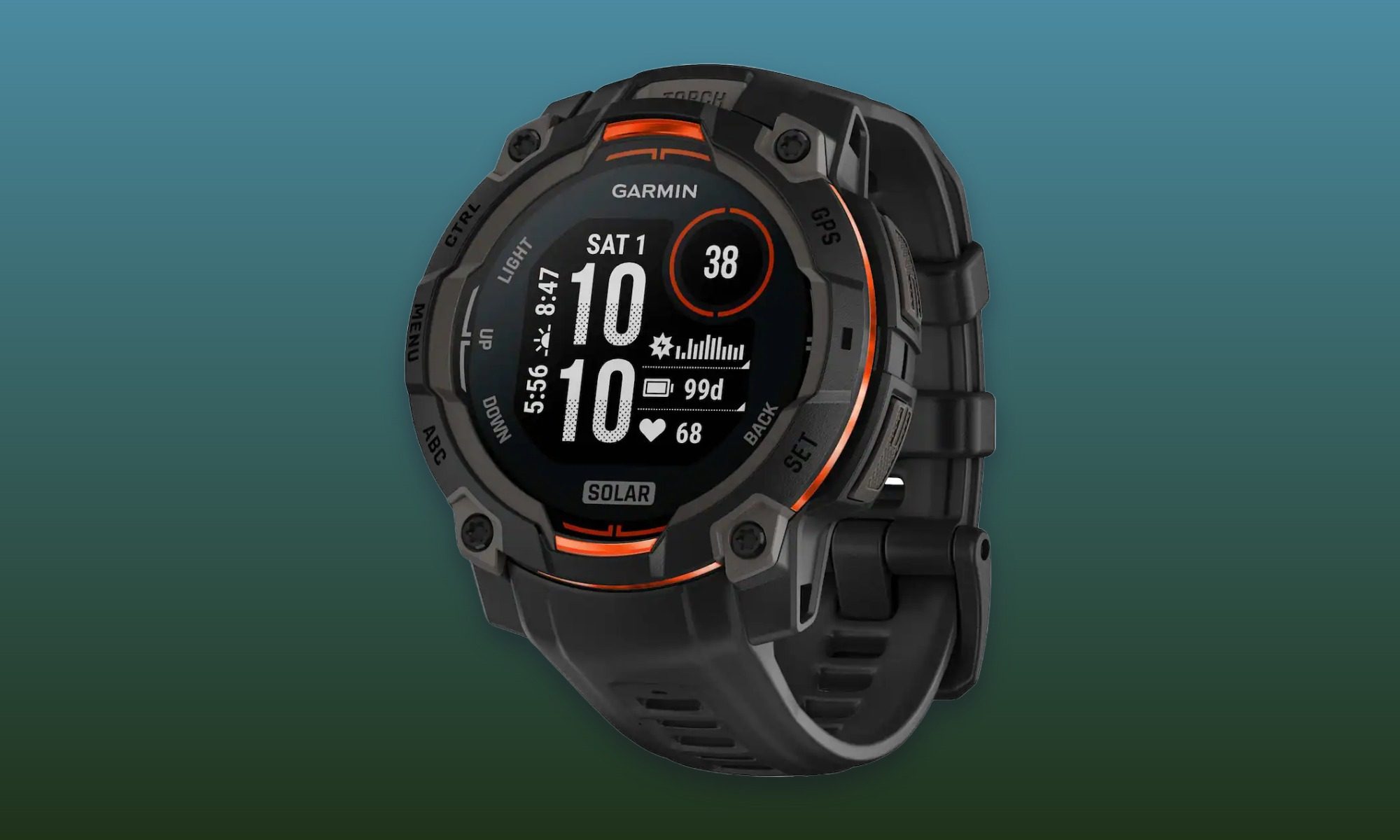
Garmin Instinct 3 Solar 45mm

The rugged option comes from Garmin. Best Buy’s Labor Day price puts the Instinct 3 Solar at $299.99 instead of $349.99. Solar charging, a built-in flashlight, and its adventure-focused design make it better suited to hiking and outdoor training than everyday smartwatch duty. Our Instinct 3 hands-on shows why endurance is one of its defining strengths. It’s also the most specialized pick here, which is exactly what makes it useful in a lineup otherwise focused on more mainstream wearables.

Source link

Advertisement
Continue Reading
Click to comment

You must be logged in to post a comment Login

Leave a Reply

Tech

Huawei Watch D3 hands-on: Huawei’s strangest smartwatch might be its smartest

Published

on

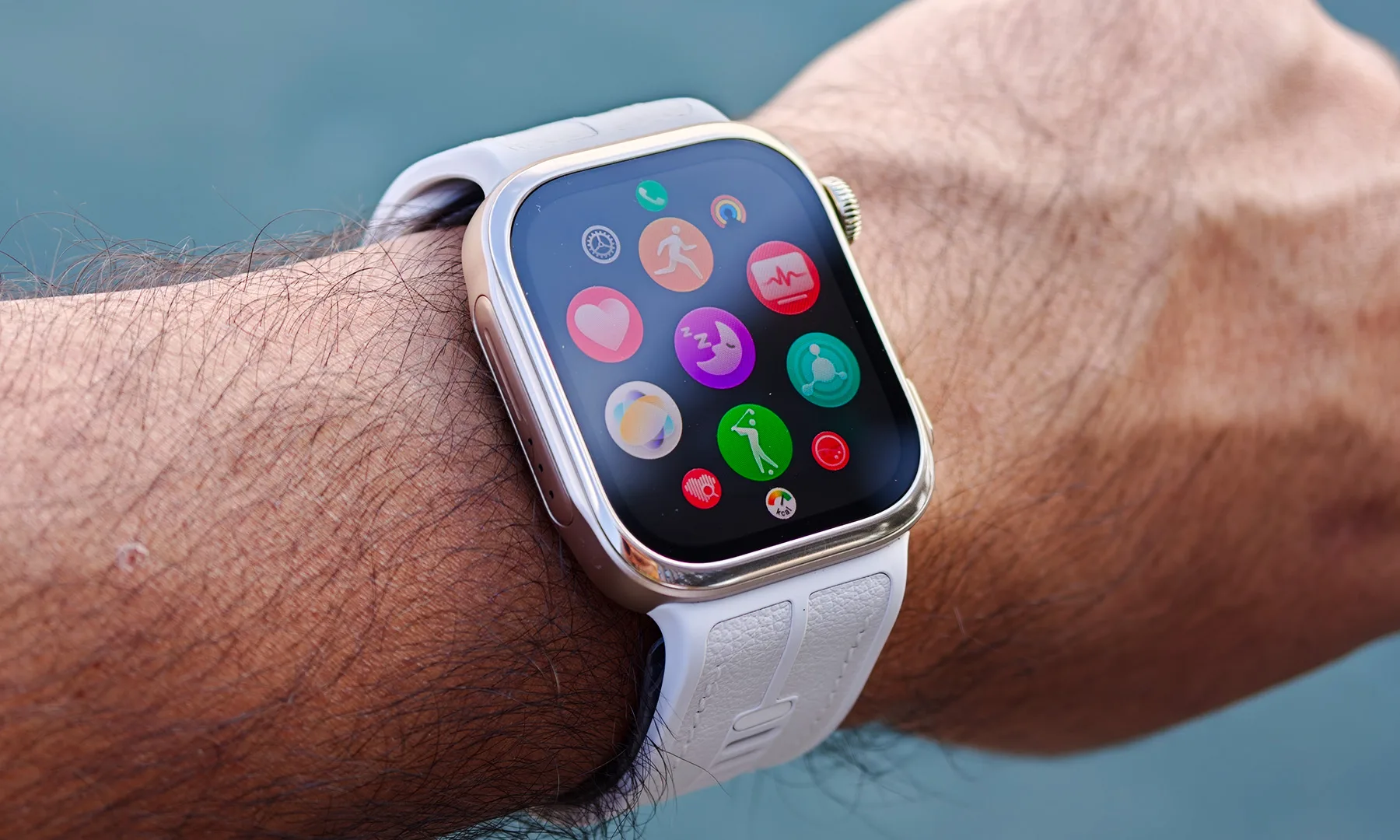
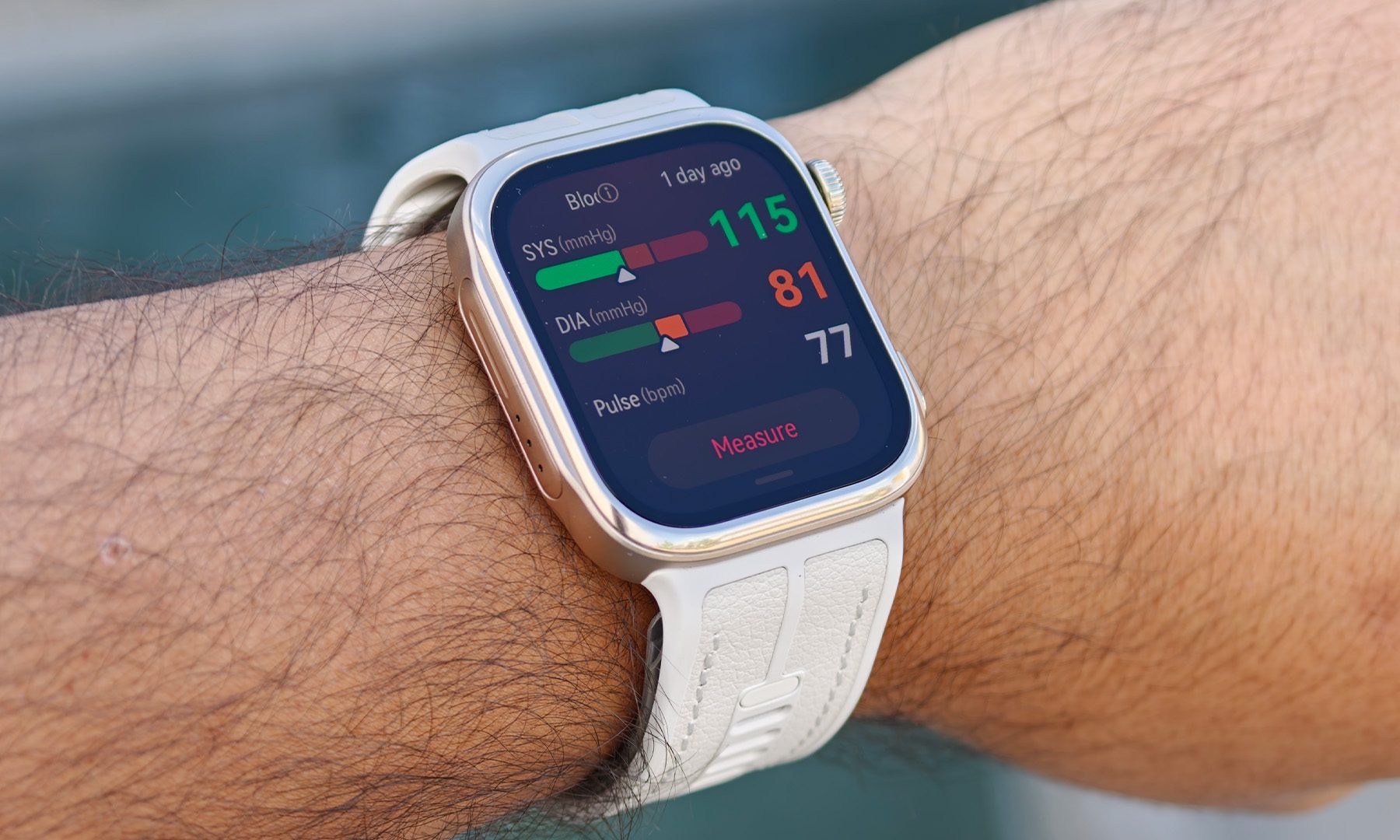
There are plenty of smartwatches that can tell you how many steps you’ve taken, how well you slept, and whether your heart rate is doing something unusual. Then there’s the Huawei Watch D3, which looks at all of that and essentially asks: “That’s nice. But what’s your blood pressure?”

I’ve been wearing the Watch D3 for a handful of days now, and it’s quickly become one of the more interesting smartwatches I’ve tested in a while. Not necessarily because it does everything better than the competition, but because it is trying to solve a very different problem. This is a smartwatch built around cardiovascular health first, and everything else second.

A slimmer Watch D makes a big difference

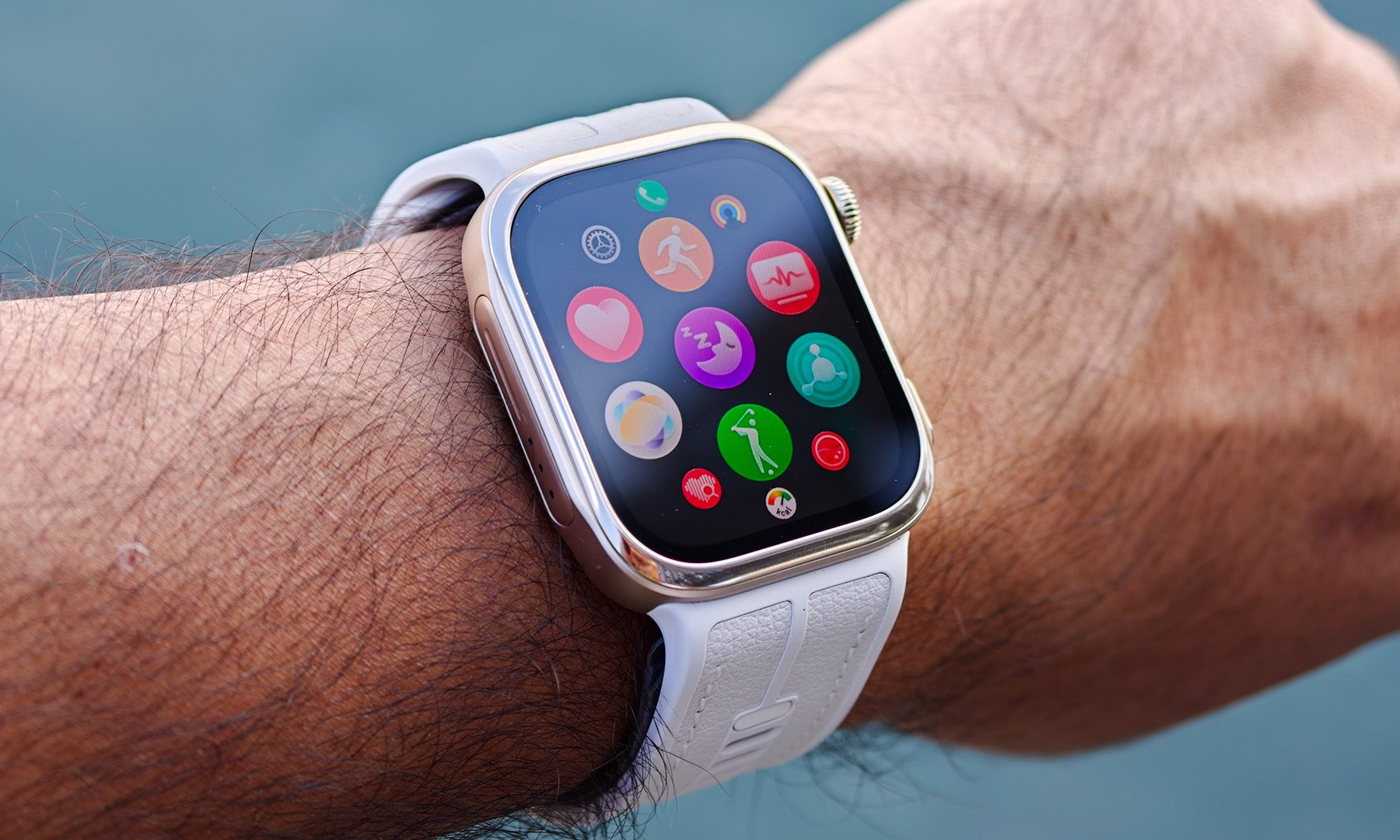
The first thing you’ll notice about the Watch D3 is that it looks considerably less imposing than its predecessor. Huawei has brought the thickness down to 11.4mm from 13.3mm, and while that might not sound dramatic on paper, it makes a noticeable difference once the watch is actually sitting on your wrist.

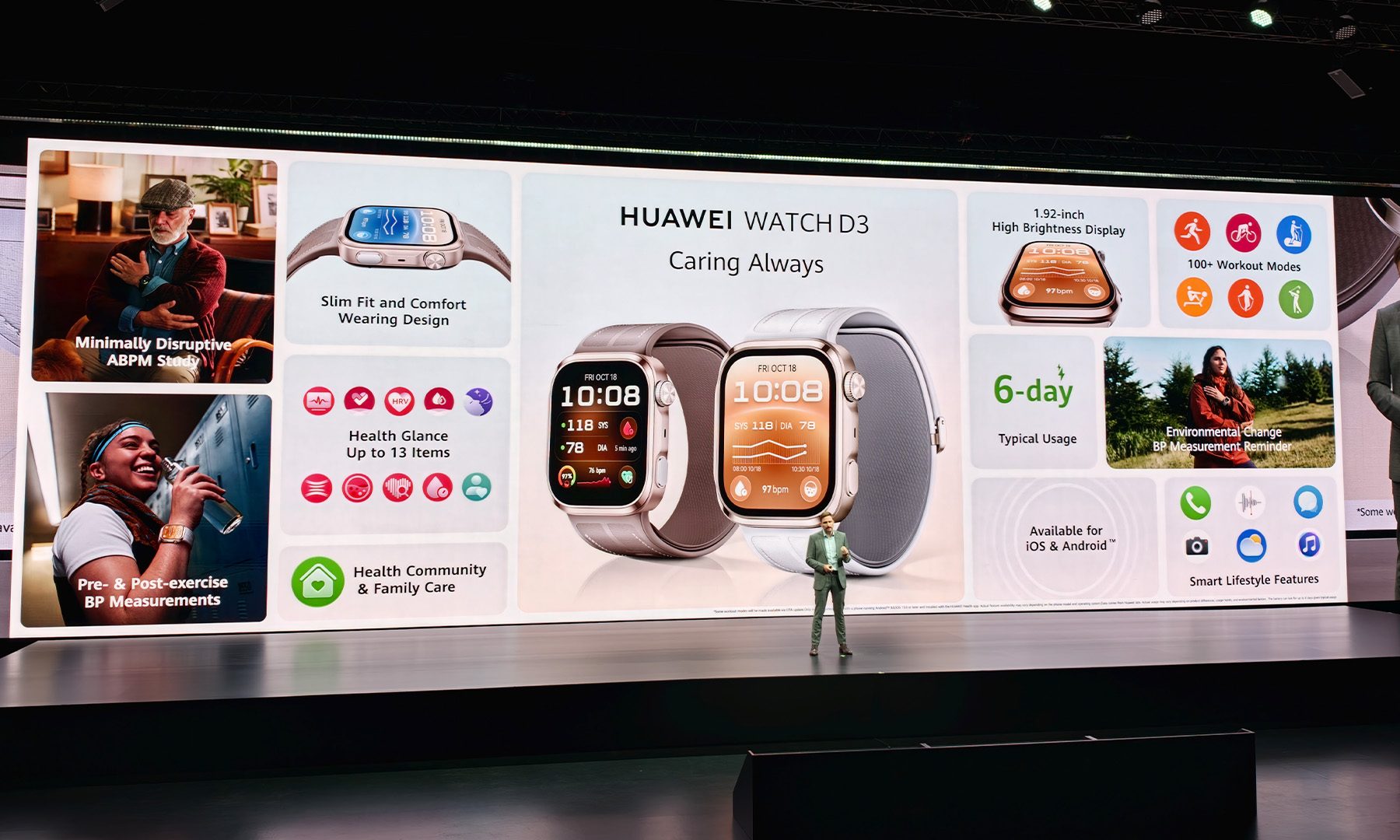
It’s also considerably easier to live with overnight. That’s important because the D3 isn’t really a watch you buy just to glance at notifications during the day. A big part of its appeal is continuous health monitoring, and that works much better when you can comfortably forget you’re wearing it. The larger 1.92-inch display helps, too, making everything from blood-pressure readings to other health metrics easier to read at a glance.

The clever bit is hiding in the strap

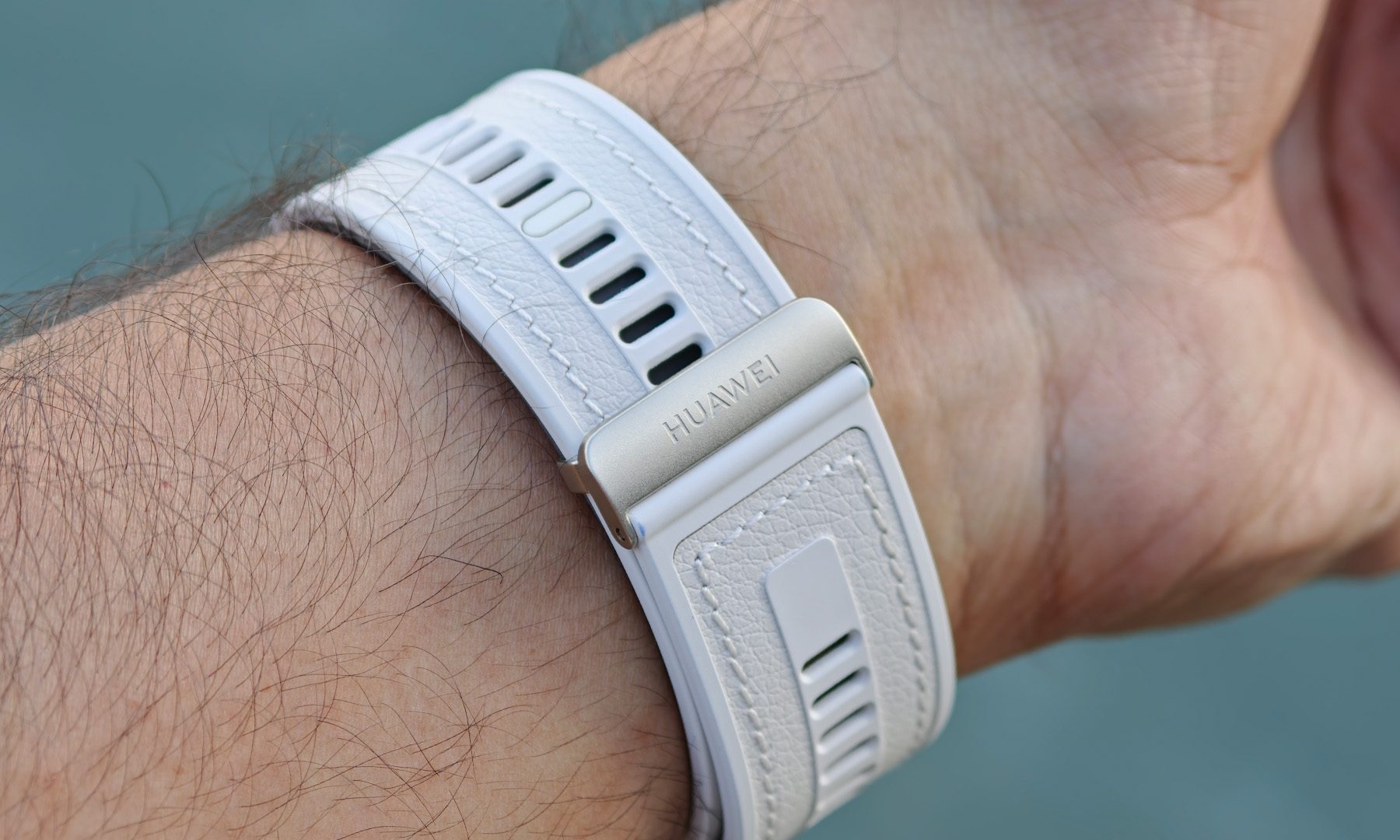
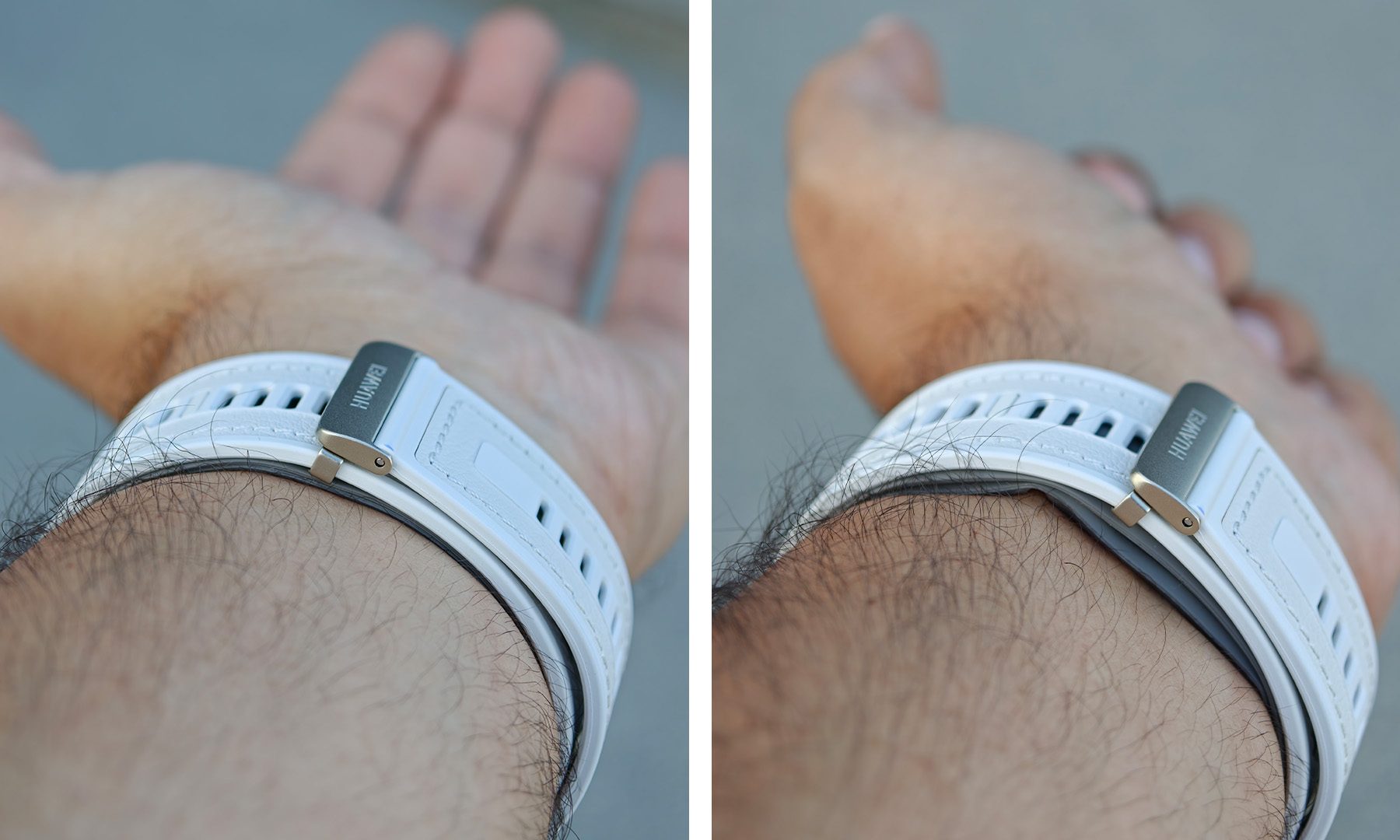
The D3’s party trick is something you won’t find on your average Apple Watch or Galaxy Watch: an inflatable cuff built directly into the strap. There’s a miniature pump inside the watch that inflates the cuff around your wrist, allowing the D3 to take a pressure-based blood-pressure measurement rather than simply estimating it from optical sensor data.

The process itself is surprisingly painless. Raise your wrist so the watch is positioned close to heart level, start a measurement, and roughly 30 seconds later you’ve got a reading. There’s obviously some pressure involved as the cuff inflates, but it’s hardly an ordeal. After a few attempts, it becomes just another thing you can do from your wrist.

That hardware does come with a few compromises. The Watch D3 carries an IP68 rating, but Huawei’s design means this isn’t a smartwatch I’d treat like a dedicated swimming companion. Prolonged water exposure, diving, hot showers, and similar activities aren’t really what this particular piece of wrist hardware was designed for. It’s a small price to pay for having an inflatable blood-pressure cuff hiding in the strap.

Blood pressure gets a little more interesting

The real appeal of measuring blood pressure this way is that it gives the D3 a different perspective on your health. Most smartwatches build their stress and wellness insights from signals such as heart rate, heart-rate variability and sleep. The D3 can add actual blood-pressure measurements to that picture.

Advertisement

Huawei has also expanded the blood-pressure capabilities of the previous-generation D2. The D3 can record blood pressure before and after exercise, and Huawei says it can maintain accurate measurements at elevated heart rates. It also introduces contextual reminders to check blood pressure during situations such as sudden temperature changes or stays at high altitude.

That last bit is particularly interesting because it makes the monitoring feel a little more intelligent. Instead of simply collecting numbers and dumping them into an app, the D3 can recognize situations where a blood-pressure check may be useful and nudge you toward taking one. It’s a small feature, but one that makes the whole concept feel more purposeful.

This isn’t trying to be an Apple Watch

And that’s where the Watch D3 gets interesting. It would be easy to compare it with an Apple Watch, Galaxy Watch, or Garmin and start ticking off the features it doesn’t have. There are fewer sports modes, the water restrictions are more significant, and its entire design is dictated by hardware that most smartwatches don’t need to accommodate. But that misses the point.

The D3 isn’t really designed to win a smartwatch feature checklist. Its target audience is much more specific: people who care deeply about cardiovascular health, users managing hypertension, adults aged 40 and above, or anyone for whom regular blood-pressure monitoring is more important than having the most comprehensive sports watch on their wrist.

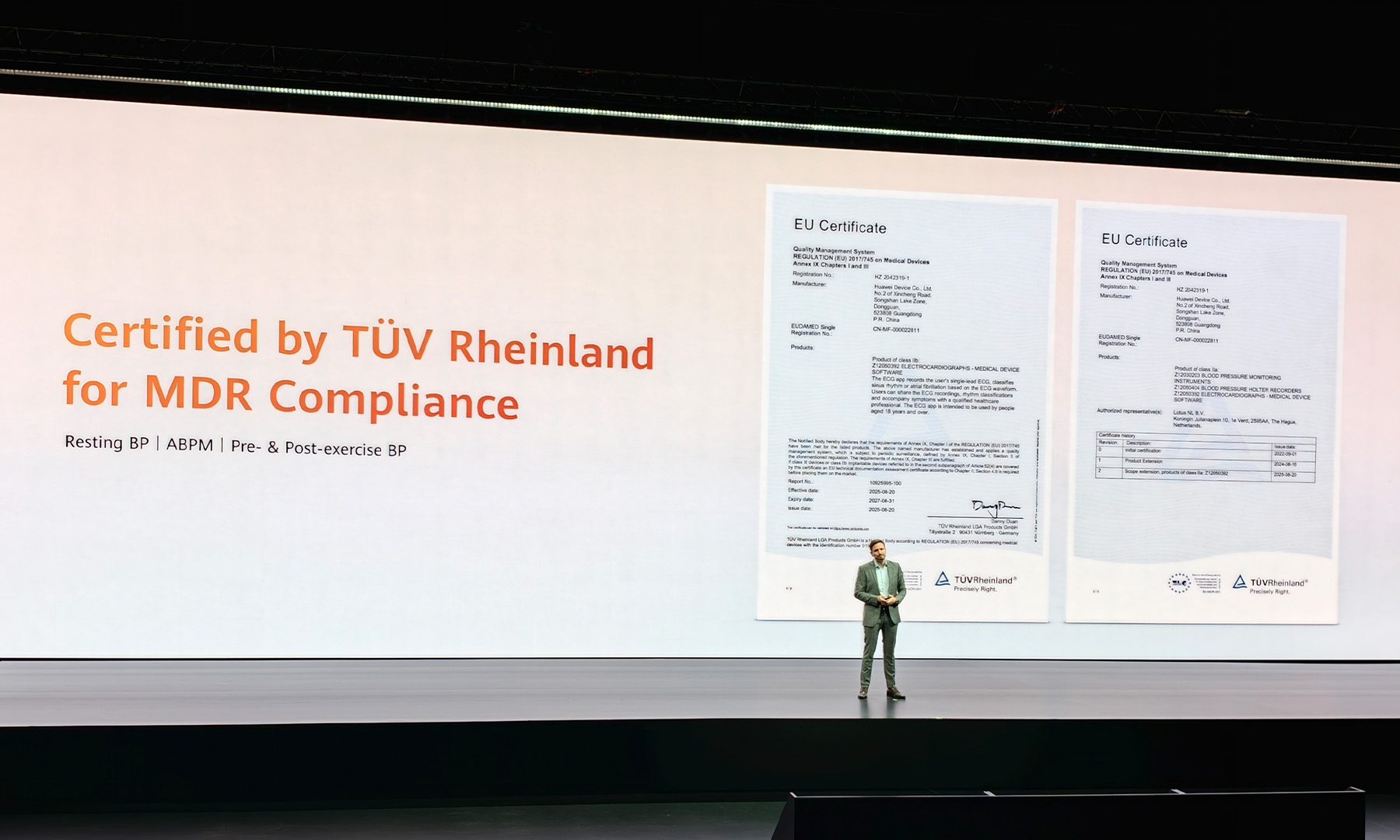
That medical focus was on full display when Huawei previewed the D3 at the European Society of Cardiology (ESC) Congress in Munich, where it attracted positive interest from cardiology professionals. Huawei says the D3’s CE-MDR certification in the European Union covers single blood-pressure measurements, ambulatory blood-pressure monitoring, and measurements before and after exercise.

A surprisingly compelling niche

After a handful of days with the Watch D3, I’m still figuring out how useful all of this additional health data will be over the long term. That’s something I’ll need more time to properly evaluate, particularly when it comes to accuracy in different circumstances, battery life, and whether the novelty of taking blood-pressure measurements actually translates into a lasting habit.

But the early impression is certainly positive. Huawei has managed to shrink a fairly complicated piece of health-monitoring hardware into something that feels much more like a conventional smartwatch than you might expect. And the fact that the D3’s CE-MDR certification specifically encompasses several blood-pressure monitoring scenarios makes its proposition considerably more interesting than simply adding another estimated health metric to a smartwatch.

The Watch D3 isn’t going to replace the Apple Watch or Galaxy Watch, and I don’t think Huawei wants it to. It’s going after a much narrower, but potentially much more valuable audience. If you’re someone who actually needs to keep tabs on your blood pressure, having that capability wrapped around your wrist instead of sitting in a drawer could be a pretty big deal.

Advertisement

Source link

Continue Reading

Tech

BGP hijack infecting networks caused by a comedy of errors that’s not funny at all

Published

on

Like Hetzner Online, both Softaculous and Zet.net, the transit peer downstream from Hetzner Online, failed to properly monitor their systems and, as a result, didn’t catch the hijacking until it had been ongoing on and off for 22 hours. There are also questions about another host provider, Nexon Host, whose infrastructure somehow facilitated the malicious announcement.

Ben Cartwright-Cox, a BGP expert and creator of the BGP Tools suite, called the lapses “silly, preventable mistakes.” Softaculous, Hetzner, and Zet.net didn’t immediately respond to emailed questions.

A brief history of BGP

BGP attacks target the underpinnings that make the Internet a unified, worldwide network. The Internet is splintered into many ASes (autonomous systems), also known as ASNs (autonomous system networks). Each AS is an independent network assigned a portion of the 3.7 billion publicly available addresses under the IPv4 protocol. BGP is the glue that binds all these ASes together and allows each one to connect to any other.

To allow an address assigned to an AS in, say, Germany to reach IPs in North America, an AS must “announce” the other ASes that should transit the traffic. These routing announcements are declarations made as entries on a global routing table used by all ASes and the hosting providers serving them. In the Internet’s early days, BGP ran on trust. Providers simply assumed announcements were valid and made in good faith.

Advertisement

Over the years, attackers repeatedly abused this trust by making announcements for IPs they had no valid right to control. Attackers—with ties to both nation-states and financially motivated groups—capitalized on the lax system to, in some cases, route petabytes’ worth of sensitive data through networks they controlled.

Eventually, Internet architects developed a series of measures to prevent such hijacking. The most prominent of these is RPKI (Resource Public Key Infrastructure) ROV (Route Origin Validation). RPKI ROV uses cryptographic records called Route Origin Authorizations (ROAs) to assert the proper origin and prefix mask length of routes in BGP. ASes that deploy RPKI ROV will reject routes that don’t match the information contained in ROAs, preventing hijacks from spreading throughout the Internet.

Source link

Advertisement
Continue Reading

Tech

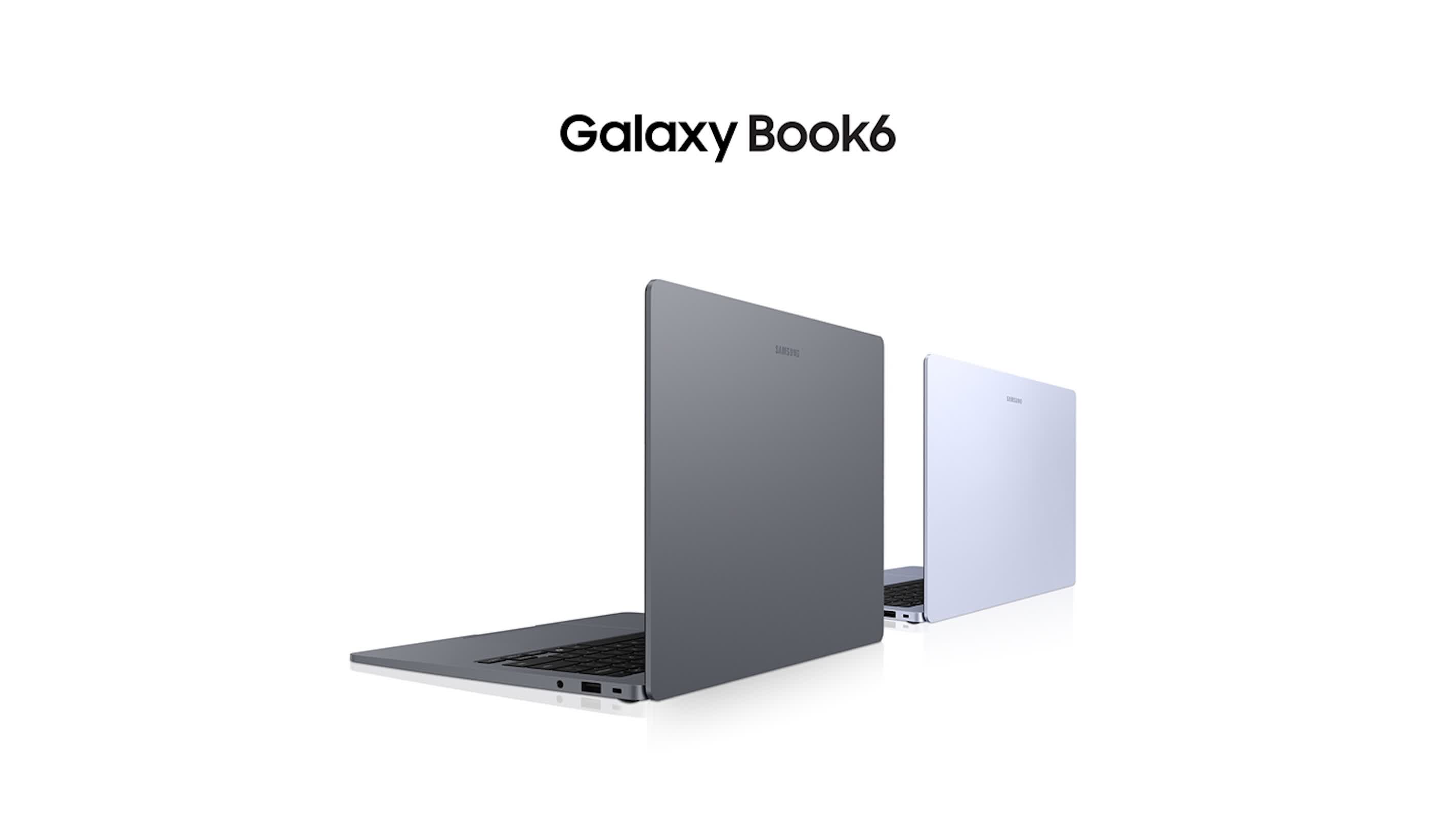
Samsung’s $799 Galaxy Book6 challenges the MacBook Neo with a larger screen and claimed 25-hour battery life

Published

on

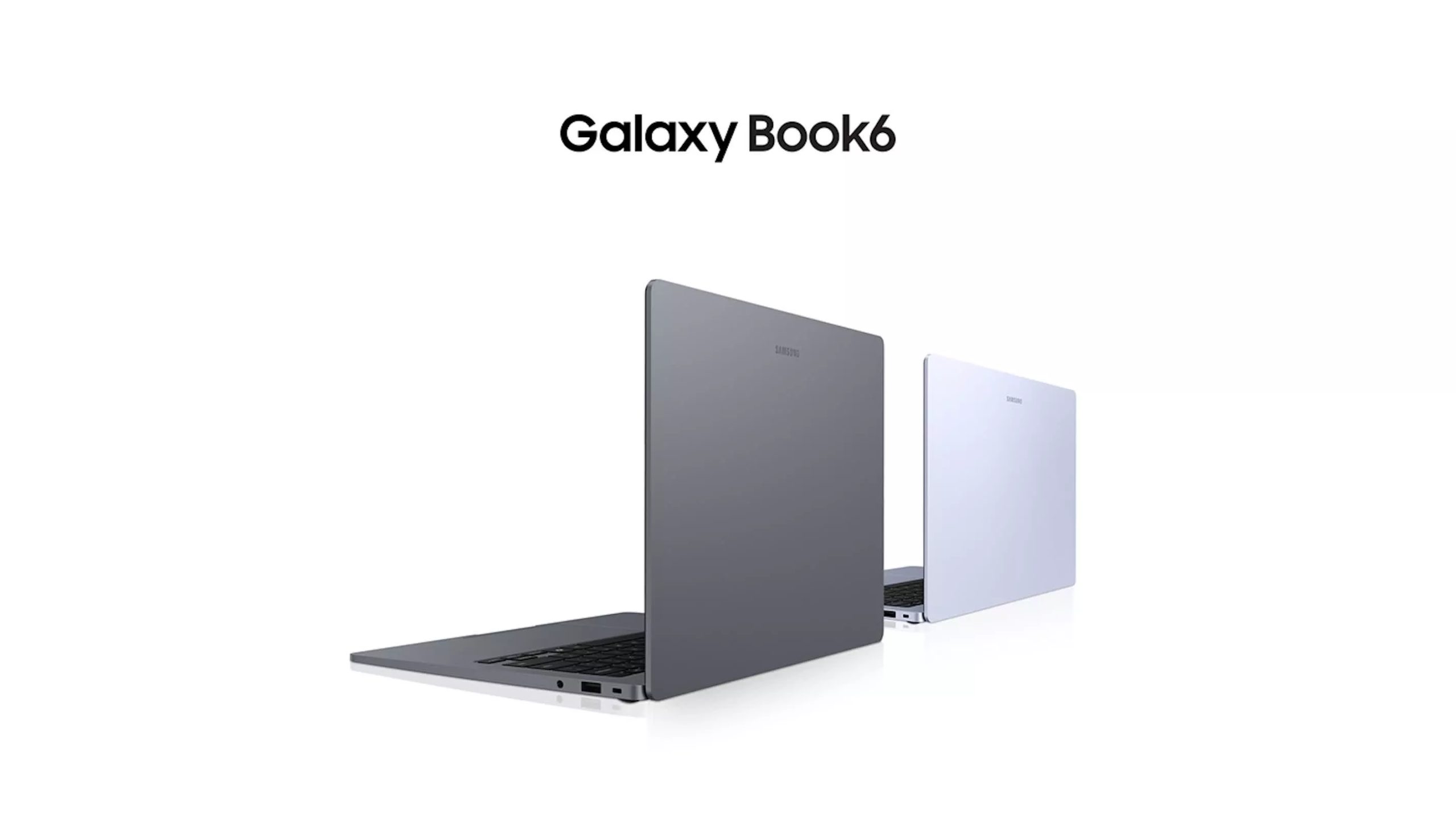
First look: Samsung is targeting the lower-cost laptop market with the Galaxy Book6, a 14-inch Windows notebook starting at $799. Powered by Intel Wildcat Lake processors, the system is aimed at everyday work, school, web use, and streaming rather than the higher-end workloads handled by Samsung’s premium Galaxy Book models. That puts the new laptop in competition with Apple’s MacBook Neo, though Samsung is betting on a different mix of features.

Samsung’s model starts at a higher price than the Neo, but it offers a larger display, more built-in ports, and a much higher claimed battery life rating. Apple’s laptop does have a sharper and brighter screen, though.

Samsung has not identified the processors used in the Book6, though the available options are expected to be Intel’s Core 3 304 and Core 5 315 chips from its Wildcat Lake lineup. The Core 3 model is the lower-end option, while the Core 5 version should provide more room for heavier daily workloads.

The base configuration includes 8GB of RAM and a 256GB SSD. Samsung will also offer configurations with up to 16GB of memory and 1TB of storage.

Advertisement

Samsung says the Book6 can run for up to 25 hours on its 61.2Wh battery. Apple rates the MacBook Neo for up to 16 hours. Those figures are not directly comparable without independent testing, since battery life changes with screen brightness, workloads, software, and wireless use. Nevertheless, Samsung’s rating is one of the most important parts of its pitch for the laptop.

The Book6 has a 14-inch display with a 1,920 x 1,200 resolution and a peak brightness rating of 350 nits. Apple’s MacBook Neo uses a 2,408 x 1,506 panel rated at 500 nits. That gives Apple an advantage for users who place a premium on display sharpness and brightness, while Samsung is betting that battery life and a slightly larger screen will carry more weight with some buyers.

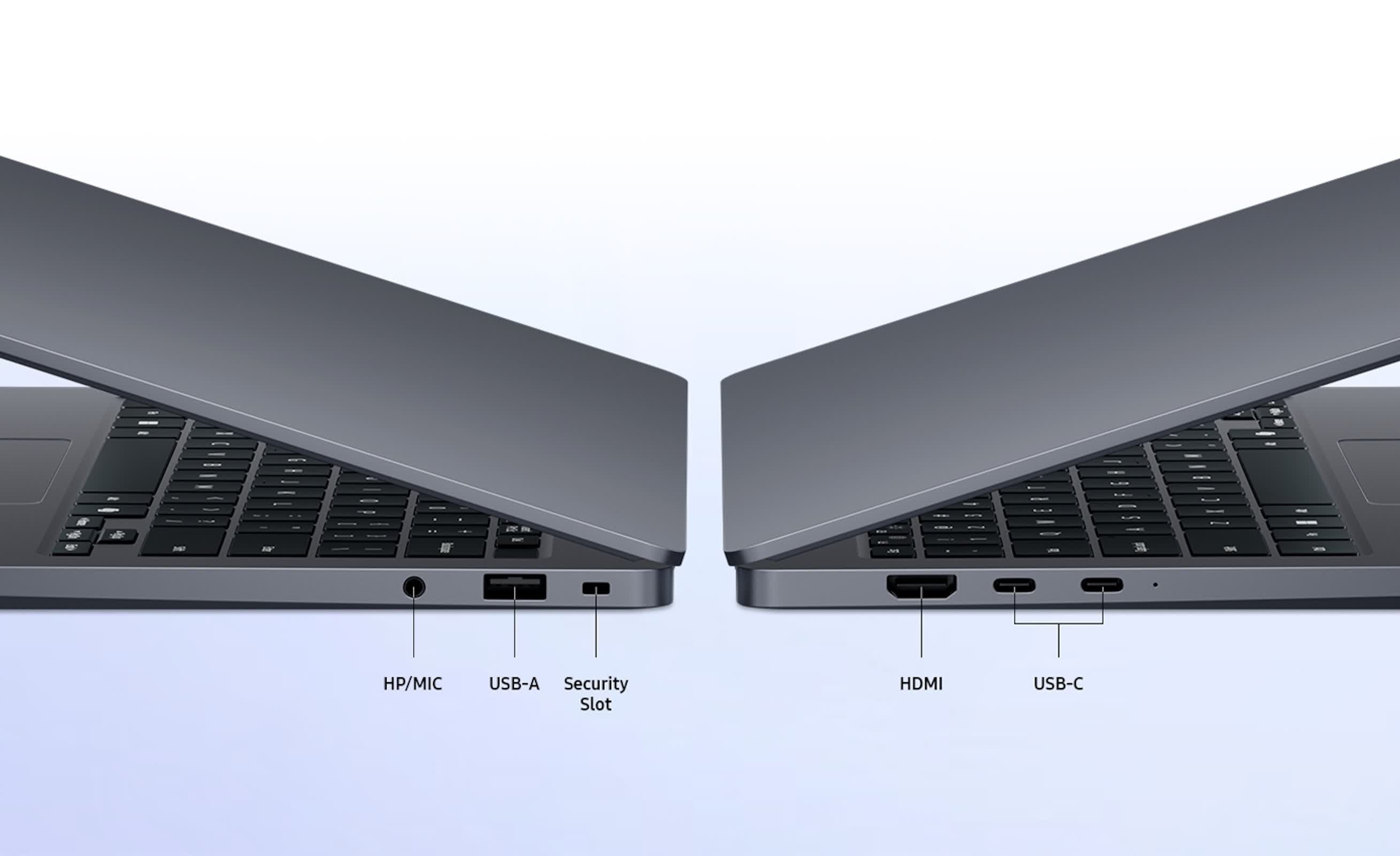
Samsung also gives the Book6 a more versatile port selection than many thin laptops. It includes two USB-C ports, a USB-A port, HDMI, and a 3.5mm headphone jack. Wi-Fi 6 and Bluetooth 5.4 are included, along with stereo speakers that support Dolby Atmos.

The laptop measures 15.7mm thick and weighs 1.35kg, or about 2.97 pounds. That keeps it within the range of portable 14-inch systems while leaving room for HDMI and USB-A.

Advertisement

The Book6 differs from the Panther Lake-equipped Galaxy Book6 models Samsung previously introduced. Its use of Wildcat Lake places it in a more affordable part of the company’s lineup.

Samsung will first sell the Book6 in select markets before expanding availability. Its ability to compete with the MacBook Neo will depend on final pricing for the better-equipped versions and on how the Wildcat Lake processors and battery hold up in real-world testing.

Source link

Advertisement
Continue Reading

Tech

A 6-point checklist for faster recovery

Published

on

Protection flow

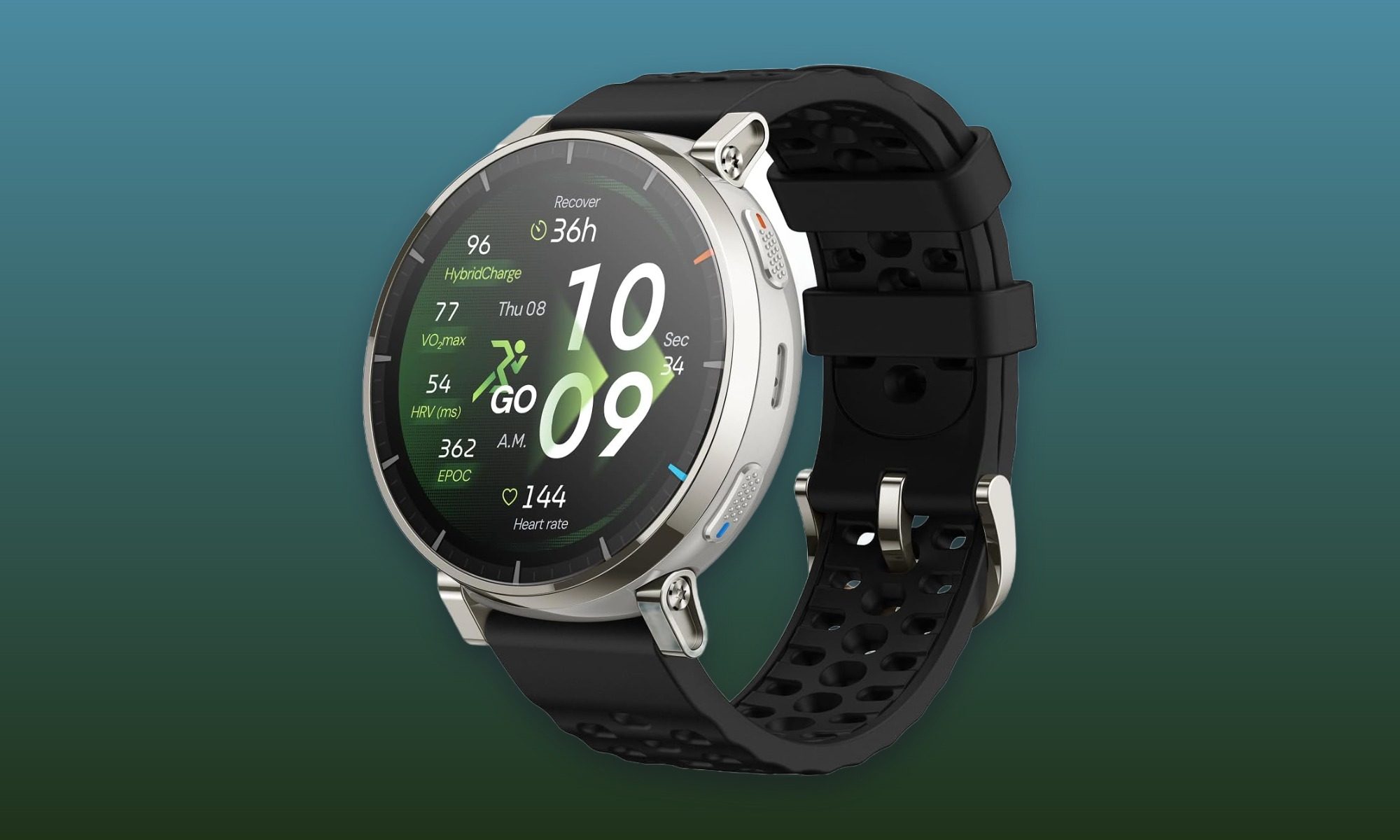
Ransomware protection for MSPs should deliver six tested outcomes: reduce exposure, detect activity before encryption, provide 24/7 response, preserve isolated recovery points, recover cleanly and operate consistently across tenants. Backup alone is not enough, and neither is endpoint detection without a rehearsed recovery path.

The Acronis Cyberthreats Report identified 143 MSP, IT-service provider and telecom ransomware victims in 2025, with phishing accounting for 52% of initial access cases and unpatched vulnerabilities for 27%.

The checklist below turns those failure modes into controls and evidence an MSP should require before calling a service complete.

The six things your service must do and what to verify

A complete ransomware protection service connects prevention, detection, response and recovery. For each control, demand evidence from the exact tenant, workload, storage configuration and service tier being sold.

Advertisement


Operational job

Advertisement

Proof to require

Acronis capability mapping

Advertisement

1. Reduce exposure

Advertisement

Set patch SLAs by severity and prove MFA for management portals and remote access. Separate backup and security administration; test that one compromised technician account cannot change protection and delete recovery points.

Acronis Cyber Protect Cloud provides vulnerability assessment, patch management, URL filtering and role-based administration. Verify the services enabled per tenant.

Advertisement

2. Detect across the attack

Advertisement

Run a controlled behavioral test and confirm an actionable incident appears before widespread encryption. Check endpoint isolation and the identity, email and Microsoft 365 response actions the client requires.

Acronis Active Protection and EDR cover endpoint behavior; Acronis XDR adds endpoint, email, identity and Microsoft 365 visibility.

Advertisement

3. Respond 24/7

Advertisement

Confirm who monitors, investigates, contains and contacts the client after hours. Test escalation paths and document which actions require approval.

Acronis MDR provides 24/7/365 monitoring and response on top of Acronis EDR or XDR. Full remediation actions, including recovery and RMM actions, are available with the Advanced tier.

Advertisement

4. Preserve recovery points

Advertisement

Use access-separated, immutable and, where required, offline copies. Attempt deletion with compromised credentials; verify retention, alerts and storage-policy changes.

Acronis Cyber Protect Cloud supports immutable backup storage designed to delay deletion and help protect recovery points from accidental or malicious removal.

Advertisement

5. Recover cleanly

Advertisement

Select a known-good point, scan it, restore in isolation, rebuild dependencies in order and validate the application. Record the achieved recovery point objective (RPO) and recovery time objective (RTO), not just whether the backup job succeeded.

Acronis Cyber Protect Cloud can scan backups and support malware-free recovery. Acronis Disaster Recovery can coordinate failover and recovery workflows when the required services are licensed and configured.

Advertisement

6. Operate across tenants

Advertisement

Apply standard policies without flattening client requirements. Test role separation, cross-tenant visibility, reporting, API access and RMM/PSA handoffs while preventing cross-tenant exposure.

Acronis provides multi-tenant management, centralized reporting and RMM/PSA integrations within the Cyber Protect Cloud platform.

Advertisement

Important: Immutable, offline and air-gapped describe different controls. Verify each one separately.

How EDR, XDR, MDR and immutable backup work together

EDR monitors endpoint activity and supports investigation, isolation and remediation. XDR connects endpoint signals with other attack surfaces so analysts see one incident instead of separate alerts. MDR adds people and process: a staffed service investigates and responds around the clock. Immutable backup protects recovery points from alteration or deletion; it neither detects data theft nor replaces incident response.

Use them together. In the Acronis model, EDR provides endpoint detection and response, XDR extends visibility to email, identity and Microsoft 365 applications, and Acronis MDR operates on EDR or XDR. Acronis Cyber Protect Cloud supplies the backup, management and multi-tenant operating layer. Immutability is one recovery control; it is not the same as an offline or air-gapped copy.

Acronis Cyber Protect Cloud with Acronis MDR brings prevention, detection, 24/7 response, backup and recovery into one multi-tenant platform.

Advertisement

See how you can reduce operational complexity, protect recovery points and respond faster across client environments.

Explore Acronis MDR

The recovery runbook: Cut recovery time at every handoff

Recovery time is the total of detection, triage, containment, clean-point selection, restoration and validation. An MSP reduces RTO by shortening every stage – especially the handoffs between security, backup, identity, networking and the client.

  • Declare the incident, assign one commander and open an out-of-band channel.
  • Identify affected tenants, identities, workloads and likely initial access.
  • Isolate compromised endpoints and block malicious sessions, tokens and remote access.
  • Preserve evidence before wiping systems or rotating logs away.
  • Close the entry point by patching, disabling access and rotating credentials.
  • Choose the latest recovery point that predates compromise and passes validation.
  • Restore identity and infrastructure dependencies before applications and user data.
  • Scan, test, reconnect in stages and monitor for renewed attacker activity.

Acronis backup scanning and malware-free recovery capabilities can help validate candidate recovery points, while Acronis Disaster Recovery can coordinate recovery workflows where licensed. The incident team should still confirm that the selected point predates the compromise.

Automation should remove repeatable waits, but an incident commander should approve high-impact actions such as mass isolation, credential resets and failover. A rehearsed path preserves the option to recover without paying, although no tool can guarantee recovery in every attack.

After each drill, record achieved RPO/RTO and every delay, then revise the runbook from evidence rather than estimated restore speed.

Advertisement

Is immutable backup enough against double-extortion ransomware?

No. Immutable backup can preserve recoverability, but it cannot retract data that attackers already stole or remove breach-notification duties. A ransomware protection service must therefore look for exfiltration and identity abuse before encryption begins.

Correlate endpoint, identity, email, Microsoft 365, DNS, proxy and egress telemetry. During response, isolate devices, revoke sessions and tokens, rotate credentials, block attacker destinations and preserve evidence for legal and notification decisions.

Acronis EDR provides endpoint context and response, while Acronis XDR adds telemetry and response across email, identity and Microsoft 365 applications; network egress evidence may still come from firewalls, SIEM or other client controls. Test those handoffs in advance.

How to evaluate an MSP ransomware platform

Before buying or standardizing a platform, require a live demonstration of these seven items:

Advertisement
  • Coverage for client workloads and tenant tiers.
  • Prevention and detection before broad encryption begins.
  • Named 24/7 response ownership, escalation paths and approval boundaries.
  • Immutable-storage mode, retention behavior and privileged-access separation.
  • Clean-point selection, malware scanning and isolated restoration.
  • Measured RPO/RTO in a dependency-ordered recovery drill.
  • Multi-tenant roles, reporting, audit evidence and RMM/PSA/API integrations.

An integrated option is Acronis Cyber Protect Cloud with Acronis MDR.

It brings together capabilities for the six operational jobs, subject to the selected MDR tier, licensing, deployment, storage architecture and the MSP’s incident-response responsibilities. Require a live incident-and-recovery test using the production configuration.

Frequently asked questions

What is the best ransomware protection for an MSP?

A complete ransomware protection service should demonstrate all six outcomes across the client workloads it is contracted to protect. Acronis Cyber Protect Cloud with Acronis MDR is an integrated example. The MSP should validate the production configuration and confirm whether the selected MDR tier includes the required remediation and recovery actions.

What should be included in a ransomware protection service?

Include exposure reduction, EDR or XDR detection, 24/7 response, access-separated immutable recovery points, tested clean recovery and multi-tenant operations with client evidence.

How can an MSP reduce ransomware recovery time?

Remove handoff delays. Preassign owners, map dependencies, validate clean points, automate safe steps and rehearse restores until achieved RPO/RTO matches the service commitment.

Advertisement

Does immutable backup stop double-extortion ransomware?

No. It protects recovery data from change or deletion but cannot undo exfiltration. Detection, identity controls, egress visibility, containment and notification processes are still required.

Make recovery a tested service outcome

Ransomware resilience is the ability to contain attacks early, preserve a recovery path and prove critical services can return on schedule. Acronis Cyber Protect Cloud with Acronis MDR can bring detection, response, recovery and multitenant management into one MSP operating model.

The MSP should validate the selected tier, storage architecture, integrations and operational responsibilities against the six tests above.

See how Acronis Cyber Protect Cloud with Acronis MDR helps MSPs detect and contain ransomware, protect recovery points, and restore client operations faster.

Advertisement

Sponsored and written by Acronis.
Source link

Advertisement
Continue Reading

Tech

Offshoots of cancelled TrueNAS Core upgrade to FreeBSD 15

Published

on

STORAGE

Exeunt zVault stage right; enter FreeCORE and BSDnas

Good news if you want to keep your NAS boxes on FreeBSD – two new contenders just stepped up, with updated forks of the cancelled TrueNAS Core.

Advertisement

FreeBSD has a strong reputation as a stable server OS, and integrates highly reliable ZFS filesystem right into its kernel. The snag is that Linux is rather more widespread, meaning more people know their way around a Linux box – but Linux knowledge doesn’t transfer well over to FreeBSD.

The Reg FOSS desk just found out about two different new dedicated NAS OS based on FreeBSD – and saliently, based on the current FreeBSD 15 codebase, which was released in December 2025, with version 15.1 arriving in June.

FreeCORE-15.0-U1 appeared on August 27th. It’s the first update for FreeCore 15.0, which appeared just a week earlier.

The FreeCORE project website describes it as “TrueNAS® CORE — continued”, and says:

Advertisement

“FreeCORE carries the TrueNAS CORE 13.3 system forward as an independently maintained operating system on FreeBSD.

“15.0-U1 is stable. TrueNAS CORE 13.3 systems upgrade straight to 15.0 in place, then continue on the project’s update train.”

The reason that anyone needed to come along and carry the TrueNAS Core system forward is that developer and vendor iXsystems cancelled its FreeBSD-based NAS OS in 2024. This followed two years after it introduced its new TrueNAS SCALE NAS OS, which is based on Debian Linux. To Register sister site Blocks&Files, the company explained no one was being marooned by the change.

Some TrueNAS Core users – and this vulture is one of them – were less than delighted by the change. OpenZFS works fine on Linux, and it’s regularly updated, but it must be loaded as a module: license restrictions mean it cannot be built into the Linux kernel. Significantly, this means that the ZFS Adaptive Replacement Cache must remain separate from Linux’s Page Cache. This is not ideal if the server is memory-constrained, and this vulture’s two TrueNAS Core boxes only have 8 GB of memory each.

Advertisement

A year after the end of TrueNAS Core, we reported on a new project fork called zVault, which took the existing FreeBSD 13.3-based TrueNAS code and removed any parts that belonged to iXsystems. Unfortunately, zVault didn’t get much further than that. By later in the year, users were warning on GitHub BEWARE RUNNING ZVAULT – complete with block caps – and the project maintainers have gone silent. The planned upgrades to a FreeBSD 14 base never emerged.

Now, FreeCORE has appeared, to pick up the slack. It’s already migrated the TrueNAS Core web UI and other code over to the base of FreeBSD 15, plus all the latest security fixes.

The HackerNews discussion of the new product also turned up another new alternative: BSDnas. This appeared just days before the first release of FreeCORE: the project status page is dated 19th August 2026. Its project history tells a similar story: it’s the original TrueNAS Core 13.3 code, cleaned of iXsystems dependencies and moved to the basis of FreeBSD 15. Despite the much newer codebase, the reported memory usage seems modest: it will boot in 2 GB of RAM, and function usably with 4 GB.

For contrast, the TrueNAS SCALE docs recommend at least 8 GB RAM – although they do mention “in TrueNAS 13”, which suggests the docs may be rather dated. The TrueNAS Guide website suggests 16 GB as the entry-level “floor” for the current release.

Advertisement

The Register asked the FreeCORE project if it had any connection with the older zVault or contemporary BSDnas projects. The developer replied, telling us:

“I am not affilated with ZVault nor BSDnas, and not XigmaNAS either. This is an entirely independent fork.”

They told us that it’s a solo project that they have been working on since January. They had a FreeBSD 15.0 build by April, and they made around 50 test builds before the release.

For completeness, and for those who’d like a more tried-and-tested tool with more history, we would be remiss if we did not mention XigmaNAS. Previously called NAS4Free, this was forked from an older version of FreeNAS after iXsystems acquired it. Its Wikipedia page says XigmaNAS was forked from FreeNAS 8 back in 2011. The latest version on the Sourceforge download page is based on FreeBSD 14, and was last updated in October 2025.

Advertisement

The original creators of FreeNAS went on to build the Debian Linux-based Open Media Vault. The latest version is 8.5.7, released just last weekend. We have an older version running on a testbed server here, and for the record, it seems quite content in just 6 GB of memory. ®

Source link

Continue Reading

Tech

LZ Experiment Sees Surprising Result In Search For Dark Matter

Published

on

New submitter greytree shares a report from Brown University: LUX-ZEPLIN, an experiment co-led by Brown University faculty and students, observed a particle interaction that could be interpreted as a signal from WIMPs, a dark matter candidate — but researchers need more data to confirm. […] The result does not yet meet the statistical threshold required to claim a discovery, but it is the most compelling hint of dark matter reported by the experiment to date. “We’re very intrigued to see this event in the data, in the region where we expect dark matter to show up, and the competing backgrounds are very low,” said Rick Gaitskell, a professor of physics at Brown University and the spokesperson for LZ. “With only one event, we don’t want to get ahead of ourselves. We are not claiming to have seen dark matter. But we have seen something interesting that we want to share with the scientific community for their input.” […]

If the anomalous event was caused by dark matter, the WIMP that generated it would likely have a mass of at least 200 GeV/c2 (gigaelectronvolts), or more than 200 times the mass of a proton. The LZ results have not reached “5-sigma” significance, the statistical threshold in physics that an event must reach to be considered a discovery. The new analysis is 2.6 sigma, meaning there is approximately a 0.5% chance that the event could be explained by known backgrounds. With additional data, researchers can test whether the finding continues to grow in significance or fades away. LZ has already accumulated the world’s largest dark matter dataset and will continue to accrue WIMP search data at SURF, substantially improving their search statistics.

JiJi Fan, an associate professor of physics at Brown not involved in the LZ experimental research but whose theoretical work is cited in the new LZ paper, said the new findings were “very intriguing.” While the event recorded by LZ could not have been the simplest type of WIMP interaction, there are other types of possible interactions that could explain it, she said. Had a WIMP interacted in the simplest way at the high energy associated with this recent event, the detector would have recorded many recoil events at lower energies following the initial event. LZ recorded a single event, however, which requires an expanded theoretical explanation. “There are well-motivated theoretical extensions, including inelastic scattering and momentum-dependent elastic scattering, that could potentially account for this single event,” Fan said. “This also sets up a target for on-going dark matter hunting, not only at direct detection experiments such as LZ but also at other complementary experimental frontiers.”
The results were presented in a scientific talk at the 2026 TeV Particle Astrophysics conference in Japan on Tuesday, Sept. 1. A paper detailing the finding can be found here (PDF).

Read more of this story at Slashdot.

Advertisement

Source link

Continue Reading

Tech

Star Wars Zero Company Is A Great Game That’s Busted And May Never Be Fixed

Published

on

If you’re on the fence about Star Wars Zero Company, you should know what you might be getting into. The game currently has an aggregate critic score of 85 on Metacritic, making it one of the best reviewed Star Wars games in recent memory. When it comes to story and gameplay, it’s a masterfully executed tactics game in the style of X-COM with memorable characters. What none of the reviews I read or watched mentioned is that Zero Company is also something of a technical mess.

On PC, the game has all the trademarks of a janky Unreal Engine 5 release. I’m running a system with a Ryzen 7 5800X3D, RTX 5060 Ti and 16GB of RAM, and I’m getting constant traversal stutter and input lag when I try to play the game with a mouse and keyboard. I’ve also encountered a bug that forced me to restart the same mission twice. Yes, you might say I’m running the game on a glorified RTX 3070, but even those with more powerful GPUs like the RTX 5090 are complaining of poor performance. On Steam, the game has a “mostly positive” rating across nearly 9,000 reviews, and yet almost every one of those reviews mentions stuttering, game-breaking bugs and crashes.

“Started off having a great time,” one negative review starts. “Then came the crashes. Crashed almost every hour, so needed to save every few minutes. On the times I forgot to save, I had to replay the entire section again. Of course it only ever crashed as I was about to complete a mission.” Over on Reddit, console players are complaining of their own set of issues. YouTuber Daniel Owen has also made a video about the game’s PC issues. While I haven’t played the Xbox Series or PlayStation 5 ports, there are similar reports of crashes and stutters floating around the internet for each.

Advertisement

The experience of playing Zero Company is frustratingly similar to that of another recent UE5 Star Wars game, Jedi: Survivor. As I wrote about in 2023, that game was broken on release. It suffered from constant traversal and shader compilation stutter on PC, meaning the game would constantly hitch even on high-end systems. For NVIDIA users, the game also shipped without DLSS support. Even after nearly a dozen major patches, Jedi: Survivor still stutters on PC. At this point, I’ve given up hope that the game will ever play smoothly; Respawn Entertainment, Jedi: Survivor‘s developer, hasn’t released a new patch in nearly two years.

Unfortunately, I can’t confidently say Zero Company will receive even a fraction of the post-release support that Jedi: Survivor got from Respawn. That’s because while Electronic Arts published both games, the new one was made by an independent studio named Bit Reactor, not a direct subsidiary, and its future depends on whether Zero Company sells enough copies.

On Monday, Game File’s Stephen Totilo reported that Bit Reactor had furloughed the majority of its staff just weeks before Zero Company’s release on August 27. One source told Totilo that as much as 80 percent of the studio’s employees aren’t being paid right now. Another source told him that only a skeleton crew remains, “ready to address any of Zero Company’s post-launch bugs.” A spokesperson for Bit Reactor told Totilo that the studio hopes to bring the furloughed workers back with restored pay, a promise the employees he spoke to said they weren’t confident it would be able to deliver on, even if the game is a commercial success. The studio is also embroiled in a legal dispute between its co-founders that won’t go to trial until early 2027.

If what remains of Bit Reactor is working to address Zero Company’s many bugs and performance issues, the one public statement the studio has made on the subject isn’t reassuring. On the day of the game’s release, it simply said on Steam’s Community forums it was aware of “emerging issues (crashes and CPU threading),” and that it was working on implementing fixes. “We’ll let you know when we’re able to provide an update,” it added.

On the face of it, that’s a fine enough statement, but it was issued before the news about its staffing levels came out, and it hasn’t said anything since. EA and Bit Reactor did not immediately respond to Engadget’s comment request, asking what, if any, post-release support the game will receive.

Advertisement

If you’re thinking about buying Zero Company, just know that it might not get to a better state than it is right now. You might think I’m being overly pessimistic, but I’ll point out it took Respawn, a studio with the full financial backing of EA, a year-and-a-half to get Jedi: Survivor to its current state. Another comparison here is just as illustrative. Cold Symmetry, the indie studio behind Mortal Shell II this past Saturday announced a hefty “Week One” update for its new game, which it released just seven days before Zero Company. Those two comparisons give a sense of the potential difficult road ahead for Bit Reactor, but also what an indie studio can do when it’s fully staffed. Right now, Zero Company doesn’t that have going for it.

Source link

Advertisement
Continue Reading

Tech

Sony launches new range of powerful ULT party speakers

Published

on

Remember the DJ Jazzy Jeff and Fresh Prince track Boom, Shake the Room? Sony clearly hasn’t forgotten and it’s bringing the bass to wherever you are with its latest ULT party speakers.

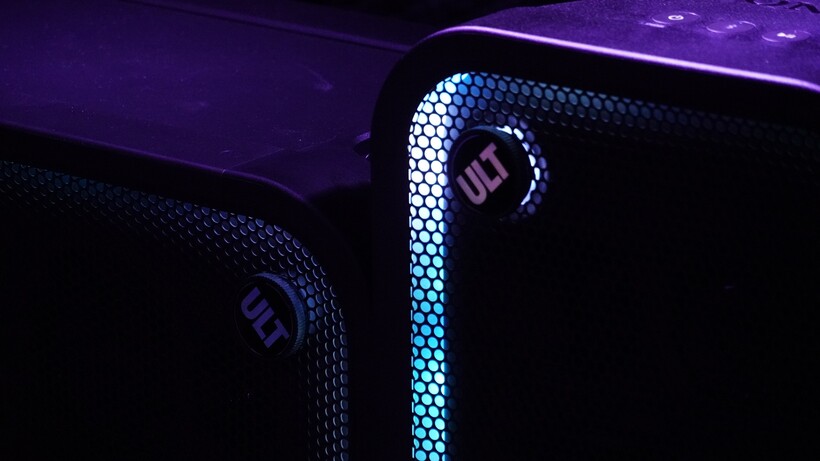
The latest models consist of the ULT Tower Max, ULT Tower 7 and ULT Tower, sporting a new aesthetic, redesigned drivers and some tuning assistance from Hip Hop sound creators.

The biggest of the new batch of ULT speakers is the ULT Tower Max, which replaces the ULT Tower 10 in the line-up, with designs on delivering the most powerful bass in the series so far. The ULT Tower 7 is smaller, a little less big on the bass, and the ULT Tower 5 is, unsurprisingly, the smallest of the trio, bringing the bass in a portable form for “smaller gatherings”.

To bring even more bass to the series, Sony’s engineers have replaced the X-Balanced speakers that were present before and built newly developed large circular woofers. The ULT Tower Max features three of these, two front-facing and one rear-facing, and believe us when we tell you, even at half volume it’s got bass power to shake a large room.

Advertisement

Advertisement

Sony ULT buttonSony ULT button
Image Credit (Trusted Reviews)

With those woofers supported by a high-powered amplifier, the ULT Tower Max has a whopping output of 2150 watts. The ULT Tower 7’s output falls precipitously to 420 watts (which should indicate just how much power the Max is repping); while the ULT Tower unleashes 300 watts of output.

Sound can be adjusted via the ULT button on the front of the speaker, with ULT1 delivering deep bass (“that makes your heart tremble”), ULT2 goes for even more body-shaking power, while Flat aims to reproduce music as the creator intended (though we were told there’s still a slight ‘bump’ in the pitch of the sound), while Live recreates the “spacious feel of a live performance” while maintaining vocal clarity.

Sony has sought out industry credibility with the tuning of the speakers’ performance, sounding out the likes of DJ Dready (formerly of the So Solid Crew), Grammy-nominated producer Dot Da Genius, award-winning drummer Daru Jones and audio engineer/produce Dennis “ROC.am” Jones, with the intent of delivering deeper lows and clearer vocals.

All three party speakers are available now, though we currently only have Euro pricing at the moment. The ULT Tower Max is a SRP of €1500, the ULT Tower 7 is €600 and the ULT Tower 5 is €400.

Advertisement

Advertisement

Source link

Continue Reading

Tech

Creating The Greenest Possible Clothing With Living Fungi

Published

on

Despite the wide variety of fabrics used for our clothing, they all share the property of not being living tissues. This could be due to them never having been part of an organism, or having been removed from said organism. Another approach here entails so-called engineered living materials (ELMs), with a recent research article by [Ke Li] et al. in Science Advances providing a good example of a fungal platform for such living textiles.

Although it may seem frivolous to create something like this, the direct benefits would be to have a fabric that can self-heal and respond to its environment, including blocking UV radiation and changing its coloring through pigmentation.

The research demonstrated in this paper covers essentially a platform for creating a living textile that can be adapted to a wide variety of applications and colorizations. Of note is that the researchers have not yet tested aspects like washability, abrasion resistance, breathability and wearer comfort, so this should definitely be regarded as setting the stage for more research.

Advertisement

For the basic material the fungi Cordyceps militaris was chosen, which were subsequently placed between films. To this additional microbial cultures were added, including the pigment-producing S. cerevisiae and melanized A. niger for UV blocking.

As for what it can look like with clothing, this article at De Zeen gives somewhat of an idea, as well as how the living textile is prepared.

Advertisement

Source link

Continue Reading

Tech

HDMI For The Color Computer 2

Published

on

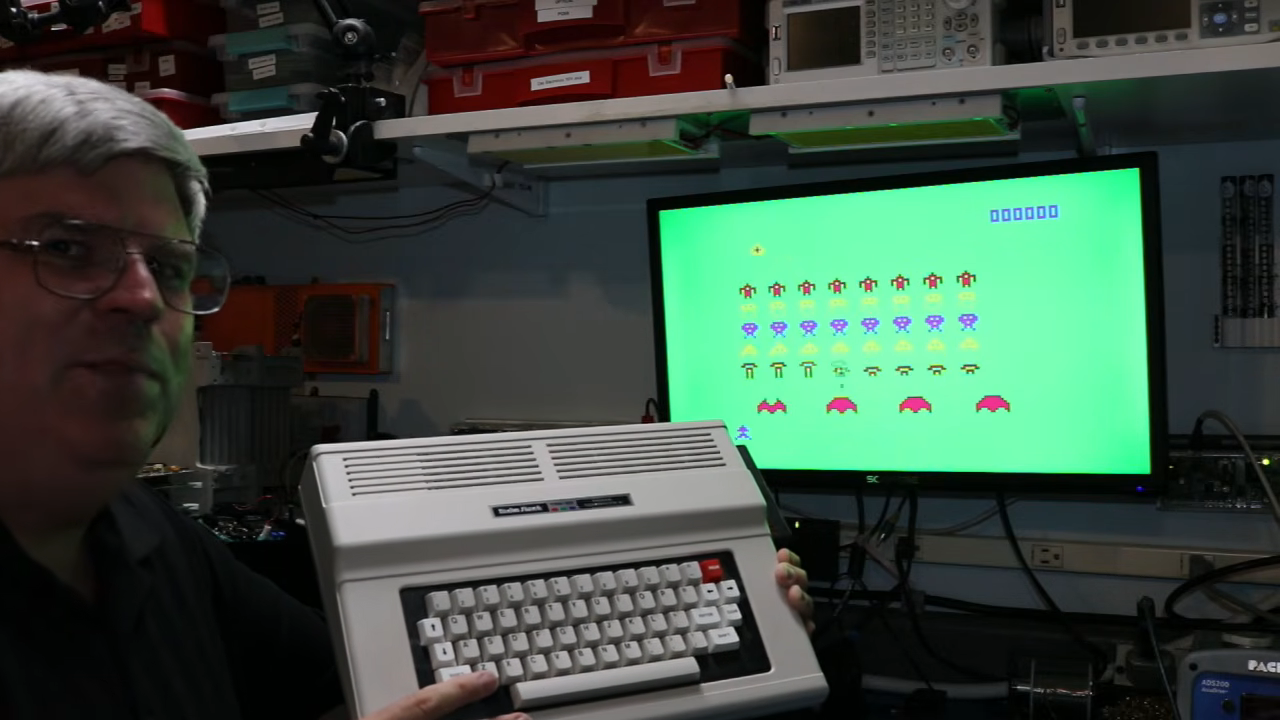
[Scott Baker] bought a TRS-80 Color Computer off eBay some five years ago. He’d always intended to add a CoCoVGA or CoCoDV upgrade to hook it up to a monitor, but the device was sold out and his name never made it off the waitlist. Thus, he decided to build his own solution to give the classic machine a proper HDMI output.

The concept behind the project is simple enough—grab the digital signals which feed the MC6847 IC responsible generates the analog video output, and use them to create an all-digital video output over HDMI. [Scott] achieved this by using a Tang Nano board, which hosts a Gowin GW1N-1 FPGA. It’s able to snoop the signals heading to the MC6847 and, with some supporting components and level shifters, it can spit out video befitting modern screens. To make the system nicely complete, an analog-to-digital converter is also included to pick up the analog sound output from the TRS-80 and spit it out down the same HDMI cable. Such convenience!

There’s something strangely anachronistic about grabbing a TRS-80 off the shelf and hooking it up to a flatscreen with a single HDMI cable. Regardless, it’s a pretty great way to play with your old machine without having to futz with heavy old CRTs. We’ve featured plenty of similar projects before, too.

Advertisement

Source link

Advertisement
Continue Reading

Trending

Copyright © 2025