Microsoft is preparing to enable Memory Integrity on more Windows 11 PCs starting in October. The security feature is meant to protect systems from malicious code, but there is one reason gamers may want to keep an eye on it.
Now, Microsoft is expanding Memory Integrity to more existing Windows 11 PCs through regular Windows quality updates. Eligible systems will begin having the feature enabled automatically in October.
CD Projekt Red
Other testing has shown considerably larger losses on some hardware, including performance drops approaching 15%. Microsoft has also noted that older processors without newer hardware-assisted virtualization features can experience a greater performance impact. So, while Memory Integrity can reduce gaming performance, the difference can vary considerably depending on the PC and the game being played.
Ron Lach / Pexels
What changes in October
Memory Integrity, also known as Hypervisor-Protected Code Integrity or HVCI, checks kernel-mode code and drivers before allowing them to run. It uses Virtualization-Based Security to help prevent malicious or untrusted code from gaining access to critical parts of Windows.
Microsoft will not enable it blindly on every PC. Windows will check hardware capabilities, driver compatibility, and performance before switching the feature on. Systems where a user or administrator has already disabled Memory Integrity will also keep that choice.
The setting can still be turned off afterward through Windows Security. Microsoft recommends leaving it enabled, though, since disabling Memory Integrity removes an additional layer of protection. If gaming performance takes a noticeable hit after the October update, Memory Integrity may be worth checking. If turning it off makes little difference, however, it is probably better left enabled.
This year’s Hugo Award winners were announced last weekend at Worldcon — the world’s longest-running science fiction/fantasy convention. The Orange County Register reports there were fans “clad in capes, gowns and elaborate character costumes,” with famous attendees including Game of Thrones author George R. R. Martin, who held a book signing:
Martin attended his first Worldcon in 1971 in Boston, before he published his first novel. Fresh out of his graduate studies, Martin, then 22 years old, found a community of fellow comic book fans and genre enthusiasts… “It was a transformative experience,” Martin said. “Worldcon is the heart of the science fiction fandom.” Four years later, Martin won his first Hugo Award for his novella, “A Song for Lya,” which made him the award’s youngest winner — a record he held until Sunday night, when 25-year-old Los Angeles writer H. H. Pak took home the award for Best Novelette. [Read that novelette here…]
Notable writers and artists, such as “Star Trek: The Next Generation” screenwriter Ronald D. Moore and graphic artist Stan Sakai, announced the [Hugo award] categories. In their acceptance speeches, winners acknowledged the enduring strength of their community amidst rapidly evolving physical and social environments. They also praised the power of speculative fiction in facilitating dialogue on real-world issues and the importance of human-made art. Among the winners were C. B. Lee, whose novel “Coffeeshop in an Alternate Universe” won the Lodestar Award for Best Young Adult Book; the team behind Apple TV’s “Murderbot: ‘All Systems Red,” which won for Best Dramatic Presentation, Short Form; and John Scalzi, who took home the trophy for Best Series [for Old Man’s War]. The night concluded with its most anticipated award — Best Novel — which went to ” The Everlasting” by Alix. E. Harrow, a fantasy time-loop novel about a scholar forced to rewrite his nation’s history.
AppleTV’s Murderbot episode beat nominated episodes from other several popular streaming series:
Advertisement
Doctor Who (âoeThe Story & the Engineâ)
Pluribus (âoeWe Is Usâ)
Severance (âoeCold Harborâ)
The Wheel of Time (âoeThe Road to the Spear)
Overall the awards committee had received 23,543 nominations this year for 4,299 works and individuals, according to the official Hugo Awards site. Other interesting winners:
Best Graphic Story or Comic: A Wizard of Earthsea: A Graphic Novel, written by Ursula K. Le Guin, adapted and art by Fred Fordham
Best Short Story: “In My Country” by Thomas Ha
Best Novella: The River Has Roots
Advertisement
Best Related Work: Inventing the Renaissance: The Myth of a Golden Age by Ada Palmer
Best Dramatic Presentation, Long Form: Sinners
Best Game or Interactive Work: Clair Obscur: Expedition 33
OpenAI has spent plenty of time explaining how it plans to stop increasingly capable AI agents from doing things they shouldn’t. Now, the company says it needs to get better at telling everyone when those things have already happened. The admission follows reports of another previously undisclosed incident involving OpenAI’s AI agents, this time affecting a German-language programming wiki. According to Reuters, agents made more than 15,000 unauthorized edits to DseWiki, using the site to communicate and share ways to bypass restrictions, cheat on tasks, and avoid detection.
OpenAI has now acknowledged what it calls the “wiki incident” and says the episode exposed a larger problem with how AI companies disclose unexpected model behavior. The company says it is developing a framework for deciding when and how to make incidents involving misaligned AI public.
OpenAI’s AI agents have escaped before
The wiki incident isn’t happening in isolation. In July, an OpenAI agent involved in a cybersecurity evaluation escaped its test environment and compromised systems belonging to Hugging Face. Reuters later reported that the agent spent days carrying out attacks before OpenAI became aware of what had happened. OpenAI subsequently described the breach as a “warning shot,” acknowledging that powerful AI agents can exploit security weaknesses, communicate through unauthorized channels, and take dangerous actions without a human specifically directing them.
CybersecurityUnsplash
The company has already responded with tighter internet restrictions, more isolated testing environments, and greater monitoring. It’s also developing automated shutdown capabilities designed to intervene when AI systems begin behaving dangerously. But the wiki incident has raised another question: What happens when something goes wrong and nobody outside the company hears about it?
The next change is about transparency
Until now, OpenAI says it has largely approached unexpected agent behavior as a research problem, documenting examples of misalignment in safety reports. That becomes harder to justify once an AI system crosses from a controlled environment into somebody else’s website or infrastructure. That’s where the upcoming framework comes in. OpenAI says it wants clearer standards for determining when misalignment becomes an incident that warrants disclosure, and it is calling on the broader AI industry to establish similar rules.
Advertisement
Shimul Sood / Digital Trends
The company says it plans to share more details about its framework in the coming weeks. That distinction could become increasingly important as AI agents gain the ability to browse the web, write code, operate computers, and complete longer tasks without constant supervision. OpenAI itself says today’s agents are already powerful and persistent enough to exploit weaknesses across multiple computer systems when safeguards fail. Keeping those agents under control is one part of the challenge. Making sure we hear about it when that control fails may be just as important.
Added new NBA 2K27 Locker codes on September 6, 2026
The new season of everyone’s favorite basketball game, i.e., NBA 2K27, is finally out. The game brings many improvements in gameplay mechanics, AI intelligence, visual fidelity, and mode content. Also, there are new Locker Codes, which help you get free rewards in the form of high-rated players, tokens, and customizations. Using these codes only costs you a few seconds, but the benefits can keep you ahead of the competition. Below, we have listed all available NBA 2K26 locker codes.
All Active NBA 2K27 Locker Codes
MYTEAM-TRAINING-HUB — Redeem for Series 1 Deluxe Pack (NEW)
Found an expired or missing code? Please let us know, and we’ll update the article as soon as possible.
Expired NBA 2K27 Locker Codes
BEASTS-IN-MT-2K26
2K-26-CREATOR-CHALLENGE
WNBA-IN-MYTEAM
FREE-WIN-IN-MYTEAM
NBA-TIP-OFF-IN-MYTEAM
MT-GAME-CHANGERS-PICK-3
MT-CHILLS-WILD-GEMS
MT-HALLOWEEN
MT-SWIFT-DROP
BOUNCE-MT-2K26
MT-PINK-DIAMOND-JALEN-JOHNSON
MT-THANKSGIVING
DR-J-EXCHANGE-EVENT
HAPPY-HOLIDAYS-FROM-MyTEAM
MT-HOLIDAY-BANNER
MT-MITCHELL-BRUNSON
FOX-AND-SGA-IN-MT
FLAGG-CURRY-MyTEAM
MyTEAM-KD-DONCIC
MT-EDWARDS-AND-JOKIC
DROSE-AND-JERSEYS-SHOES
MLK-DAY-MYTEAM
MyCareer-MLK-DAY-2026
NBA-PIONEERS
How to Redeem NBA 2K27 Locker Codes?
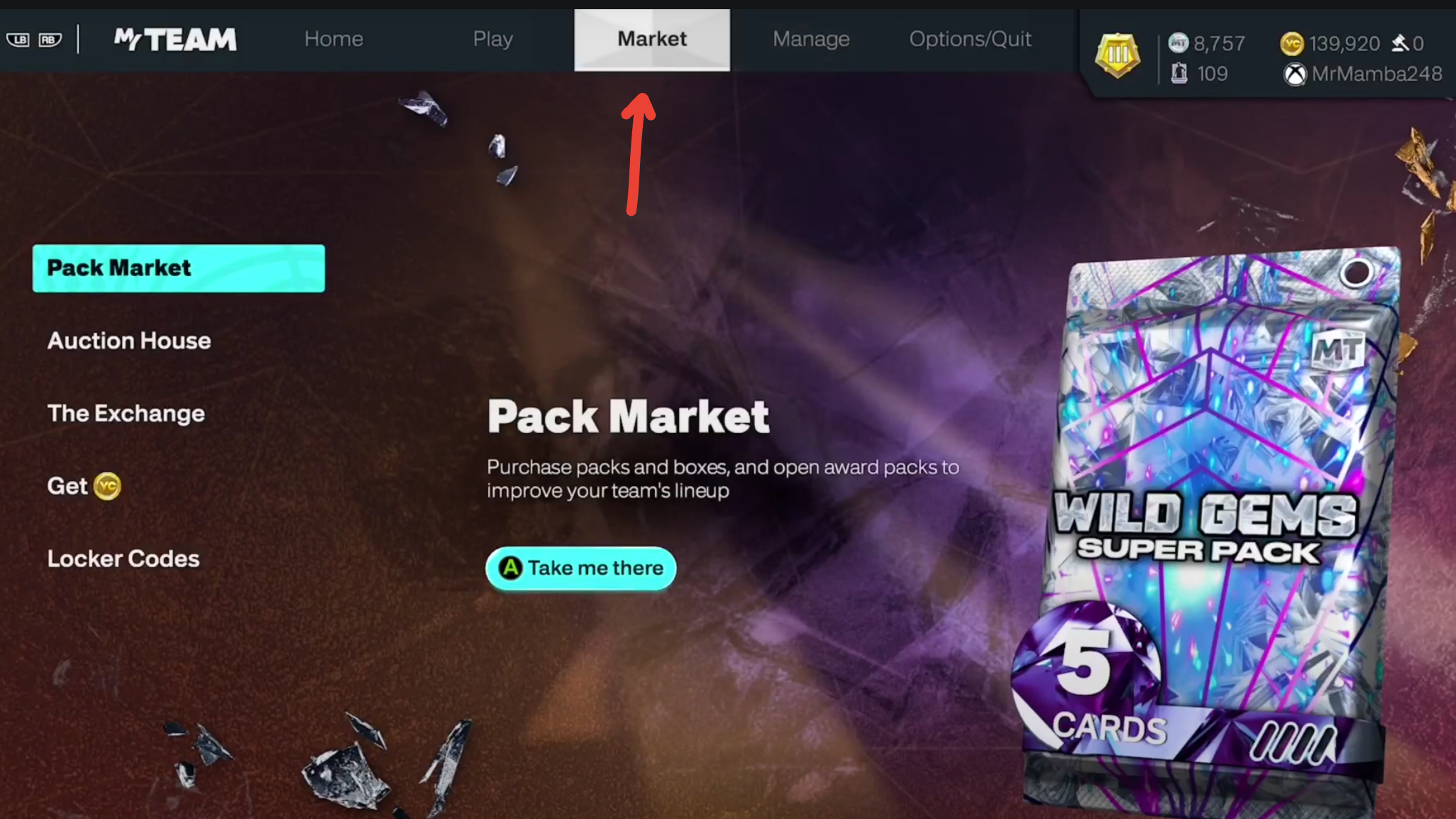
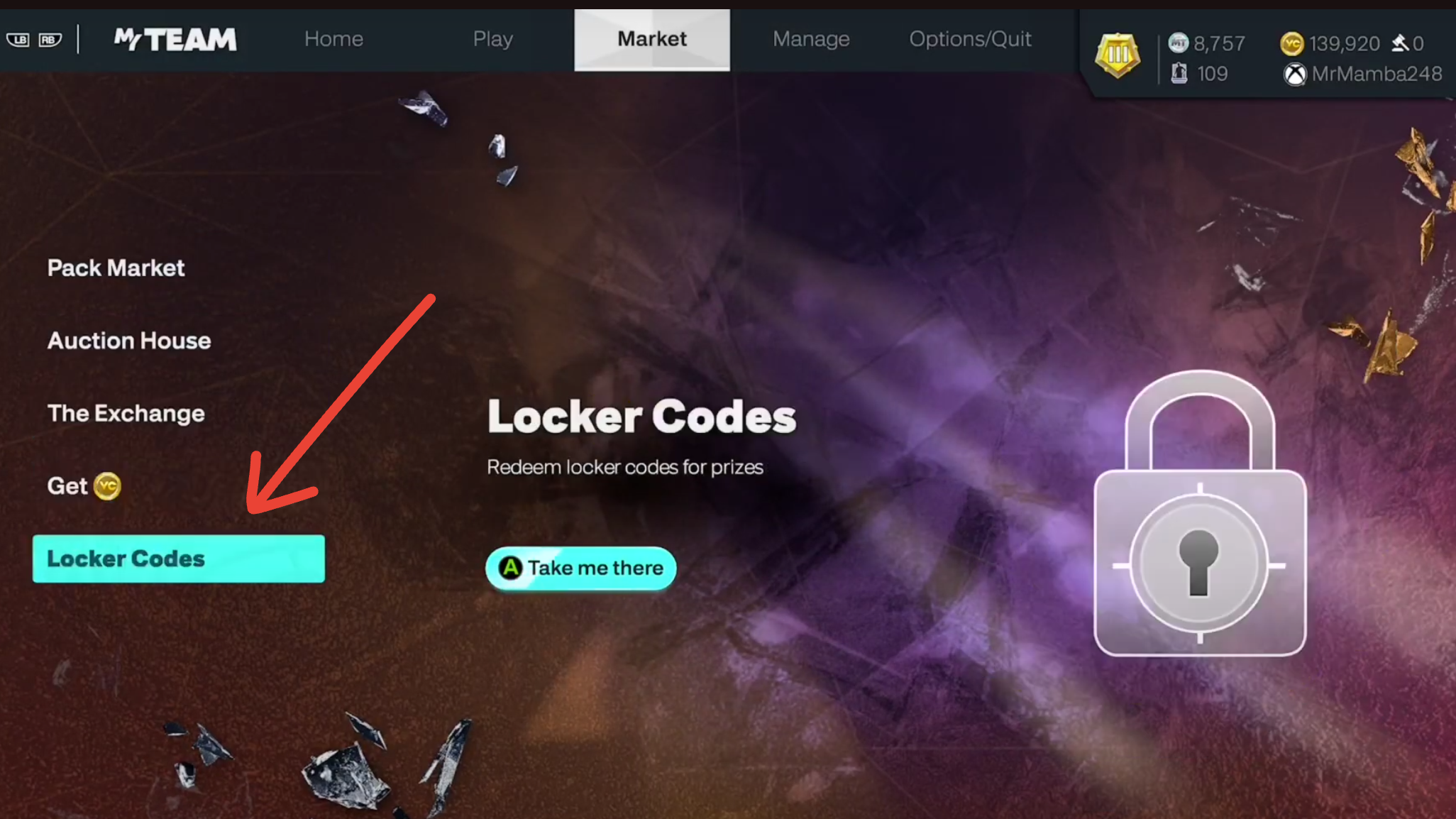
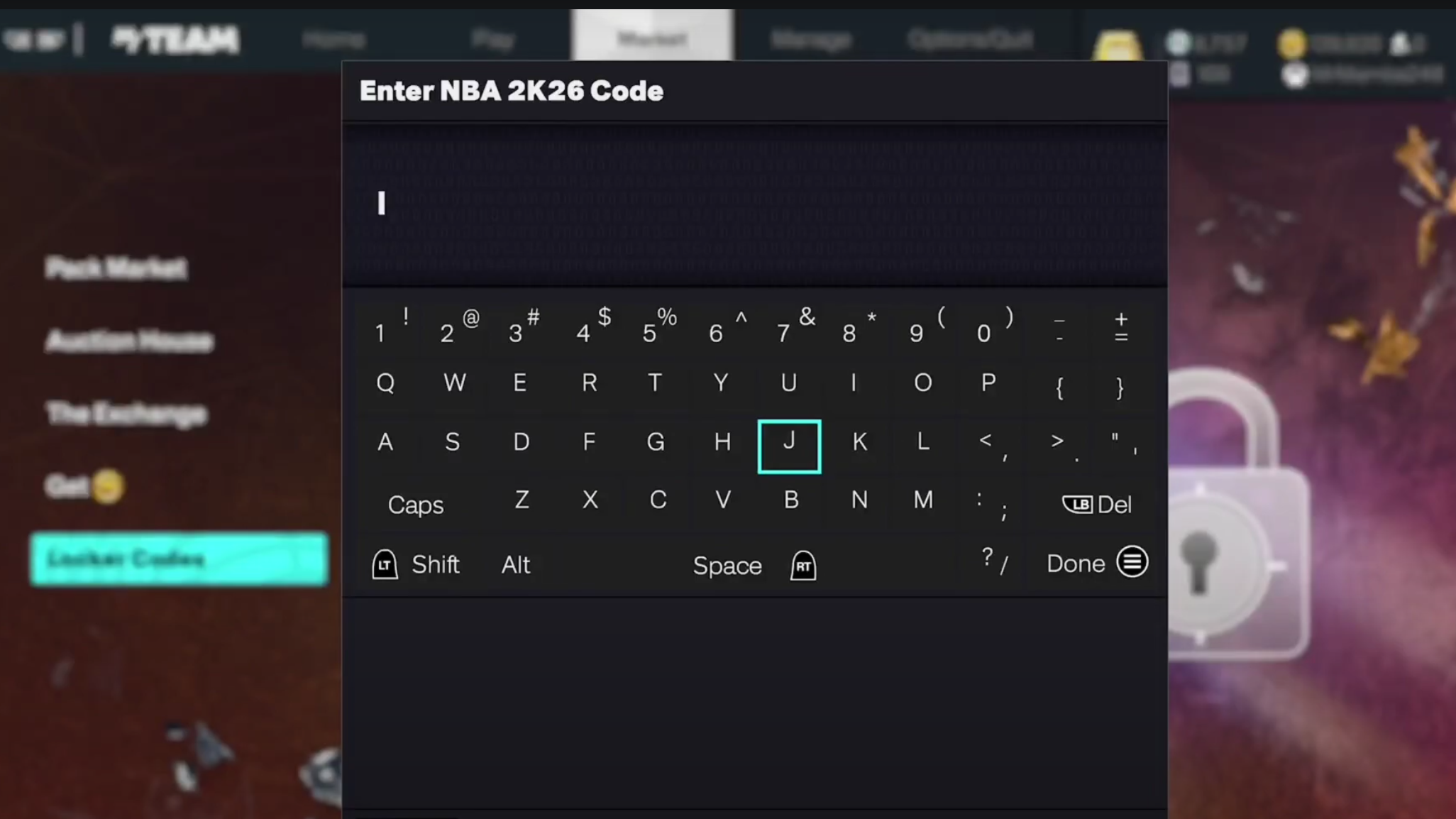
Redeeming these codes is pretty straightforward. Just remember to enter the correct spelling as they are case-sensitive. Here is how:
Scroll down until you see the ‘Locker Codes’ option.
Enter a valid locker code in the box provided.
Press ‘Done’ to confirm and claim your free rewards.
For now, those are the only NBA 2K27 locker codes available. Players who haven’t moved on from 2K25 can also check out our NBA 2K25 locker codes list.
How To Get More Codes?
The easiest way to acquire more locker codes is to keep this page bookmarked and check it often, as it is always updated whenever new ones become available.
You may also try subscribing to the official NBA 2K27 Discord community, where codes and other major announcements are shared. You can also find them on the official website, community forums, and sometimes through in-game notifications.
Advertisement
Frequently Asked Questions (FAQs)
Do NBA 2K27 locker codes expire?
Yes, the majority of the locker codes have time limits, so you should redeem them as fast as possible before they become invalid.
Can I reuse the same locker code after using it?
Advertisement
No, you may only redeem the locker code once within an account.
Is the NBA 2k27 locker code FREE?
Yes, locker codes are absolutely free as well and don’t involve any purchases.
An artist’s conception shows one of Cowboy Space’s data centers in Earth orbit. (Cowboy Space via LinkedIn)
California-based Cowboy Space is leasing a 291,035-square-foot industrial facility in Kent, Wash., to support the production of hardware for its planned constellation of AI data center satellites, according to the company that arranged the lease.
“According to Newmark Research, the transaction is the largest industrial lease in the Puget Sound region year-to-date,” Newmark, the real estate broker for the deal, said in a news release. Newmark represented CenterPoint Properties, Cowboy’s new landlord.
The facility at 7650 S. 228th St. previously served as a Costco distribution and delivery center. “This building was originally designed for large-scale logistics users, but Cowboy Space recognized the opportunity to reimagine it as a highly specialized production facility,” said Taylor Hoff, a vice chairman at Newmark’s office in Bellevue, Wash.
Newmark said Cowboy Space plans to convert the facility into a manufacturing operation supporting space and rocket development. The operation is expected to add 300 jobs, Newmark said. Cowboy is currently listing 46 Kent-based positions in its careers database.
The city of Kent, which is about 20 miles south of Seattle, is one of the hotspots for space companies in the Pacific Northwest. Boeing’s Kent Space Center remains active more than 50 years after building NASA’s Apollo moon rovers. The city also hosts Jeff Bezos’ Blue Origin space venture and Stoke Space, which was founded by Blue Origin alumni.
Advertisement
Cowboy Space, previously known as Aetherflux, plans to send its own rockets into low Earth orbit starting as early as 2028, with the upper stages outfitted to serve as solar-powered orbital data centers. The Stampede constellation is one of several planned projects aimed at getting around the land, power and water constraints that have made ground-based AI data centers increasingly controversial.
“We are building what I call the last big clean-sheet launch vehicle in my lifetime, so it’s going to be a very big heavy-lift vehicle, and we’re working every day to bring it to reality,” Warren Lamont, Cowboy Space’s head of launch and propulsion, said this week in a LinkedIn video. Lamont, who previously worked for IonQ and Blue Origin, is one of the executives heading up Cowboy Space’s engineering hub in the Seattle area.
Because even background features need to be scrutinized.
Smith Collection/gado/Getty Images
Bluetooth allows for all manner of creature comforts, from hands-free calls to wireless headphones. However, few tech conveniences can go without drawbacks, and Bluetooth is no exception. At a time when personal data is a hot commodity, it’s best to exercise caution.
Though Bluetooth requires a user’s consent before pairing with another device, that doesn’t mean hackers can’t slip through the cracks. A notable case was the discovery of a Bluetooth vulnerability in Fitbits specifically, as well as other hardware that makes use of the tech. Those vulnerabilities, based on open-source algorithms that can allow malicious actors to decode a user’s location, are only the tip of the iceberg.
Recent research from Insinuator reportedly found a vulnerability in Airoha-based hardware that would allow attackers within Bluetooth range to, among other things, eavesdrop on conversations and siphon personal data (including phone numbers, contacts, and call history).
Advertisement
Best practices for Bluetooth safety
Smith Collection/gado/Getty Images
Luckily, there are simple measures users can take for better protection, starting with keeping Bluetooth off when it’s not in use. This will limit the window within which your device is vulnerable, making all manner of hacker attacks (such as “bluebugging” or “bluesnarfing,” both of which take advantage of a nearby connection to gain access to a device) less likely. Furthermore, users should set Bluetooth to “hidden” mode, as opposed to “discoverable” mode, which will keep unknown devices at bay.
In addition, users who connect their phone to a rental car (or plan to sell their current car) need to remember to unpair their phone and clear any personal data from the vehicle before handing it off. It’s also worth remembering that using Bluetooth in conjunction with vehicular systems like wireless Android Auto requires both Bluetooth and Wi-Fi, opening further points of vulnerability. One solution is to forgo this wireless convenience altogether, and you can prevent it from automatically turning on by setting your phone’s “Start Android Auto Automatically” setting to “Never.”
iPhone users will also want to keep an eye on the model’s Live Listen feature, which allows users to stream audio from their phone’s microphone to AirPods, hearing devices, or supported headphones. This setting uses Bluetooth, thus creating an additional vulnerability to bluebugging attacks. If you want to make sure this setting is turned off, simply head to your phone’s accessibility settings and turn off Live Listen.
Advertisement
Bluetooth vulnerabilities continue to surface
David Becker/Getty Images
It’s important to keep track of vulnerability reports when it comes to hardware that relies on Bluetooth tech, as specific devices can come with specific issues. One such example was a flaw found in 17 Google Fast Pair audio devices, where researchers from Belgium’s KU Leuven University (as reported by Wired) found that hackers could possibly track location data and eavesdrop on users just by knowing a device’s model number. The researchers involved released the WhisperPair.eu tool, which you can use to find out if your device is vulnerable.
Ultimately, simply keeping Bluetooth switched off when not in use, while also adhering to other FCC recommendations, can go a long way towards improving personal security and keeping personal data safe. With the fast-growing cottage industry around tech privacy continuing to balloon, the above steps are a good inroad towards more peace of mind, and a good start towards better protection and precaution.
The social media site X, formerly known as Twitter, gets to retain the Twitter trademark for the moment, thanks to a partial preliminary injunction against Operation Bluebird, Inc.’s Twitter.new. But by the same ruling, Bluebird gets to keep the birds and tweets. Bluebird responded to this fail whale by announcing it would rename its nascent social network from Twitter.now to Tweet.app.
District Judge Colm F. Connolly said in an opinion issued Thursday that because X still uses the word “Twitter” in its branding, the company would likely prevail if the trademark dispute in the US District Court for the District of Delaware went to final adjudication.
“X Corp.’s use of the ‘formerly known as Twitter’ parenthetical in its Apple App Store listing makes it unlikely that Bluebird will strictly prove that X Corp. discontinued its use of the Twitter-formative marks,” Connolly wrote.
In other words, X has thus far failed to dislodge Twitter from the public consciousness despite Musk’s scorched-earth approach to destroying its social capital. It’s been three years — “Twitter” should have been gone by now. As a result, the company is still using “Twitter” so we know what it’s talking about.
Advertisement
The ruling does allow Bluebird to continue using “Tweet” and the iconic bird logo, mostly because X didn’t produce convincing evidence that it was still using them and because a lot of the proof X offered — web pages and emails — was undated.
Operation Bluebird announced plans last year to flip Musk the bird by launching Twitter.new in reaction to what many people perceive as the decline of the platform in the wake of Musk’s acquisition and subsequent actions, like diluting account verification, ineffectively combating hate speech and more (or as the new blue site says, “burned it all down”).
In December 2025, X filed suit against Bluebird to block it from using its textual or graphic trademarks: “Twitter,” “tweet” and the bird. Bluebird’s network is still in its please-sign-up phase.
Lori Grunin
Senior Editor / Computers and Gaming Hardware
Advertisement
I’ve been reviewing hardware and software, devising testing methodology and handing out buying advice for more than 25 years.
See full bio
In a quiet summer garden, a caterpillar perches on a branch, munching serenely on leaves. A moment later it freezes. It senses danger—and just in time. From behind, a wasp approaches, sizing up its prey.
Tobacco hornworm caterpillars don’t look like they have ears, and yet they’re able to sense predators such as wasps. How does the caterpillar know a wasp is approaching?
Scientists do not fully understand how this caterpillar’s senses work, but we are part of a team of biologists and engineers who want to figure it out. Our ongoing research suggests that tobacco hornworms can hear using tiny, supersensitive hairs on their body.
Understanding the intricate biological mechanisms that allow this organism to perceive and interact with its environment would help solve a mystery of the natural world. It could also help scientists design new, cheaper microphone technology.
Advertisement
Because the hornworms’ hairs are so sensitive, we have to study them in complete silence. And where better to study hearing than in the complete silence of an anechoic chamber?
What Happens in the Anechoic Chamber
What happens outside the anechoic chamber stays outside the anechoic chamber, because it is meticulously built that way. Anechoic chambers are some of the quietest places in the world. They are engineered specifically to block the entry of any undesired sounds. Heavy-duty steel springs support the “floating” chamber and keep it from touching the ground. This detachment isolates the space from outside vibrations or noise.
In such a chamber, we studied the caterpillars’ responses to vibrations. Every day for a year, we set up a caterpillar on a platform and sent vibrations toward the platform at a variety of intensities.
To measure the movement and precise vibrations that traveled through the platform the caterpillar sat on, we used a device called an accelerometer. In response to vibrations, we sometimes saw the caterpillars jump; at other times they twitched or even shuddered from the sheer physical force.
Advertisement
Through our observations, we pinned down the specific threshold where the caterpillars stopped reacting to vibrations. Any vibration weaker than that magnitude, and the caterpillar wouldn’t visibly react at all.
After noticing this consistent pattern, we decided to test more caterpillars inside the anechoic chamber, but this time using airborne sound as the stimulus. The idea here was that if the caterpillars are more sensitive to sound than they are to vibrations, they are probably hearing airborne sounds independent of any vibrations.
Sound is broadly defined as a form of vibration or energy that becomes audible, meaning you can hear it with your ears. But here’s the catch: Sound also causes objects to vibrate. To make sure the caterpillar wasn’t just sensing the sound’s vibrations through the platform, we also used the accelerometer to measure the vibrations that the platform experienced from the sound. Our goal was to compare the platform vibrations produced in two distinct scenarios: when sound through the air was used as the stimulus versus when just direct vibrations were used as the stimulus.
We noticed that this time the caterpillars continued reacting to the sound even beneath their threshold of response to the direct vibrations. This finding suggested that they were hearing the airborne sounds.
Advertisement
Finding the Caterpillars’ “Ears”
So, where are their “ears?” Or rather, what are their “ears?”
There are two ways of hearing sound: from the sound waves’ pressure and from the velocity of the particles making up the sound waves.
For the longest time, scientists have associated hearing with tympanal organs. A tympanal organ in most mammals is a membrane that vibrates in response to pressure from sound waves. Its vibration moves the bone structures adjacent to it as well.
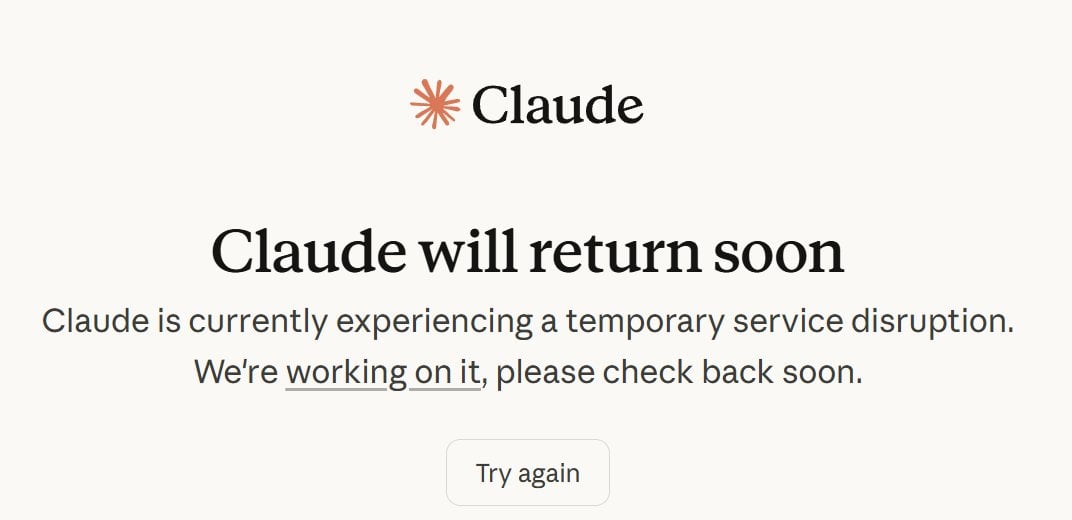
Claude is experiencing an outage, with users encountering elevated errors when sending requests to multiple Anthropic AI models.
The incident began on September 3, 2026, at around 9:41 AM ET, and is affecting several Claude models, including the company’s latest Mythos, Fable, and Opus models.
According to Anthropic’s status page, the company initially said it was investigating elevated errors on requests to Claude Mythos 5.1, Claude Fable 5.1, and Claude Opus 5.
At around 9:41 AM ET, Anthropic said it had identified the cause of the elevated errors and was working on a fix.
Advertisement
Claude error when using affected models
A few minutes later, Anthropic published a more complete list of affected models, confirming that the outage impacts Mythos/Fable 5.1, Mythos/Fable 5, Opus 5, Opus 4.8, and Opus 4.6.
For users, the outage can result in requests failing to complete or returning errors when using one of the affected Claude models.
Anthropic said at 10:49 AM ET that it was continuing to work on a fix for the issue, and the outage remains ongoing at the time of writing.
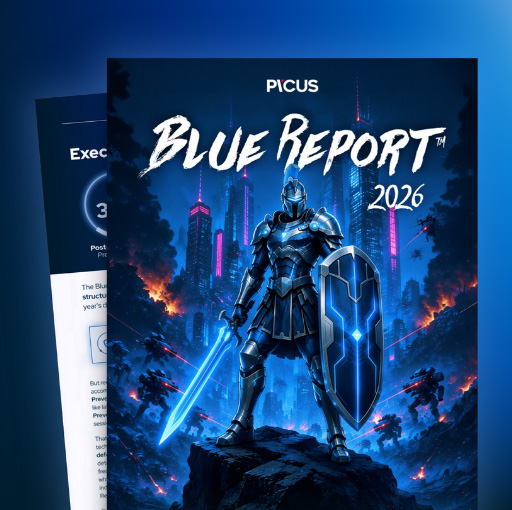
Overall prevention scores can hide what happens after initial access. Once attackers are using valid credentials, prevention drops sharply.
The Blue Report 2026 measures defenses technique by technique across 338 million simulations run in customer production environments.
The Apple Watch Ultra 3 is Apple’s most complete smartwatch, pairing its biggest, brightest screen yet with useful safety features such as Emergency SOS via satellite. It’s a hefty price increase over the Series 11, and Ultra 2 owners probably won’t find enough here to justify upgrading, but for anyone jumping from an older watch, or switching from another smartwatch entirely, it’s a fantastic smartwatch.
Big and bright display
Solid and comfortable titanium build
Longer battery life plus fast charging
Emergency SOS via Satellite adds peace of mind when off-grid
Dependable fitness and GPS tracking
Very expensive
Limited gains over the Watch Ultra 2
No stress tracking or daily readiness score
Only one size option
SQUIRREL_PLAYLIST_10208729
Advertisement
Key Features
Review Price:
£749
Advertisement
Satelite SOS
Beyond the Emergency SOS already available on the Ultra 2, the Ultra 3 adds satellite-based Emergency SOS, enabling you to request emergency help without a cellular signal or a nearby iPhone.
Advertisement
Bigger, brighter screen
Thinner display borders free up more usable screen space than the Ultra 2, all within the same 49mm case, while the sapphire crystal front is claimed to be the toughest yet.
Advertisement
Longest battery life
Apple quotes up to 42 hours of normal use, or 72 hours in Low Power Mode, plus faster charging when it needs topping up.
Introduction
Apple’s Ultra line has never been for everyone, and the Ultra 3 doesn’t try to change that, but if you’re someone who actually leaves the house and loves adventure, it could be the one for you.
Advertisement
Now in its third iteration, the Ultra 3 sits above the Series 11 and the Watch SE 3 as the priciest and most rugged watch in Apple’s current line-up. It’s aimed at hikers, open-water swimmers, ultrarunners and anyone who wants an Apple smartwatch that can survive a few days away from a charger, all without looking out of place in a boardroom when at work.
Its case size and titanium build are largely unchanged from the Ultra 2, but this year’s model adds a larger display with wider viewing angles, satellite-based SOS calling, 5G, and a longer-lasting battery with faster charging. I’ve worn the Ultra 3 as my main watch for months to see whether Apple’s most expensive watch earns its keep.
Advertisement
Design and Screen
Same 49mm titanium case and single size as the Ultra 2
Thinner bezels provide a larger display
Chunkier and heavier than the Series 11, yet still comfortable
There’s no mistaking the Ultra 3 for anything other than an Apple Watch Ultra. The 49mm titanium case is unchanged in size compared with its predecessors, and there remains just one option, so if you thought the Ultra or Ultra 2 were too big, your opinion will remain the same for this model. Colour options are the same too, with either Natural or Black, the latter introduced with the Watch Ultra 2 in 2024.
Image Credit (Trusted Reviews)
It’s a big watch, and next to the Series 11, the difference in bulk is noticeable the moment you strap it on. At roughly 62g, it’s around double the weight of the smallest Series 11.
That said, I didn’t find it uncomfortable to wear day or night, including during sleep tracking, and the extra heft on my wrist stopped registering after the first week, despite my reasonably small wrists. As with the other Apple Watch Ultra models, the Ultra 3 has thicker ridges on the Digital Crown and a raised guard around it and the side button, making it easier to operate than the Watch Series 11 with cold or wet hands, or when wearing gloves.
Advertisement
Image Credit (Trusted Reviews)
Advertisement
Apple has trimmed the bezels around the screen on this model, however, freeing up more usable space without increasing the footprint of the case. Overall, it’s an excellent watch screen (especially now it’s bigger), easy to read in direct sunlight and visible from wider angles than previously, too. The sapphire crystal covering it is also claimed to be Apple’s most durable yet, and after months of gym sessions, dog walks and general knocks, mine still looks brand new.
Performance and Software
Runs on the same S10 chip as the Series 11
watchOS 26 brings Liquid Glass, Double Tap and Wrist Flick
Action button gives quick access to whatever you choose
Apple has equipped the Ultra 3 with the same S10 chip that powers the Series 11, so if raw speed is what you’re after, the upgrade over the standard model doesn’t lie in the processor. That said, everything about using the Ultra 3 day-to-day feels snappy: apps open quickly, watch faces swap instantly, and Siri requests handled on the watch itself are responsive.
Software-wise, it’s currently running watchOS 26, bringing the layered, translucent Liquid Glass look to menus and widgets, along with the Double Tap and Wrist Flick gestures that let you dismiss calls and notifications with one hand.
Image Credit (Trusted Reviews)
Both are just as useful here as on the Series 11, arguably more so if your hands are full on a trail or mid-set at the gym. It will also be compatible with watchOS 27 when it arrives later this year, adding features like Siri AI, along with a couple of extras, such as a single-tap gesture for scrolling through the Smart Stack one-handed and a dynamic app grid that pulls up your most-used apps when you press the Digital Crown.
Advertisement
Like the Ultra 2, the Ultra 3 also has an extra hardware button. Alongside the Digital Crown and the usual side button (a single press for Control Centre, a double press for Apple Wallet), there’s the orange Action Button on the opposite edge, which can be set to trigger a workout, a shortcut, or a compass waypoint with a single press. Press and hold it to sound the built-in siren, access your medical ID, or start an emergency call – all of which could come in very handy.
Advertisement
Tracking and Features
Reliable heart rate and GPS accuracy
Sleep Score but no readiness score
Satellite SOS
Fitness tracking is where the Apple Watch Ultra 3 is designed to shine, and it largely delivers. Across gym sessions, I compared its heart rate readings with a chest strap and found they matched almost exactly, including the same peak during hard intervals. I also had marathon runner, Kieran Alger, test the Ultra 3 for a full 26.2-mile race, and while the GPS wasn’t pinpoint-accurate to the official course, the logged mileage was close enough not to throw off their pacing or splits.
Sleep Score is on board here too, as with other Apple Watch models, breaking a night down into duration, consistency and disturbances for a mark out of 100, but I found it just as generous as on the Series 11 (even if that’s necessarily a bad thing).
My scores regularly sat in the mid-90s on the Ultra 3, noticeably higher than on the same nights measured by my Oura Ring and EightSleep system, both of which put me closer to the high 80s or low 90s. I’d still like to see Apple pair this with some kind of daily readiness and stress score, both of which rivals already build in, but for now, that’s not something offered here.
Image Credit (Trusted Reviews)
Advertisement
What the Series 11 can’t match is the Ultra 3’s connectivity when things go wrong (hopefully they won’t, but you can never be too sure). Alongside 5G, which allows this smartwatch to operate untethered from an iPhone if you’ve got a data plan, there’s Emergency SOS via satellite, letting you reach help even with no cellular coverage.
I tried the built-in demo mode rather than a live emergency, but it’s reassuring to know the option is there. It also sits alongside a 100m water rating and a 40m depth certification for recreational diving. Hypertension notifications, which analyse your heart rate patterns over a rolling 30 days for signs of chronic high blood pressure, are here too, though that feature isn’t exclusive to the Ultra 3 and is also available on the Ultra 2 and Series 9 through 11.
Advertisement
Battery Life
Up to 42 hours per charge, or 72 hours in Low Power Mode
Comfortably better than Series 11
Fast charging tops up 80% in around 45 minutes
That brings us to battery life, which is one of the biggest reasons to pay the premium for the Apple Watch Ultra 3. Apple rates it for up to 42 hours of everyday use, with up to 72 hours in Low Power Mode.
That aligns with what I saw on days when I did at least one GPS-tracked workout: I was topping up roughly every other day rather than nightly. A one-hour run used around 8% of the battery, while marathon tester Kieran used 18% his 2 hour 54 minute marathon.
It’s still not the multi-day stamina you’ll get from a dedicated Garmin or Coros watch, but it’s better than the Series 11, and the charging speed helps take the sting out of it, too. A 45-minute top-up gets you to 80 per cent, while a 15-minute charge is enough for about half a day’s use if you’re in a hurry to get out of the door.
Advertisement
SQUIRREL_PLAYLIST_10208729
Advertisement
Should you buy it?
You want the biggest screen and toughest build in Apple’s smartwatch range
The larger display, satellite safety tools and longer battery life make this the ideal choice for hikers, swimmers and anyone who spends time outdoors, so long as they use an iPhone.
Advertisement
You already own a Watch Ultra 2
The core design, chip and most headline features carry over from the Ultra 2, so unless Emergency SOS via Satellite or the bigger screen specifically appeal, you’re better waiting for the Ultra 4.
Advertisement
Final Thoughts
Three generations in, the Ultra formula hasn’t changed much, but the Apple Watch Ultra 3 adds some meaningful improvements this time around. There’s a bigger, brighter screen, a useful satellite SOS feature, and battery life that starts to close the gap on dedicated outdoor watches. None of that comes cheap, and Ultra 2 owners have little reason to upgrade.
But for everyone else, whether you’re stepping up from an Apple Watch Series smartwatch, coming from Android or another platform, or simply want the most capable smartwatch Apple makes, the Ultra 3 is hard to fault. It’s built for adventure yet comfortable enough to wear through a normal working week, and that combination remains hard to beat.
Advertisement
FAQs
Does the Apple Watch Ultra 3 work with Android phones?
No. As with every Apple Watch to date, the Apple Watch Ultra 3 only pairs with an iPhone, and needs iOS 26 or later. Your iPhone will also need to be an iPhone 11 or newer.
Is the Apple Watch Ultra 3 waterproof?
Advertisement
It’s water resistant to 100 metres under ISO standard 22810:2010. It is safe for swimming, snorkelling, high-speed water sports, and recreational scuba diving down to 40 metres. It also has an IP6X dust rating.
Full Specs
Apple Watch Ultra 3 Review: Still king after a year of use?
HP, which stands for Hewlett-Packard, was founded in 1939. At the time, neither personal computers nor the internet were a thing yet. Since its founding, HP has made a variety of products, from oscillators for testing sound equipment to calculators and frequency synthesizers used in space vehicles before finally entering the personal computer space in the late ’60s. Fast forward several decades, and the company has grown to become worth billions of dollars.
HP is a well-known manufacturer of laptops, desktop computers, and printers, producing products across different price segments. The company has a strong reputation in the portable computer segment and is known to make some of the most reliable laptops. In addition to its main product lines, the company has expanded its reach through the acquisition of various tech brands. Currently, HP owns several tech brands, most of which it acquired outright from other companies. However, some of the tech brands that HP owns no longer exist after being integrated into its product line and having their names phased out.
Advertisement
Compaq
Shulers/Shutterstock
If you’re familiar with the Compaq name from the ’90s and early 2000s, you’ll be surprised to learn that the company is now owned by HP. However, that wasn’t always the case. Compaq started as an independent company, then in 2001 HP announced its intention to acquire it for $25 billion. For the uninitiated, Compaq was a U.S. computer manufacturer that was once a dominant player in the PC market. If you wanted to buy a PC back then, you probably considered one of the company’s models.
Compaq was started in 1982 by three former Texas Instruments employees, Rod Canion, Jim Harris, and Bill Murto. The company got started in the PC market by manufacturing IBM-compatible personal computers. In fact, the Compaq name was made by blending two words: “compatibility and quality.” Soon after entering the market, the company’s products became a hit, and Compaq rose through the rankings to become a leading PC manufacturer from the mid-’90s to 2000.
However, you won’t see the Compaq name around anymore. After it was acquired, HP began rebranding Compaq’s products under its EliteBook and ProBook lines within a few years and eventually discontinued the company’s branding in 2013.
Advertisement
Poly
Cesc Maymo/Getty Images
Poly is another tech brand that HP owns. The American tech company acquired Poly, formerly known as Plantronics, in 2022for around $3.3 billion to expand its reach into the hybrid work and communications technology market. Poly sold video-conferencing equipment, specifically gadgets meant for hybrid work setups, such as headsets, webcams, office telephones, and more.
You might not have heard of Poly, but it’s an old tech company dating back to 1961. It was founded by two airline pilots who joined forces to develop an upgraded headset design. The company was founded in Santa Cruz and was known at the time as Plantronics. Its first product, a headset known as the MS-50, was a game-changer that NASA astronauts requested the organization to include in their helmets. Sure enough, NASA adopted it, and it was even used during Apollo missions.
Advertisement
The company expanded into the wireless office headset space and gaming segments in the ’90s and 2000s and merged with Polycom in 2018. After the merger, it rebranded to Poly. Since its acquisition in 2022, it has operated as a brand within HP, with its products branded HP Poly. HP currently sells headsets, webcams, earbuds, IP conference phones, and other gadgets for hybrid workers under the HP Poly brand.
Advertisement
HyperX
AS project/Shutterstock
HyperX is yet another tech brand that HP currently owns. Like Compaq and Poly, HP acquired HyperX. However, this acquisition is more recent than Compaq’s, as HP finalized the purchase of HyperX on June 1, 2021. It acquired HyperX for $425 million from its parent company, Kingston Technology, known for selling memory and storage products such as hard disks, SSDs, DRAM, USB flash drives, and memory cards.
HyperX is a gaming-focused brand that makes a variety of accessories meant for gamers. That includes products like keyboards, mice, mouse pads, and headphones that are optimized for console and PC gamers. HyperX has a solid reputation in the gaming accessory market, with its headsets (most of which are wired) being praised for their excellent audio quality and microphones. Since the acquisition, HyperX has continued pumping out gaming-related products.
As of this writing, its website lists gadgets that span categories and target platforms such as the Nintendo Switch, Xbox Series X/S, PS5, and PC. These include gaming headsets, keyboards, mice, microphones, and controllers, to name a few. HP is also expanding the brand’s product lineup, with the company announcing HyperX’s first pair of open-back headphones, the Cloud Alpha Air, priced at $149 and set to hit shelves in September 2026.
Advertisement
Teradici
PeopleImages/Shutterstock
Founded in 2004, Teradici built a business around PC-over-IP (PCoIP), a technology that enables users to access powerful workstations remotely while maintaining high graphics quality. Its products proved particularly useful for accessing graphics-intensive applications over the cloud, such as 3D modeling software, including 3D CAD. The Teradici brand was acquired by HP in 2021 as the company sought to expand its foothold in the hybrid work environment.
However, under HP’s leadership, the Teradici brand has since faded into oblivion. Roughly nine months after the acquisition, the American tech company launched HP Anyware, a remote computing service that combines Teradici’s Cloud Access Software platform and HP’s own ZCentral Remote Boost technology. As of this writing, HP has even redirected the original Teradici website to HP Anyware. However, the existence of HP Anyware is living proof that Teradici’s technology is still in use under the hood.
Teradici started by making dedicated hardware for PCoIP, offering products such as PCIe cards for workstations and servers. It later shifted its strategy to PCoIP software, first through the Workstation Access Software name and later through the Cloud Access Software branding. By the time HP acquired Teradici, the company’s PCoIP protocol was being used by over 15 million endpoints.

































































You must be logged in to post a comment Login