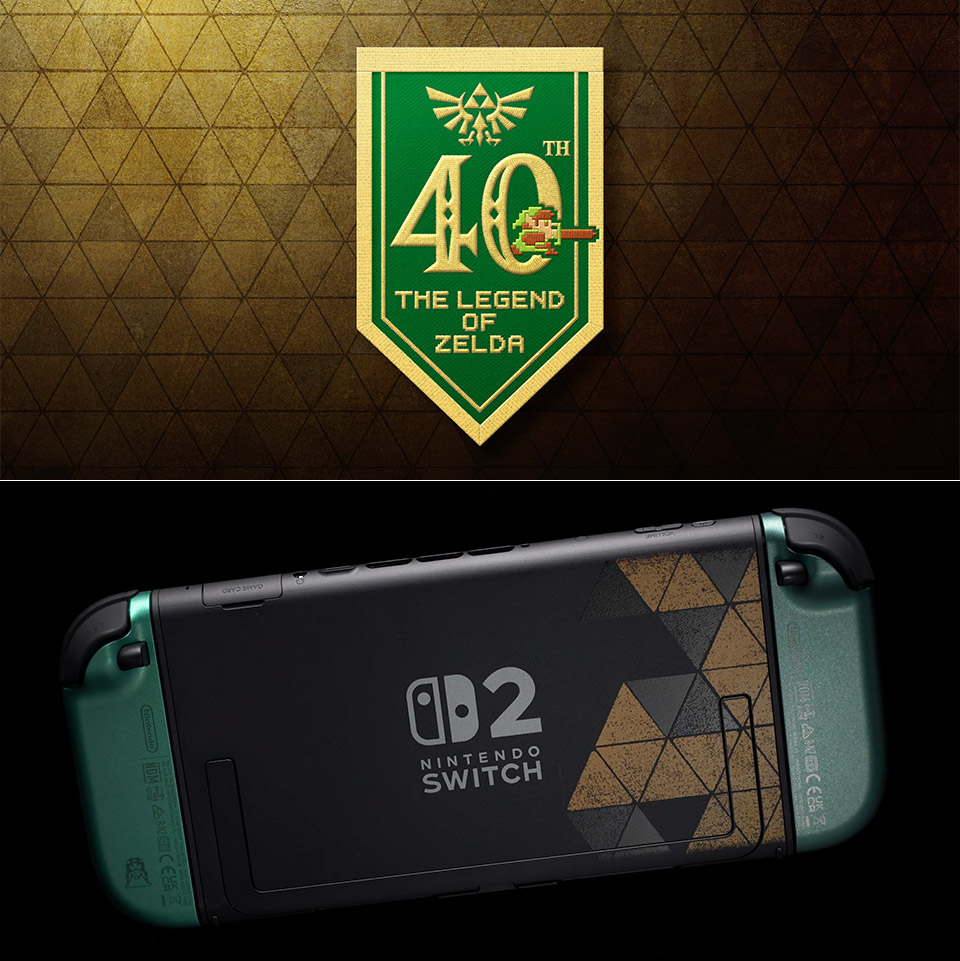
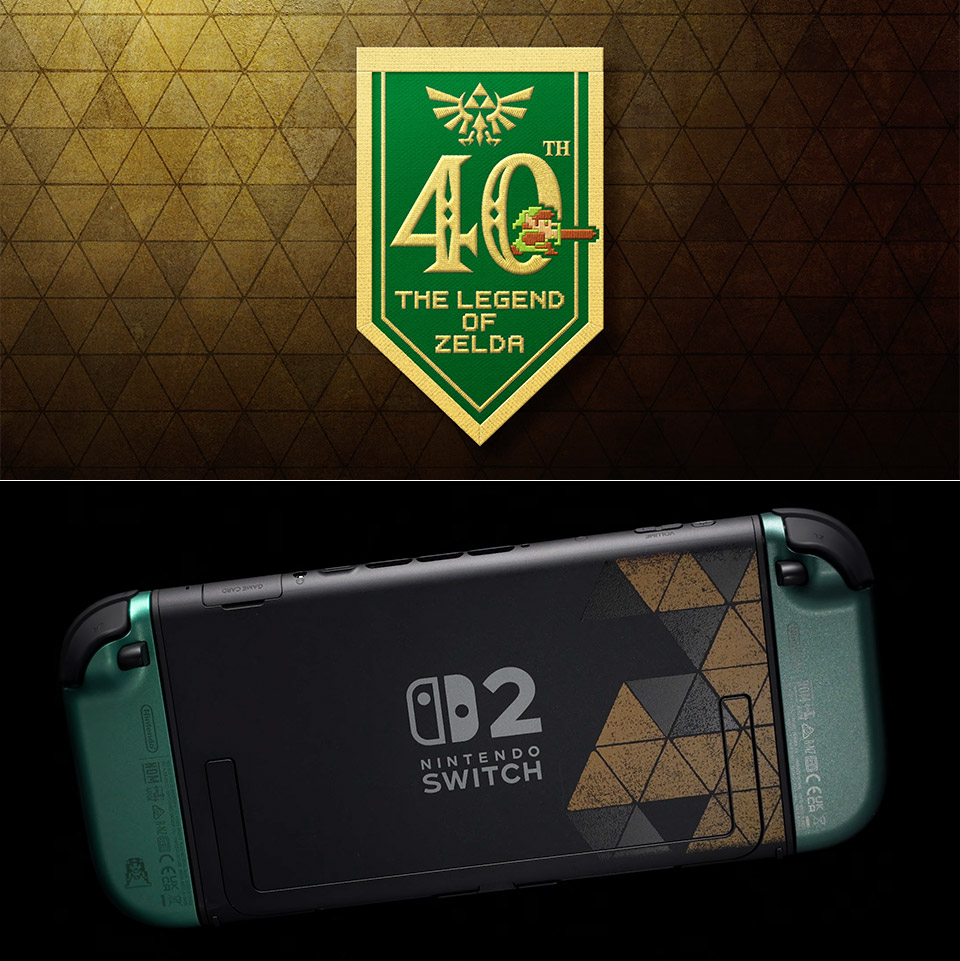
Nintendo used this morning’s Direct to give Switch 2 its first real collector finish, timed to forty years of The Legend of Zelda. Officially called Nintendo Switch 2 – The Legend of Zelda – 40th Anniversary Edition, the system arrives October 29, one week before the Ocarina of Time remake on November 5.
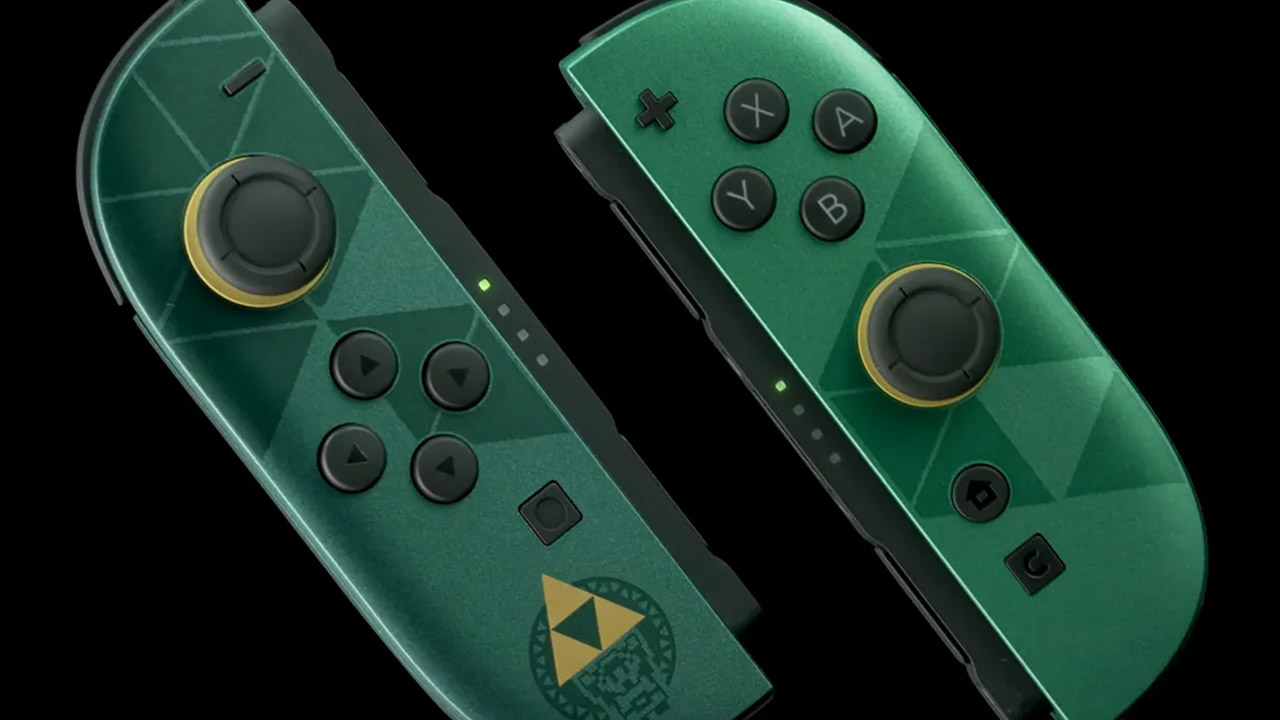
Gold stands atop black on the dock, displaying a giant Triforce on the front, while icons and symbols march across the dock and tablet’s surfaces. The traditional green and gold Joy-Con 2 controllers attach with magnets Green. Nintendo’s design draws on iconic series colors, as well as some game-related adornment. Check out the stills, which show the original Link from 1986 clutching the Triforce on one controller and a Zelda sprite on the other. It’s a great look, and the metal surface reflects light in a more muted way than pure gold.
GAMER COLLECTIBLE MODEL KIT – Adults ages 18 and up can share their love of video games with the LEGO The Legend of Zelda: Ocarina of Time – The…
LEGO CASTLE RUINS BUILDING SET – This detailed gaming collectible features a ruined castle area, Link, Zelda and Ganondorf minifigures, and 2 more…
FEATURES AND FUNCTIONS – Recreate the final battle scene with movable rubble, a button to raise Ganondorf from the ruins, the hidden Megaton Hammer…
The internal specifications remain unchanged, including the regular 7.9-inch 1080p screen and HDR for the Switch 2, 256GB of storage (some back for the system), magnetic Joy-Con 2 that act as mouse support in some games, and 4k output at up to 60 when the TV and game allow it. Only the anniversary paint, no additional power under the hood. The box contains the tablet, green and gold Joy-Con, wrist straps, dock, grip, AC adapter, USB-C cable, and Ultra High Speed HDMI cable. There is no game in the box, therefore you will need to purchase the Ocarina of Time remake separately.
The special edition console is priced at $519.99 in the United States, which is $20 higher than the base $499.99 model following the most recent price increase. In Japan, the Zelda Pro version costs 62,980 yen, tax included. A Zelda Pro controller costs $99.99, while a version with a display stand costs $109.99 and is only available in a few limited locations. There’s also a carrying case with screen protector for $39.99, which features the same types of designs. Preorders for this special edition hardware opened today at Nintendo and Best Buy, allowing you to purchase it before it sells out.
Platforms that permit adult content must employ effective age assurance methods, according to Ireland’s Online Safety Code.
Elon Musk’s social media platform X is under investigation yet again; this time for its alleged non-compliance with regulations around age assurances and parental controls.
Ireland’s media regulator Coimisiún na Meán (CnaM) has today (8 September) launched its first investigation under the Online Safety Code to probe whether X is effective in ensuring children don’t come across sexual and other adult content on its platform.
Under the Online Safety Code – which came into complete effect last year – age assurance is a requirement for platforms that permits adult-only content such as pornography, or content that consists of real or realistic gore and violence.
Advertisement
Age assurance measures can include age estimation, which often uses AI technology to estimate a user’s age, while increasingly stricter regulations also require platforms to verify users’ ages via photo identification.
For years, users, including minors, could self-declare as adults while signing up to platforms. Under new regulations, this is no longer an acceptable age barrier.
In addition, platforms such as X are also required to provide parental control systems to ensure that guardians can steer what type of content their children encounter.
CnaM said it launched its probe after its platform supervision team raised concerns around X’s compliance with regulations. It found that parental controls put in place by X “may not be effective, do not have minimum requirements, are hard to locate and are not brought to the attention of new users at sign-up stage”.
Advertisement
The new investigation will probe whether X is employing effective age assurance measures, whether parental control systems it uses reach the minimum functional requirement, and whether it directs new users to the available controls.
“We understand the concerns that parents and guardians have about content their children may be seeing online and concerns of strangers seeing their children’s content,” said CnaM’s digital services commissioner John Evans.
“Platforms which allow users under the age of 16 must have parental controls which are under the control of parents and guardians, they must ensure that these parental controls are effective and easy to locate, and they must draw users attention to these parental controls at account sign-up stage, for any parent or guardian who wishes to use them.
“Platforms which are accessible to children and allow adult-only video content, such as pornography or extreme and gratuitous violence or acts of cruelty, must ensure that this content cannot normally be accessed by children by implementing effective age assurance measures,” Evans added.
Advertisement
The Irish regulator opened a different probe into X last year to investigate whether the social media platform broke the European Union’s Digital Services Act (DSA) with its content moderation policies.
The platform, meanwhile, is also being separately investigated by the EU – alongside CnaM – the Data Protection Commission, and the UK government over its Grok AI chatbot, which enabled users to generate millions of non-consensual sexually explicit content. X faced the first penalty issued under the DSA last year after it was fined €120m for breaking rules around transparency obligations.
The bloc is tightening regulations around social media platforms as lawmakers grapple with its long-term negative effects on children. 28 large platforms and services are being monitored in the EU under some of the world’s strictest laws around social media harms, while an increasing number of member states are opting to ban platforms for minors altogether.
OpenAI released ChatGPT Images 2.5 with two new API models, one of which Adobe has already put into Firefly. The company says more than 3 billion images a week are created across ChatGPT and its image API. The notable additions are interface features rather than model research, including the ability to share the prompt alongside an image
OpenAI released ChatGPT Images 2.5 on Tuesday. The company said in its announcement that the model brings sharper detail, more precise editing and up to 50% lower latency than Images 2.0.
Two new models go to developers. GPT-Image-2.5 Flare is the default, and Sunburst is the slower, higher-control option for production creative work.
Adobe is a launch customer
The detail worth pausing on is in the testimonials. Adobe says the new GPT-Image-2.5 models are now in Firefly, its creative AI studio.
Matt Chotin, a senior director of product at Adobe, framed Firefly as bringing leading AI models together with Adobe’s own tools in one place. That is a company positioning itself as the interface rather than only the model.
So each company is a distribution channel for the other. Neither can be confident it owns the moment a creative task begins.
That ambiguity is the whole competitive question in creative software right now. Whoever owns the starting point captures the workflow.
Advertisement
Prompts become objects
OpenAI is answering that question with a social feature. When you share an image now, you can attach the prompt that made it, and someone else can run it with their own photos.
OpenAI links to a viral 1980s headshot prompt as the example. That is a distribution mechanic dressed as a convenience.
A shareable prompt is a template that spreads on its own. It also keeps the loop inside ChatGPT rather than inside anyone else’s canvas.
The other new features point the same way
Sketch lets you draw in ChatGPT and use the drawing as a reference. Templates offer starting formats such as posters and merchandise, and comments can be placed directly on an image.
Advertisement
None of this is model research. It is interface work, and interface work is what you do when you want people to stay.
Availability is broad. Images 2.5 is rolling out to ChatGPT, ChatGPT Work and Codex users on every tier, across desktop, mobile and web.
Three billion a week
The scale figure is the one to sit with. OpenAI says more than 3 billion images are created weekly across ChatGPT Images and the GPT-Image models in the API.
That is the company’s own number and is not independently audited. Taken at face value it is a vast quantity of synthetic imagery entering circulation every week.
Advertisement
OpenAI says it applies C2PA metadata and invisible watermarking, alongside prompt and image checks, and has published a system card for the release. Provenance marking at that volume is a genuine engineering commitment.
Whether provenance survives contact
Marking images is necessary and not sufficient. Metadata is routinely stripped by platforms, screenshots and re-encoding, and invisible watermarks vary in robustness.
The prompt-sharing feature cuts against provenance in one respect. It makes it easier for a distinctive look to be reproduced by many people from the same recipe.
Advertisement
The competitive picture
The reference-photo improvements target the most commercially valuable use. Putting a real person or product into new settings is what advertising, ecommerce and social content actually need.
Higgsfield and Manus, both quoted in the announcement, are building on the API rather than competing with it. Manus says Flare runs two to four times faster than the previous model in its own evaluations.
Watch whether Adobe keeps naming its model suppliers. A studio that aggregates models is strong while it can choose, and weaker if one supplier becomes indispensable.
CarPlay is great as it comes, but a few personalization tweaks make it even more convenient.
Habanero Pixel/Shutterstock
If your vehicle supports the feature, one of the best quality-of-life upgrades you can make to your drives is setting up Apple CarPlay with a cable or wirelessly. This way, you don’t need to deal with the clunkiness of a phone mount. Your navigation app of choice and essential media controls are displayed directly on your car’s infotainment screen. Plus, with Siri receiving a major overhaul in iOS 27, interacting with your device completely hands-free should finally feel reliable while you’re driving.
CarPlay’s user interface uses a lot of bold text and large icons to make information easy to glance at and touch. It’s solid by default, but making a few tweaks will put the most important items in front of you and make everything easy to process.
By default, CarPlay uses dark mode so your car’s infotainment screen doesn’t blind you in dim environments. If this makes readability during the day more difficult, you can switch to light mode by navigating to Settings > Appearance in CarPlay using the touch screen or your vehicle’s controls. Here, select Automatic to have CarPlay switch between light and dark modes depending on the ambient lighting conditions.
Advertisement
The Settings app inside CarPlay (Settings > Wallpaper) is also where you can change the background that shows behind all your apps. Though you can’t use a custom image from your phone’s gallery, there are a handful of Apple-designed wallpapers with different color and pattern options to choose from.
Similarly, visit Settings > Customize Icons to pick a dark icon pack or switch to clear icons that follow Apple’s Liquid Glass design philosophy. In the Accessibility submenu, you can alter the text size to improve readability.
Advertisement
Rearrange apps and use widgets in CarPlay
Adnan Ahmed for Engadget
One of the best ways to personalize the display in CarPlay is rearranging the apps on the home screen. Unlike the above, this customization happens on your iPhone. Navigate to Settings > General > CarPlay and select your vehicle, then tap Apps.
To bring your frequently used CarPlay apps to the first page, reorder the list using the handles. Your car’s display size affects how many apps appear on each page, so keep that number in mind as you adjust the list. Tap the Remove icon for any apps you don’t use; a few default ones can’t be removed, so drag them to the bottom if you don’t care about them.
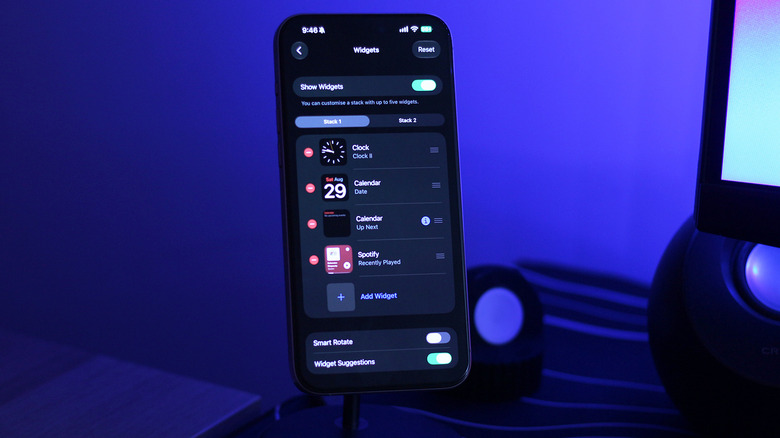
It took forever for the iPhone to feature widget support on the home screen and even longer for Apple to bring widgets over to CarPlay. Widgets were finally added to CarPlay with iOS 26; they live on a separate page accessible access by swiping right from the main dashboard.
Depending on how wide your car’s infotainment screen is, you’ll see one or more stacks of widgets at a time. By default, CarPlay lists widgets it thinks you might find useful, like the clock, calendar, media player and weather. To make better use of this space, you should customize which widgets show up in what stack. After all, you don’t want to be frantically going through the entire stack while on the road to find the widget you’re looking for.
To do this, visit the same CarPlay settings page on your phone as mentioned above. Tap Widgets and make sure the Show Widgets toggle is turned on. You can add widgets in each stack or reorder them to keep the essential ones easily accessible. What shows here depends on your installed apps.
— Telecom giant T-Mobile announced that Jessica Uhl will join as chief financial officer-designate later this month, and succeed Peter Osvaldik as CFO in February. Uhl served as CFO of Shell and worked for the global oil and energy giant for more than 17 years. She joins T-Mobile from GE Vernova, where she was president.
“I am thrilled to welcome Jessica to T-Mobile,” Srini Gopalan, president and CEO of T-Mobile said in a statement. “She brings deep financial and strategic acumen, capital allocation expertise and an innovative growth mindset that is a perfect fit for T-Mobile’s next era.”
Osvaldik will transition to strategic advisor and retire from T-Mobile in July. He joined the company in 2016 and became chief financial officer in 2020. Osvaldik’s tenure “has been defined by disciplined financial stewardship, consistent financial outperformance, and an unwavering commitment to T-Mobile’s mission,” the company said.
The move marks the latest leadership shakeup at the Bellevue, Wash.-based company. Mike Katz, T-Mobile’s chief business and product officer, announced his departure in July, and Chris Sambar was named chief enterprise officer. T-Mobile has cut 470 jobs in its home state this year and closed numerous retail locations.
Brent Colburn. (LinkedIn Photo)
— Brent Colburn, Microsoft‘s vice president of global public affairs, is resigning after three years, effective mid-October.
“Stepping away from Microsoft is not a decision that I made lightly, but ultimately it is the right one for me and my family,” said Colburn, who has been commuting weekly between his home in Oakland, Calif., and Microsoft’s Redmond, Wash., headquarters.
Advertisement
Colburn’s career has spanned leadership roles in government, academia and philanthropy. That includes serving as principal advisor to the secretary of defense for communications and chief of staff to then-Secretary Shaun Donovan. More recent roles include communications vice president for the University of California in Oakland, Princeton University and the Chan Zuckerberg Initiative.
William Shatner stands alongside crewmates Chris Boshuizen (left), Audrey Powers and Glen de Vries. (Blue Origin Photo)
— After nearly 13 years, Audrey Powers has left Blue Origin, the aerospace company founded by Jeff Bezos that develops reusable rockets, spacecraft and rocket engines. She was on Blue Origin’s October 2021 spaceflight that also carried “Star Trek” star William Shatner and two others.
“Hopefully, I’ve helped change peoples’ impressions of rockets (they land, too), astronauts (they are everyone), and our Earth,” Powers said, adding that she was sad to leave, but grateful that she took a chance on “a little startup no one had heard of.”
Powers held the title of deputy and vice president of the New Shepard Business Unit, which is the program that carries people and research payloads into suborbital space. She is an attorney who has previously worked at NASA as a flight controller and as a senior systems engineer at Lockheed Martin.
Michael Levi. (LinkedIn Photo)
— Michael Levi has joined AZX as chief commercial officer of the Bellevue-based startup, which works with utilities and other industries to build in-house AI technologies supporting their missions.
Levi is based in San Francisco and was previously vice president of marketing and growth for KloudGin, where he helped reposition the company’s field service software into an AI-native platform for utilities and the public sector. He earlier founded L1CG, a go-to-market advisory, and has held leadership roles in energy, renewables, supply chain and fintech.
Advertisement
Jason Alafgani. (LinkedIn Photo)
— Jason Alafgani was named head of marketing for Caddi, a Seattle startup that launched out of AI2 Incubator and is automating basic business operations with generative AI. Alafgani is the co-founder of startups including the podcast company Jellypod and worked as marketing leader for Appwrite, Dodgeball, Mode and others.
— Dr. Amir Iravani has joined Los Angeles-based UCLA Health as director of the theranostics program, which focuses on treating cancer using targeted radiation therapy. Iravani previously served as theranostics clinical director at Fred Hutchinson Cancer Center in Seattle and was an associate professor of radiology at the University of Washington School of Medicine.
Kelly Lyons. (LinkedIn Photo)
— Portland Metro Region Innovation Hub has hired Kelly Lyonsas director of the organization, which provides networking, coaching, funding and other support to entrepreneurs. Lyons is the founder of two startups and has served in leadership at Core Education, Umpqua Bank and Development House, a social services nonprofit.
— DigiStor, a Vancouver, Wash.-based provider of secure data-at-rest protection solutions, appointed Michael Callahan to its board of directors. Callahan co-founded Awake Security and PolyServe, which was acquired by HP.
Name brand all-season tires from manufacturers like Goodyear can be a wise investment, depending on your situation. The name “all-season” alone suggests they’re a good fit for year-round driving, and that’s generally true. However, that versatility also means these tires don’t specialize in any one area.
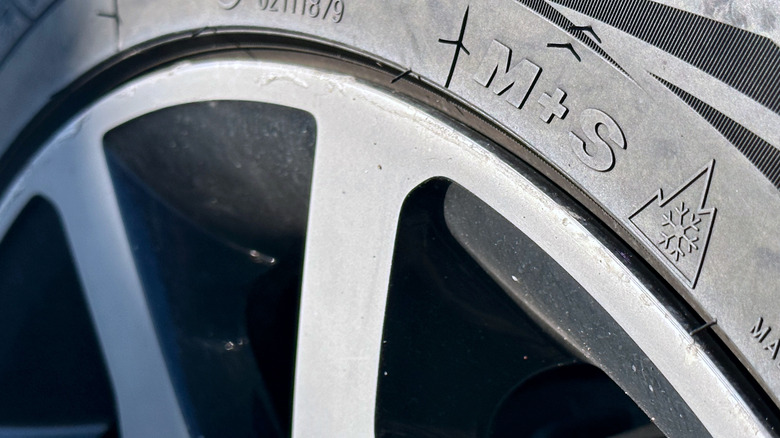
All-season tires don’t offer the same level of grip and handling as summer tires. Their winter performance can also fall short when it comes to traction. This is especially true in more severe conditions such as deep snow, freezing rain and black ice. Some all-season tires are better suited to snow and cold weather than others, and certain models emphasize performance for the other three seasons instead. Drivers expecting snowy conditions and extremely cold weather shouldn’t just assume that any all-season tire will deliver the same level of traction as a dedicated winter tire.
Using a set of all-season tires year-round can also mean replacing them sooner than you expect. A typical set of all-season tires used continuously over time could potentially wear out around the three-year mark, which means buying another set after only two winters. This is why using separate tires during the winter makes sense, as they can reduce the amount of wear placed on the all-season set. This could potentially help both sets last much longer.
Advertisement
The benefits of all-season tires
Mickanside/Shutterstock
All-season tires can be a perfectly good choice if you live somewhere with relatively moderate weather throughout the year. For example, all-season tires can provide good performance for everyday driving in areas that don’t regularly experience harsh winters. All-season tires are also typically less expensive and have good treadware ratings, which can make them a smarter financial choice over time.
All-season tires can also have benefits when it comes to overall comfort for everyday driving. Although their design varies based on the model and manufacturer, all-season tires can provide dependable handling without sacrificing a smooth and quiet ride. While comfort isn’t the primary factor when choosing a tire, it could still be enough of a reason for some drivers to buy an all-season over a more specialized option.
Advertisement
If you want to improve your fuel economy, all-season tires may be a good choice, depending on the model. Consumer Reports found a big difference in rolling resistance among all-season tires it tested, with some models combining lower rolling resistance with good traction. This is important, as tires with lower rolling resistance require less energy to move on the road, which can help cut down fuel consumption. When trying to weigh the pros and cons of all-season tires, it’s a good idea to consult your vehicle owner’s manual, or contact a tire professional for more information before you buy.
Judging by a leaked Apple identifier, the next-generation Apple TV will get a major upgrade with the A19 or A19 Pro system-on-chip.
In June 2026, tvOS 27 code revealed that the Apple TV 4K was on track to receive Siri AI support. Now, Apple’s own code has revealed even more about the hardware that will make this change possible.
According to MacRumors, the model identifier of the upcoming Apple TV 4K suggests the device will feature the A19 or A19 Pro chip. While this change will undoubtedly give the new model 8GB or 12GB of RAM, up from 6GB on the 2022 variant with the A15 Bionic chip, it will also allow for Apple Intelligence.
Additionally, the alleged use of an A19 or A19 Pro chip aligns with a June 2026 leak claiming the new Apple TV 4K would ship with Apple’s N1 networking chip. The N1 is already found in devices that feature Apple’s A19 and A19 Pro chips, those being the iPhone 17 and iPhone 17 Pro.
Advertisement
It would make sense for Apple to use a tried-and-true combination for its upcoming Apple TV 4K refresh. New chip aside, however, Tuesday’s leak doesn’t offer any significant details about the next-generation Apple TV.
Previous rumors have suggested that the device will ship with a new Siri Remote, though it’s unclear if this accessory will include new features like ultra-wideband support or Find My integration. Going back even further, an August 2025 rumor claimed the next Apple TV 4K would gain the A17 Pro chip, though this seems unlikely at this point.
Apple could unveil an updated Apple TV 4K at its “Surprise and Shine” event, which will be held on Wednesday, September 9, 2026. However, there have been rumors for about 18 months that the device is imminent.
Apple’s child safety toolset is already robust and expanding with iOS 27, but the UK government isn’t happy and continues to threaten legislation.
Apple introduced Sensitive Content Warnings with iOS 17 in 2023 for child accounts and later introduced it as an option for adults. Several new features have been added since, including age verification systems in the UK, plus a comprehensive rethink of child safety with iOS 27 coming soon.
However, according to a report from Bloomberg, these measures aren’t enough and legislation may still be necessary. UK Culture Secretary Lisa Nandy has told the House of Commons that the government would introduce legislation on the matter, but didn’t say when or to what extent.
She’s targeting tech giants like Apple and Google with these legal threats, but both companies have already implemented some level of system-wide parental controls. Apple specifically has increasingly added features targeting parents wanting to further police their children’s activity on their devices and online.
Advertisement
For example, parents can already control what apps they access, who they can communicate with, and when their device can be used. Sensitive Content Warnings already pop up in Messages, FaceTime, and in third-party apps that utilize the API, but they only warn the user of sensitive content instead of blocking it entirely.
“For the children” isn’t always straightforward
Apple announced expanded and rethought parental controls and child safety features during WWDC 2026 that will roll out to the public later in September. Even then, Nandy said these features are a “step in the right direction” but not enough.
Apple already has a child safety website for its new features
The UK legislators haven’t specified how these protections are not sufficient nor how Apple might improve upon them. With iOS 27, parents have control of nearly every minute interaction a child could have on their device, even which websites they visit.
Advertisement
The level of access and control parents have over their children’s accounts is so in-depth that it has led some to be concerned about children’s privacy. Apple argues that it has followed recommendations for how these systems should be in place, and it is up to the parents how far they will take the systems in managing their child.
Those in the LGBTQ community, for example, worry that such controls will isolate a child seeking answers, leaving them unable to do so without alerting their parents to a website they’ve visited. Others worry that such invasive tools will prevent a child from testing boundaries and learning important lessons they otherwise couldn’t in sheltered conditions.
Some speculate that the UK and other governments’ use of “for the children” seeks to erode individual rights by having such OS-level technologies introduced. People fear further encroachment of individual rights and privacy through increased surveillance technologies.
Apple may already comply
Apple can only offer tools for the world to use. It cannot police how those tools are used, and abusive households don’t need technology to enable abuse.
Advertisement
The UK legislators haven’t specified what Apple hasn’t done to satisfy them, yet
However, given the in-depth levels of parent controls and privacy-invading tools already available to parents, it isn’t clear what the UK will demand. Perhaps Apple has already met whatever requirements the UK government will dream up and won’t have to fight with legislators.
There is one potential hole in Apple’s child safety features the UK could attempt to address — the opt-in nature. Apple has advanced tools and APIs for child safety, but developers don’t have to bother implementing them, which renders them useless for that specific app.
To make things more confusing, Nandy said that if tech companies introduce better restrictions, legislation won’t be necessary and a bill won’t be passed.
Advertisement
The UK government is focused on child safety recently and passed one of the world’s strictest social media bans for anyone under 16. While some suggest this is what is best for children’s mental health, others say it pushes children into darker, less regulated portions of the internet to find community.
Thankfully, even though Apple had to implement system-level age verification, it did so without those security-holed ID checker systems. Instead, it uses things like the age of your account, a Face ID scan, and other obvious indicators that don’t invade a user’s privacy.
Like with any tool, there will be people that abuse it. Apple’s child safety tools and parental controls are comprehensive as they are, but the UK could argue for more and force the matter via law if necessary.
We spend hours testing every product or service we review, so you can be sure you’re buying the best. Find out more about how we test.
The GL.iNet Beryl 7 is a travel router that is designed for those on the go who still need control over their networking.
Especially today, it feels like people are more aware of their networking than ever. There’s fear over what people are able to see. There’s fear of what other people can see of your own data, and there are people trying to take control of their own connections. That’s one very real use case for the Beryl 7.
Advertisement
Alternatively, another use case that is possibly more common, or at least more widespread, would be that a lot of people travel with an abundance of gadgets these days. It used to be that people would have their phones, and that would be about the only thing they would connect to Wi-Fi, then maybe a laptop, then maybe an iPad.
Now the average family, to my understanding, travels with several tablets, laptops, phones, and oodles of other internet-connected devices, or perhaps that’s just my family when we travel.
Regardless of which camp you’re in, having a parallel router can actually prove to be incredibly helpful. Personally, I have seen some people use it as a way to connect to a VPN easily and with whatever device they have with them. I’ve seen some people use it as a way to be able to only have to connect to a guest Wi-Fi once and then extend that network to all of their devices.
I personally have used it in the sense of, when traveling, not having to disconnect and reconnect our devices at every stop that we make. Instead, I can connect just once and then keep all the kids’ iPads and devices, as well as my own, on a known and already saved network, just simply for ease of setup.
Advertisement
I’ve also seen people use it as a way to turn Wi-Fi networks into a wired network and vice versa. All around, a little device like the Beryl 7 turns into a Swiss Army knife of networking capabilities.
Sign up to the TechRadar Pro newsletter to get all the top news, opinion, features and guidance your business needs to succeed!
It’s also widely available from online retailers, including Amazon, where I’ve seen it down as low as almost $100.
The Beryl 7 specifically is not as nice as some of its bigger brothers, but for the price, if you’re not changing a ton of settings but more setting and forgetting, this one might just be the perfect little addition to your tech bag.
It’s lightweight, doesn’t take a ton of space, and setup and go is super easy, especially with the ability to run this off of just a single low-powered USB-C.
(Image credit: Collin Probst // Future)
Advertisement
GL.iNet Beryl 7: Unboxing and First Impressions
As a tech lover, I was excited to get my hands on this one. It seems like it’s a solid update and even an upgrade from past models, and I wanted to see just how lightweight it really was. I got the mint green colorway, which is pretty striking, and for something like this, it is a little bit more fun than just a black model.
Normally, I’m an all-black or, these days, maybe even some silver technology kind of person, but I didn’t mind the flash of color for something like a little networking device.
The weight is just as light as I expect it to be, or should I even say how much I hoped it would be. The ports are simple, the mode switch is sleek, and the ability to use USB-C really is just that convenient.
Even as a heavy tech reviewer, I’ve almost made it to where every single thing I carry is USB-C, which has become incredibly helpful for when traveling, working remotely, or at different offices and just going about my day-to-day. Needing to carry multiple cables and multiple different types of cables is a thing of the past… almost.
Advertisement
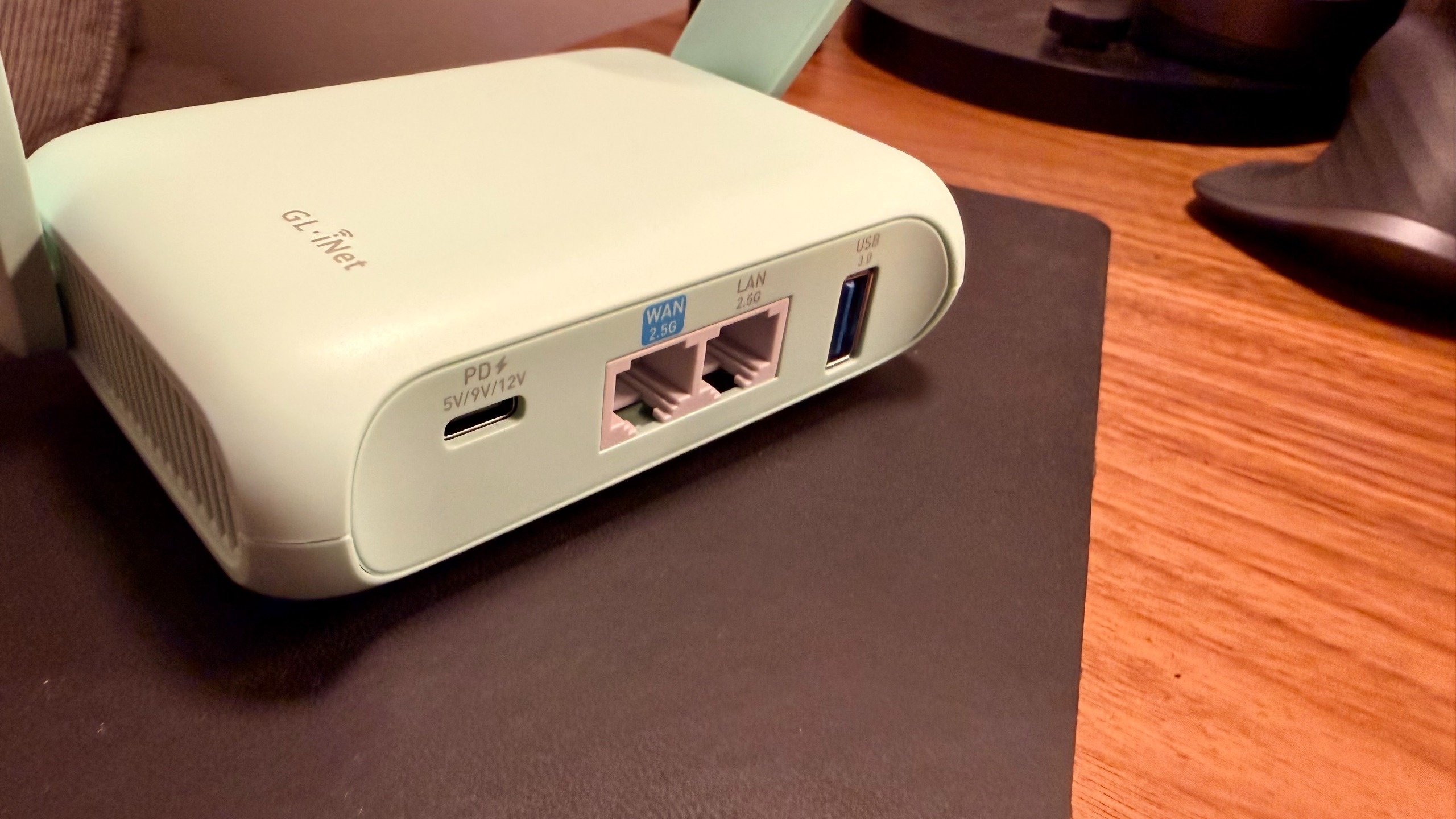
Having USB-C on even my travel router that I’m testing is super convenient. Further, it’s nice to see two 2.5 GHz network ports, a USB 3.0 port (even though it is capped at a pretty slow speed), and two folding antennas that are satisfying enough to be near fidget-toy status.
GL.iNet Beryl 7: Design & Build Quality
Talking specifically about the build quality. While this is plasticky and the folding arms are fun to play with, it does feel like over a couple years, or even just some hard daily use, the arms could get pretty loose and won’t snap open quite as nicely.
I’m also wary of dropping this because it feels like a single drop could crack the entire shell. Cases are available for the device, and if you’re using it for business travel, I recommend picking one up.
Advertisement
With that being said, though, it is really nice to see little rubber feet on the bottom of the portable router, making it so that it’s not just the sound or experience of plastic sliding along whatever I decide to put this down on.
Moving to the ports, they feel pretty well built. Cables snap in pretty easily and feel like they’re a tight connection, and I appreciate the layout and spacing between all the ports.
It makes more sense to spread out even just these four ports than it does to have them all crammed together for a look of minimalism. Having them spread out a little bit on the back side of this unit makes more sense from just a usability standpoint.
Advertisement
GL.iNet Beryl 7: In use
(Image credit: Collin Probst // Future)
I brought this with me on a few different planned trips, and then it’s come in handy at other times as well.
The first trip I brought it on was a quick little family trip. Knowing that we were going to stop at a hotel on the drive and how insane it was to get everything set up for just a few hours in a hotel and then continue driving the next day, zero part of me wanted to spend time connecting my devices to the hotel Wi-Fi. I also needed to spend time setting up pack-and-plays and getting everything squared away.
I made sure to bring this travel router to try out what this would look like in real time. I already had all the devices programmed and ready to go ahead of time to the network I had set on the Beryl 7.
When we got to the hotel, I had to connect one single device to the hotel Wi-Fi, and then I was able to broadcast that signal to all of the devices. It was stable enough for 5 iPads, a laptop, and a couple of phones, and therefore earned its place in my bag for the next trip I went on.
Advertisement
The next trip I went on was a quick work trip where we stayed at an Airbnb. I knew I’d be working pretty heavily, and I did not want to have to deal with potentially sketchy Wi-Fi, connecting to an unknown source, and then again having to connect all the devices I travel with.
On this trip specifically, I had two laptops, two iPads, and my phone, just for my own devices, let alone my team that I helped support technology-wise. I brought the Barrel 7 so that I could connect one device and then broadcast my own network, or at least that was the plan. What I ended up actually doing was connecting directly to an Ethernet port and not even having to connect and then broadcast via Wi-Fi.
One thing that I wish I would have done on that trip is I wish I would have set up the VPN earlier on my Beryl 7. I was able to do it during the trip, realizing how handy it would have been to do ahead of time, but I ended up needing to remote into my network rack back at the office.
While I can do that through VPN connections on my laptop, having one on this portable router, for some reason, just feels so much easier because then I can connect quickly on my iPad as well without having to toggle through things. I can just know that anytime I connect to this router, or if anybody else needs to connect to it, they can all be on the same VPN.
Advertisement
Personally, for me, it was just to change some settings and prep some things for the upcoming week. But, I could see this being super helpful for those who have Home Lab servers that need troubleshooting or other things like that. Further, if you have a work VPN that you need to be connected to, check with your employer.
Potentially, this could be a great option for you to not have to connect several devices, but you can connect one. For some work, that may be a great option. But, one thing to keep in mind is the speed limitations if you are choosing to use VPN. Moving things around on the network that you’re connected to should be fine, but pulling files through the VPN to your device or vice versa will feel very slow.
GL.iNet Beryl 7: Final verdict
(Image credit: Collin Probst // Future)
Whether you’re working out of a coffee shop and don’t want to connect multiple devices, or you have a secure VPN you need quick access to on any device you’re bringing. If you simply want to be able to connect to a Wi-Fi network and turn it into a wired network, or take a wired network and turn it into a wireless signal, a little travel router like this can make things a lot easier.
Advertisement
Or perhaps you’re like me, and you’re starting to learn more and more about how scary network traffic can be, and you want to make sure that you’re never connecting directly to a sketchy Wi-Fi. That’s a great first step, and utilizing something like this and a VPN to help scatter your traffic may be a spectacular solution for you.
If you’re looking for more networking capabilities, more features, and more power, make sure to check out GL.iNet for some of their other spectacular options, or keep an eye out for more reviews coming.
The AVEN thrust-vectoring nozzle has been added to the X-BAT AI-piloted fighter with vertical take-off capabilities
Thrust-vectoring allows a plane’s exhaust to be redirected, instead of relying purely on manipulating airflow across the wings for movement
The engine was first trialed on an F-16 fighter in the 1990s
Shield AI has revealed the X-BAT AI-piloted fighter jet relies on a jet engine variation first developed over 35 years ago and tested on a General Dynamics F-16 in the 1990s.
The AVEN – Axisymmetric Vectoring Exhaust Nozzle – essentially replicates the actions of a wing, but instead of manipulating airflow across the airfoil, it directs the exhaust, in a process labeled “thrust-vectoring.”
Developed for the F-16 as part of a dedicated GE Aerospace program investigating Multi-Axis Thrust Vectoring (MATV), the nozzle was proved to work. The technology has recently been revived thanks to GE Aerospace and Shield AI, with the AVEN paired with an F110-GE-129E engine.
Latest Videos FromTechRadar
Advertisement
The VTOL X-BAT needs AVEN
Using the Axisymmetric Vectoring Exhaust Nozzle, the X-BAT is given flight capabilities that would prove demanding for humans to repeatedly endure. It enables hovering, but also superhuman reaction speeds, and removes the risk of G-force induced blackouts. Without pilot fatigue, the X-BAT can commit to extreme maneuvers in aerial combat.
Designed as a Vertical Take-off and Landing (VTOL) aircraft, the X-BAT can be deployed in areas with little or no runway. The Axisymmetric Vectoring Exhaust Nozzle is a key part of this, providing the necessary thrust for the X-BAT to take off. As the craft launches more like a rocket than a standard jet fighter, the AVEN and the F110-GE-129E engine appear to ensure a steady detachment from the launch dock as the X-BAT heads skyward.
It’s a setup that might resemble something out of a 1950s sci-fi comic, but in reality can only work successfully without a human pilot.
AVEN isn’t unique to the X-BAT. While the GE Aerospace project with the F-16 proved the technology worked, it was pursued elsewhere, most notably with the Russian Sukhoi Su-27SM revision of 2002. Earlier craft, like the Harrier variants, use “2D thrust vectoring” where thrust is directed horizontally or vertically via exhausts on either side of the aircraft. Indeed, the notion of thrust vectoring dates back to the V-2 rocket, the long-rang rocket used by Nazi Germany in the final months of World War Two.
Sign up to the TechRadar Pro newsletter to get all the top news, opinion, features and guidance your business needs to succeed!
Advertisement
Modernising the AVEN
Shield AI and GE Aerospace haven’t simply stuck to the original AVEN hardware and attached it to the F110-GE-129E engine. The nozzle has been re-engineered, with modern materials and production techniques. Inevitably, it has also been adapted to work with 21st century guidance systems, and the AI piloting and control systems are also accommodated.
First test flights of the X-BAT are expected to take place in Kansas by late 2026, ahead of a planned 2028 operational validation and full production.
Before you can use the upgraded Clean Up, your iPhone needs iOS 27. If you’ve already installed the update, the next step is to enable Apple Intelligence if it’s not already. That means you need an iPhone 15 Pro or later. If you have an older iPhone, you won’t be able to take advantage of this feature.
Advertisement
Removing objects from your photos with Clean Up
Filipe Espósito for Engadget
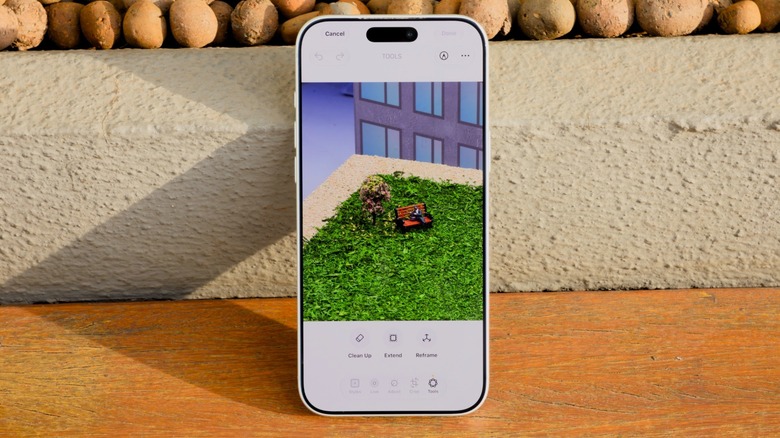
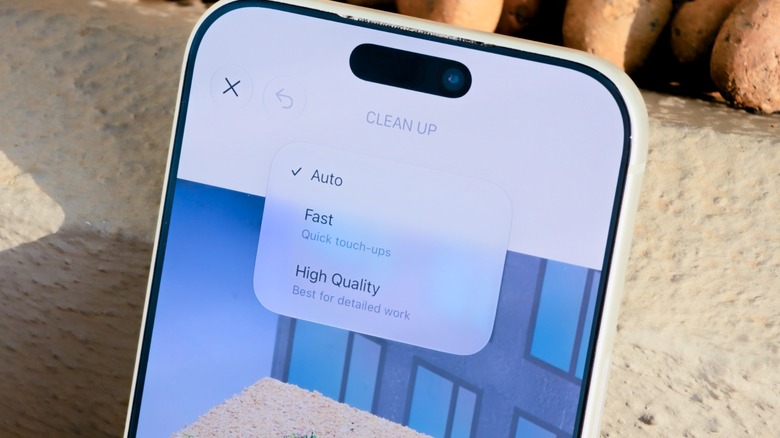
If you’ve used Clean Up before, you’ll know where to find it in iOS 27. The difference is that it now has some extra controls. To start, choose a photo you want to adjust in the Photos app and tap the Edit button at the bottom. Select Tools and choose Clean Up. You’ll see an Auto button at the top, which lets you change the processing type. Leave this set to Auto to have your phone choose between the other two modes depending on how complex the image is.
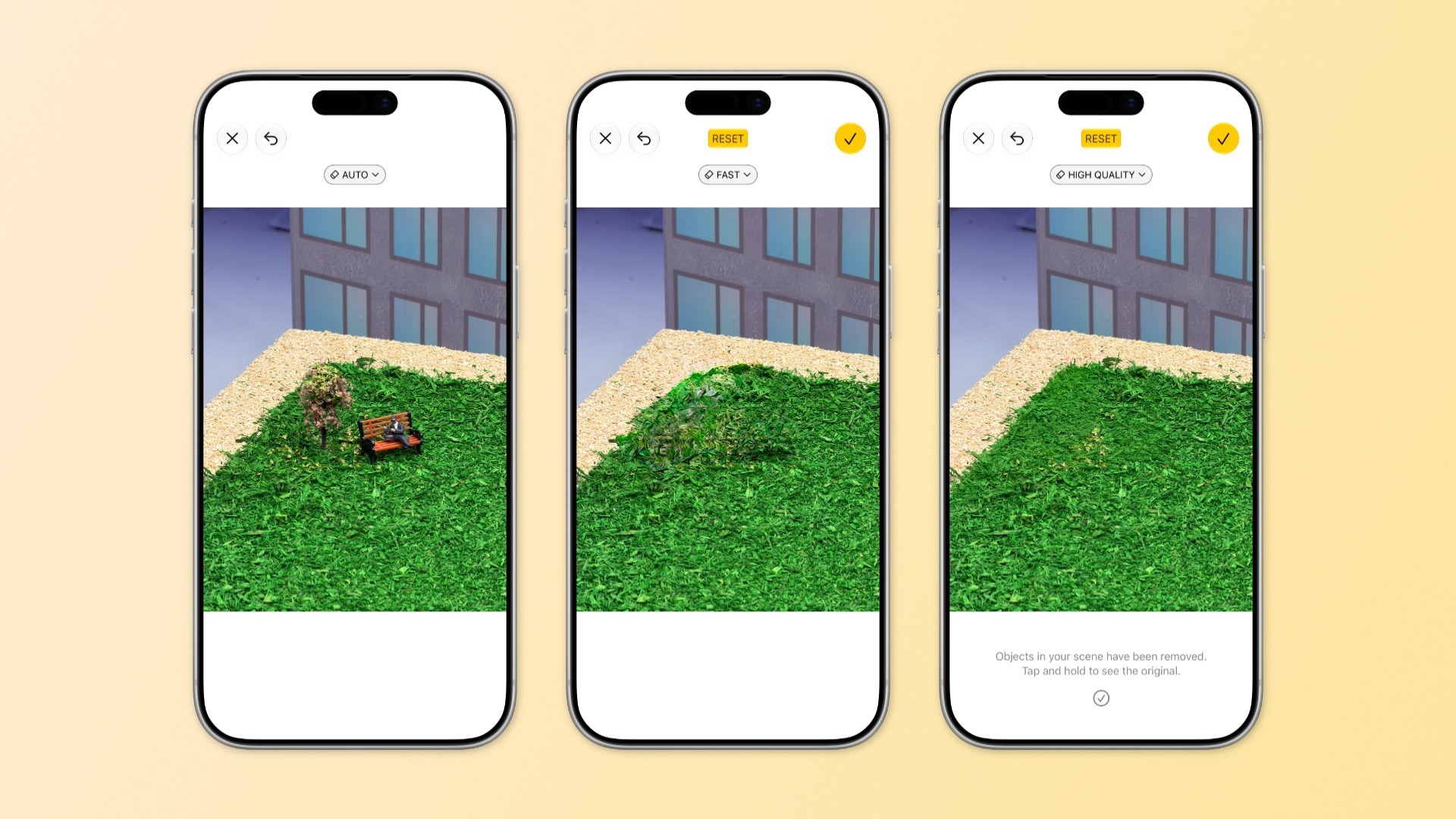
Fast retouches your photos with a smaller AI model. It gets the job done much faster, but it’s not ideal for more complex retouching. Say you have a photo of a landscape and you want to remove a trash can in the background. Or maybe you need to hide the wiring on the street lights. These are the kinds of edits that the Quick model is most likely to handle well.
But where Apple’s Clean Up feature has always struggled is with more complex edits. When there are a bunch of people behind you ruining your selfie, that’s where the High Quality option comes in. More advanced AI models can better understand the context of an image. But this improved processing comes at the cost of taking longer and using more battery.
Filipe Espósito for Engadget
Clean Up often tries to recognize unknown objects that you’ll want to remove from your photo. This doesn’t always work as it should, so it’s more accurate to circle what you want to remove.
Advertisement
Extending and reframing photos
Filipe Espósito for Engadget
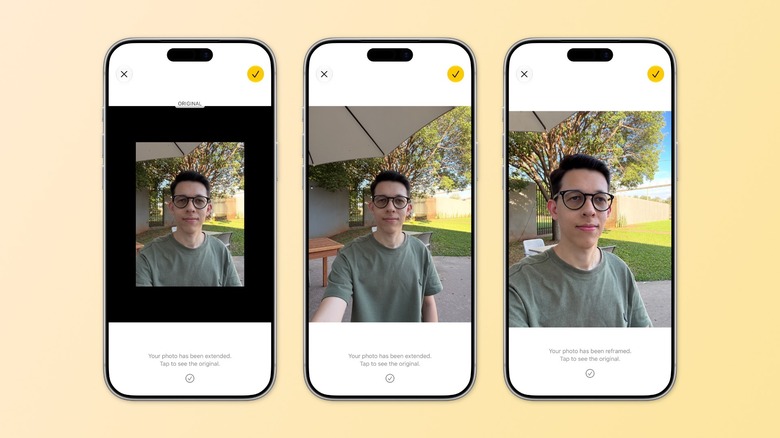
For other cases where a photo didn’t come out like you intended, iOS 27 introduces two extra photo-editing features: Extend and Reframe. Extend uses AI to expand the area around your photo. Imagine you took a selfie, but it’s too close to your face. Extend can fix this by understanding the context to generate more of the image around it, filling in what’s already in the photo. Just pinch to zoom out as much as you want. It may take a while before you see the results, but that’s normal.
Reframe is different: it changes the perspective and angle from which you originally took the photo. For example, maybe you weren’t looking at the camera when the picture was taken. Reframe lets you change that without retaking the photo. The results are hit or miss, though. Some photos appear natural. Others end up looking like AI slop, with the model hallucinating objects or even people who weren’t originally there. It’s worth a try if you really don’t like the original photo, but don’t get your hopes up. Improving your smartphone photography in the first place should have better results.
































































You must be logged in to post a comment Login