
Entertainment
Jessica Chastain’s New Netflix Crime Thriller Officially Premieres in 2026


For over two decades, Jessica Chastain has been a constant presence on screen. Like many actors, she began with guest roles on TV before moving into film. Her performances in movies like Zero Dark Thirty, The Eyes of Tammy Faye, and The Good Nurse have made her one of the most recognizable actresses. And even on the small screen, Chastain has proven herself as a television star with shows like George & Tammy and Scenes From a Marriage.
Chastain was expected to return to television last year with an Apple TV crime thriller, but the series was delayed following the assassination of American political commentator Charlie Kirk. Apple TV may have delayed the crime thriller, The Savant, indefinitely, but viewers will see Chastain soon — just not on Apple TV. She stars in Netflix’s upcoming film Heartland, and Netflix has set the premiere date for mid-November.
Heartland takes place in Music City, and Chastain’s character, Misty Jones, is embedded in the city’s DNA. She used to be a country music megastar but left it all behind for a life of seclusion for an unexplained reason. But that world calls on her once again when her niece — also a country music singer, just not as famous — goes missing. Misty goes on a search that forces her to confront her own past and the unseen underbelly of Nashville, where no one, including Misty, is who they seem. Shana Feste wrote and directed Heartland. Other cast members include Wynn Everett, Garret Hedlund (Roy Combs), Ross Lynch (Jace Jacobs), Carter Faith (Charlie Heart), and Jennifer Nettles (Winnie Jo Lean), among others. Heartland debuts on Netflix on Friday, November 13.
What Happened to Jessica Chastain’s Crime Thriller ‘The Savant’?
In the Apple TV crime thriller, Chastain plays the titular character, an investigator who infiltrates online hate groups in the hopes of stopping them before they do real-world damage. The series explores ideas related to white supremacy, toxic masculinity, and more. After Kirk’s assassination, Apple TV worried about a potential PR crisis and pulled the show indefinitely. Chastain revealed earlier this year that the show was now scheduled for release, but the rumored July premiere date never happened. It remains to be seen whether Apple TV will release it, a year after Kirk’s death.
Stream Heartland on Netflix when it hits on November 13. Stay tuned to Collider for more updates.

- Director
-
Shana Feste
- Producers
-
Jenno Topping, Peter Chernin, Jeff Valeri, Jason Owen

Entertainment
Jon Bernthal and Taylor Sheridan Officially Reunite in a Gritty Thriller Taking Over Netflix
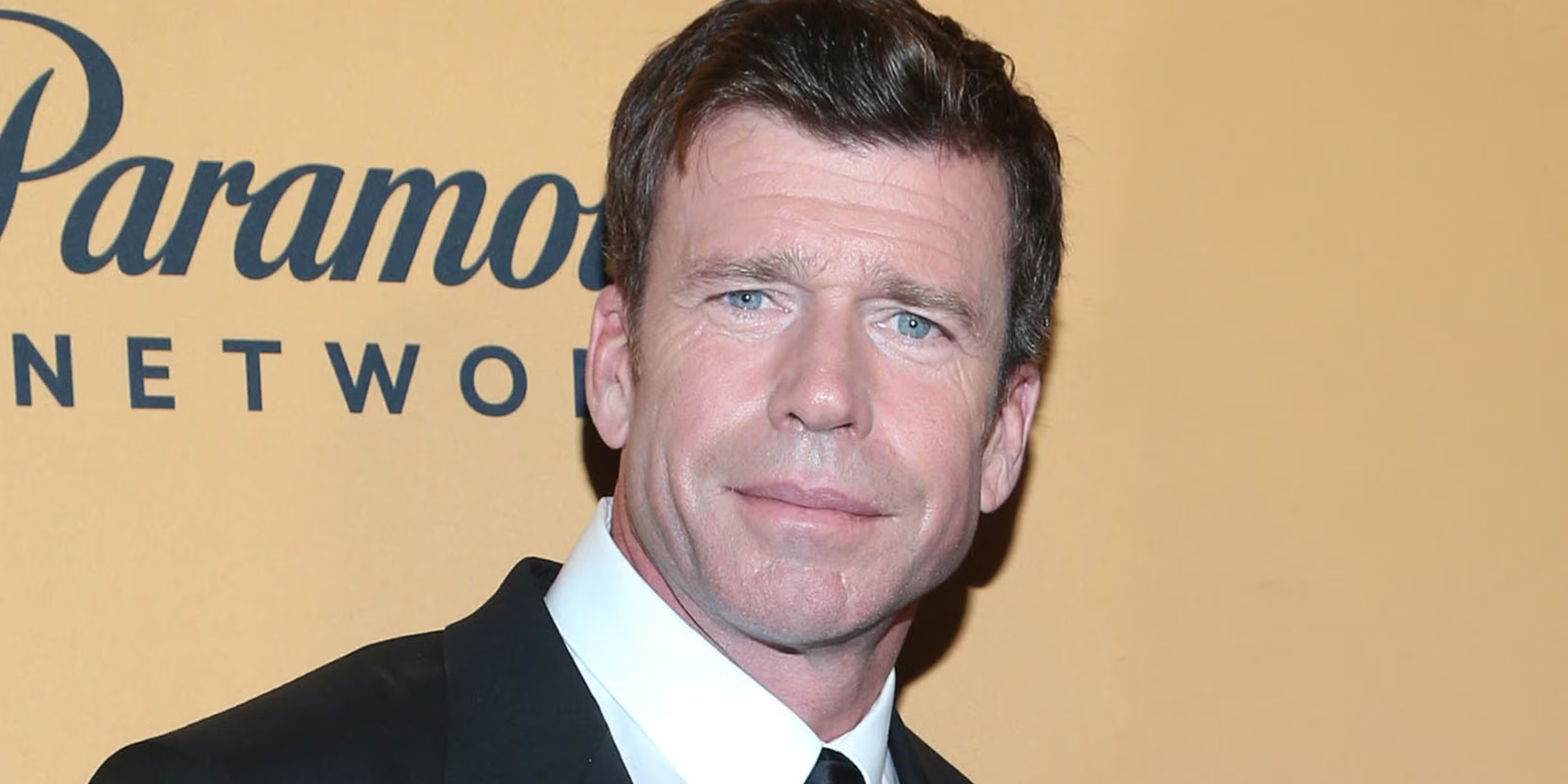
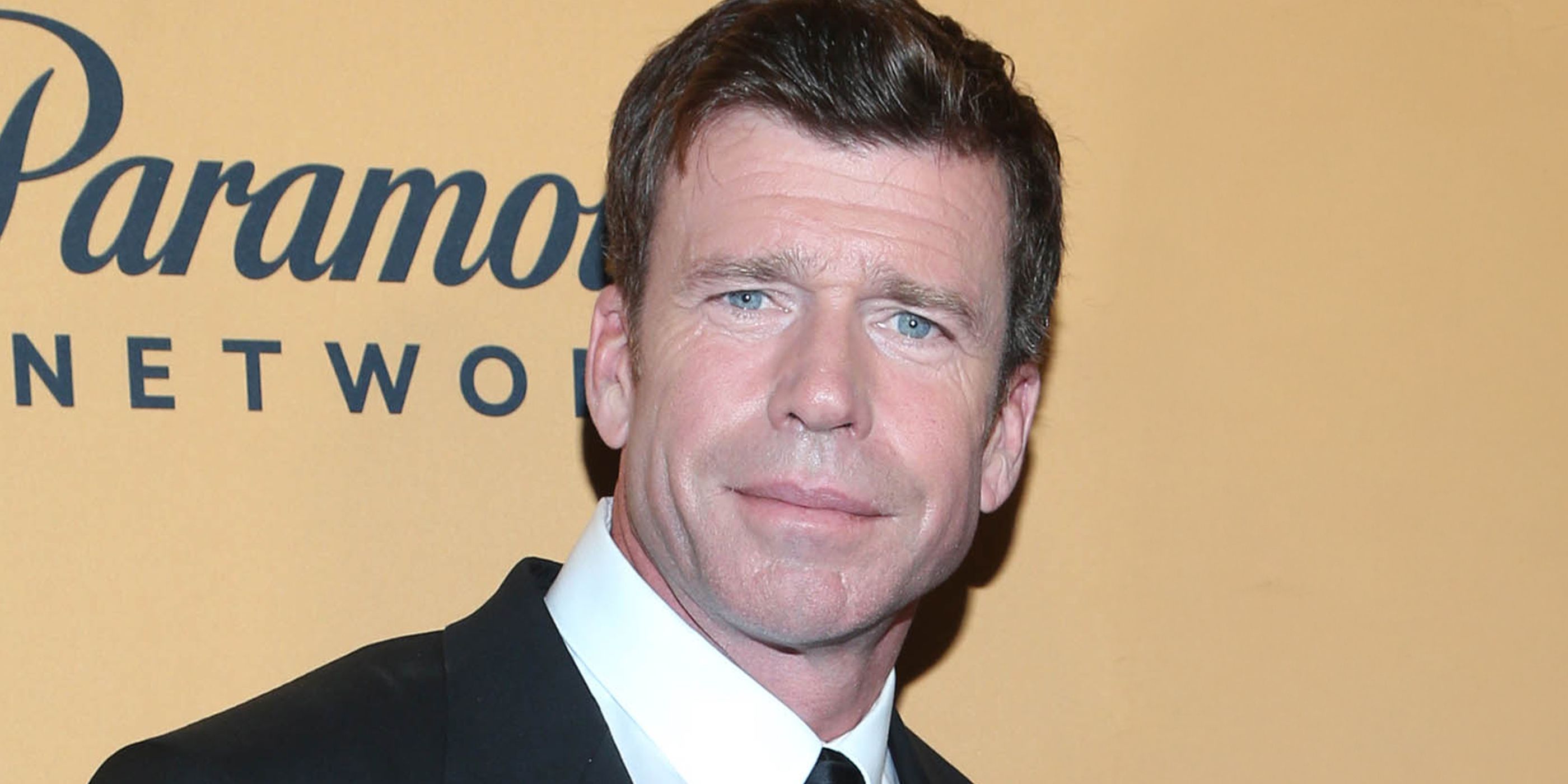
Taylor Sheridan is best known for his prolific work on the small screen, dominating the streaming charts with the likes of Landman, Tulsa King, Mayor of Kingstown, and The Madison. Currently, the third season of his most pulse-racing series, Lioness, has been lighting up the streaming charts, destroying all the competition for over a month. Zoe Saldaña‘s Joe McNamara and her team of female operatives are once again the talk of the streaming town, and Sheridan’s name is at the top of another top ten.
Sheridan’s work on the big screen, because of how hugely popular his TV projects are, is arguably underrated. From adapting the work of Jack Ryan creator Tom Clancy in 2021’s Without Remorse and making his directorial debut with Wind River (discounting the 2011 horror film he made for a friend), to delivering nail-biting tension with Sicario, and his frankly unmatched Hell or High Water, Sheridan’s big-screen writing deserves more credit. One film that falls under the radar in particular is Those Who Wish Me Dead, which was also directed by Sheridan in only his second and most recent stint behind the camera.
A furiously tense action thriller, Those Who Wish Me Dead boasts an eye-catching cast, led by Angelina Jolie as smokejumper Hannah Faber, and also featuring the brilliant Jon Bernthal, Superman‘s Nicholas Hoult, and Game of Thrones veteran Aidan Gillen. The film was received positively by critics, scoring a 63% average rating on the review aggregator Rotten Tomatoes and being called “another worthwhile entry into Sheridan’s lineup of neo-Westerns” in Collider’s review. At the time of writing, Those Who Wish Me Dead is a surprise streaming hit, ranking as one of the ten most-streamed movies on Netflix in the U.S. at the time of writing.
Jon Bernthal Has Had an Incredible 2026
Bernthal has had one of the busiest and most successful years of any actor so far in 2026. This began with the surprise Netflix hit His & Hers, which was followed by an acclaimed prequel episode ahead of the return of Christopher Storer’s The Bear. Marvel’s Special Presentation, The Punisher: One Last Kill, then followed, which bridged the gap between the series and Bernthal’s role in Spider-Man: Brand New Day. Bernthal also teamed with Tom Holland on Christopher Nolan‘s historical epic The Odyssey, becoming part of the two biggest hits of the year so far.
Those Who Wish Me Dead is on Netflix. Stay tuned to Collider for more updates.
Picking just six movies out of everything released since 2000 is almost unfair, there’s probably fifty other movies from this stretch that could make an argument for a spot here too. But these six actually changed a genre, an industry standard, and what people expected walking into a movie theater afterward.
A couple of these took over a decade just to get made. One single film ended up sweeping almost every major award category it was nominated in. And they all still get brought up in conversations about the best movies ever made, not just the best movies of this particular quarter century. So, here is the six best ones out of all of them.
6
‘The Social Network’ (2010)

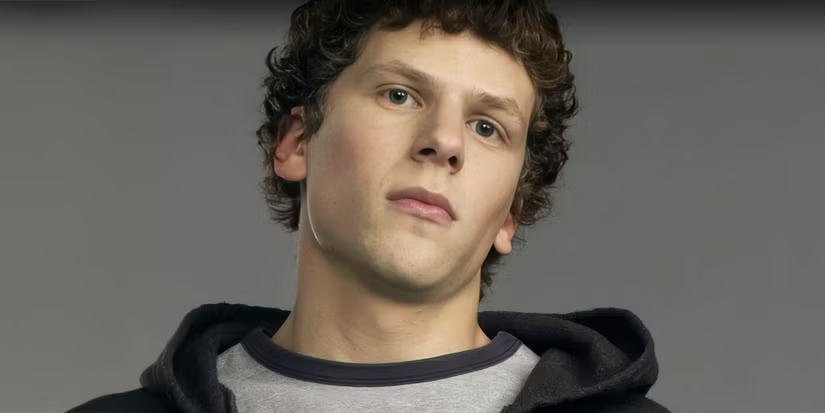
This movie has two guys arguing about website code and it looks like an actual thriller, and a lot of that comes down to Aaron Sorkin‘s script, where characters talk over each other at an extremely high speed. Mark Zuckerberg (Jesse Eisenberg) comes across as brilliant and genuinely unlikable at the same time, and the movie never really tries to make you root for him, just understand him.
David Fincher directed it, and Eduardo Saverin (Andrew Garfield) ends up as the actual emotional core of the story, a guy who gets pushed out of the company he helped start by his own best friend. Armie Hammer played both Winklevoss twins using some clever camera tricks and a body double, and Trent Reznor’s score, all cold synths and tension, won an Oscar as well.
5
‘Spirited Away’ (2001)

A ten-year-old girl wanders into a bathhouse for literal spirits after her parents get turned into pigs for eating food that wasn’t meant for them, and Hayao Miyazaki builds an entire believable world around that premise in under two hours. It is a beautifully made animated film which triggers more emotions than a non-animated one.
Chihiro has to work off her parents’ debt to the witch running the bathhouse just to save them, and along the way she meets No-Face, one of the strangest, quietly saddest characters in any animated movie. It became the first hand-drawn, non-English film to win the Oscar for Best Animated Feature, and it was the highest-grossing movie in Japan’s history for years after it came out.
4
‘Parasite’ (2019)

A poor family cons their way into working for a wealthy one, one lie at a time, tutor, driver, housekeeper, until they’ve basically replaced the household staff completely, and Bong Joon-ho builds so much tension out of that setup before anything actually goes wrong.
The studio famously asked critics not to reveal anything about the second half of the movie before release, and that secrecy campaign worked, most people went in with zero idea where the story was headed. It became the first non-English language film to ever win Best Picture at the Oscars.
3
‘Mad Max: Fury Road’ (2015)

George Miller had this script sitting around since before 2000, and actual production kept getting delayed for years, first by the Iraq War making the original filming location unsafe, then by unrelated financing problems, until the movie finally got shot more than a decade after it was first supposed to happen. Furiosa (Charlize Theron) shaved her head for the role, and production designer Colin Gibson built an entire fleet of custom vehicles from scratch, cars with exposed engines and mounted flame effects instead of anything added digitally later.
Tom Hardy and Theron reportedly didn’t get along great on set, and you can almost feel some of that tension in how little their characters actually talk to each other on screen. The whole movie ended up on more best-of-the-decade lists than almost anything else released that year, which is a strange thing to say about a movie that’s basically one long chase across the desert.
2
‘The Lord of the Rings: The Return of the King’ (2003)

Peter Jackson closes out the trilogy with a movie that runs almost three and a half hours, and the Battle of Pelennor Fields alone justifies a good chunk of that runtime, thousands of soldiers, giant war elephants, a massive practical and digital effects operation happening all at once.
Aragorn (Viggo Mortensen) finally steps into the role he’s been avoiding for two whole movies, and the film ties up basically every character’s arc from the entire trilogy without rushing through any of them. It won all eleven Oscars it was nominated for, tying the record for most wins by a single film, and the ending gets joked about constantly for having what feels like five or six separate places it could’ve stopped.
1
‘There Will Be Blood’ (2007)

Daniel Plainview (Daniel Day-Lewis) is an oil prospector who cares about exactly two things, money and beating everyone else around him. The movie in almost its entire opening stretch has barely any dialogue at all, just him digging, alone, in near silence.
Paul Thomas Anderson loosely based the story on an Upton Sinclair novel, and Jonny Greenwood’s score, all screeching strings and dread, makes even quiet scenes feel like something’s about to go wrong. Day-Lewis reportedly stayed in character for months during filming, and the bowling alley scene at the end, the one everyone quotes, is as unhinged as anything put on film that decade.

There Will Be Blood
- Release Date
-
December 26, 2007
- Runtime
-
158 minutes
- Director
-
Paul Thomas Anderson
- Writers
-
Paul Thomas Anderson
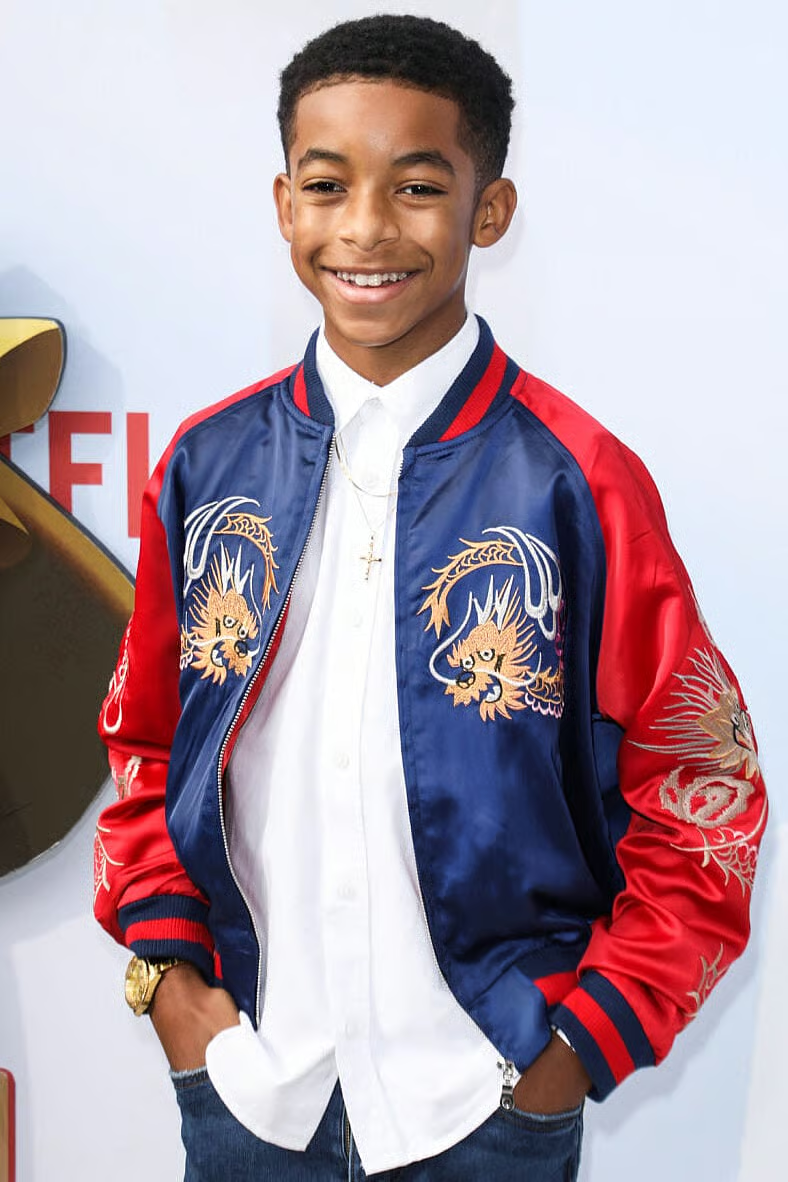
Rapper Chingy has been in the spotlight for over two decades, and in a recent interview, the “Right Thurr” performer made a revelation that shocked everyone. Speaking with blogger Jason Lee, Chingy revealed that he’s a father of four, including Isaiah Russell-Bailey, a known actor who has appeared alongside Tia Mowry and Raven-Symoné. Shortly after, Chingy reportedly commented on his strained relationship with Bailey and claimed that his mother manipulated the young actor into disliking him. Bailey clapped back after a few days with a post that has since gone viral.
“I’ve stayed quiet about my relationship with my father because I’ve never felt the need to share that aspect of my life publicly,” he wrote. “But after seeing his comments, I feel compelled to speak for myself.”
Bailey added that Chingy’s statements about their relationship aren’t an “accurate representation.” He continued, “Saying something publicly doesn’t make it true. You cannot rewrite years of absence, neglect, or lack of involvement with a few paragraphs about love, support, and being there for your child.”
Bailey didn’t stop there. He said he clearly understood what his relationship with his father looked like growing up. “I know who was present and who wasn’t,” he wrote. “I know who supported me and who didn’t.”
Isaiah-Russell Bailey Defends His Mother On Instagram
Before his post, Bailey, known for his roles in Netflix’s “Family Reunion” and Disney’s “Raven’s Home,” praised his mother, Brittany Perry-Russell, an actor and choreographer, for always supporting him.
“Everything I am, I owe to the woman who has always been there,” he captioned a slideshow of photos. “Grateful for you always. #Mom.”
While Bailey didn’t mention Chingy directly, users assumed the actor’s post was a direct shot at the early-2000s rapper.
“Getting acknowledged for your successes by a parent will never equate to them actually stepping up to the responsibilities that shape you,” someone wrote. “It’s a slap in the face.”
Chingy’s Son Says His Mother Didn’t Manipulate Him
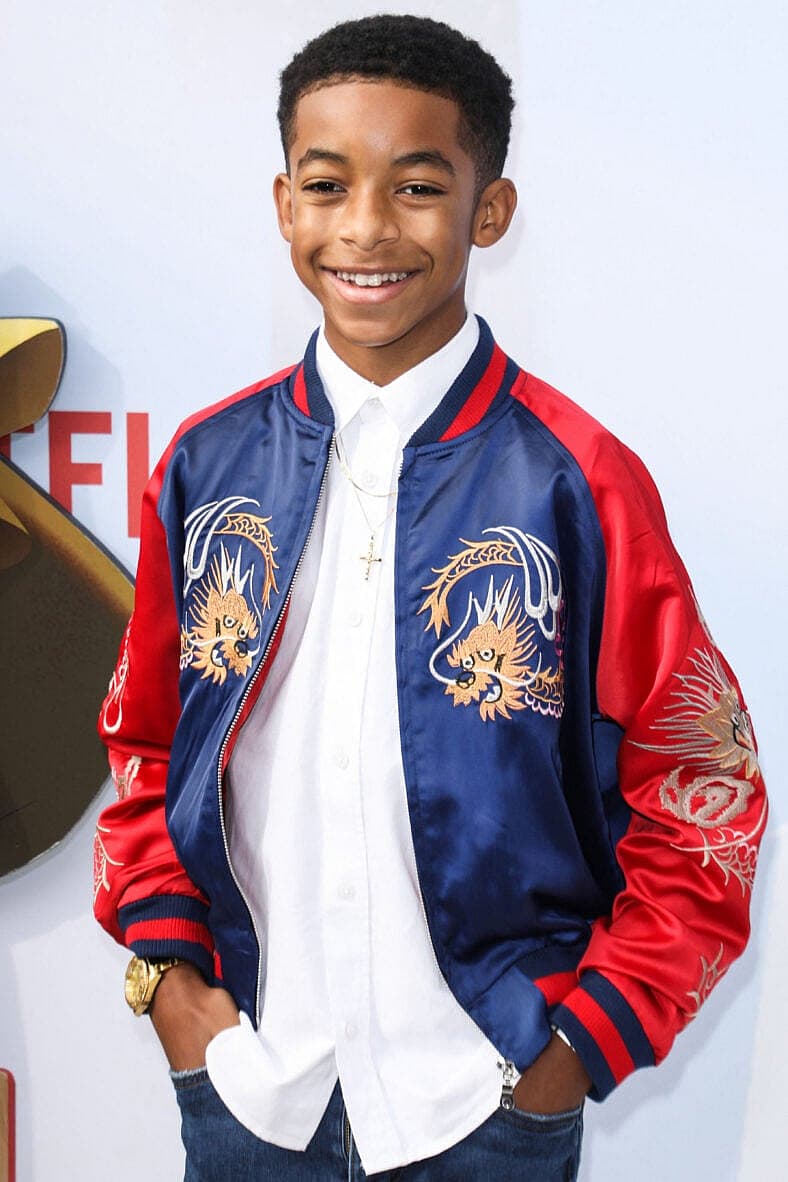
Elsewhere in his recent statement, Bailey denied Chingy’s reported claims that his son’s mother affected their father-son relationship, calling them “completely false.”
According to Bailey, 19, his mother “did not manipulate me into disliking my father. A parent doesn’t have to turn a child against someone who was already absent. My feelings are my own, and they come from my own experiences.”
Regarding his career, Bailey said he has only himself and his mother to thank for where he is. “The people who genuinely supported me know the sacrifices I and my mother had to make, as well as the setbacks and the work that went into getting here,” he shared.
Isaiah Russell-Bailey Says He Doesn’t Feel The Same About His Relationship With His Father
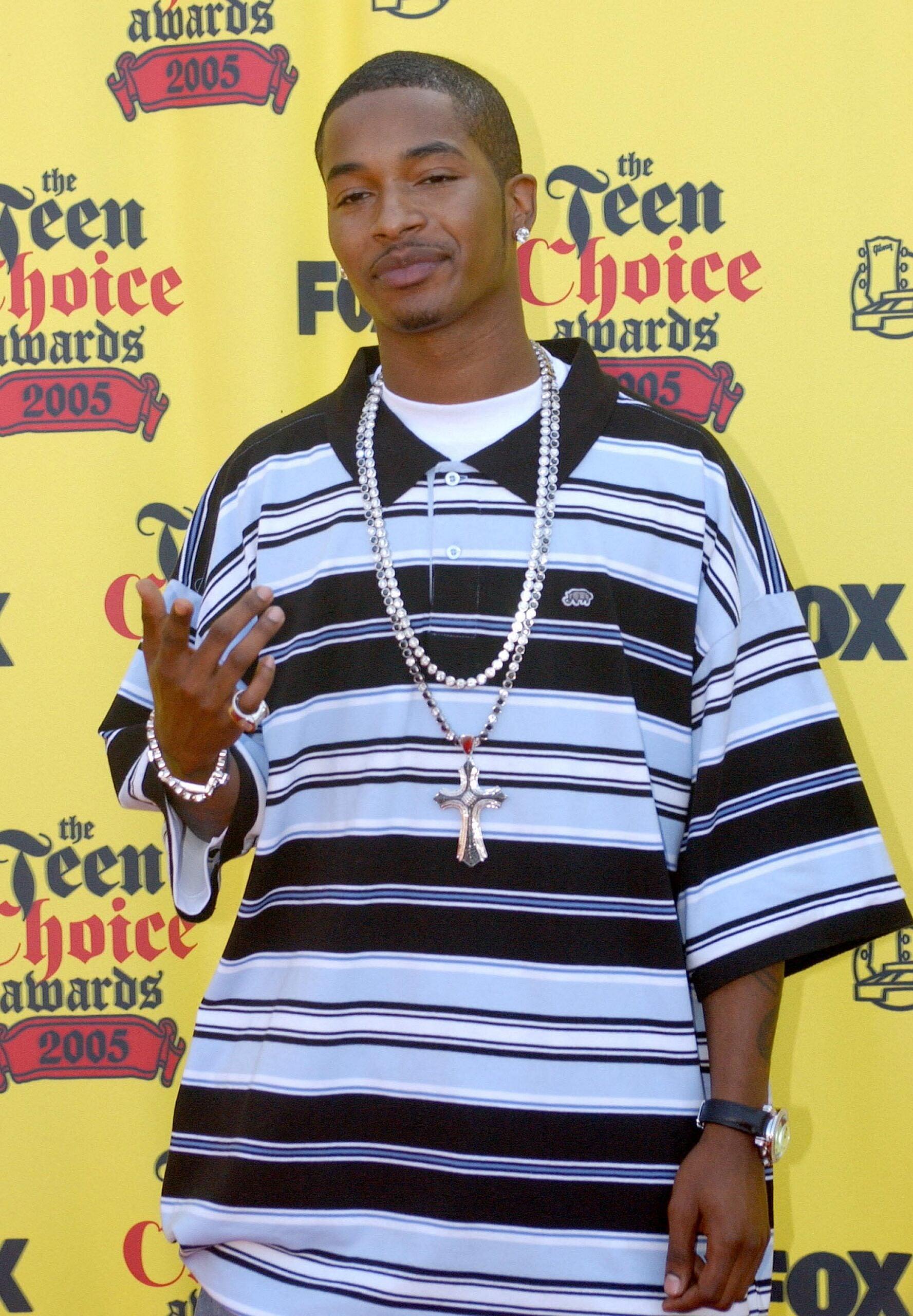
While Bailey’s post may have come out of left field, the actor clarified that he’d carried strong feelings about his relationship with his father for some time.
“What bothers me is the blatant attempt to present an image to the public that doesn’t match our reality, while implying that I somehow share that version of our relationship,” he posted. “I. DO. NOT.”
Bailey said that he wouldn’t “expose every private detail of our relationship,” but also said that he wouldn’t allow others to “speak for me, tell people how I feel, or use my name or my mom’s [name] to create a false picture of a nonexistent relationship for clout.”
Bailey finished, “I know the truth, and the people who were actually there know it too. I’ve said what I needed to say, and I won’t be speaking on this again.”
Chingy Responds: ‘I Love [My Son]’
After Bailey’s statement was shared online and reposted by popular blogs, such as The Shade Room, Chingy responded directly and said he felt compelled to “speak from my heart,” claiming people only heard one half of the story.
“Isaiah is my son. I love him, I’m proud of him, and nothing will ever change that,” Chingy said, adding that Bailey has “every right” to talk about his experiences and the “hurt” and disappointment he experienced. “As his father, I need to listen—even when what he says is difficult for me to hear.”
Chingy explained that he made efforts to connect with his son and be present in his life. He said private conversations, obstacles, and family dynamics affected that. Despite that, Chingy said he still offered financial support, over $200,000, and “made sincere efforts to maintain a relationship with him.”
“I’m willing to listen, take responsibility for my part, and have an honest conversation with him,” Chingy added. “But that conversation belongs between a father and his son—not on social media or among strangers choosing sides.”
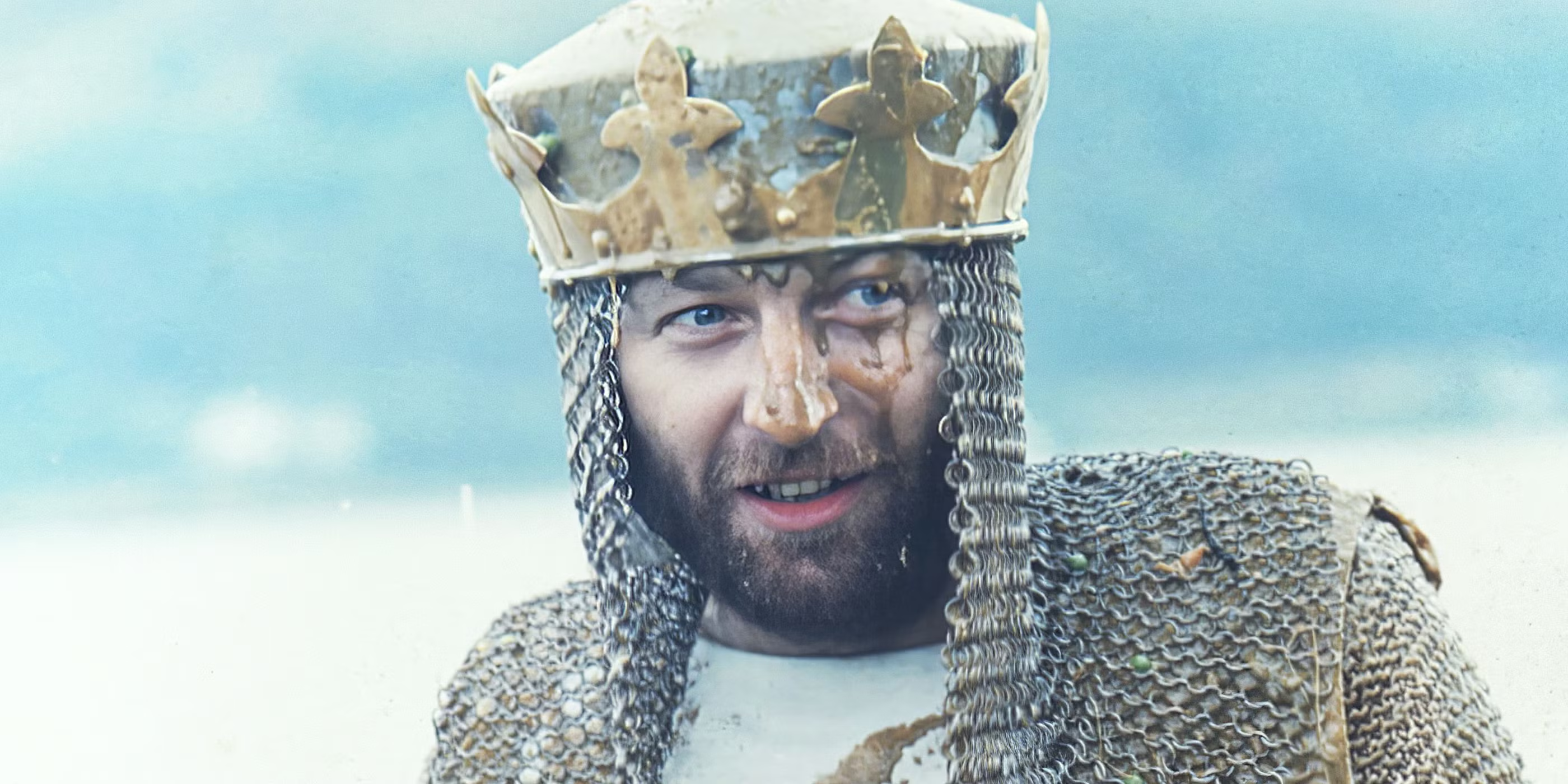
Standing as one type of movie within the broader comedy genre, the parody movie has an unusual history. Parody movies have existed for almost as long as cinema has, with the genre dating back as far as 1905, though it’s also safe to say that it took considerably more time for this type of film to truly take off. The 1970s and 80s likely represent the golden age for what’s now identifiable as a parody movie, with this brand of comedy being all over the place quality-wise in the decades since said golden age.

Pikachu has appeared on enough trading cards to fill multiple binders of its own, but Pokémon’s 30th anniversary calls for something beyond another familiar pose. The mascot is getting 30 different rare cards in the upcoming Pokémon TCG: 30th Celebration expansion, each offering a new take on the Electric-type. Two of those designs put Pikachu in an especially striking light.
For fans who collect cards based on the artwork, that variety is a big part of the appeal. A Pikachu card can evoke the early days of the franchise or look unlike anything else in a collection. Pokémon is leaning into the latter with a pair of anniversary promos from Japanese artist YOSHIROTTEN.
The newly revealed Pikachu ex cards come in separate day and night designs, created for the 30th Celebration Ultra-Premium Collections. Their contrasting color palettes give the same Pokémon two distinct looks, with each card tied to a different collection. It’s a redesign of Pikachu’s card artwork, rather than a change to how the character will appear in the games or anime.
Pikachu’s New Cards Bring Day and Night to Pokémon’s Anniversary
According to Pokémon’s announcement, YOSHIROTTEN worked on the expansion’s Futuristic Rare style, which uses bold lighting, metallic textures, and graphic elements. The artist also created Futuristic Rare cards for Mew ex and Mewtwo ex, along with foil Basic Energy cards. The two Pikachu ex promos take that visual approach in different directions, giving collectors a choice between a brighter daytime look and a darker nighttime one. Each Pikachu card appears in its corresponding Day or Night Ultra-Premium Collection. The Day collection pairs Pikachu ex with Espeon ex, while the Night collection pairs it with Umbreon ex, making the theme extend beyond the mascot itself. Anyone hoping to collect both Pikachu designs will need to look for both versions of the product.
The promos are only part of Pokémon’s plans for the TCG’s anniversary. The 30th Celebration expansion launches worldwide on September 16, 2026, with 30 different Pikachu rare cards among its highlights. That gives Pikachu plenty more chances to surprise fans, even after three decades as the face of Pokémon.
Stay tuned to Collider for more updates.

- Release Date
-
1997 – 2023-00-00
- Network
-
TV Tokyo, TV Osaka, TV Aichi, TVh, TVQ, TSC
- Directors
-
Shigeru Omachi, Koji Ogawa, Fumihiro Ueno, Hideki Hiroshima, Maki Kodaira, Makoto Ooga, Ayumi Moriyama, Keitaro Motonaga, Shigeru Ueda, Fumihiro Yoshimura, Minoru Ohara, Yoshitaka Makino, Kiyoshi Egami, Makoto Sokuza, Bjarne Heuser, Naoki Murata, Kenichi Nishida, Tomoe Makino, Masahiko Watanabe, Hiroaki Takagi, Tazumi Mukaiyama, Ryohei Horiuchi, Yoshihiro Oda, Hiromichi Matano
- Writers
-
Junki Takegami, Atsuhiro Tomioka, Hideki Sonoda, Yukiyoshi Ôhashi, Yuka Miyata, Takeshi Shudo, Shouji Yonemura, Shinzo Fujita, Michihiro Tsuchiya, Deko Akao, Reiko Yoshida, Aya Matsui, Junichi Fujisaku
- Franchise(s)
-
Pokemon
-

Rica Matsumoto
Satoshi (voice)
-
Ikue Otani
Pikachu (voice)

Annabelle has spent decades at the center of ghost stories, horror movies, and warnings from some of the most famous paranormal investigators in America.
However, Annabelle’s latest chapter may be her most public yet. Since Matt Rife unveiled the Haunted Warren Museum in Salem, Massachusetts, the infamous artifact has become the centerpiece of a booming attraction drawing visitors from across the country.
As curiosity about the doll grows, some paranormal experts fear the attention itself could become part of the problem.
Long before Rife became the legal guardian of the Warren estate and its collection, Annabelle had already developed a reputation that extended far beyond paranormal circles.
According to accounts documented by Ed and Lorraine Warren and later detailed in Gerald Brittle’s book “The Demonologist,” the case began in 1970 when two nurses reportedly became convinced that an unseen presence had attached itself to a doll in their possession.
The Warrens ultimately removed the doll and kept it under strict containment, believing it was connected to a dangerous entity rather than a harmless spirit. Over the years, stories linking Annabelle to accidents, injuries, and other disturbing incidents only strengthened her notoriety.
That history is why some paranormal believers are struggling with the idea of the doll becoming a major tourist attraction. Rather than remaining hidden away in a controlled environment, Annabelle is now one of the museum’s biggest draws, with visitors actively seeking encounters with an object once treated with extreme caution.
Psychic medium Matt Fraser believes that shift fundamentally changes how people interact with the doll and what it represents.
“Ed and Lorraine Warren took them seriously and contained them for a reason,” he told the Daily Mail, adding, “When you turn something that was once contained into an attraction, you completely change the relationship people have with it.”
Annabelle’s New Home Has Turned The Doll Into A Major Attraction

The concerns intensified after Rife enthusiastically introduced the museum’s expanded collection to the public.
Rather than focusing solely on Annabelle, the comedian revealed that the attraction now houses an enormous number of allegedly haunted artifacts gathered from around the world.
“This is significantly bigger and more terrifying than I think any of us anticipated,” Rife said while showcasing the museum. “We have collected over 1000 of the world’s most haunted objects and added them to the Warrens’ already historic collection.”
For Fraser, the issue is not simply that Annabelle is on display. It is the environment surrounding her. He worries that placing the doll among hundreds of other reportedly haunted items while welcoming thousands of emotionally charged visitors creates a situation unlike anything the Warrens originally envisioned.
“And now you’re taking Annabelle and bringing her together with an entire collection of objects that reportedly carry their own histories and energies, all under one roof, while thousands of people continuously walk through that environment,” he said.
According to Fraser, every guest contributes something to the atmosphere. In his words, “Every visitor brings their own energy with them, whether that is fear, grief, curiosity, skepticism or even the desire to provoke whatever might be there.”
Annabelle Visitors Are Being Urged Not To Treat The Doll Like A Challenge
As Halloween approaches and tours continue to sell rapidly, Fraser has shifted his focus to people planning to visit the museum. His advice is less about fear and more about avoiding behavior he believes could invite trouble.
“My concern is that evil energy loves attention,” Fraser explained, further noting, “Dark energy wants to be acknowledged. It wants people talking about it, challenging it, fearing it and feeding it with their attention.”
That belief is why he says he has no plans to visit Annabelle himself. In his view, many visitors approach haunted objects with the wrong mindset, treating them as entertainment or daring them to respond.
“People sometimes think they can walk into these places, challenge whatever is there, laugh about it, ask for signs and then simply walk away. I would never recommend doing that,” he said.
Instead, Fraser recommends entering with clear boundaries and avoiding direct interaction altogether. “Do not challenge Annabelle. Do not ask for a sign. Do not speak directly to these entities. Do not touch anything you aren’t supposed to touch,” he said.
Annabelle’s Public Museum Era Draws Concern From Warren Family Insider
As debate continues over Annabelle’s new life as a major tourist attraction, some of the strongest criticism hasn’t come from skeptics or frightened visitors. Instead, it has come from someone with deep ties to the doll’s history.
Chris McKinnell, Ed and Lorraine’s grandson, publicly questioned the direction Annabelle’s story has taken since Rife became the collection’s legal guardian.
Speaking on the “Reel Appreciation” podcast in October 2025, McKinnell admitted he wasn’t initially focused on Rife himself. “I’d never even heard of him until he bought it. I didn’t know who he was,” he said.
Instead, he expressed concern about how the artifacts were being displayed and discussed. McKinnell recalled that when his grandparents allowed people to view the collection, the visits were extremely controlled.
“It was always by special invitation, one or two people, very small groups with specific instructions – don’t touch anything, don’t treat anything with disrespect, do not try to communicate with anything,” he explained.
His strongest criticism came when discussing the museum itself. “To me, that place is the Chernobyl of the paranormal and it bothers me to no end what can happen,” McKinnell revealed.
The Blast Internal Link Bullets
Annabelle’s ‘Missing Doll’ Panic Sent The Internet Into Meltdown
Before the debates erupted over Rife’s museum plans, Annabelle triggered a nationwide social media frenzy after thousands of people became convinced she had somehow vanished.
The panic began in May 2025 when rumors spread online claiming the doll had gone missing while traveling as part of a paranormal tour.
Decider reported that the situation quickly snowballed into a full-blown internet meltdown, with users across multiple platforms sharing alarming theories about where Annabelle had gone and what her disappearance could mean. Some posts even linked the doll to unrelated disasters and strange events, fueling the hysteria.
One viral social media user captured the confusion by writing on X, “What do you mean, Annabelle, the doll has gone missing??? WHO THE F* LOST HER????”
Others echoed similar concerns as the rumor gained traction. Another widely circulated post claimed, “So the streets are saying after they moved the Annabelle doll out of the Warren museum (when they explicitly said never to move it) she’s now gone missing.”
As the speculation intensified, officials connected to the Warren collection were forced to step in publicly. Dan Rivera of the New England Society for Psychic Research addressed the rumors directly, attempting to put an end to the growing panic.
“Some wild and crazy internet rumours this morning claiming that we lost Annabelle. She/it is NOT lost,” Rivera said while showing the doll safely secured inside its case.
Subsequent reporting confirmed there had never been a disappearance. The doll had simply been traveling as scheduled and was accounted for throughout the tour. Paranormal investigator Ryan Buell later verified Annabelle’s whereabouts and confirmed she had safely returned following her appearances.
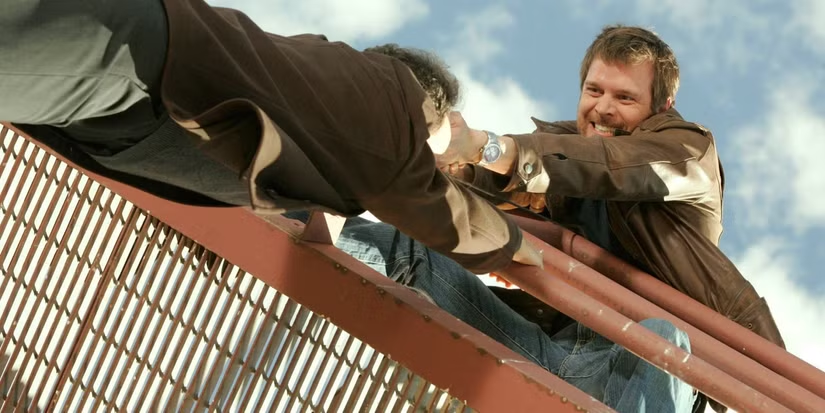
I’ve put every one of these on for someone during a lazy weekend and watched them get hooked within one episode, that’s basically the whole criteria here. Covering all kinds of subject matter based in reality or entirely fictional, they all move fast enough that you don’t check your phone even for once.
A couple of these are just pure comfort watching. But there are also some properly intense, with subject matter like murder or the actual end of the world sprinkled around, still just as easy to binge in one sitting. So here are seven shows, ranked by how hard they are to stop watching once you’ve started.
7
‘The Lost Room’ (2006)

This one’s just weird in the best way. A motel room disappeared back in the sixties, and now there’s a whole underground world of collectors chasing cursed objects that came out of it, a pen that makes people believe anything you write with it, a comb that freezes time, sunglasses that do something nobody ever fully explains. It is all just so exciting to watch. Joe Miller (Peter Krause) is a cop who gets pulled into all of it after his daughter vanishes into the room itself.
Nobody in the show ever really explains where these objects came from or why they work the way they do, and that’s honestly what makes it fun instead of frustrating, you’re just along for the ride with him. Jennifer Bloom (Julianna Margulies) plays one of the more dangerous people chasing the same objects, and the whole thing only runs six hours total, so it never overstays its welcome trying to explain everything, you are only meant to enjoy.
6
‘Good Omens’ (2019)

An angel and a demon team up to stop the actual apocalypse, and mind you they do not care about humanity’s soul or whatever, the sole reason is because they’ve both gotten way too comfortable living on Earth and don’t want it to end. Aziraphale (Michael Sheen) runs a bookshop he refuses to actually sell books out of, and Crowley (David Tennant) drives around in a vintage Bentley causing just enough chaos to keep hell happy without really meaning any of it.
The two of them have technically been enemies since the Garden of Eden, and by now they act more like a bickering old married couple than opposing forces of good and evil. Based on the novel by Terry Pratchett and Neil Gaiman, the whole show is funnier than a story about the end of the world has any right to be, and Frances McDormand narrating as the literal voice of God is one of the best casting choices in the whole thing.
5
‘The Queen’s Gambit’ (2020)

Watching someone get really, really good at chess should not be this entertaining, and yet here we are. Beth Harmon (Anya Taylor-Joy) grows up in an orphanage where she gets hooked on tranquilizers and chess at basically the same time, taught by the janitor, Mr. Shaibel (Bill Camp), almost by accident. Every match she plays gets edited like an actual sports movie, quick cuts, tight framing, that satisfying feeling of watching someone outplay everyone in the room.
The costumes and the sets alone are worth watching this for, every outfit Beth wears gets more confident as she does, and the sixties production design looks incredible in almost every frame. Benny Watts (Thomas Brodie-Sangster) shows up later as both a rival and something more, and the show reportedly caused a real spike in chess set sales after it came out, which says something about how fun it is to watch even if you’ve never played a game in your life.
4
‘WandaVision’ (2021)

Every episode of this show is styled after a different decade of sitcom, black and white in the fifties, warm and cheesy in the seventies, single-camera mockumentary by the later episodes, and for a while you don’t fully know why Wanda (Elizabeth Olsen) and Vision (Paul Bettany) are living inside all of it.
It’s a clever gimmick on its own, watching the visual style shift every episode, but it turns out to be hiding something much sadder beneath all the sitcom jokes and laugh tracks. Once the actual reason behind everything gets revealed, you realize the show was playing a much longer game than it let on early, and it’s rare for something built on a joke premise to also end up being this moving.
3
‘Watchmen’ (2019)

This one opens with the real 1921 Tulsa Race Massacre and turns that into the backstory for an entire superhero universe, masked cops, a hidden clone army, and Angela Abar (Regina King), a detective secretly moonlighting as a vigilante called Sister Night.
Damon Lindelof basically remixed the original graphic novel instead of just adapting it straight, and it’s a weirder, angrier show for it. Jeremy Irons plays an aged Ozymandias doing increasingly bizarre stuff on what turns out to be a strange country estate, and the show balances that absurdity with real, serious history without either side undercutting the other.
2
‘The Night Manager’ (2016)

This is just an incredibly good-looking show, filmed across places like Mallorca, Cairo, and the Alps, and it knows exactly how to use all that luxury to make its actual villain more disturbing. Jonathan Pine (Tom Hiddleston) goes undercover to get close to Richard Roper (Hugh Laurie), an arms dealer who’s charming enough that you almost forget what he actually does for a living.
Angela Burr (Olivia Colman) is the intelligence officer who is running the whole operation. She was actually a man in the original John le Carré novel, and the show gender-swapped the role and then wrote Colman’s real pregnancy straight into the character. It’s a slow burn, but it’s dressed up so well, gorgeous locations, sharp suits, yachts, that the slowness never actually feels slow, only enjoyable.
1
‘The Haunting of Hill House’ (2018)

There’s a ghost hidden somewhere in the background of almost every shot in this show, and most people don’t notice them the first time through, which makes it one of the most rewatchable horror shows out there for that reason alone. Each episode focuses on a different sibling from the same family, years after they all grew up and left the haunted house that’s still messing with their lives.
Mike Flanagan shot one entire episode as a series of nearly unbroken long takes, one stretch runs close to seventeen minutes without a single cut, moving between three different timelines in the same house without you even noticing the transitions. It’s one of the most technically impressive things ever done on television, which actually serves the story.
There’s nothing like a great psychological thriller. When a movie gets our minds racing, that’s when we know it’s good. Over the last 7 years, there have been a handful of psychological thrillers that have not only played with our brains but opened up further conversations. Whether its about how movies are made or the topics they discuss, these films are bigger than their runtimes.
The ten movies on this list are some of the genre’s best ever. From films with terrifying premises that are far too wild to be true to movies rooted in realism that feel far too close to home, these psychological thrillers have made a lasting impact. While there are certainly other films that can be considered honorable mentions, these ten titles have influenced the genre and why we love thrillers.
10
‘Nightmare Alley’ (2021)

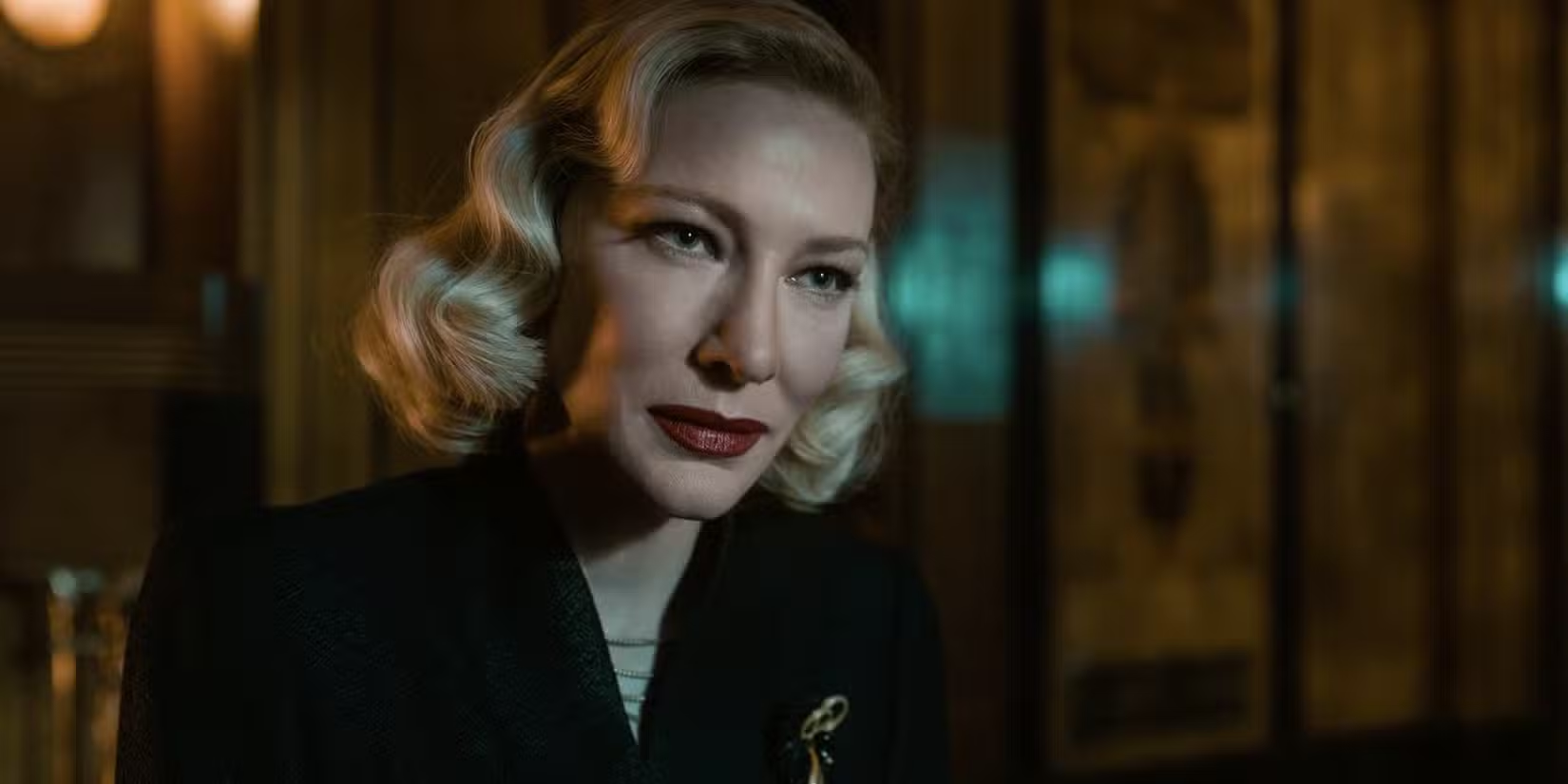
Perhaps one of Guillermo del Toro‘s underappreciated works is Nightmare Alley. The neo-noir psychological thriller centers on Stanton Carlisle (Bradley Cooper), an ambitious grifter, who rises from a low-ranking carnival worker to a prosperous high-society psychic. Running off with fellow carny, Molly Cahill (Rooney Mara), their scheming hits a roadblock at the hands of cunning psychologist Dr. Lilith Ritter (Cate Blanchett). A premier masterclass in visual craftsmanship, Nightmare Alley is gritty fatalism at its finest.
Nightmare Alley unites an all-star ensemble to tell a story of stone-cold greed and ego. Cooper brings a chilling performance as Stan, a morally bottomless individual who seeks nothing but success. He represents the dark side of ambition and how a dose of power can become an inescapable prison. By detailing the intricate nature of manipulation and how human desperation serves as the perfect vessel for psychic use, Nightmare Alley is grounded in a narrative of deception and the abuse of power. But as Stan learns, karma comes back to you when you fly too close to the sun. Especially going against a woman of sharp precision like Dr. Ritter, played to perfection by Blanchett. A mesmerizing film, Nightmare Alley is worth the watch simply for the powerhouse performances and exceptional production design.
9
‘The Lighthouse’ (2019)

If you’re looking for something unexpectedly brilliant and profound, look no further than The Lighthouse. In Robert Eggers‘ unnerving masterpiece, Thomas Wake (Willem Dafoe), an old, weathered lighthouse master, and Ephraim Winslow (Robert Pattinson), are stationed on a desolate New England island. Assigned to a four-week shift of grueling manual labor, a violent storm traps them, leading to a slow descent into madness and isolation as their supplies begin to dwindle and their hallucinations rise. A striking story about human paranoia, guilt, and the search for identity, The Lighthouse is a masterclass in tension building.
Presented in black-and-white, the visual style adds a rich layer of intrigue to the 1890s-set period thriller. Eggers establishes a claustrophobic atmosphere where there is literally no escaping. Shot tightly in a nearly square ratio, Eggers traps the audience inside the tiny rooms alongside the men. What easily could also be an enthralling stage play, the two-hander allows both actors to flourish. Especially Pattinson, who sheds all preconceived notions of his previous body of work. By keeping the audience largely in the dark regarding the ambiguity of the evens, Eggers ensures the audience may be spiraling out of sanity as well. Filed with ancient myths and maritime superstitions, The Lighthouse is a brilliant psychological puzzle.
8
‘One Battle After Another’ (2025)

Paranoia was in full bloom in Paul Thomas Anderson’s Oscar-winning thriller, One Battle After Another. Inspired by the novel Vineland by Thomas Pynchon, the story centers on Bob Ferguson (Leonardo DiCaprio), a washed-up former revolutionary who must go on the run to protect his daughter, Willa (Chase Infiniti), when an old, racist military enemy, Army Colonel Steven J. Lockjaw (Sean Penn), resurfaces after sixteen years. A high-stakes family drama like you’ve never seen before, One Battle After Another takes the core story to explore contemporary systemic dread, generational trauma, and ideological obsession.
A big blockbuster with a stellar ensemble, One Battle After Another highlights the psychological turmoil that bombards minds filled with paranoia. Through Bob’s hazy, stoned perception, the audience is forced into a dizzying ride alongside a man whose past is catching up to him at the worst possible moment. When his daughter goes missing, his psychological breakdown and frantic scramble drives the story. At the same time, by depicting a story that is bone-chillingly close to our own reality, the political satire of a parallel-universe, authoritarian America turns the tables onto our own psyche. One Battle After Another uses our senses to its advantage as a relentless, pulsating score and chaotic pacing live no time to breathe.

“Yes, Chef” has quite a different meaning after The Menu! Directed by Mark Mylod, the dark comedic psychological thriller follows food-obsessed Tyler (Nicholas Hoult) and his skeptical date, Margot (Anya Taylor-Joy), who travel to a remote island to eat at an exclusive, ultra-expensive restaurant run by a world-famous chef, Chef Julian Slowik (Ralph Fiennes). Having prepared a radical, multi-course tasting menu, it soon becomes clear that each course reveals a darker theme, and the meals turn into a deadly trap. Mocking pretentious foodies in the process, The Menu deliciously explores the toxic relationship between creators and consumers as the latter can tarnish art if they don’t truly appreciate the work.
The Menu is a brilliantly intense narrative. Immediate dread is established through the isolated setting, only to be exasperated as each course operates as a target for the diners. The Menu is a clever piece as it moves through quiet jobs games led by a sinister, menacing chef who gets pleasure from tormenting his guests. By having complete control, the creator gets to dictate fate, not the consumer. Though it may be minimized by calling it a punchline, the cheeseburger of it all served as a perfect cherry on top. The Menu is a masterful work of art.
6
‘Obsession’ (2025)

No matter what happens when award season comes around, 2025 was defined by a little indie movie called Obsession. The massive hit from Curry Barker follows Bear (Michael Johnston), a lonely music store employee, who uses a supernatural novelty toy to make his coworker and crush, Nikki (Inde Navarrette), fall in love with him. But every wish comes with severe consequences, as the One Wish Willow grants his desire but warps Nikki’s mind, turning her into a possessive and robotic presence trapped in a false reality. Obsession is no fairy tale as the film serves as a cautionary tale about toxic love, codependency, and the monstrous nature of entitlement and emotional control. A dissertation on modern dating and romance, Obsession captures the anxieties between genuine connection and obsessive infatuation.
A dark and twisted nightmare, Obsession is a brilliant physiological thriller and body horror masterpiece that proves a small budget and rising stars is the perfect ticket to success. The film expertly deconstructs toxic entitlement while also subverting the typical nice guy archetype. The moment Bear uses his wish, his innocence is stripped away, turning him into a monster who prefers his own romantic fantasy over another person’s free will. Johnson is sensational as Bear, displaying extraordinary chemistry with Navarette, who is simply transformative as Nikki. Her seamless shifts into contorted facial expressions and eccentric, cat-like movements trigger instant phonological dread. It’s a frightening balance of supernatural force and trapped victim. Obsession has opened up the conversations about movie making and romance in a manner few films have done before.
5
‘Uncut Gems’ (2019)

Be prepared to be stressed out! In Josh and Benny Safdie’s intense thriller Uncut Gems, Howard Ratner (Adam Sandler) is a charismatic jeweler and compulsive gambler in New York City’s Diamond District who is massively in debt. After acquiring a rare, expensive uncut black opal from Ethiopia, Howard embarks on a chaotic, high-stakes spiral where every decision leads him into a darker descent of debt. Uncut Gems operates as a rich character study about a man obsessed with the thrill of winning more than the sum of funds in the end.
Uncut Gems is a highly enthralling thrill ride. It’s not for the faint of heart, as you simply can’t help but want to jump through the screen and shake some sense into Howard. He’s a protagonist who refuses to learn. It’s maddening. But by eliciting that feeling, the Safdies strike a richer conversation. The film reexamines how compulsion is treated. Through the medium of cinema, Uncut Gems is an unrelenting anxiety attack. The film is deliberately presented as a frenetic experience where overlapping dialogue and kinetic filming creates an overwhelming atmosphere. Uncut Gems is smartly complex with an ending simply inevitable.
4
‘Saltburn’ (2023)

In Emerald Fennell’s dark, satirical thriller Saltburn, if there’s one thing we learned it’s never ever let your guard down to those who likely have ulterior motives. In the 2023 viral hit, Oliver Quick (Barry Keoghan), a socially awkward scholarship student at Oxford University, befriends the wealthy elite and very charming the wealthy elite until he befriends the charismatic Felix Catton (Jacob Elordi). Their newfound bond earns Oliver an invitation to Felix’s family’s sprawling estate known as Saltburn. Once at Saltburn, Oliver manipulates and charms the eccentric members of Felix’s upper-class family with a dark mission in kind. Saltburn operates as a commentary on the twisted side of human desire and how envy rears its ugly head. This psychological thriller is a rip-roaring, unexpected nightmare come to life.
On its surface, Saltburn satirically examines wealth, greed, and the rigid social divides between the haves and have-nots. But beyond its eat-the-rich mission, Saltburn is a sensational character study of an unsettling individual. Oliver is an example of subverting the unassuming, sympathetic outsider. In turning him into a predatory intruder, he plays into the idea of fueling his power through superficial pity and privilege. Fennell uses shockingly visceral moments to capture the concept of psychological obsession. Between the bathtub and the graveyard scenes, these unforgettable moments show the deep power of taboo. Saltburn is a razor-sharp black comedy that uses its mid-2000s backdrop as a means to bring a hint of nostalgia to the surrealistic descent of violence.
3
‘If I Had Legs I’d Kick You’ (2025)

Easily the most stressful film in recent memory, If I Had Legs I’d Kick You is a tour de force. From the brain of Mary Bronstein, the dark comedy thriller chronicles the intimate and personal moments of Linda (Rose Byrne), a therapist and mother who spirals toward a mental breakdown while facing nonstop life stressors. As she attempts to balance her career with caring for her young daughter, who suffers from a severe pediatric feeding disorder, her ceiling caves in, her away-from-home cruise ship captain is of no use, and her clients’ demands grow overwhelming. A brazen exploration of mental burnout, If I Had Legs I’d Kick You is an aggressive crusade to find stability.
Bronstein’s extraordinary vision paired with Byrne’s career best allows the film to truly capture the exhaustion of life and modern parenting in a manner no film had done before. The film uses intense close-ups and a frenetic pace to viscerally capture Linda’s mind. Brilliantly, Linda’s daughter is never seen, so we hear the stakes without giving them a face. In doing so, it evokes a jarring curiosity as to why she’s only just a whine. If I Had Legs I’d Kick You expertly depicts the terror of the mundane. Every little thing that can go wrong will go wrong. This film is one that requires a delightful vice after.
2
‘The Invisible Man’ (2020)

If you’re seeking an example of perfecting a modern adaptation of a classic text, look no further than Leigh Whannell’s masterful take on The Invisible Man. The psychological horror thriller follows Cecilia Kass (Elisabeth Moss), a woman who believes she is being stalked and gaslit by her abusive ex-boyfriend, Adrian Griffin (Oliver Jackson-Cohen), a wealthy and brilliant optics scientist, after he fakes his death and uses an advanced suit to become invisible. Cecilia begins to experience strange occurrences and a terrifying sense that she is still being hunted, but no one believes her. A story about fighting back against the traumas of the past, The Invisible Man turns a classic sci-fi narrative into a modern dissertation on domestic abuse and gaslighting.
The Invisible Man fulfills its goal as it’s a highly frustrating film. Cecilia faces the terrifying psychological reality of being isolated, doubted, and framed by an unseen tormentor due to everyone, even her closest family and friends, doubting him. Paired with Moss at her very best, The Invisible Man captures real-world trauma in an accessible and entertaining manner. Whannell relied on smart camera framing, sound design, and physical space to allow the tension to be rooted in reality and formidable fear. The Invisible Man taps inti the psychology of abuse through a fantastical lens, leaving you weak by the end.
1
‘Parasite’ (2019)
After changing the game at the Oscars, Parasite continues to linger as a brilliant psychological thriller. Directed by Bong Joon Ho, Parasite tells the story of the Kim family, a struggling poor family who infiltrates the lives of the wealthy Park family. As they enjoy the luxury of the empty mansion while the Parks are away, they soon discover a dark secret hidden in the basement that twists their chic scam into a violent nightmare. Parasite brilliantly discusses the wide gap between rich and poor and how the former rely entirely on the labor of the poor while remaining completely unaware of their struggles.
Through genius satire and tension, Parasite shows the duality of the title’s meaning, where both families latch onto the other to survive. By drawing on real economic anxiety, Parasite is rooted in the terrifying fact that it could happen in the real world. And then, with no warning, the story is plunged into a psychological nightmare. By flipping from an amusing scam story to a terrifying ordeal, Parasite provides emotional whiplash in an effective way. Parasite’s ability to comment on the harsh reality of modern inequality in a timeless manner will allow it to remain a top tier film. I tend not to advocate for unnecessary American remakes, but the story may be resonating now more than ever.



Fantasy can get away with hand-waving how the magic works, but sci-fi usually can’t. So, once a series sets up a rule about physics or technology, breaking that rule later just to save a character is cheating. That constraint actually makes good sci-fi lore harder to build than fantasy lore, since every made-up law of the universe has to sound like it could theoretically work.
These six, however, built entire universes around one or two core ideas, then followed the logic of those ideas all the way out to their most extreme, uncomfortable conclusions instead of chickening out halfway through. But that’s not the entire reason for their success. The character arcs, world building, zero loopholes, stitching of the entire storyline, and the thrill factor, everything contributed to why these six are the best.
6
‘The Remembrance of Earth’s Past’

During the Cultural Revolution, a Chinese astrophysicist named Ye Wenjie gets the chance to send a message out into space, and she tells the aliens who receive it exactly how disappointed she is in her own species. That one decision at the start of The Remembrance of Earth’s Past changes basically everything that happens across all three books.
Liu Cixin builds the whole trilogy around a disturbing idea called the dark forest theory, that every civilization in the universe stays silent on purpose, because reaching out to another species is more likely to get you destroyed than to make a friend. The Trisolarans, fleeing a dying three-sun system, try to stop human scientific progress using proton-sized supercomputers that can see and manipulate matter at will.
5
‘The Expanse’

An alien substance called the protomolecule gets discovered frozen on a moon out past Saturn, and once it reaches a large asteroid full of people, it starts turning everyone infected into something that isn’t quite human and isn’t quite anything else either. In the book, it is just the beginning of a much bigger political mess between Earth, Mars, and the Belters, people born and raised in the asteroid belt who’ve physically adapted to low gravity over generations.
James S. A. Corey is actually a pen name for two separate writers, Daniel Abraham and Ty Franck, and together they built out an entire believable culture for the Belters, complete with their own slang and their own grudges against the inner planets that feels genuinely real by book three or four. Then the protomolecule opens a network of gates leading to a thousand new solar systems, and never for once the story is scrambling to catch up with its own ambition.
4
‘Foundation’

Hari Seldon invents a kind of math that can predict the behavior of massive populations centuries in advance, even though it can’t predict what any single person will do, and he uses it to figure out that the vast Galactic Empire is about to collapse into thirty thousand years of chaos. Foundation follows the plan he sets up to shrink that dark age down to just one thousand years instead, using a colony of scientists positioned at the edge of the galaxy.
Isaac Asimov is the writer who structures the whole series around what he calls Seldon Crises, moments where history seems to be falling apart until it turns out Seldon predicted the exact solution centuries earlier and left instructions for it. Then a character called the Mule shows up, a mutant nobody could have possibly predicted, and the entire foundation of the plan, math and all, nearly falls apart because of one variable nobody accounted for.
3
‘Hyperion Cantos’

Seven strangers travel together to a planet called Hyperion to meet a creature known as the Shrike, something covered in blades that seems to move backward through time and kills almost everyone who gets near it, and each of them has a personal reason for making a trip that’s basically a death sentence. Hyperion structures itself like a version of the Canterbury Tales, with each pilgrim telling their own full story along the way, and every single one of those stories could work as a standalone piece of science fiction.
Dan Simmons builds a hidden collective of artificial intelligence, TechnoCore, that secretly runs most of human technology and has its own private plans nobody in the actual government knows about. Between the farcaster network letting people step between planets instantly and the constant question of whether the Shrike is a monster or some kind of judgment, the whole series manages to feel both meticulously planned and properly mysterious book after book.
2
‘The Culture’

Nobody in this society wants for anything, food, medicine, art, all of it exists in unlimited abundance, and the actual government running things isn’t made up of people at all, it’s a collection of hyper-intelligent AI Minds who pilot enormous, sentient starships and give themselves names like Grey Area or So Much for Subtlety.
Iain M. Banks wrote each book in The Culture as its own mostly standalone story instead of one continuous plot, which means you can start almost anywhere in the series without getting lost. Special Circumstances, the Culture’s shadowy division for interfering in less advanced societies when doing nothing would be worse, gives Banks a way to explore some properly uncomfortable questions about whether a utopia has any right meddling in everyone else’s business.
1
‘Dune’

A desert planet controls the entire galaxy’s economy because it’s the only place a specific spice exists, a substance that extends life, enables faster than light navigation, and gives certain people the ability to see fragments of the future, and every major power in the universe is willing to go to war over it. Dune follows Paul Atreides after his family gets handed control of that planet as a political trap they don’t fully realize until it’s already sprung.
Frank Herbert built the Fremen, the planet’s native desert people, with their own language, religion, and water-conservation culture so detailed that the appendices at the back of the book read almost like an actual anthropology text. The ecological message underneath all of it, about resource scarcity and what happens when outside powers exploit a fragile environment for profit, was unusually ahead of its time for a book published back in 1965.
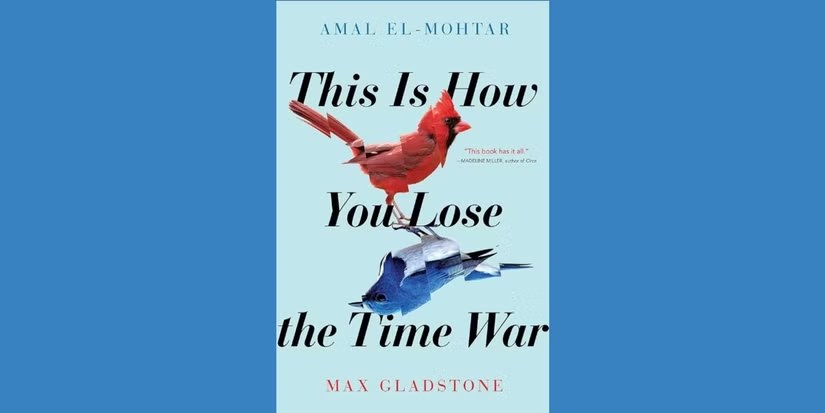
The science fiction genre is thriving right now, but it can feel like a huge commitment to pick up a new book knowing you might be reading for months — or even years. Many of the most influential sci-fi titles are dense tomes or shelf-hogging series, but some of the best stories are short, sweet, and to the point. The greatest recent example is This Is How You Lose the Time War, co-authored by Amal El-Mohtar and Max Gladstone and published in 2019. The book can be read in just one afternoon, yet it conveys an epic story spanning centuries and worlds.
This is How You Lose the Time War is an epistolary novel, meaning it is written in the form of letters sent back and forth between two characters. Its protagonists are known only as Agent Red and Agent Blue, and both are time-traveling warriors on opposite sides of a war so grand in scale we can’t really comprehend it. Even in this context, the two fall in love against all odds, yet they are trapped in a conflict that seems endless. It would be a heartwarming story at any length, but the fact that it’s packed into one short novel is all the more impressive.
‘This Is How You Lose the Time War’ is Grand in Scale

Sci-fi fans often measure their favorite media on celestial scales. Space operas span galaxies and millennia, cyberpunk stories pack planets with dense cities, and Lovecraftian horrors introduce us to monsters so great we can’t even perceive them with human eyes. This Is How You Lose the Time War matches this scale in a single volume, not wasting a single word. There are no exposition dumps or technical jargon, yet it’s easy to understand that we’re reading about advanced non-human beings traveling through time and fighting a war of interdimensional territory.
The two agents in this story work for warring empires who exist in separate timelines, yet both want to eradicate the other before they can pose a threat. To do this, they need to hop through history tweaking events to suit their needs, and in the process they inevitably run into each other. Rather than fighting, they begin passing discrete messages back and forth, starting a bond that evolves into real love by the end of the book.
There’s certainly nothing wrong with sci-fi books that span thousands of pages — many of my personal favorites do — but there’s something impressive about fitting such a grand story into a short book. This Is How You Lose the Time War is around 200 pages long depending on which edition you pick up. The audiobook is four hours and 16 minutes long at regular speed, narrated by Cynthia Farrell and Emily Woo. Whether you’re a veteran of the Dune Saga or you’re intimidated by massive sci-fi books, this is one that all fans of the genre should check out.
The Viral Success of ‘This Is How You Lose the Time War’
If you’re familiar with This Is How You Lose the Time War, chances are have one anonymous Twitter user to thank. Back in 2023, the book shot up many bestseller lists thanks to the user @maskofbun, who at the time was using the display name “bigolas dickolas wolfwood.” They wrote: “Read this. DO NOT look up anything about it. just read it. It’s only like 200 pages u can download it on Audible it’s only like four hours. Do it right now I’m very extremely serious.”
Something about the emphatic recommendation paired with the user’s display name made this a viral tweet. It’s notable that this account wasn’t often used to recommend books — it was primarily a fan account for the manga and anime franchise Trigun. The user chose to remain anonymous after the tweet took off, and even declined a nomination for the Hugo Award for Best Related Work the following year. Their post inspired thousands to read the book and recommend it to others, so whether you’ve heard about it from a friend or are hearing about it for the first time in this article, you have Bigolas Dickolas Wolfwood to thank.
This Is How You Lose the Time War is available now in print, digital, and audiobook formats. It has been optioned for a TV adaptation, but there has been no news on that front for several years.

+1 ROLL MONEY TO BECOME RICH IN ROBLOX!

Gerber adds pediatric rehydration solution

HYPE Price Could Suffer As Binance Takes Its Revenue: Alice Liu


-
 Tech6 days ago
Memory prices are slowing because buyers ran out of money
-

 Tech1 day ago
The Latest Weird Thing to Play Doom Is the Mapped-Out Brain of a Fruit Fly
-

 Business4 days ago
Micron Stock Climbs Above $1,031 as AI Memory Crunch and a $50 Billion Outlook Fuel the Rally
-

 Business5 days ago
AMD Stock Climbs After Management Lifts 2027 Data Center Outlook Toward $70 Billion in AI Sales
-

 Fashion3 days ago
Weekend Open Thread – Corporette.com
-

 Crypto World6 days ago
Bitcoin price risks $76K drop as $78K support weakens
-

 Crypto World6 days ago
Robinhood Stock: How To Take Advantage With Reduced Risk
-

 Crypto World3 days ago
XAG/USD: Silver’s Short-Term Rally Meets Its Moment of Truth
-

 Crypto World4 days ago
2 Chip Stocks Broke Out This Week. Neither Was Nvidia
-

 Crypto World6 days ago
Ethereum price stalls below $2,500 as ADX drops to 11
-

 Business3 days ago
10 Most-Streamed Songs On Spotify In 2026 So Far, Led By Ella Langley’s Dominant Run On The Charts This Year
-

 NewsBeat6 days ago
England up in reading, maths and science rankings as Scotland and Wales dip
-

 Crypto World4 days ago
OKX launches 10x OpenAI, Anthropic X-Perps in Europe
-

 Tech4 days ago
Battery life is the only iPhone 18 Pro and iPhone Duo upgrade I care about. Apple didn’t disappoint
-

 Crypto World3 days ago
Diesel Tops $6 a Gallon for the First Time as 28 States Set Records
-
 Crypto World6 days ago
Intel Stock Jumps 9% on Chip Price Hike Report, US Stake Gains $36 Billion
-

 Crypto World5 days ago
Bitcoin price risks $70K if $78K neckline breaks
-

 NewsBeat6 days ago
What went right this week: an ‘historic’ fall in violent crime, plus more
-

 Tech5 days ago
Apple Watch Ultra 4 vs Watch Ultra 3: Should you really spend another $799?
-

 Crypto World6 days ago
Pump Fun and Kraken delete Hunter Biden $LAPTOP promotion
You must be logged in to post a comment Login