
Business
Troubled Australian developer Bathla granted one-year extension to complete projects




Accenture partners with Anthropic on AI safety evaluation
Check out what’s clicking on FoxBusiness.com.
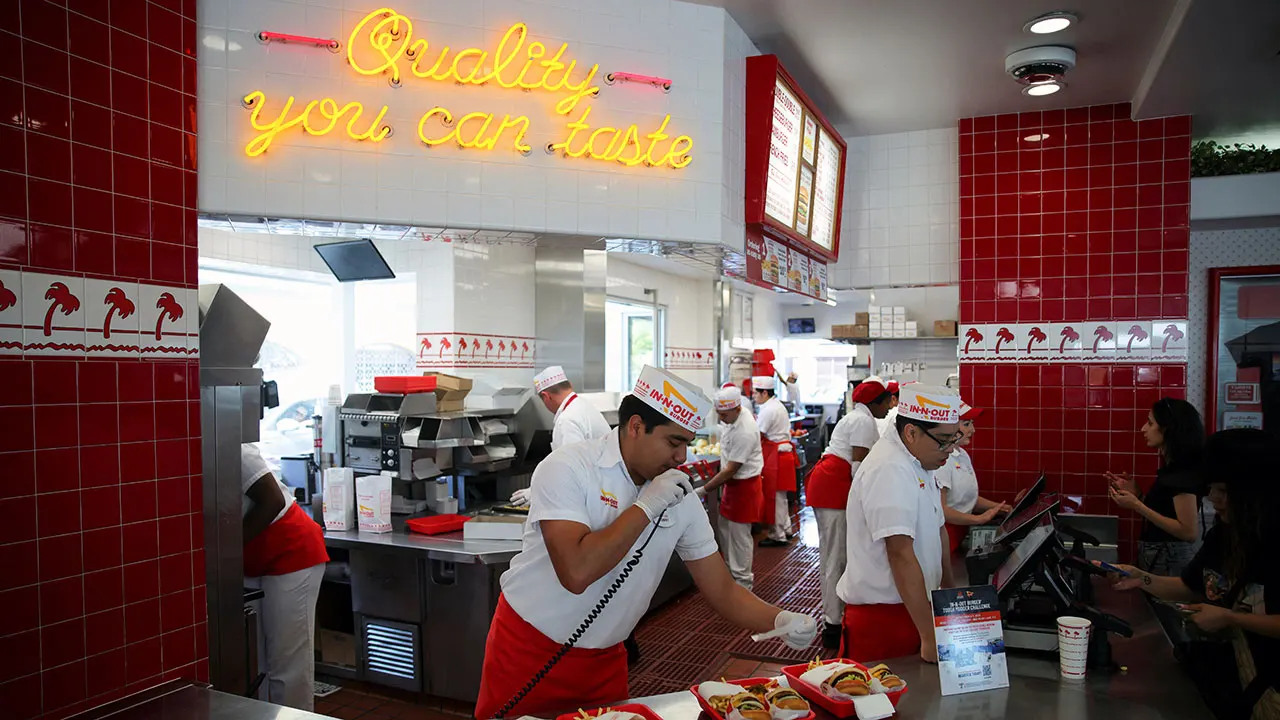
In-N-Out Burger store managers make more than $200,000 annually on average, which the fast-food chain says reflects the company’s philosophy of investing in its workforce.
“I can confirm that our In-N-Out Burger store managers earn more than $200,000 a year on average,” Chief Operating Officer Denny Warnick said in a statement to FOX Business.
Warnick noted that In-N-Out’s founders, Harry and Esther Snyder, believed in “taking really great care of our associates.”
“Their philosophy was to treat associates like family and strive to be an outstanding employer, and paying higher-than-normal wages was one important part of that philosophy,” he said.
MAJOR BURGER CHAIN IN-N-OUT CHANGES TWO KEY INGREDIENTS, SENDING FANS INTO A FRENZY
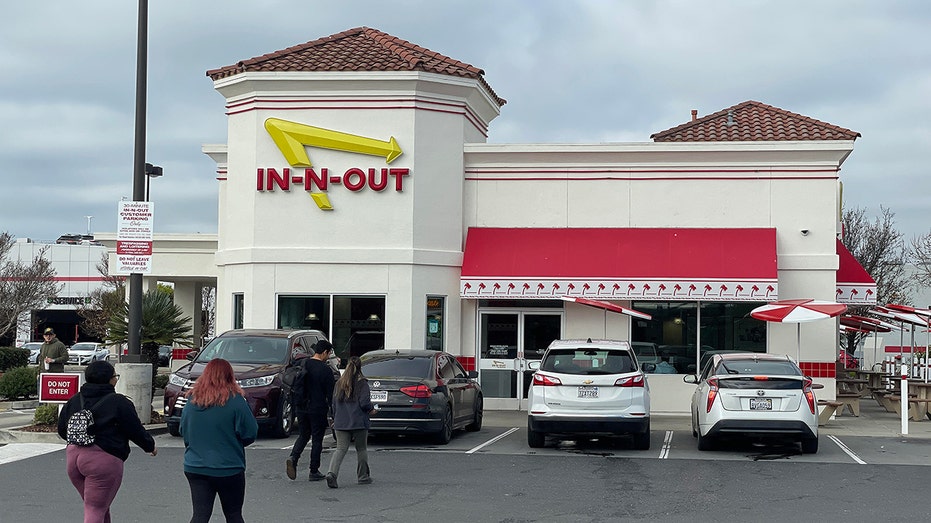
In-N-Out Burger store managers make more than $200,000 annually on average. (Justin Sullivan/Getty Images)
The burger chain is committed to offering competitive pay, benefits and career development opportunities, according to Warnick.
“Those values remain unchanged today under the leadership of our owner and president, Lynsi Snyder,” he said.
“We’re committed to providing competitive wages, great benefits, a positive and enthusiastic work environment and opportunities for associates to develop and grow.”
MCDONALD’S SHAKES UP FALL COFFEE LINEUP AS PUMPKIN SPICE SEASON HEATS UP
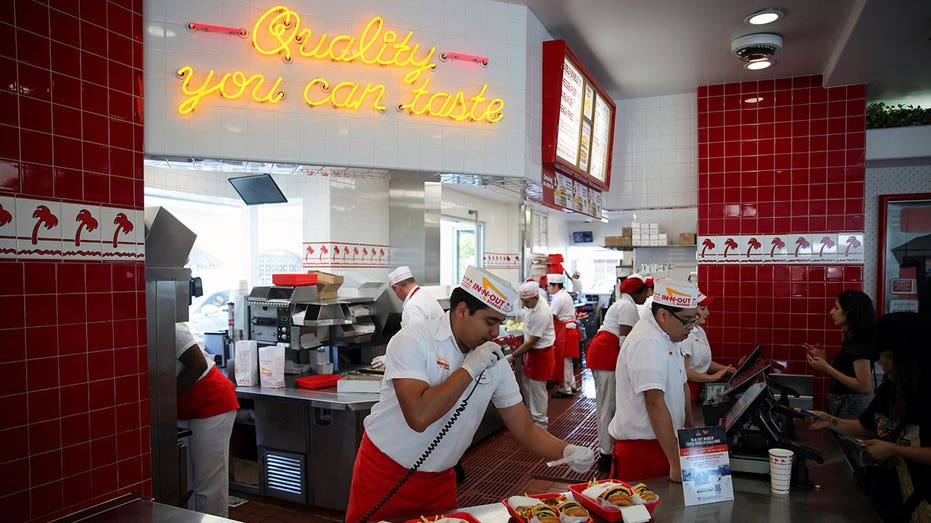
The burger chain said it is committed to offering competitive pay, benefits and career development opportunities. (Daniel Cole/Reuters)
Warnick added that many In-N-Out associates have worked for the chain for decades, helping carry on the values established by its founders.
BURGER KING REVAMPS MENU ITEM AFTER CUSTOMERS SOUGHT ‘TOTAL OVERHAUL’

Warnick added that many In-N-Out associates have worked for the company for decades. (Robert Gauthier/Los Angeles Times via Getty Images)
CLICK HERE TO GET FOX BUSINESS ON THE GO
Earlier this month, the California-based chain, which operates in 10 states, announced two ingredient changes, removing sesame flour from its buns and replacing iodized salt packets with sea salt.
“We remain committed to serving our customers with the freshest, highest-quality food possible. Over the years, we’ve made meaningful changes to our ingredients, and this past year was no exception. We’re pleased to share our latest updates, and we’ll continue building on that commitment for years to come,” the company said at the time.
FOX Business’ Bonny Chu contributed to this report.
Business
Attovia Therapeutics Shares Jump 8.36% as Volatile Biotech Stock Extends Its Pattern of Unexplained Rallies

SAN CARLOS, Calif. — Shares of Attovia Therapeutics Inc. rose 8.36% to $24.63 on Thursday, adding $1.90, extending a pattern of sharp, unexplained price swings that has characterized trading in the clinical-stage biopharmaceutical company’s stock in recent weeks without any single company-specific announcement clearly driving the moves.
Thursday’s gain adds to a string of similarly outsized single-day moves the stock has posted in recent weeks. Shares surged 5.87% on September 4 and jumped a further 6.19% on September 14, according to tracking from the American Association of Individual Investors, with both moves prompting the group to note that investors were left questioning whether the rallies represented a good opportunity to sell into strength rather than a signal of sustained fundamental improvement at the company. No specific corporate announcement, clinical trial update or analyst action has been identified as the clear catalyst behind Thursday’s advance, consistent with the pattern seen in the stock’s two prior notable rallies earlier in the month.
Attovia Therapeutics is a clinical-stage biopharmaceutical company focused on developing treatments for immune-mediated diseases with significant unmet medical need. The company, incorporated in 2022 and based in San Carlos, California, has built its pipeline around a proprietary technology it calls the ATTOBODY biologics platform, which the company describes as an evolution-driven, high-throughput discovery process capable of generating a wide diversity of therapeutic candidates designed to improve on existing standards of care for the conditions they target.
The company’s lead candidate, ATTO-1310, is a novel ATTOBODY-based Fc-fusion protein therapeutic that inhibits interleukin-31, a signaling protein implicated in itch sensation. The drug is being developed to treat a range of chronic pruritic, or itch-related, conditions, including chronic pruritus of unknown origin, high-itch atopic dermatitis, cholestatic pruritus and chronic kidney disease-associated pruritus. A second pipeline candidate, ATTO-2306, is a half-life-extended immunoglobulin G fusion protein therapeutic designed to inhibit both interleukin-13 and interleukin-31 simultaneously, targeting atopic dermatitis and other immune-mediated skin conditions such as chronic spontaneous urticaria and prurigo nodularis. A third candidate, ATTO-1091, takes a broader approach as a trispecific ATTOBODY-based Fc-fusion protein therapeutic designed to inhibit TL1A, interleukin-23 and integrin a4β7 simultaneously, targeting inflammatory bowel disease, a chronic immune-mediated condition affecting the gastrointestinal tract that includes both ulcerative colitis and Crohn’s disease.
Financially, Attovia remains firmly in its investment phase as a clinical-stage biotechnology company, a profile common among early-stage biopharmaceutical firms still years away from potential product approval and commercialization. The company reported a recent quarterly net loss of $18.7 million, reflecting continued heavy investment in research and development across its pipeline of immune-disease candidates. Attovia held a cash position of approximately $43.3 million as of its most recent disclosed balance sheet, alongside a notably low debt ratio of 0.03 and a current ratio of 13.94, metrics that together point to a company with limited leverage and a comparatively strong short-term liquidity position relative to its immediate obligations, even as its ongoing losses continue to draw down its cash reserves over time.
Attovia’s stock has exhibited substantial volatility since its own public listing, with shares trading within a 52-week range spanning from a low of $16.15 to a high of $28.00. The company’s market capitalization has fluctuated accordingly, recently standing in the range of roughly $950 million to just over $1 billion depending on the specific trading session, reflecting the scale of price swings the stock has experienced over relatively short periods.
The recurring pattern of sharp single-day moves without clearly identifiable catalysts is not unusual for small-cap, clinical-stage biotechnology stocks, which often trade on comparatively thin volume and can be disproportionately affected by broader sector sentiment, speculative trading activity, options market dynamics, or shifts in investor positioning that are not necessarily tied to company-specific news. Attovia’s average daily trading volume has recently been reported in the range of roughly 175,000 to 188,000 shares, a level that can make the stock more susceptible to outsized percentage moves when trading volume spikes above that baseline, even in the absence of a clear news-driven trigger.
Attovia has not issued any recent press release, clinical trial data disclosure, or regulatory update that corresponds directly to Thursday’s trading session, based on the company’s most recent public filings and press release history. The absence of a clear catalyst has left market commentators to attribute the stock’s recent volatility broadly to the kind of speculative trading patterns often seen in smaller biotechnology names, rather than to any specific, verifiable development in the company’s underlying business or clinical programs.
With no major company-specific catalysts publicly scheduled in the immediate term, investors in Attovia Therapeutics are likely to continue watching for updates on the clinical progress of its three lead pipeline candidates, particularly ATTO-1310 given its position as the company’s most advanced program, as the more durable, fundamentals-driven catalysts that could eventually justify or reverse the kind of sharp, unexplained price swings the stock has exhibited repeatedly over the past several weeks.

Bolivia approves $1.9 billion IMF deal in hopes of accessing external financing


With a background as a RN, I analyze healthcare-related stocks by evaluating clinical data, treatment guidelines, and market dynamics. After completing my MBA, I expanded into tech, where I deploy DCF modeling to uncover implicit market expectations for growth and cash generation. My writing is influenced by books such as “Superforecasting” and “Fooled by Randomness.”
Analyst’s Disclosure: I/we have no stock, option or similar derivative position in any of the companies mentioned, and no plans to initiate any such positions within the next 72 hours. I wrote this article myself, and it expresses my own opinions. I am not receiving compensation for it (other than from Seeking Alpha). I have no business relationship with any company whose stock is mentioned in this article.
This article is intended to provide informational content and should not be viewed as an exhaustive analysis of the featured company. It should not be interpreted as personalized investment advice with regard to “Buy/Sell/Hold/Short/Long” recommendations. Financial models presented here, including DCF, rNPV, and scenario analyses, are illustrative tools based on the author’s assumptions and are highly sensitive to inputs; small changes can materially alter outputs. The predictions and opinions presented reflect a probabilistic approach, not absolute certainty. Efforts have been made to ensure accuracy, but inadvertent errors may occur. Readers are advised to independently verify information and conduct their own research. Investing in stocks involves inherent volatility and risk. Before making any investment decisions, it is crucial for readers to conduct thorough research and assess their financial circumstances. The author is not liable for any financial losses incurred as a result of using or relying on the content of this article.
Seeking Alpha’s Disclosure: Past performance is no guarantee of future results. No recommendation or advice is being given as to whether any investment is suitable for a particular investor. Any views or opinions expressed above may not reflect those of Seeking Alpha as a whole. Seeking Alpha is not a licensed securities dealer, broker or US investment adviser or investment bank. Our analysts are third party authors that include both professional investors and individual investors who may not be licensed or certified by any institute or regulatory body.
Business
Strategy Shares Soar 13.66% as Bitcoin’s Sharp Rally and Wall Street Upgrades Fuel Renewed Momentum
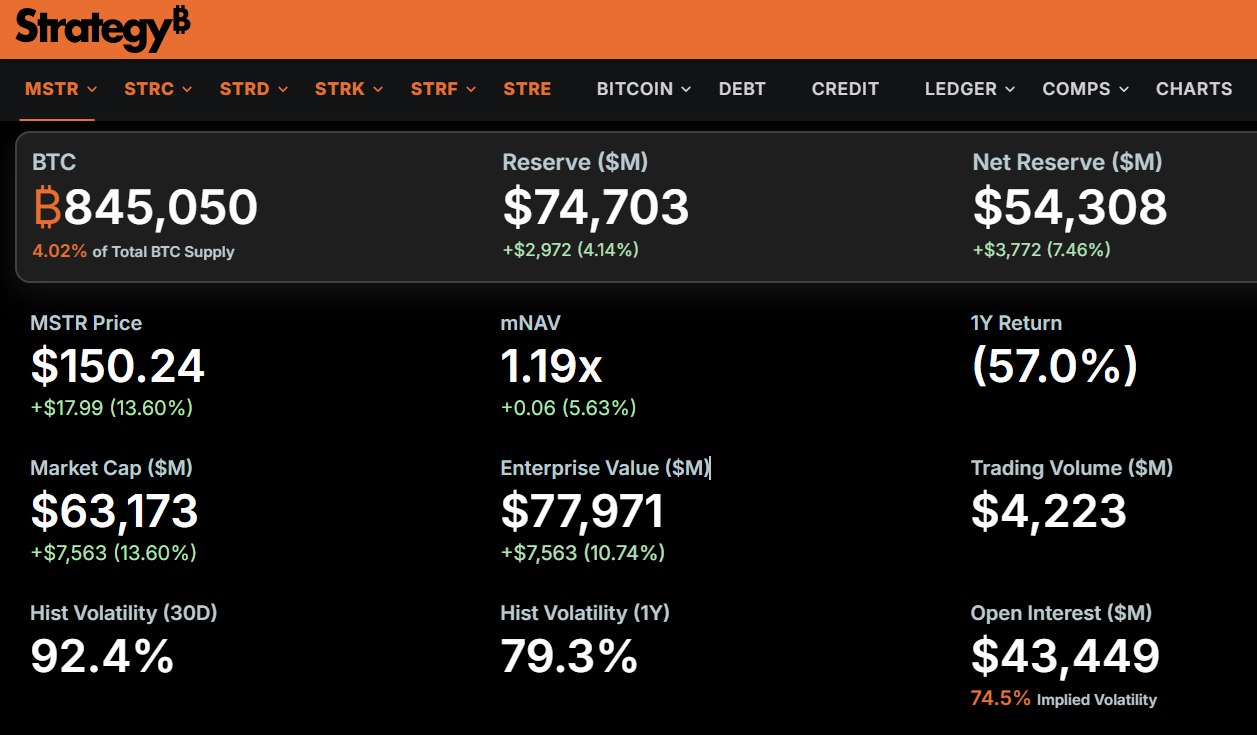
TYSONS CORNER, Va. — Shares of Strategy Inc. surged 13.66% to $150.32 in Friday trading, adding $18.07, as the world’s largest corporate holder of bitcoin rode a sharp rally in the cryptocurrency’s price alongside a wave of bullish price target increases from Wall Street analysts.
Strategy’s stock, which trades as a highly leveraged proxy for bitcoin’s price given the company’s massive holdings of the cryptocurrency, tracked bitcoin’s own advance closely throughout Friday’s session. Bitcoin climbed sharply after the Federal Reserve’s interest rate decision earlier in the week signaled a less aggressive path for future rate increases than some investors had feared, sparking a broad rally across risk assets that extended directly into crypto-linked equities including Strategy, Coinbase and Robinhood. Crypto stocks extended those gains further into Friday’s premarket session after the Securities and Exchange Commission introduced a new exemption for trading tokenized U.S. securities, according to market commentary, adding a fresh regulatory tailwind to the sector.
Strategy, formerly known as MicroStrategy before adopting its current name in August 2025, holds approximately 845,050 bitcoin, a position worth roughly $66 billion at recent market valuations and the largest corporate bitcoin treasury in the world. The company’s executive chairman, Michael Saylor, reaffirmed the company’s long-standing commitment to continuing that accumulation strategy in recent public remarks, saying, “We’re never going to stop” buying bitcoin, even as the company’s own disclosures show it has periodically paused new bitcoin purchases in favor of other capital allocation priorities during short stretches this year.
Indeed, Strategy disclosed that it skipped bitcoin purchases for a second consecutive week between September 8 and September 13, instead deploying $139.3 million toward repurchasing its own common stock and STRC perpetual preferred shares. Over a broader recent window, the company has deployed between roughly $139.3 million and $176.3 million toward those buybacks, even as it maintains a sizable U.S. dollar reserve of approximately $5.1 billion, including between $1.3 billion and $1.44 billion in cash, giving the company meaningful flexibility to continue its buyback program, its bitcoin accumulation strategy, or both, depending on market conditions.
Wall Street’s assessment of the stock has grown increasingly bullish in recent sessions. Barclays raised its price target on Strategy shares to $160 from $125 earlier in the week, according to market data. Alliance Global launched coverage of the stock with a Buy rating and a $217 price target, citing the company’s substantial bitcoin holdings and what the firm described as its potential to outperform bitcoin itself over a six-to-18-month bull market cycle. Other firms, including B. Riley and Canaccord, have also raised price targets or initiated bullish ratings on the stock in recent sessions, while Bernstein has maintained an Outperform rating even after trimming its own price target. Overall, 15 analysts currently cover Strategy with a consensus Strong Buy rating and no sell recommendations, with an average 12-month price target near $228.53, implying substantial potential upside from Friday’s trading levels even after the day’s sharp gain.
Beyond its bitcoin holdings, Strategy has continued to invest in its original business as a provider of artificial intelligence-powered enterprise analytics software, offered through products including Strategy One, which gives non-technical business users direct access to data-driven insights, and Strategy Mosaic, a data governance layer designed to provide consistent definitions and oversight across an organization’s various data sources. The company recently announced plans to launch a seven-city U.S. “AI Transformation Forum” in partnership with Google Cloud, a move market commentators have pointed to as evidence the company remains actively invested in its analytics business rather than functioning purely as a bitcoin holding vehicle.
That software business has provided a source of operating cash flow even as the company’s headline financial results have been dominated by the accounting treatment of its bitcoin holdings. Strategy reported more than $8.2 billion in net losses for its most recent quarter, a figure driven primarily by fair-value accounting adjustments tied to fluctuations in bitcoin’s price during the period, rather than losses from the company’s core software operations.
Strategy’s stock has exhibited extreme volatility over the trailing year, with shares ranging from a 52-week low of $81.81 to a high of $365.21. That wide trading range reflects the company’s role as an amplified proxy for bitcoin sentiment, with the stock tending to move more sharply in both directions than the underlying cryptocurrency itself, a dynamic that has made it a popular vehicle for traders seeking leveraged exposure to bitcoin’s price movements through a conventional, exchange-listed equity rather than direct cryptocurrency ownership.
Incorporated in 1989 and headquartered in Tysons Corner, Virginia, Strategy has undergone a dramatic transformation over the past several years from a traditional enterprise software company into what it now describes as a bitcoin treasury company operating across the United States, Europe, the Middle East, Africa and other international markets, offering investors varying degrees of economic exposure to bitcoin through a range of equity and fixed-income securities.
With bitcoin’s rally showing few signs of slowing as Friday’s session progressed, and Wall Street analysts continuing to raise price targets on the stock in response, investors are likely to keep treating Strategy’s share price as one of the most direct and heavily traded proxies for broader cryptocurrency market sentiment in the sessions ahead, for better or worse given the stock’s well-documented history of sharp moves in both directions.

Neeral Shah launched YardLink in 2018 to move construction buying off the phone and onto a platform. It now lists more than 1,000 vetted UK suppliers across 2,400 depots, and raised a $17.5m Series A led by Beringea in October 2022. He tells Business Matters why an industry burned by software is right to be sceptical.
What do you currently do at YardLink?
I lead YardLink, a B2B digital procurement marketplace for the construction industry. In simple terms, we connect construction businesses with local suppliers for equipment hire, materials and services, all through a single platform.
What that means in practice is that buyers and site managers running multiple projects can source exactly what they want, when they need it, and get full visibility around what has been ordered and what is being spent, in real time, instead of piecing it together from spreadsheets, emails and WhatsApp chains. That covers plant, powered access, tools, site welfare, power and lighting and waste disposal on the hire side, and building materials and fuels on the buy side.
Day to day, my focus splits between product direction, commercial strategy and the team. We are a scaling business, so a lot of my energy goes into making sure the right decisions are being made quickly, the right people are empowered to make them, and that we are staying focused on the problems that actually matter to our customers.
What was the inspiration behind your business?
My family has been involved in the construction supply chain for generations, so I grew up with an instinctive understanding of how the industry works. But the specific moment came while I was providing trade finance for construction procurement. I kept seeing the same problem: enormous amounts of capital tied up in assets that would sit underutilised on sites, and procurement processes that were fragmented, slow and almost entirely manual.
I then spent time in strategy at a fast-growing tech startup, which is where I saw the power of digital marketplaces to solve exactly this kind of problem. The lightbulb moment was realising that what had transformed retail, travel and logistics could do the same for construction procurement, an industry that was, and in many ways still is, running on phone calls and pen and paper. Construction is one of the least digitised industries, with more than 95 per cent of supply chain transactions still conducted over the phone, by email and on paper.
How big is the problem in money terms?
We commissioned research with 250 senior procurement decision-makers which found the average UK construction project runs £7.6m over budget. Procurement is not the whole of that, but it is a meaningful part of it, and it is the part nobody has been measuring properly.
The distance figure tells a similar story. Around 95 per cent of what goes through our platform is delivered from within 15 miles of site, against an industry average of about 60 miles. That is fuel, time and emissions, and it comes from having enough local suppliers on the network to make proximity possible.
Investors have started to notice the category. ProcurePro raised $11m for construction procurement software this year, and there is far more capital going into this than when we started. That is good news, because the problems facing the sector are not going to be fixed by any one company.
Who do you admire?
This has evolved as I have moved through different phases as a founder, so I will answer it in three parts.
In the early days, building YardLink from nought to one, I really admired Brian Chesky, the founder of Airbnb. His early story is full of lessons about product obsession, design thinking and sheer hustle in the face of an industry that told them their idea would not work. What stuck with me most was not just the vision, it was how transparent and empathetic he has been about sharing the ups and downs since.
As the business scaled and my role shifted from founder to CEO, I found myself drawn to Dara Khosrowshahi, the CEO of Uber. I have heard him speak a few times and what comes through is how level headed and calm he is. He stepped into Uber at one of its most turbulent moments and steadied it, not through bravado but through culture, transparency, fairness and a clear set of values.
But if I am honest, the person I admire most is not a founder or CEO at all. It is my grandfather. He ran a small business himself, but what I remember most is his calm. No matter what was happening around him or the family, he carried this steady, reassuring presence, the sense that everything was going to be okay. Building a business will always have chaos in it somewhere. The kind of leader, and person, I want to be is one who brings calm into that chaos, the way he did.
Looking back, is there anything you would have done differently?
I would have trusted myself more. Being a founder is isolating, especially in the early stages. You are constantly looking outward for answers, to mentors, to peers, to your investors, because you assume they have seen more than you have. Being venture-backed, that meant leaning into a growth oriented mindset, and a lot of the advice I received pushed hard in that direction.
But there were moments where that advice sat at odds with what my gut was telling me. I wanted to make sure we were building a business that actually worked, not just chasing growth for the sake of it. Looking back, I did not always have the confidence to push back and say no, even when I believed I was right.
If I could go back, I would tell myself to back my own judgement more often. Advice from smart people is valuable, but nobody understands the business the way the founder does.
What defines your way of doing business?
Reliability and trust, above everything else. Construction is an industry that has been let down by technology before. Platforms that promised transformation and then did not work on a live site, in the middle of a programme, when the stakes were highest. That scepticism is completely rational and it has shaped everything about how we build and run YardLink.
We use a model I would describe as digital plus human in the loop. The platform handles the speed and the visibility, but there are real people on our team who take accountability when something goes wrong and make it right. That combination is what builds trust in an industry that has learned to be cautious about new technology.
The other thing that defines how we operate is a genuine commitment to the supplier side of the marketplace, not just the contractor side. Our supplier network is the product: vetting them properly, measuring their performance continuously and giving them a reason to keep improving their service standard.
What advice would you give to someone starting out?
Just get started. I spent time wanting to get the idea to a point of perfection before committing to it, and what I have learned is that there is no such thing as a perfect moment or a perfect product. The only way to find out if something works is to put it in front of real customers and listen to what they tell you.
Beyond that, say no more than you say yes. Early on there is a tendency to chase every opportunity because everything feels urgent. But focus is the scarce resource in a young business. The founders I have seen struggle most are often the ones doing too many things adequately rather than a few things exceptionally well.
And build the team early. The people around you will determine whether the idea becomes a company. I have been incredibly fortunate to have a team that really cares about what we are building, and that has made every difficult period easier to navigate.


Financial Serenity is a quantitative research column specialized in ETFs. We analyze all ETFs to understand which ones hide traps and which ones deserve attention. The ultimate goal, however, is the product of this selection process: an ETF portfolio capable of maintaining linear price growth (at least indexed to the inflation rate) while generating sustainable, recurring income streams. The analytical key is therefore portfolio construction, asset allocation, and the application of proprietary strategies for average purchase cost management.
Analyst’s Disclosure: I/we have no stock, option or similar derivative position in any of the companies mentioned, and no plans to initiate any such positions within the next 72 hours. I wrote this article myself, and it expresses my own opinions. I am not receiving compensation for it (other than from Seeking Alpha). I have no business relationship with any company whose stock is mentioned in this article.
The author expresses only personal opinions and does not provide financial advice. The content is for informational purposes only and should not be considered as investment recommendations. The author assumes no responsibility for any investment decisions made based on this article. Always conduct your own research or consult with a financial advisor before making any investment choices. The author makes no guarantees regarding the data, and the user agrees that the author shall not be held liable for the user’s use of the data.
Seeking Alpha’s Disclosure: Past performance is no guarantee of future results. No recommendation or advice is being given as to whether any investment is suitable for a particular investor. Any views or opinions expressed above may not reflect those of Seeking Alpha as a whole. Seeking Alpha is not a licensed securities dealer, broker or US investment adviser or investment bank. Our analysts are third party authors that include both professional investors and individual investors who may not be licensed or certified by any institute or regulatory body.


Hit follow for stock deep dives and long-term thesis tracking. Independent Equity Analyst tracking high-quality businesses built for multi-decade compounding. My focus is simple: identifying quality compounders, mispriced growth, and underappreciated optionalities while ignoring short-term noise. Whether evaluating mega-cap tech levers or under-the-radar global equities, I prioritize structural moats, capital allocation, and asymmetric upside. Feel free to reach out for collaborations or to connect!
Analyst’s Disclosure: I/we have a beneficial long position in the shares of VICI either through stock ownership, options, or other derivatives. I wrote this article myself, and it expresses my own opinions. I am not receiving compensation for it (other than from Seeking Alpha). I have no business relationship with any company whose stock is mentioned in this article.
Seeking Alpha’s Disclosure: Past performance is no guarantee of future results. No recommendation or advice is being given as to whether any investment is suitable for a particular investor. Any views or opinions expressed above may not reflect those of Seeking Alpha as a whole. Seeking Alpha is not a licensed securities dealer, broker or US investment adviser or investment bank. Our analysts are third party authors that include both professional investors and individual investors who may not be licensed or certified by any institute or regulatory body.

Taylor Riggs and Stuart Varney discuss Apple’s newly unveiled foldable iPhone Duo. The premium device boasts the thinnest design and largest screen yet, with prices ranging up to $3,000 depending on storage options.
Apple fans eager to get their hands on the latest iPhone crowded stores worldwide on Friday.
The 18 Pro and Pro Max lineup, unveiled last week at Apple’s annual event alongside its foldable phone Duo, features a reimagined camera with a DSLR-like aperture, improving performance in low-light environments and offering enhanced depth of field.
Apple also announced that the new line of iPhone 18s will be able to detect AI-generated photos by creating an unalterable Reference Image that lives alongside the edited one.
INSIDE JOHN TERNUS’ FIRST APPLE LAUNCH EVENT AS CEO: FOLDABLE IPHONE DUO, AI AND MORE

Different color phones in Apple’s iPhone 18 Pro lineup (Apple Inc.)
The iPhone 18 Pro starts at $1,199, and the iPhone 18 Pro Max starts at $1,299 with lease options through Apple Upgrade.
Apple CEO John Ternus, who succeeded Tim Cook earlier this month, visited the company’s flagship store on Fifth Avenue in New York City Friday. He posed for pictures and signed autographs for customers inside and outside the location in Midtown Manhattan.
APPLE UNVEILS FIRST FOLDABLE IPHONE, IPHONE 18 PRO LINEUP, NEW WATCHES AT ANNUAL LAUNCH EVENT
Apple CEO John Ternus poses for a photo with people at the Apple Fifth Avenue flagship store during the launch of the Apple iPhone 18 Pro and 18 Pro Max in New York City Sept. 18, 2026.
The new iPhone marks the launch of the new-and-improved Siri, powered by Apple Intelligence. The new Siri, called Siri AI, was announced in June but was delayed until now to make sure everything was right, according to Apple.
APPLE ENTERS A NEW ERA AS JOHN TERNUS TAKES OVER AS CEO
Customers inside the Apple Inc. store on Regent Street during the sales launch of their latest products in London Sept. 18, 2026.
Siri AI runs on Google Gemini models and is able to perform features such as pulling information from messages, photos, emails and more. Users will also be able to draft messages and emails, edit photos and access past conversations with Siri.

People line up outside the Apple Store at the Menlo Park Mall in Edison, N.J., Sept. 18, 2026. (Fox News Digital)

Cooper Flagg’s NBA Journey: From No. 1 Pick to Rookie of the Year

Schools Scramble as Budget Cuts Force Reset of Free Lunch Programs

BORIS JOHNSON: Cricket legend Imran Khan is rotting to death in a tiny jail cell in Pakistan. It’s time Britain used its influence to help free him

Weekend Open Thread – Corporette.com

Memory prices are slowing because buyers ran out of money

Micron Stock Climbs Above $1,031 as AI Memory Crunch and a $50 Billion Outlook Fuel the Rally

A Powerful Prayer for Financial Breakthrough | God Will Make a Way Where There Seems to Be No Way

Crypto Holders.. this is not good

Does Financial Audit Help You?! Blanko Caleb Hammer #fyp #calebhammer #financialaudit #money
-

 Tech5 days ago
The Latest Weird Thing to Play Doom Is the Mapped-Out Brain of a Fruit Fly
-

 Crypto World4 days ago
Kraken Lets xStocks Holders Earn Yield Through DeFi
-

 Entertainment7 days ago
News Specials, Movies, Shows, More
-

 Crypto World2 days ago
US Charges Robinhood Engineers Over Crypto Listing Trades
-

 Crypto World6 days ago
Can AI Build a Startup in 72 Hours? Elon Musk's Team Will Livestream the Test
-

 Crypto World4 days ago
Elon Musk Drops a Bombshell: Grok 5 Could Be the AGI Breakthrough
-

 Crypto World3 days ago
What Is the Status of the U.S.-Iran Peace Talks? Here's What Both Sides Are Saying
-

 Business6 days ago
Rivals Sam Altman and Elon Musk Rally Behind Dario Amodei’s Call for a Slowdown in AI Development
-

 Crypto World7 days ago
Robinhood Chain Never Stopped But its Blobs Did Stop Reaching Ethereum For 14 Minutes
-
 NewsBeat4 days ago
‘Sick conspiracy’: Trump says only guardrails AI needs is ‘a strong and smart (High IQ!) president’ in all-caps rant
-
 Crypto World5 days ago
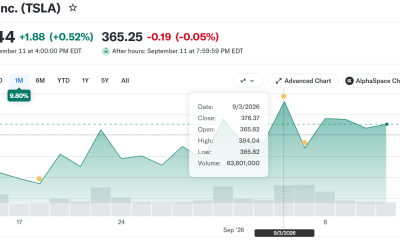
New Tesla Roadster Uses SpaceX Tech. Will It Impact the Stock Price?
-
 Crypto World4 days ago
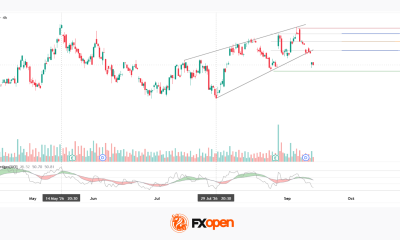
NVIDIA Analysis: Attempted Rising Wedge Breakout Amid Pressure on the AI Sector
-
 Entertainment7 days ago
New Horror Movie Officially Earns a Rare Stephen King Recommendation
-

 Business7 days ago
Marvell: Most Potent Setup Of The AI Factory Decade
-

 Crypto World4 days ago
Revolut Attackers Warn of Ongoing Daily Customer Data Leaks
-

 Crypto World4 days ago
DOJ Seeks to Seize $61M in Iran Oil Funds From Binance Accounts It Vouched For
-

 Crypto World7 days ago
Bitcoin ETFs lose $462.7M as Ethereum funds gain $196.9M
-
 Crypto World5 days ago
3 Token Unlocks to Watch in the Third Week of September 2026
-
Crypto World4 days ago
Can Circle’s Arc Repeat Robinhood Chain’s Meme Coin Boom?
-
Business4 days ago
SK Hynix ADRs Fall More Than 6% as Memory Rally Breaks on Fears of Slower AI Spending
You must be logged in to post a comment Login