Connect with us

NewsBeat

I fear this Budget will gun for our pensions, savings and homes: JEFF PRESTRIDGE reveals exactly what YOU can do about it

Published

on

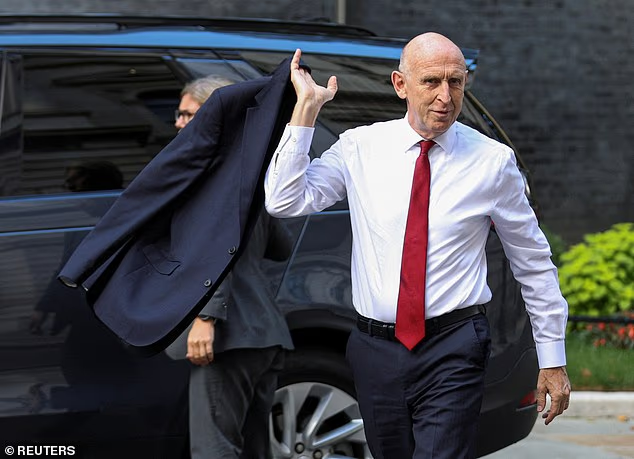
It's coming: In just over a month we will brace ourselves for yet another assault on our wealth and financial independence

Tick tock, tick tock, the clock is counting down. In just over a month we will brace ourselves for yet another assault on our wealth and financial independence.

This time around it won’t be Rachel Reeves who will be bashing up our finances and ruining our retirement – or retirement dreams. Instead, it will be John Healey who as Chancellor of the Exchequer will deliver Labour’s third horrible Budget in as many years.

Frankly, it doesn’t matter who the Chancellor is (it could be Ken Dodd if he was still alive) because Labour, socialist Labour, is gunning for our investments, wealth and homes.

If only time could stand still, or, even better, go back to when Labour was no more than a weak party in Opposition.

Advertisement

Healey has already indicated his guns are trained firmly on our wealth by stating that next month’s Budget will be a ‘tough’ one.

And he will come up with the usual Labour excuses as to why tough measures are needed.

It’s coming: In just over a month we will brace ourselves for yet another assault on our wealth and financial independence

Advertisement

He will blame continued hostilities in the Middle East for the country’s parlous state rather than the Government’s awful anti-business stance which has heaped costs on employers and caused the economy to limp along like someone who has just strained their Achilles heel.

Of course, there will be no mention of Labour’s reluctance to tackle a soaring welfare bill, even if it leaves our defences in a sorry state and Government borrowing costs reaching for the skies.

For Prime Minister Andy Burnham to suggest that spending on social security is a greater priority than the nation’s security is as naïve as it is dangerous.

God help us.

Advertisement

So we’re heading for yet more tax increases to shore up the Government’s finances and sadly (unfairly, I’d say) it will be taxpayers – Middle Englanders – who yet again will be asked to shoulder them.

That means the young and old, the aspiring and aspired, and everyone in between. It means those who work for a living, own their own home and put money aside for the future – as well as those of us who have been prudent all our lives and are now enjoying retirement or semi-retirement.

Although Healey has so far been tight-lipped about what tax hikes he has up his sleeve, I imagine his phalanx of Treasury advisers will be leaking a few details ahead of the Budget on Wednesday, October 28 (aka doomsday). 

They can’t help themselves, based on the tittle tattle they have come up with over the past two years.

Advertisement

No doubt, rumours about a restriction in the right for people to take a chunk of tax-free cash from their pension fund will surface again, as they did in the previous two Budgets.

In the run up to the 2024 Budget, some £10billion of ‘excess’ tax-free cash was taken by investors fearful of an imminent crackdown.

No clampdown came, leaving tens of thousands of savers with money that would have been better left invested in their pension fund – and not suddenly exposed to tax. The same happened last year.

Maybe Healey will hear investing giant AJ Bell’s passionate call for him to make a ‘pre-Budget’ commitment not to turn the screw on the right to tax-free cash. But maybe not.

Advertisement
Don’t wait until Budget day. You need to start protecting yourself now


Hi, I’m Simon Lambert, publisher of This Is Money. I want to warn you that your pension, savings and property could soon be under attack. 

Advertisement

On October 28, Andy Burnham’s government will set out the Budget. We don’t know what they will do, but we do know about tax raids already on the way. The best thing you can do is get prepared. So I’ve called on some of Britain’s leading financial experts to create my new six-week plan. I’ll cut through the noise and take you step-by-step through everything you need to do to protect your money. 

Don’t wait. Click here and sign up to Protect Your Money now.

<!- – ad: https://mads.dailymail.co.uk/v8/de/money/moneypensions/article/other/mpu_factbox.html?id=mpu_factbox_1 – ->

Advertisement

And if I was a betting man, I’d put my garden shed on him pushing up rates of capital gains tax on profits from second homes, buy-to-lets and investments so they are aligned with income tax rates.

It’s a move that most Left-leaning think tanks have been calling for since I wore shorts to school. 

I am sure its announcement in the Budget would result in many Labour MPs partying late into the night. Negronis all round (nice and red). 

Advertisement

For diehard socialists, utopia. For us, yet another spiteful attack on thrift.

What we do know for certain, because Healey has already said it, is that there will be no breaking of Labour’s 2024 manifesto which pledged not to increase ‘National Insurance, the basic, higher or additional rates of income tax, or VAT.’ Thank you for small mercies.

But there’s far more we know about what lies ahead taxation-wise as we march towards the end of Labour’s term in office in 2029 (of course Burnham could call a snap election before then).

There are a myriad of tax rises coming that are set in stone, but which we can plan for and, in most cases, take action to mitigate – with the aid, of course, of our brilliant Money team at the Daily Mail and This is Money.

Advertisement

These tax rises were of Reeves’ creation and come in the form of a series of tax bombs with in-built detonators designed to go off at specific times.

The tax raids coming from April 2027

The first batch of these detonators goes off in April, when the new tax year kicks off.

So, from April 6, tax on savings interest will jump by two percentage points, resulting in new tax rates for basic, higher and additional rate taxpayers of 22, 42 and 47 per cent.

Savage? Yes, but basic and higher rate taxpayers should still be able to shield, respectively, £1,000 and £500 of annual savings interest from these new tax rates through use of their personal savings allowance. 

Advertisement

I say this in the expectation (no, hope) that these allowances won’t be chipped away at or removed altogether by Healey (don’t rule it out).

These same higher tax rates will also apply to rental income earned by landlords (Labour truly hates landlords).

Saving into a cash Isa will be restricted at the same time – with only those aged 65 or over still being able to squirrel away up to £20,000 in any one tax year.

For all other adults, they will be allowed to put only a maximum £12,000 a tax year into a cash Isa. If they want to maximise their £20,000 allowance, they will have to run a stocks & shares Isa alongside their cash Isa. 

Advertisement

While stocks & shares Isas and Junior Isas will keep their respective maximum annual allowances of £20,000 and £9,000, managing the former will become far more challenging for investors.

This is because Labour has decided to introduce a flat 22 per cent tax charge on all interest earned from cash held inside a stocks and shares Isa

Both a bewildering move and a dent in the tax-free label that makes Isas so attractive.

Yet probably the most damaging tax ‘bomb’ that will ignite in the next tax year will be that affecting on any unused pensions when people die. For the first time, they will fall into the inheritance tax (IHT) fishing net.

Advertisement

As I’ve said before, the taxation of such pension pots will be nothing short of egregious.

For some beneficiaries, it will result in the proceeds from an inherited pension fund (where the plan holder was aged 75 or more) being subject to both 40 per cent IHT and income tax.

In the most extreme of cases, 91 per cent of an inherited pension fund could be lost to tax.

Whatever happens in John Healey and Andy Burnham's first Budget, there is already a painful series of tax raids coming that were orchestrated by Rachel Reeves

Whatever happens in John Healey and Andy Burnham’s first Budget, there is already a painful series of tax raids coming that were orchestrated by Rachel Reeves 

Advertisement

Join the discussion

How should hardworking families protect themselves from rising taxes on pensions, savings, and homes?

Finally, we now learn that staycations in England will become more expensive towards the end of this tax year as a result of mayors being free to impose an uncapped tax on visitors staying in their regions. 

Where mayors don’t exist, new ‘foundation strategic authorities’ will be able to levy the tax.

Advertisement

Labour says the levy will not exceed 5 per cent, but the tax will still make holidays more expensive for hard-working families. Accommodation providers, especially independent B&Bs, could also be hit if holidaymakers are deterred from staying in the UK.

Similar tourist levies are already charged in Edinburgh and are set to be introduced in Wales just ahead of England.

In Reeves’s defence, this new tax will not be of her doing: the finger points at Burnham, Healey and Local Government Secretary Angela Rayner.

And a year later… more tax raids

Reeves’s detonators are far from spent when the tax year to April 2028 comes to an end. 

Advertisement

A new mansion tax will then kick in, landing those with homes worth £2million or more with annual bills up to £7,500.

Then, a year later, a new stealth tax will be imposed on salary sacrifice pension plans offered by many employers. The upshot is that many employees and employers will end up paying more in NI. Yes, more bloody tax!

So what can you do?

All rather scary? Absolutely – I’ve got into a right old flap just writing this article.

And I’ve not even mentioned the tax consequences of Burnham’s wish to ‘fix’ the social care crisis through the creation of a ‘national care service’. 

Advertisement

Reform of social care, the Prime Minister has already said, will require ‘difficult decisions’ – which is code for some form of tax rise. When it will all be decided is anyone’s guess. 

But in the meantime, between 30,000 and 40,000 people a year will be forced to sell their home to fund their long-term care costs.

To the good news, dear readers. There is a lot you can do to protect your wealth from what is coming down the road in the weeks, months and years ahead.

Most of it is centred around good, old-fashioned financial planning. For example:

Advertisement

– Ensuring your family assets (everything from pensions, investments and savings) are set up in the most tax advantageous way possible and are best in class in terms of the deal (investment growth, interest rate) they give;

– Taking full advantage of saving and investment tax-breaks (for example, Isas and pensions). Not just for you and your spouse or partner, but for your children via Junior Isas and pensions (yes, pensions);

– Making sure your existing Isas are fit for purpose ahead of the rule changes in April;

– Having up-to-date wills and being aware of a multitude of gift allowances that can help mitigate IHT bills further down the line (especially given the inclusion of unused pension funds in IHT calculations from April);

Advertisement

– Maybe downsizing your home to mitigate the mansion tax – or releasing equity to support your retirement finances;

– And finding out how to plan for the possibility – not probability – of care costs in later life.

Our brilliant six-part newsletter series, written by my colleague Simon Lambert, in the weeks leading up to the Budget and in its immediate aftermath will cover all these areas: IHT, pensions, savings and investments, property, care costs and later-life planning, and what the Budget means for you.

It will be essential reading, drawing upon a mix of the country’s best Money team’s extensive personal finance knowledge and that of leading financial experts. It’s unmissable.

Advertisement

More importantly, it will put you in a better place to mitigate the impact of the tax detonators coming all our way.

Protect Your Money – sign-up to our six-week plan 

The Budget is coming – but are you prepared? Sign up to our six-week plan and Simon Lambert and his team of financial experts will reveal how to Protect Your Money. If you’re a subscriber, it’s completely FREE 

> Sign-up to Protect Your Money 

Source link

Advertisement
Continue Reading
Click to comment

You must be logged in to post a comment Login

Leave a Reply

NewsBeat

As Ukraine rebuilds amid constant Russian attacks, small towns and villages are being sidelined

Published

on

As Ukraine rebuilds amid constant Russian attack, small towns and villages are being sidelined

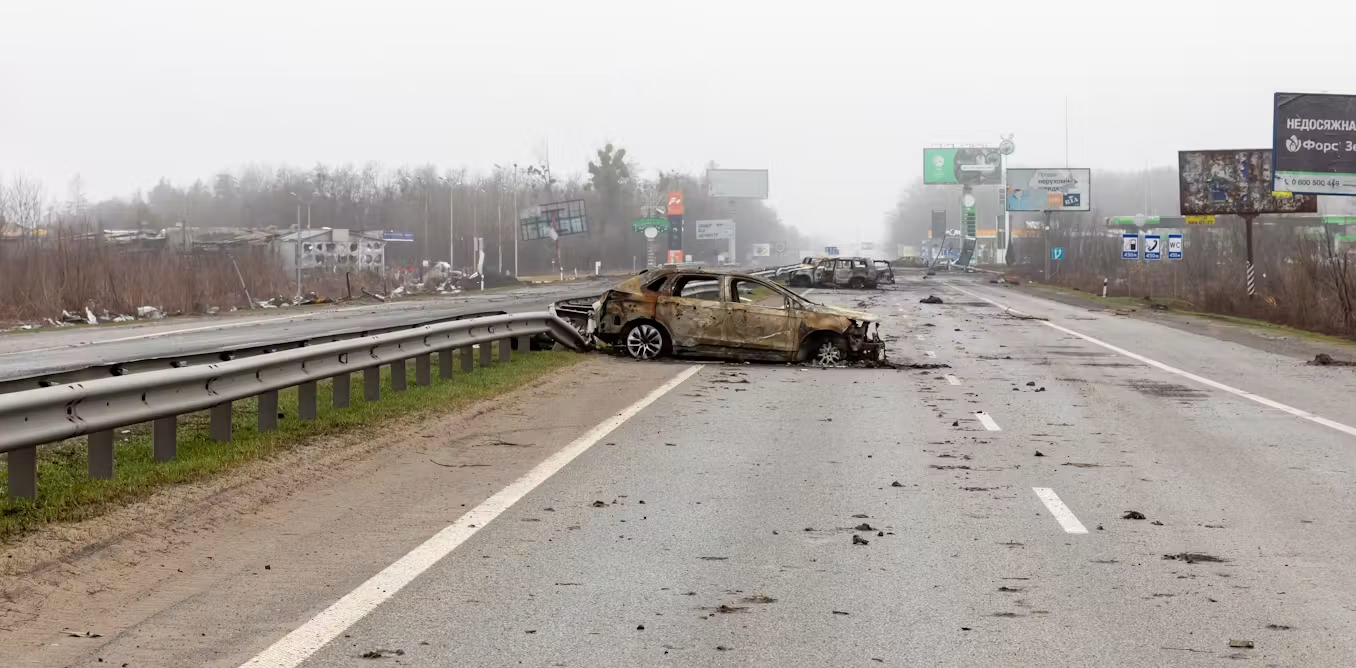
In the early days of the full-scale invasion of Ukraine, Russian armoured columns pushed east along the Zhytomyr highway towards Kyiv. Makariv, a small settlement of about 10,000 people 36 miles west of Kyiv, sat on their route. The town was wrecked in the month of fighting that ensued.

Roughly 40% of the settlement’s infrastructure was destroyed and the bodies of 132 executed civilians were recovered by April 2022. A 2026 account puts the total death toll as high as 238. Yet Makariv was never taken. It held, with Russian forces only taking control of about 10% of its land, and Kyiv held behind it.

“For some reason, Makariv was bypassed in the press,” said local museum curator Vitaly Gedz in a 2026 interview. “They wrote about Makariv twice, ‘it was occupied and then liberated’ … It was only 10% occupied, but it was very badly destroyed.”

On a visit to Makariv the previous year, we visited Gedz’s museum. Among the objects on display there were military maps recovered after Russian forces withdrew. Russian units were found to be carrying Soviet-era sheets, some of which dated back to 1969, with the modern border between Russia and Ukraine often added in pen.

Advertisement

In the early days of the invasion, Ukraine’s national road agency also asked communities to take down road signs to disorientate the advancing Russian columns. For a few weeks in 2022, being hard to read was a defence for Makariv. It is not any longer.

Makariv residents clean debris in April 2022 after the withdrawal of Russian forces.
Sergey Dolzhenko / EPA

What the record cannot see

Ukraine’s recovery needs currently stand at nearly US$588 billion (£435 billion) – almost three times its GDP for 2025. This total is still moving. Damaged energy assets alone rose by roughly 21% between February 2025 and February 2026, when the fourth and fifth assessments of Ukraine’s reconstruction needs were released.

According to a recent BBC analysis, Kyiv is also now suffering more daily air raid alerts than at any time in the war so far. This bombardment comes weeks after the deputy speaker of the Russian parliament, Pyotr Tolstoy, urged strikes on Ukrainian cities “to demoralise the public”.

Funds for reconstruction across Ukraine must therefore be rationed, and this rationing runs on records with a particular shape. Ukraine’s national recovery and reconstruction is managed using two main online databases. The first of these is the Register of Damaged and Destroyed Property.

Advertisement

This register records which buildings have been harmed, who owns them and what they are worth. An entry is what allows households and businesses to claim compensation, and it will form the basis of any future reparation claim against Russia.

Getting a building on to this list is the responsibility of each individual council. The fourth assessment of Ukraine’s reconstruction needs found that, in December 2024, the register held information about “90+ percent” of damaged apartment blocks in Ukraine but only “nearly 60 percent” of damaged single-family houses.

One survey of a block registers hundreds of dwellings, while a street of houses must be walked gate by gate by staff small councils generally do not have. Like many other small settlements across Ukraine, Makariv is built mainly of houses, the category the register is worst at recording.

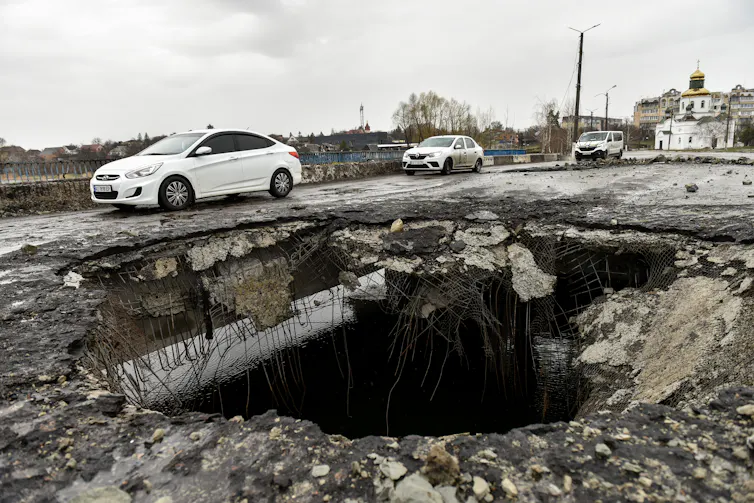
A shell crater on a damaged bridge in Makariv.
A shell crater on a damaged bridge in Makariv, Ukraine, pictured in 2022.
Oleg Petrasyuk/EPA

The second database is the Digital Reconstruction Ecosystem for Accountable Management. More commonly known as Dream, this is the official platform for the Ukrainian government’s public investment plan. Councils enter their own projects and funders choose from what is there.

The project data local authorities need to provide include descriptions, building designs, budget breakdowns, contracting and payment records and even photos, all of which take time and require money to record. This matters in towns and villages where public servants may not have the resources or experience.

Advertisement

We looked up what Makariv has put into Dream. Its council has registered 70 projects on the portal. Nearly 50% carry no costed amount at all, compared with 24% nationally. An uncosted project cannot be funded, bundled or compared.

This absence has consequences. In July 2025, we held a workshop in Makariv with around 30 residents, including teachers, clerical staff, museum workers and veterans. Interrupted by air alerts, they marked a plan of the settlement spread across two tables.

One woman traced her journey to work, which has grown from 5 miles to 20 miles since the overpass where the Makariv road crosses the Zhytomyr highway was wrecked in 2022. Others pointed out that when a fire breaks out in Makariv or the outlying villages, the fire engine now comes from Byshiv nearly 14 miles away as Makariv’s own station has been destroyed.

None of this argues against digital reconstruction. Ukraine’s systems are among the most transparent anywhere. It is an argument about who does the work of being counted, because a system that asks local authorities to enter themselves will always favour those with staff to spare.

Advertisement

Source link

Continue Reading

NewsBeat

Corrie Mckeague’s mum: ‘I’ve given myself closure; my son’s dead’

Published

on

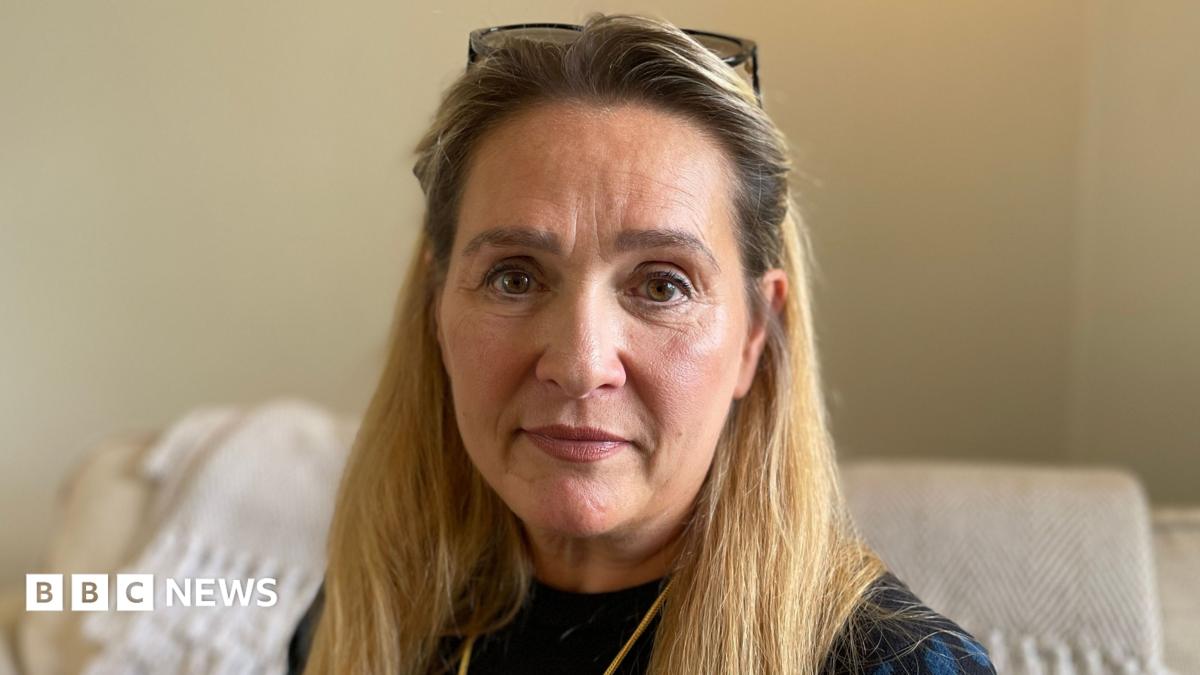
A head and shoulders image of a woman who is looking directly into the camera. She has glasses resting on the top of her head.

“We definitely did all we could and I can honestly sleep at night knowing there was nothing I physically could have done any different.”

It is 10 years since Nicola Urquhart’s son, Corrie Mckeague, disappeared on 24 September 2016 after a night out in Bury St Edmunds, Suffolk. For the months and years that followed, she embodied a mother’s love and determination to find the truth: to never give up.

The RAF gunner’s body has never been found but he was officially declared dead in 2022, when an inquest ruled he had died after climbing into a commercial waste bin before it was tipped into a waste lorry.

Nicola is composed and reflective as she recalls when her son went missing. He had just turned 23 and within months would become a dad.

Advertisement

She says her son would be forever in her thoughts, but adds: “I’ve given myself closure; my son is dead.”

She spoke to the BBC after what would have been Corrie’s 33rd birthday and ahead of the 10th anniversary of his disappearance.

She says she last saw her son when she went for a birthday meal with him at Cheers in Bury St Edmunds, adding he was a “social hand grenade” who “really did live every moment at a hundred miles an hour”.

A decade on, she says there is “never an end” to losing somebody but it is about “managing each day”.

Advertisement

Source link

Continue Reading

NewsBeat

Judge temporarily overturns Trump’s White House media ban

Published

on

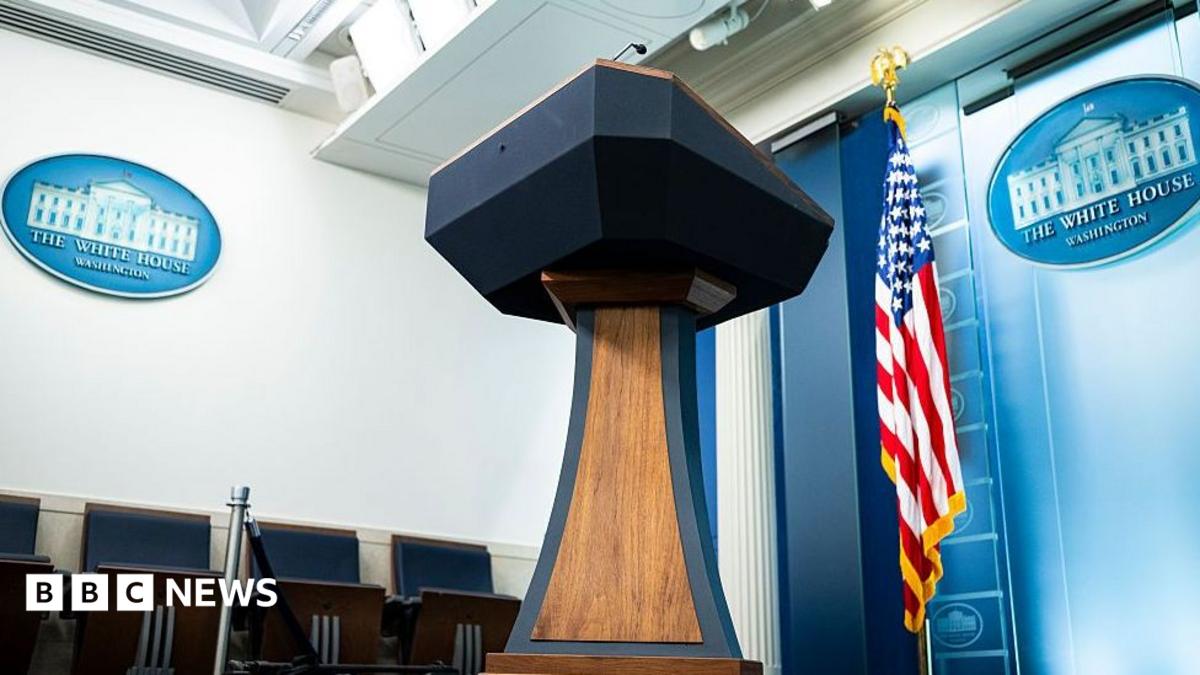
Lecturn in White House briefing room

A judge has ordered the White House to immediately reinstate press access for three news organisations barred from the building last week by US President Donald Trump.

A District of Columbia court issued a temporary restraining order against the ban, meaning CNN, MS NOW and Politico must have their access restored for 14 days.

The three outlets had launched a legal challenge which called the ban unconstitutional after their reporters had their hard passes for the White House confiscated and were denied access.

The Trump administration sought to defend the move in court, accusing the outlets of publishing false information and threatening national security – an argument the court rejected.

Advertisement

The White House is yet to comment on the ruling, and lawyers acting for the president may choose to take further legal action.

Judge Timothy Kelly ruled CNN, Politico and MS NOW were “likely to succeed” in showing the White House had not exercised “adequate due process” in implementing the ban.

He also cast doubt on the Trump administration’s arguments that the bans were motivated by national security concerns, pointing out the president made no mention of that in his initial announcement.

The ruling continued: “The record lacks factual support for Defendants’ contention that the revocation of Plaintiffs’ hard passes will in fact protect national security or that national security will be endangered if the Court orders their passes reinstated while this litigation proceeds.”

Advertisement

In its defence of the ban, the Trump administration cited a number of articles published by the outlets, including some about construction at the White House, including work on a new ballroom.

The judge said that “in most cases” the stories the White House took issue with were written by journalists who “did not even hold card passes” – and in the remaining cases, the Trump administration did not demonstrate “reason to believe that the reporter’s possession of the hard pass was integral to the stories identified”.

Source link

Advertisement
Continue Reading

NewsBeat

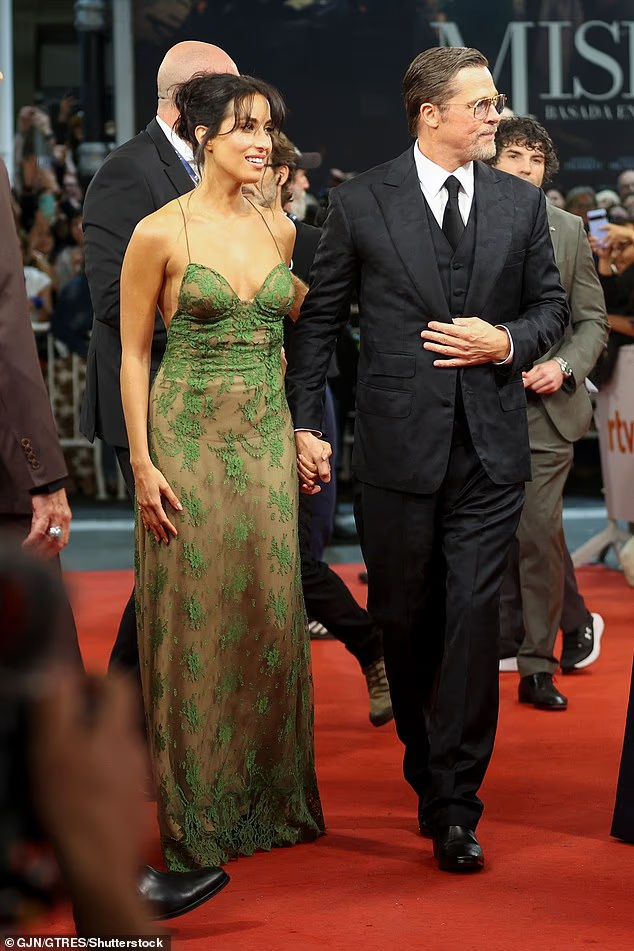
Dapper Brad Pitt, 62, puts on a loved-up display with his girlfriend Ines de Ramon, 33, at photocall for his new film Heart of the Beast during the San Sebastian Film Festival

Published

on

Dapper Brad Pitt put on a loved-up display with his stunning girlfriend Ines de Ramon at a photocall for his new film Heart of the Beast on Wednesday night

Dapper Brad Pitt put on a loved-up display with his stunning girlfriend Ines de Ramon at a photocall for his new film Heart of the Beast on Wednesday night.

The actor, 62, held hands with the beauty, 33, as he promoted the new movie at the San Sebastian Film Festival and looked smart in a black suit, with his hair in an old Hollywood slicked back style. 

Ines turned heads in a glamorous strappy green lace dress which showed off her incredible figure.

The pair – who began dating in late 2022 – didn’t leave each other’s sides all night as they held hands and posed for snaps together. 

Advertisement

In his new film Heart of the Beast, Brad stars as retired Special Forces officer James Belmont, who is accompanied by his retired combat dog Odin when their plane crashes in the remote Alaskan wilderness. 

The two survive the crash but they’re forced to fight for survival in bitter conditions while hoping to be rescued.

Dapper Brad Pitt put on a loved-up display with his stunning girlfriend Ines de Ramon at a photocall for his new film Heart of the Beast on Wednesday night

Advertisement
The actor, 62, held hands with the beauty, 33, as he promoted the new movie at the San Sebastian Film Festival

The actor, 62, held hands with the beauty, 33, as he promoted the new movie at the San Sebastian Film Festival

Brad was mobbed by fans when he arrived at the festival last week – just after friends revealed how his marriage to Angelina Jolie sent his life ‘spiraling’. 

A source close to Brad said: ‘He never had a drink problem, he had an Angelina problem. He’s worked hard on himself and he’s now, finally, in a really good place.’

Brad and Angelina, 51, split back in September 2016 following just two years of marriage.

Advertisement

It comes after just last week Brad raved about the night of revelry he enjoyed with his girlfriend Ines at Taylor Swift and Travis Kelce‘s wedding in July.

The pair were among the 1,000-strong guest list at the Madison Square Garden ceremony officiated by Adam Sandler.

When he was asked about the celebrations recently, Brad replied: ‘You mean the wedding of the century?’

He added to Entertainment Tonight: ‘Let me tell you, that was such an amazing night. I think we were there 10 hours, maybe 12. It was so thoughtful and well-planned and really moving and great fun.’

Advertisement

The star, who recently confessed to being ‘off the wagon’ after seven years of sobriety, shared that he briefly lost track of Ines amid the thicket of celebrities as a result of the stringent no-phone policy the newlyweds put in place.

In his new film Heart of the Beast, Brad stars as retired Special Forces officer James Belmont, who is accompanied by his retired combat dog Odin when their plane crashes in Alaska

In his new film Heart of the Beast, Brad stars as retired Special Forces officer James Belmont, who is accompanied by his retired combat dog Odin when their plane crashes in Alaska

Heartthrob Brad looked smart in a black suit and had his hair in an old Hollywood slicked back style

Heartthrob Brad looked smart in a black suit and had his hair in an old Hollywood slicked back style

The pair - who began dating in late 2022 - didn't leave each other's sides all night as they held hands and posed for snaps together

The pair – who began dating in late 2022 – didn’t leave each other’s sides all night as they held hands and posed for snaps together

Advertisement
Ines turned heads in a glamorous strappy green lace dress which showed off her incredible figure

Ines turned heads in a glamorous strappy green lace dress which showed off her incredible figure

It comes after just last week Brad raved about the night of revelry he enjoyed with his girlfriend Ines at Taylor Swift and Travis Kelce's wedding in July

It comes after just last week Brad raved about the night of revelry he enjoyed with his girlfriend Ines at Taylor Swift and Travis Kelce’s wedding in July

The pair looked loved-up as they posed for snaps together

The pair looked loved-up as they posed for snaps together

The pair held hands as they made their way to the red carpet

The pair held hands as they made their way to the red carpet 

Advertisement
Ines looked stunning in a green lace dress

Ines looked stunning in a green lace dress

Brad sweetly put his arms around her as they posed for the cameras

Brad sweetly put his arms around her as they posed for the cameras

He put on an animated display ahead of signing autographs

He put on an animated display ahead of signing autographs 

Ines was there to support his at the photocall

Ines was there to support his at the photocall

Advertisement

He made a note of how ‘big’ the reception was and acknowledged with a laugh that ‘at one point I lost her in the melee on the dance floor’.

However he insisted the period they spent wedged apart was ‘not long’, insofar as ‘there’s always someone to go: ‘That way. She went that way.”

The pair made their Instagram debut as a couple in a slew of images showing the outfits they wore to Taylor and Travis’s nuptials. 

The pair married at Madison Square Garden but have yet to share any pictures from the event. 

Advertisement

Source link

Continue Reading

NewsBeat

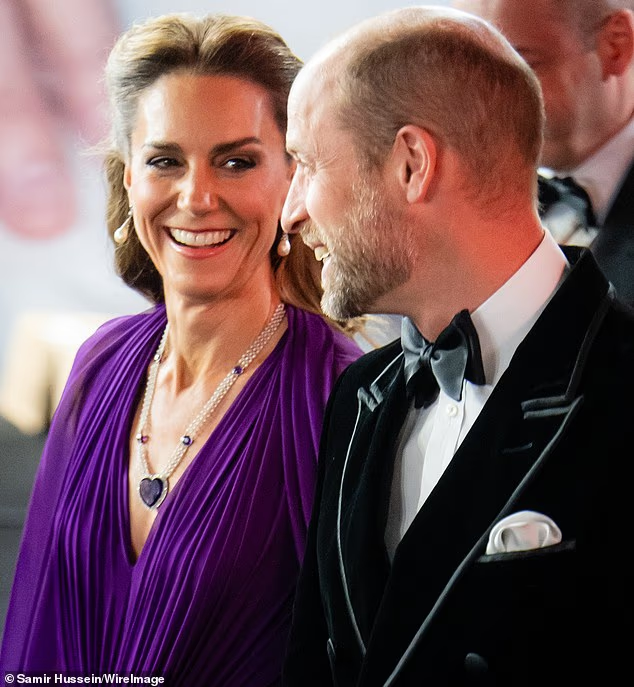
Many missed the subtle signs in Prince William and Kate’s ‘united front’ that show us what’s going on behind the scenes for the royal couple. But I’ve been studying them for years. There’s one person holding it all together

Published

on

William and Kate appeared to be ¿all smiles¿ for the cameras, but body language expert Judi James reveals the subtle signs that show how the pair are dealing with this month's drama

Source link

Continue Reading

NewsBeat

Forgotten Mozart notebook reveals how a young woman learned to compose

Published

on

Forgotten Mozart notebook reveals how a young woman learned to compose

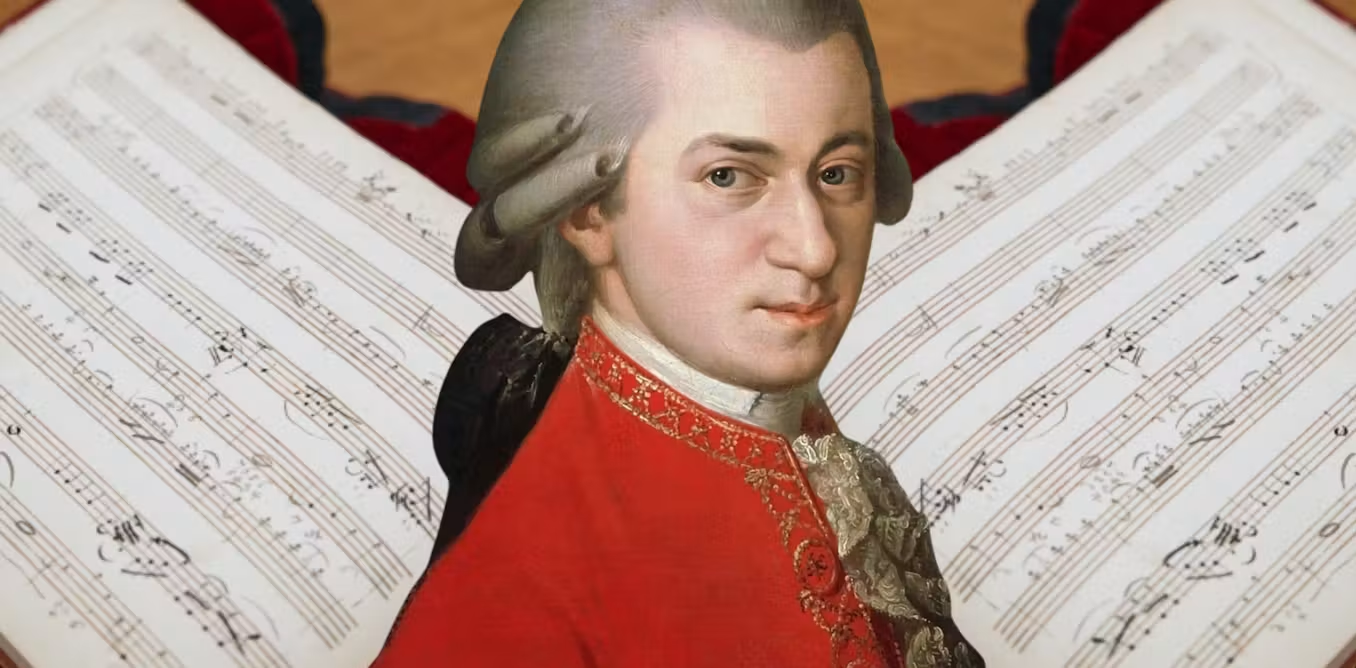
A small notebook found in the Bibliothèque Nationale de France (the national library of France) has turned out to be one of the most important Wolfgang Amadeus Mozart discoveries in decades.

The 44 pages of the notebook document composition lessons that Mozart gave in Paris in 1778 to Marie-Louise-Philippine de Bonnières de Guînes, a highly accomplished young aristocratic harpist. The manuscript was recognised in February 2026 by François-Pierre Goy, a curator in the library’s music department who recognised Mozart’s handwriting in the unattributed notebook. Laurence Decobert, a specialist in Mozart’s manuscripts, agreed with him and Armin Brinzing, director of the Bibliotheca Mozartiana in Salzburg, later authenticated the document.

The notebook lets readers follow Mozart’s teaching from one exercise to the next. It also preserves something that composer-centred histories often miss: the musical work taking place around him, in this case by a young woman.

Marie-Louise was the daughter of Adrien-Louis de Bonnières – a diplomat and talented amateur flautist. Her father commissioned Mozart’s well-known Concerto for Flute and Harp, K299, intending that father and daughter should perform it together.

Advertisement
Adrien-Louis de Bonnières commissioned Mozart’s Concerto for Flute and Harp, K299.

Between May and July 1778, Mozart taught Marie-Louise composition almost every day. The recently discovered notebook contains exercises and seven short pieces for flute and harp. More significantly, it preserves the work of teacher and pupil on the same pages. Their musical hands are interwoven: Mozart proposes, corrects and develops ideas, while his pupil copies, completes and experiments.

The pages show composition being taught in real time through corrections, copied passages and ideas exchanged between pupil and teacher.

Listening beyond Mozart’s verdict

Mozart was not complimentary about his pupil. In a letter to his father, Leopold, dated May 14 1778, he complained that she had “no ideas”. A later letter was similarly dismissive of her aptitude for composition. Such remarks have helped determine how Marie-Louise has been remembered: as a minor figure in Mozart’s biography and the technically capable but supposedly uninspired daughter of his patron. The manuscript allows us to look beyond that verdict.

Several exercises in the notebook are entirely in Marie-Louise’s hand. Six of the flute-and-harp pieces are complete, although they begin from ideas supplied by Mozart. The seventh remains unfinished, followed by six blank pages – perhaps because her lessons ended when she married on July 26 of the same year.

Advertisement

It is impossible to tell from the notebook just how far Marie-Louise’s talent might have developed. However, it is clear from it that her education was not limited to playing the harp: she was seriously engaged in composition too.

The compositions found in the manuscript.

Much of the musical life of women of Marie-Louise’s social class took place in a domestic setting. They learned to play instruments and performed for guests. Some also bought sheet music, commissioned works or hired professional musicians. These gatherings could also matter to professional musicians. A performance in a private home might bring a composer to the attention of a future patron or lead to a new commission.

Marie-Louise’s handwriting is valuable because it records her own part in the lessons. We can follow how she worked through the exercise, rather than relying solely on Mozart’s opinion of her. For many women, the surviving evidence is far scarcer – perhaps a single sheet of music or a mention in a letter.

The salon as a musical institution

This pattern resonates strongly with my own research into 19th-century European musical culture, particularly salons – private gatherings where musicians performed for and socialised with influential patrons, as well as patronage and archival musical networks.

Advertisement

As musicologist Rebecca Cypess argues in Women and Musical Salons in the Enlightenment, salons mediated between the public and private spheres. In her salon, the hostess was free to decide for herself who to invite and what music to play. This gave her real cultural influence at a time when official musical institutions offered women very few opportunities.

This influence depended on privilege. Marie-Louise had access to Mozart’s works thanks to her family’s wealth and status. Nevertheless, the music played in the homes of the elite contributed to the development of general musical culture, even if later historical studies associated it exclusively with the name of this famous composer.

The newly recovered compositions received their first public performance at the BnF on June 21 2026, played by flautist Mathilde Calderini and harpist Nicolas Tulliez. France Musique recorded the performance and later broadcast it.

It is easy to see why a newly identified Mozart manuscript has attracted attention among devotees of the composer. But the notebook also belongs to Marie-Louise. Her hand appears throughout its exercises, preserving a rare record of music-making that usually took place in private and seldom entered written histories.

Advertisement

This article features references to books that have been included for editorial reasons, and may contain links to bookshop.org. If you click on one of the links and go on to buy something, The Conversation UK may earn a commission.

Source link

Advertisement
Continue Reading

NewsBeat

NI investigative journalist taking High Court action against PSNI over alleged unlawful attempts to identify confidential source

Published

on

An anonymity order was granted after a court heard YZL’s work depends on being able to use confidential sources and ensure their protection

An investigative journalist in Northern Ireland has launched High Court action against the police over alleged unlawful attempts to identify a confidential source.

The reporter, who specialises in covering serious crime and paramilitary activity, is seeking damages from the PSNI for harassment and breaches of privacy and data protection.

A judge granted anonymity to the journalist, referred to as YZL, based on concerns about the threatening environment in which they work.

Proceedings centre on efforts to obtain communications data made back in 2014. Police acted covertly and made applications under the Regulation of Investigatory Powers Act aimed at identifying a journalistic source for a news story at the time, it is contended.

Advertisement

Lawyers for YZL stress that any request for material which could reveal a private contact must be justified by an overriding public interest.

Another journalist, former BBC Northern Ireland Home Affairs correspondent Vincent Kearney, has already been awarded £20,000 in damages against the PSNI and MI5 for unlawfully obtaining data from his mobile phone.

Mr Kearney, who now works for RTE, took a case to the Investigatory Powers Tribunal in London.

In September last year an independent review by Angus McCullough KC identified 21 unlawful uses of covert powers by police to try to uncover reporters’ sources.

His report related to up to eight journalists but found no basis for concerns that PSNI surveillance of journalists was widespread or systemic.

A separate lawsuit has now been brought against the Chief Constable on behalf of YZL.

Advertisement

Lawyers representing the reporter are seeking a declaration of illegality, an injunction and compensation for the alleged campaign of surveillance.

They also want full disclosure of any steps taken against their client.

Papers lodged at the High Court in Belfast claim a misuse of private information, along with breaches of both the Data Protection Act 2018 and Protection from Harassment (Northern Ireland) Order 1997.

During a preliminary hearing last Friday Mr Justice McAlinden granted an anonymity order after being told YZL’s work depends on being able to use confidential sources and ensure their protection.

Advertisement

The case was listed for a further review in early November.

For all the latest news, visit the Belfast Live homepage here and sign up to our daily newsletter here.

Source link

Advertisement
Continue Reading

NewsBeat

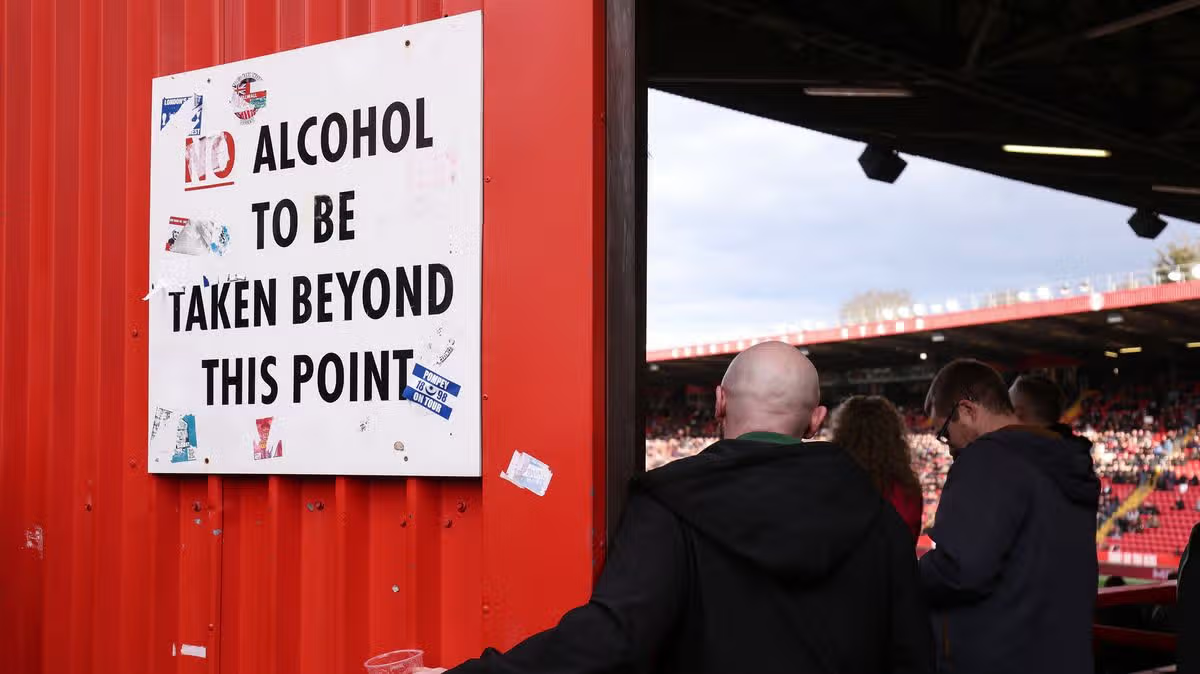
Should football fans be allowed to drink alcohol in the stands?

Published

on

Daily Mirror

Football fans have not been allowed to drink in the stands for decades but Prime Minister Andy Burnham is in favour of changing the law

Andy Burnham has suggested he may look to remove the ban on drinking alcohol in the stands at football matches – which has stood since the 1980s.

Advertisement

The Prime Minister has claimed the law is “unfair” for fans, given that those who attend other sporting events are allowed to enjoy a pint from their seats. Burnham, a big Everton fan, is still a match-going supporter. He insists there is a case for ending the ban, with rugby and cricket fans all allowed to drink pints from the stands.

Burnham has long opposed the ban and said during his trip to the United States of America: “I don’t think it’s fair for football fans to be singled out in that way and I made that point. I think that legislation dates to an era where football was very different. And I do believe there is a case to remove that discrimination.

“There are different ways it could be done, perhaps on a trial basis. But I’m not going to back away from what’s been a long-held view of mine. I don’t see how it can be fair that some supporters of one sport can be treated differently.”

It was made illegal in 1985 due to concerns about hooliganism. The fan-led review of football governance in 2021 called for the ban to be re-examined and suggested piloting the sale of alcohol within sight of the pitch in lower-tier English football.

Advertisement

The potential change has been welcomed by the Football Supporters’ Association and the English Football League, but police suggested it would be “incredibly rash” to make changes without considering their impact on safety.

Source link

Continue Reading

NewsBeat

Farmers Voice 2026 event to explore routes into farming

Published

on

Farmers Voice 2026 event to explore routes into farming

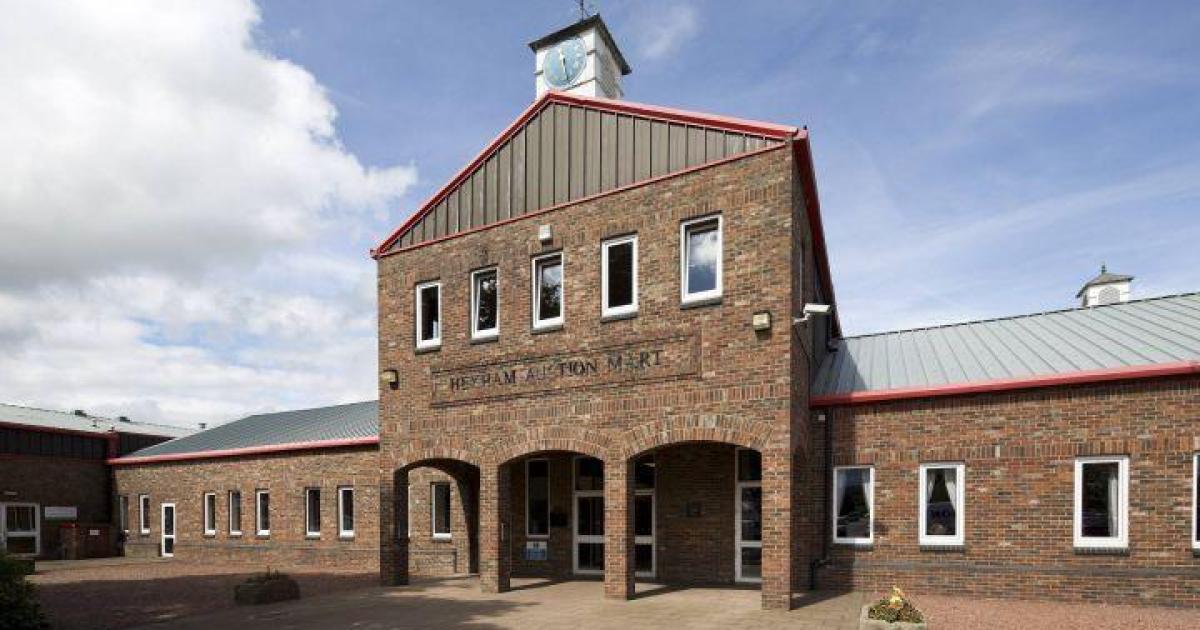
Farmers Voice 2026 will be held at Hexham Auction Mart on Wednesday, October 14, starting at 6pm.

The free event, organised by youngsRPS and The Farmer Network, will tackle the changing face of agriculture and the opportunities and challenges facing the next generation.

Harry Morshead, director and rural surveyor at youngsRPS, said: “There isn’t one route into farming, and that’s something we really want to explore at Farmers Voice.

Advertisement

“Taking on a family business brings its own opportunities and pressures, while for somebody trying to establish themselves independently, the challenges can be very different.

“Farmers Voice is about bringing those experiences together, asking questions and having an honest conversation about where farming goes next.”

This year’s event, themed ‘The Next Generation of Farmers’, will examine succession and routes into farming beyond the family business.

The panel will also examine lessons from farming overseas, bluetongue, emerging livestock diseases and opportunities for the next generation.

Advertisement

The panel will include The Sheep Game creator Cammy Wilson, Mr Morshead, Black Sheep Vets’ Kaz Strycharczyk, and farmers Will Riddington and Katie Andrews.

Adam Day, managing director of The Farmer Network, said: “Encouraging and supporting the next generation is fundamental to the future of farming.

“Whether someone is already farming, preparing to take over a family business or trying to find their own route into agriculture, we want them to come along and be part of the conversation.”

The event is open to farmers, students, new entrants and anyone interested in the industry’s future.

Advertisement

The audience can put questions to the panel, and supper will be provided.

Previous Farmers Voice events gave the farming community a forum to discuss issues affecting their businesses and the wider industry.

Entry is free, but places must be booked in advance.

Book tickets online at https://bit.ly/FarmersVoice26.

Advertisement

Source link

Continue Reading

NewsBeat

These stories of forbidden love and devotion during the Troubles reveal a more intimate side of conflict in Ireland

Published

on

These stories of forbidden love and devotion during the Troubles reveal a more intimate side of conflict in Ireland

The following story is runner up in The Conversation Prize for writers 2026, a competition run in partnership with Faber and Curtis Brown. Read more about the competition here.


A woman is handing out paper cups of squash and flat lemonade at the back of a parochial hall in Belfast. This woman – I’ll call her Charlotte* – is there with her husband, helping out at a disco for the Catholic Church’s teenage congregants.

Her daughter is dancing inside; she’s young, probably 13 or 14. Years later, recalling this moment from her adolescence, their daughter says: “Daddy would be on the door, Mummy would be handing out minerals [soft drinks] in the back”. It’s an ordinary scene of parental duty and care, except for two details: this was the mid-70s and Charlotte was a Protestant.

Charlotte didn’t convert and didn’t attend Mass. Instead, she went to Church of Ireland services, in a different part of Belfast, with her sister. Charlotte’s husband – I’ll call him Eoin – drove Charlotte there every week. Eoin attended Vigil Mass on Saturday evenings to ensure he was free on Sunday mornings to help his wife.

Advertisement

After Eoin’s sudden death, Charlotte continued to contribute to the local Catholic Church’s weekly offertory by asking her neighbour to take the collections envelope with her to Mass. When Charlotte died, eleven years after her husband, both her Church of Ireland rector and the Catholic priest came to the house to pay their respects. “I thought it spoke volumes about who my parents were and about their values”, their daughter said.

Their daughter shared these fragments of memory carefully, offering an account of her parents and their love for each other through stories of everyday devotion. The tenderness with which she spoke of them made the warmth of their life together tangible. At the height of the Troubles, 20 years before any meaningful discussion about ceasefires, coexistence was happening through small, supposedly unremarkable moments like a husband driving his wife to church, or two clergymen visiting a grieving daughter.


The Insights section is committed to high-quality longform journalism. Our editors work with academics from many different backgrounds who are tackling a wide range of societal and scientific challenges.

Advertisement

The intimate sphere is never private alone. Domestic familiarity does not dissolve political division. Stories like Eoin’s and Charlotte’s are bruised by what is not said; heavy with uneasy compromise, asymmetrical sacrifice, emotional labour.
These are life histories marked by weddings without music (“a day to be got through”); baptisms without parents or grandparents; siblings attending different schools. Mixed marriage did not resolve the hostilities of Irish politics so much as translate them into the rhythms of daily life. Here, contradiction was negotiated through mundane ritual and strategic silence; acts of conciliation and maintenance.

Stories of forbidden love that ultimately triumphs over adversity are enduringly popular. In Ireland there is a particular local flavour to such tales of clandestine lovers, where a pair from opposite sides of the so-called divide translate national conflict into romance.

A wall in Belfast with colourful artwork under the title 'Romance'

Stories of forbidden love that triumphs are enduringly popular in Ireland.
Maria Albi/Shutterstock

I understand the appeal of these stories. I’ve spent a large part of my life reading them, watching them, thinking about them. But the more I encountered these stories where political and emotional commitments seemed irreconcilable, the more I began to ask: what was life like for those who found themselves inescapably drawn to someone they shouldn’t be?

A more intimate history

Over the past several years, I’ve been leading a project to build an archive of oral histories documenting mixed marriage in Ireland. Interviews were conducted by Ruth Duffy, a research fellow at Queen’s University Belfast, for the project and this collection of intimate histories allows people to share their family stories in their own words.

Advertisement
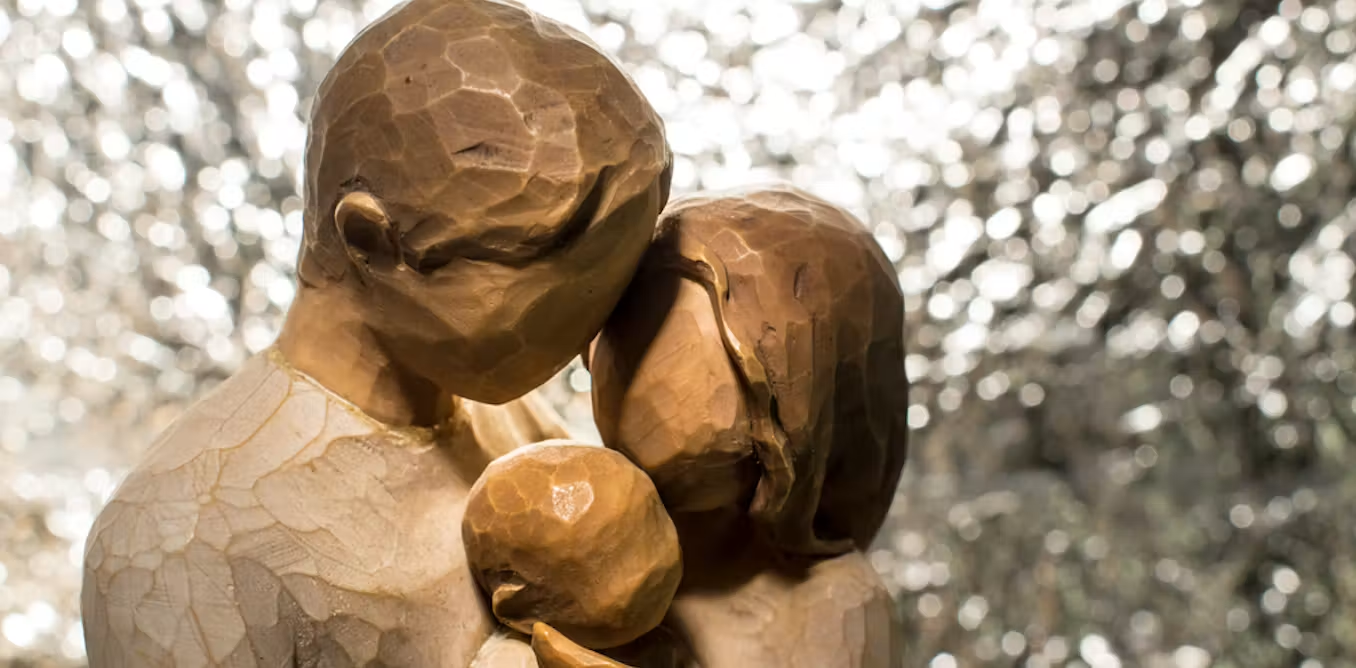
Wooden figure of a mother lifts up her baby to her face.

Intimate histories that tell tales of love, politics, betrayal and duty.
Ivan maguire/Shutterstock

Mixed marriage has long been made to bear symbolic weight far beyond the lives of the couples themselves. It is invoked as proof of peace-building, assimilation, coexistence or, more darkly, betrayal. But this archive tells a much more ambivalent story: that the messiness of romantic desire, filial love, political allegiance and religious duty could never be contained within the political scripts that have dominated the Irish story.

People have shared recollections that are vibrant, unexpected and bittersweet. I anticipated encountering stories marked by bigotry, intolerance and violence. These certainly exist. Many people and their families paid an enormous cost for their choice of partner.

People changed their names and couples were burnt out of their houses. Teenagers emigrated to get married and devout congregants were threatened with excommunication. Families were ostracised; mothers were coerced into putting their babies up for adoption; children were taken from their parents and placed in orphanages run by particular religious groups. People were killed.

These are not the cliches of a Troubles thriller but the realities of many people’s lives. The nature of the Northern Ireland conflict was terrifyingly intimate. In his poem ‘Wounds’, the late Michael Longley captures some of the desecration of a war that could see a man executed in his own home:

Advertisement

Shot through the head
By a shivering boy who wandered in
Before they could turn the television down
Or tidy away the supper dishes.

Wounds by Michael Longley. Warning: this video contains a sectarian jeer that may cause offence.

Amid these harrowing accounts, what lingers is the vitality of small things: the supper dishes, paper cups of squash and collections envelopes.

Textures, ambiguity and awkwardness

Perhaps the greatest surprise was the number of children who wanted to share their experiences of their parents’ – or even grandparents’ – mixed marriages.

Many of them voiced a similar impulse to share so “their parents’ story could be captured”; “their history is important for people to know, in a small way”.

For a researcher, the ethical demands implicit in listening to these memories cannot be overstated: you can hear that these are narratives shaped by love and pride. These are stories told with vulnerability and shared with hope. I feel that duty of care acutely; for this reason, all the names I use here are pseudonyms.

Advertisement

Despite the palpable affection in these intimate histories, they are not simple exercises in nostalgia. The tellers interpret and historicise their past, even as they offer it for curation.

A woman I’ll call Sarah expressed a “special kind of sadness” about the impact mixed marriage had on her parents and her family, “and because you’re a child, you don’t really understand”. These stories make painfully clear how society asked children to bear the burden of their parents’ marriages in a context of immense political discord and trauma. Adult children of mixed marriages frequently articulate an early intuition, a childhood sense, that something was amiss. These children don’t just inherit the political consequences of mixed marriage: they inherit its textures, ambiguity and awkwardness.

Things become most troublesome for mixed marriages when family life collided with institutions. Weddings, baptisms, schooling and funerals were especially fraught. In the words of one of our interviewees, these were instances that “made religion rear its ugly head”. Occasions that ought to have been a time for celebration and unity often prised open division with startling force. Photograph albums capture weddings where family members looked strained: “the worst thing that could possibly have happened had happened”.

I wonder how different our understanding of modern Ireland would be if we turned to family histories like these, rather than politicians and paramilitaries, to understand conflict and its legacy?

Advertisement

Some individuals recalled not just inheriting two traditions but actively inhabiting both in ways that neither community would approve of. One woman, May, shared an astonishing story about her father.

Asked to produce his birth and baptismal certificates before he could get married, the man was bewildered to discover that he had been baptised twice. Believing himself to be a lifelong Catholic, he learnt that he was baptised first in the Church of Ireland at four weeks’ old in Belfast’s St John’s Cathedral in 1912. In 1915, as a three-year-old, he was baptised again at St Matthew’s Catholic Church in the Short Strand.

A baby is baptised.

Just one point of contention.
sweet marshmallow/Shutterstock

Echoing so many stories about mixed life, these official records leave more questions than they answer. Over a hundred years later, his daughter May could only speculate why and how this had happened, attempting to make sense of institutional traces that seemed inherently paradoxical.

May’s grandfather was at war, fighting on the Western Front, when his son was baptised for a second time in 1915. May suggested her Catholic grandmother might have had her three sons baptised again in the Catholic Church to curry favour with her family. Unsure whether her husband would return from war, and raising six children by herself, her grandmother would have needed all the support she could get.

Advertisement

The emotional and social work taken to manage a cross-community family like this must have been endless.

Sarah shared some of the most distressing stories I’ve heard. The fourth and youngest child to her parents’ mixed marriage, she was their first and only daughter. Like many mixed families in Ireland, her parents had agreed to the common compromise that any sons born to the marriage would be baptised in the Catholic church like their father, and any daughters raised in her mother’s Evangelical church.

This did not protect Sarah’s mother from humiliation and heartbreak. When Sarah’s mother took her eldest son to the Catholic Church for his baptism, she expected to be welcomed and included in the service. She was his mother, after all. Instead, she was told to hand her baby over and sent to the back of the chapel while her son received the sacrament. This happened again with her next two sons. Three times she was made to watch from the back of the church as her sons were baptised without her.

When she had her daughter, Sarah, she was adamant that this would not happen again. As a girl, according to the uneasy but widespread Irish custom, Sarah ought to have been baptised in her mother’s church. What followed reveals how familial bonds can crumple under the weight of deeply held religious convictions. Sarah recalls her mother telling her that, when Sarah was six months old, her Catholic relatives “kidnapped” her and had her baptised without her mother’s consent. This time, her mother was not even allowed inside the chapel. Her father, Sarah reveals, “bent to peer pressure and the priests”.

Advertisement

Despite Sarah’s Catholic baptism, her mother fought hard to ensure that Sarah was brought up Protestant; her mother also “kept to her word” and sent the boys to the Catholic chapel every week.

Sarah’s household was a divided one, with the children attending different churches and different schools. They learned to pray in different languages; they were taught different histories; they played different sports. These practical accommodations created children who learned to move between parallel worlds, carrying a keen awareness of the selves they might have been under different circumstances.

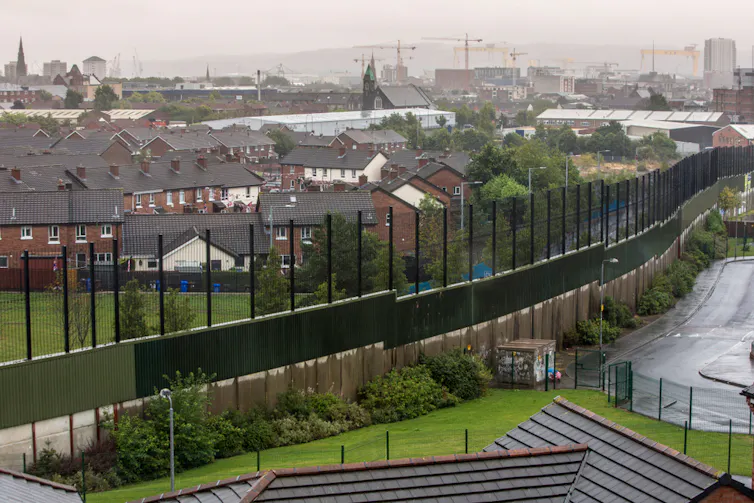
A photograph of a dividing fence in Belfast.
Navigating a life between parallel worlds.
CREATISTA/Shutterstock

These childhoods shaped by uneven concessions were defined by what Sarah called “unspoken boundaries”: rules children were expected to follow without ever fully understanding. Sarah used to attend Sunday School at the Evangelical Church she attended with her mother and, one week, her brothers went with her. When Sarah’s mother arrived to collect her four children, she was greeted by her sons sitting outside on the steps of the church, waiting for her. “Whatever had happened”, Sarah recollected, “they wouldn’t go in”.

Whatever had happened. The vagueness is telling. After all these years, Sarah still didn’t know. The silence and heaviness of that unknown hovers over so many of these narratives, carried in the image of three small boys sitting on some steps outside the church.

I return again to Charlotte, handing out her cups of squash. I think of her six children, each inheriting the afterlives of choices made long before they could understand them. For Charlotte and Eoin’s daughter, her parents were simply a “great example of how you can be yourself while compromising within your marriage and within your family”.

Advertisement

These families do not need their stories to be romanticised. They need them to be recognised. What mattered was not reconciliation in the abstract but the daily work of living together through contradiction and without resolution.

In the back of a parochial hall in Belfast, Charlotte was doing something both ordinary and extraordinary. She was making a family across a line that was meant to keep them apart. That labour – quiet, repetitive, unheroic – is part of Irish history too.

*Participants’ names have been changed to protect their anonymity.


À lire aussi :
Emily Robinson wins The Conversation Prize for writers 2026 for her entry on the lost medieval island of Ravenser Odd

Advertisement

Source link

Continue Reading

Trending

Copyright © 2025