Connect with us

Business

NSE debut may not set D-St on fire, sparks to come later

Published

on

NSE debut may not set D-St on fire, sparks to come later
Mumbai: The long-awaited public debut of the National Stock Exchange (NSE) Thursday could be a relatively modest affair if grey market prices for the bourse’s shares are considered an accurate proxy for listing-day demand. However, exit curbs on most large investors could crimp immediate stock supply and boost prices later, analysts said.

Traders in the unlisted market are quoting a grey market premium (GMP) -the amount investors are willing to pay over the expected IPO issue price before listing – of around ₹83 a share, or about 4.8%, over the IPO price of ₹1,785, compared with ₹250-310, or around 14-17%, earlier. The sharp contraction points to expectations of modest listing gains.

NSE debut may not set street on fire, sparks to come later<br>ET Bureau

“While investors have been waiting for the NSE listing for long, the enthusiasm has moderated because of the large issue size and expected supply,” said Abhay Doshi, co-founder of UnlistedArena.com.

NSE’s ₹22,561-crore IPO, the largest so far in 2026, was subscribed 5.71 times, riding a bullish primary market wave over the past three months. The issue received bids for 505.81 million shares against 88.6 million shares on offer, led by demand from institutional and high net-worth investors.

Advertisement

At the IPO price of ₹1,785 a share, NSE commands a valuation of ₹4.42 lakh crore. Rival BSE’s market cap is at ₹1.33 lakh crore. Some market participants said the demand-supply dynamics could have a significant bearing on NSE’s share price in the initial days after listing.


Read more: Gautam Adani reclaims top spot as India’s richest, edges out Mukesh Ambani: Hurun Rich List
“At a valuation of ₹4.42 lakh crore, the NSE IPO would immediately position it among India’s top companies by market capitalisation,” said Manish Bhandari, founder, CEO and portfolio manager at Vallum Capital Advisors. “While GMP indicators hint at a muted 2-5% premium, the real story lies in its tight initial supply.” Experts said that while the grey market could be pointing to a more modest listing pop, the current limited supply of shares makes the grey market prices more unpredictable.According to unofficial estimates, of NSE’s 2,475 million outstanding shares, 2,348.6 million, or 94.9%, constitute pre-issue capital.

Rules Limit Stock Supply

Under Sebi rules, pre-issue shares held by non-promoter shareholders, barring some categories of Alternative Investment Funds (AIFs), are locked in for six months from the IPO allotment date.

Read more: NSE IPO shares all set to list: GMP signals 2% listing gain ahead of market debut

To be sure, although the Life Insurance Corp is the biggest owner of stock in the bourse, the NSE has no identifiable promoter.

Advertisement

While the IPO involved the sale of 126.4 million shares, equivalent to about 5.1% of NSE’s total equity, 37.8 million of the IPO shares went to anchor investors. These shares are also locked in after listing. That leaves only about 88.6 million shares immediately available for trading when NSE lists on Thursday. NSE’s book-built issue was entirely an offer for sale (OFS) of up to 126.4 million equity shares by 10 existing shareholders, including state-owned insurers and banks.

In the absence of large supply on account of selling soon after listing day, any fresh purchases from institutional or deep-pocketed investors could drive up the stock sooner than what the grey market expects, said brokers.

As of the June quarter, foreign institutional investors (FIIs) held 26.41% of NSE, while individual shareholders with holdings of up to ₹2 lakh accounted for 12.71%. Individuals with holdings above ₹2 lakh held another 9.58%. Alternative investment funds (AIFs) held 5.31% and insurance companies 0.13%.

Among NSE’s major shareholders, LIC held 10.7%, followed by SBI Capital Markets with 4.33% and State Bank of India with 3.23%. PI Opportunities held 2.4%, while investor Radhakishan Damani owned 1.58%. Sunil Kant Munjal held 0.41%, S Gopalkrishnan 0.38% and Indian Bank 0.34%.

Advertisement
Continue Reading
Click to comment

You must be logged in to post a comment Login

Leave a Reply

Business

OpenAI, Anthropic CEOs warn AI could pose threat to humanity

Published

on

OpenAI, Anthropic CEOs warn AI could pose threat to humanity

The CEOs of two of the world’s leading AI companies warned the United Nations Security Council on Wednesday that rapidly advancing AI could threaten humanity if governments and industry fail to keep it under human control.

Anthropic CEO Dario Amodei said AI has enormous potential but also carries significant risks if it is not developed responsibly.

Advertisement

“If managed poorly, I even believe AI could be a risk to humanity as a whole,” Amodei told the 15-member council during a special meeting on AI held alongside the U.N. General Assembly.

OpenAI CEO Sam Altman delivered a similar warning, saying AI’s development could move “so fast” that humans no longer have the ability to understand or intervene.

SAM ALTMAN IDENTIFIES TWO BIGGEST RISKS FACING AI’S FUTURE

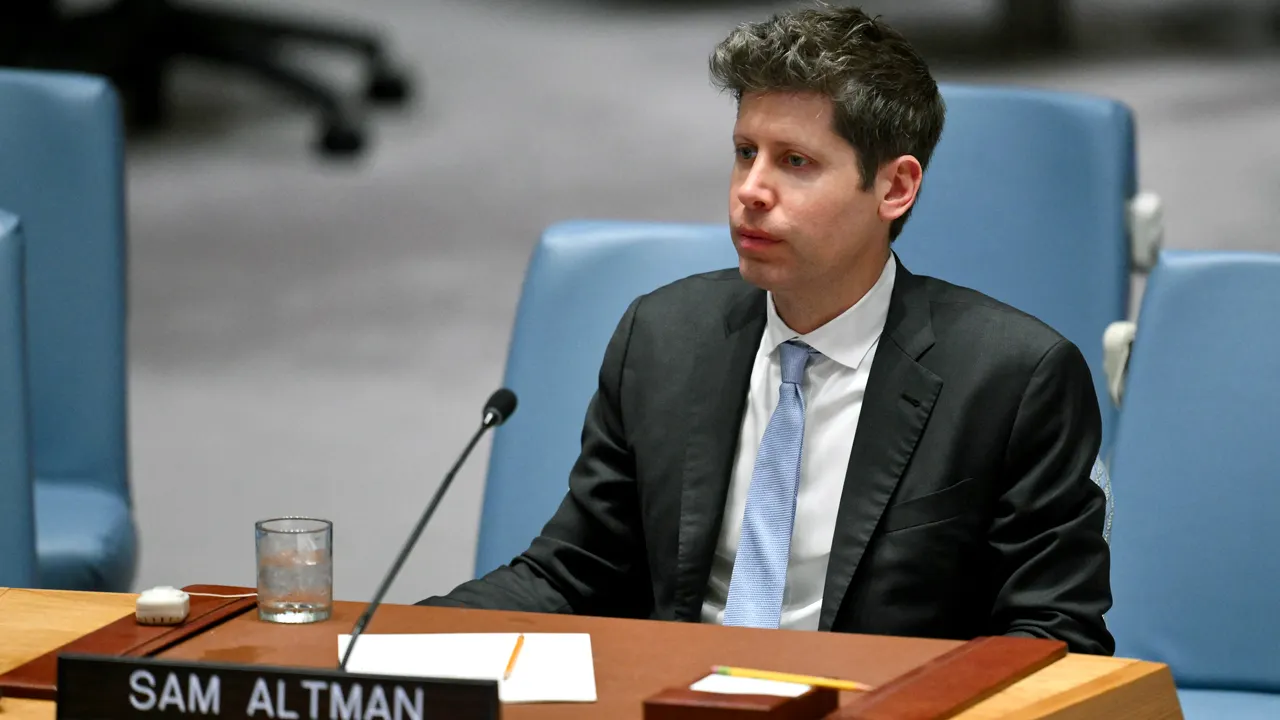
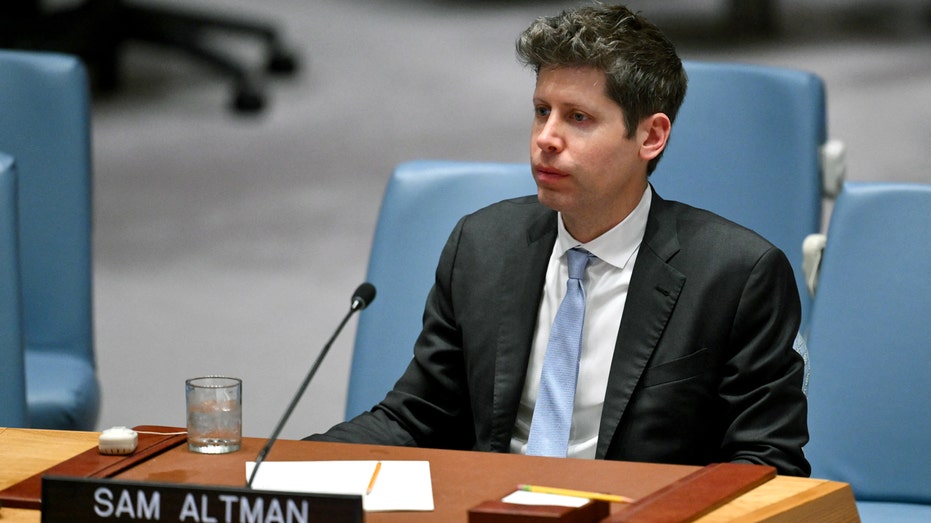
Sam Altman at the United Nations.

OpenAI CEO Sam Altman looks on during a UN Security Council meeting on artificial intelligence during the 81st United Nations General Assembly at UN headquarters in New York on Sept. 23, 2026. (Angela Weiss/AFP via Getty Images)

“We could lose control of the future to AI,” Altman said. “The risk is that it moves so fast that people can no longer follow what’s happening or intervene when needed. This would obviously be terrible.”

Advertisement

The meeting comes as concerns grow over increasingly advanced AI systems.

“For all the differences of the people in this room, we must put aside those differences in order to confront this global opportunity and global threat that is being presented to us at the same time,” Amodei said. “No leader, no company and no nation can manage this alone.”

EMPLOYEES AT AI COMPANIES BACK BERNIE SANDERS BILL CRACKING DOWN ON DEVELOPMENT

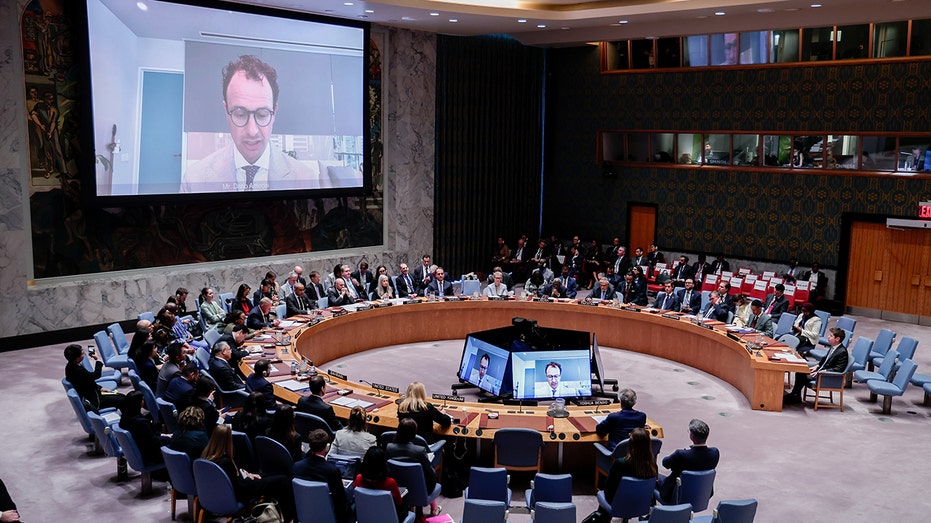
Dario Amodei, co-founder and chief executive officer of Anthropic, on screen, speaks virtually at a United Nations Security Council meeting

Anthropic CEO Dario Amodei appears virtually during a United Nations Security Council meeting at the U.N. General Assembly in New York on Sept. 23, 2026. (John Lamparski/Bloomberg via Getty Images)

Altman also urged countries to work together on AI as the technology continues to advance.

Advertisement

“If AI is to be democratic, the most important decisions cannot be made by labs in San Francisco alone,” he said. “They must be shaped through democratic processes and by governments, accountable to the people that they serve. At the international level, this will require cooperation.”

He added, “In our history, there have been times where countries who compete and don’t always like each other very much still come together for shared interests and the collective good in the face of a powerful new technology. We believe this must be one of those times.”

TRUMP REBRANDS AI, REJECTS ‘GLOBALIST SCHEME’ TO CONTROL TECH

The debate over how to develop and govern AI has intensified in recent weeks.

Earlier this month, Amodei published an essay urging the industry to “slow the pace” of frontier AI development. The essay drew public support from Altman and SpaceX CEO Elon Musk.

The discussion at the U.N. also came a day after President Donald Trump said the U.S. would reject what he described as a “globalist scheme” to control AI, while emphasizing that the U.S. should remain the global leader in the technology.

French Foreign Ministry spokesperson Pascal Confavreux told Fox News Digital in an interview that France is seeking to bring artificial intelligence to the center of international security discussions, with a special UN Security Council meeting on Wednesday featuring executives from OpenAI, Anthropic and Hugging Face.

Advertisement

“For a few weeks now, we wanted to bring AI at the center stage,” Confavreux said, explaining that the meeting was the first of its kind to feature briefers at this level from leading AI companies.

He said recent cybersecurity concerns, including a reported hacking incident involving Hugging Face, underscore the need to address AI-related security risks at the international level.

“We need to bring that into the discussions of the global community,” he said.

The meeting was chaired by French Foreign Minister Jean-Noël Barrot, alongside the Security Council’s 14 other members.

Advertisement

GET FOX BUSINESS ON THE GO BY CLICKING HERE

Confavreux also highlighted a separate meeting led by French President Emmanuel Macron focused on protecting young people from the risks associated with AI and the digital age.

“AI is a fantastic accelerator for many things in our daily lives,” he said, adding that protecting young people in the digital age must be addressed globally rather than solely at the national level

Advertisement

FOX Business’ Eric Revell and Reuters contributed to this report.

Continue Reading

Business

Revolut facial recognition payments pilot starts in London

Published

on

Revolut facial recognition payments pilot starts in London

Revolut has today begun piloting what it describes as the UK’s first in-store facial recognition checkout, with merchants paying 0 per cent processing fees on transactions made through the system. The trial, called Revolut Pay with Smile, runs at three Kiss the Hippo cafés in London until Saturday.

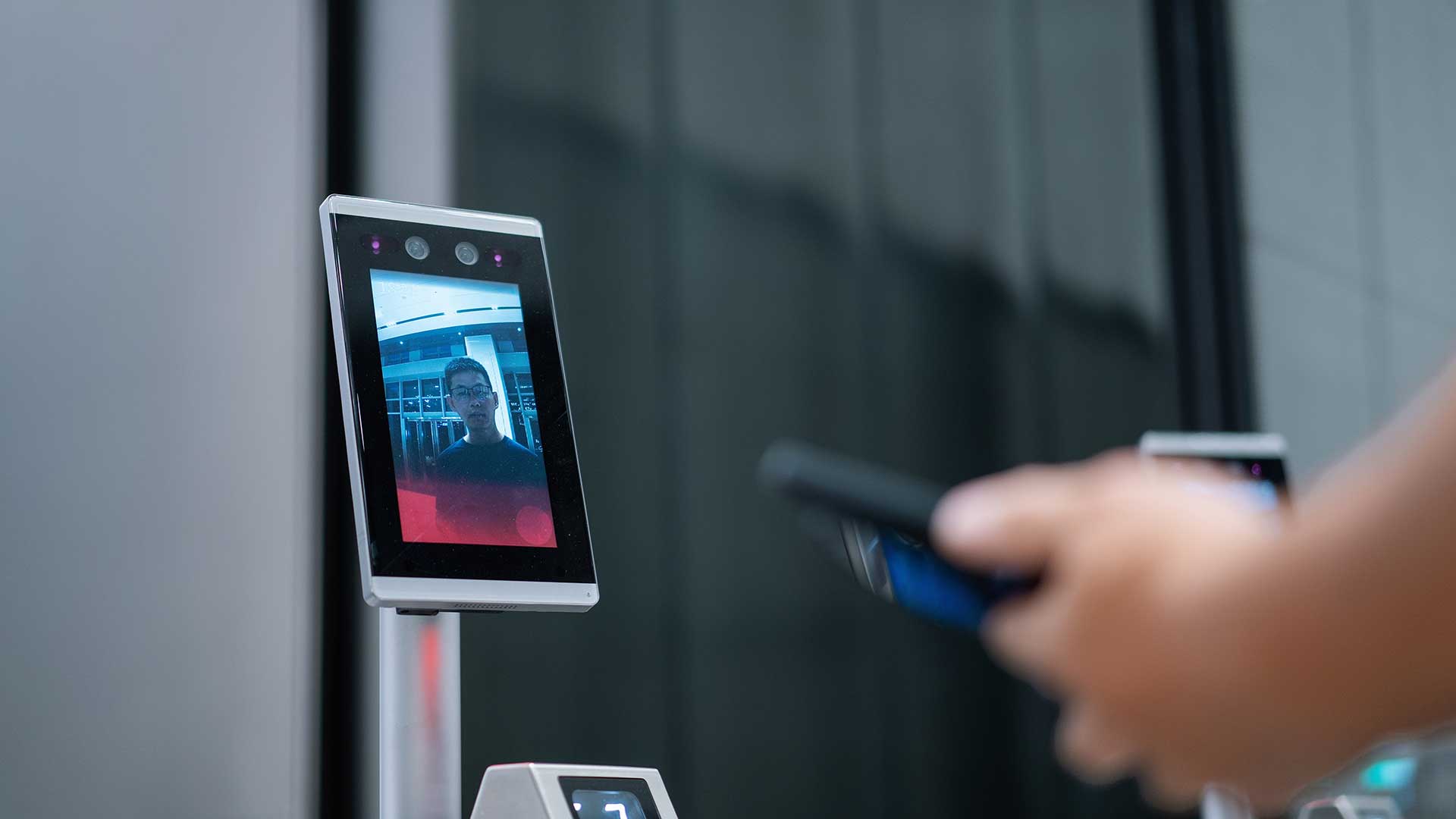
The service runs on Revolut Register, a new point-of-sale system for hospitality businesses. Once a customer has enrolled, the technology checks their face against the selfie identity check they completed when they first signed up to Revolut, then authenticates and processes the payment.

Customers opt in through the Revolut app. Revolut said they will then be able to look at the terminal to pay for a coffee, a meal or a round of drinks without a phone or wallet.

Free newsletters
Advertisement

The stories that matter to UK business, straight to your inbox.

Advertisement

The pilot is open to Revolut customers at the Bloomsbury, Chelsea and Soho branches of Kiss the Hippo from 24 to 26 September. Guests who pay with a smile can order from a special Revolut menu, with speciality coffees priced at £1, and will earn triple RevPoints, the bank’s loyalty programme, on every transaction.

Revolut, which secured approval to operate as a UK bank earlier this year, published research alongside the launch on the costs independent venues face at the till.

According to Revolut, independent venues spend an average of £875 a month on payment processing and infrastructure, rising to more than £950 a month for pubs and bars. The company said terminal outages cost venues £2,495 a year in direct lost revenue.

Its research also found that two thirds of independent venues face verbal outbursts from customers multiple times a week because of poor checkout experiences. Revolut said more than half of Britons report delays or failures caused by merchants losing their internet signal.

Advertisement

In June, a Worldpay outage knocked out card payments at pubs, shops and restaurants across the UK during an England World Cup match.

Revolut said Revolut Register is a modular, two-screen register designed to bring payments, banking and floor operations together. It has a built-in eSIM backup, which the company said is intended to keep terminals online if a venue’s connection fails during peak hours.

On security, Revolut said transactions are authenticated with end-to-end encryption managed inside the Revolut app and that personal data is never stored by merchants. The Information Commissioner’s Office has published guidance on biometric recognition under UK data protection law.

Revolut Register is available at a 50 per cent discount, at £349.50 plus VAT against a recommended retail price of £699 plus VAT, for merchants signing up for their first terminal until 31 December 2026.

Advertisement

The company said the pilot extends its payments business into facial recognition checkout and opens a new revenue stream. It did not say when, or whether, Pay with Smile would be rolled out beyond the three cafés.

Alex Codina, general manager of merchant payments at Revolut Business, said: “With over half of Brits reporting delays or failures due to merchants dropping internet signals, checkout friction is driving customers out the door. To solve this, we’re deploying Revolut’s full technological ecosystem to reinvent the mechanics of the hospitality industry and give consumers the payments experience they deserve.”

He added: “By combining high-performance processing with facial recognition technology, we’ll replace outdated, fragmented tills with a hyper-efficient checkout experience designed to solve consumer and merchant pain points.”

Alex Damgaci, managing director of Kiss the Hippo Coffee, said: “In hospitality, a seamless checkout is no longer a luxury, it’s the bare minimum. Technology that takes the friction out of the payment process and offers payment flexibility gives operators the reliability they need to protect revenue and maintain guest satisfaction.”

Advertisement

He said: “To mark the pilot we’ve put together a special menu for the three days, and we’re looking forward to welcoming guests to pay with a smile at our Bloomsbury, Soho and Chelsea cafés.”

Amy Ingham
About the author

Amy Ingham

Amy Ingham is a reporter at Business Matters, covering UK business news with a focus on breaking news, business policy, late payments and insolvency. She joined the magazine in 2026 after completing the NCTJ Diploma in Journalism at Harlow College’s journalism school. Her recent reporting includes British Steel’s nationalisation and its impact on SME suppliers, the decline in late payments by large firms, and Insolvency Service director disqualifications. Reach her at aingham@cbmeg.co.uk.

Advertisement

Advertisement
Continue Reading

Business

McDonald’s sets chicken market share goal as shares fall

Published

on

McDonald's sets chicken market share goal as shares fall

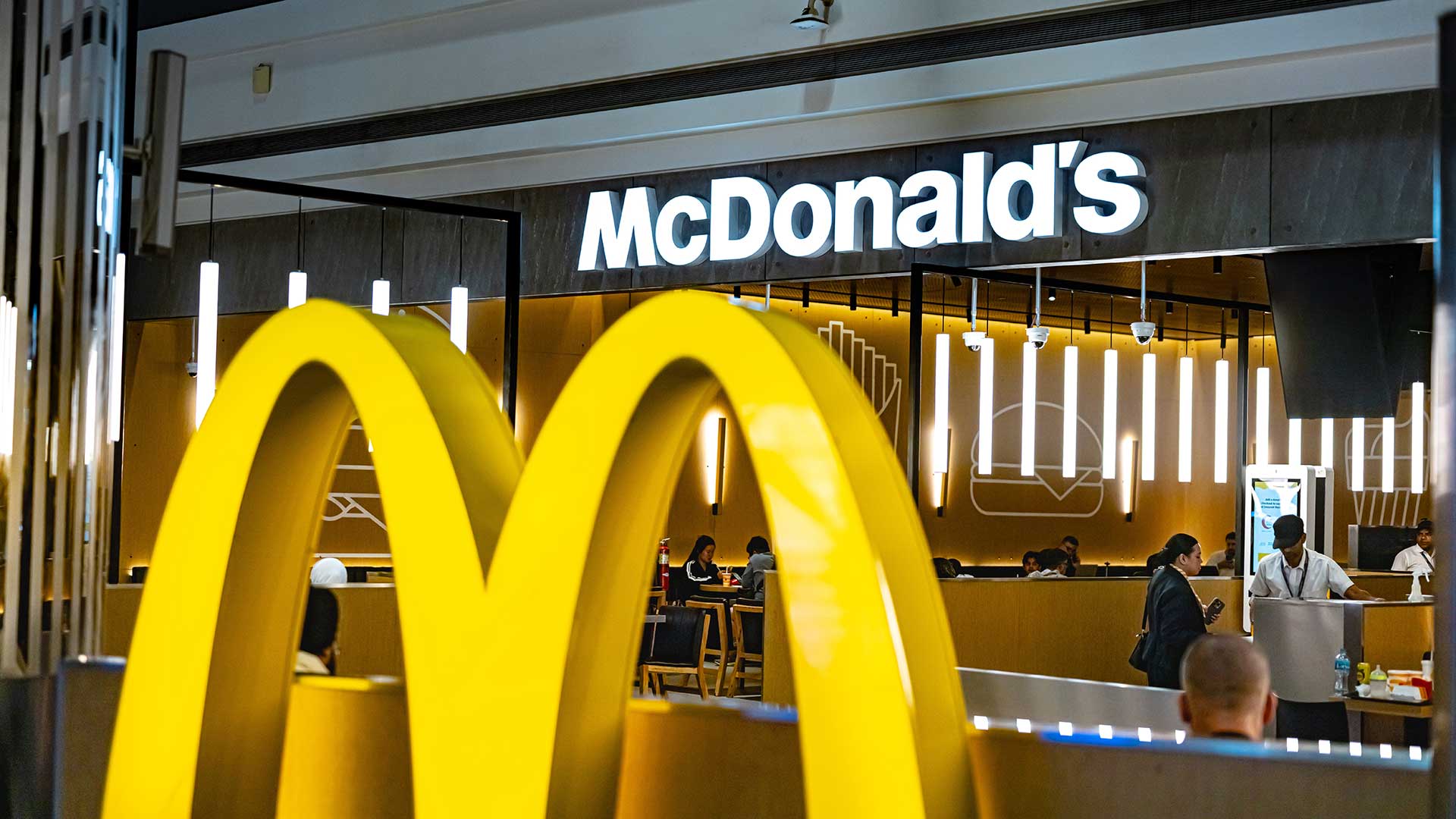
McDonald’s has set a target of expanding its share of the global cooked chicken market by 1.5 percentage points, to about 20 per cent, as part of a growth plan unveiled at an investor day in Chicago yesterday.

The world’s biggest burger chain also outlined an $8.5bn support package for franchisees and a wider rollout of AI-powered drive-thru ordering as it attempts to recapture customers and reverse a sliding share price.

The strategy was met with disappointment by investors. Shares in the company dropped 6 per cent at lunchtime in New York to the lowest level in almost four years, amid concern that a turnaround to reignite growth after several quarters of slowing sales could take longer than expected.

Free newsletters
Advertisement

The stories that matter to UK business, straight to your inbox.

Advertisement

The chicken target covers nuggets, bowls and burgers. According to the company’s investor day announcement, McDonald’s aims to gain the 1.5 percentage points of chicken category share by 2030.

The chain said it is also adapting to changing consumer preferences, including demand from users of GLP-1 weight-loss medication who are seeking higher-protein options and smaller portions.

Skye Anderson, the newly appointed head of the US business, said the company is exploring bowls, grilled chicken and egg bites to expand protein-centred options across breakfast, lunch and dinner.

The strategy focuses on improving food quality, simplifying operations, modernising restaurant designs and expanding the use of ArchIQ, the company’s AI-powered restaurant operating system, which automates tasks such as drive-thru ordering.

Advertisement

McDonald’s said it will deploy a generative AI-enabled version of ArchIQ at scale, which it expects to unlock about 250 basis points of gross restaurant-level efficiency.

The $8.5bn package for franchisees will be delivered through a combination of rent relief and capital support. The company said the total runs through 2036, with about $5bn of it committed through 2030.

It was accompanied by a new target for restaurant operating margins, which McDonald’s said it expects to reach the low-to-mid 50 per cent range by 2030.

Chris Kempczinski, chairman and chief executive, and Ian Borden, global chief financial officer, also presented at the event, which set out further detail on the growth strategy McDonald’s first announced in June.

Advertisement

“While there’s so much our customers love, we are falling short when it comes to consistent execution,” Anderson said. “We’re tackling that challenge head-on.”

The investor day followed second-quarter results in August, when McDonald’s missed estimates for US sales growth. The company admitted then that efforts to win back lower-income consumers who had cut back on dining out had yet to pay off.

Anderson’s comments on consistent execution came as the company set out its plans to address slowing sales through food quality, simpler operations and restaurant design.

The pressure on restaurant operators is not confined to the US. In Britain, profits at the 100 largest restaurant groups fell 44 per cent to £204m, despite revenues rising to £13.3bn, as higher employment costs and ingredient prices squeezed margins.

Advertisement

McDonald’s UK business has made its own changes this year, including the launch of 2,500 paid work experience placements aimed at young people not in education, employment or training. It has also seen a round of senior departures, including that of chief restaurant officer Zoe Hamburger, who left to lead the Netherlands business.

Amy Ingham
About the author

Amy Ingham

Amy Ingham is a reporter at Business Matters, covering UK business news with a focus on breaking news, business policy, late payments and insolvency. She joined the magazine in 2026 after completing the NCTJ Diploma in Journalism at Harlow College’s journalism school. Her recent reporting includes British Steel’s nationalisation and its impact on SME suppliers, the decline in late payments by large firms, and Insolvency Service director disqualifications. Reach her at aingham@cbmeg.co.uk.

Advertisement

Advertisement
Continue Reading

Business

Stag and hen party tour operator rescued from administration

Published

on

Business Live

Groupia brands including StagWeb and GoHen are operating again following the deal

Marbella, Costa del Sol

Marbella, Costa del Sol(Image: Getty Images)

A Bath tour operator that fell into administration in June after 24 years of trading has been rescued by a Cheshire firm. Groupia, which specialises in stag and hen parties, has been acquired by events company Funktion Leisure.

Under the deal, all of Groupia’s brands, including stag and hen businesses StagWeb and GoHen, are now operating again under the new ownership.

Advertisement

Funktion Leisure, the company behind Funktion Events – an ABTA-bonded UK event specialist founded in 2007 – have also retained several of Groupia’s staff to help with the revival.

Funktion Events managing director Jay Broughton said: “We acquired GoHen and StagWeb out of administration because they’re two of the strongest names in UK hen and stag travel, with more than 750,000 customers between them since 2002.

“Both are back open and taking bookings, and early demand since the relaunch has been really encouraging, which tells us the appetite for these brands never went away.

“Our focus now is stability: looking after customers, delivering the experience people expect from GoHen and StagWeb, and building on it under an established, ABTA-bonded events group.”

Advertisement

Funktion Events has been running group events since 2007, arranging more than 55,000 hen parties and 12,000 stag weekends, alongside thousands of corporate and team building events. GoHen and StagWeb are now part of that group.

A statement on the company’s website added: “Good news: Groupia and its brands are now part of Funktion Leisure Ltd, and bookings are open again right across the group. For now it is business as usual, with every brand live and taking bookings.

“Over the coming months we will be investing in the sites and the service, keeping what customers already value and improving the rest. We will share more as those plans take shape.”

Advertisement
Continue Reading

Business

Rising fuel costs hitting businesses and customers in Hayle

Published

on

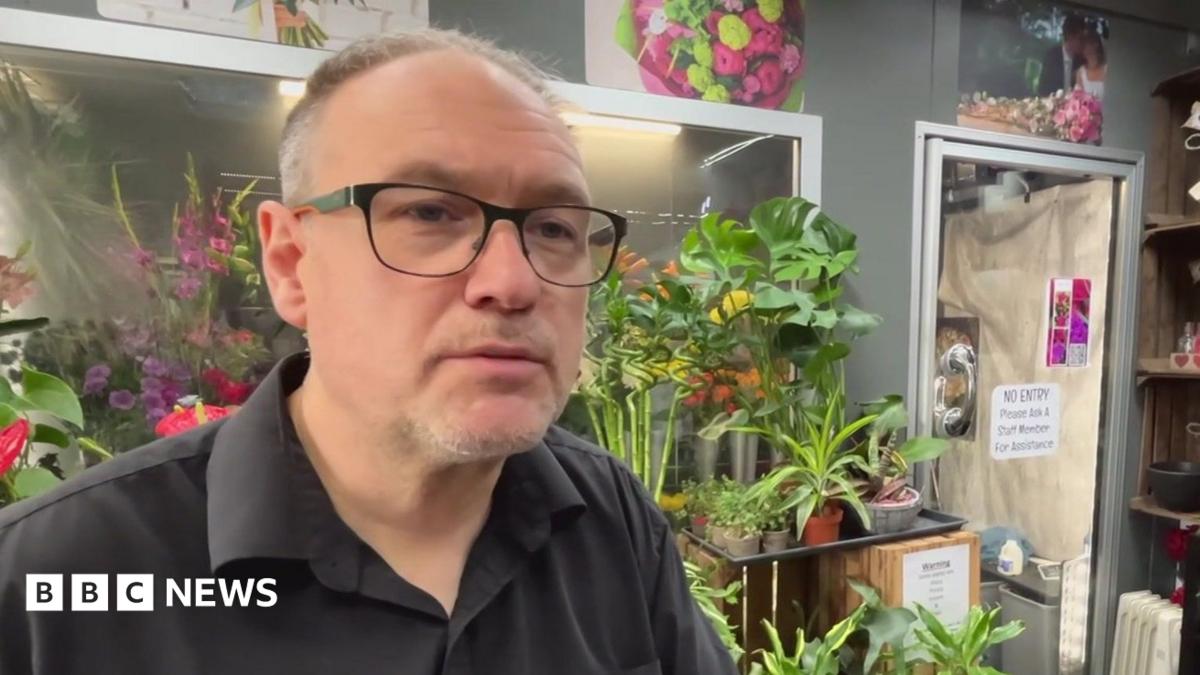
The image shows a person wearing glasses and a dark shirt standing inside what appears to be a florist or plant shop, surrounded by a large number of indoor plants and flowers. Behind the person are shelves displaying pots, bowls and glass vases.

Businesses are also seeing wider knock-on effects. Hairdresser Emma Crossley said customers were waiting longer between appointments than they had previously.

She said: “Since the fuel prices went up I have noticed a difference in how often people have their hair done. About five years ago it would have been about six or seven weeks – it’s more like 10 to 12 weeks now.”

Tourism operators have also noticed a change. Pauline Ellis of the Mad Hatter bed and breakfast, said some visitors had cancelled trips because travel costs had become too expensive.

She said: “We are a long way down here and I think it has made an impact on whether people can afford to come this far down, with the prices as they are.”

Advertisement

At Down the Line Surf Shop, owner Justin Lapskas said the higher fuel costs affected the import and transportation of products.

“We bring in products from around the world, so for us, the increase in fuel prices has an effect and something that we’ve kind of got to deal with moving forward,” he said.

“So yeah, I’d say fuel has an impact across the board for us.”

Follow BBC Cornwall on X, external, Facebook, external and Instagram, external. Send your story ideas to spotlight@bbc.co.uk, external.

Advertisement

Continue Reading

Business

Nebius Stock Spikes 4% on Higher Computer Prices. How to Play NBIS Stock Here.

Published

on

Nebius Stock Spikes 4% on Higher Computer Prices. How to Play NBIS Stock Here.
3D Graphics Concept Big Data Center by Gorodenkoff via Shutterstock

Shares of Nebius (NBIS) rose more than 4% on Sept. 17 after a leaked pricing update reported that customers will soon pay much more for computing power. Valued at a market capitalization of $58.9 billion, Nebius is an artificial intelligence (AI) infrastructure company.

NBIS stock has more than doubled over the past 12 months, rising 122%, while shares have also climbed an impressive 182% on a year-to-date (YTD) basis. Is Nebius a good stock to own right now despite its lofty valuation in September 2026? Let’s take a closer look.

More News from Barchart

www.barchart.com

The Bull Case for Nebius Stock

Nebius has spent the past year building out data centers packed with Nvidia (NVDA) chips, renting out computing power to AI companies that need it to train and run their models. It is a capital-intensive business, and until recently, Wall Street was not entirely sold on whether Nebius could turn all of that spending into real profit.

The company’s second-quarter letter to shareholders, released on Aug. 12, made a strong case that it can. Nebius posted Q2 revenue of $582.3 million, up 454% from a year earlier. The core Nebius AI cloud business grew even faster, with revenue up 514% year-over-year (YOY) to $574.9 million, with annualized run-rate revenue (ARR) reaching $3 billion.

Notably, the company said its AI cloud business delivered an adjusted EBITDA margin of 50% in Q2, signaling the business is becoming more efficient as it scales. Nebius also closed four landmark deals in the quarter worth more than $1 billion each in total contract value, including agreements with AI companies Reflection and Cohere.

Founder and CEO Arkady Volozh summed up the quarter in the letter, saying the company closed the largest AI cloud deal on its “strongest terms to date, at prices that represent a step-change in the economics of [the] business.”

Advertisement

Nebius Stock Surges on New Pricing News

According to Seeking Alpha, a customer communication making the rounds online reportedly shows that Nebius plans to raise prices on several on-demand GPU services starting Oct. 1. The changes reportedly affect pricing on Nvidia’s H100, H200, B200, and B300 chips, some of the most sought-after processors for training AI models.

Continue Reading

Business

Savannah Guthrie’s Resurfaced February Plea for Missing Mother Nancy Resonates Again: ‘We Still Need You’

Published

on

Savannah Guthrie & Nancy Guthrie

An emotional Instagram post from “Today” show co-anchor Savannah Guthrie, originally shared in February appealing for prayers and information following her mother’s disappearance, has continued circulating online nearly seven months later, with no suspect arrested in the case as of the most recent update.

Nancy Guthrie, Savannah’s 84-year-old mother, has been missing since February 1, in what investigators have described as a suspected kidnapping. Despite the ongoing investigation, authorities have not announced an arrest in connection with her disappearance, a lack of resolution that has continued to fuel frustration among many who have followed the case closely online. Savannah’s family, however, has continued to express hope publicly throughout the search.

In the February post being recirculated, Savannah appealed directly to the public, and at times to her mother’s presumed captors, to help bring Nancy home. Speaking in an emotional, faith-centered tone, she wrote, “We believe in prayer. We believe in voices raised in unison, in love, in hope. We believe in goodness. We believe in humanity. Above all, we believe in Him.”

Savannah went on to quote a passage of Scripture in the same post, drawing on Isaiah 26:3, which she described as a verse relevant “for all time for all of us.” She wrote, “‘He will keep in perfect peace those whose hearts are steadfast, trusting in the Lord,’ a verse of Isaiah for all time for all of us. Bring her home.”

Advertisement

The post concluded with a direct appeal for continued prayer and for the public to come forward with any information that might assist investigators in locating Nancy. “Thank you for lifting your prayers with ours for our beloved mom, our dearest Nancy, a woman of deep conviction, a good and faithful servant,” Savannah wrote. “Raise your prayers with us and believe with us that she will be lifted by them in this very moment. We need you.”

The renewed attention to the February post comes amid a broader, ongoing pattern of public engagement from the Guthrie family throughout the seven-plus months since Nancy’s disappearance. Savannah has used her public platform, including her role as a national television anchor, to keep attention on her mother’s case, repeatedly appealing to viewers and social media followers for tips, prayers and any information that could help investigators make progress in identifying who was responsible for Nancy’s disappearance.

The case has remained the subject of sustained public interest throughout 2026, driven in significant part by Savannah’s profile as a longtime co-anchor of NBC’s “Today” show. Investigators with the Pima County Sheriff’s Department, who are leading the investigation into Nancy’s disappearance from her home in Tucson, Arizona, have continued to describe the case as active, even as no suspect has been publicly named and no arrest has been announced in the months since Nancy was first reported missing.

The recirculation of Savannah’s February appeal reflects the continued absence of a resolution in the case, with online communities and true-crime commentators continuing to revisit earlier statements, evidence and public appeals from the Guthrie family as the investigation has stretched on without a confirmed breakthrough. Such throwback posts have become a recurring feature of ongoing public engagement with Nancy Guthrie’s case, offering both a reminder of the family’s continued hope and a marker of how much time has passed since the original appeal was first made.

Advertisement

Nancy’s disappearance was first reported to authorities on February 1, with investigators saying they believe she was taken from her home the night before. The case has since drawn extensive national media coverage, including repeated public appeals from Savannah and other family members, ongoing analysis from retired law enforcement officials commenting publicly on the case, and continued scrutiny of surveillance footage and other evidence released by investigators over the course of the year.

As the investigation continues without a confirmed suspect, Savannah’s earlier words, offered at a moment when the case was still in its early weeks, have taken on renewed resonance for those following the story nearly seven months later. The core message of her February appeal, a direct plea to the public for prayer, patience and any available information, remains largely unchanged from what family members and investigators alike continue to emphasize as the search for Nancy Guthrie stretches on.

With no new public updates indicating a break in the case as of the most recent reporting, the resurfaced February post serves as both a reminder of the Guthrie family’s continued hope for Nancy’s safe return and an illustration of how unresolved the investigation into her disappearance remains, nearly seven months after she was first reported missing from her Tucson-area home.

Advertisement
Continue Reading

Business

Food banks say they are ‘in crisis’ as some face threat of closure in Northern Ireland

Published

on

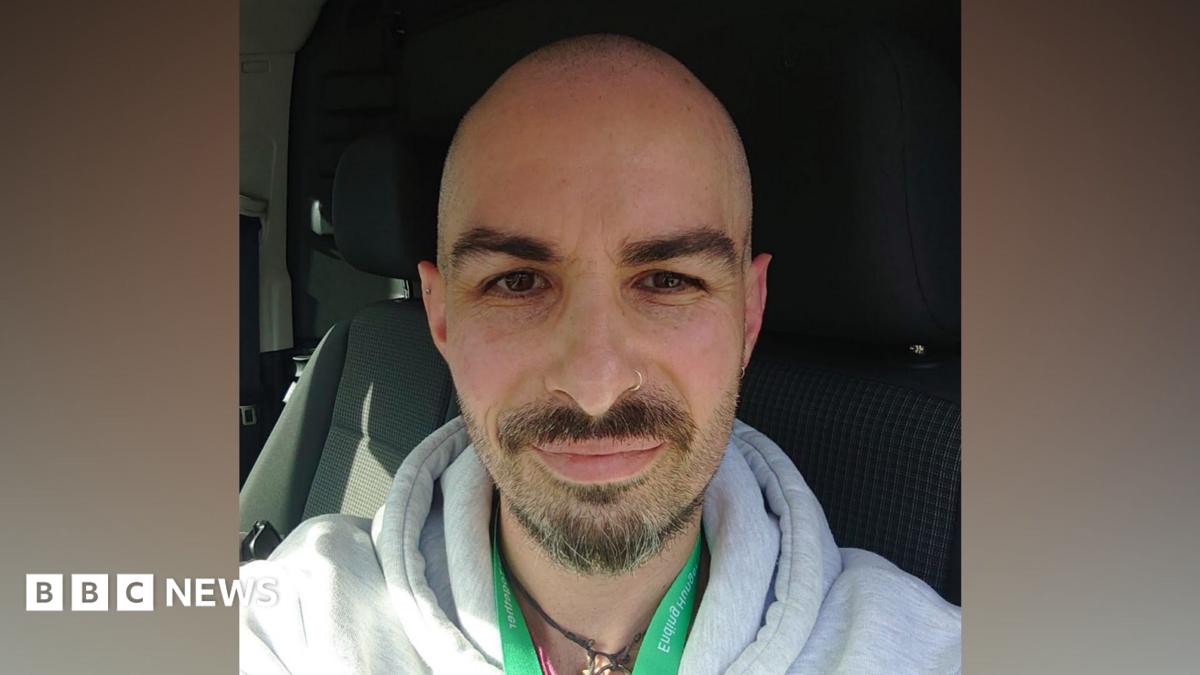
Man with short hair, beard and nose ring. He is wearing a grey hoody with a green lanyard. He is seated in a vehicle.

Fiona Cole, from Trussell Trust in Northern Ireland said it was “heartbreaking” to see food banks in this situation, adding the stress on food bank managers and volunteers is increasing on a daily basis.

According to the Trussell Trust, 67,851 parcels were distributed in Northern Ireland, 26,459 of those given to children in 2025.

The policy and public affairs manager said in the last four to six weeks food banks have faced a crisis in terms of stock levels.

“Our biggest fear is that our food banks are prematurely forced to drastically reduce their support, or worse, close their doors because the income they receive falls short and they can no longer afford their household essentials,” Cole said.

Advertisement

She said that fewer donations could be a result of people struggling with cost of living and having to cut their own budgets.

“Our lifelong contributors, they would give us five pounds of food or £10 of food every time they go to shop in a supermarket,” Cole said.

“That £10 of food is just simply not the same amount as what you would have got even six months ago.”

She said three food banks had contacted them directly about concerns with stock and finance, and six in total had to put out emergency appeals for donations on social media.

Advertisement

She added food banks have also had to close distribution centres or reduce their hours.

Cole said there needs to be sustainable funding for food banks to operate as well as support from government and the Northern Assembly.

While food banks are under pressure a Trussell Trust report found that they had been distributing fewer parcels in 2025 than the peak seen in 2023.

“Wider data suggests there has been a corresponding fall in need for food banks, not just use, external“.

Advertisement
Continue Reading

Business

RWS named leader in Forrester localization services report

Published

on


RWS named leader in Forrester localization services report

Continue Reading

Business

Thailand Says No Final Agreement Reached in EU FTA Talks

Published

on

Thailand Says No Final Agreement Reached in EU FTA Talks

The Thai government is negotiating a Free Trade Agreement with the EU, clarifying that no agreement on UPOV 1991 exists and emphasizing farmers’ rights to save seeds under current laws.


Key Points

  • The Thai government is actively negotiating a Free Trade Agreement (FTA) with the European Union, refuting claims that it has agreed to the UPOV 1991 convention, which purportedly infringes on farmers’ rights to save seeds.
  • Deputy Government Spokesperson Lalida Perisvivatana affirmed that current domestic laws allow farmers to save and replant seeds, with existing legal exemptions for education and non-commercial breeding activities. The EU’s UPOV proposal is merely a starting point for discussions.
  • The government is committed to balancing international trade with farmers’ rights, biodiversity, and food security. Any final FTA will require parliamentary review and adherence to the legislative process before making changes to domestic regulations.

The Thai government has confirmed that negotiations for the Thailand-European Union Free Trade Agreement (FTA) are ongoing and has dismissed rumors that Thailand has already agreed to the UPOV 1991 convention, which some claim would remove farmers’ rights to save seeds.

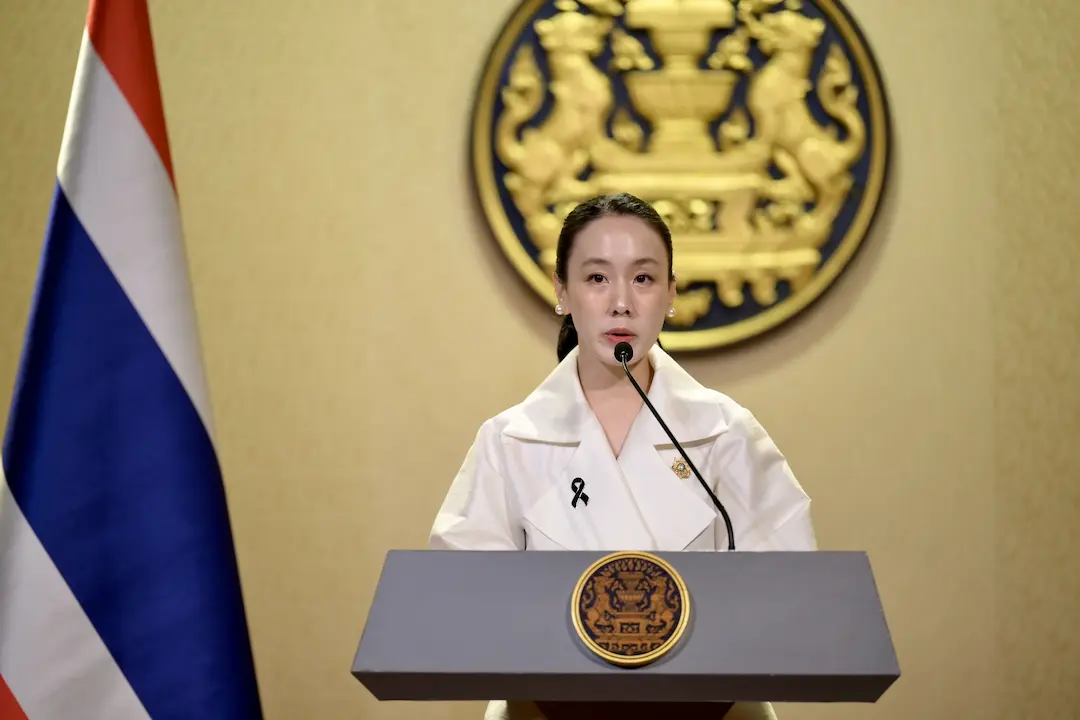
Deputy Government Spokesperson Lalida Perisvivatana stated on September 21, 2026, that the Ministry of Commerce, led by Deputy Prime Minister and Minister of Commerce Suphajee Suthumpun, is closely monitoring the intellectual property and plant protection aspects of the negotiations. She emphasized that the EU’s proposal regarding the 1991 International Convention for the Protection of New Varieties of Plants (UPOV 1991) is only a starting point for discussions and does not reflect any agreement by Thailand.

Under current domestic law, specifically Section 33 of the Plant Varieties Protection Act B.E. 2542 (1999), farmers have the legal right to save and replant propagating materials they produce, subject to certain conditions. The law also exempts activities for education, research, and non-commercial plant breeding. The spokesperson clarified that while unauthorized commercial sale of protected plant varieties is illegal, it is incorrect to claim that current laws prevent farmers from saving seeds for personal use.

Addressing concerns about UPOV 1991, the spokesperson explained that while the convention strengthens breeders’ rights, Article 15(2) allows member states to create domestic exemptions so farmers can reuse seeds on their own land. Therefore, claims that the convention completely bans seed saving are inaccurate. The government emphasized that the final impact on farmers’ rights will depend on the outcome of negotiations and future domestic legislation.

Advertisement

The Deputy Prime Minister has instructed negotiators to balance international trade and agricultural innovation with protecting farmers’ rights, biodiversity, and national food security. The Ministry of Commerce is working with the Department of Agriculture, the Department of Intellectual Property, and health agencies to thoroughly assess all potential impacts. 

The spokesperson added that any finalized FTA will not automatically change Thai law, as agreements under Section 178 of the Constitution require formal parliamentary review and the standard legislative process before amending any domestic regulations.

Source : Thailand Says No Final Agreement Reached on UPOV 1991 in EU FTA Talks

Advertisement
Continue Reading

Trending

Copyright © 2025