
Connect with us

Business

Dunkin’ Giving Away 1 Million Free Coffees Today as National Coffee Day Festivities Begin Early This Week

Published

on

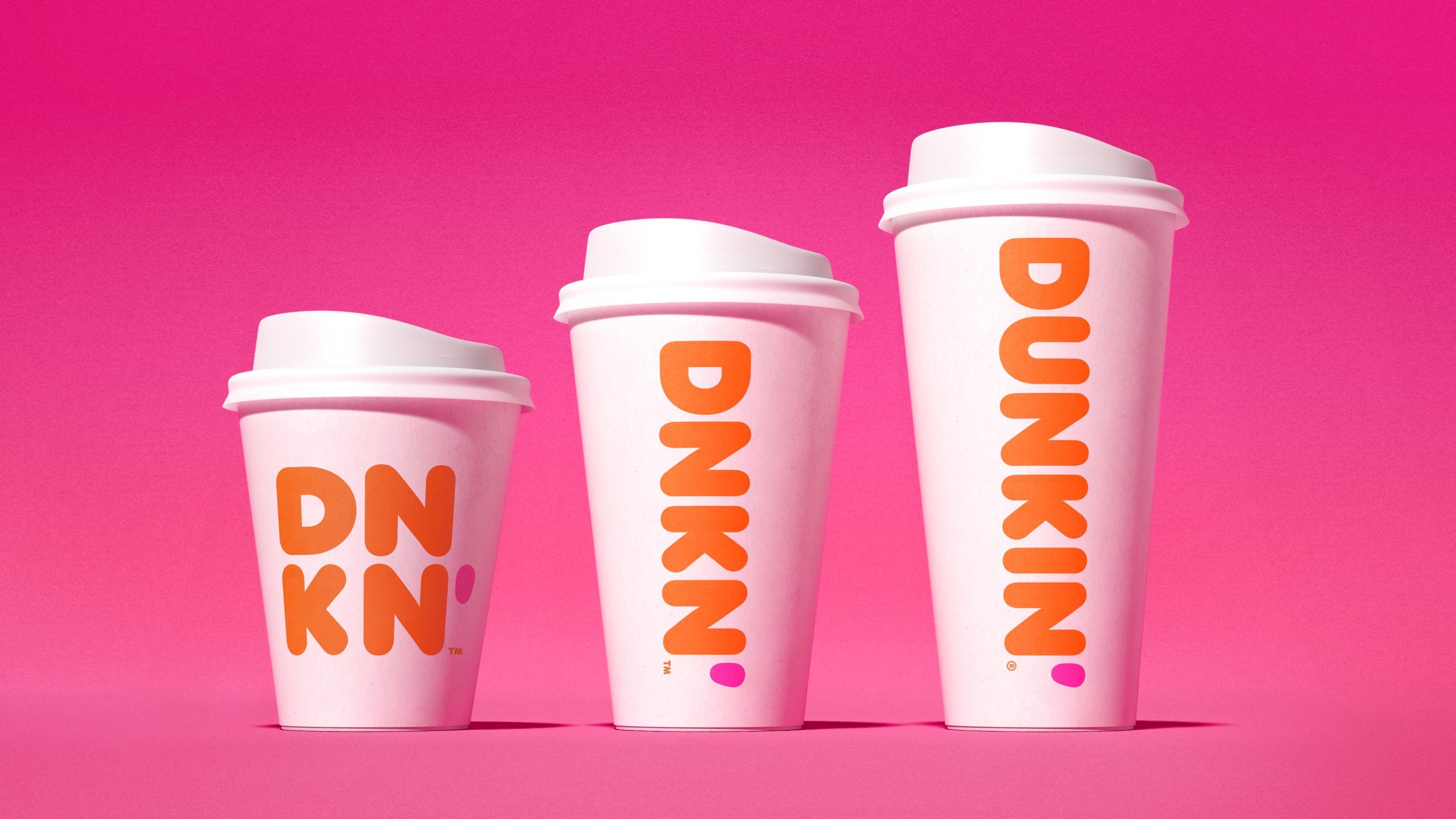
Dunkin', formerly known as Dunkin' Donuts, redesigned their cups.

Dunkin’ is giving away 1 million free coffees to customers Thursday, kicking off a stretch of promotions and collaborations tied to National Coffee Day that has already drawn long lines at some locations earlier this week.

Through the limited-time promotion, the coffee and donut chain will give away free hot or iced coffee to the first 1 million customers who claim the offer Thursday, September 24. Dunkin’ plans to reveal the specific promo code needed to redeem the offer on its social media accounts midday Thursday. Customers can then enter that code in the “Offers & Rewards” section of the Dunkin’ app to claim their free coffee, with the offer redeemable through Sunday, September 27.

Food influencer Snackolator offered advice for customers hoping to secure the freebie before it runs out, emphasizing the importance of preparation ahead of the promo code’s release. “Make sure you have the Dunkin’ app and an account set up early to grab it quickly – they tend to last a good 30-45 minutes, but the app runs slow, so if you don’t sign up ahead of time, it can be tough to do it when it goes live!” the influencer said.

Thursday’s giveaway is only the opening act in a broader stretch of Dunkin’ promotions planned for the coming days. In honor of National Coffee Day on Tuesday, September 29, Dunkin’ Rewards members will be able to claim a free medium hot or iced coffee with any purchase made through the Dunkin’ app.

Advertisement

The National Coffee Day celebrations also include a new collaboration between Dunkin’ and outdoor retailer L.L.Bean, marking the two brands’ first-ever partnership. Released earlier this week to coincide with the first day of fall, the limited-edition collection includes a miniature coffee cup cozy styled after L.L.Bean’s signature fisherman sweater pattern, though reimagined in Dunkin’s bright pink and orange color scheme rather than the outdoor retailer’s traditional navy-and-white combination. The small coffee sweater was offered free to customers, but demand quickly outpaced supply. At one Dunkin’ location in midtown Manhattan, a barista told the New York Post that the store had already run out of the promotional item by 6:30 that morning, an experience echoed by numerous customers across social media.

Customers who missed out on the free coffee cozy will still have a chance to purchase a full-sized version of the collaboration starting on National Coffee Day itself. A human-size L.L.Bean x Dunkin’ sweater will be available for $79.95 beginning September 29. Additional items in the collaboration include a pink-and-orange version of L.L.Bean’s classic Boat and Tote bag, priced at $59.95, and a smaller, coffee-cup-sized tote bag priced at $24.95, both of which will be available exclusively through Dunkin’s website.

Dunkin’ Chief Marketing Officer Jill Nelson described the rationale behind pairing the coffee chain with the century-old outdoor apparel retailer, framing the collaboration around shared everyday rituals between the two brands’ customer bases. “We love collaborations that feel authentic to the way people actually live,” Nelson said. “From morning coffee runs to weekends outside, Dunkin’ and L.L.Bean have been part of many of the same routines and traditions for decades. Bringing them together just felt right.”

Beyond the merchandise collaboration, Dunkin’ has said it is partnering with L.L.Bean for a full week of additional freebies and festivities leading up to and including National Coffee Day, extending the promotional partnership well beyond Thursday’s coffee giveaway and the initial merchandise drop.

Advertisement

Thursday’s 1 million free coffee promotion arrives as Dunkin’ continues leaning into large-scale customer giveaways as a marketing strategy, a tactic the chain has used periodically to drive app downloads, rewards program sign-ups and overall customer engagement. Given the reported 30-to-45-minute window in which similar past promotions have run out, customers hoping to claim Thursday’s free coffee are likely to need to act quickly once the promo code is released at midday.

With National Coffee Day itself still five days away and additional Dunkin’ Rewards promotions and L.L.Bean merchandise releases still to come, this week’s rollout of free coffee, limited-edition apparel and ongoing app-based rewards offers represents one of Dunkin’s more extensive promotional pushes tied to the annual coffee holiday, reflecting the broader consumer enthusiasm that has already been on display at stores nationwide since the collaboration’s initial launch earlier this week.

Continue Reading
Click to comment

You must be logged in to post a comment Login

Leave a Reply

Business

Bahamas accuses DEA agents of illegal "rogue" operations on its soil

Published

on


Bahamas accuses DEA agents of illegal "rogue" operations on its soil

Continue Reading

Business

‘Bring banks back to the high street’: Bev Craig’s call to save town centres

Published

on

Business Live

Mayor says ‘I’ve spoken to so many people, who look at their high street, and see a physical sign decline on their doorstep’

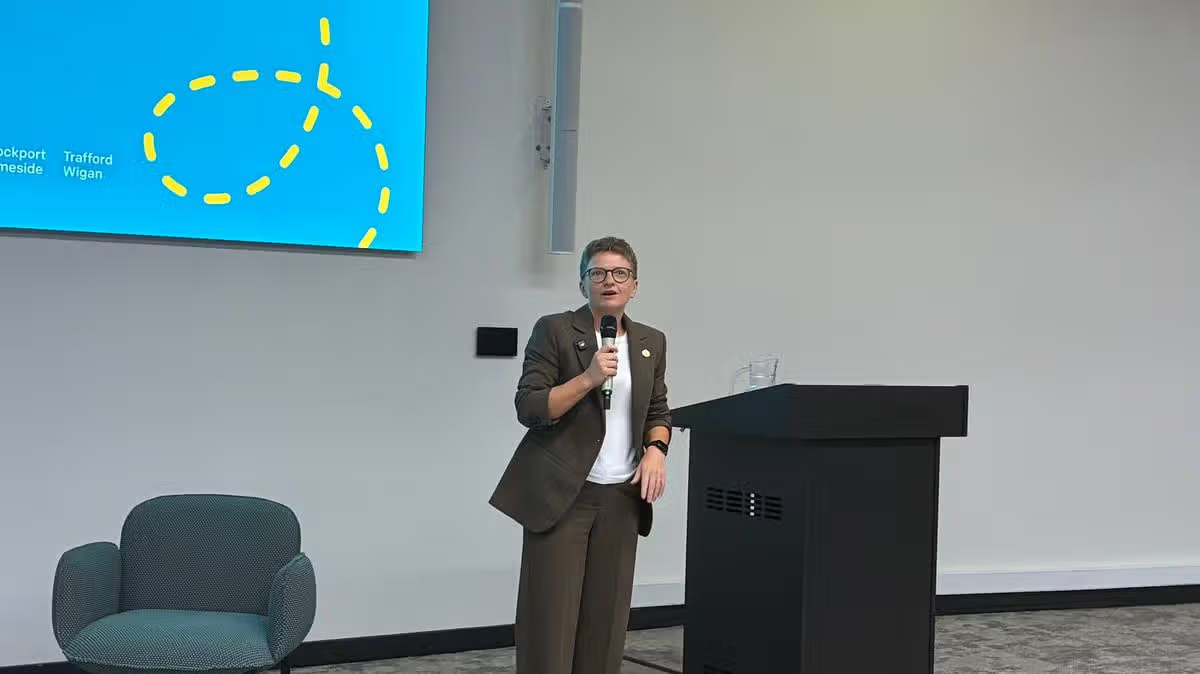
Bev Craig at the Cost of Living Summit

Bev Craig at the Cost of Living Summit(Image: Local Democracy Reporting Service)

The Greater Manchester Mayor has pledged to ‘bring banks back to the high street’ as part of efforts to tackle dying town centres and the cost of living crisis.

Advertisement

The GMCA is working with the Manchester Building Society to increase access to explore turning public spaces into community banking sites. This could include making space in libraries, leisure centres, or Post Offices for banking desks to combat the growing number of towns left without access to in-person services.

Banks have closed down more than 500 branches across the UK in the last year alone, with North West classified as the worst-affected area. Government research shows these closures can exacerbate financial exclusion of vulnerable groups, impact negatively on small businesses, and speed up the decline of high streets.

Ms Craig said: “I’ve spoken to so many people, who look at their high street, and see a physical sign decline on their doorstep. At the same time, they’re being told the city is growing in prosperity. Community banking for me is a massive priority in plugging that gap.

“GMCA and the Manchester Building Society will work together to see how we can expand community banking. I’m particularly interested in the model of shared space, working with charities, working with leisure centres and libraries. Obviously, Manchester Building Society is a business, so, they will cover their costs. But in terms of education, financial inclusion, and outreach into communities, there is an opportunity for working together.

Advertisement

“My challenge is to any other banking institution who wants to get back involved in putting people before profit, and investing in the high street, we’ll welcome it.”

The GMCA is joining forces with the Manchester Building Society, who has already participated in similar schemes with four local authorities across the UK.

Andrew Haigh from MBS said: “We have lost nearly two thirds of our high street bank branches. In many places, that means communities are being left with no services in their area. This isn’t just about access to cash. It’s about the services and support provided. And the people who are most affected by this are the most vulnerable.

“We’re taking away the ability to build trust, to get advice. We can’t simply watch this tragedy happen as more and more people get isolated from in person services and support.”

Advertisement

Mr Haigh spoke at the brand new ‘Cost of Living Summit’ called by the Greater Manchester Mayor. Around 300 businesses and charities attended the event at the Renold Building in the city centre with the aim of getting the private sector involved in ‘tackling the crisis and putting money into people’s pockets’.

Manchester Building Society is opening a new flagship branch  in King Street, in Manchester city centre. Bev Craig, Leader of Manchester City Council, left, with Andrew Haigh, Chief Executive, Newcastle Building Society Group

Manchester Building Society opened its flagship branch in King Street, in Manchester city centre, in 2025. Bev Craig, then leader of Manchester City Council, left, was pictured with Andrew Haigh, CEO at Newcastle Building Society Group(Image: Manchester Building Society)

Addressing the summit, Ms Craig said Cost of Living remained persistent, with residents increasingly feeling like ‘the deal we have, that if you work hard, things will be better for the next generation, is fragile and eroding’, with 43 per cent of Greater Manchester families struggling to cover the bills. She shared memories from her childhood in Greenisland, outside Belfast.

Ms Craig said: “When I was growing up, I didn’t think I was poor. I thought every kid took less food to the harvest festival than they took home. I thought every child had a church helper visit them with parcels and food. I didn’t think it was unusual that you would get your first computer from a skip when the university was throwing it away.

“It taught me resilience, the same resilience I see across Greater Manchester now.”

Advertisement

But the Mayor called for ‘more support’ from both the public and private sectors to bring ‘greater dignity and hope’ to families struggling in the region.

As well as courting more support from private firms, GMCA is setting up a new website, everydaysupport.org.uk, to pool advice and support from dozens of different local, regional and national sources into a single location.

Continue Reading

Business

What to think about when buying travel insurance

Published

on

Consumer expert Harry Kind is walking, pulling a suitcase with his left hand. He's wearing a red jacket over a white t-shirt.

Consumer expert Harry Kind walks through what to do when buying travel insurance.

Continue Reading

Business

Darden Restaurants (DRI) Q1 2027 earnings

Published

on

Darden Restaurants (DRI) Q1 2027 earnings

Darden Restaurants on Thursday reported quarterly earnings and revenue that narrowly missed analysts’ expectations as same-store sales growth at Olive Garden slows.

Shares of the company fell as much as 5% in premarket trading but pared back their losses as executives reassured investors on the company’s earnings conference call. The stock was down about 2% in morning trading.

Short-term challenges like consumers’ cyclospora concerns and the World Cup tournament weighed on Darden’s same-store sales during the quarter, executives said. However, CEO Rick Cardenas said that Darden’s restaurant chains are performing better in September, and costs of key commodities, like beef, are projected to improve later in the fiscal year.

Here’s what the company reported for the quarter ended Aug. 30 compared with what Wall Street was expecting, based on a survey of analysts by LSEG:

Advertisement
  • Earnings per share from continuing operations: $2.05 vs. $2.06 expected
  • Revenue: $3.20 billion vs. $3.21 billion expected

Darden reported fiscal first-quarter net income of $233.4 million, or $2.04 per share, down from $257.8 million, or $2.19 per share, a year earlier.

Net sales rose 5.1% to $3.20 billion.

The company’s same-store sales increased 3.1% during the fiscal quarter as each of Darden’s business units reported growth. But the World Cup weighed on demand for Darden’s restaurants early in the quarter, dragging the company’s same-store sales down by 80 basis points, or 0.8%, CFO Raj Vennam said.

LongHorn Steakhouse was once again the top performer of the portfolio this quarter, as same-store sales rose 6.2%. The chain has overtaken Olive Garden to become Darden’s top performer, although it still accounts for a smaller share of the company’s overall revenue.

Olive Garden saw its same-store sales inch up 1.1%. While it is still the company’s largest chain by both number of locations and sales, Olive Garden has seen its growth weaken as diners have become more choosy about their spending.

Advertisement

And while many consumers may think about pasta or breadsticks when they consider dining at Olive Garden, the chain was not immune to industry concerns about the deadly cyclospora outbreaks this summer tied to fresh produce.

“During the quarter, Olive Garden was prepared to communicate about one of its core brand equities, unlimited soup, salad and breadsticks, but quickly pivoted away from their planned marketing support in response to external events that led to broader consumer concern about lettuce,” Cardenas told analysts on the company’s quarterly earnings call.

Instead, Olive Garden will run the campaign during the current quarter.

To fuel sales further, Olive Garden is going to lean into weekday lunch occasions. Cardenas said the team is working on “several opportunities” focused on value to drive more traffic during the relatively sleepy daypart.

Advertisement

Darden’s fine-dining business reported same-store sales growth of 1.6%. The segment includes chains like The Capital Grille and Ruth’s Chris.

Executives said that traffic to the company’s fine-dining restaurants is still below pre-pandemic levels. However, traffic trends have been improving, and those restaurants have taken lower price increases than the rest of Darden’s portfolio.

“We are seeing that business spending is still low,” Cardenas said. “We’re starting to see some growth in private dining.”

The company’s remaining chains, which are grouped under its “other business” division, saw same-store sales grow 3.8% in the quarter. The segment includes Yard House, which saw same-store sales climb 10%, fueled by the World Cup. It was the only Darden chain to report a benefit from the tournament.

Advertisement

“Yard House is a high potential growth brand,” Cardenas said, adding that the beer-centric chain is the company’s third billion-dollar brand, as of last week.

Yard House will open 13 new restaurants in fiscal 2027. Five of those openings will be conversions from Darden’s now-shuttered Bahama Breeze chain.

Darden also reiterated its forecast for fiscal 2027. The company is projecting total sales of $13.60 billion to $13.75 billion and net earnings per share from continuing operations in a range of $11.10 to $11.35. 

Advertisement
Continue Reading

Business

Christian Bolding on Building a Business That Can Keep Growing

Published

on

Christian Bolding on Building a Business That Can Keep Growing

Christian Bolding has learned that growth can also create an entirely new set of challenges. The systems that work for a small company may become less effective as the organization expands, and a founder who once had a hand in nearly every decision eventually has to learn where to focus his attention.

Bolding has experienced that transition as the founder and CEO of a Texas-based smart home automation and security company. His approach to growth is not built around complicated management theories. Instead, he focuses on manageable goals, customer feedback, personal discipline, and continuous learning as his responsibilities change.

When asked how he approaches large goals, Christian Bolding explained that he does it “by taking the short-term goals first to reach the long-term.” It is a simple philosophy, but it has remained relevant through several stages of his career.

Free newsletters
Advertisement

The stories that matter to UK business, straight to your inbox.

Advertisement

What Business Growth Changed for Christian Bolding

Bolding did not begin his career in the smart home industry. He entered the workforce as a teenager and held several service-oriented positions before eventually moving into marketing. He later founded Legacy Acquisitions, a marketing company that expanded into multiple regions. That experience gave him an early look at what happens when a business grows beyond its original size.

He eventually founded his company in Texas and entered the smart home and security industry. According to a previously published company profile, his company doubled both its client base and employee pool within a year and expanded through satellite locations around Austin.

Those figures tell part of the growth story, but Bolding does not rely on size alone to determine whether the company is doing well. When asked how he measures success in business, his answer was straightforward: “By the feedback from the client.”

That measurement can become even more important as a company grows. Increasing sales or adding employees does not necessarily mean that customers are having a better experience. Expansion can expose weak processes, communication problems, or gaps that were easier to manage when the business was smaller. Listening to clients gives Bolding another way to understand whether growth is actually improving the company.

Advertisement

Why Customer Experience Remains a Leadership Priority

Smart home technology sits at an interesting intersection between technology and personal service. Homeowners may want security systems, automation, and greater control over their homes, but the technology is only part of the experience. They also have to trust the people who recommend, install, explain, and support those systems.

For Bolding, that makes understanding people an important part of leadership. When asked which qualities he believes matter most, he identified “character, passion, understanding.”

Understanding can be especially valuable in a service business because customers do not necessarily approach technology with the same level of knowledge or confidence. Something that seems routine to a professional who works with smart home systems every day may feel unfamiliar to a homeowner. Listening carefully and explaining things clearly can therefore be just as important as knowing the product.

Bolding’s earlier career exposed him to very different people and work environments. He started in fast food, later worked one-on-one with people with disabilities, and eventually moved into marketing before becoming an entrepreneur. While those roles may seem unrelated on paper, each required him to understand people, communicate effectively, and adapt his approach to the person in front of him.

Advertisement

Why Bolding Continues Learning as a CEO

One challenge of becoming a founder or CEO is that fewer people may eventually be in the room who are willing or able to challenge your assumptions. Bolding tries to avoid becoming too comfortable with his own experience by deliberately seeking environments where he can continue learning.

“I continue putting myself in better environments to grow and learn,” he said, citing mentors and conferences as examples.

That approach reflects a practical reality of entrepreneurship. The skills required to start a company are not always the same skills required to manage one after it grows. A strong salesperson may need to learn how to develop other salespeople. A founder who once made every decision personally may need to learn how to delegate. A strategy that produced results at one stage of a company may become less useful at another.

Bolding applies a similar mindset to mistakes. When asked about a time when failure eventually contributed to success, he did not identify one dramatic turning point. Instead, he answered, “Every day. You have to take it as a learning lesson.”

Advertisement

That answer reflects the less glamorous side of running a business. Most lessons do not arrive through one major failure followed by a breakthrough. They come from decisions you could have handled differently, conversations that reveal a problem, customer feedback, hiring choices, and strategies that need adjusting.

How Discipline Shaped Bolding’s Approach to Business

Long before Bolding became an entrepreneur, sports gave him an early framework for thinking about discipline and performance. Basketball was a major interest during his childhood, and he spent time studying the NBA and the habits of successful athletes. He also pursued football seriously.

Bolding still sees a link between the habits people develop outside of work and how they perform professionally. “You perform the way you live life in general, in my opinion,” he said.

That perspective carries additional weight given his upbringing. Bolding spent much of his childhood in the foster care system and grew up without the consistent family environment that many people rely on for stability. When asked about the biggest influence on his life, he answered, “Not having anyone in my life as family.”

Advertisement

Rather than making that experience the centerpiece of his professional identity, Bolding appears to have carried certain lessons from it into his career. He values environment, stability, personal accountability, and the people he chooses to learn from.

How Christian Bolding Defines Success Today

Business performance can be measured through revenue, customers, employees, and expansion. Bolding pays attention to growth, but his personal definition of success extends beyond those measurements.

When asked what success means to him, he answered, “By what you give back, not what you get.”

That belief has increasingly influenced his interest in giving back and youth empowerment. It also offers some insight into how Bolding thinks about leadership after progressing from entry-level work to entrepreneurship and eventually the CEO role.

Advertisement

His career has involved very different industries, responsibilities, and challenges, but his approach has remained relatively consistent. He breaks larger ambitions into smaller goals, listens to customers, seeks out people he can learn from, and treats mistakes as information rather than endpoints.

For Bolding, becoming a CEO did not mean reaching the point where there was nothing left to learn. If anything, growth has made continued learning more important. The long-term vision still matters, but his approach remains grounded in something much simpler: focus on the next goal, learn from what happens, and keep moving forward.

Advertisement
Continue Reading

Business

Hyundai set to outsell Ford in Q3 as Detroit automakers lack hybrids

Published

on

Hyundai set to outsell Ford in Q3 as Detroit automakers lack hybrids

Hyundai signage at the New York International Auto Show on April 2, 2026.

Danielle DeVries | CNBC

DETROIT — Hyundai Motor is expected to outsell Ford Motor in quarterly sales for the first time ever, according to a new forecast released Thursday by Cox Automotive.

The South Korean automaker is expected to report a 6.5% increase in year-over-year sales from July through September to 511,421 units. That compares with an expected 7.1% decline for Ford over the third quarter to 504,172 new vehicles sold, according to Cox predictions.

Advertisement

The expected leaderboard change would make Hyundai the third best-selling automaker in the U.S. behind General Motors and Toyota Motor.

That change comes as new vehicle sales have been stronger than expected this year. Cox on Thursday raised its 2026 forecast by roughly 2%, to 16.1 million units.

“The automotive market this year has been pretty resilient,” Jeremy Robb, Cox chief economist, said Thursday during a media call. “New and used sales are both down year over year, but they’re not down really that much.”

Hyundai’s hot streak

Hyundai, including its luxury Genesis brand and corporate sibling Kia, has been making major inroads in the U.S. this year. Ford, meanwhile, has struggled with production of its crucial F-Series pickup trucks following two supplier fires last year that disrupted production and sales.

Advertisement

Hyundai CEO José Muñoz told CNBC last month that topping Ford in U.S. sales isn’t a goal but if it happens, it’s because of the company’s continued focus on products and execution.

Hyundai CEO José Muñoz on U.S. expansion and its new luxury Genesis EV

“We focus on delivering, the best, safe products to the customer with the highest possible quality,” Muñoz said, noting the company is No. 3 in sales globally. “And we end up achieving unbelievable goals.”

Aside from pickup production troubles, Cox analysts said sales for Ford and its crosstown rival GM are being hindered by a lack of hybrid vehicles — a rapidly growing market in the U.S. amid inflated gas prices.

“If you don’t have vehicles to catch [consumers] where they are, then there are other manufacturers that likely would step into the gap,” Erin Keating, a Cox executive analyst, said Thursday during a media call.

GM only offers a hybrid version of its Corvette, while Ford’s hybrids include its Maverick and F-150 pickup trucks.

Advertisement

Toyota gains on GM

Hybrid leader Toyota Motor also has been narrowing its sales gap with No. 1 sales leader GM. Cox said last quarter that GM could be overtaken by the Japanese automaker this year in annual sales.

GM is expected to report a year-over-year sales decline of 5.2% to 671,706 new vehicles sold during the third quarter, while Toyota is predicted to report a 2.2% gain to 642,707 units. For the year, Toyota is trailing GM by fewer than 121,100 units.

If Toyota can top GM, it would mark the second time Toyota has ever outsold GM in annual U.S. sales. The first time was in 2021 when supply chain disruptions affected vehicle production.

Cox experts noted that fuel prices — at a AAA national average of $4.48 per gallon — are impacting the sales of big trucks and SUVs, which are crucial to sales for the Detroit automakers.

Advertisement

GM, Ford and Chrysler parent Stellantis also have renewed their focus on gas-guzzling V-8 engines in their larger pickups and SUVs amid deregulation of emissions and fuel economy standards by the Trump administration.

“I think that’s probably one of the callouts for the domestics is that they have made some interesting decisions around product,” Keating said.

Cox expects Stellantis to report a 1.3% decline in U.S. vehicle sales during the third quarter, with total sales for the year expected to be up 2.8% as the automaker orchestrates a companywide turnaround plan.

Advertisement
Continue Reading

Business

Mortgage rates rise to 7.03%: Freddie Mac

Published

on

Mortgage rates rise to 6.69%: Freddie Mac

Mortgage rates rose to more than 7% for the first time since January 2025, mortgage buyer Freddie Mac said Thursday.

Freddie Mac’s latest Primary Mortgage Market Survey, released Thursday, showed the average rate on the benchmark 30-year fixed mortgage rose to 7.03% from last week’s reading of 6.95%.

Advertisement

The average rate on a 30-year loan was 6.3% a year ago.

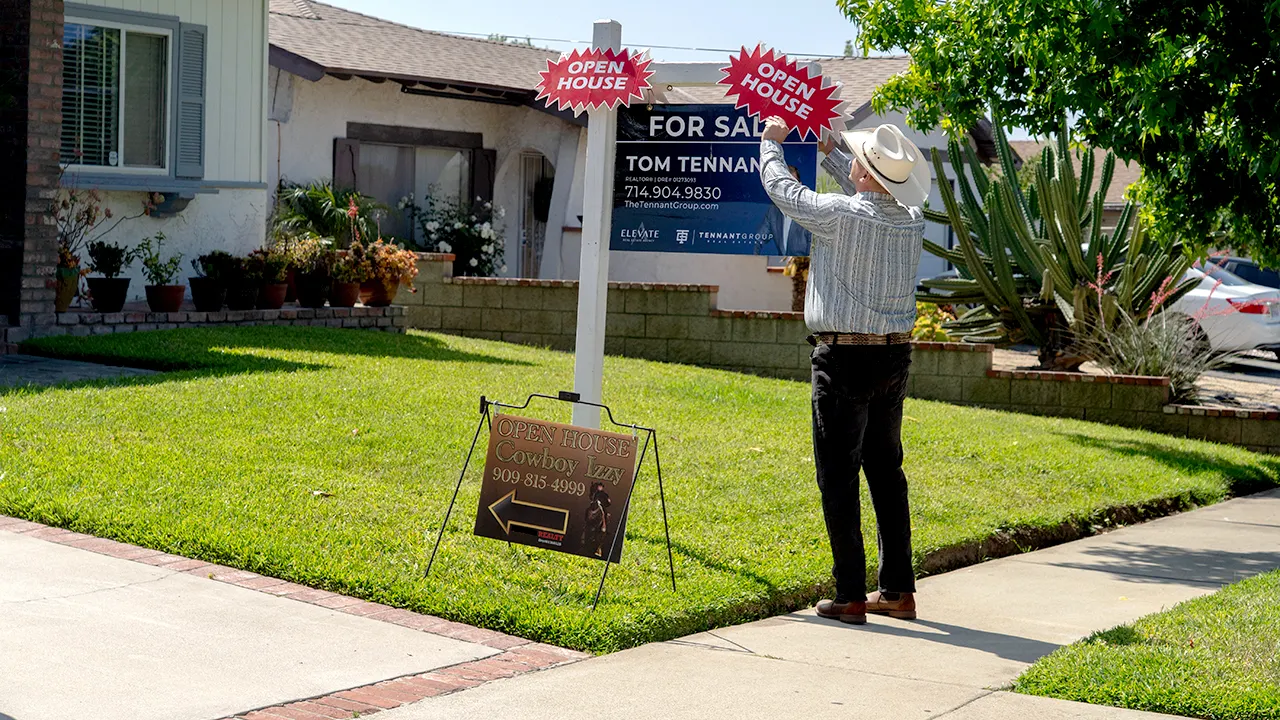
A real estate agent adjusts a sign outside a home.

A real estate agent sets up for an open house in Rancho Cucamonga, California, on May 9, 2026. (Kyle Grillot/Bloomberg via Getty Images / Getty Images)

AMERICA’S BEST AND WORST CITIES FOR HOUSING AFFORDABILITY RANKED

The average rate on a 15-year fixed mortgage climbed to 6.42% from last week’s reading of 6.26%.

THE US CITIES WHERE HOME PRICES ARE FALLING THE FASTEST

Advertisement

Mortgage rates are affected by several factors, including the Federal Reserve and geopolitics. Though mortgage rates are not directly affected by the Fed’s interest rate decisions, they closely track the 10-year Treasury yield. The 10-year yield hovered around 5.1% as of Thursday afternoon.

“Rates entered the week just 5 basis points below that line after jumping 19 basis points to 6.95%, the largest one-week move since April 2025,” said Realtor.com senior economist Anthony Smith. “The 10-year Treasury yield drove most of that increase and has kept climbing, with inflationary pressure building and Brent crude oil prices hovering above $100 per barrel again. With the 10-year Treasury surging 15 bps on Wednesday, to 5.11 percent, a 19-year high, upward mortgage rate pressure seems likely to linger.”

GET FOX BUSINESS ON THE GO BY CLICKING HERE

Advertisement
Continue Reading

Business

Twist Bioscience Shares Soar 10.27% to New High, Extending a Remarkable 493% Yearlong Rally Fueled by AI

Published

on

Twist Bioscience Shares Soar 10.27% to New High, Extending a

SOUTH SAN FRANCISCO, Calif. — Shares of Twist Bioscience Corp. surged 10.27% to $174.78 in Wednesday trading, adding $16.28, extending one of the most dramatic rallies on Wall Street this year for the synthetic DNA technology company, whose stock has now climbed roughly 493% over the past 52 weeks.

Wednesday’s gain continues a pattern of sustained strength that has defined Twist Bioscience’s trading throughout September. The stock strung together seven consecutive positive trading sessions through September 21, a streak that added roughly $2.6 billion to the company’s market value and pushed its total valuation above $10 billion, even as the broader S&P 500 returned just 0.2% over that same seven-day stretch. That run followed an earlier six-day streak through September 17 that had already added close to $1.9 billion in market value on its own.

The rally’s most significant catalyst came on September 17, when Twist Bioscience announced a new data-services agreement with Eli Lilly’s artificial intelligence-driven drug discovery platform, known as TuneLab. Under that arrangement, users of Eli Lilly’s platform can route antibody characterization orders through Twist Bioscience’s preferred laboratory protocols, a deal that feeds high-quality laboratory data back into the AI-driven drug discovery process. Shares jumped nearly 10% on the news that day, with the stock’s climb from a close of $124.72 on September 4 to $157.29 by September 17 illustrating the pace of the broader rally already underway before the Lilly deal was even announced.

Alongside the Lilly announcement, Twist Bioscience raised its full-year revenue guidance to a range of $456 million to $457 million and reiterated a goal of reaching adjusted EBITDA breakeven by the fourth quarter of its current fiscal year. The company’s balance sheet showed $166.8 million in cash and short-term investments, with a total debt-to-equity ratio of 0.24 and a current ratio of 2.7, metrics reflecting relatively manageable leverage even as the company continues operating at a loss. Twist Bioscience remains unprofitable on an operating basis, with an EBIT margin around negative 31.5% and negative returns on both equity and assets, though the company’s operating cash flow has recently turned slightly positive, a shift some analysts have pointed to as an early signal that the business may be approaching a more sustainable financial footing.

Advertisement

Twist Bioscience, led by co-founder and Chief Executive Officer Emily Leproust alongside Chief Financial Officer Adam Laponis, provides synthetic DNA-based products spanning synthetic genes, tools for laboratory sample preparation, antibody libraries used in drug discovery and development, and DNA-based digital data storage technology. The company appeared at the 2026 Global Healthcare Conference on September 15, where its leadership outlined the broader synthetic DNA business to investors just ahead of the stock’s most dramatic gains later that month.

Analysts have offered a range of views on how much further the rally can extend. One technical analysis published around the time the stock touched a fresh all-time high noted a 100% “Buy” signal across the technical indicators reviewed, while simultaneously flagging a relative strength index reading of 72.95, a level generally considered to indicate an asset may be overextended in the short term, alongside notably high short interest in the stock. That same analysis noted that consensus analyst price targets sat well below the stock’s then-current trading levels, suggesting limited additional upside if the stock were to trade in line with Wall Street’s average expectations.

Other market observers have offered a more cautious overall assessment of the stock’s valuation. One recent analysis rated Twist Bioscience a Hold, arguing the company’s roughly $9.5 billion valuation at the time appeared disconnected from its underlying fundamentals, with profitability still elusive despite the raised revenue guidance. That same analysis attributed the stock’s approximately 200% surge over a recent stretch to a combination of AI-related news flow, short-squeeze dynamics among traders betting against the stock, and strong growth in the company’s DNA-based digital data storage revenue, rather than to any single quarter of unusually strong earnings results.

Twist Bioscience’s growth story has increasingly centered on the intersection of synthetic biology and artificial intelligence, with the company pointing to triple-digit growth in AI-enabled drug discovery orders and continued progress commercializing its oncology diagnostic testing products as key drivers of its improving financial trajectory. Operating leverage, manufacturing efficiency improvements, and a shift toward higher value-add product offerings have also been cited as factors supporting the company’s improving margin profile as it works toward its stated goal of reaching operating breakeven.

Advertisement

The company’s most recent full quarterly results showed revenue growth of 19.2% over the trailing twelve months, ahead of the median growth rate among comparable healthcare-sector companies, even as its operating margin over the same period remained deeply negative relative to profitable industry peers, underscoring the gap between the company’s strong top-line growth and its continued path toward sustained profitability.

With Twist Bioscience’s stock having already delivered one of the strongest performances of any biotechnology company over the past year, investors are likely to continue watching closely for further updates on the company’s progress toward its adjusted EBITDA breakeven target, along with any additional partnerships tied to AI-driven drug discovery, as the key catalysts likely to determine whether the current rally can be sustained or whether the stock’s increasingly demanding valuation eventually prompts a more significant pullback.

Continue Reading

Business

CareDx Shares Jump 7.96% as BTIG Raises Price Target to $74 From $60 on Transplant Diagnostics Growth

Published

on

CareDx Shares Jump 7.96% as BTIG Raises Price Target to

BRISBANE, Calif. — Shares of CareDx Inc. rose 7.96% to $58.64 in Wednesday trading, adding $4.32, after BTIG analyst Mark Massaro maintained a Buy rating on the transplant diagnostics company and raised his price target on the stock to $74 from $60, a 23.33% increase that market observers said reflected growing confidence in the company’s growth trajectory.

Wednesday’s move continues a string of upward revisions from BTIG, which had already raised its price target on CareDx to $60 from $45 in early August, meaning the firm has now increased its price target on the stock by more than 64% over roughly seven weeks. BTIG has maintained a Buy rating on the stock throughout that stretch, with the firm’s analysts also meeting directly with CareDx management earlier this month.

CareDx, founded in 1998 and headquartered in Brisbane, California, operates as a precision medicine diagnostics company focused on transplant medicine, specialty oncology and cell therapy. The company develops non-invasive, longitudinal molecular biomarker tests, alongside digital health tools and patient support services, aimed at improving outcomes for transplant recipients and other patients managed through its testing platforms. Its core product lineup includes AlloMap and AlloSure, along with newer offerings including AlloSure Plus, HistoMap Kidney, HeartCare and ImmuneScape, spanning kidney, heart, lung and multiorgan transplant applications.

The company has continued generating clinical evidence supporting its core testing platform in recent months. CareDx announced the publication of a second KOAR analysis in the Journal of the American Society of Nephrology, evaluating its AlloSure Kidney donor-derived cell-free DNA test across 1,258 adult kidney transplant recipients at 56 medical centers across the United States. The study found that elevated levels of donor-derived cell-free DNA were associated with a higher adjusted risk of transplant organ loss, often appearing before measurable declines in kidney function became apparent through other means, while patients with persistently low levels showed more favorable outcomes over a three-year follow-up period. Researchers said the findings support using the AlloSure Kidney test as a noninvasive tool for ongoing risk monitoring and clinical decision-making in kidney transplant care.

Advertisement

CareDx has also been active on the corporate development front this year. The company completed its acquisition of Naveris, adding the NavDx blood-based test for detecting molecular residual disease in HPV-driven head and neck and anal cancers to its broader diagnostic portfolio. In a separate transaction, French diagnostics company Eurobio Scientific completed its acquisition of CareDx’s European Caredx AB subsidiary along with its kitted laboratory products business, a divestiture that streamlined CareDx’s operations to focus more closely on its core U.S. transplant diagnostics franchise.

Wall Street’s overall assessment of CareDx has grown increasingly positive in recent months, even as views have not been uniformly bullish. Canaccord Genuity initiated coverage of the stock with a Buy rating in August, joining BTIG’s already positive stance on the shares. Not every recent analyst note has been unambiguously favorable, however; Craig-Hallum flagged the potential for confusion among investors following a recent Centers for Medicare and Medicaid Services fee schedule update, a development that could affect how CareDx’s diagnostic tests are reimbursed going forward.

Some independent valuation analyses have raised caution about how far the stock’s price has already run. One recent assessment estimated CareDx’s fair value at approximately $25.43 per share, suggesting the stock traded well above that level even before Wednesday’s gain, a divergence the analysis attributed in part to the market’s continued optimism about the company’s growth prospects outpacing more conservative valuation models. The same analysis assigned the company an overall performance score of 65 out of 100, reflecting a moderate assessment of its financial health and business quality.

Insider selling has also drawn some scrutiny in recent months. Regulatory filings show CareDx insiders have sold more than $10.5 million worth of stock over the trailing three months, including notable stock sales by multiple company directors disclosed earlier this year. Such sales are not uncommon among executives and directors at companies whose share prices have appreciated substantially, and do not necessarily reflect a lack of confidence in the company’s underlying prospects, though they remain a data point some investors weigh alongside more bullish analyst commentary.

Advertisement

CareDx shares have delivered substantial returns to shareholders over a longer time horizon as well, with total returns of roughly 363% over the past three years, according to recent analysis of the stock’s performance, reflecting a significant turnaround for a company that has worked to expand and diversify its diagnostic testing portfolio beyond its original transplant-focused product lines.

With BTIG’s latest price target increase adding to a string of positive analyst actions on the stock in recent weeks, and CareDx continuing to generate new clinical data supporting its core testing platforms, investors are likely to keep watching closely for further updates on the company’s commercial execution, upcoming reimbursement developments tied to the CMS fee schedule, and any additional analyst commentary as the stock continues trading at levels some valuation models suggest have moved well ahead of the company’s underlying fundamentals.

Continue Reading

Business

Choosing nutrients for effective weight management

Published

on

Choosing nutrients for effective weight management

KANSAS CITY — Quick-fix diets may work for a few weeks but soon fade in effectiveness. Consumers could choose another path on their weight management journeys: Make lifestyle changes and find eating patterns that are more sustainable.

Food companies may interest those consumers by offering nutrient-dense products and promoting the attributes on packages.

Lisa Jones, a registered dietitian and contributor to US News and World Report, said she recommends plant-forward diets such as the Mediterranean diet.

“Those tend to work really well long term because they are not overly restrictive,” she said.

Advertisement

Such diets tend to emphasize fruit and vegetables, whole grains, beans, healthy fats and good sources of protein like fish and chicken, she said.

“For long-term weight management, I think we need to move past the idea that there is one magical diet,” said Thom King, chief innovations officer at Icon Foods and based in Portland, Ore. “The evidence increasingly points toward sustainable dietary patterns rather than short-term restriction. Mediterranean-style eating is probably the gold standard here: plenty of vegetables, legumes, whole foods, healthy fats, adequate protein and fiber, with room for enjoyment.”

DASH-style diets and well-designed plant-forward diets may accomplish the same goals, he said, adding that keto diets are effective when they emphasize nutrient-dense foods, fiber and high-quality fats.

Protein and fiber improve satiety and nutritional density while “thoughtful” sugar reduction reduces caloric and glycemic load without consumers having to give up the foods they enjoy, he said.

Advertisement

“That matters because the best diet on paper is worthless if someone abandons it in six weeks,” King said.

Walnuts are a good fit in the Mediterranean diet as they contain 2.5 grams of monounsaturated fat, 13 grams of polyunsaturated fat, 4 grams of protein and 2 grams of fiber in a 1-oz serving, said Jennifer Olmstead, senior director of US marketing and communications for the California Walnut Board and Commission in Folsom, Calif.

“Walnuts are a whole food ingredient that can contribute to a filling meal,” she said. “Their applications range from salad toppings to charcuterie board accoutrements, along with baking and snack inclusions that create satiety upon consumption. These can increase the satisfaction of indulgences and sweet treats and justify the calories with the sensation of feeling full.”

‘Nutritional triage’

Advertisement

Food manufacturers may reach consumers managing their weight through front-of-pack promotions, the Nutrition Facts Panel and the ingredients list.

King said consumers examine products on the shelf through a “three-second nutritional triage.” On the front of the package, they look for signals such as high in protein, good source of fiber, low or no added sugar, lower carbohydrate levels, and calories per serving. On the back of the package, consumers check the numbers on the Nutrition Facts Panel to see if they support the marketing.

“For weight management specifically, I think the conversation is shifting from simply asking, ‘How few calories does this have?’ toward ‘What am I getting for those calories?’” King said. “Protein and fiber provide a much more compelling nutritional value proposition than empty calories, particularly as consumers become more focused on satiety, maintaining lean mass and controlling added sugar.”

He noted that consumers “play detective” when analyzing the ingredient list, searching for recognizable protein sources, meaningful fibers, and reduced added sugars and sweetening systems that deliver the experience of sugar.

Advertisement
1label.jpg

Consumers may “play detective” when analyzing the ingredient list.

| Source: Sosland Publishing Co.

“That is where food formulators have a tremendous opportunity: Don’t just formulate a product that can make an attractive front-of-package claim,” King said. “Build the nutritional architecture so that when consumers turn the package around, the back of the package validates the promise on the front.”

Jones said consumers tend to make purchasing decisions based on the front of the package, but she encourages them to turn the package over to find details such as serving size, calories, protein, fiber, added sugar and saturated fat.

“That’s what gives you the bigger picture,” she said.

Advertisement

Consumers should look for recognizable nutrient-dense items at the top of the ingredient list, Jones said. If a product has 37 ingredients, and a consumer does not understand the first 10 ingredients, that’s a red flag. In processed cereal, consumers should be wary if sugar is among the first 10 ingredients.

A different GLP-1 market

Much food marketing has focused on attracting users of GLP-1 medications, but what about consumers who cannot take those medications, either because of side effects or financial constraints?

“For people that can’t afford or don’t have access to it, I really focus on foods that can help with fullness and really make it easier to manage your portions and overall calorie intake,” Jones said.

Advertisement

James Stone, vice president of global marketing and insights at Glanbia, pointed to a poll published in 2025 by the Kaiser Family Foundation showing that 56% of current or former GLP-1 users said the drugs were difficult to afford. Fourteen percent said they no longer took the drugs because of cost.

Food and supplements may stimulate the body’s natural production of GLP-1, Stone said, mentioning quality proteins like eggs, whey protein, chicken and fish; soluble fiber like chia seeds; insoluble fiber like psyllium; fermented food such as Greek yogurt, kefir, cabbage and cottage cheese; and foods rich in omega-3 fatty acids like olive oil, avocados, salmon and flax seeds.

“On the GLP-1 front, new product launches over the past two years have favored some type of GLP-1 claim, which can be limiting unless used as a reaffirmation versus being the primary claim,” Stone said. “GLP-1 users actually prefer the package to highlight the nutrient density or absence of negative aspects of the product they are choosing. For a desired broader claim, a message emphasizing weight management support is helpful.”

Jones, however, warned against comparing food or ingredients to having the same effect on the body’s GLP-1 as the medications.

Advertisement

“They are basically suggesting that the food can duplicate the effects of these medications, but they can’t,” she said.

King provided similar caution.

“For consumers who cannot afford or don’t have access to GLP-1 medications, food becomes an incredibly important tool, but we should be careful not to market food as nature’s Ozempic,” he said. “No ingredient reproduces the pharmacology of these medications. What we can do is build an eating pattern around some of the same outcomes consumers are seeking: greater satiety, better portion control, preservation of lean mass and improved metabolic health.”

Advertisement
Continue Reading

Trending

Copyright © 2025