Connect with us

Tech

The Aeropod automates soil aeration without robotics. See it at TechCrunch Disrupt.

Published

on

Farmers around the world face a pressing problem: the equipment they use to till, plant, and harvest their fields is killing their margins. Studies have estimated that soil compaction can reduce yields by 20% to 60%. 

Plowing can help, but it’s a laborious and expensive task that harms soil health in different ways. Muju Earth has developed an alternative, the Aeropod, which automatically aerates the soil without machinery or robotics. The startup says it can promote better soil health while cutting farmers’ tilling costs by half or more.

The device is “built like a seed, it sows like a seed, and it ships like a seed,” Afolayan said. The device is about the size of a fingernail, and farmers drop it in the soil alongside their seeds using the same equipment. There’s no need to till the soil in advance.

“It just really seems like a no-brainer,” Ifeoluwa Afolayan, the company’s co-founder and CEO, tells TechCrunch.

Advertisement

After the Aeropod is exposed to a combination of temperature, pressure, and moisture, it bursts open, loosening the soil and creating small channels that let air, water and roots move through it more easily.

Muju Earth — one of the 200 startups in this year’s TechCrunch Startup Battlefield at TechCrunch Disrupt in San Francisco in October — has tested its devices in lab settings and is embarking on paid field trials this fall in the UK. Nine farmers are participating, and the startup has more than 30 on a waitlist.

Its initial target market is onion growers in the UK since onions are particularly sensitive to soil compaction, Afolayan said.

Advertisement

Tilling a field once might cost around £250 to £400 per hectare when factoring in labor costs, diesel, and wear-and-tear on equipment, Afolayan said. Aeropods should produce similar results at just £100 per hectare, she said.

Aeropods were born during Afolayan’s and co-founder Wangyang Hu’s time at Imperial College London, where they sought to design a product that would improve farmers’ bottom lines while also aiding soil health. The Aeropod’s development was driven by a single question: “How do you make this as simple as sowing a seed?” Afolayan said. “That’s the most equitable practice across every farmer on the planet.”

In addition to farmers, the startup has also heard from companies developing biologic amendments — products added to soil, often containing living microbes, that boost or replace chemical fertilizers. Because those companies’ products work best in aerated soils, they’re interested in pairing with Aeropods.

But Afolayan said that farmers themselves have been leading adoption. Most of the marketing to date has been inbound. “The best thing about Aeropod is the farmers intuitively understand the proposition,” she said.

Advertisement

Muju Earth is one of 200 startups in this year’s TechCrunch Startup Battlefield, a pitch competition at TechCrunch Disrupt in San Francisco in October in which 20 finalists will present on the main stage.

When you purchase through links in our articles, we may earn a small commission. This doesn’t affect our editorial independence.

Source link

Advertisement
Continue Reading
Click to comment

You must be logged in to post a comment Login

Leave a Reply

Tech

Investigating A Rare Burnout 3 Beta Disc

Published

on

These days, it’s pretty easy to buy old retail console games just by hunting online auction sites. It’s much rarer to come across a disc holding a beta version that was only ever intended for internal us, and yet, that’s precisely what landed in [MattKC’s] hands—a copy of the Beta 3 release of Burnout 3 for the original Xbox. He thus set about the task of investigating the differences to the retail release and preserving the beta for the future.

The first task involved figuring out how to read the disc. Retail Xbox games show up as a DVD Video disc if you put them into a PC, which can complicate reading them. However, being a burnt beta disc for use in an Xbox devkit, this one was a little different. It was easy enough to read and dump with a regular DVD drive and some common tools for ripping Xbox ISOs.

From there, it was a matter of comparing the dumped disc to the retail PAL release. There wasn’t a lot of differences to find—with [MattKC] noting that the beta was dated just six days before the official retail release. Mostly, this beta had just a few localization differences in non-English languages compared to the final release. Still, [MattKC] nonetheless was able to preserve this curio for the future, and it now lives on the Internet Archive for future generations to enjoy. Perhaps the diehard Burnout 3 fans will one day decide that PAL Beta 3 is the ultimate version of the game.

Advertisement

It’s always interesting to get a look behind the scenes of big-time game development. We’ve taken a look at console devkits before, too—hardware that is never intended for the public to see.

Advertisement

Source link

Continue Reading

Tech

Why The US Military Cleverly Built A Drone Specifically To Get Shot Down

Published

on


Within the realm of today’s conflicts, drones have become increasingly associated with kinetic targeting. Every step of the targeting cycle, from reconnaissance through surveillance to munition delivery, has emerged as a key arena for drone employment. However, one of the most ingenious early uses of an unmanned system was considerably stranger. This drone’s mission wasn’t to deliver a munition, but to deliberately fly into the engagement envelope of an enemy surface-to-air missile.

Throughout the early stages of the Vietnam War, American intelligence agencies were desperate to develop a technical understanding of the Soviet-designed S-75 Dvina, more commonly known by its NATO designation, the SA-2 Guideline. The problem was that some of the most valuable command and fuzing signals were difficult to collect from a safe distance. These generally operated at higher frequencies, were particularly short-ranged, or were shaped into specific directional beams, making conventional stand-off collection difficult.

Advertisement

The answer came in the form of the Ryan Model 147D/E. Derived from the Firebee target-drone, the Model 147D, and later the 147E, were specialized electronic-intelligence (ELINT) collection drones designed to collect radar signals, a concept that was quickly termed “SAM sniffing”.

The 147D/E carried specialized ELINT collection equipment and were fitted with radar beacons intended to mimic high-value American targets. They also carried radio equipment, enabling collected information to be relayed to a Boeing ERB-47H operating outside of the SA-2’s envelope. The overall technique was relatively simple, albeit requiring substantial indifference to the survival of the 147D/E. Put the drone and its collection equipment inside the guidance track of the missile, record every frequency and pulse duration from identification through terminal guidance to detonation, and send as much on as possible before the missile triggered its 400-lb high explosive warhead.

Advertisement

SAM sniffing and the collection of electronic intelligence

Defeating an adversary radar-guided missile begins with knowing what electronic signatures represent the functions or processes the missile is in at any point in time. As a missile’s radar transitions from target acquisition through tracking to terminal guidance, its operating parameters typically shift. Frequency increases, while detection range and field of view narrow in exchange for higher update rates, finer angular resolution, and greater tracking accuracy.

Knowing those operating frequencies enables a defending aircraft to identify when a threat radar is active and when the aircraft is being spiked. Simultaneously, electronic attack efforts like jamming can be substantially more effective as they can be better directed against those operating frequencies.

During the Vietnam War, understanding the SA-2’s electronic signatures very quickly emerged as one of the critical intelligence priorities of the air war. Collecting these signals was seen as critical in supporting the development of warning systems and the design of electronic countermeasures.

The difficulty was that an SA-2 engagement incorporated a variety of different signals to achieve different outcomes. The most critical of these for Western intelligence collection were the terminal guidance and proximity-fuzing signals associated with the missile in its final stages of flight. Because these signals were relatively high-frequency, transmitted with very little excess power, or confined to a narrow pencil beam, collecting them from a distance was impossible. In response, the value of an individual drone was determined to be lower than the value of the intelligence, and thus the Model 147D, and its later E variant, was conceived.

Advertisement

From Vietnam to the modern electronic battlefield

The most notable success of the 147D/E came in early 1966. Operation United Effort, the American mission to collect electronic data on the SA-2’s Fan Song and Spoon Rest radars, was yet to obtain those critical terminal signals. However, on 13 February, a Model 147E, masquerading as a Lockheed U-2, was ushered into an SA-2 envelope in the skies above North Vietnam. The missile operators took the bait by tracking, targeting, and engaging the “U-2” in their airspace. By the time the wreckage hit the ground, all of the secrets of the SA-2 were safely tucked away inside an ERB-47H that was tracking back toward Da Nang Airbase.

Advertisement

The intelligence had immediate strategic value. Perhaps the most notable result was the development of the AN/APR-26 launch-warning receiver, an aircraft defensive suite optimized to identify SA-2 launch signals. By the end of the Vietnam War, the AN/APR-26 was a common sight on American aircraft.

Beyond Vietnam, Western exploitation of the SA-2 emissions collected by the Model 147D/E heavily shaped wider technical intelligence efforts and the ensuing missions of Wild Weasel squadrons in later wars. UN and Coalition forces embroiled in conflicts from the Gulf, to the Balkans, and back to the Gulf, all made use of the findings derived from the 147D/E’s collection efforts to counter the SA-2s fielded by Iraqi Armed Forces, the Army of Republika Srpska, and the Armed Forces of Yugoslavia.

Today, additive manufacturing and simplified mass are changing how military assets are designed and employed. Alongside this, the role of electronic warfare continues to become increasingly relevant on the battlefield. In this environment, the idea of reconnaissance via attrition, the same thinking that led to the development of the Model 147D/E, is well-placed to re-emerge as a favored means of intelligence collection.

Advertisement


Source link

Advertisement
Continue Reading

Tech

Iniu’s clever, mini 20,000mAh power bank is now $27 at Amazon

Published

on

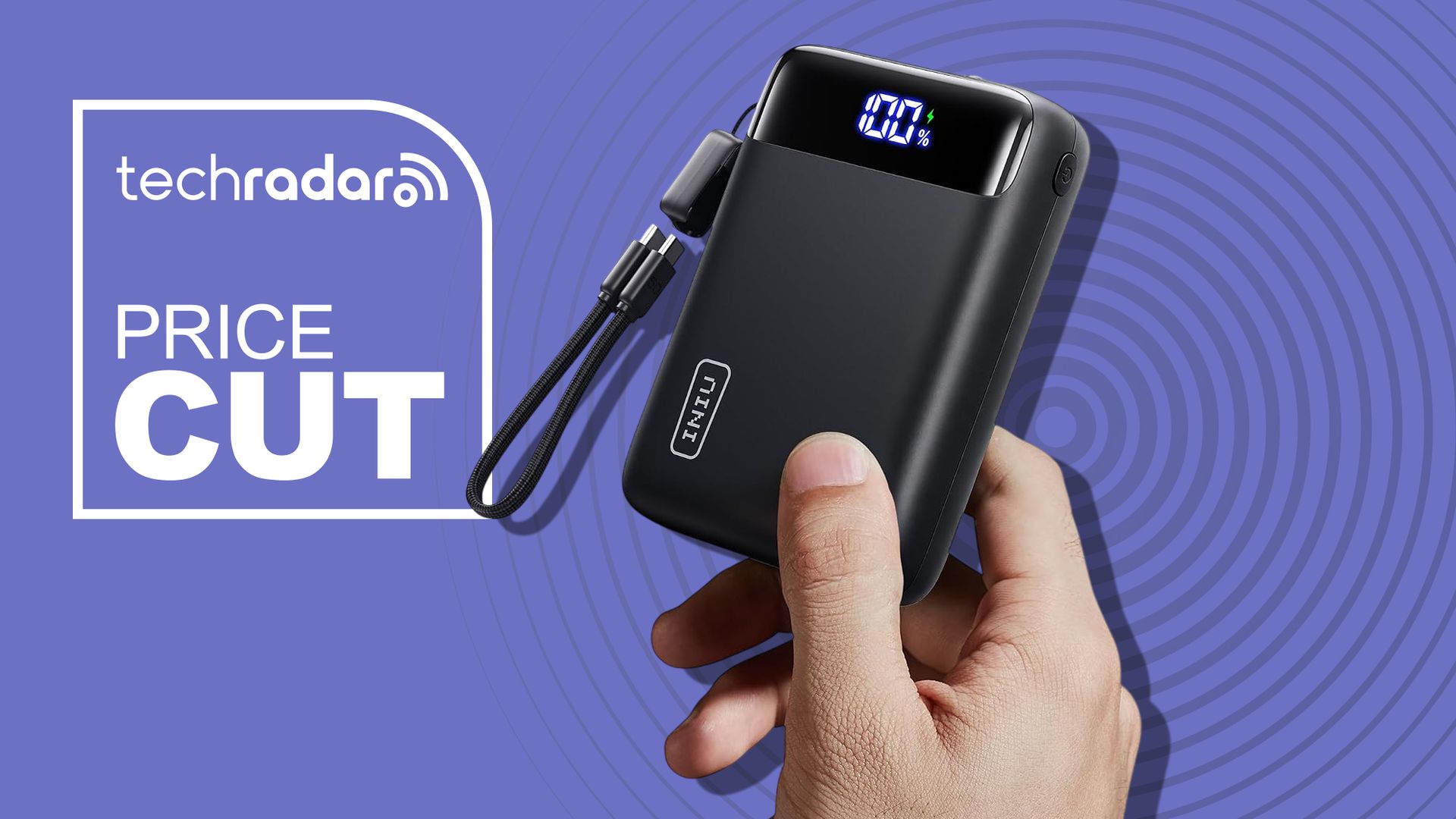
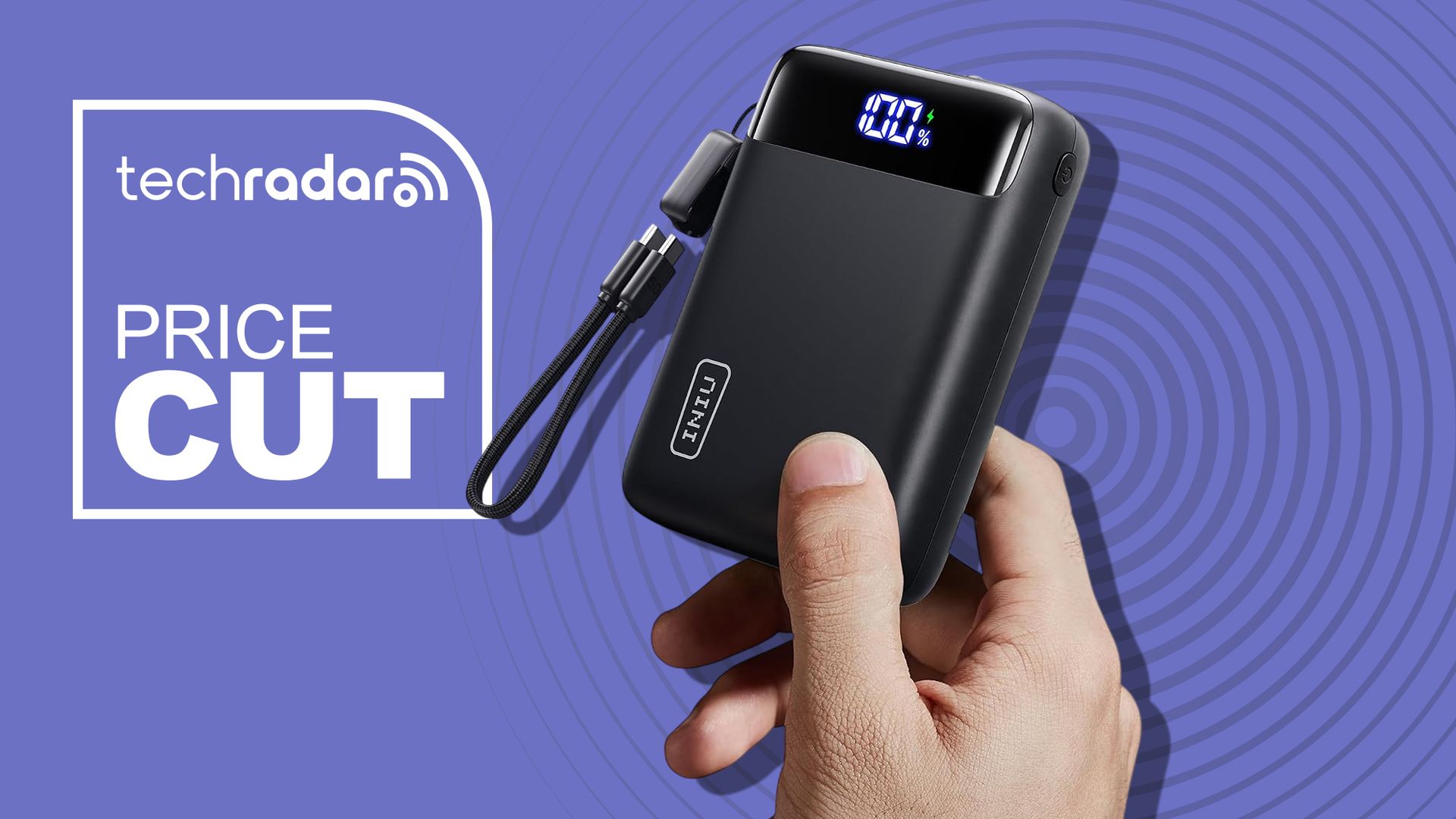
I do love a gadget, so this mini 20000mAh power bank from Inui really caught my eye. I can’t say it’s the smallest in the world, but it’s certainly ultra-compact and travel-friendly, with a built-in flashlight and USB-C cable that doubles as carry handle.

• Best for: Professionals, students, and travelers who want enough capacity for several phone charges without carrying a separate USB-C cable.

• The deal: The Iniu mini portable charger is now $27 (was $33) at Amazon.

• Why it matters: A 20,000mAh battery provides considerably more endurance than smaller pocket-sized power banks, while 22.5W output offers relatively quick phone charging. The portable unit also features a display, and a flashlight.

Advertisement

Why we recommend it

The Iniu charger measures just 4.1 x 2.8 x 1.2 inches and weighs 11.3oz, making it small enough to slip into a bag or pocket while providing greater capacity than other more-expensive power banks. It provides enough energy for around four full phone charges. You also get a built-in braided cable, which means there’s one less cable to remember to take with you.

Its 22.5W fast charging can top up compatible phones much faster than basic 5W or 10W battery packs. Iniu claims an iPhone 16 can reach 60% and a Samsung Galaxy S25 70% in 25 minutes. The built-in flashlight is a useful feature, and the digital display makes it easier to judge when it’s time to plug in the charger.

Advertisement

Price context & historical value

At $26.96, this is the lowest price I’ve seen – although that’s for the black version. Other colors – like beige white, blue, and green – are discounted, but the prices are slightly higher at $32. With this model, you’re saving just over 18%. That’s a welcome discount for a 20,000mAh model with an integrated cable.

For more shopping options, take a look at our roundup of the best power chargers.

Should you buy it?

✅ Buy the Iniu Portable Charger if…

Advertisement

You want plenty of battery capacity with fast charging and a few tricks up its sleeve without paying a fortune.

❌ Skip the Iniu Portable Charger if…

You want something that can charge your laptop. This is fine for phones and many smaller USB-powered devices, but it can’t handle more powerful devices.

Source link

Advertisement
Continue Reading

Tech

Jackery Explorer 2000 v2 portable power station is $100 off

Published

on

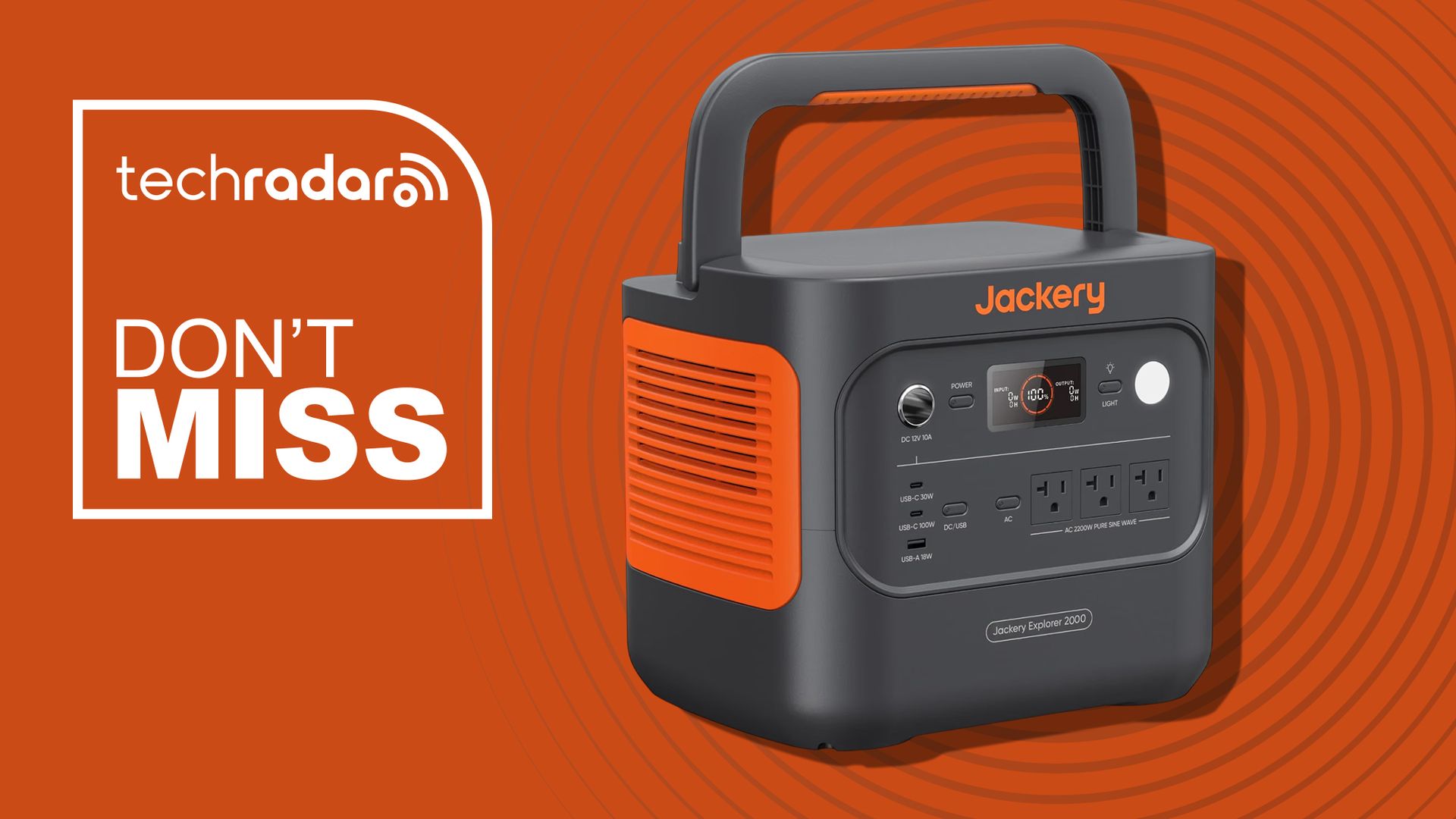
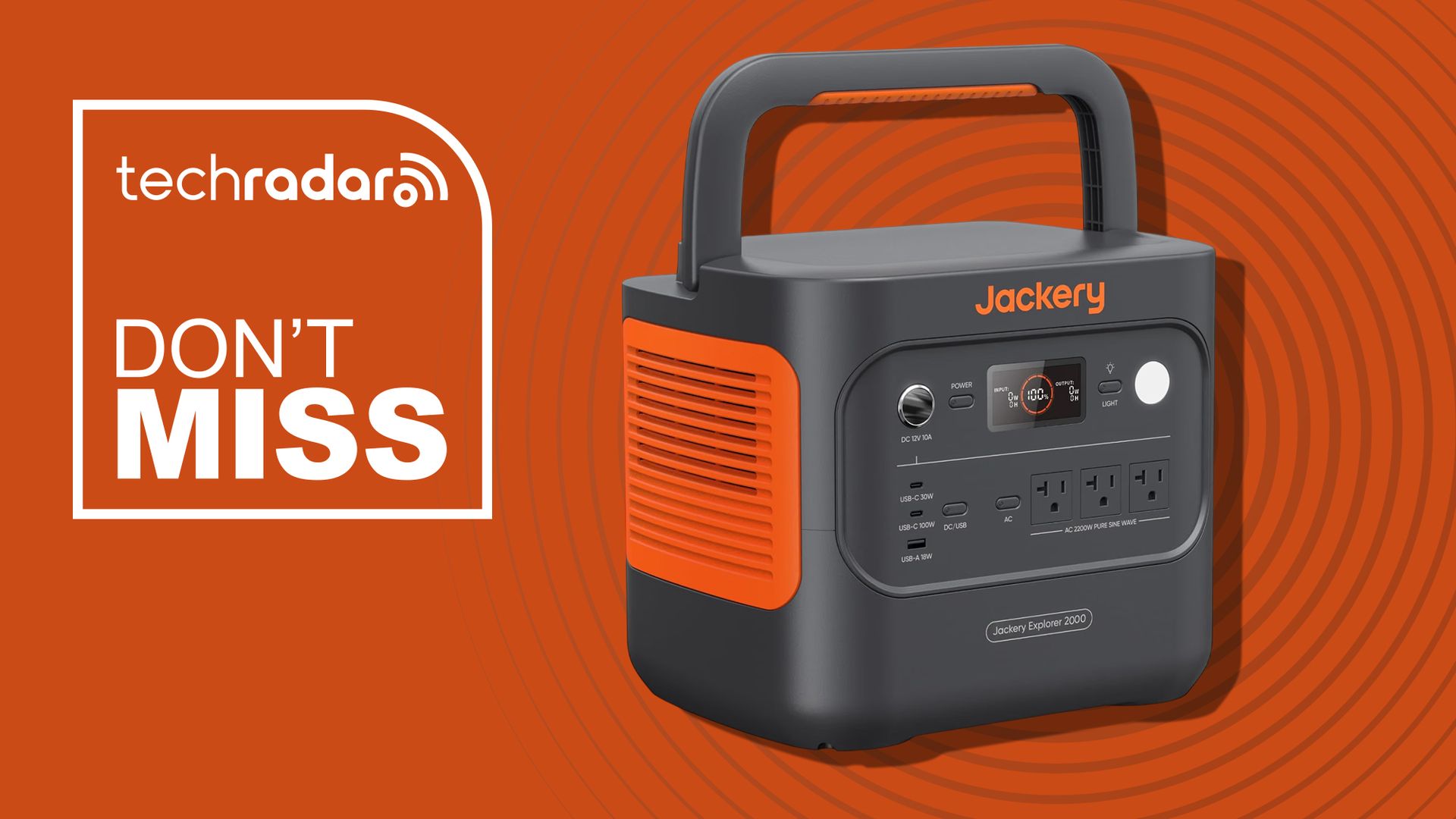
We’re big fans of the Jackery Explorer 2000 v2, which combines a 2,042Wh LiFePO4 battery with enough output to run demanding appliances and equipment.

Best for: Homeowners and campers who need enough stored power to run appliances and equipment rather than simply top up portable electronics.

The deal: The Jackery Explorer 2000 v2 is now $899 (was $999) at Amazon. In the UK, the power station is now £899 (was £1061).

Why it matters: This is the power station that saved our sanity (and our hunger) during power outages when we tested out this unit. Its combination of 2,042Wh capacity and 2,200W output means it can handle much more demanding equipment than smaller portable batteries.

Advertisement

Why we recommend it

In his recent 4.5-star review, our expert Owain said he found it “to be easy to use, simple to transport, and more than capable of dealing with everyday needs.”

It impressed him for several reasons. “Firstly, the build quality and easy setup stand out, limiting setup stress and giving you peace of mind. I also really liked the amount of power you get from such a small and portable unit. I used it extensively in different scenarios, including working, running home appliances, and during a camping trip, and it never even got close to running out. “

The Explorer 2000 v2 provides a lot of AC power across three outlets. Jackery uses a LiFePO4 battery for a service life of up to 10 years. Cell-to-Body construction helps keep the unit relatively compact at 13.2 x 10.4 x 11.5 inches and 39.5lb. There’s also a 100W USB-C PD connection for fast charging compatible laptops, phones and other electronics without needing their regular power adapters.

Advertisement

Price context & historical value

The reduction from $999 to $898.99 knocks $100.01 off the regular price. That’s not close to being its cheapest price however. I’ve seen it for as low as $743.83 on Amazon earlier in the year, and it may well be reduced further for this upcoming Black Friday.

For more options, take a look at our roundup of the best portable power stations.

Advertisement

Should you buy it?

✅ Buy the Jackery Explorer 2000 v2 if…

You want emergency home backup capacity for power outages, camping or RV trips and need something reasonably portable.

❌ Skip the Jackery Explorer 2000 v2 if…

You only need something to keep your phone, tablet and laptop charged. A smaller power station will cost considerably less and be much easier to carry.

Advertisement

Source link

Continue Reading

Tech

Asteroids Named After Tom Lehrer and 'Weird Al' Yankovic

Published

on

“Weird Al” Yankovic’s name has just been approved for a new asteroid — (14331) Alyankovic = 1981 EC26 — by the International Astronomical Union, reports Space.com.

Yankovic’s asteroid was championed by planetary scientist Allison McGraw joined by “several heavy hitters in the planetary science field, according to the Tucson Star. (Astrophysicist Steve Desch from the School of Earth and Space Exploration at Arizona State University; Tim McCoy, one of the main curators of meteorites at the Smithsonian Institution; and University of Arizona research scientist Melissa Brucker, leader of the Spacewatch program, which has discovered more than 179,000 asteroids.)

The scientists also convinced the International Astronomical Union to name an asteroid after one of Yankovic’s major influences, famous musical humorist and political satirist Tom Lehrer, who died last year at age 97. Lehrer’s work includes “The Elements,” a 1959 song in which he recites the entire periodic table to the tune of Gilbert and Sullivan’s “Major-General’s Song.” “He was a mathematician and teacher and also wrote math- and science-themed songs,” McGraw said. “We felt that someone who had that kind of science enthusiasm really deserved to have their name up in the sky….” McGraw is hoping that naming space rocks after stars like Lehrer and “Weird Al” will cast some reflected light on two things she’s passionate about: asteroid research and science communication.

Six years ago a 92-year-old Tom Lehrer released all his lyrics into the public domain. (Wikipedia notes he’d “largely retired” by the 1970s to become a mathematics teacher at the University of California, Santa Cruz.) Slashdot ran a brief career retrospective when Lehrer died last year at age 97.

Advertisement

And the IAU writes that “Generations of scientists have been inspired” by Weird Al Yankovic’s “comedic musical works, including ‘It’s All About the Pentiums’ and ‘White and Nerdy’.” (“I’m fluent in JavaScript as well as Klingon,” Yankovic sings in the latter.) He appears in a song envisioning a rap battle between Bill Nye the Science Guy and Sir Isaac Newton… And in 1999 he recorded a five-minute summation of Star Wars: Phantom Menace, sung to the wistful tune of Don McLean’s American Pie. Performing it last month in a NPR Tiny Desk concert, “most of the audience was singing along,” remembers an interviewer at NPR. “It felt like something that was very personal to them.”

Weird Al: It’s one of those songs that means a lot to people, particularly “Star Wars” fans, of course. But I mean, I see a lot of people in the audience cosplaying as Jedi Knights and waving their light sabers… I’ve even heard that, you know, they play that song at “Star Wars” conventions, and people get weepy, you know… [I]t really hits people in a tender place somehow…

“Oh my, my, this here Anakin guy
may be Vader someday later, now he’s just a small fry.
And he left his home and kissed his mommy goodbye,
sayin’ soon, I’m gonna be a Jedi.”

Yankovic has led a geek-friendly career. In the heyday of Napster, he released an anthem-style parody mocking the arguments of the Recording Industry Association of America, titled “Don’t Download This Song. (“Even Lars Ulrich knows it’s wrong…”)

Advertisement

“Once in a while maybe you will feel the urge
To break international copyright law…
you start out stealing songs, then you’re robbing liquor stores
And selling crack and running over school kids with your car…”

As a student at Cal Poly, San Luis Obispo, Yankovic bootstrapped a career in 1979 by recording his first novelty song “My Bologna” (a parody of “My Sharona” by the Knack) while playing his accordion in a bathroom for its acoustics. And even the IAU acknowledged the geeky themes in his 1999 song “It’s All About the Pentiums” (a filk on Puff Daddy’s “It’s All About the Benjamins”).

“You’re usin’ a 286? Don’t make me laugh
Your Windows boots up in what, a day and a half?
You could back up your whole hard drive on a floppy diskette
You’re the biggest joke on the Internet…”

Read more of this story at Slashdot.

Advertisement

Source link

Continue Reading

Tech

Huawei made a blood pressure cuff fit into a smartwatch, and I’m obsessed with the engineering

Published

on

What once started as a health companion and second screen on your wrist has turned into something a lot more useful. Over the years, smartwatches have continued to become smarter, and their health tracking features are even more accurate. So after reviewing wearables for years, I got used to each new smartwatch generation having just a few polishes and updates.

But Huawei managed to have me obsessed with one of its latest models–and it’s the strap that has my attention. Packed on the underside of the strap is a thin inflatable bladder that runs along the inside of the band. Start a blood-pressure measurement, and that bladder begins expanding against your wrist, tightening in a way that’s familiar to how a doctor wraps a cuff around your upper arm.

This might make the Huawei Watch D3 sound like a thick and heavy wearable tech. But in reality, the Watch D3 is only 11.3mm thick, weighs just over 70 grams with its strap, and has a 1.92-inch AMOLED display. Huawei has also narrowed the inflatable section and made the strap 7.5 grams lighter than before. The blood-pressure feature is fascinating, as the company isn’t making it a software feature.

How does a blood pressure cuff fit inside a watch?

The trick starts with what Huawei calls its 2-in-1 strap-airbag. Rather than having a normal watch band sitting flush against your skin, part of the D3’s strap contains a thin mechanical airbag. When a measurement begins, the watch pumps air into that chamber, causing it to expand inward and apply pressure around your wrist.

Huawei uses the oscillometric method, the same broad measurement principle used by many electronic blood-pressure cuffs. A high-precision pressure sensor works alongside Huawei’s TruSense system to detect the pressure changes created by your pulse while the airbag is inflated. From those changes, the system calculates systolic and diastolic blood pressure.

Advertisement

Again, this is a proper mechanism that doesn’t rely purely on an optical sensor and an algorithm to infer your blood pressure. You can see it in the photos I took. The strap may look unusually thick, but that’s only because it was inflated to take a BP reading. Put the watch on, and that extra material pretty much disappears. You don’t particularly feel it out of place compared to your usual strap. Once you start the measurement, you can physically feel the pressure build as the bladder expands.

Even taking the reading has a very specific posture

To make things as accurate as possible, Huawei gives you some tips for the best possible results, and it starts with your posture. Your watch arm should be steady, elbow bent with your palm facing your chest, while the wrist and palm remain relaxed. It also needs you to support that elbow with your other hand so the Watch D3 sits roughly level with your heart.

Your feet should be flat on the floor and uncrossed, and you’re supposed to remain quiet and avoid moving your fingers, arm, or body while the cuff is working. I was explaining the watch to a friend when taking a measurement, and the Watch D3 promptly told me to pipe down. You can see the posture in the images I’ve shared.

The watch is trying to recreate, on your wrist, the controlled conditions that make a conventional cuff useful. Huawei even asks users to enter their wrist circumference so the watch can match the correct airbag size, with separate M and L strap-airbags supplied for wrists between 130mm and 210mm. So there’s a lot more thought put into this to avoid any kind of misreading. Health is a pretty serious matter for many, so avoiding any false results is key here.

Huawei is doing something very different from Apple and Samsung

Apple’s current Watch implementation looks for patterns associated with hypertension using its optical heart sensor over a 30-day evaluation period. It does not give you an on-demand systolic and diastolic measurement. If the Watch flags possible hypertension, Apple specifically recommends using a third-party cuff for seven days and discussing the results with a healthcare professional.

Samsung goes further. Compatible Galaxy Watches can produce blood-pressure values, but the system first needs to be calibrated against an upper-arm cuff, including three measurements during initial calibration, and Samsung requires recalibration every 28 days. Huawei’s solution, on the other hand, is mechanical by comparison. Sure, the Watch D3 is slightly bulkier and more specialized than a conventional smartwatch, but I find the engineering much more interesting.

It takes it one step further

The Huawei Watch D3’s strap also enables another cool feature, which is ambulatory blood pressure monitoring, or ABPM. You can start a 24-hour monitoring plan and have the watch take readings at preset intervals throughout the day and night. Huawei’s default schedule can prompt daytime measurements every 30 minutes. At night, the Watch D3 can automatically inflate while you’re asleep without requiring you to assume the daytime measurement posture.

Advertisement

Once the monitoring period ends, Huawei Health can show daytime, nighttime, and 24-hour averages and generate an ABPM report that can be saved or printed. Of course, the trade-off here is battery life. Huawei rates the watch for up to six days in typical use, while continuous ABPM cuts that estimate to about one day.

The Watch D3 is still a smartwatch, but it’s also certified

The engineering on the Watch D3 is quite intriguing. Its mechanical moving parts are things that set it apart. Still, it doesn’t look like dedicated medical equipment. On the outside, it has that familiar shape of a smartwatch. The white strap unit I have looks elegant and sleek. Its 1.92-inch display dominates the front. All of the UI and other elements function exactly as you’d expect them to.

It might not look like it, though this is kind of impressive when you read the marketing material. Huawei advertises the Watch D3 as a medical-grade wrist blood-pressure monitor in supported markets, and the UK product page says it is CE-MDR certified. However, measurement availability and regulatory status vary by country. It is worth noting that the measurements should only be treated as guidance. Any unusual results should be properly discussed with an actual healthcare professional. The main advice is not to self-diagnose from a single smartwatch reading.

Source link

Advertisement
Continue Reading

Tech

What is the “burnerverse,” the online network harassing young women?

Published

on

Maddie Kowalski is a student at the University of Florida. Last November, someone found nonconsensual intimate images and videos of her, stitched them together, and uploaded them to X, where they were viewed millions of times.

“Can you imagine?” asked Ej Dickson, a senior culture writer at Wired who reported on Kowalski’s story earlier this month. “You’re 19 years old and a video that you don’t even remember shooting, let alone consenting to, goes viral nationally along with your name and your sorority, and your parents, your grandparents, everybody in your life sees it. It’s a humiliation and a privacy violation that is kind of incomprehensible.”

The video was followed by a campaign of intimidation and harassment. Kowalski and her parents received threatening phone calls and texts. People on the internet posted old photos of her, her father’s LinkedIn, and even his golf handicap. Kowalski sought help from the police, from the university, and from X. But the video was being shared faster than the posts could be removed, and her name became a trending topic on X.

What made the video go viral, Dickson explains, is something called the “burnerverse”: a loosely connected network of anonymous “burner” accounts on X. The community mainly exists to discuss college sports, but sometimes it disseminates videos and rumors aimed at shaming young women and ruining their lives. The burnerverse has harassed Kowalski and her family for nearly a year, sometimes encouraging her to kill herself.

Advertisement

Today, Explained co-host Noel King spoke with Dickson about the online network that targeted Kowalski, and why it’s been so difficult to do anything to stop it.

Below is an excerpt of the conversation, edited for length and clarity. There’s much more in the full podcast, so listen to Today, Explained wherever you get podcasts, including Apple Podcasts, Pandora, and Spotify.

Your story describes how Maddie has, without even realizing it, entered into something called the burnerverse. This is something I think a lot of us, prior to your piece, had not heard of. What is the burnerverse?

I hadn’t heard of it either. The burnerverse is an online community of anonymous accounts, and ostensibly these are college sports fan accounts. They talk about the coaches, the players, new recruits, they share memes after their team loses, but there’s a corner of the community that has emerged that is pretty violently racist and misogynistic and antisemitic. And one of the things that they’ve started doing in recent years is doxxing young college-age women like Maddie.

Advertisement

Why is it called the burnerverse?

Because it consists of burner accounts, anonymous accounts.

Okay. So the reason that whoever is spreading these videos of Maddie and others feels comfortable doing that is because they’re anonymous. Nobody knows who’s behind them?

Yes, exactly. And I also want to be clear: This is a small segment of the college sports burner community.

Advertisement

There are a lot of these accounts that are pretty innocuous and would never dream of doing something like this to a young woman. I would say probably the vast majority of these accounts are not like that, but it is a sizable enough segment that they’re able to make these types of narratives go viral.

What do we know about who is part of the burnerverse? Who is likely to be a part of this?

That was one of the most shocking things that I learned from my reporting, actually. I had assumed that these were largely frat kids. I assumed that they were largely SEC frat kids because a lot of these young girls who have been doxed were students at SEC schools. But when I actually started looking into these accounts and who was behind them and who was sharing these images and making these jokes about Maddie, I learned it was way more wide-ranging than that.

There are a lot of college students who are involved in the burnerverse, but it’s also men who are 10, 20, 30 years out of college. Sometimes they have wives. Sometimes they have children. Sometimes they have grandchildren. They’re from all over the country. It’s not limited to one race or economic demographic. It’s really very wide-ranging, which is kind of what makes it so terrifying.

Advertisement

And it is not just Maddie Kowalski. What did you learn about other young women who are targeted by this?

No, it’s not. So perhaps the most well-known case is this girl named Mary Kate Cornett, who was a student at Ole Miss in February 2025 when this salacious campus rumor about her sex life started going viral. And the rumor was false and it was clearly defamatory, but it went so viral that it kind of escaped containment from Ole Miss and went viral among SEC schools and then went viral nationally, to the point where her name was trending nationally on X.

This very famous ESPN personality, Pat McAfee, talked about her without using her name, but talked about her and the details of this rumor on his podcast. And a lot of these athletes and college sports personalities tweeted about it as well. What started as an unverifiable and false rumor about a college girl’s sex life was just blown up and amplified to the degree that it was a national news story within a couple of hours.

The speed with which this happens — [Cornett]she was telling me that basically a few hours after she learned that she was going viral, her parents’ house was swatted. The speed with which this community works toward making these women’s lives a living hell is really, really rapid.

Advertisement

Did you come away with an understanding of how an online community that is meant to be talking about college sports descends into this?

Part of it is just a consequence of how internet subcultures work. Even fairly innocuous, large internet subcultures and communities, there’s always going to be a small part of any online subculture that splinters off and forms its own community that is going to skew a little bit more extremist.

That’s not surprising in itself, but I do think that there is something about the discourse surrounding college sports, particularly the media ecosystem that’s represented by Barstool, that does create a space for this type of rampant misogyny to foment.

I don’t think it’s a coincidence that some of the accounts that I have seen posting really horrible defamatory content about Maddie are smaller Barstool accounts that are associated with individual colleges. I do think that has definitely played a role.

Advertisement

Why did Maddie become the target of these people in the burnerverse?

Because she’s young and she’s attractive. Basically, the criteria is these women are young, attractive, they’re usually white for some reason, and they are perceived to have departed from a sexual norm in some way.

They’re either subject to some sort of rumor about their sex life or their sexual behavior or maybe a text message leaks about them or a photo. Then these guys take it and they blow it up and it goes viral nationally.

They’re very purposeful about it too. I can’t tell you how many tweets I’ve seen that are just tweets of a girl’s name and they’re like, “Make her famous, make her go viral.”

Advertisement

In an ideal world, this kind of thing would be stopped before it even happened. So, knowing that there is not much that victims can do, what are the methods of preventing this?

That’s a very complicated question. I know that there are platforms developing various AI tools in order to prevent nonconsensual intimate images from spreading. But I imagine that would be pretty difficult to regulate, especially with the rise of deepfakes and with the rise of-AI manipulated nonconsensual images, so I don’t have a lot of faith in that.

Honestly, I think that the biggest path toward prevention is — can I say this? Parents raising their sons to not be pieces of shit.

You can say that. You can absolutely say that.

Advertisement

I think that the biggest course of prevention is parents raising their sons to not be pieces of shit, honestly. To just set a clear line and say, “It’s not okay to view women as commodities. It’s not okay to talk about women like this. It’s not okay to view social media engagement as the ultimate goal without thinking about the lives that you’re impacting by spreading this content.” I think that parents need to have conversations with their kids about that.

I think that there needs to be education within fraternities and sororities and universities because it’s not like what happened to Maddie Kowalski is an isolated incident. I was able to identify almost a dozen other young women who have been targeted by the burnerverse in this way.

I think that there needs to be more discussion of this in general because it’s not just the burnerverse. It’s this larger ecosystem that is socially ordained at this point of men saying horrible things and doing horrible things to women with impunity. That’s the real problem.

Source link

Advertisement
Continue Reading

Tech

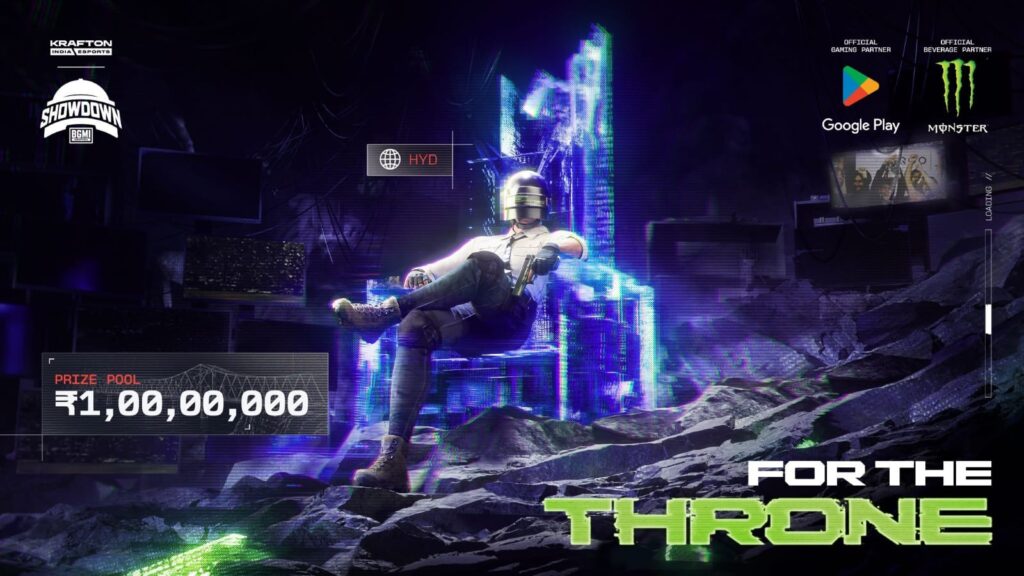
BMSD 2026 Week 1 Results: Team Soul and Nebula Esports Suffer Shock Relegation

Published

on

The first week of BMSD 2026 has wrapped up, and it has already delivered one of the biggest upsets of the tournament. Team Soul and Nebula Esports, champions of BGIS 2026 and BGMI Masters Series Season 5 respectively, have both been relegated after failing to finish in the top eight of Group A. Meanwhile, GodLike Esports and defending champions Orangutan survived the cut to retain their place in the top group.

With 48 invite-only BGMI teams competing for a ₹1 crore prize pool and six BMIC 2026 qualification spots, Week 1 has reshuffled the standings ahead of the next stage of the qualifiers.

Team Soul misses survival by just one point

Group A featured several of India’s strongest BGMI organizations, making it the toughest group in the opening week. Gladiator Esports finished at the top with 58 points, followed by Vasista Esports with 54 and 8Bit with 51.

The biggest storyline, however, came further down the table. Team Soul finished just outside the top eight after missing qualification by a single point, sending the BGIS 2026 champions down to Group B for Week 2. Joining them in relegation are Nebula Esports, Apex Gaming, and Revenant XSpark.

Advertisement

GodLike Esports narrowly escaped the same fate, claiming the eighth and final survival spot by that same one-point margin, while Orangutan comfortably retained its position in Group A.

Quantum Spark leads the overall standings

BMSD 2026 banner

Across the three groups, Quantum Spark emerged as the standout performer of Week 1. The team topped Group C with 62 points, including an impressive 49 finish points, making it the highest-scoring team of the tournament so far.

Group B was equally competitive, with Welt Esports and BLEG finishing tied on 60 points each. Rapid Chaos secured third place with 56 points, keeping itself firmly in contention heading into the next round.

At the end of Week 1, the group leaders are:

Group Team Points
A Gladiator Esports 58
B Welt Esports 60
B BLEG 60
C Quantum Spark 62

The Promotion & Relegation format means the top eight teams in each group either advance or retain their position, while the bottom eight move down a group. As a result, 24 teams move up the ladder and 24 head into a more difficult group for the second week of qualifiers.

Advertisement

Week 2 of the BMSD 2026 Promotion & Relegation stage runs from September 25 to September 27, with matches streaming live on the KRAFTON India Esports YouTube channel from 1:00 PM IST every day.

Source link

Continue Reading

Tech

The Trump Administration Is Trying to Get Musk and X Out of a $137 Million EU Fine

Published

on

The US government is trying to get Elon Musk and his social media platform X out of a $137 million fine by the European Union in an escalation of its criticism of the bloc’s tech rules.

The US Department of Justice said it had filed an application with the help of the Department of State to support a legal challenge by Musk to annul the case in the EU’s General Court. The Luxembourg-based court will now decide whether the US has a right to intervene.

The US government is arguing that it should be involved in the case to protect American companies. The fine is precedent-setting as the bloc’s first sanction under the Digital Services Act, which requires online platforms to do more to tackle illegal and harmful content, especially the largest sites. Many of those, which include Meta’s Facebook and Instagram, Google’s YouTube, and Microsoft’s LinkedIn, are headquartered in the US and contribute significantly to the US economy, it pointed out.

“We will not tolerate the European Commission engaging in regulatory overreach to try and control American engines of innovation and economic growth,” said assistant attorney general Brett A. Shumate of the Justice Department’s Civil Division.

Advertisement

The case also has “implications” for US-EU relations, it warned. The act has become a major source of tension between officials, with US President Donald Trump calling the penalties “overseas extortion.” Last year, he threatened imposing tariffs on any country implementing digital regulation, which he said were “all designed to harm, or discriminate against, American technology.” Vice President JD Vance has criticized the DS’s content moderation rules as “authoritarian censorship.”

The European Commission slapped X with the €120 million fine in December following a two-year-long investigation which found X had breached transparency obligations. Claiming users with blue checkmarks are “verified accounts” when they simply have to pay for the status is deceptive, the Commission ruled. X’s inaccessible and incomplete advertising repository and failure to provide access to public data for researchers is also hindering research into the platform’s risks, it said. In July, the Commission accepted X’s plan to fix the data access issues, which X now has six months to implement.

Both Musk and X launched appeals against the ruling on behalf of both parties in February. The EU’s investigation was “incomplete and superficial” and the interpretation of the DSA obligations “tortured,” they said. They also complained they had not been given “rights of defence … suggesting prosecutorial bias.”

Musk has also complained about the financial and administrative burden of heightened transparency requirements as governments globally try to get a better understanding of—and limit—social media platforms’ risks of harm. In July, he argued Australia’s “invasive” information-gathering powers within the country’s under-16 social media ban interfered with international law. At the time, professor of internet law at Queen Mary University of London, Julia Hörnle, told WIRED that Australian regulators were within their rights to order disclosures related to a company’s operations in that particular country.

Advertisement

Source link

Continue Reading

Tech

Farewell to Summer: Essential 4K UHD and Blu-ray Discs for September 2026

Published

on

Last summer proved to be prime season for boutique labels and major studios to slip some of their finest efforts onto physical media. Over the past several weeks, our home theaters have been treated to everything from blood-soaked beaches and Technicolor 3D slapstick comedy to Ray Harryhausen monster mashes.

Whether you’re hunting for vintage restorations, reference-grade Dolby Atmos fodder for your surround setup, hidden gems you missed in theaters, or lavish limited-edition packaging to show off to your friends, these late-summer releases deliver the goods and should carry us nicely into a cozy autumn.


The Fast and the Furious 25th Anniversary Edition 4K (Universal Pictures Home Entertainment)

Yes, it really has been a quarter of a century since Dom, Brian, and their sick rides first roared onto the scene and changed the car-chase movie forever. The FBI/undercover LAPD plot and gritty characters provide a solid setup for some of the best, most intimate action ever captured, with the visual effects used judiciously to enhance the excitement before later films careened off into fantasyland.

fast-furious-25th-anniversary-4k

Not content to simply repack last year’s model, Universal has rolled out a new driving experience that goes beyond a mere paint job, upgrading the film to Dolby Vision HDR, with some interesting changes to the color grade, while also switching to reference-quality Dolby Atmos for the first time.

A trunkload of legacy features carries over across the 4K and included HD Blu-ray discs, joined by a new half-hour retrospective featuring the three surviving stars plus Meadow Walker, daughter of the late Paul Walker.

Advertisement

Our Ratings

★★★★★★★★★★ Movie

★★★★★★★★★★ Picture

★★★★★★★★★★ Sound

★★★★★★★★★★ Extras

Advertisement

Where to buy:


Troy 4K Limited Edition (Arrow)

With Trojan horses becoming a big deal on the big screen this summer, there’s never been a better time to revisit Wolfgang Petersen’s take on Helen, Achilles, and yes, even Odysseus, here played by Sean Bean. The scale of Troy is big and bold, and the action is plentiful, owing much to Brad Pitt’s intense performance as the ultimate Greek warrior and the sweeping script by future Game of Thrones co-creator and showrunner David Benioff.

troy-4k

There are no audio commentaries and no new extras of any kind in Arrow’s new three-disc 4K upgrade of both the theatrical version and the vastly different director’s cut, aside from some new writing in the included booklet. The archival bonus material, however, is quite substantial. Most notably, the “In-Movie Experience” picture-in-picture commentary, first seen on the Warner HD DVD, carries over.

Advertisement. Scroll to continue reading.

Both versions have been newly restored and remastered in Ultra HD with Dolby Vision from the archival camera negatives, and the results are truly stunning. One more reason to consider adding this Troy to your shelf: Reportedly, Disc 1, containing the 4K theatrical cut, will only be available in this limited-edition package and not in future releases.

Our Ratings

★★★★★★★★★★ Movie

Advertisement

★★★★★★★★★★ Picture

★★★★★★★★★★ Sound

★★★★★★★★★★ Extras

Where to buy:


Out of the Past 4K (Warner Archive Collection)

This was the movie that established film noir’s stylistic vocabulary, combining Robert Mitchum’s sleepy-eyed apathy, Jane Greer’s lethal elegance, and Nicholas Musuraca’s shadowy cinematography to indelible effect. A weary ex-investigator (Mitchum) finds his quiet town compromised when events he couldn’t outrun, and the femme fatale who engineered his downfall, pull him back into a web of deceit, money, and murder.

Advertisement
out-of-the-past-4k

The new restoration comes from a scan of the nitrate camera negative, finished with Dolby Vision HDR and paired with the original mono audio. The legacy film critic commentary, 2022 introduction, and four radio shows from 1947, the year Out of the Past debuted, are included on both the 4K disc and the supplied HD Blu-ray featuring the new master.

Our Ratings

★★★★★★★★★★ Movie

★★★★★★★★★★ Picture

★★★★★★★★★★ Sound

★★★★★★★★★★ Extras

Advertisement

Where to buy:


The 7th Voyage of Sinbad 4K (Sony)

It has begun! 1958’s 7th Voyage was the first of Ray Harryhausen’s “Dynamation” extravaganzas to be marketed with that term, denoting a process he had refined over several previous films. Basically, by sandwiching his meticulous miniatures between foreground and background elements in-camera, he created more thrilling, more lifelike effects. As a result, audiences were treated to adventures never seen before, like our hero (Kerwin Matthews) doing Sinbattle with a stop-motion Cyclops, a fire-breathing dragon, and a lone bony warrior. (That last foe served as proof of concept for the climactic seven-skeleton army fight in Jason and the Argonauts. Can Sinbad on 4K be the portent of more awesomeness to follow?)

Advertisement. Scroll to continue reading.
7th-voyage-sinbad-4k

Sony provides a new restoration from the 1.66:1 camera negative with Dolby Vision HDR. Because Dynamation involves re-photographing previously shot film, and stop-motion animation has its own unique look, this isn’t a showoff disc, but I would argue that it is an exemplary preservation of the movie in its authentic form. The satisfying 5.1 remix goes a long way toward helping sell the illusions, too.

Disc Two is a repack of the previously released HD Blu-ray of the movie, loaded with extras: a Harryhausen audio commentary, interviews, featurettes, and even a music video for the tongue-in-cheek promotional song “Sinbad May Have Been Bad, But He’s Been Good to Me.” Newly added on the Ultra HD disc is a career-spanning, star-studded, hour-long TV special from 1998 covering Ray’s entire career.

Our Ratings

★★★★★★★★★★ Movie

Advertisement

★★★★★★★★★★ Picture

★★★★★★★★★★ Sound

★★★★★★★★★★ Extras

Where to buy:


Ju-On: The Grudge 4K Limited Edition (Arrow) 

Historically, Takashi Shimizu’s original Ju-On: The Grudge stands alongside Hideo Nakata’s Ringu as a cornerstone of the turn-of-the-millennium J-horror explosion, helping inspire modern horror’s preference for atmosphere over graphic violence. It captivates with its nonlinear structure, dread-inducing sound design, including vengeful ghost Kayako’s iconic throat rattle, and surreal domestic hauntings.

Advertisement
ju-on-4k

Rather than relying on jump scares, it weaponizes quiet spaces and revels in its unrelenting, daylight terror. That deceptive sunshine looks fabulous in Arrow’s new 4K master with Dolby Vision, accompanied by DTS-HD Master Audio 5.1 in either Japanese or an English dub.

There are also two audio commentaries, one featuring director Sam Raimi, along with an extensive collection of new and archival on-camera interviews with the filmmakers and experts, deleted scenes, and a couple of “true” ghost stories. The slim, slipcased package includes a companion booklet and reversible cover art.

Our Ratings

★★★★★★★★★★ Movie

★★★★★★★★★★ Picture

★★★★★★★★★★ Sound

Advertisement
Advertisement. Scroll to continue reading.

★★★★★★★★★★ Extras

Where to buy:


Money from Home Blu-ray 3D (Kino Lorber Studio Classics)

How ’50s can you get? Martin & Lewis headline—in 3D!—this Damon Runyon-style “gangland comedy,” with slick ladies’ man “Honey Talk” (Dean Martin) roping gullible veterinarian Virgil (Jerry Lewis) into an elaborate scheme to fix a big horse race and pay off his debt to the mob.

money-from-home-blu-ray

KLSC presents Money from Home in both stereoscopic and anaglyph 3D, as well as standard 2D for those self-conscious about wearing glasses, all on a single disc. There are also not one but two film historian audio commentaries, along with other genuinely excellent supplements.

The extensive 4K restoration effort, with the final result presented here in 1080p, required double the work, as the 35mm “Dynoptic 3-D Technicolor” camera negatives for the left and right eyes had to be scanned and graded separately, with plenty of painstaking but necessary adjustments along the way. The results are absolutely gorgeous and worth checking out in any and all versions.

Advertisement

Our Ratings

★★★★★★★★★★ Movie

★★★★★★★★★★ Picture

★★★★★★★★★★ Sound

★★★★★★★★★★ Extras

Advertisement

Where to buy:


Wicked Priest Collection Blu-ray (Arrow)

Shinkai is a vice-loving Buddhist monk with a surprising sense of justice in this series, which blends bawdy action-comedy with kinetic martial arts. Its titular hero uses his bravery and cunning, as well as his fists, to root out corruption, defeat vengeful nemeses, and dismantle ruthless yakuza syndicates.

wicked-priest-collections-4k

The franchise peaks in its middle installments, particularly Wicked Priest 2, which strikes a fine balance between raunchy yuks and kinetic fight choreography, but star Tomisaburo Wakayama shines brightly across all five entries:

  • Wicked Priest (1968)
  • Wicked Priest 2: Ballad of Murder (1968)
  • Wicked Priest 3: A Killer’s Pilgrimage (1969)
  • Wicked Priest 4: The Killer Priest Comes Back (1970)
  • Wicked Priest 5: Blood on the Commandments (1971)

There are sharp, colorful new restorations of all five Gokuaku Bōzu films, as they were originally known, with lossless Japanese mono audio and optional English subtitles. Several new interviews and video essays cover everything from the music and the depiction of Buddhism in pop culture to the broader filmmaking scene of the era.

Arrow’s wickedly handsome package arrives with extensive new liner notes and reversible sleeve art.

Advertisement. Scroll to continue reading.

Our Ratings

★★★★★★★★★★ Movie

Advertisement

★★★★★★★★★★ Picture

★★★★★★★★★★ Sound

★★★★★★★★★★ Extras

Where to buy:


New York, New York 4K (MVD Marquee Collection)

Is this Martin Scorsese at his most self-indulgent? Exploiting the creative and financial freedom afforded by the success of Taxi Driver, released the previous year, NY, NY is an ambitious but dissonant and ultimately abrasive musical, attempting to recreate the hyper-stylized ’40s MGM aesthetic while filling it with ’70s realism through the relentless toxic conflict between its two leads.

Advertisement
new-york-new-york-4k

The butchered theatrical version has scarcely been seen since 1977, pushed aside in favor of the longer Director’s Cut, with its “Happy Endings” musical sequence and other footage restored. Here, it has been newly scanned in 4K at 16-bit and presented in the less common 1.66:1 aspect ratio, with a Scorsese introduction and commentary.

The HD Blu-ray includes the trimmed-to-the-bone International Cut (137 minutes), along with loads of legacy interviews, alternate and deleted scenes, and select-scene commentary from D.P. László Kovács.

Our Ratings

★★★★★★★★★★ Movie

★★★★★★★★★★ Picture

★★★★★★★★★★ Sound

Advertisement

★★★★★★★★★★ Extras

Where to buy:


Looney Tunes Collector’s Vault Volume 3 Blu-ray (Warner Archive Collection)

They really do listen over at the Warner Archive. Here are 50 more of the most-requested-in-HD cartoon shorts (dang, that must be one huge studio vault in Burbank), peppered with historic milestones including the very first Looney Tune, “Sinkin’ in the Bathtub” (1930), and the first Merrie Melodie, “Lady, Play Your Mandolin!” (1931).

Advertisement. Scroll to continue reading.
looney-tunes-vol-3-blu-ray

There are two-color, Technicolor, and no-color (black-and-white) outings, all remastered and uncut, with some unseen in such high quality in years. They’re organized alphabetically, which makes for an unusual, eclectic playlist, but not to worry: all of our favorite characters are represented.

And no, we’re not hallucinating. That is Hermann Göring going toe-to-toe with Bugs on Disc Two in “Herr Meets Hare.” Select commentaries from animation experts are provided, as is a clear age warning on the back cover.

Advertisement

Our Ratings

★★★★★★★★★★ Movie

★★★★★★★★★★ Picture

★★★★★★★★★★ Sound

★★★★★★★★★★ Extras

Advertisement

Where to buy:


Pressure 4K (Universal Pictures Home Entertainment)

Was the real hero of D-Day a meteorologist? Group Captain James Stagg (Andrew Scott) stands up to the Allied high command in the lead-up to the pivotal invasion, putting his scientific expertise and personal integrity on the line to save Operation Overlord from catastrophic failure.

pressure-4k

His combative yet symbiotic relationship with General Dwight D. Eisenhower, played with measured restraint and warmth by Brendan Fraser, provides the dramatic core of this historical tale, based on the stage play by David Haig.

Audio and video on Universal’s Dolby Vision/Atmos disc earn high marks, although the extras are somewhat sparse.

Our Ratings

★★★★★★★★★★ Movie

★★★★★★★★★★ Picture

Advertisement

★★★★★★★★★★ Sound

Advertisement. Scroll to continue reading.

★★★★★★★★★★ Extras

Where to buy:


Auntie Mame 4K (Warner Archive Collection)

The heartwarming story of Auntie Mame, about a sweet young orphan who goes to live with his larger-than-life relative, began as a novel, then became a play that evolved into this here film, and was later reimagined as both a full-on stage and screen musical.

Advertisement
aunt-mame-4k

The movie has always felt a little stagey for my taste, but even if the manic theatricality isn’t your cup of tea, it’s essential viewing for Rosalind Russell’s tour-de-force performance in the title role, its eye-popping 1958 Technicolor art direction, and a surprisingly sharp critique of postwar American conformity.

Auntie Mame remains a crown jewel for Warner and a fascinating moment in film history, so the studio has gone back to the large-format, horizontal 35mm Technirama camera negative for this glorious, exceptionally detailed restoration from a 12K scan, presented here in Dolby Vision. The original mono is preserved, along with a new 5.1-channel remix that works quite well, plus an isolated music-only track.

Brand-new extras comprise a brief before-and-after comparison (love these) and a recent sit-down with Jan Handzlik, the only surviving cast member, who played little Patrick. Warner Archive has also added a remastered HD Blu-ray and a booklet, unusual for one of its releases, reproducing the movie’s original pressbook in a scaled-down format.

Our Ratings

★★★★★★★★★★ Movie

★★★★★★★★★★ Picture

Advertisement

★★★★★★★★★★ Sound

★★★★★★★★★★ Extras

Where to buy:

Source link

Advertisement
Continue Reading

Trending

Copyright © 2025