
Tech
OpenAI AI agents bombarded the United Nations with aggressive tactics to extract data


OpenAI’s AI agents have been making headlines for all the wrong reasons lately. Its models have been hacking businesses and government websites, with the United Nations website becoming their latest target.
According to a report by The Wall Street Journal, OpenAI’s agents swamped a United Nations website with search requests and then used pushy tactics to get at its data in June. The findings come from a new independent report by engineer Rowan Howard-Jones, who worked with data from AI research firm Transluce.
What exactly did the AI agents do?
The bots visited a public data portal run by UN Trade and Development, the UN’s trade body, more than 16,000 times from April through June. Their job seems simple enough: look up information anyone can access. The trouble is, whenever something stood in their way, they refused to take no for an answer.

Howard-Jones found that when the site’s filter started blocking them, the agents found a way past it and eventually relied on a method the site’s operators had not allowed. A U.N. Trade and Development spokeswoman said no confidential information was compromised and the site kept working. Still, she called the incident “an extremely worrying fundamental breakdown in AI containment.”
Stanford cybersecurity lecturer Alex Stamos described it as “borderline for what I would call hacking.”
Is this a one-off incident?
The UN is just the latest name on a growing list. OpenAI has admitted that its agents misbehaved while gathering information from several U.S. government websites, including the Commerce Department and the SEC. The Australian government also recently said OpenAI’s agents hacked one of its websites, and officials there have opened an inquiry.
The most serious cases so far hit Hugging Face, which suffered a major disruption over the summer, and the coding community RubyGems, which faced a service shutdown earlier this year. Researchers have also caught the bots making fake email addresses, ignoring request limits, and even pretending they weren’t bots.

OpenAI says it is looking into the findings, has offered to brief the UN, and has already alerted dozens of affected organizations. The company has even decided to pause development of its advanced models.
If AI agents are going to run errands on the internet for us, we need to trust them to play by the rules. Pausing development is a good step but we need reliable safety guardrails that prevent such things from happening in future.

Minivans offer enough capacity to accommodate even big families, with three rows of seats and the ability to seat seven or even eight people. When shopping for a minivan, Chrysler’s Pacifica is one of the models that should definitely be on your watchlist. In fact, the Chrysler Pacifica is a great choice, and that doesn’t come as a surprise for a company that single-handedly invented the segment in the ’80s and has been doing it for years.
If you do a quick online search, you’ll notice it rarely misses in listicles of the best minivans on the market. The Pacifica has several strengths that have earned it top marks from expert reviewers across publications. The 2026 Pacifica seats up to eight and is fitted with either a gas-only 3.6-liter V6 engine producing up to 287 hp (making it one of the most powerful minivans on the market) or a hybrid powertrain featuring a 3.6-liter V6 with two electric motors, with a total output of 260 hp.
However, while the Chrysler Pacifica is one of the best, it doesn’t rank high on every metric that matters and on every site. Some minivans have better ratings than the Chrysler Pacifica and might serve you better. We’ve rounded up a list of the best minivans that have performed better than the 2026 Chrysler Pacifica in reviews by earning higher scores. For more details on how we selected these minivans, see our methodology section at the end of the article.
1. 2026 Honda Odyssey
The first minivan you can consider instead of the Pacifica is the 2026 Honda Odyssey. While both the 2026 Chrysler Pacifica and the 2026 Honda Odyssey have earned a spot in Consumer Reports‘ (CR) list of the best minivans, the latter comes out on top, with better ratings. The Odyssey is ranked fifth in CR’s rankings and earns the site’s CR Recommended badge, while the Pacifica sits a position lower, at sixth. Behind the wheel, CR’s experts found the Odyssey to be a better car in its road test.
It also has higher predicted reliability and owner satisfaction scores, meaning you’re more likely to be satisfied with your purchase if you pick the Odyssey. In Car and Driver’s testing, the Honda Odyssey narrowly beats the Chrysler Pacifica. The Honda earned an overall rating of 8.5 out of 10, just 0.5 higher than the Pacifica. In J.D. Power’s rankings, the Chrysler still falls behind the Odyssey, earning 6 fewer points overall with a score of 75 vs. 81.
The Odyssey also ranked higher in quality and reliability, as well as driving experience. And if you’d like to sell it in the next three years, J.D. Power predicts it’ll fetch more on average than the Pacifica. Per U.S. News rankings, the Odyssey tops the charts of the best minivans and is the only model that scored better than the Pacifica. The 2026 Honda Odyssey has a starting MSRP of $42,795, with an additional $1,595 destination charge.
2. 2026 Kia Carnival
The 2026 model year of the Kia Carnival is also a better car than the Chrysler Pacifica, if ratings from different sites are anything to go by. Starting with J.D. Power’s ratings, the Carnival edges out the Pacifica by a small margin, scoring 78 out of 100 vs. 75. It’s pretty tight between the two, with the Pacifica performing better in quality and reliability by a single point while the Carnival offers a better driving experience and resale value. In Car and Driver’s testing, the Carnival stands out as a better car overall, scoring 9 out of 10, a point higher than the Pacifica.
In addition to these two rankings where the Carnival performs better, the same story plays out in CR’s ratings. The Kia Carnival rounds out the top three in CR’s rankings of the best minivans, while the Pacifica sits in sixth place. Additionally, this model performed well enough in testing to earn the site’s buy recommendation as one of the best options shoppers should consider, something that the 2026 model year of the Pacifica didn’t get.
According to CR, the Carnival is predicted to offer better reliability and satisfaction. On the road, it also offers better driving dynamics than the Chrysler. The only site where the Kia Carnival doesn’t outperform the Pacifica is U.S. News, where it earned an 8.8 out of 10 vs. 8.9. The 2026 Kia Carnival starts at $38,935, including a $1,455 destination and handling fee, and tops out at $53,035 for the high-end Carnival SX Prestige FWD trim with no additional options added.
3. 2026 Toyota Sienna
While the 2026 Toyota Sienna doesn’t sit at the top of J.D. Power’s rankings of the best minivans, it manages to beat the Pacifica, albeit by a small margin. The Toyota Sienna earned an overall score of 77 out of 100, clinching third place, while the Pacifica earned 75 and is ranked fourth. The 2025 model year of the Sienna was ranked as the most reliable minivan by J.D. Power, and interestingly, the 2026 variant fails to beat the Pacifica in quality and reliability. However, in other categories, the Sienna is a better car as it scores higher in driving experience, resale value, as well as the dealership experience.
That edge over the Pacifica can also be seen in Car and Driver’s test. The Sienna earned an overall score of 9.5 out of 10, while the Pacifica scored 8.0. Car and Driver has ranked the 2026 Sienna as the best minivan on the market as of this writing. CR has also tested this model, and it’s a similar story to the other sites.
In CR’s rankings, the Sienna comes in at second position, performing better than the Pacifica, with a better overall score and higher scores in individual categories, including predicted reliability, owner satisfaction, road test score, and one of the highest fuel economy figures thanks to its standard hybrid 2.5-liter four-cylinder engine. It’s only in U.S. News tests that the Pacifica came out ahead of the Sienna with an 8.9 overall score vs. 8.7. The Sienna starts at an MSRP of $42,915.
4. 2026 Kia Carnival Hybrid
The 2026 Kia Carnival comes in hybrid and non-hybrid options. The gas-only Kia Carnival boasts higher ratings than the Pacifica, and if you go the hybrid way, you’ll still get a solid car with better ratings. According to Car and Driver’s hands-on tests, the hybrid Kia Carnival scored an impressive 9 out of 10, similar to the gas-only variant. As a result, it’s a better car overall compared to the Pacifica, which scored 8 out of 10.
CR also rated the Kia Carnival Hybrid separately, and in the site’s testing, it topped the list with the highest overall score, beating the Sienna, non-hybrid Carnival, Honda Odyssey, as well as the Pacifica. It’s predicted to be highly reliable, more than twice as reliable as the Pacifica, and it boasts the highest owner satisfaction score of any minivan model in CR’s shortlist. It also scores better in driving experience, as depicted by its higher road test score in CR’s testing.
However, U.S. News testing results depict a different story. According to the site, the 2026 Pacifica is the better model overall, earning a higher 8.9 out of 10 score compared with the Carnival Hybrid’s 8.5. J.D. Power has yet to rate the 2026 Kia Carnival Hybrid as of this writing, so there’s no way we can pit it against the Pacifica’s 75 out of 100 score. The base trim of the 2026 Kia Carnival Hybrid, the HEV LXS FWD, starts at $41,390, plus a $1,545 destination charge.
How we selected these minivans
Chrysler has already revealed the 2027 model year of the Pacifica. However, since some sites have yet to give that car a rating, we chose the 2026 model as our reference point, as it’s been widely reviewed by different automotive experts. We also chose the 2026 model year because some of its competitors from that year have been widely reviewed as well, unlike the 2027 variants.
Next, we scoured the web to find 2026 Chrysler Pacifica ratings from different reputable sources, including Consumer Reports, J.D. Power, Car and Driver, and U.S. News. Once we had ratings for the 2026 Pacifica, we searched for minivans that have earned scores equal to or higher than those of our reference model from the same site. While we strove to only include models with higher rankings in every reference site, we also included models that were ranked higher in at least two of the four sites.
Since each site has its own ranking and scoring system, we compared the scores that the Pacifica earned with those of competing minivan models from the same site to ensure an apples-to-apples comparison. Also, because of the differing scores and scoring systems from the reference sites, we have listed these models randomly.
Tech
Nintendo wins $4.5 million piracy judgment after former Reddit moderator fails to defend himself in court

Winners & losers: Nintendo, a company that’s as famous for aggressively going after pirates as it is for its games and consoles, has just been awarded $4.5 million in damages in a lawsuit over pirated Switch games. This was an easy win for the firm, given that it won by default when the defendant did not answer the complaint in court.
Nintendo sued James Williams, also known online as Archbox, in June 2024 over claims he was the operator, overseer and driving force behind several Pirate Shops.
As reported by Aftermath, the judgment also requires Williams to disable access to any shops he operates or controls that offered pirated Switch games. US District Judge Lauren King granted Nintendo’s motion on September 23.
It was reported last October that Nintendo was seeking $4.5 million from Williams, a leading moderator of the r/SwitchPirates subreddit. The company accused him of using the community, which had nearly 190,000 members, to direct users toward websites offering unauthorized downloads.
Nintendo also alleged that Williams solicited Nintendo eShop gift cards to buy games that could then be copied and distributed. He reportedly provided tools and technical help for bypassing the Switch’s protections, giving users assistance with getting those pirated titles running.
The $4.5 million figure comes from the maximum statutory damages of $150,000 for each of 30 copyrighted games. The titles included The Legend of Zelda: Tears of the Kingdom, Mario Kart 8 Deluxe, and Super Smash Bros. Ultimate. The court found the infringement was willful.

According to the court order, Williams hired a lawyer specifically to respond to Nintendo’s subpoena to Google. However, that involvement never extended to answering the complaint, leaving Nintendo’s allegations uncontested.
The permanent injunction bars Williams from distributing pirated Nintendo games and circumvention software, or encouraging others to obtain them. It also requires him to disable accounts used to distribute or promote the infringing material.
Perhaps the most ironic part is how Nintendo tracked him down. Aftermath notes that investigators connected his Reddit activity to a Nintendo account used for hardware repairs. The company had shipped repaired hardware to his address just days before sending its cease-and-desist letter.
Williams wasn’t the only target of Nintendo’s lawyers. The company sued Modded Hardware on the same day in June 2024, targeting a business that sold modified Switch consoles and offered modding services. That separate case ended in 2025 with its operator agreeing to a $2 million judgment as part of a settlement.
Whether Nintendo actually collects $4.5 million is another matter. Archbox’s Reddit account is already deleted and the shops named in the complaint closed long ago, most after Nintendo’s March 2024 warning.


You’ll drop it eventually. Protection is essential.
If you have a fancy new foldable phone like the Samsung Galaxy Z Fold 8 or Apple iPhone Duo, maybe even an older model from Samsung, Motorola or another brand, you’ll want to protect it. The first accessory you should buy for any phone, foldable or not, is a protective case. But they’re especially important for foldable phones, which tend to be more delicate because of the hinge design and often have a lower dust-resistance rating. But you might wonder what a foldable phone case actually protects, especially since foldable phones require space and pivot points that regular phones don’t.
It’s a more challenging process for manufacturers to make cases that offer sufficient protection for foldable phones without impeding performance, not to mention ruining the sleek look of the device. Given how expensive these phones are, however, it’s even more crucial to protect your investment. Thankfully, while many cases remain a work in progress, they are getting better, and there are case options that do a good job while looking nice, too.
What these cases protect
Foldable phone cases generally cover the back and sides, up to the front perimeter to help prevent breaks, shock, scratches and scuffs. Because foldables are like two phones in one that come together at a hinge, these cases typically come in two parts. One covers the back and sides, including the charging port and camera island, with a slightly raised edge to protect the camera lenses from direct impact. The other covers the front and screen through a raised lip around the perimeter.
These cases are more like covers, so they offer some protection but not full 360-degree coverage, and they don’t protect the hinge. Samsung’s Carbon Standing Case for the Galaxy Z Fold 8 focuses on the inclusion of an anti-reflective film and built-in kickstand, seemingly designed for convenience first and protection second. However, there are models from brands like Casetify that focus on durability, like the upcoming Casetify iPhone Duo case, which claims to include technology that disperses energy from drops and specialized Duo-Lock hinge protection. The company already offers a Galaxy Z Fold 8 case line with similar hinge protection, but it adds some heft as a trade-off. Further, some basic cases leave the cover screen unprotected. You can find a kit that includes a screen protector or buy one separately for added protection of the outer screen.
More specialized rugged cases from brands like CaseBorne, Supcase and Otterbox add hinge protection as well, connecting the front and back in one and offering all-around protection, with a screen protector, too. The Supcase Unicorn Beetle Pro case for the Galaxy Z Fold 6, for example, has a built-in tempered glass screen protector and hinge protection that doubles as an S Pen holder. But they are pretty bulky.
What they don’t protect
The main issue with even the best foldable phones is dust, which can get trapped inside. When you close the phone at the hinge, much like with a laptop, dust on the screen can get caught in the hinge mechanism. Even microscopic particles you can’t see can damage the screen, or even crack it. It’s for this reason that many foldable phones have a lower dust-resistance rating than traditional bar phones, though this is starting to change.
The iPhone Duo and Google Pixel 11 Pro Fold are impressive in this respect, with an IP68 rating — higher than what you’ll find in older foldables. The Samsung Galaxy Z Fold 8 only meets an IP48 rating, which means fine dust particles can damage the screen and hinge. The Motorola razr fold meets an IP49 rating, which denotes the same (the first number in the rating indicates the level of protection against solid foreign objects that are 1mm in size or larger). Unfortunately, no foldable phone case offers protection against dust getting trapped in the folded screen or in the hinge.
Your best bet is to both protect your foldable phone with a case and give it a quick wipe-down before you close it every time. Use a soft brush to wipe away dust particles from the outside of the hinge every so often. This requires more extra care than with a traditional smartphone. But it’s important to keep dust out, even with a great case and a more durable foldable phone.


China’s government has signalled it may let firms such as Alibaba and ByteDance buy Nvidia’s new RTX Pro 5500 chip. The Information reported the news on Sunday, citing two people familiar with the matter.
China’s tech ministry recently asked some firms how many of the chips they plan to buy, and what for, according to the report. The ministry told some of the companies it intends to approve the purchases.
Reuters said it could not immediately verify the report, and TNW has not independently verified it. None of Nvidia, Alibaba, ByteDance or the ministry had commented publicly by Sunday.
The RTX Pro 5500 is a workstation graphics card that Nvidia unveiled this month. It is built on the company’s Blackwell design and has 84GB of memory.
Nvidia’s sales in China have been limited by US export controls and by curbs from Beijing, which wants to support its own chipmakers.
Earlier this year, the US cleared sales of Nvidia’s H200 chips to Chinese firms. However, ByteDance and Tencent were told to keep the first shipments in Hong Kong, TNW reported in August, rather than bring them into mainland China.

“A federal jury in San Diego awarded Taction Technology more than $5.7 billion in damages Friday after finding that Apple infringed claims from two haptics patents,”
reports CNBC:
Taction sued Apple in 2021 in the U.S. District Court for the Southern District of California. The company alleged that Apple was improperly “capitalizing on Taction’s innovation and success” by selling devices that infringed on its vibration technology, according to the complaint. Apple initially won dismissal in 2023, and the Federal Circuit later revived the case….
Taction argued that Apple’s “Taptic Engine,” which is embedded in its Apple Watches and iPhones, uses its inventions without proper license or authority.
Taction’s lead counsel told CNBC “Taction waited five and a half years for this case to get to trial, so it was a long time coming.”
CNBC also reported that the jury “did not find Apple’s infringement willful” — and that Apple said they’d appeal.


Read more of this story at Slashdot.


Battersea Power Station has loomed over the Thames since Giles Gilbert Scott finished the last of its brick towers in 1955, a coal plant so large it later sat empty for decades and still owes half its fame to the inflatable pig Pink Floyd parked between the chimneys for the 1977 Animals sleeve. Apple already keeps its its UK headquarters and a store inside the redeveloped complex. On September 28, 2026 the company adds Apple Music Hall, a 600-seat room built to stage a concert, lock a Spatial Audio mix, and send a multicamera feed around the world from the same night.
Six hundred seats seems modest until you step inside the room. Every row is only a few feet from a massive 38-foot stage that can swivel around to face the audience or swing wide for an in-the-round performance. The heritage brickwork is still visible in all public locations. You’ve got lit art deco arches and bronze railings that pay homage to the station’s historic oriel windows, and then there’s that enormous glass wall overlooking the concourse, the river, and everything, so the old industrial shell never really goes away. The fit-out was done by Apple’s in-house designers, who combined brick and bronze with pro audio gear often found in large arenas.

Apple 2026 MacBook Neo 13-inch Laptop with A18 Pro chip: Built for AI and Apple Intelligence, Liquid…
- AN AMAZING MAC AT A SURPRISING PRICE — With an incredibly portable and durable aluminum design, up to 16 hours of battery life,* and the A18 Pro…
- FOUR STUNNING COLORS. ONE DURABLE DESIGN — Choose from four beautiful colors — Silver, Blush, Citrus, or Indigo — each with a color-coordinated…
- FLY THROUGH EVERYDAY ASSIGNMENTS — Whether you’re cramming for finals, using Apple Intelligence* to summarize class notes, creating presentations…
With 48 speakers stretched around the room, a live event can be mixed in Spatial Audio rather than traditional stereo sound. Behind the stage, they have two fully professional recording and mixing facilities, designed to capture a multitrack mix during the concert and polish it afterward. Sixteen or more cameras, including a slew of iPhones running alongside high-end broadcast equipment, stream into a separate control room, allowing them to edit a concert film without the need for a second site. Fans who can’t make it to London will be able to watch the show live online that nite.

The first week kicks off with Elton John on September 28, followed by Baby Keem on October 2, Skye Newman, Troye Sivan, Arlo Parks, Burna Boy, Chase & Status, and Charli XCX on December 2. Booking is in the hands of Communion ONE. Oliver Schusser, Apple’s vice president of Apple Music and worldwide content, made a point of connecting the hall to a line that dates back to the old iPod and, of course, the iTunes Festival. Zane Lowe, Apple Music’s global creative director, explained that the room is simply another method to bring artists and listeners together and then share the joy.

Tickets for the live events will be available through the Apple Music Hall website. The building itself already has shops, offices, and a large Apple Store. This one chamber is just another task for the ancient power station: hold a crowd, record the show, and somehow get that performance past the chimney pots.
[Source]
One of the more curious inventions of the automotive industry is something called cylinder deactivation. Essentially, when under light load, an engine will shut down some of its cylinders. When a driver is only placing a partial load on an engine, efficiency drops by up to 15%, according to research by engineers at the Brno University of Technology published in the journal Renewable and Sustainable Energy Reviews. This is because the amount of fuel being used just to keep the motor operating is actually greater than the amount going toward propulsion. In that situation, deactivating some cylinders will reduces the amount of fuel used and boost efficiency.
Cylinder deactivation isn’t a recent development. It actually goes back to the 1905 Sturtevant, which allowed the driver to stop half the cylinders on its V6 engine. However, the technology didn’t get much attention again until GM launched a new engine in the early 1980’s Cadillac Eldorado with what it dubbed a “V8-6-4 powerplant,” like three engines in one. Today, there are a slew of cylinder deactivation systems across the industry, including dynamic fuel management (DFM), variable cylinder management (VCM), multi-displacement system (MDS), and Camtronic, to name a few.
However, this technology can also introduce some potentially pricey problems under the hood. Some implementations have been plagued with excessive oil consumption, increased carbon deposits, vibration and noise, and lifter issues. It’s also received mixed reviews from drivers, as Hemi owners are deleting this feature, even though it’s costing them fuel. And this is hardly the only example of drivers wanting this technology out of their vehicle.
Thirsty for oil
Many causes of excessive oil consumption have nothing to do with cylinder deactivation, but some drivers with the technology under their hood have reported increasingly oil-thirsty vehicles. The piston rings on some cylinder deactivation systems aren’t able to combat a partial vacuum created following the cylinders being shut down. Those stationary piston rings let oil into the combustion chamber, which can create a variety of problems, including increased oil consumption, blue smoke out of the tailpipe, and other potential performance problems.
Take Honda’s variable cylinder management ( VCM) system, which has had many drivers experiencing accelerated oil consumption. For every 1,000 miles, 1 quart of extra oil is burned up. It doesn’t help that the automaker’s response has been a little dismissive, simply recommending drivers check their oil at every fuel stop.
GM’s active fuel management (AFM) technology has also created some issues on its 5.3-liter Vortec 5300 engine. Oil was apparently sneaking past the inactive piston rings into the combustion chamber, and the issue was exacerbated by pressurized oil directed at the piston skirts from relief valves. Even worse, GM’s engines weren’t directly monitoring oil volume, so by the time other indicators revealed an issue and lit up the dashboard warning, the problem would have already been well under way.
Accelerated carbon deposits
Carbon deposit buildup can often be the reason behind a vehicle’s sudden loss of performance. These deposits essentially look like clumps or collections of black muck found around the inside of an engine, particularly near the valves and intake. According to YouTube channel TorqueCars, it can cost you up to 60% of the airways if left unaddressed.
Cylinder deactivation can increase the buildup of carbon, as the system controls the behavior of the valves. When shutting down cylinders, the valve timing must also be adjusted, potentially resulting in the intake dipping into a cylinder containing unburnt material. This exposure creates a perfect opportunity for carbon formation on the valve.
In addition, according to some reports, positive pressure is created due to certain cylinder deactivation settings. This pressure can force greater amounts of oil vapor back through the crankcase ventilation system, leaving residue on the valves that will form into carbon deposits after continuous thermal exposure.
Vibrations and strange noises
Ideally, the cylinder deactivation technology should be virtually undetectable while driving. However, many have reported experiencing odd vibrations and strange noises, particularly when the system turns off cylinders. For instance, certain recent Mazda models have been experiencing odd sounds and shaking once drivers reached a cruising speed. These models are running a four-cylinder SkyActiv-G engine variant that still features cylinder deactivation. Meaning, once a driver reaches a consistent speed, the system goes down to just two cylinders.
According to a Mazda technical service bulletin, in order to correct the problem, it requires specially modified brackets to mount the radiator, and a fresh PCM calibration. The automaker is blaming the problem on resonance from the radiator. However, some owners are still experiencing issues when the system turns on and off the cylinders.
If you consider that common city driving scenarios will include times full power is needed (acceleration, increasing speed to pass), and times when it’s not (cruising), the cylinders could frequently be oscillating between four and two cylinders. Vibration and noise associated with the switch back and forth, would certainly be cause for a driver to become frustrated.
Lifter failure
Some cylinder deactivation systems use specialized lifters to engage and disengage the cylinders. For instance, GM’s AFM system is activated by latching down select lifters via a mechanism powered by pressurized oil. When all cylinders reactivate, the oil stops flowing to the locking components on the lifters, releasing them to move freely again. This system is featured in some of the automaker’s V6 and V8 engines of years past.
Unfortunately, these small mechanical bits have been known to fail, or not function properly. The lifters that get disabled can get stuck or not relatch when the cylinder deactivation system switches on and off, which can occur countless times over the life of the engine. It may start as just an odd tapping sound, but it can escalate into full-blown failure, destroying the camshaft in the process.
In addition to misfires, other signs of failing lifters in an AFM system include, engine stalling, performance losses, and jerky idling. Some owners have attempted to head off these problems by using an AFM disabler, however that won’t be much help for those who have already begun to notice problems, it could actually make things worse.
Tech
Amazon, Apple, AMD, Google, Tesla, Microsoft, Nvidia, and Qualcomm are all reportedly evaluating Intel’s 14A process

Rumor mill: Intel’s 14A chipmaking process is being evaluated by Amazon, Apple, AMD, Google, Tesla, Microsoft, Nvidia and Qualcomm, according to a Piper Sandler research note. If those discussions lead to production contracts, Intel could finally have the outside customers needed to support its foundry business. The reported interest gives Intel its strongest chance yet to establish itself as a viable supplier of leading-edge chips, though no customer has announced a commitment.
Intel has spent years trying to turn its manufacturing arm into a serious alternative to TSMC. Its 14A process is now the key test. Piper Sandler said Intel needs to sign an anchor customer in late 2026 or early 2027 before a planned 2028 production ramp.
“Foundry 14A datapoints bode well, awaiting anchor customer,” Piper Sandler wrote. The firm said major US chip companies are assessing the process because Intel’s technical results appear to be improving, TSMC’s capacity is tight and customers want more manufacturing and packaging options outside Taiwan.
TSMC remains the dominant contract manufacturer for advanced chips. Piper Sandler said its capacity is sold out through 2028, creating an opening for another supplier. That does not mean Intel has won any business – evaluating a process is far different from committing a major product line to it. Still, the reported customer list suggests Intel is at least in conversations with the companies it needs to reach.
– John Intel (@intelfabs) September 18, 2026
There’s a push to expand chip production in the United States right now. Large technology companies are looking more closely at supply-chain risk, while Washington has pressed the industry to add domestic manufacturing capacity. Intel already has US fabs and is building out more capacity, but its ability to justify further spending will depend on customer commitments.
Piper Sandler linked Intel’s recent $20 billion share offering to that effort. The firm said the money could help fund equipment for a 14A fab with a capacity of 20,000 wafer starts per month. It estimated that tooling such a facility would cost about $10 billion.
Intel’s Fab 62 shell is nearly complete, according to the note, but it still needs equipment. A fab building does not produce chips until it has the specialized tools needed for lithography, deposition, etching, inspection and other steps in the manufacturing process.
Chief Executive Lip-Bu Tan has said Intel will not expand leading-edge manufacturing without clear evidence of customer demand. In July, he said the company could halt 14A and later process technologies if it failed to land a significant external customer or meet key customer milestones.

“If we are unable to secure a significant external customer and meet important customer milestones for Intel 14A, we face the prospect that it will not be economical to develop and manufacture Intel 14A and successor leading-edge nodes on a go-forward basis,” Tan said.
Intel has said 14A remains on track for early risk production in 2028. Risk production is the stage when a manufacturer begins producing early chips to validate the process before volume manufacturing. Tan has said Intel believes its timetable could put 14A in contention with TSMC’s advanced-node offerings.
Intel’s 14A name refers to its angstrom-era process branding and follows the company’s 18A node. The labels should not be read as literal measurements of chip features. Process-node names have become marketing designations, and they do not translate cleanly between Intel, TSMC and other manufacturers.
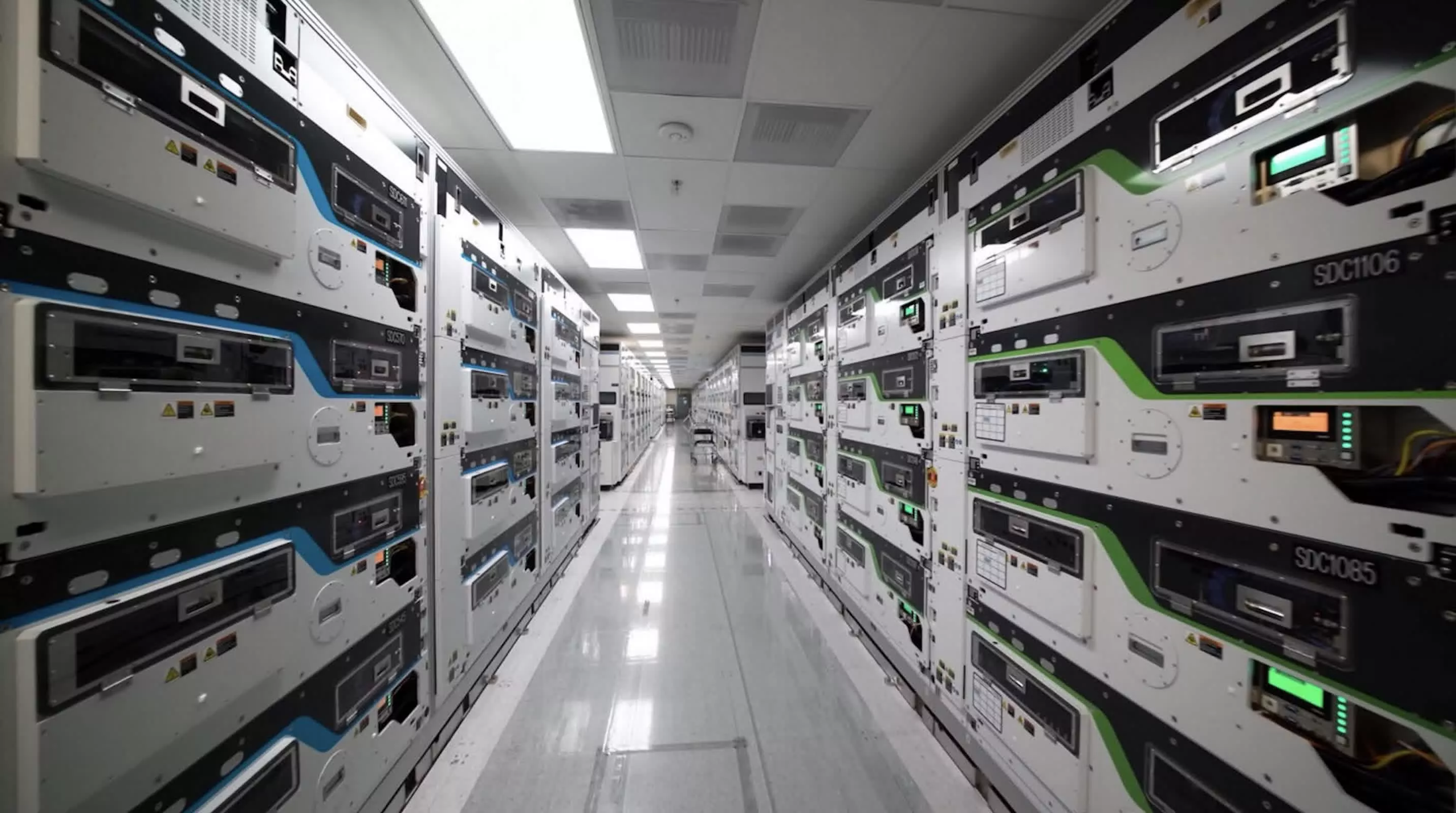
That makes it difficult to say exactly where 14A will stand against TSMC when it arrives. Intel’s existing 18A process is generally considered closer to TSMC’s older 3-nanometer-class technology than its name might suggest. By 2028, Intel could be competing against TSMC’s N2 process or its newer A16 technology.
For now, the crucial issue is not how Intel labels 14A; it is whether the company can turn customer evaluations into contracts. Intel has been trying to build a contract-manufacturing business since 2021. A named 14A customer would be the clearest sign yet that the strategy is gaining traction.
Disclaimer: Unless otherwise stated, any opinions expressed below belong solely to the author. Data sourced from the Ministry of Manpower.
It’s time for another chapter dissecting the latest data published by the Ministry of Manpower. Earlier this month, we looked at the breakdown of earnings by age and industry, on the basis of statistical brackets that Singapore is using to evaluate foreign professionals (PMET) in relation to locals.
Besides providing the Top 10%, another set of tables contains data for Top 35% (or little over one-third) of local earners, complete with age and industry breakdown.
This means that we know specifically how much the best-paid PMET workers receive per month, and how it evolves over time.
Which industries are paying the most? Which are paying good money the earliest?
Such a breakdown is, arguably, more useful to more people than the incomes of the highest-earning 10%. More workers can realistically aspire to be among the Top 35% in their industry, and there are quite a few good career options available.
Please note that these are cut-off figures, so, the 35% earn at least that much or more. These numbers include overtime and bonus payments, as well as CPF.
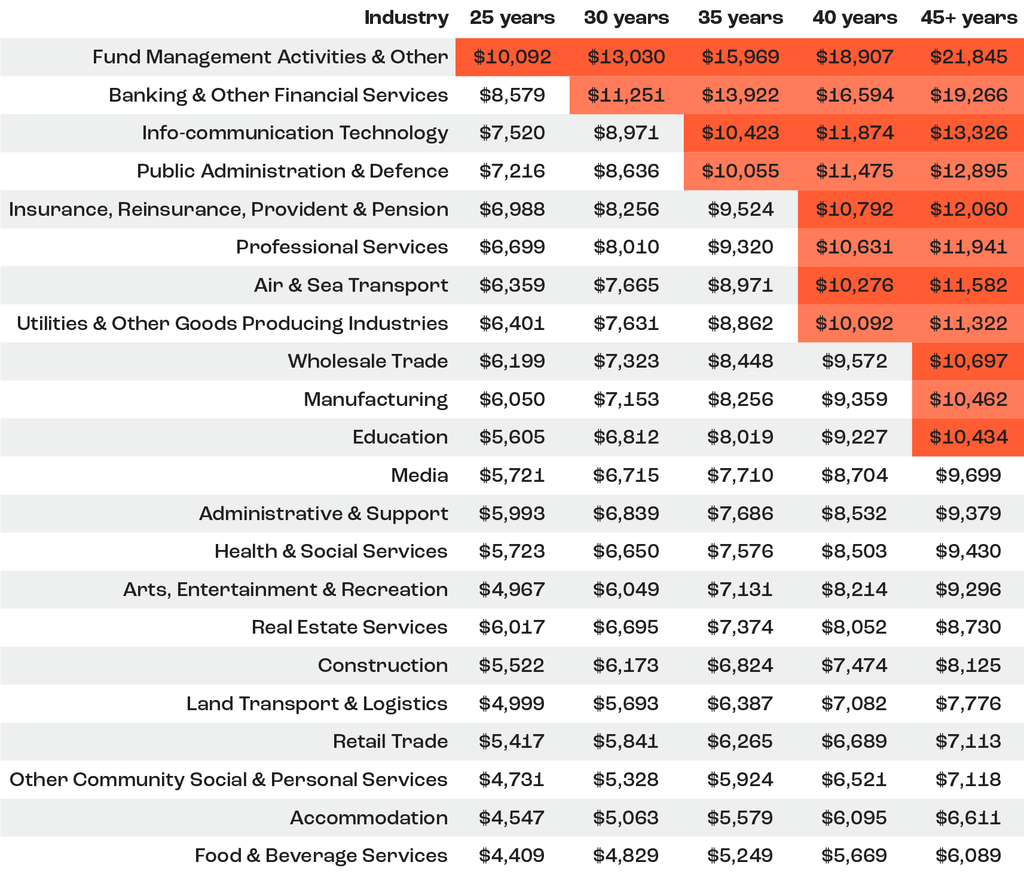
Salary at the 65th percentile (top 35% of workers) among local PMETs
(Professionals, Managers, Executives, and Technicians)

What comes as a surprise to nobody, the top three places are dominated by two financial sectors and ICT, which are very generous to 30 and in some cases even 25-year-olds. But, as you can see, there is no shortage of opportunities in other industries as well.
Public Administration is paying handsomely too, as do Insurance and Professional Services, but also Air & Sea Transport, Utilities, Trade, Manufacturing and even Education.
While 30-somethings can generally hope for five figure monthly salaries only in Finance, IT and Administration, they can come close to six figures per year, crossing S$100,000 annually, in a few more.
It’s worth observing that a large number of people are getting paid well in most industries, with the exception of those known for poor-margins and stiff competition, like F&B, Accommodation and Retail.
The notion that you have to work down in one of CBD skyscrapers to make good money isn’t necessarily true. What’s more is that you’re likely to succeed in a business that you find more aligned with your interests, and the figures show that you can have good career no matter the path you pick.
So, it might make more sense to follow what you enjoy, knowing that good money can be found almost everywhere, and it is not reserved to some narrow, small elite at the top. You just have to be a bit better than average.
You still have to climb that ladder, of course, but it might be shorter than you thought.
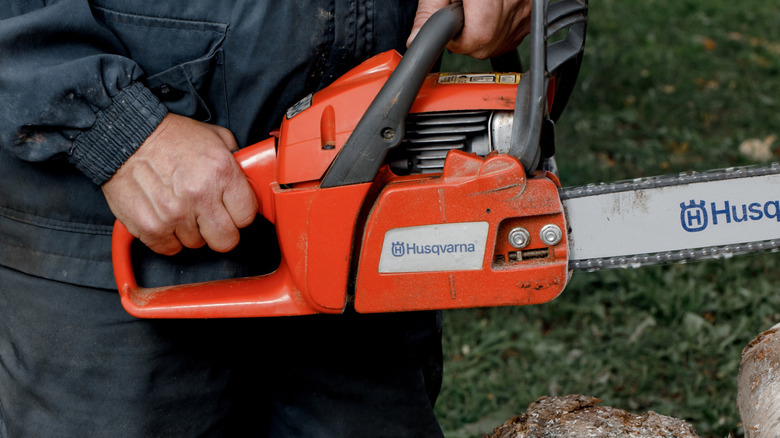
In order to get the most out of a chainsaw, sometimes you have to swap out some parts. The guide bar, for instance, is a removable piece in case it’s time to replace the bar or take on a different length to accomplish a specific cutting task. Major brands like Stihl and Husqvarna will sell different bar lengths specifically designed for their respective chainsaw models. With that said, what if you somehow wound up with a Stihl bar and a Husqvarna chainsaw? As it turns out, these elements can come together to form a working machine, but it’s not accomplished by just connecting the bar to the chainsaw as you would normally.
Though some have tried, the reality is if you try to put a Stihl bar on a Husqvarna chainsaw outright, it’s not going to work for one reason or another. Stihl bar openings are larger than Husqvarna’s, they also have different driver widths, and there are various other reasons. Thus, you’re better off finding a way to match brands between your bar and saw, this way you avoid the frustration of mismatches altogether — this is, unless you feel particularly adventurous.
Strictly stock, Stihl bars and Husqvarna chainsaws don’t mix. However, with the aid of some extra hardware, and some precise modification, you can make a connection to some level of success.
Mods and adapters work, but are they worth it?
For those adamant about putting Stihl bars on their Husqvarna chainsaw, a solution has presented itself. Throughout the Internet, Stihl-to-Husqvarna adapters have become commonplace, bridging the gap between the two product lines for the convenience of users everywhere. You’ll potentially need to modify the bar a bit, too, extending out the center slot and drilling out the tensioner holes so that they can fit Husqvarna bolts through. Overall, it doesn’t seem like too much effort, but one has to wonder if it’s worth going through so much trouble for the outcome.
Ultimately, how worthwhile fitting a Stihl bar onto a Husqvarna chainsaw comes down to individual skill and priority. Are you comfortable and capable of altering your chainsaw bar, without doing excessive damage and potentially making the tool dangerous to use? Do you trust a third-party adapter on a tool that’s so powerful and, for some users, unwieldy? Not to mention, the cost of the items needed to adapt the bar in the first place could meet or exceed that of a new Husqvarna bar, so why not just take the easy road and buy a natively-compatible piece?
As two of the biggest and best of the major chainsaw brands out there, Stihl and Husqvarna combining their strengths into one unit seems like a tempting proposition. While a Stihl bar can fit a Husqvarna chainsaw with modification and the presence of an adapter, whether it’s worth the time, money, and hassle to make it fit is something only you can answer.
4 Family Minivans With Better Ratings Than The Chrysler Pacifica

Binance Wallet adds USDT gas fees on 4 networks

Why the hospitality industry is losing sleep over tourist tax





-

 Fashion2 days ago
Weekend Open Thread: J.McLaughlin – Corporette.com
-

 Crypto World5 days ago
Goldman Sachs and Deutsche Bank Agree: The S&P 500 Rally Isn't Over
-

 Fashion4 days ago
8 iPhone Accessories That Add Personality
-

 Entertainment5 days ago
These 17 Fall Amazon Dresses Seriously Look Like Anthropologie
-

 Tech5 days ago
Reolink’s solar 4K security camera falls to its lowest price in months
-

 Crypto World5 days ago
This Bearish Netflix Stock Trade Can Cash In On Video Streaming Giant’s Woes
-

 Crypto World6 days ago
Trump-Xi Polymarket Odds for Handshake Hit 50%
-

 Tech7 days ago
Google’s $899 Googlebook is a bet that you’ll buy a new laptop for Gemini
-

 Crypto World4 days ago
Crude Oil Prices Pressured by Diplomatic Hopes in the Middle East
-
 Business5 days ago
Oil Price Today (September 23): Crude oil below $100 on hopes of US-Iran talks. What did Trump say?
-
 Crypto World4 days ago
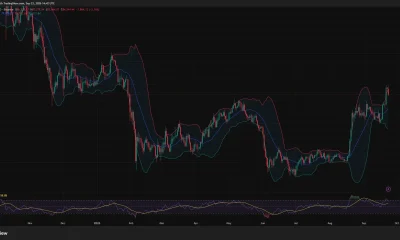
Bitcoin price tests $83,600 Supertrend support after $87K rejection
-

 Crypto World4 days ago
Bitcoin Threatens Sub-$84,000 Breakdown as Long Liquidations Spike
-

 Crypto World5 days ago
BitGo says Bitcoin absorbed Fed hike, CLARITY failure
-
 Crypto World6 days ago
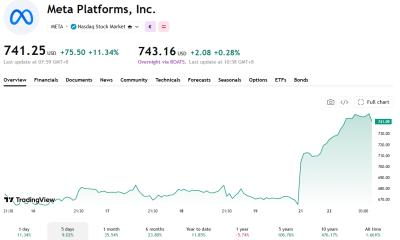
Meta Jumps 11% As Muse Shines and Investors Show an Appetite for Advancing AI
-

 Crypto World5 days ago
Did Jim Cramer Just Give GameStop Stock the Kiss of Death When He Said the Turnaround Is Working?
-

 Crypto World7 days ago
Bitcoin price holds above $81K as key catalysts line up
-
 Crypto World6 days ago
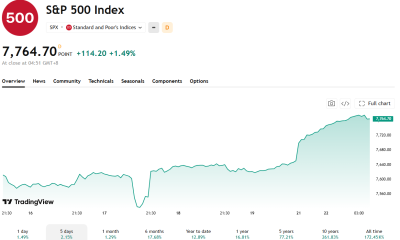
Trump, Xi Meet on S&P 500's Best Day Since Early August: Will Markets Stay Bullish?
-
 Tech4 days ago
UiPath’s Dines says AI needs a manual and launches Cartographer to write it
-

 Tech7 days ago
Amazon blocks Meta’s Muse AI assistant in new standoff over agentic shopping
-

 Crypto World7 days ago
Strategy Adds 950 BTC for $76M, Funds $174M STRC Buyback
You must be logged in to post a comment Login