
Business & Hustles
Ofgem Investigation Into ScottishPower to Probe Four Areas of Customer Treatment


An Ofgem investigation into ScottishPower is under way, with the energy regulator examining whether one of Britain’s major suppliers has met its obligations to customers who are vulnerable or struggling to pay. The probe was announced on 5 November 2026.
What the Ofgem investigation will examine
According to reports from the Press Association, the regulator is looking at several distinct areas of ScottishPower’s conduct as a supplier.
The first is whether the company complied with its licence conditions on treating domestic customers fairly. That includes customers in vulnerable situations and those having trouble paying their bills.
The second is backbilling. Under the rules, suppliers face restrictions on billing customers for energy used more than 12 months earlier. Ofgem will check whether ScottishPower stuck to those limits.
The third is the company’s work with the Priority Services Register. This is the scheme that allows certain vulnerable customers to receive extra support from their supplier.
No findings yet
The announcement does not mean ScottishPower has done anything wrong. Ofgem stressed that opening an investigation does not imply it has made any findings of non-compliance. Investigations of this kind are a way of gathering and testing evidence, and the outcome could go either way.
An Ofgem spokesman set out the regulator’s expectations in general terms. “Ofgem expects suppliers to treat their customers fairly and respectfully, including ensuring bills are accurate and that appropriate support is offered for people in vulnerable circumstances,” he said. He added that Ofgem would “report on our findings after all relevant evidence has been assessed”. No timetable for that report was given in the coverage.
ScottishPower’s response
ScottishPower responded briefly. A spokesman said the company “confirms that it is working with Ofgem in relation to its customer service obligations.” The statement did not address the specific areas under scrutiny, and the company did not comment on the substance of any concerns.
Why the focus matters
The areas Ofgem has chosen reflect long-running pressure points in the retail energy market. Accurate billing, sensible limits on retrospective charges and proper help for people who cannot easily pay are core consumer protections. Priority Services Register arrangements matter most to households where a loss of supply or a billing error could cause real hardship.
The sources do not say what prompted the investigation, whether complaints triggered it, or what penalties might follow if breaches were found. Those details will probably emerge only as the process continues. For now, the key facts are the scope of the inquiry, the regulator’s insistence that no conclusions have been reached, and ScottishPower’s statement that it is cooperating.
Customers of ScottishPower do not need to take any action as a result of the announcement. Ofgem says it will publish its findings once it has assessed the evidence.
- Ofgem opens investigation into ScottishPower (The Independent)
- Ofgem opens investigation into ScottishPower (standard.co.uk)
- Ofgem launches probe into Scottish Power over customer treatment (business-live.co.uk)
Explore more on this topic with Vexel Search.
File photo: Reflection of Scottish Power HQ Building in Santander Building at Vincent St, Glasgow, Scotland 04.jpg by Michal Klajban, CC BY-SA 4.0, via Wikimedia Commons.
WordUp Morning
Ten stories, both sides of each, in five minutes. Free, every weekday at 7am, plus a Saturday weekend edition.
We'll email you a link to confirm. Unsubscribe any time.

Business & Hustles
Poundland rescue race: 10 days of breathing space, up to 12,000 jobs and three named bidders
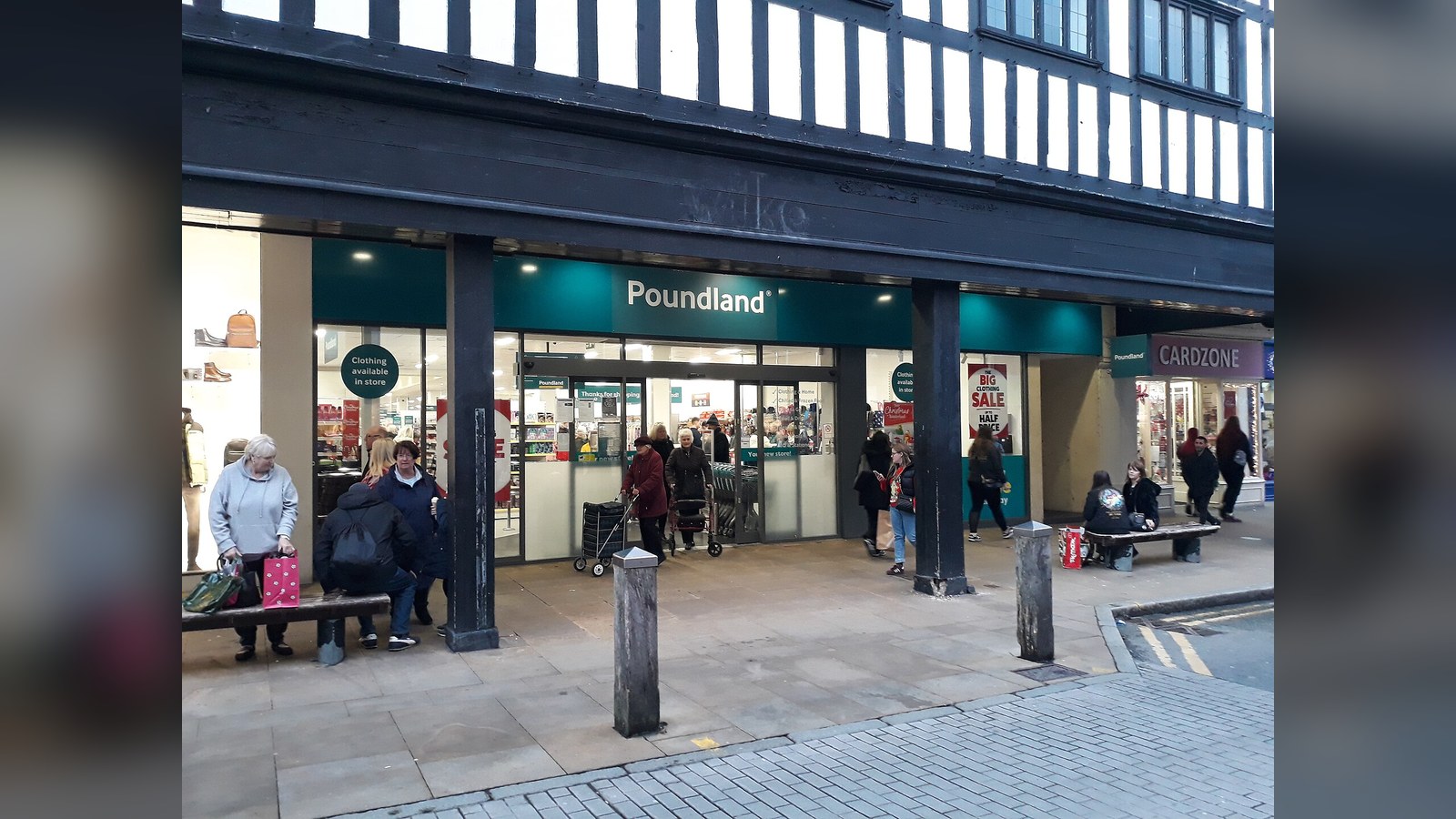
The race for a Poundland rescue is running against the clock. The chain’s US owner, Gordon Brothers, said on Thursday that the business remains “challenged and vulnerable” after its executives met government ministers, even as it insists it is in “active discussions” with interested parties.
Poundland filed a notice of intention to appoint administrators last week. That gives it 10 working days of protection from creditors to find a deal before it potentially enters insolvency. Between 11,000 and 12,000 jobs are at stake, depending on the report, along with about 2,000 suppliers.
A Poundland rescue under political pressure
Gordon Brothers bought Poundland last year for just £1 and launched a sale process at the start of September. It now faces pressure to accept a bid, since the retailer is on the brink of collapse despite receiving solvent takeover offers. The company’s board has lined up the advisory firm AlixPartners to run the process after Gordon Brothers stopped providing funding.
In its statement, Gordon Brothers said the business was in distress when it took over and needed “a radical restructure, urgent operational change and significant funding”. It said it provided that funding, but that despite its efforts and management’s, Poundland is still exposed to “any potential downturn in future trading”. It added that its aim is to protect as many jobs as possible and preserve value.
The government has been critical of how the owner has handled the chain. Prime Minister Andy Burnham urged executives to “focus on the people in your employment” and to meet the Business Secretary, a meeting he said was being arranged. He argued that many stores are “viable propositions” on high streets that “matter in our communities”, and said the government is “prepared to find what we can do” to help.
Who is bidding?
The Guardian reports that several suitors are in the mix, and their offers differ widely:
- Martin Property Group, from Northern Ireland, has offered about £7.5m upfront and the same again in deferred payments over two years. That would repay roughly half of a £30m shareholder loan, most of which Gordon Brothers took on when it bought the company.
- Xyra Group Holdings, a little-known London investment company, has reportedly offered £12.5m, according to ITV News. It is said to want to keep the current management team and expand the discount chain overseas. The Guardian said Xyra had been approached for comment.
- Innovest Holdings, an Irish company, was publicly backed at the weekend by Reform UK’s Robert Jenrick. It is understood to be advised by Charles Bunker, a former Reform election candidate.
Why time matters
The odds of avoiding mass store closures and job losses are shrinking daily, the Guardian reports, because suppliers have held back deliveries, which hurts the chain’s ability to trade. Empty shelves can turn a rescue into a wind-down quickly, whatever bids are on the table.
The headline offers also raise questions. They are modest compared with the scale of the workforce and store estate, and the sources do not say whether any bidder would keep all stores open. Advisers are reportedly talking to parties interested in the brand and in “a large number of stores”, which suggests some outlets may not be part of any deal.
The coming days will show whether ministers’ involvement helps broker a Poundland rescue that preserves a large share of jobs, or whether the chain moves into administration. For now, its owner is saying publicly that the business is fragile and that talks are continuing.
Explore more on this topic with Vexel Search.
File photo: Fomer Wilko store in Chester became Poundland.jpg by Nabokov, CC0, via Wikimedia Commons.
WordUp Morning
Ten stories, both sides of each, in five minutes. Free, every weekday at 7am, plus a Saturday weekend edition.
We'll email you a link to confirm. Unsubscribe any time.
Business & Hustles
Chef Fired Over Pineapple on Pizza Loses Claim, But Ruling Shows a A$15,000 Function and Other Issues Were Involved

Header image: AI-generated illustration by WordUp News.
The headlines say an Italian chef was sacked for refusing to put pineapple on pizza. The Fair Work Commission ruling behind them is more complicated, and it never actually decided whether the sacking was fair.
Davide Tamburella was dismissed on 20 May from La Costa Restaurant and Bar in Brisbane’s Fortitude Valley. Details emerged in a ruling by Commissioner Jennifer Hunt, published on 3 November. Her decision turned on timing. Mr Tamburella lodged his application after the statutory deadline, and the commission found no exceptional circumstances that would justify accepting it late. His claim was dismissed without anyone testing whether the dismissal was harsh or unfair.
What happened with the pineapple on pizza
According to reports of the ruling, the dispute centred on a private function. The Independent put the booking at more than A$15,000 (about £7,800). Management had directed that ham and pineapple pizzas be served, and Mr Tamburella refused.
At a meeting about two weeks before his dismissal, he reportedly confirmed that he knew his boss, Elliot Ingram, had given the instruction. He said that as an Italian he found pineapple on pizza offensive, and that it was an insult to his culture. He also reportedly acknowledged it was the third time in four years that he had refused such a direction. He told his employer to look into how much importance some Italians attach to keeping the fruit off pizza.
Why the pizza topping wasn’t the only issue
The restaurant said the topping was not the whole story. Mr Ingram said there was “more to this story than a pizza topping”. The reasons given for the sacking also included the chef’s acknowledged use of inappropriate language and an escalation of the situation during service. The ruling also described an incident on 24 April, when Mr Tamburella fractured bones in his dominant hand after striking a metal handrail.
So the answer to the question is a qualified yes and no. The refusal was one of the listed grounds and was clearly a trigger for the meeting. But by the restaurant’s account, it sat alongside broader concerns about conduct and communication. Those claims come from the employer’s side and the ruling’s summary of it, since the commission did not rule on their merits. The Mirror said it had asked Mr Tamburella for comment.
The cost beyond the kitchen
The consequences for the chef go well beyond one job. He had hoped La Costa would sponsor him on an employer-sponsored subclass 186 visa, a route to permanent residency for skilled workers. The Independent reported he was more than three years into that pathway, and that losing the job forces him to start the process again.
The restaurant has also gone. It closed in July, with the Independent citing high regional operating costs.
The story has spread because pineapple on pizza is a reliable flashpoint. The Mirror noted that Queensland is a major pineapple producer, which adds a local irony to a Brisbane kitchen refusing the fruit. Behind the novelty is an ordinary employment lesson about deadlines. A worker who wants to challenge a dismissal in Australia has to move quickly, and missing the window can end the case before anyone examines whether the sacking was fair.
- Was an Italian chef really fired over refusal to put pineapple on pizza? (BBC)
- ‘An insult to his culture': Italian chef fired after refusing to put pineapple on pizza (The Independent)
- Italian chef sacked after refusing to put pineapple on pizza (mirror.co.uk)
- Brisbane chef loses workplace bid after refusing to put pineapple on pizza he branded an 'insult to his culture' (dailymail.com)
Explore more on this topic with Vexel Search.
WordUp Morning
Ten stories, both sides of each, in five minutes. Free, every weekday at 7am, plus a Saturday weekend edition.
We'll email you a link to confirm. Unsubscribe any time.
Business & Hustles
Pound rally lifts sterling to a 10-year high as the Bank of England raises rates to 4%

Header image: AI-generated illustration by WordUp News.
The latest pound rally has carried sterling to a milestone not seen since the day Britain voted to leave the European Union. Bank of England data published on Thursday showed the currency reached its strongest level against a basket of 18 other currencies on Wednesday, the best reading since 23 June 2016.
What the numbers show
The figure comes from the Bank’s sterling effective exchange rate index, where 100 represents the pound’s value in January 2005. Reports put Wednesday’s reading at about 86.4, though the Guardian cited a more precise 86.5372. The pre-referendum benchmark also varies between outlets: the Press Association put it at 87.4, while the Guardian cited a different figure for referendum day. The BBC described the move as a joint highest level since the vote, so the pound has effectively recovered the ground it lost in that period.
The recovery follows a bruising decade. Sterling fell to a 31-year low against the dollar in the hours after the referendum, and it was later hit by the Covid pandemic, the 2022 mini-budget crisis and a string of elections. At the height of the pandemic in March 2020 the index sank to 73.1. On Thursday the pound was trading around $1.346 and close to €1.20, near an 18-month high against the euro.
Why the pound rally happened now
Analysts point to several overlapping causes. The most immediate was a weaker US dollar after Democratic gains in the midterm elections. Jim Reid of Deutsche Bank said investors were relieved the results were not disputed, and that a divided government made large tax cuts or spending packages harder to pass, which eased worries about US finances. Money flowed into other currencies in a broader “risk-on” rally.
The dollar is only part of the story. Sterling has also gained against the euro and the yen. The euro has been under pressure from concerns about France’s public finances, and Susannah Streeter of Wealth Club said political and economic difficulties there offered a “stark contrast” with the UK. She argued Britain’s “reputation for stability” was regaining some lustre, helped by efforts to rebuild ties with Brussels. The UK and EU are expected to announce new trade deals at a summit later this month.
Interest rates are the other driver. Markets had expected the Bank of England to lift its benchmark rate to 4%, its first increase in more than three years, and the move makes holding sterling more rewarding for investors. Sterling dipped about 0.1% against the dollar after the decision and was broadly flat against the euro, suggesting the hike was largely priced in. Governor Andrew Bailey, asked about closer EU ties, said he was “in favour of trade, trade and openness” as sources of growth.
What a stronger pound means for households
A firmer currency can help restrain inflation and stretches consumers’ money further on imported goods and foreign holidays. The BBC’s economics editor, Faisal Islam, noted that UK growth this year has beaten forecasts, though higher energy and fuel prices appear to be weighing on consumer confidence. Economist Jim O’Neill said people had underestimated the UK’s improving momentum.
There are reasons for caution. Part of the pound rally reflects weakness elsewhere rather than purely British strength, and a rebound in the dollar or a calmer picture in France could soften it. Streeter said better relations with Europe could boost growth further down the line, but only if they bring fewer trade frictions and closer economic cooperation. The coming EU deals and the Bank’s next moves will show whether sterling can hold its decade-high.
- Pound hits highest level since its crash after 2016 Brexit vote (The Guardian)
- Pound rises to its highest level since the Brexit referendum (BBC)
- Pound hits highest level since Brexit vote as Bank of England hikes rates (business-live.co.uk)
- Pound at highest level since Brexit vote in 2016 (The Independent)
Explore more on this topic with Vexel Search.
WordUp Morning
Ten stories, both sides of each, in five minutes. Free, every weekday at 7am, plus a Saturday weekend edition.
We'll email you a link to confirm. Unsubscribe any time.
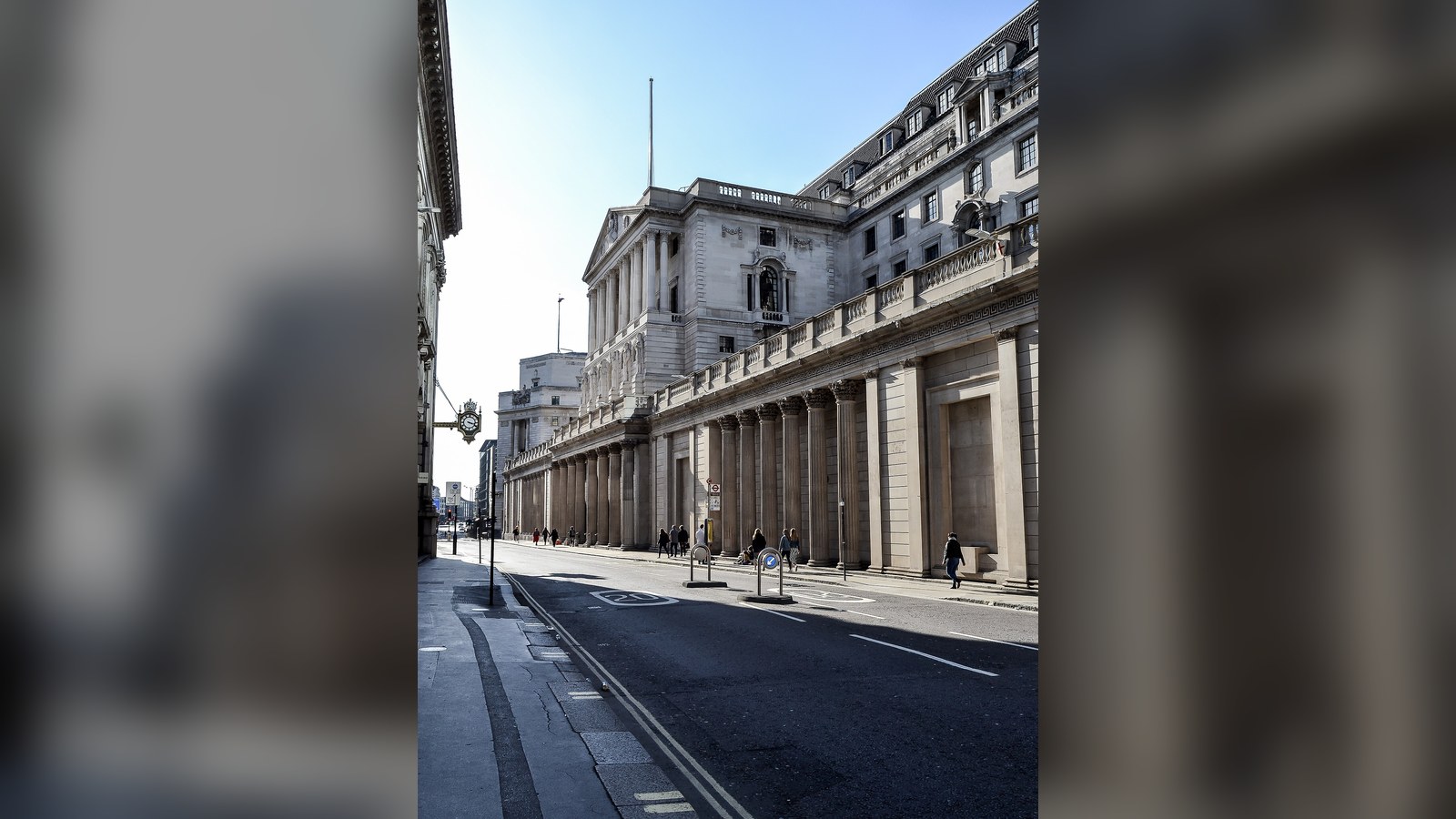
The Bank of England rate rise announced on Thursday lifts borrowing costs to 4%, the first increase since August 2023, and the governor has made clear it may not be the last. The Monetary Policy Committee voted 8-1 to raise the base rate by a quarter of a point from 3.75%. Catherine Mann, the lone dissenter, wanted a half-point move to 4.25%.
The cause is the war involving Iran. Oil prices have stayed stubbornly above $100 a barrel in recent months as hopes faded of a deal to reopen the strait of Hormuz. The Bank now expects inflation to reach 4.9% by the middle of next year, well above the 3.2% it forecast in July. The consumer prices index stood at 3.5% in September.
Why the Bank of England rate rise was bigger news than expected
Several economists called the decision tougher than anticipated. ING’s James Smith said every element of it was more hawkish than forecast. He pointed out that two of the committee’s most dovish members, Alan Taylor and Swati Dhingra, backed an increase. He also noted that the Bank’s inflation peak is above most economists’ predictions, and that some officials were more open than expected about the need to tighten further.
The Bank’s reasoning centres on costs working their way through the economy. Businesses have so far absorbed higher energy bills, partly through hedging, but the committee thinks they will soon have to pass them on. It expects the Ofgem energy price cap to rise from the equivalent of £1,723 a year for a typical household to £2,150 in January, then climb again in April. Food price inflation could reach 4.75% by mid-2027. The MPC is also wary of workers demanding large pay rises to make up for the squeeze, which could entrench inflation.
A squeeze on households
The timing is awkward. The decision comes a week after John Healey promised “breathing space” for struggling consumers in his first budget. It will hit mortgage borrowers, and the committee itself expects real post-tax incomes to fall this year and next.
Will there be another increase?
Andrew Bailey was careful to avoid promising a long run of increases. He said the move should not be seen as the first in an inevitable sequence of hikes, but added that unless the Middle East conflict is resolved, it does not look like the last. In the committee’s minutes he said he could see the case for a further rise without news that eases inflation risks, followed by a more conditional approach.
The next decision is due on 17 December. Markets were pricing roughly a 51% chance of a December hike, which Peel Hunt’s Kallum Pickering described as a coin toss that probably tracks investors’ views on whether peace talks will succeed. Oxford Economics expects another rise in December or February, and ING also expects one in February. Deutsche Bank’s Sanjay Raja is more restrained. He sees only one more increase, taking the rate to a peak of 4.25%, arguing that signs of second-round inflation effects remain minimal and that financial conditions have already tightened.
Markets: oil falls, shares wobble
Oil prices have eased in the past couple of days, with Brent trading around $97 on Thursday, after Democratic gains in US midterm elections. Some investors read those results as a possible constraint on President Trump’s ability to prolong the conflict. Bailey welcomed the drop but said it would have to be sustained to change his assessment.
Equity markets told a more complicated story. The FTSE 100 had been heading for a record close on cheaper oil but ended down 0.4% at 10,782.66 as US shares tumbled. Late in London trading the Nasdaq was down 3.7% and the S&P 500 2.9%, with worries that a Democratic-influenced Congress could curb data-centre spending that has fuelled AI-related share prices. Sterling barely moved, at about $1.347.
For households and businesses, the path of rates now depends largely on events far from Threadneedle Street. A durable fall in oil would ease the pressure for more tightening. If the conflict drags on, the Bank of England rate rise on Thursday may prove the first of several.
Explore more on this topic with Vexel Search.
File photo: Bank of England – London.jpg by MrsEllacott, CC BY-SA 4.0, via Wikimedia Commons.
WordUp Morning
Ten stories, both sides of each, in five minutes. Free, every weekday at 7am, plus a Saturday weekend edition.
We'll email you a link to confirm. Unsubscribe any time.
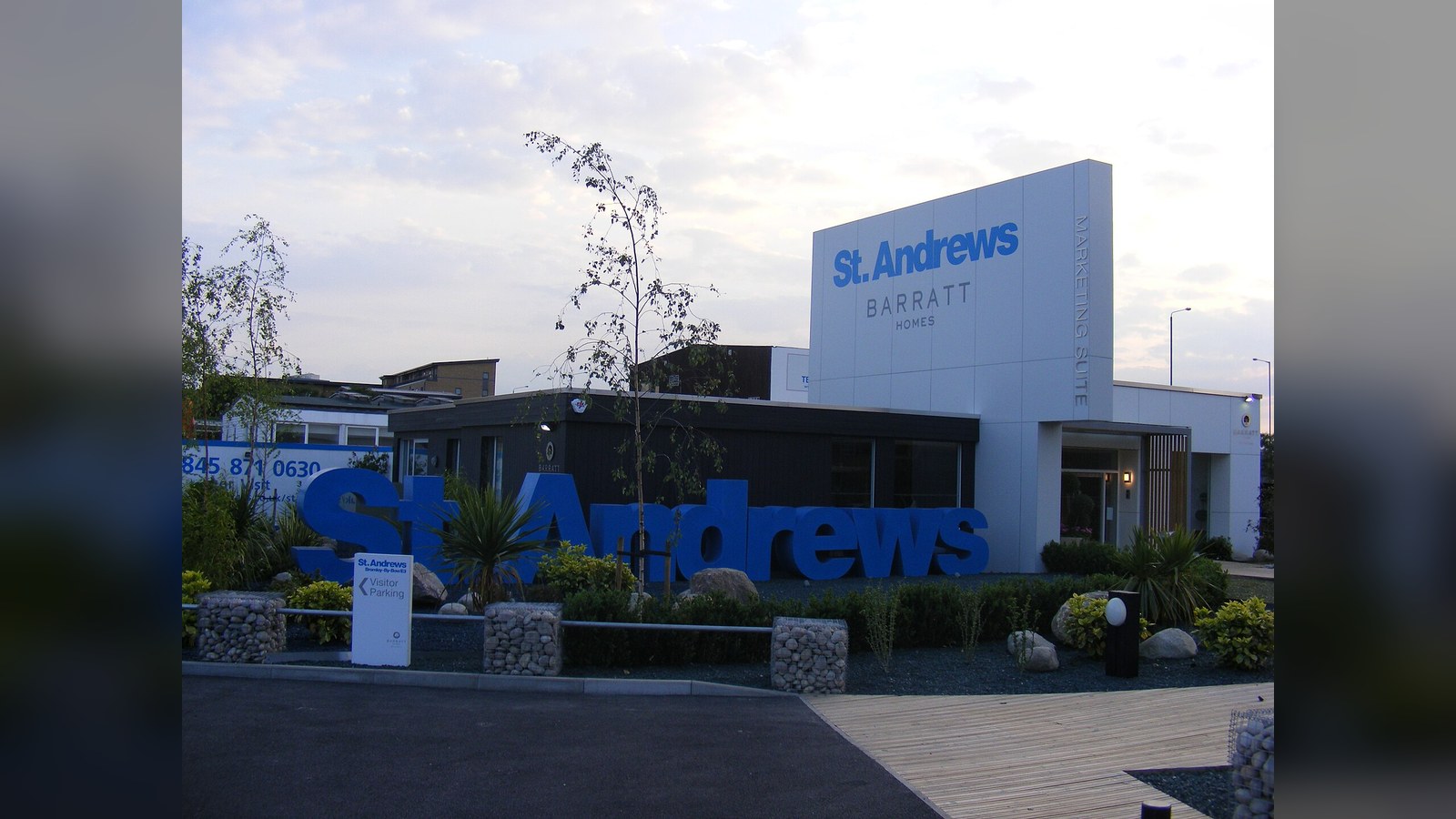
Britain’s biggest housebuilder has admitted that home reservations from private buyers are weakening, even as a larger order book and demand from landlords cushion the blow. In a trading update covering the 17 weeks to October 25, Barratt Redrow described a market still squeezed by affordability.
What the figures show
The company’s underlying private reservation rate slipped to 0.53 from 0.57 in the same period a year earlier. The total reservation rate, which includes all sales channels, moved the other way, edging up to 0.59 from 0.57. That gap suggests something other than the traditional private buyer is filling the space.
Completions, the point at which homes are handed over and revenue is booked, fell to 3,223 from 3,665 a year before. That is a drop of 442 homes, or roughly 12 per cent. The order book, by contrast, grew to £3.32bn from £3.28bn, a rise of about £40m, or just over 1 per cent.
Rental investors step in
Chief executive Dean Banks called trading “resilient against a backdrop of challenging market conditions”. He said that while the underlying private reservation rate had been softer, “we have seen stronger demand from the private rental sector.” In other words, the builder appears to be leaning on investors and rental operators to offset hesitation among households that would normally buy a home to live in.
The company, based in Coalville with a key support office in Flintshire, did not frame the figures as a crisis. But the split between weaker private demand and steadier overall reservations shows how much the picture depends on who is buying.
Budget measures and market reaction
The update follows an autumn Budget in which the Government announced a new First Time Buyer ISA and a “Your First Home” scheme, both aimed at helping people onto the property ladder. Mr Banks welcomed the support for first-time buyers and said that, alongside planning reform, the scheme “has the potential, over time, to support increased housing delivery.” The phrase “over time” is telling: the company is not promising a quick lift to sales.
Chris Beauchamp, chief market analyst at IG, said traders were concentrating on the improvement in the order book, “even if it is relatively slight”. He argued that this was enough to outweigh the weaker performance of recent months. That reading is generous. A £40m increase on a £3.3bn book is modest, and the fall in completions is considerably bigger in percentage terms.
What to watch
The update leaves several open questions. Do the new first-time buyer measures revive private home reservations, or does rental-sector demand remain the main support? Can the order book keep growing while completions lag? For now, Barratt Redrow’s message is that affordability remains the central obstacle, and that help from policy, if it comes, will take time to show up in the numbers.
- Barratt Redrow home reservations fall amid UK property affordability pressures (business-live.co.uk)
- Barratt Redrow reveals ‘softer’ reservations amid affordability pressures (standard.co.uk)
- Barratt Redrow reveals ‘softer’ reservations amid affordability pressures (The Independent)
Explore more on this topic with Vexel Search.
File photo: Barratt sales office, E3 June 2009.jpg by sludgegulper, CC BY-SA 2.0, via Wikimedia Commons.
WordUp Morning
Ten stories, both sides of each, in five minutes. Free, every weekday at 7am, plus a Saturday weekend edition.
We'll email you a link to confirm. Unsubscribe any time.

The Sky ITV takeover has entered a new and more uncertain phase after Culture Secretary Lisa Nandy formally intervened on public interest grounds, handing the Competition and Markets Authority (CMA) and Ofcom until 27 January to assess the £1.6bn deal.
What Nandy has actually done
On Wednesday, Nandy confirmed she had issued a Public Interest Intervention Notice (PIIN). The notice is a formal mechanism that lets a minister ask regulators to look beyond ordinary competition questions. In this case, the focus is media plurality and free speech. She had signalled the move last month, saying she was “minded to intervene”, and said she had now “fully considered” the representations made to her.
The notice does not block anything. It starts a review. Once the CMA and Ofcom report back, Nandy can decide whether to refer the deal for a more detailed investigation by the CMA. The deal’s timetable therefore turns on a decision that is still months away.
Why the Sky ITV takeover worries the government
Under the agreement struck in July, Sky would take ITV’s Media and Entertainment division. That covers ITV’s main broadcast channels and the ITVX streaming service. ITV Studios, which makes programmes such as Love Island and I’m A Celebrity, is not part of the sale.
The concern, as reported, centres on what happens to the range of voices in British news if Sky and ITV come together. Nandy warned last month that the combination could pose a risk to freedom of expression and the diversity of views in news media. Sky News and ITV News would sit under common ownership, even though Sky says they will stay editorially separate.
The reports differ slightly on how the work will be divided. One account says the CMA will examine competition and jurisdictional matters while Ofcom scrutinises the public interest implications. Others say both bodies will report on plurality and free speech. Either way, the 27 January deadline applies to both.
A change to the rules as well
The intervention comes with a second move that may matter beyond this one deal. Nandy said she will bring forward streaming legislation to extend an existing public interest consideration to on-demand programmes. At present, the law refers to the availability across the UK of a wide range of high-quality broadcasting that appeals to a variety of tastes and interests. She argues that wording should cover on-demand content “in line with modern viewing habits”, citing her “specific concerns” about this merger.
That is significant because ITVX, a streaming service, is part of what Sky would acquire. Updating the rules would put on-demand platforms under the same scrutiny as traditional broadcasters. It also suggests the government sees this deal as a test case for how media mergers should be judged in a streaming era.
The companies’ case
Sky and ITV argue the tie-up would create a stronger British media business able to compete with global streamers such as Netflix and Disney+. The companies expect about £200m in annual cost savings, largely from combining marketing and technology operations. Sky has pledged to protect ITV’s free-to-air services and public service broadcasting obligations, and to keep ITV News and Sky News editorially distinct.
A Sky spokesperson said the company believes the transaction is in the public interest, with “clear commitments already made”. ITV called the intervention a “major milestone” in the regulatory process and said it would co-operate fully with the CMA, the Department for Culture, Media and Sport and Ofcom, and respond formally to the notice. Neither company has objected to the review.
What to watch next
The next date to watch is 27 January, when the regulators’ findings land on Nandy’s desk. She will then choose whether to order the deeper investigation. Until then, the Sky ITV takeover remains a proposal under review rather than a done deal. The outcome could shape not only the future of two of Britain’s best-known broadcasters but also how the government regulates streaming in future.
- Lisa Nandy formally intervenes in Sky’s £1.6bn ITV takeover (The Independent)
- Sky’s £1.6bn ITV takeover: Government to intervene (business-live.co.uk)
- Culture Secretary formally intervenes in Sky’s £1.6bn ITV deal (standard.co.uk)
- Government intervenes in Sky’s £1.6bn ITV takeover (City A.M.)
Explore more on this topic with Vexel Search.
File photo: Official portrait of Lisa Nandy MP crop 2.jpg by Richard Townshend, CC BY 3.0, via Wikimedia Commons.
WordUp Morning
Ten stories, both sides of each, in five minutes. Free, every weekday at 7am, plus a Saturday weekend edition.
We'll email you a link to confirm. Unsubscribe any time.
Business & Hustles
M&S tax grab claim: Stuart Machin cites £150m in extra costs as half-year profits more than double
Header image: AI-generated illustration by WordUp News.
Marks & Spencer chief executive Stuart Machin has levelled an extraordinary charge at the government, describing what he calls an M&S tax grab that he says is “one of the biggest tax grabs in history” he has seen. He made the remark on the day the retailer reported a sharp recovery in half-year profits following last year’s cyber attack.
Speaking after last week’s Budget, the first from Chancellor John Healey, Machin dismissed the package as “a whole lot of nothing”. Healey had pitched it as support for households and high street firms facing the economic fallout of the Iran war. Machin said it did not address the need for growth, and that “when you look at the last three Budgets, you can’t just ignore” the scale of what has been raised in tax.
Where the M&S tax grab claim comes from
According to City AM’s account, Machin told journalists the three Budgets since Labour took office have raised roughly £73bn in extra taxation. That figure comes from his remarks as reported, and the other coverage reviewed here does not independently verify it.
The company’s own numbers are more specific. M&S says taxes and higher labour costs have added about £150m to its cost base since the 2024 Budget. The latest Budget’s business rates changes, which sounded benign in the headlines, will add another £10m to a bill City AM puts at about £170m a year. Machin said he saw no sign of the pressure easing.
Packaging charges are another sore point. The reports differ slightly on the detail: one says M&S has absorbed about £35m from increased packaging taxes this year, while another quotes Machin saying the company paid £40m out of its food margin in a single month after April’s new levy. Either way, he argued the charge had been sold as a way to fund recycling but was effectively a Treasury tax.
Business rates row and consumer confidence
The rates announcement has angered retailers more broadly. Healey said bills had been frozen for high street firms, but they continue to rise with inflation. City AM reports a 3.5 per cent increase that would add about £250m to retailers’ costs over the coming year.
Machin also linked the political climate to shoppers’ mood. GfK data showed consumer confidence suffering its sharpest fall in a decade in September. He criticised recent government advice to stockpile three days of provisions, saying that being told to prepare invites people to worry. Grocers, the reports say, had been caught off guard by that guidance.
The M&S boss said he is “cautious about recruitment” because of employment costs and fragile consumer sentiment. Before the Budget he had urged the Chancellor to adopt six measures, including lower packaging levies and a reversal of rises in employment costs. He said five were ignored. He did welcome progress toward an agreement to cut post-Brexit checks on food and agricultural exports, noting that current rules make moving stock to its Republic of Ireland stores “very problematic”. Aligning food standards with the EU, he said, would be a “big win”.
Profits rebound despite the cost pressure
The complaint comes against a strong recovery. Adjusted pre-tax profit for the 26 weeks to September 26 rose to £403.2m from £184.1m a year earlier, though that remains below the same period in 2024. City AM reported a £355m pre-tax profit, which appears to be a different measure, though the sources do not explain the gap. Group sales rose 16.2% to £9.25bn.
Food led the way, with sales up 13.9% and volumes up 11.9%, helped by new stores and investment. Fashion, home and beauty sales rose 17.5% as online trading recovered after the attack that halted web orders for around six weeks and left shelves empty. That division still “fell short of its potential” because of lingering product availability problems, and was described as being in the “foothills” of its recovery. A hot summer also dented store sales.
Machin said the company enters the second half “in a strong position”, with a solid October. His message to Westminster is that a business growing this fast still feels squeezed, and that, in his view, the M&S tax grab is making expansion harder. The government’s reply to his specific claims is not included in the coverage reviewed.
- M&S boss accuses Labour of ‘one of the biggest tax grabs in history’ (The Independent)
- M&S boss Stuart Machin blasts Labour's 'biggest tax grab in history' (business-live.co.uk)
- M&S boss accuses Labour of ‘one of the biggest tax grabs in history’ (standard.co.uk)
Explore more on this topic with Vexel Search.
WordUp Morning
Ten stories, both sides of each, in five minutes. Free, every weekday at 7am, plus a Saturday weekend edition.
We'll email you a link to confirm. Unsubscribe any time.
Business & Hustles
Rice Krispies recipe change: no more whole rice grains, a quieter pop and a new wheat gluten warning
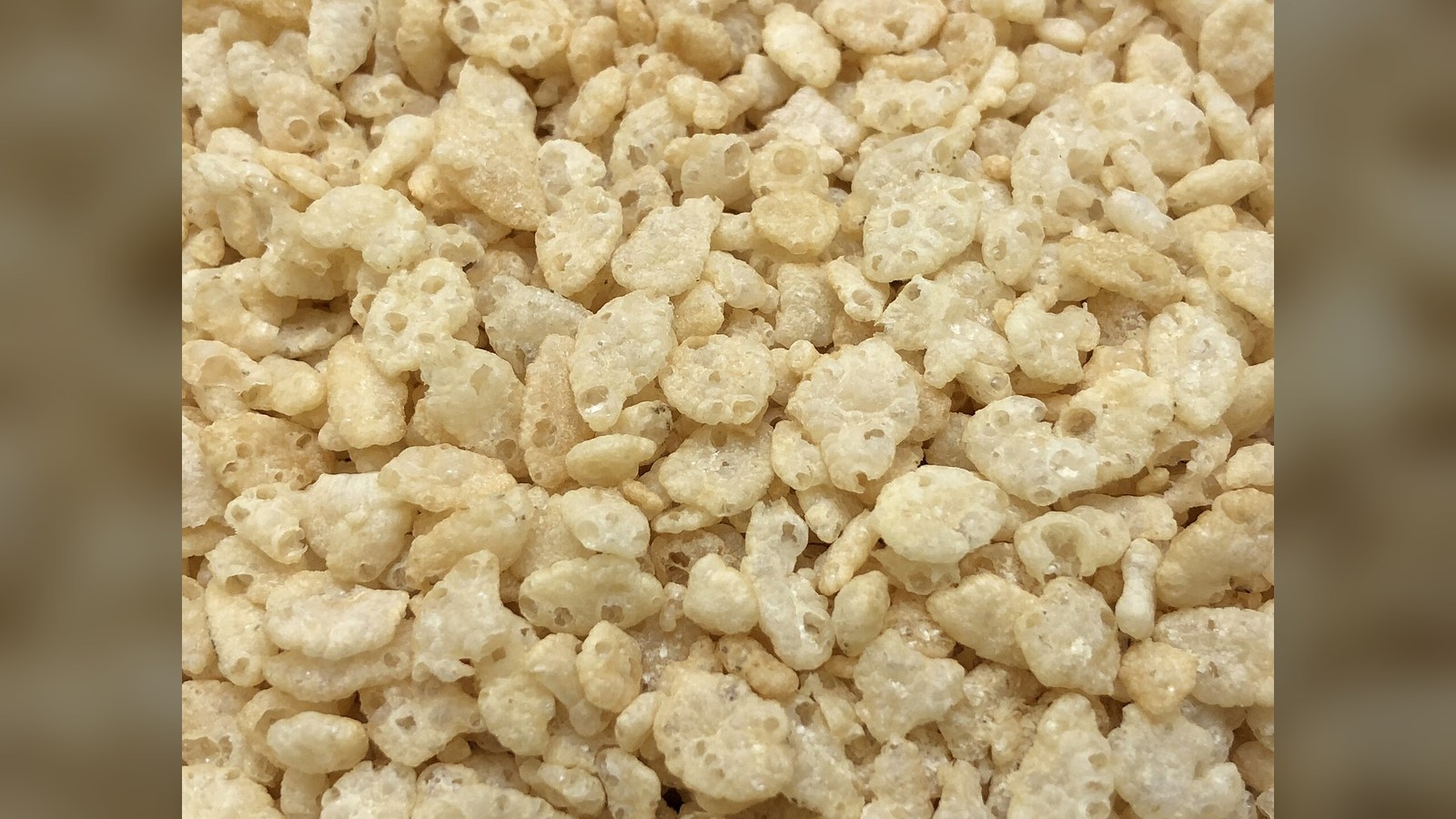
The Rice Krispies recipe change is now on shelves: Kellogg’s has stopped making Rice Krispies and Coco Pops from whole rice grains, and has admitted the famous “snap, crackle and pop” may now be quieter. The company says the shift is a response to “changing weather conditions” that are affecting the quality and availability of some of the rice and grains it relies on.
What exactly has changed in the recipe?
Rice Krispies are now made with rice flour in place of whole rice. Coco Pops use a blend of rice flour and corn flour. Kellogg’s says the new recipes were “carefully assessed for taste, appearance and texture”, and that keeping the cereal’s signature sound was a “huge focus” in the redesign.
The company concedes it may not have fully succeeded. Customers “might notice that the sound may be quieter and not as instant as before,” a spokesperson told the BBC, while insisting the snap, crackle and pop is “still there”.
A new allergen label for shoppers
For some households, the most important change has nothing to do with sound. The new recipes contain wheat gluten, so the cereals are no longer suitable for people with a wheat allergy or coeliac disease. Wheat must now be declared as an allergen and shown in bold in the ingredients list, and both boxes carry prominent packaging alerting buyers to the change.
Previously, the cereals carried a “may contain gluten” warning because they were made in a factory that also handled gluten-containing products. Gluten is now a deliberate ingredient rather than a cross-contamination risk. The cereals also still contain barley-malt extract.
Kellogg’s says both products remain “non-HFSS”, meaning not high in fat, salt or sugar. It adds that they contain no artificial colours, flavours or sweeteners, and that levels of fibre, vitamin D and iron are unchanged.
Fans are not impressed
Reaction online has been sharp. Parents posting on TikTok said the new cereal tasted “weird and stale”, that children had refused to eat it, and that the crackle disappears when milk is added. Others called the change “grim” and “disgusting”.
Such backlash is familiar territory for big food brands. Chocolate makers are regularly accused of trimming cocoa content, and when Irn Bru cut its sugar in 2018, devoted fans stockpiled the old version. Kellogg’s has said it appreciates the feedback and is “continuing to listen closely”.
Weather, supply and a struggling brand
Kellogg’s points to extreme weather in Spain in 2022 and 2023, which it says reduced the availability of the types of rice it uses. The pressure may not ease soon. The BBC notes that this year’s El Niño is expected to hit crop production particularly hard in South East Asia, a region that grows more than a quarter of the world’s rice. The World Meteorological Organization expects the event to last until at least 2027, which could add to the strain on manufacturers trying to secure affordable ingredients.
There is a commercial backdrop too. The Grocer magazine says Rice Krispies sales are falling in both value and volume, according to its Top Products Survey 2026, due out next month. Cereals in general have also faced scrutiny from healthy-eating advocates in recent years. Kellogg’s has adjusted these products before, cutting salt in the 1990s and sugar in 2018.
Where the change applies
The geography is a little muddled in coverage. The BBC describes the change as affecting the UK, while the Guardian amended its report to say it applies in European markets. Rice Krispies sold in the US and Canada are not being altered. Those markets are served by a separate company, WK Kellogg Co, which has been taken over by Ferrero. The original Kellogg business split in 2023, and the other half, Kellanova, is now owned by Mars.
Kellogg’s says it has not altered the recipe of any other cereal. For now, the real test of this Rice Krispies recipe change will be whether loyal customers keep pouring the milk, and what they hear when they do.
- No more rice grains in Kellogg's Rice Krispies due to changing weather (BBC)
- Snap and crackle but no pop: Rice Krispies reformulated due to lack of rice (The Guardian)
- Snap and crackle: Kellogg’s Rice Krispies have removed the rice (The Independent)
- Kellogg’s removes rice from Rice Krispies due to ‘changing weather conditions’ (standard.co.uk)
Explore more on this topic with Vexel Search.
File photo: 2020-05-03 09 09 37 A sample of Kellogg’s Rice Krispies cereal in the Franklin Farm section of Oak Hill, Fairfax County, Virginia.jpg by Famartin, CC BY-SA 4.0, via Wikimedia Commons.
WordUp Morning
Ten stories, both sides of each, in five minutes. Free, every weekday at 7am, plus a Saturday weekend edition.
We'll email you a link to confirm. Unsubscribe any time.
Business & Hustles
Fake Sterling Silver Test: 8 of 25 Online Pieces Had Illegal Cadmium, Only 2 Genuine

Header image: AI-generated illustration by WordUp News.
Cheap jewellery sold online as sterling silver is not always what the label says, and a BBC investigation suggests that fake sterling silver can also carry a health risk. Watchdog on The One Show bought 25 items advertised as 925 or sterling silver from Amazon, eBay, Temu, Etsy and OnBuy. Eight contained cadmium above the legal limit, and only two could be classed as sterling silver.
What the lab tests found
The pieces, which included a £1.55 bracelet and £1.99 earrings, were analysed by the Sheffield Assay Office. The legal ceiling for cadmium in jewellery is 0.01%. Some items tested contained as much as 10%. Sophie Langley, who led the analysis, described that as “absolutely massive” compared with the limits the lab works to.
Of the eight items over the limit, three came from Amazon, three from Temu, and one each from OnBuy and Etsy. eBay stressed that none of the listings bought from its site contained illegal cadmium levels.
Why cadmium matters
Cadmium is a heavy metal linked particularly to lung cancer. The UK Health Security Agency classes it as a category one carcinogen. Rob Chilcott, a retired professor of toxicology, told the BBC the danger comes mainly from inhaling or swallowing it. He gave the example of an earring falling into food that is then eaten. “If you put something containing cadmium in your mouth, or indeed if you swallow it, that is really bad news,” he said.
A necklace that left a rash
The investigation began with a shopper called Meranda, 34, who bought a £15 necklace listed on Etsy as handmade sterling silver. Within days her neck became irritated. “It was very shiny. It looked legit,” she said. The piece even carried a 925 hallmark.
Testing told a different story. One section of the chain contained just 8.9% silver, far below the 92.5% that genuine sterling requires. Preliminary analysis also found nickel, a known skin irritant with strict legal limits, at concentrations as high as 11% in one part of the chain. Sterling silver does not typically contain nickel, though it turns up in some cheaper pieces. After Watchdog got in touch, Meranda received a full refund from the seller.
Langley said that passing off non-compliant metal as sterling silver breaches the Hallmarking Act and can bring fines or imprisonment.
How the platforms responded
Amazon said it took safety “extremely seriously”, had removed the products, and had asked affected customers to dispose of them and seek refunds. It has since issued recall notices for the items Watchdog flagged. Temu said the products were taken down through its own monitoring before the BBC’s enquiry. It added that it had commissioned further independent testing and was reviewing similar products. OnBuy offered refunds and started a recall of the item found to contain cadmium. eBay removed the listings identified and reminded the sellers of their obligations. Etsy did not respond to the BBC.
All the platforms that replied said misleading listings are prohibited and that sellers must follow UK law. The test results suggest those rules were not enough to keep non-compliant items from reaching customers.
How genuine silver is checked
In the UK, sterling silver should be independently tested by an authorised assay office before it is hallmarked. Specialists use X-ray fluorescence to confirm the metal content. A genuine hallmark includes a sponsor’s mark, a fineness mark and an assay office mark. Shoppers hoping to avoid fake sterling silver can look for all three, though Meranda’s case shows that a stamped “925” on its own proves little.
The sample was small, just 25 items, so it cannot show how widespread the problem is. But the gap between the labels and the lab results, and the presence of a known carcinogen in some of the cheapest pieces, will keep pressure on online marketplaces to prove their checks work.
Explore more on this topic with Vexel Search.
WordUp Morning
Ten stories, both sides of each, in five minutes. Free, every weekday at 7am, plus a Saturday weekend edition.
We'll email you a link to confirm. Unsubscribe any time.
Business & Hustles
Rice Krispies recipe change adds wheat gluten, making both Kellogg’s cereals unsafe for coeliacs
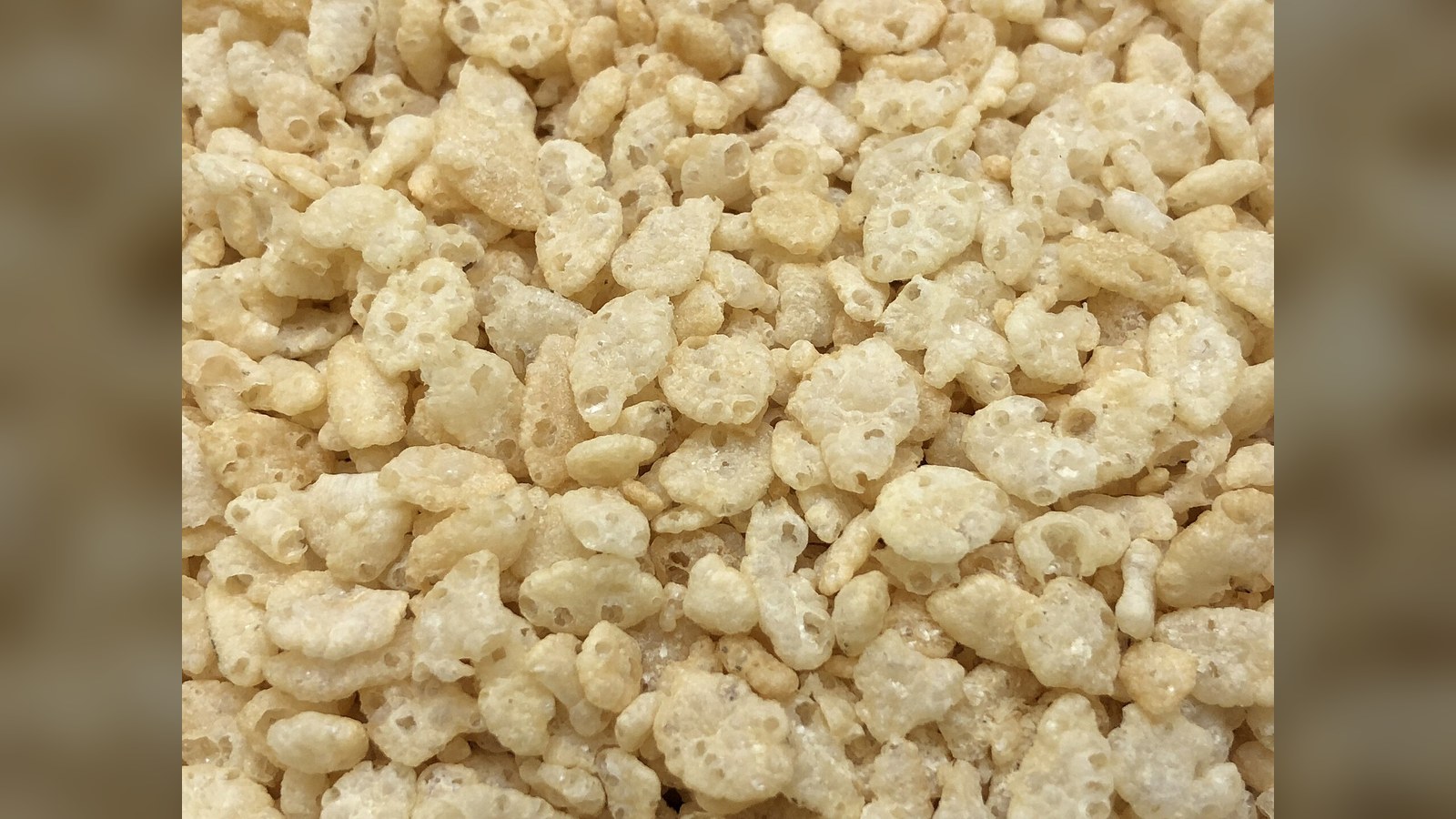
The Rice Krispies recipe has been rewritten: Kellogg’s has taken whole rice out of the cereal and replaced it with rice flour, citing “changing weather conditions” that it says are affecting the quality and availability of some of the rice and grains it uses. Coco Pops has been reworked too, and now uses a blend of rice flour and corn flour instead of rice.
Why the Rice Krispies recipe changed
Kellogg’s says the move helps it “maintain consistent quality” while weather patterns disrupt supplies. The Guardian framed the change as a sign of how the climate crisis is reaching the breakfast table. The company’s own explanation is more cautious and refers only to weather. A spokesperson acknowledged that even small tweaks to a much-loved product “can feel noticeable”. The company says the new versions were assessed for taste, appearance and texture, and that it is still listening to consumer feedback.
The allergen shift matters most
For many shoppers the most significant part of the change is not the texture but the allergen information. The updated recipes contain wheat gluten, so neither cereal is now suitable for people with coeliac disease or a wheat allergy.
Before, both products carried a “may contain gluten” warning because they were made in a factory that also handled gluten-containing cereals. That was a precaution about cross-contamination. Gluten is now a deliberate ingredient, so wheat must be declared as an allergen on the pack and highlighted in bold in the ingredients list. Kellogg’s says both boxes carry prominent labelling about the change. Households that have bought the cereals for years without thinking about it will need to check the packaging.
What stays the same
Kellogg’s says both cereals remain “non-HFSS”, meaning not classed as high in fat, salt or sugar. It also says they contain no artificial colours, flavours or sweeteners and keep the same levels of fibre, vitamin D and iron. Those points matter commercially, because HFSS status affects how products can be promoted in UK shops.
A brand under sales pressure
The timing coincides with weaker performance. The Grocer magazine says its Top Products Survey 2026, due next month, will show Rice Krispies sales falling in both value and volume. The sources do not link that decline to the reformulation, and Kellogg’s does not suggest a connection. Even so, a cereal losing ground has less room for a change that fans may notice or dislike.
Whether shoppers accept the new Rice Krispies recipe remains to be seen. The cereal still snaps and crackles, and Kellogg’s has not said whether the “pop” has changed. The effect on people who must avoid gluten is clear: two familiar products are no longer an option for them.
Explore more on this topic with Vexel Search.
File photo: 2020-05-03 09 09 37 A sample of Kellogg’s Rice Krispies cereal in the Franklin Farm section of Oak Hill, Fairfax County, Virginia.jpg by Famartin, CC BY-SA 4.0, via Wikimedia Commons.
WordUp Morning
Ten stories, both sides of each, in five minutes. Free, every weekday at 7am, plus a Saturday weekend edition.
We'll email you a link to confirm. Unsubscribe any time.

McIlroy Penalty Turns a 68 Into a 70 and Leaves Him Eight Shots Back in Abu Dhabi

Texas Attorney General-Elect Nathan Johnson Scored 67 Dragon Ball Z Episodes Before Politics

Ofgem Investigation Into ScottishPower to Probe Four Areas of Customer Treatment


-

 Sports1 day ago
Nadal Real Madrid board seat: 22-time Grand Slam champion awaits member vote this month
-

 Tech & AI6 days ago
Sam Altman RAM Remark: ‘Quite Terrible’ for PCs, and What We Can Confirm
-

 Fashion7 days ago
7 Honorees, 1 Night at MoMA: Dua Lipa and A$AP Rocky Toast Blazy at the 2026 WSJ Innovator Awards
-

 Business & Hustles6 days ago
FTSE 100 edges up 0.1% to 10,729.78 as Nasdaq plunges 2.7% on AI spending fears
-

 Entertainment5 days ago
Jack Nicholson Update: Michael Douglas Says Star, 89, Is ‘Well’ but Has ‘Disappeared’
-

 Sports5 days ago
Beat Luke Littler: Fallon Sherrock Wins £501,000 With One Leg of Darts
-

 Gaming5 days ago
After id Software Layoffs Cut About Half the Studio, Co-Director Says “We’re Doing Great”
-

 Business & Hustles6 days ago
Virgin Media O2 Job Cuts Could Hit 4,000 Staff, a Quarter of Its Workforce
-

 Gaming5 days ago
Activision to Pull Itaewon Crowd Crush Footage From Modern Warfare 4 on Nov. 12
-

 Entertainment5 days ago
Selma Blair apology: “So sorry” to those she frightened as two assault counts head to a January hearing
-

 Tech & AI4 days ago
Grok Bot usage limits cut as costs outrun revenue, despite 800,000 paid weekly users
-

 Fashion4 days ago
Rebecca Minkoff x Grace Ann Nader Capsule: 3 Pieces, From $239 to $398, Born at the CFDA Awards
-

 Crypto6 days ago
Binance Says 90% of Stolen Assets Replenished After $6.3B Hack, Withdrawals Due Sunday
-

 Crypto3 days ago
Hong Kong Launches 24/7 Tokenized Settlement, With Stablecoins Next in Government Debt Trials
-

 Business & Hustles3 days ago
FTSE 250 jumps 1.4% as oil slips and a tech rally lifts markets
-

 Business & Hustles7 days ago
Lagarde Resignation Sets Feb. 7 Exit, Opening a Race to Lead the ECB as Inflation Hits 3.8%
-

 Tech & AI3 days ago
Fridge cyber-attacks reach UK as meat suppliers’ units hit 100C, but no meat lost
-
 Business & Hustles6 days ago
Poundland administrators lined up as 12,000 jobs hang on a 10-working-day rescue window
-

 Business & Hustles5 days ago
Ian Thomas, first Black head of the City of London Corporation, is named most influential Black Briton
-

 Crime6 days ago
Police Scotland inquiries into Epstein’s 1999 Balmoral stay at ‘very early stage’
You must be logged in to post a comment Login