
Business & Hustles
Compass Group Primary Listing Could Leave London for New York by 2028


Header image: AI-generated illustration by WordUp News.
Compass Group, one of the 20 largest companies on the FTSE 100, is reportedly preparing to move its primary listing from London to New York, in what would be another significant loss for the UK’s public markets. The catering and food services group could announce the plan as early as Tuesday, according to sources cited by City AM and Business Live, following an initial report by the Financial Times.
What is reportedly planned
The Surrey-headquartered company is said to be ready to launch a consultation on the change. If shareholders approve it, the switch could take effect in 2028. Compass has been listed in London since 1988 and is valued at about £43bn. The company declined to comment on the reports, so the details remain unconfirmed.
The logic appears to be straightforward. Compass operates in 30 countries, but North America generated roughly two thirds of its $46bn revenue last year. Sources say a US listing would be part of a broader push to capitalise on opportunities in that market. In April, the company had already changed the trading currency of its shares from sterling to US dollars, a step intended to attract international investors.
A business built on corporate clients
Compass is best known for running canteens in schools, offices and sports venues, but its client list reaches well beyond that. Google, Amazon and Microsoft are among its customers, and it also caters for the defence industry, airline lounges and data centres. In July it said a surge of new outsourcing clients had brought in $4.3bn of new business over the previous 12 months, up 16 per cent on the year before. Its shares have risen almost nine per cent since the start of the year.
The reports suggest the UK workforce would not be affected. Compass employs about 55,000 people in Britain, and the company would keep a secondary listing in London if the move goes ahead.
Another departure for the London Stock Exchange
Whatever its practical effect on jobs, a change of primary listing is symbolically heavy. The London Stock Exchange has already lost a string of high-profile names to New York, including fintech Wise, Paddy Power owner Flutter and equipment rental firm Ashtead. At the same time, London has struggled to attract new companies. The reports say it ranks 12th globally for the value of new share sales this year, behind Turkey and Malaysia. Earlier this month, Nigerian cement group Dangote, owned by Africa’s richest man Aliko Dangote, dropped or paused its plans for a UK listing.
Government efforts to cut red tape and encourage flotations have not yet turned that around.
Political fallout
The opposition was quick to seize on the news. Shadow chancellor Andrew Griffith said the move showed the UK “is becoming a hostile environment for the wealth creators who create jobs and pay for our public services.” He argued the country has a “listings crisis” and criticised ministers for planning ethnic pay reporting requirements, and for allowing the Financial Conduct Authority to proceed with new environmental reporting rules that, he said, its own Listing Advice Panel had advised against.
Nothing is final. The proposal would still need to go through consultation and a shareholder vote, and the company has not confirmed the plan. But if the reports are accurate, one of Britain’s biggest employers would be giving up its home primary listing at a time when London can least afford to lose companies of this size.
Explore more on this topic with Vexel Search.
WordUp Morning
Ten stories, both sides of each, in five minutes. Free, every weekday at 7am, plus a Saturday weekend edition.
We'll email you a link to confirm. Unsubscribe any time.


The Heineken pubs deal will see 304 venues change hands, as the Dutch brewer buys a large slice of the estate run by Stonegate, the UK’s biggest pub operator. The transaction is reportedly worth around £300 million, though the sources do not say whether either company has confirmed that figure.
The pubs will join Star Pubs, Heineken UK’s pub-owning arm, which currently runs around 2,300 sites. That would take the estate to roughly 2,600. One report gave the current figure as about 2,400, but the more commonly cited number is 2,300.
Why Stonegate is selling
For Stonegate, the owner of Slug & Lettuce and Be At One, the sale is about the balance sheet. The company carries a debt pile of roughly £3 billion, and the proceeds will go towards paying that down further. Reports describe the disposal as part of a wider effort to reduce its borrowing.
Stonegate is backed by the private equity firm TDR, which also holds a majority stake in supermarket group Asda. Selling pubs to a well-capitalised brewer is one way for an indebted owner to raise cash without breaking up the rest of its business.
What Heineken says it will do with the pubs
Heineken has promised “significant investment” in the acquired pubs over the coming years, but has given no figure or timetable. Boudewijn Haarsma, managing director of Heineken UK, called the move a reflection of the company’s “long-term confidence in British pubs”. He said it builds on the £380 million Heineken says it has put into transforming its pub estate since 2018.
Lawson Mountstevens, managing director of Star Pubs, said the company wants to build on what the pubs already do well. He said it would work “in partnership with great operators” to create businesses at the heart of their communities. That wording suggests the sites will be run by independent operators rather than by Heineken directly, which fits the usual Star Pubs model, though the sources do not spell out how each pub will be run.
A brewer looking for growth
The timing fits with Heineken’s wider picture. In its most recent trading update, the company reported third-quarter net revenues up 4.6% to €8.1 billion (about £6.8 billion), with beer volumes up 4.8% to 76 million hectolitres. It was the first update since new chief executive Rafa Oliveira arrived from coffee and tea company JDE Peet’s.
Oliveira was upbeat on the brands and the people but blunt about the gaps. He said the group is “not translating” its strong foundations “into consistent growth” as often as it should, and that there is “more to do” on execution and accountability. Buying hundreds of pubs is one visible way to expand in a market Heineken has called important.
What remains unclear
Several details are missing from the reports. They do not say which pubs are included or where they are, and they do not say when the Heineken pubs deal is expected to complete. They also do not address whether regulators need to approve it or what it means for the staff and licensees at the 304 sites. Until those points are answered, the clearest takeaways are that Stonegate gets cash to chip away at its debt, and Heineken gets a bigger foothold in British pubs.
- Heineken snaps up 304 UK pubs from rival Stonegate in reported £300m deal (business-live.co.uk)
- Heineken buys up more than 300 UK pubs from Slug & Lettuce owner (The Independent)
- Heineken snaps up more than 300 UK pubs from rival Stonegate (standard.co.uk)
Explore more on this topic with Vexel Search.
File photo: (Heineken) Photography by David Adam Kess España.jpg by David Adam Kess, CC BY-SA 4.0, via Wikimedia Commons.
WordUp Morning
Ten stories, both sides of each, in five minutes. Free, every weekday at 7am, plus a Saturday weekend edition.
We'll email you a link to confirm. Unsubscribe any time.
Business & Hustles
Only 47% Felt Supported: FCA Tells Firms to Stop Making Bereaved Families Battle Paperwork

Header image: AI-generated illustration by WordUp News.
Investment firms are letting down some bereaved families at the moment they most need help, according to a new review from the Financial Conduct Authority (FCA). The regulator, which published its findings on 23 November 2026, says it found confusing communications, delays and gaps in support across parts of the industry.
The review looked at how financial advisers, wealth managers and investment platforms treat people dealing with a death, including those handling the deceased person’s estate. It examined bereavement data, processes and 36 case summaries. The picture was mixed. Some firms offered thoughtful, personal support. Others ran processes that, in the FCA’s words, risked adding to people’s distress and financial pressure.
Fees that kept running
The most striking finding concerned money. In some cases, advice fees were still being taken until an original death certificate had been provided. That means a family could be paying for guidance the person who died would never receive, while waiting on a piece of paper. Other firms left people unsure what to do next or gave them only limited ways to get in touch.
Kate Tuckley, the FCA’s head of department for consumer investments, said dealing with someone’s finances after a death “should not mean a battle with paperwork”. She added that firms “should ease the burden, not add to it”, and that some already do this well and others “must follow their lead”.
What the FCA wants firms to do
The review sets out practical steps rather than new rules. Firms are encouraged to:
- explain what happens next in plain language;
- offer a choice of ways to report a death, such as phone, email or online;
- keep paperwork requirements proportionate and avoid unreasonable delays in releasing money;
- spell out which charges stop and which continue, and end ongoing advice fees when the related service is no longer being provided.
Another recommendation targets how firms judge their own performance. Some relied solely on unsolicited comments and complaints to test whether their information was clear. The FCA warned that a low complaint count is not proof that everything is working, noting that “people who are grieving may not feel able to explain what went wrong”. Firms, it said, should find other ways to measure how effective their communications are.
Why it matters for bereaved families
The review builds on earlier FCA research that found fewer than half of bereaved customers, 47%, felt they had received the support they needed from financial firms. Put another way, most people in that research did not feel fully supported at one of the hardest points in their lives.
Industry bodies and commentators broadly welcomed the findings. Liz Field, chief executive of the trade body Pimfa, said improving the bereavement journey means looking at both firms’ support and the wider processes that create stress, and pledged to work with the FCA on consistency. Lisa Lund of Octopus Legacy said the best firms “design bereavement around people, not paperwork”. Step, the professional body for trust and estate practitioners, pointed to the toll of “unnecessary delays, confusing processes and disproportionate paperwork”.
Tom Selby of AJ Bell said grieving relatives should not face repeated requests for the same information or have to chase different departments just to work out what someone owned and whether any tax is due. That points to a wider issue: for many bereaved families, the difficulty is as much about piecing together an estate across several providers as about any single firm’s behaviour.
The FCA’s review is guidance and good-practice examples rather than a new rulebook, so the real test will be whether firms change their processes. For families, the practical takeaways are to ask any firm which charges will stop, and to expect clear answers on what is needed and why.
Explore more on this topic with Vexel Search.
WordUp Morning
Ten stories, both sides of each, in five minutes. Free, every weekday at 7am, plus a Saturday weekend edition.
We'll email you a link to confirm. Unsubscribe any time.
Business & Hustles
Capita pension failures cost chief his job as £190m fundraise looms and shares plunge

Header image: AI-generated illustration by WordUp News.
The Capita pension failures have claimed their most senior casualty: chief executive Adolfo Hernandez has left the outsourcing group with immediate effect, admitting the company “has not delivered” for members of the Civil Service pension scheme. His exit, announced on Monday 23 November, came alongside a profit warning and plans to raise about £190 million from shareholders.
What Capita announced
Chief financial officer Pablo Andres takes over as chief executive. Mr Hernandez said he was proud of the groundwork laid during his tenure, in which Capita set out to become a “technology led, AI-enabled” services business. He added: “Of course, within that I recognise that we have not delivered the service that members of the Civil Service pension scheme deserve.”
The financial update was stark. Capita said the pension contract and other setbacks would weigh heavily on 2027 earnings. Those setbacks include the exit of two “major” contracts, one in defence and one in pension solutions, and the extra cost of a recovery plan for the pension scheme. The equity raise is expected in the first half of 2027. City AM also reported that Capita will need to adjust the terms of its debt covenants to get the fundraise done. The company said it would keep looking at “all options” for improving shareholder value, including “the right portfolio configuration”, which hints at possible changes to the shape of the group.
Shares plunge, but the numbers differ
Investors reacted brutally. The Independent and the Evening Standard put the share price fall at around 70%. City AM reported a drop of more than 50% to 115p, which leaves the stock down 71% since the start of the year. These figures may reflect different points in the trading day, or the one-day fall against the year-to-date decline.
The sources also describe the profit hit differently. The Standard and the Independent say Capita now expects 2027 underlying operating profit to be knocked by £85 million to £95 million, against a previously flagged hit of up to £40 million. City AM instead describes £85m-£95m as the company’s 2027 profit range, adjusted for businesses being exited, and says that is well short of the market consensus of £120m. Either way, the message to the market is that the situation is considerably worse than Capita previously signalled.
How the scheme went wrong
The scheme has around 1.7 million members. Capita agreed the contract with the previous Conservative government in 2023, according to two of the sources, and City AM says the firm took over administration in December 2025. The National Audit Office, which began investigating in June, said that despite a two-year transition period Capita “has struggled to administer the scheme effectively”. It said key service levels were repeatedly missed, leaving many members unable to get the information they needed to plan for retirement. Thousands of civil servants have waited for payments and retirement quotes.
Parliament’s Public Accounts Committee opened its own inquiry earlier this month into what it called “the chaos that continues to engulf” the scheme. Last month MPs grilled the company, and a Cabinet Office minister described its progress as “abysmal”.
Reaction and what comes next
Committee chairman Sir Geoffrey Clifton-Brown said the mishandling had caused “severe hardship”, citing considerably delayed bereavement payments in particular. He said the committee would keep pursuing the matter and hoped Mr Andres could “get a grip”. Mike Clancy, general secretary of the union Prospect, called Mr Hernandez’s departure “the right decision” but “small comfort” to those affected. He argued that the only lasting fix is to bring the contract in-house at the first suitable opportunity.
Mr Andres has called remediating the contract a “key priority” and says an agreed recovery plan is in place. The test will be whether members see faster payments and quotes, whether the fundraise succeeds, and whether ministers and MPs conclude that new leadership at Capita is enough. With the NAO and the Public Accounts Committee both still examining the Capita pension failures, scrutiny is unlikely to ease soon.
Explore more on this topic with Vexel Search.
WordUp Morning
Ten stories, both sides of each, in five minutes. Free, every weekday at 7am, plus a Saturday weekend edition.
We'll email you a link to confirm. Unsubscribe any time.
Business & Hustles
Heathrow third runway faces £19bn gap as BA owner IAG calls £49bn plan ‘doomed to failure’
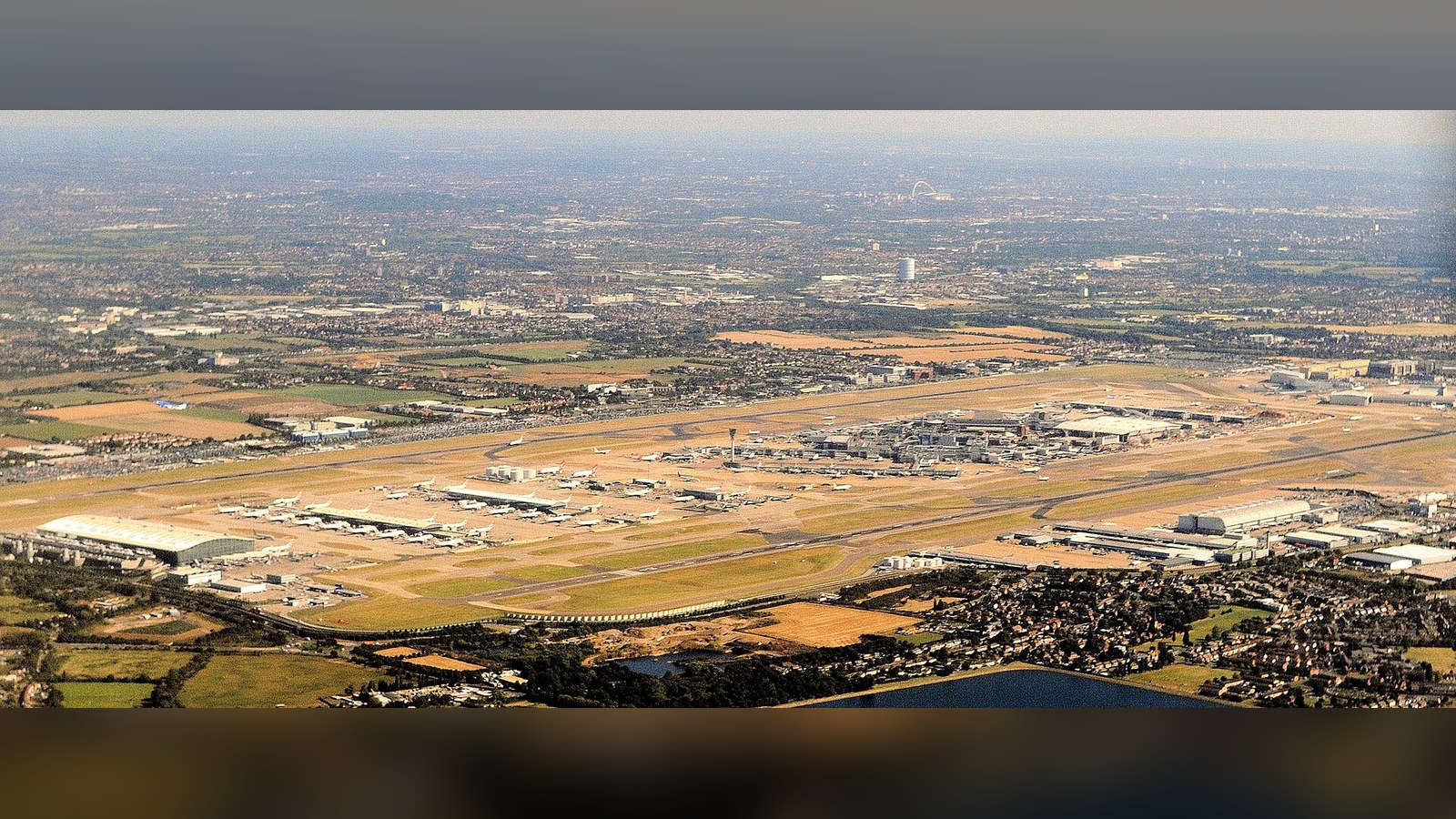
The £49bn Heathrow third runway plan is unaffordable in its current form and “doomed to failure”, according to the boss of British Airways’ parent company, who has written to the prime minister to say so. The letter, first reported by The Times, adds a high-profile warning from Heathrow’s biggest airline customer just as the government is weighing how the project should be paid for.
A £19bn gap that talks have not closed
Luis Gallego, chief executive of International Airlines Group (IAG), told Andy Burnham that his company and Heathrow have been unable to settle a £19bn difference. On one side is the airport’s estimated cost of building the runway. On the other is what IAG believes passengers could realistically bear through higher airport charges.
According to the Evening Standard’s account, IAG thinks expansion should cost no more than £30bn, well below Heathrow’s £49bn figure. The airline group argues the £19bn difference cannot reasonably be passed on to travellers. IAG also owns Aer Lingus, Iberia and Vueling, and has a big stake in how those charges are set.
“Unfortunately, in our view and given our knowledge of a market that is so important to us, we are convinced that the preferred scheme for expansion to date is too expensive and, as it stands, is unaffordable and doomed to failure,” Gallego wrote.
Support for expansion, but not on these terms
The letter is not an attempt to kill the project. Gallego stressed that IAG still backs expanding Heathrow. His objection is to the price and to how it would be financed. He told the prime minister that “if we want to move forward with the current project, private investment will not be enough.”
IAG offered two ideas to close the shortfall. The first is to use the extra air passenger duty revenue that expansion would generate to help pay for construction. The second is direct government investment, particularly to cover land purchases and early engineering work. Gallego suggested the state “could take an active investment role in expansion so that the project succeeds in the public interest.”
A national project, not just a London one
Gallego also took aim at the prime minister’s framing of the issue. Burnham has described expansion as “a matter for London and Londoners”. Gallego called it a “project of national importance that will benefit every region and nation of the UK”. He pointed to Heathrow’s role as Britain’s main international hub, connecting regional airports with long-haul destinations worldwide.
That argument matters politically. If the Heathrow third runway is seen as a regional London concern, the case for national funding is weaker. If it is seen as national infrastructure, a public financial role is easier to defend.
Heathrow says the gap is narrowing
Heathrow responded by welcoming IAG’s continued support and insisting that talks are moving. A spokesperson said the airport is “working more closely than ever with airlines to make expansion affordable” and has “made good progress in narrowing the gap, but there’s more to do.” The airport said it is going through the plans with airlines “line by line, challenging costs and stripping out anything that doesn’t deliver value.”
The spokesperson also set out the test the scheme must pass. Expansion has to be affordable for airlines and passengers and “financeable for investors”. The Standard reports the airport added that airlines agree the project would give the whole country a major economic boost, and that what is needed now is “political certainty to get on with it.”
The two sides therefore agree on the destination and differ on the bill. Neither has said how much of the £19bn gap has been closed. Whether the government steps in with money or tax revenue, as IAG proposes, or Heathrow trims its costs, will probably decide whether the Heathrow third runway moves from argument to construction.
Explore more on this topic with Vexel Search.
File photo: London’s Heathrow Airport (28001768897).jpg by Mike McBey, CC BY 2.0, via Wikimedia Commons.
WordUp Morning
Ten stories, both sides of each, in five minutes. Free, every weekday at 7am, plus a Saturday weekend edition.
We'll email you a link to confirm. Unsubscribe any time.
Business & Hustles
26% energy price cap rise to £2,166 looms as charities call £100 support ‘a drop in the ocean’

Header image: AI-generated illustration by WordUp News.
An energy price cap rise of 26% is expected to hit households in January, and charities say the Government’s help so far will not come close to covering it. Ofgem is due to confirm the cap for January to March on Wednesday 25 November. Analysts at Cornwall Insight predict it will reach £2,166, the highest level in four years.
If the forecast is right, a typical household bill would climb by more than £400 a year. Many families are already struggling with high costs, and campaigners say they have little room left to absorb more.
What the Government has offered
Ministers have announced a £100 energy payment for up to 20 million households. They have also temporarily cut 5% VAT from electricity bills until the end of June next year, which the Government says saves about £45 a year. In the autumn Budget, the Chancellor said gas standing charges would be scrapped in England, Scotland and Wales.
Energy Secretary Miatta Fahnbulleh said the Government has taken “immediate action” on bills. Critics argue the measures are dwarfed by the scale of the increase.
Why charities say it falls short
Citizens Advice used 2025 usage data and applied Cornwall Insight’s predicted increase. It concluded that £100 would cover less than two weeks of energy for most households this winter. A spokesperson said the payment “is not going to touch the sides” for anyone already in significant debt. They noted that the average person’s energy debt runs to hundreds or even thousands of pounds.
The charity is bracing for a surge in people seeking emergency help, which it estimates will be at least a fifth higher than last winter. Its spokesperson warned of cold-related deaths, acute illness and hospital admissions, with knock-on pressure on the NHS and social care.
Age UK welcomed the “limited support” but said it was “dwarfed” by the scale of the rise. Director Caroline Abrahams said many older people “will be terrified” about coping and “simply just don’t have the money” to do so. She called for an emergency support package and said no one should have to choose between warmth and other essentials.
Criticism of how help is targeted
Simon Francis, co-ordinator of the End Fuel Poverty Coalition, described people heating a single room, wearing coats indoors and skipping hot meals while damp and mould spread. He said a cold home is especially dangerous for older people, disabled people and those with long-term illness.
He also criticised the decision to link the £100 payment to council tax bands, arguing it would miss many of the people who need it most. He said households are being left to absorb a crisis they did not cause “while the energy industry banks billions in profit”. In the longer term, he urged ministers to help people “get off gas for good” to prevent a repeat.
Wholesale relief arrives too late
There is some better news in the markets. Wholesale energy prices have fallen in recent weeks on hopes of a resolution to the Middle East conflict. But that relief has not come soon enough to head off the January bill shock.
Wednesday’s announcement will show whether the predicted energy price cap rise holds. Whatever the final figure, the charities’ message is that the current package does not match the pressure on households this winter.
Explore more on this topic with Vexel Search.
WordUp Morning
Ten stories, both sides of each, in five minutes. Free, every weekday at 7am, plus a Saturday weekend edition.
We'll email you a link to confirm. Unsubscribe any time.
Business & Hustles
Hotel Chocolat recall: Christmas boxes bought 2-8 October pulled over salmonella risk

A Hotel Chocolat recall has pulled some of the retailer’s Christmas chocolate boxes from customers’ hands, after a pistachio ingredient was flagged as a potential salmonella risk. The company says no contamination has been found in any finished product, and it describes the move as precautionary.
What the Hotel Chocolat recall covers
The recall applies to certain Christmas boxes bought between 2 and 8 October. The Daily Mail reports that these include the classic Christmas boxes, which range from nine to 48 pieces. The Food Standards Agency (FSA) has asked shoppers to compare any boxes they hold against the specific lot codes listed in the official recall notice. According to the reports, no other Hotel Chocolat products are affected.
The company has not said how many boxes are involved. A spokesperson told the Mail only that the quantities were “very limited”, and the company’s own notice refers to a “small number of products”.
Why the chocolates were pulled
The trigger came from further up the supply chain rather than from testing of the chocolates themselves. Hotel Chocolat said it was notified that raw pistachios used to make a pistachio paste “may be linked to a salmonella contamination incident”. That paste is used in the affected products. The company stressed that “salmonella has not been detected in any finished Hotel Chocolat products”, but said it decided to start a recall anyway.
The wording matters. The risk is described as potential, and none of the coverage reports confirmed illnesses linked to the chocolates. The Hotel Chocolat recall appears to be a case of a retailer acting on an upstream warning before any problem has turned up on its own shelves.
What customers should do
The FSA’s advice is simple: do not eat any affected product. Instead, take it back to the store where it was bought, where customers will be offered a replacement or a refund. Anyone with questions can contact Hotel Chocolat Customer Care on 03444 932323 or at help@hotelchocolat.com.
Salmonella is a bacterium that commonly causes food poisoning. Symptoms usually include fever, diarrhoea and abdominal cramps. The FSA says anyone with these symptoms should stay away from work, school or nursery until they have been symptom-free for at least 48 hours, to avoid passing the infection on to others.
With Christmas boxes often bought early and stored for gifting, the narrow purchase window is the key detail. Anyone who bought a box in the first week of October, particularly as a present put away for December, should check the lot code before it is handed over. The full list of codes is in the FSA’s recall notice.
- Hotel Chocolat recalls some Christmas boxes over salmonella risk (standard.co.uk)
- Hotel Chocolat issues urgent recall of some Christmas boxes over salmonella risk in pistachio paste (dailymail.com)
- Hotel Chocolat issues urgent alert for Christmas boxes over salmonella infection warning (mirror.co.uk)
Explore more on this topic with Vexel Search.
File photo: HOTEL Chocolat in Newport Retail Park – geograph.org.uk – 7773633.jpg by Jaggery, CC BY-SA 2.0, via Wikimedia Commons.
WordUp Morning
Ten stories, both sides of each, in five minutes. Free, every weekday at 7am, plus a Saturday weekend edition.
We'll email you a link to confirm. Unsubscribe any time.
Business & Hustles
SNP wipes £60,000 Peter Murrell loan from its books before 7 December confiscation hearing

Header image: AI-generated illustration by WordUp News.
The SNP has formally written off the Peter Murrell loan, ending any prospect that its jailed former chief executive will get back £60,000 he lent the party in 2021. The party’s National Executive Committee agreed the move at a meeting on Saturday, and the sum has been removed from the party’s accounts.
Murrell, the estranged husband of former first minister Nicola Sturgeon, pleaded guilty in May to embezzling more than £400,000 from the SNP. He was later sentenced to more than five years in prison. The party’s argument is simple: having been convicted of taking its money, he has no claim on it.
What the SNP said about the Peter Murrell loan
An SNP spokesperson said Murrell “was convicted of embezzling over £400,000 of our members’ money, which we are taking steps to recover through the courts”. The spokesperson added: “In light of Mr Murrell’s conviction, the party now considers it has no liability to him, as such the loan has been cancelled and has been removed from accounts.”
The decision was not a surprise. Party accounts published in August showed the £60,000 was still outstanding, and an SNP spokesman said then that it would not be repaid because of the conviction. Saturday’s meeting turned that stated position into a formal NEC decision.
A loan with no paperwork
The accounts also suggest the arrangement was always informal. A note said there was “no formal loan agreement in place, no interest is charged on the outstanding balance, and no specific repayment terms have been agreed.” It also said the former chief executive “has not formally requested repayment of the outstanding balance.”
That detail matters. No repayment had been demanded, so the cancellation does not appear to settle a dispute between the two sides. It closes off a liability that sat on the party’s books and removes the question of whether a convicted former official could ever be repaid.
Confiscation hearing next
The bigger financial question is still to come. A Proceeds of Crime Act hearing is due on 7 December. It will determine the confiscation of the funds Murrell embezzled over the 12 years he served as chief executive. The SNP has said it is taking steps to recover the money through the courts, so that hearing is the next test of how much the party might get back.
The sources do not say how the hearing will treat the cancelled loan, or what Murrell’s assets are worth. They do show the party’s position: it will not repay him, and it intends to pursue the money taken from its members. For the SNP, writing off the Peter Murrell loan is a small step in a much larger effort to draw a line under the case.
- SNP cancels £60,000 owed to former chief executive Peter Murrell (standard.co.uk)
- SNP cancel £60,000 owed to jailed former chief exec Peter Murrell (dailyrecord.co.uk)
Explore more on this topic with Vexel Search.
WordUp Morning
Ten stories, both sides of each, in five minutes. Free, every weekday at 7am, plus a Saturday weekend edition.
We'll email you a link to confirm. Unsubscribe any time.
Business & Hustles
Lauren Neustadter Exit Leaves Hello Sunshine Without Its Film and TV Chief After Nearly a Decade

Header image: AI-generated illustration by WordUp News.
The Lauren Neustadter exit adds another major change at Hello Sunshine. The company’s president of film and television will step down at the end of the year, after nearly a decade at Reese Witherspoon’s production house, the two announced on Friday. The Hollywood Reporter was first to report the news.
A departure on the heels of a buyback
The timing is hard to miss. Last month Witherspoon partnered with the French group Mediawan to buy Hello Sunshine back from Candle Media. Candle, which is backed by Blackstone, had acquired the company in 2021 in a deal valued at $900 million, according to The Hollywood Reporter. Mediawan’s other holdings include Chernin Entertainment, Slow Horses producer See-Saw Films and Brad Pitt’s Plan B.
The deal was followed by deep staff cuts. Variety reports that roughly half of Hello Sunshine’s employees were let go, and Deadline puts that figure at around 30 people. The Hollywood Reporter describes the layoffs as hitting the company’s direct-to-consumer division. The outlets differ somewhat on the details, but all three present the Neustadter news as part of a broader reshuffle rather than an isolated move.
What Neustadter built at Hello Sunshine
Neustadter joined in 2017, shortly after the company’s launch. Witherspoon founded it with Seth Rodsky in 2016. She became the creative executive behind much of its prestige television slate, executive producing The Morning Show, Big Little Lies, Little Fires Everywhere, The Last Thing He Told Me, Truth Be Told and Surface. She also oversaw adaptations of Reese’s Book Club picks, including Daisy Jones & the Six and Tiny Beautiful Things.
On the film side, her credits include Where the Crawdads Sing, Your Place or Mine and You’re Cordially Invited. TriStar’s The Nightingale is still to come. This past summer the company launched the Legally Blonde prequel Elle on Prime Video and Lucky on Apple TV. Deadline notes that The Morning Show is heading into its fifth and final season and that Big Little Lies is set for a third.
Before Hello Sunshine, Neustadter was a senior vice president of programming at Fox, where she worked on Brooklyn Nine-Nine, The Mindy Project and Lethal Weapon. Earlier she was a film executive at Miramax and Twentieth Century Fox.
What the statements say, and what they leave out
Both principals kept their comments warm. Witherspoon credited Neustadter’s “taste, passion and leadership” and the “lasting foundation she built around telling powerful, complex female-driven stories.” Neustadter called the job “the privilege of a lifetime” and said she will “always be cheering for Hello Sunshine.” Neither statement gives a reason for the departure or names a successor, and none of the reports say who will take over her responsibilities.
She will stay through the end of the year to support the transition, according to The Hollywood Reporter. Variety adds that the company plans to concentrate on premium film and television and Reese’s Book Club, while expanding into new storytelling formats and distribution models.
What to watch next
For now, the Lauren Neustadter exit is best read as a sign of how much Hello Sunshine is changing under new ownership. The company is smaller, backed by a growing European media group and led once more by its founder. The open question is who will steer its film and TV development and whether that person will keep to the female-driven storytelling Neustadter helped define. Given the lack of any announced replacement, that answer is likely to come in the new year.
WordUp Morning
Ten stories, both sides of each, in five minutes. Free, every weekday at 7am, plus a Saturday weekend edition.
We'll email you a link to confirm. Unsubscribe any time.
Business & Hustles
EasyJet takeover: Profits Expected to Drop 80% to £130m Before £5.7bn Apollo Deal
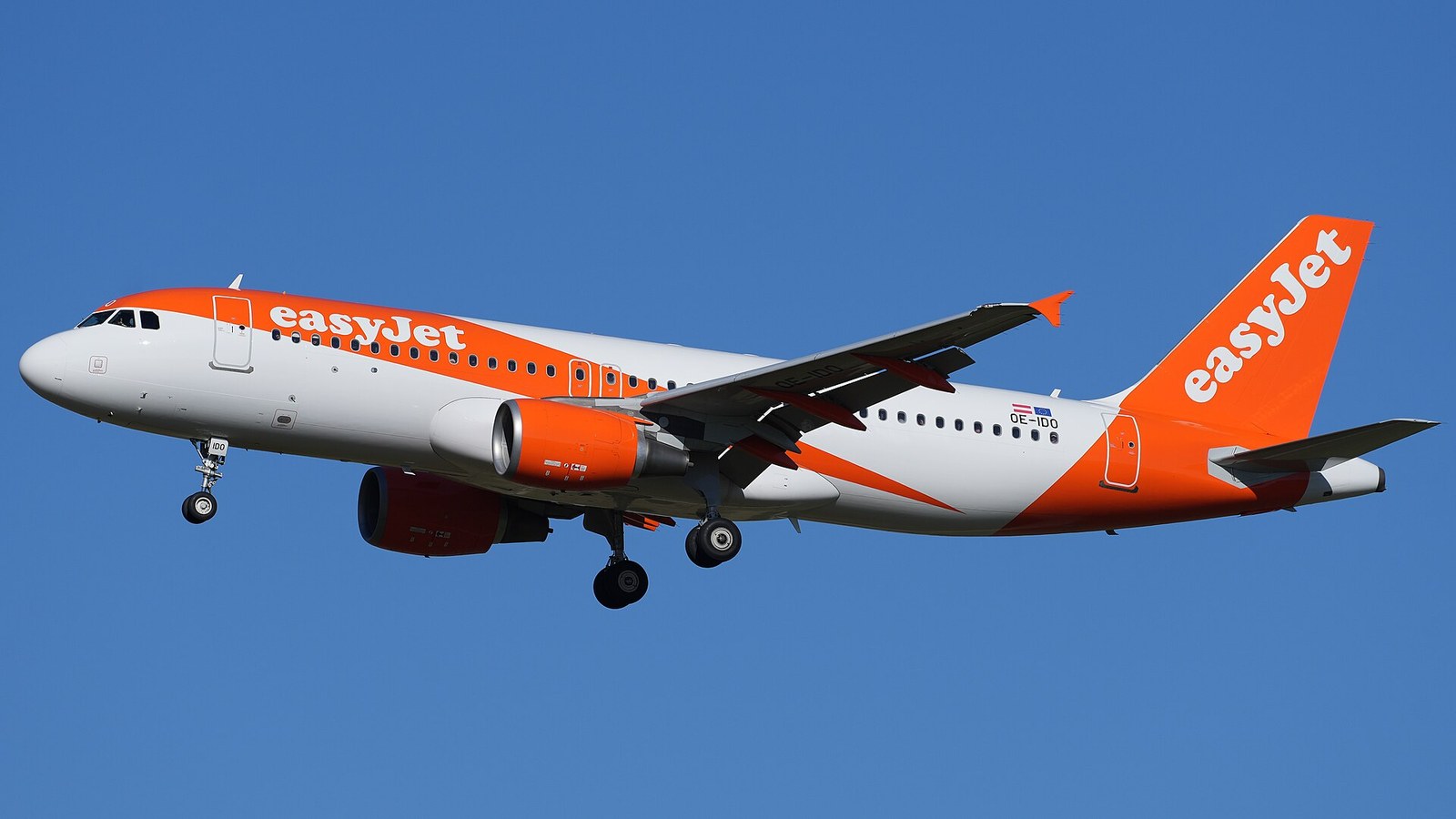
The easyJet takeover is about to reach a symbolic milestone. On Wednesday 25 November, the airline will publish what is expected to be its final annual results as a listed company, and the numbers are not expected to be pretty.
Forecasts point to underlying pre-tax profit of around £130 million for the past year, an 80% fall on the year before. That would be a stark reversal for a carrier that has long been a bellwether for European budget travel. It comes just as US investment firm Apollo prepares to take it private in a £5.7 billion deal.
What the easyJet takeover involves
Apollo agreed to buy the airline in July, making easyJet the latest British company to attract an overseas bidder. The offer values shares at 715p each. It came after rival interest from the investor Castlelake, though the sources do not detail that approach.
Shareholders have now settled the matter. Around 97% backed the offer earlier this month. Completion is pencilled in for March next year, ending more than 26 years on the London stock market and putting the airline under US ownership. Apollo is no stranger to UK consumer-facing brands, as it also owns The Restaurant Group, the company behind Wagamama.
Why profits have fallen so sharply
The main culprit is fuel. Conflict in the Middle East disrupted oil supplies and pushed up the price of jet fuel, and easyJet is far from alone in feeling the squeeze, with airlines generally weighed down by rising costs.
The airline’s July trading update gave an early taste of the damage. Profit for the quarter to June slumped 70%, with fuel costs for those three months alone rising by £105 million. An April profit warning had already signalled trouble.
A share price propped up by the bid
Investors have not suffered as the operational picture darkened, largely because of the bid. Richard Hunter, head of markets at Interactive Investor, noted that the share price has risen 51% over the past 12 months, including 34% this year. In his view, that gain reflects the takeover premium, which “masks some of the challenges which the group has been facing”.
That distinction matters. Without a buyer offering 715p a share, the market might have been far less forgiving of an 80% profit decline. Shareholders who voted in favour effectively chose a certain price over the uncertainty of riding out volatile fuel costs as an independent company.
Consumer demand is the next test
Beyond the headline profit figure, the results should show how holidaymakers are behaving. EasyJet is expected to give an indication of consumer sentiment, at a time when higher household energy prices are squeezing budgets and could curb spending on trips.
For passengers, nothing changes immediately, since the deal is not due to complete until March. But Wednesday’s update will give the clearest picture yet of the business Apollo is buying: a major European airline emerging from a costly year, with fuel prices and cautious consumers as the main questions ahead of the easyJet takeover completing.
- EasyJet expected to unveil profit fall ahead of £5.7 billion takeover (The Independent)
- EasyJet expected to unveil profit fall ahead of £5.7 billion takeover (standard.co.uk)
Explore more on this topic with Vexel Search.
File photo: Berlin Brandenburg Airport easyJet Europe Airbus A320-214 OE-IDO (DSC07809).jpg by MarcelX42, CC BY-SA 4.0, via Wikimedia Commons.
WordUp Morning
Ten stories, both sides of each, in five minutes. Free, every weekday at 7am, plus a Saturday weekend edition.
We'll email you a link to confirm. Unsubscribe any time.

Header image: AI-generated illustration by WordUp News.
A global tech rout deepened on Friday, pushing the FTSE 100 to a 5.1% loss for the week and leaving analysts debating whether the artificial intelligence boom is running out of road or just catching its breath.
London’s blue-chip index closed down 106.34 points, or 1.0%, at 10,346.34. The damage was worse further down the market. The FTSE 250 fell 2.2% to 23,651.73, and the Aim all-share dropped 2.4% to 706.98. Over the week, the mid-cap index lost 4.7% and Aim shed 6.7%.
A sell-off that crossed every major market
The tech rout was not confined to London. In Europe, the Cac 40 in Paris fell 1.9% and the Dax in Frankfurt lost 1.6%. Asia had already taken a heavy hit, with Tokyo’s Nikkei 225 down 5.1% and SoftBank sliding 14% on its own.
On Wall Street the tech-heavy Nasdaq Composite dropped 3.0% and the S&P 500 fell 1.7%. The Dow Jones Industrial Average, with less exposure to technology, slipped only 0.3%. Among the individual casualties were Micron Technology (down 11%), Advanced Micro Devices (10%), Broadcom (9.3%), SpaceX (6.7%) and Nvidia (6.2%).
Newly listed Anthropic had a rough start as a public company. Its shares fell 10% to around $87 on their second day of trading. Kathleen Brooks, research director at XTB, noted that this was still above the $83 IPO price. She called that “the level to watch” and warned that a further slide could push the stock below it.
London’s AI-linked names feel the pain
The FTSE 100 has few pure technology giants, but several of its constituents are tied to the AI build-out. Polar Capital Technology Trust fell 8.3% and Scottish Mortgage Investment Trust lost 4.9%. Computacenter, which supplies hardware and implementation services for AI and cloud infrastructure, dropped 5.1%. Halma, whose photonics and optical switches are used in AI data centres, declined 6.8%.
Russ Mould, investment director at AJ Bell, said the “slightest bit of bad news” was sending shivers through tech investors. He described cracks appearing in a growth narrative that has long been a route to wealth creation, with some investors locking in profits.
Late-cycle jitters versus solid fundamentals
Barclays analyst Emmanuel Cau said markets were “giving off late-cycle vibes”, with IT outages and cyber incidents adding to fragile sentiment. Yet he stressed that the gap between the mood and the fundamentals remains “striking”. Data surprised positively this week, and earnings-per-share momentum is still positive.
His house view is that “the AI hype may have peaked, but not the investment race”. Worries about overcapacity, monetisation and whether returns can justify the scale of capital spending are likely to keep the trade on shakier ground. Brooks put it more broadly, arguing that widespread risk aversion had taken hold as investors fret about several issues at once.
UK data offers a mixed backdrop
Away from the tech rout, a batch of UK figures gave investors plenty to weigh. Retail sales rebounded more strongly than expected in October, rising 0.7% on the month after a revised 0.6% fall in September. Economists had forecast no change. Annual growth hit 2.3%, against expectations of 1.7%. The Office for National Statistics said supermarkets reported stronger demand for long-life goods such as tinned food and UHT milk, following Government advice on emergency preparedness.
The public finances were less cheerful. Government borrowing in October rose 5.2%, or £800 million, from a year earlier to £17.0 billion. That was below the £18.0 billion forecast but still the third-highest October figure since monthly records began in 1993, and £800 million above the Office for Budget Responsibility’s March projection. Higher debt interest costs were behind the rise.
Consumers remain gloomy. GfK’s confidence index edged up two points to minus 22 in November, recovering only slightly from October’s 11-point collapse and still lower than a year earlier.
Politics added to the day’s news flow. Prime Minister Andy Burnham said his new deal with the EU would add up to £17 billion a year to the British economy. The package covers food and agriculture exports, emissions trading and a youth experience scheme. Even so, it was the tech rout that dominated trading screens, and whether Anthropic can hold above its IPO price may be an early test of how far the sell-off runs.
- FTSE 100 tumbles as global tech rout takes hold (The Independent)
- FTSE 100 tumbles as global tech rout takes hold (standard.co.uk)
Explore more on this topic with Vexel Search.
WordUp Morning
Ten stories, both sides of each, in five minutes. Free, every weekday at 7am, plus a Saturday weekend edition.
We'll email you a link to confirm. Unsubscribe any time.

Compass Group Primary Listing Could Leave London for New York by 2028

AI Breast Cancer Screening Trial to Invite 700,000 Women in £10m NHS Study

Murder trial hears girl, 14, was stabbed around 55 times as boy, 14, denies killing her


-
 Sports4 days ago
Premier League Legal Costs: 18 of 20 Clubs Back Cover for Board if Man City Sponsors Sue
-

 Tech & AI6 days ago
Jensen Huang Return Unlikely: Nvidia’s Board Isn’t Considering It as Stock Sits 10% Down
-

 Business & Hustles3 days ago
Pensions dashboard to launch summer 2027, with 75 million records already connected
-

 Business & Hustles6 days ago
TG Jones Sale Launched 18 Months After Takeover, With Up to 150 Shops Set to Close
-
 Sports5 days ago
Alonso Dakar Rally return: Aston Martin sends 3 cars into a 12-stage, 6,805km test
-

 Crime5 days ago
Alleged Russia Spy Suspect Moved to US Military Custody: What Happens Next
-

 Gaming5 days ago
New Zealand trick lets GTA 6 players start up to 18 hours early, but PS5 owners may have to buy it twice
-

 Crime4 days ago
Florida pastor convicted on all 8 counts in Haitian president assassination case, faces up to life
-

 Gaming5 days ago
Expedition 33 Leads GTA 6 in Game Awards Nominations, but Its Narrative Lead Has Already Left Sandfall
-

 Sports5 days ago
Prendergast hip-drop tackle citing dismissed, clearing Ireland’s fly-half to face South Africa on Saturday
-

 Tech & AI5 days ago
Ofqual Warns Exam Cheating With AI or Smart Glasses Could Cost Students Whole Qualifications
-

 Fashion5 days ago
Jerry Lorenzo’s TEN Brings Fear of God a First In-House Sneaker and an L.A. Flagship
-

 Gaming5 days ago
Ocarina of Time Remake Sells 1 Million Physical Copies in a Week, and 3 Tips for Starting Your Adventure
-

 Crypto6 days ago
Binance Court Order in Abu Dhabi Targets Frozen Funds From $6.3 Billion Hack
-

 Business & Hustles5 days ago
Six firms now in the CMA’s drip pricing sights as a gym chain and two holiday brands join the probe
-

 Crypto5 days ago
Solana Foundation’s CoinGecko Majority Stake Could Bring Trading to a Platform With 18M Users
-

 Sports5 days ago
Erasmus ban: Springboks coach suspended for six matches over “match-fixing” remarks
-

 Crypto5 days ago
ARK Invest Sells $85 Million in Nvidia, Buys Nearly $40 Million in Crypto Stocks
-

 Entertainment5 days ago
Warner Bros. Television Studios Will Merge Two Studios and 100+ Productions Under Two Presidents in Early 2027
-

 Entertainment5 days ago
Bezos was ‘heavily involved’ in James Bond casting: five finalists, three scenes, one Friday decision
You must be logged in to post a comment Login