
Business & Hustles
Van Gogh Record Smashed: $190.4m Painting Sells After Last-Minute Nazi-Era Deal


Header image: AI-generated illustration by WordUp News.
A landscape painted in the last weeks of Vincent van Gogh’s life has set a new van Gogh record, selling for $190.4 million (about £145 million) at Sotheby’s in New York. The figure includes fees, and it comfortably beats the artist’s previous auction high of $117.2 million, paid in 2022 for “Verger avec cyprès” at Christie’s.
The painting, “Châtaigniers en fleurs” (Chestnut Trees in Blossom), had been estimated at $180 million. It went under the hammer on Wednesday as the centrepiece of a dozen Impressionist and post-Impressionist works from the collection of the late Argentine collector Nelly Arrieta de Blaquier and her husband, sugar magnate Carlos Pedro Blaquier.
A sale that nearly didn’t happen
The price was only part of the story. The sale was in doubt until the day before the auction, when Sotheby’s announced an agreement between the Blaquier-Arrieta family, which has owned the painting since 1975, and the descendants of Hedwig and Samuel Fischer. The Fischers, a Jewish family and the German publisher’s heirs, sold the work in 1936. Their descendants say that sale took place under duress, as Nazi persecution forced the family to flee Berlin.
A lawyer for the Fischer heirs had pushed for the auction to be postponed until Sotheby’s could show the painting had not been sold under pressure. Instead, the two families reached what the auction house called a “mutually satisfactory resolution”, acknowledging the painting’s “complex Nazi-era history and the suffering endured by the Fischer family during the Holocaust.” The terms were not disclosed, and the sources do not say whether the heirs will receive any share of the proceeds.
In their own statement, the Fischer heirs thanked Sotheby’s and the Blaquier-Arrieta family for a “trusting and fair negotiation”. They said it made it possible to acknowledge the family’s suffering and to honour Gisela Berman Fischer, Samuel Fischer’s granddaughter, who spent years campaigning for the return of family artworks. Her efforts included a successful lawsuit over a Pissarro looted from the family’s Vienna home in 1938.
Why this van Gogh was so prized
Van Gogh painted the work after leaving the psychiatric asylum at Saint-Rémy in May 1890. He moved to a village north-west of Paris and, according to Sotheby’s, was swept up in a surge of optimism and energy that made this “the most urgent and expressive period of his career”. He took his own life two months later, so the canvas dates from the final stretch of his short career.
Rarity also played a part. This was the painting’s first time at auction, which gave buyers a chance at a late work that had been out of the market for decades.
How it ranks, and what else sold
Despite the van Gogh record, the painting is not the most expensive work Sotheby’s has ever sold. Standard reporting says it ranks second, behind Gustav Klimt’s “Portrait of Elisabeth Lederer”, which fetched $236.4 million at the auction house a year ago.
The rest of the Blaquier collection performed strongly too. Paul Cézanne’s portrait “Arlequin” sold for $111 million, and the 12 works together brought in $412 million. Claude Monet was among the other artists represented.
The outcome shows how provenance can shape the high-end art market. A dispute that might have pulled a headline lot from the sale was settled privately within hours of the auction, and the result was both a record price and a public acknowledgement of the Fischer family’s history.
Explore more on this topic with Vexel Search.
WordUp Morning
Ten stories, both sides of each, in five minutes. Free, every weekday at 7am, plus a Saturday weekend edition.
We'll email you a link to confirm. Unsubscribe any time.

Business & Hustles
Warner Bros. Television Studios Will Combine Two Skydance Units, Home to 100+ Series, by Early 2027
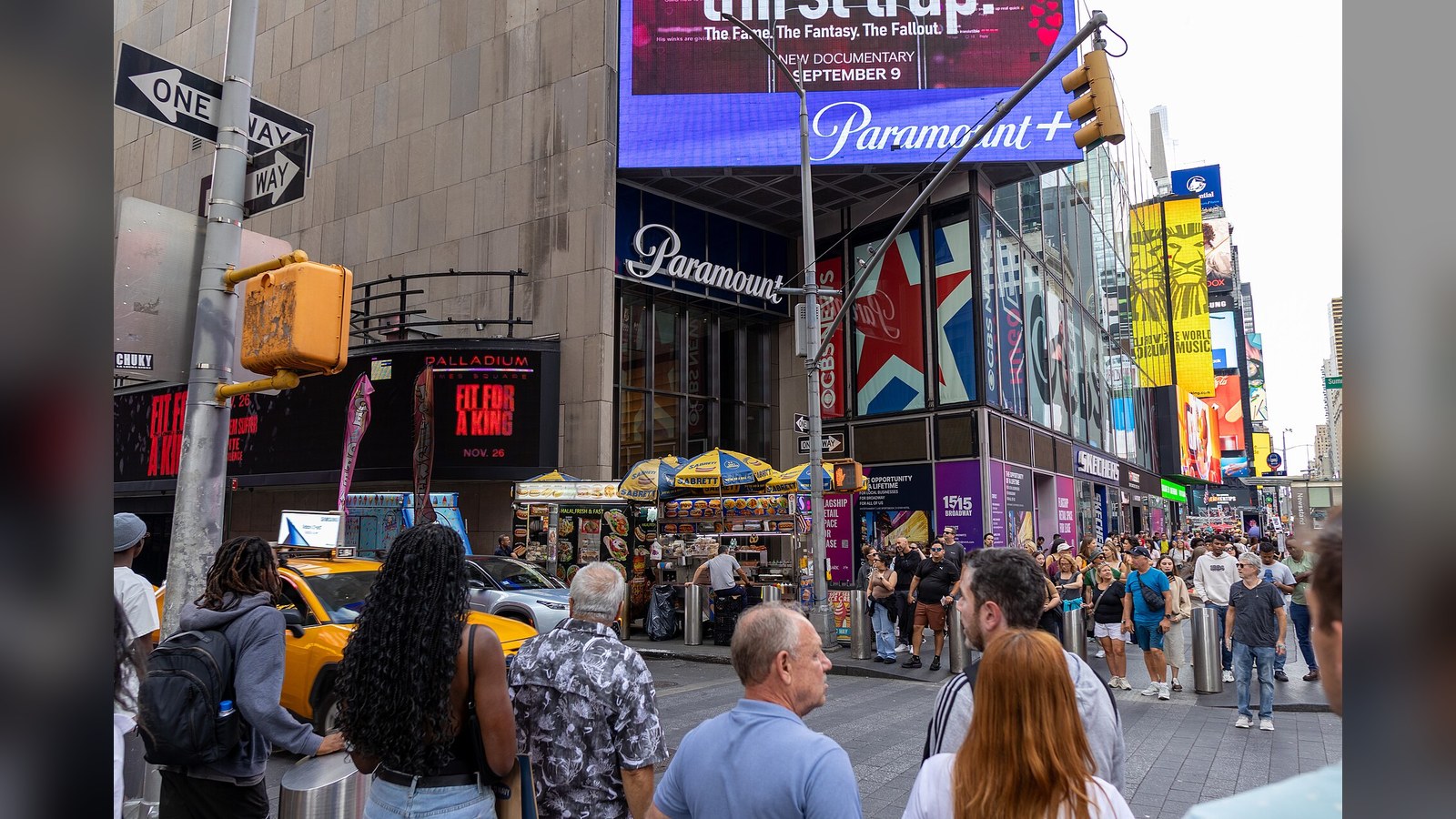
Skydance will fold Warner Bros. Television Group and Paramount Television Studios into a single company called Warner Bros. Television Studios, a consolidation expected to wrap up in early 2027. The decision was announced Wednesday in a staff memo from George Cheeks, co-chair and chief content officer of Skydance TV. It comes about a month after Skydance-owned Paramount closed its $81 billion takeover of Warner Bros. Discovery.
The new studio will be run jointly by Channing Dungey, currently head of Warner Bros. Television, and Matt Thunell, who leads Paramount Television Studios. Both carry the title of president and both report to Cheeks. Until the official launch, the two units will keep operating as they do now.
What Warner Bros. Television Studios Will Hold
The combined slate is large. Reports differ on the count: some put it at more than 100 productions, others at more than 120 series. It brings together WBTV hits such as “The Pitt,” “Ted Lasso,” “Shrinking” and “Abbott Elementary,” plus the coming HBO “Harry Potter” series, with Paramount Television Studios projects such as “Reacher” and Taylor Sheridan’s “Landman,” “Tulsa King” and “Dutton Ranch.” BET Studios and Warner Bros. International Television Production also fall under the new structure.
CBS Studios, the home of the “NCIS” and “Fire Country” franchises, will stay independent under David Stapf. CBS Studios International, Skydance Sports Entertainment and the nonfiction unit See It Now Studios will sit beneath it. Taken together, the two studio groups produce roughly 150 series, including international co-productions, according to The Hollywood Reporter.
A Merger Many Saw Coming
Industry observers say the logic is clear. Trade coverage notes that Warner Bros. Television and Paramount Television Studios overlapped heavily. Each was tasked with developing material from its sister film studio, each supplied its own streamer (HBO Max and Paramount+), and both sell shows to outside platforms. With the two film studios under joint leadership and the streaming services expected to merge, a single TV studio looked like the next step. CBS Studios, by contrast, has a more clearly defined role as the main supplier to the CBS network.
Paramount Television Studios has a short and turbulent history. Paramount shut it down a year before its 2025 merger with Skydance, then the name returned when Skydance TV and Showtime/MTV Entertainment were combined under Thunell. Now it disappears again as a standalone brand.
The equal co-leadership has drawn some attention. Deadline observed that Dungey and Thunell are at different stages of their careers, with Dungey the more seasoned and widely respected executive. The two previously worked together at Netflix, and each praised the other in statements. Dungey also continues to chair Skydance Global Cable Media, which combines the cable portfolios of Warner Bros. Discovery and Paramount.
Job Cuts and Fewer Buyers
The announcement does not mention layoffs, but Cheeks acknowledged staff concerns. “We know there will be questions about what this means for individual teams,” he wrote, adding that HR would share more as plans are finalized. Both Deadline and The Hollywood Reporter say cuts are likely when divisions merge.
The change also affects the wider creative community. With two studios becoming one, writers and producers will have one fewer place to pitch and sell series. Cheeks framed the move as creating “a formidable creative engine” with global scale. How that plays out for staff and outside creators will become clearer as the early-2027 integration approaches.
The Hollywood Reporter also noted that the antitrust settlement that cleared the Paramount-Warner Bros. Discovery deal did not explicitly address TV studio operations. Its television provisions focused on carriage agreements and the editorial independence of CBS News and CNN.
- Skydance to combine Warner Bros. TV Group and Paramount Television Studios (The Independent)
- Warner Bros. TV & Paramount TV Studios To Merge With Channing Dungey & Matt Thunell As Presidents (Deadline)
- Skydance to Fold Paramount TV Studios Into Warner Bros. TV Under Channing Dungey and Matt Thunell (Variety)
- Warner Bros. TV, Paramount TV Studios to Combine as a Single Mega-Studio (The Hollywood Reporter)
Explore more on this topic with Vexel Search.
File photo: Paramount Skydance One Astor Plaza.jpg by Nielsoncaetanosalmeron, CC BY 4.0, via Wikimedia Commons.
WordUp Morning
Ten stories, both sides of each, in five minutes. Free, every weekday at 7am, plus a Saturday weekend edition.
We'll email you a link to confirm. Unsubscribe any time.
Business & Hustles
Royal Mail delivery targets missed again as first-class on-time rate drops to 82.5%

Royal Mail delivery targets have slipped further out of reach, with the company reporting that service got worse in the second quarter of the year even as it pushes ahead with the biggest shake-up of letter delivery in decades.
Between the first and second quarters, first-class performance fell from 85% to 82.5% of letters arriving the next day. Second-class mail delivered within three working days dropped from 91.4% to 87.2%. Ofcom’s targets, which were lowered in April as part of reforms to the universal service, require 90% and 95% respectively.
Royal Mail says progress “will not be linear”
The company, whose parent International Distribution Services (IDS) was bought last year by Czech billionaire Daniel Kretinsky, said it remains “broadly on track” with its reforms. These include delivering second-class post every other day and dropping Saturday second-class deliveries. Its message to customers was essentially to be patient. Given “the scale and pace of the universal service change”, it said, it does not expect progress on quality of service to be linear. Delivery offices, it argued, need time to adapt to the new processes.
The timing is awkward. Last month Royal Mail said it would pause the full rollout of the second-class overhaul until after Christmas so staff could concentrate on the festive peak. It has also announced that up to 2,500 head office and support jobs will go by the end of 2027 to cut costs. Meanwhile chief executive Alistair Cochrane is retiring at the end of the year, with chief financial officer Paul Ablin, who holds that role at both IDS and Royal Mail, set to take over.
Citizens Advice calls for tougher action from Ofcom
Consumer campaigners are not persuaded. Citizens Advice says Royal Mail is on track to miss its first-class target for the tenth year in a row and its second-class target for the seventh. Tom MacInnes, the charity’s director of policy, said posting a letter “shouldn’t be like rolling a dice” and described the current service as “pot luck”. He argued that Ofcom’s efforts so far have “made no impact on service” and urged the regulator to escalate its action. In particular, he wants it to stop Royal Mail raising stamp prices while it keeps missing its annual targets.
Ofcom points to the action it has already taken. It has fined Royal Mail more than £37 million for failing to meet its annual targets across three years, and says it has secured commitments from the company to restore performance by April. Its reading of the latest quarter is mixed: first-class mail is on track for that deadline, but Royal Mail “must go further and faster” on second class if it is to turn things around by spring.
Parcels carry the business as letters shrink
The half-year results published alongside the figures show why the letters business is under such pressure. In the six months to 30 September, Royal Mail group revenues rose 3.9% to £4.1 billion. An 8% jump in parcel revenues more than offset a 0.8% fall in letters. Letter volumes dropped 8% over the period while parcel volumes rose 8%. Across IDS as a whole, revenues climbed 6.3%, helped by a 10.2% rise at its GLS parcel network in Europe.
IDS also warned that Royal Mail’s second-half financial performance will be hit by the delay to price increases for access business mail, such as marketing letters, household bills and medical appointment notices. Those rises had been due to take effect in October.
What to watch next
The test for management is whether Royal Mail delivery targets move back toward Ofcom’s thresholds before the April deadline, particularly after the second-class changes resume following Christmas. The company is asking for time, but the regulator has set a date and campaigners are pressing for penalties that go beyond fines. A new chief executive taking charge at the turn of the year will inherit both pressures.
- Royal Mail insists turnaround will take time as it misses delivery targets again (standard.co.uk)
- Royal Mail misses delivery targets again as it insists turnaround will take time (business-live.co.uk)
- Royal Mail misses delivery targets again and insists turnaround will take time (The Independent)
- Better post now for Christmas! Royal Mail misses delivery targets for the TENTH year in a row as new bosses insist turnaround will take time (dailymail.com)
Explore more on this topic with Vexel Search.
File photo: Royal Mail Solar-powered Parcel Postbox.jpg by Anders Baggibyr, CC0, via Wikimedia Commons.
WordUp Morning
Ten stories, both sides of each, in five minutes. Free, every weekday at 7am, plus a Saturday weekend edition.
We'll email you a link to confirm. Unsubscribe any time.
Business & Hustles
Viagogo hidden fees probe: CMA’s provisional finding puts up to 10% of global turnover in play

Header image: AI-generated illustration by WordUp News.
Viagogo hidden fees are now the subject of a formal provisional finding from the UK’s competition watchdog, which says the ticket resale platform may have broken consumer law by not showing buyers the full price at the start. The Competition and Markets Authority (CMA) issued the finding on Thursday. The regulator is clear that it is not a final verdict.
The CMA’s concern is a practice it calls “drip pricing”, where a headline price is displayed first and extra charges are added as the customer moves through checkout. According to the regulator, mandatory costs such as taxes and booking fees were added at later stages rather than being included in the total price from the outset. It examined how UK fans buying tickets for events including concerts and sport experienced three websites operated under the Viagogo brand.
What the CMA says went wrong
The watchdog’s argument is about comparison. If the first number you see is not the number you pay, it says, you cannot fairly weigh one listing against another. In its words, drip pricing can leave fans “caught out by extra charges” and buying tickets “they might not otherwise have selected, had they been able to compare prices accurately from the start.”
The regulator also stressed that this is an initial conclusion and that it should “not be assumed that Viagogo has broken the law.”
Viagogo’s response and what happens next
Viagogo said the investigation is continuing and that “no final findings have been made”. It added that it has “engaged constructively” with the CMA and will keep cooperating fully.
Procedurally, the CMA has issued a provisional infringement notice. Viagogo now has the chance to consider the findings and respond. Only if the CMA is ultimately satisfied that consumer law was broken can it issue a final infringement notice. Since the CMA gained direct enforcement powers, it can reach that decision itself rather than taking a company to court.
In general the CMA can impose penalties of up to 10% of global turnover for breaches of consumer law. It says it weighs factors including the severity of the conduct before setting a figure, so the maximum is a ceiling rather than a forecast.
A guide from the StubHub case
The closest precedent is StubHub UK. In June, the CMA ordered the rival reseller to refund more than 50,000 customers and pay a £900,000 fine for not showing the total price upfront. StubHub UK received a 40% reduction in its penalty because it admitted breaking the law and agreed to settle early. That shows how much the route a company takes can matter to the outcome. Viagogo has so far made no such admission and says no final findings exist.
Part of a wider crackdown
The Viagogo case sits within a broader push on drip pricing. Earlier this week the CMA announced investigations into three companies over the practice. According to the BBC, it said in August that Trainline, Virgin Atlantic and RED Driving School had been engaged in drip pricing. Taken together, the actions suggest the regulator is treating undisclosed add-on fees as a priority across sectors, not just in ticketing.
The secondary ticketing market is also under political scrutiny. Late last year the Government announced plans for new rules that would make it illegal to resell tickets for live events above their original cost. Pricing transparency and resale limits are separate issues, but both reflect pressure on a market where fans often complain about paying far more than they expected.
For now, the practical effect on buyers is limited, and the investigation is far from over. What the Viagogo hidden fees finding does show is where the regulator is heading: it expects the total price to be visible before a customer commits to checkout, and it has shown it will act when it believes that has not happened.
- Viagogo may have broken law on hidden fees, watchdog provisionally finds (BBC)
- Viagogo may have broken hidden fees rules, provisional CMA finding says (business-live.co.uk)
- Viagogo may have broken hidden fees rules, CMA provisionally finds (The Independent)
- Viagogo may have broken hidden fees rules, says provisional CMA finding (standard.co.uk)
Explore more on this topic with Vexel Search.
WordUp Morning
Ten stories, both sides of each, in five minutes. Free, every weekday at 7am, plus a Saturday weekend edition.
We'll email you a link to confirm. Unsubscribe any time.
Business & Hustles
Interest rates not ‘pre-set’, Bailey warns, as inflation hits 3.6% and a rise looms
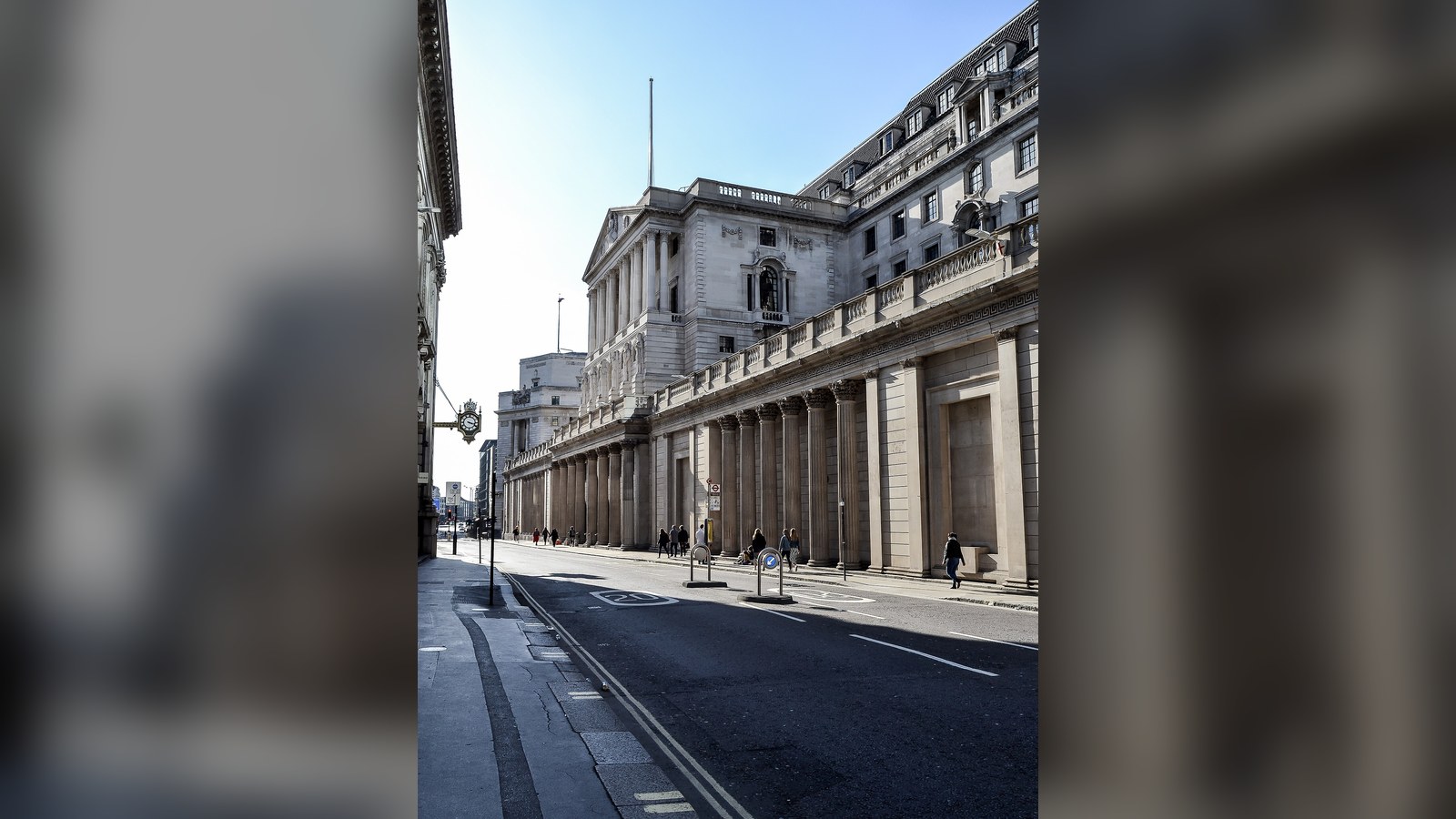
Bank of England Governor Andrew Bailey has refused to commit to a course for interest rates, telling an economic conference that policy is “not on a pre-set path” while energy prices remain volatile because of the conflict in the Middle East.
Speaking to the Institute of Economic Development on Wednesday, Bailey did not rule out higher borrowing costs. His remarks came as many economists expect a rise as soon as next month, or early next year. Official figures show Consumer Prices Index inflation edged up to 3.6% in October from 3.5% in September, its highest level in a year. Petrol and diesel prices and changes to tobacco duty drove the increase.
Energy prices are the key risk to interest rates
Bailey tied the outlook directly to the war in the Middle East. “The longer the conflict in the Middle East persists and elevates energy prices, the more likely persistent inflationary effects will take hold and the higher the level of interest rates will need to be,” he said.
He stressed that the situation is uncertain and changeable. The Bank’s rate-setting committee, he said, must “keep a very close eye” on whether high energy costs spread into other prices and the wider economy. He added that members would “look carefully at the evidence that will accumulate by the time we next meet.”
He also said the absence of a pre-set path “is always true” as a general matter. That qualification reads as a reminder that the Bank reacts to data rather than following a script, and it stops short of confirming or dismissing market expectations of a hike.
Growth better than forecast, with a school-report verdict
Bailey offered a more upbeat assessment of growth. Summer forecasts expected annual GDP growth of just over 1%, but projections now stand at around 1.6%. Business surveys also suggest activity has picked up somewhat.
He kept the praise measured. A 1.6% rate is below the average before Covid but above the rates of the past few years. “I guess the school report would be; better but needs to try harder,” he said.
Part of the lift comes from technology. Services linked to domestic AI activity have grown strongly, he said, and the Bank has built an “AI activity proxy” suggesting that novel AI activity accounts for just under a fifth of GDP growth so far this year. “Not to be sneezed at,” Bailey said.
An uneven economy
The governor cautioned that national averages hide big differences. He called the “uneven impact” of recent energy shocks “striking”. He traced regional divergence back to the 1980s, when rapid deindustrialisation coincided with the growth of finance and business services. By the 2010s, he said, the UK was among the more regionally uneven industrialised economies on measures such as productivity and GDP per head.
Bailey described the consequences of deindustrialisation as “notably persistent”, but said economic geography can change. He pointed to strengths that former industrial regions have developed in advanced manufacturing, aerospace, energy, defence and technology. The question, he said, is why some places make that transition more effectively than others.
For households and businesses, the message is mixed. The economy is growing faster than expected, but inflation is rising again. How far and how long energy prices stay high may decide whether interest rates move up from here.
- Bank chief says interest rates not ‘pre-set’ amid further potential rise (The Independent)
- Bank chief says interest rates not ‘pre-set’ amid further potential rise (standard.co.uk)
Explore more on this topic with Vexel Search.
File photo: Bank of England – London.jpg by MrsEllacott, CC BY-SA 4.0, via Wikimedia Commons.
WordUp Morning
Ten stories, both sides of each, in five minutes. Free, every weekday at 7am, plus a Saturday weekend edition.
We'll email you a link to confirm. Unsubscribe any time.

Header image: AI-generated illustration by WordUp News.
Nearly 30 employers with more than half a million staff between them have signed up to a workplace savings scheme that aims to help ordinary workers build a financial cushion straight from their pay packets.
The initiative, run through the National Coalition for Workplace Savings, works with employers to introduce savings schemes and to raise the number of staff who take part. Household names among the early members include BT, Home Bargains, Marks & Spencer and Veolia. Co-op, Bupa, Greene King, Burger King UK and Travelodge have also joined.
How the workplace savings scheme works
The model is simple. An employee chooses a share of their salary, and that amount is automatically moved into a savings account in their own name. Savers can reach their money at any point, so the account works as an emergency fund rather than a locked-away pension pot.
That flexibility is central to the pitch. Many people find it hard to save what is left at the end of the month. Moving the money at the point of payroll takes the decision out of the monthly routine, while leaving the saver in control of how much goes in and when it comes out.
Government backing and the financial inclusion push
Ministers have put their weight behind the project. Chancellor John Healey said that when “the car breaks down or the boiler goes on the blink”, savings are “a lifeline for families”. He described the arrangement as a partnership between government and employers that will let people build rainy-day funds “more easily, and on their own terms”.
Economic Secretary to the Treasury Lucy Rigby said that helping people to build a savings habit is “a core part of the Government’s financial inclusion strategy”. The coalition’s growth therefore doubles as a sign of how the Treasury hopes to reach people who have little or no savings: through their employers rather than through campaigns aimed directly at individuals.
Early evidence from Veolia
The clearest sign of how the approach performs in practice comes from Veolia UK. Chief executive Richard Kirkman said the response was “immediate” when the company launched its financial wellbeing initiative. Nearly 2,300 colleagues opened an account, and together they saved £588,000 directly through payroll in the first five months.
Spread across the accounts opened, that works out at roughly £255 each on average, though the figure will hide a wide range between savers. It is a single employer’s account of its own scheme, and the material released so far does not say what share of Veolia’s workforce the 2,300 represents.
What we still don’t know
Several details are not set out in the information available so far. It does not say which organisations provide the accounts, what interest savers earn, or whether any employers add contributions of their own. There is also no target for how many more firms the coalition hopes to recruit. Nor is it clear how take-up elsewhere will compare with Veolia’s, or how many of the 500,000-plus eligible staff will actually sign up.
Those figures matter. The headline of more than half a million workers refers to the combined size of the employers’ workforces, not to the number of people who are saving. The real test of the workplace savings scheme will be how many employees choose to take part, and how much they set aside, once the programme reaches them.
Explore more on this topic with Vexel Search.
WordUp Morning
Ten stories, both sides of each, in five minutes. Free, every weekday at 7am, plus a Saturday weekend edition.
We'll email you a link to confirm. Unsubscribe any time.
Business & Hustles
Six firms now in the CMA’s drip pricing sights as a gym chain and two holiday brands join the probe

Header image: AI-generated illustration by WordUp News.
The UK’s competition watchdog has widened its crackdown on drip pricing, opening investigations into a gym chain and two holiday businesses over fears that customers are not being shown the full cost of what they buy until late in the process.
The Competition and Markets Authority (CMA) said on Wednesday that it is examining Bannatyne Health Club, Secret Escapes and Caledonian Travel. They join Trainline, Virgin Atlantic and Red Driving School, which were named in similar investigations in August. That brings the number of firms publicly caught up in the sweep to six, spread across leisure, travel and education.
What is drip pricing?
The term describes a tactic where an attractive headline price is advertised, but mandatory charges are held back and added as the customer moves through the buying process. By the time the real total appears, the shopper may have invested time and effort, which makes walking away less likely. It also makes comparing offers like-for-like hard, because one firm’s advertised price may include charges that another’s leaves out.
The CMA is assessing whether the firms have breached consumer protection rules by separating compulsory charges from the price people first see.
The concerns about each firm
The watchdog’s worries differ by sector. At Bannatyne Health Club, the concern is that joining fees and charges for accessing facilities were added later in the purchase journey rather than being built into the upfront price.
For Caledonian Leisure Ltd, the coach travel and holiday package provider trading as Caledonian Travel, investigators will look at whether the total price is shown at the outset, including mandatory extras such as single-person supplements and city taxes.
Secret Escapes, a travel deal platform, is being probed over whether holidaymakers see compulsory costs such as Atol fees, local taxes and resort fees in the total price from the start. For deal-hunters, the advertised price is the main draw, so any gap between it and the final bill matters a great deal.
No conclusions yet
The CMA stressed that it has reached no conclusions about whether the law has been broken, and opening an investigation is not a finding of wrongdoing. A Bannatyne Group spokesman said the company notes the review and is “fully assisting with the process and any information required”. The other firms’ responses were not included in the coverage available.
Emma Cochrane, the CMA’s executive director for consumer protection, framed the issue as one of basic fairness. “People should be able to compare prices like-for-like when spending their cash,” she said, citing holidays and gym memberships as examples. “Whatever you’re buying, hidden fees should not push up the price.”
Her message to businesses was blunt: the price customers see upfront should be the price they pay.
Why the spread of sectors matters
The mix of targets suggests the regulator sees the problem as spanning many industries rather than being confined to one corner of the market. Rail ticketing, airlines, driving lessons, gyms and package holidays have little in common except that each can involve add-on charges that are unavoidable in practice. Naming firms in several sectors signals that any business with compulsory extras could face scrutiny over how it presents its prices.
What happens next will depend on what the investigations find. For now, consumers booking a gym membership or a break away have a reminder to check what the final total is before assuming the headline figure is the whole story.
- Three more firms face investigations in watchdog’s ‘drip pricing’ crackdown (The Independent)
- Three more firms face investigations in watchdog’s ‘drip pricing’ crackdown (standard.co.uk)
- Bannatyne Health Club and Caledonian Travel named in probe over ‘drip pricing’ (dailyrecord.co.uk)
Explore more on this topic with Vexel Search.
WordUp Morning
Ten stories, both sides of each, in five minutes. Free, every weekday at 7am, plus a Saturday weekend edition.
We'll email you a link to confirm. Unsubscribe any time.
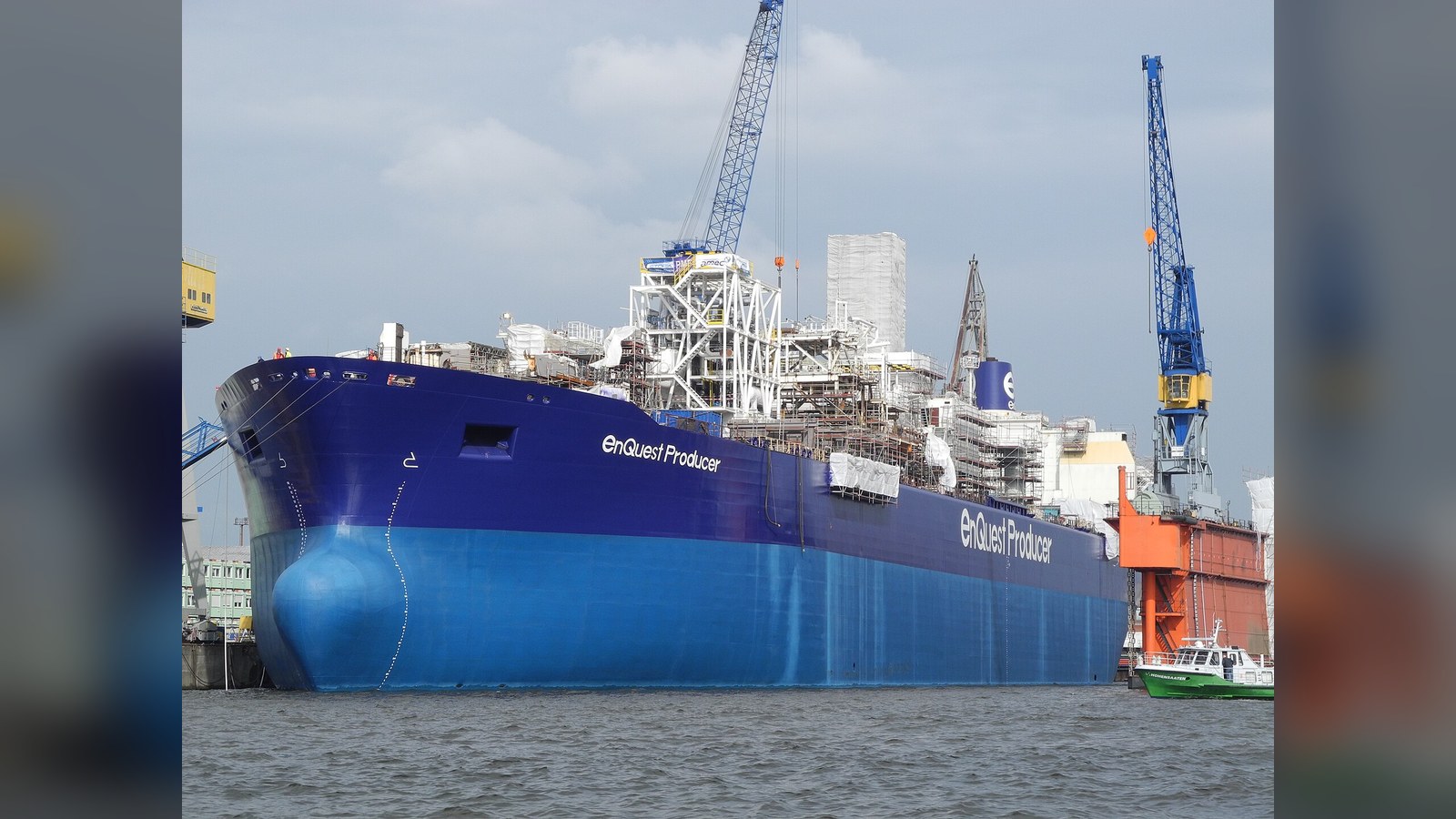
The EnQuest North Sea exit is now set to happen: the company has agreed to sell its UK upstream operations to Neo Next+ in a deal worth as much as $960 million (£729 million), ending the presence of one of Britain’s largest oil and gas operators in the basin it was founded to serve.
EnQuest, set up in 2010 as a specialist in UK North Sea oil and gas, says the sale lets it concentrate on south-east Asia. The company described the move as a shift “from a high-tax, low-return basin into a high-growth region that is structurally short on energy.” It pointed to what it called an uncertain investment environment in the UK, where energy producers have also faced rising taxation in recent years.
Why the EnQuest North Sea exit matters
The departure is the latest in a run of retreats. BP put its North Sea holdings up for sale over the summer after some six decades of production, and the sources note that a number of other companies have sold up, merged or scaled back their presence. EnQuest’s decision adds to the sense of a basin in managed decline, with big operators reassessing whether the returns justify the risk.
The buyer is itself a product of that consolidation. Neo Next+ was established in March through a merger of the UK North Sea assets of TotalEnergies, Spain’s Repsol and the investment firm HitecVision. In effect, EnQuest’s assets are moving into a vehicle created by other players who were also reshaping their exposure to the basin.
A strategic bet on south-east Asia
EnQuest chief executive Amjad Bseisu framed the sale as the logical next step following recent “transformational acquisitions” in Malaysia and what he called strong growth across the region. He said the disposal puts the company’s south-east Asian portfolio “at the core” of the business, with opportunities to invest, build scale and create long-term shareholder value.
He also promised a leaner company: a “materially lower cost base” and a significantly stronger balance sheet, which would support both organic investment and further acquisitions in the region, alongside what he described as sustainable shareholder returns. The headline price carries a caveat worth noting: the figure is “up to” $960 million, suggesting part of the value may depend on conditions the sources do not detail.
Political fallout
The announcement quickly became ammunition in the argument over energy policy. Shadow energy secretary Andrew Bowie called it “devastating news” and the latest sign that the government’s oil and gas policies are “hanging a ‘closed for business’ sign over the North Sea.” He criticised Labour for banning new licences and maintaining an extended and increased windfall tax, and argued that jobs are being lost, revenue surrendered and energy security undermined. His prescription: open up the North Sea, abolish the windfall tax and scrap the licensing ban.
The government has not responded in the material available, and the sources do not quantify how many jobs, if any, are affected by the sale. What they do show is that ministers face a politically charged decision on Rosebank, the North Sea’s largest undeveloped oil field, which lies 80 miles north-west of Shetland. The government is weighing whether to approve its development amid environmental and political pressure.
What to watch next
Much remains unclear, including the timetable for completing the sale and the terms that determine how close the final price comes to the $960 million ceiling. Whether the EnQuest North Sea exit proves an isolated corporate strategy or part of a wider pattern will depend on how other operators weigh tax and licensing policy, and on the government’s call over Rosebank. For now, the message from EnQuest is blunt: it sees better returns elsewhere.
- UK energy firm EnQuest exits North Sea to pivot focus to south-east Asia (The Independent)
- EnQuest exits North Sea with £729m sale to Neo Next+ in pivot to South East Asia (business-live.co.uk)
Explore more on this topic with Vexel Search.
File photo: EnQuest Producer (8729297770).jpg by flightlog, CC BY 2.0, via Wikimedia Commons.
WordUp Morning
Ten stories, both sides of each, in five minutes. Free, every weekday at 7am, plus a Saturday weekend edition.
We'll email you a link to confirm. Unsubscribe any time.
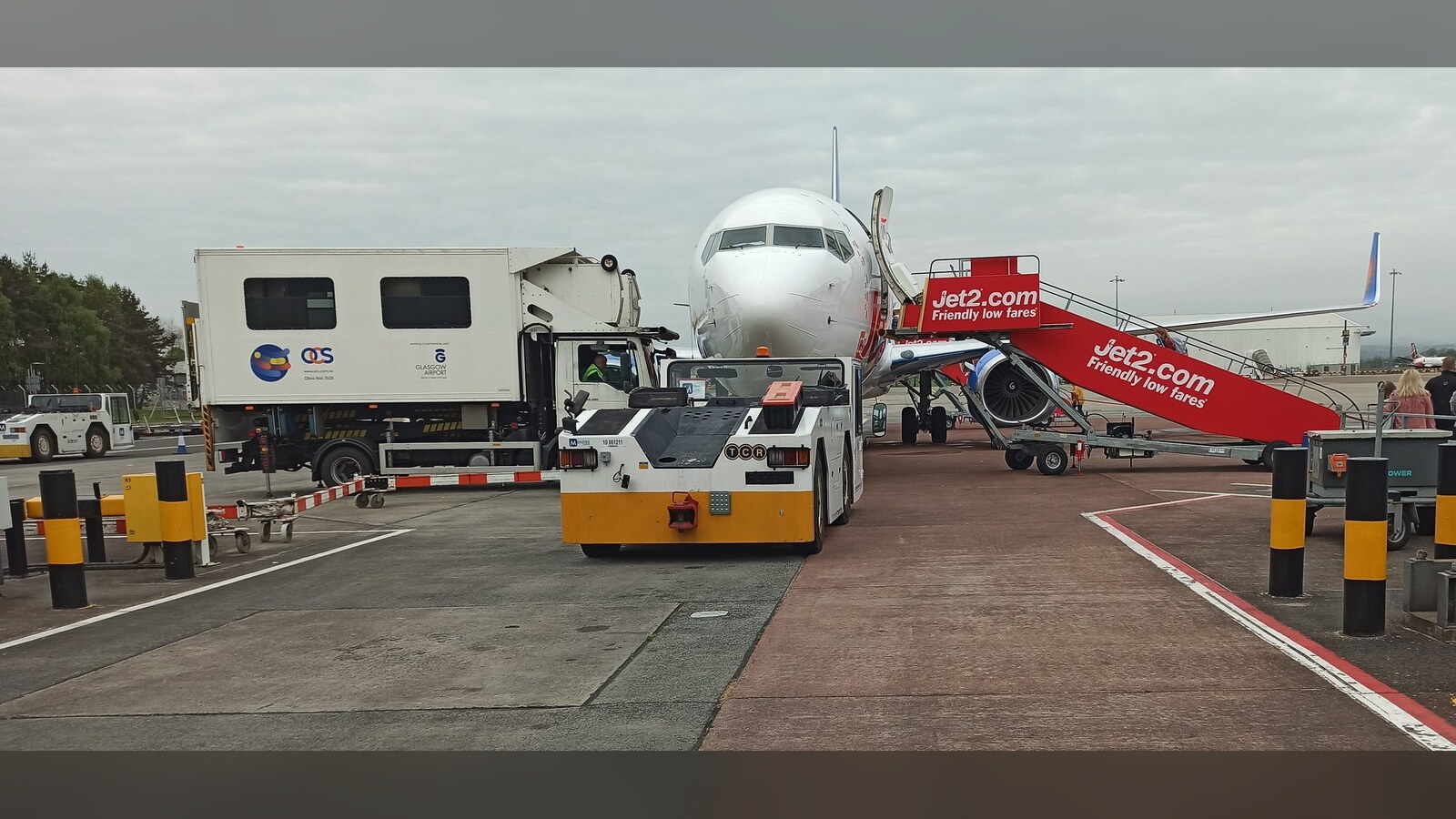
Jet2 seat cuts of 240,000 for the winter season show how far the Iran war is reaching into the everyday economics of British package holidays. The UK’s third-largest airline said on Wednesday that it has trimmed capacity since early September, even as it reported its busiest half-year ever.
Record passengers, shrinking profits
The half-year figures to 30 September show a business that is growing and earning less at the same time. Passenger numbers rose 9% to 15.4 million, the highest in the company’s history, and revenue climbed 5% to a record £5.63 billion. Pre-tax profit nonetheless fell 19% to £652.2 million.
The gap comes down largely to pricing. Package holiday prices held up, rising 1% to an average of £945, which Jet2 called “resilient”. But the company cut the price of flights to fill its planes. Yields on flight tickets dropped 14% per passenger to £104.82. Richard Hunter, head of markets at Interactive Investor, said the airline had “leant heavily on reducing pricing”, which delivered the extra passengers but “sharply reduced profit for the period”.
Why fuel is driving the Jet2 seat cuts
Jet2 bought much of its fuel in advance, a standard way to fix costs. The problem is the share that is not hedged. The company said the conflict in the Middle East is disrupting global energy and oil markets, pushing up forward prices for the fuel it still has to buy.
The winter reduction amounts to a 3.6% fall in seats year-on-year once the recent expansion at Gatwick is stripped out. Jet2 said it had “acted decisively” in response to elevated unhedged fuel prices and would keep taking “responsible action” on seat capacity and operating costs.
No full-year guidance
Notably, the company declined to give a profit forecast for the full year. It said this was premature given how much of the winter season is still to be booked and how volatile jet fuel prices remain. The statement leaves investors without a clear marker, and shares fell by more than 5% in morning trading.
Booking patterns add to the uncertainty. Jet2 said customers are booking closer to departure, as they did in summer 2026, and argued that its flexible model is “well placed” to capture that demand. Hunter was more cautious, describing a “fast-moving late-booking” environment that makes it harder for the airline to plan, especially when some costs are fixed while others float with the fuel market.
He also pointed to the second half of the year. Jet2 traditionally runs at a loss then as it prepares for the summer, with higher capacity, marketing spend and recruitment costs all weighing on results.
What next for summer
Jet2 is still reviewing its summer holiday programme. For now it plans “measured” growth of 3% across its established airport bases. That is a far cry from the expansion of recent years and suggests the Jet2 seat cuts for winter may not be the last adjustment if fuel prices stay high.
For holidaymakers, the immediate picture is mixed. Cheaper flight pricing helped fill planes this year, but fewer winter seats and a cautious summer plan suggest less room for such discounting if costs keep climbing. The sources do not say how fares will change for the coming season, and Jet2 itself has said much will depend on fuel markets and late bookings.
- Jet2 cuts winter holiday programme in face of Iran war fuel pressures (standard.co.uk)
- Jet2 cuts winter holiday programme in face of Iran war fuel pressures (The Independent)
Explore more on this topic with Vexel Search.
File photo: Jet2 aircraft at Glasgow Airport – geograph.org.uk – 7174461.jpg by Thomas Nugent, CC BY-SA 2.0, via Wikimedia Commons.
WordUp Morning
Ten stories, both sides of each, in five minutes. Free, every weekday at 7am, plus a Saturday weekend edition.
We'll email you a link to confirm. Unsubscribe any time.
Business & Hustles
FTSE 100 miners drag index down 1.3% as copper slides 6.4% and UK inflation hits 3.6%

Header image: AI-generated illustration by WordUp News.
FTSE 100 miners bore the brunt of a sharp sell-off in London on Wednesday, pulling the blue-chip index down 138.70 points, or 1.3%, to 10,551.17 as a rally in the dollar hit metals prices. The FTSE 250 fared far better, ending 0.1% lower at 24,364.17, while the AIM all-share dropped 1.5% to 732.27.
Why FTSE 100 miners were hit so hard
The six biggest fallers on the index were all mining companies. Antofagasta lost 7.9%, Endeavour Mining and Anglo American each shed 7.2%, Glencore fell 6.1%, and Rio Tinto and Fresnillo both dropped 4.7%. Hochschild Mining, listed on the FTSE 250, fell 8.4%.
The trigger was a broad retreat in commodities. Gold slipped to $3,742.80 an ounce from $3,869.59 the previous day, silver fell 5.2% and copper slid 6.4%. AJ Bell investment director Russ Mould tied the moves to a stronger dollar, saying the prospect of further US interest rate rises was making precious metals less attractive. He added that doubts over the rollout of AI infrastructure were clouding expectations for copper demand.
The dollar’s strength was visible elsewhere. Trade Nation’s David Morrison noted the cash dollar index reached a fresh 19-month high above 103.50, though he described the rally as “rather extended” and in need of a pause. Sterling slipped to $1.3140 from $1.3217 a day earlier.
Inflation rises, but less than feared
The other big story was UK inflation. Consumer price inflation accelerated to 3.6% in October from 3.5% in September, according to the Office for National Statistics. That was still below the 3.7% the market had expected. Core inflation, which strips out energy, food, alcohol and tobacco, held at 2.8%, in line with forecasts. Services inflation, which the Bank of England watches closely, came in at 3.7%. That was below both the 3.8% consensus and the 3.9% the Bank had pencilled in for its November Monetary Policy Report.
Analysts read the figures as a modest reprieve for policymakers. JPMorgan’s Allan Monks said the data pointed to an absence of “second-round effects” and, combined with a softer labour market report the day before, gave the Monetary Policy Committee little reason to move faster than planned. He said the open question was whether the Bank had been intending an earlier December rate hike. Deutsche Bank’s Sanjay Raja said the release gave the Bank “some breathing space”, though he called inflation “uncomfortably high” and still expects the “worst is yet to come”, with CPI rising above 4% early next year.
Europe and Wall Street also lower
The weakness was not confined to London. Paris’s CAC 40 fell 0.9% and Frankfurt’s DAX 40 lost 1.2%. Eurozone inflation, meanwhile, was confirmed at 4.0% in October, up from 3.8% in September, according to Eurostat. On Wall Street the Dow was down 1.2%, the S&P 500 down 0.5% and the Nasdaq down 0.1%.
Nvidia was a notable drag despite strong numbers. Its shares fell 2.4% even after it reported third-quarter revenue of $115.8 billion, roughly double the $57.0 billion of a year earlier and well above the $108.84 billion FactSet consensus. The company also guided to fourth-quarter revenue of $130.0 billion. The results came as the chipmaker adjusts to the departure of Jensen Huang as chief executive. Interim chief executive and chief financial officer Colette Kress told analysts: “Our momentum is real. Our demand is accelerating.” XTB’s Kathleen Brooks called the release “stunning” and said the new leadership team “hit the right note”.
The day’s picture was mixed: a better-than-feared inflation print that gives the Bank of England room to manoeuvre, set against a dollar-driven commodities rout that showed how exposed FTSE 100 miners are to US rate expectations and to wobbles in the AI investment story.
- FTSE 100 sinks as miners plummet, inflation rises (The Independent)
- FTSE 100 sinks as miners plummet, inflation rises (standard.co.uk)
Explore more on this topic with Vexel Search.
WordUp Morning
Ten stories, both sides of each, in five minutes. Free, every weekday at 7am, plus a Saturday weekend edition.
We'll email you a link to confirm. Unsubscribe any time.
Business & Hustles
BAE Systems Job Cuts: Up to 1,070 Roles at Risk as Unite Warns of “No Manufacturing Industry Left”

The BAE Systems job cuts announced this week could remove up to 1,070 roles from Britain’s largest defence manufacturer, and they have already become a political flashpoint over how quickly the Government turns its defence spending promises into orders.
The company says the reductions will fall on its UK head office and its air sector. BAE employs around 50,000 people in Britain, including about 18,500 in air and around 1,000 at head office. The proposed cuts would therefore equal roughly 2% of the UK workforce, or about 5% of the staff in the two areas affected.
Who is affected by the BAE Systems job cuts?
BAE has said it intends to exclude shopfloor manufacturing staff, people who maintain aircraft at RAF bases, and its early careers trainees. That means the cuts are aimed at office-based and support functions rather than the production lines for aircraft such as the Eurofighter Typhoon and the F-35 Lightning II, both of which BAE helps to build.
The company stressed that it is seeking to achieve the reductions through a voluntary process. In a statement, a spokesperson described the move as “the next stage” of an ongoing drive to improve agility and competitiveness, and said BAE wants to “maximise the value of every pound” its customers spend on defence. The firm acknowledged the news “may be unsettling” and promised to work closely with trade unions and employee representatives.
Unite blames delays in defence decisions
Unite general secretary Sharon Graham was quick to link the announcement to Government decision-making. “We won’t have a manufacturing industry left if the Government doesn’t start making critical decisions,” she said, arguing that delays in defence spending have been pushing firms in the sector towards choices that cost British jobs.
She also pointed to the timing, noting that the announcement came the day after the Government backed a major boost in apprenticeships. She called it evidence of “a lack of joined-up thinking”. Her demands were specific: immediate contracts for British-built Typhoons and for Collaborative Combat Aircraft, plus the award of the Skynet 6 satellite communications contract to Airbus, which she said would protect thousands of skilled jobs in Portsmouth and Stevenage.
Airbus responded only that it remains “fully committed” to the Skynet competition and is complying with all Ministry of Defence requirements and timelines. Unite argues the pressures are not confined to BAE.
Ministers point to contracts already signed
The Ministry of Defence did not dispute that the news will worry staff, saying its thoughts were with those potentially affected. But it defended its record, saying the Government is delivering “the biggest boost in defence spending since the Cold War” and has already agreed £4 billion of investments since July.
It singled out two BAE-related deals. One is a £708 million contract extension for BAE to lead development work on the Global Combat Air Programme. The other is the £8 billion deal to supply Turkey with 20 Typhoon jets, which the department says sustains 6,000 jobs at two BAE sites.
The announcement comes a month after the Chancellor and the Defence Secretary visited BAE in Glasgow to unveil new rules intended to bring more defence work to the UK. Under them, overseas firms winning significant British defence contracts must reinvest in the country by creating UK jobs and apprenticeships, opening factories and backing domestic suppliers. The timing sharpens the awkwardness for ministers, who have promoted a domestic industrial dividend from higher defence budgets while the biggest domestic player trims its workforce.
Opposition seizes on the cuts
Shadow defence secretary James Cartlidge said the cuts showed the real-world impact of what he called Labour’s “complete failure to fund defence”. He accused the Government of causing the industry to “recede” at a time when ministers have warned the UK could be at war with Russia by 2030, and argued that defence firms are boosting the economies of NATO allies while jobs are lost at home.
For now, the BAE Systems job cuts are a proposal, and the use of a voluntary process means the final number of departures may differ from the 1,070 ceiling. What remains unclear from the sources is how quickly the process will move, and whether the Typhoon, combat aircraft and Skynet decisions Unite is demanding will arrive in time to change the company’s plans.
Explore more on this topic with Vexel Search.
File photo: BAE Systems Depot – panoramio.jpg by Idawriter, CC BY-SA 3.0, via Wikimedia Commons.
WordUp Morning
Ten stories, both sides of each, in five minutes. Free, every weekday at 7am, plus a Saturday weekend edition.
We'll email you a link to confirm. Unsubscribe any time.

Van Gogh Record Smashed: $190.4m Painting Sells After Last-Minute Nazi-Era Deal

Apple Camera Chief Retires After 8+ Years, With No Successor Named

Joanne Young case: four men convicted over 13 years of abuse, with sentencing set for 21-22 December


-

 Crime6 days ago
Eleanor Donaldson placed on sex offender register for five years, with three-year supervision order
-

 Tech & AI5 days ago
Nvidia CEO Search Reaches Arm: Board Reportedly Approached Rene Haas One Day After Jensen Huang Resigned
-

 Tech & AI2 days ago
Jensen Huang Return Unlikely: Nvidia’s Board Isn’t Considering It as Stock Sits 10% Down
-

 Crypto7 days ago
Binance Hack Seizure: DOJ Targets $1.2B of $6.3B Stolen as FaceStealer Scam Is Disrupted
-

 Fashion6 days ago
Ode Parfums Bets €30 Million on Affordable Luxury, With Online Launch in January
-

 Crypto6 days ago
Sygnum’s ETH Alpha Fund Targets 8–10% in ETH, Versus 2–3% From Staking
-

 Business & Hustles6 days ago
FTSE 100 gains 2.2% on the week as US tech sell-off deepens before record Anthropic IPO
-

 Tech & AI6 days ago
Senate Testimony Demanded From Huang and Lutnick on Dec. 3 as Nvidia Scandal Widens
-

 Crime6 days ago
Walliams police investigation: Met probes ‘a number’ of non-recent allegations, no arrest made
-

 Fashion5 days ago
Florence Pugh’s Third Westwood Moment: Mourning Dress Meets Vivienne Westwood Pumps at East of Eden FYC Event
-

 Crypto6 days ago
Trump Jr.’s Kalshi Advisory Role Ends After His Firm’s $300 Million Polymarket Bet
-

 Gaming6 days ago
Breath of the Wild Sold 34 Million After Zelda Sales Slumped, Ex-Nintendo Marketers Say
-

 Gaming6 days ago
Pearl Abyss AI push goes studio-wide as DokeV slips to 2028
-

 Tech & AI7 days ago
Nvidia Interim CEO Colette Kress Inherits a Company Whose Value Just Fell Below $4 Trillion
-
 Business & Hustles6 days ago
Probation Staff Strike Looms After Three in Four Napo Voters Back Walkouts
-

 Tech & AI6 days ago
ChatGPT Wallet Lets OpenAI’s Dots Spend Your Money, but Only With a Face ID or Fingerprint Check
-

 Tech & AI6 days ago
Bessent Says Commerce “Has the Pen” on Megaspeed Entity List as Lutnick Faces December Senate Hearing
-

 Gaming5 days ago
The Blood of Dawnwalker’s New Game Plus Lifts the Level Cap to 100 Next Week
-

 Gaming5 days ago
Pearl Abyss AI Push Spreads “Throughout Our Entire Development Pipeline” as DokeV Slips to 2028
-

 Gaming7 days ago
Halo Firefight Returns This Winter as a Free Campaign Evolved Update
You must be logged in to post a comment Login