
Gaming
Rockstar union vote: 1,163 UK workers reject IWGB recognition as GTA 6 launches

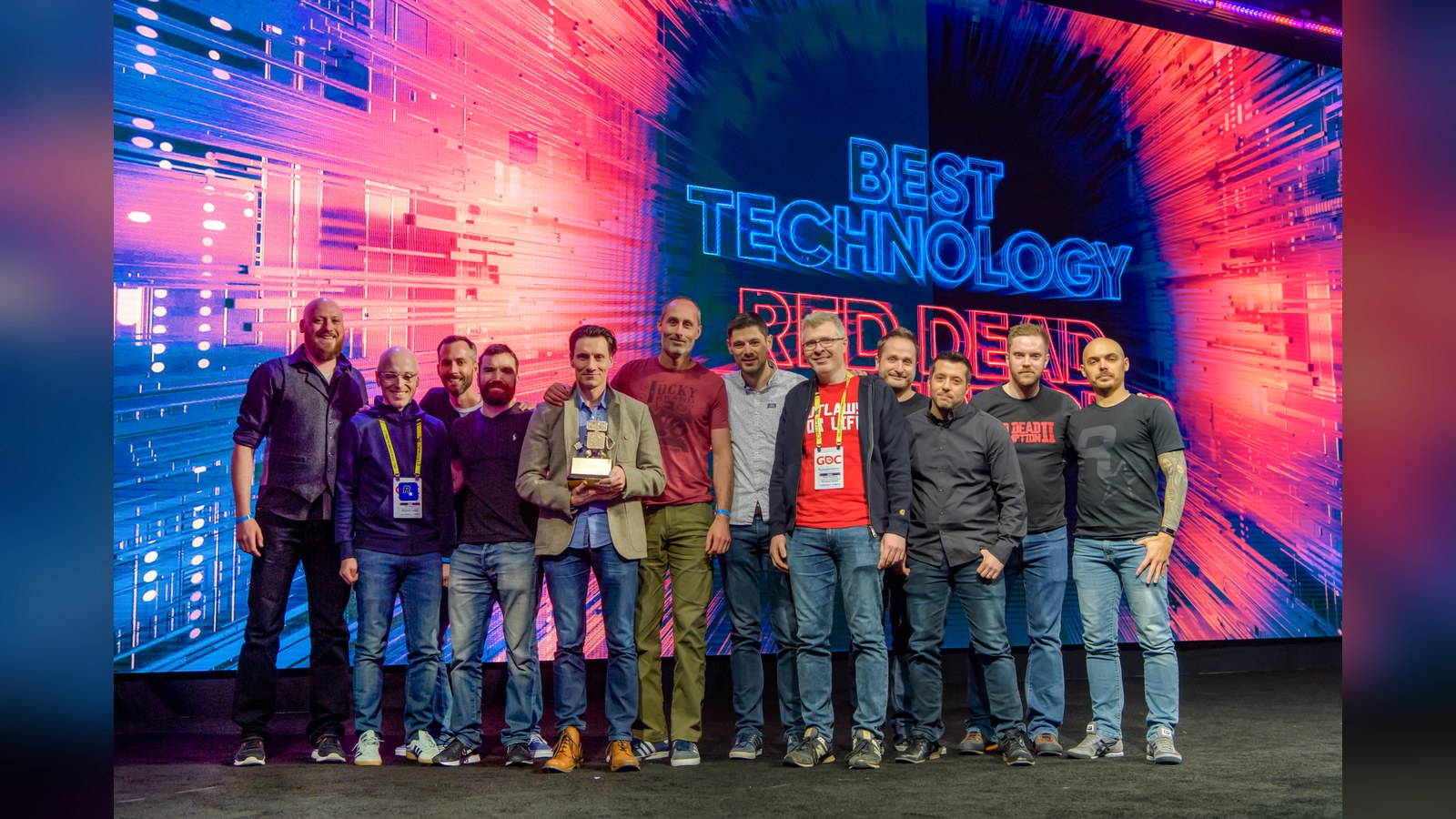
The Rockstar union vote has produced a lopsided result: about three-quarters of the company’s UK workforce rejected a formal recognition agreement with the IWGB Rockstar Game Workers Union, just as Grand Theft Auto 6 reached players.
The numbers behind the Rockstar union vote
According to figures reported by IGN, more than 93 percent of eligible staff across Rockstar’s offices in Edinburgh, Leeds, Lincoln, Dundee and London took part in the two-week ballot. Of those, 1,163 voted against recognition and 381 voted in favor. That is roughly 75 percent against, on an unusually high turnout.
The timing is hard to miss. The ballot ran while Rockstar launched GTA 6, which Engadget reports generated $3.79 billion in pre-orders and first-day sales, a record-setting start.
What the result changes
Formal recognition would have obliged Rockstar’s management to engage with the union and hold regular meetings with its representatives. With the vote lost, that obligation does not exist. The union can still organize, but it will do so without a formal agreement with the company.
The IWGB said the outcome was not a reason to retreat. “Hundreds of our coworkers voted in favor of our union at Rockstar, yet sadly we recognize we have more work to do to build understanding and win the trust of more of our colleagues,” it said, adding that it would keep campaigning for pay transparency, contractual overtime pay and protections against AI and layoffs.
Rockstar’s head of publishing, Jennifer Kolbe, framed the result as an endorsement of the company’s existing culture. She said it reflected the team’s “strong support for continuing the direct relationships, collaboration and open dialogue” that she credits for the studio’s success. She had previously told Bloomberg that “we go where the team goes,” adding that if workers wanted a union, they would have one.
A legal dispute still hangs over the studio
The ballot does not settle the wider conflict between Rockstar and the union. In October last year, Rockstar fired dozens of workers, saying they had shared confidential details about GTA 6 and made disparaging remarks about the company. The IWGB filed formal legal claims accusing Rockstar’s parent, Take-Two, of union busting and unlawfully dismissing those staff.
An employment tribunal heard closing evidence last week, and a final judgment is pending. Until the tribunal rules, the allegations remain just that, and the company has given its own reasons for the dismissals.
What to watch next
The Rockstar union vote leaves a split picture. A large majority of a heavily engaged workforce chose not to formalize a relationship with the IWGB. Yet nearly 400 staff backed it at one of the biggest launches in entertainment history. The union’s stated plan is to spend the coming months persuading colleagues, while the tribunal’s judgment could reshape how the earlier firings, and the dispute around them, are viewed.
Explore more on this topic with Vexel Search.
File photo: Rockstar Games, Game Developers Choice Awards 2019 by Official GDC, CC BY 2.0, via Wikimedia Commons.
WordUp Morning
Ten stories, both sides of each, in five minutes. Free, every weekday at 7am, plus a Saturday weekend edition.
We'll email you a link to confirm. Unsubscribe any time.

Gaming
John Motson’s voice returns in EA Sports FC 27 on 26 November, the series’ first late commentator

John Motson’s voice is coming back to EA Sports FC on 26 November, recreated with archive recordings and generative AI. It is the first time the long-running football series, formerly known as Fifa, has featured a commentator who has died.
Motson, who died in February 2023 aged 77, was the game’s original commentator. He appeared from Fifa 96 through to Fifa 2005 and made a brief cameo in Fifa 19. Electronic Arts told the BBC that his widow and son approved the project and that the family was paid for the rights to his voice and likeness. The company would not disclose the terms.
How John Motson’s voice was rebuilt
According to Mat Prior, senior game design director at EA Sports FC, the recreation blends lines Motson recorded over the years with generative AI. Prior called AI “the only way” to make it work, because there is no archive of Motson discussing current players such as Bradley Barcola or Chloe Kelly. Without synthesis, the veteran broadcaster could not have commented on a modern squad.
Prior stressed that EA would not have gone ahead without the family’s backing. He described Motson as “the very first voice of our game” and said the aim was to pay tribute to him.
The family and fellow commentators approve
Motson’s son, Fred, said hearing his father in the game again “means an awful lot”. He also admitted his father would barely have grasped the technology. “My dad was the least technological person in the world,” he said, noting that Motson kept a typewriter on his desk until the end of his life. Even so, he believes his father would “absolutely” have wanted to take part, given how keen he always was on projects like this. Fred Motson added that his father missed the game after leaving it, and that it felt like the end of an era.
Guy Mowbray, the BBC’s lead football commentator and a voice in the game since 2023, called it a “privilege” to be involved. He described it as “a quite nice, sort of non-scary use of AI” and said the business is built on nostalgia. For Mowbray, hearing commentary in Motson’s voice means hearing the one he grew up with.
The consent question
Not everyone is comfortable. Peter Caulfield, founder of the campaign group Save Our Voices Now, which opposes AI voice cloning, said he had no issue where someone has signed a deal allowing their likeness to be used after death. But he argued that, in life or in death, AI cloning should not be allowed without specific agreement. “Being a family member shouldn’t automatically give you that right either,” he said.
Motson could not give his own consent, and that gap is the crux of the debate. The family’s approval is clear in this case. Whether relatives alone should be able to authorise a synthetic version of a dead person’s voice is a question the wider industry has yet to settle.
EA says humans are not being replaced
Generative AI in games is often criticised for threatening human jobs, and EA was keen to push back. Prior said the company has used machine learning for years, for example to drive animation systems. “It’s not there to replace commentators in any way shape or form,” he said, adding that there are “certainly no future plans to replace anyone with AI.”
Derek Rae, who has commentated on the series for several years, offered a practical view. He said AI could help with routine material, such as common surnames like Smith and Jones, but he still spends many days in the studio each year. Rae said the more creative work still needs a human voice because it requires personality, “sometimes a little chuckle thrown in the middle of a sentence”.
The launch comes with EA under new ownership. The company was bought for $55bn (£42bn) in a deal completed in August, by a consortium led by Saudi Arabia’s Public Investment Fund. At the time of the announcement, EA promised fans it would maintain creative control and freedom.
For now, the project looks like a carefully managed test of how far AI can go in honouring a beloved figure. The family is on board and colleagues are supportive, but the consent debate is likely to follow John Motson’s voice into the game and beyond it.
Explore more on this topic with Vexel Search.
File photo: John Motson.jpg by gordonflood, CC BY 2.0, via Wikimedia Commons.
WordUp Morning
Ten stories, both sides of each, in five minutes. Free, every weekday at 7am, plus a Saturday weekend edition.
We'll email you a link to confirm. Unsubscribe any time.

Header image: AI-generated illustration by WordUp News.
The latest Lords of the Fallen 2 delay is official: CI Games’ Soulslike sequel will now launch in April 2027, with a precise release date promised for next month. It is the second time the schedule has moved since the studio first aimed for 2026.
The news came from CI Games founder and CEO Marek Tyminski, who posted a brief message on X on 24 November. “Lords of the Fallen II: April 2027,” he wrote. “Exact date in December.” No reason for the slip was given in the post.
How the Lords of the Fallen 2 delay unfolded
The sequel was announced in 2025 and shown in gameplay at that year’s The Game Awards. It was initially headed for an unspecified 2026 release. In June, CI Games moved it into a first-quarter 2027 window, saying the extra time would let the team refine the game and avoid what it called a highly competitive holiday period.
April sits in the second quarter, so the game has now slipped out of even that revised window. Between the two announcements, CI Games also ended its multi-year PC exclusivity arrangement with Epic. As a result, the game is due on Steam and the Epic Games Store alongside PS5, Xbox Series X/S and Nintendo Switch 2.
A loan with a deadline attached
The delay lands against a financial backdrop. Last month, CI Games secured a €28.6 million loan, around $32 million, to finish production and release the game and to refinance its existing bank debt. The details came from a stock exchange filing.
The loan matures on 31 August 2027, and CI Games is self-publishing the game. It expects to repay the borrowing through sales. An April launch leaves roughly four months between release and the loan’s maturity date. That is not much room for a game that must perform well to cover its costs, and it helps explain why the studio will want to nail the timing. The sources do not say whether the loan terms influenced the new date.
A sequel under scrutiny
The Lords of the Fallen 2 delay arrives while the game is already attracting attention for reasons beyond its schedule. Tyminski has drawn heated discussion with comments about “political correctness” and “real player feedback”. The studio also raised eyebrows by announcing more revealing armour sets for female characters than appeared in its previous project.
The stakes are also shaped by the series’ history. The 2023 reboot received two stars from Eurogamer, which called it “a perfectly acceptable Soulslike that’s often fun to play” but criticised its “Soulslike clichés and performance woes”. Performance was one of the reboot’s sore spots, so extra development time may be welcome if it goes into polish. Eurogamer’s earlier headlines also point to a change of developer on the sequel, though the sources here do not detail that history.
What to watch for next
The next marker is December, when CI Games has promised the exact date. A firm day within April would give players and the studio’s creditors a clearer target. Until then, the Lords of the Fallen 2 delay stands as another reminder of how tightly release timing, finances and public perception are bound together for a mid-sized publisher taking on the genre’s biggest names.
Explore more on this topic with Vexel Search.
WordUp Morning
Ten stories, both sides of each, in five minutes. Free, every weekday at 7am, plus a Saturday weekend edition.
We'll email you a link to confirm. Unsubscribe any time.
The PlayStation Plus December games are confirmed: Sony is giving subscribers Tony Hawk’s Pro Skater 3+4, Dragon Ball Xenoverse 2 and Amnesia: The Bunker, available to claim from Tuesday, December 1 through Monday, January 4. The lineup is a deliberate change of pace for players who have spent weeks buried in Grand Theft Auto 6.
Outlets covering the announcement all noted the timing. Sony’s monthly offering lands while Rockstar’s blockbuster dominates conversation and playtime, and the three picks are lighter, shorter or more self-contained than a sprawling open-world epic. IGN framed them as a possible palate cleanser, and TheGamer called them a “temporary distraction” from GTA 6.
What’s in the PlayStation Plus December games lineup
Tony Hawk’s Pro Skater 3+4 arrives in its Cross-Gen Edition for PS5 and PS4. It remakes two early-2000s skating games. IGN scored it 8/10, calling the series’ over-the-top formula “totally timeless” while saying some changes to the fourth game miss the mark and the soundtrack was fumbled. Polygon sharpened that point: Pro Skater 3 remains one of the series’ high points, but the rework of Pro Skater 4’s career mode, which turns open-ended missions into bite-sized two-minute runs, hasn’t won over everyone. TheGamer added that the package includes creation tools for building and sharing skateparks online.
Dragon Ball Xenoverse 2 comes to PS5 and PS4. It is the oldest game of the three, and IGN gave it 7.5 on its 2017 release, describing an “ambitious, if rough-edged experience” with surprisingly deep RPG and brawling elements. Players build their own character, travel through time to fight in famous battles from the anime, and can take the fight online. Polygon points out that a sequel, Dragon Ball Xenoverse 3, is due next year, which makes this a convenient time to catch up.
Amnesia: The Bunker is listed for PS4. It is a first-person survival horror game set in a World War I bunker, where a dynamic monster stalks the player. IGN rated it 8, calling it a smaller, more self-contained entry in the franchise that shows developer Frictional still has “chilling new tricks.” Polygon notes that the bunker is full of supplies, so players have some freedom in how they try to survive.
Who can claim them, and what it costs
According to Polygon, all three games are part of the Essential tier, so subscribers at every level of PlayStation Plus can claim them. Essential is the entry-level plan. It costs $79.99 a year, $27.99 for three months or $10.99 monthly, following a price increase across all tiers in May. For that price it includes online multiplayer, cloud storage, store discounts and the monthly games.
The window for November’s picks is closing. Dead Island 2, Tomb Raider IV-VI Remastered and Monster Train 2 can be added to a library until Monday, November 30. Games claimed during a month’s window generally stay available to play as long as the subscription remains active, so the deadline applies to adding them rather than to playing them straight away.
What’s leaving the catalog
TheGamer also flagged departures from the service. Granblue Fantasy: Relink, Somerville, Fade to Silence, Dark Rose Valkyrie, Root Letter and Jake Hunter: Prism of Eyes are on the way out, and the outlet gives December 15 as the date to keep in mind. Granblue Fantasy: Relink is the notable loss, since it can take dozens of hours to finish and players have only a short window to do so.
The takeaway
The PlayStation Plus December games lean on proven names rather than fresh releases, but the mix covers a lot of ground: arcade skating, anime brawling and slow-burn horror, all rated between 7.5 and 8 by IGN. For anyone who wants a break from Los Santos-sized ambitions, the three-game haul is free with an active subscription from December 1, and there is more than a month to add all of them.
Explore more on this topic with Vexel Search.
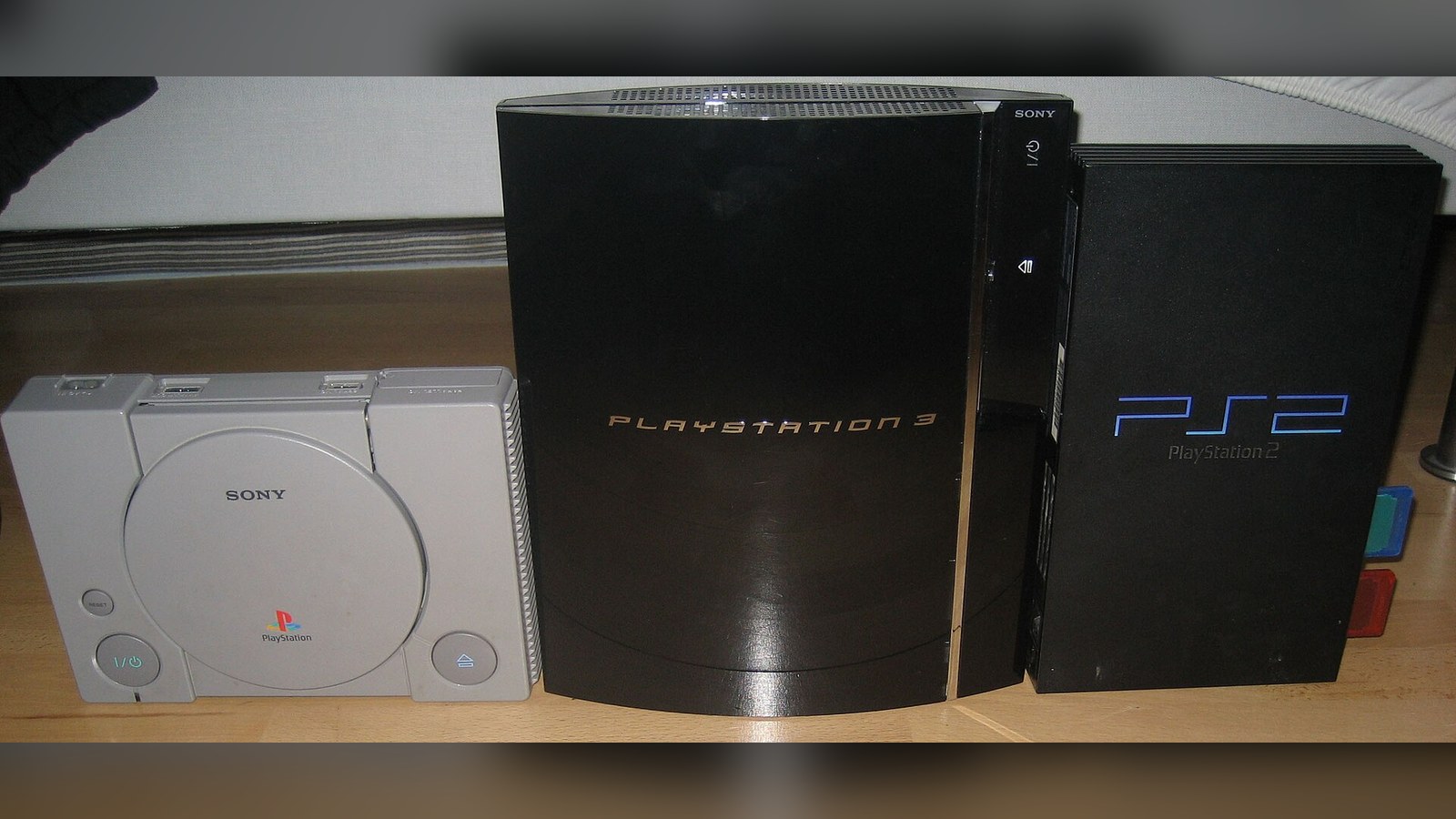
File photo: PlayStation 1, 2 and 3.jpg by Hlynz, CC BY 2.5, via Wikimedia Commons.
WordUp Morning
Ten stories, both sides of each, in five minutes. Free, every weekday at 7am, plus a Saturday weekend edition.
We'll email you a link to confirm. Unsubscribe any time.
After months of near silence, Team Cherry is finally ready to talk about the Silksong DLC. The studio has announced a “Cherry Time Special Presentation” for Friday, Nov. 27, promising an update on the Sea of Sorrow expansion and “a bunch” of other announcements it calls exciting.
When and where to watch Cherry Time
The stream goes live on Team Cherry’s YouTube channel at 10 a.m. ET, which is 7 a.m. PT, 3 p.m. GMT and 4 p.m. CEST. The studio hasn’t said how long it will run or what exactly will be shown. The date falls on Black Friday, a coincidence Polygon was quick to note.
Why the Silksong DLC timing matters
Hollow Knight: Silksong launched in September 2025 after one of gaming’s most notorious waits. In December 2025, Team Cherry revealed Sea of Sorrow, describing it as a nautically themed expansion that would be free for all players and arrive in 2026. It is expected to bring new areas, bosses and tools.
That promise has a deadline. With 2026 nearly over, all three outlets covering the news point to the same tension: a stream this late in the year could mean a release date, a surprise launch or a delay into 2027. Kotaku’s Ash Parrish says fans should “brace” for the delay possibility, while noting that Team Cherry’s independence lets it take as long as it likes. Polygon is similarly hopeful for good news but notes that fans are used to waiting.
Clues hiding in the physical editions
Eurogamer points to a detail that may hint at what else is coming. Physical copies of the game, which only recently began reaching players, include a booklet saying Silksong‘s world “will expand with free content packs,” promising new friends, abilities and foes. The same material reportedly calls Sea of Sorrow a “giant expansion.” That suggests Team Cherry’s post-launch plans go beyond a single DLC, though the studio hasn’t spelled out what the extra packs contain. Eurogamer notes that apart from Sea of Sorrow, little is known about the planned support.
The same outlet also lists a final “significant” patch ahead of the expansion among its recent coverage, which suggests the groundwork has been underway.
What to watch for Friday
Several outcomes are plausible, and none is confirmed:
- A firm release date for Sea of Sorrow.
- A shadow-drop launch, which Kotaku and Eurogamer both float as a long shot, with the latter adding that “stranger things have happened.”
- A delay into 2027.
- Details on the free content packs, or something else entirely.
Team Cherry hasn’t said what the other “exciting” announcements are, so speculation is all there is until the stream starts. Silksong is available on Windows PC, Mac, Linux, Nintendo Switch, Nintendo Switch 2, PlayStation 4 and 5, and Xbox One and Series X/S. For players on any of them, Friday should settle whether the Silksong DLC still arrives this year.
- Hollow Knight: Silksong Dev Officially Breaks Silence on Sea Of Sorrow DLC With New Showcase (Polygon)
- Hollow Knight: Silksong Studio Breaks Silence On Sea Of Sorrow DLC With A Showcase Announcement (Kotaku)
- Hollow Knight: Silksong devs announce a livestream for Friday, promise updates on the hotly-anticipated Sea of Sorrow DLC (Eurogamer)
Explore more on this topic with Vexel Search.
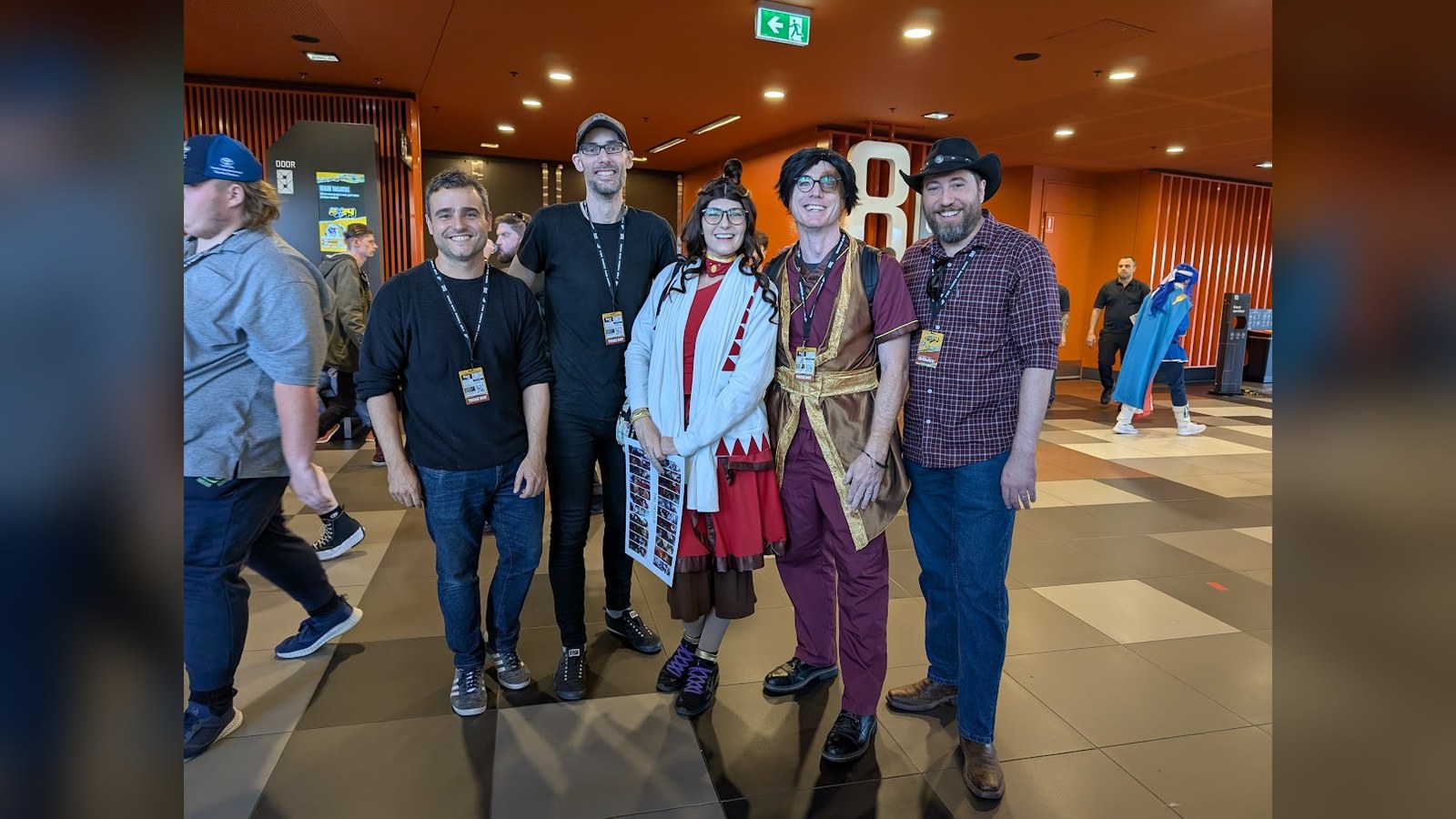
File photo: Team Cherry PAX AUS 2024 14.jpg by DrShoggoth, CC0, via Wikimedia Commons.
WordUp Morning
Ten stories, both sides of each, in five minutes. Free, every weekday at 7am, plus a Saturday weekend edition.
We'll email you a link to confirm. Unsubscribe any time.
Gaming
Machinarium 2 Is Finally Real: Amanita Design Revives Its Beloved Robot Adventure 17 Years Later
Seventeen years after a lonely little robot named Josef first wandered a rusting, dystopian city to save it from destruction, Czech studio Amanita Design has announced Machinarium 2, a long-awaited follow-up that nobody saw coming but plenty of players have been quietly hoping for since the credits rolled on the original in 2009.
The announcement arrived with little warning on Amanita’s social channels: a short video rendered in the studio’s unmistakable hand-drawn style, accompanied by the simple message, “Seventeen years later… the time has come for Machinarium 2.” A Steam page went live within moments, inviting fans to wishlist a game many had assumed would never materialize.
What Machinarium 2 Brings Back, and What’s New
The sequel picks up immediately after the events of the first game, following Josef and his companion Berta as they flee the city of Machinarium and crash-land in a new setting called the Barrens. There, players will discover a hidden valley inhabited by two rival robot tribes, one perched in a mountaintop monastery, the other scraping by in the valley floor beneath, both of them running dangerously low on power.
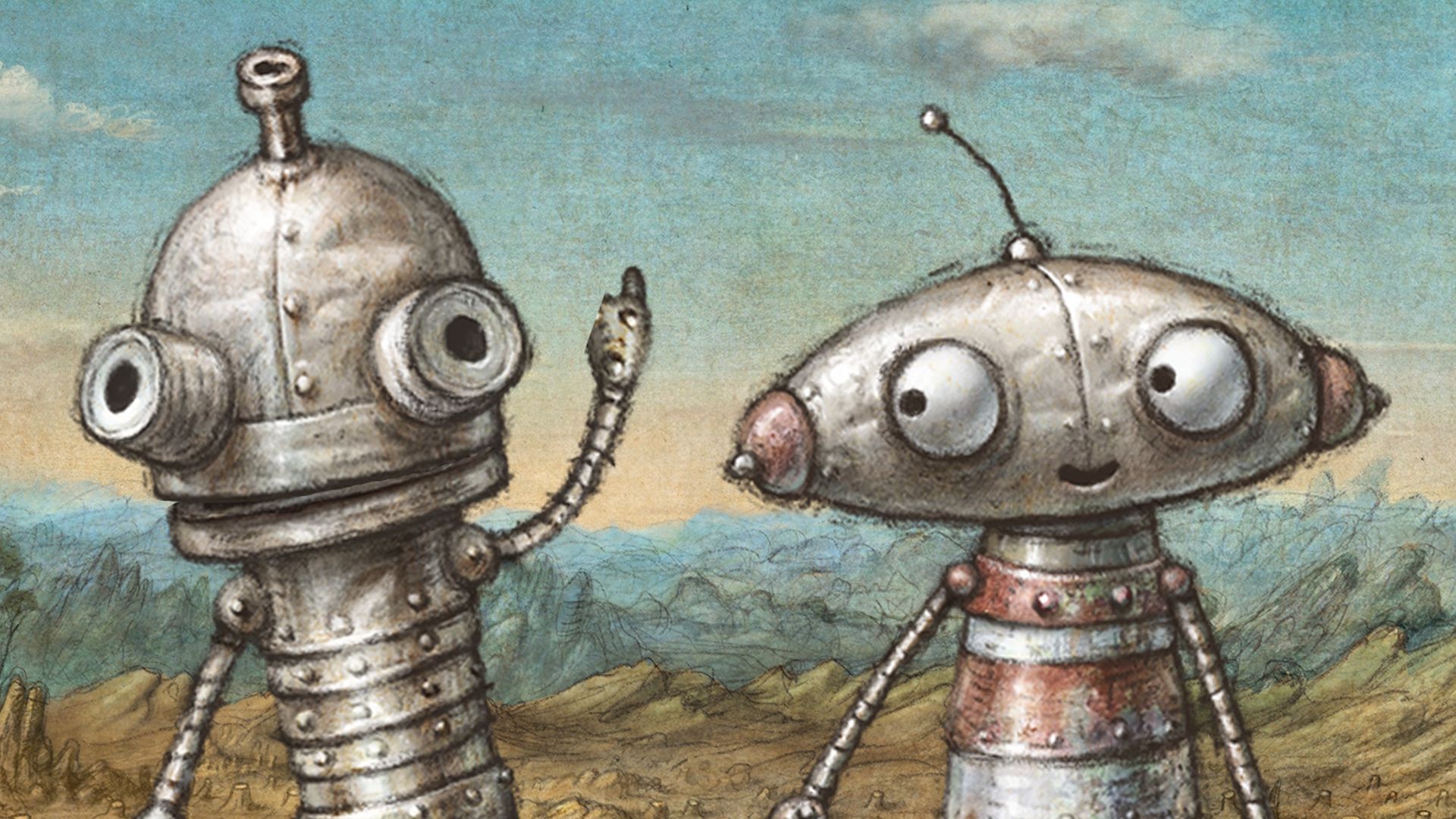
Where the original Machinarium cast players solely as Josef, the sequel doubles the cast of playable characters. Players will be able to switch freely between Josef and Berta, using their combined wits to solve the kind of tactile, mechanical puzzles that made the first game a word-of-mouth hit among adventure game fans. True to Amanita’s house style, the characters will communicate entirely without written dialogue, relying instead on expressive thought-bubble pictographs, a hallmark that has made the studio’s catalogue instantly understandable across language barriers.
That catalogue is not small. Amanita Design has spent the better part two decades building a reputation for whimsical, melancholic point-and-click adventures, from the Samorost series to Botanicula, Chuchel, Creaks, and this year’s Phonopolis. Each has leaned on the same formula: gorgeous, painstakingly animated art paired with atmospheric scores from longtime collaborator Tomáš “Floex” Dvořák, who is expected to return for Machinarium 2 as well.
No release date has been announced yet, but the studio does have precedent for resurrecting dormant franchises. In 2016, Amanita surprised players with Samorost 3, which arrived 11 years after its predecessor. That gap makes the 17-year wait for Machinarium 2 the longest yet, and has fans speculating, only half-jokingly, about whether sequels to Botanicula or Chuchel might eventually follow suit.
A Sequel Born of Urgency
What makes the announcement notable isn’t just the nostalgia factor, it’s the candor behind it. Amanita has framed the decision to revisit Machinarium not as a cynical cash-in on a beloved name, but as something closer to a reckoning with time itself: the team isn’t getting any younger, and with the state of the world feeling increasingly uncertain, there was no better moment to finally finish a story that had sat unresolved for nearly two decades.
That sentiment resonates in an industry where sequels are often treated as safe bets dictated by spreadsheets rather than creative conviction. Machinarium 2 instead reads as a passion project revived precisely because its creators recognized they might not get another chance, a rare instance of a studio choosing legacy and craftsmanship over market calculation.
Indie Consolidation Continues Elsewhere
The surprise sequel lands the same week as another reminder of how precarious life can be for independent developers, even successful ones. Fireshine Games has acquired Danish studio Fair Games, creator of the open-world survival sandbox Necesse, which has attracted an estimated 2.5 million players since its 2019 release.
Fair Games founder and CEO Mads Skovgaard will stay on as managing director, and the existing development team remains in place, but the studio will now lean on Fireshine for publishing, porting, and other resource-heavy tasks it struggled to manage alone. Skovgaard called the deal “a defining moment” for the studio, noting that Necesse had been searching for the right partner for some time.
Taken together, the two stories capture a kind of split-screen reality for independent game development in 2026: on one side, a veteran studio with decades of goodwill choosing to self-fund a deeply personal sequel on its own terms; on the other, a smaller team recognizing it needs outside muscle just to keep supporting the game it already built. Both paths speak to the same underlying truth that has defined indie development for years, that creative success and financial sustainability don’t always arrive together, and studios are finding very different ways to bridge that gap.
For fans of Amanita’s work, though, the headline is simpler. After 17 years, Josef is coming back, and Machinarium 2 is finally, improbably real.
- A great indie studio is making a sequel to one of my favorite adventures 17 years later, for one simple reason: 'We're not getting any younger, and the world seems to be ending' (PC Gamer)
- A Cult Indie Hit From 17 Years Ago Just Announced A Surprise Sequel (Kotaku)
- Fireshine Games acquires Necesse dev Fair Games, described as a "defining moment" for Danish indie studio (GamesIndustry.biz)
Explore more on this topic with Vexel Search.
WordUp Morning
Ten stories, both sides of each, in five minutes. Free, every weekday at 7am, plus a Saturday weekend edition.
We'll email you a link to confirm. Unsubscribe any time.
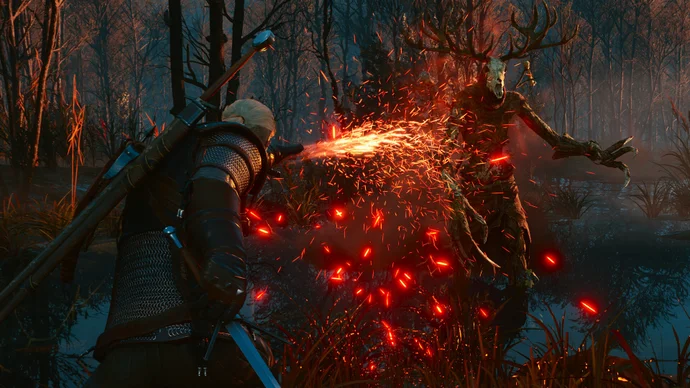
Witcher 3 Remastered has a bloom problem, and CD Projekt Red is finally doing something about it. The studio has rolled out patch 5.01 for the revamped edition of its 2015 RPG, addressing a laundry list of lighting complaints alongside dozens of smaller bugs that have irritated players since the remaster launched.
The headline fix concerns bloom, the hazy, overexposed lighting effect that had become something of a running joke among players since the remaster’s debut. Reddit threads filled up with screenshots of washed-out scenes and distractingly bright surfaces, and on PC the easiest workaround was simply switching bloom off entirely, even though that meant deviating from the look CD Projekt Red intended for the overhaul. With patch 5.01, the developer says it has made genuine improvements to bloom rendering, alongside tweaks to tone mapping, character lighting, ray tracing, and path tracing.
Console players are getting something they didn’t have before: actual control over the problem. The patch adds Bloom, Light Shafts, and Depth of Field toggles to the graphics settings on PlayStation 5 and Xbox Series X/S, meaning console owners can now dial back the same effects PC players have been disabling for weeks. CD Projekt Red paired that with unspecified “various optimizations to improve performance,” fixes for voiceover audio that had been dropping in volume after navigating the pause menu, a repair for incorrect frame-rate limits, and a fix for PS5 graphics settings that were resetting every time the game launched.
Witcher 3 Remastered’s PC-specific headaches get cleaned up
PC owners of Witcher 3 Remastered had their own distinct set of annoyances, several of them tied to GPU detection and settings that simply refused to behave. The patch fixes an issue where the game could select the wrong GPU altogether, and another where switching graphics presets would silently apply DLSS or XeSS even on cards that don’t support either upscaling technology. CD Projekt Red also squashed a bug letting players enable graphics settings their hardware couldn’t actually handle, and fixed the GTAO Quality setting resetting itself every time the game restarted. Dynamic Resolution Scaling, meanwhile, now defaults to off and no longer displays the wrong setting after players change their anti-aliasing mode.
Beyond graphics, a run of gameplay fixes rounds out the update. Ladder interaction animations have been smoothed over, Geralt no longer collides with dead enemies when finishing a foe with the Aard sign, and Vesemir has finally stopped repeating the same line every time Quen gets cast more than once. Dodging, which had developed an unintentional delay for some players, should now be properly responsive, and a particularly odd bug that let Geralt’s stamina drain completely when sprinting and dodging simultaneously has been resolved. CD Projekt Red also fixed player-controlled boats that could start “moving uncontrollably” and ignore terrain collisions under certain conditions, plus a handful of UI issues including stuck “ability point gained” pop-ups and misaligned progress bars.
Switch 2 owners will have to wait a little longer
Not every platform is covered by patch 5.01. CD Projekt Red confirmed it is working on a separate update specifically for the Nintendo Switch 2 version of Witcher 3 Remastered, aimed at bringing that version’s image quality closer in line with the rest of the lineup. The studio says the forthcoming patch will target “clarity and sharpness,” addressing complaints about blurry visuals on the hybrid console, and that more details are expected “in the following days.”
Patch 5.01 is available now on PC, PlayStation 5, and Xbox Series X/S. For a studio that already pushed a sweeping next-gen update for the base game years ago, this latest round of fixes suggests Witcher 3 Remastered is still very much a work in progress — one CD Projekt Red seems determined to keep polishing, bloom and all, while attention elsewhere in the studio turns to upcoming expansion Songs of the Past and the much larger task of The Witcher 4.
Explore more on this topic with Vexel Search.
WordUp Morning
Ten stories, both sides of each, in five minutes. Free, every weekday at 7am, plus a Saturday weekend edition.
We'll email you a link to confirm. Unsubscribe any time.
TITLE: Console Hardware Sales Hit 1980s-Level Crisis as PS5, Xbox Prices Soar to All-Time Highs
KEYWORD: console hardware sales
DESCRIPTION: PS5 and Xbox console hardware sales hit historic lows in 2026 as memory shortages push prices to record highs, raising fears of a crash.
Console hardware sales in the United States have collapsed to levels not seen in decades, according to industry analysts, as soaring component costs push PlayStation 5 and Xbox Series X/S prices to record highs and squeeze budget-conscious buyers out of the market entirely.
Circana analyst Mat Piscatella delivered the blunt assessment this week: the “US hardware market has not been in a more precarious position since the early 80s” — a pointed reference to the infamous video game crash of 1983 that nearly wiped out the industry. It’s a striking comparison, and one that underscores just how fragile console hardware sales have become heading into the critical holiday shopping season.
The numbers back up the alarm. Xbox hardware sales are down 33% year-to-date compared to 2025, marking an all-time low for the platform in the US. PlayStation hasn’t fared much better, with unit sales down 25% — its weakest performance since 2013. Both figures reflect a market where consumers are increasingly unwilling, or unable, to pay what it now costs to own a current-generation console.

Why console hardware sales are tanking
The culprit, according to Piscatella, isn’t a lack of interest in gaming — it’s price. The average Xbox console sold in the US in 2026 has cost $529, a 26% jump from a year earlier. PlayStation buyers have fared even worse, paying an average of $597, up 20% year-over-year. Both figures represent all-time US highs for their respective platforms.
“Price sensitivity is becoming a real problem,” Piscatella said, a tidy summary of a market where consoles that once undercut PCs on affordability are now creeping toward premium-computer price tags.
The root cause traces back to memory. Components like RAM and flash storage, once a predictable line item in console manufacturing, have been swept up in the global scramble for materials feeding AI data centers. That demand has driven memory prices skyward, and Microsoft and Sony have had little choice but to pass the costs on to consumers — repeatedly.
Xbox boss Asha Sharma recently laid out just how severe the spike has been. “When I joined as CEO in February, the price we paid for console storage components was over 2x as high as we paid last fall. These costs have since doubled again,” Sharma said, adding that by the 2027 holiday season, Microsoft expects to be paying more than five times what it paid for the same components just two years earlier. Micron’s CEO has warned the shortage could persist until at least 2028, meaning there’s no quick relief in sight for console hardware sales.
Can GTA 6 turn things around?
There is one potential lifeline: Grand Theft Auto 6. Rockstar’s long-awaited blockbuster is set to launch next month, and Piscatella suggested it could “help ease at least some of these declines” by driving a wave of new console purchases from players who’ve been waiting for a reason to upgrade.
But that boost is far from guaranteed. It hinges on whether Sony and Microsoft can actually keep consoles in stock — and at what price. If memory components remain tied up by data-center demand, manufacturers may simply be unable to build enough hardware to meet whatever demand GTA 6 generates, blunting any sales bump before it starts.
Notably, even developers within the industry see higher prices as something of an inevitability. The head of Kingdom Come: Deliverance 2’s studio recently said he hopes GTA 6 pushes game prices up further, calling such increases “long overdue and also necessary for this business to survive” — a sign that publishers may be bracing for a pricier era across the board, not just for hardware.
Software sales tell a similar story
The hardware slump isn’t happening in isolation. Microsoft’s own flagship release, Gears of War: E-Day, illustrates the broader tension reshaping the industry’s economics. The game launched to strong reviews — an 88 on Metacritic, among the best-reviewed entries in the franchise in over a decade — yet early estimates from Alinea Analytics suggest it sold only around 230,000 copies at retail and on Steam combined.
Instead, the game found its audience through Xbox Game Pass, pulling in an estimated 1.7 million subscribers, including 722,000 who paid $30 for early access rather than buying the game outright at $70. Analyst Rhys Elliott argued that Game Pass may be cannibalizing full-price sales even as it builds a massive player base, raising uncomfortable questions about whether subscription services are undercutting the very console hardware sales ecosystem that depends on blockbuster software driving console purchases in the first place.
Taken together, the hardware slump and the Game Pass dilemma paint a picture of an industry at a crossroads. Console hardware sales are being squeezed by external economic forces largely outside Sony and Microsoft’s control, while the software business model built to sell consoles in the first place may be quietly eroding its own foundation. Whether GTA 6 can paper over those cracks, even temporarily, may be the biggest test the console business faces this console generation.
- As Xbox and PlayStation sales reach new lows, analyst says the "US hardware market has not been in a more precarious position since the early 80s" (Eurogamer)
- US console market hasn't been this bad "since the early 80s," analyst says (GamesRadar)
- Gears of War: E-Day's Strong Reviews Haven't Translated to Big Sales, Analyst Says (Polygon)
Explore more on this topic with Vexel Search.
WordUp Morning
Ten stories, both sides of each, in five minutes. Free, every weekday at 7am, plus a Saturday weekend edition.
We'll email you a link to confirm. Unsubscribe any time.
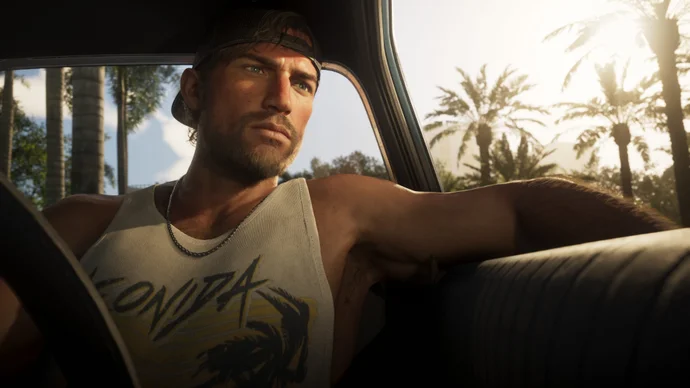
Game streaming was handed the perfect setup this year, and almost nobody showed up. With Grand Theft Auto VI arriving next month amid soaring console prices and reported hardware shortages, the conditions for a cloud gaming breakthrough appear to be lining up exactly as industry executives long promised they would. Instead, the moment has largely come and gone without the audience excitement that was supposed to follow.
The setup looked almost too convenient. Both the PS5 and Xbox Series X have seen significant price hikes recently, and reports have already surfaced of scalpers charging hundreds of dollars over retail for PS5 Pro units more than a month before GTA 6 even ships. For years, this is precisely the scenario that cloud gaming advocates used to justify billions in infrastructure investment: a blockbuster release, hardware out of reach for ordinary buyers, and a service standing by to let anyone stream the game instantly from a data center rather than fight scalpers for a box.
That story briefly flared up when a report claimed Xbox had secured exclusive streaming rights to GTA 6 through its Xcloud service, teasing a scenario where Microsoft could outflank Sony’s dominant PlayStation preorder numbers by making the game playable anywhere. Xbox Chief Strategy Officer Matthew Ball quickly shot the report down, confirming the game would not be streamed exclusively, nor would it be streamable to PC at all. That single detail quietly deflates much of what made the idea exciting in the first place — if streaming access is restricted to people who already own hardware capable of running the game natively, it stops being a workaround for scarcity and becomes little more than a convenience feature for existing owners.
A pattern of indifference toward game streaming
This isn’t an isolated hiccup. It fits a broader pattern that has defined the past year for cloud gaming. Microsoft recently imposed strict new caps on streaming usage for Game Pass subscribers, a policy change that in another era might have sparked outrage from a userbase that had come to rely on the feature. Instead, the announcement landed with near-total silence, a telling sign of just how few people were actually using — or cared about — the service being curtailed.
That silence matters more than any press release. For over a decade, executives pitched game streaming as inevitable: no downloads, no hardware upgrades, no waiting in line for scarce consoles, just instant access from whatever screen happened to be nearby. The appeal to companies was obvious too, turning one-time game purchases into recurring subscription revenue and filling server capacity that would otherwise sit idle. But the enthusiasm was always more pronounced on the business side of the equation than among the people actually expected to use it.
GTA 6 was supposed to be the test case that proved the skeptics wrong. A genuine mass-market phenomenon, launching into a hardware environment where plenty of would-be players might reasonably be locked out by price or availability, is as close to a perfect experiment as the industry could hope to construct. Yet rather than generating a wave of anticipation for streamed access, the loudest moment of interest in GTA 6 streaming came not from consumers but from a mistaken report about a corporate exclusivity deal — and even that fizzled within days.
What comes next for streaming
None of this means cloud gaming disappears overnight; Sony, Microsoft and others will keep offering streaming options, and plenty of players will use them casually alongside owned hardware. But the idea of game streaming as a transformative alternative to console ownership looks weaker now than it has in years, undercut not by a dramatic failure but by a quiet lack of demand at precisely the moment it was supposed to matter most. If the biggest entertainment launch of the decade, paired with the worst console scarcity in years, can’t generate real momentum for streaming, it’s hard to imagine what combination of circumstances could.
- This should be game streaming’s moment. It's not | Opinion (GamesIndustry.biz)
Explore more on this topic with Vexel Search.
WordUp Morning
Ten stories, both sides of each, in five minutes. Free, every weekday at 7am, plus a Saturday weekend edition.
We'll email you a link to confirm. Unsubscribe any time.
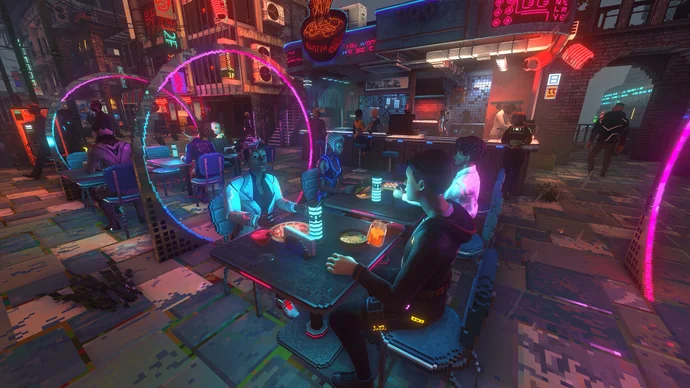
Nivalis Nights has no combat, no boss fights, and no player death, but according to the people making it, that doesn’t make it a cozy game. The slice-of-life sim set in a neon-soaked cyberpunk city has been pitched by some as a chill, low-stakes hangout experience in the vein of farming sims and city builders. Its lead writer wants to set the record straight: the comfort on offer is something players will have to work for.
Speaking to PC Gamer, lead writer Thomas Welsh explained that the opening hours of Nivalis Nights are deliberately designed to feel overwhelming rather than soothing. “Nivalis doesn’t have player death or shooting or boss fights, but that doesn’t mean it’s a cosy game,” Welsh said. “Life in a cyberpunk world shouldn’t be relaxing and free of stress — not at first anyway. If you want a cosy existence in this city, you’re going to have to earn it.”
That framing matters because Nivalis Nights, developed by ION LANDS, sits in a genre crowded with games that promise instant relaxation: warm pastel farms, gentle crafting loops, and low-friction social systems designed to soothe rather than challenge. Welsh’s comments suggest the team behind Nivalis Nights is pushing back against that formula, at least structurally, even while still offering players an eventual payoff of calm.
Why Nivalis Nights Leans Into Discomfort First
Welsh described the sensory assault the team wanted new players to feel upon arriving in the game’s city. “We imagined a world that felt like every app on your phone was sending you an urgent notification,” he said. That’s a deliberate echo of the cyberpunk genre’s broader preoccupations — corporate overreach, constant surveillance, technology that promises convenience but delivers exhaustion. Rather than softening those themes to fit a cozy-game mold, Nivalis Nights appears to be using them as the emotional starting point for the player’s journey.
From there, Welsh says, players have real freedom in how they respond. “Players can swim upstream, and they might end up rich, living on a farm. Or they might learn that success in Nivalis can look different for each person,” he explained. Crucially, he added that players “can even finish the story while being terrible at business,” suggesting that Nivalis Nights isn’t gatekeeping its narrative conclusion behind optimal economic play, even if it withholds easy comfort early on.
This design philosophy puts Nivalis Nights in an interesting middle ground. It borrows the trappings of cozy games — no combat, no failure states tied to death, a focus on daily routines and relationships — while resisting the genre’s tendency toward frictionless positivity. The result, if Welsh’s comments hold up in the finished product, is a game that uses cozy mechanics in service of a less cozy emotional arc.
Messy Relationships, No Guaranteed Romance
That same resistance to easy wins extends to the game’s dating and relationship systems. Welsh told PC Gamer the team “wanted it to be messy,” aiming to replicate the confusion of real-world romantic rejection rather than offering players a predictable formula for success. “We wanted the player to have a ‘what did I say wrong?’ experience,” he said. “When they miss out on romance, they never quite know why it didn’t line up, just like in real life.”
He was blunt about what the team wanted to avoid: the transactional logic common in many relationship-driven games, where repeated kindness mechanically unlocks affection. “We also wanted to avoid ‘I was nice to you three times in a row, so can I have one sex please?’” Welsh said. It’s a pointed jab at a well-worn trope, and another sign that Nivalis Nights is trying to carve out emotional authenticity even within a genre built around comfort and escapism.
Taken together, Welsh’s comments paint Nivalis Nights as a game interested in earning its soft moments rather than handing them out freely. Players looking for an easy, stress-free retreat may need to adjust their expectations, but those willing to push through the game’s intentionally overwhelming opening may find something more rewarding than a typical cozy sim: a city, and a sense of belonging within it, that actually feels like it was worth the effort.
Explore more on this topic with Vexel Search.
WordUp Morning
Ten stories, both sides of each, in five minutes. Free, every weekday at 7am, plus a Saturday weekend edition.
We'll email you a link to confirm. Unsubscribe any time.
Readers hoping for the latest video games news today are going to be disappointed, and we think it’s worth being upfront about why. The source material supplied for this story isn’t about games at all — it’s an interview about “Crystal Lake,” the upcoming Peacock prequel series exploring the origins of the Friday the 13th franchise. There is no mention of consoles, publishers, studios, or anything resembling a video games story anywhere in it.
That’s a problem worth naming rather than papering over. It would be easy to stretch a loose connection — the Friday the 13th property has, over the decades, spawned plenty of adaptations across different media — but doing so without solid sourcing would mean inventing details that simply aren’t supported by what’s in front of us. So instead of pretending this is a video games story, here’s an honest look at what the source actually says, and why it matters that we’re telling you clearly where the gap is.
What the Source Actually Covers (Hint: Not Video Games)
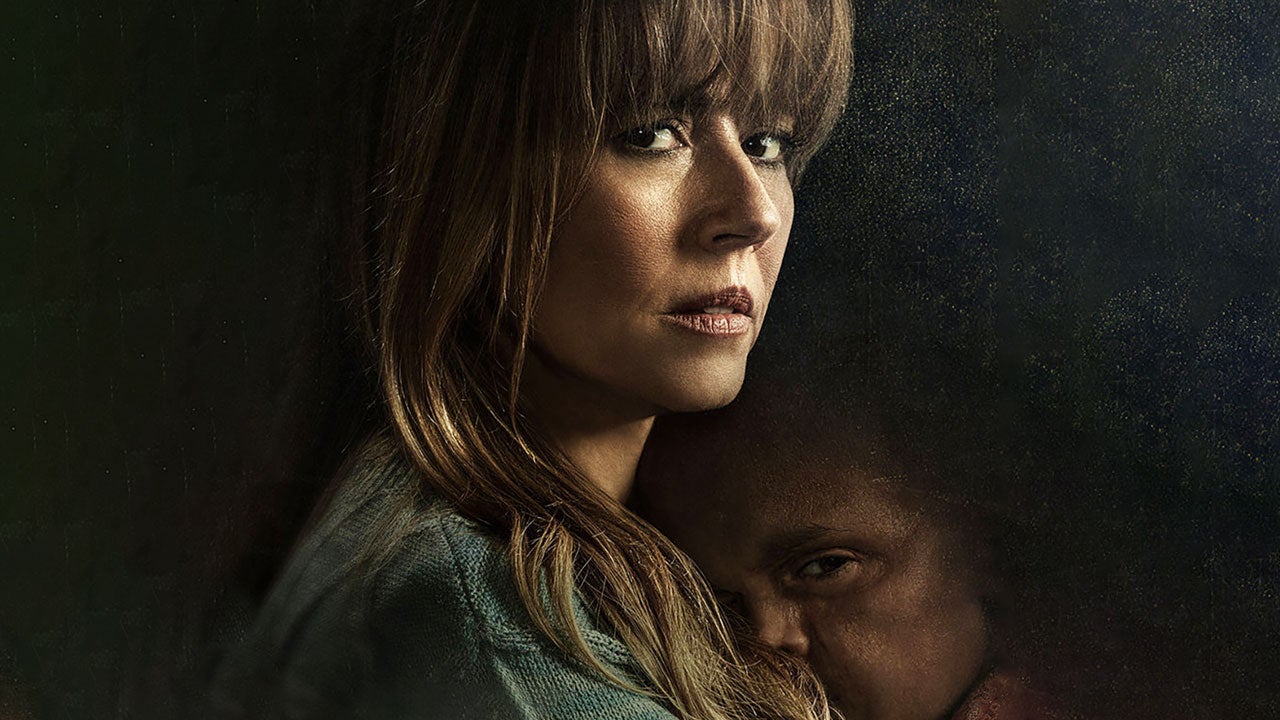
The material centers on “Crystal Lake,” a new television series that retells the Friday the 13th mythology from the perspective of Pamela Voorhees, played by Linda Cardellini, and a young version of her son Jason. Showrunner Brad Caleb Kane spoke at New York Comic Con about reinterpreting a decades-old horror story for a new audience, describing Pamela as a mother whose capacity for violence is terrifyingly relatable. Cardellini, fresh off an Emmy win, discussed the “switch” that flips inside her character once she’s pushed too far, while the show’s take on a young Jason — played by Callum Vinson — reimagines the iconic killer as a child dealing with a physical disability long before he becomes cinema’s most famous hockey-mask-wearing slasher.
It’s a genuinely interesting piece of entertainment journalism. It just isn’t a piece about video games, and stretching it into one would mean fabricating connections the source doesn’t make.
Why Accuracy Matters More Than Filling a Video Games Slot
At WordUp News, our commitment is to report what sources actually support, not what a topic label demands. When a request comes in for video games coverage and the available material has nothing to do with games, the responsible move is to say so plainly rather than inventing a tie-in — say, claiming a tie-in title is “in development” or implying a licensing deal exists — when no such claim appears anywhere in the source.
This kind of transparency matters especially in the video games space, where rumors and unverified claims spread quickly and can shape consumer expectations, stock movements, and even pre-order decisions. Readers deserve to know when a report is solid versus when it’s speculation dressed up as news. In this case, there simply isn’t a video games story to tell based on what was provided.
What Comes Next for Video Games Coverage
We’ll return with substantive video games reporting as soon as there’s sourced material to back it up — whether that’s new hardware announcements, major studio shake-ups, or the kind of franchise reboots that often do eventually make their way from film and TV into interactive adaptations. Friday the 13th itself has a complicated history when it comes to games, and if credible details emerge about any future project tied to “Crystal Lake” crossing into the video games world, that’s a story we’d be glad to cover properly, with real sourcing behind it.
For now, though, the honest answer is this: today’s source material is about a horror TV prequel, not video games, and we’d rather tell you that directly than manufacture a connection that isn’t there.
Explore more on this topic with Vexel Search.
WordUp Morning
Ten stories, both sides of each, in five minutes. Free, every weekday at 7am, plus a Saturday weekend edition.
We'll email you a link to confirm. Unsubscribe any time.

Huw Edwards documentary: ex-BBC anchor says he ‘lost the plot’ in Channel 4 film airing 1 December

Rockstar union vote: 1,163 UK workers reject IWGB recognition as GTA 6 launches

Calvert-Lewin New Contract Keeps Leeds Striker at Elland Road Until 2029

Saracens’ Venter Brands Premiership Rugby ‘Autocratic’ Over £5,000 Media Fine

Crypto.com Teams Up With Insilico Terminal to Give Traders Free Pro-Level Tools

Southampton’s Eckert Spared Ban as FA Suspends Six-Week Sentence Over Spygate
Rockstar union vote: 1,163 UK workers reject IWGB recognition as GTA 6 launches
Calvert-Lewin New Contract Keeps Leeds Striker at Elland Road Until 2029

Thanksgiving Parade Postponed to Saturday as Nor’easter Forces Macy’s 100th Edition Off the Streets
-

 Business & Hustles6 days ago
Pensions dashboard to launch summer 2027, with 75 million records already connected
-
Crime1 day ago
Pennsylvania Child Abuse Case Widens: Four Now Charged After 5-Year-Old Found Locked Behind Boarded Door
-

 Tech & AI3 days ago
Jensen Huang reinstated as Nvidia CEO: Trump says he ‘convinced’ the board, and the stock jumps 34%
-

 Tech & AI3 days ago
Trump Again Urges Nvidia to Rehire Jensen Huang as Board Says No and Shares Sit Roughly 50% Off Their High
-

 Tech & AI6 days ago
OpenAI Tests Always-On Dots Agents on Some $20-a-Month ChatGPT Plus Users
-

 Entertainment5 days ago
Hell’s Kitchen reboot: 10 celebrities, 100 diners a night and live vote-offs on ITV in 2027
-

 Entertainment7 days ago
Government Has No Power to Force YouTube to Pull Russell Brand Video, Minister Admits
-

 Sports7 days ago
Tiger Woods to design £30m Bellarena links, Northern Ireland’s first new championship course in over a century
-

 Gaming6 days ago
GTA 6 Infinite Money Glitch Is Already Everywhere, But Many Players Are Choosing Not to Use It
-
Tech & AI1 day ago
Meta’s Muse Wonder Puts It Back in AI’s Top Tier, Claiming Parity With GPT-6 and Claude
-
Fashion1 day ago
Fashion Month 2026: Why Nepo Babies Now Own the Runway Instead of Hiding From It
-

 Crypto6 days ago
MoonPay Files for a National Trust Bank Charter as GENIUS Act Deadline of Jan. 18, 2027 Nears
-
 Crime6 days ago
Semenyo racial abuse case collapses as Liverpool fan is found not guilty after player pulls support
-

 Tech & AI7 days ago
Apple Camera Chief Retires After 8+ Years, With No Successor Named
-
 Entertainment6 days ago
Owen Cooper Fronts Beatles In My Life Video as Apple Corps Pushes Liverpool Revival
-

 Sports5 days ago
Harry Kane ankle injury: Bayern star out for months, with England’s Norway tie on 27 March in doubt
-
Business & Hustles1 day ago
Business News Mix-Up: Why a Thai Horror Film Review Replaced Today’s Money Headlines
-

 Business & Hustles7 days ago
Van Gogh Record Smashed: $190.4m Painting Sells After Last-Minute Nazi-Era Deal
-

 Gaming6 days ago
Spare or Kill Arnold in GTA 6? One Choice Is Worth $10,000
-

 Crime6 days ago
Nikhil Gupta Sentence: 235 Months in US Prison Over Plot to Kill Sikh Separatist in New York
You must be logged in to post a comment Login