

Politics
Access to nutritional care outside traditional healthcare systems


Good nutrition is a cornerstone of health at every age. It supports immune function, energy levels, recovery after illness, and overall well‑being. Yet for many people, access to structured nutritional care through traditional healthcare settings isn’t always straightforward. Barriers like limited appointment availability, geographical distance, cost considerations, and time constraints can make it difficult for patients to get personalised dietary guidance from dietitians or nutritionists.
That’s where alternative and accessible options play an increasingly important role. Today, many online platforms allow people to find nutritional products, supplements, and support tailored to specific needs. For example, individuals seeking therapeutic nutrition options — whether for recovery, weight maintenance, or chronic conditions — can explore products such as fresubin, which provide ready‑to‑use formulas designed to support diverse nutritional goals. These options add convenience and broaden access beyond traditional clinical channels.
Why nutritional care matters beyond the clinic
Traditionally, nutritional advice is delivered through appointments with healthcare professionals, such as general practitioners or registered dietitians. While this model works well for many, not everyone has easy access to these services. In rural areas, clinic schedules may be full, and specialised dietetic services might be limited. Even in cities, waiting lists can be long, or consultations can be expensive for those without comprehensive insurance coverage.
Beyond access, people’s lives are fast‑paced. Many juggle work, family commitments, travel, and social obligations, leaving little time for in‑person visits. The result is that individuals may struggle to implement nutrition plans or find interventions in a timely way when they need support most — such as during recovery from illness, managing a chronic condition, or adjusting diet for aging‑related needs.
Digital solutions for nutritional support
In response, digital and online services have made it easier to take proactive steps toward better nutrition. These services come in many forms, including:
- Online educational resources, such as articles, videos, and guides that explain nutritional principles and healthy eating habits;
- Virtual dietitian consultations, allowing people to discuss dietary concerns without traveling;
- Home delivery of targeted nutrition products, such as high‑calorie supplements, fortified drinks, and specialised formulas suited to individual requirements;
- Apps and tracking tools that help users monitor their diet, nutrient intake, weight changes, or food reactions.
This flexibility means that nutritional support is no longer limited to traditional appointments — it can be woven into daily life in manageable, practical ways.
The role of convenience and personalisation
One of the key drivers of online nutritional care adoption is convenience. Rather than spending hours researching which products might help or traveling to a store only to find limited stock, people can browse trusted platforms from home, read product descriptions, compare ingredients, and order what they need for delivery.
Customising nutritional care doesn’t stop at product choice. Many online services provide personalised recommendations based on age, health status, dietary restrictions, and lifestyle factors. Such tailored approaches help people feel more confident in their decisions and more engaged with their own health outcomes.
Nutrition in everyday life
While specialised formulas and supplements are useful tools, good nutrition is ultimately rooted in daily habits. Understanding balanced meals, portion sizes, and nutrient diversity is important for everyone, not just those with specific conditions. Online platforms often offer educational content and meal planning ideas that help users integrate healthy eating practices into their routines.
By having both educational resources and easy access to targeted products, individuals can build a foundation of sound nutrition while addressing specific needs as they arise. This dual approach makes nutritional care more attainable for a wider audience.
Supporting caregivers and families
Access to nutritional care isn’t just about individual needs — it also benefits families and caregivers. Parents managing children’s dietary needs, adult children supporting aging parents, or caregivers assisting individuals with chronic conditions all gain from having easy, reliable access to both information and products.
Rather than juggling multiple physical trips to pharmacies or relying solely on memory of product names, caregivers can use online services to reorder familiar items, track delivery dates, and ensure that nutritional support is consistent and reliable. This peace of mind can significantly reduce stress and improve the quality of care provided at home.
Looking ahead
The trend toward improved access to nutritional care online is likely to continue as technology evolves and consumer expectations shift. Key developments may include:
- More interactive virtual consultations with nutrition professionals;
- AI‑assisted recommendations based on uploaded health metrics;
- Seamless integration between online platforms and clinical records;
- Expanded educational libraries tailored to diverse health conditions.
These innovations will support a future where nutritional well‑being is more integrated, accessible, and actionable for people in all walks of life.
Conclusion
Accessing nutritional care outside traditional healthcare systems has transformed how individuals and families approach diet, wellness, and recovery. Online resources, targeted products, and flexible delivery options help people meet their nutritional needs even when in‑person options are limited. By combining education, personalisation, and convenience, online nutritional support empowers individuals to take charge of their health in practical and meaningful ways — ensuring that good nutrition remains a cornerstone of well‑being across different stages of life.

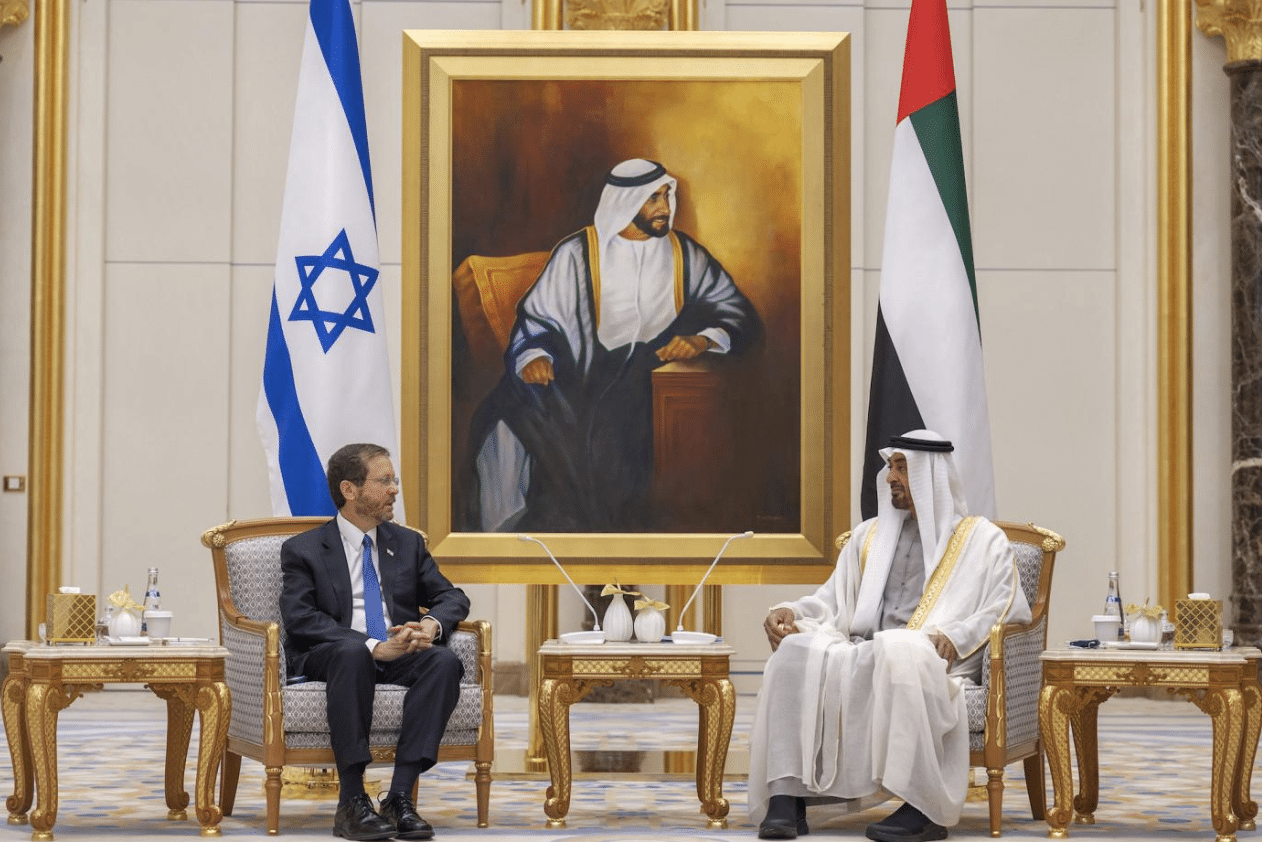
The US and Israel have launched an illegal war of aggression against oil-rich Iran. As a result, petro-dictatorships across the Arabian Gulf, including the UAE, which hosts US military facilities, have become a target for Iranian retaliation.
With foreign billionaires fleeing the tax haven of Dubai, the UAE is clearly upset about US-Israeli terror painting a target on its back but unwilling to atone for its imperialist sins.
UAE’s betrayal of Arab states
The UAE is a playground for air warfare training. The tiny emirate hosts the US 380th Air Expeditionary Wing, made up of 10 aircraft squadrons who operate MQ-9 Reapers drones.
Emirati misadventures in Sudan haven’t gone unnoticed either, with it backing genocidal actors and in doing so fuelling Sudan’s genocide – as the UN recently conceded. Since Iran began retaliating, the authoritarian state is apparently trying to distance itself from the US-Israeli operation which has already killed 555 people in Iran, including “about 180 young children,” and emphasising its:
categorical rejection of the use of the territories of regional states as arenas for settling disputes or expanding the scope of the conflict.
UAE Condemns in Strongest Terms Iran’s Blatant Missile Attacks Targeting the Country and Brotherly Nationshttps://t.co/hqiwhZijBM pic.twitter.com/wOS2BKkkro
— MoFA وزارة الخارجية (@mofauae) February 28, 2026
Reading between the lines, the UAE has made its refusal to enter a regionalised conflict clear – selfishly prioritising its economic interests over regional collectivity and solidarity with its Arab neighbours.
This isn’t just a message to Iran, author Shanaka Anslem Perera has insisted. Perera argues that:
The question the UAE is now asking itself, and that every Gulf capital is asking alongside it, is whether the grand bargain still holds. Whether hosting American bases provides net security or net risk. Whether the umbrella protects you or paints a target on you…
Dubai did not build itself into the crossroads of global commerce by taking sides. It built itself by being the place where all sides could do business. That positioning is now incompatible with hosting the infrastructure of someone else’s war.
Iran has insisted that it sees all US assets in Western Asia as legitimate military targets for retaliation, and will:
continue to exercise its right of self-defence decisively and without hesitation until the aggression ceases fully and unequivocally.
The UAE ministry of defence, cited by Gulf news, confirmed the death of three civilians as a result of Iran’s counter strikes which have placed the country on red alert.
It’s about oil, but also Israeli colonialism
Iran holds massive oil reserves and is surrounded by a terrain littered with least 19 US military facilities. As the USA’s Energy Information Administration has explained, Iran has:
some of the world’s largest deposits of proven oil and natural gas reserves, ranking as the world’s third-largest oil and second-largest natural gas reserve holder in 2023
The problem is that Iranian people got sick of foreign meddling as far back as 1979, when they toppled the Western-endorsed Pahlavi dynasty. This resulted in the exit of Western oil companies. And while an ultra-conservative theocratic regime eventually took control in Iran, it wasn’t the kind that would submit to Western interests in the region – especially Israel.
Through either punishments or rewards, the US empire has sought to ensure submission in Western Asia, which is “home to almost half the world’s oil reserves“.
In exchange for Western backing and protection, authoritarian states in the Gulf like the UAE, Qatar, Bahrain, and Kuwait have long hosted US military facilities. Iran, meanwhile, has consistently been slapped with crippling sanctions and – amid the ongoing US-Israeli decimation of international law – military attacks too.
Considering the US’s recent illegal actions to control Venezuela’s oil exports, it’s impossible to argue that oil is not a factor in its latest assault on Iran.
Neither controlling Iran’s oil nor overthrowing Iran’s clerical class seem like realistic prospects.
A risky US gamble in service of Israel
For decades, Israel has demonised Iran and yearned to topple its leadership. And with the US enabling Israel’s genocide in Gaza since 2023, it has felt untouchable enough to push for regime change in Iran. But experts agree that the aimless war is unlikely to succeed in that endeavour, and, if it does, it will unleash more chaos and conflict.
If the US and Israel do keep pushing for full regime change, Gulf dictatorships will find themselves in an impossible bind. I
f they continue to stand by idly in the face of US-Israeli terror, they will:
As Al Jazeera asserts:
The Gulf states did not want this confrontation.
Oman had been mediating talks and Iran had shown it was prepared to make a number of concessions. It is the only Gulf state that doesn’t host US military assets and materiel. But war criminals Donald Trump and Benjamin Netanyahu chose terror instead, in a region considered to be one of the world’s most critical geopolitical energy hub.
Iran may not be able to hit the US itself. But through these counter-strikes, it could shut down US-backed Gulf regimes with “strikes on power grids, water desalination plants and energy infrastructure,” according to Middle East politics professor Monica Marks. With this in mind, these states will do their best to stay out of the conflict as much as possible.
Petro-dictators might not be kicking US bases out of the region any time soon. But US-Israeli recklessness and lawlessness in the region won’t exactly be convincing them that these facilities are worth having, either.
Featured image via the Canary
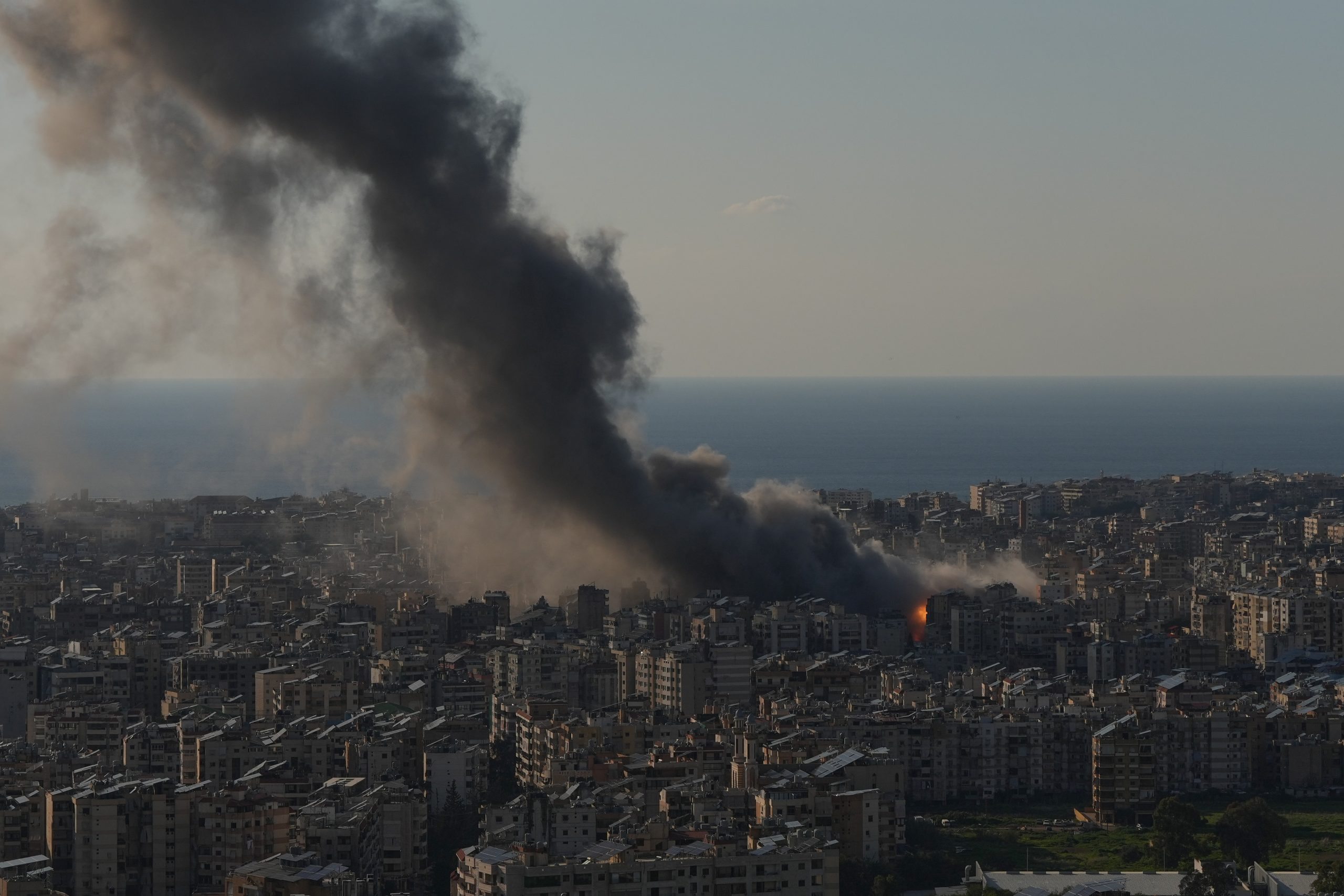
Americans broadly disapprove of the Trump administration’s military strikes on Iran, according to several polls conducted after the U.S. attacked Tehran early Saturday morning.
Nearly six in 10 Americans said they oppose the decision to take military action against the Middle Eastern country, according to a text poll conducted by SSRS for CNN on Saturday and Sunday. A separate SSRS poll, conducted via text message for The Washington Post, found that more than half of Americans disapprove of the strikes, with 52 percent opposing and 39 percent supporting.
The lack of public support for President Donald Trump’s decision to move forward with airstrikes comes as White House allies worry the move could throw the GOP’s fragile coalition into jeopardy ahead of this fall’s midterm elections. A POLITICO poll conducted in January, when the president was still weighing diplomatic and military options, found that nearly half of Americans opposed the possibility of military action in Iran.
Support for the attacks was largely split along partisan lines, with Democrats far more likely than Republicans to say they opposed Trump’s decision.
A Reuters/Ipsos poll conducted over the weekend, which closed before the U.S. military announced the first American casualties in the war, found that 55 percent of Republicans approved of the strikes — but 42 percent said they would be less likely to support the attacks if they resulted in American troops being harmed or killed.
The Washington Post poll also found that Americans varied widely in their impressions of the Trump administration’s primary goal in the conflict, with some respondents citing regime change and others pointing to oil or regional stability.
The administration has repeatedly said that the strikes were motivated by the goal to destroy Iran’s conventional and nuclear weapons programs — despite Trump’s insistence that the country’s nuclear capabilities were “totally obliterated” in limited airstrikes last year.
A majority of the people surveyed by CNN said they anticipate that a long-term military conflict between the U.S. and Iran is likely, a possibility Democrats are raising alarm about as they push for a vote on congressional war powers resolutions. Trump said Monday his administration had initially “projected four to five weeks” of conflict but had the capability to fight for longer, if necessary.
Support for the war also plummeted when Americans were posed with the possibility of gas prices rising due to the conflict. More than a third of Republicans polled by Reuters said they would be less likely to support continued attacks if oil or gas prices increased in the U.S., and 38 percent of registered voters polled by Morning Consult on Saturday said the U.S. should seek a diplomatic solution if the conflict leads to “significantly higher gas prices.”
That comes after oil prices jumped more than 10 percent Sunday after Tehran launched retaliatory attacks on several oil tankers in the Strait of Hormuz, which facilitates more than a fifth of the world’s waterborne crude oil transportation.

Hillel Fuld is a notorious and fanatical American Israel propagandist who, in 2025, was denied entry to Australia over his Islamophobic comments. In August 2025, as Israel continued to bomb and murder Palestinians in an already-flattened Gaza, he crowed that this was a case of ‘FAFO’. FAFO stands for ‘fuck around, find out’ – and Fuld was sick of ‘sob stories’ empathising with Israel’s victims:
It’s July 4th in Gaza city.
Spare me the sob stories. It’s called FAFO. pic.twitter.com/7AOjzDVkbf
— Hillel Fuld (@HilzFuld) August 14, 2025
While such sociopathy is certainly abherrant in human terms, it isn’t for Zionism. And it wasn’t some kind of one-off for Fuld, who responded to the occupation military’s ‘regret’ for killing civilians when it bombed a hospital by saying “People die in war. I don’t understand why we have to apologize”:
A statement no other army would make in the middle of an existential war. People die in war. I don’t understand why we have to apologize. But that’s just me. https://t.co/ivU5zgLAVk
— Hillel Fuld (@HilzFuld) August 25, 2025
Israel fanatic celebrates murder of kids
And Fuld is perfectly happy to extend that murderousness to kids – though he appears to have later deleted the second post:

And he’s certainly very, very happy to celebrate the US and Israel’s murder of Iranian leader Ali Khamenei and his family. This was just one of many nauseating posts on that topic:
Trump and Bibi after taking out Khamenei and yes, it’s AI, no need to point that out. 🤣 pic.twitter.com/59nk8l2Lmw
— Hillel Fuld (@HilzFuld) March 2, 2026
So far, so expected.
But Fuld, like is always the victim and he appears to have no more shame than any Zionist. So when Iran retaliated – how dare they – and an Iranian missile hit an Israeli town housing military personnel, Fuld was quick to express his ‘heartbreak’ and say it made him “sick to my stomach”.
The IDF is believed to have shot down the missile and caused it to hit the suburb, but it later denied trying to shoot it down. So either the IDF caused the strike, or didn’t try to stop it. Neither is a good look, but Fuld ignored both possibilities:
And my heart is officially broken. Again.
Iran fired a ballistic missile into Beit Shemesh (where I live) and murdered an entire family. Two parents. Four children.
I am sick to my stomach.
And yet, somehow there will be lunatics who will justify this atrocity.
— Hillel Fuld (@HilzFuld) March 1, 2026
The post triggered approaching seven thousand replies reminding him that it’s ‘FAFO’ and pointing out his (and all Zionists’) hypocrisy. Here are just a few of them:
People die in war. pic.twitter.com/bykYrabFg4
— Laura Blum (@laura8blum) March 1, 2026
Isn’t this called FAFO? pic.twitter.com/seKp5XfQWg
— Ashok Kumar | 🇵🇸 (@broseph_stalin) March 1, 2026
People die in wars, Iran should not have to apologise pic.twitter.com/0oTX3vDYMU
— TLTM (@TLTM32) March 1, 2026
Maybe this chap can help you make sense of it pic.twitter.com/ygesSUnOET
— Just Dan (@DanVMaul) March 1, 2026
— MisterBobDobolina (@dobolina_mister) March 1, 2026
Just yesterday you killed more than 100 girls in Tehran, now crying for getting a response? pic.twitter.com/CHrGgeOdvy
— Abd (@AwaamiLens) March 2, 2026
Just yesterday you killed more than 100 girls in Tehran, now crying for getting a response? pic.twitter.com/CHrGgeOdvy
— Abd (@AwaamiLens) March 2, 2026
You were loud and proud when you justified the genocide of Palestinians don’t expect anyone to spare you that same energy now. Save the fake sympathy; nobody’s buying it.
— Elham Ishmael ✍︎ (@EIshmael_) March 1, 2026
Shut the fuck up, evil fucking Zionist. You’ve spent the last two or three years cheerleading the murder of children and their parents in Gaza. Go to hell, you evil kkkunt
— Serkan Öztürk | Back From The Dead (@SerkanTheWriter) March 1, 2026
Israel has FA’d. It is now FO. Any civilian death is appalling, but after two-plus years of genocide there isn’t a violin tiny enough to play the lament Israel deserves.
Featured image via the Canary

It took FIFA only hours to condemn Russia in 2022 and just four days to impose a ban on its teams. But it would be foolish, given their rampant hypocrisy, to expect any such thing after the US and Israel’s unprovoked attack on Iran.
Iran reconsider FIFA tournament participation
Iran’s participation in the 2026 World Cup remains uncertain, according to statements by the head of the Iranian Football Federation, Mehdi Taj, who confirmed in statements to Iranian television that the escalating military tensions make participation “unlikely,” and that the final decision rests with the country’s sports leadership.
Taj said:
It’s not possible to say exactly, but there will certainly be a response. This will surely be studied by the country’s high-ranking sports officials and there will be a decision on what’s going to happen.
But what we can say now is that due to this attack and its viciousness, it is far from our expectations that we can look at the World Cup with hope.
In a move that increases the uncertainty, the Iranian Football Federation announced the suspension of all domestic sporting activities until further notice, leaving open the possibility that the national team will not be sent to the World Cup.
The draw placed Iran in Group G, alongside Belgium, Egypt, and New Zealand. The matches will be held in the United States.
FIFA regulations stipulate that if Iran withdraws, the team can be replaced by another, most likely Iraq or the UAE, to ensure the tournament is completed with a balanced schedule.
FIFA’s Stance and official reactions
Despite the unfolding situation, FIFA has not issued any official condemnation of the attacks or taken a clear political stance. The FIFA Council Secretary General stated that the federation is monitoring events “closely,” emphasizing that the primary objective is to organize a safe tournament for all teams.
This delay in condemnation has drawn criticism from sports observers and analysts, particularly in comparison to FIFA’s swift response in 2022 when it imposed sanctions on Russia just days after the invasion of Ukraine.
The Iranian crisis extends beyond the realm of sports, encompassing global political and security implications.
Tensions between Iran, the United States, and Israel are casting a shadow over all aspects of sporting activity. While the United Nations and international organizations have expressed concern about the escalating violence and called for peace, there has been no direct pressure on FIFA to impose sporting sanctions, unlike in previous cases.
No guesses needed as to why.
Featured image via the Canary

Amid the ongoing military conflict in Iran, Spanish-Moroccan player Munir El Haddadi found himself in an unusual situation. His flight to Tehran was canceled due to the closure of Iranian airspace following unprovoked attacks from the US and Israel.
El Haddadi, who plays for Esteghlal FC, was on a plane preparing to return to Spain when passengers were ordered to disembark immediately due to an emergency security situation. This forced him to quickly find an alternative way to leave amidst the chaos at the airport.
El Haddadi managed to secure a land route, embarking on a journey of approximately 16 hours towards the Turkish border. He arrived safely and is now awaiting the completion of procedures for his return to Spain, according to the newspaper Marca.
El Haddadi’s land travel was part of a broader effort by Spanish professionals in Iran to leave the country following recommendations from authorities in Madrid to do so as the conflict escalated.
This situation raises renewed questions about the potential impact on player contracts and their professional stability, particularly in leagues that rely on foreign investment and foreign professionals.
The war has also led to the postponement of sporting activities in some neighboring countries, in addition to the potential impact and absence of the Iranian national team from the 2026 World Cup due to its being held in the United States.
Featured image via the Canary
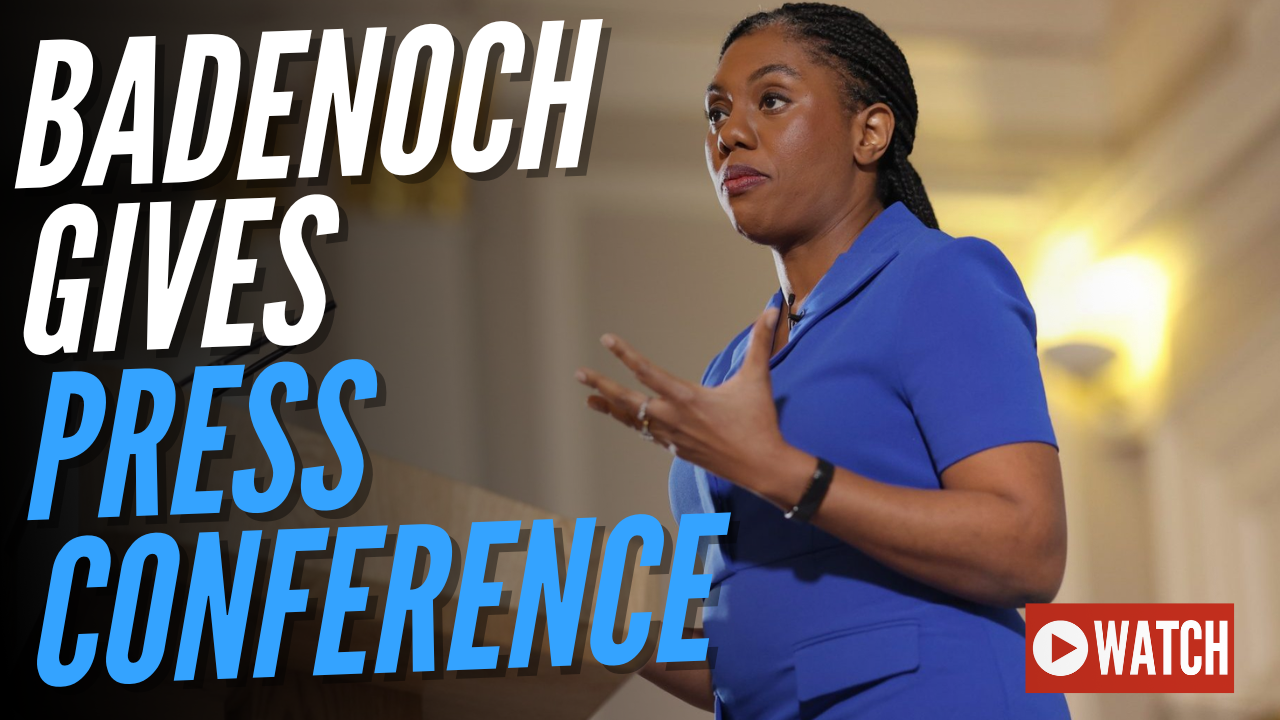
Live at think tank Policy Exchange…

!function(n){if(!window.cnx){window.cnx={},window.cnx.cmd=[];var t=n.createElement(‘iframe’);t.display=’none’,t.onload=function(){var n=t.contentWindow.document,c=n.createElement(‘script’);c.src=”//cd.connatix.com/connatix.player.js”,c.setAttribute(‘async’,’1′),c.setAttribute(‘type’,’text/javascript’),n.body.appendChild(c)},n.head.appendChild(t)}}(document);(new Image()).src=”https://capi.connatix.com/tr/si?token=19654b65-409c-4b38-90db-80cbdea02cf4″;cnx.cmd.push(function(){cnx({“playerId”:”19654b65-409c-4b38-90db-80cbdea02cf4″,”mediaId”:”0b5ae166-bde5-4c56-a152-f40ff74c8c09″}).render(“69a5d3c6e4b033a04535ffa7”);});
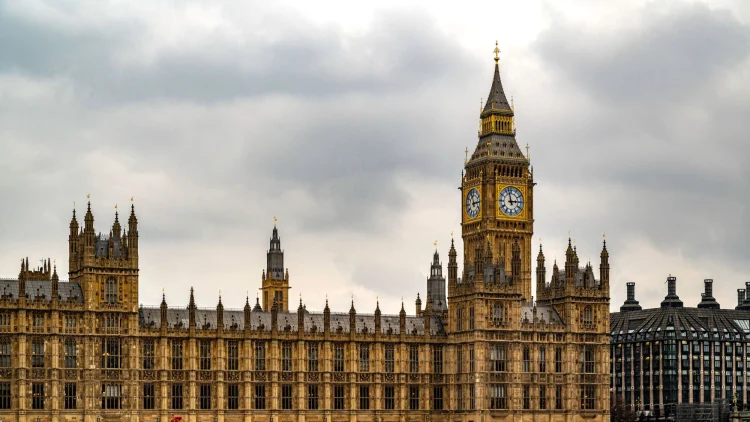
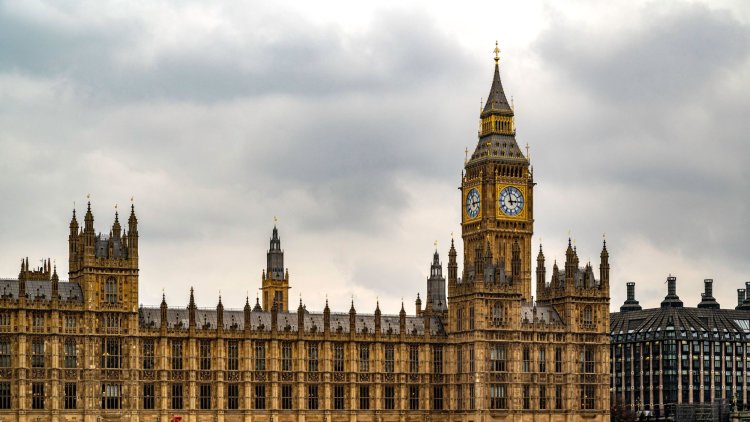
Parliamentary staff are outraged by MPs receiving a larger pay increase than them for the next financial year (Alamy)

3 min read
Parliamentary staff are furious over MPs being offered a larger pay increase their employees, despite staff bearing the brunt of increased casework loads.
The Independent Parliamentary Standards Authority (IPSA) announced on Monday that MPs’ basic salary will rise by 5 per cent to £98,599 a year from April, while also aiming to move towards a salary of around £110,000 by the end of the Parliament, due in 2029. The MPs’ pay decision for 2026-27 includes a 1.5 per cent benchmarking adjustment, as well as a 3.5 per cent cost-of-living increase.
IPSA chairman Richard Lloyd said the role of an MP had “evolved”, with parliamentarians “dealing with higher levels of complex casework, and abuse and intimidation”.
However, MPs’ staff are only being offered an ‘optional’ 3.5 per cent pay increase, despite months of lobbying by the trade union and some MPs for a substantial rise in staffing budgets due to low pay and unsustainable workloads.
One parliamentary staffer, granted anonymity to speak freely, called IPSA “a bunch of useless bean-counting morons”.
“I can’t tell you the level of fury among MPs’ staff about this announcement from IPSA,” they said.
They called the decision to raise MPs’ salaries to nearly £100k to include a “cost of living” increase “mind-blowingly tone deaf”.
“It’s staggeringly incompetent and makes MPs’ and their staff’s lives harder. In a nutshell, IPSA treats MPs’ staff with total contempt. Not just on this issue, the whole thing needs to be burned to the ground and rebuilt from scratch.”
PoliticsHome understands that some parliamentary staff were on a call with IPSA to discuss the pay increase last week, with some in attendance feeling that concerns about workload were met with a dismissive response.
MPs also have the authority to block their staff from receiving the pay rise. PoliticsHome understands some parliamentarians, including Labour MPs, signed to prevent their staff from getting pay uplifts last year.
Lisa Gillmore, GMB MPs’ and peers’ staff branch president and senior parliamentary researcher, said: “The GMB MPs’ and Peers’ Staff Branch wants to see a fair pay deal for everyone working in Parliament, but struggle to understand why IPSA think the cost of living is 1.5 per cent lower for caseworkers, researchers and office managers than it is for MPs.
“Staff handle the complex casework and safeguarding issues, and face escalating abuse. Many of those same staff are earning just above the minimum wage.
“MPs’ staff have experienced a pay cut of 14.6 per cent since 2019 based on RPI, while workloads have increased significantly, leading to long hours, stress, and burnout. 58 per cent of our members feel that their salary does not reflect their responsibilities and workload. If rising living costs justify a 5 per cent increase for MPs, IPSA must explain why this does not extend to staff.”
Another parliamentary staffer said: “The most offensive thing about the 5 per cent rise for MPs is that their justification – rising casework, increasing abuse, new demands on time – are all borne first and foremost by staff.
“We’re the ones who pick up the phone, or read the emails, or go through the social media feeds reading bile and looking for death threats. We’re the ones who, despite a significant increase in casework and demands on time, have to make do with the same budgets and staff numbers.”
Parliamentary staff have pointed out that their pay consistently lags behind the civil service, despite fewer opportunities for growth and promotion. For many junior staff working in Westminster, they now earn barely more than the living wage.
IPSA has been contacted for comment.

US President Donald Trump’s war on Iran is illegal. That’s the view of former senior US military officials. And Keir Starmer and other allies need to adjust their involvement accordingly.
Former air force Lt. Col. Rachel VanLandingham served as chief of international law at U.S. Central Command (CENTCOM). She told the Intercept on 1 March:
Not only does this violate international law in numerous respects, it clearly violates the U.S. Constitution and the War Powers Resolution.
Here’s some of the key legal context:
The United Nations Charter generally restricts the use of force to cases of self-defense or with approval from the U.N. Security Council. The Constitution separately gives Congress the power to authorize offensive war.
Clearly Trump and Israel hit first on 28 February. There was no imminent threat. In fact, negotiations with Iran had made unprecedented advances in the hours before the attack.
The Intercept reported:
The War Powers Resolution also requires presidents to notify Congress within 48 hours of introducing U.S. forces into hostilities and limits how long those forces can operate without congressional approval.
VanLandingham said:
This is an introduction of U.S. forces into hostilities. It absolutely triggers the 48-hour notice requirement.
The US – and now, the UK – are at war with no democratic debate or approval having been established. The fact four US military personnel were killed in Kuwait adds more urgency to the issue:
The fact American service members died in the operation raises further legal concerns, she said, as Congress is intended to decide when American lives are placed at risk in offensive wars.
Trump and unauthorised use of force on Iran
Even Democrats – who haven’t resisted the war, but rather asked to have oversight – have been calling for a vote:
Rep. Becca Balint told the outlet:
Speaker [Mike] Johnson must immediately reconvene the House so we can pass a War Powers Resolution to rein in this unauthorized use of our military and taxpayer dollars.
Retired Air Force special operations member Wes Bryant also spoke to the Intercept. He also served as:
chief of civilian harm assessments at the Pentagon’s Civilian Protection Center of Excellence.
Bryant warned:
To say there’s no risk to U.S. troops … I wouldn’t call it naive. I’d call it a pure lie.
He was concerned about ‘mission creep’ as the war escalated:
Bryant said the scope of the strikes suggested major combat operations that could quickly tip toward large-scale conflict in a densely populated country, with predictable risks to both U.S. troops and civilians.
Adding:
I’m surprised it’s only been three deaths. It will be more if this continues and we lose the initial shock value.
Former US Marine and State Department official Matt Hoh told the Intercept:
If these reports are accurate, this should be very concerning to U.S. forces. Iranian missiles and drones were able to breach U.S. defenses very early in the conflict.
But what role is domestic ambition playing in Trump’s drive to war?
Domestic politics drives Trump
After the strikes began Trump repeated an old conspiracy theory that Iran had interfered with the 2020 election results. VanLandingham said this was important. Trump’s attack is partly driven by domestic politics and an urge for revenge.
What’s chilling is that he’s tying this attack against another country to domestic politics as a way to further consolidate power over his base and potentially link the use of force to domestic use of force this fall.
She added:
It’s mind-boggling. But when you look at it, it makes rational sense for him to say, ‘I’m doing this because I’m taking out everyone who stood in my way in 2020″.
VanLandingham said:
He is linking it to his own domestic grievances because he is laying the groundwork, I strongly believe, to use the U.S. military improperly.
The Pentagon has confirmed that Iran had no intention of launching strikes prior to the US-Israel bombardment.
The US seems determined to keep bombing for now. And Trump seems determined to use the opportunity to shore up his power at home. The fact that his ambitions have already cost hundreds of lives in Iran, across the region and among his own citizens is unlikely to slow him down.
Featured image via the Canary
!function(n){if(!window.cnx){window.cnx={},window.cnx.cmd=[];var t=n.createElement(‘iframe’);t.display=’none’,t.onload=function(){var n=t.contentWindow.document,c=n.createElement(‘script’);c.src=”//cd.connatix.com/connatix.player.js”,c.setAttribute(‘async’,’1′),c.setAttribute(‘type’,’text/javascript’),n.body.appendChild(c)},n.head.appendChild(t)}}(document);(new Image()).src=”https://capi.connatix.com/tr/si?token=19654b65-409c-4b38-90db-80cbdea02cf4″;cnx.cmd.push(function(){cnx({“playerId”:”19654b65-409c-4b38-90db-80cbdea02cf4″,”mediaId”:”669b70c2-3215-465c-9c24-156126d7b642″}).render(“69a5b7a1e4b0d383f5045077”);});

THIS IS WHY BITCOIN IS DUMPING…

9.30am bus pass ban for older and disabled passengers gone for good

CDC acting director Bhattacharya urges use of measles vaccine


-

 Fashion3 days ago
Weekend Open Thread: Iris Top
-

 Politics4 days ago
ITV enters Gaza with IDF amid ongoing genocide
-

 Business6 days ago
True Citrus debuts functional drink mix collection
-

 Tech2 days ago
Unihertz’s Titan 2 Elite Arrives Just as Physical Keyboards Refuse to Fade Away
-
Sports3 days ago
The Vikings Need a Duck
-

 Crypto World7 days ago
XRP price enters “dead zone” as Binance leverage hits lows
-
 NewsBeat2 days ago
Dubai flights cancelled as Brit told airspace closed ’10 minutes after boarding’
-

 NewsBeat5 days ago
Cuba says its forces have killed four on US-registered speedboat | World News
-

 Tech6 days ago
Unsurprisingly, Apple's board gets what it wants in 2026 shareholder meeting
-
 NewsBeat5 days ago
Manchester Central Mosque issues statement as it imposes new measures ‘with immediate effect’ after armed men enter
-
 NewsBeat2 days ago
The empty pub on busy Cambridge road that has been boarded up for years
-

 NewsBeat1 day ago
‘Significant’ damage to boarded-up Horden house after fire
-

 NewsBeat2 days ago
Abusive parents will now be treated like sex offenders and placed on a ‘child cruelty register’ | News UK
-
 NewsBeat6 days ago
Police latest as search for missing woman enters day nine
-

 Entertainment12 hours ago
Baby Gear Guide: Strollers, Car Seats
-

 Business5 days ago
Discord Pushes Implementation of Global Age Checks to Second Half of 2026
-

 Business4 days ago
Only 4% of women globally reside in countries that offer almost complete legal equality
-
 Tech3 days ago
NASA Reveals Identity of Astronaut Who Suffered Medical Incident Aboard ISS
-

 Crypto World6 days ago
Entering new markets without increasing payment costs
-
Politics2 days ago
FIFA hypocrisy after Israel murder over 400 Palestinian footballers