

Politics
What Is ‘Positive Discipline’? Tips For Parents, From Therapists

Parenting is a real rollercoaster – and one area plenty of parents (myself included) often find tricky is figuring out how on earth to successfully discipline kids.
After all, they will often push boundaries and buttons (especially the younger ones) and increasingly, we know that shouting and throwing our proverbial toys out of the pram isn’t going to help solve the problem.
Nor will taking their toys or privileges away in a knee-jerk, frustration-fuelled reaction.
People are increasingly rethinking how they parent, according to Pinterest’s latest parenting trends report – and interestingly, the platform has witnessed a 295% increase in searches for ‘positive discipline’.
What is positive discipline?
Per Unicef, positive discipline is “a method of teaching appropriate behaviour by interacting with children in a kind but firm manner”.
It’s about setting clear expectations, focusing on rewarding correct behaviour, correcting misbehaviour when it occurs, being respectful and non-violent, and providing logical consequences.
On the latter note, The Welsh government suggests parents should try to give positive consequences for their child’s positive behaviour more often than they give negative consequences for unwanted behaviours. An example of a positive consequence might be: “Well done for putting all your toys away, now we can read a book together.”
This can be helpful to prioritise as if we get into a habit of focusing on a child’s bad behaviour (which can be easily done), they might realise it’s a way to get your attention, and so the cycle continues.
Children who experience positive relationships are less likely to engage in challenging behaviour, according to Unicef, so it’s worth taking time to get this right.
With this in mind, I asked therapists and counsellors which positive discipline techniques work best for them in practice and, for those who have children, at home.

rudi_suardi via Getty Images
1. I stop and ask myself: ‘What am I feeling just now?’
Sarah Wheatley, a BACP accredited therapist at Birth and Beyond, who specialises in supporting mums, says she will often stop and ask herself: “What am I feeling just now?”
She might be feeling defensive, scared, or angry. “If I am coming from a place of fear, such as fear of embarrassment or judgement or ‘getting it wrong’ in some way, then I might be trying to get my kid to behave in a certain way to manage MY anxiety,” she says.
“It can really help asking myself that question, because then it allows me to really pay attention to what actually might be going on for my child and try to understand better.
“Often, that helps me figure out an intervention (or not) that is going to REALLY work for them and help them grow, rather than me imposing something to try to control their behaviour.”
2. I regulate myself first
Similarly, Debbie Keenan, a BACP senior accredited psychotherapist, ensures she is regulated before she even attempts to help regulate a child.
“I always draw from The Polyvagal Theory,” she explains, “this concept explains how one nervous system can calm another nervous system, how our automatic nervous system responds to safety and danger.”
She will stop and notice what is going on in her own body first if a child is dysregulated, asking herself: Is my heart rate faster? My breathing shallow?
“By consciously slowing my breathing, softening my voice, relaxing my posture, it sends signals of safety,” she explains. “A calm, grounded adult nervous system can enable a child to shift out of their fight, flight or freeze reaction into connection.”
3. I prioritise connection before correction
For L.J Jones, a BACP registered therapist and author of Become the Parent You Needed: Heal Yourself to Raise Emotionally Healthy Children, “the most powerful discipline shift” is connect before you correct.
“Co-regulation and emotional connection with our children before leaping into rigid corrective mode is the baseline for healthy parenting, whilst still teaching realistic boundaries,” said Jones.
“When a child is overwhelmed, their nervous system moves into fight-or-flight. In that state, they cannot access logic, reflection, or learning. Attempting to discipline in that moment often escalates behaviour rather than resolving it, and increases stress levels for everyone involved.”
On the subject of connection, experts recommend planning in one-on-one time with children – whether five or 20 minutes a day – to help improve relationships and also reduce misbehaviour.
4. I admit when I’m wrong and apologise
Nobody’s perfect and sometimes we get things wrong. For BACP registered psychotherapist Charlotte Fox Weber, it’s crucial that parents acknowledge when this happens – and focus on repair.
It’s noticing those moments when you really did overreact or when you projected your own bad day onto a small person who had nothing to do with it.
She says children don’t need parents who get everything right, they need parents who can get it wrong and stay in the room. Parents who can say: “I shouldn’t have spoken to you like that.”
“That moment teaches something a chart or calm-voice technique can’t replicate – that ruptures are survivable,” she explains. “That love isn’t a performance of perfection but a willingness to come back, recalibrate, and try again.”
And it’s also vital for building enduring attachments, she adds. “Being openly fallible in front of the people you’re raising isn’t a weakness. It’s one of the most hopeful things you can model. You become living proof – in real time, in the kitchen, on a Tuesday – that people can make mistakes, stay, and come back better.”

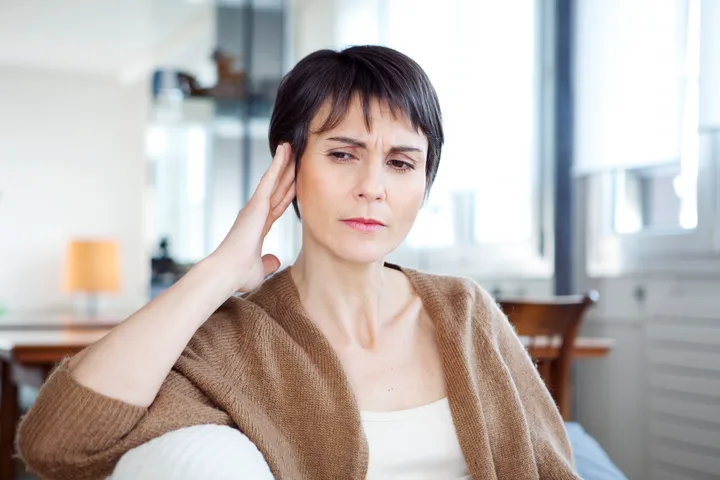
While hot flashes and night sweats are commonly recognised signs of perimenopause, there’s one lesser-known symptom: itchy ears.
Described by many as a deep-seated crawl or tickle in the ear canal that feels impossible to reach, itchy ears are easy to shrug off as a hygiene issue. But experts say it can actually be a natural result of the hormonal ups and downs of perimenopause.
Here’s the lowdown on this often-overlooked symptom:
How Changing Hormones Affect Your Ears And Skin
Oestrogen levels naturally rise and fall throughout each menstrual cycle as a follicle matures and eventually ruptures to release an egg. “[But] during perimenopause, as egg and follicle quality declines, oestrogen production can vary more dramatically from cycle to cycle, depending on the quality of the specific follicle developing that month,” explained Dr. Sandy Chuan, a double board-certified reproductive endocrinologist and obstetrician-gynaecologist at San Diego Fertility Center.
Chuan added that it’s also common to intermittently skip ovulation entirely during this transitional period. “During these anovulatory cycles, or cycles without ovulation, oestrogen levels remain low because no follicle is developing, resulting in minimal oestrogen production.”
And according to Dr. Christine Maren, a board-certified physician and Menopause Society-certified provider, those dramatic swings aren’t the only issue.
“Hormonal shifts in perimenopause often begin with less progesterone. Progesterone is anti-inflammatory and, importantly, stabilises mast cells, which are the immune cells that release histamine,” she said. These chemical messengers regulate inflammation and allergic reactions, like itching, flushing and hives.
Combined with fluctuating levels of oestrogen, the symptoms amplify. “High levels of estrogen … stimulate mast cells and release more histamine,” Maren said. “But on the other hand, low levels of estradiol, which we also see during perimenopause, disrupt immune balance and create more inflammation. The real issue isn’t simply high or low oestrogen; it’s the loss of hormonal balance and immune regulation over time.”
Then there are the changes in the gut microbiome to consider. “By menopause, the diversity of a woman’s gut microbiome has declined and resembles the male gut microbiome,” said Maren, noting that this shift may mean more histamine producers, fewer bacteria that break down histamine and a greater overall histamine load in the body, which can show up as itchy skin or hives.
“Low oestrogen states also affect the barrier function of the gut, which increases inflammation and also plays a role in autoimmune diseases like psoriasis,” Maren said.
The combined shifts in hormones, immune signals and gut health help explain why skin can suddenly become reactive during perimenopause. And those same hormonal changes that make your skin dry and sensitive can also affect your ears.
“Declining oestrogen levels affect the keratinocytes in the skin,” according to Chuan, referring to the primary cells that build the protective barrier shielding your body from environmental damage, infection and moisture loss.
When oestrogen drops, hydration levels, collagen and glycosaminoglycans ― the molecules that help keep skin plump and cushioned ― also decline, leaving a thinner, more vulnerable barrier.
“Ears are already delicate and regularly exposed to elements like weather, earbuds, hearing aids and hair products — creating a perfect storm for irritation,” Chuan said.
Estrogen also affects how the spinal pathways process itch signals. “As hormone levels rise and fall, these pathways can become more or less sensitive, which can change how strong itching feels,” Chuan explained. During hormonal shifts, the same minor irritation might suddenly feel more intense.
There’s another layer to consider. Maren added that age and hormonal shifts can alter the composition of earwax, which helps lubricate the ear canal. “As this protective layer changes, the skin in the ear canal is more likely to feel dry or sensitive,” Maren said.

Everyday Habits That Could Affect Your Itchy Ears
Your daily habits can also influence how your skin and ears feel during perimenopause.
“Poor sleep and increased stress response both cause the release of pro-inflammatory markers, which can impact overall skin barrier function, turnover and healing, contributing to skin dryness and irritation,” said Dr. Catherine Hansen, a board-certified obstetrician-gynaecologist, certified menopause practitioner and chief medical officer at Effica Health.
Food choices matter, too. “Dietary patterns can help to modulate inflammation and improve the skin barrier function,” said Dr. Stacey Silverman Fine, a board-certified obstetrician-gynaecologist at Maven Clinic.
Fine pointed to plant-based diets rich in phytoestrogens to reduce hot flashes and further support skin health through anti-inflammatory effects. Omega-3 fatty acids can also help support the skin barrier function through anti-inflammatory mechanisms, and ensuring adequate vitamin D status may support overall skin health.
How To Tell if Hormones Are Behind Your Itchy Ears And What To Do About It
Timing, patterns and accompanying signs can offer valuable clues about what’s driving the itch.
“Paying attention to triggers is important, especially what makes a symptom like itchy ears better or worse,” Maren said. “Hormone-mediated itchy ears may experience fluctuations during the month, or be associated with other hormonal symptoms such as vaginal dryness, hot flashes, irritability and change in menstrual cycles.”
On the other hand, allergy-related itch tends to come with classic symptoms like a runny nose, sneezing, itchy eyes and a seasonal pattern that flares during high-allergen times of year. Eczema-related itching, meanwhile, usually comes with a clear breakdown of the skin barrier, like flaking, scaling and redness.
Managing hormone-related ear discomfort at home can be simple and effective.
“Gentle ear canal moisturization is the foundation of at-home management,” said Fine, recommending a small amount of petrolatum-based ointment or cream applied to the outer ear canal with a clean finger or cotton swab, while avoiding going too deep, which could disturb earwax or damage the eardrum. “Also, taking short, lukewarm showers helps preserve skin moisture better than prolonged hot water exposure, which strips natural oils and worsens the itching.”
Avoiding common irritants is equally important. Fine noted that hair products that drip into the ear, nickel or reactive-metal earrings, cotton swabs and moisture-trapping earplugs can all worsen itching or disrupt the ear’s natural protective wax layer.
“Dry skin and itching sadly affect more than 50% of women over age 65 and are progressive without treatment. Unlike vasomotor symptoms, like hot flashes, that improve with time, skin symptoms generally worsen with time,” Fine said. “I’d recommend seeking medical treatment if the symptoms are persistent and don’t respond to diet, lifestyle changes or at-home strategies.”
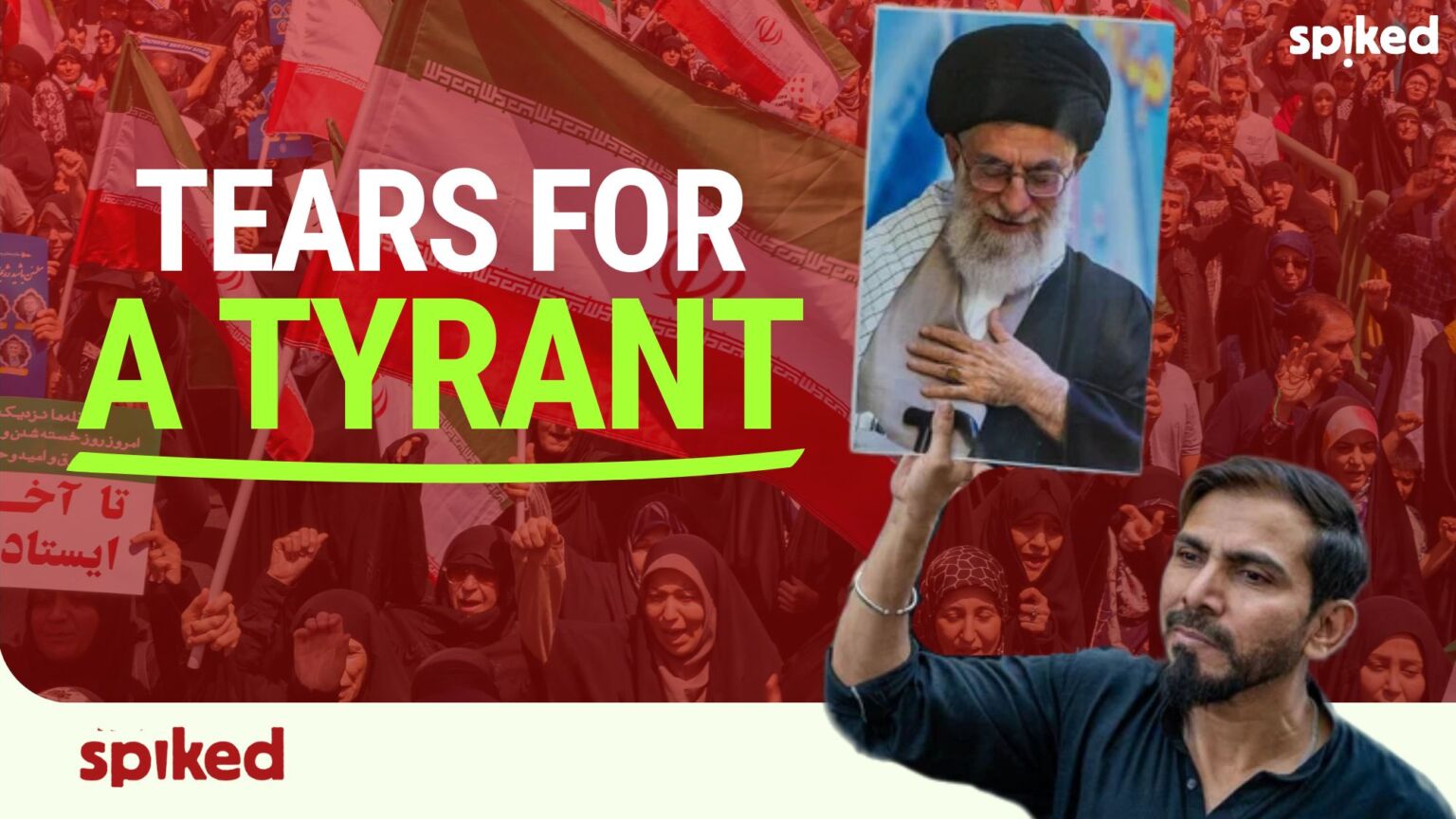
The post Why are British students mourning the ayatollah? appeared first on spiked.
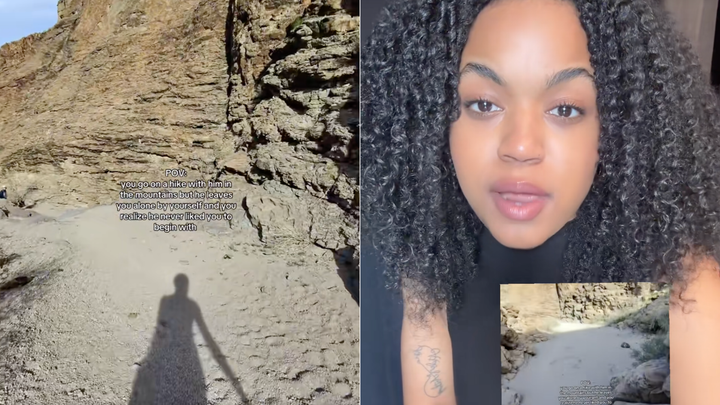
We really wish we didn’t have to talk about “alpine divorces”.
Over the past week, the unusual term has been trending on social media, particularly on Threads. The conversation stems from a TikTok video posted last month by a woman who said she was left alone on a hike after a man who invited her along abandoned her.
We reached out to the woman to verify the claims in the video, which has over 21.8 million views, but did not receive a response before publication. But in a new follow-up video, she said it all went down during a recent hike with a date in the North McCullough Wilderness area of southern Nevada. According to her, her date rushed ahead to beat other hikers to the summit and left her behind to catch up on the trail.
“He said he wanted to run and I remembered thinking, ‘Why are we chasing strangers to the top of the mountain?’” she said in the clip. (Good point!)
In the comments on the original video, women broadened the conversation, saying that having a partner leave you on a hike or any other outdoor outing was a surprisingly common experience. Some claimed that there were whole online support groups filled with women who’ve been abandoned mid-hike by men – an “alpine divorce”, they labelled it.

The eerie-sounding phrase comes from the title of an 1893 short story by Scottish-Canadian writer Robert Barr, about a man who plots to kill his wife while they are traveling in the Swiss Alps.
As women discussed the topic and shared tales of alpine divorce and breakups, they were met with some disbelief in the replies, mostly from men. “Things that never happened for 500,” one guy replied to a Threads post.
Obviously, he’s not a true crime follower. If you pay attention to such stories in the news, you know that things like this – attempted murder through remote abandonment, essentially – sadly happen all the time.
Just last month, an Austrian climber was found guilty of gross negligent manslaughter after his girlfriend – who was said to be “light-years behind him in terms of her climbing abilities” – froze to death on Austria’s highest mountain in 2025.
And then of course there’s Gabby Petito, who died by strangulation in late August 2021 in the Spread Creek Dispersed Camping Area of the Bridger-Teton National Forest in Wyoming. Her remains were found there a month later, with the coroner determining the death was a homicide, perpetrated by her boyfriend Brian Laundrie.
Given the preponderance of actual alpine breakups, is it any wonder why women choose the bear over a man?

Igor Suka via Getty Images
We talked to women who’ve experienced ‘alpine divorces.’
Carol, a 51-year-old from Central Texas, was among the women who shared a story about being left behind, in her case by an ex-boyfriend in college on a slope in Lake Tahoe in 1993.
“My roommate and her friend went off to some of the lower slopes, but my boyfriend dragged me to the very tip-top so he could show off his mad skills,” said Carol, who asked to use her first name only to protect her privacy. (Said ex is now a convicted felon, for an unrelated crime.)
They skied one short bowl run down the back side of the mountain, before Carol got lightheaded from the altitude. (It didn’t help that both were suffering from a hangover.)
“He didn’t want to hassle with getting me back down,” she said. “It would harsh his vibe – he was there to tear up some snow – and I was too winded to find the way down and too disoriented to ski to one of the short lifts to the top where I could get the gondola back down.”
Her boyfriend’s solution? Dig her an “emergency” hole – “think like a seat, not a cave” – and put Carol in it so he skied for the rest of the day.
“I stayed there until a good skier Samaritan came by, got me out of the hole, took me to the gondola, and deposited me at the ski patrol, where I proceeded to faint from dehydration,” she said. They patched me up and took me back to our condo, where I fell asleep. Said boyfriend did not return until late in the evening.”
At 19, she admits she didn’t “understand what an absolute dick move that was,” and the pair didn’t break up for a few more months of other equally awful episodes, she said.
“But now, reading these stories, I immediately see myself in a hole on the back side of a mountain at 19 years old,” Carol said.
Wiser now, she says she’s learned to leave at the very first sign of disrespect or crossed boundaries, to trust her gut, and to take responsibility for her own skill level and safety.
“That starts with being able to detect disrespect and know what our boundaries even are,” she said.

Photographer, Basak Gurbuz Derman via Getty Images
Amelia Ehrens, a British Columbia woman and experienced hiker, said her ex left her behind for 10 days at Kearsarge Pass in the Sierra Nevada while they were hiking the Pacific Crest Trail.
As she explained to HuffPost, when you’re hiking almost every single day for five or six months, it’s not entirely uncommon for hiking partners or groups to split up for the day, or multiple days sometimes.
“That said, on the most dangerous sections of the trail – at high altitude or in snow with sketchy river crossings – you never leave anyone behind if it’s not explicitly agreed upon,” she said.
When she saw “alpine divorce” trending on Threads, she felt terrible knowing she wasn’t alone in being left on a trail.
“Unfortunately, I’m not shocked, though,” she said. “As amazing and wonderful as many hikers are, and the hiking community is in general, it’s definitely a sport that has a lot of ego in it.”
People with an ego sometimes make choices that endanger others, either consciously or not, she told HuffPost.
“There’s immense power in being able to abandon someone in a dangerous or terrifying environment, and for certain types of abusive people, that’s very enticing,” she added.
As her experience in the Sierras reminded her, no relationship is ever worth staying in if you don’t have, at the absolute bare minimum, physical or emotional safety.
Here are some tips for staying safe on hikes with anyone
Human to human, no matter how upset or frustrated you are, it’s never acceptable to leave someone on the trail, said Amanda Neiman, the operations director in North America for Wildland Trekking, an Intrepid Travel company.
To be safe, it’s wise to prepare for any hike as if you’re going alone – even when you’re not, Neiman told HuffPost.
“Plans change. Weather shifts. People leave,” she said. “Confidence comes from knowing you can handle it.”
Start with actual supplies. Don’t rely on your hike partner to pack everything in their backpack: bring snacks, water, a map, even if it’s a screenshot of the map at the trailhead. (Read more about the 10 essentials for hiking here.)
Be sure to pack a basic first aid kit that includes a light – don’t just rely on the flashlight on your phone, which could run out of battery.
“Look at the weather ahead of time to know the appropriate clothing for the hike,” Neiman said. “I personally always hike with a rain shell even if there is no rain in the forecast.”

Evgeny Vasenev via Getty Images
Maybe don’t go on a hike as an early date, either. “Get to know their character first,” said Heather Balogh Rochfort, freelance adventure journalist and host of TrailblazeHER, a YouTube channel for outdoor women.
“Do they care about their goals over people?” she said. “How do they handle your existing disagreements [when you’re] not on an arduous nature walk?”
Like Neiman, Balogh Rochfort’s first tip is to build confidence so you don’t actually need anyone else to get out safely.
“I really believe women should spend more time outside on their own, even if it means starting really small with a tiny, one-mile hike or something,” she said. “Something that lets you prove to yourself, ‘I can do this.’”
When you know deep down inside that you are fully capable of handling a situation, the dynamic completely changes, Balogh Rochfort said.
“You’re not dependent. It’s a powerful shift to go from ‘please don’t leave me’ to, ‘If you leave, I’ll be mad but totally fine.’”
And if someone does ditch you in the end? “Screw them,” she said. “Eat your snacks. Drink your water. And get yourself out with the knowledge that you’ll never let them waste your time again.”
6 min read
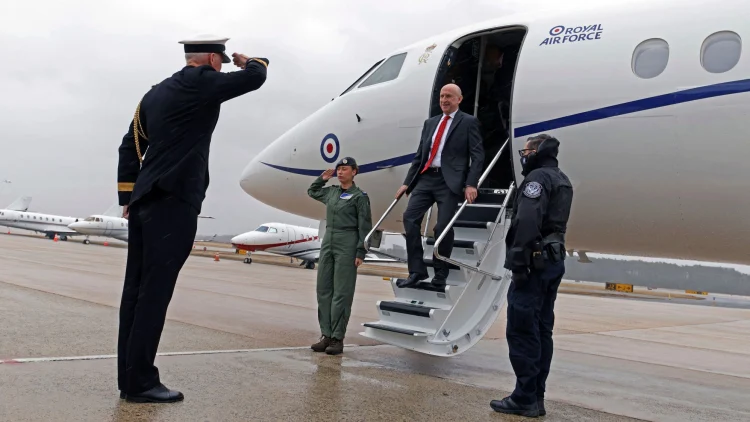
When the Ministry of Defence launched a string of reforms targeted at improving its work with small business, they did not stint on the rhetoric.
Ministers championed the founding of the “transformative” Office for Small Business Growth, as part of a key pillar of reforms first touted in the Defence Industrial Review. “The OfSBG will oversee a comprehensive programme of change, ranging from policy and commercial process simplification,” the department’s press release read.
But resignations, a collapse in morale, and spats over what the government considers British have plagued the reforms, with much of the industry in open revolt. One member of an advisory panel that oversaw the reforms viewed the changes quite differently from the government: “All they’ve done, ultimately, is create a website.”
Following Russia’s invasion of Ukraine four years ago, defence policy has returned to the forefront of British politics. The long-broken system of armed forces recruitment has been addressed, numerous reviews on strategy have been considered and, slowly but surely, cumulative spending has increased.
Relations between the defence industry and the MoD are strained, however. For his part, Defence Secretary John Healey has worked to bridge the divide, though his energy is sometimes said to have been misplaced.
While the UK-US alliance has always been hard to separate, a growing number of British businesses are concerned about the looseness of the definition of what makes a business British.
As the MoD announced the next stage of UK’s ‘Project NYX’ in January, a programme to advance unmanned drones to work alongside Apache helicopter systems, defence minister Luke Pollard announced he was working with “leading British industry” on the project.
Yet the support rang hollow among those pushing for more domestic support. Of the seven companies selected, only one was headquartered in Britain, with the others primarily based in the US, New Zealand, France, Portugal and Italy respectively.
Three days after the announcement, Pollard told a defence industry dinner that the only prerequisite to being considered a British company is having a registered British postcode.
The definition, if Pollard is to be taken literally, is a controversial one. It would allow huge foreign defence companies, including Lockheed Martin and Anduril, both recipients of Project NYX funding, to be seen as British simply because they have offices in this country.
To doubters, the problems of a weaker form of protectionism is obvious: British companies excluded from foreign markets but facing a deeper level of competition at home against foreign firms.
PoliticsHome asked the MoD whether the definition given by Pollard – that the only requirement to be considered British is a single postcode – was indeed the government’s definition. The department did not explicitly confirm that but appeared to do so implicitly by pointing to a speech Pollard gave six months ago about ‘British-based’ companies. Little wonder critics label their approach “Britwashing”.
“The Office for Small Business Growth is welcome rhetoric, but rhetoric does not create growth. The issue is not intent, it is delivery,” Rob Taylor, managing director of 4GD, tells PoliticsHome.
“The MoD refuses to pull the hard levers such as meaningful SME set asides, tender weighting and enforceable definitions of what ‘British’ means. Instead, we get flashy new websites and a multitude of working groups while genuine UK firms are outgunned by foreign entities deemed ‘British’ because they rent a postcode.
“Other nations unapologetically back their domestic industry, we dilute ours with semantics. If ministers are serious about sovereignty and growth, they must end Britwashing and use legislation and contract awards, not press releases, to prevent systemic economic self-harm.”
Another chief executive bluntly describes the definition as bringing the MoD into “disrepute”.
While some do see the problem as one of malice, many acknowledge that it is a grim reality companies face. British investment is becoming harder to come by, and investors on the other side of the Atlantic are more than happy to make up the gap. Cynics might also detect the benefits of a wider definition of ‘British’ to the government when it comes to trumpeting the benefits of increased defence spending to the domestic economy and jobs market.
In this context, the battle for smaller defence firms is starker, and contributes to the consternation being prompted by the MoD’s support for large companies.
“The government’s ambitions and rhetoric around supporting SMEs is positive. However, for many businesses, it doesn’t reflect the reality,” an industry source said.
“Calling a team the ‘Office for Small Business Growth’ doesn’t make the government any more pro-enterprise. Until ministers address clogged procurement cycles and stop taxing businesses so harshly, all this does is create more bureaucracy.”
Even some of the business leaders advising the MoD on its small business strategy say the relationships are worsening by the day. A £20m incubator fund to offer accelerated government contracts for firms has been treated with scepticism, and faith overall is waning.
One businessman involved in discussions said the government had done little more than pay “lip service”, with the underlying problems they face unchanged.
As the temperature rose between some of the SMEs and the government, the major consultancy firm Turner and Townsend was brought in to help the MoD formulate the final steps behind the Office for Small Business Growth. Shortly after that, the final design phase meeting between some of the small businesses and the MoD was cancelled at short notice.
“It’s laughable,” one member tells PoliticsHome. “They literally brought in a multinational consultancy to decide what happens to small business providers, after they decided they didn’t like what we had to say.”
Insiders claim that the small businesses were overruled by Turner and Townsend, with many deeply unhappy with the government’s rollout.
“What they’ve done, ultimately, is create a website, and find £20m before the end of the financial year which needs to be spent. It’s 0.1 per cent of what they’ve pledged to spend on this.”
For their part, the government said it did not “recognise” the fact the final meeting had been cancelled. The government also said it was standard to bring in a major consultancy for the final stages of the development of a project, especially for such transformative works.
The Office for Small Business Growth’s industrial lead Ken Turley quit after only three months in the role, frustrated with the attitude of the MoD. Insult was added to injury when department officials claimed the resignation was part of a planned restructure, much to the surprise of Turley’s allies.
Before publication of this article, Turley did not respond to a request for comment.
An MoD spokesperson said his departure was part of a planned restructure: “This government is backing British jobs, British industry and British innovators. Since July 2024, we have signed 1,100 major contracts, with 84 per cent of our annual spend going to British companies.
“Last month we launched a dedicated Defence Office for Small Business Growth to boost opportunities and access, on top of our commitment to increase spending with SMEs by £2.5bn by May 2028. The team is continuing to develop its strategy in close consultation with industry.”
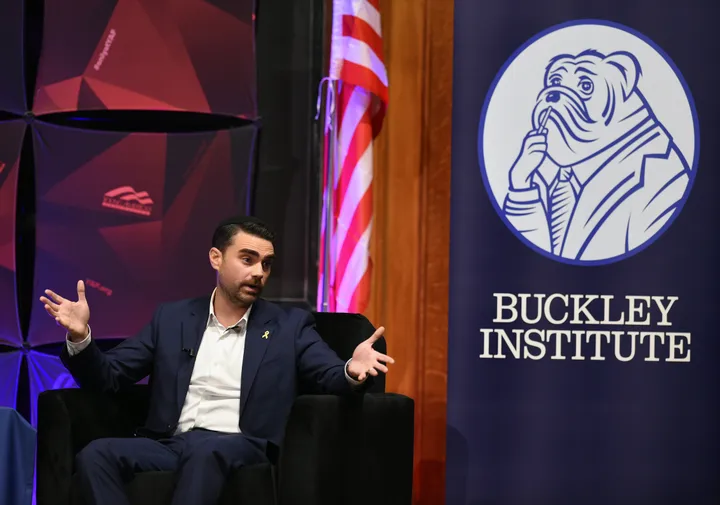
Conservative commentator Ben Shapiro tore into fellow political pundit Piers Morgan for platforming what he described as “America haters” on his show, calling the right-wing Brit the “Jerry Springer of political television” during Wednesday’s episode of his own YouTube series.
The Daily Wire co-founder was left fuming over Morgan’s Tuesday edition of Piers Morgan Uncensored, in which comedian-turned-commentator Dave Smith slammed the US and Israel’s joint attack on Iran and called the US “arguably the worst terrorist organization in the world,” given the number of civilians killed in US military operations over the last 25 years.
Accusing Morgan of making “a mockery of the entire industry by putting on screen whatever dregs are still willing to go on screen,” Shapiro compared the Brit to infamous tabloid talk show host Springer, then blasted Smith as unfunny and ill-informed about foreign policy.

Connecticut Post/Hearst Newspapers via Getty Images
Shapiro, a staunch defender of Israel and its allyship with the US, seethed as he told viewers, “I’m sorry, but you hate the country if you say America is the worst terrorist organisation in the world. You just do.”
“To make that argument, you have to deliberately obscure the difference between actual terrorists – who actually are seeking deliberately to kill innocent people in the name of politics, not collateral damage, deliberately seeking to kill innocent people – and nation-states who are seeking to avoid civilian casualties, often while fighting those actual terrorists,” he continued.
Shapiro then speculated that Smith was probably thrilled to even be mentioned by him, and called the idea of debating “trolls” a waste of time.

Carl Court via Getty Images
Hours after Shapiro’s criticism went live, Morgan shot back a reply in a Thursday morning post on X.
“If people are curious why @benshapiro has suddenly turned on me, this may explain it…” he said while retweeting a January video from his show. “The guy just can’t take anyone criticizing Israel’s govt.”
Prior to their apparent falling-out, Shapiro had made several appearances on Morgan’s show, including for a 2025 debate about Israeli and Palestine.

Comment provided by Helen Pankhurst CBE, a senior adviser at CARE International, women’s rights activist, and professor at Manchester Metropolitan University.
According to a global analysis conducted by CARE International, women’s freedom to speak openly about politics has regressed to levels not seen since 1997.
This is part of a regressive trend that has been ongoing since 2012.
“If nothing changes, an expected 1.74 billion women and girls will be subject to restrictions on their freedom to express their political views by 2050,” the report reads.
Here, we spoke to women’s rights activist and great-granddaughter and granddaughter of leading suffragettes Emmeline and Sylvia Pankhurst (respectively), Helen Pankhurst CBE, about the findings.
“These findings should concern anyone who cares about democracy”
The CARE analysis suggested that women are, on average, less able to discuss politics openly without fear of harassment.
“These findings should concern anyone who cares about democracy,” Pankhurst said.
“When women feel less able to speak openly about politics, it’s a clear warning sign that civic space is shrinking. This isn’t just about confidence; it reflects growing hostility, restrictions and systemic barriers that are pushing women out of public debate.
“If half the population feels silenced, our politics becomes weaker and less representative. Our democracy is weaker for it. It is a warning light.”
In 2025, the United Nations (UN) said that deadly conflicts, financial cuts, and backlash to women’s rights led to “stagnation and regression” of women’s freedoms.
The UK “is not immune” to this “backlash”
In 2024, UN Women said that one in four countries reported “backlash” on hard-won women’s rights.
Pankhurst thinks this rings true.
“Broadly speaking, we are seeing a rollback. After years of slow progress, women’s rights are stagnating or reversing in too many places,” she said.
“The backlash is real, from attacks on reproductive rights to rising online abuse and cuts to funding for women’s organisations.”
The women’s rights activist stressed that the UK “is not immune.
“We’ve seen a deterioration in the tone of political discourse, increasing harassment of women in public life, and policy decisions that risk undermining hard-won gains.
“Progress isn’t inevitable, and it absolutely cannot be taken for granted. Each step forward is hard-won, progress needs to be defended, and much more work is needed to ensure we don’t turn back the tide on our freedoms.”
If you’re already missing Bridgerton and need something new to warm yourself on those cold nights, Netflix’ steamy new comedy-drama Vladimir could be just what you’re looking for.
Set in the world of academia, Vladimir follows a middle-aged English college professor who becomes infatuated with her young colleague, while her husband is battling sexual misconduct allegations within the faculty.
Based on Julia May Jones’ critically-acclaimed novel of the same name, the eight-part series packs a lot in, exploring everything from middle-aged desires and the impact of cancel culture to how opinions about sex can differ between generations.
There are definitely more than a few faces on the cast list that you’ll recognise in this steamy new drama.
Here is where you might have seen the cast of Vladimir before…
Rachel Weisz

Oscar-winning Hollywood royalty Rachel Weisz plays the fourth-wall-breaking narrator in Vladimir.
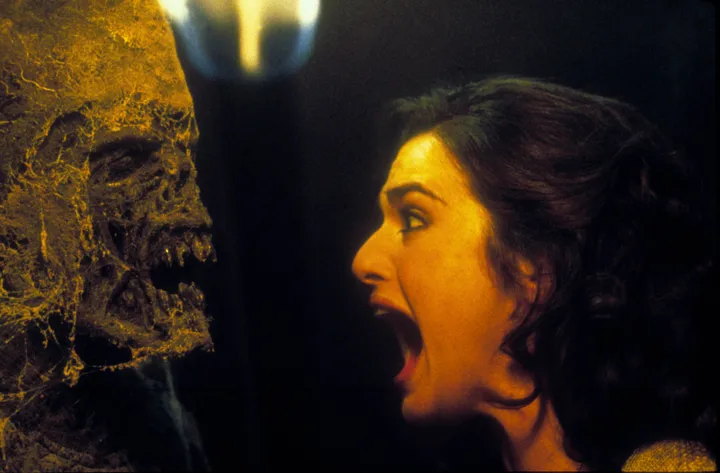
Rachel’s breakthrough moment came in 1999, when she landed what is still considered one of her most iconic roles, playing Evelyn alongside Brendan Fraser in The Mummy and its sequel.
She went on to star in numerous big films in the 2000s, including the war movie Enemy At The Gates, the Nick Hornby adaptation About A Boy, alongside Hugh Grant and the vampire drama Constantine with Keanu Reeves.
In 2005, she won an Academy Award for her performance as an activist in the thriller The Constant Gardener.
More recently, Rachel has had roles in some major blockbusters, including The Bourne Legacy and Black Widow, and in 2018, she was Oscar-nominated again for her performance as Sarah Churchill in The Favourite.
In 2011, Rachel married Daniel Craig, and the couple had a daughter together in 2018.
Leo Woodall

Leo Woodall, who plays the titular Vladimir, first gained recognition when he appeared in the second series of The White Lotus, in which he played Quentin’s “naughty nephew”.
From there, he went on to appear in two episodes of Richard Madden’s Amazon Prime action series Citadel, before starring as Dexter in the Netflix adaptation of One Day.
Last year, he took on a leading role in Apple TV+ thriller Prime Target, playing a mathematician who uncovers an international political plot.
He was also acclaimed for his role in the WWII drama Nuremberg alongside Russell Crowe and Rami Malek, with critics declaring the performance one of the year’s most underrated.
Vladimir is not Leo’s first on-screen tryst with an older love interest, either.
In 2025, he appeared in the fourth Bridget Jones movie, Mad About The Boy as Roxster, a younger love interest for the titular diarist.
Leo has a busy few years ahead of him, too, with upcoming projects including Tuner with Dustin Hoffman, sci-fi movie Nomad and Anthony Bourdain biopic Tony set to be released.
John Slattery

John Slattery is best known for his role as Roger Sterling in Mad Men, for which he was nominated for four Emmys and won two Screen Actors Guild Awards.
Outside of Mad Men, John has appeared in a range of TV shows, including playing Will’s brother Sam on Will & Grace, Amy’s estranged husband on Judging Amy and politician-with-a-secret Bill Kelley on Sex And The City. He also starred as Gabrielle’s second husband on Desperate Housewives.
Meanwhile, on the big screen, John played Julia Roberts’ character’s boyfriend in Mona Lisa Smile, had a role alongside Matt Damon in The Adjustment Bureau and played journalist Ben Bradlee Jr. in Oscar-winning drama, Spotlight.
In the MCU, John played Howard Stark, Tony Stark’s father, in flashback sequences.
More recently, John portrayed the real-life prison warden Burton C. Andrus in the film Nuremberg.
Jessica Henwick

British actor Jessica Henwick found fame in 2015 playing Nymeria Sand in Game Of Thrones. That same year, Jessica portrayed Resistance pilot Jessika “Testor” Pava in the Star Wars reboot The Force Awakens.
Jessica’s other film work includes a leading role as Bugs in The Matrix Resurrections, Carmichael’s subordinate Suzanne in The Gray Man and Kate Hudson’s character’s assistant in the second Knives Out film Glass Onion.
On TV, she has played Coleen Wing in a number of Marvel TV shows and starred as Helen in Apple TV+ science fiction thriller, Silo.
You can next see her alongside Glen Powell in How To Make A Killing, as well as in the upcoming Taron Egerton comedy, Everybody Wants To Fuck Me.
Matt Walsh

Not to be confused with the controversial political commentator of the same name, Matt Walsh has a prolific career making audiences laugh on the big and small screen.
Matt is best known for his role as Mike McLintock in Veep, but if you’re a sitcom fan, you are sure to have seen him in one of his many comedy appearances, which include Brooklyn Nine-Nine, The Conners and Curb Your Enthusiasm.
On the big screen, he has had memorable supporting roles in comedies like Old School, Be Kind Rewind and Ted.
Ellen Robertson

Before getting her start in Hollywood, English writer-comedian Ellen Robertson was a popular name in British fringe comedy.
Ellen’s first role was in the 2020 BBC Agatha Christie adaptation The Pale Horse. She also appeared in one episode of comedies In My Skin, Pls Like and Stephen Merchant’s The Outlaws.
She also had small roles in the stand-out Black Mirror episode Joan Is Awful and Lena Dunham’s Netflix dramedy Too Much.
Her first feature film role came in 2025, when she starred alongside Robert Pattinson, Toni Collette and Mark Ruffalo in Mickey 17.
Miriam Silverman

Miriam is known for playing Bernice in The Marvelous Mrs. Maisel and Gretchen in Your Friends & Neighbours.
Vladimir isn’t the first time Miriam has worked with Rachel Weisz, as she appeared alongside the English star in Prime Video’s Dead Ringers.
You may have also recently seen Miriam in the American drama Landman in which she played Greta, the TCU admission officer.
On stage, she is a Tony winner thanks to her performance in the 2023 Broadway revival of The Sign In Sidney Brustein’s Window.
Kayli Carter

Kayli is already recognisable to regular Netflix viewers for her role as Sadie in the miniseries Godless. She also played the fictional housewife Pamela in the political miniseries Mrs. America, alongside Cate Blanchett, Rose Byrne and Elizabeth Banks.
On film, Kayli appeared in Bad Education, opposite Hugh Jackman and Allison Janney, as well as performing in Kevin Costner’s Western Let Him Go.
In 2019, she earned an Independent Spirit Award nomination for her role in Paul Giamatti’s comedy-drama Private Life.
Most recently, Kayli played real-life folk musician Maria Muldaur opposite Timothée Chalamet in the Bob Dylan biopic A Complete Unknown.
Elisa Moolecherry

Canadian actor Elisa Moolecherry has been consistently working in the industry for more than 20 years.
She is best known to some as Joey Jeremiah’s girlfriend, Sydney, in seasons three and four of Degrassi: The Next Generation, with her other credits including small roles in The Girlfriend Experience, Designated Survivor and Suits.
She recently appeared in Tiny Pretty Things as the journalist Zandara.
Tattiawna Jones

Tattiawna Jones has been a regular on our screens since her 2011 debut on Flashpoint.
Although she was well-known in Canada throughout the early 2010s, she became internationally recognised in 2017 with her role in series two of The Handmaid’s Tale. She played Lillie, a Handmaid originally assigned to Commander Glen, who later becomes involved in the Red Centre Bombing.
She also had a seven-episode arc in post-apocalyptic drama The 100, and was a lead in the 2019 Lost In Space remake.
Since then, Tattiawna has played Dr. Chaudhary in Station Eleven, starred as a corporate security agent in the Orphan Black off-shoot Echoes and had a leading role alongside Alexander Skarsgård in Apple TV+ science fiction comedy Murderbot.
Mallori Johnson

You may recognise Mallori for her role in the 2022 miniseries WeCrashed with Anne Hathaway and Jared Leto, and she also played the lead role of Dana James in sci-fi adaptation Kindred.
A star on the rise, you can next see Mallori in Is God Is, a big-screen thriller starring Janelle Monáe and Sterling K. Brown.
All episodes of Vladimir are streaming on Netflix now.
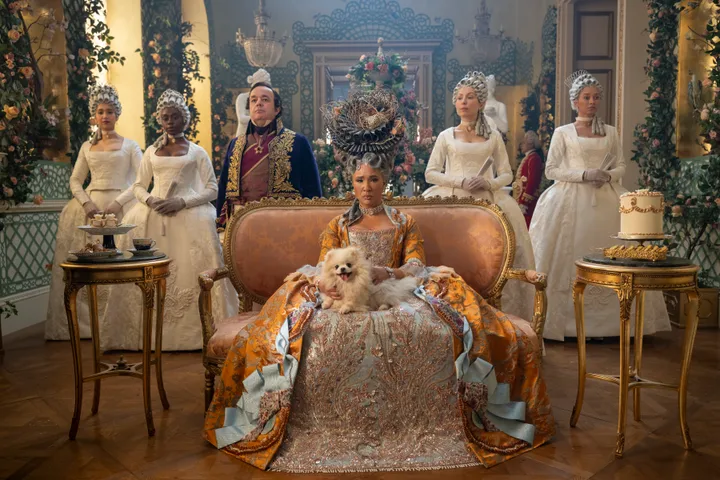
All on-screen adaptations of books make changes and take creative license with the original source material, and Bridgerton is no exception.
Over the last four seasons, the Netflix period drama has made a number of significant changes to Julia Quinn’s series of romance books when bringing them to life for the small screen.
When original showrunner Chris Van Dusen first took on the task of bringing Julia’s world to Netflix in 2020, he knew he’d have to make some changes and modernise the stories of regency romance.
“Even though the show is set in the 19th century, I still wanted modern audiences to be able to relate to it,” he told Oprah Mag in 2020.
As a result, the book makes numerous tweaks to the source material, switching key romances, making major changes to some characters and cutting others completely, helping to create the show the whole world has become obsessed with.
Here are 13 of the biggest differences between Julia Quinn’s books and the Netflix show…
Queen Charlotte, a real historical figure who was married to King George III, is not featured in the Bridgerton books

It’s hard to imagine Bridgerton without Golda Rosheuvel as Queen Charlotte, gossiping in court while sporting her fabulous headwear.
However, the real-life royal never actually appeared as a character in Julia Quinn’s book series. In fact, Queen Charlotte is only mentioned once in the novels, when she’s briefly spoken about in passing during the sixth book.
Original showrunner Chris admitted that he wanted to expand the world of Bridgerton through the monarch who was on the throne in 1813, when the first series takes place.
“What really struck me with the books from the beginning is that this was an opportunity to marry history and fantasy in a really exciting, interesting way,” he explained to Oprah magazine.
Julia Quinn loved this addition, even admitting she wished she had thought of it herself.
“I go back and forth between wishing I had actually written her in the books and then being glad I didn’t, because I don’t know if I could have done as good a job,” Julia added.
Julia would later write a prequel book about Queen Charlotte – which was itself adapted for Netflix in the show’s first spin-off – inspired by her addition to the Bridgerton universe.
“I had never done any type of writing where I had source material before and especially to have source material that’s in a very specific structure,” Julia told The Hollywood Reporter in 2023. “So what you really have to do is break down the architecture of a television script and then figure out how to put the pieces back together as a novel. To somebody like me who loves puzzles, it is really fun.”
The Bridgerton TV show puts a much greater emphasis on Lady Whistledown than the books

Much of season one revolved around the mystery surrounding gossip columnist Lady Whistledown, later revealed to be the alter-ego of Nicola Coughlan’s character, Penelope Featherington.
But the Whistledown saga is a much smaller plot point in the books.
Although the notorious columns appear in the novels at the beginning of some chapters, it’s not revealed who is actually behind them until the fourth novel.
In the books, Colin learns about Penelope’s alter ego before Eloise, and even before he proposes. Conversely, in the Netflix series, Eloise learns that her close friend, Penelope, is Lady Whistledown at the end of season two, which causes a rift between them.
Meanwhile, because Queen Charlotte is not a character, there isn’t an investigation into Lady Whistledown in the novels.
As for why they kept Colin in the dark for so long about his love interest’s hobby in the show, showrunner Jess Brownwell told Vanity Fair: “After Colin took so long to figure out his feelings for Penelope, we wanted to live in the love bubble between Colin and Pen a little bit longer before the Whistledown secret came out.”
She pointed out: “It also amps up the tension for him to find out when he does, because Pen has now held it from him much longer than she should have.”
Jess also didn’t want to keep viewers in the dark for as long as the book did readers, mainly because she realised people could just Google Whistledown’s identity, which had already been revealed in the books by the time the show came out.
Bridgerton’s controversial season one sex scene is much less consensual in the book

When executive producer Shonda Rhimes revealed she would be producing an adaptation of the Bridgerton books, readers wondered how the writers would deal with a controversial non-consensual sex scene.
In The Duke And I, Daphne (played in the show by Phoebe Dynevor) takes advantage of a drunken Simon (Regé-Jean Page) and coerces him into having sex without using the pull-out method.
The series still followed this plot, although they made it a little less controversial, with the couple having consensual sex, and Daphne switching position midway through so Simon physically as not able to pull out. Although the moment is much less creepy than in the 2000 book, it still earned a response from audiences who felt it was still “marred with dubious consent”.
Responding to the backlash former showrunner Chris Van Dusen told Esquire: “We are a show that allows our female characters to be complicated and to be far from perfect. They often have to make complicated choices.
“In the writers’ room, we discussed that scene at length. We felt that the female characters on this show – Daphne, especially should be allowed to do just that.”
Season one lead Regé-Jean Page also told Oprah mag that he was “very happy that we had a different scene in the TV show than in the book”.
The Bridgerton novels’ Sheffield sisters became the Sharma sisters in season two

One of the biggest changes between season two of Bridgerton and the books is the background of the Sharma sisters.
In the book The Viscount Who Loved Me, Simone Ashley’s Kate and Charithra Chandran’s Edwina are described as blonde, pale-skinned English women with the surname Sheffield. In the show, the pair come from India to try and find Edwina a husband.
Executive producer Shonda Rhimes explained to Town & Country that making the girls South Asian was a “very simple choice.”
“I wanted to feel like the world we were living in was as three-dimensional as possible, and I wanted to feel like the representation was as three-dimensional as possible, too,” she said.
“Finding some South Asian women with darker skin and making sure that they were represented on screen authentically and truthfully feels like something that we haven’t seen nearly enough of. I felt like it was time for us to make sure that we were seeing as much as possible.”
Anthony and Kate’s relationship also plays out a little differently in the Bridgerton books
Season two’s love triangle plot was invented purely for the Bridgerton series.
In the novels, Anthony never proposes to Edwina, nor does Edwina ever get jealous of her sister’s romance with the Bridgerton brother.
The TV show evolves Edwina into a much more complex character, which changes the entire tone of their story.

Benedict’s attitude towards Sophie in season four of Bridgerton is very different in the book An Offer From A Gentleman
The recent fourth season of Bridgerton is based on the novel An Offer From A Gentleman, and one of the key differences between the show and the book is Luke Thompson’s character’s attitude towards Sophie, played by newcomer Yerin Ha.
While the recent episodes show Benedict acting in a kind and accommodating way towards Sophie, readers of the books have branded him a “controlling and manipulative jerk”.
As someone on Goodreads noted after checking out the novel: “Where the hell is that artsy, coy, carefree, vulnerable, bisexual Benedict that we saw on the streaming series?”
Benedict is much nicer in the show, but he isn’t without his faults, one example being the divisive moment he asks Sophie to be his mistress.
In the novel, Benedict blackmails Sophie into becoming his mistress because he can’t marry someone of her lower social class.
Showrunner Jess knows that it would be unappealing to bring the character to life exactly as in the book.
“We wanted to make sure that we preserved the character’s thoughtfulness and the character’s sensitivity, which again is a big credit to Luke Thompson and what he brings to the character,” she claimed to Town & Country.

Bridgerton’s writers turned Sophie into a Korean character in season four to honour the actor Yerin Ha
In the book, Sophie Beckett is depicted as the illegitimate, blonde daughter of the Earl of Penwood.
In season four of the Netflix series, she becomes Sophia Baek, a descendant of the Earl, who is working as a maid. This change isn’t just a switch in surname, it makes space for Yerin Ha’s Korean identity.
“A name is the first bit of identity that you share with the world, and that’s why changing a name can be so powerful,” Yerin told Tudum last year.
“To make Sophie’s name fit someone who looks like me is really empowering. All credit to Jess Brownell, our showrunner.”
It’s not just Sophie who gets a name change in the recent series. Araminta Gunningworth becomes Aramint Gun while her daughters, Posy and Rosamund, get the surname of Li, unlike their book name, Reiling.

Michael Stirling has been gender-swapped in the Netflix series to create Bridgerton’s first queer lead romance
When Bridgerton introduced Michaela Stirling in season three, it marked one of the series’ biggest departures from Julia Quinn’s source material.
In the original book series, Francesca Bridgerton falls in love with Michael Stirling, a male friend of her late husband John. The show has transformed this character into a woman, named Michaela, played by Masali Baduza.
As a future season is set to put Francesca’s love life front and centre, this will mark the first time the show’s central romance has been between a same-sex couple.
“I’m really, really excited to tell this story and also give it the platform it deserves, like a leading storyline, not additional characters,” Hannah Dodd told Refinery 29 Australia.
Masali agreed: “I think everyone’s story deserves to be told, and in Bridgerton, a lot of the characters are growing into themselves and learning new things about themselves.
“I think that the show accepts that, I think it’s important for everyone else to accept that too, and hopefully that can be reflected back into society.”

Following Michaela’s arrival in season three, Julia defended the changes, acknowledging that while some people would be “disappointed”, she had actually worked with the Bridgerton team to agree to the decision.
“Anyone who has seen an interview with me from the past four years knows that I am deeply committed to the Bridgerton world becoming more diverse and inclusive as the stories move from book to screen,” Julia Quinn wrote in a statement.
Bridgerton season four didn’t include a storyline about Francesca’s miscarriage
Season four touches on a few storylines outlined in the book When He Was Wicked, in which Francesca Bridgerton is the main character.
In both the book and the TV show, Francesca thinks she is pregnant after her husband John tragically dies. While in the TV show, this is later discovered to be a false alarm, in the books, Francesca actually miscarries after her sudden loss.
Jess admitted in an interview from earlier this year that she felt incorporating the miscarriage plot felt too “morbid” for the TV series.
“Ultimately, I think John’s death and the funeral are already in so many ways such a departure from the tone of the show,” she told Swooon.
“I think episode seven has hints of lightness, but it is a much darker version of Bridgerton in a way that I think is really interesting, and especially in the way we get to watch the family come together.”

Penelope Featherington’s sister Felicity is completely omitted from the Bridgerton TV series
In the books, Penelope has a younger sister called Felicity, who has been totally excluded from the Bridgerton TV show.
This decision was made from the very beginning of the show by Shonda Rhimes, who felt that four Featherington sisters would be too hard to characterise.
Jess Brownell told TV Insider in 2024: “The main dramatic purpose of the Featherington sisters, they’ve obviously been comedic relief, but they’re there to play as a foil to Penelope.”
She added that the writers decided to completely cut Felicity as a way to push Penelope’s character forward more, and remove an unnecessary obstacle in her romance with Colin.
“I think dramatically it helped Pen [in the show] feel even more isolated and alone and underscored her plight to have her be in this viper’s nest with her sisters who are not very nice to her, and her mother who underestimates her,” she recalled. “So, we ended up really not needing that character.”
Benedict Bridgerton is straight in the novels, unlike his pansexual on-screen counterpart

In Julia Quinn’s book series, Benedict is explicitly straight, but on-screen, his sexuality is a little more complicated.
Season one includes hints that the Bridgerton brother is queer, which is confirmed in season three, when he engages in a tryst with Lady Tilley Arnold and her lover, Paul Suarez.
Talking to Glamour in 2024, Jess Brownell explained that she and the show’s other writers had planned Benedict’s sexuality reveal since season one in 2020.
“We just had never found the exact right way to execute it. I felt like it was this dangling thread that I wanted to make sense of, because I do think it makes sense for Benedict’s character,” Jess explained.
While the show has not put a label on his sexuality, Luke Thompson has said he believes Benedict is pansexual, because he’s “attracted to the way that someone thinks and feels, regardless of gender.”
“That’s a word that could be used. But what’s refreshing about it, certainly in the way that it’s being discovered at the moment, is that there is a sense of label-lessness about it,” Luke told Bustle in 2024.
Changing Benedict’s sexuality allowed the show to write a beautiful and important coming out scene between him and his wife-to-be Sophie in season four.
Marina Thompson is a totally different character in the TV show

A supporting character in the first season of Bridgerton, Marina Thompson doesn’t get a mention in the book series until the fifth instalment, To Sir Phillip, With Love.
In the source material, the character isn’t a Featherington cousin, either, and is actually a distant Bridgerton.
She is written as the first wife of Eloise’s love interest, Phillip, who tries to take her own life by walking into a river, eventually contracting a lung infection and dying days after she is saved.
Eloise bonds with Phillip when she sends a condolence letter to the widow, who never appears as a present character, as she died before the events of the novel.
In the TV show, Marina’s character is much more fleshed, with some fans noting that she feels like a totally different character. As a result, the plot in which she falls pregnant out of wedlock, and tries to trick Colin into marriage was a brand-new one for TV viewers.
“We’re really looking at the show as the evolution of a woman,” Chris Van Dusen told Oprah magazine about expanding Marina’s character. “Her story is a big part of that.
“We get to explore mindsets [that] become so normalised over time. Like sexism and misogyny, and the ways women have been treated for centuries.”
Cressida and Eloise’s friendship plays out very differently on-screen

One development that didn’t occur in the books was the season three alliance between Eloise and Jess Madsen’s character, Cressida. This friendship forms as a result of the rift that grows in Eloise and Penelope’s friendship, which doesn’t happen in the novels.
In the book Romancing Mr. Bridgerton, Cressida is a one-dimensional, malicious bully, but her character is fleshed out in the Netflix series.
Jess told Business Insider that Cressida’s friendship with Eloise opens her up and makes her less cruel.
“She’s changing, and they hold a beautiful mirror up to each other,” she said. “They’re not defensive, and they do hold a mirror up being like, ‘What you did wasn’t cool’.
“I love a mean-girl character, but even more, I love understanding why a mean girl is a mean girl. Because mean girls are not born, they’re made.”
All four seasons of Bridgerton are now streaming on Netflix.
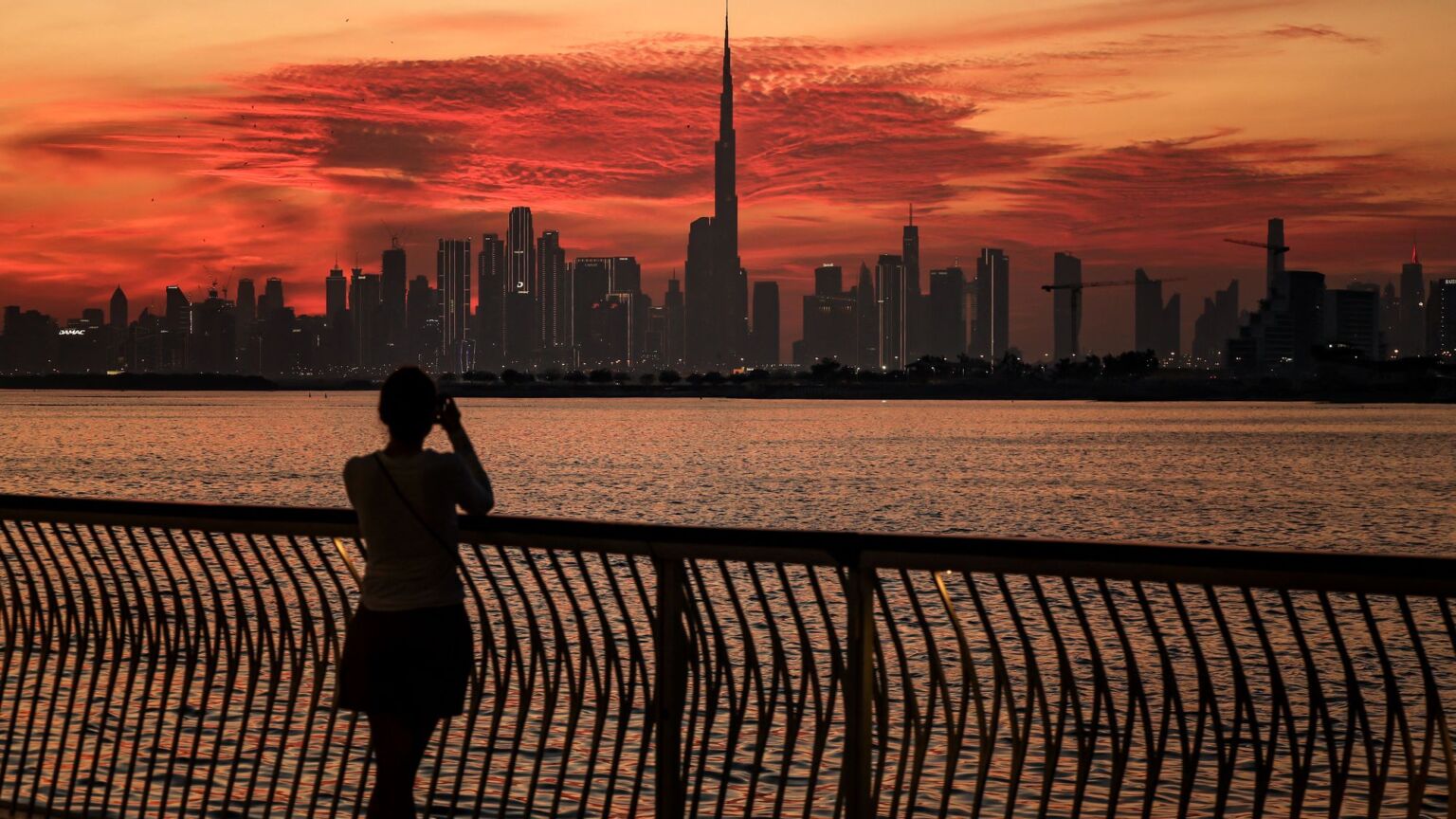
It has been an unpleasant few days for Brits living in Dubai. Just as they were under fire from Iranian missiles targeting the United Arab Emirates, they found themselves under attack on the home front, too. Leading the rearguard action was one Ed Davey, leader of the Liberal Democrats.
Rising to his feet in the House of Commons on Monday, Davey launched a bizarre assault on British citizens living in the Gulf. Dismissing them as ‘tax exiles’ and ‘washed-up old footballers’, he implied that the UK government’s willingness to evacuate them from a warzone should depend on them ‘paying taxes’ in Britain – ‘just like the rest of us do’. Davey at least conceded that the Foreign Office has a duty to assist Britons abroad, but it was an unedifying spectacle nonetheless. Historic, global events were unfolding. Yet here was the leader of a major political party, using the occasion for moral grandstanding – not against Iran, or even against the American airstrikes they were responding to, but against his fellow citizens who happened to have been caught in the crossfire.
Davey’s complaints have since been echoed across the media. Speaking on Times Radio, columnist Giles Coren said that it had been ‘impossible to weep’ for those under attack in Dubai. ‘They are, when it comes down to it, influencers – the most hated people in Britain’, Coren intoned. Daily Mail columnist Sarah Vine was similarly nonchalant about their plight. ‘The chickens have come home to roost’, Vine wrote. She seemed to take an almost sadistic pleasure in the fact that ‘celebrities / influencers / OnlyFans porn actors’ seeking a ‘tax-free existence’ now wanted help from ‘the good old British taxpayer’.
The irony of Dubai-based tax exiles demanding state handouts may be amusing to the pundit class, but there’s not much evidence of this actually happening. As journalist Isabel Oakeshott – one of the ‘exiles’ targeted by Davey in his strange outburst – put it, there just aren’t that many expats begging to be flown home. There are, roughly, 250,000 Brits living in the United Arab Emirates. And yet, according to the UK government, about 100,000 Britons across the whole of the Middle East have registered for help – many of whom will have been in the Gulf states on holiday or on business, rather than permanent residents.
Instead of attacking Brits who live in Dubai, politicians like Davey would do well to ask why they might have left the UK in the first place. He would surely struggle to argue with their reasons.
A record 110,000 16- to 34 year-olds left the UK in the year to June, suggesting that life is not exactly a box of chocolates in their home country. Many of them have been saddled with university debts of more than £50,000 for a largely second-rate, online education. Rubbing salt into the wounds is the fact that the graduate job market has bottomed out, with job offers at their lowest point in 13 years. Meanwhile, industrial jobs that would once have sustained Britain’s working and lower-middle classes no longer exist – instead, they have been sent offshore, largely thanks to the green dogmatism of politicians like Davey. In 2022, the Lib Dem leader said he was ‘proud’ of his role in throttling British gas extraction, despite the damage this has done to the UK economy. Can he really be critical of those who have followed the money and opportunity that Britain once had?
Nor can moderately wealthy Brits be criticised for leaving the UK for Dubai. Keir Starmer’s Britain is not, even for them, the easiest place to be. Buying a home and raising a family is difficult these days for the middle classes, too. Meanwhile, despite an ever-increasing tax burden, there has been a noticeable deterioration in public services – especially in the NHS. Dubai, where there is no income tax and no welfare state, might not reflect Davey’s ideal society. But it can at least be said that you get what you pay for.
Of course, underlying the attacks on Britons in Dubai is a condescending class hostility. It is not simply the lack of taxes these Britons pay that annoys the media class – it is their perceived lack of taste. Dubai, essentially, is Essex on the Gulf. The cultural elites loathe the nouveau riche as much as they hate white-van man. ‘Schadenfreude’ – pleasure in another person’s misfortune – was the word Vine reached for to describe her feelings on seeing her countrymen and women being bombed. It’s a certain type of Brit who goes to Dubai (and she really seems to have been keeping extensive tabs on this) and so that’s why they supposedly had it coming.
The first repatriation flight touched down at London Stansted Airport from Oman in the early hours of Friday morning. Already, a reported 4,000 Brits have returned home from the Gulf via commercial flights. We should be happy they have returned home safely – whether they are the wheelchair-bound young woman, Amelia Reid, who was stranded in Dubai while holidaying with her boyfriend, or yes, even one of the ‘OnlyFans porn actors’ looming so large in Vine’s mind.
British citizens are British citizens, come what may. No matter how much tax they pay or whether you approve of their lifestyles. Now that some of them are home safe, perhaps the political class will launch a charm offensive to try to keep them here? Although after the past week’s wailing, that might be an uphill battle.
Hugo Timms is a staff writer at spiked.
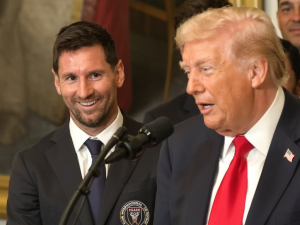

Footballer Lionel Messi has gone from hero to zero in a moment after appearing on camera applauding US dictator Donald Trump’s boasting about his “Epstein class” illegal war on Iran and smiling as Trump praised himself for starving Cuba. A legacy destroyed in a moment.
As Tere Felipe commented:
Trump explains how the United States is doing a “great job” bombing Iran, and Lionel Messi and his teammates applaud him. There is no excuse for this when 1200 Iranians have died, including 300 children.
Trump explica cómo Estados Unidos está haciendo un “gran trabajo” bombardeando Irán, y Lionel Messi y sus compañeros lo aplauden. No hay excusa para esto cuando 1200 iraníes han muerto, incluidos 300 niños. pic.twitter.com/YNWzsaP4us
— Tere Felipe (@_TereFelipe_) March 6, 2026
And from the thousands of comments from previously adoring fans, the world agrees. Here are just a few examples:
For those who ain’t plugged into Argentina twitter (and the rest of the social media ecosystem)
They aren’t just dragging messi, argentines are fully cursing him to hell and rejecting any desire to win another World Cup with him as captain
I have never seen anything like it
— ✨dreamthem✨ (@gatx_negrx) March 6, 2026
His legacy died overnight. It was utterly grotesque of him to be clapping after the orange one boasts of violence and genocide and bombing little girls.
— 小仙女 🇨🇳🇷🇺🇰🇵🇵🇰 (@communist_bimb0) March 6, 2026
“Every arse-licker ends up eating shit”:
— Johny A Quiero Alam (@sapijoma2) March 6, 2026
“Messi and Suarez are some of the most despicable beings applauding evil US-Israel because it pays for their ostentatious and shallow lives”:
Messi y Suárez son unos seres despreciables que aplauden al Mal 🇮🇱🇺🇸 porque paga sus vidas ostentosas y superficiales. pic.twitter.com/Uvo1mwbzPx
— fernando villamil (@fernand85485612) March 6, 2026
Let me tell you something: I celebrated Messi lifting the WC even more than my own country winning. I cried bc my dad loved him since his WC debut but couldn’t be alive to see him give us the WC after more than 30 years. Now I hope they lost 1st round
— ⭐⭐⭐🇦🇷 (@deliveransse) March 6, 2026
— desesperharta⚰️ (@Lisag0thh) March 6, 2026
Messi applauds Trump
“Trump boasts that bombing Iran was justified. While Leo Messi, UNICEF ambassador, and his companions applaud”:
Trump se jacta de que bombardear Irán estaba justificado. Mientras tanto, Leo Messi, embajador de UNICEF, y sus compañeros aplauden.
Más de 165 niños murieron en una escuela en Irán tras un bombardeo estadounidense-israelí. pic.twitter.com/FNPPBahXKn— Hayat ة (@HayatHa33394572) March 6, 2026
“Ugh Messi, I thought you were a better person”:
Uy Messi creía que eras mejor persona 🤮 pic.twitter.com/pJnjB6NSgW
— Lucia🌹🇪🇦🇹🇷🇵🇸 (@lucy_arties) March 6, 2026
— Carlos CASTRO Marcos 🇮🇷 (@carlos53marcos) March 6, 2026
“Lionel Messi supporting the actions of the tyrant! Look at him, nothing more! The deaths of infants, the genocides are not trivial matters and no one with even a bit of brain should applaud or support the dictator who thinks he’s the master of the world! No one!”
@LeoMessiOffic apoyando las acciones del tirano! ¡Mírenlo nada más! Las muertes de infantes, los genocidios no son cualquier cosa y nadie con un poco de cerebro debe aplaudir o apoyar al dictador que se cree amo del mundo! ¡Nadie! pic.twitter.com/abw2Pbog8p
— César Qüeb (@cesarqueb_) March 6, 2026
“Fucking Messi, you spineless asshole, in front of the Orange Orangutan. I hoped that at the level he plays, he had the awareness to at least not applaud that monster rapist, murderer, genocidal thug, and convict for 34 crimes before a U.S. court.”:
Pinche #Messi arrastrado y pendejo, ante el Orangután Naranja. 🦧
Ojalá que al nivel que juega, tuviera la consciencia, para al menos no aplaudirle a ese monstruo violador, asesino, genocida y convicto por 34 delitos ante un juzgado de los EEUU.— Agustín C. S. 🇲🇽 🍉 (@Nitzug4uno) March 6, 2026
“Dictators need to have well-known references behind them to deceive the gullible masses.”:
Los dictadores necesitan tener referentes conocidos detrás, para engañar a las masas influenciables.#TrumpEpsteinFiles
— Maria Sepúlveda Catrillanca (@Maria_sepul66) March 6, 2026
“What a shitty decision right at this moment, this hurts Messi and favors the orange-faced, gassy, crazy imperialist… and on top of that, they didn’t want to go to the Casa Rosada when they won the World Cup ’cause they weren’t getting into politics, what an idiot 🤦 horrible everything”:
Q mala desicion justo en este momento esto lo perjudica a messi y lo favorece al cara naranja pedo chiflado imperialista …y encima no quisieron ir a la rosada cuando ganaron el mundial xq no se metían en política q pelotudo 🤦 horrible todo
— Karina Argomedo⭐️⭐️⭐️💙💛💙 (@karinaargomedo) March 6, 2026
— fleur (@fleurqts) March 6, 2026
He didn’t wanted to celebrate with our people on the Casa Rosada (our White House) because “politics” and now he’s applauding a genocide, hope we lose in the first round
— Romance (@capelettin1) March 6, 2026
I applaud every Argentinian who condemns Messi for taking a photo with a pedophile and warmonger.
Best regards from Raped Tero, Argentina.
— Gonzalin (@GoneZal) March 6, 2026
Many joined in to point out how Trump’s hands are dripping with innocent blood:
— Carlos CASTRO Marcos 🇮🇷 (@carlos53marcos) March 6, 2026
“Is this what they are applauding!?”:
Esto es lo que aplauden!?!?! pic.twitter.com/ehH4cGEqBN
— Daniel (@DanmurhMur) March 6, 2026
— Especialista Mcpal (@EspConstruccion) March 6, 2026
— vincentgambini (@vincentgambini) March 6, 2026
And many, many, pointed to late Argentinian superstar Diego Maradona who, no matter how messed up his personal life was, never forgot where he came from or betrayed humanity and ordinary people. Maradona opposed US imperialism and backed Iran against it. Many adding that they would boycott both this year’s World Cup in the US and anything to do with Messi:
#SiempreMaradona https://t.co/Dy4uv6OErT
— 🤘 #LeyDeIncendios #FinAlSecretoBancario (@davidpinto) March 6, 2026
“Even in death Maradona overshadows living Messi”:
La sombra de Maradona muerto va a aplastar la de Messi vivo.
Grande Diego!!! https://t.co/cyvWP9Oiih— Malaspina (@Malaspina550036) March 6, 2026
— desesperharta⚰️ (@Lisag0thh) March 6, 2026
The one and only. From Argentina! pic.twitter.com/1bLoX7Dmie
— Mar (@mar32_32) March 6, 2026
Deservedly so….he will never be him! pic.twitter.com/ryThqTHbqI
— Amin×Cine (@AmXInd) March 6, 2026
Messi will not ever surpass the glory of Diego Maradona at all levels. Maradona had magic in his stride as a footballer besides a genuine love for the downtrodden and social justice. Messi is just a hired gun devoid of anything redeeming that makes us human.
— Ana Escalante AIA (@EscArc) March 6, 2026
Gran diferencia pic.twitter.com/Pkf62w0RyS
— Rubén Tibu Fernández⭐⭐⭐ (@tibutres) March 6, 2026
Boycott the World Cup.
Featured image via Twitter

Canadiens eager to clean up details, prove management’s faith is well-placed

OSHA probing fatality at Rivian warehouse
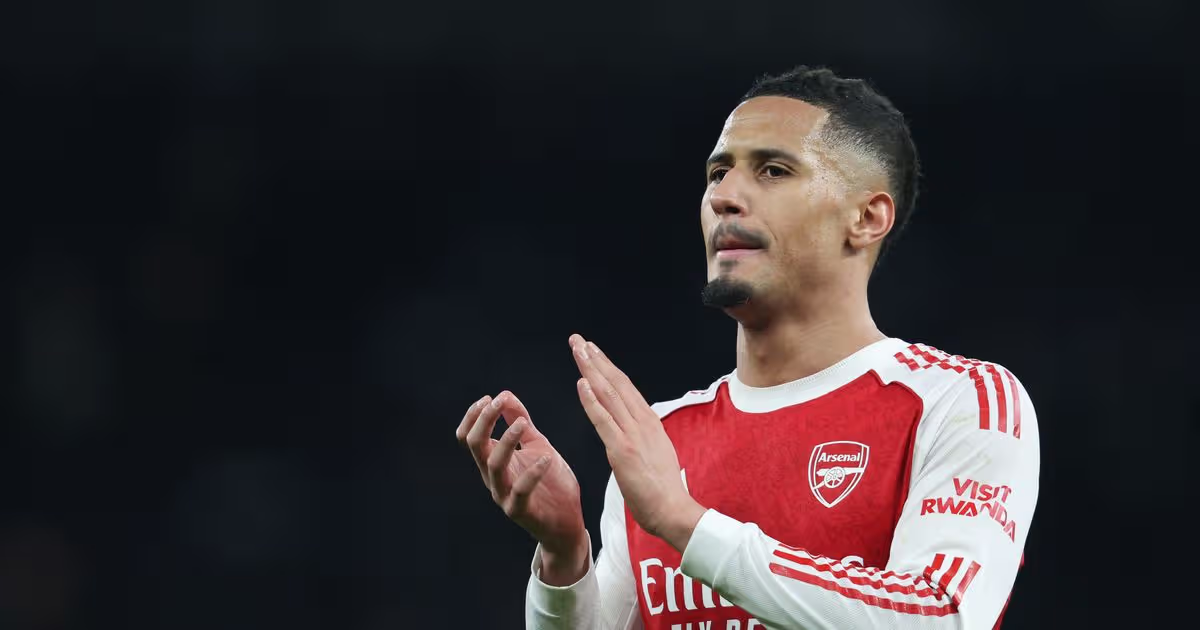
Mikel Arteta offers fresh William Saliba injury update as Arsenal star sidelined


-

 Politics4 days ago
Alan Cumming Brands Baftas Ceremony A ‘Triggering S**tshow’
-

 Tech6 days ago
Unihertz’s Titan 2 Elite Arrives Just as Physical Keyboards Refuse to Fade Away
-
Business19 hours ago
Form 8K Entergy Mississippi LLC For: 6 March
-

 NewsBeat7 days ago
Abusive parents will now be treated like sex offenders and placed on a ‘child cruelty register’ | News UK
-

 Fashion15 hours ago
Weekend Open Thread: Ann Taylor
-
 NewsBeat7 days ago
Dubai flights cancelled as Brit told airspace closed ’10 minutes after boarding’
-
 NewsBeat7 days ago
The empty pub on busy Cambridge road that has been boarded up for years
-

 NewsBeat6 days ago
‘Significant’ damage to boarded-up Horden house after fire
-

 Tech2 days ago
Bitwarden adds support for passkey login on Windows 11
-

 Entertainment5 days ago
Baby Gear Guide: Strollers, Car Seats
-
 Sports2 days ago
499 runs and 34 sixes later, India beat England to enter T20 World Cup final | Cricket News
-
 NewsBeat6 days ago
Emirates confirms when flights will resume amid Dubai airport chaos
-
Politics6 days ago
FIFA hypocrisy after Israel murder over 400 Palestinian footballers
-

 NewsBeat5 days ago
Is it acceptable to comment on the appearance of strangers in public? Readers discuss
-

 Tech6 days ago
Viral ad shows aged Musk, Altman, and Bezos using jobless humans to power AI
-

 Video5 days ago
How to Build Finance Dashboards With AI in Minutes
-

 Fashion6 days ago
On the Scene at the 57th Annual NAACP Image Awards: Teyana Taylor in Black Ashi Studio, Colman Domingo in Yellow Sergio Hudson, Chloe Bailey in Christian Siriano, and More!
-

 Business3 days ago
Guthrie Disappearance Enters Fifth Week as Family Visits Memorial
-
 NewsBeat5 days ago
Ukraine-Russia war latest: Belgium releases video showing forces boarding Russian shadow fleet oil tanker
-
 Crypto World6 days ago
US Judge Lets Binance Unregistered Token Class Action Proceed